
There’s something powerful about standing in a place that people have called sacred for centuries. It doesn’t matter what you believe. You can feel the history in the stone, the air, and the quiet movements of the people around you. In this article, we'll talk about the 15 most stunning spiritual sites across the globe. These are places that draw pilgrims, travelers, and curious minds year after year.
You don’t have to travel to all of them to feel their impact. Visiting can shift your perspective. They’re not perfect places, and they’re not frozen in time. They’re living spaces tied to real communities. And that’s what makes them great. They continue to matter, year after year, to people searching for meaning in their own way.
Angkor Wat, Cambodia

Angkor Wat rises from the Cambodian plain as a vast temple complex surrounded by a broad moat and towering stone galleries. Built in the 12th century for the Hindu god Vishnu and later embraced by Buddhists, it mirrors the cosmic Mount Meru through tiered towers and symmetrical courtyards. Bas‑reliefs stretch for hundreds of meters, depicting epics such as the Ramayana and Mahabharata in remarkable detail. At dawn, the central spires silhouette against a pink sky, reflected in still water. Pilgrims light incense beneath carved apsaras, while monks in saffron robes move quietly through corridors etched with centuries of devotion.
Machu Picchu, Peru

High in the Andes, Machu Picchu crowns a narrow ridge above the Urubamba River, wrapped in drifting clouds and steep green peaks. Constructed in the 15th century under Inca ruler Pachacuti, the stone city aligns with celestial events and sacred mountain spirits known as apus. Terraces cascade down the slopes, stabilizing the land while creating agricultural platforms. The Temple of the Sun curves around a carved rock altar, capturing solstice light through a precise window. Granite blocks fit tightly without mortar, revealing masterful engineering. Today, visitors walk ancient paths once used by priests and nobles, sensing reverence embedded within every stairway.
Varanasi (Ganges River Ghats), India
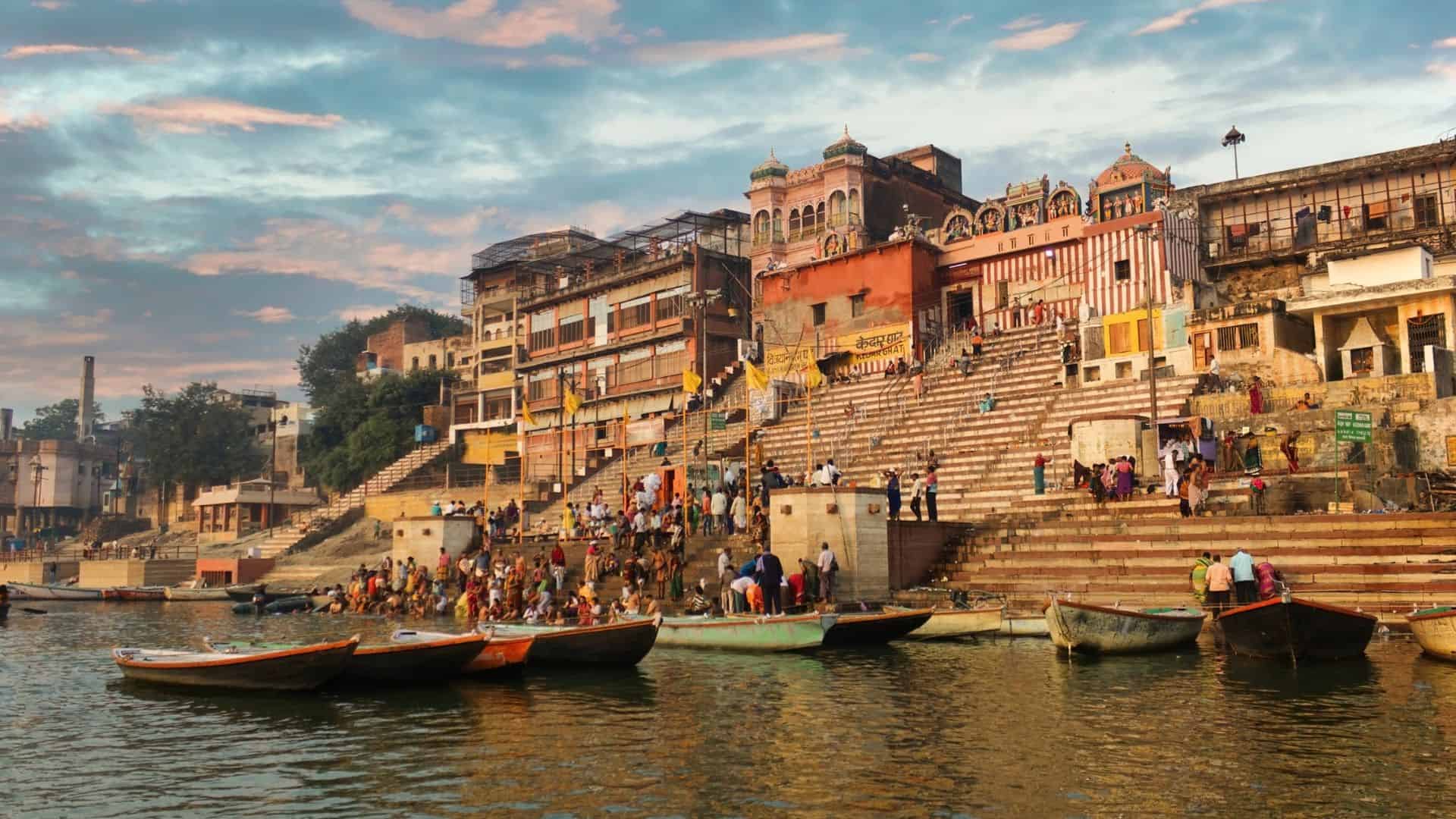
Varanasi stands along the Ganges as one of the oldest continuously inhabited cities on Earth. Stone ghats descend to the river, where pilgrims bathe at sunrise, chanting mantras as bells ring from nearby shrines. Hindus believe dying here grants liberation from the cycle of rebirth, and cremation fires burn day and night at Manikarnika Ghat. Narrow lanes weave through markets, temples, and ashrams, carrying scents of incense and marigolds. The river itself is revered as the goddess Ganga, both purifier and mother. Evening aarti ceremonies fill the riverfront with lamps, music, and rhythmic prayer.
Mount Kailash, Tibet
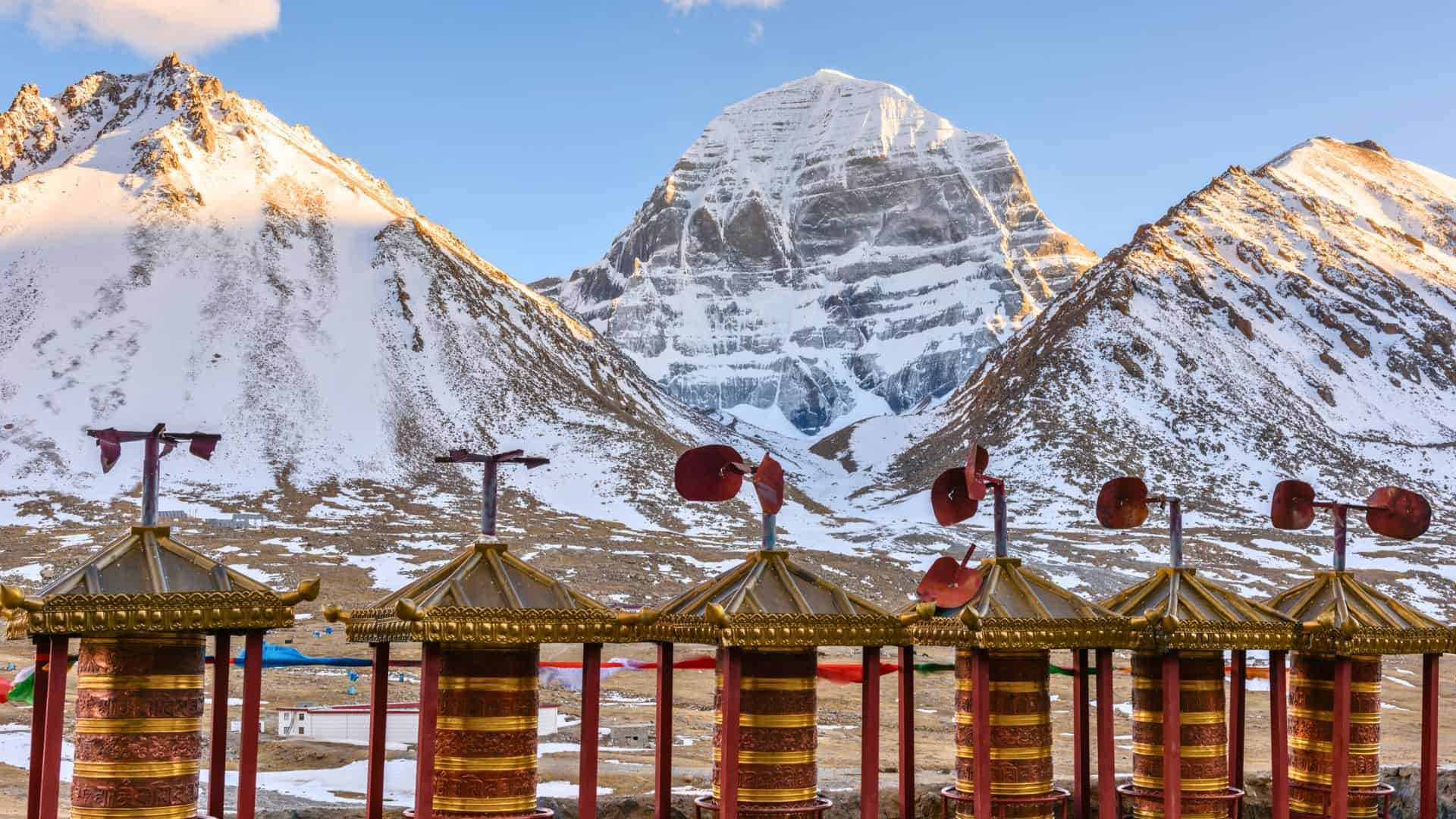
Mount Kailash rises alone on the Tibetan Plateau, its near‑perfect pyramid shape capped with snow. Though not the tallest Himalayan peak, it holds profound meaning for Hindus, Buddhists, Jains, and followers of Bon. Many believe it to be the axis mundi, a spiritual center linking heaven and earth. Pilgrims undertake the kora, a demanding 52‑kilometer trek around the mountain at high altitude, often prostrating along the path. Prayer flags snap in thin air, and turquoise lakes shimmer nearby. Climbing is forbidden out of reverence, preserving the mountain as a sacred presence rather than a conquered summit.
Borobudur, Indonesia
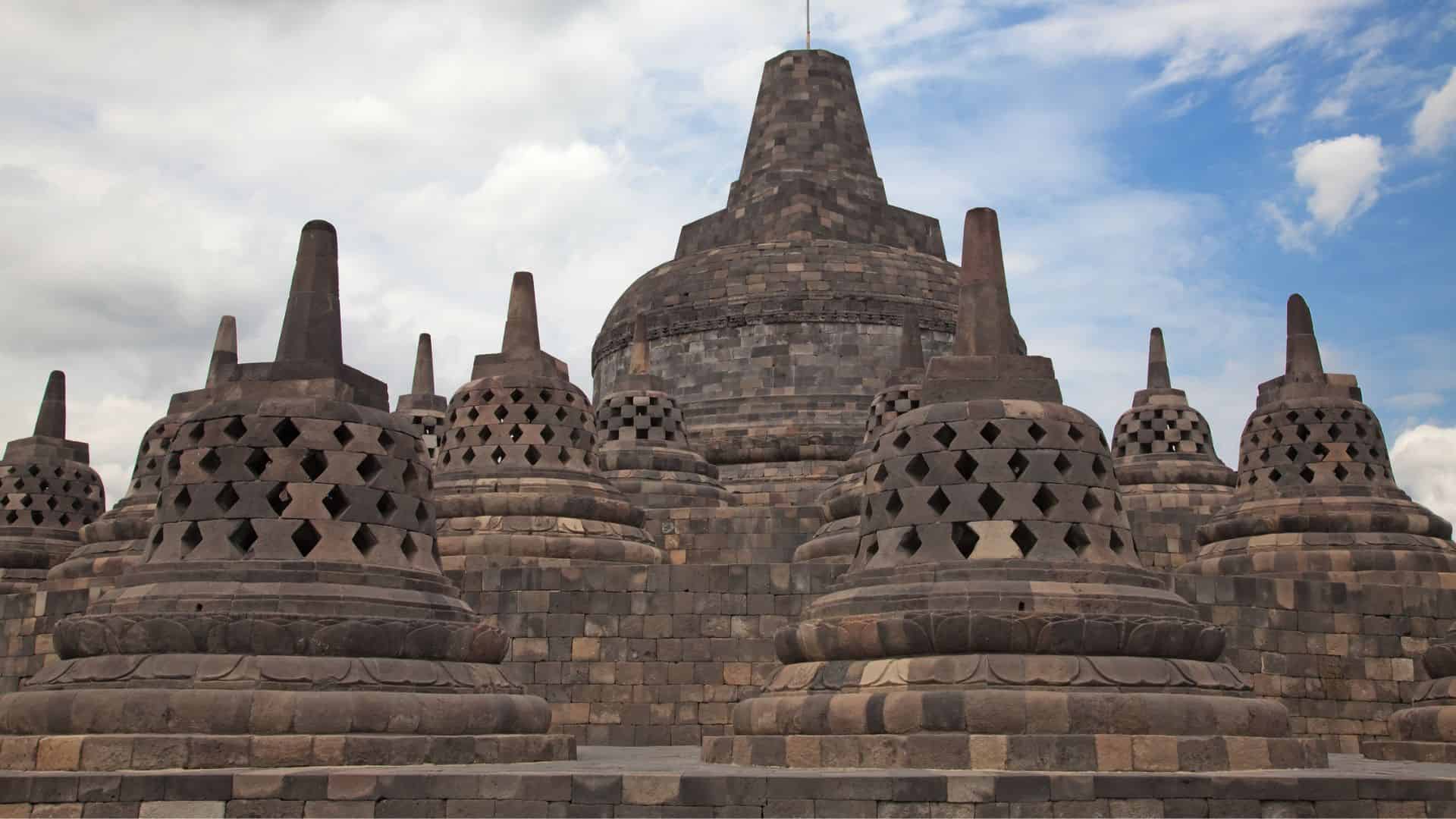
Borobudur emerges from central Java like a vast stone mandala, built in the 9th century during the Sailendra dynasty. The monument consists of nine stacked platforms crowned by a central dome, symbolizing the Buddhist path from desire to enlightenment. More than 2,600 relief panels narrate the life of the Buddha and moral teachings, carved with intricate precision. Seventy‑two perforated stupas encircle the upper terraces, each containing a serene Buddha statue. At sunrise, mist drifts across surrounding volcanoes and palm forests, framing the temple in shifting light. Pilgrims circumambulate clockwise, ascending gradually toward quiet contemplation.
Jerusalem (Old City)
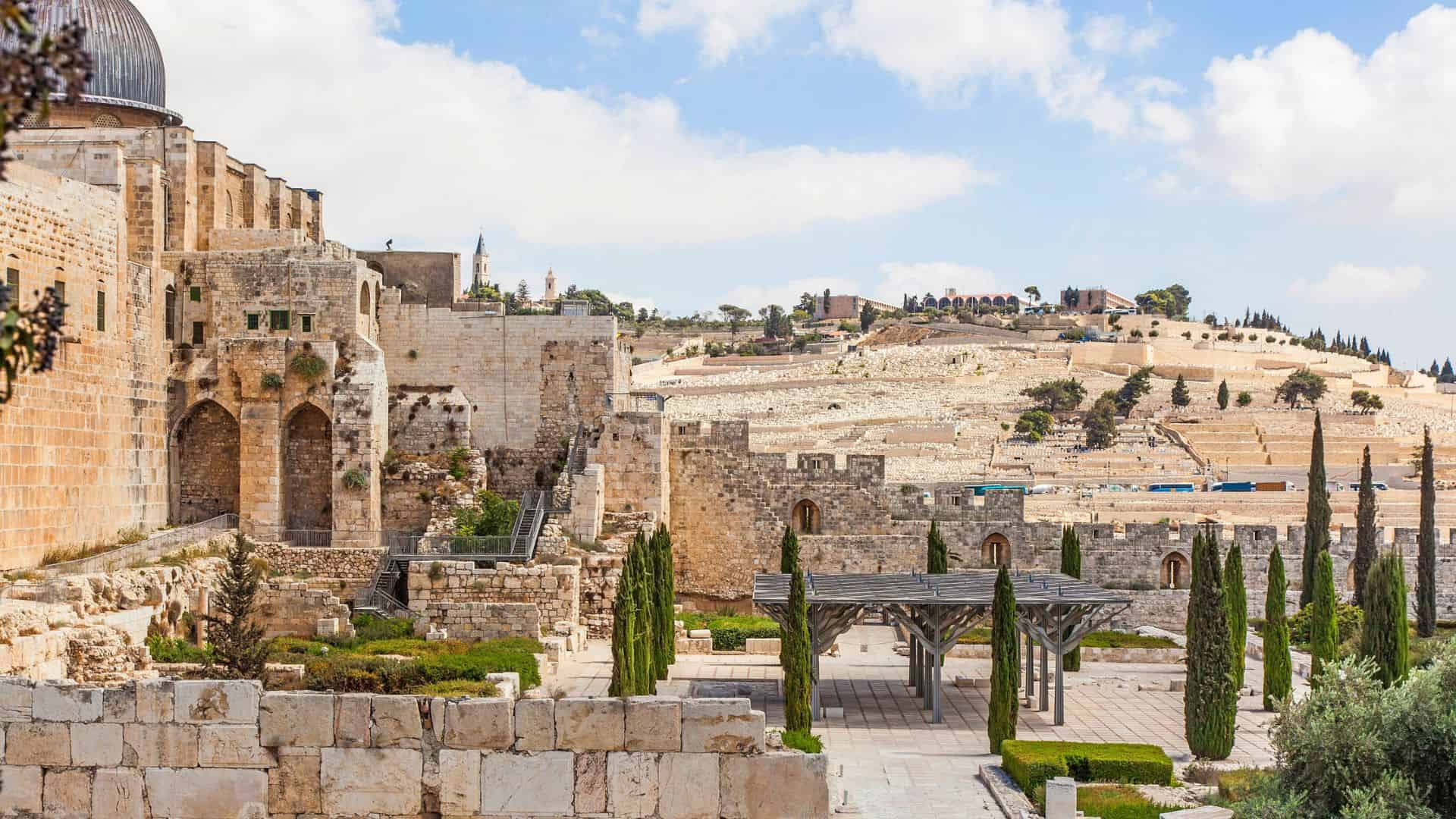
Within Jerusalem’s Old City walls lie sacred spaces central to Judaism, Christianity, and Islam. The Western Wall stands as a remnant of the Second Temple, where Jewish worshippers press written prayers between ancient stones. Nearby, the Church of the Holy Sepulchre marks the site many Christians revere as the location of Jesus’ crucifixion and resurrection. The Dome of the Rock crowns the Temple Mount, its golden dome visible across the skyline, while Al‑Aqsa Mosque draws Muslim faithful. Narrow streets carry centuries of history layered through conquests and devotion, making the city a crossroads of faith and longing.
Mecca (Masjid al‑Haram), Saudi Arabia
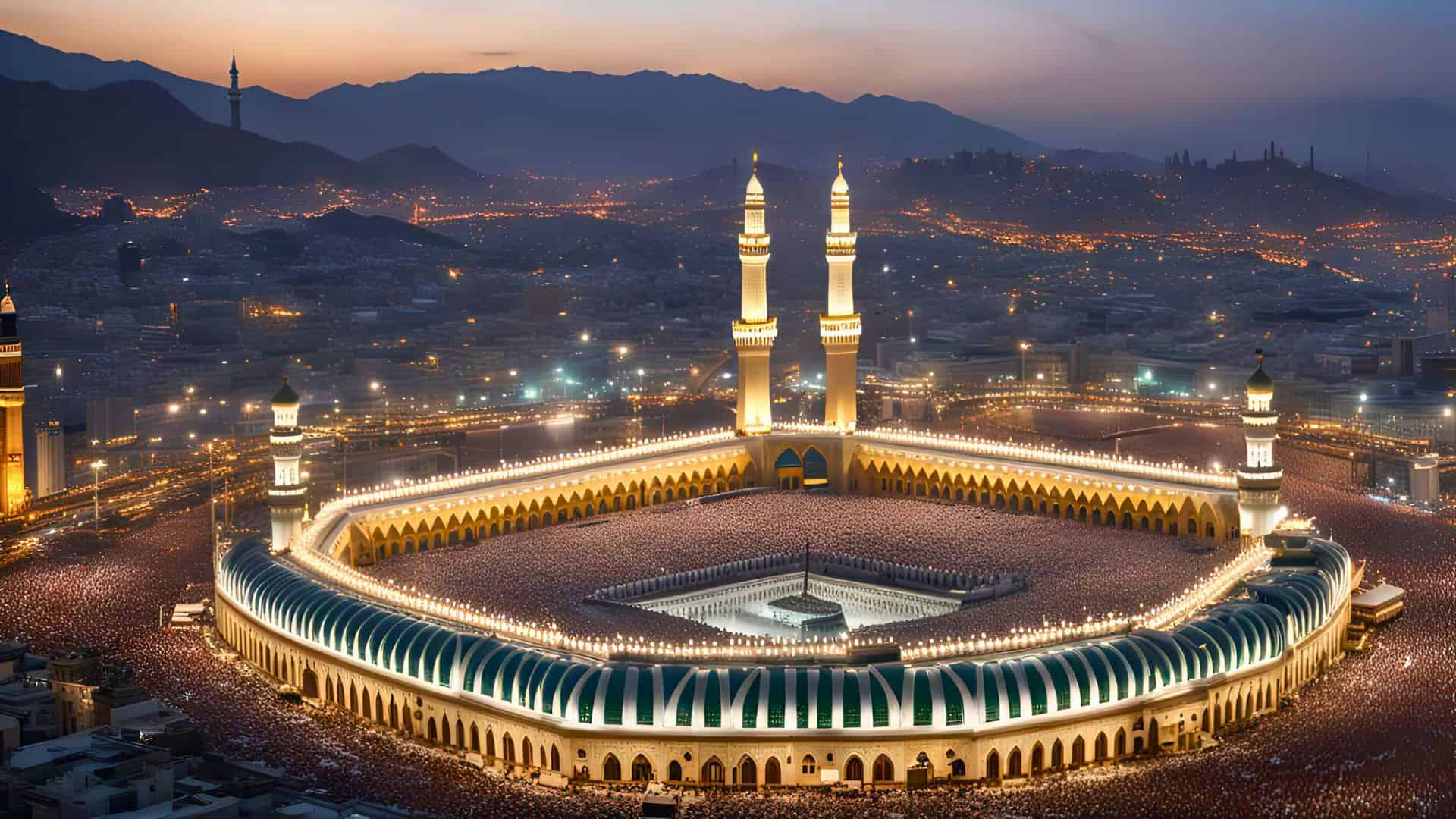
Mecca centers on Masjid al‑Haram, the Grand Mosque that surrounds the Kaaba, a cubic structure draped in black cloth embroidered with gold calligraphy. Muslims believe the Kaaba was established by Prophet Ibrahim and his son Ismail as a house of monotheistic worship. During Hajj and throughout the year, pilgrims perform tawaf, circling the Kaaba in unified motion, reciting prayers in many languages. The mosque’s vast marble courtyards accommodate millions, yet moments of quiet reflection still arise amid the movement. For Muslims worldwide, facing the Kaaba during daily prayer anchors spiritual life across continents.
Golden Temple (Harmandir Sahib), India
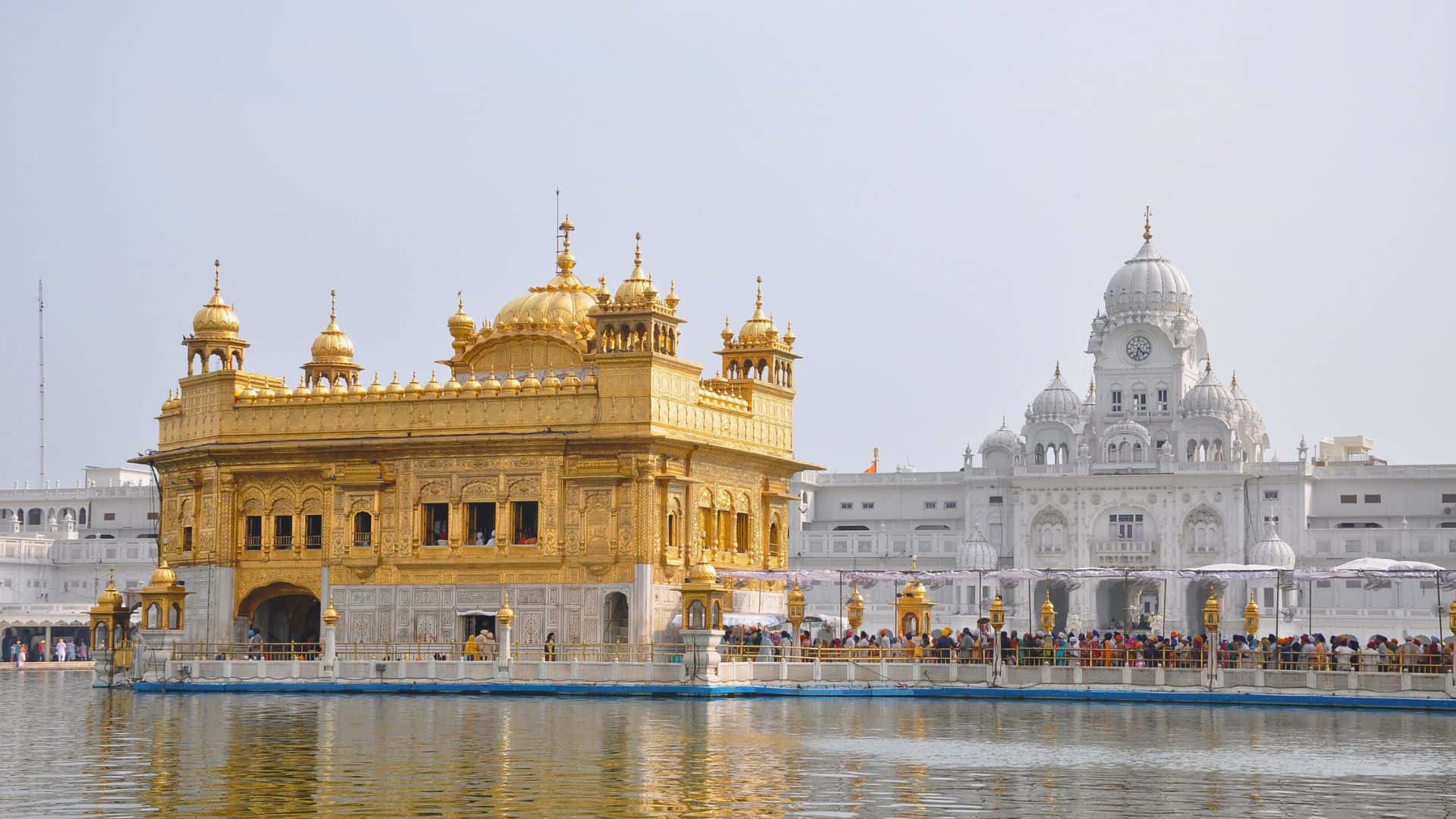
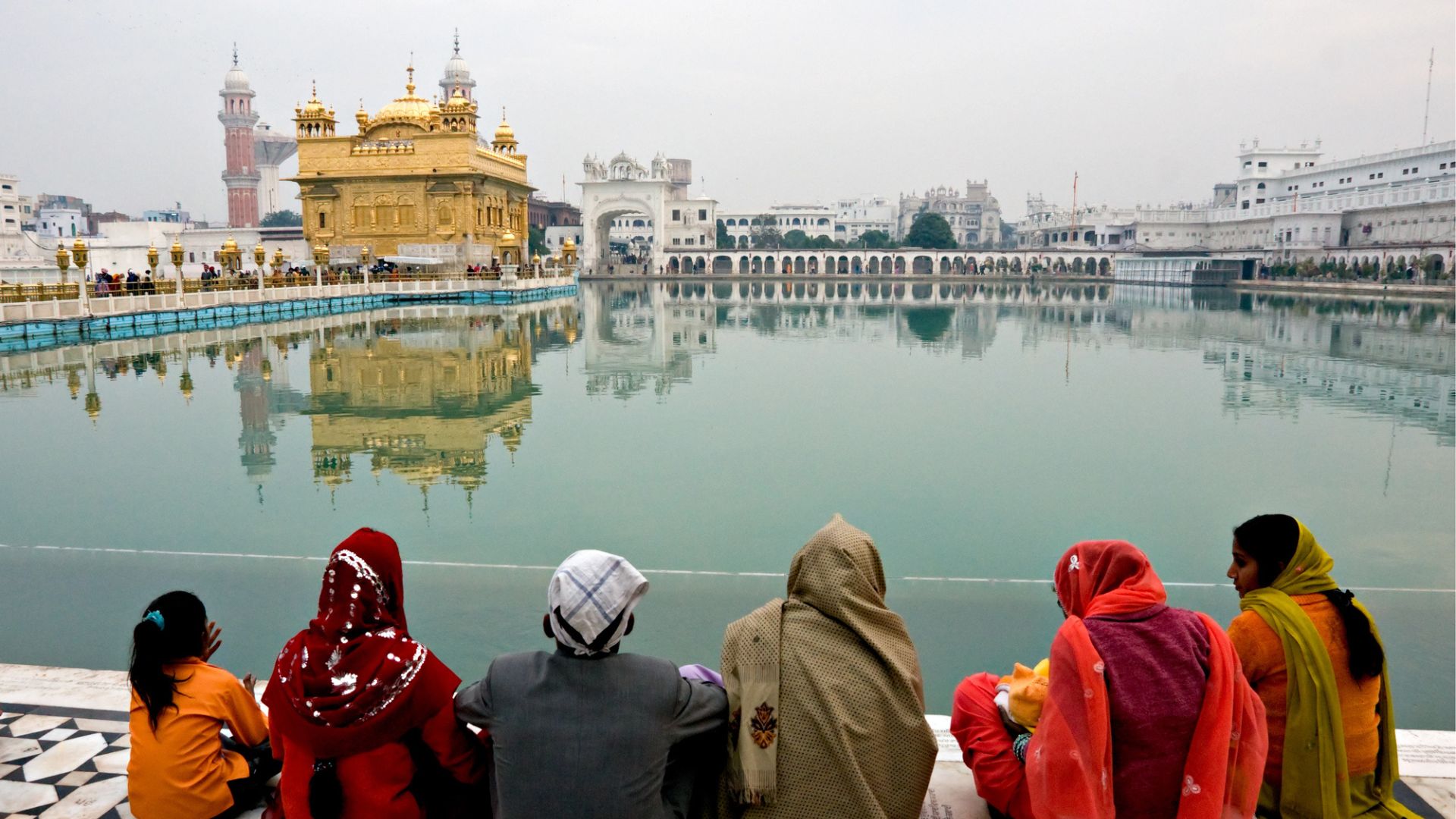
Set at the center of a sacred pool in Amritsar, this radiant shrine represents the spiritual heart of Sikhism. Its gilded upper levels shimmer in daylight and glow softly after sunset, reflected in the surrounding water known as the Amrit Sarovar. Completed in the 16th century and later adorned with gold, the structure welcomes people of every background through four entrances symbolizing openness. Inside, the Guru Granth Sahib is recited continuously, accompanied by live devotional music. Pilgrims walk clockwise along the marble causeway, while volunteers prepare thousands of free meals daily in the vast community kitchen.
Chartres Cathedral, France
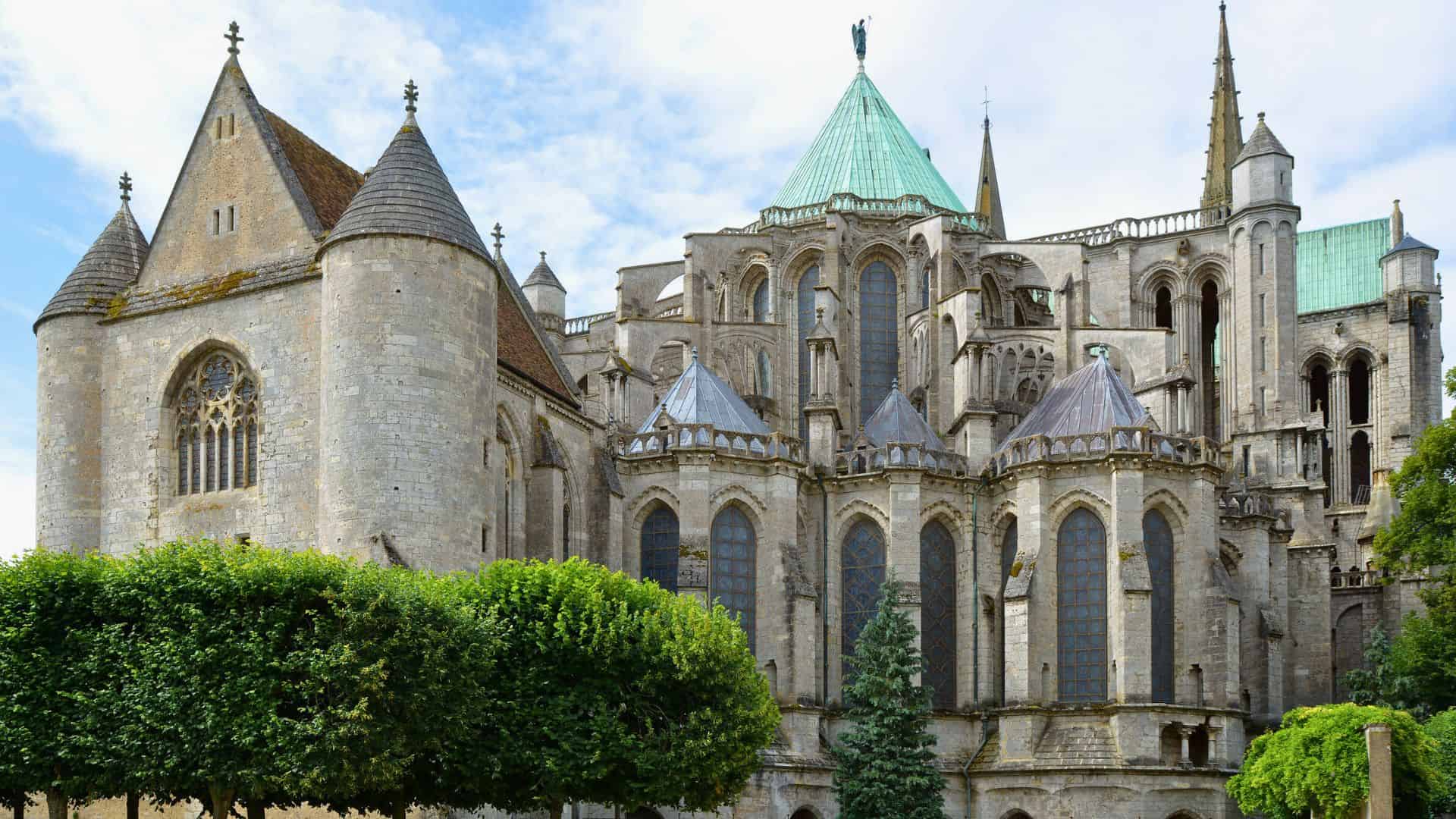
Rising above the French countryside, this Gothic masterpiece has drawn pilgrims since the 12th century. Twin spires frame a façade filled with sculpted biblical figures, each carved with expressive detail. Inside, shafts of colored light filter through renowned stained‑glass windows, many dating back to the medieval period. The labyrinth set into the stone floor invites contemplative walking, symbolizing a spiritual journey toward divine truth. Despite fires and wars, much of the original glass survives, preserving deep blues and reds that bathe the nave in shifting hues. Quiet reverence lingers beneath its soaring vaulted ceilings.
Want to save this?
Uluru (Ayers Rock), Australia
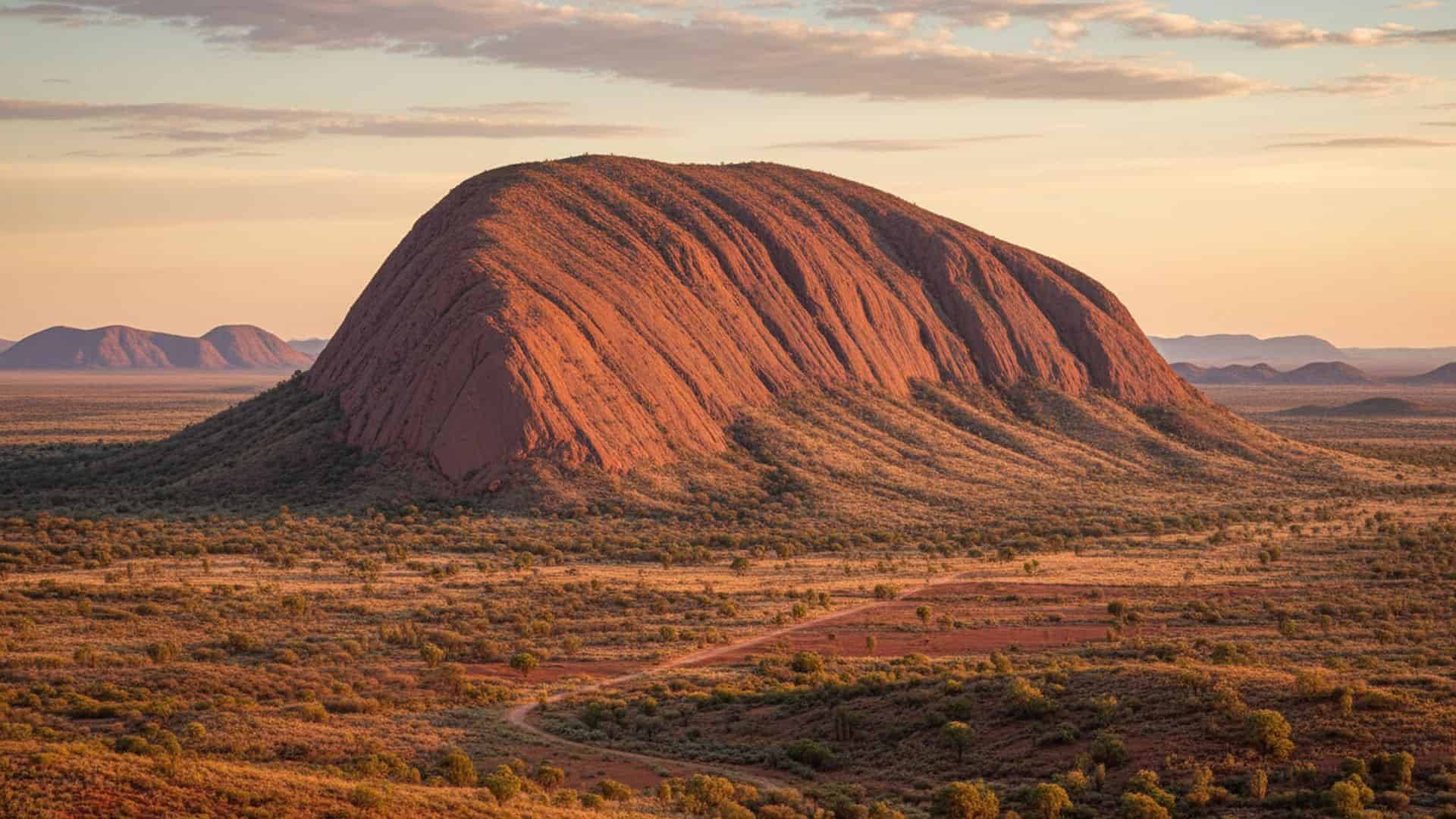
Across Australia’s central desert, a massive sandstone monolith rises from flat red earth, shifting in color with the arc of the sun. For the Anangu people, this formation holds ancestral stories embedded within its caves, fissures, and surface markings. Sacred sites around its base connect to Tjukurpa, the foundational law and creation narrative guiding cultural life. Climbing has been permanently closed out of respect for Indigenous wishes. Visitors now walk around the perimeter, guided by rangers who share ecological and cultural knowledge. At dusk, the rock deepens from ochre to crimson beneath vast open skies.
Bagan Temples, Myanmar
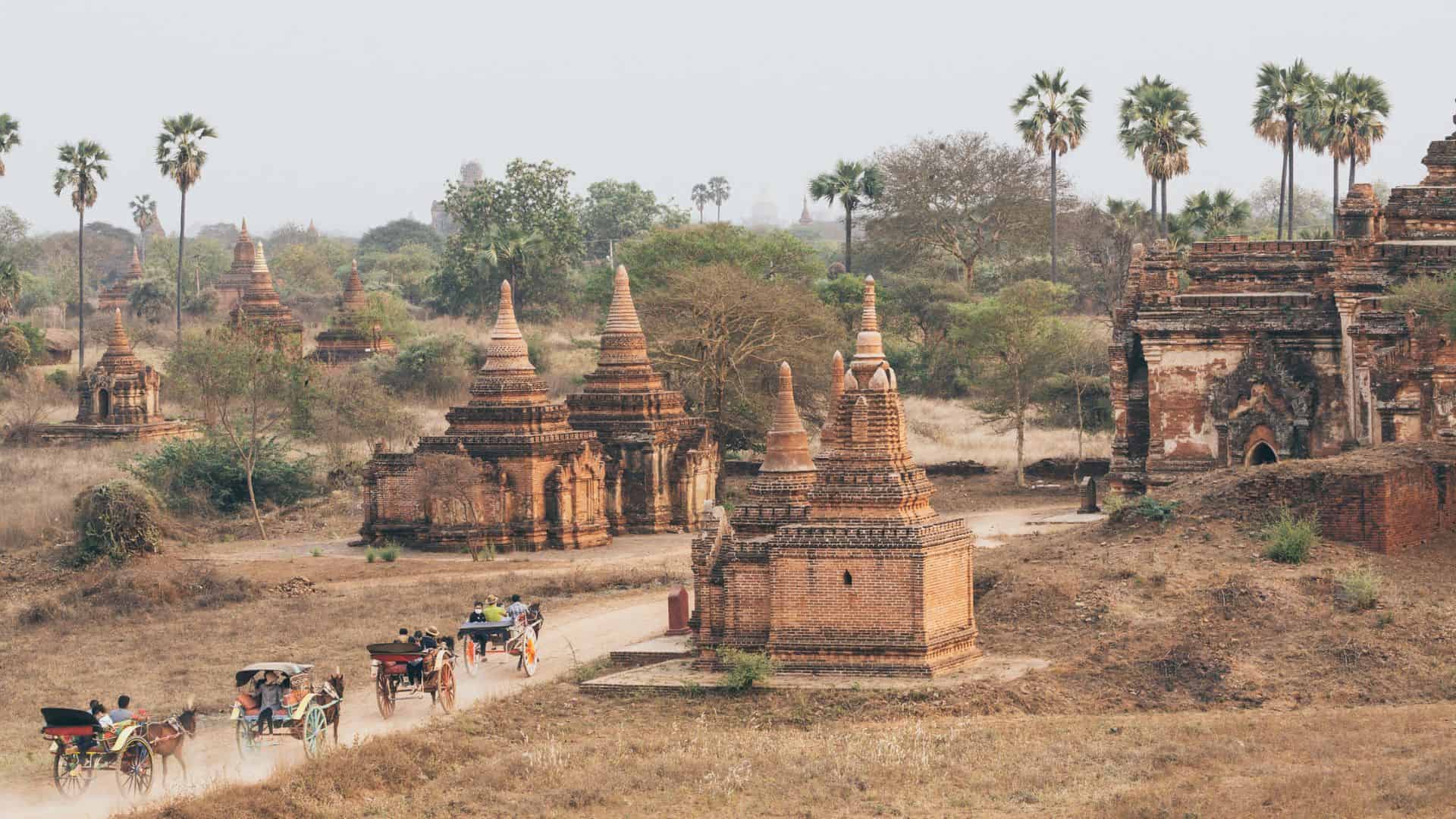
Stretching across a broad plain beside the Irrawaddy River, thousands of brick stupas and temples rise from fields and groves. Constructed between the 11th and 13th centuries, these monuments reflect the devotion of Burmese kings who sought merit through sacred architecture. Some structures stand massive and solid, while others contain murals depicting scenes from the Jataka tales. At dawn, hot air balloons drift above the landscape as mist curls among spires. Monks and villagers still gather for prayer within active shrines, maintaining continuity between past and present in this expansive sacred terrain.
Lalibela Rock‑Hewn Churches, Ethiopia
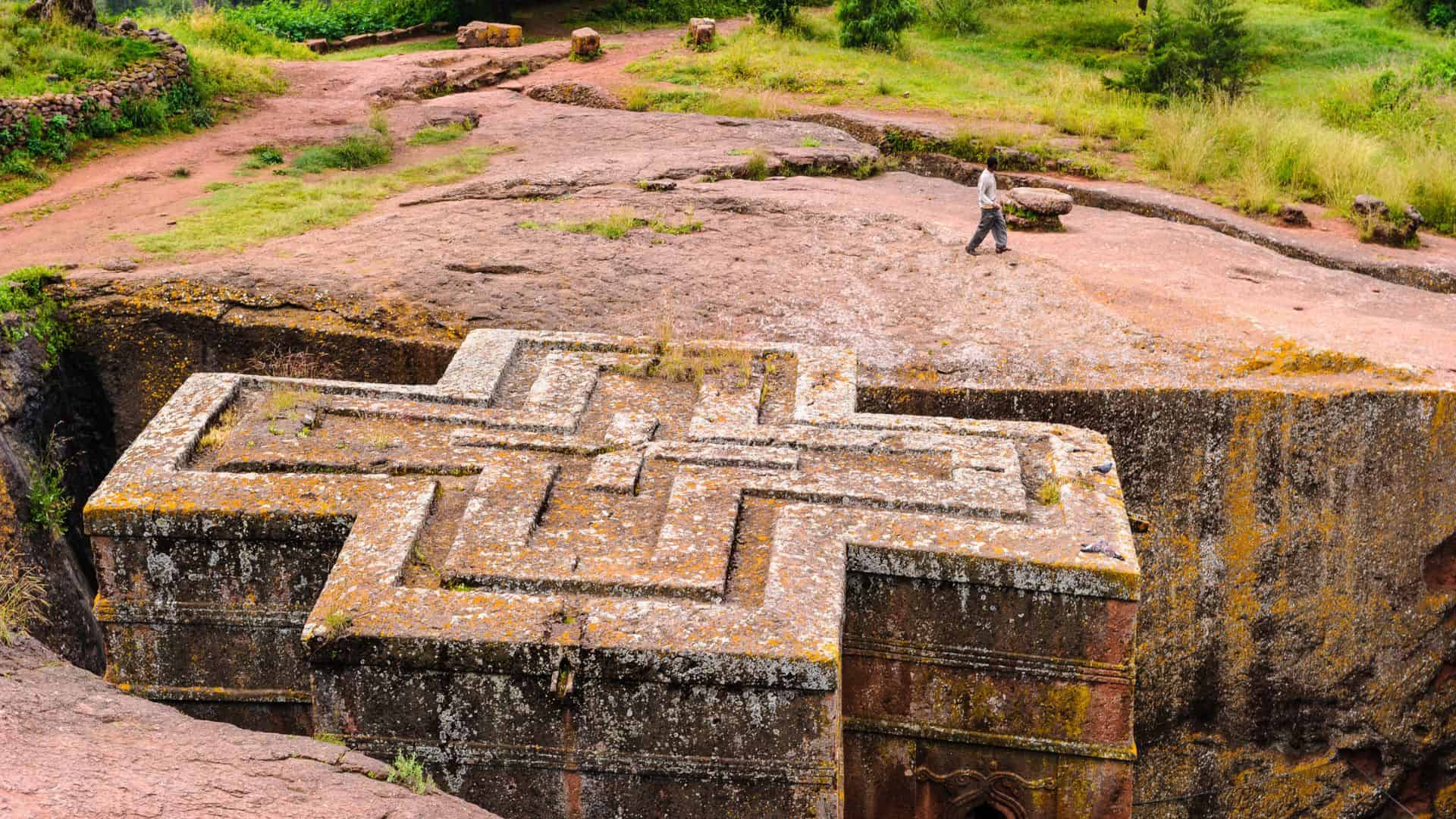
Carved directly into volcanic rock during the 12th and 13th centuries, these Ethiopian churches form a subterranean complex unlike conventional architecture. Passageways and trenches connect monolithic structures shaped from the living stone, each with carved windows and symbolic reliefs. King Lalibela commissioned the site as a “New Jerusalem” for pilgrims unable to travel to the Holy Land. Worship continues within dim interiors lit by candles and filtered daylight. Priests in white robes chant ancient liturgies in Ge’ez, while pilgrims kiss stone walls polished smooth by centuries of devotion and touch.
Mount Sinai, Egypt
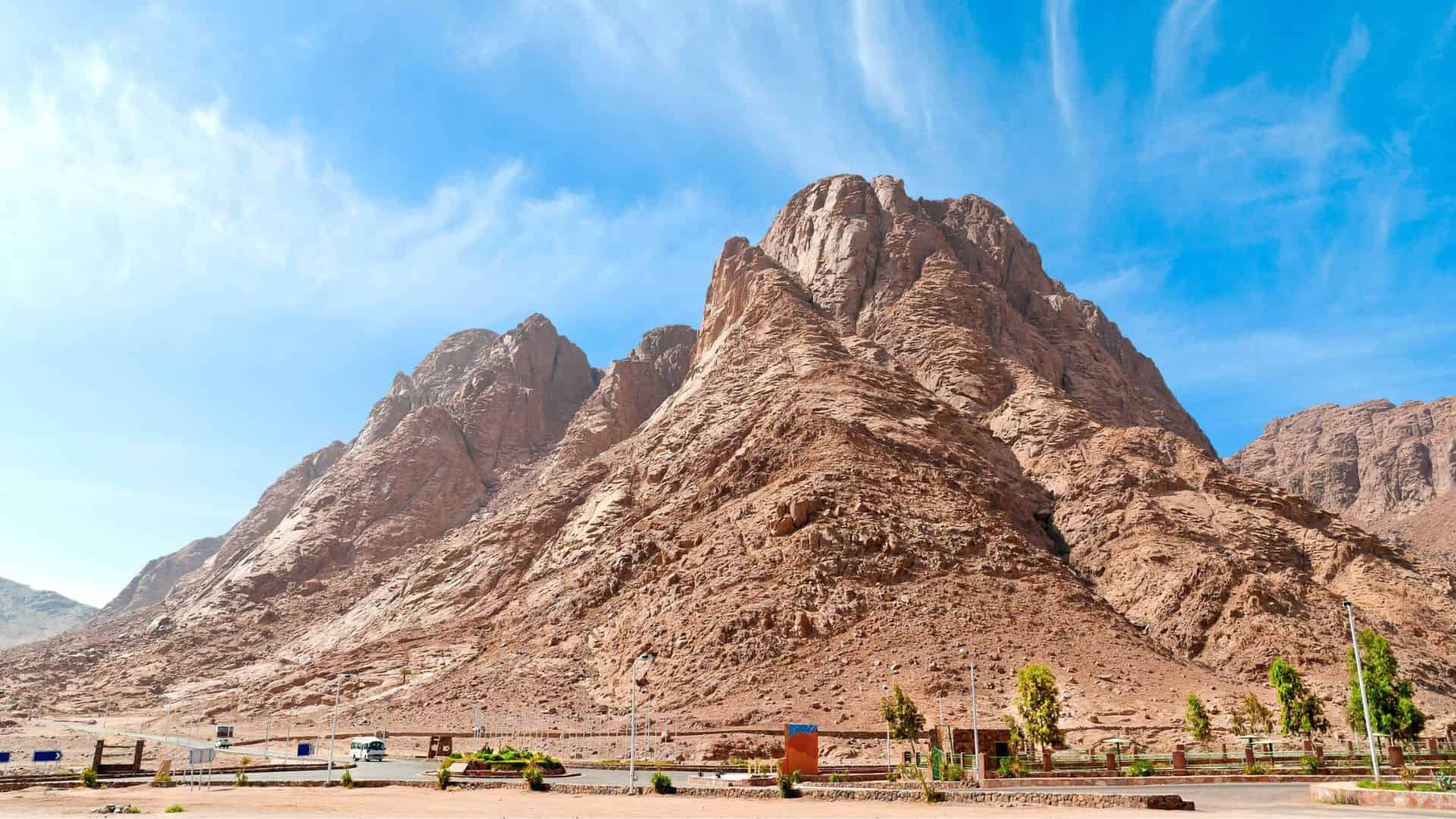
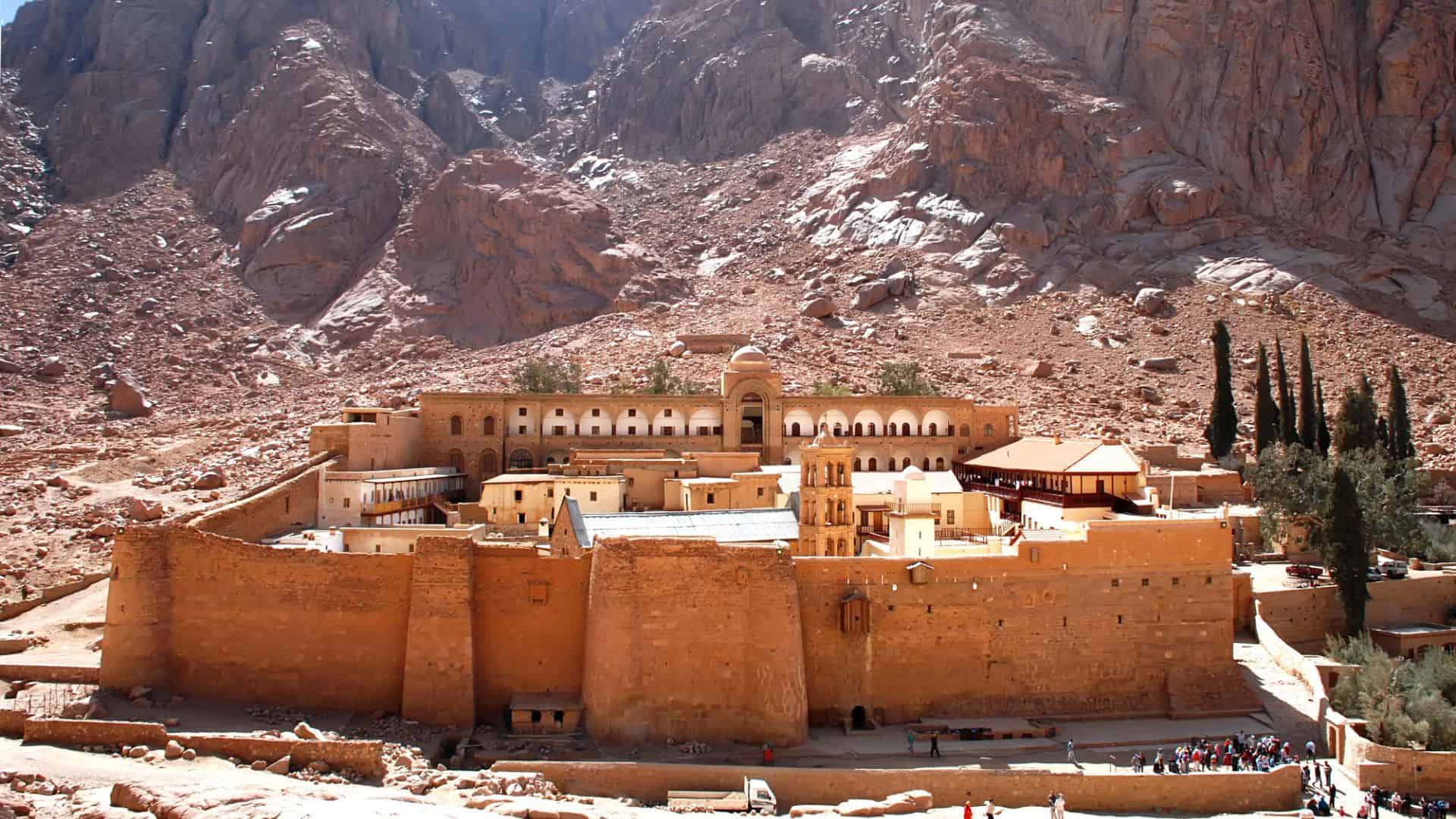
In the rugged landscape of Egypt’s Sinai Peninsula stands a granite peak long associated with the biblical story of Moses receiving the Ten Commandments. Pilgrims ascend before dawn by foot or camel, climbing thousands of steps carved into rock. At the summit, small chapels mark locations tied to sacred tradition. Below lies Saint Catherine’s Monastery, one of the world’s oldest continuously operating Christian monasteries, housing treasured manuscripts and icons. Sunrise casts pale gold light across surrounding mountains, drawing silence from gathered travelers who reflect on covenant, revelation, and enduring faith.
Potala Palace, Tibet
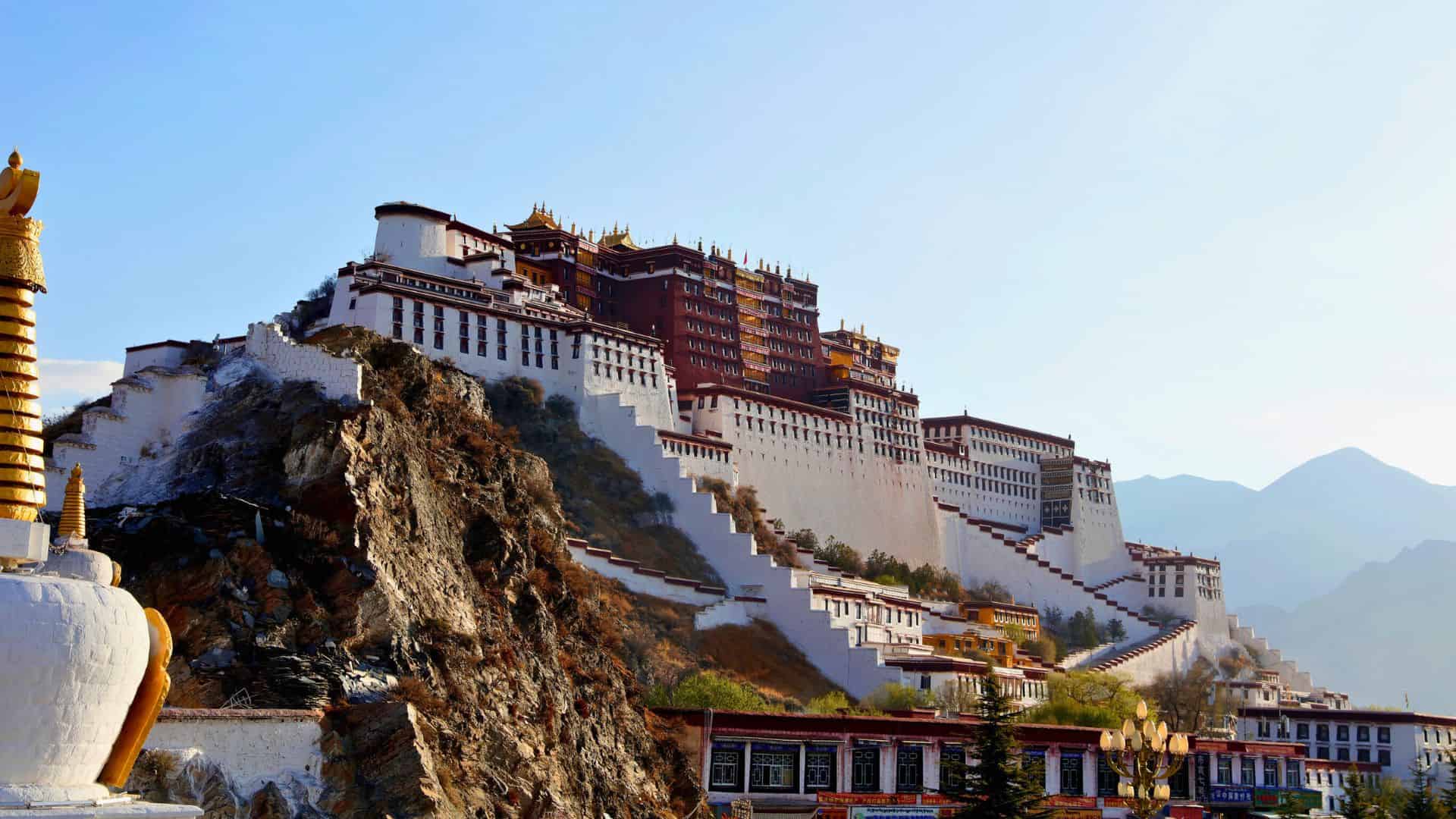
Perched high above Lhasa on Marpo Ri hill, this vast white‑and‑crimson palace once served as the winter residence of the Dalai Lama. Constructed in the 17th century atop earlier foundations, its layered walls and golden roofs dominate the skyline. Inside, labyrinthine corridors lead to chapels, tomb stupas, and assembly halls adorned with murals and sacred texts. Pilgrims circle the hill along a kora path, spinning prayer wheels while murmuring mantras. Though now a museum, the structure remains a powerful symbol of Tibetan Buddhism and cultural identity amid sweeping Himalayan vistas.
Sedona (Red Rock Vortex Sites), USA
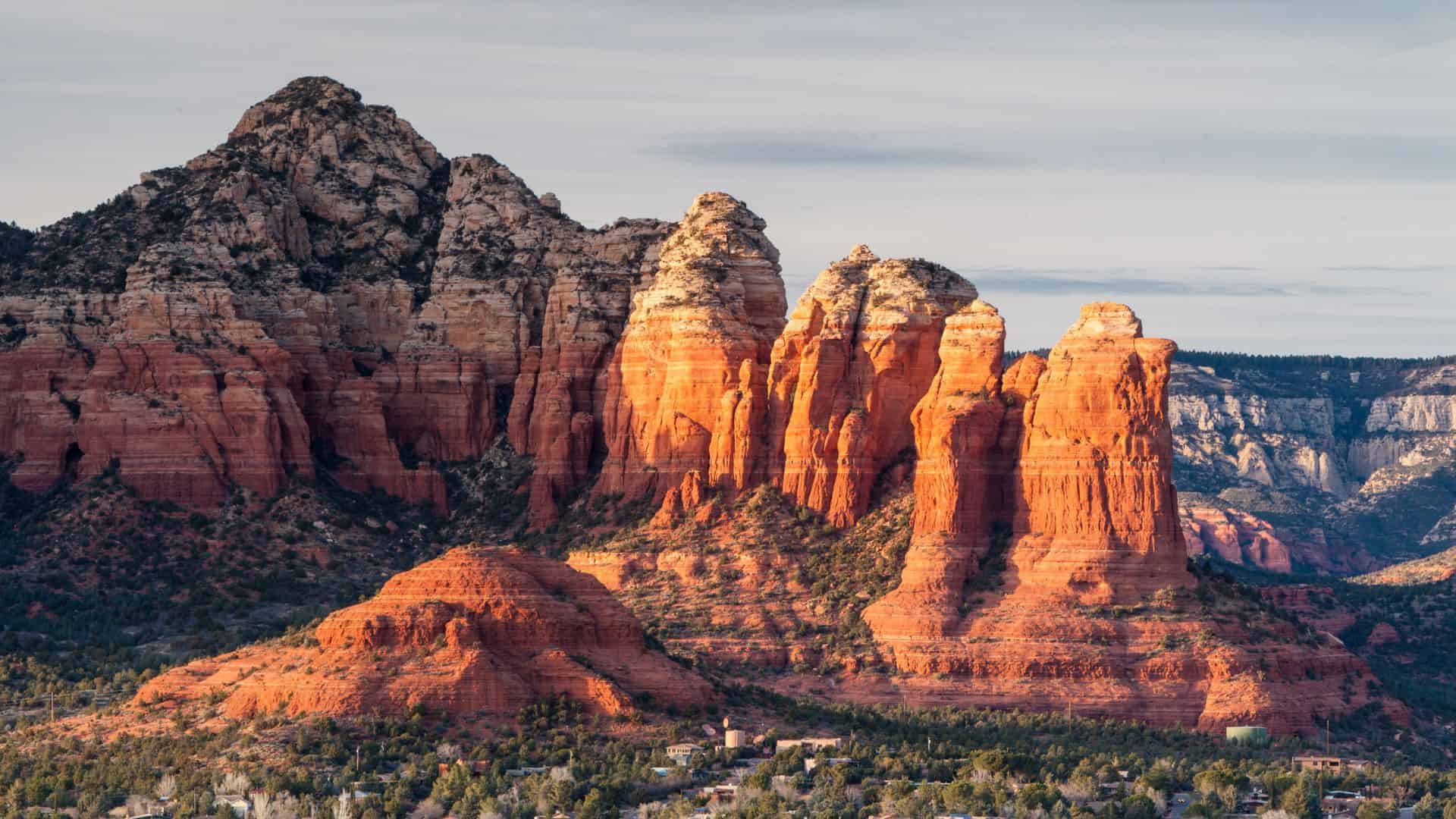
Amid Arizona’s high desert, towering red sandstone formations frame canyons etched by wind and time. Certain locations, such as Cathedral Rock and Bell Rock, are believed by many to contain vortexes—areas thought to amplify spiritual reflection and subtle energy. Hikers climb steep trails for panoramic views across rust‑colored cliffs and juniper‑dotted valleys. Indigenous tribes, including the Yavapai and Apache, have long regarded the region as sacred land. Meditation circles and quiet contemplation take place at sunrise and sunset, when the rocks glow intensely beneath expansive desert skies.
Passport Ready, Soul Steady
When you look at these places side by side, you start to see a common thread. Different cultures, different beliefs, different landscapes—yet the same human need to connect with something bigger. The 15 most stunning spiritual sites remind us that faith and reflection take many forms. Some people pray. Some sit in silence. Some walk for miles just to stand still for a few minutes. There’s something honest about that effort.
You don’t have to travel to all of them to feel their impact. Reading about them can spark curiosity. Visiting can shift your perspective. They’re not perfect places, and they’re not frozen in time. They’re living spaces tied to real communities. And that’s what makes them great. They continue to matter, year after year, to people searching for meaning in their own way.
12 Most Atmospheric Cities for Gothic and Baroque Architecture
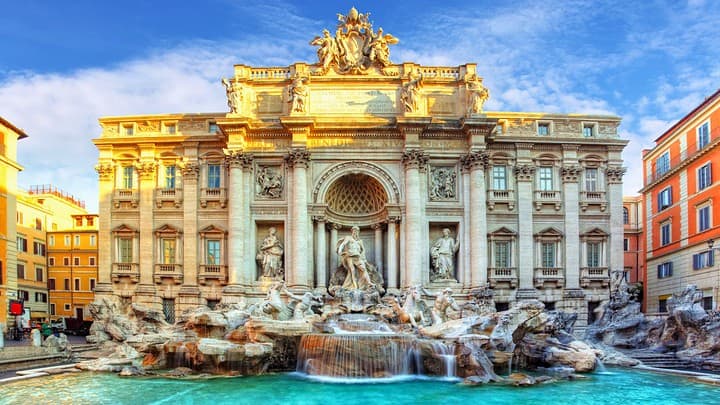
Some cities stand out because of their buildings. You notice it right away when you walk around and see tall churches, detailed facades, and wide public squares. In this article on the 12 most atmospheric cities for Gothic and Baroque architecture, we’re focusing on places where these styles are easy to see and still shape daily life. Gothic architecture is known for pointed arches, tall windows, and detailed stonework. Baroque buildings are larger in scale, with curved lines, domes, and bold decoration.
Read More Here: 12 Most Atmospheric Cities for Gothic and Baroque Architecture
15 Public Squares That Turn City Centers Into Beautiful Spaces
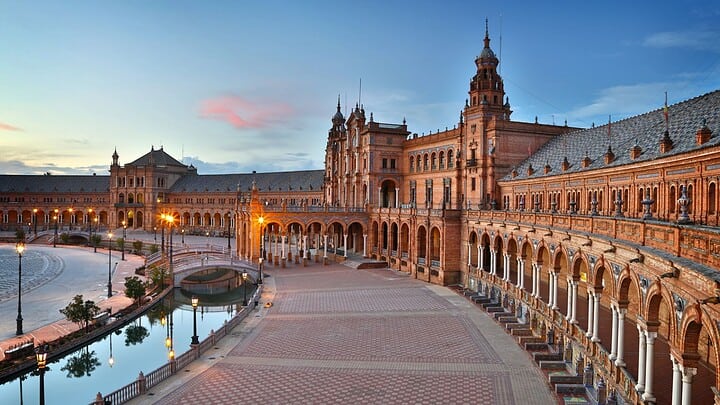
Public squares are where a city shows its real self. This is where people cross paths, pause, argue, laugh, and watch the day move by. You don’t need a plan here; you just show up and let the place do its thing. These 15 public squares tell stories through sound, movement, and how people share the space. Some of them feel loud and busy, while others feel calm and slow.
Read More Here: 15 Public Squares That Turn City Centers Into Beautiful Spaces



Leave a Reply