
Some places make you slow down without trying. Lighthouses do that. They stand where land gives up, watching waves roll by day after day. This piece is about that feeling of standing at the edge, wind in your face, salt in the air, and nothing to rush you. These 13 stunning lighthouses were built to be steady, and they still feel that way now.
If you love wide views and long pauses, you’re in the right spot. This article leans into the calm, the grit, and the beauty of remote coastlines. No hype. Just real places that feel great to look at and even better to think about. Take a breath. Let the noise drop. Stay a minute. It’s an easy read, made for anyone who likes travel stories that don’t talk down to you at all today.
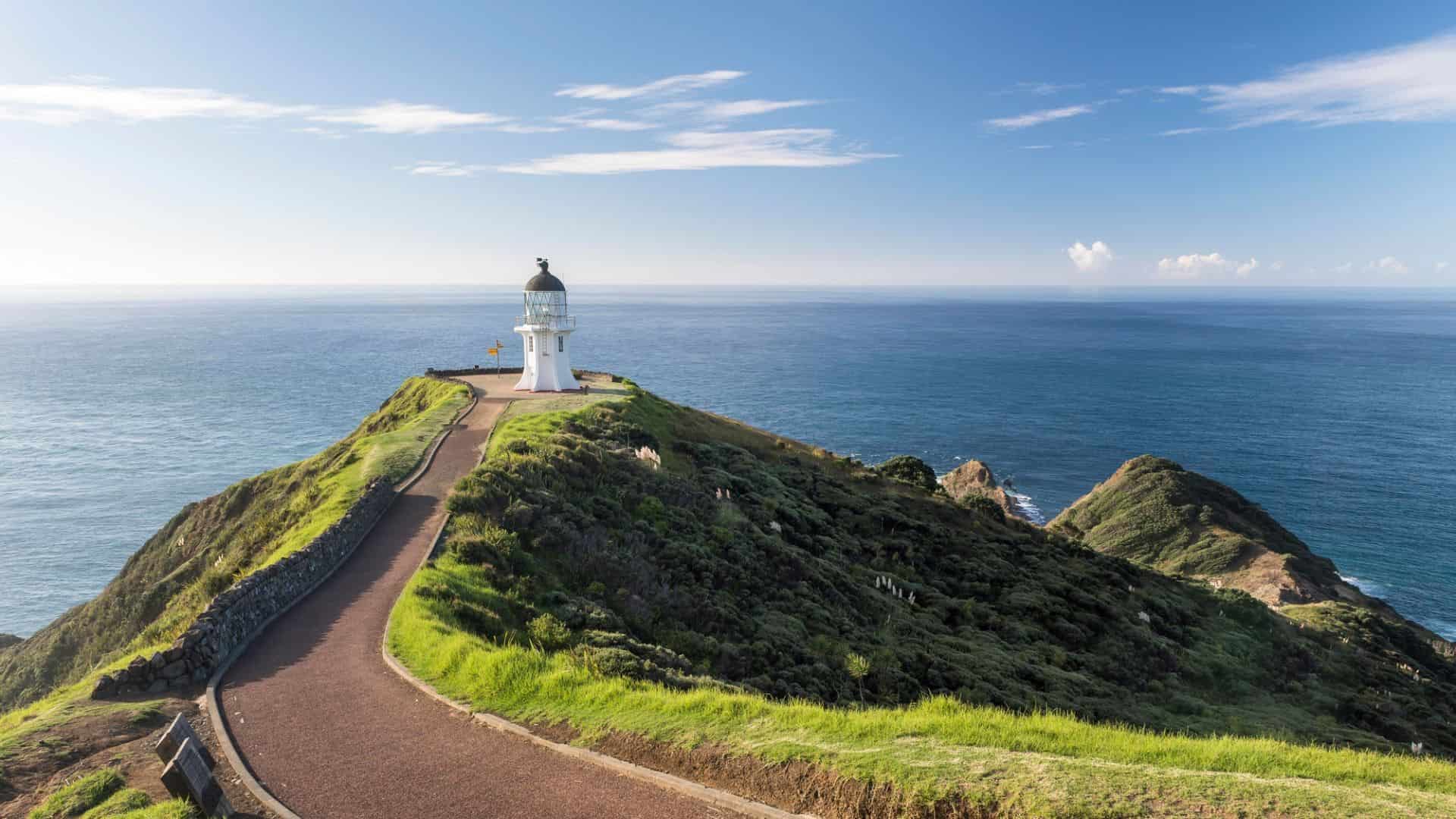
Svörtuloft Lighthouse, Iceland
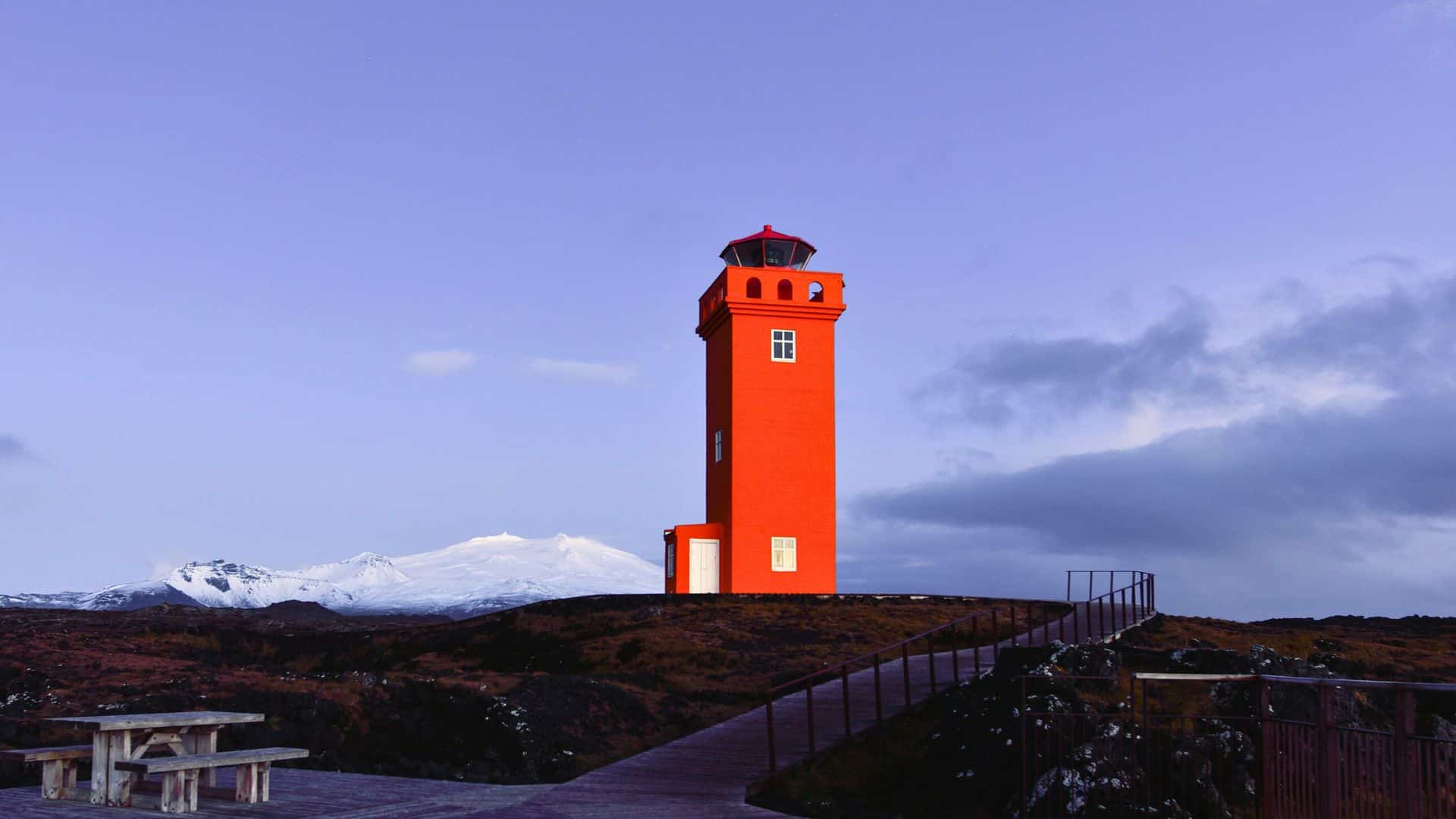
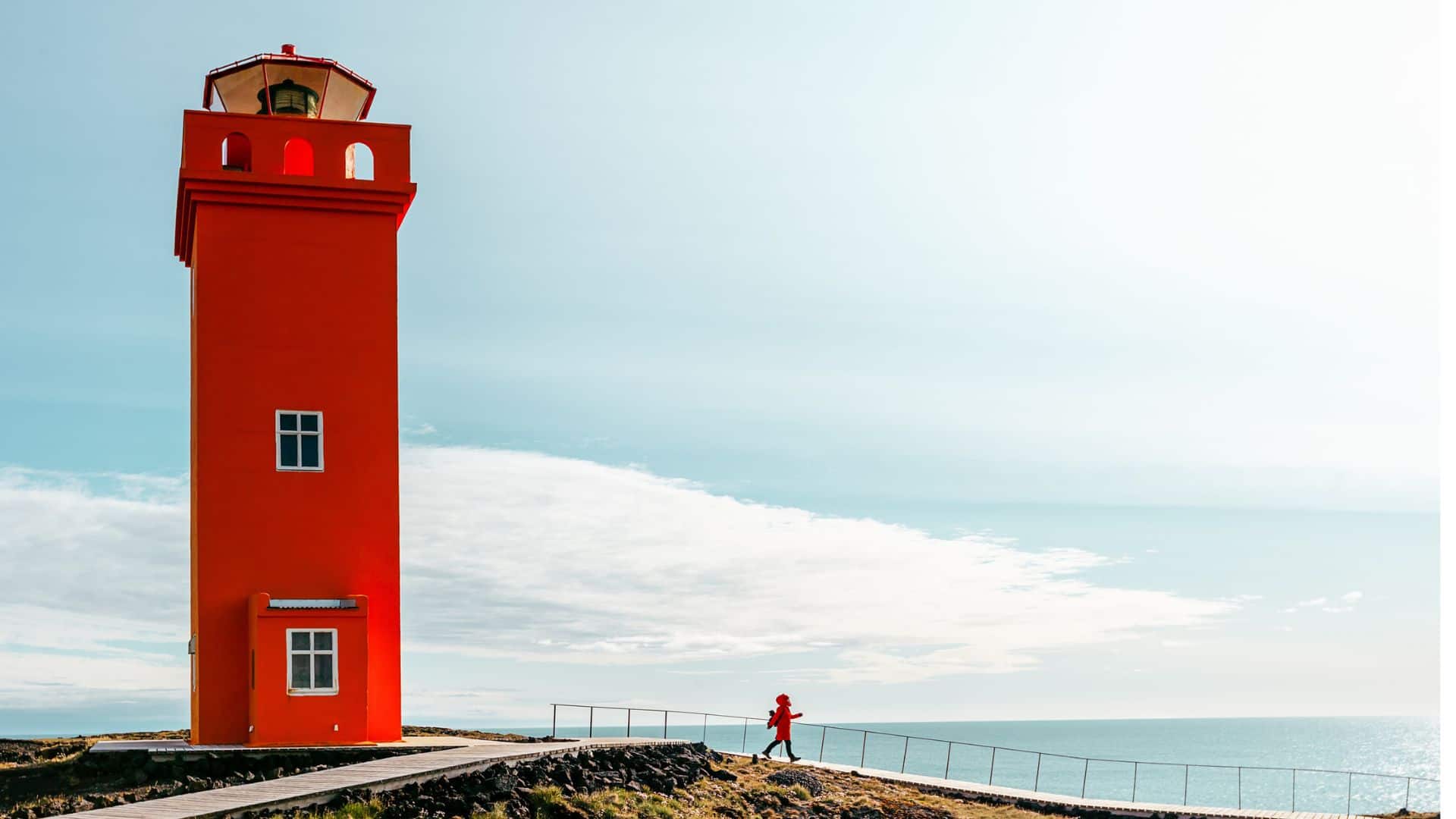
Svörtuloft Lighthouse stands on the western edge of Iceland’s Snæfellsnes Peninsula, facing restless North Atlantic waters. Painted red, it rises from dark basalt cliffs where seabirds circle and waves strike rock. Built in 1931, the tower guides vessels past reefs and sudden weather. Reaching the site involves a gravel road and open terrain, rewarding visitors with sweeping horizons, distant glaciers, and dramatic skies. The surrounding coast feels remote, shaped by wind and salt. At sunset, the structure becomes a striking marker against shifting light and powerful seas. Isolation and raw geography define the experience for travelers and photographers alike there.
Les Eclaireurs Lighthouse, Argentina
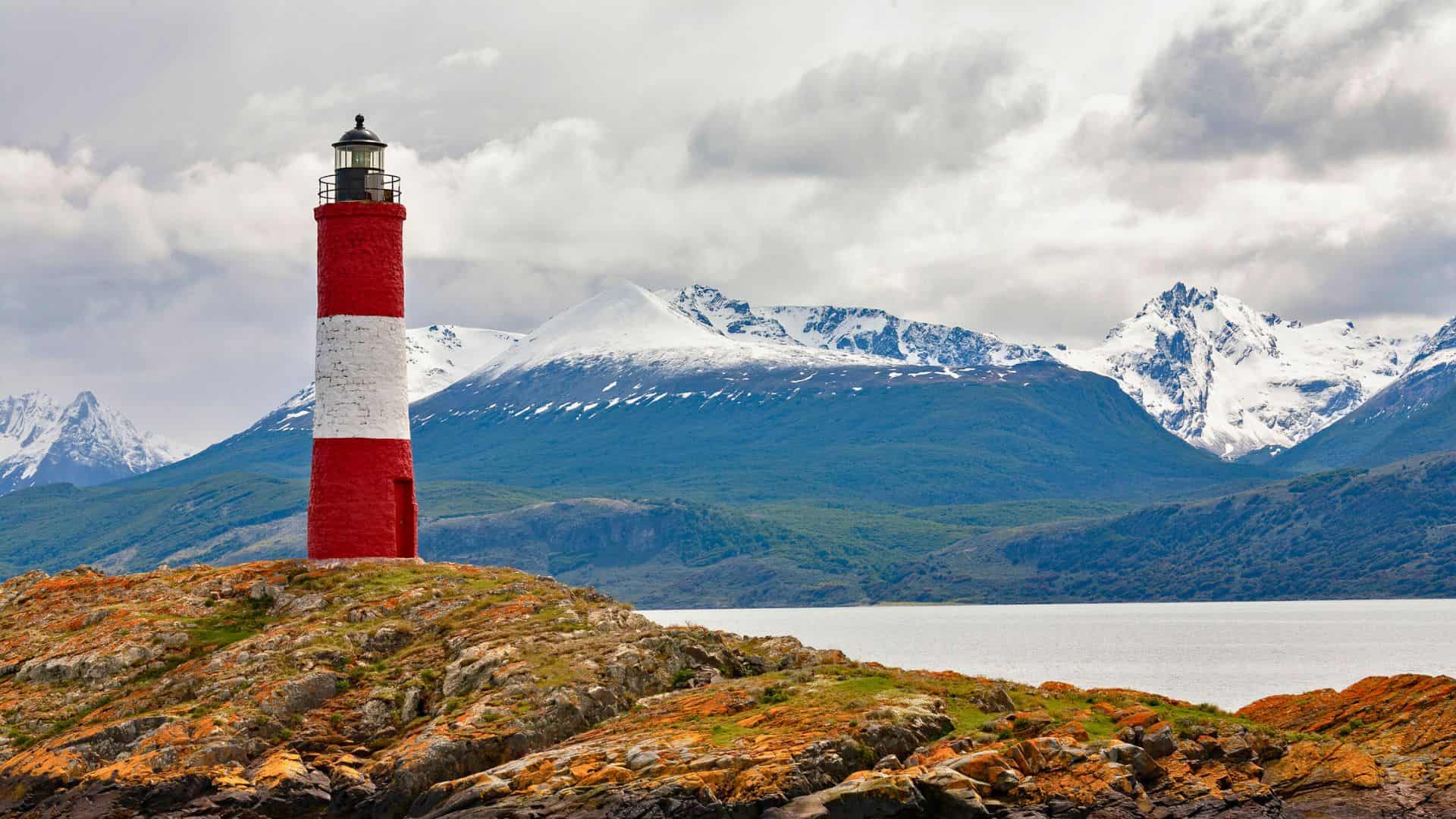
Situated in the Beagle Channel, this red-and-white beacon guides vessels near the southernmost tip of South America. It stands on a rocky islet, framed by the jagged, snow-capped peaks of Tierra del Fuego. Often mistakenly called the "Lighthouse at the End of the World," it actually remains functional and solar-powered today. Sea lions and imperial cormorants frequent the surrounding rocks, basking in the frigid air. The structure serves as a silent guardian for those navigating toward Antarctica. Its presence marks a transition into the sub-Antarctic waters, where the elements remain harsh, and the scenery stays starkly beautiful.
Tourlitis Lighthouse, Greece
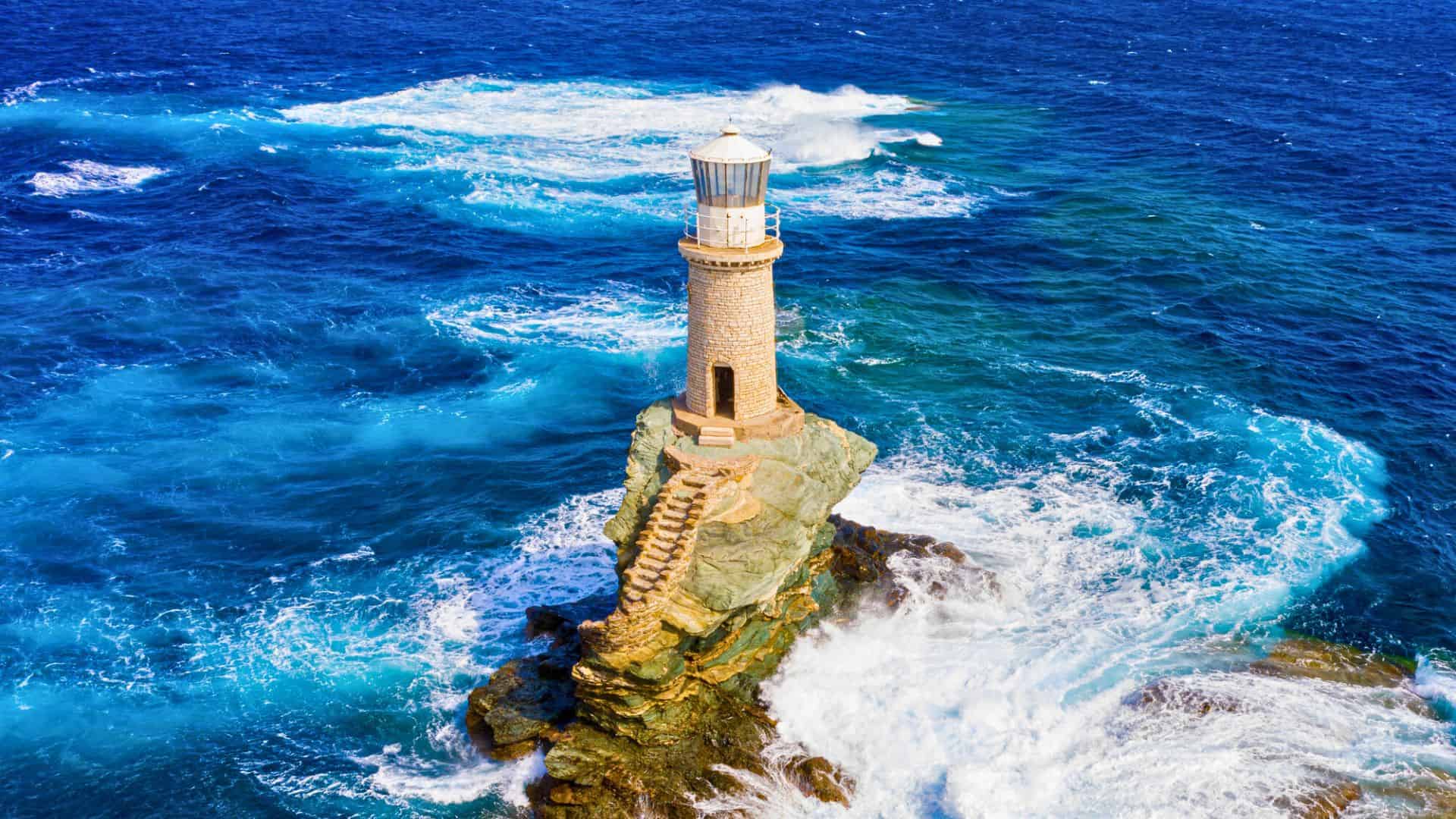
Rising from a sea-carved rock spire near Andros, this architectural marvel looks like a relic from a myth. The tower sits atop a natural stone pedestal, accessible via a staircase chiseled into the rock itself. Destroyed during World War II, the structure underwent a full restoration to its original glory. It stands amidst the turquoise waters of the Aegean, braving the constant erosion of salt and spray. The circular gallery looks out toward the horizon, marking a dangerous reef that once claimed many ships. It remains a striking example of how humanity builds upon the most precarious natural foundations.
Aniva Lighthouse, Russia
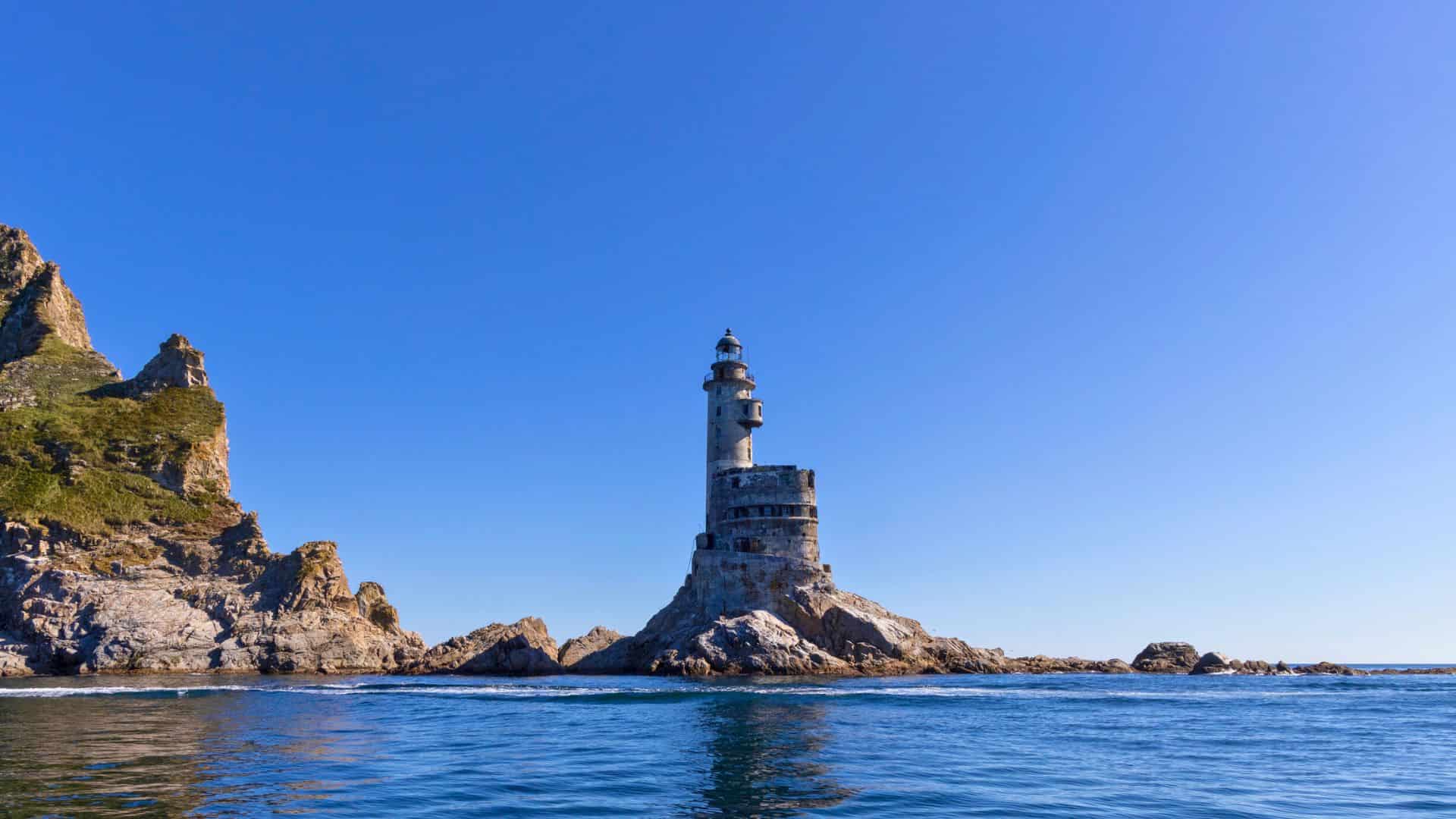
Located on a desolate cape of Sakhalin Island, this abandoned Soviet tower stands as a monument to engineering in extreme conditions. Designed to function without a human crew, it once utilized a nuclear generator to beam light through the thick Oregian fog. The concrete structure now sits in decay, reclaimed by the elements and local bird populations. Rust streaks the walls while the interior remains a frozen capsule of the past. The surrounding Sea of Okhotsk is treacherous, characterized by strong currents and ice. It sits as a haunting sentinel, overlooking a coastline that feels forgotten by time.
Kallur Lighthouse, Faroe Islands
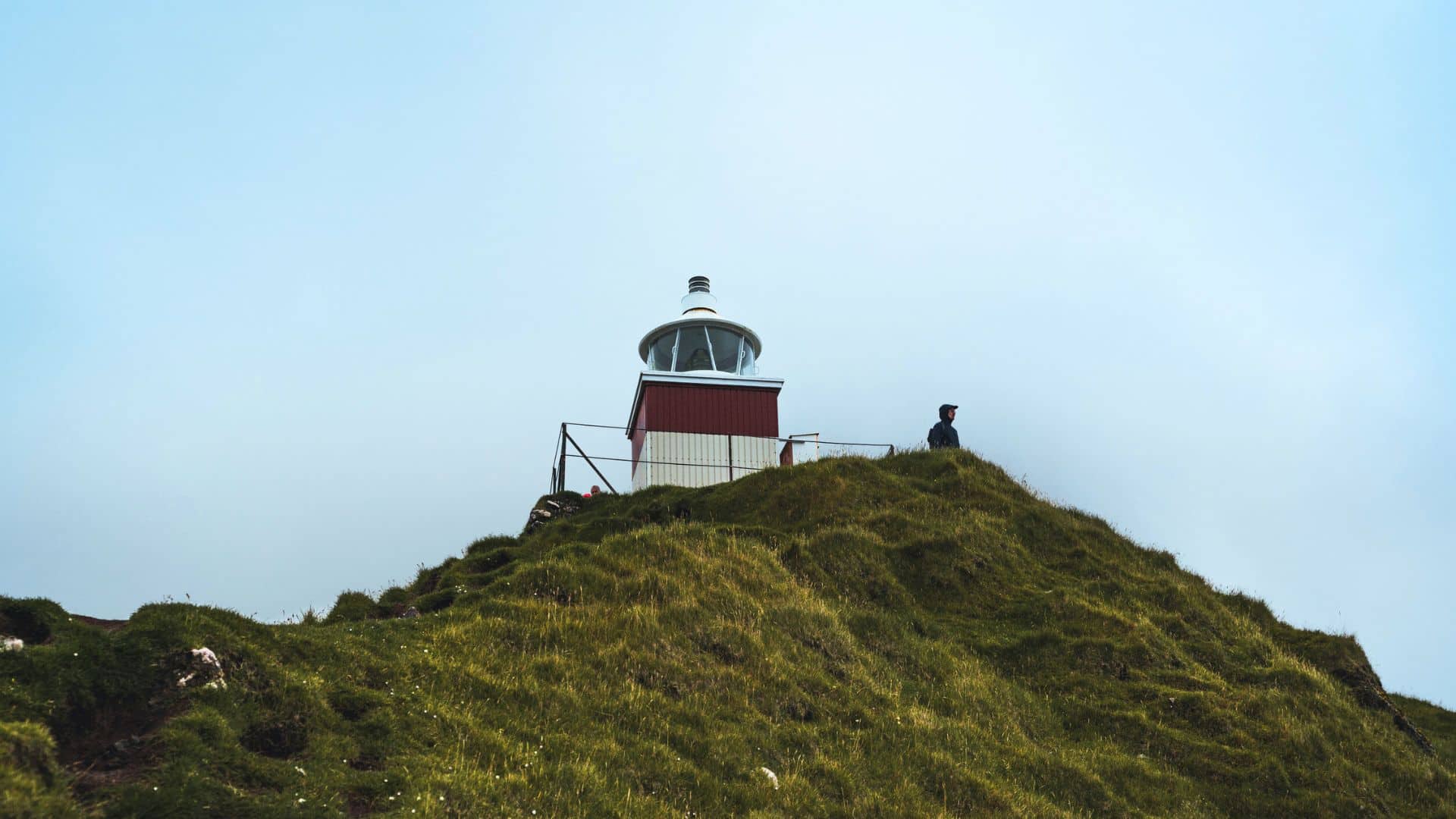
Resting on the northern edge of Kalsoy, this small white tower overlooks massive green cliffs that plunge into the North Atlantic. The approach involves a trek across narrow ridges where the wind howls through the grass. To the north, the ocean stretches toward the Arctic without interruption. The scale of the landscape makes the structure look like a toy against the backdrop of the vertical rock walls. Massive sea stacks rise from the water below, battered by relentless swells. This location showcases the raw power of the Faroe Islands, where the earth seems to break away into the deep.
Neist Point Lighthouse, Scotland
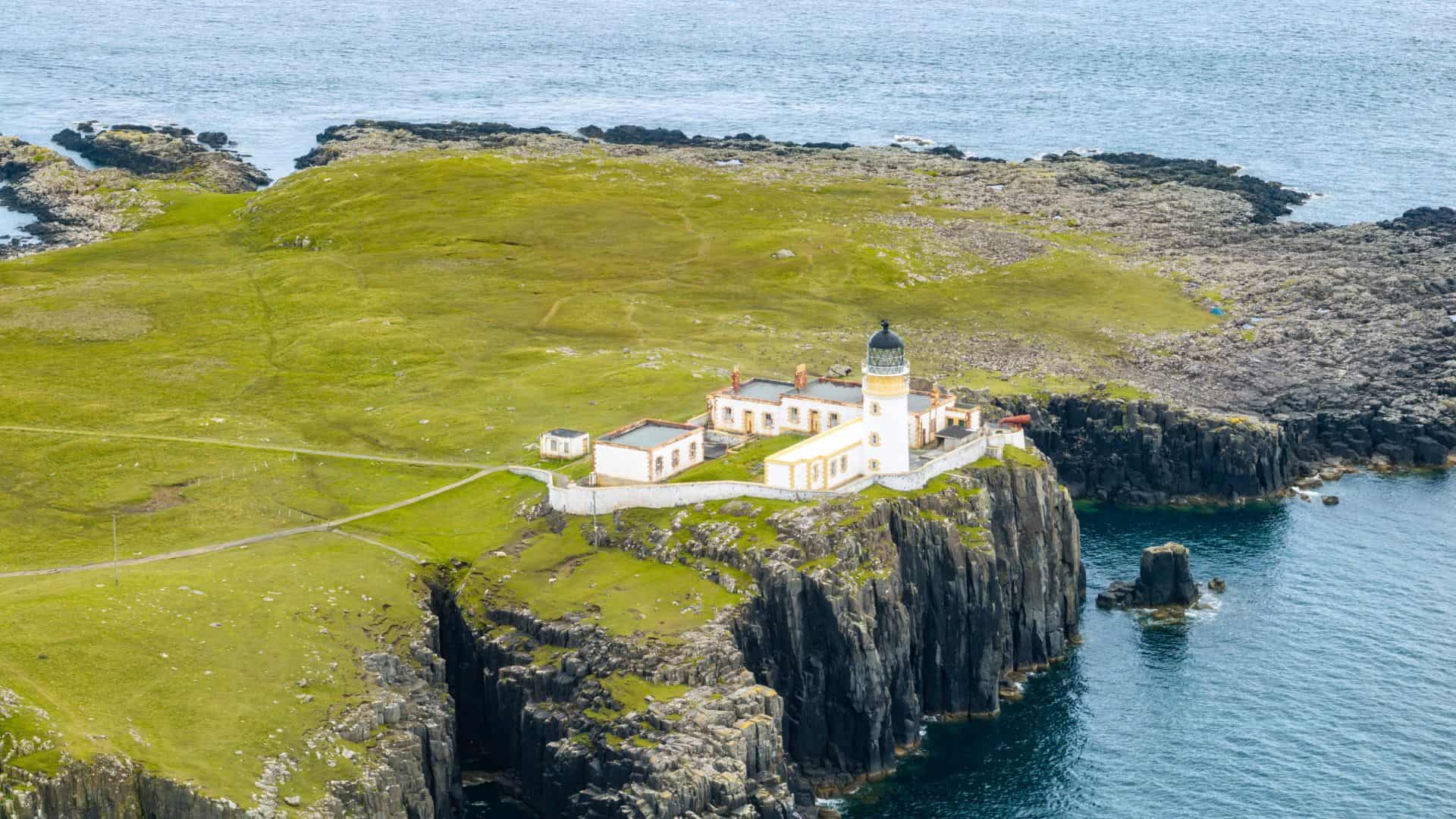
On the Isle of Skye, this beacon sits at the tip of a dramatic headland defined by basalt formations. The path descends from high moorlands toward the rocky point, where the lighthouse looks across the Minch toward the Outer Hebrides. Whales and basking sharks often appear in the deep waters surrounding the cliffs. The white walls stand in sharp contrast to the dark, volcanic stone. It functions as a crucial waypoint for mariners navigating the Inner Hebrides. Visitors find a sense of peace here, even as the wind lashes against the lanterns and the waves thunder below.
Nugget Point Lighthouse, New Zealand
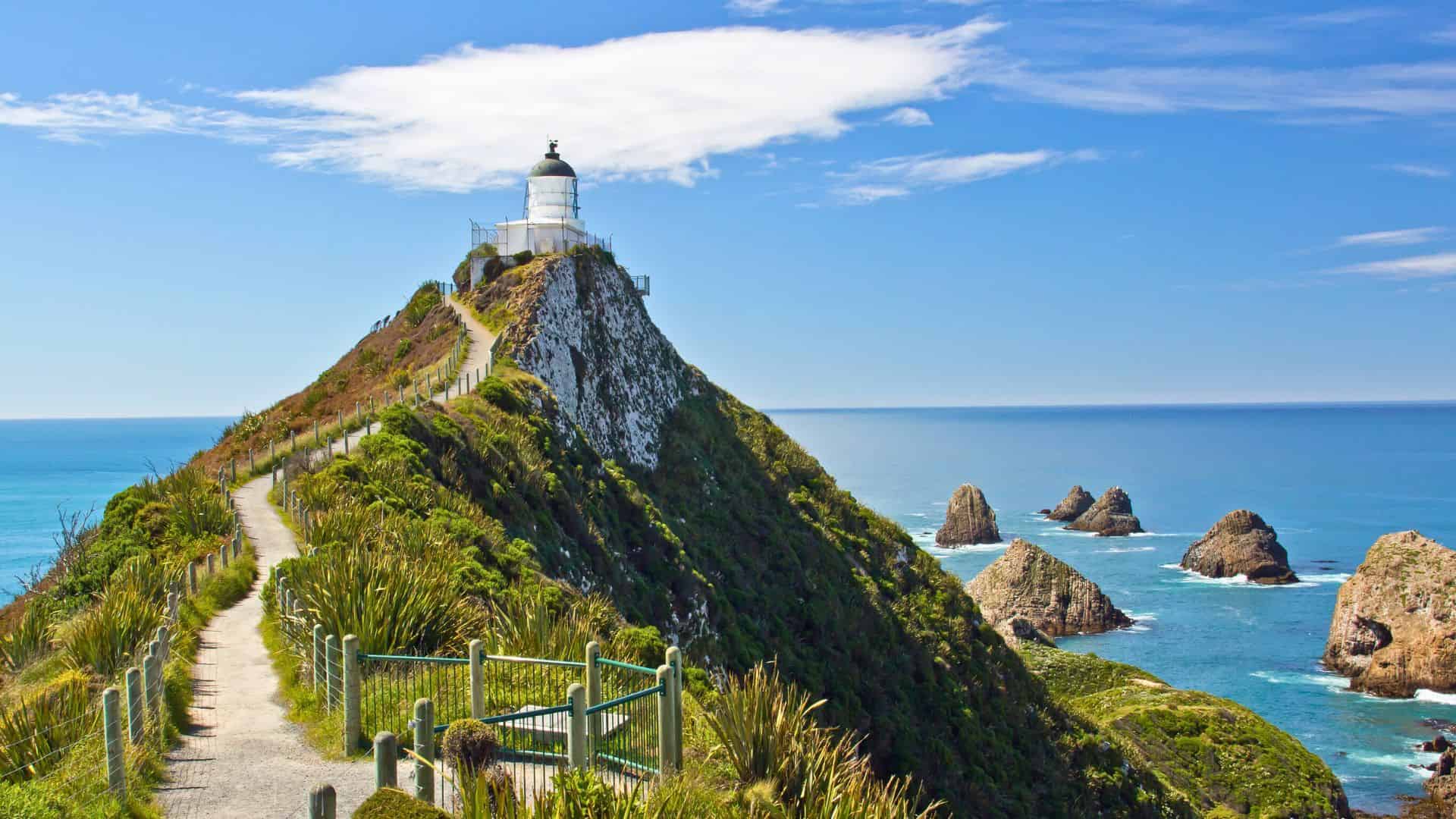
This iconic tower sits on a narrow headland along the Otago coast, surrounded by sharp rock stacks. These "nuggets" rise from the Pacific like prehistoric creatures, creating a hazardous environment for ancient sailors. The lighthouse beacon cuts through the maritime gloom, alerting ships to the jagged obstacles hidden just below the surface. Below the cliffs, fur seals and rare penguins find refuge in the sheltered coves. The view from the lantern room captures a panorama of the southern ocean. It acts as a permanent watchman over a stretch of coastline that remains wild, unpredictable, and entirely majestic.
Cape Reinga Lighthouse, New Zealand
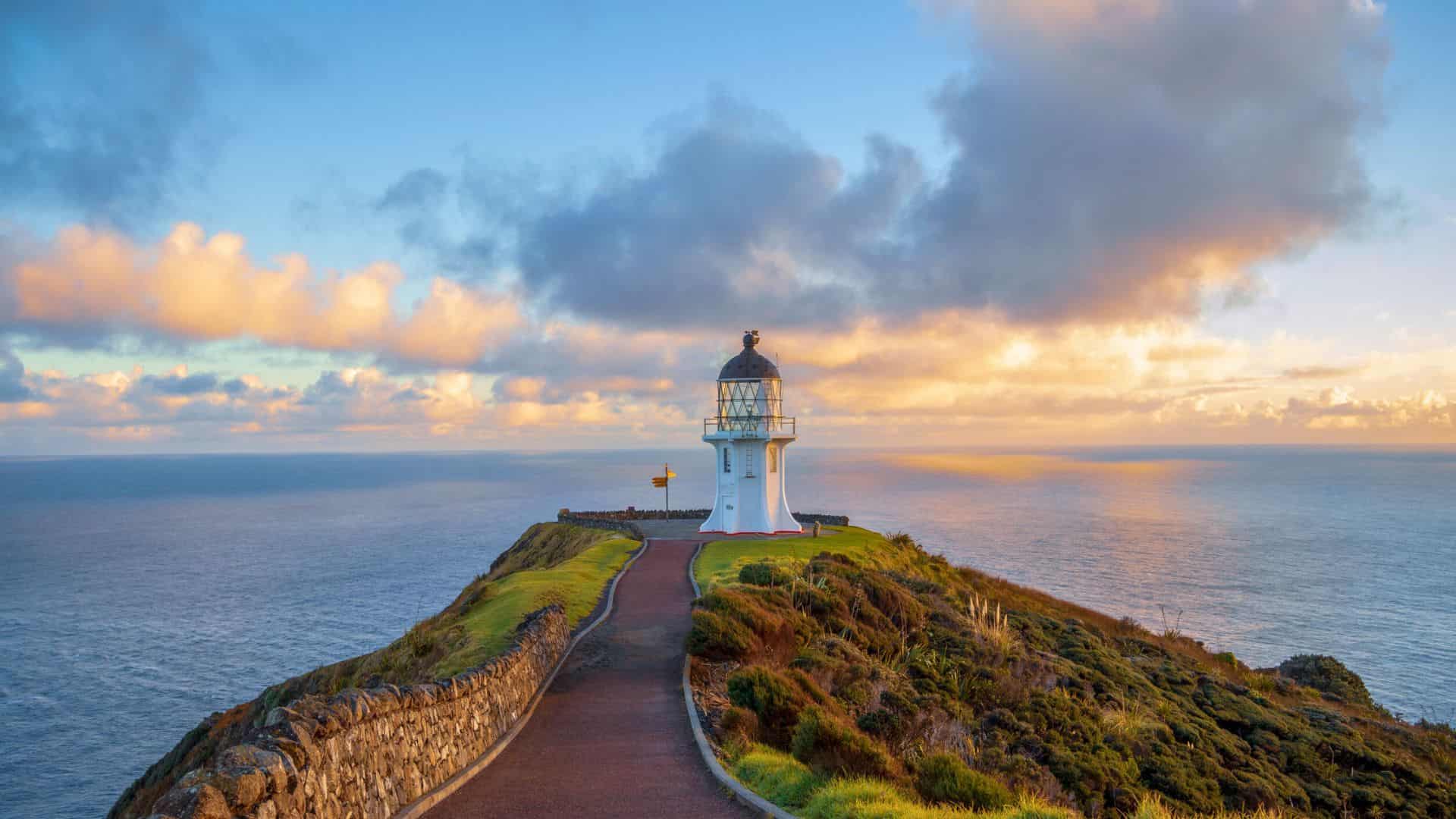
At the northernmost tip of New Zealand, this lighthouse marks the collision of the Tasman Sea and the Pacific Ocean. The water churns in violent white foam as the two currents meet. Māori tradition holds that this site serves as the departure point for spirits traveling to the afterlife. An ancient pohutukawa tree clings to the cliffs nearby, adding to the sacred atmosphere. The white tower stands against a backdrop of sweeping sand dunes and deep blue water. It remains a place of profound significance, where the physical geography mirrors the spiritual boundaries of the human experience.
Want to save this?
Cabo de São Vicente Lighthouse, Portugal
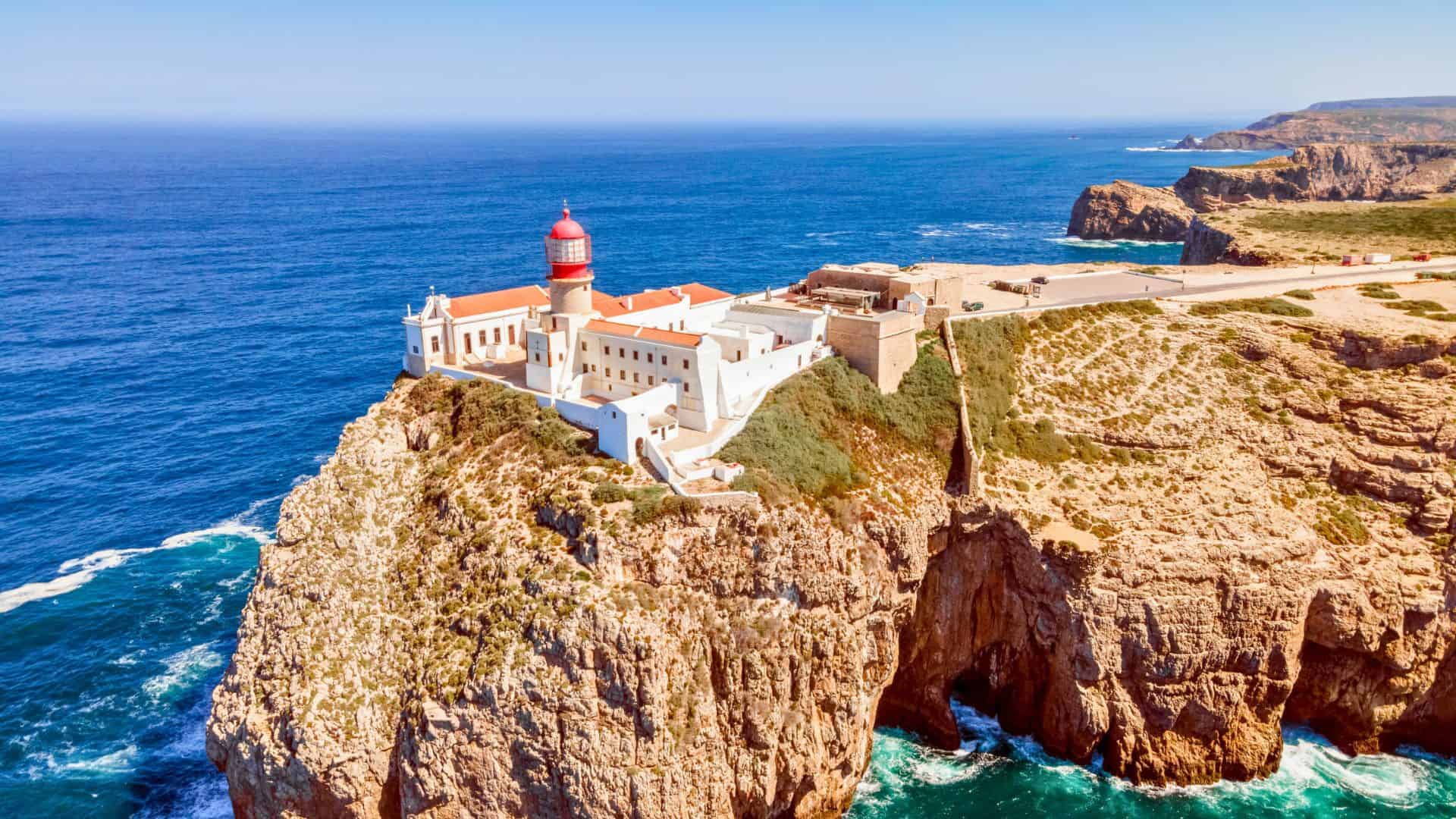
Perched on the southwestern corner of Europe, this fortress-like lighthouse guards one of the busiest shipping lanes in the world. The cliffs here rise 75 meters above the Atlantic, facing the full force of the ocean. For centuries, people believed these heights represented the boundary of the known world. The light from this tower is among the most powerful on the continent, visible for many miles across the dark horizon. Sunset here feels like a celestial event, as the sun vanishes into the infinite sea. It bridges the history of early exploration with modern maritime safety systems.
Fanad Head Lighthouse, Ireland
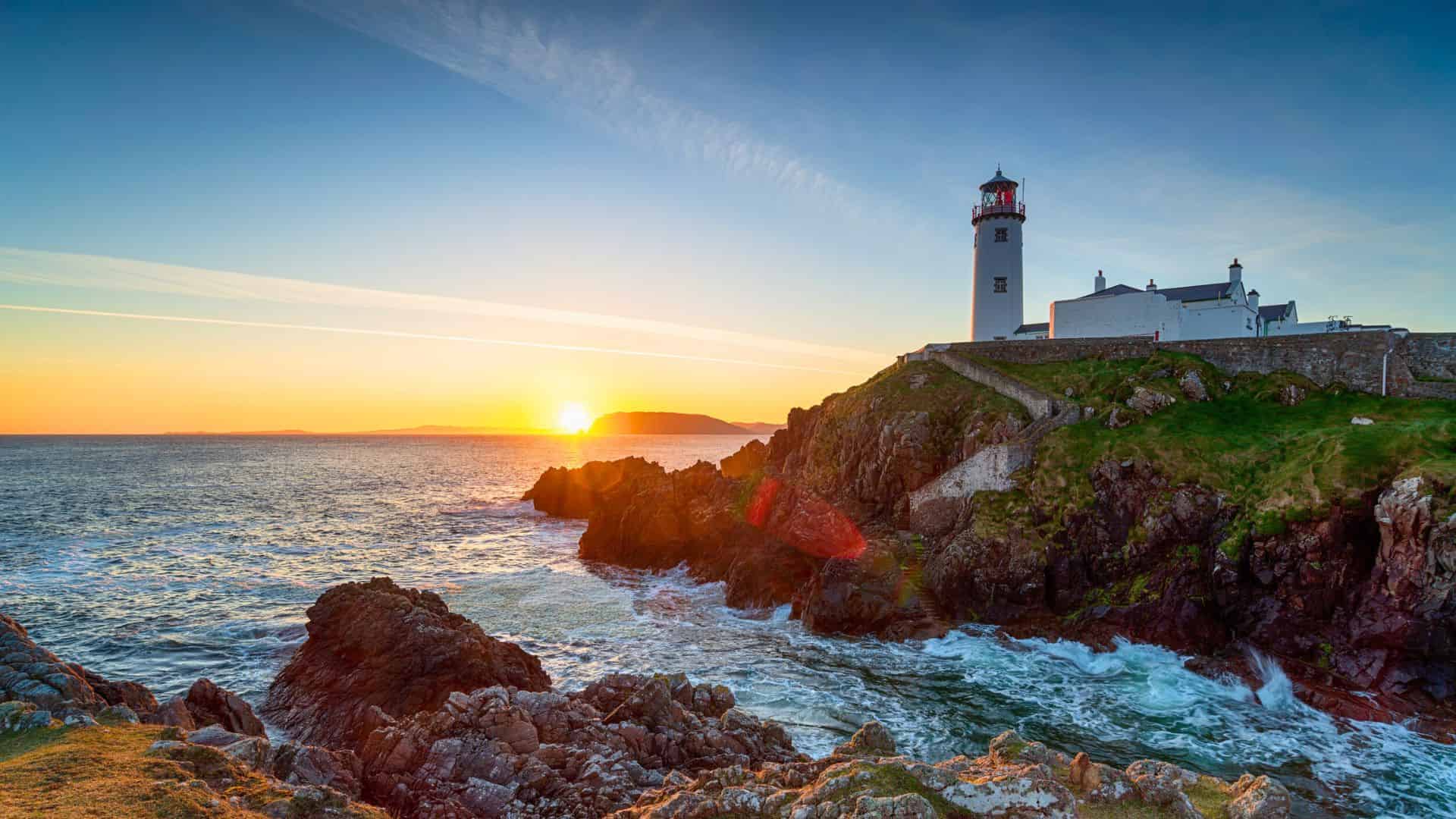
Located in County Donegal, this structure rises from a rugged peninsula that braves the North Atlantic gales. Built in response to a 19th-century maritime tragedy, the tower stands as a beacon of safety for Lough Swilly. The landscape consists of granite outcrops and crashing surf that sprays salt high into the air. The white paint reflects the shifting Irish light, looking different with every passing cloud. It serves as a key landmark on the rugged coast, guiding fishermen and travelers alike. The sheer drop to the ocean below emphasizes the precarious nature of life on this rocky edge.
Fastnet Rock Lighthouse, Ireland
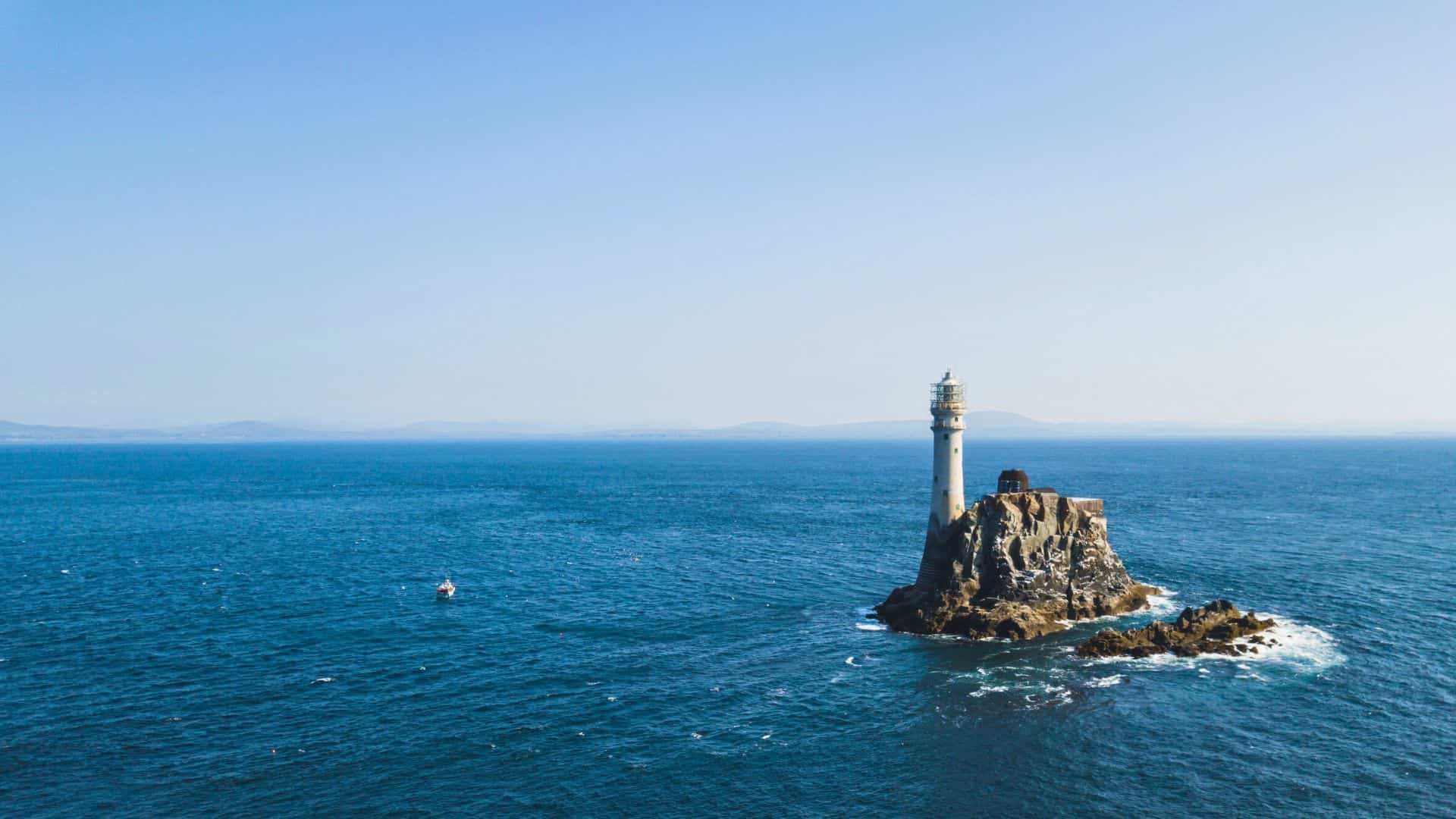
Fastnet Rock Lighthouse rises from the Atlantic off County Cork, Ireland, marking one of Europe’s most dramatic sea beacons. Built on a sheer granite outcrop, the current tower dates from 1904, replacing earlier structures lost to storms. Its black-and-white bands stand stark against waves, fog, and shifting skies. Long a crucial guide for transatlantic shipping, it has witnessed rescues, wrecks, and relentless weather. Automated since 1989, the lighthouse remains a powerful symbol of maritime history, endurance, and the boundary between land and ocean. Standing alone, it commands respect through scale, isolation, engineering skill, and the constant motion of the surrounding seas today.
Petit Minou Lighthouse, France
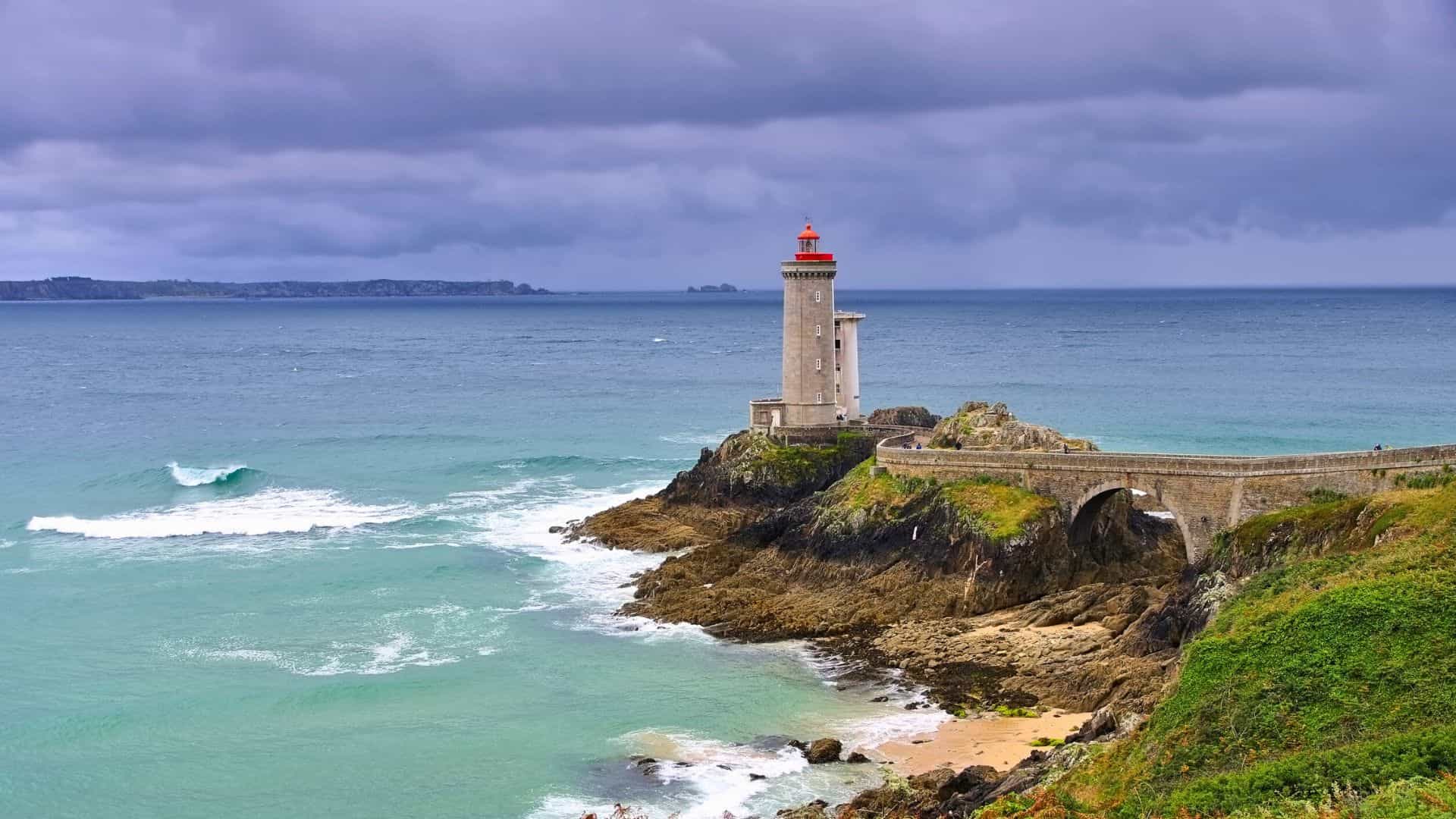
This tower stands at the end of a stone bridge in Brittany, guarding the entrance to a vital naval port. The path to the lighthouse curves gracefully over the water, connecting the mainland to the rocky islet. Its red top serves as a daytime signal, while the lantern guides ships through the narrow passage at night. The surrounding cliffs are steep and covered in coastal vegetation that clings to the soil. Ships passing through the channel look small against the scale of the tower. It remains a classic symbol of French maritime history, standing firm against the tides.
Heceta Head Lighthouse, USA
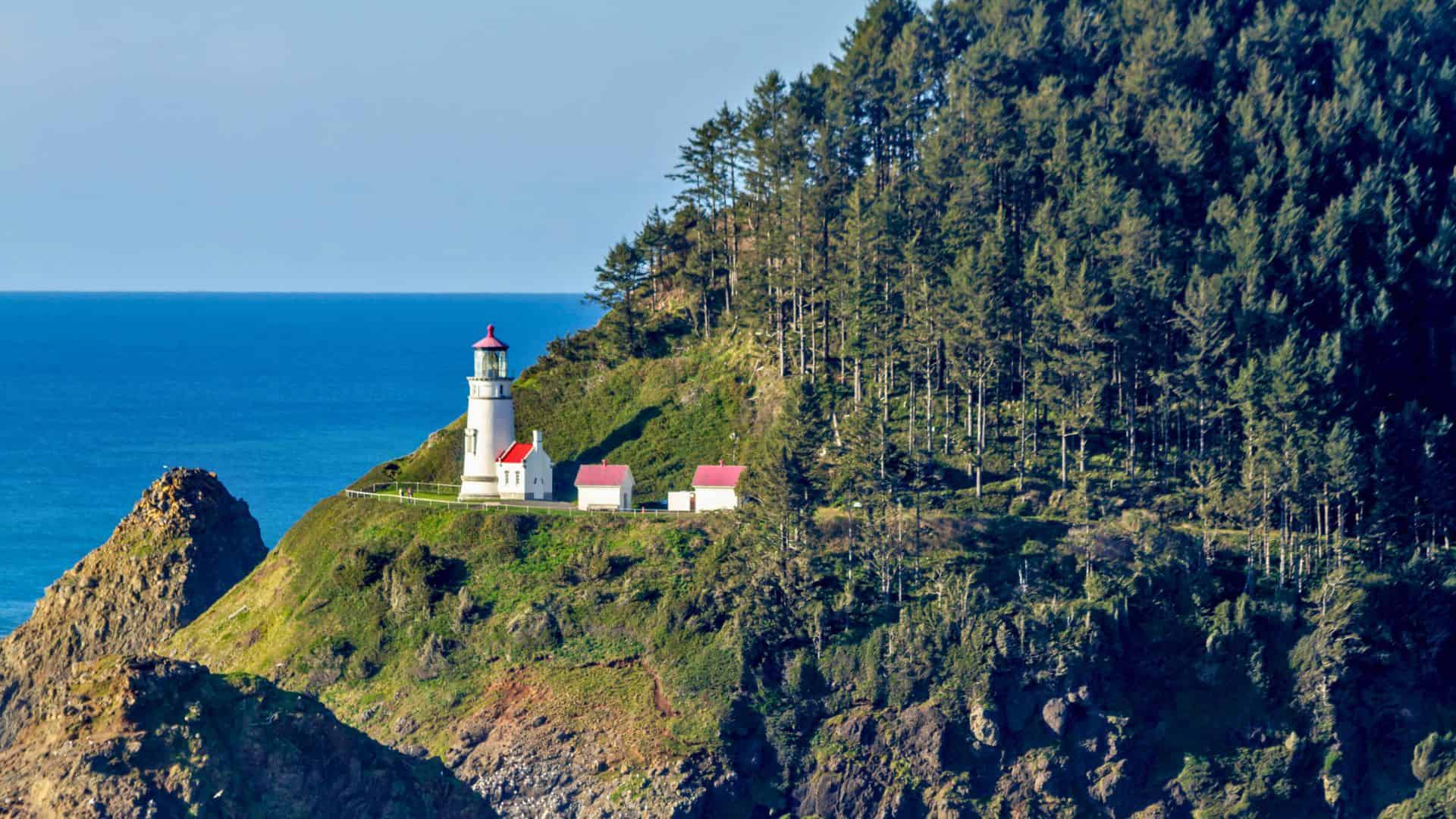
High on the Oregon coast, this lighthouse casts its beam from a sheer cliff overlooking the Pacific. The white tower and red roof create a striking image against the green forests and blue water. It houses a historic lens that creates a rhythmic pattern of light visible for miles. The keeper's house nearby stands as a reminder of the families who once lived in this remote location. Below the cliffs, sea caves echo with the sound of the surf. It represents the rugged beauty of the Pacific Northwest, where the forest meets the sea in a dramatic vertical drop.
Mind the Edge, Enjoy the View
By the time you reach the end, it’s clear why these places linger in your head. Lighthouses don’t shout for attention. They stand firm, doing their job, letting the setting speak for itself. There’s something grounding about structures built to last in spots that feel so far removed from daily noise. They remind us that stillness can be powerful and that being on the edge doesn’t have to feel unstable.
If this article does anything, it’s slow you down for a moment. It’s a quiet pause from screens, schedules, and crowded thoughts. These scenes stay with you because they feel honest and unfiltered. They’re great reminders that some of the most memorable views come from simply standing still and looking out. When you walk away, that sense of space and calm tends to follow, even after the page is closed.
11 Countries Locals Wish Would Stay Hidden from the World
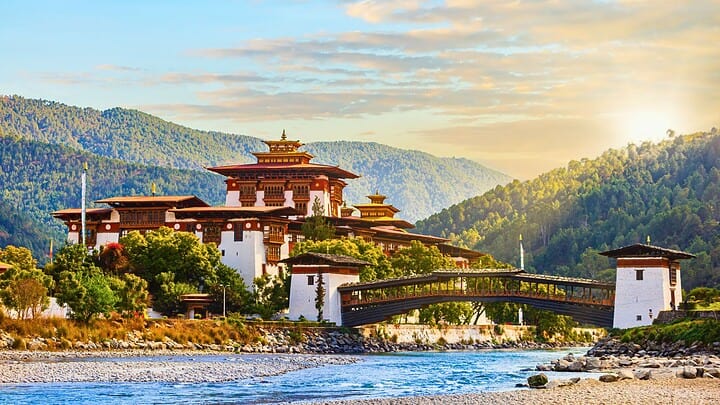
Some places are just better when they stay low-key. These 11 countries that locals want to keep a secret have a way of life that they protect from the rush of tourists and the changes that come with it. They have quiet streets, natural beauty, and traditions that don’t need to be shouted about. When too many visitors arrive, it can disrupt the balance and make it harder for people to live as they always have.
Read More Here: 11 Countries Locals Wish Would Stay Hidden from the World
13 UNESCO World Heritage Sites You Can Visit Without Paying
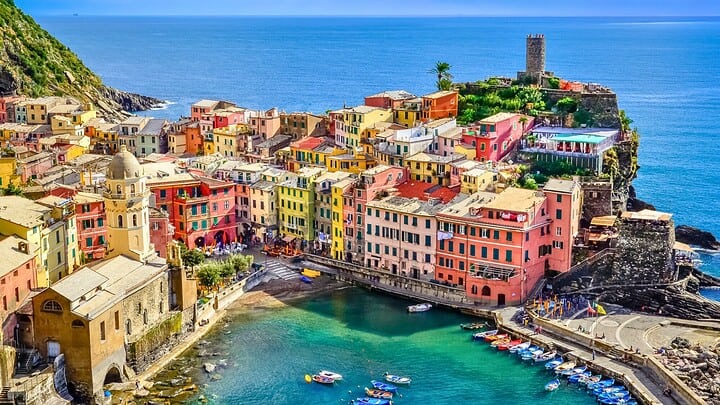
Not every world-famous site comes with a ticket price. In fact, these 13 free UNESCO sites remain open to everyone without charging an entry fee. This means you can explore historic streets, breathtaking landscapes, and cultural treasures without worrying about extra costs. It’s a great way to experience some of the world’s most important locations while keeping your travel budget in check.
Read More Here: 13 UNESCO World Heritage Sites You Can Visit Without Paying



Leave a Reply