
Walking changes how a place feels. When streets stay short and landmarks sit close together, the city moves at a great pace. You notice faces, stone walls, street sounds, and small daily moments that faster travel skips. These 13 most walkable historic districts were built long before cars still feel perfect today because they were shaped around people, not traffic. Corners connect naturally, public squares feel social, and distance rarely gets in the way.
This article focuses on places where walking feels natural, not forced. These neighborhoods make it easy to explore without schedules or constant checking of maps. Getting lost turns into part of the experience, not a mistake. If you like travel that feels relaxed and human, this is for you. Good shoes help, but curiosity matters more. Walk a little, stop often, and let the streets decide what comes next.
Gion District – Kyoto, Japan
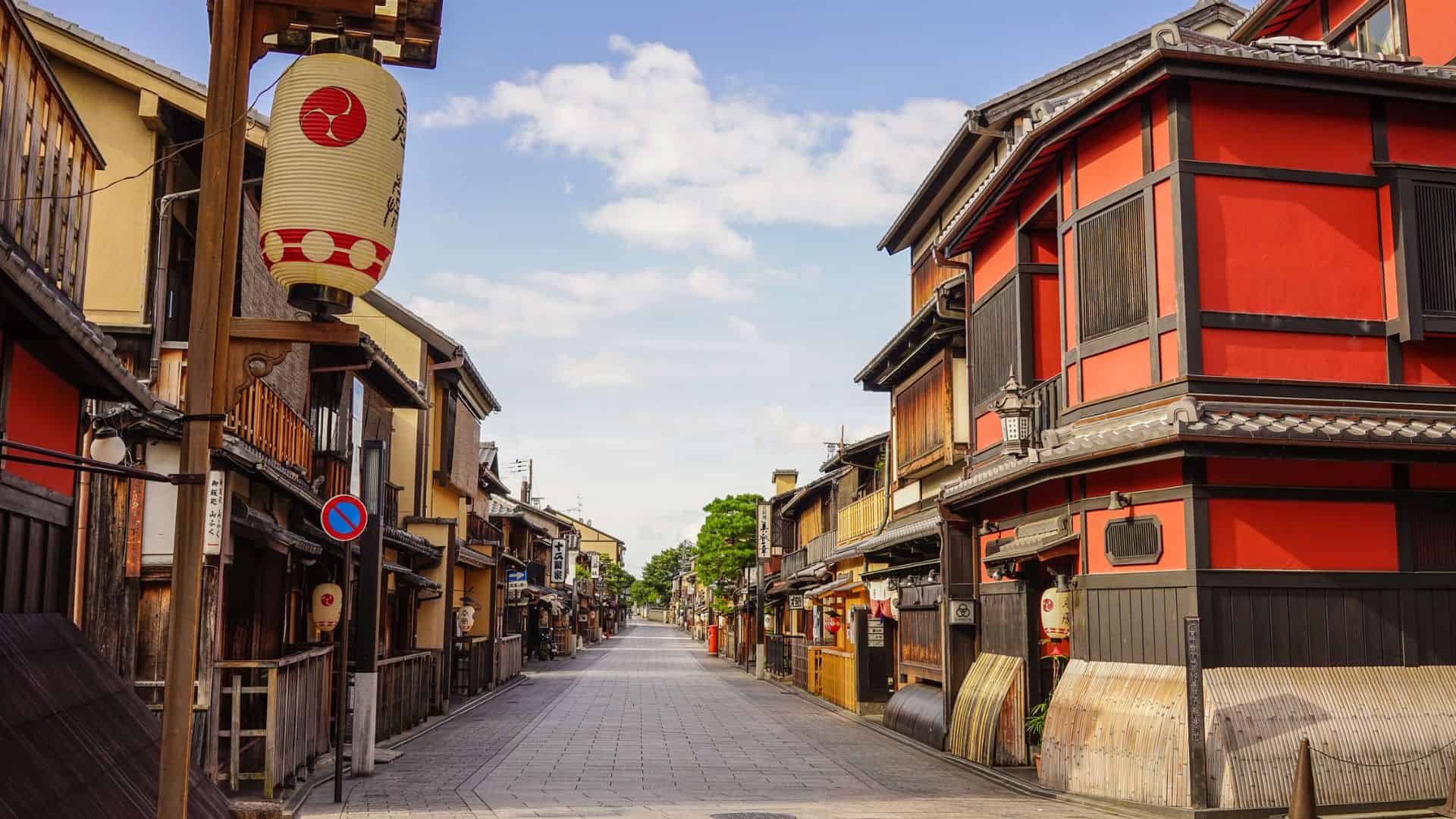
Gion reflects traditional Japanese urban design shaped by narrow streets, wooden townhouses, and carefully scaled buildings. Walking allows close engagement with details such as lattice façades, stone pathways, and discreet entrances to teahouses. The district sits near major temples and the Kamo River, linking spiritual, residential, and commercial spaces within short distances. Movement on foot aligns with local rhythms, especially during evenings when lanterns illuminate the streets. The absence of wide roads preserves a calm atmosphere, encouraging observation of seasonal changes, craftsmanship, and long-standing cultural practices embedded in daily life.
Jerusalem Old City – Jerusalem
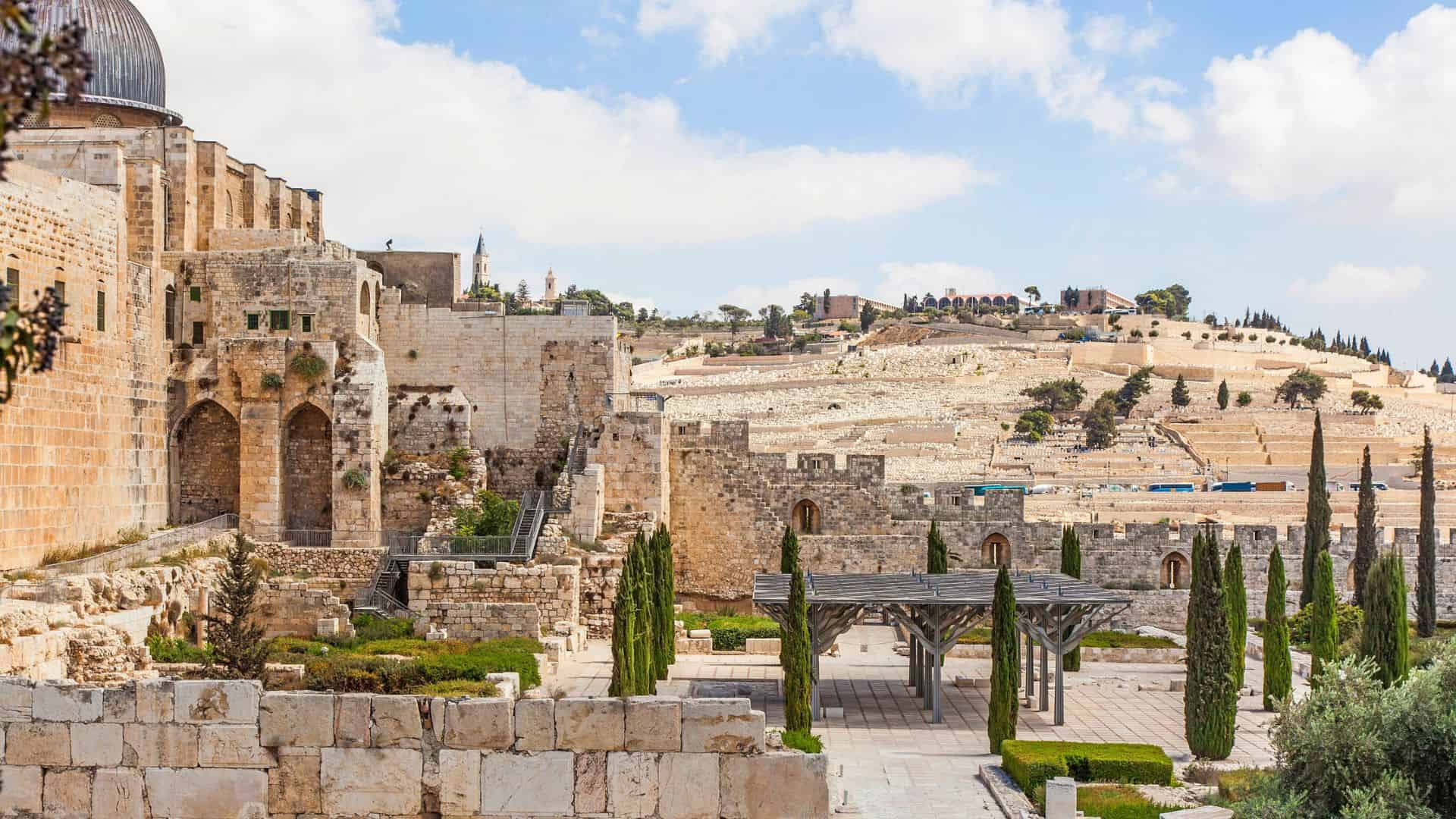
Enclosed by ancient walls, this compact district concentrates religious, cultural, and political history within a tightly woven street network. Pedestrian routes link sacred sites, markets, and residential quarters, divided by long-established community boundaries. Stone-paved lanes curve and narrow, creating a sense of enclosure that emphasizes walking as the primary mode of movement. Sounds, languages, and daily rituals shift from one quarter to another within minutes. Walking allows close engagement with structures spanning millennia, where public life, worship, and commerce coexist in spaces shaped by continuous habitation and profound historical significance.
Sultanahmet – Istanbul, Türkiye
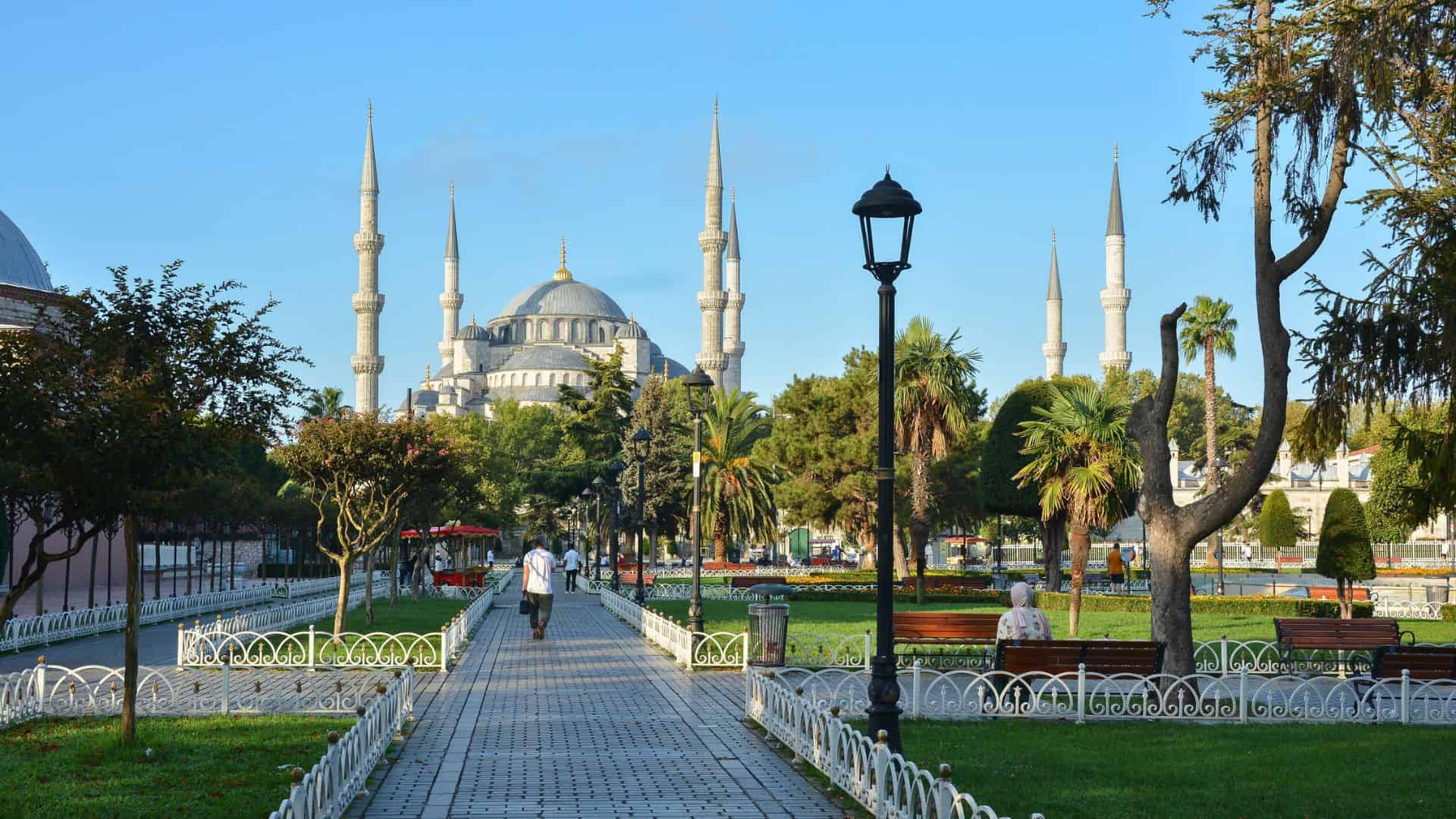
Located at the heart of historic Istanbul, this district gathers layers of Byzantine and Ottoman history within a compact, walkable area. Broad pedestrian paths link monumental structures such as former imperial mosques, basilicas, and ancient hippodrome grounds. Gardens and courtyards create natural transitions between major landmarks and quieter side streets. Stone paving and limited vehicle access encourage slow movement and close observation. Walking reveals shifts in architectural style, scale, and symbolism that reflect centuries of imperial rule. Public spaces remain active throughout the day, reinforcing the district’s long-standing role as a civic and ceremonial center.
Florence Historic Center – Florence, Italy
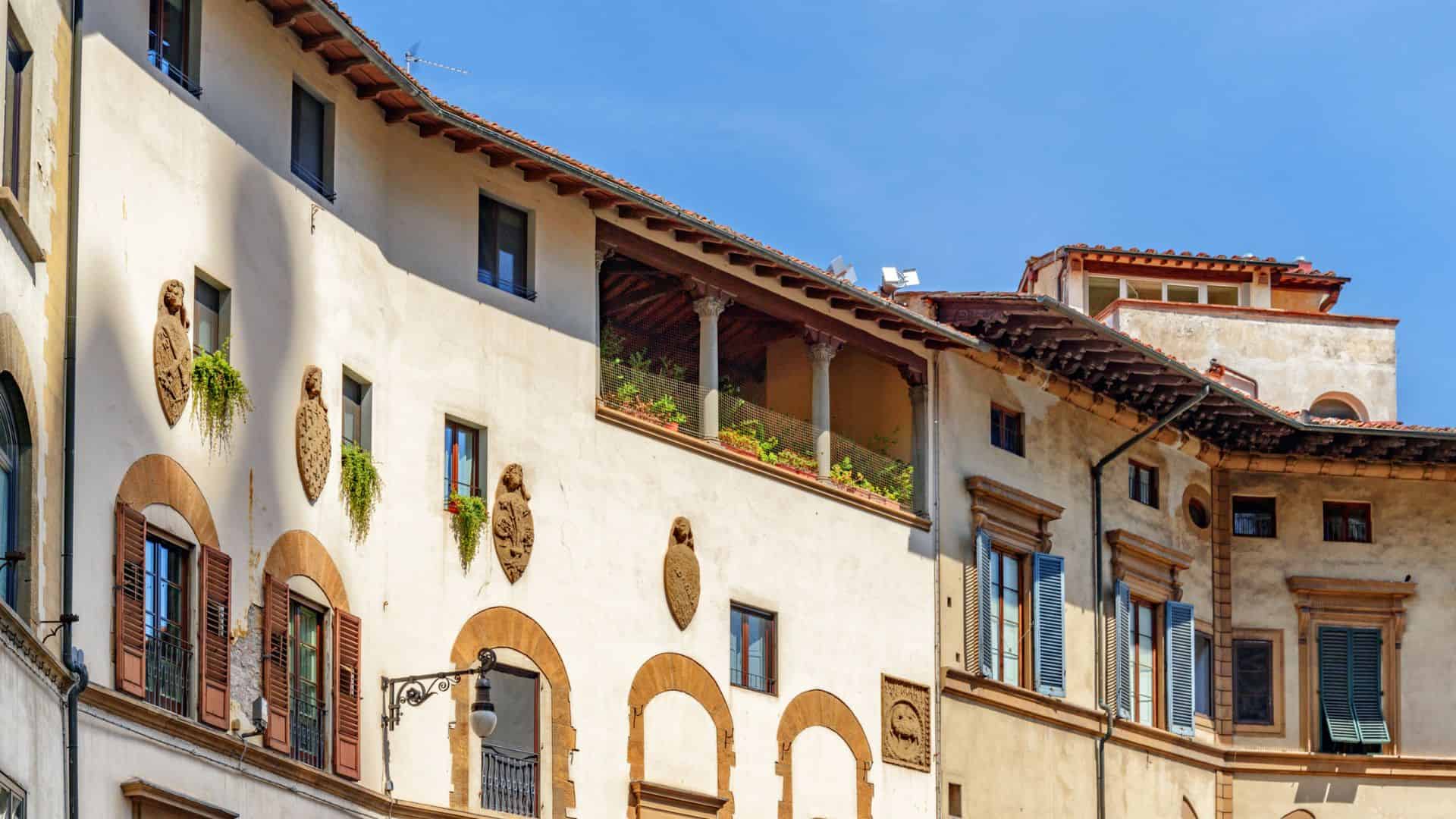
Florence’s historic center functions as an open-air record of Renaissance urban planning. Streets remain narrow and closely spaced, encouraging movement on foot between palaces, churches, workshops, and public squares. Landmarks such as the Duomo, Palazzo Vecchio, and Ponte Vecchio sit minutes apart, connected by lively corridors of daily activity. Stone buildings reflect centuries of craftsmanship and civic pride. Walking allows travelers to observe artisans at work, residents socializing in piazzas, and subtle architectural details often missed by faster transport. The city’s human-scale layout reinforces exploration through steady, unhurried movement.
Old San Juan – Puerto Rico
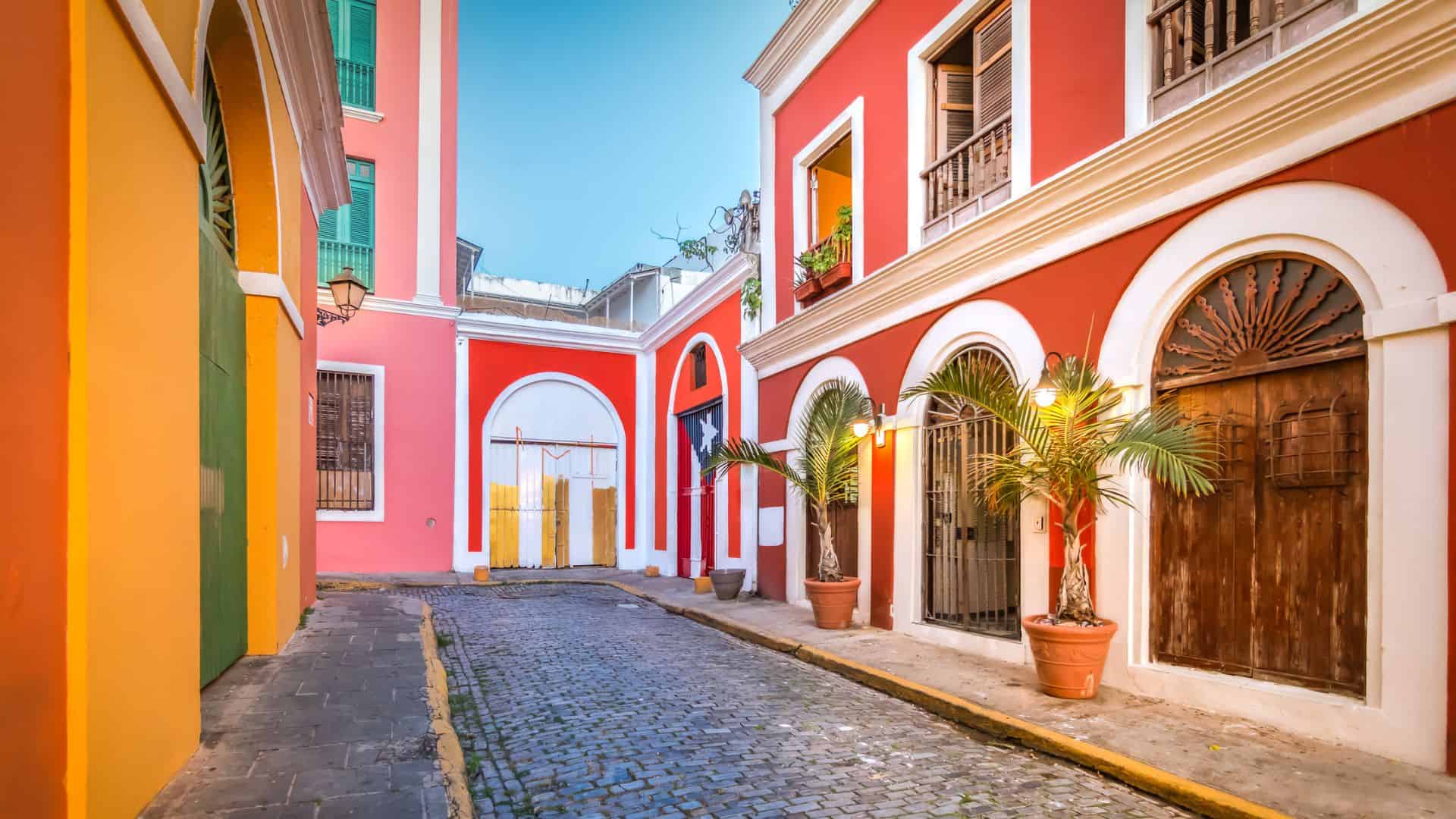
Set on a small peninsula, this walled district forms a tightly contained urban landscape shaped by Spanish colonial planning. Narrow streets paved with blue cobblestones connect plazas, churches, residences, and military fortifications. The compact scale allows continuous exploration on foot, with ocean views appearing at the ends of streets and along the city walls. Colorful façades and shaded balconies reflect both climate and history. Walking highlights the interaction between coastal geography and urban defense, while daily life unfolds in public squares that have served as social centers for centuries.
Old Town (Staré Město) – Prague, Czech Republic
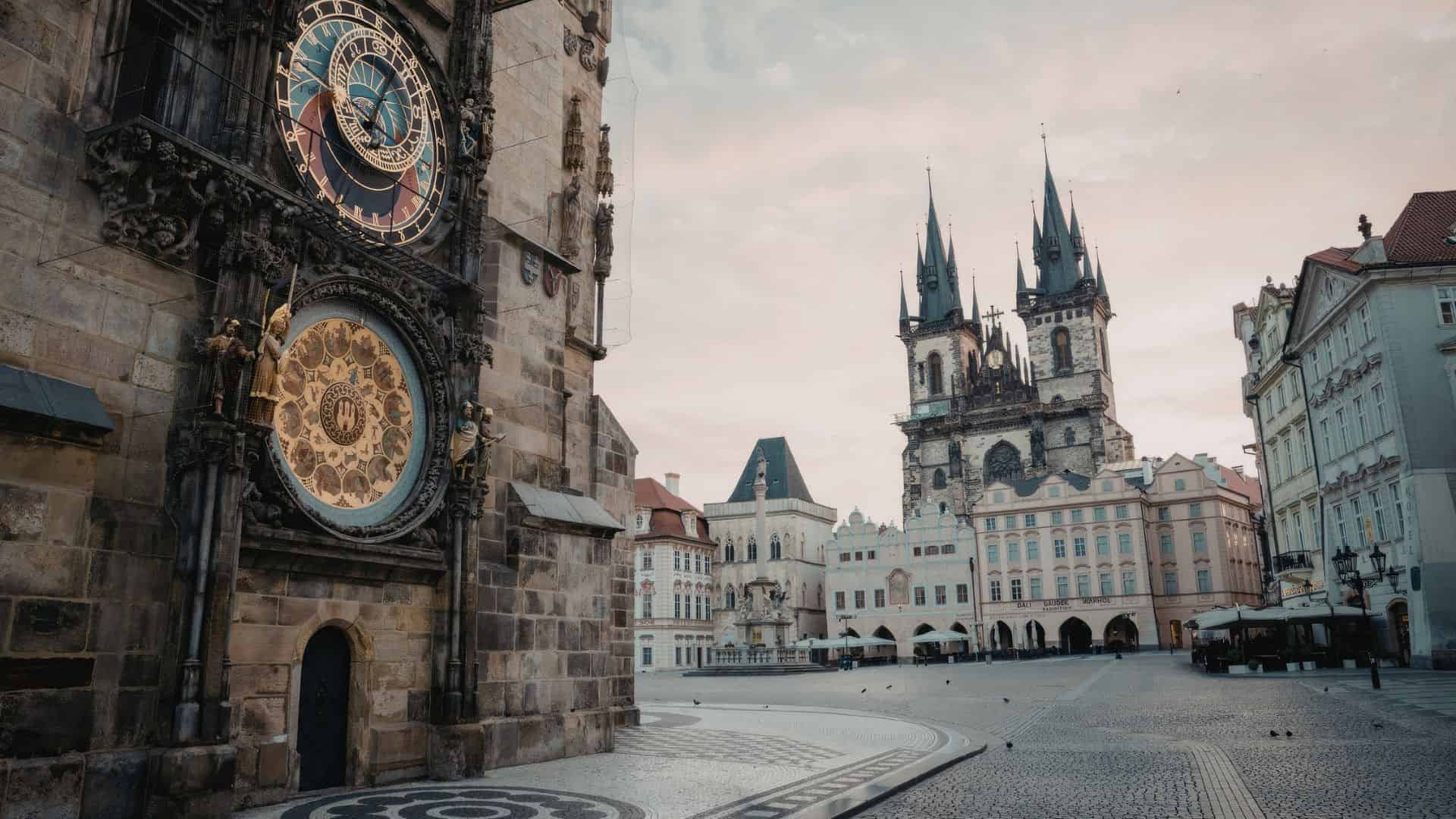
Prague’s Old Town forms a compact medieval landscape shaped by centuries of political, religious, and artistic change. Its stone-paved streets connect public squares, churches, and civic buildings without the interruption of cars, making walking the natural way to explore. Gothic towers rise above pastel façades, while Baroque details appear at street corners and courtyards. The Astronomical Clock anchors daily life in Old Town Square, where musicians and markets animate the space. Walking reveals shifting perspectives, hidden passages, and constant visual contrast between monumental landmarks and intimate residential lanes.
Old Havana (Habana Vieja) – Havana, Cuba
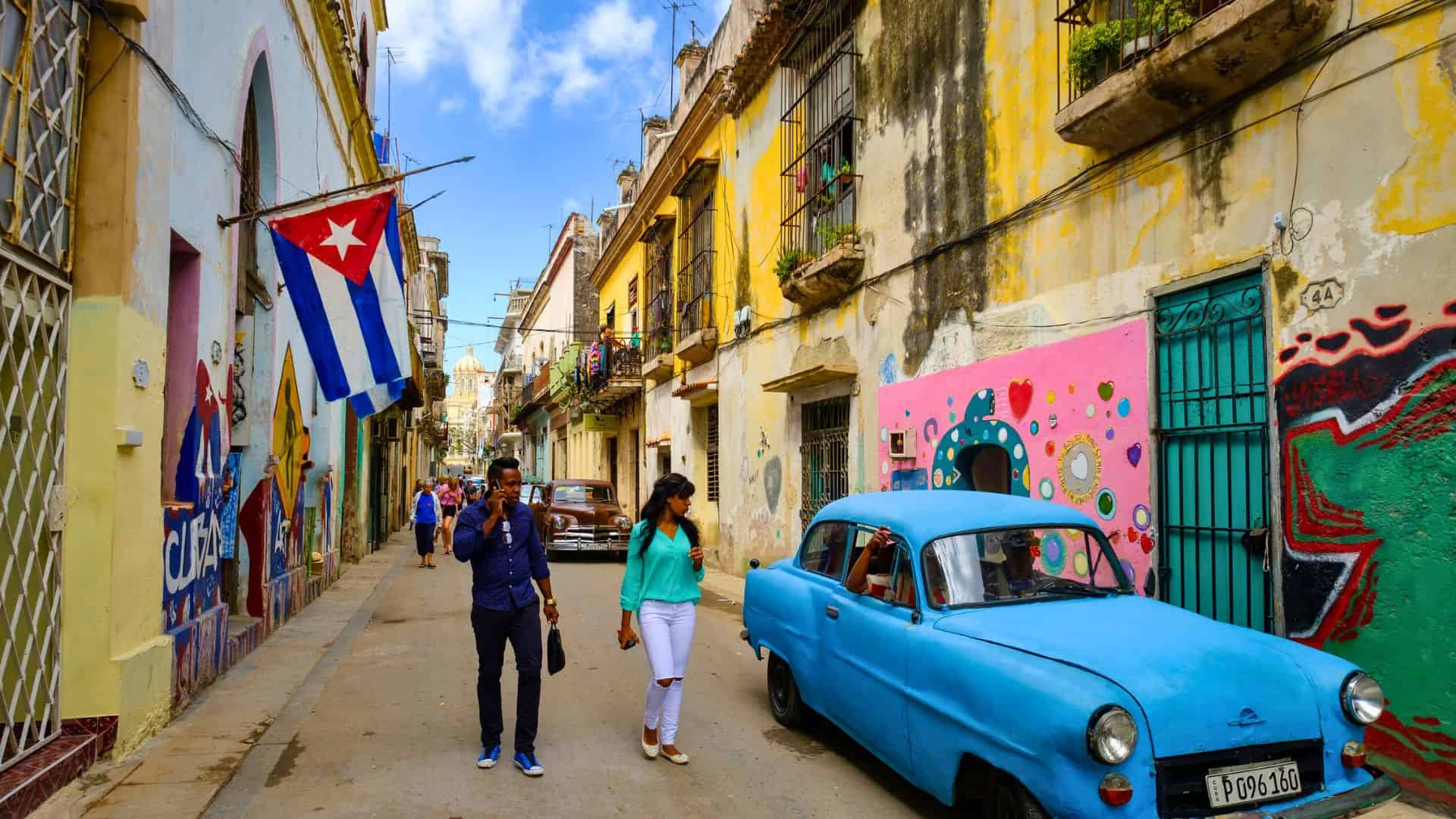
Old Havana presents a tightly knit colonial city shaped around plazas, forts, and civic buildings. Streets remain short and interconnected, guiding pedestrians past pastel-colored structures with balconies and arcades. Restoration efforts coexist with lived-in spaces, creating a dynamic atmosphere rooted in daily routines. Walking exposes layers of Spanish colonial planning, Caribbean influences, and revolutionary history. Music, conversation, and street activity spill naturally into public spaces. Without heavy vehicle traffic, movement on foot becomes instinctive, allowing close observation of architectural details, social life, and the enduring resilience of the district.
Edinburgh Old Town – Edinburgh, Scotland
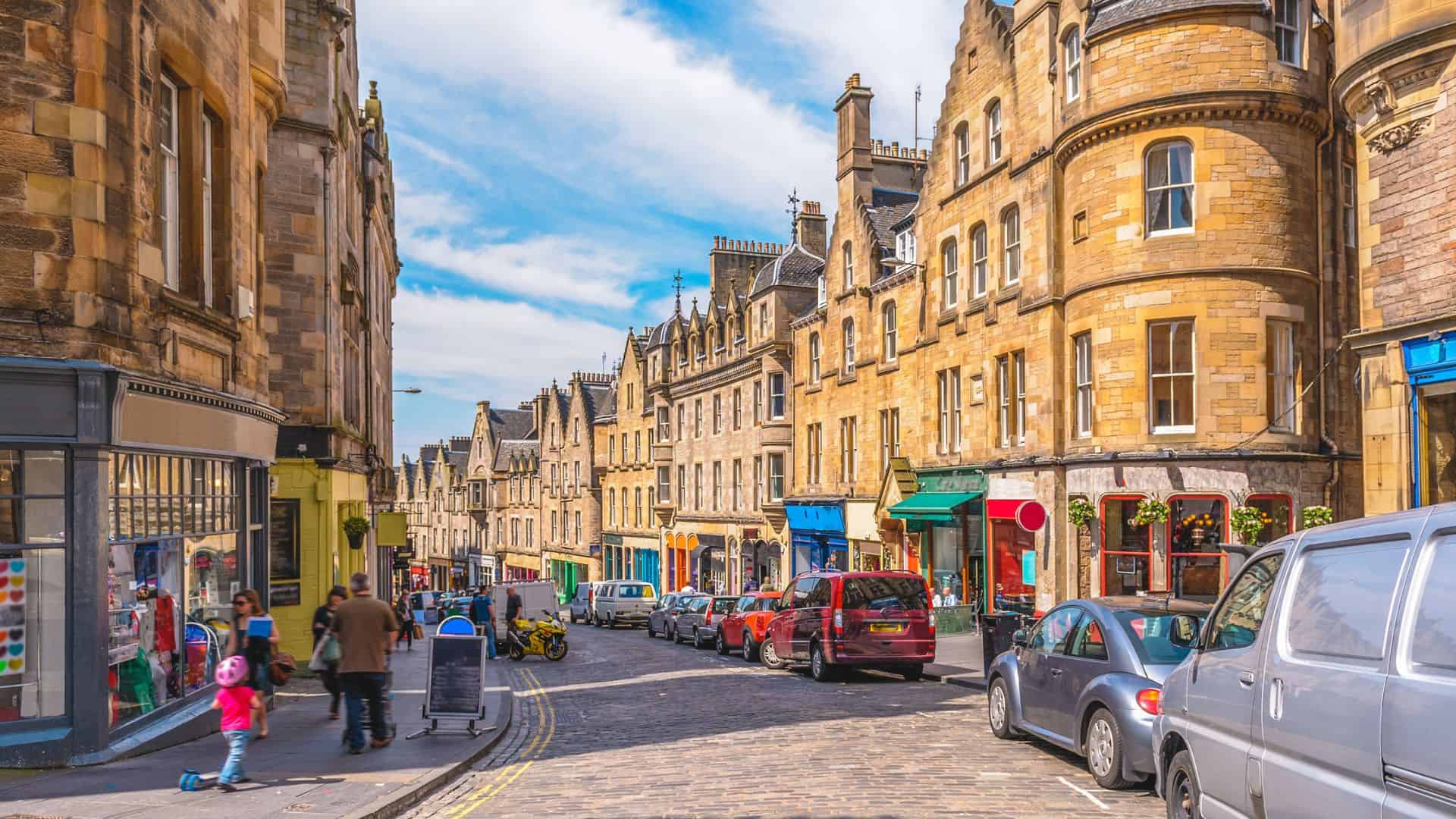
Rising along a rocky ridge, this medieval district developed vertically as much as horizontally. A main spine street runs from castle to palace, with narrow “closes” descending into dense residential areas. Walking reveals sudden changes in elevation, perspective, and enclosure. Stone buildings, some stacked several stories high, reflect limited space within historic boundaries. Pedestrian routes connect churches, markets, and civic buildings, reinforcing the area’s long-standing role as Scotland’s historic core. Exploration on foot exposes dramatic views, hidden courtyards, and architectural layers shaped by defense, commerce, and urban survival.
Want to save this?
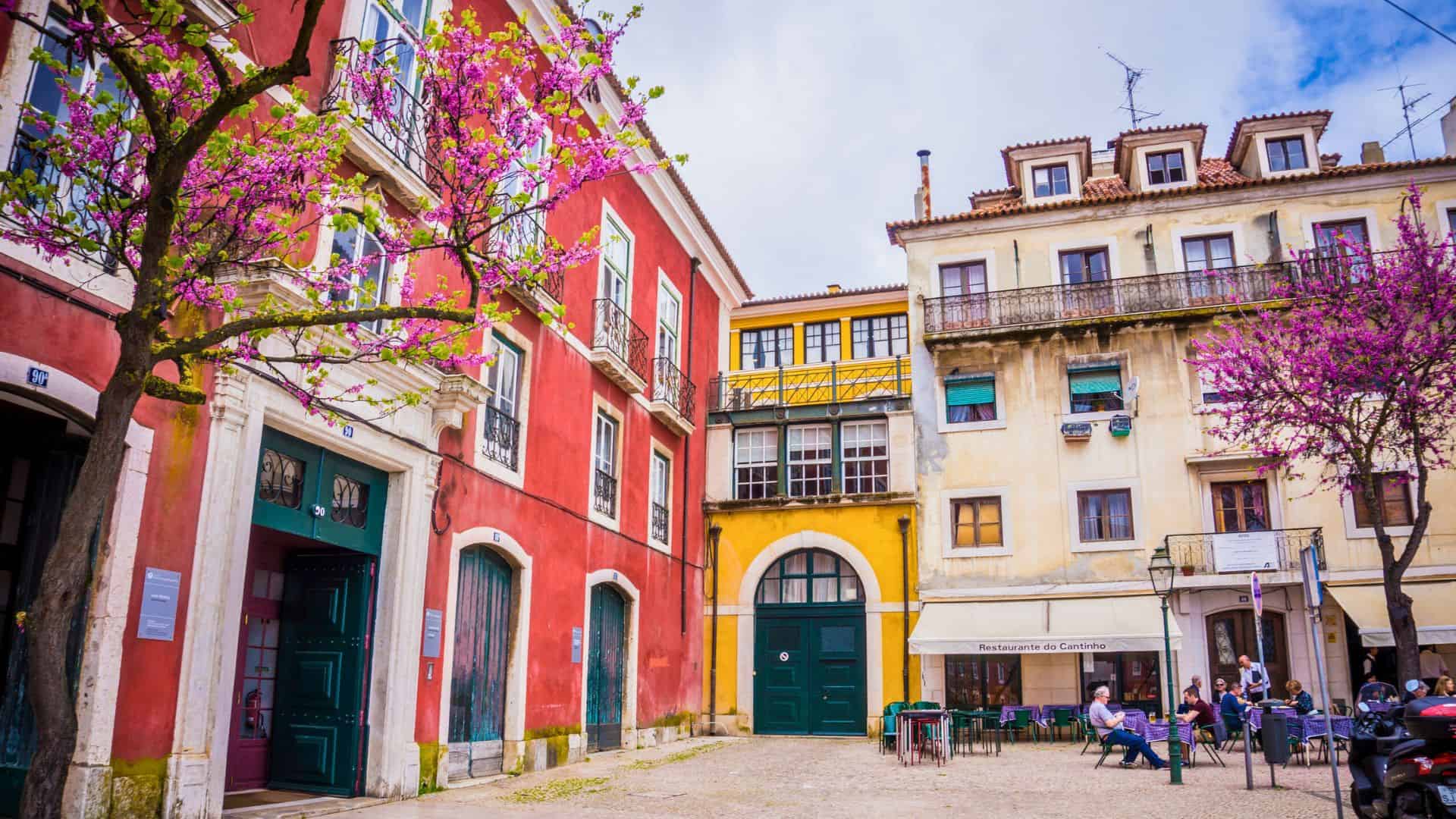
Alfama – Lisbon, Portugal
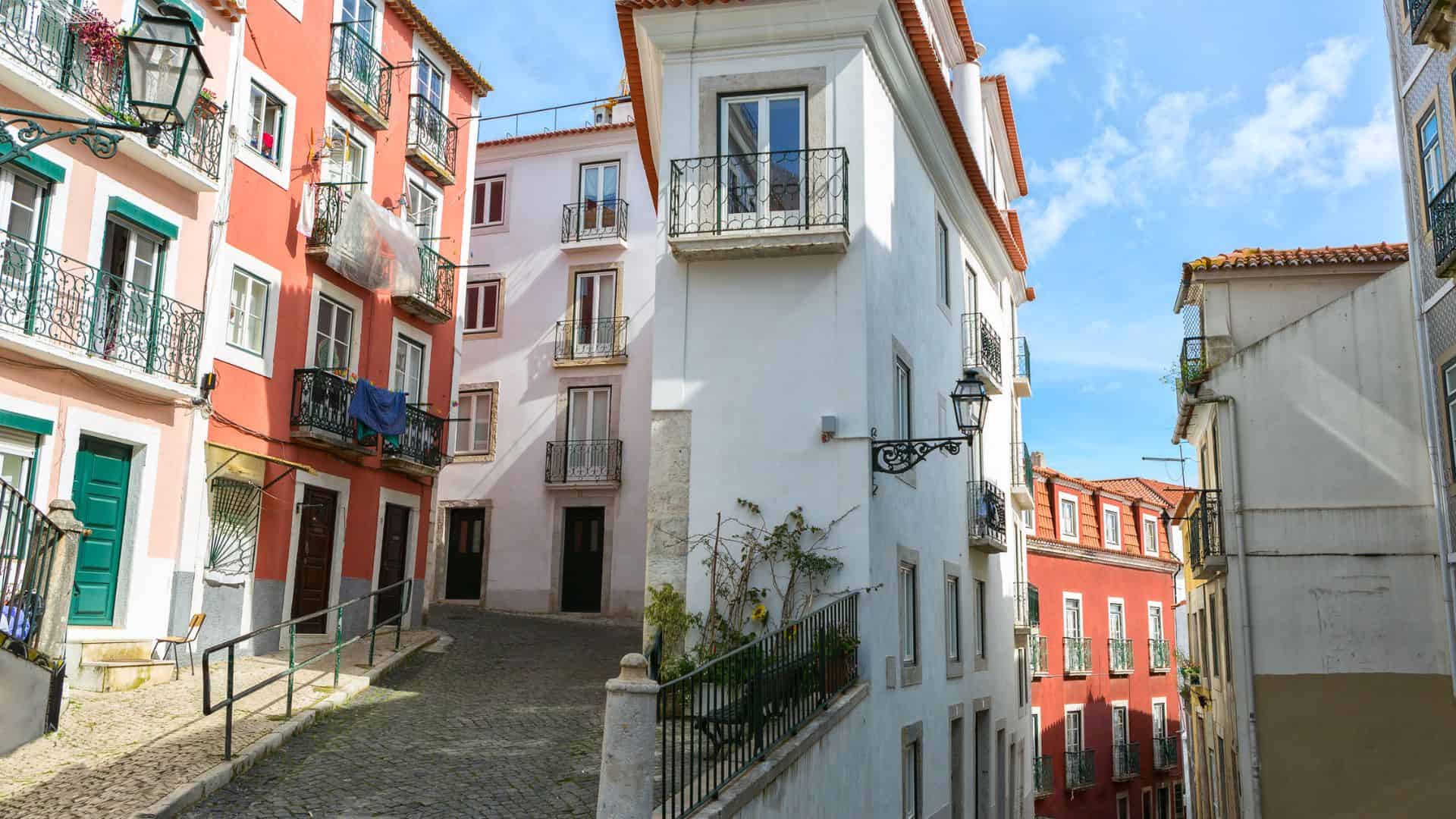
Alfama climbs the hills east of central Lisbon, forming a dense network of winding lanes shaped by Moorish-era planning. Streets curve unpredictably, opening onto staircases, terraces, and small squares overlooking the Tagus River. Buildings display weathered façades, tiled walls, and iron balconies reflecting everyday life. Walking is essential, as cars struggle with the steep inclines and narrow passages. Along the way, local sounds drift from windows, while historic churches and viewpoints appear unexpectedly. Alfama rewards patience, with each step revealing layers of history tied to Lisbon’s maritime past.
Barri Gòtic – Barcelona, Spain
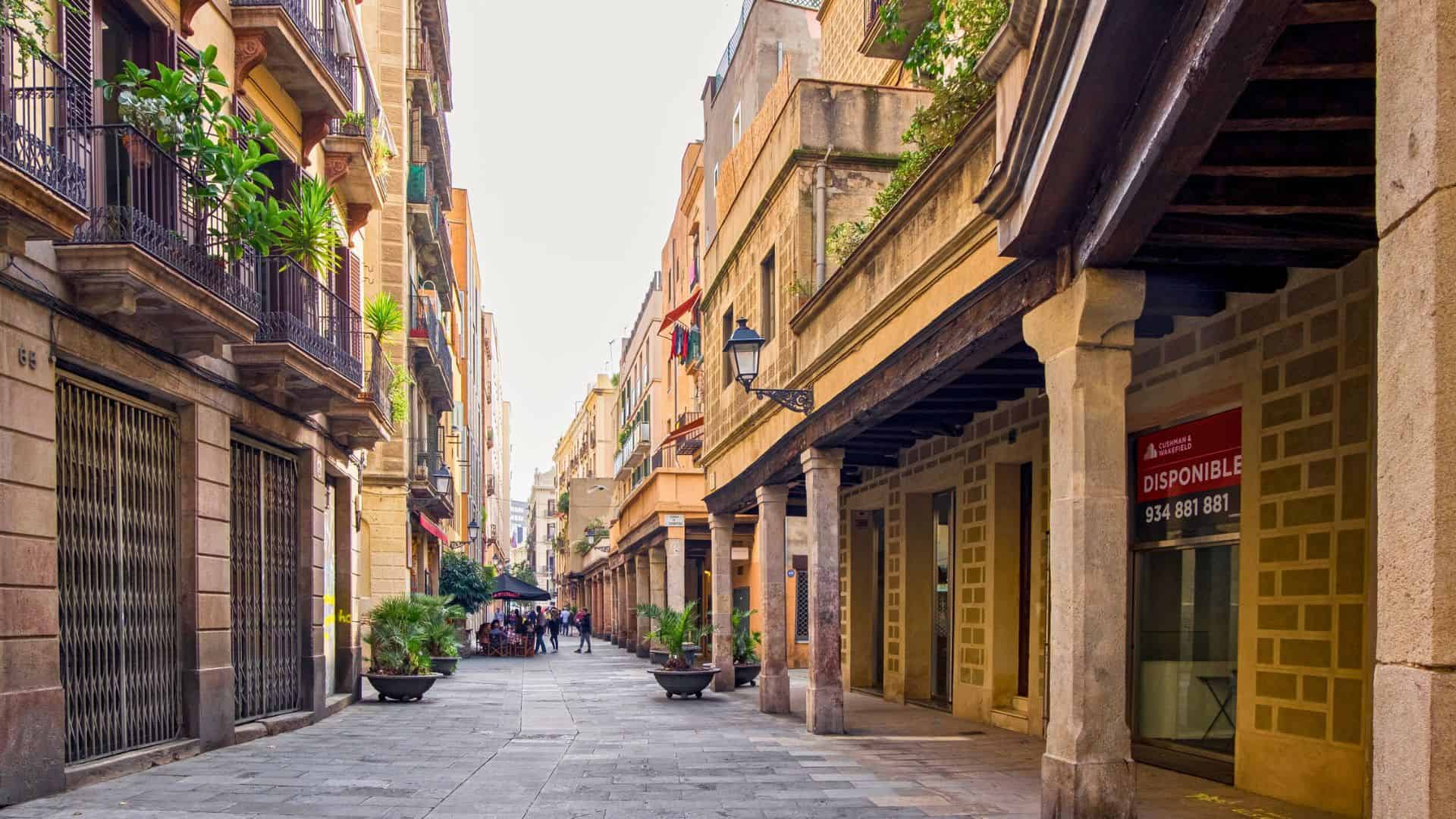
Barcelona’s Barri Gòtic preserves the layered footprint of Roman foundations and medieval expansion. Its compact streets twist tightly between stone buildings, creating shaded corridors that naturally slow walking pace. Small plazas appear suddenly, framed by historic façades, civic buildings, and centuries-old churches. The district’s pedestrian focus allows close observation of carved doorways, ancient walls, and reused architectural fragments. Walking through the area highlights how public life unfolds at ground level, with conversation and daily routines shaping the atmosphere. The neighborhood’s density and continuity make exploration on foot both practical and revealing.
Venice Historic Center – Venice, Italy
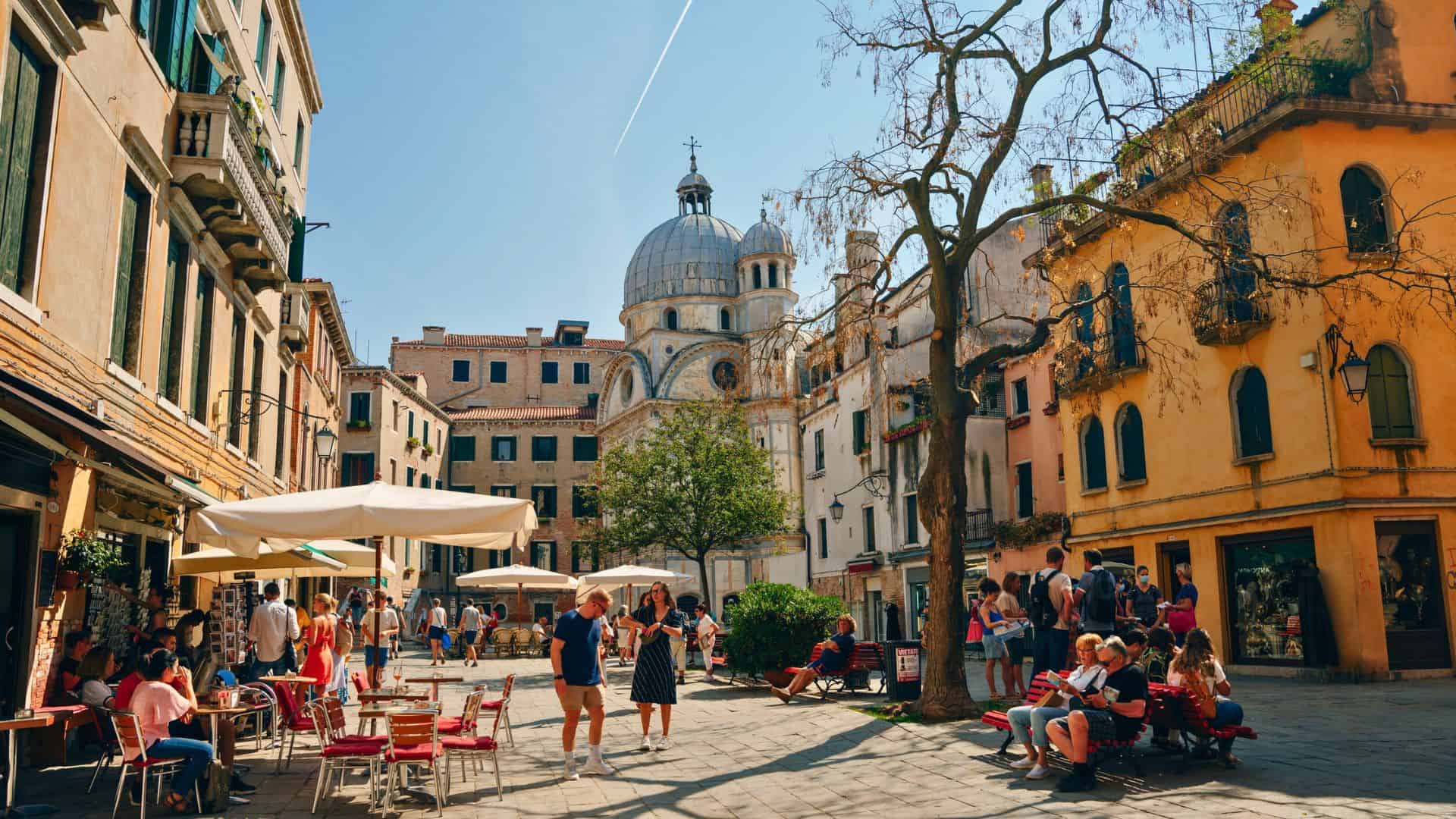
Venice’s historic center functions without roads, relying instead on a dense web of alleys, bridges, and canals that naturally prioritize walking. Narrow passageways connect small neighborhoods, each centered around a church or campo that anchors local life. Stone buildings rise directly from the water, reflecting centuries of maritime power and trade. Walking reveals constant shifts in scale, from busy corridors near major sights to quiet residential lanes where laundry hangs overhead. Without cars, movement feels rhythmic and continuous, allowing pedestrians to absorb architectural details, subtle changes in light, and the city’s long relationship with water.
Old Town – Dubrovnik, Croatia
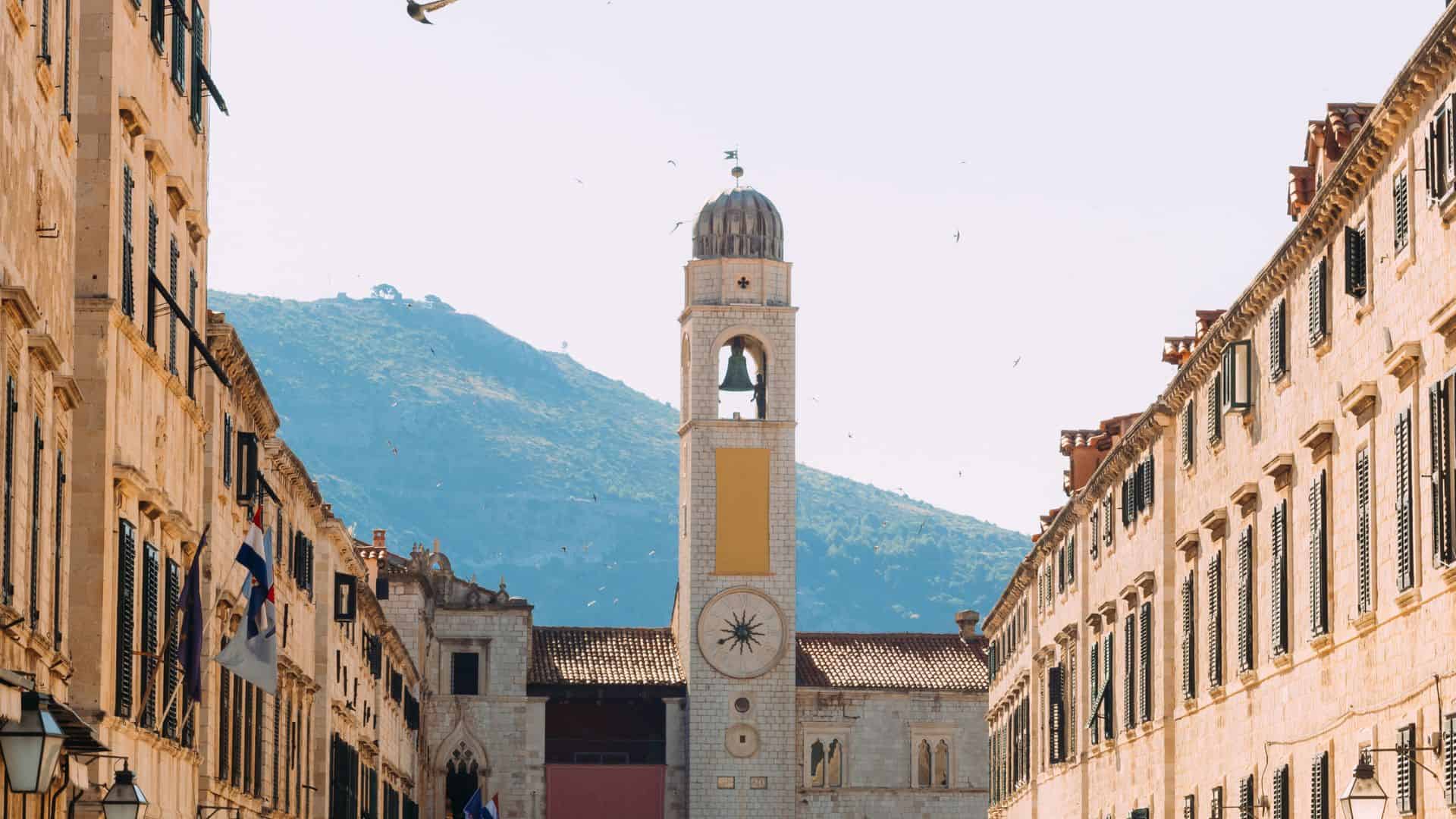
Dubrovnik’s Old Town sits entirely within fortified stone walls, forming a fully pedestrian historic environment. Polished limestone streets connect monasteries, palaces, fountains, and residential blocks in a compact arrangement. The main thoroughfare, Stradun, acts as a central spine from which smaller lanes branch upward and downward. Walking exposes the precision of medieval planning and the city’s defensive priorities. Views of the Adriatic Sea appear through gates and openings in the walls. With vehicles excluded, foot travel becomes the primary way to experience the city’s layered history and architectural unity.
The Marais – Paris, France
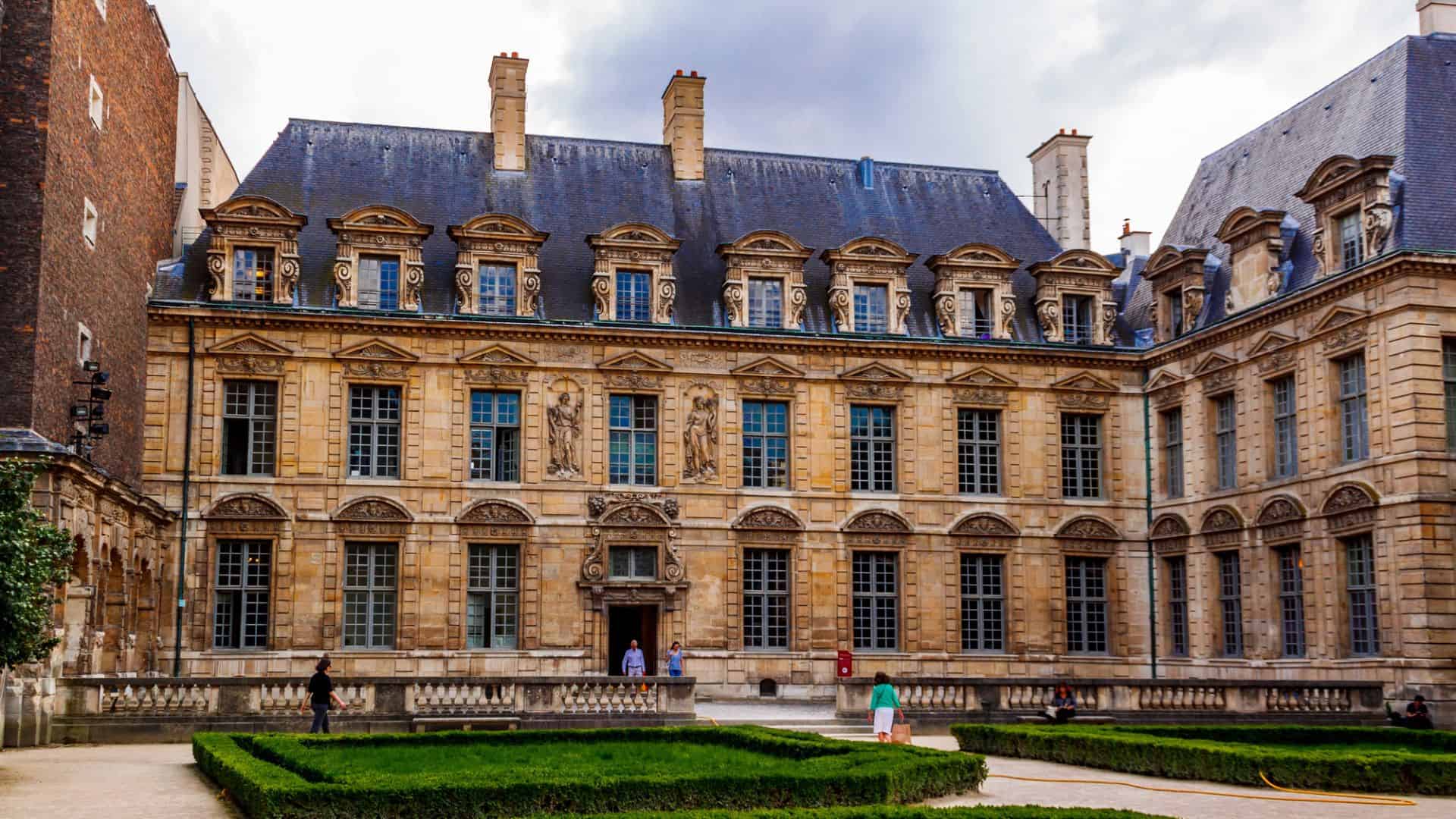
The Marais combines medieval street patterns with grand aristocratic architecture from later centuries. Its flat terrain and dense street grid encourage long walks between museums, courtyards, and public gardens. Former noble residences now house cultural institutions, while ground-level streets remain active with daily routines. Stone façades, wrought-iron details, and hidden passageways create visual rhythm at walking pace. Squares such as Place des Vosges act as natural pauses within the urban flow. Pedestrians experience a district where historical continuity and modern city life coexist closely, revealed best through steady exploration.
History, One Block at a Time
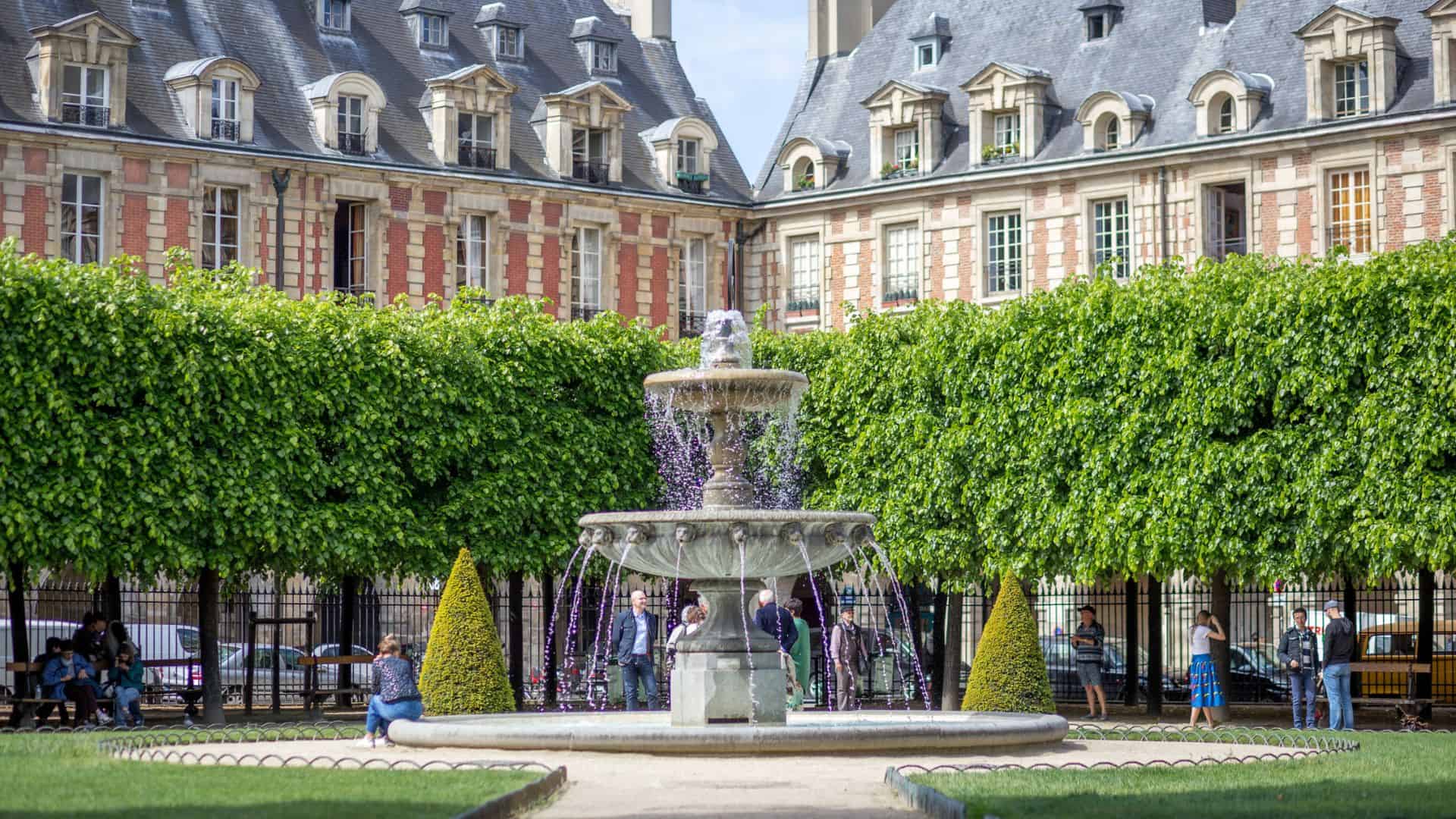
Walking through historic districts reminds you that cities don’t need to rush. When streets are built for people, movement feels great and natural. You notice small details, hear real conversations, and sense how daily life has unfolded there for generations. Distance feels manageable, and time feels less strict. You’re not checking schedules or watching traffic lights.
These districts show why walking still matters. They prove that good city design doesn’t depend on modern tools or big plans. It comes from spaces that connect naturally and reward curiosity. If you travel to slow down, to see more by doing less, these places make that easy. Lace up, step outside, and start walking. The rest tends to fall into place without much effort at all.
15 Historic Places in Europe That'll Transport You Through Time

Europe is rich in history, and there are 15 historic places in Europe that'll transport you through time. From ancient ruins to medieval castles, these sites offer a glimpse into the past, allowing visitors to experience the stories and events that shaped the continent. Each location is steeped in history and culture, making them must-visit destinations for anyone looking to connect with Europe’s vibrant heritage.
Read More Here: 15 Historic Places in Europe That'll Transport You Through Time
13 Countries Where Sacred Sites Have Unspoken Rules

Sacred places often come with expectations that are not written on signs. This article features countries where sacred sites have unspoken rules, focusing on destinations where behavior, dress, and movement are closely observed. Visitors who are unaware of these expectations can unintentionally cause offense or be asked to leave.
Read More Here: 13 Countries Where Sacred Sites Have Unspoken Rules


Leave a Reply