
Tourism can be an enriching and rewarding experience, but there are some destinations where the risks outweigh the rewards. Certain countries present serious safety concerns for tourists, whether due to political instability, natural disasters, health outbreaks, or ongoing conflicts. These destinations, while beautiful and historically rich, require extra caution, and travelers must be well-prepared before setting foot on their soil.
Here are 13 countries where tourism comes with significant risk factors. Whether it’s civil unrest, natural hazards, or health crises, these locations can pose challenges that many tourists don’t anticipate. For those with wanderlust, these risks shouldn’t deter them from exploring the world, but it's crucial to take appropriate precautions and stay informed.

Afghanistan

Afghanistan has faced decades of conflict, and although the political situation changes frequently, it remains one of the most unstable places in the world for travelers. Armed groups operate across large regions of the country, and terrorist attacks, kidnappings, and suicide bombings are frequent. Infrastructure is weak, and medical facilities are limited. Foreigners are often targets for crime or abduction, and even urban areas can become dangerous quickly. Many governments warn against all travel to Afghanistan due to the difficulty of evacuating citizens or offering assistance in the event of an emergency.
Syria

Syria's civil war has destroyed much of the country's infrastructure and displaced millions. While some areas are under government control and appear calmer, the risk of violence, bombings, and chemical attacks remains high. Rebel factions, foreign military involvement, and terrorism make travel extremely risky. There’s little to no consular support for most foreign nationals. Communication networks are unreliable, and transportation is limited due to damage and checkpoints. Even aid workers and journalists, often traveling with security, face severe risks.
North Korea

Travelers to North Korea face extreme surveillance and must join government-approved tours, with no independent movement allowed. Breaking even minor laws—such as taking unauthorized photos—can result in arrest or lengthy imprisonment. Political tensions with other nations often affect the safety of foreign visitors, especially those from countries with strained diplomatic ties. Communication is restricted, and there's virtually no internet access. Tour guides closely monitor all activity, and conversations with locals are limited or discouraged. Any perceived criticism of the government is considered a crime.
Iraq

While parts of Iraq, especially in the Kurdistan region, have developed some tourism infrastructure, other regions remain extremely dangerous. Baghdad and southern provinces experience bombings, sectarian violence, and ongoing political unrest. Kidnappings and attacks targeting foreigners have occurred even in secure areas. Landmines and unexploded ordnance remain in rural zones. Travel outside of secure compounds usually requires armed escorts. Air travel may be interrupted due to military operations. Infrastructure such as electricity and water is unreliable, and medical services may be overwhelmed.
Venezuela

Venezuela has one of the world’s highest crime rates, with rampant theft, kidnapping, and armed robbery. Power outages and shortages of basic goods, including medicine and food, are common. Tourists may be seen as wealthy targets, increasing their vulnerability. Political protests often turn violent, and police crackdowns can be indiscriminate. Hyperinflation affects access to cash and services. Airports and border crossings can close suddenly, and bribes may be demanded by officials. Consular support is limited due to embassy reductions. Travel within the country carries significant risks, especially in urban centers and border areas.
Nigeria

Nigeria deals with regional instability, especially in the northeast where Boko Haram and other militant groups conduct frequent attacks. Kidnapping for ransom is common, including in urban centers like Lagos and Abuja. Armed robberies and violent crimes are reported throughout the country. Infrastructure struggles to meet demand, with unreliable electricity and traffic congestion. The government enforces curfews and travel restrictions during crises. Religious and ethnic tensions sometimes flare into violent clashes. Foreigners may face scams, fraud, or extortion.
Democratic Republic of the Congo

The DRC faces decades of conflict, with ongoing violence in provinces like North Kivu and Ituri. Armed rebel groups, illegal mining operations, and political instability contribute to widespread insecurity. Roadblocks, extortion, and kidnappings occur frequently. Travel infrastructure is weak—airlines may lack safety oversight, and roads are often impassable. Medical facilities are under-resourced, and diseases such as Ebola and malaria are prevalent. Foreigners may be mistaken for journalists or aid workers and targeted. Even in cities like Kinshasa, unrest can break out with little warning.
Want to save this?
Pakistan
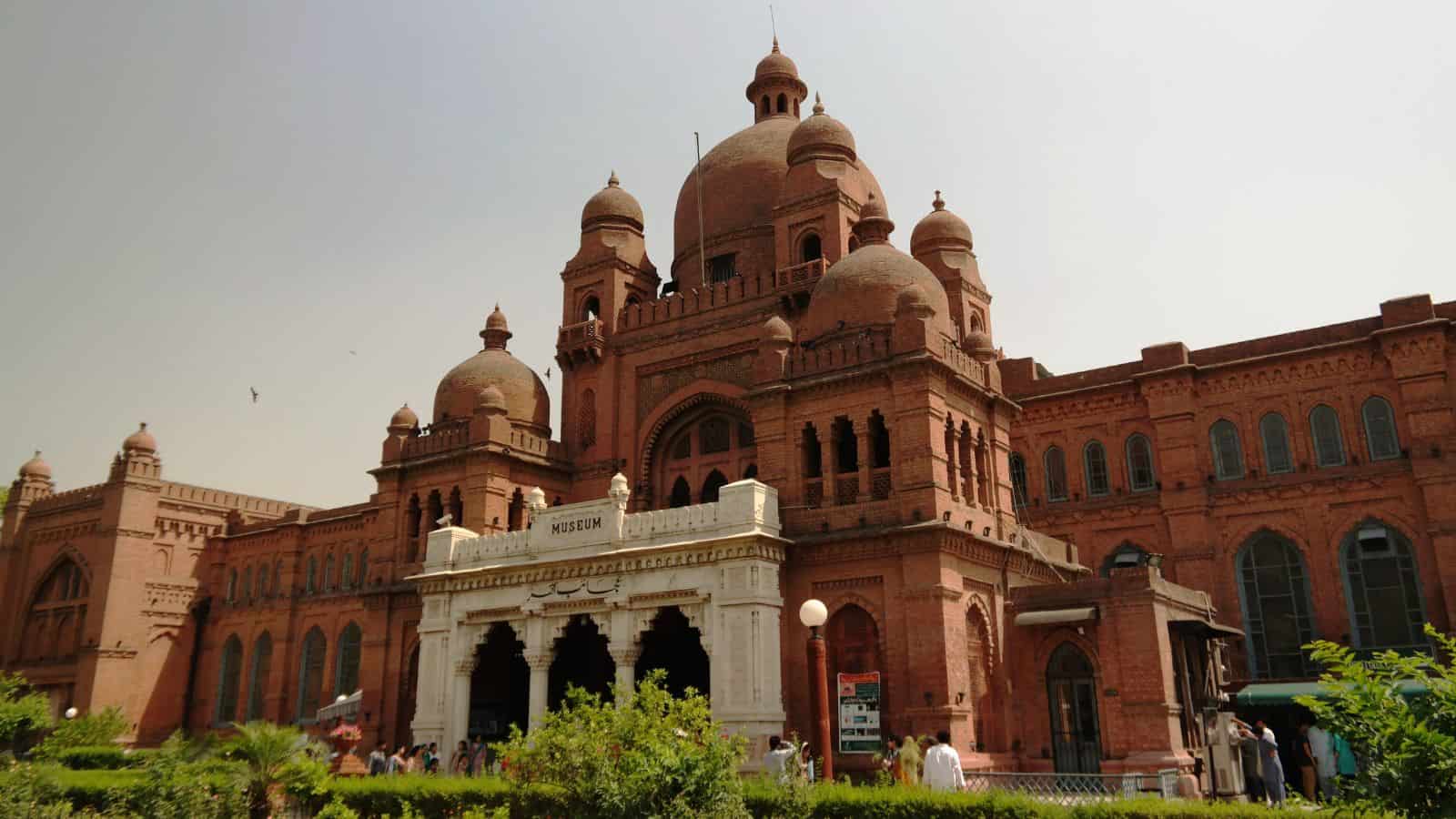
While parts of Pakistan attract adventurous travelers, others remain highly volatile. Border regions with Afghanistan, India, and Iran face ongoing military activity, insurgency, and terrorist attacks. Kidnappings and bombings have occurred in cities like Quetta and Peshawar. Sectarian violence and demonstrations can escalate with little warning, and travelers may be caught in the unrest. Infrastructure varies widely, with rural areas often lacking basic services. Foreign nationals can attract unwanted attention, especially without a local contact. Security checkpoints and documentation checks are frequent, and military presence is heavy in sensitive regions.
Yemen

Yemen is experiencing a prolonged humanitarian and security crisis due to civil war, famine, and the presence of multiple armed factions. Airstrikes, bombings, and street fighting occur regularly. Infrastructure is severely damaged—airports, hospitals, and roads are unreliable or destroyed. Cholera and malnutrition are widespread. Kidnapping of foreigners is common, and many embassies have closed, limiting outside support. The conflict makes movement across the country extremely difficult and dangerous. Aid organizations operate under threat, and foreign visitors may be mistaken for military or intelligence personnel.
Somalia

Somalia continues to experience conflict, piracy, and lawlessness across much of the country. Terrorist attacks and targeted killings are common, especially in Mogadishu. There is no functioning central authority in some areas, and rival militias maintain control. Kidnapping for ransom is a frequent threat, particularly against foreigners. Piracy along the Somali coast remains a risk despite international patrols. Humanitarian workers often require armed escorts. Infrastructure is extremely limited, with unreliable electricity, scarce medical care, and damaged roads. Government forces are stretched thin, and local enforcement is inconsistent. With few safe zones, Somalia remains one of the most dangerous places for travelers.
Haiti
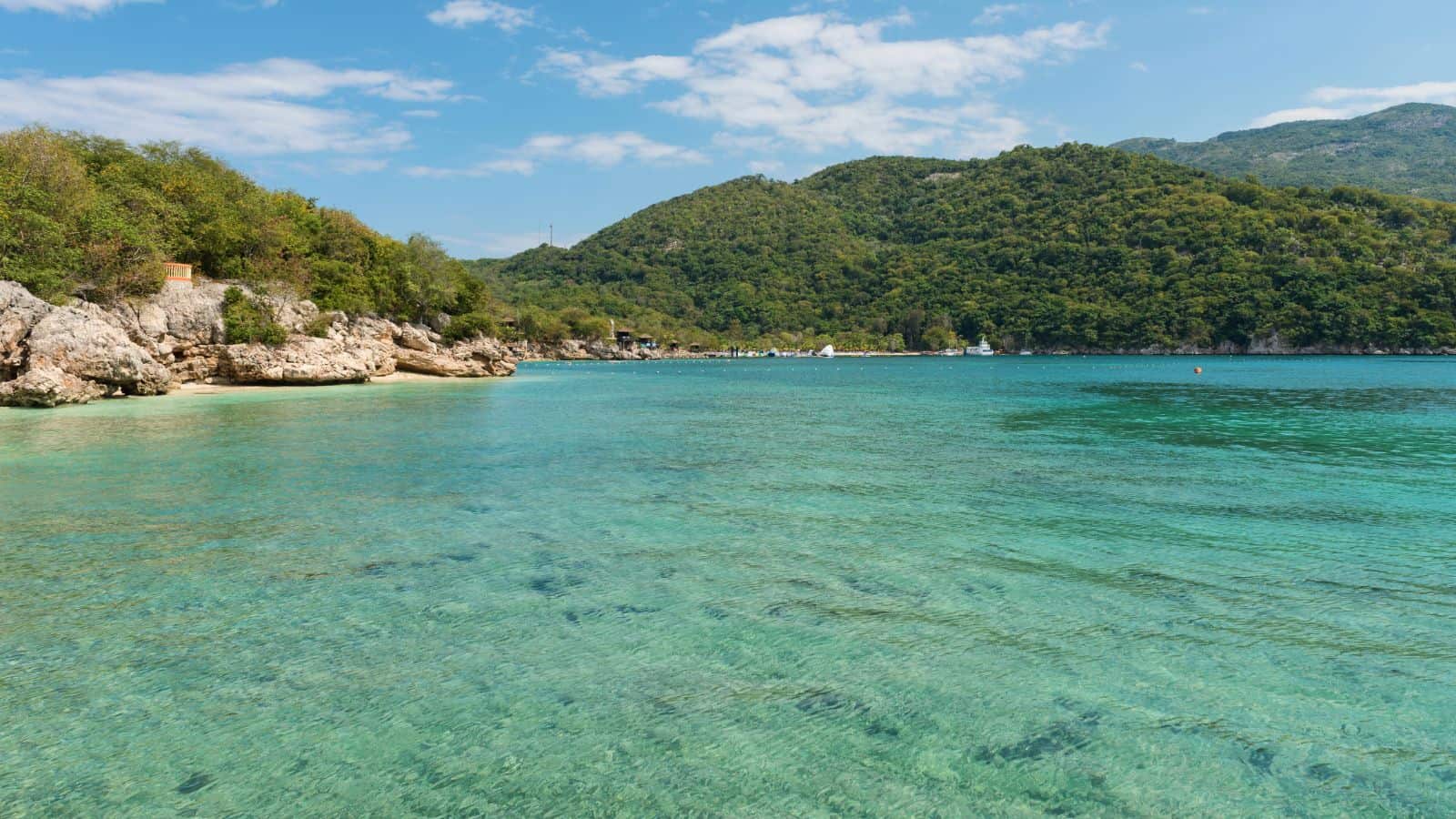
Haiti faces severe political unrest, gang violence, and chronic poverty. Armed groups control parts of Port-au-Prince, frequently blocking roads and kidnapping locals and foreigners for ransom. Violent protests erupt often, targeting both government buildings and public services. Fuel shortages, limited electricity, and water disruptions affect daily life. Medical facilities are underfunded and overstretched. Infrastructure remains fragile, especially after repeated earthquakes and hurricanes. Travelers may face extortion at checkpoints or risk assault in high-crime areas. Embassy operations are frequently limited during crises. While some areas have community tourism programs, instability across the country makes travel risky even for experienced adventurers.
Central African Republic

The Central African Republic suffers from ongoing armed conflict, with multiple militias controlling different parts of the country. Violence between groups frequently spills into civilian areas, and attacks on aid workers and government institutions are common. Roads may be impassable due to armed checkpoints or poor conditions. The capital, Bangui, sees periodic unrest despite international peacekeeping efforts. Medical care is extremely limited, and evacuation options are few. Kidnapping, carjacking, and robbery pose serious threats. Travelers are often restricted to certain zones, and movement beyond those areas typically requires a military escort. International advisories strongly discourage travel due to the high threat level.
Libya

Libya remains fragmented by civil conflict, with rival governments and militias vying for control. Armed clashes are frequent, and foreign embassies have largely withdrawn. Kidnappings, especially of foreigners, are common. Airports may close without notice, and border crossings are unpredictable. Infrastructure is heavily damaged, and basic services are unreliable. The security situation can deteriorate quickly, even in areas that seem stable. Foreigners can be mistaken for journalists or government agents and may be detained. There’s limited support for travelers in distress. Travel is highly restricted, with many areas under militia control and little oversight or law enforcement.
17 Beautiful Destinations Struggling With Their Own Popularity

Are these places familiar to you? Traveling to beautiful destinations can be a dream come true, but there are 17 beautiful destinations struggling with their own popularity. As more visitors flock to these stunning locations, the impact on local communities and environments can be significant. Many of these places, once serene and picturesque, now face challenges such as overcrowding, rising prices, and environmental degradation.
Read More Here: 17 Beautiful Destinations Struggling With Their Own Popularity
13 Countries Where Good Manners Make or Break Your Trip

Planning to travel outside the country? Good manners can greatly impact travel experiences, and there are 13 countries where good manners make or break your trip. Understanding local customs and etiquette is essential for making a positive impression and ensuring a smooth visit. In some cultures, small gestures like saying "please" and "thank you" can go a long way, while in others, specific behaviors may be expected or even required.
Read More Here: 13 Countries Where Good Manners Make or Break Your Trip



Leave a Reply