
Fear of flying is a common issue that affects many travelers, making it difficult to enjoy flights and reach destinations with ease. Whether it's the fear of turbulence, claustrophobia, or a general anxiety about flying, there are proven methods to help overcome this fear. Fortunately, with the right techniques and mindset, anyone can gain control and build confidence in the air.
Here are ten effective strategies to conquer your fear of flying once and for all. From relaxation techniques like deep breathing to understanding the science behind flight safety, these methods can help reduce anxiety and make flying a more comfortable experience. By incorporating these steps into your pre-flight routine, travelers can gradually overcome their fear and approach flying with more peace of mind.
Understand What You're Afraid Of
Before you can move past your fear of flying, it helps to pinpoint what actually triggers it. Are you anxious during turbulence? Do enclosed spaces make you feel trapped? Is it the thought of not being in control? Fear is rarely vague; it’s often tied to a few specific scenarios. Writing down your thoughts before, during, and after a flight can help identify patterns. Once you understand the core of your fear, it becomes easier to approach it rationally and work on specific strategies that address the root causes rather than dealing with generalized dread.
Learn How Flying Works
Fear often comes from the unknown. Learning the science and mechanics behind how airplanes operate can ease a lot of the tension. Understand how lift, thrust, and drag work together to keep planes in the air. Watch videos or read material written by pilots and engineers who break down concepts in simple, accessible terms. Turbulence, for example, may feel scary, but it’s usually no different from bumps on a road. Knowing that aircraft are designed to handle far more stress than they encounter in normal conditions can help you feel grounded, even when you’re cruising at 35,000 feet.
Try Exposure Therapy

Avoiding what scares you might feel safer in the moment, but it can strengthen fear over time. Exposure therapy works by introducing small, manageable doses of what triggers anxiety and, in this case, flying-related content or situations. You can start by looking at photos of airports or plane interiors. Then watch videos of takeoffs and landings. Eventually, try visiting an airport, sitting in a stationary plane (if possible), or using flight simulators. The goal is to slowly rewire your brain’s response. By becoming more familiar with these elements, your fear begins to shrink rather than grow.
Use Breathing Techniques
Panic often leads to shallow, rapid breathing, which makes the body feel even more anxious. Controlled breathing is one of the fastest ways to interrupt this cycle. Techniques like box breathing (inhale for 4, hold for 4, exhale for 4, hold for 4) or the 4-7-8 method (inhale 4, hold 7, exhale 8) help regulate your nervous system. Practicing these ahead of time means you’ll be better prepared to use them when anxiety kicks in, whether that’s during boarding, takeoff, or turbulence. Carrying a small note card with the steps written down can serve as a discreet, helpful reminder mid-flight.
Avoid Stimulants Before Flying
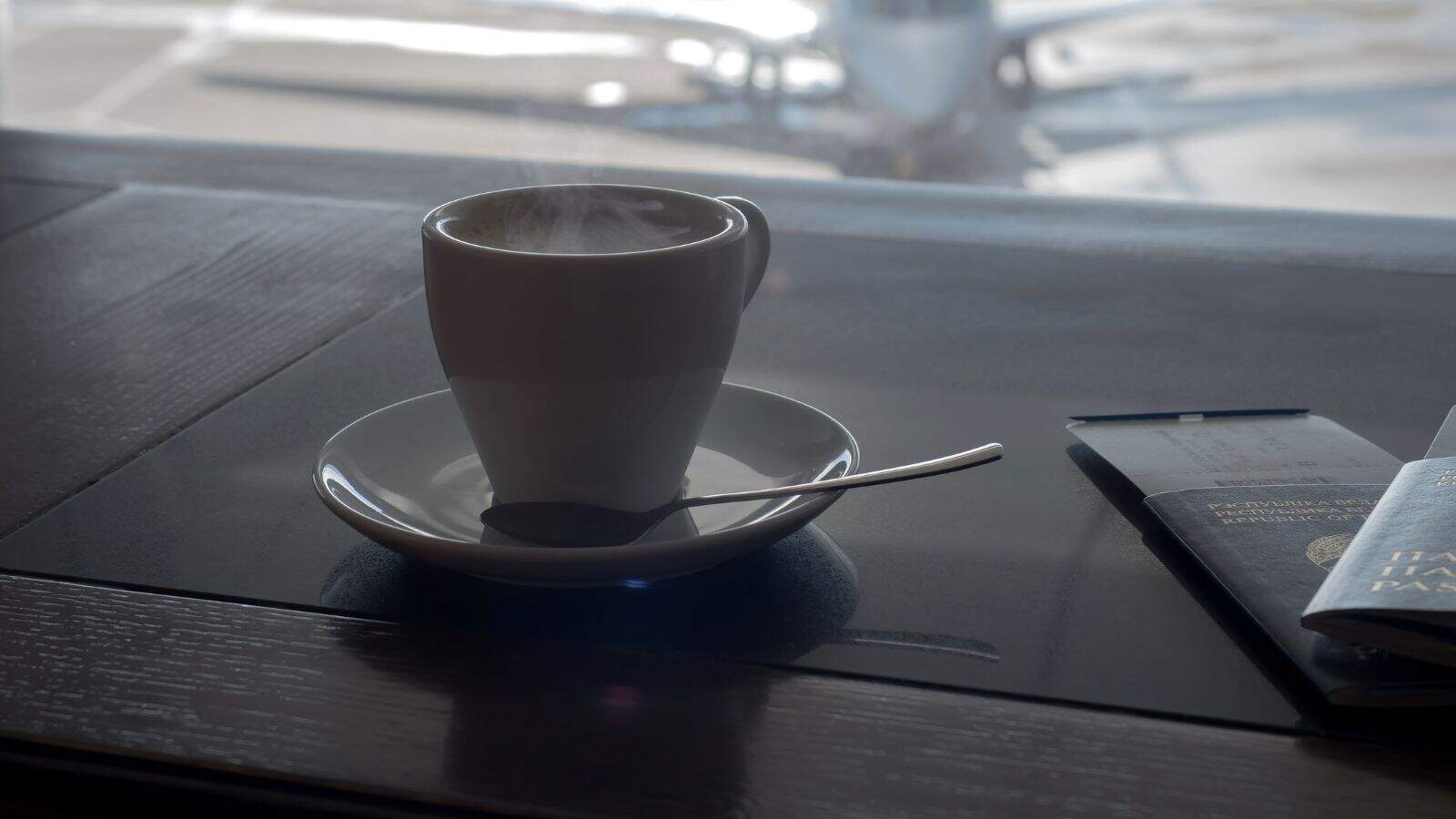
What you consume before boarding can impact your anxiety levels. Coffee, energy drinks, and even some teas can amplify heart rate and restlessness, which only adds fuel to fear. Alcohol may feel calming at first, but it can lead to dehydration and sudden mood drops, especially at high altitudes. Aim for hydration instead, like water, electrolyte drinks, or calming herbal teas. Eating something balanced before your flight also helps stabilize blood sugar, which can affect mood and stress levels. Setting yourself up with steady, calming choices before stepping on the plane gives your body a better chance of staying calm too.
Download Calming Apps or Audio Guides
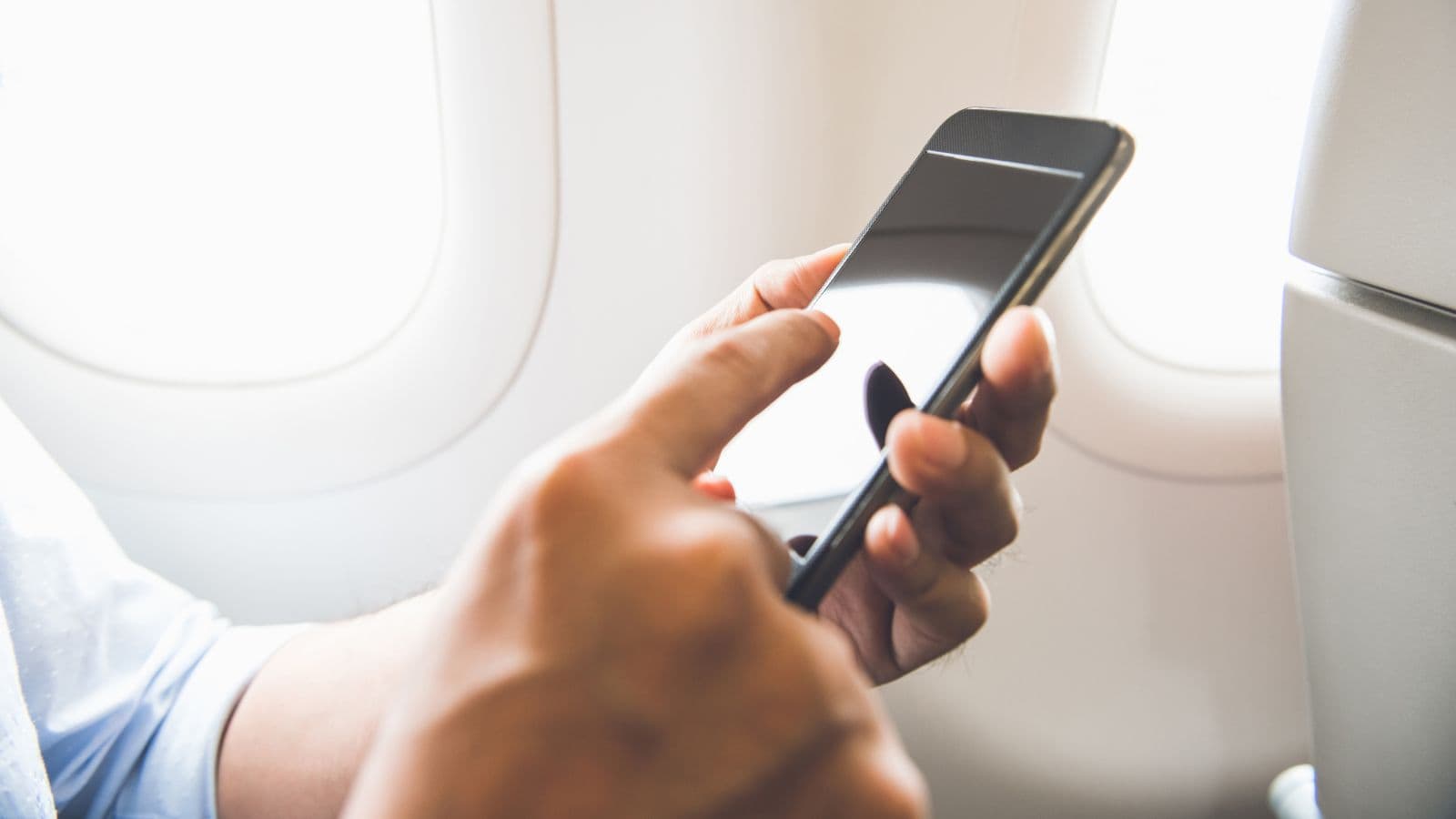
Technology can be a strong ally when you’re flying with anxiety. Apps like Headspace, Calm, or SOAR are designed with features that walk you through moments of panic, help you understand turbulence, or guide your focus away from spiraling thoughts. Some include real-time updates and recordings from pilots explaining what’s happening mid-flight. Others offer meditations or music specifically designed for travel. Download them in advance and keep headphones handy. Having something structured to listen to during takeoff or turbulence can anchor your attention and give your mind something predictable to hold onto, especially when things feel overwhelming.
Want to save this?
Fly More Frequently
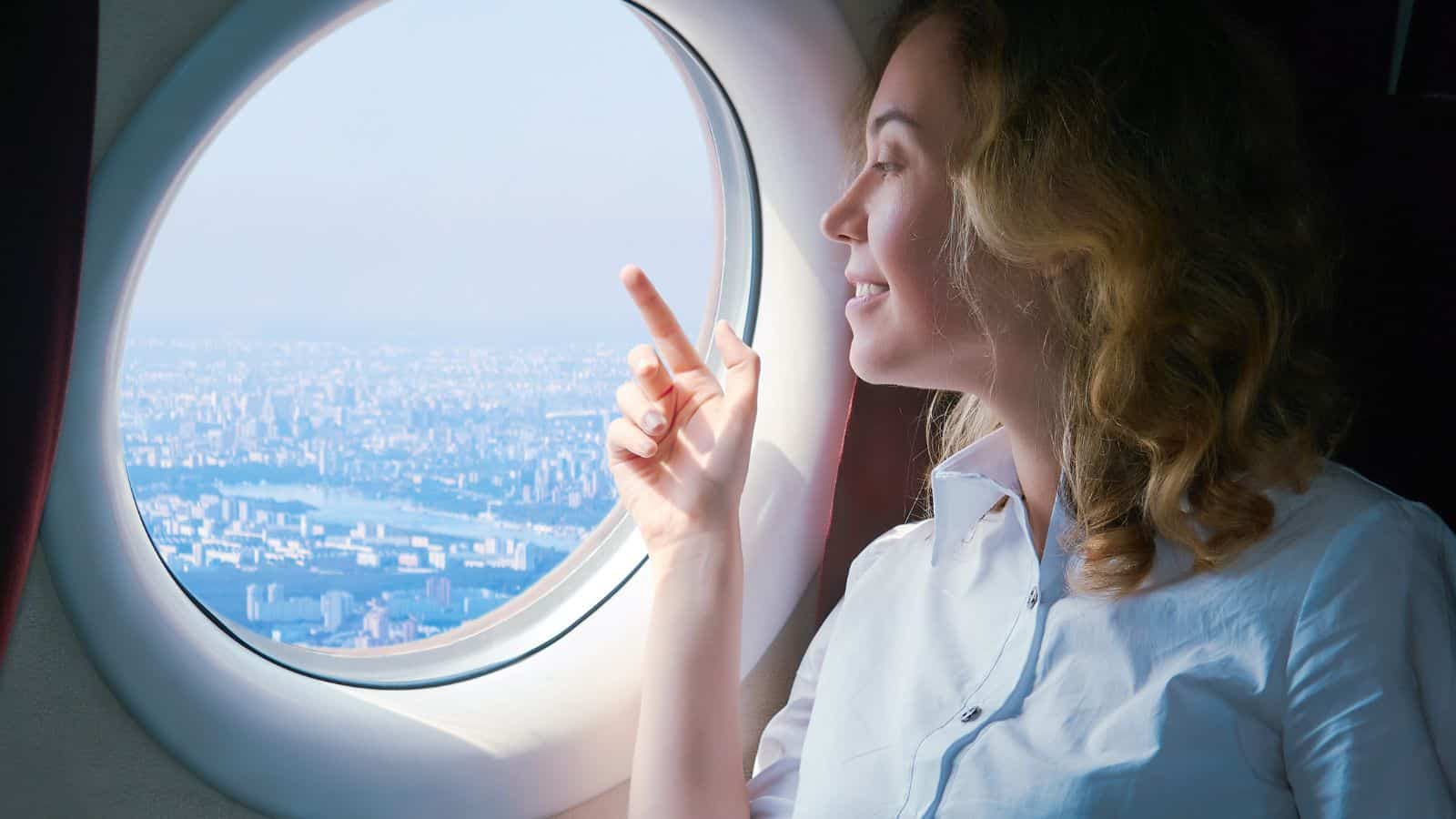
The more you avoid flying, the more power the fear tends to build. On the other hand, repetition can lead to desensitization. When you fly regularly, your brain starts to recognize the routine patterns—check-in, boarding, takeoff, cruising altitude, and slowly stops reacting with the same intensity. Even short domestic flights or round-trip weekend getaways can help break the association between flying and panic. You may still feel nervous at first, but with each trip, your comfort zone stretches a bit. What once felt terrifying starts to register as routine, especially when flights go smoothly and uneventfully, as they usually do.
Talk to the Crew
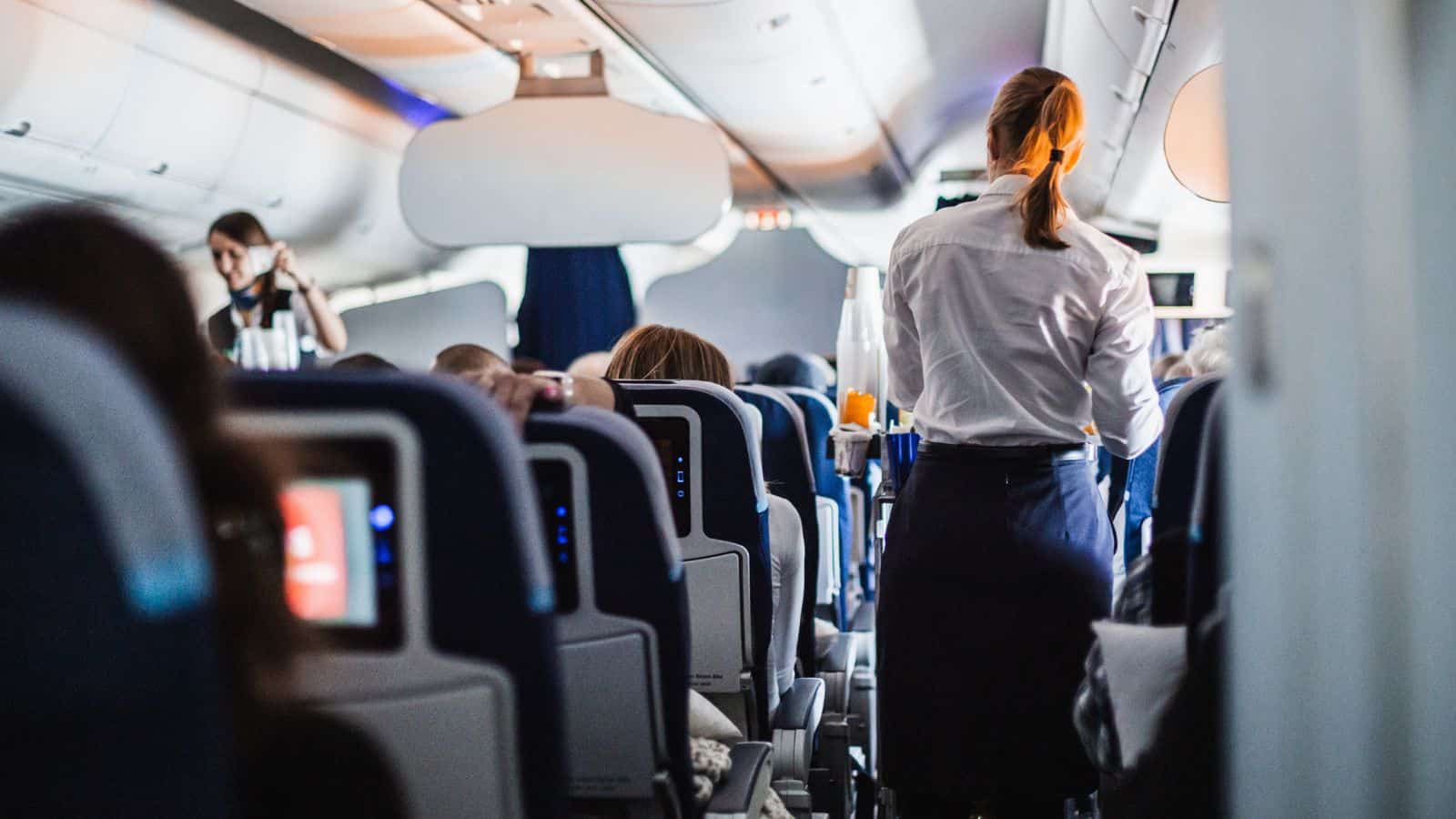
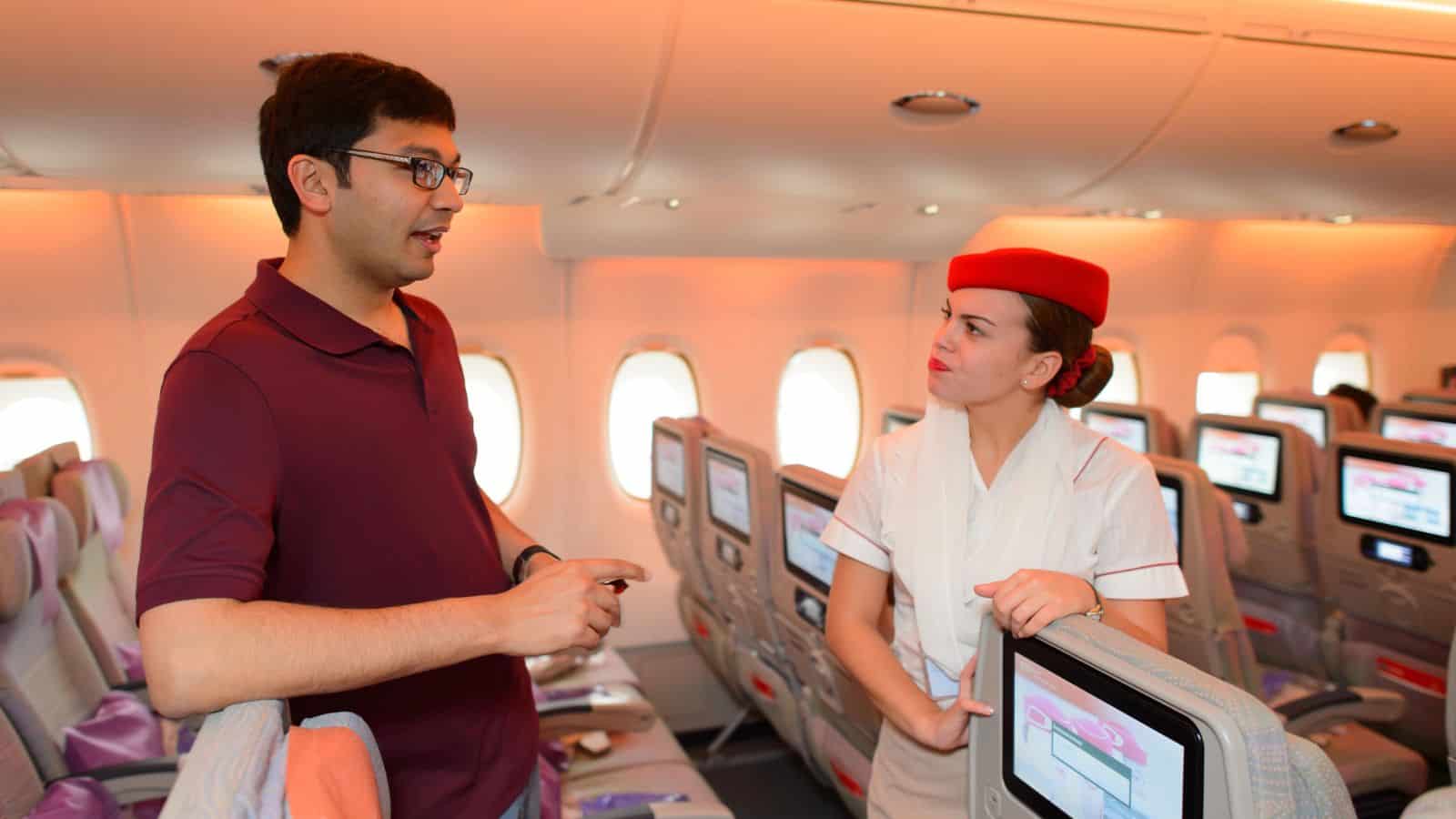
Flight attendants are trained to deal with nervous passengers, and many are more than happy to offer reassurance or check in with you discreetly throughout the flight. Letting them know before takeoff that you’re feeling anxious can take a weight off your shoulders. They might offer updates during turbulence, keep an eye on you, or even share calming insight from their own flying experience. You don’t need to share your entire story; just a brief heads-up can open the door for extra support. Feeling seen and supported by someone on board can make the experience feel more manageable.
Book Smart
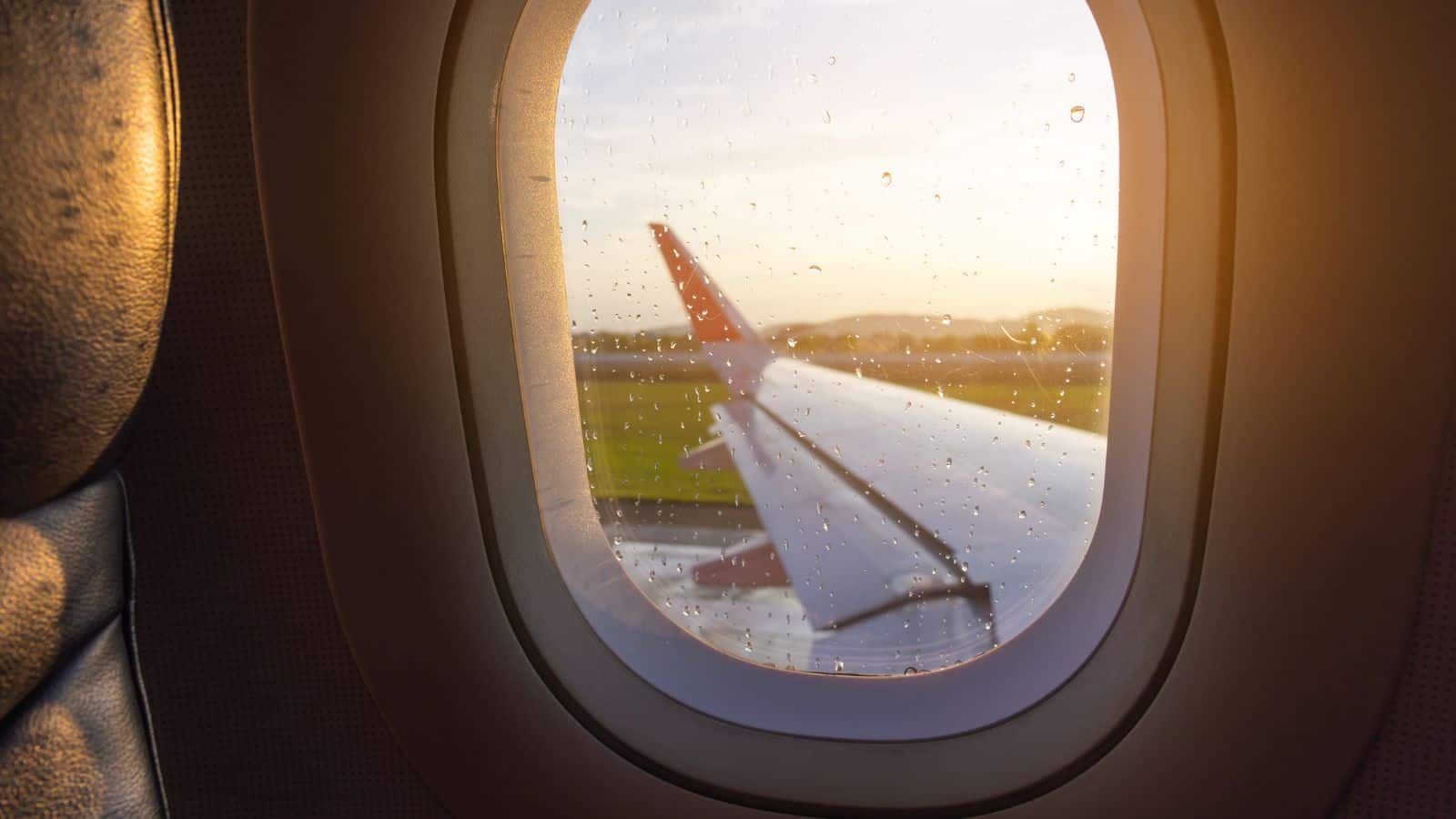
Small decisions about your flight details can have a real impact on how anxious you feel. If turbulence is one of your triggers, choose a seat over the wing, this area feels the most stable. Morning flights tend to have smoother air and fewer delays. Aisle seats can feel less claustrophobic, while window seats let you visually process what’s happening outside. Direct flights mean fewer transitions. Also, consider avoiding red-eye flights if sleep deprivation makes your anxiety worse. Planning your flight with care doesn’t erase fear entirely, but it helps reduce the number of stressors you’ll have to juggle.
Consider a Fear of Flying Course
If your fear is persistent or intense, a formal course might be a smart next step. Airlines and independent therapists often run programs tailored to anxious flyers. These typically include one-on-one coaching, group sessions, simulator exposure, and Q&A with pilots. You’ll learn how planes operate, what turbulence actually means, and how to respond when fear shows up mid-flight. Many programs end with a real flight alongside trained professionals. Hearing from pilots directly and seeing how others cope can help shift your mindset. These courses aren’t about pretending fear doesn’t exist—they help you develop real tools for navigating through it.
Confidence Takes Flight With Practice

Overcoming a fear of flying doesn’t happen overnight, but it is absolutely possible with patience, preparation, and the right mindset. These strategies, whether it’s understanding your fear, practicing calming techniques, or learning how planes work, give you practical tools to manage anxiety and feel more in control. Each step you take, no matter how small, builds confidence and chips away at the fear. Flying might never feel entirely easy, but it can become manageable, even routine. With time and consistency, travel becomes less about fear and more about freedom.
15 Flight Tips That'll Help Calm Your Travel Anxiety

Feeling anxious when flying? Traveling by plane can be a source of anxiety for many people, but there are 15 flight tips that'll help calm your travel anxiety. Understanding how to manage stress during a flight can make the experience more pleasant and enjoyable. Simple strategies, from breathing techniques to choosing the right seat, can significantly reduce feelings of unease and help travelers feel more at ease.
Read More Here: 15 Flight Tips That'll Help Calm Your Travel Anxiety
15 Common Airport Mistakes You Might Be Making

Do you do do any of these? Navigating an airport can be a stressful experience, and many travelers unknowingly make mistakes along the way. There are 15 common airport mistakes you might be making that can lead to unnecessary delays and frustration. From packing the wrong items to misjudging security lines, these blunders can turn an exciting trip into a hassle.
Read More Here: 15 Common Airport Mistakes You Might Be Making




Leave a Reply