
Distances within some states can be easy to underestimate at first. This article features U.S. states where distances make day trips unrealistic, focusing on places where long drives, limited routes, or geographic spread turn short plans into full-day commitments. What looks manageable on a map can take far longer in real conditions.
Understanding how distance affects travel time can help set more realistic plans. Allowing extra time or adjusting expectations can make trips feel smoother. Keep reading to see which U.S. states made the list and why day trips there often do not work out as planned.

Alaska, United States
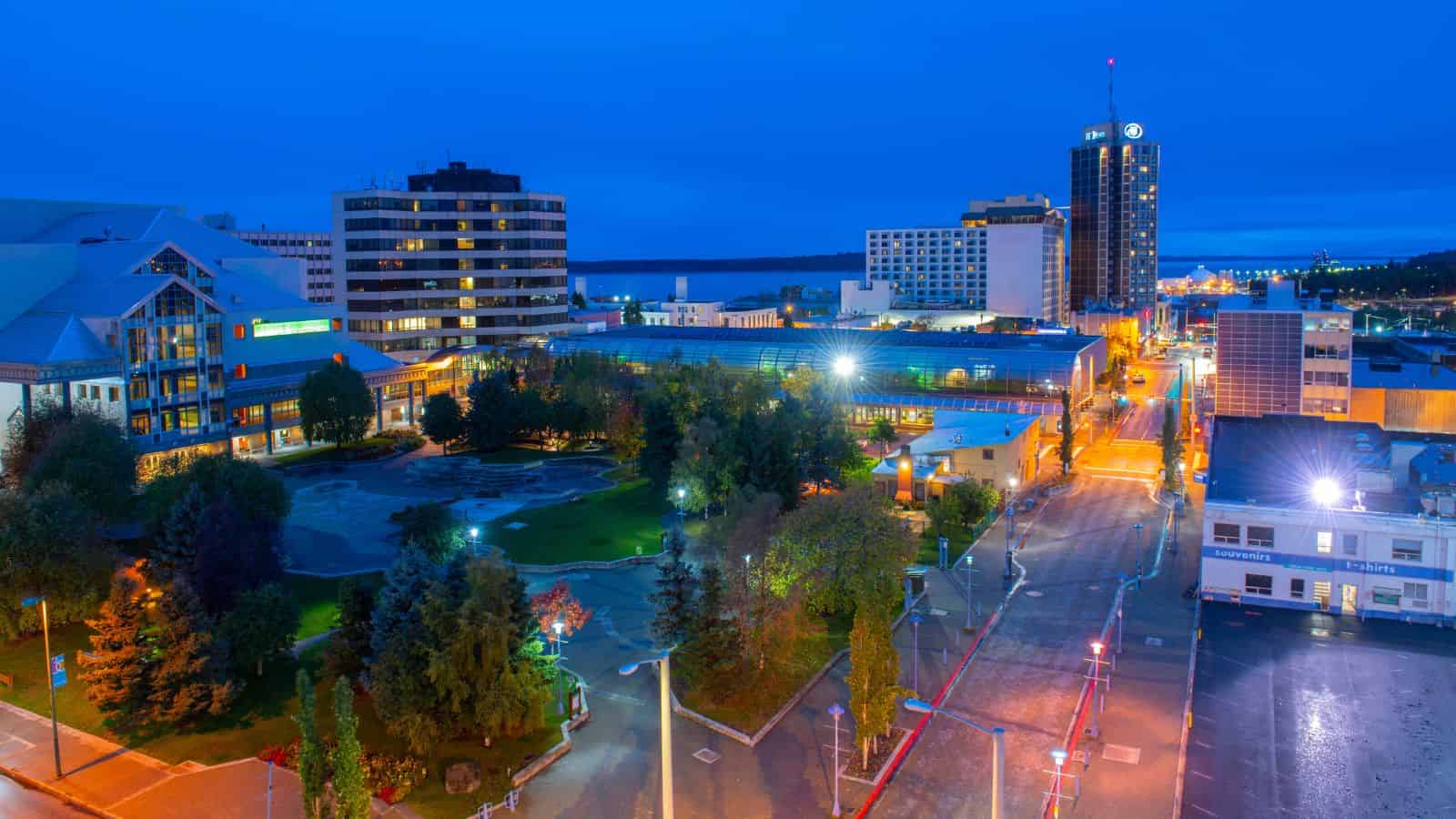
Many travelers expect to move easily between destinations, but Alaska’s scale makes day trips difficult. Distances between towns and attractions are significant, and road networks are limited. Weather conditions can also affect travel time. Flights are sometimes required to reach certain areas. Travelers who attempt to cover multiple locations in a single day often spend most of the time in transit. Planning overnight stays is usually more practical.
Texas, United States
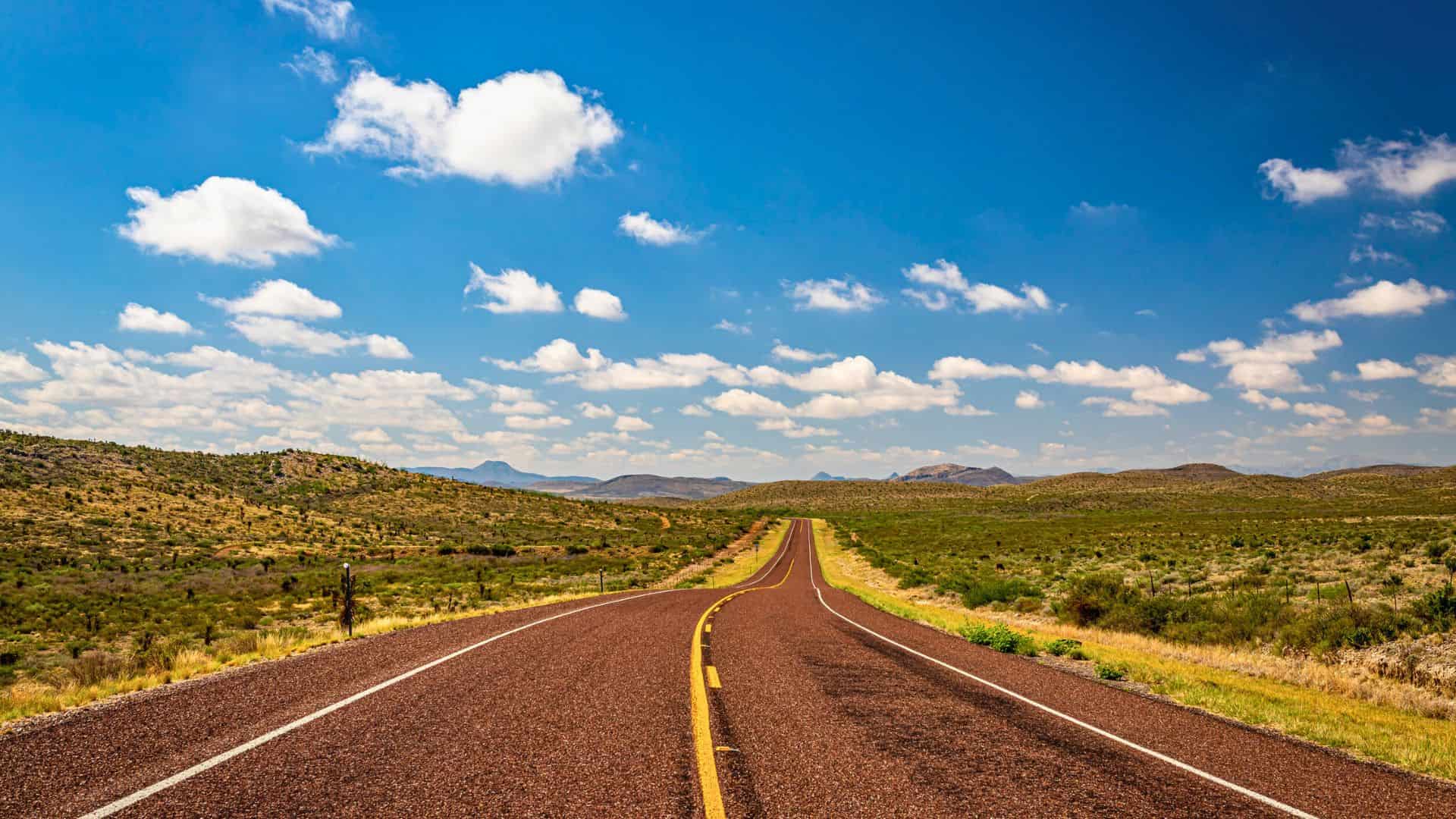
Texas appears manageable on a map, but distances between major cities are large. Driving between cities such as Dallas, Austin, and Houston can take several hours. Traffic can extend travel times further. Travelers who plan multiple stops in one day may find schedules difficult to maintain. Staying within one region or allowing overnight stops helps create a more balanced trip.
California, United States
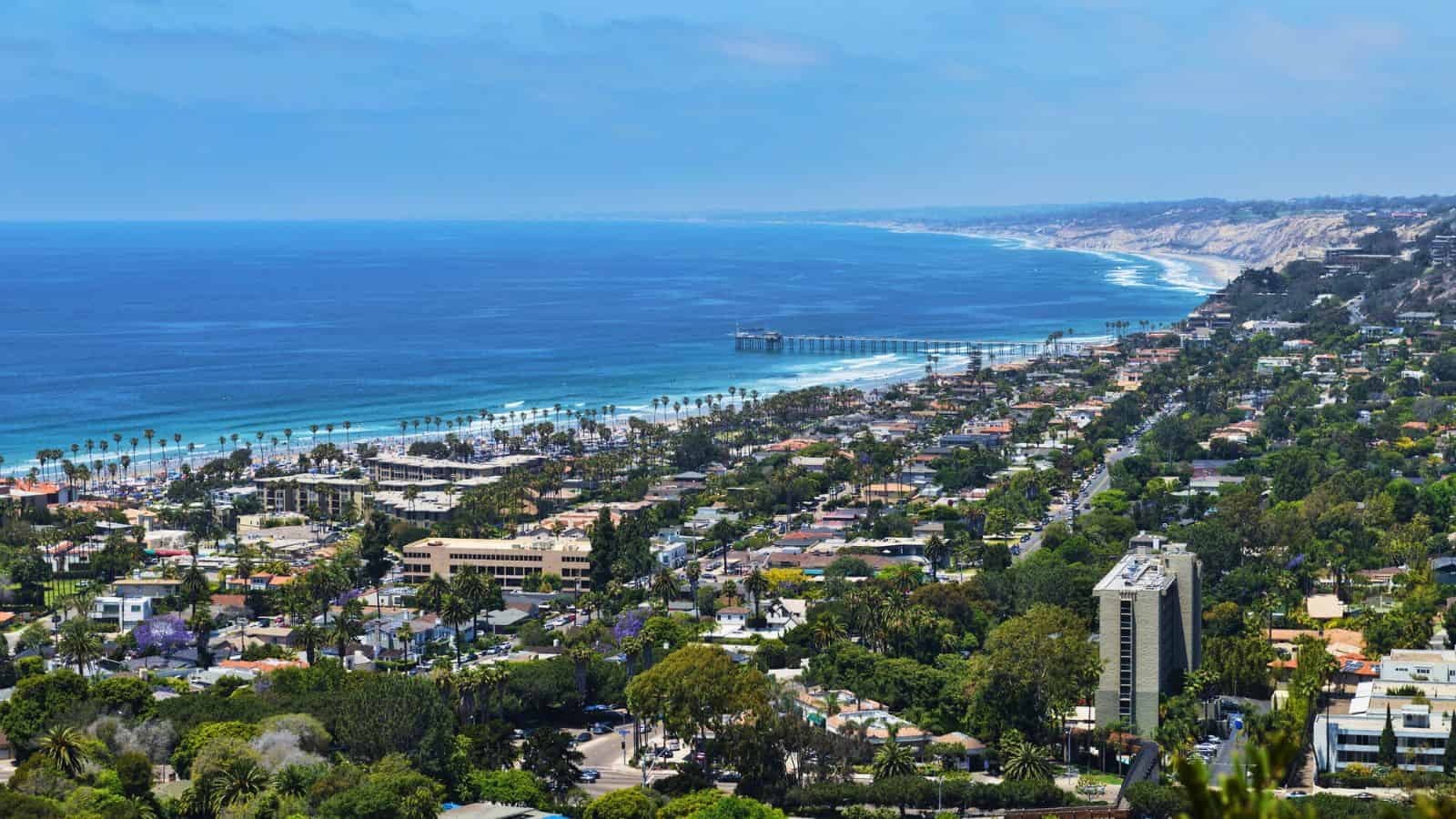
California includes major cities and natural sites spread across long distances. Traveling between Los Angeles, San Francisco, and national parks requires significant time. Coastal routes and mountain roads can slow travel further. Attempting multiple destinations in one day often leads to long hours on the road. Focusing on one region at a time helps manage the state’s scale.
Montana, United States
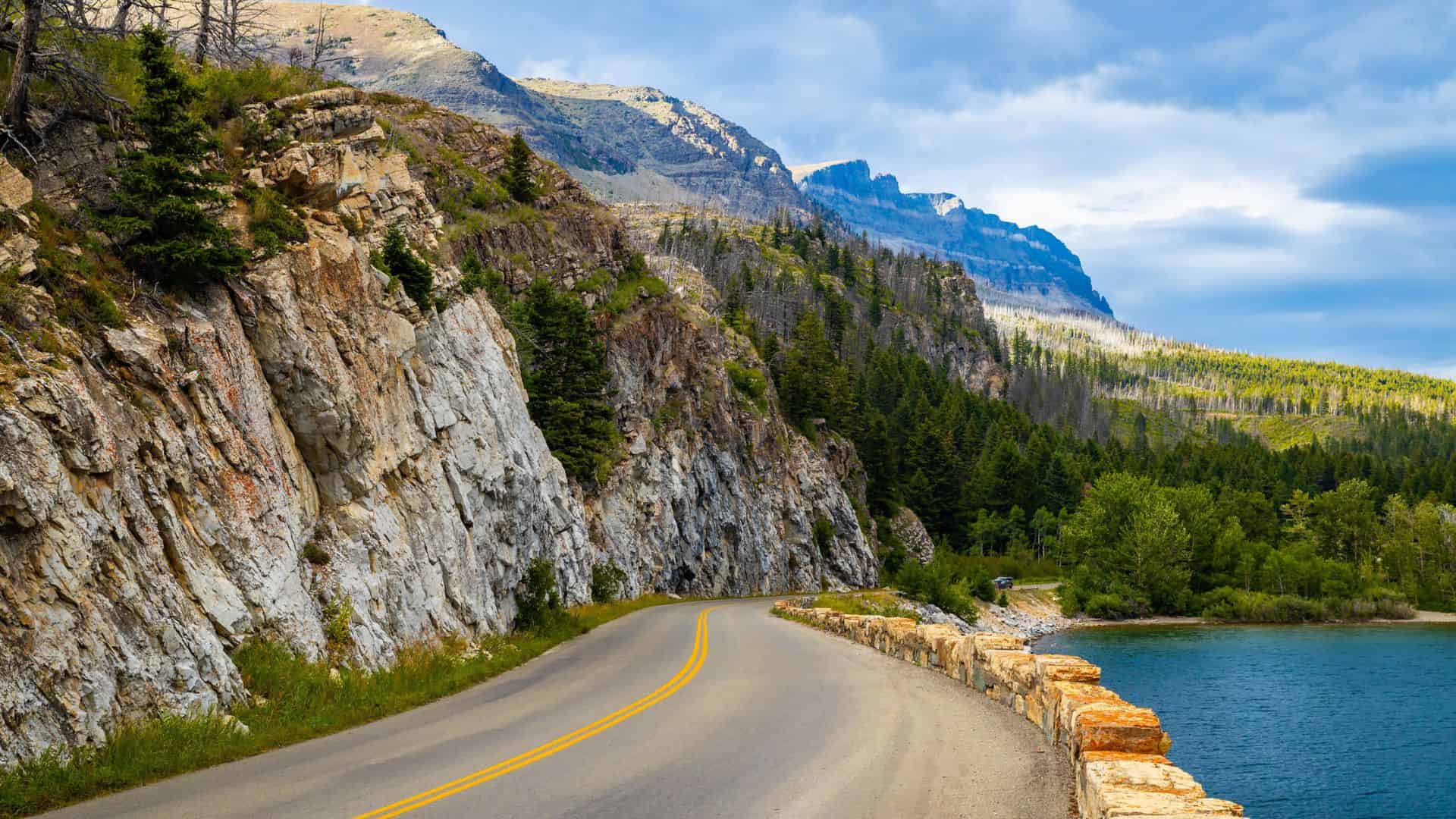
Montana’s wide-open landscape includes long distances between towns and attractions. National parks and scenic areas are spread out, with limited services in between. Driving times are often longer than expected. Travelers who attempt to visit multiple areas in a single day may face time constraints. Staying near key locations helps reduce travel pressure.
Arizona, United States

Arizona’s desert geography creates long distances between destinations. Driving from Phoenix to Sedona or the Grand Canyon takes several hours. Heat and weather conditions can also affect travel. Travelers who plan multiple stops in one day may spend more time driving than expected. Focusing on fewer destinations helps maintain a manageable pace.
Nevada, United States

Nevada’s major attractions are spread across a large desert area. Distances between Las Vegas, Reno, and other sites require extended driving. Services can be limited in remote areas. Travelers who attempt to combine multiple destinations in one day may face long travel times. Planning overnight stays helps reduce the impact of distance.
Want to save this?
Colorado, United States
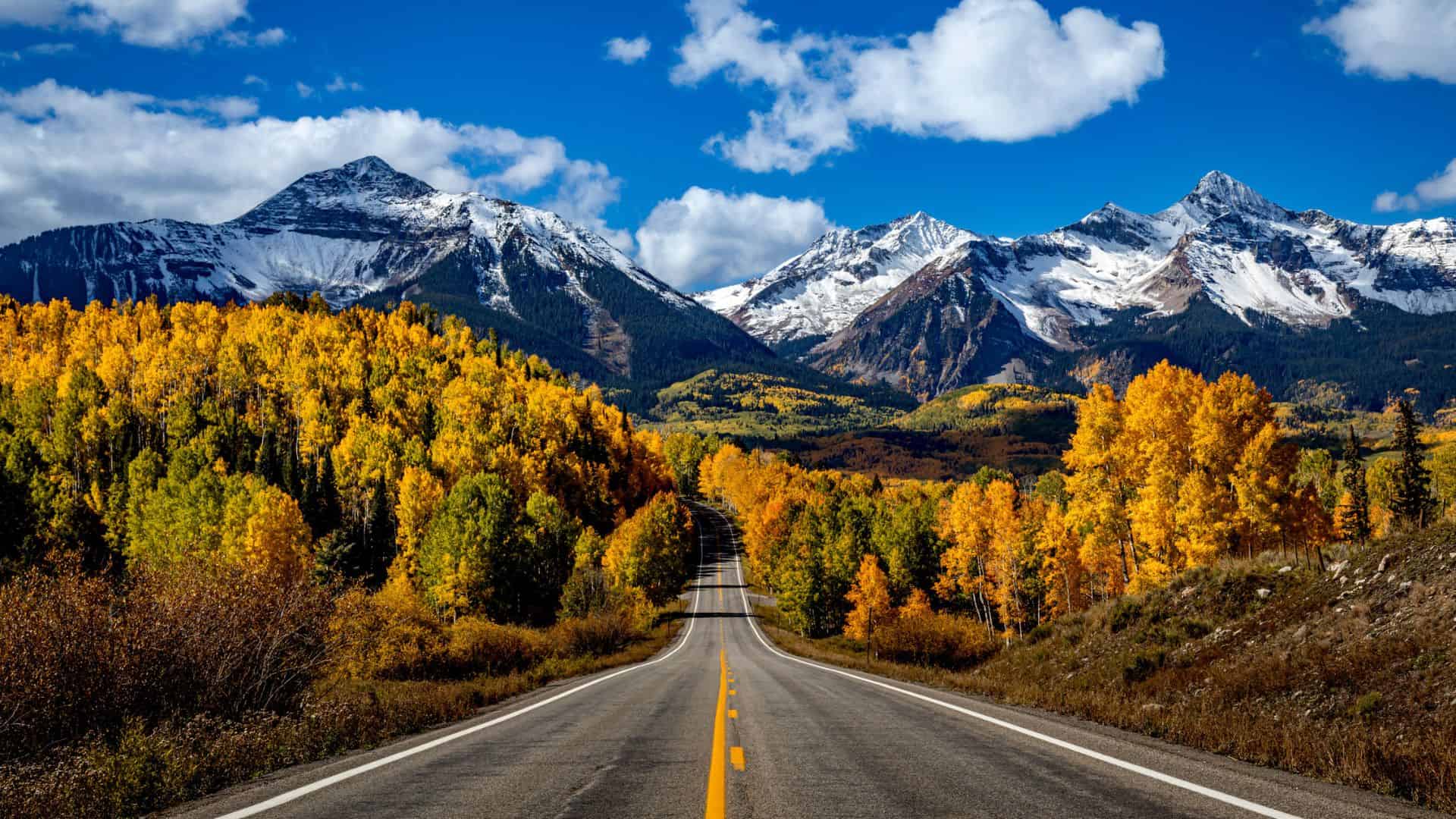
Colorado’s mountain terrain affects travel time between destinations. Roads involve elevation changes, curves, and seasonal conditions. Driving between towns and parks often takes longer than expected. Travelers who attempt multiple stops in one day may find schedules tight. Staying closer to key areas helps manage travel more effectively.
Wyoming, United States
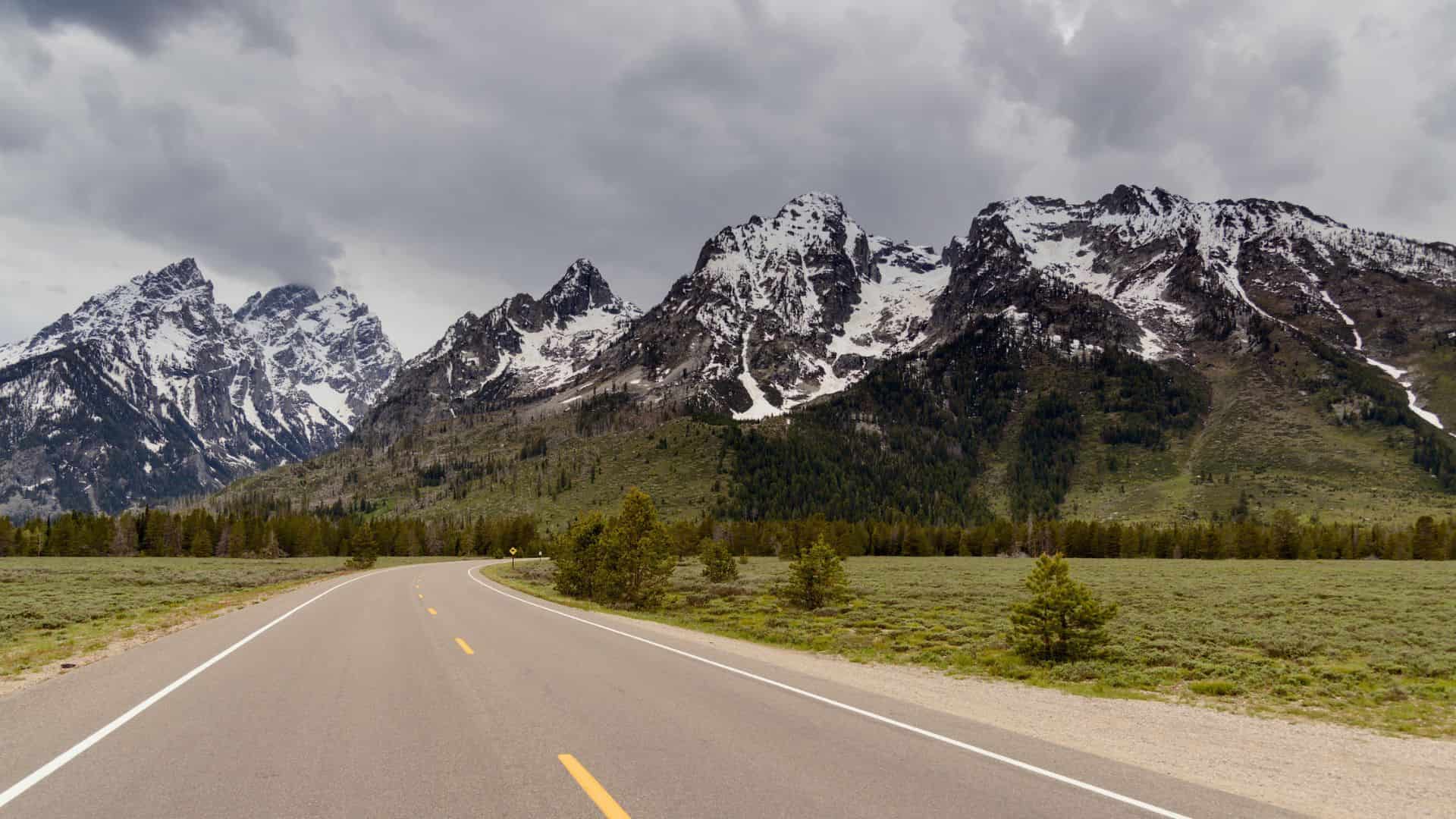
Wyoming’s attractions, including national parks, are spread across large distances. Services and towns are limited in some areas. Driving between locations can take several hours. Travelers who expect quick day trips may need to adjust plans. Staying near major sites allows for more time to explore and less time in transit.
Florida, United States

Florida may appear easy to navigate, but distances between regions are significant. Driving from Orlando to Miami or the Florida Keys takes several hours. Traffic can extend travel time, especially during peak seasons. Travelers who attempt multiple destinations in one day may feel rushed. Staying within one region helps maintain a smoother pace.
Oregon, United States
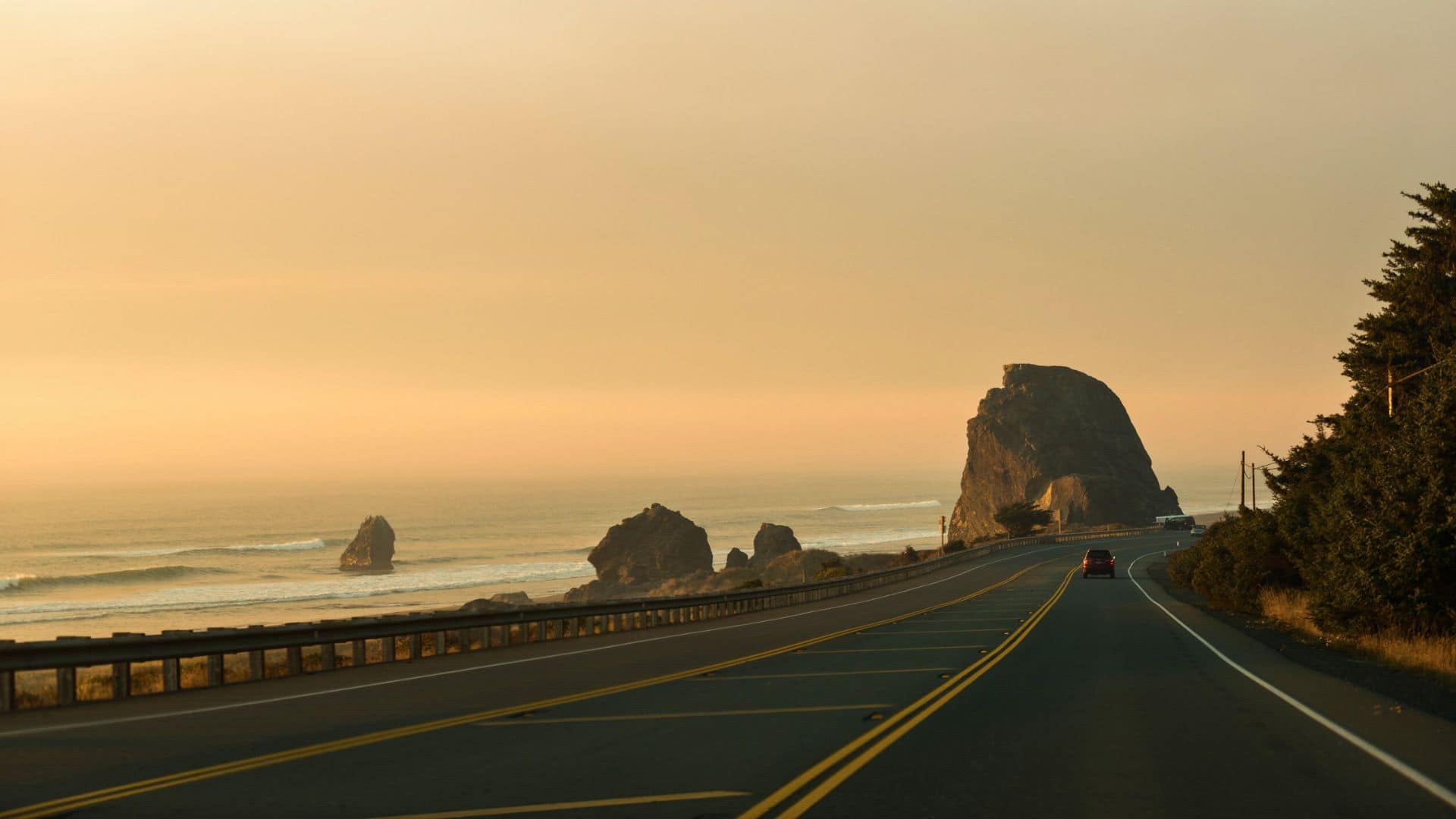
Oregon includes coastline, mountains, and inland areas spread across long distances. Driving between regions involves changing terrain and road conditions. Travel times are often longer than expected. Attempting to visit multiple areas in a single day may result in extended driving. Focusing on one region at a time helps create a more manageable itinerary.
10 Places Where Tourists Often Book the Wrong Area

Choosing where to stay can shape the entire trip. This article features places where tourists often book the wrong area, focusing on destinations where neighborhoods look close on a map but feel very different in reality. Being in the wrong spot can mean long commutes, limited food options, or missing the parts people hoped to experience.
Read More Here: 10 Places Where Tourists Often Book the Wrong Area
11 American Cities Travelers Say Feel Genuinely Friendly

First impressions can shape how a trip feels, and some cities stand out for how people interact. This article features American cities travelers say feel genuinely friendly, focusing on places where everyday interactions feel easier, more welcoming, and less rushed. These cities often leave visitors talking about the people just as much as the sights.
Read More Here: 11 American Cities Travelers Say Feel Genuinely Friendly



Leave a Reply