
Fjords have a way of slowing everything down. You look at steep cliffs, still water, and low clouds, and your brain finally takes a break. Most people tie fjords to Norway, but that’s only part of the story. There are 10 fjords to visit that exist far beyond one country. They show up in places that feel quiet, spacious, and honest. If your trips usually revolve around packed streets or tight schedules, this kind of scenery can feel refreshing without trying to impress you.
This is great reading for travelers who want nature without the hype. Think long views, cool air, and moments where you don’t need a camera to feel present. It’s perfect for people who enjoy listening more than rushing and wandering without a strict plan. It’s all about finding places that feel steady and grounding, where land and water sit together in quiet balance naturally.
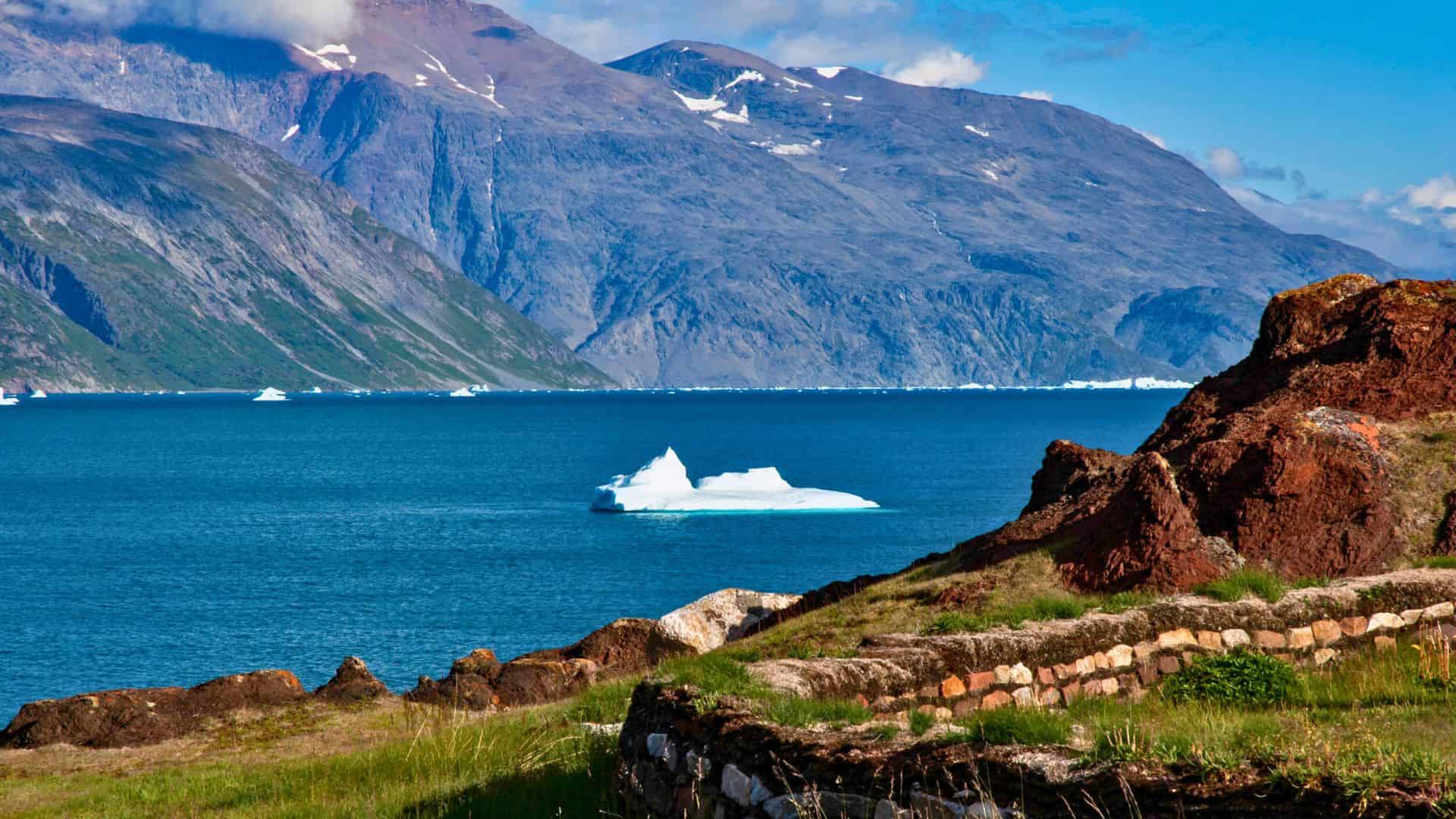
Kangerdlugssuaq Fjord – Greenland
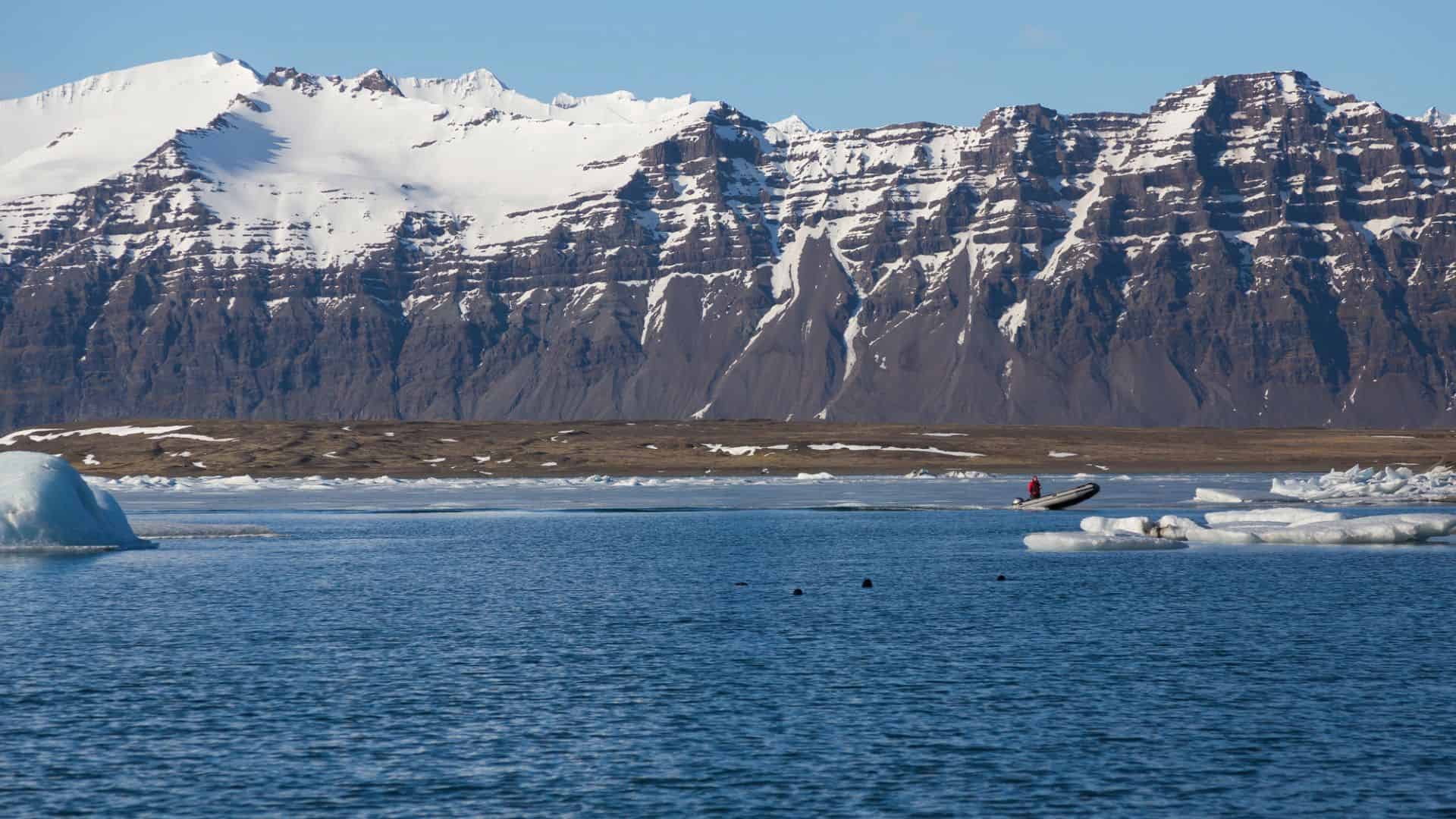
One of Greenland’s longest fjords cuts deep into the eastern coast, surrounded by vast Arctic wilderness. Immense icebergs drift outward from glaciers at the fjord’s head, their scale dwarfing passing ships. Sheer rock walls rise from icy water, marked by snowfields and frozen streams for much of the year. Light behaves differently at these latitudes, casting long shadows and soft hues across the terrain. The area feels powerful and austere, shaped by ice, cold, and time rather than human influence.
Tracy Arm – Alaska, USA
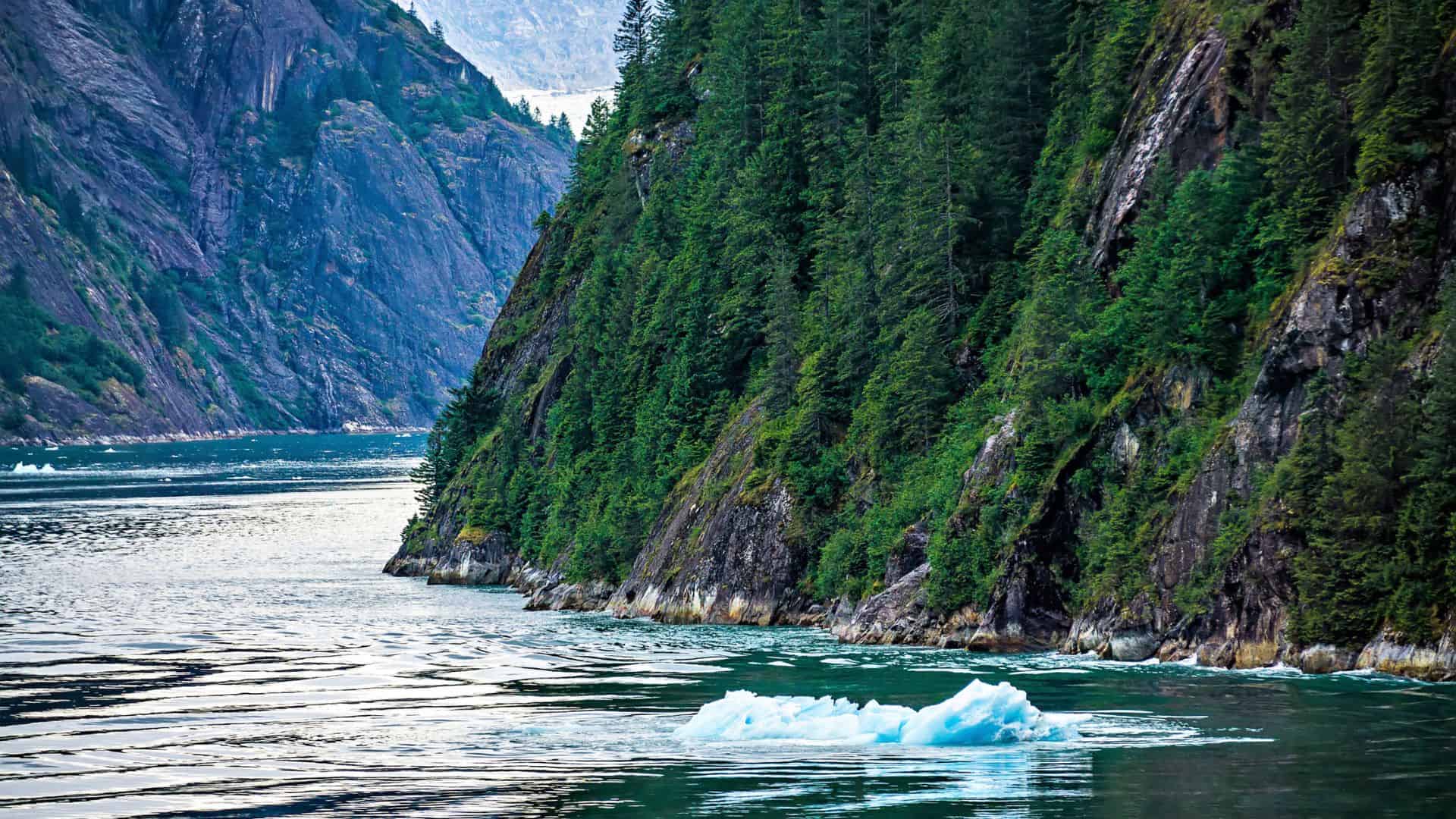
Tracy Arm is a narrow Alaskan fjord carved by ice and framed by near-vertical granite walls. Glaciers spill down from the surrounding mountains, ending in the vivid blue face of Sawyer Glacier. Icebergs drift quietly past boats, their shapes constantly changing as pieces break away and roll. Waterfalls thread down the cliffs during summer melt, adding movement to an already dramatic scene. The fjord feels raw and powerful, with cold air, shifting light, and the deep cracks and booms of ice calving echoing across the water.
Doubtful Sound – New Zealand
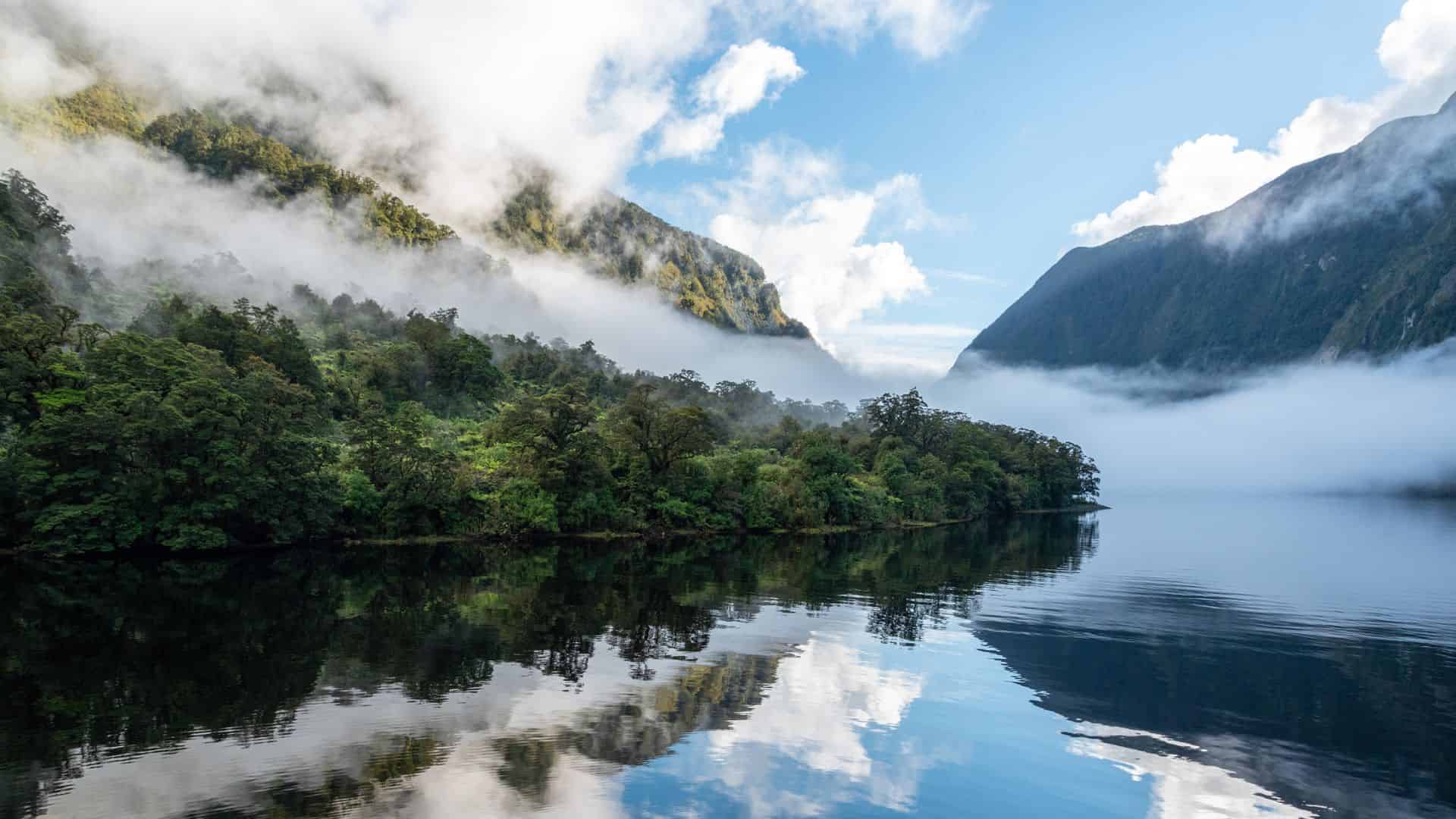
Doubtful Sound stretches deep into Fiordland and feels far removed from crowds and roads. Access requires a journey across Lake Manapouri and Wilmot Pass, heightening the sense of isolation. The fjord’s immense size dwarfs boats, with forested slopes plunging directly into deep water. Light changes constantly as clouds move across high ridges, creating shifting tones on the surface below. Bottlenose dolphins often travel through the sound, and silence dominates once engines stop, broken only by birds and distant waterfalls cascading down steep rock faces.
Endicott Arm – Alaska, USA
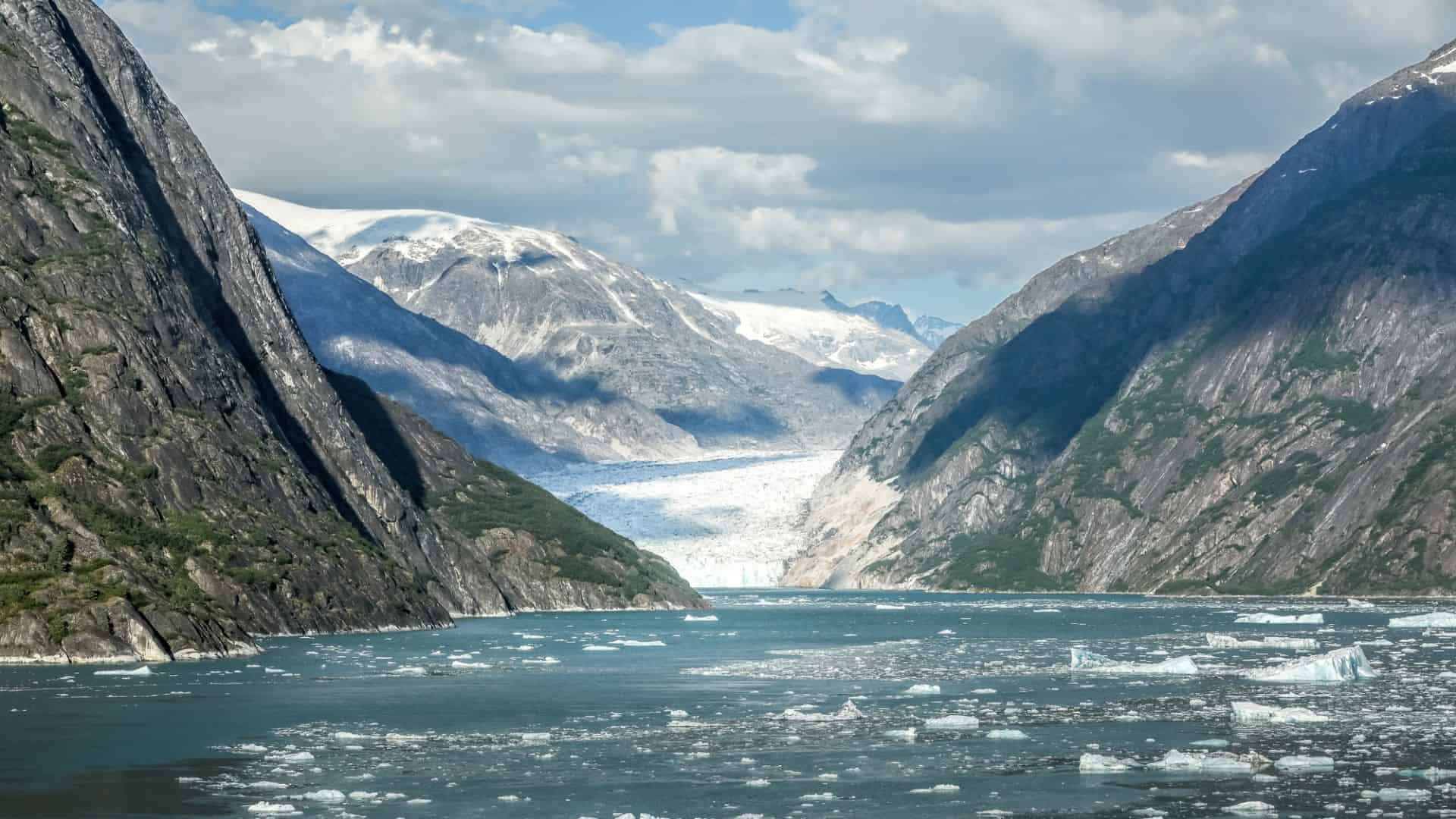
Endicott Arm extends more than thirty miles into Alaska’s wilderness, leading travelers toward the massive Dawes Glacier. Steep, forested slopes give way to bare rock and ice as the fjord narrows. The glacier’s towering face glows in shades of blue and white, streaked with dark lines from ancient debris. Ice chunks drift across the water, creating a constantly changing path. Seals rest on floating ice, while mountain goats can sometimes be spotted high above, clinging to near-vertical terrain along the fjord walls.
Saguenay Fjord – Quebec, Canada
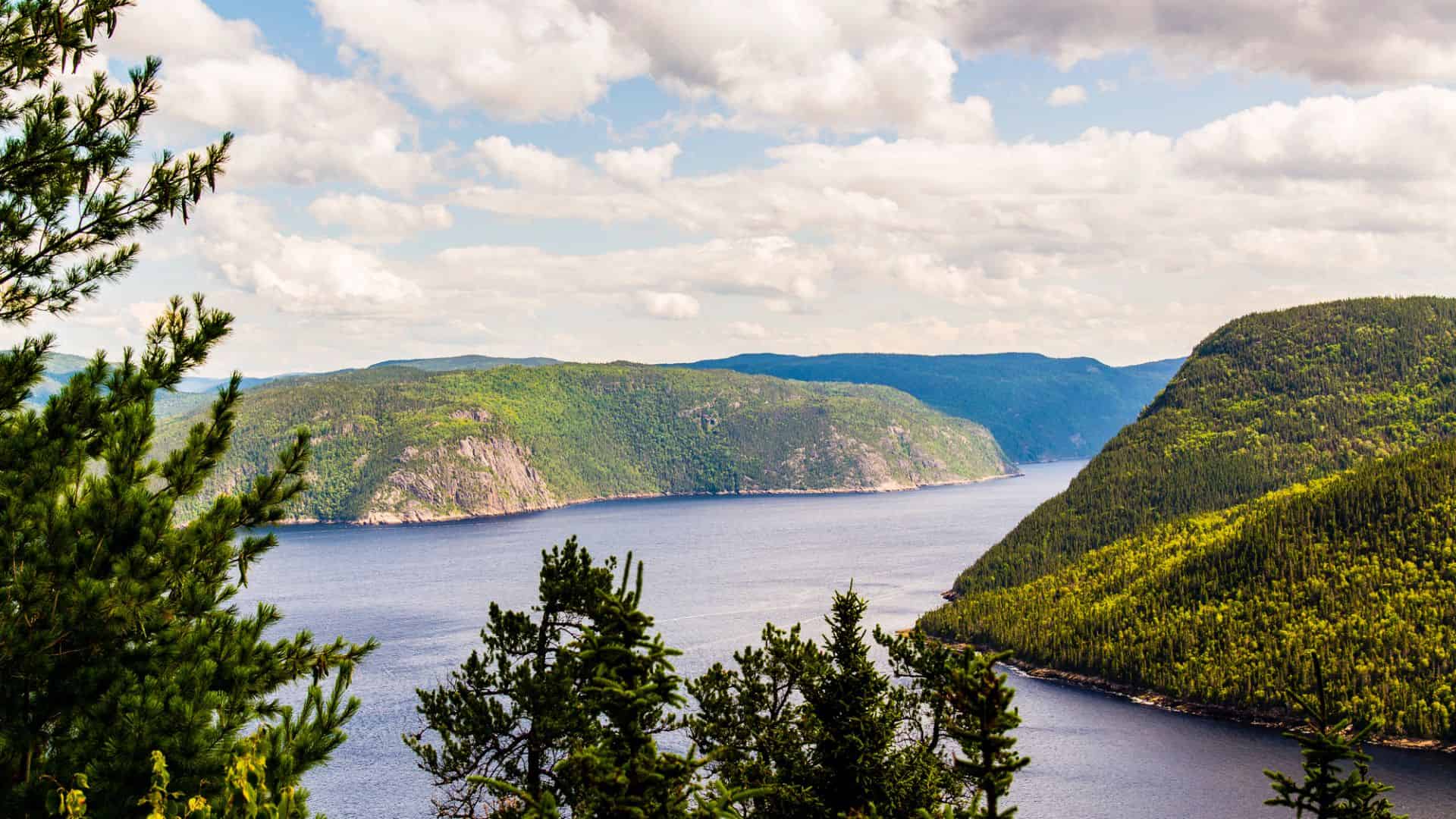
Saguenay Fjord cuts through the landscape of eastern Canada, where steep cliffs frame deep, dark water shaped by ancient glaciers. The fjord connects directly to the St. Lawrence River, creating rich marine conditions that attract whales, including belugas and blue whales. Forests of pine and maple cling to the slopes, glowing with color during autumn. Small villages line parts of the shoreline, adding cultural depth to the dramatic setting. Kayaking beneath the cliffs highlights the scale of the terrain and the calm intensity of this northern fjord.
Aysén Fjords – Patagonia, Chile
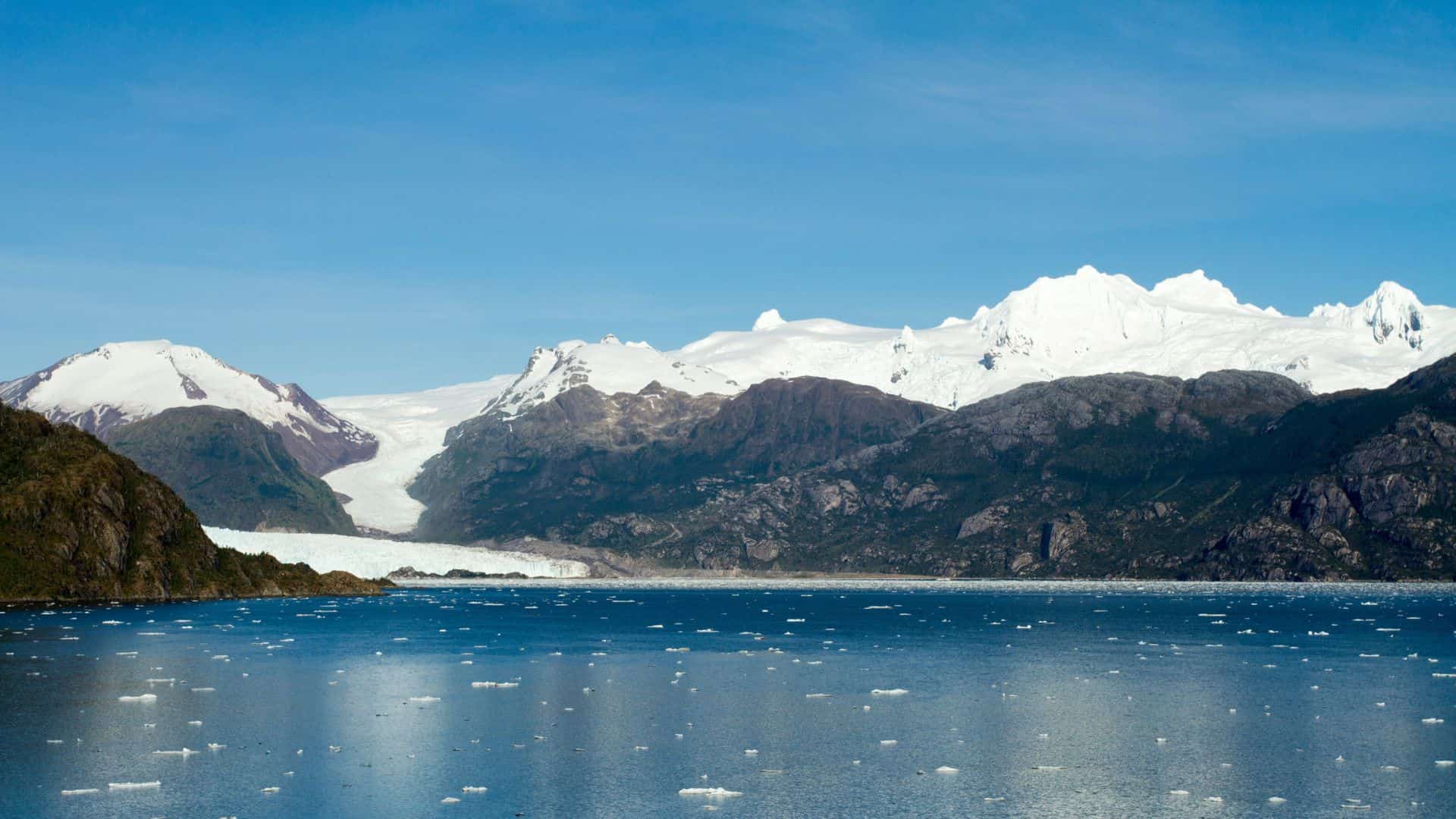
Remote waterways weave through Chilean Patagonia, forming a labyrinth of channels bordered by jagged peaks and vast ice fields. Glaciers descend toward the sea, their slow movement shaping the landscape over thousands of years. Rain, wind, and shifting clouds create dramatic skies that change by the hour. The surrounding terrain feels untouched, with dense forests, hanging valleys, and snow-dusted summits reflected in still water. Human presence remains minimal, limited to small settlements and research stations, allowing wildlife and natural rhythms to dominate this striking southern fjord region.
Want to save this?
Baffin Island Fjords – Nunavut, Canada
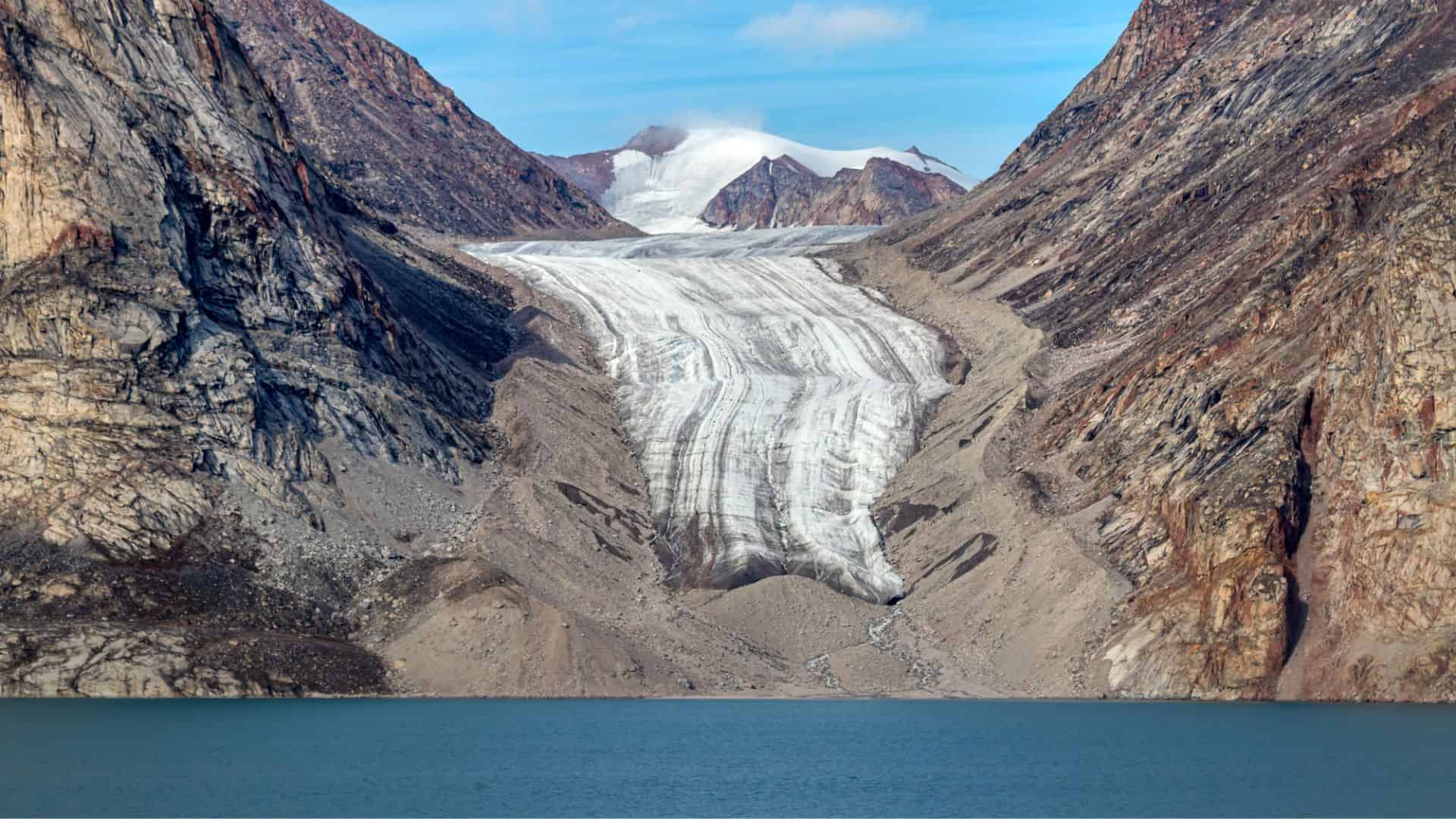
Arctic fjords carve deeply into Baffin Island, framed by sharp peaks and expansive glaciers. The land appears stark yet powerful, with rock walls soaring above narrow waterways. Sea ice often lingers, even during warmer months, shaping travel routes and wildlife patterns. Polar bears, narwhals, and seals inhabit the surrounding waters, while Inuit communities maintain strong cultural ties to the land. Changing light, from endless summer days to low winter sun, transforms the scenery and reinforces the raw character of these northern fjords.
Milford Sound – New Zealand
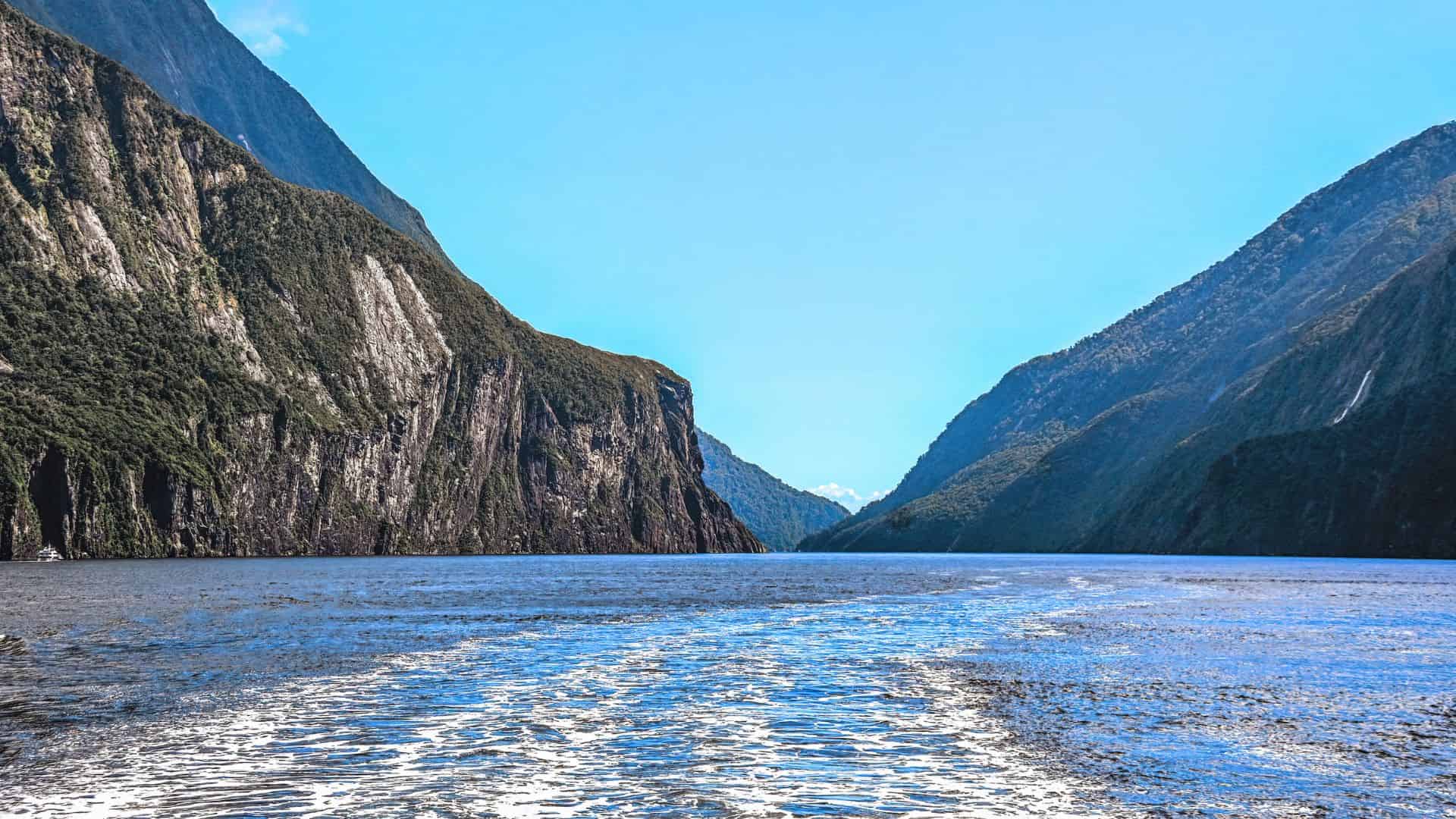
Milford Sound lies within Fiordland National Park, where sheer rock walls rise straight from dark, reflective water. Rainfall feeds hundreds of waterfalls that surge down the cliffs, changing character with every storm and season. Mitre Peak dominates the view, its sharp profile often wrapped in low cloud that adds drama rather than hiding detail. Seals rest on rocks near the entrance, while dolphins and penguins appear farther inside. Boat journeys feel intimate despite the scale, as the fjord narrows and echoes amplify the sound of falling water and wind.
Comau Fjord – Chile
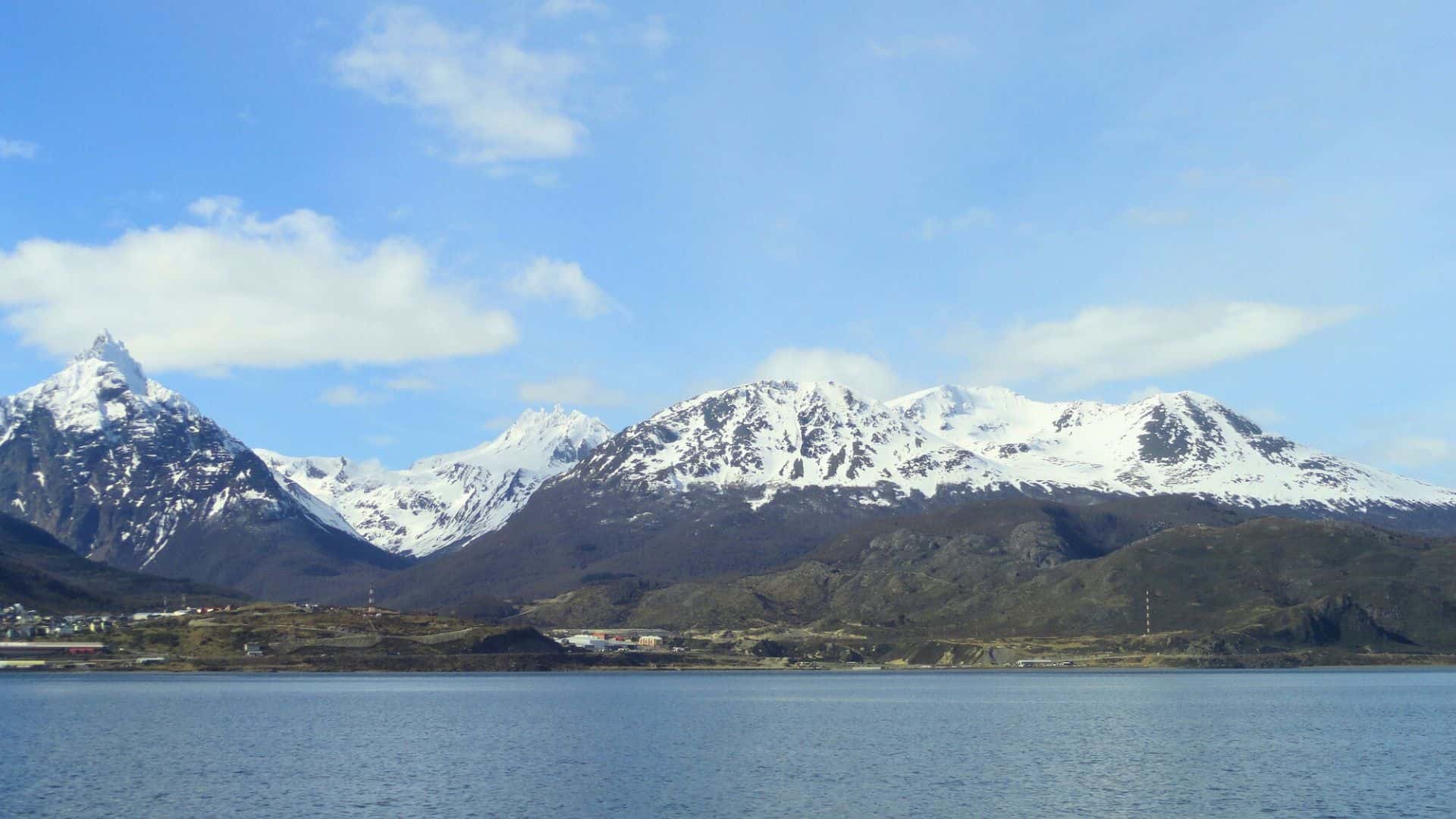
Steep mountains plunge directly into deep water along this narrow Patagonian fjord, creating a striking contrast between land and sea. Dense temperate rainforest clings to the slopes, fed by heavy rainfall and numerous streams. Waterfalls tumble straight into the fjord, visible from boats moving slowly along the coast. Marine life thrives beneath the surface, while bird species circle above the cliffs. Natural hot springs appear near the shoreline, releasing steam into cool air and adding another layer of atmosphere to this secluded and dramatic landscape.
Scoresby Sund – Greenland
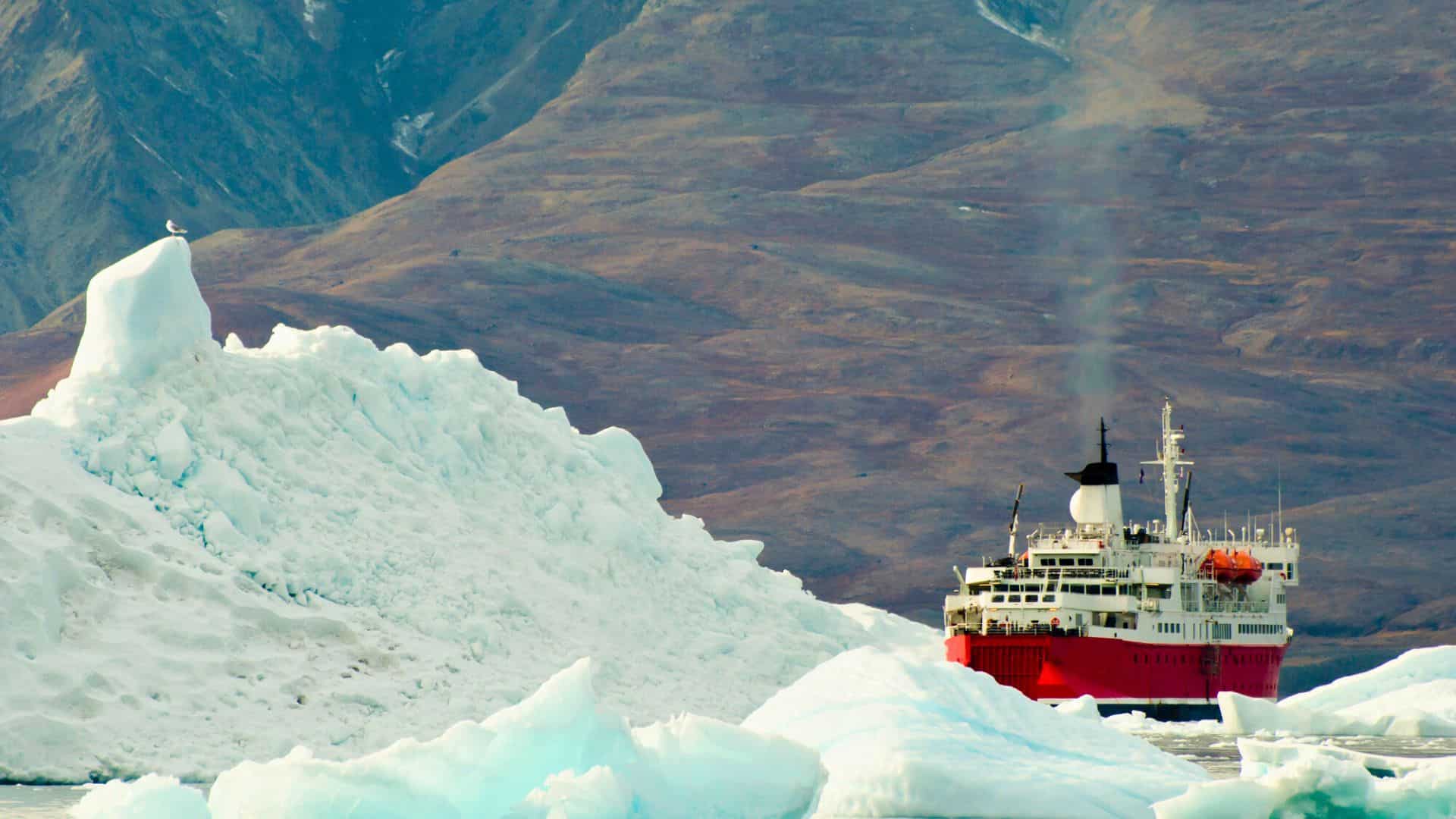
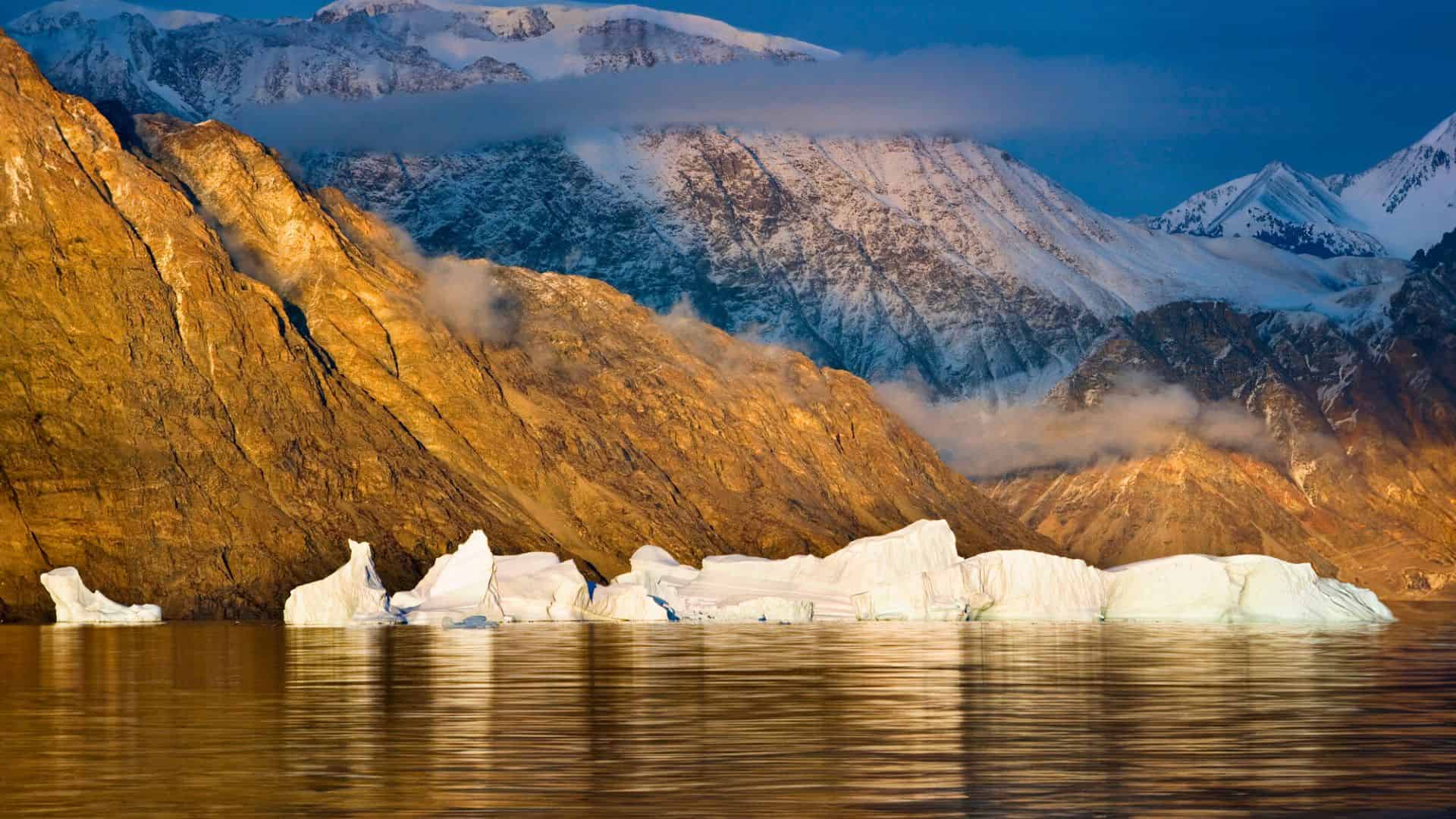
An enormous network of branching fjords spreads across eastern Greenland, forming the largest fjord system on Earth. Ice dominates the scene, from towering icebergs to frozen channels that persist well into summer. Basalt cliffs rise sharply from the water, layered with geological history. Musk oxen and Arctic foxes roam the surrounding tundra, while seabirds nest along the rock faces. Travel through this region feels exploratory, with vast distances, shifting ice conditions, and a profound sense of isolation defining every journey through the system.
Let the Cliffs Do the Talking
By now, it’s clear that fjords don’t belong to one corner of the world. They show up wherever nature had time, pressure, and patience to shape something lasting. These places reward slowing down. They’re great for long looks, quiet mornings, and trips where the scenery does most of the talking. You don’t need expert knowledge or a packed plan. Just showing up and paying attention goes a long way.
If you’ve been feeling pulled toward travel that feels calmer and more grounded, this is a perfect place to start. Fjords have a steady presence that doesn’t ask much from you. They don’t rush you or compete for focus. They just exist, and that’s enough. Sometimes the best trips aren’t about doing more, but about standing still and letting a place settle in.
13 Cities Around the World With the Highest Michelin Star Counts

Food lovers talk about Michelin stars the way sports fans talk about championships, and 13 cities with the most michelin starred restaurants often become reference points in that conversation. They signal skill, focus, and years of hard work on the plate. Some cities quietly collect these stars, while others turn them into a big part of daily life. Walk a few blocks and you might pass a tiny counter spot, a polished dining room, and something in between, all holding serious recognition.
Read More Here: 13 Cities Around the World With the Highest Michelin Star Counts
13 Places People Worldwide Will Be Talking About in 2026
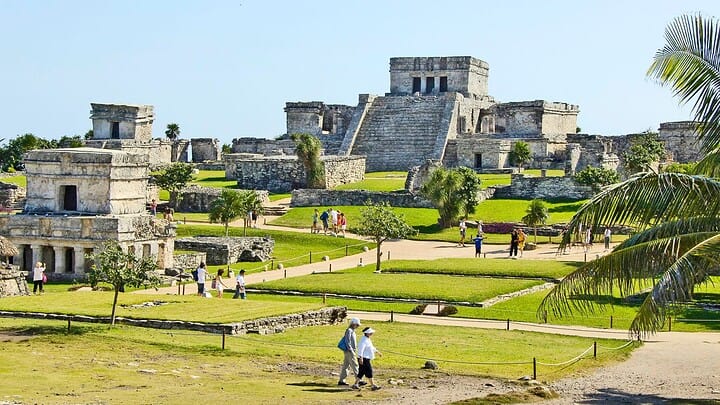
These 13 places everyone will be talking about in 2026 are those that suddenly show up everywhere. You hear them mentioned on podcasts, see them in headlines, and notice friends bringing them up without much explanation. Big changes are happening fast, driven by growth, investment, culture, and shifting travel habits. These places are becoming part of everyday conversation because something real is happening on the ground, and people are paying attention.
Read More Here: 13 Places People Worldwide Will Be Talking About in 2026



Leave a Reply