
The Adriatic has a quiet confidence about it. It doesn’t shout for attention, but it knows exactly what it’s doing. One moment you’re walking past centuries‑old stone walls, the next you’re watching the sea change color as the sun moves. Life along these ten coastal towns in the Adriatic feels natural and unforced. Boats rock gently in the water. Locals chat like they have all the time in the world.
This stretch of coastline is great for travelers who like places that feel real. Some towns feel polished, others a bit rough around the edges, and that contrast keeps things interesting. You’ll find spots that feel peaceful and others that stay busy well into the night. There’s history everywhere, but it never feels locked behind glass. If you’re after clear water, walkable streets, and views that stop you mid‑step, this part of the Adriatic might just feel perfect.
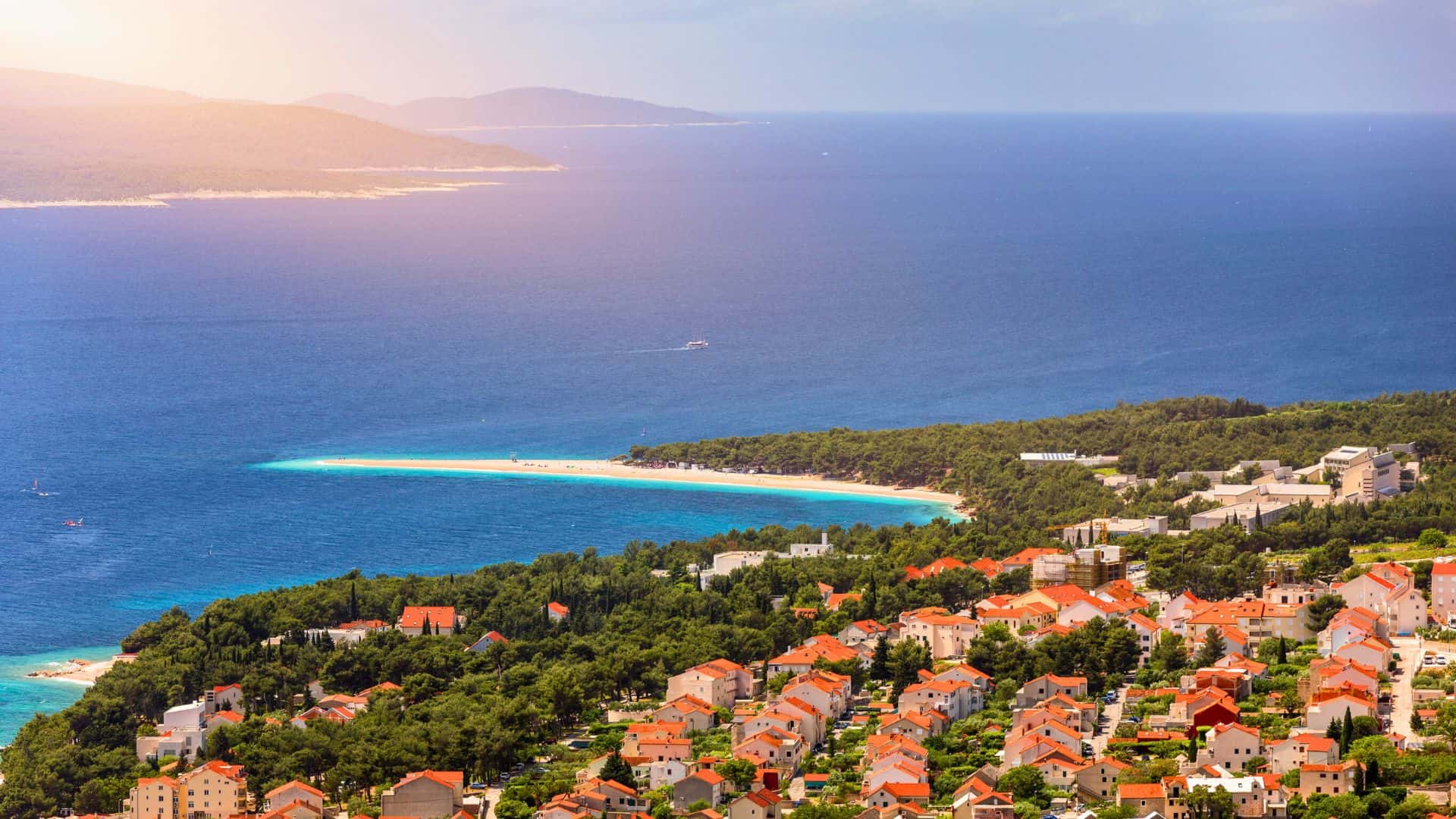
Piran, Slovenia
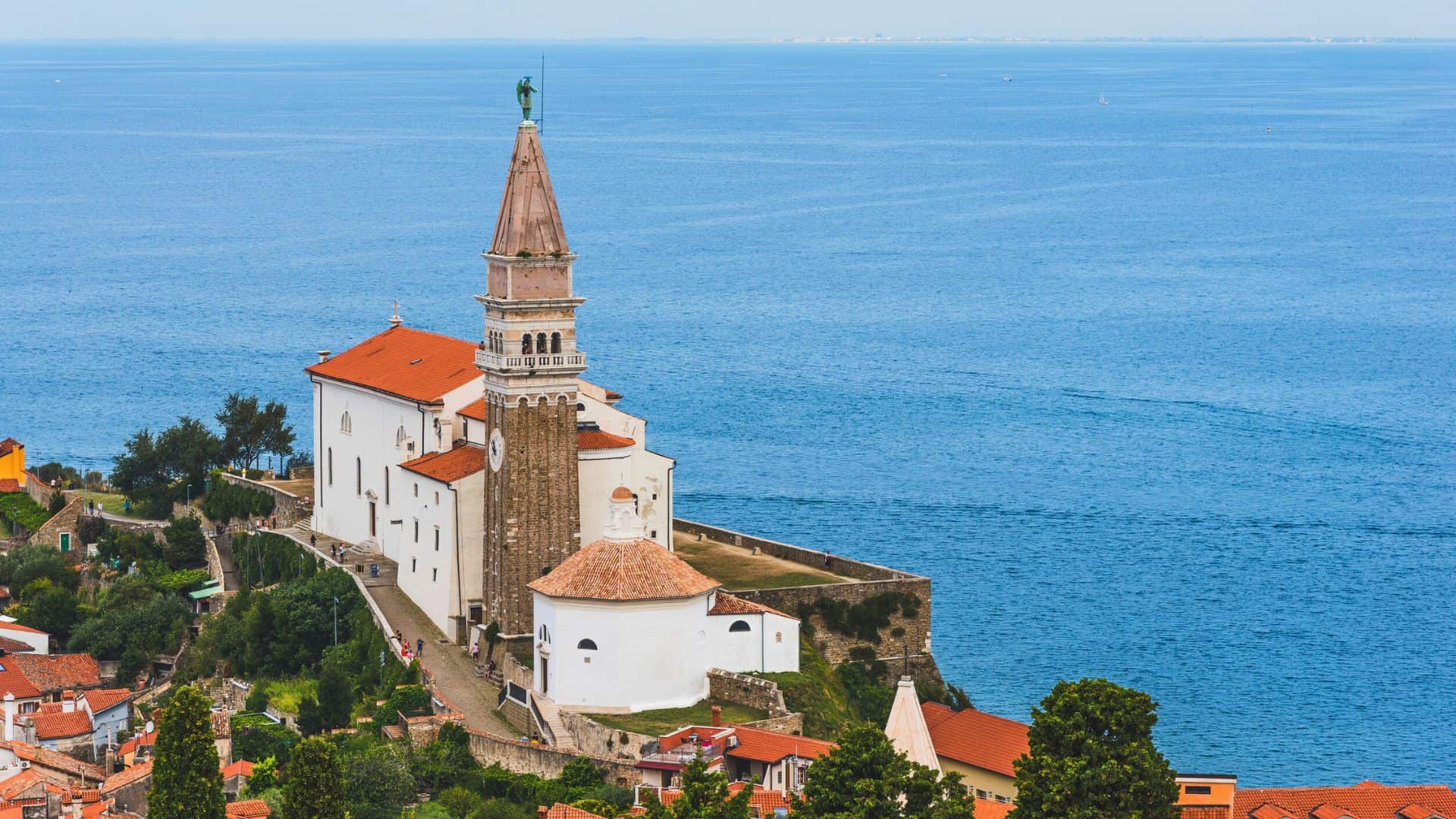
Piran extends gracefully into the Adriatic on a narrow peninsula shaped by centuries of Venetian influence. Tartini Square forms the heart of town, framed by pastel façades, arched windows, and a prominent statue honoring the composer Giuseppe Tartini. From the old walls above, views stretch across red-tiled roofs toward the open sea. Salt pans nearby reflect the region’s historic connection to maritime trade. With compact streets, gentle sea breezes, and a slower pace, Piran conveys elegance and intimacy, where cultural heritage and coastal scenery remain closely intertwined.
Dubrovnik, Croatia
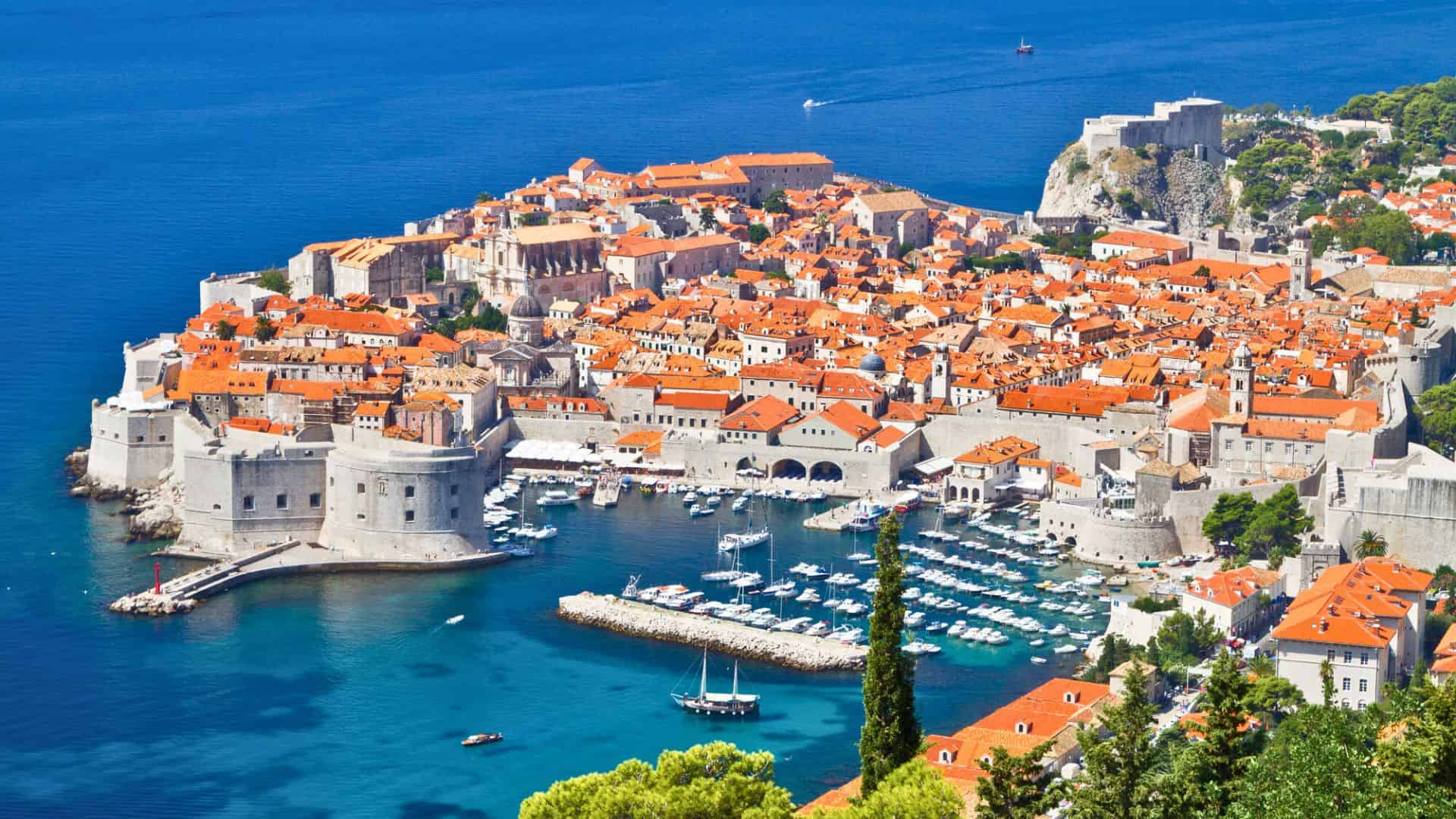
Dubrovnik rises dramatically from the Adriatic, enclosed by massive stone walls that trace the edge of the sea. Walking the ramparts reveals terracotta rooftops, narrow limestone streets, and fortified towers shaped by centuries of maritime power. The Old Town showcases Gothic, Renaissance, and Baroque architecture, with Stradun acting as its polished central artery. Beyond the historic core, hidden coves and rocky beaches frame remarkably clear water. Cable cars ascend Mount Srđ, revealing sweeping views that highlight the city’s strategic position, where land, sea, and history converge in striking harmony.
Rovinj, Croatia
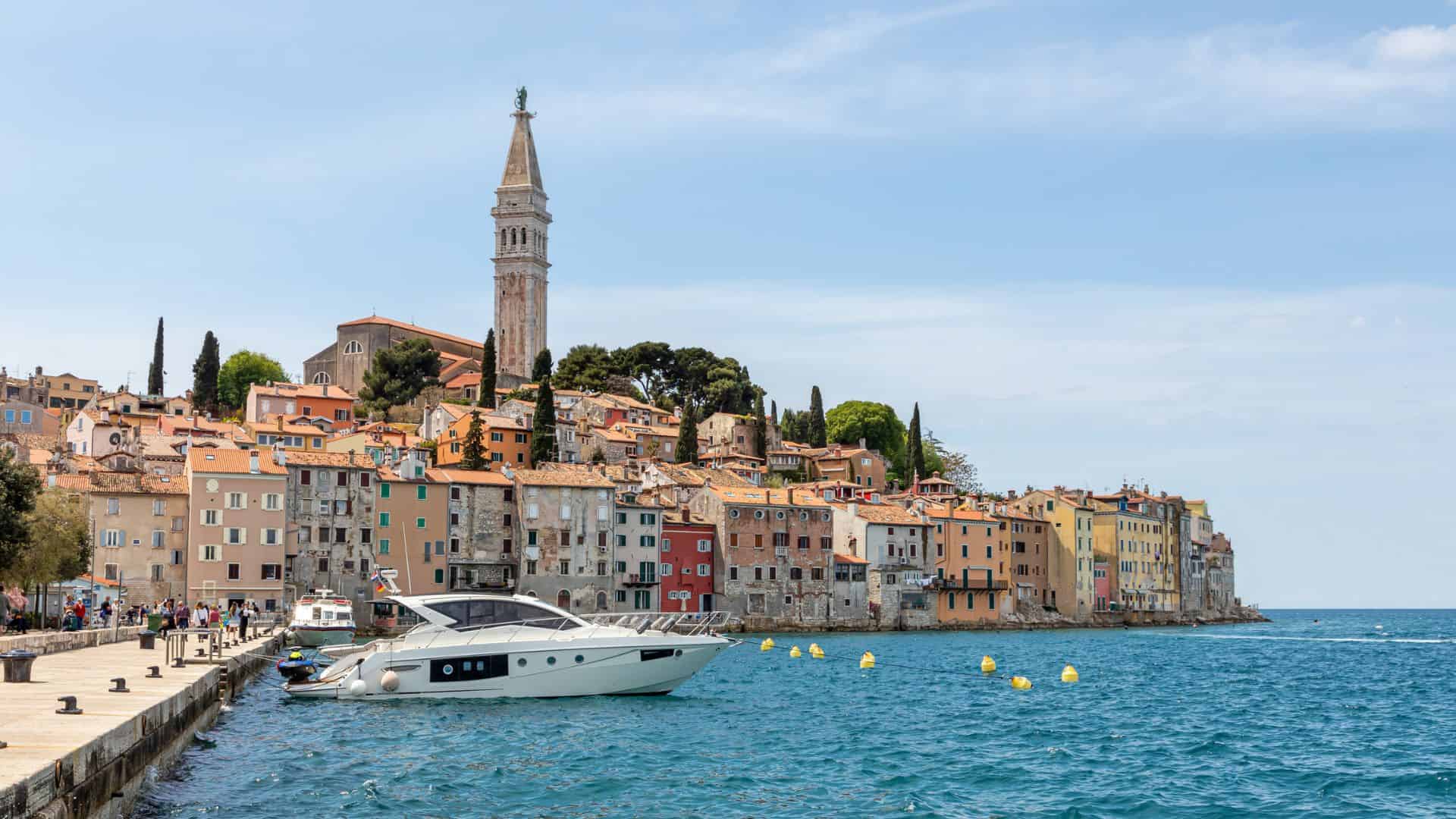
Rovinj’s old town rises directly from the sea, its tightly packed houses painted in soft pastels and crowned by the bell tower of St. Euphemia. Narrow, winding lanes climb steeply upward, revealing glimpses of blue water between stone walls. Fishing boats rest along the harbor, reinforcing the town’s deep maritime roots. Along the coast, pine forests meet rocky swimming platforms and calm coves. As daylight fades, the town’s profile glows against the horizon, creating a scene that feels both artistic and deeply connected to everyday coastal life.
Himara, Albania
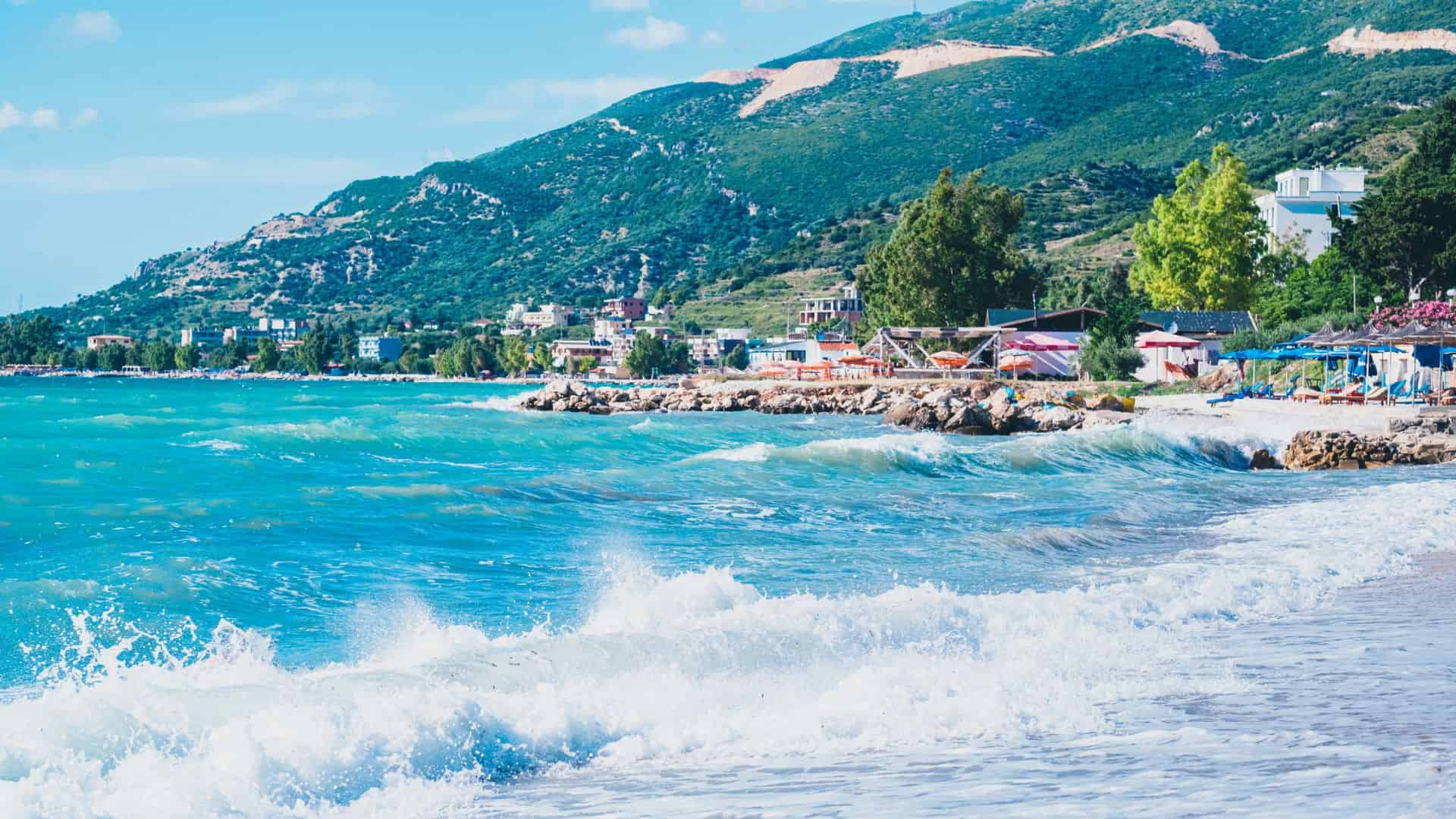
Along Albania’s southern coast, this seaside town rests between steep mountains and vivid turquoise water. An old hilltop settlement overlooks newer beachfront areas, revealing layers of ancient Greek, Roman, and Byzantine history. Pebbled beaches stretch along the shoreline, often uncrowded and strikingly clear. The surrounding landscape feels raw and unpolished, with olive groves and winding coastal roads framing wide sea views. Life moves at an unhurried pace, shaped by fishing traditions, strong local identity, and a growing recognition of Himara’s natural coastal beauty.
Split, Croatia
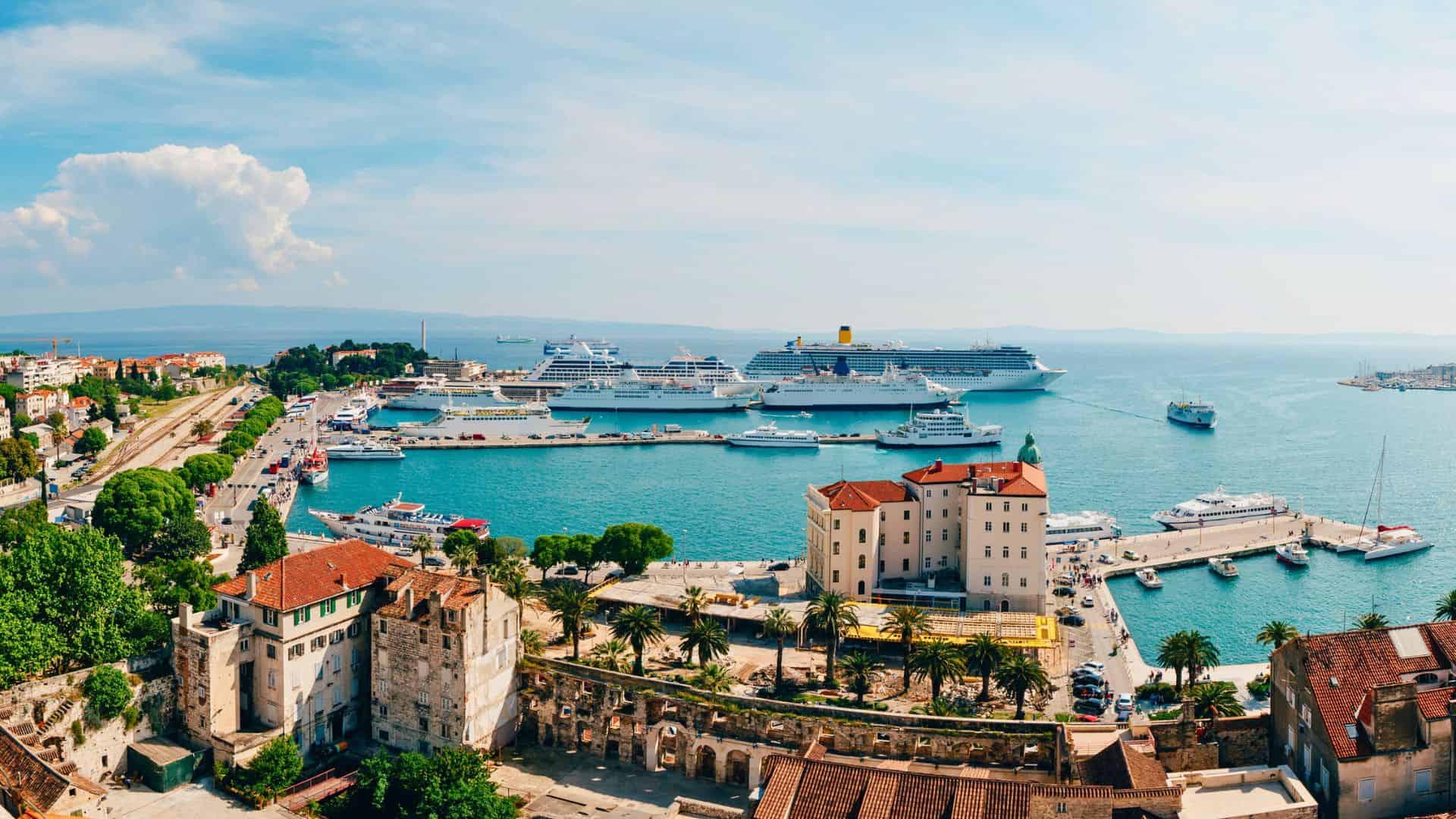
Centered around the vast palace built for Roman emperor Diocletian, this coastal city feels like a living historical monument. Ancient columns, stone gates, and cellars form the backbone of daily life, with apartments, cafés, and shops woven into two‑thousand‑year‑old walls. The Riva promenade stretches along the waterfront, lined with palm trees and animated by constant movement. Nearby beaches and Marjan Hill add greenery and open views across the sea. Past and present coexist seamlessly here, shaped by Roman ambition and modern Mediterranean rhythm.
Korčula, Croatia
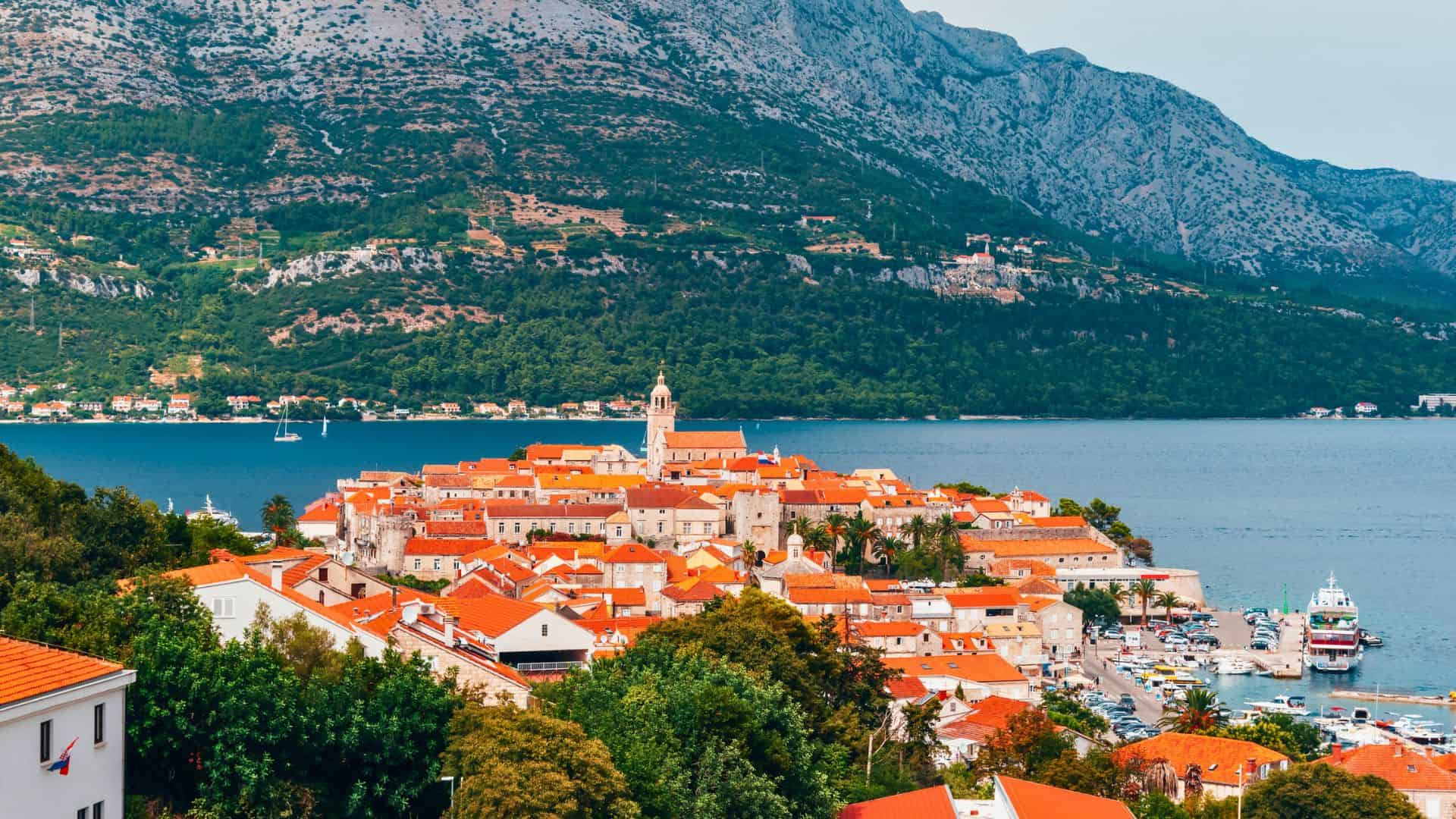
Designed in a fishbone street pattern to channel sea breezes, the fortified old town stands proudly on a small peninsula. Stone towers and walls encircle narrow lanes that lead toward a central cathedral, reflecting centuries of maritime wealth. Local tradition links the town to Marco Polo, adding intrigue to its layered past. Beyond the walls, vineyards and pine-covered hills roll gently inland. Clear waters surround the island, enhancing its calm atmosphere, where defensive architecture, seafaring heritage, and measured island life remain closely connected.
Want to save this?
Budva, Montenegro
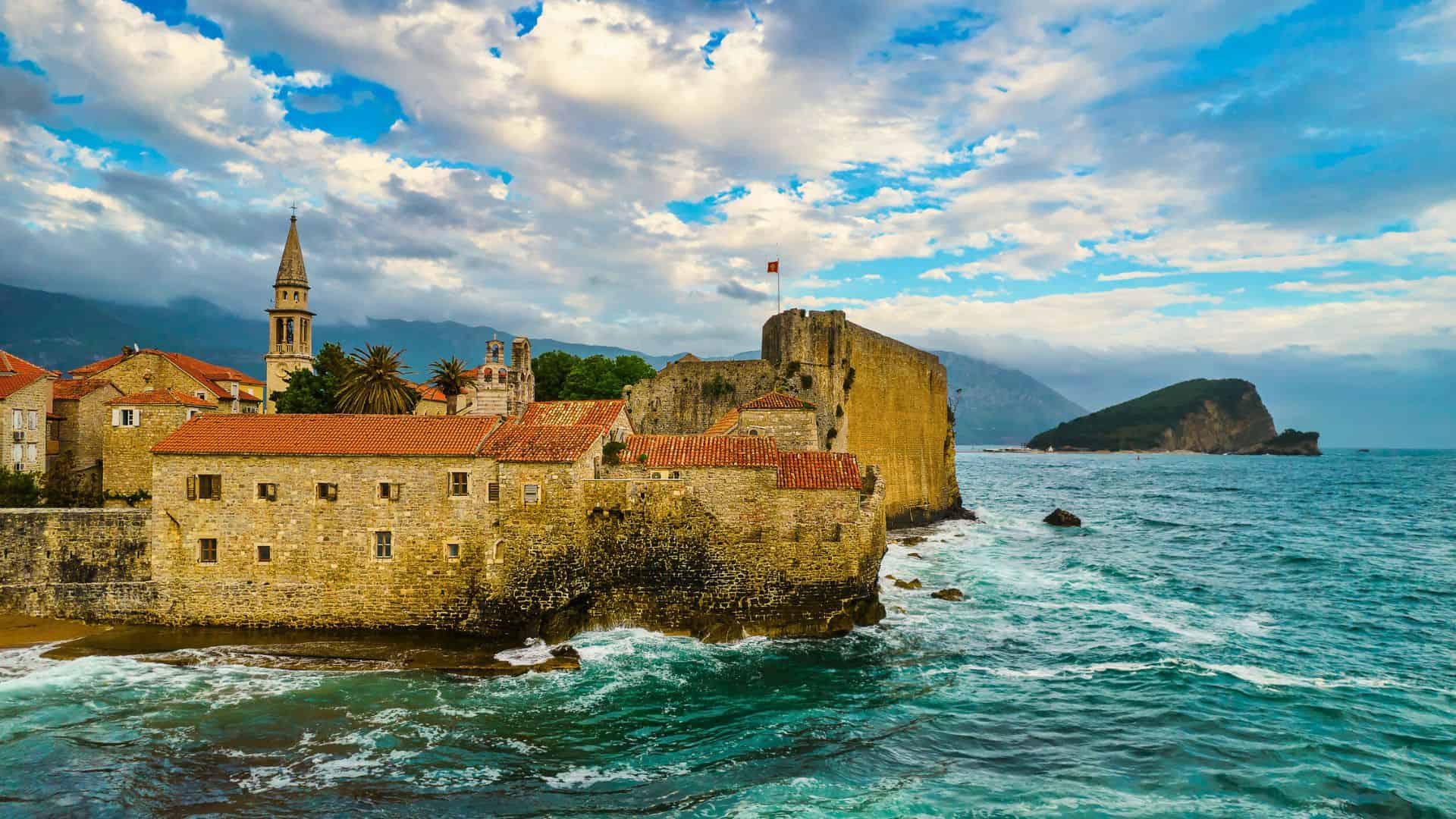
Surrounded by fortified walls, the compact old town sits on a small peninsula, projecting centuries of maritime defense and trade. Inside, stone alleys open onto quiet squares, historic churches, and remnants of Venetian rule. Just beyond the walls, long sandy beaches curve along the coast, backed by lively promenades. Hills rise sharply inland, creating dramatic contrasts between rugged terrain and open shoreline. As daylight shifts to evening, lights reflect off the water, highlighting Budva’s role as both historic settlement and contemporary seaside hub.
Kotor, Montenegro
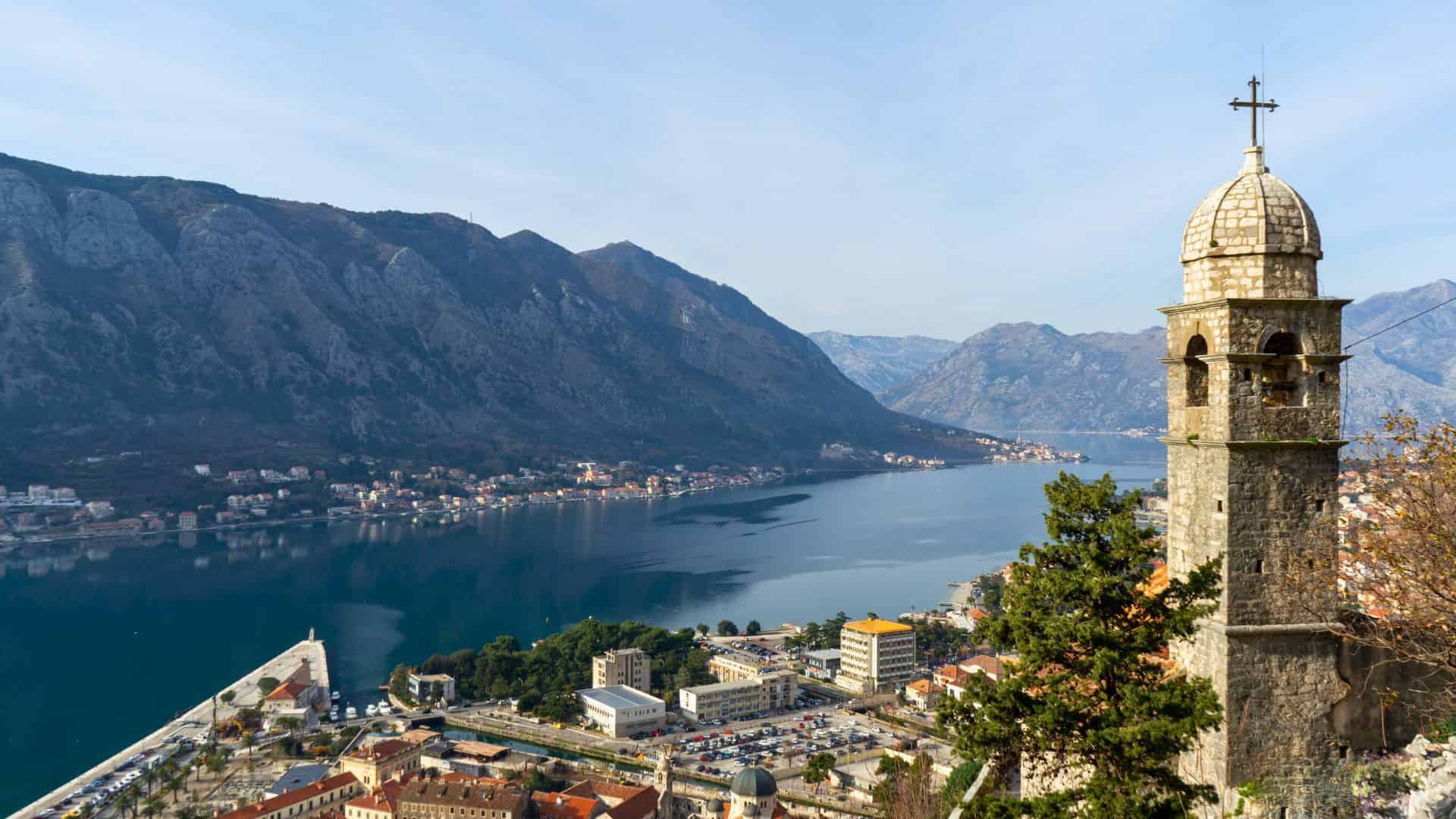
Kotor sits deep within the Bay of Kotor, where steep mountains plunge directly into still, reflective waters. Its fortified old town appears almost untouched by time, with maze-like alleys, Romanesque churches, and quiet squares enclosed by towering walls. A demanding climb up stone steps leads to the fortress of St. John, revealing a breathtaking view of the bay’s winding shape. The surrounding landscape shifts constantly with light and clouds, creating dramatic contrasts. This intimate relationship between medieval architecture and imposing nature defines Kotor’s powerful visual character.
Hvar, Croatia
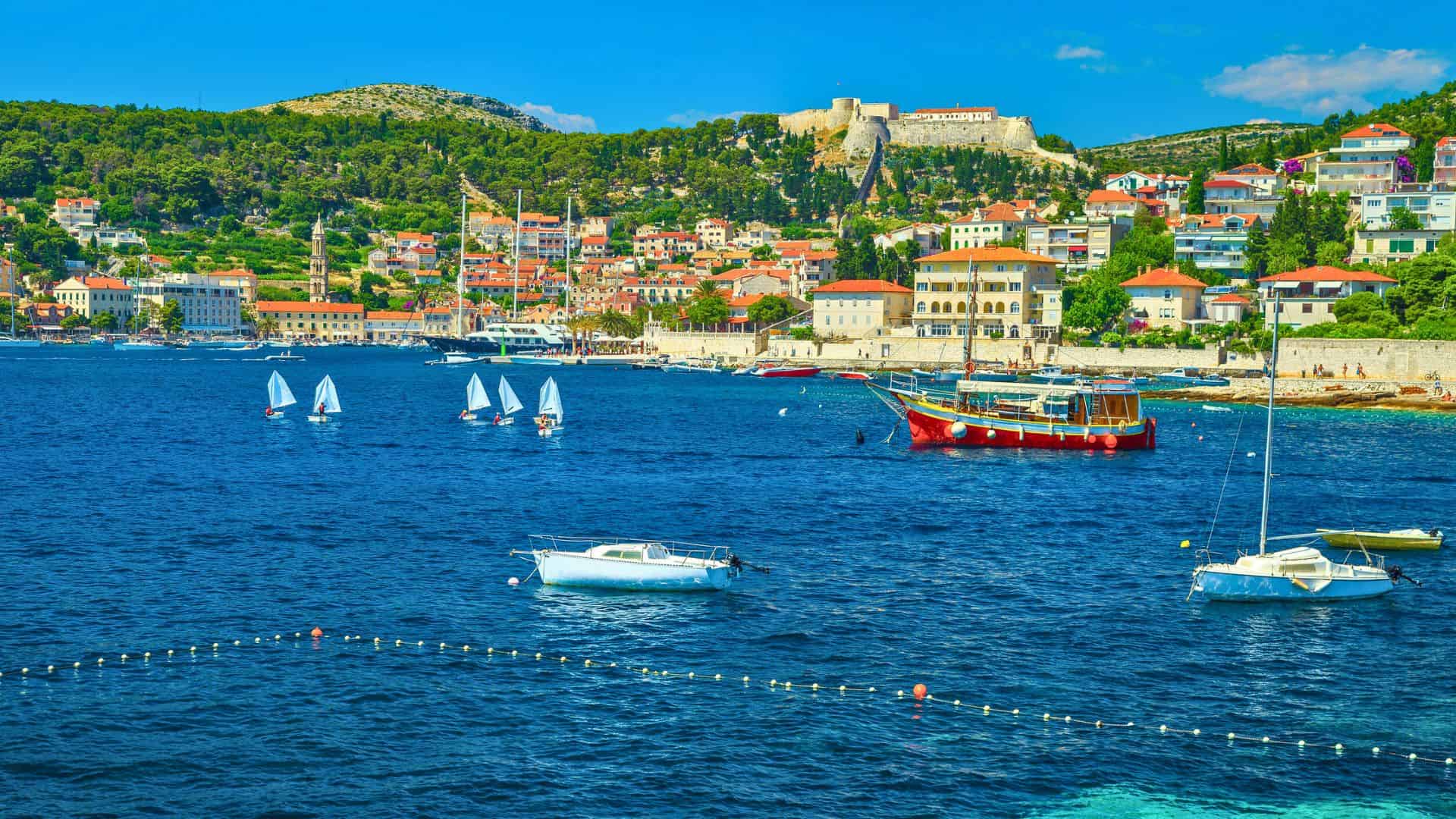
Hvar balances refined heritage with island energy, anchored by a graceful harbor filled with sailboats and stone piers. A Spanish fortress crowns the hill above town, granting panoramic views across the Pakleni Islands and the open sea. The historic square ranks among the largest in Dalmatia, bordered by a cathedral, an ancient arsenal, and elegant palaces. Sunlit stone streets lead to secluded coves, olive groves, and lavender fields farther inland. By day, the town feels calm and radiant; by night, lights shimmer across the water, reflecting its lively coastal rhythm.
Trieste, Italy
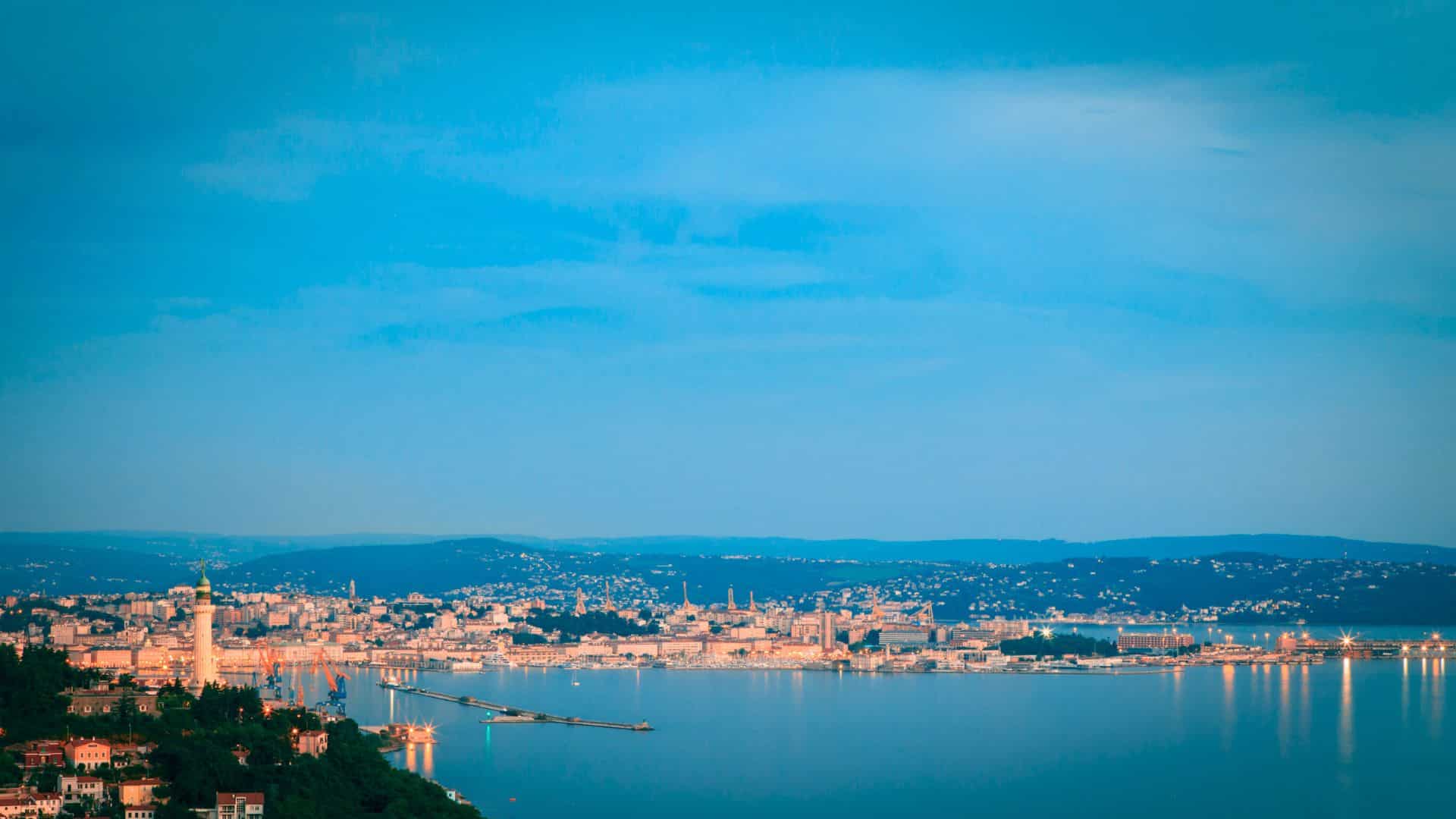
Positioned at the crossroads of Latin, Slavic, and Germanic worlds, this port city carries a distinctly cosmopolitan character. Grand plazas face the sea, while neoclassical buildings reflect its past as a major Austro‑Hungarian harbor. Coffeehouses, literary landmarks, and broad boulevards lend a refined urban atmosphere. Above the city, the Karst Plateau drops suddenly toward the Adriatic, forming steep cliffs and panoramic viewpoints. Winds shape daily life, particularly the powerful Bora, reinforcing Trieste’s identity as a place defined by geography, history, and intellectual exchange.
Let the Sea Do the Talking
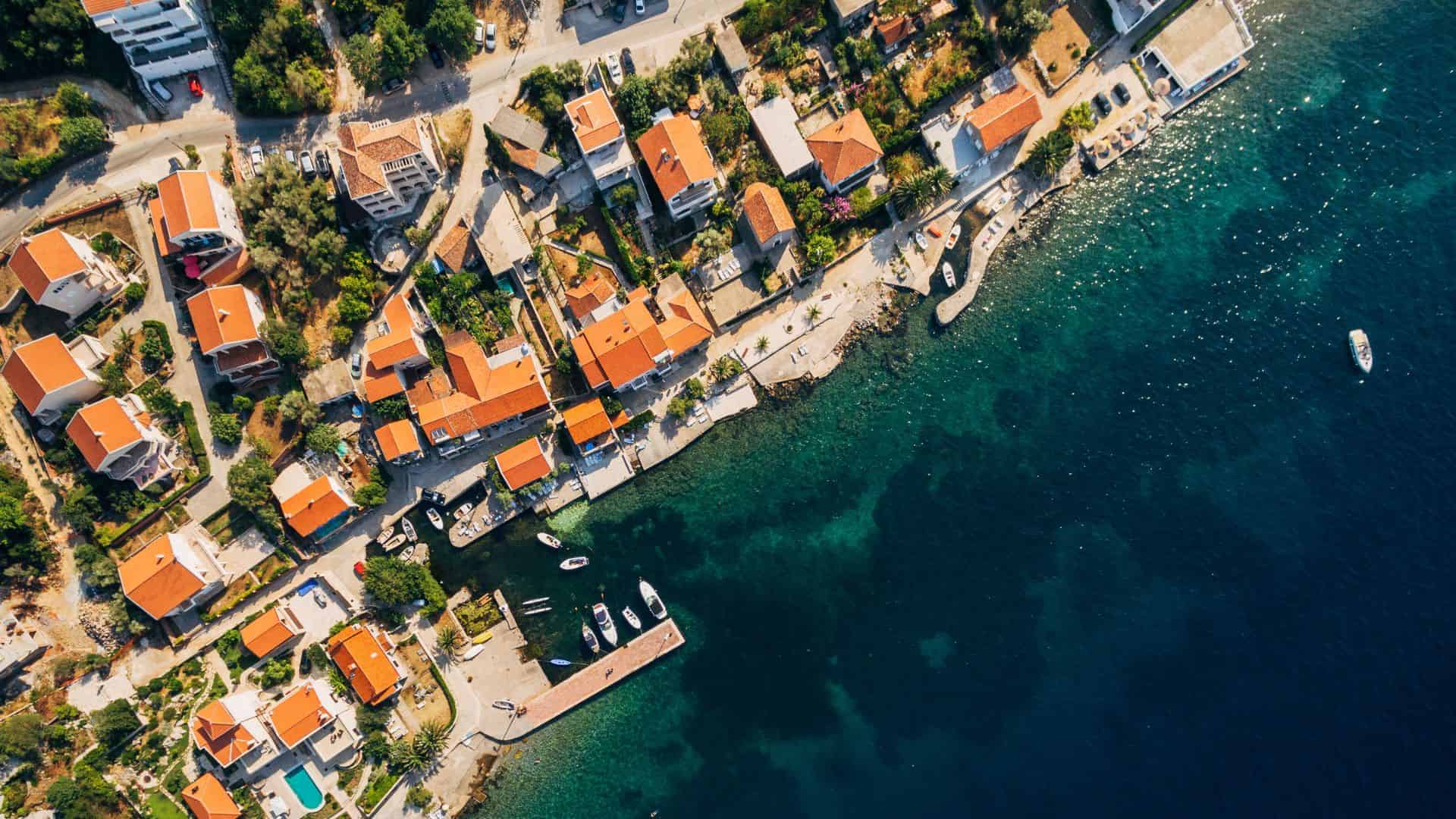
By the time you reach the end of this list, one thing should feel clear. The Adriatic isn’t about rushing from place to place. It’s about slowing down and letting the coast set the pace. These towns show how sea, stone, and daily life can exist side by side without trying too hard. Some feel calm and reflective. Others stay lively from morning to late at night. All of them leave an impression that sticks.
Whether you’re planning a trip or just daydreaming from home, this coastline has a way of pulling you in. It’s great for long walks, quiet swims, and moments where you stop scrolling and just look around. You don’t need a packed schedule here. Let the streets guide you, follow the water, and take your time. That’s when the Adriatic feels perfect.
11 Breathtaking Coastal Drives You Need to Take Once in Your Life
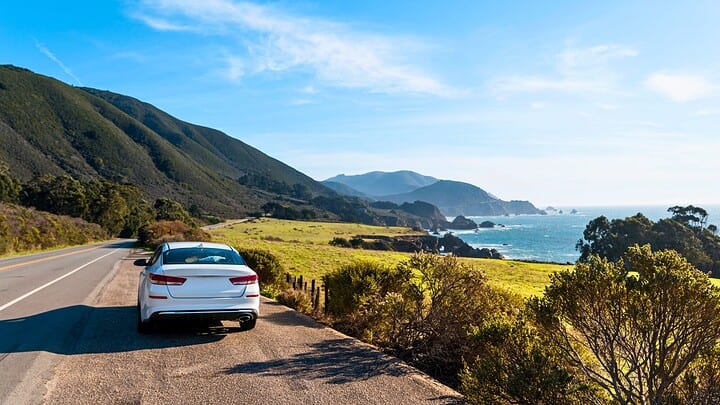
Some drives stay with you long after the engine is off. Coastal roads do that best. There’s something about having the ocean right there, moving beside you, while the road keeps pulling you forward. You roll the windows down, turn the music low, and let the scenery do the talking. These 11 coastal drives are great when you want to slow your pace without stopping the trip.
Read More Here: 11 Breathtaking Coastal Drives You Need to Take Once in Your Life
10 Breathtaking Coastal Towns in the Costa Brava for Your Next Trip
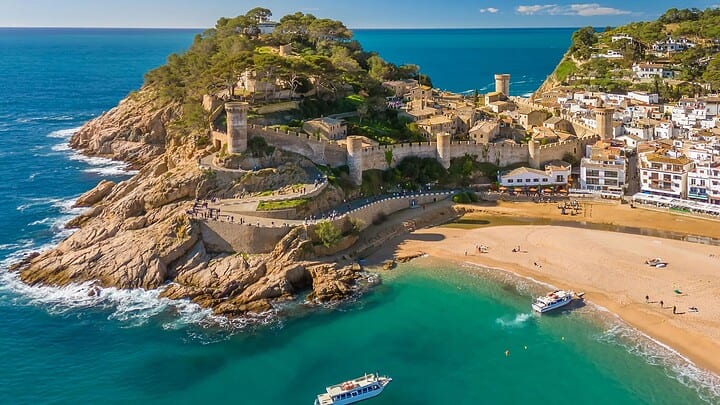
The Costa Brava runs along Spain’s northeast edge with a coastline that feels real, lived in, and close to the water. Cliffs drop into clear sea, paths follow the curves of the land, and towns grow naturally around small bays. This list of the 10 best coastal towns in the Costa Brava focuses on places where daily life and the shoreline exist side by side.
Read More Here: 10 Breathtaking Coastal Towns in the Costa Brava for Your Next Trip


Leave a Reply