
Italy hits different the second time around. You’ve done the landmarks, stood in the lines, and figured out the coffee rules. Now travel feels calmer and more personal. That’s where 10 under-the-radar regions in Italy come into play, not as a checklist but as a mindset. They're great for travelers who want something familiar without repeating the same trip.
This kind of journey is perfect when confidence replaces urgency. You trust your instincts, follow local rhythms, and stay longer because it feels right. Meals stretch out. Conversations happen without effort. Small towns feel approachable, not precious. Nothing needs to impress you. Italy still surprises, but quietly. You’re not trying to see everything. You’re there to settle in, pay attention, and enjoy the country in a way that feels natural and relaxed.
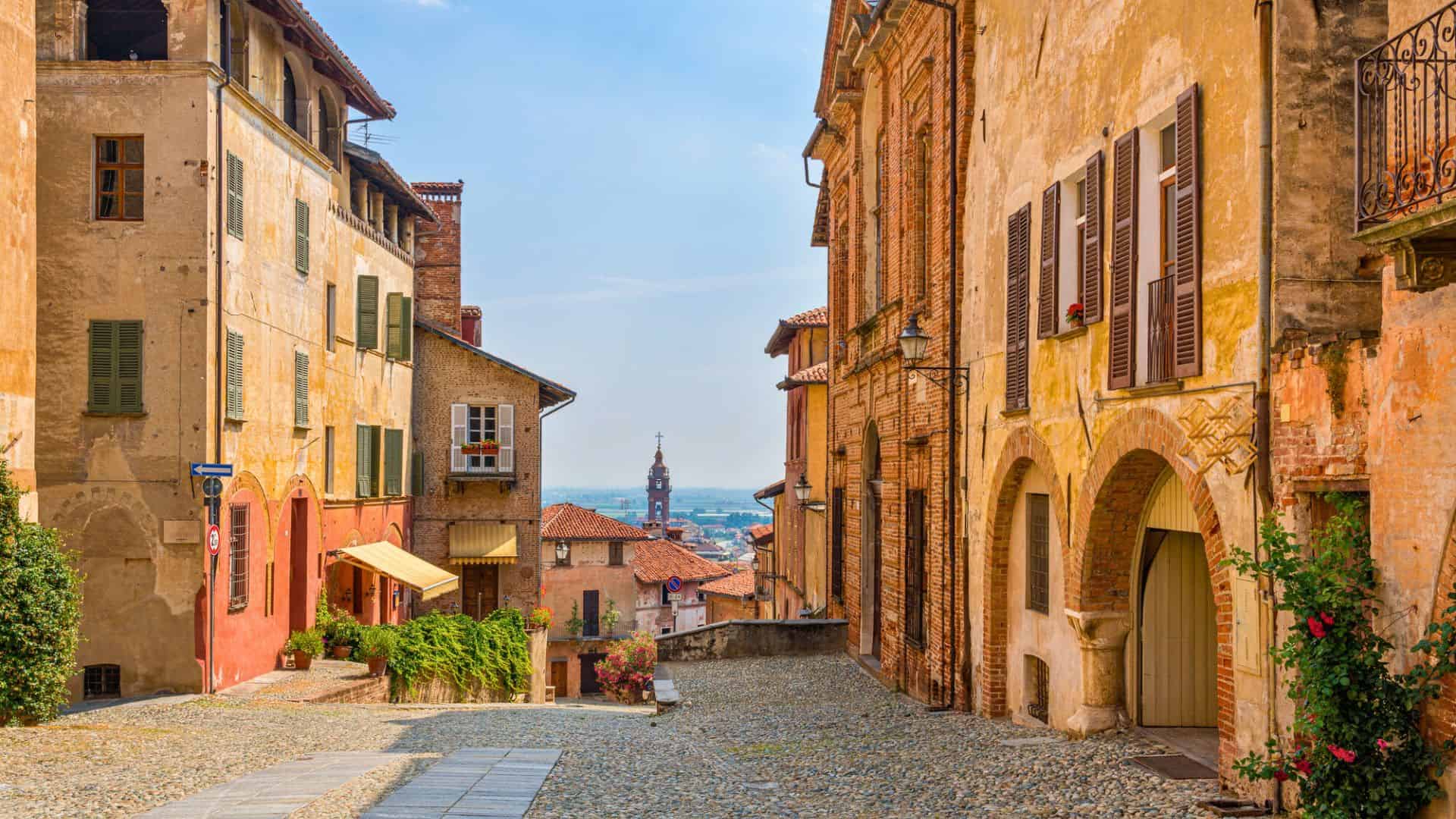
Calabria
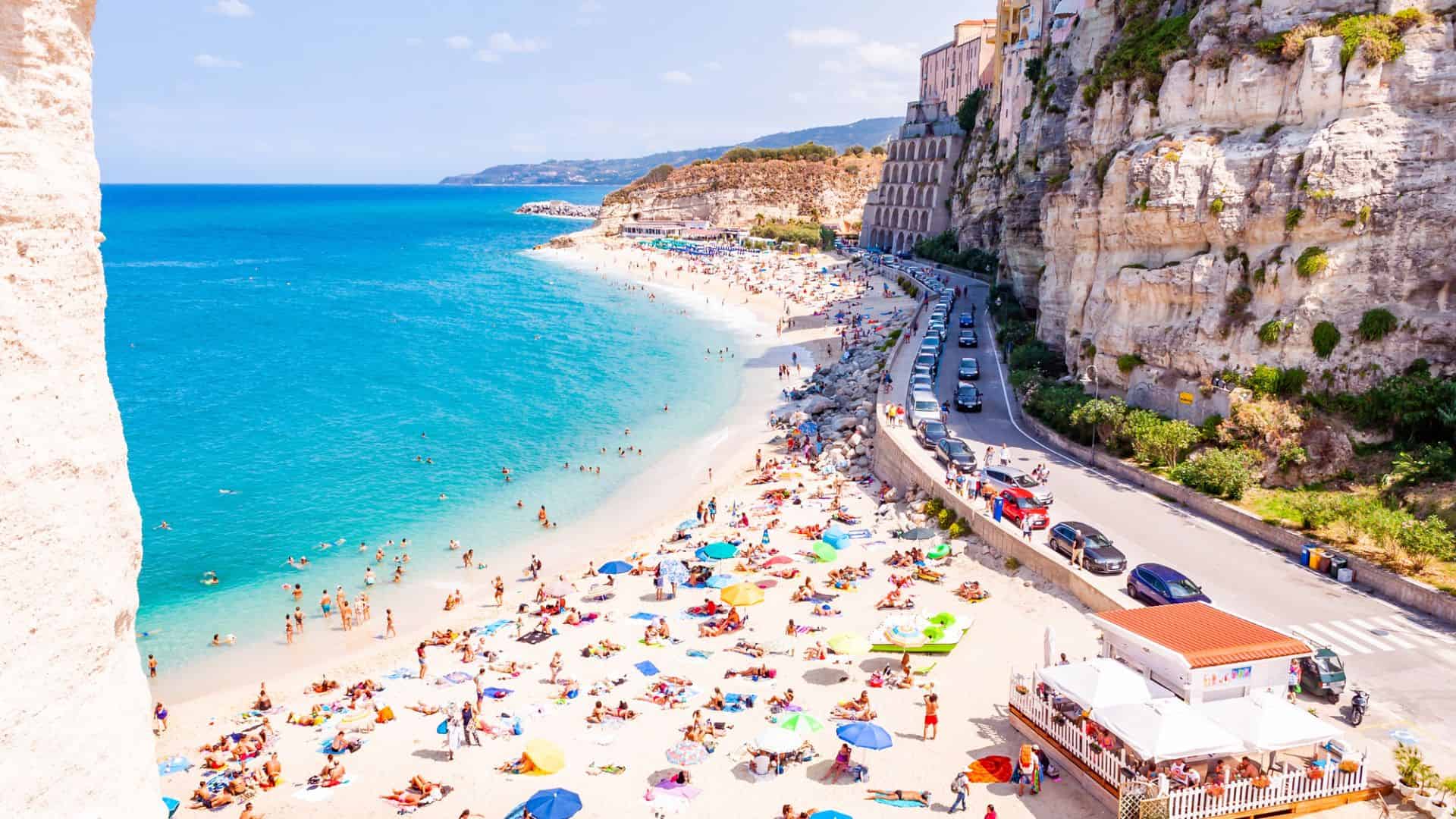
Calabria forms the rugged toe of Italy's boot, surrounded by two seas. Calabria features the Coast of the Gods, where Tropea sits on a dramatic sandstone cliff. Calabria produces spicy 'nduja sausage and citrus bergamot. Calabria hosts the Riace Bronzes, ancient Greek statues kept in Reggio Calabria. Calabria maintains deep traditions in swordfishing within the village of Scilla. Calabria remains largely rural with mountainous national parks like Sila and Aspromonte. Calabria attracts those who seek sun-drenched shores without the massive crowds. Calabria feels raw and authentic compared to northern coastal spots. Calabria rewards visitors with intense flavors and turquoise waters.
Friuli-Venezia Giulia
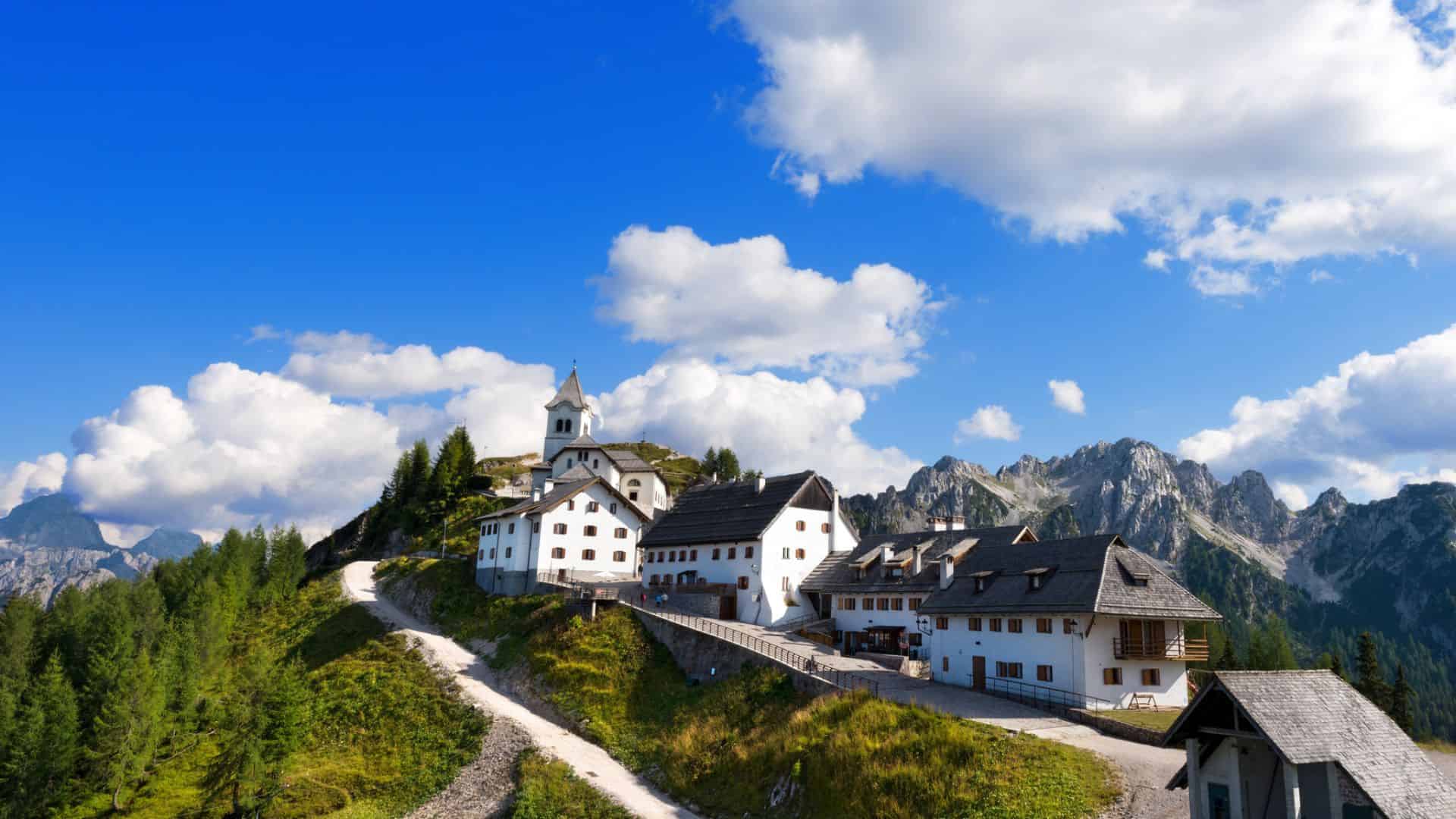
The northeast corner of Italy borders Slovenia and Austria, creating a cultural crossroads. Trieste, the capital, features grand Habsburg architecture and a deep-rooted coffee house tradition. Roman history survives in the massive ruins of Aquileia, known for its intricate floor mosaics. In the north, the Carnic Alps present steep slopes and timbered houses. The Collio region produces some of the finest white wines in the country. This area avoids typical Mediterranean cliches, leaning toward Central European aesthetics. It remains a quiet corner where Slavic, Germanic, and Latin influences intersect among the vineyards and the rocky karst plateau.
Molise
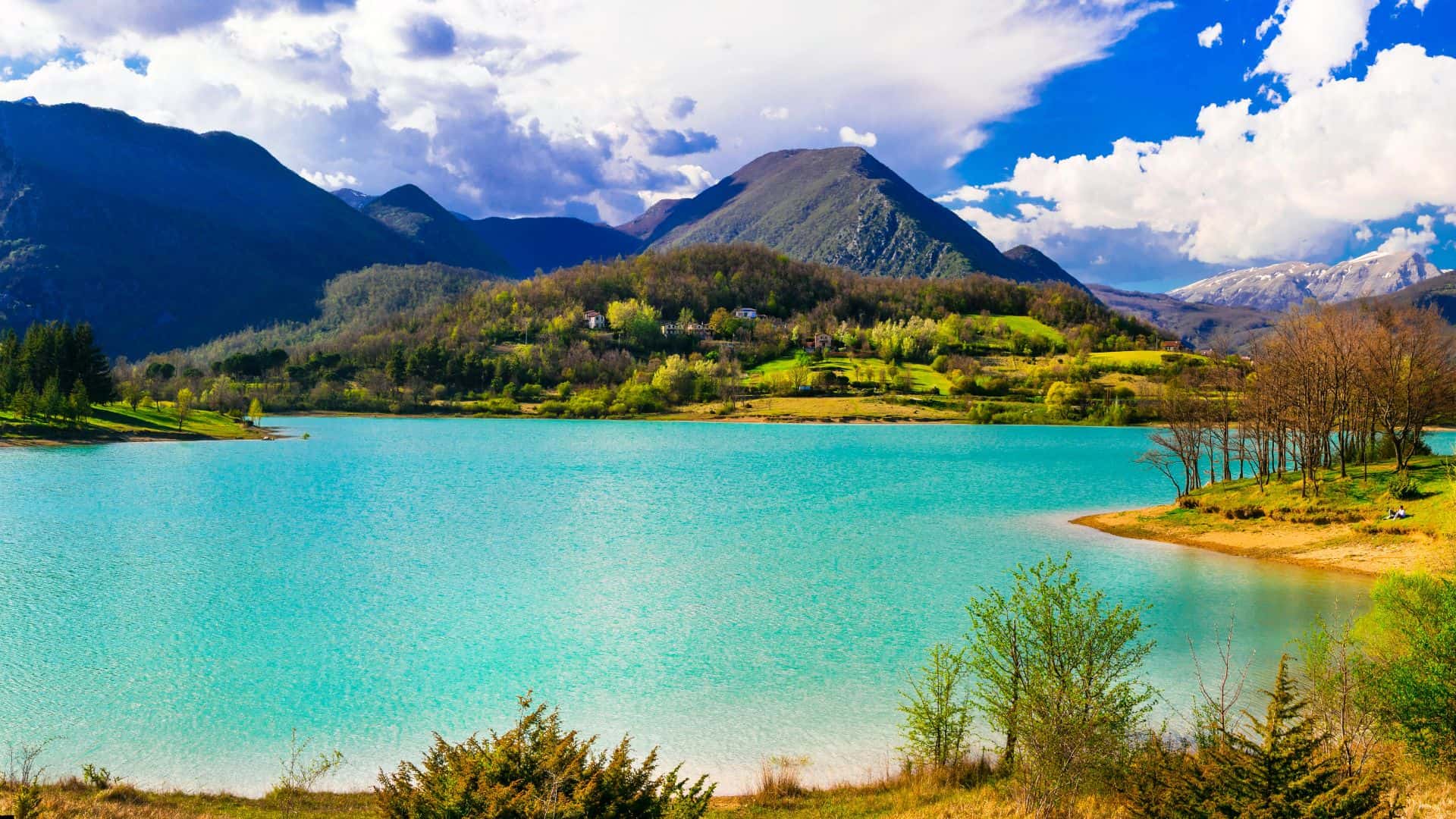
Molise occupies a quiet space between the mountains and the Adriatic Sea. Molise remains the least visited region in the country, often joked about as being non-existent. Molise contains the ancient Samnite ruins of Pietrabbondante, perched high on a ridge. Molise supports the thousand-year-old tradition of bell-making in the town of Agnone. Molise features sheep tracks called tratturi used for seasonal migration since Roman times. Molise preserves a lifestyle where manual agriculture still dominates the hills. Molise stays untouched by mass tourism, keeping prices low and hospitality genuine. Molise gives travelers a glimpse into the deep heart of Italy's past.
Umbria
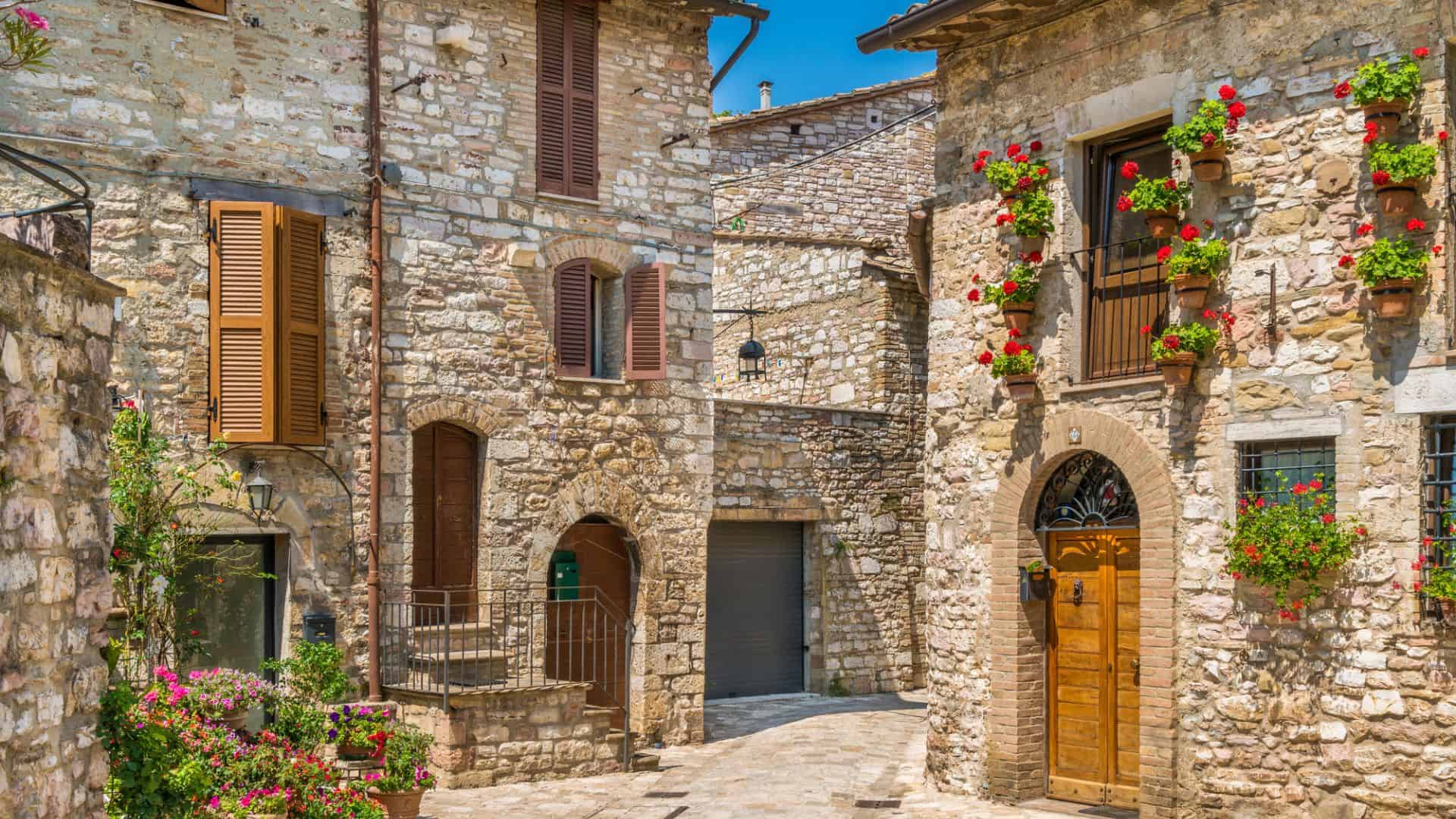
Central Italy contains a landlocked gem known as the green heart. Dense forests and silver-green olive groves define the landscape. Medieval hill towns like Assisi dominate the skyline, housing Giotto’s frescoes within the Basilica of San Francesco. In Orvieto, a massive Gothic cathedral sits atop a volcanic plateau. Local food centers on black truffles and robust wines. The stone streets of Spello become vibrant during flower festivals. This region remains quiet compared to its neighbors. Visitors find a sense of stillness among the cypress-lined roads. History feels tangible in every weathered brick and ancient monastery found across the valley.
Le Marche
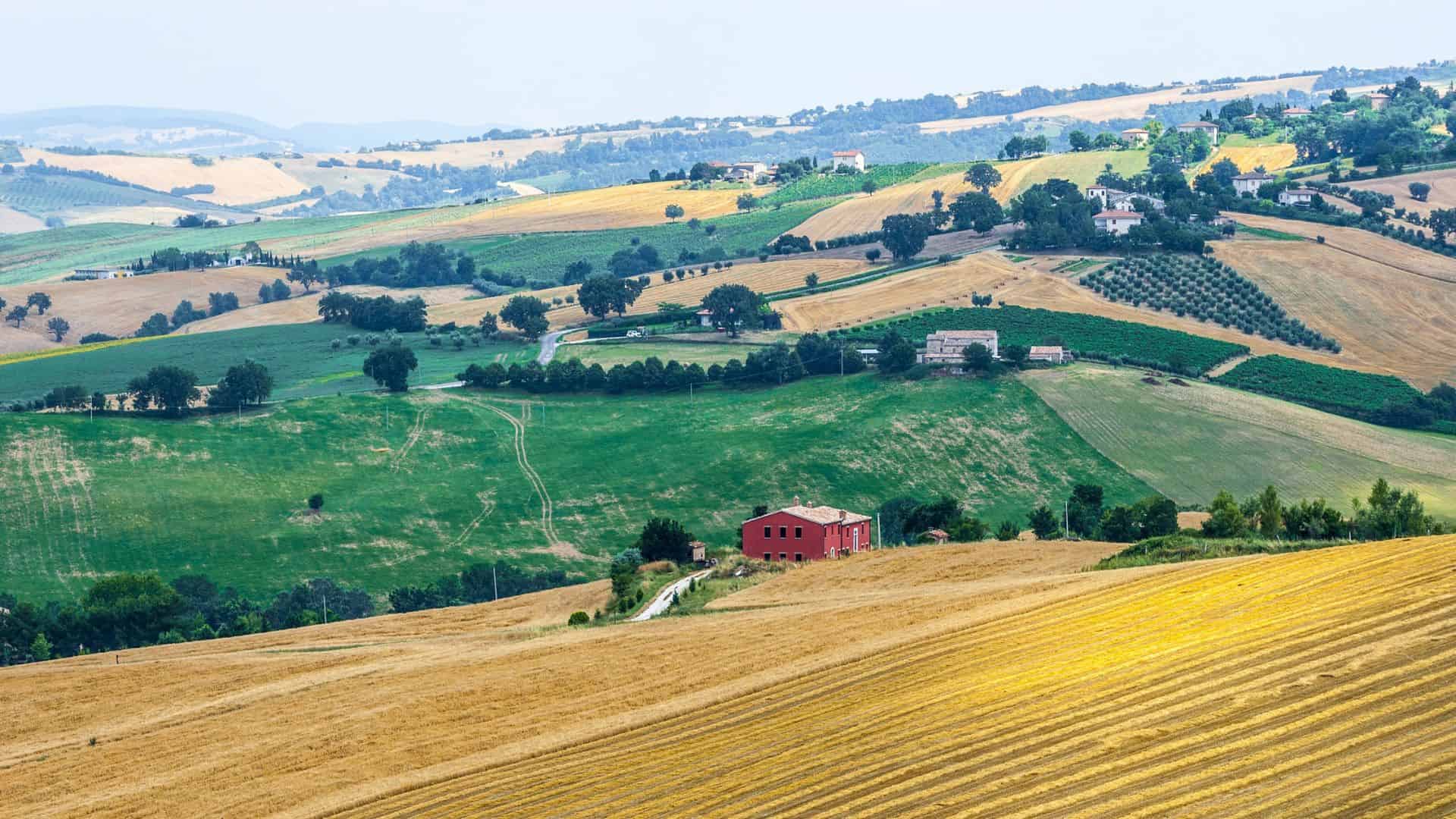
Resting between the Apennine peaks and the Adriatic coast, this territory contains diverse terrain. Urbino stands as a monument to the Renaissance, showcasing Raphael’s birthplace and the Ducal Palace. To the east, the Conero Peninsula features white limestone cliffs meeting turquoise water. In the south, Ascoli Piceno features a piazza paved entirely in travertine marble. Local life moves slowly in the hilltop villages. Fried olives and seafood stews define the local diet. Travelers encounter fewer crowds here than in the south. The combination of high mountain trails and secluded beaches makes it a versatile destination for explorers.
Lazio
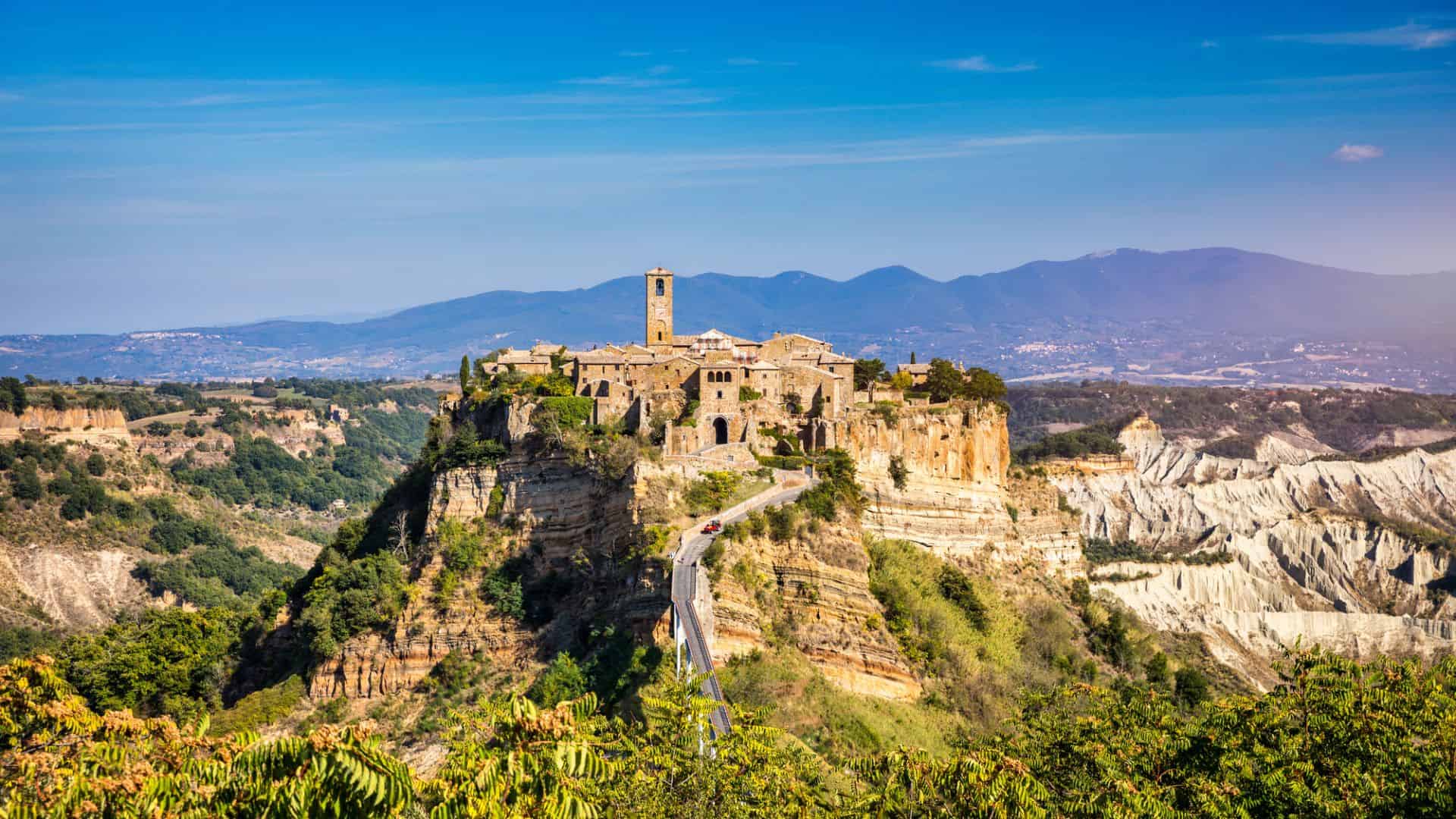
Lazio extends far beyond Rome into the historic territory of Tuscia. Lazio contains Civita di Bagnoregio, a medieval village connected to the world by a single footbridge. Lazio features the Park of Monsters in Bomarzo, filled with grotesque sixteenth-century stone sculptures. Lazio houses Viterbo, known as the City of Popes for its massive medieval palace. Lazio hides ancient Etruscan necropolises carved into soft tufa rock. Lazio presents volcanic lakes like Bolsena, where the water stays remarkably clear. Lazio remains an easy escape for those wanting history without the Roman crowds. Lazio bridges the gap between ancient mystery and Renaissance art.
Want to save this?
Abruzzo
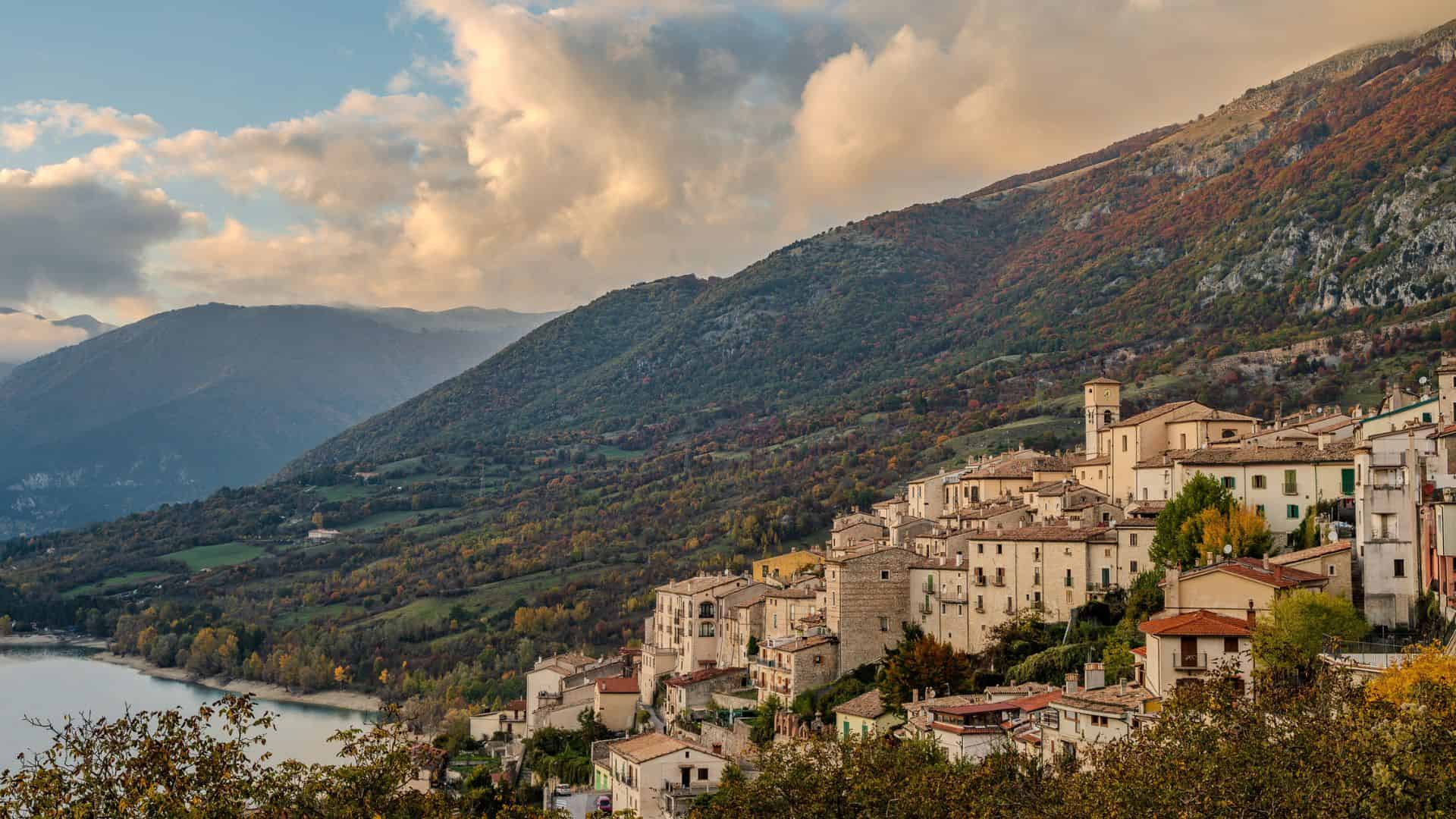
Nature reigns supreme in this wild territory where three national parks protect the landscape. The Gran Sasso massif contains the southernmost glacier in Europe, attracting hikers and skiers. Rare animals like the Marsican brown bear inhabit the dense beech forests. Along the Adriatic shoreline, old wooden fishing structures called trabocchi stand over the waves, now serving fresh fish. Inland, Scanno appears shaped like a heart from certain vantage points. Stone villages seem frozen in time, maintaining pastoral customs. The region serves as a sanctuary for those seeking solitude and raw, unpolished landscapes within the central mountain ranges.
Sardinia
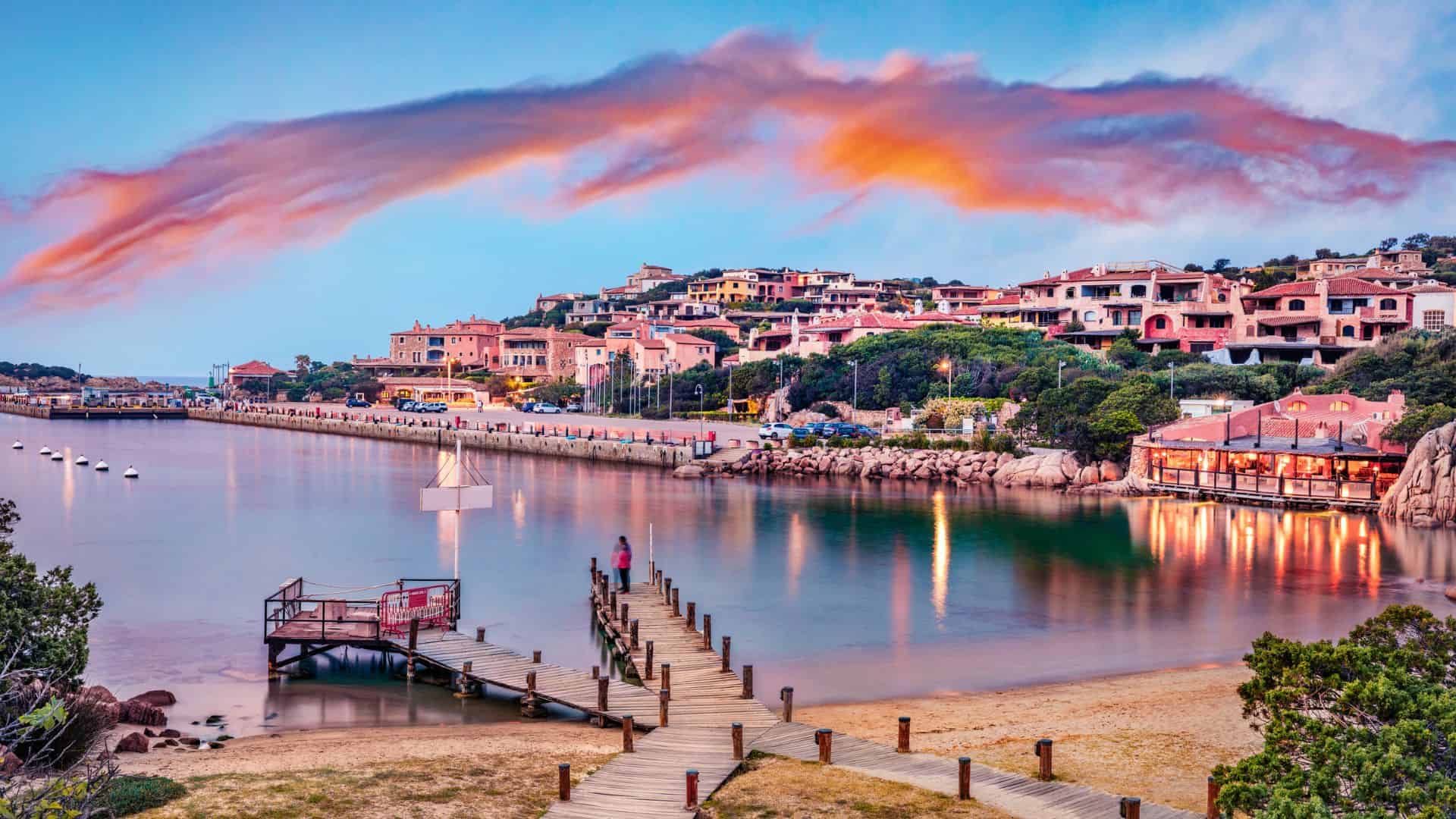
Sardinia contains a wild interior known as the Barbagia region. Sardinia hosts the world's highest concentration of centenarians within its rugged Blue Zone villages. Sardinia features Orgosolo, a town covered in political murals and ancient stories. Sardinia boasts the east coast's Cala Goloritzé, accessible only by foot or boat. Sardinia reveals thousands of Bronze Age stone towers called nuraghi across its plains. Sardinia maintains a distinct language and fierce cultural pride. Sardinia feels like a separate continent due to its prehistoric landscapes. Sardinia attracts hikers to the deep Su Gorropu canyon. Sardinia presents a silent, limestone-white contrast to typical resort areas.
Basilicata
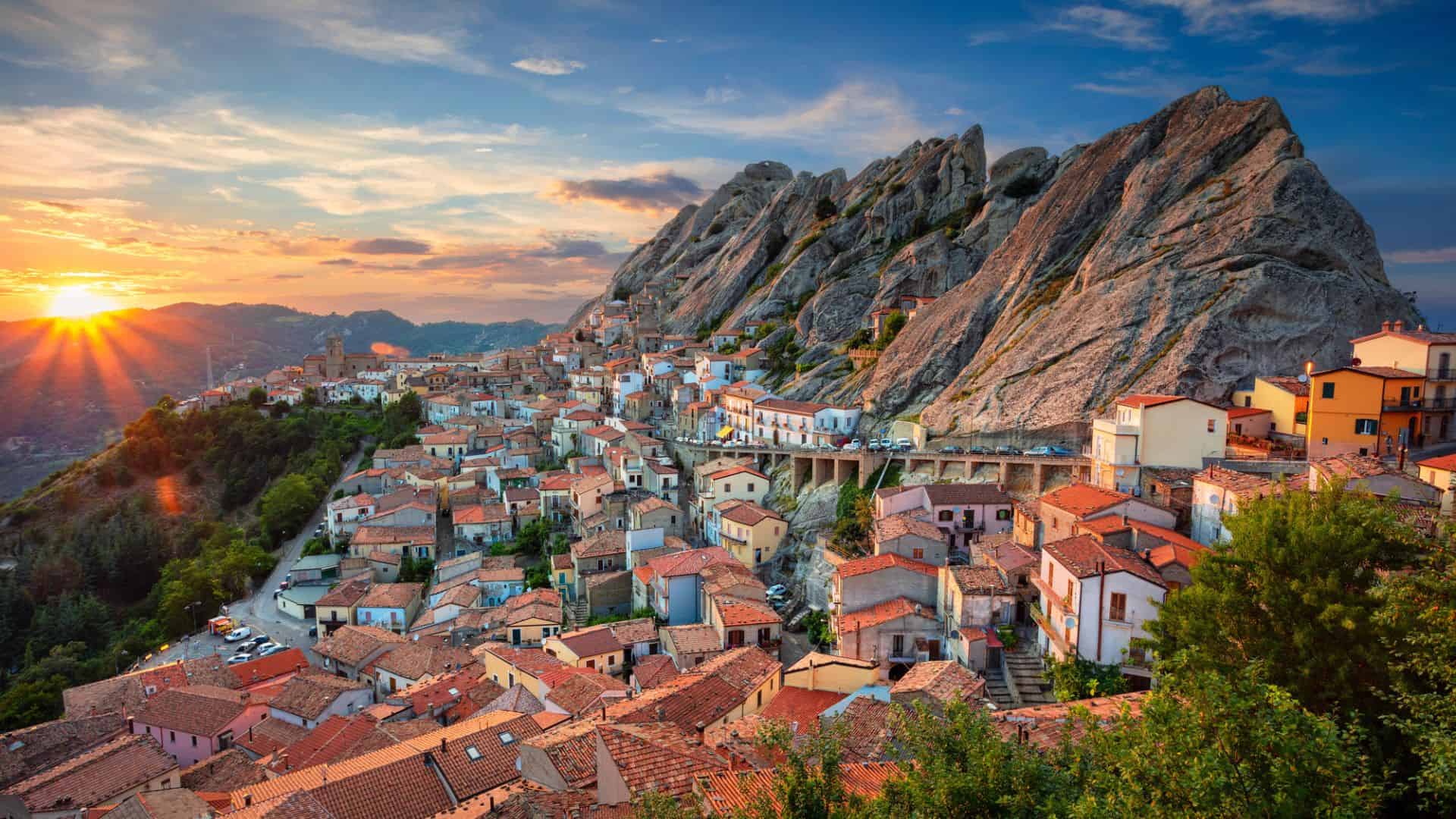
Deep in the south, this rugged land reveals Matera, a city carved into limestone ravines. Ancient cave dwellings, inhabited for millennia, create a surreal skyline. Beyond the caves, the Lucanian Dolomites present jagged sandstone spires. Villages like Castelmezzano cling to these rock faces, linked by a high-speed zip line for thrill-seekers. The short coastline at Maratea features black sand beaches and clear water. Ancient traditions remain intact within the remote mountain interior. Local agriculture focuses on sundried peppers and hard cheeses. It is a place of stark beauty, silence, and profound history far from the urban rush.
Piedmont
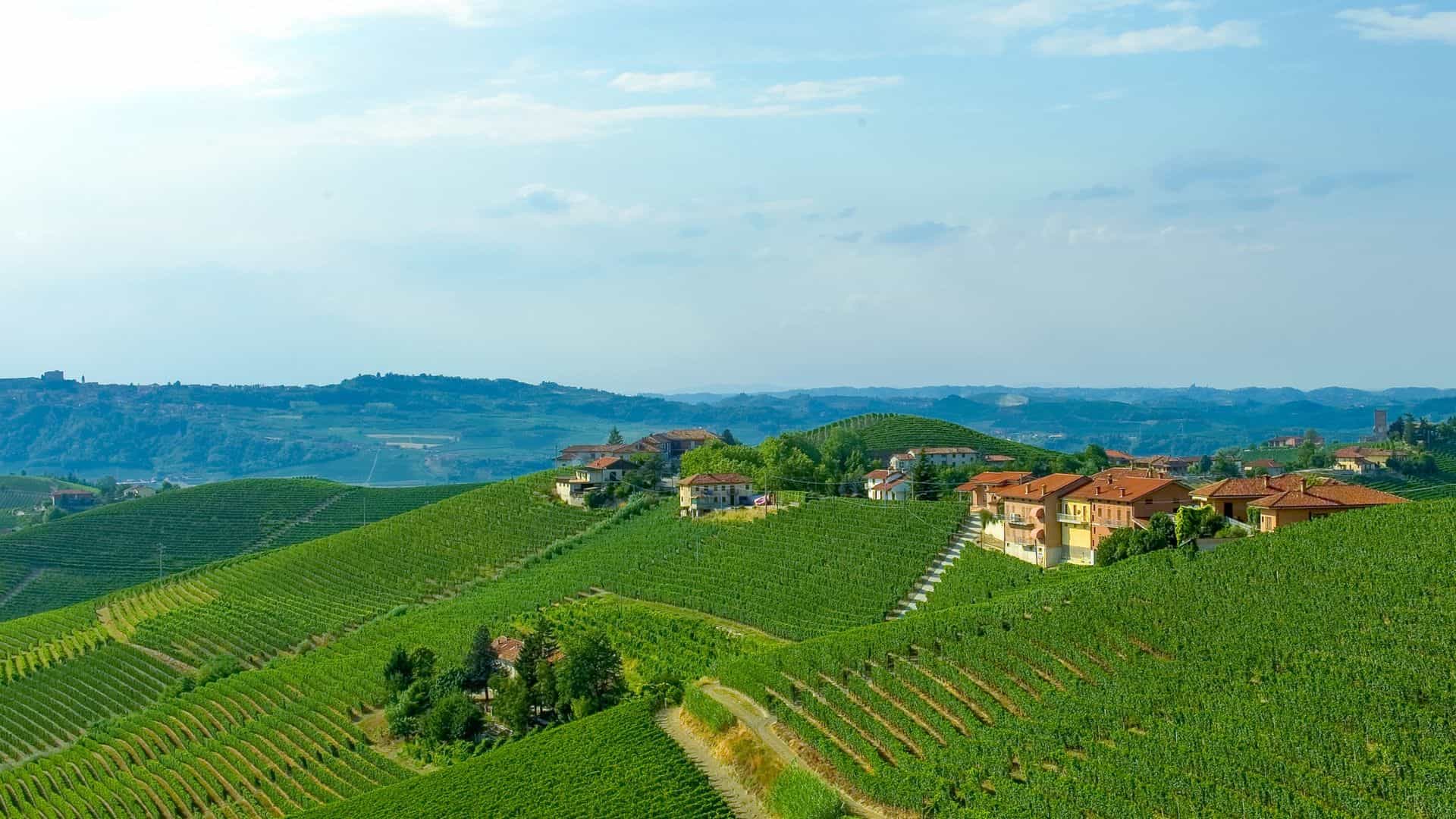
Piedmont sits at the foot of the Alps in northwest Italy. Piedmont houses Turin, a city of grand boulevards and historic cafes. Piedmont leads the global slow food movement from its base in Bra. Piedmont produces world-famous Barolo and Barbaresco wines within the foggy Langhe hills. Piedmont features Lake Orta, a quiet sanctuary often ignored for larger lakes. Piedmont maintains a sophisticated atmosphere rooted in its royal Savoy past. Piedmont hosts truffle hunters every autumn in the woods around Alba. Piedmont presents a landscape of rolling vineyards and snow-capped peaks. Piedmont stays refined yet accessible for serious gourmets seeking quality.
Same Country, New Rhythm
By the end of a trip like this, you realize how much lighter travel can feel. You’re not rushing between highlights or measuring days by what you’ve seen. You’re moving at a pace that fits you. That’s great for noticing small moments that usually slip by. A quiet square in the afternoon. A shop owner who remembers you. A train ride that feels like part of the day, not a task.
This is the kind of travel that sticks. Not because it was flashy, but because it felt natural. Italy has room for that kind of experience if you let it happen. Going back doesn’t mean repeating yourself. It means seeing with new eyes and better instincts. If you’re ready to slow down and trust the journey, this approach is perfect. You won’t leave feeling rushed or full. You’ll leave feeling grounded, curious, and already thinking about when you might return.
13 European Countries Where Overtourism Has Changed Travel Choices
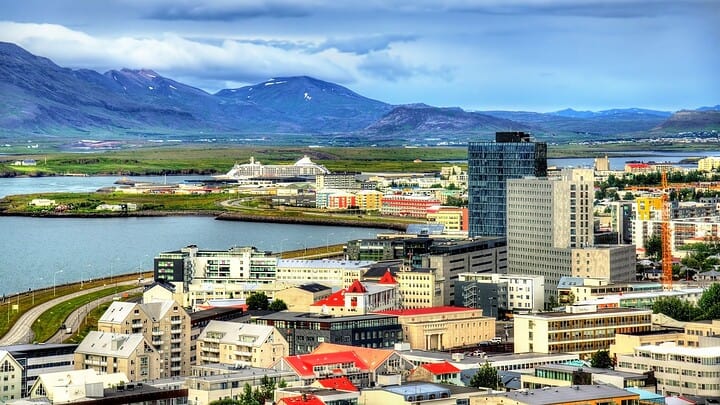
Travel in Europe doesn’t feel as simple as it once did. Flights fill faster, streets feel busier, and popular sights can feel packed before lunch. Travelers notice it right away, especially as conversations around 13 European countries where overtourism has changed travel choices become part of everyday planning. Planning now comes with extra steps and more questions.
Read More Here: 13 European Countries Where Overtourism Has Changed Travel Choices
13 Most Affordable European Cities for Solo Travelers in 2026
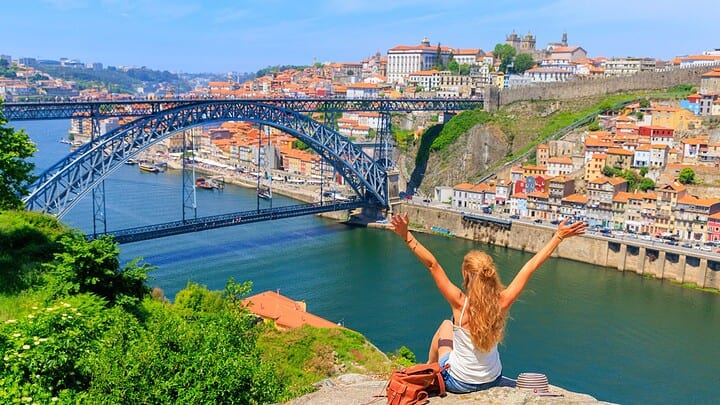
Solo travel in Europe doesn’t have to feel expensive or complicated. It's now easier than ever to move around on your own without watching every euro. Flights are more flexible, trains connect cities smoothly, and many places still keep daily costs low. That means less stress and more space to enjoy the trip your way. You can start with these 13 most affordable European countries for solo travelers in 2026.
Read More Here: 13 Most Affordable European Cities for Solo Travelers in 2026
Leave a Reply