By the time winter settles in, I usually start craving something brighter than gray skies and heavy coats. Planning travel around a winter festival has become one of my favorite ways to break up the season.
Jump to:
These trips feel intentional, built around shared energy, live entertainment, and moments that make winter feel active instead of quiet.
And if you travel with your family like I do, you already know how important it is to pack light for winter trips.
Plan Your Trip
Save on fees abroad with the Wise Card—use it at ATMs, restaurants, and for flights or hotels in over 150 countries. Manage 40+ currencies in real-time with the Wise app.
Need Help Planning?
- Cheap Flights: Find the best deals.
- Accommodation: From hostels to luxury stays.
- Car Rental: Affordable options worldwide.
- Sightseeing Tours: Explore without breaking the bank.
- Travel Adapter: One adapter for all your needs.
- Travel Insurance: Don’t risk it—stay covered.
This post includes affiliate links, and as an Amazon Associate I earn from qualifying purchases. Read my full disclosure and privacy policy.
What I love most about winter travel tied to festivals is how quickly you feel part of the place.
Instead of sightseeing alone, you are bundled up alongside locals, watching parades, ice skating in public squares, or standing shoulder to shoulder as music fills the cold air.
Late winter can feel long, especially when cold weather keeps days feeling repetitive. February and March are surprisingly lively months around the world, filled with festivals that mark the shift toward spring.
Carnival celebrations, religious holidays, and seasonal rituals turn cities into places of movement and sound.These winter festivals are not just events to watch. They are experiences you step into.
Crowds move fast, music carries through the streets, and everything feels temporary in the best way. It is the kind of travel that stays with you long after you return home.
Winter Festivals and Winter Carnivals: Finding the Right Fit
As I planned more trips around seasonal events, I noticed that winter festivals and winter carnivals often promise similar energy but deliver it in different ways.
A winter festival usually centers on scheduled experiences like live entertainment, food showcases, and cultural programming spread across a city or region.
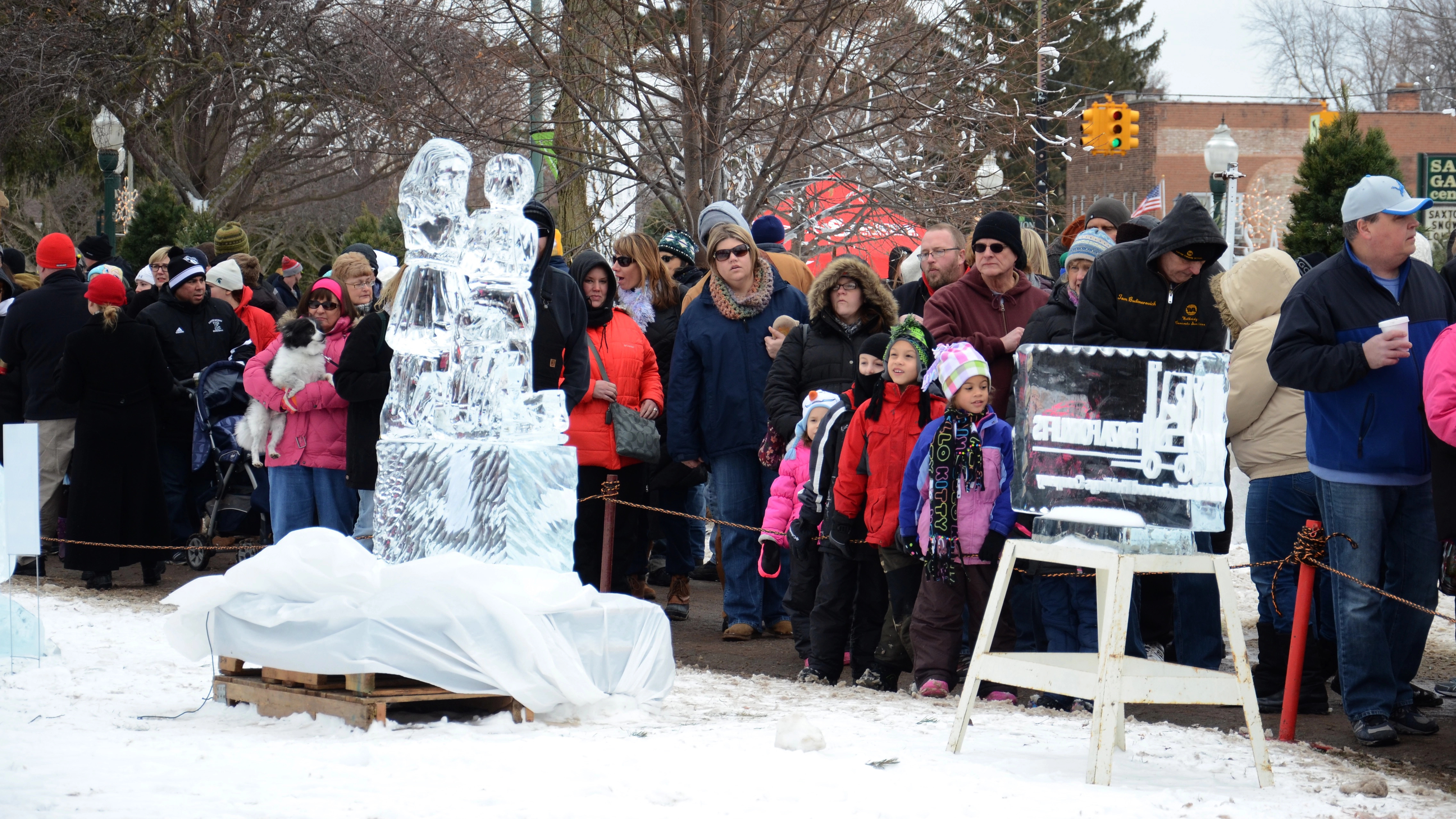
Winter carnivals tend to feel more rooted in place. These gatherings often highlight snow sculptures, ice festivals, winter games, and outdoor traditions that celebrate cold weather itself.
Instead of moving between venues, you stay present in one shared space, whether that’s an ice rink, a town square, or a snow-covered park.
Both styles shape winter travel differently. Festivals offer variety and movement, while carnivals create a sense of continuity and community.
Understanding that difference has made it easier for me to choose events that match the kind of winter experience I want, whether I’m drawn to a lively winter fest atmosphere or the slower rhythm of a classic winter carnival.
Iconic Winter Festivals Worth Planning Around
Some winter festivals are so closely tied to their destination that planning a trip around them simply makes sense. These events shape the atmosphere of a place and turn winter travel into something active and memorable.
Mardi Gras in New Orleans, United States
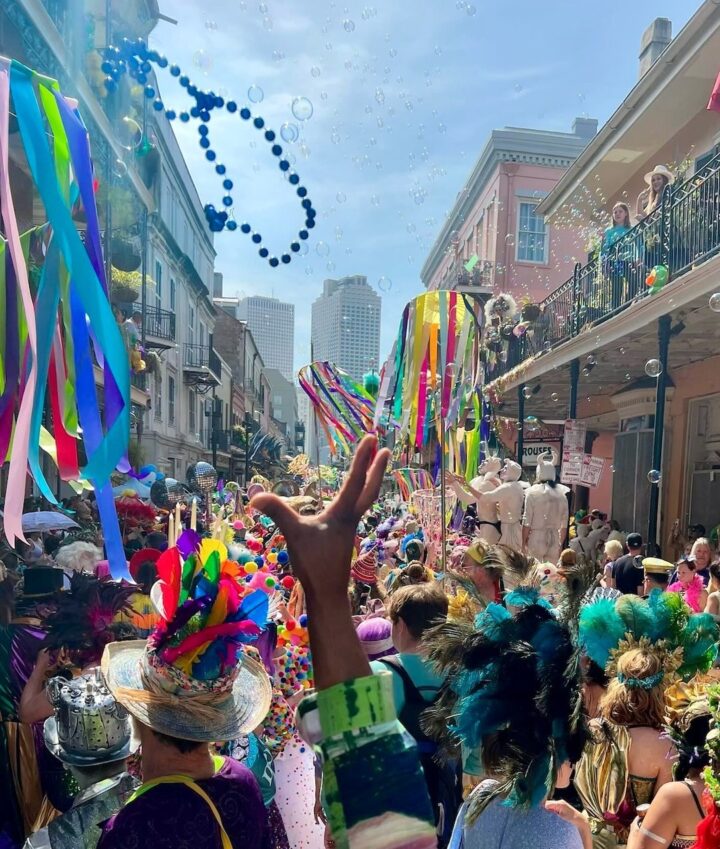

New Orleans feels festive year-round, but Mardi Gras brings everything together. Parades roll through the city, the French Quarter hums with music, and food becomes part of the celebration. Mardi Gras takes place on February 17, 2026, though many travelers arrive the weekend before to soak in the full experience.
Nice Carnival in Nice, France
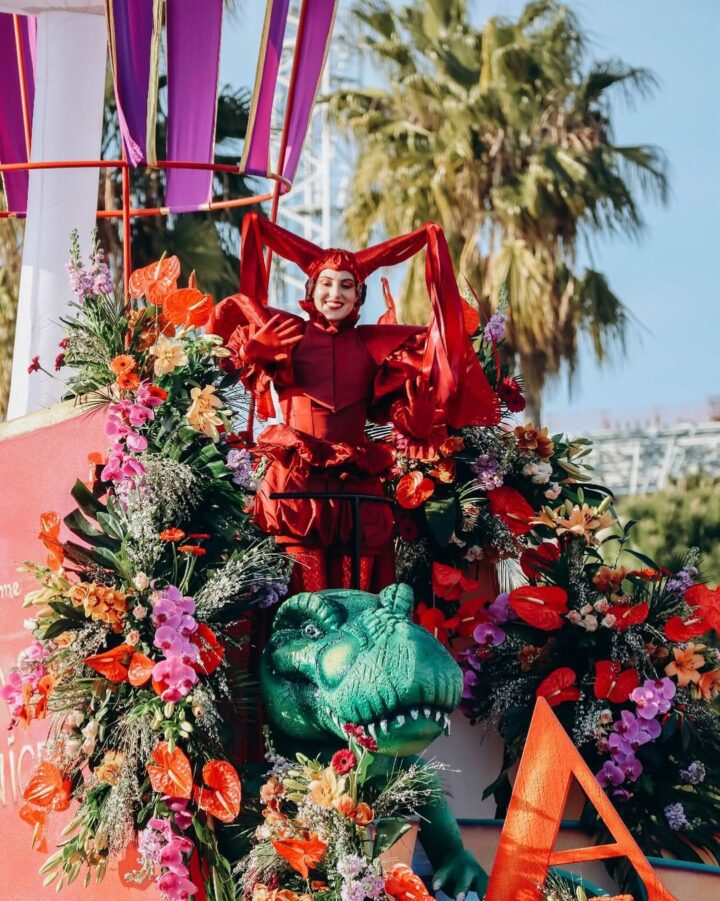
The French Riviera may not be the first place that comes to mind for winter travel, but Nice Carnival proves otherwise. Held from February 11 to March 1, 2026, the city fills with parades, flower battles, and public art. The atmosphere feels playful and theatrical, offering a lighter side of winter in Europe.
Las Fallas in Valencia, Spain

Las Fallas blends art, fire, and community. From March 15 to March 19, 2026, towering sculptures fill Valencia before being burned in dramatic bonfires. Fireworks, music, and street celebrations build momentum throughout the festival, creating an experience that feels both chaotic and deeply rooted in tradition.
Holi in India
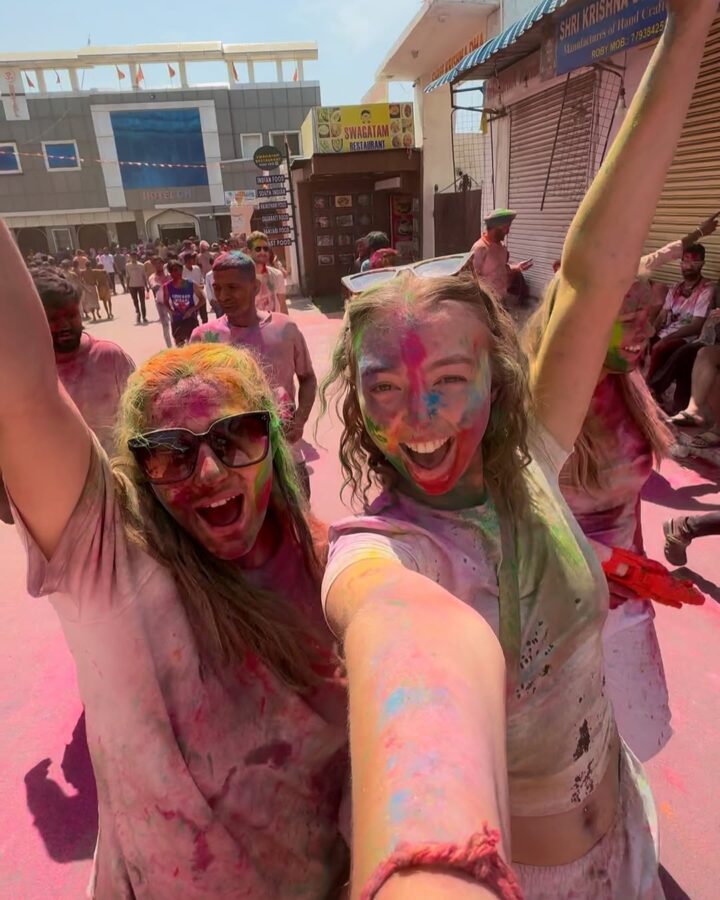
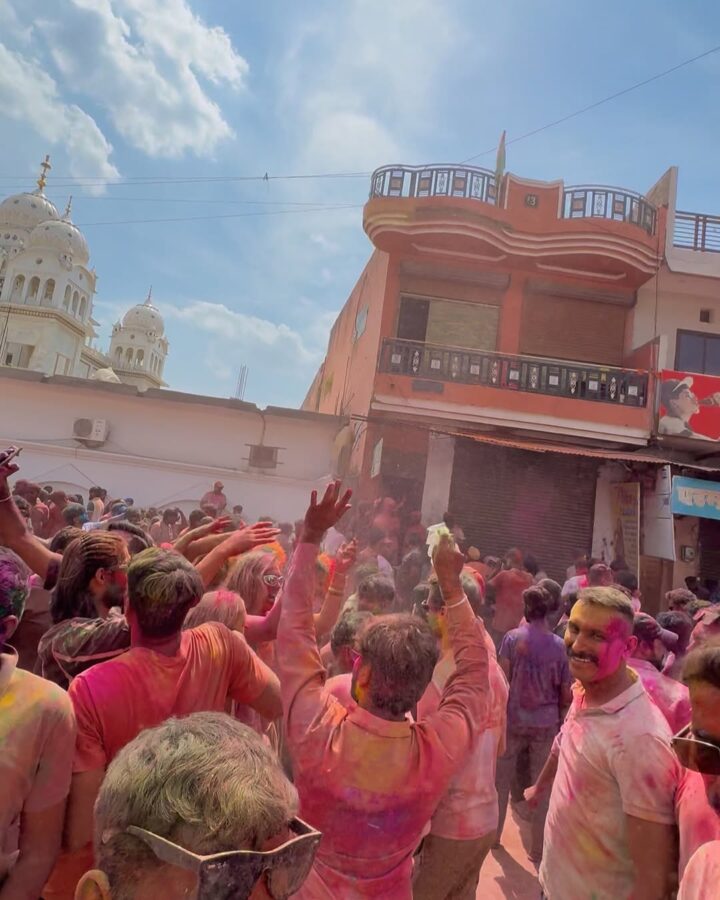
Holi marks the arrival of spring and is celebrated across India on March 4, 2026, though exact dates vary by region. Streets transform into clouds of color as people throw powdered dyes, laugh, and celebrate renewal. It is joyful, messy, and unforgettable, especially for travelers open to fully participating.
Want to save this?
Cherry Blossom Festival in Washington, D.C.
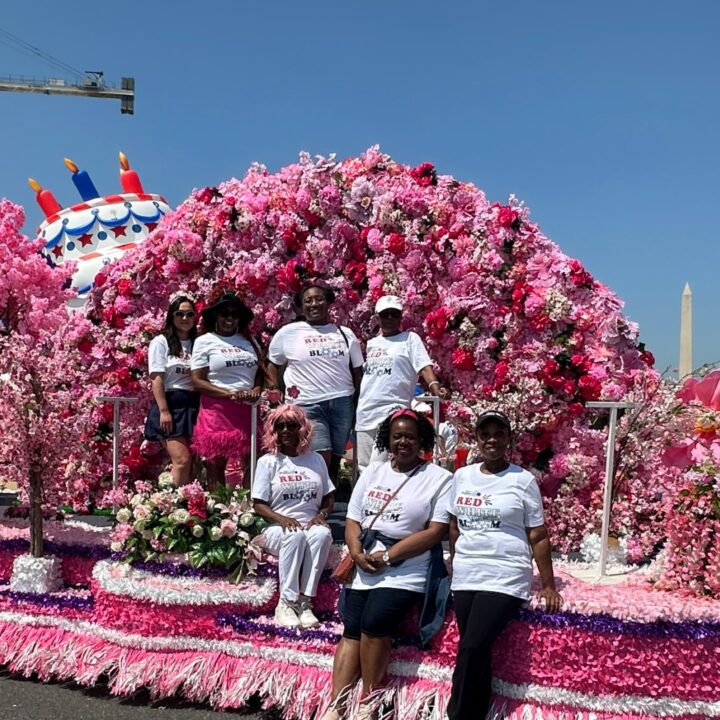

While March can still be cold in the U.S. capital, the Cherry Blossom Festival offers a visual reminder that spring is coming. Running from March 20 to April 12, 2026, the festival includes cultural events and a parade. Bloom timing varies each year, making every visit slightly different.
Ice Festivals, Snow Sculptures, and Winter Art on Display
One of the most striking parts of winter festivals is how creative they become. Ice festivals and snow sculpting events turn frozen landscapes into temporary art galleries. Massive ice castles glow after dark, while snow sculptures transform parks and town centers into open-air exhibits.
Watching artists carve ice or build towering snow creations reminds me that winter travel does not have to be passive. These moments invite you to slow down, look closer, and appreciate how fleeting winter beauty can be.
Warm-Weather Festivals That Feel Like an Escape
Some winter festivals offer a complete contrast to snow and ice. In places like Puerto Rico, Brazil, Trinidad and Tobago, and the Canary Islands, festivals combine sunshine with music, dancing, and long outdoor celebrations.
Puerto Rico
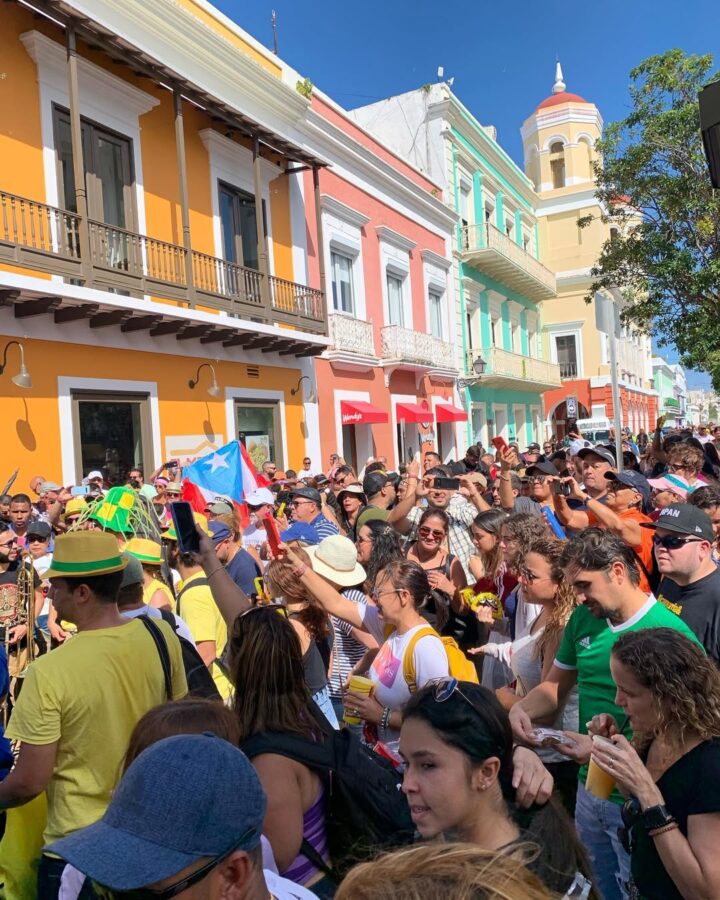
Puerto Rico stays warm through winter, often hovering above 80 degrees. Festivals like the San Sebastián Street Festival, held from mid-January through early February, bring music, dancing, art vendors, and late-night celebrations. Carnival Ponceño in February adds even more color and tradition to the season.
If you visit early, you can roam around the city and enjoy must-see attractions by booking dedicated tours.
Rio de Janeiro, Brazil
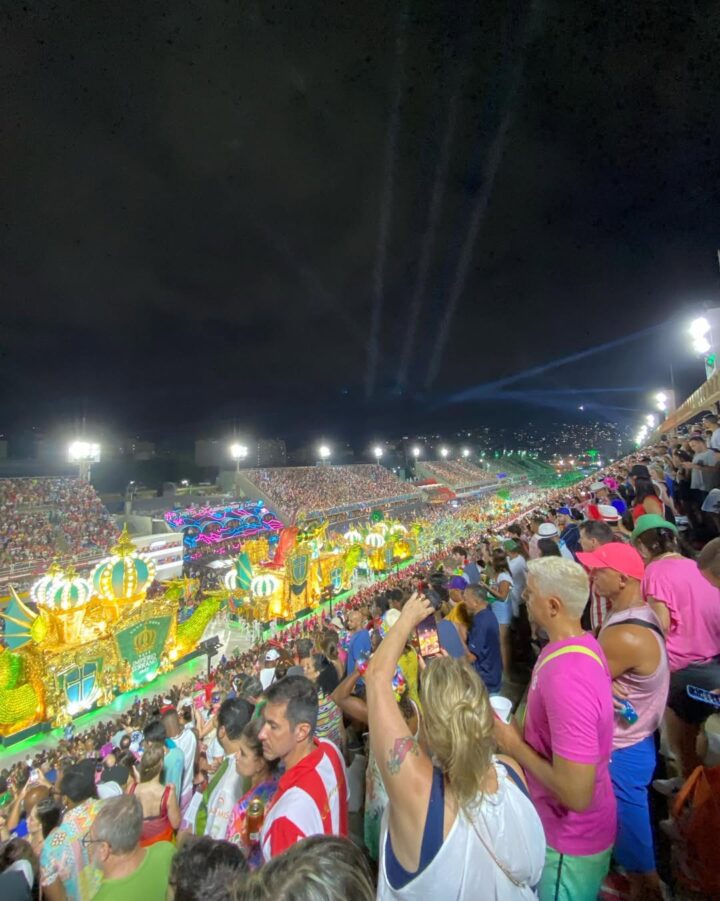
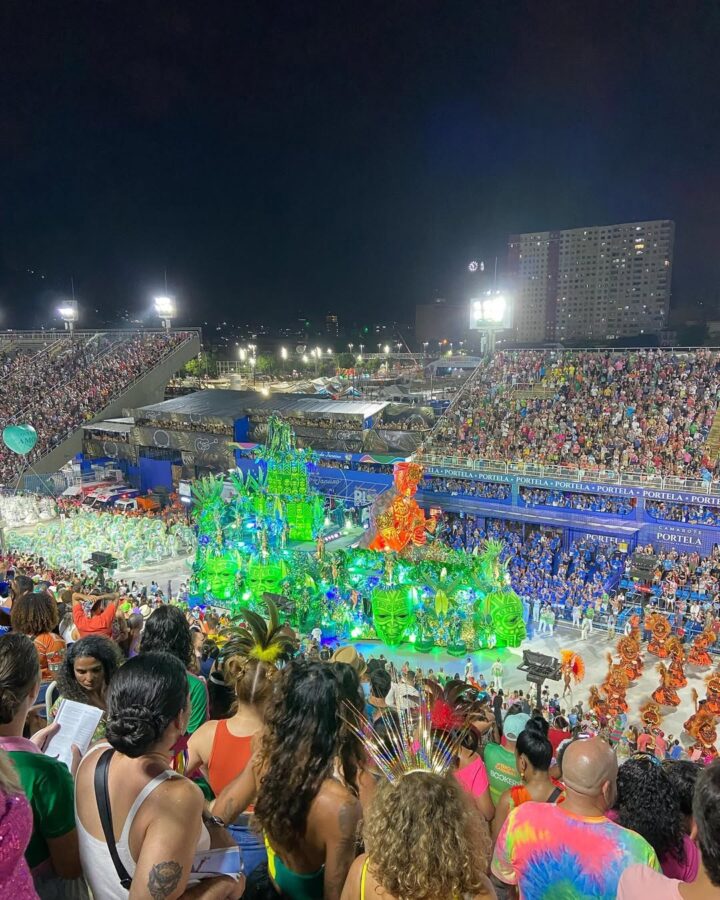
Rio Carnival is one of the most famous winter festivals in the world, running from February 13 to February 21, 2026. Samba parades, elaborate costumes, and nonstop street gatherings unfold during Brazil’s summer season, making it a high-energy way to escape winter entirely.
You can experience the magic of the Rio Carnival by booking tickets directly or through get your guide.
Trinidad and Tobago
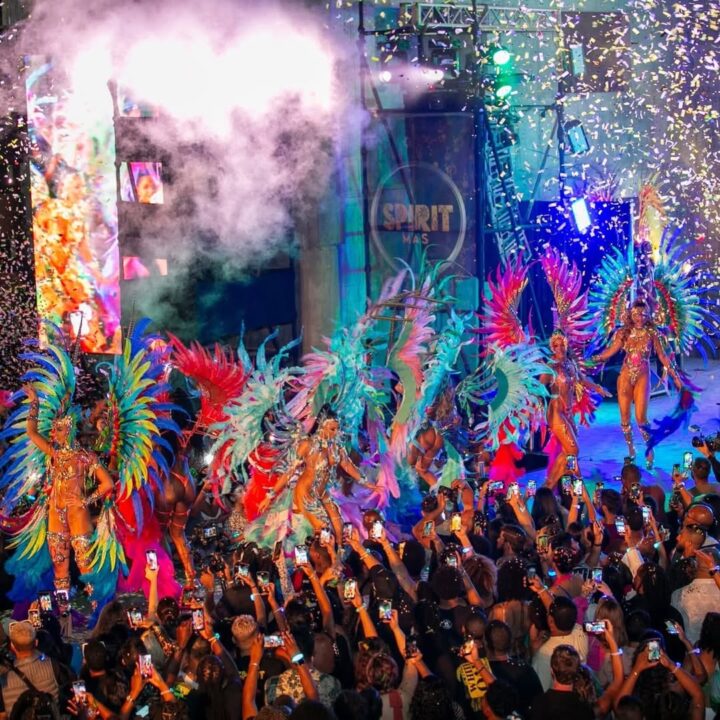
The Carnival season blends sunshine with music, dance, and cultural traditions like Calypso and stick fighting. It is widely considered the largest Carnival in the Caribbean and offers a powerful mix of celebration and history.
Canary Islands, Spain

Gran Canaria Carnival takes place from January 24 to March 1, 2026. The Canary Islands are one of the few European destinations with year-round beach weather, and the carnival reflects that energy with parades, performances, and even a pet costume event. It is both playful and deeply local.
Quirky and Modern Winter Festivals
Not every winterfest follows tradition. Some thrive on creativity and spontaneity.
Las Vegas hosts events year-round, including the Mardi Gras Beer Crawl on February 7, 2026, and the Chinese New Year in the Desert celebration from February 19 to February 21, 2026. San Francisco’s Valentine’s Day Pillow Fight draws crowds to the Embarcadero each February 14, though it remains unofficial and unpredictable.
In Taiwan, the Yanshui Beehive Fireworks Festival on March 2 to 3, 2026, replaces traditional fireworks viewing with participation. Thousands of bottle rockets are launched in the streets, with locals believing that getting hit brings good luck.
For music lovers, Ultra Music Festival in Miami runs March 27 through 29, 2026. Mild weather and nonstop dancing make it easy to forget winter entirely.
Why Winter Festivals Make Travel Feel Different

Winter festivals turn travel into something active and immersive. Instead of observing from the sidelines, you join in. You move with the crowd, eat what locals eat, and experience how communities mark time and change seasons.
For me, winter festivals have become a reason to travel rather than something to stumble upon. They bring energy into months that often feel quiet and remind me that winter travel does not have to be about waiting for spring.
This article was adapted from the original version published on Food Drink Life.