
Some cities sit in places where the ground itself is not as stable as it seems. This article features U.S. cities sitting on fault lines experts say could shift anytime, focusing on locations where seismic activity remains a real concern based on geological data and historical patterns. These areas may feel normal day to day, but the risk beneath the surface is always present.
Understanding where these fault lines run can help residents and travelers stay more aware of potential risks. Preparedness and knowledge often matter more than fear. Keep reading to see which U.S. cities made the list and what experts say about the activity in these regions.

Los Angeles, California

Los Angeles sits along the San Andreas Fault, as well as smaller systems like the Newport-Inglewood and Hollywood faults. The region has experienced major earthquakes, including the 1994 Northridge quake that caused widespread damage. With a large population and dense development, the impact of a major event could be significant. Updated building codes help reduce risk, but older structures still pose concerns. Ongoing seismic monitoring and public preparedness efforts reflect how seriously earthquake risk is taken here.
San Francisco, California

San Francisco lies near both the San Andreas and Hayward Faults, two of the most closely watched in the country. The 1906 earthquake reshaped the city and remains a key reference point for risk planning. While modern buildings follow strict seismic standards, older structures remain vulnerable. The city’s density and infrastructure make earthquake preparedness a constant priority. Regular drills and public awareness efforts help residents respond quickly if strong shaking occurs.
Seattle, Washington

Seattle sits near the Seattle Fault Zone and within reach of the Cascadia Subduction Zone, both capable of producing large earthquakes. Certain areas built on softer soil may experience amplified shaking. Events like the 2001 Nisqually earthquake have tested the city’s systems. Retrofitting projects and updated building codes have improved resilience, but the risk of a major Cascadia event remains a long-term concern. Public education and preparedness planning continue to be emphasized.
Anchorage, Alaska

Anchorage is located near the Alaska-Aleutian Megathrust Fault, part of a highly active seismic region. The 1964 Good Friday earthquake remains the most powerful recorded in North America, causing landslides and widespread damage. While building standards have improved since then, seismic activity remains frequent. The region’s terrain and climate can complicate recovery efforts, making preparation essential. Residents are encouraged to plan for disruptions to transportation and utilities after a major quake.
Portland, Oregon

Portland lies near both the Cascadia Subduction Zone and the Portland Hills Fault, exposing it to multiple earthquake risks. A large Cascadia event could affect the entire Pacific Northwest. The city includes a mix of newer buildings and older structures that may not be fully reinforced. Areas near the Willamette River face liquefaction risks due to softer soil. Infrastructure upgrades and public awareness campaigns aim to improve readiness for potential long-term disruptions.
Salt Lake City, Utah
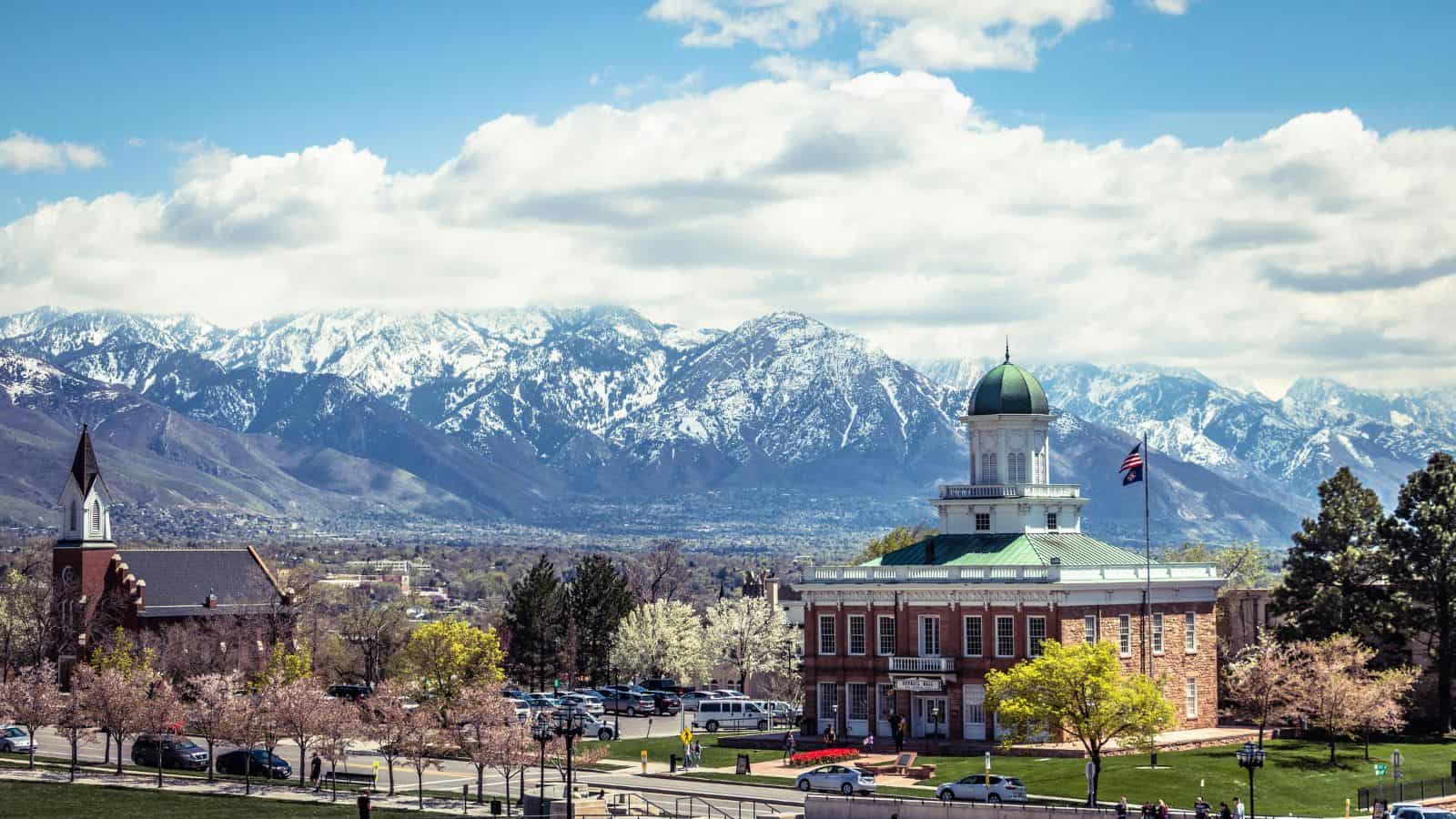
Salt Lake City is positioned along the Wasatch Fault, which stretches across Utah and has a history of significant seismic activity. Experts estimate a notable chance of a major earthquake occurring in the coming decades. The city includes both modern construction and older masonry buildings that may be more vulnerable. Liquefaction risks are also present in some areas. Local efforts focus on retrofitting and public education to improve preparedness.
Want to save this?
San Diego, California

San Diego sits near the Rose Canyon Fault, with influence from the larger San Andreas system. While it may not experience the largest quakes seen elsewhere in California, moderate to strong earthquakes remain possible. Coastal areas and softer soils increase the risk of ground movement in certain neighborhoods. Building codes reflect these risks, but preparation is still emphasized. Residents are encouraged to secure homes and maintain emergency supplies.
Memphis, Tennessee

Memphis is located near the New Madrid Seismic Zone, which produced powerful earthquakes in the early 1800s felt across much of the country. Though less discussed than West Coast faults, the region remains active. Many older buildings, particularly brick structures, are vulnerable to shaking. A major event could disrupt transportation, utilities, and river systems. Emergency planning and awareness efforts aim to prepare residents for a less predictable but still significant risk.
St. Louis, Missouri

St. Louis is also within reach of the New Madrid Seismic Zone and could experience strong shaking if a major event occurs. The city’s historic architecture includes many unreinforced masonry buildings that may be at risk. While infrastructure improvements have been made, experts note the region is overdue for a larger quake. Because seismic activity here can affect wide areas, the impact could extend far beyond the city. Awareness efforts continue despite earthquakes being less frequent.
Charleston, South Carolina

Charleston lies near the Middleton Place-Summerville Seismic Zone, which caused a major earthquake in 1886. While large events are rare, the possibility remains. Many historic buildings were reinforced after that quake, but some vulnerabilities persist. The city’s coastal location adds complexity to emergency response and infrastructure concerns. Public awareness focuses on earthquake safety, even as other natural hazards tend to receive more attention in the region.
Top 10 Shockingly Cheap Countries To Live In

Wondering which countries are cheap to visit? Living abroad doesn’t have to cost a fortune. In fact, some countries are so affordable that you might find yourself living better for less. Whether you’re dreaming of vibrant cities, laid-back beach towns, or scenic mountain retreats, there are places where life can be great without blowing through your budget.
Read More Here: Top 10 Shockingly Cheap Countries To Live In
10 Travel Trends That Do More Damage Than Good

Did you know that some travel trends are harmful? Popular travel habits can shape the way people explore the world, but there are 10 travel trends that do more damage than good. While some may seem appealing or convenient, they can negatively affect local communities, the environment, and even travelers. Understanding the impact of these trends is crucial for making informed decisions that promote responsible and sustainable travel.
Read More Here: 10 Travel Trends That Do More Damage Than Good




Leave a Reply