
Every culture has habits that feel polite at home and strange somewhere else. Here are everyday actions travelers often do without thinking, only to realize later they landed the wrong way in a different setting. These moments usually come from good intentions but can still cause confusion or discomfort.
Understanding these differences can make travel smoother and help avoid awkward situations. Paying attention to local norms shows respect and can change how interactions unfold. Keep reading to see which behaviors surprise travelers most and which ones are worth adjusting before the next trip.

Slurping noodles or soup to show enjoyment

In many parts of Asia, slurping is not impolite. It signals appreciation and enjoyment of the food, especially noodles and soups. Travelers often learn this after trying to eat quietly and noticing locals doing the opposite. What might be considered bad manners in Western cultures is interpreted as positive feedback in places like Japan and parts of China. Visitors who suppress the habit may even stand out more. The key lesson travelers share is that table manners are culturally coded. Sound, in this context, communicates satisfaction rather than carelessness.
Standing very close to others in lines or on public transport
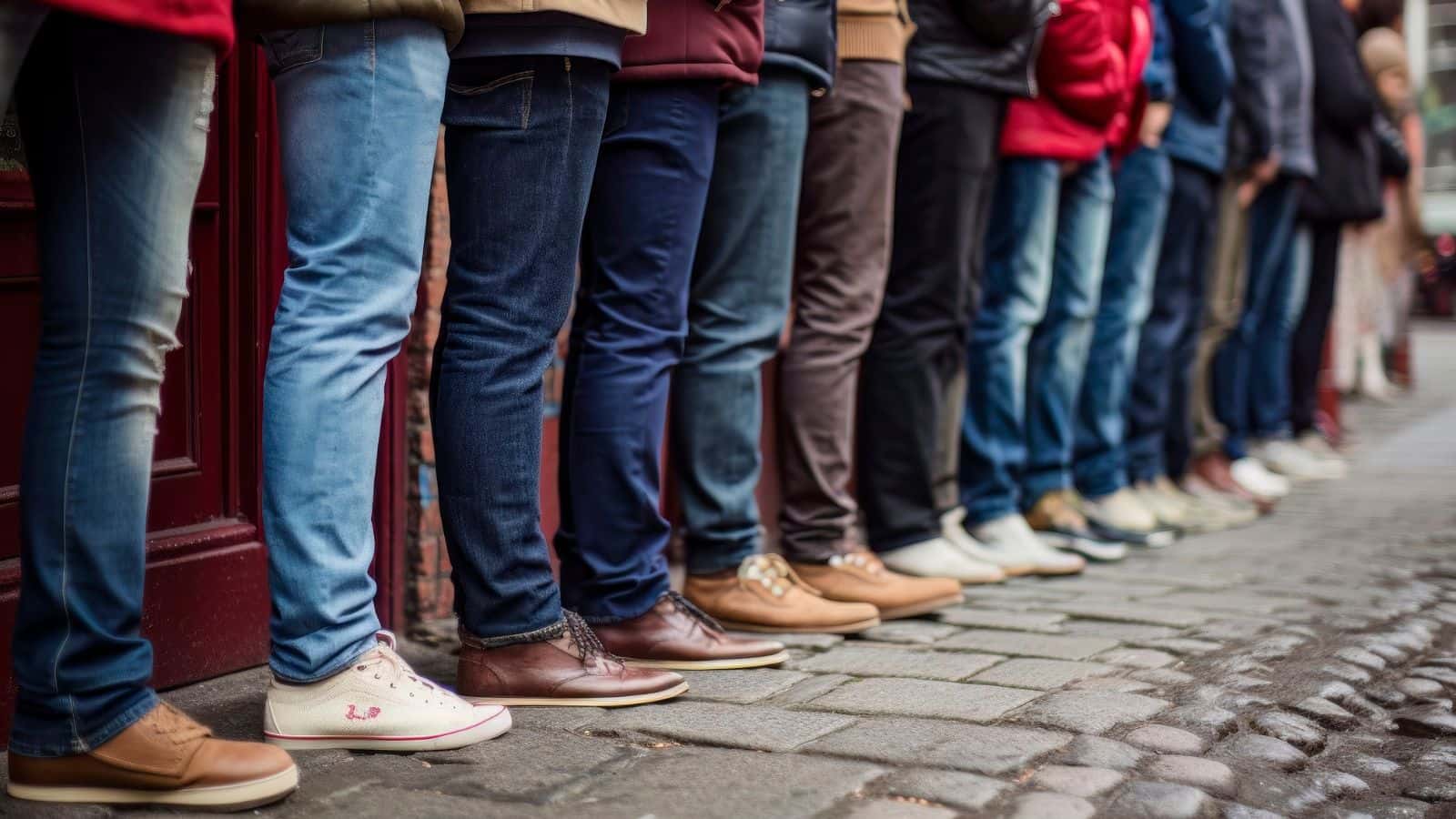
Close physical proximity is often unavoidable and unremarkable in dense cities across Asia. Travelers used to personal space can feel uncomfortable at first, interpreting closeness as intrusive. Over time, many realize it is not aggressive or inconsiderate, just practical. Standing close keeps lines moving and makes crowded systems function. There is usually no implied urgency or hostility. Travelers say the mistake is assuming intent where none exists. What feels rude elsewhere is simply efficient coexistence in environments where space is limited and shared constantly.
Avoiding direct confrontation even when something is wrong

In many Asian cultures, maintaining harmony takes priority over addressing problems directly. Travelers often learn this after pointing out an error or complaint and noticing discomfort rather than resolution. What feels honest or efficient in direct cultures can feel embarrassing or disruptive elsewhere. Problems are often handled indirectly, quietly, or through intermediaries. Travelers say they learned to adjust tone, soften language, or let issues go altogether. The behavior is not avoidance, but a different strategy for preserving dignity and social balance.
Speaking very softly or staying silent in shared public spaces
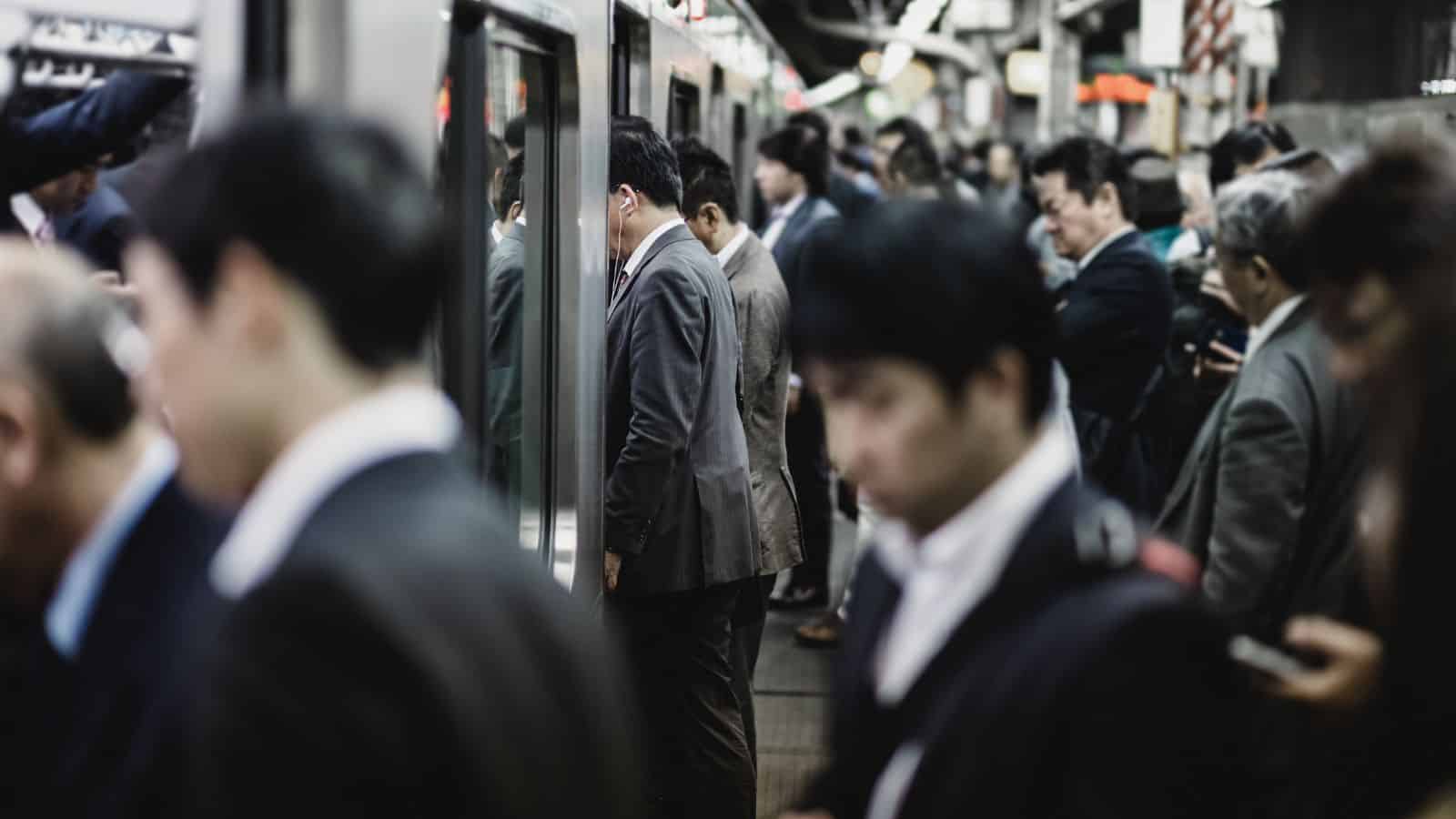
Quietness in shared spaces like trains, elevators, and shops is often expected across Asia. Travelers may only realize this after answering a phone call or speaking loudly and drawing attention. Silence signals respect for others’ space and concentration. Even in crowded areas, noise levels can remain low. Visitors often describe this as one of the biggest behavioral adjustments they had to make. What might feel stiff or unfriendly elsewhere is considered considerate here. Learning to lower volume becomes part of blending in.
Letting people merge without acknowledgment or eye contact
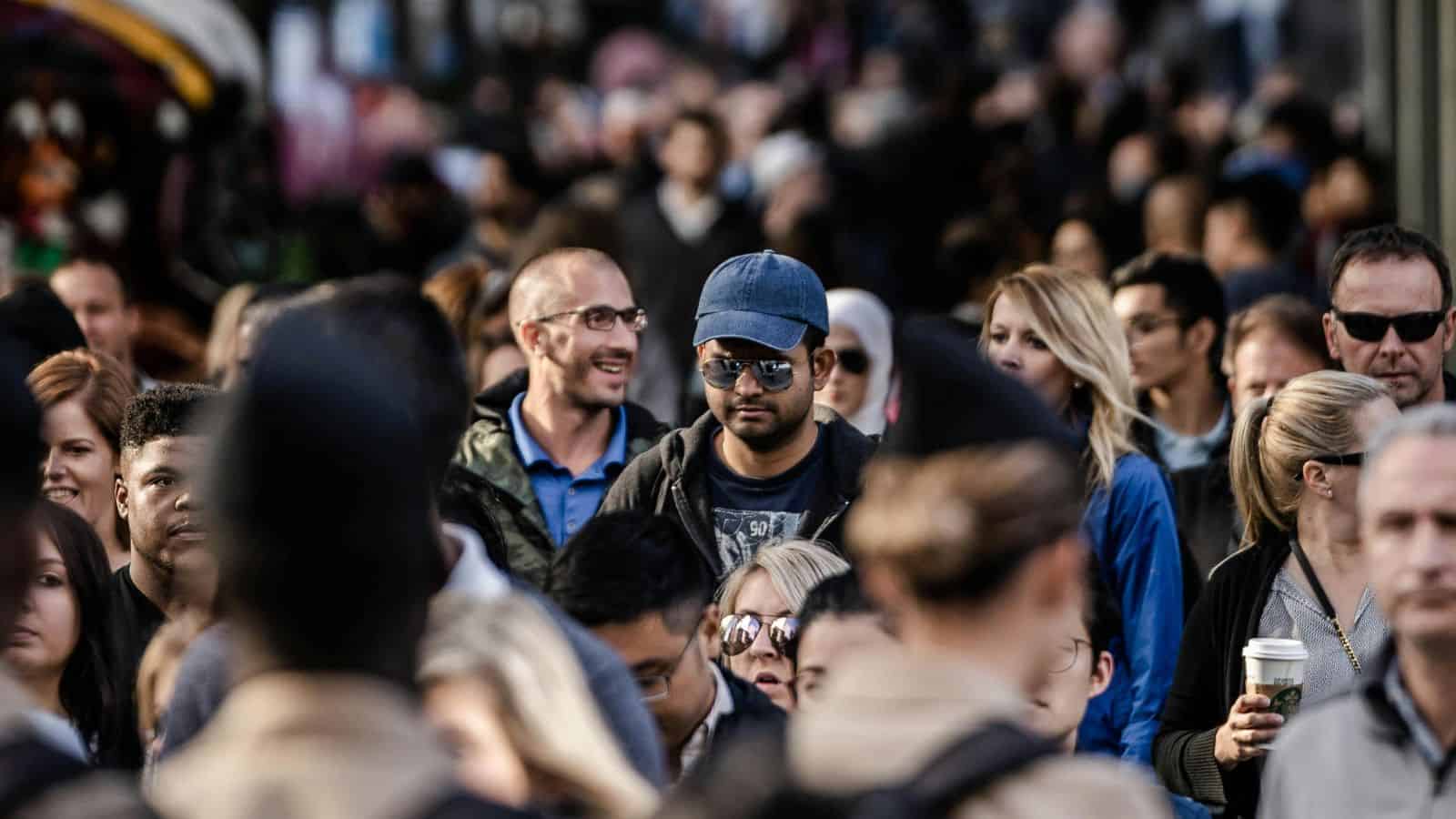
In many Asian settings, merging into lines or crowds happens without verbal cues, gestures, or eye contact. Travelers sometimes read this as cold or dismissive, especially if they are used to nods or verbal acknowledgment. Over time, many realize that neutrality is polite. Drawing attention to the interaction can feel unnecessary. The system works because everyone understands the flow without needing affirmation. What feels rude elsewhere is simply a quiet agreement to coexist without commentary.
Want to save this?
Taking photos cautiously or not at all in everyday settings
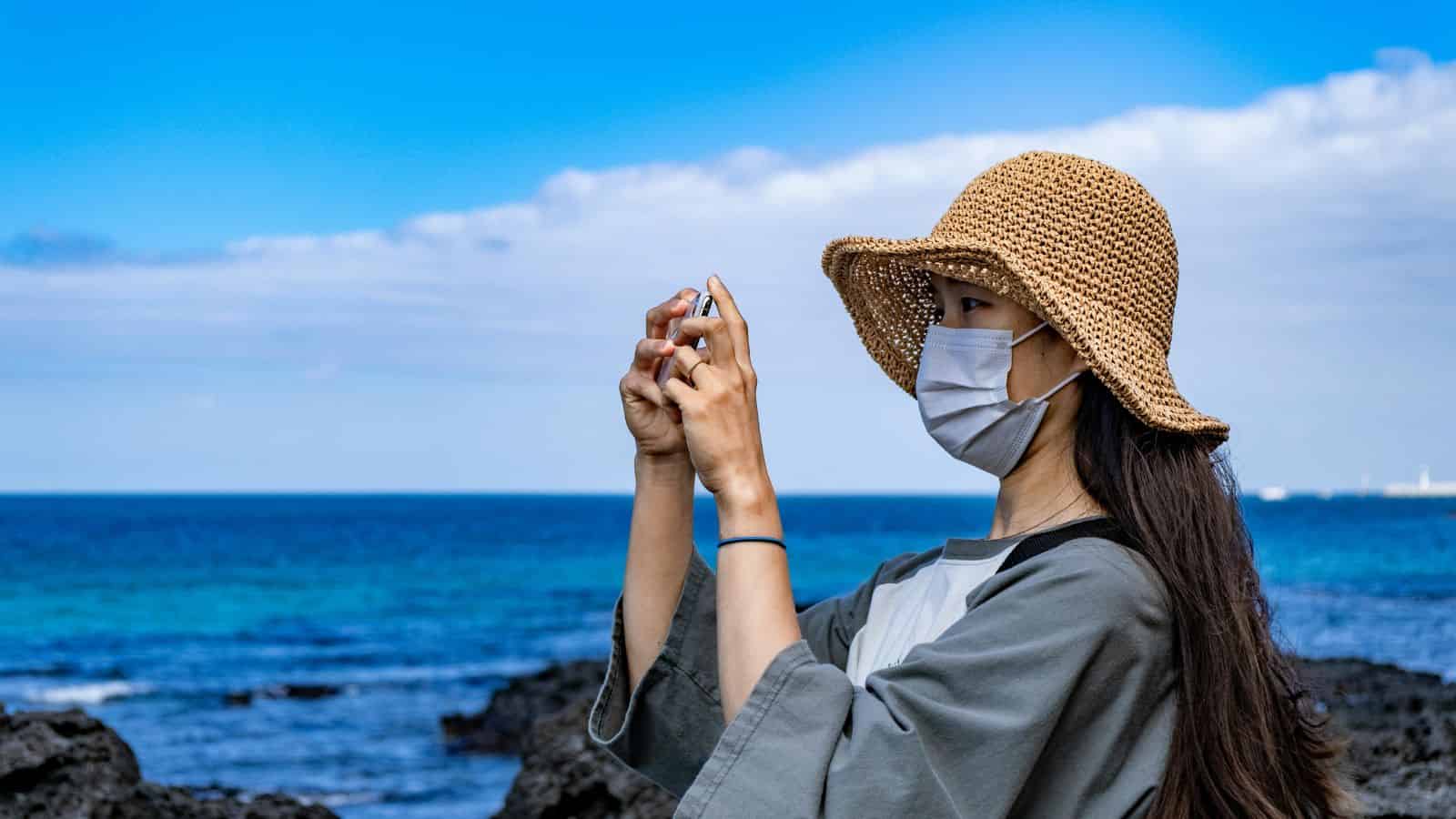
In many parts of Asia, photographing everyday life is approached with restraint. Travelers often learn this after raising a camera and sensing discomfort or hesitation from others. What feels like harmless documentation elsewhere can feel intrusive, especially in residential areas, small shops, or religious settings. Privacy is often respected quietly rather than asserted verbally. Many travelers say they learned to pause, observe, and sometimes put the camera away entirely. The absence of photos does not signal disinterest. Instead, it reflects respect. What may seem overly cautious elsewhere is often considered thoughtful and appropriate.
Crossing streets steadily without expecting cars to stop

In many Asian cities, pedestrians cross with awareness rather than expectation. Travelers quickly learn that stepping into the street confidently and moving predictably works better than waiting for traffic to yield. Vehicles often adjust around pedestrians, but hesitation can disrupt that flow. Visitors used to strict right-of-way rules may initially find this stressful. Over time, many realize the system relies on mutual awareness rather than formal priority. What might feel reckless elsewhere is actually coordinated movement shaped by experience and density.
Waiting patiently without complaining when systems move slowly
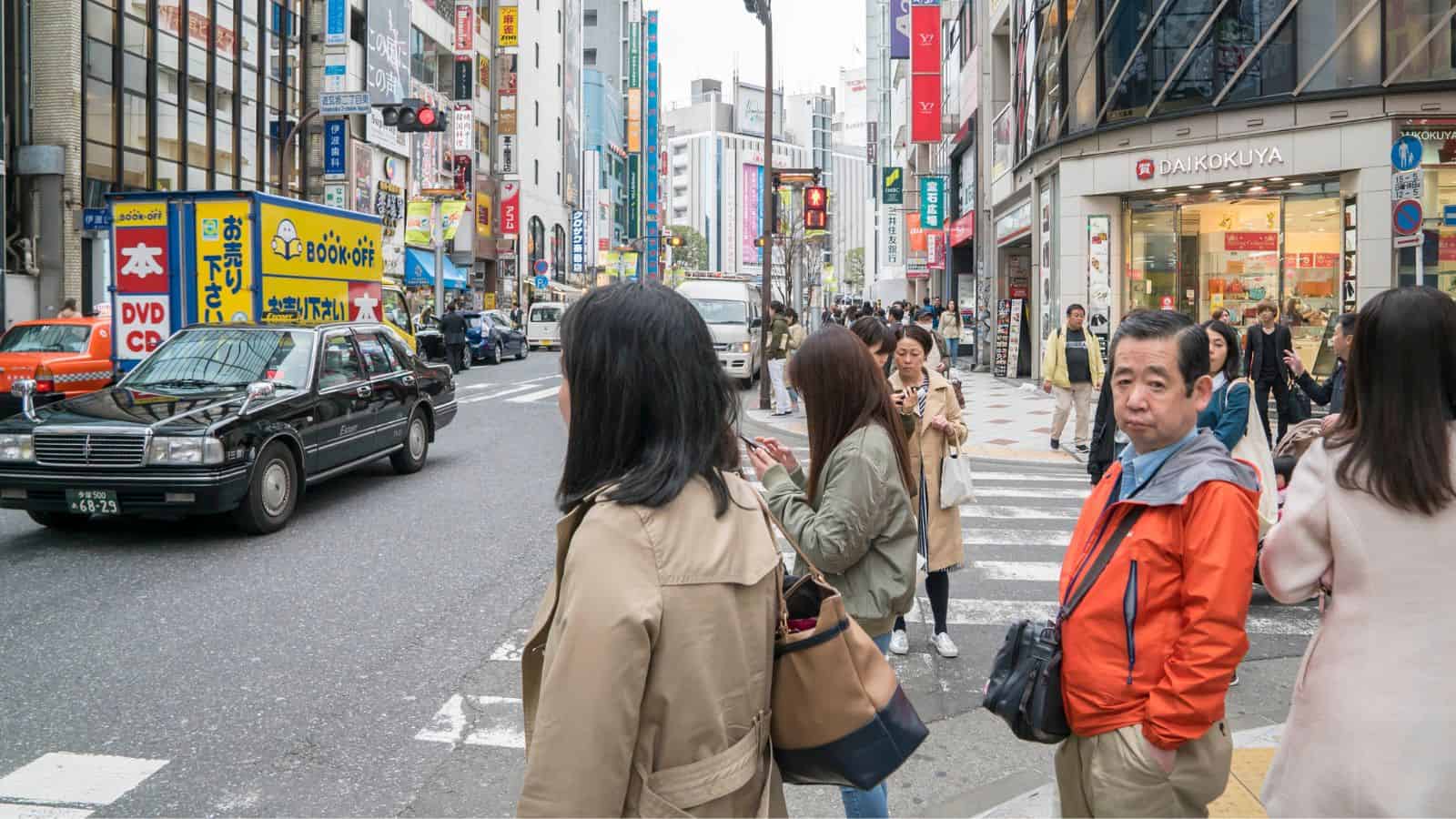
Patience is often expected in public systems, whether at offices, transport hubs, or restaurants. Travelers sometimes learn this after expressing frustration and sensing discomfort around them. Complaining rarely speeds things up and can draw unwanted attention. In many places, waiting quietly is seen as respectful and mature. Delays are treated as part of daily life rather than personal inconvenience. Travelers often say learning to wait without commentary reduced stress and improved interactions. What might feel passive elsewhere is viewed as socially considerate and emotionally controlled.
Deferring openly to age, seniority, or group hierarchy
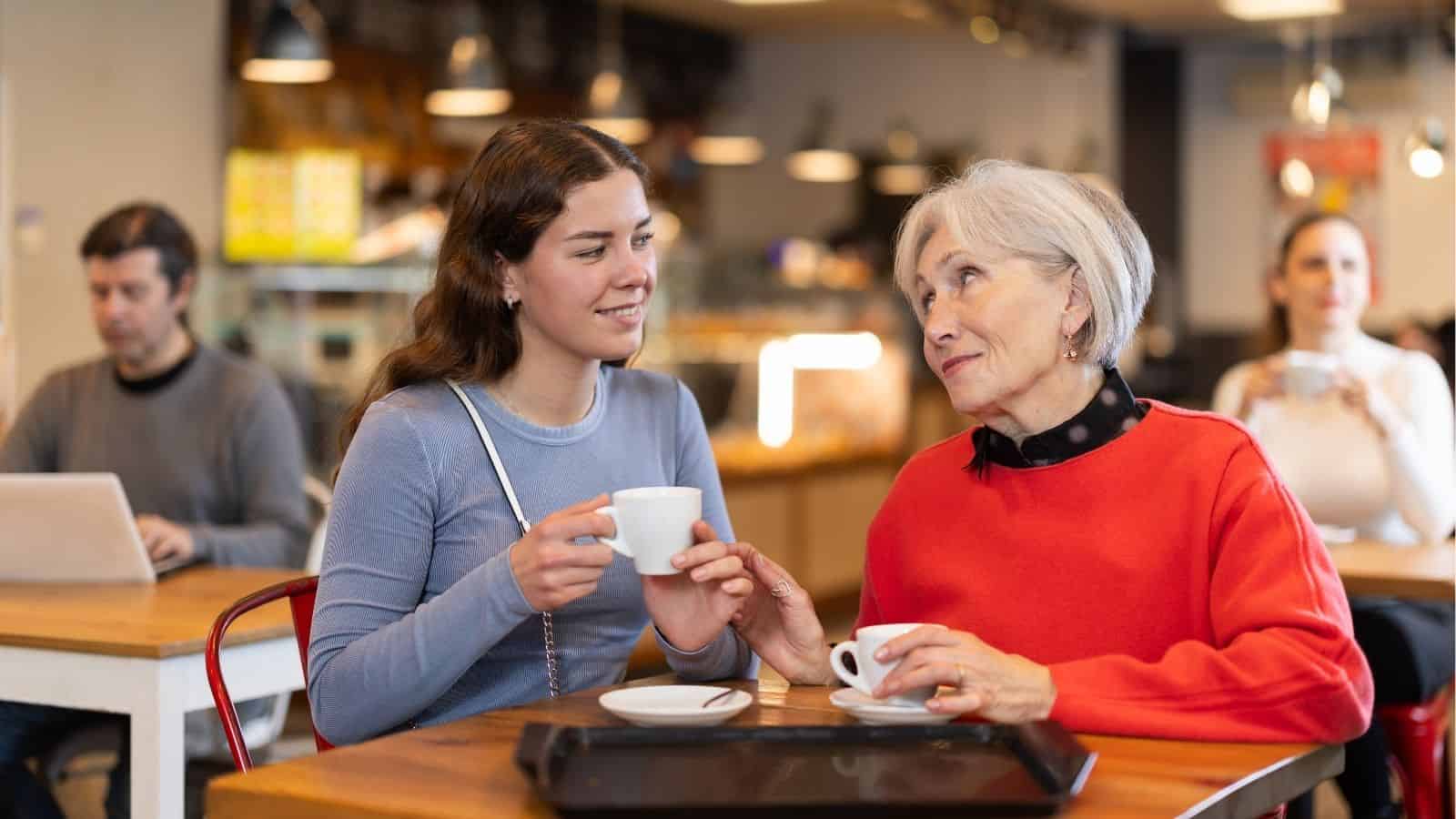
In many Asian cultures, age and seniority shape everyday interactions. Travelers may notice people stepping aside for elders, deferring in conversation, or allowing senior members to decide plans. At first, this can feel rigid or uncomfortable to visitors from more egalitarian cultures. Over time, many learn that this structure reduces conflict and clarifies roles. Deferring is not submission, but respect. What might seem outdated or awkward elsewhere is often a practical way of maintaining harmony and shared understanding within groups.
10 Essential Tips for Taking a Solo Cruise

Taking a cruise alone can be exciting, but it also raises questions about how to make the experience smooth, safe, and stress-free. From navigating boarding day to planning activities, having a few smart strategies in mind makes all the difference. That’s where these 10 essential tips for taking a solo cruise come in, helping you step on board with confidence and enjoy the trip from start to finish.
Read More Here: 10 Essential Tips for Taking a Solo Cruise
17 Iconic Landmarks Around the World You’ll Instantly Recognize

How about the ones you'll instantly recognize? Some landmarks are so iconic that they’ve become synonymous with the countries they represent. These 17 iconic landmarks around the world are instantly recognizable, whether it’s the Eiffel Tower in France, the Colosseum in Italy, or the Statue of Liberty in the United States. These structures transcend geography and culture, standing as symbols of history, engineering, and national pride. For many, visiting these landmarks is a bucket-list experience that brings a deeper understanding of the places they represent.
Read More Here: 17 Iconic Landmarks Around the World You’ll Instantly Recognize




Leave a Reply