From golden tapas to hearty comfort plates, these are my favorite vegetarian finds in Barcelona.
Jump to:
- Patatas Bravas (Fried Potatoes)
- Paella de verduras (Vegetarian paella)
- Espinacas con Garbanzos (Spinach and Chickpeas)
- Gazpacho
- Croquetas de Setas (Mushroom Croquettes)
- Berenjenas con Miel (Fried Eggplant with Honey)
- Tortilla Española (Spanish Omelette)
- Pimientos de Padrón (Padrón peppers)
- Salmorejo (Cold Tomato Soup)
- Finding Our Way Through Barcelona’s Vegetarian Food Scene
Before my trip to Barcelona, I had done pretty much everything a vegetarian would do when visiting a country known for its jamón and chorizo.
Best believe I went down a bit of a research rabbit hole of online menus and food blogs. I even had the gall to chat with vegetarian friends I haven't contacted in years. Sue me, okay? I needed to know what they ordered when they wanted something meat-free. My Notes app then became filled with lots of unfamiliar dish names and ingredients. I was so excited and curious that I couldn’t stop thinking about what I’d actually find once I arrived.
As it turned out, there was no need to worry. You'll find out why in this article. But the bottom line is: Spain is a vegetarian-friendly country!
Take a look at my Barcelona food guide, where I explored the city and tried a range of local restaurants and traditional Spanish food (with vegetarian options) along the way. While you're at it, check out my 4-day Barcelona travel itinerary as well.
Plan Your Trip
Save on fees abroad with the Wise Card—use it at ATMs, restaurants, and for flights or hotels in over 150 countries. Manage 40+ currencies in real-time with the Wise app.
Need Help Planning?
- Cheap Flights: Find the best deals.
- Accommodation: From hostels to luxury stays.
- Car Rental: Affordable options worldwide.
- Sightseeing Tours: Explore without breaking the bank.
- Travel Adapter: One adapter for all your needs.
- Travel Insurance: Don’t risk it—stay covered.
This post includes affiliate links, and as an Amazon Associate I earn from qualifying purchases. Read my full disclosure and privacy policy.
Traveling to Spain as a vegetarian might feel a little intimidating at first. But it really doesn’t have to be. Here, you won't be stuck picking side dishes off a menu or settling for plain salads. Fortunately, I've rounded up this list of 10 dishes that show just how diverse vegetarian food in Spain can be. These are the kinds of Spanish food that might make you forget "no meat please!" was ever part of the plan.
Patatas Bravas (Fried Potatoes)
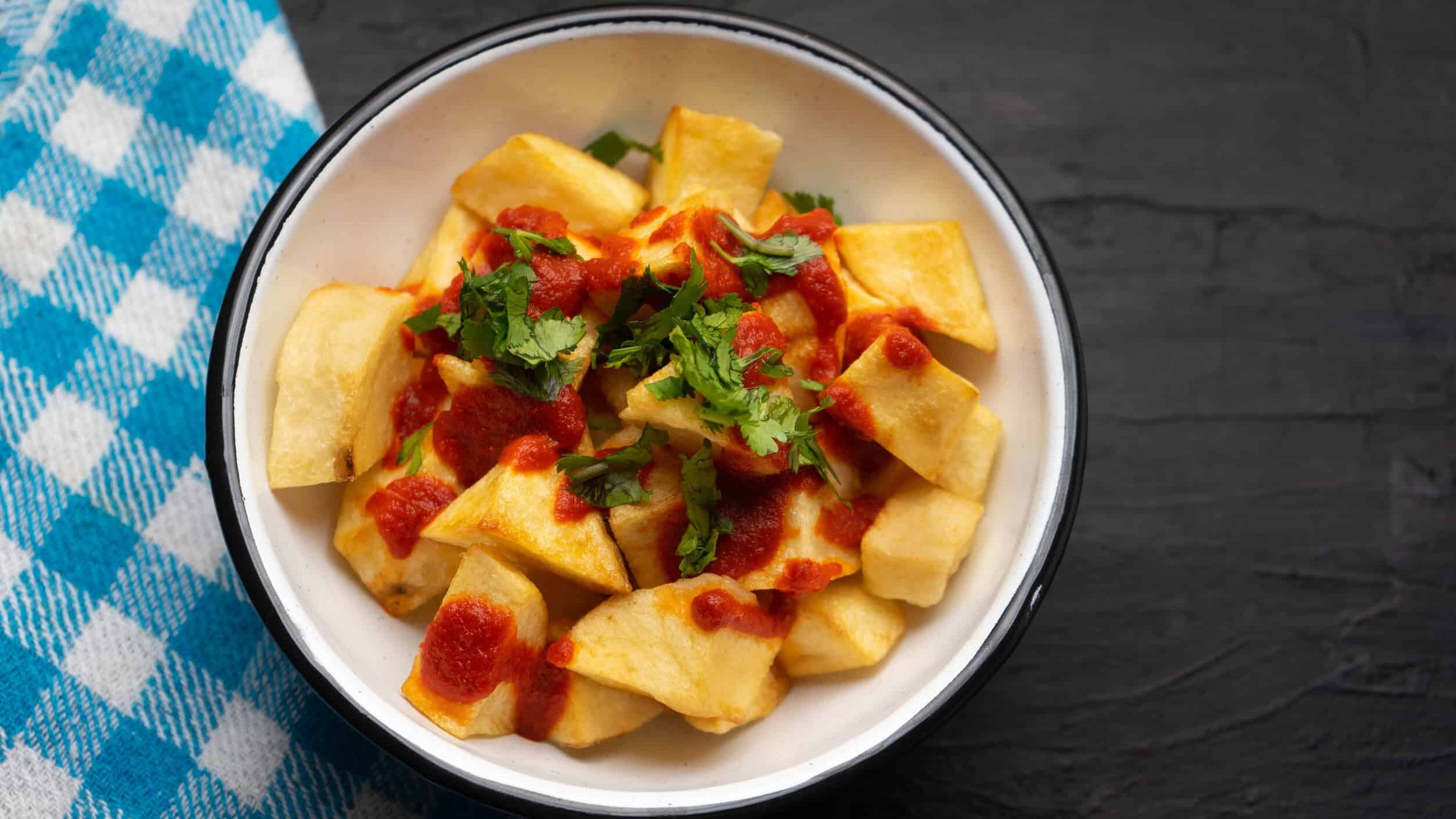
This was our go-to vegetarian plate when we wanted an appetizer for sharing. The crispy potatoes dipped in a bold tomato sauce made it easy for everyone at the table to share. I always asked about gluten, since some sauces can sometimes include flour, but most places we visited kept it naturally safe. We noticed that this tapa was widely available across many cities in Spain, making it a reliable option no matter where we went. It was often served alongside a creamy dip that added an extra layer of richness to the whole experience. Check out my Russian fried potatoes recipe!
Paella de verduras (Vegetarian paella)
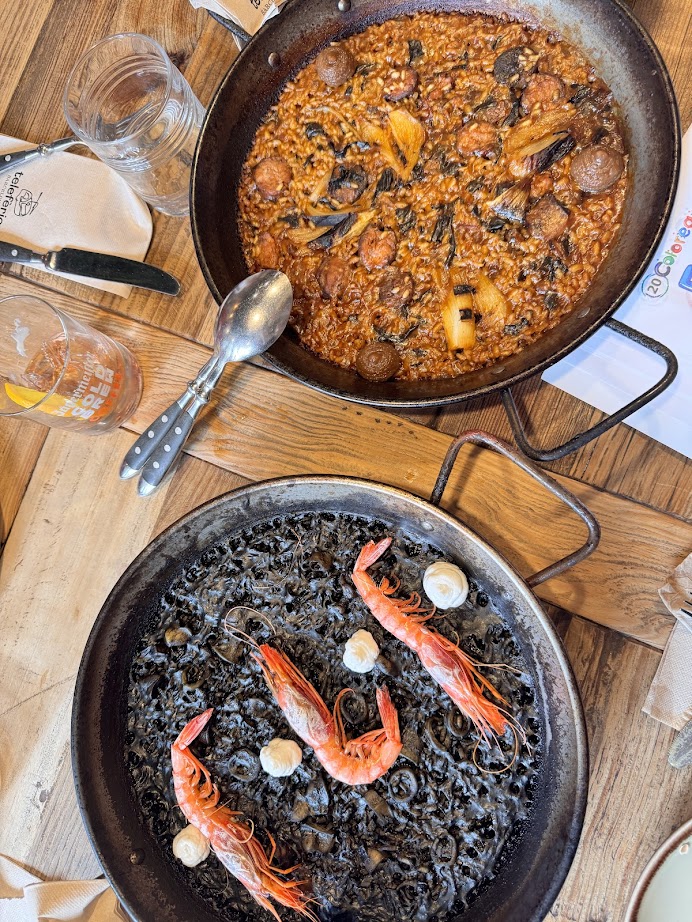
This is the plant-based version of the famous Spanish rice dish. Instead of seafood or meat, it uses vegetables like bell pepper, green beans, and tomato, cooked with saffron and olive oil. It remains true to the structure of traditional paella. The vegetarian paella can be hard to come by. You'll most likely find it in larger cities like Madrid and Barcelona. As paella is a traditional Spanish staple, this version allows travelers to take part in the experience without compromise.
Espinacas con Garbanzos (Spinach and Chickpeas)
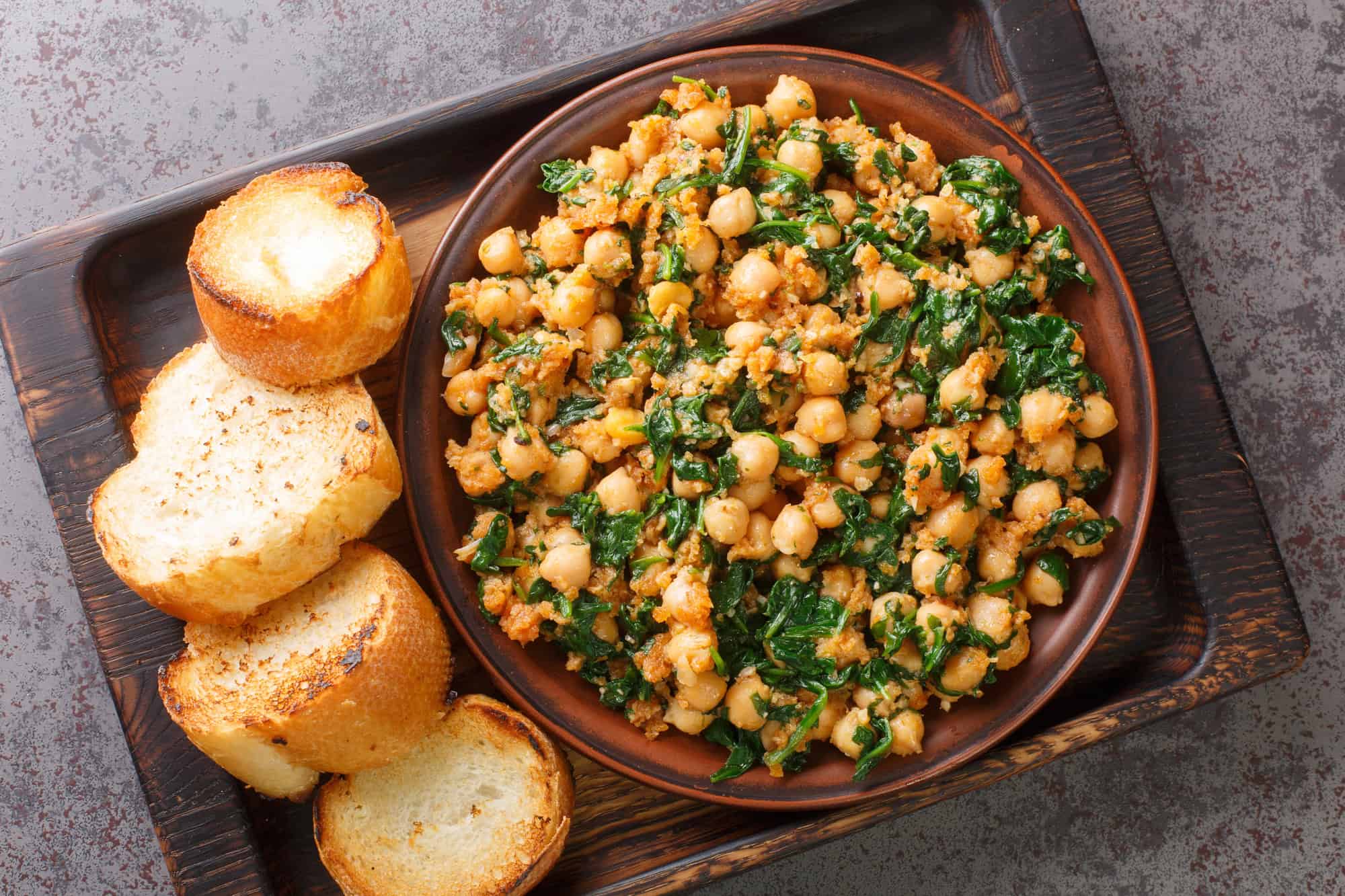
A hearty stew made from spinach and chickpeas, cooked with garlic, paprika, and olive oil. It comes from Andalusia and is deeply rooted in traditional Spanish cooking. Its thick texture and rich seasoning make it more filling than many tapas recipes. It’s commonly served on a small plate but can also work as a main course. This dish is both vegetarian and vegan, making it popular among those seeking plant-based meals. My Spanish friends didn't hesitate to recommend this to me when I reached out.
Gazpacho
Want to save this?
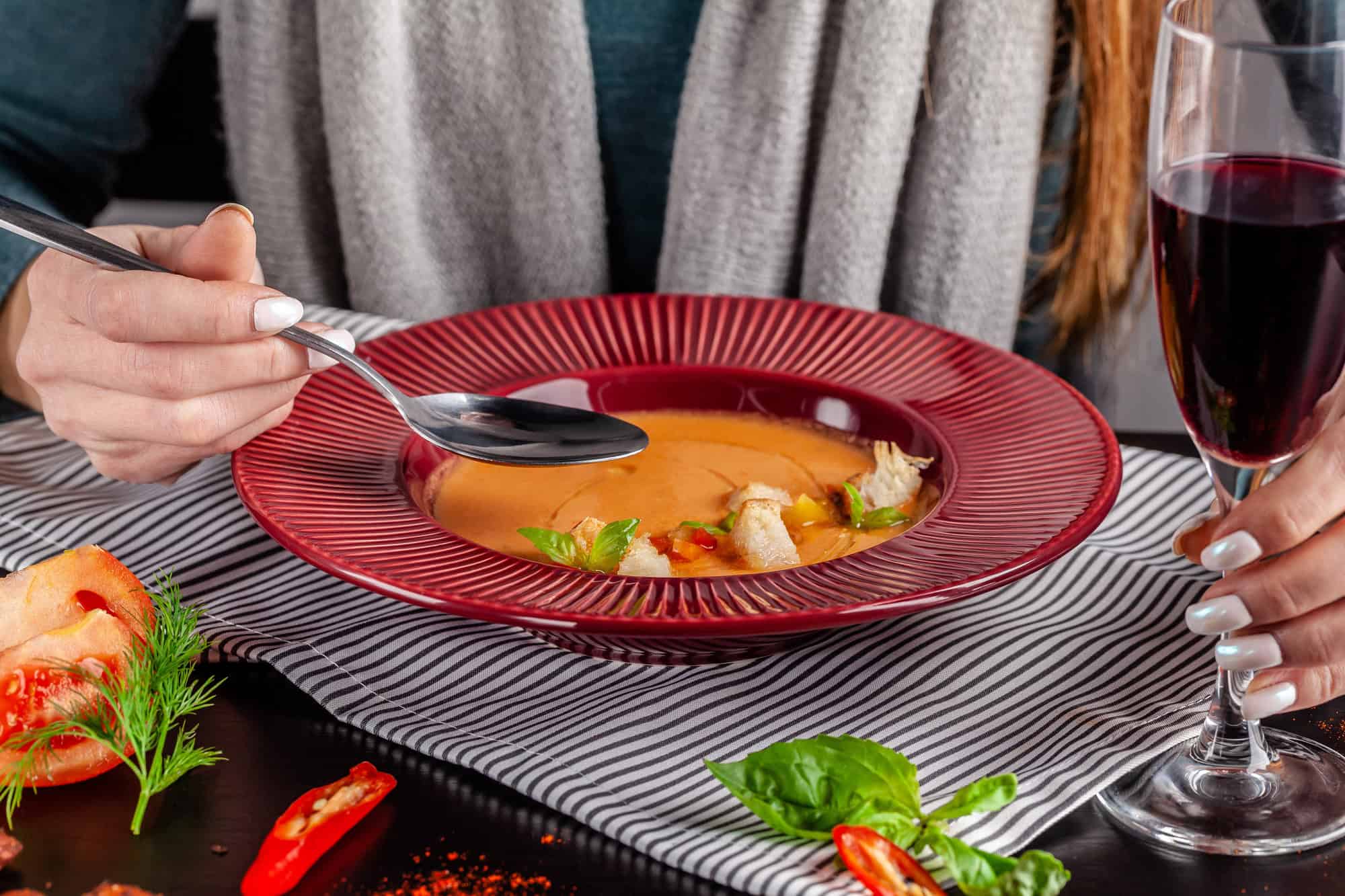
We visited Spain during peak summer. Yes, I'm well aware it wasn't the smartest decision. The average daily temperature hit 33°C, and we were sweating buckets at every turn. Luckily, we had this chilled cold soup on a sweltering hot day and it was exactly what everyone in our little group needed. Many places across the southern region of Spain make their own versions, but the main ingredients stay the same: tomato, cucumber, bell pepper, garlic, and olive oil. It’s often served as an appetizer and showcases the lighter side of Spanish cuisine.
Croquetas de Setas (Mushroom Croquettes)

Crispy croquettes filled with a creamy mushroom mixture make them a great vegetarian option on many tapas menus. While they often include ham, these mushroom versions are widely available in vegetarian-friendly restaurants. They're crunchy on the outside and soft inside, making them a favorite among my children. They often ask for seconds even before the plate even settled on the table! Honestly, they’re the kind of dish where even if you try to mess it up, it somehow comes out delicious.
Berenjenas con Miel (Fried Eggplant with Honey)
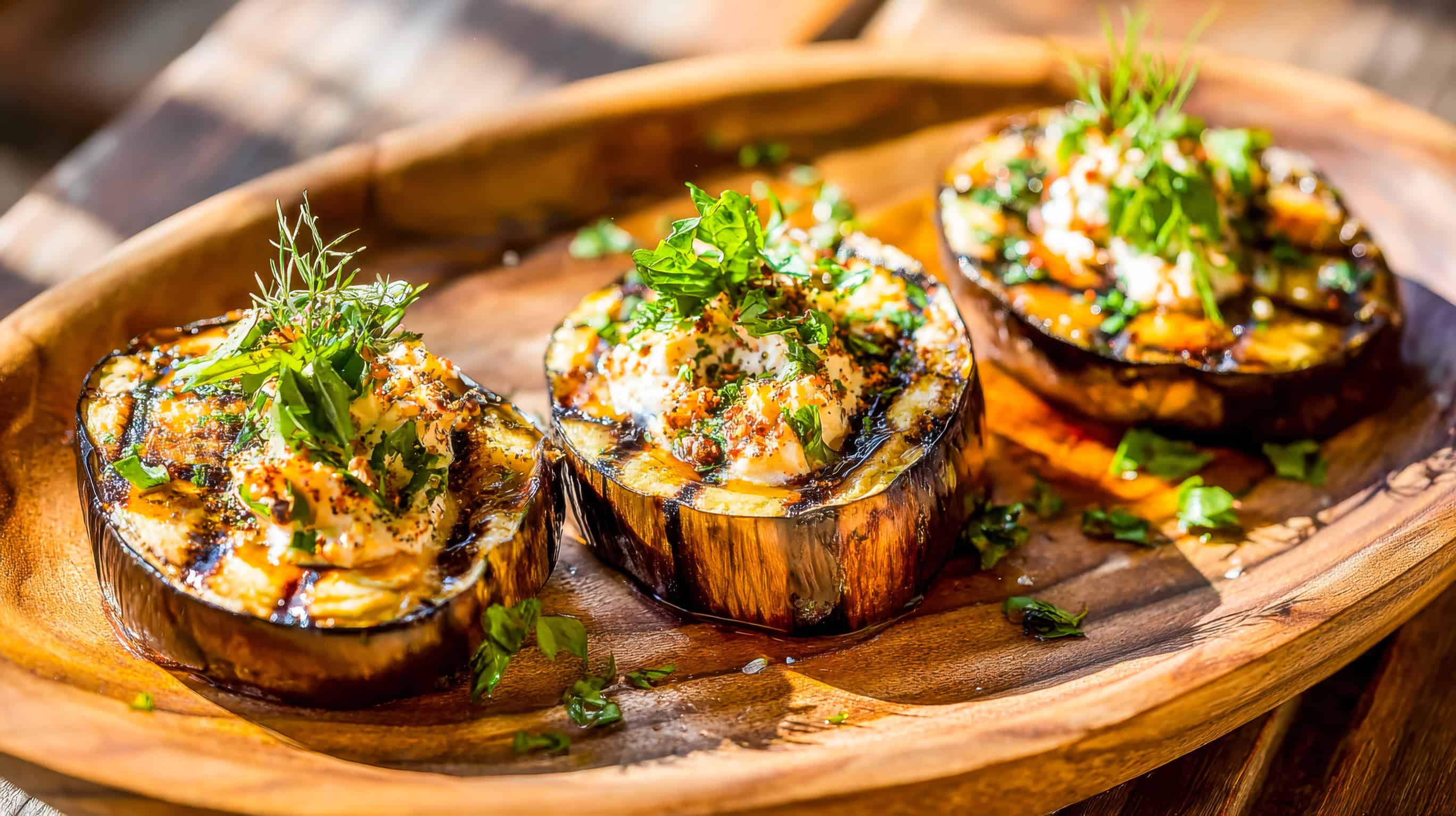
A tapas dish that features sliced eggplant lightly fried and drizzled with honey or molasses. To make it vegan, many places replace honey with plant-based alternatives, like agave or date syrup. I prefer mine garnished with some finely chopped parsley to contrast the sweetness of the caramelized eggplant. My mom was skeptical at first since the combination of eggplant and honey sounded unusual, but I convinced her to try it. Guess what? She ended up loving it. It’s one of those dishes that surprises you in the best way, balancing sweet and savory flavors so effortlessly.
Tortilla Española (Spanish Omelette)
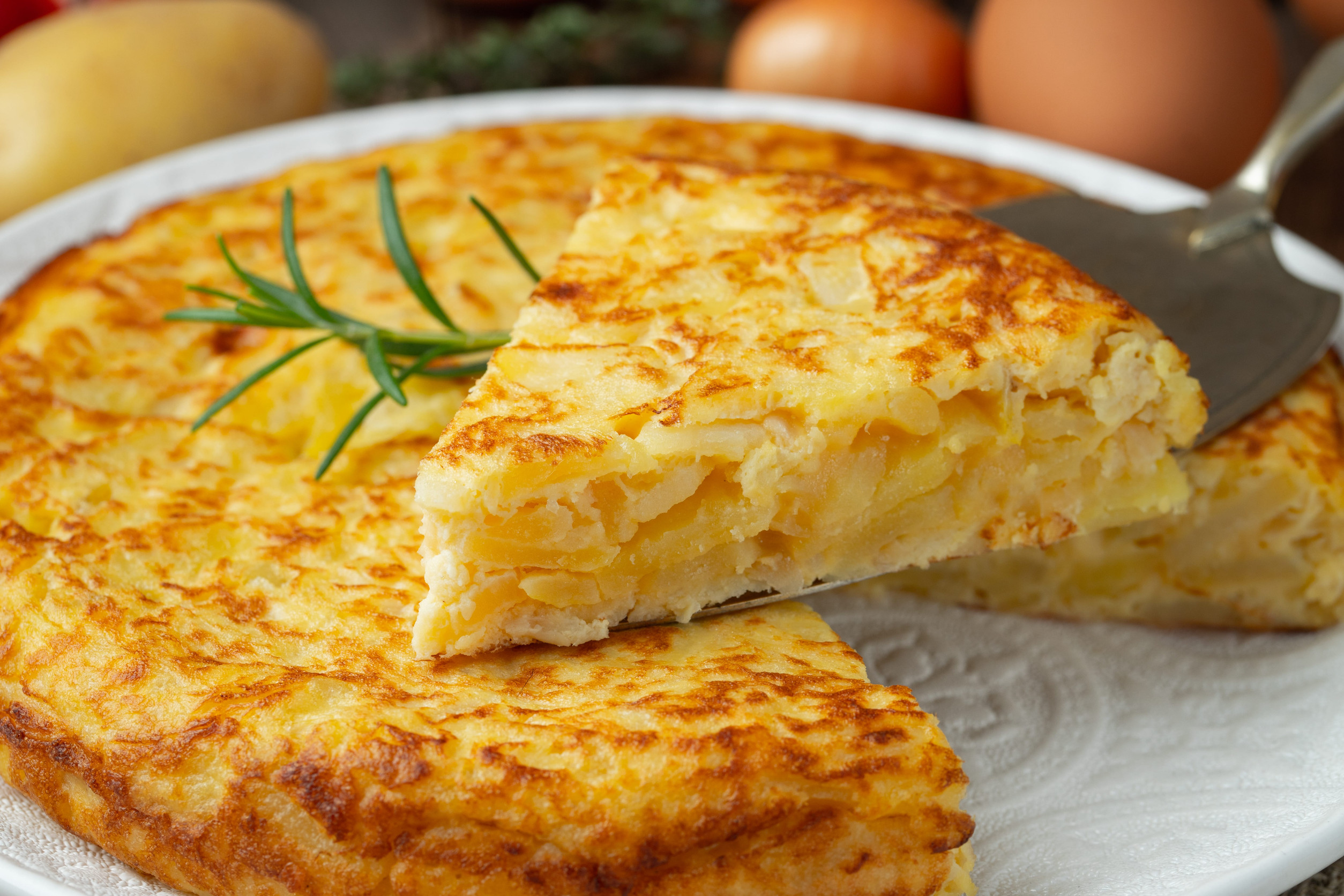
The Spanish tortilla became our personal safety net when we wanted something safe but didn't want the headache of scanning long and overwhelming menus. Instead of overthinking what to eat, we ordered a tortilla right away, and it arrived warm, thick, and perfectly golden. It's a popular vegetarian tapas dish made from eggs, potatoes, and onions, slowly cooked in olive oil. My kids loved its soft, almost melt-in-your-mouth texture, and we found it in nearly every café across Barcelona. It's one of the safest options in Spain you could find.
Pimientos de Padrón (Padrón peppers)
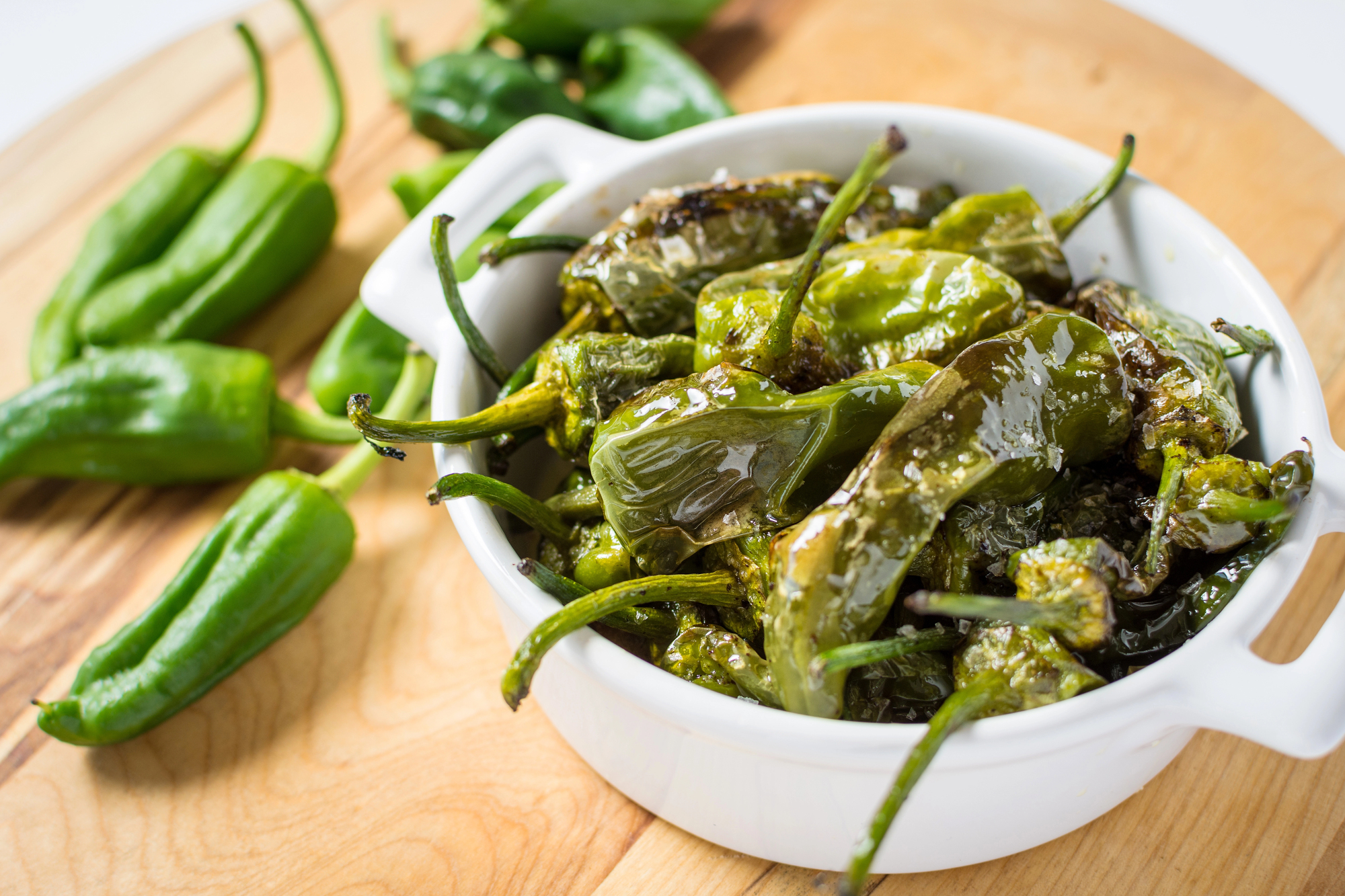
These small green peppers quickly became a family favorite, particularly among the adults. My kids aren't used to spicy food yet (something it'll take some time for them to get used to), and although there are mild peppers, it's not something they're going to try again. Traditionally, they're just simply fried in olive oil and then sprinkled with salt. But some restaurants can get creative and sometimes add Spanish spices to enhance the flavor. They are especially common in vegan and vegetarian restaurants in northern Spain and often appear as part of a tapas spread.
Salmorejo (Cold Tomato Soup)
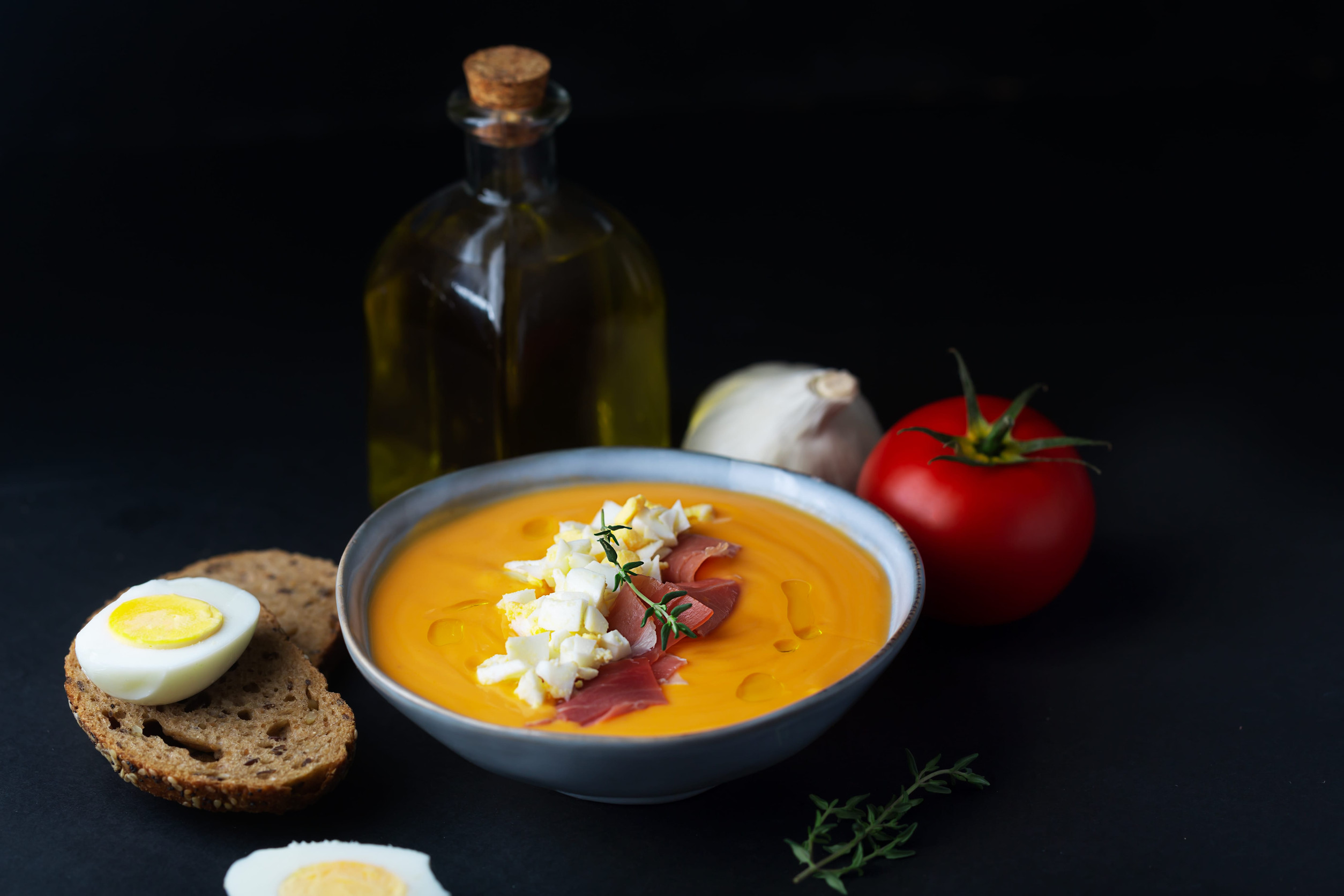
Salmorejo was one of the vegetarian dishes I was most curious to try. It's a cold soup similar to gazpacho, but thicker, made from tomato, olive oil, and garlic. It's served with bread on the side. The restaurant we ate at had topped it with Manchego cheese, adding a salty, savory note that complemented the creamy texture perfectly. My husband even said she could eat it every day if she had the chance. It’s a wonderful example of Spanish recipes that appear on popular Spanish traditional tapas menus across big cities like Barcelona and Madrid.
Finding Our Way Through Barcelona’s Vegetarian Food Scene
Exploring Barcelona with my family showed me just how easy it is to survive in Spain while sticking to vegetarian food items. We discovered a number of vegetarian options in Spanish food that are flavorful, diverse, and kid-friendly. Each dish offered a glimpse into the rich and vibrant food culture of Spain.
What stood out the most was how effortless it became over time; we no longer had to search as hard or worry as much about what to order. From small neighborhood cafés to bustling restaurants, there was always something we could enjoy together without feeling limited.
By the end of the trip, it wasn’t just about finding vegetarian food anymore, but about genuinely enjoying the variety and creativity that Spanish cuisine had to offer.