
Spreading out across multiple areas can seem like a good idea at first, but it does not always pay off. This article features places where visitors regret not staying in one area, focusing on destinations where moving between neighborhoods or regions takes more time and effort than expected. Constant relocation can break the flow of a trip and add unnecessary stress.
Staying in one well chosen area can make travel feel more settled and easier to manage. It often allows for better pacing and less time spent in transit. Keep reading to see which places made the list and why many travelers wish they had stayed put.

Tokyo, Japan
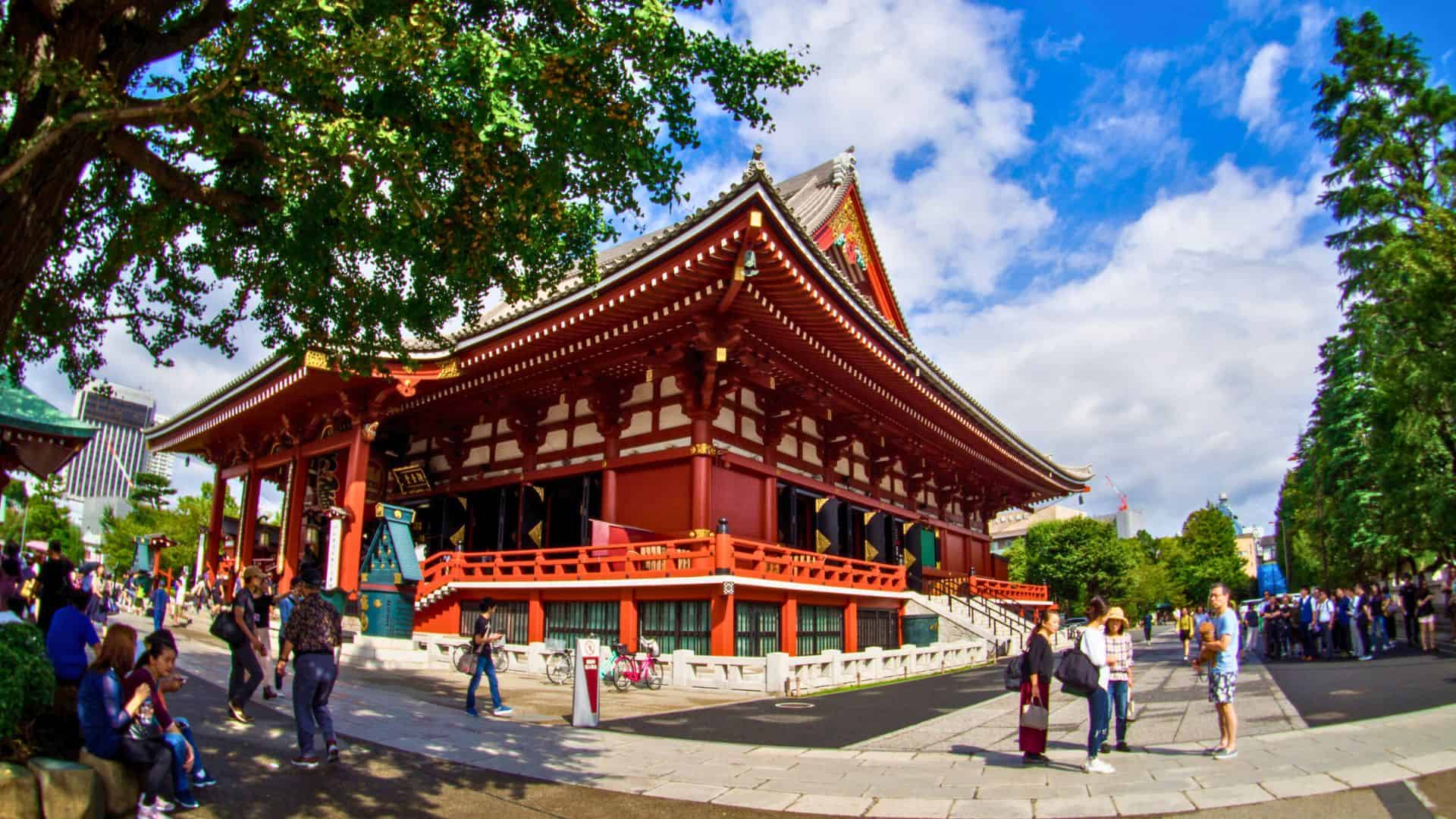
Tokyo is often approached as a city to “cover,” but its districts function like separate hubs. Moving between areas such as Shinjuku, Asakusa, and Shibuya requires multiple train lines and careful timing. Travelers who switch hotels or plan to visit several districts in one day often spend more time commuting than expected. The rail system is efficient, but distances add up quickly. Staying in one well-connected area and exploring nearby neighborhoods first usually results in a more manageable pace and less time spent in transit.
Paris, France

Paris is divided into arrondissements, each with its own layout and rhythm. Visitors who change hotels frequently or stay far from central districts often rely heavily on the Metro. Crossing the city multiple times a day increases travel time and reduces flexibility. Many attractions are best explored by neighborhood rather than in a single itinerary. Staying in one central area allows for shorter walking routes and easier access to dining and shops. Constant relocation often leads to lost time and added transportation costs.
Amalfi Coast, Italy

The Amalfi Coast may appear compact, but travel between towns is slow. Narrow roads, limited parking, and crowded buses make moving from one base to another time-consuming. Visitors who attempt to stay in multiple towns often spend a significant portion of the day in transit. Ferry schedules can help, but they are not always consistent. Choosing one town as a base and taking short trips from there reduces daily travel stress. Constant relocation along the coast rarely saves time.
Bali, Indonesia

Bali’s map can be misleading. While distances look short, traffic congestion makes travel between areas slow and unpredictable. Moving between regions such as Ubud, Seminyak, and Uluwatu often takes hours. Travelers who try to split their stay across multiple areas frequently spend more time in cars than expected. Choosing one area based on primary activities helps reduce daily travel time. In many cases, staying in one location and planning focused outings is more efficient than relocating multiple times.
New York City, United States

New York City spans multiple boroughs, and travel between them can take longer than expected. Visitors who stay in different neighborhoods across a short trip often spend extra time managing luggage and navigating transit. Subway connections are extensive, but moving between boroughs still requires planning. Staying in one central area allows for easier access to multiple neighborhoods without repeated hotel changes. Relocating mid-trip often adds complexity without improving access.
Rome, Italy

Rome’s historic center is dense with major landmarks, but accommodations are spread across a wider area. Visitors who switch hotels or stay far from central districts often rely on buses or taxis. Traffic and walking distances can extend daily schedules. Staying within or near the historic center allows easier access to multiple sites on foot. Changing locations during a short visit usually results in lost time rather than improved convenience.
Want to save this?
Switzerland
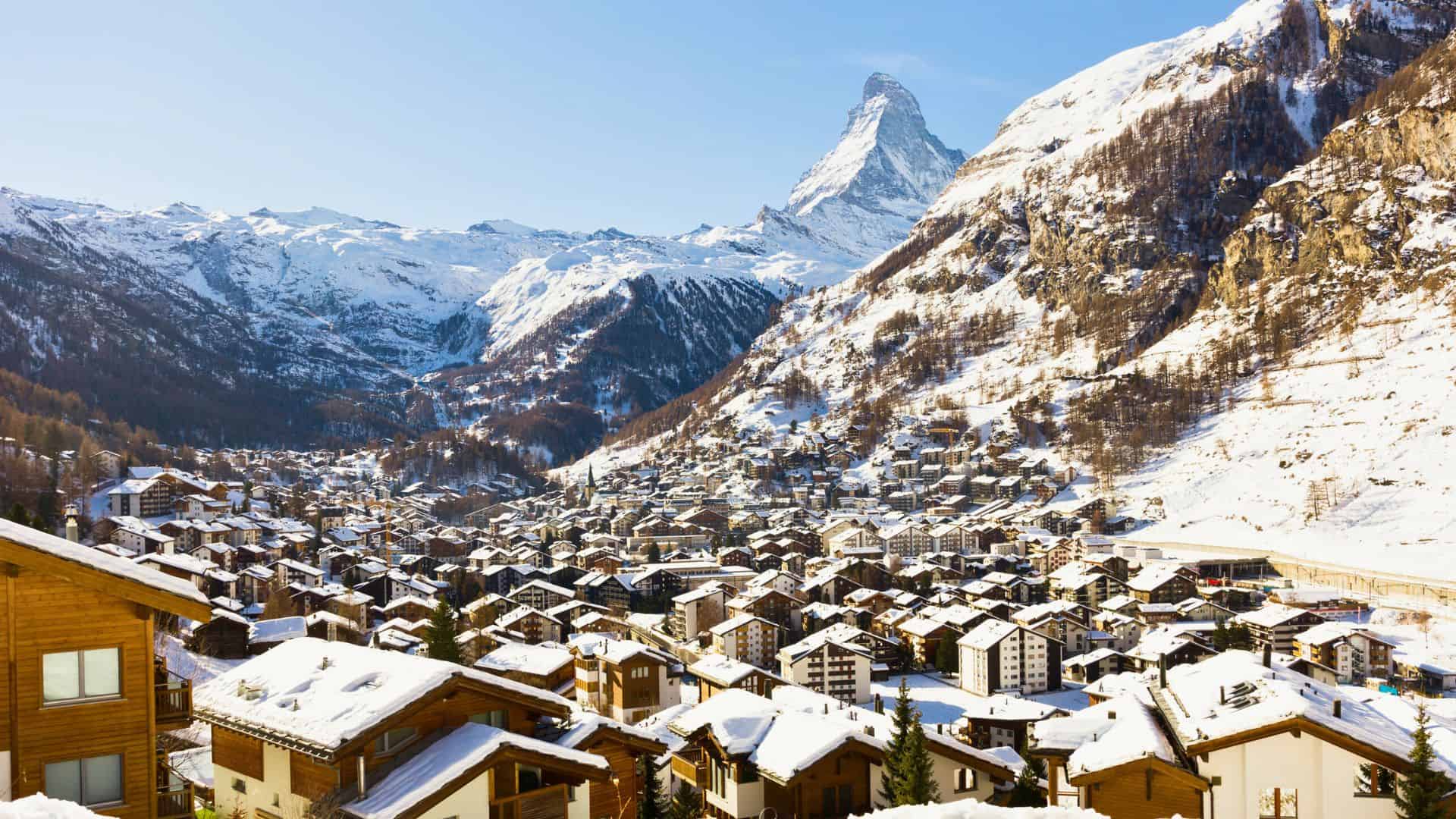
Switzerland’s regions are well connected by train, but moving between bases frequently can disrupt a trip. Packing, checking in and out, and adjusting to new locations takes time. Many scenic routes can be accessed as day trips from a single base such as Interlaken or Lucerne. Travelers who stay in one location often experience smoother daily planning. Switching towns too often can reduce time spent actually exploring.
Thailand

Thailand offers multiple destinations within relatively short distances, but transfers between them require coordination. Flights, ferries, and road travel can take longer than expected. Travelers who move frequently between cities or islands may spend a significant portion of their trip in transit. Staying longer in one location allows time to adjust to local pace and explore nearby areas. Frequent relocation can lead to fatigue and reduced time at each destination.
Barcelona, Spain
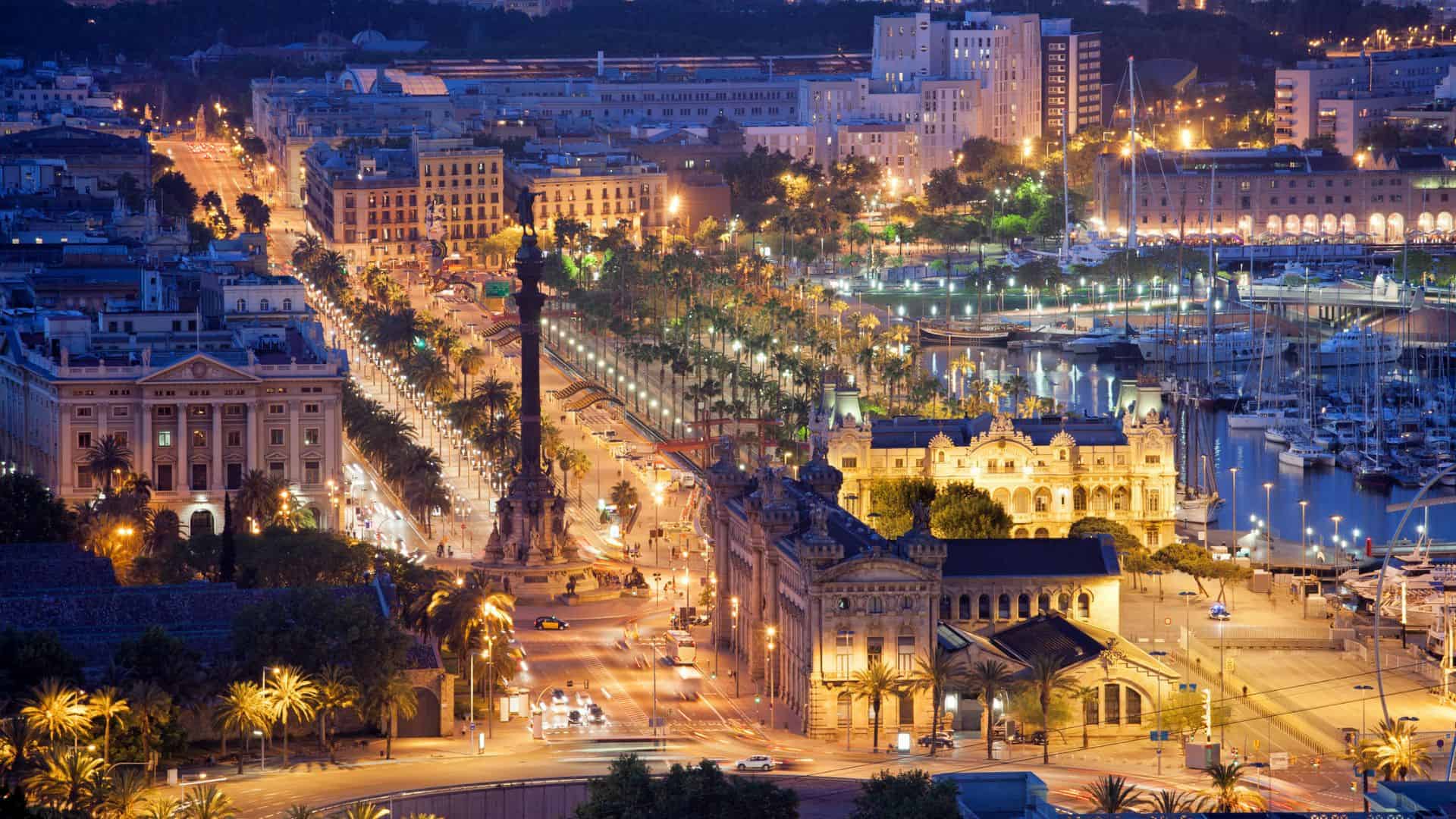
Barcelona combines beaches, historic districts, and residential neighborhoods within one city. Visitors who change accommodations between districts often underestimate how connected these areas already are. Public transport links neighborhoods efficiently, making relocation unnecessary for short stays. Staying in one well-located area allows for easier access to multiple parts of the city. Moving hotels mid-trip often adds unnecessary complexity without improving access.
Iceland

Iceland trips often involve driving routes such as the Ring Road, but frequent hotel changes can make the trip more demanding. Packing and unpacking daily, combined with long driving distances, can reduce time spent at key sights. Weather conditions may also affect travel plans, making flexibility important. Choosing fewer bases and planning routes carefully allows for a more manageable pace. Constant relocation can increase fatigue and limit time at each stop.
10 Things You Should Never Leave Behind in a Hotel Room

Hotel rooms can feel like a temporary home, which makes it easy to forget important items when checking out. This article features things you should never leave behind in a hotel room, focusing on belongings that are often overlooked but difficult or costly to replace. From everyday essentials to valuable items, these are the things travelers most regret leaving behind.
Read More Here: 10 Things You Should Never Leave Behind in a Hotel Room
11 American Cities Travelers Say Feel Genuinely Friendly

First impressions can shape how a trip feels, and some cities stand out for how people interact. This article features American cities travelers say feel genuinely friendly, focusing on places where everyday interactions feel easier, more welcoming, and less rushed. These cities often leave visitors talking about the people just as much as the sights.
Read More Here: 11 American Cities Travelers Say Feel Genuinely Friendly



Leave a Reply