
Safety can vary within the same destination depending on when and how you move through it. This article features places where safety depends on timing and awareness, focusing on locations where conditions shift between day and night, peak and off hours, or crowded and quiet areas. In these places, staying alert and making thoughtful choices can matter more than the destination itself.
Understanding how timing affects safety can help travelers plan smarter routes and activities. Small adjustments in schedule or location can reduce risk and make trips feel more comfortable. Keep reading to see which places made the list and what travelers should pay attention to while visiting.

Paris, France

Paris is generally manageable, but timing and location matter. Busy tourist zones during the day can see pickpocketing, while quieter areas late at night may feel less secure. Metro stations and transit hubs require extra attention during peak hours. Travelers moving between districts after dark may notice fewer services and less activity. Planning routes ahead and staying aware of surroundings helps reduce risk throughout the day.
Barcelona, Spain
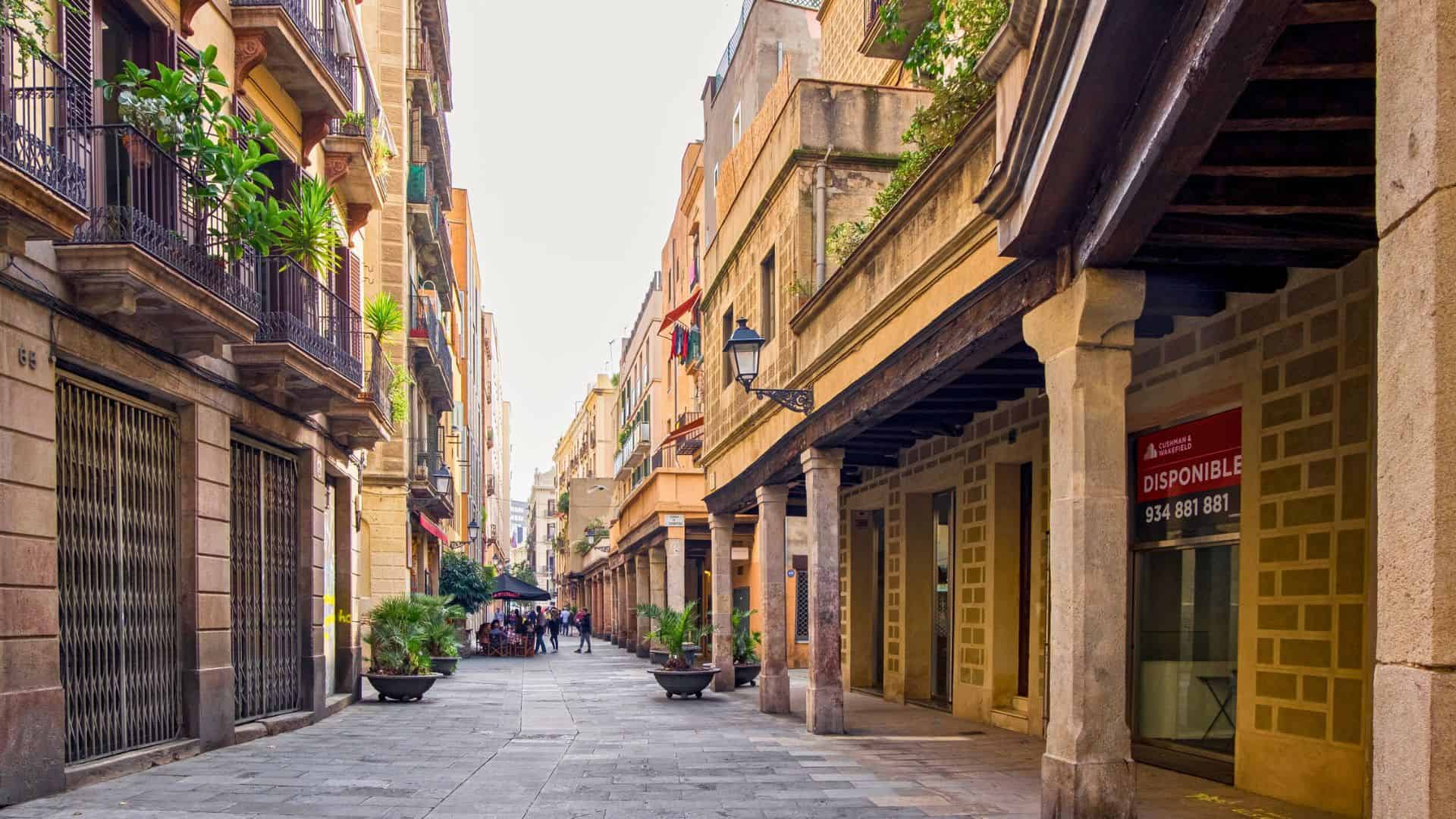
Barcelona’s popular districts attract large crowds, especially during peak travel seasons. Areas like La Rambla and the Gothic Quarter are busiest during the day and evening, increasing the chance of petty theft. Late-night activity remains high in some neighborhoods, which can change the overall environment. Visitors who adjust timing—arriving early and avoiding peak congestion—often experience fewer issues. Staying alert in crowded zones is important.
Rome, Italy
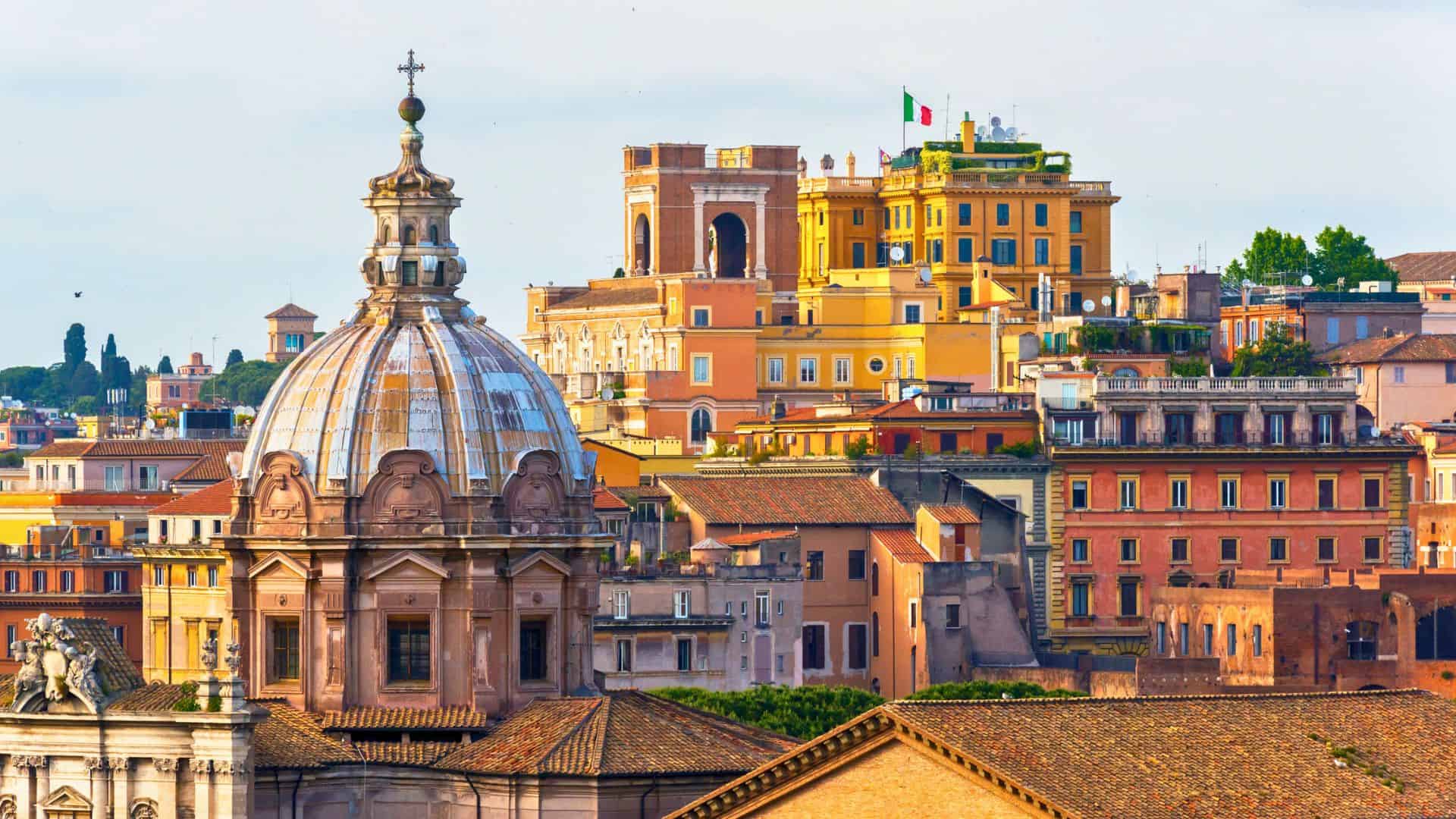
Rome’s historic areas are heavily visited, particularly during midday. Crowds around landmarks and public transport hubs create opportunities for distraction-based theft. Early mornings tend to be quieter and easier to navigate. Late evenings can vary depending on location, with some areas remaining active while others quiet down. Travelers who plan visits outside peak hours and remain aware in transit areas usually move through the city more comfortably.
Bangkok, Thailand
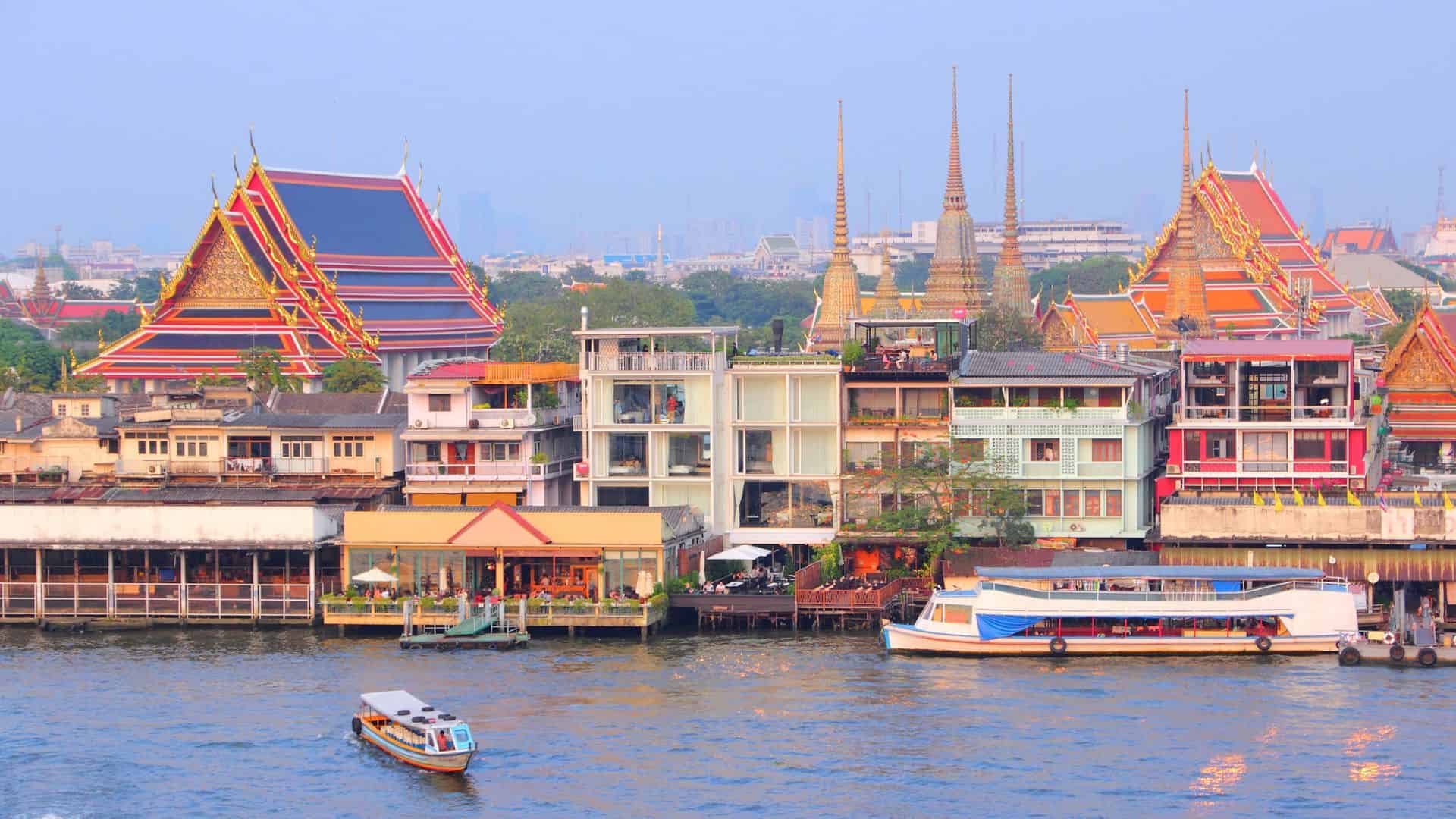
Bangkok’s environment shifts throughout the day. Traffic congestion and crowded markets during peak hours can create confusion and distraction. Late-night areas, particularly entertainment districts, operate differently and may require more awareness. Heat and humidity also affect energy levels, which can impact decision-making. Planning activities earlier in the day and staying aware in busy areas helps reduce challenges.
Rio de Janeiro, Brazil

Rio de Janeiro’s conditions vary significantly by location and time of day. Beaches and tourist areas are busiest during daylight hours, while certain neighborhoods change after dark. Carrying valuables openly can increase risk, particularly in crowded areas. Movement between neighborhoods requires planning. Visitors who stay within well-trafficked areas and adjust timing based on local patterns tend to navigate the city more effectively.
Istanbul, Turkey

Istanbul’s large size and layered layout mean conditions vary by district. Markets and historic areas are crowded during the day, increasing the need for awareness. Evening activity shifts depending on neighborhood, with some areas remaining active and others becoming quieter. Transport hubs can also become congested at peak times. Visitors who plan routes carefully and adjust timing based on activity levels often have a smoother experience.
New York City, United States

New York City’s activity level changes throughout the day. Business districts are busiest during working hours, while entertainment areas remain active late into the night. Public transport is widely used but can become crowded during peak times. Some areas are quieter late at night, affecting availability of services. Travelers who stay aware of neighborhood differences and plan movements accordingly tend to avoid unnecessary issues.
Want to save this?
Cape Town, South Africa

Cape Town’s safety varies by location and time of day. Tourist areas and waterfront zones are generally active during daylight hours, while certain areas become less predictable after dark. Traveling between neighborhoods requires awareness of routes and timing. Outdoor activities are often best planned earlier in the day. Visitors who follow local guidance and avoid isolated areas at night typically have a smoother experience.
Mexico City, Mexico

Mexico City is large and diverse, with different conditions across neighborhoods. Central areas are busy during the day, while some districts become quieter at night. Traffic and crowd density vary significantly by time. Visitors who move between neighborhoods without planning may encounter unexpected changes. Staying in well-known areas and adjusting travel times helps maintain a more consistent experience.
Manila, Philippines

Manila’s traffic, crowd levels, and neighborhood differences make timing important. Rush hours can significantly extend travel time across the city. Some areas are busy and active during the day, while others quiet down in the evening. Transport options and availability vary by time. Visitors who plan routes carefully and avoid peak congestion periods often experience fewer disruptions.
Marrakech, Morocco
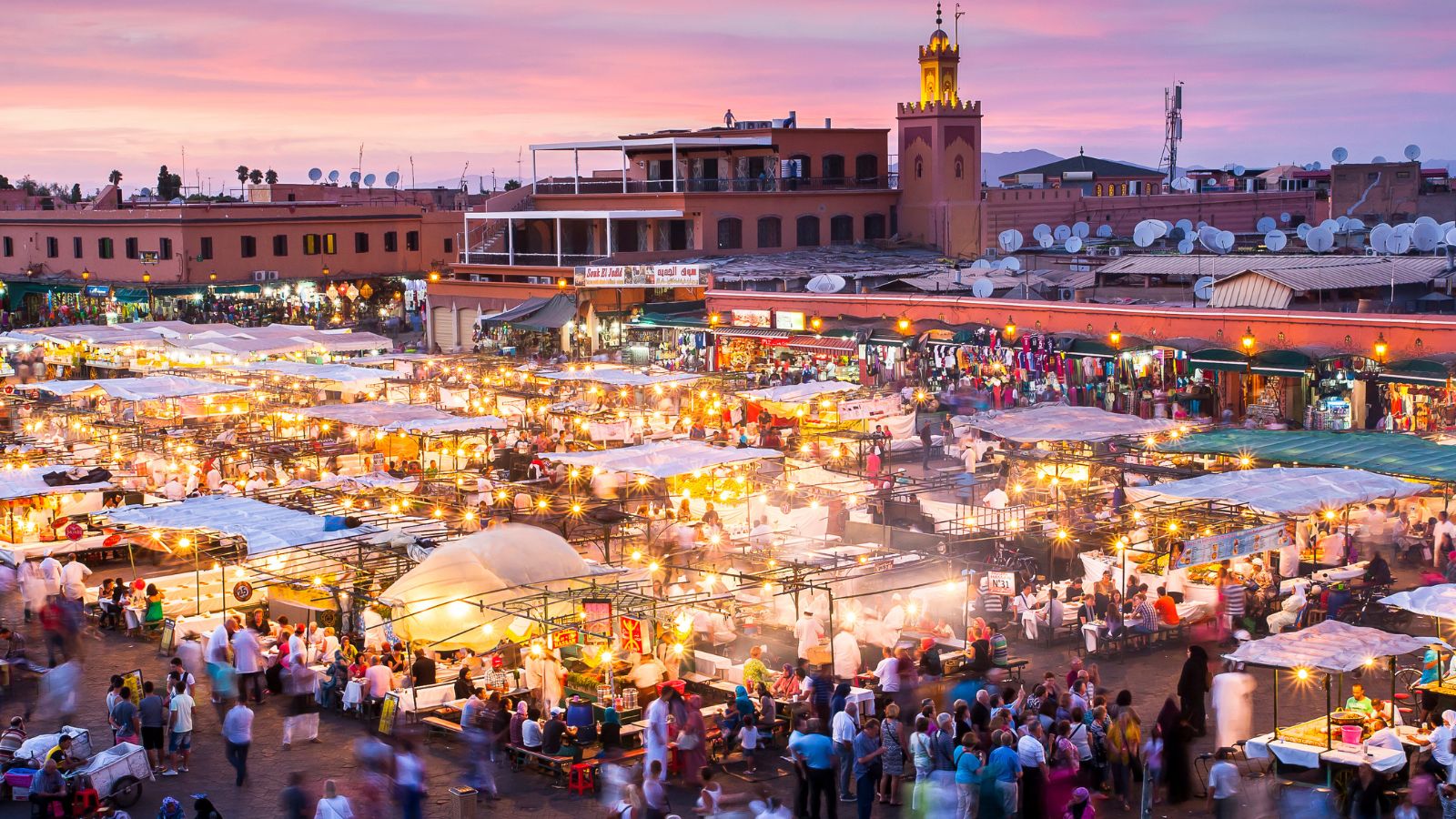
Marrakech’s medina changes throughout the day. Markets are busiest during daylight hours, creating crowded conditions that require attention to belongings. In the evening, activity shifts toward restaurants and central squares. Narrow streets can become quieter late at night, which may affect navigation. Visitors who explore during active periods and remain aware of surroundings tend to manage the environment more effectively.
Athens, Greece

Athens combines busy historic areas with residential neighborhoods that vary in activity level. Tourist zones are crowded during the day, while some nearby areas become quieter after dark. Public transport hubs can be busy during peak hours. Visitors who move between districts without considering timing may encounter changes in atmosphere. Planning routes and staying aware helps maintain consistency throughout the trip.
Dubai, United Arab Emirates

Dubai is highly structured, but timing still affects daily movement. Extreme heat during midday limits outdoor activity, while evenings shift toward indoor or shaded spaces. Public behavior expectations also vary by setting and time. Transport patterns change between peak and off-peak hours. Visitors who plan around temperature and activity cycles typically experience fewer challenges. Awareness of local expectations helps maintain a smooth visit.
Top 10 Countries You Must Start Planning For This 2026

Planning travel far ahead can feel unnecessary, but some destinations benefit from early thought and timing. As travel patterns shift and interest grows, certain countries are drawing more attention for 2026 due to changing entry rules, rising demand, and limited availability during peak seasons. Waiting too long can mean higher costs, fewer choices, or missed opportunities to see places at a comfortable pace. These countries stand out not just for scenery or culture, but for how planning ahead can shape a smoother trip.
Read More Here: Top 10 Countries You Must Start Planning For This 2026
9 Countries Where April Is a Smart Time for Family Travel

April sits in a sweet spot for many destinations, especially for families trying to balance cost, weather, and crowd levels. This article features countries where April is a smart time for family travel, focusing on places where conditions are comfortable, school holiday crowds are manageable, and travel costs have not yet peaked. These factors can make planning smoother and more flexible.
Read More Here: 9 Countries Where April Is a Smart Time for Family Travel


Leave a Reply