
Food costs can quietly shape how expensive a trip or move feels. This article features places where grocery stores make or break the budget, focusing on destinations where everyday staples are either surprisingly affordable or shockingly high. In these locations, grocery prices often have a bigger impact on monthly spending than dining out or entertainment.
Understanding how local grocery costs compare can help travelers and expats plan more realistically. Small price differences add up quickly over time. Keep reading to see which places made the list and why grocery shopping there can shift a budget more than expected.

Iceland
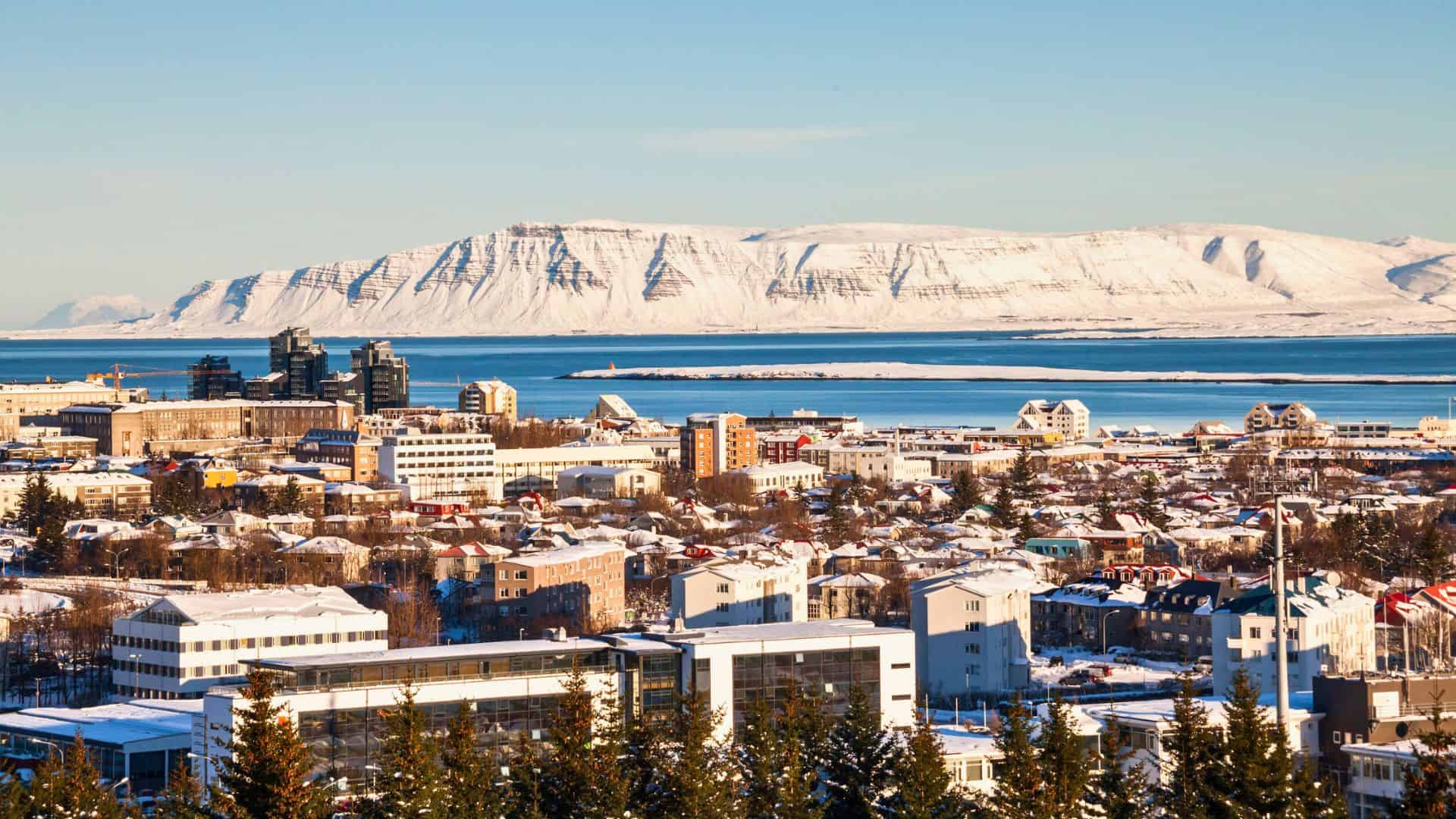
Iceland is often perceived as manageable if travelers cook instead of dining out. However, supermarket prices remain high due to import reliance and limited domestic agriculture. Fresh produce, dairy, and packaged goods typically cost more than in mainland Europe. Discount chains exist, but selection can be narrow outside Reykjavík. Alcohol is sold only in state-run stores with restricted hours, adding planning complexity. For road trips, rural availability may be limited. Self-catering helps, but food budgeting still requires realistic expectations and careful meal planning.
Switzerland

Switzerland’s reputation for high prices extends to its grocery stores. While supermarkets are organized and reliable, everyday items such as meat, cheese, and packaged snacks carry noticeably higher price tags than neighboring countries. Cross-border shopping is common among residents who live near France or Germany. Budget travelers often assume cooking will offset accommodation costs, but total grocery spending can still add up quickly. Discount chains exist, yet price differences remain significant. Planning simple meals and limiting specialty items helps control daily food expenses.
Norway
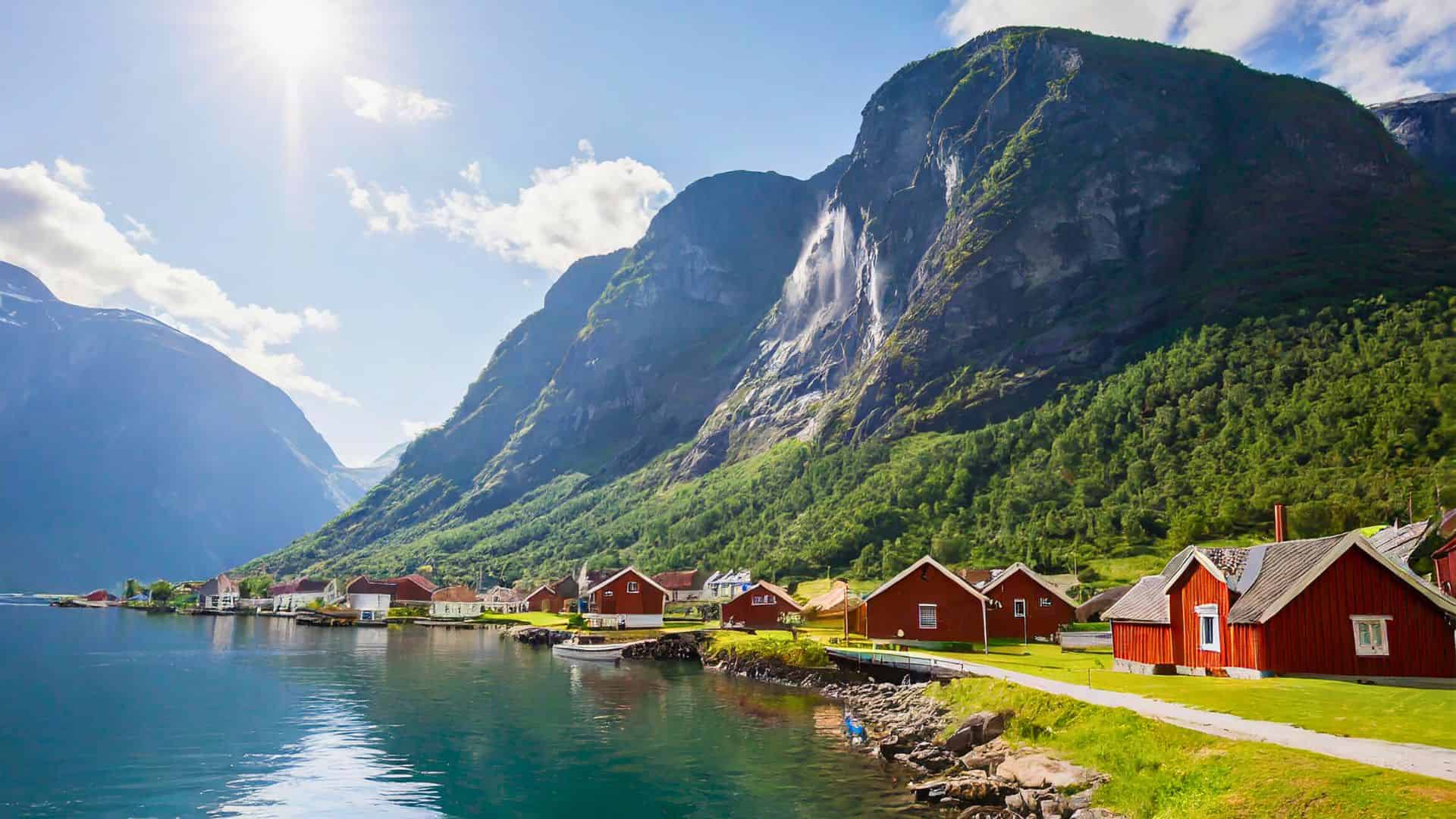
Norway’s grocery prices reflect high labor costs and import dependence for many products. Travelers may expect savings by cooking, but staple goods like bread, chicken, and fresh vegetables can strain a daily budget. Rural areas and northern regions often have limited store options, reducing price competition. Alcohol sales are restricted to government outlets with shorter hours. Dining out is typically more expensive, but groceries are not inexpensive alternatives. Those planning extended stays benefit from researching discount chains and focusing on local seasonal products.
Japan
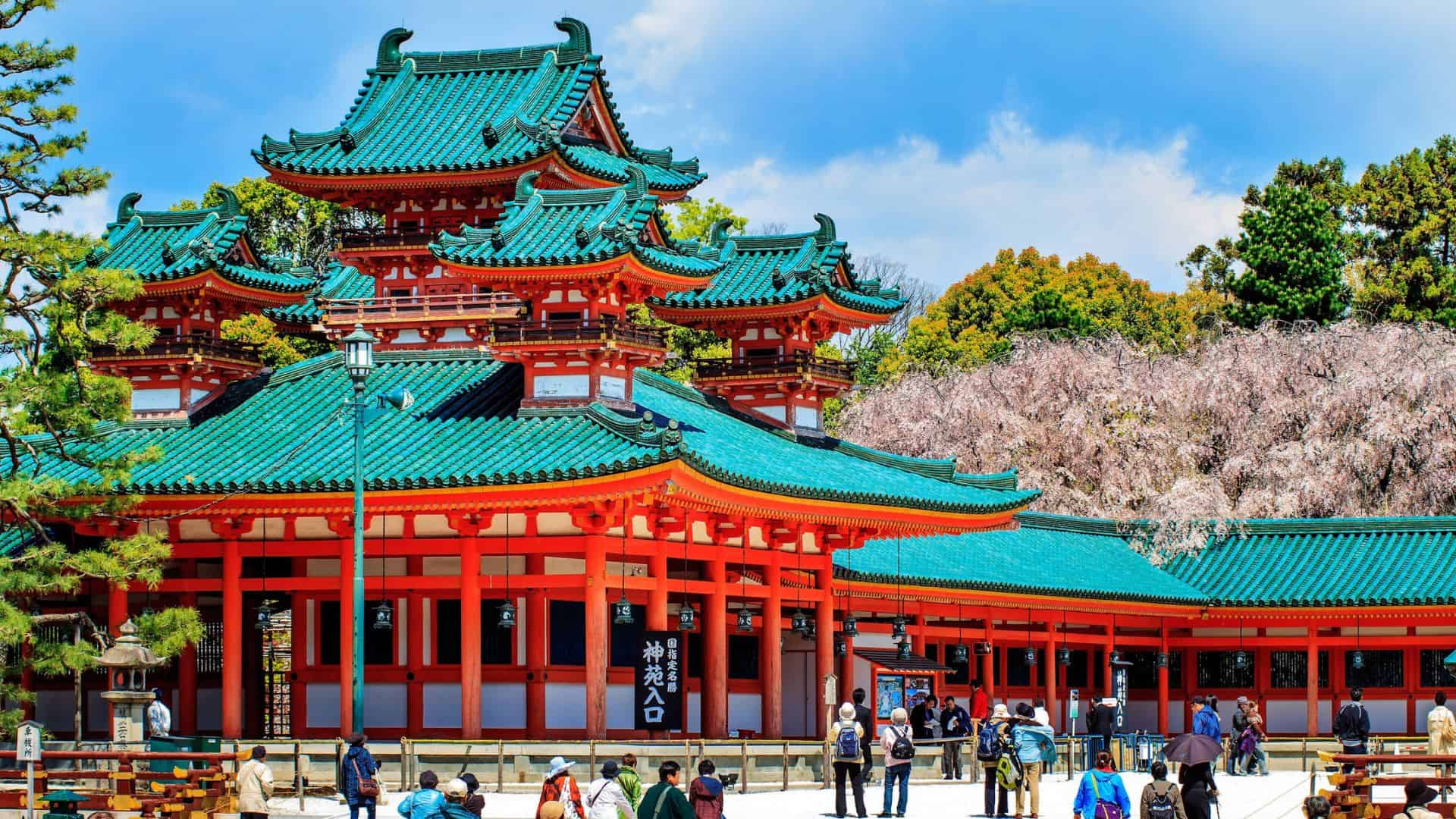
Japan is often seen as expensive, yet grocery pricing varies significantly by region. Urban supermarkets in Tokyo may charge more for imported items, while local produce and prepared foods can be reasonably priced. Convenience stores offer affordable ready-made meals that compete with cooking costs. However, short-term rentals may lack full kitchens, limiting savings potential. Portion sizes and packaging formats can also affect perceived value. Travelers who adapt to local ingredients and shop late in the day for discounts often manage food budgets effectively.
Australia

Australia’s supermarket pricing reflects both domestic production and long transport distances between cities. While basics like bread and milk are manageable, imported products and specialty foods carry premiums. Remote regions and island areas see noticeably higher costs due to freight logistics. For travelers planning campervan trips, rural store access may be limited and selection reduced. Dining out in major cities can be expensive, but groceries are not consistently low-cost substitutes. Budget-conscious travelers benefit from shopping at major chains and avoiding convenience stores.
Bahamas

The Bahamas relies heavily on imported food, which drives grocery prices significantly higher than in mainland North America. Fresh produce and packaged staples often reflect shipping costs and customs duties. Smaller islands may have limited stock and higher markups. Travelers staying in vacation rentals sometimes assume cooking will dramatically reduce expenses, but grocery totals can approach restaurant spending. Selection may fluctuate depending on shipment schedules. Planning simple menus and adjusting expectations around variety can prevent unexpected overspending.
Want to save this?
United Arab Emirates

The United Arab Emirates offers a mix of affordable and premium grocery options. Large supermarket chains carry global imports alongside regional staples, but imported Western brands can be costly. While dining ranges widely in price, groceries are not always inexpensive in central Dubai or Abu Dhabi. Short-term accommodations may lack full kitchens, reducing the advantage of self-catering. Seasonal produce pricing varies depending on import origin. Travelers who focus on regional brands and local markets often keep food costs more predictable.
Canada

Canada’s grocery costs vary significantly by province and distance from distribution centers. Major cities offer competitive pricing, but northern and remote communities face elevated costs due to transport challenges. Fresh produce prices can fluctuate seasonally, especially outside harvest months. Visitors often expect lower prices compared to dining out, yet urban supermarkets can still strain daily budgets. Warehouse stores offer savings for longer stays, though they are less practical for short visits. Planning around local produce seasons helps reduce total spending.
Singapore
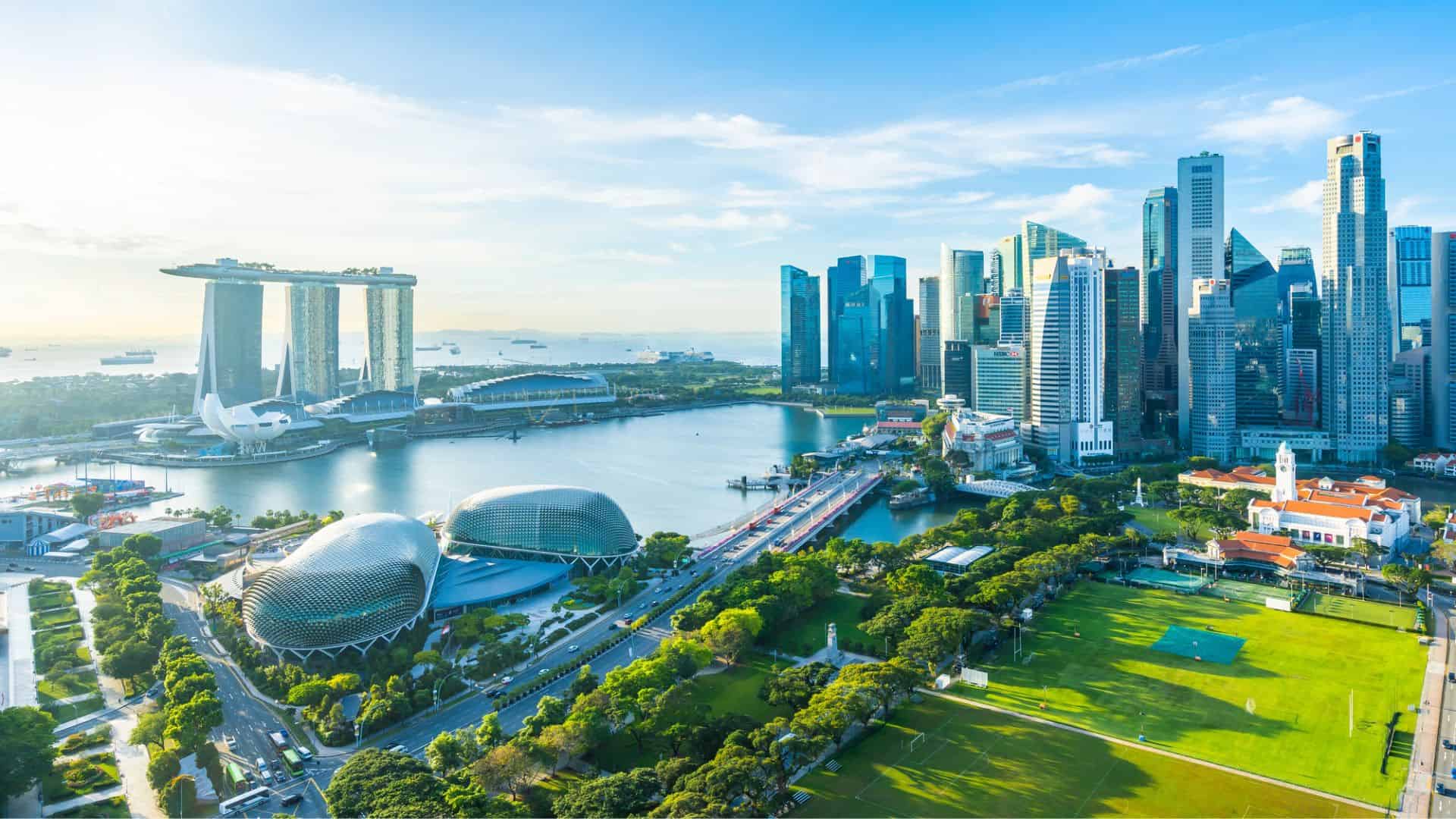
Singapore is known for efficient infrastructure, yet grocery pricing reflects heavy reliance on imports. Fresh produce, dairy, and packaged goods often cost more than in neighboring Southeast Asian countries. However, affordable hawker centers compete strongly with home cooking costs. Many accommodations are compact and lack full kitchens, limiting self-catering benefits. Imported Western brands carry noticeable premiums. Travelers who rely on local markets and prepared food stalls often find overall food spending more manageable than supermarket shopping alone.
United States
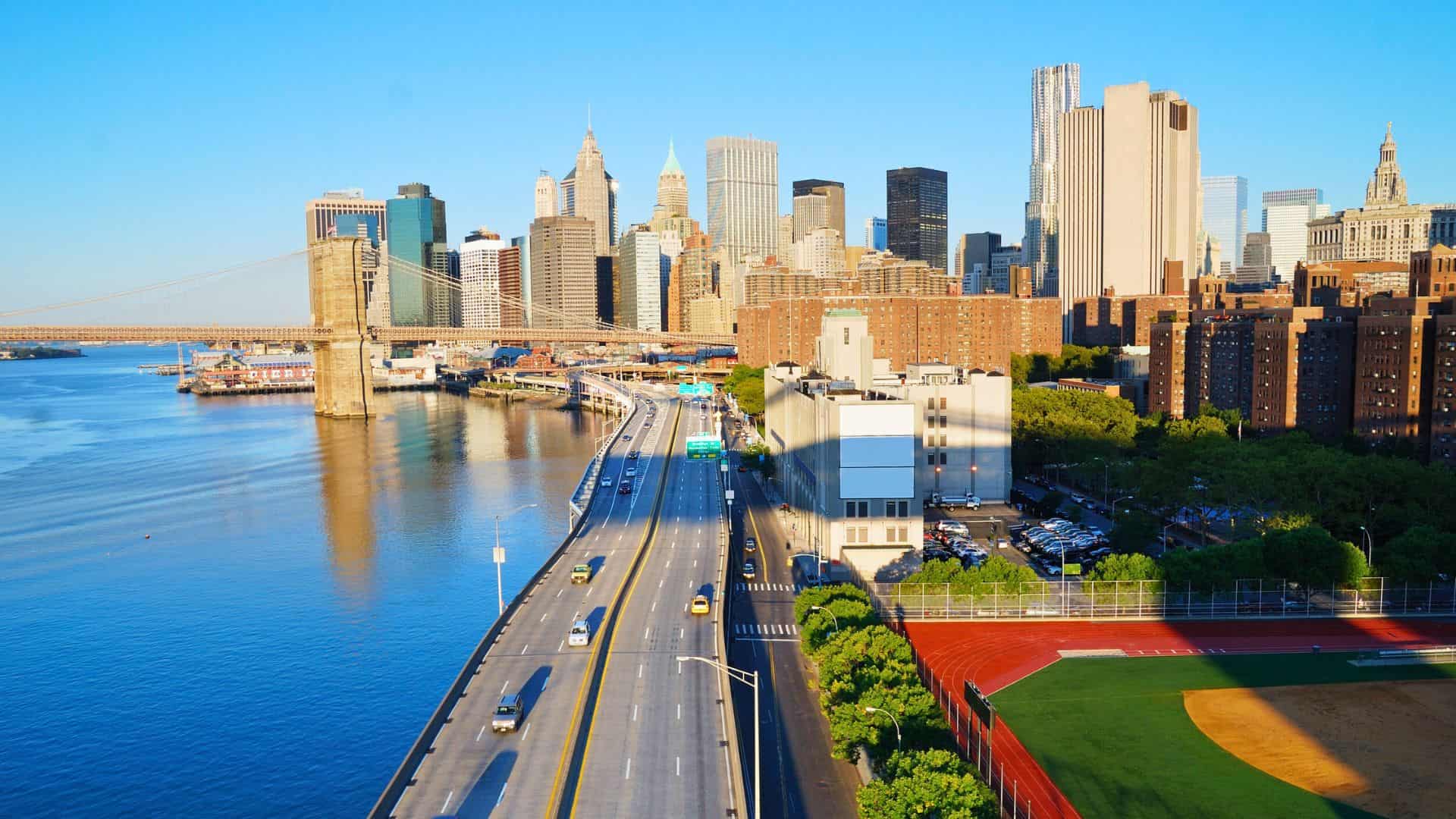
The United States presents wide regional variation in grocery pricing. Major metropolitan areas such as New York or San Francisco can have noticeably higher food costs than smaller cities. Sales taxes on certain food categories vary by state. Travelers staying in tourist-heavy areas may encounter elevated pricing at neighborhood markets. While warehouse chains and discount grocers help control spending, short-term visitors may not benefit from bulk purchases. Choosing accommodations near full-service supermarkets rather than convenience stores can significantly influence overall trip budgets.
10 Overpriced Airport Items Experienced Travelers Always Skip
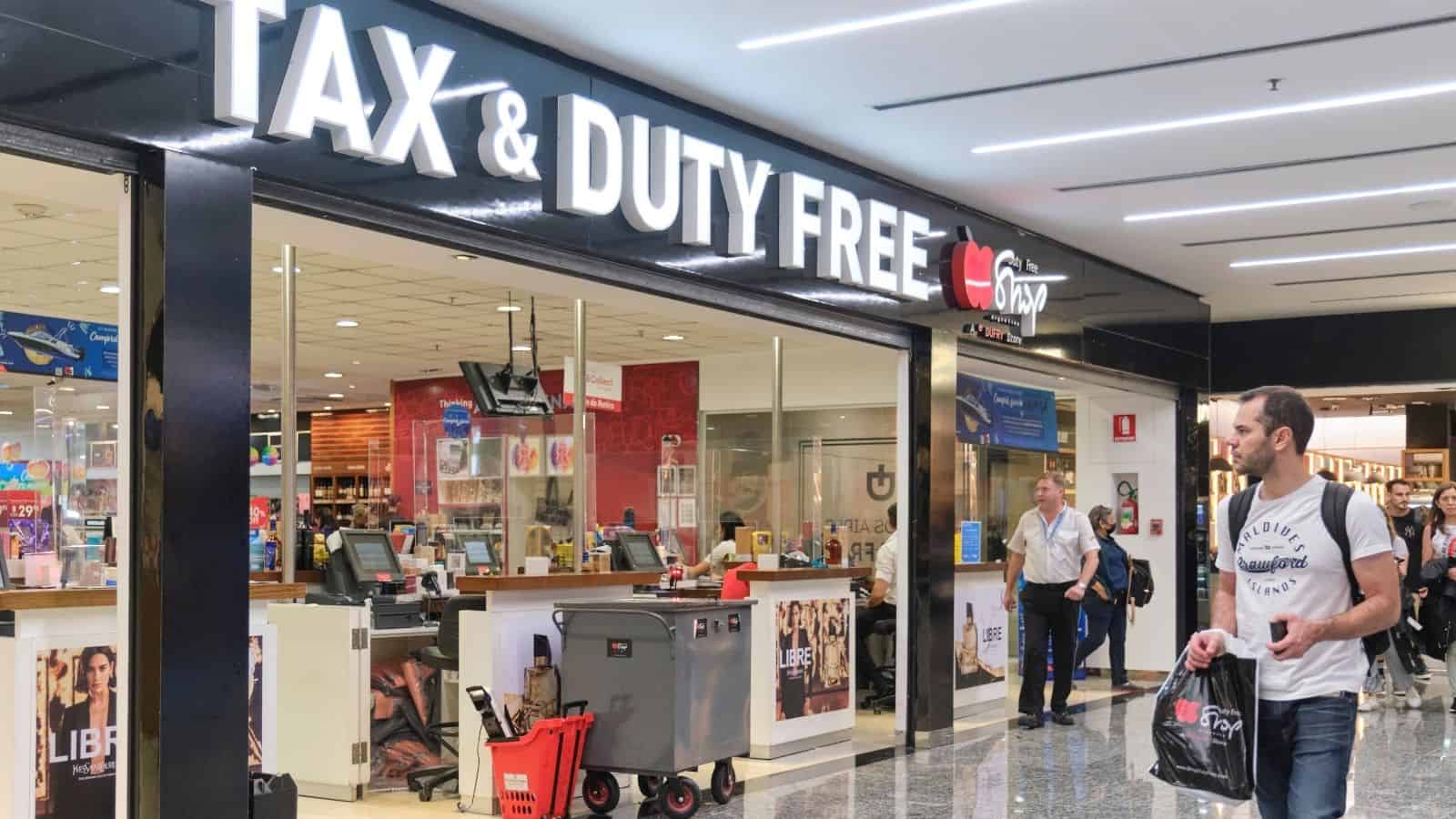
Airports are known for high prices, but not every purchase is worth it. This article features overpriced airport items experienced travelers always skip, focusing on common buys that cost far more than they should. Many frequent flyers learn quickly which items add little value once the boarding call begins.
Read More Here: 10 Overpriced Airport Items Experienced Travelers Always Skip
10 European Destinations Where Travel Costs Less Than You Expect

Europe has a reputation for high prices, but that is not true everywhere. This article features European destinations where travel costs less than you expect, focusing on places where lodging, food, and transportation are more affordable than many travelers assume. These destinations often surprise visitors who budgeted for far higher expenses.
Read More Here: 10 European Destinations Where Travel Costs Less Than You Expect



Leave a Reply