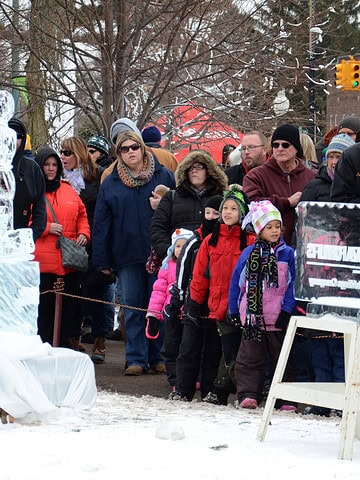
Packing light for winter travel did not come naturally to me at first. For years, every cold-weather trip seemed to start with stuffing coats into suitcases and end with sore shoulders from carrying too much. Somewhere along the way, I realized that staying warm did not have to mean packing half my closet.

Jump to:
- Why Packing Light Matters for Winter Travel
- Packing for Winter Starts With the Right Mindset
- How to Layer for Cold Weather Without Overpacking
- Winter Packing Tips That Save Space
- Essential Items You Should Not Forget to Pack
- Packing Light With the Right Bags
- Toiletry Packing Tips for Cold Weather Travel
- Winter Sports Gear and When to Leave It at Home
- Travel Tips for Great Winter Trips Without Overpacking
Once I shifted my approach, winter trips started to feel easier, calmer, and far more enjoyable.
Plan Your Trip
Save on fees abroad with the Wise Card—use it at ATMs, restaurants, and for flights or hotels in over 150 countries. Manage 40+ currencies in real-time with the Wise app.
Need Help Planning?
- Cheap Flights: Find the best deals.
- Accommodation: From hostels to luxury stays.
- Car Rental: Affordable options worldwide.
- Sightseeing Tours: Explore without breaking the bank.
- Travel Adapter: One adapter for all your needs.
- Travel Insurance: Don’t risk it—stay covered.
This post includes affiliate links, and as an Amazon Associate I earn from qualifying purchases. Read my full disclosure and privacy policy.
Why Packing Light Matters for Winter Travel
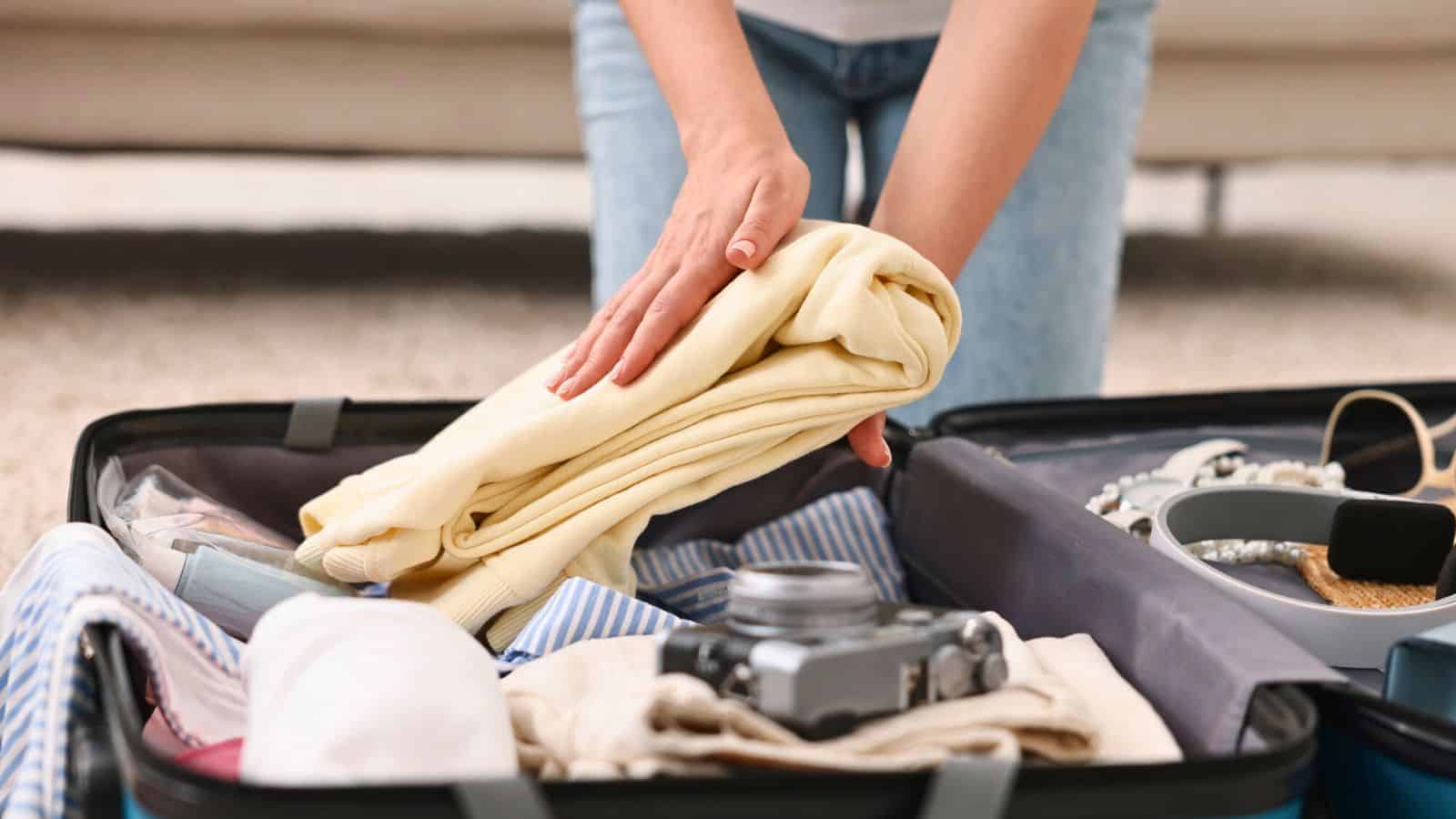
Packing light matters more during winter travel than any other season. Airline fees continue to rise, from checked baggage to carry-on charges and seat selection costs. Bringing fewer bags can save money before your trip even begins.
Cold weather also makes heavy luggage harder to manage. Snowy sidewalks, icy streets, and long staircases turn bulky suitcases into a real burden.
I felt this firsthand during winter port days and city walks, where moving with lighter luggage made everything smoother. When you are traveling light, cold weather travel feels far less exhausting.
Packing for Winter Starts With the Right Mindset

Packing for winter works best when you stop packing for every possible scenario. Instead of planning outfits for every temperature change, it helps to focus on flexible pieces that layer well.
Once I stopped packing bulky items “just in case,” my bags became easier to handle. Winter packing is not about bringing more. It is about bringing what works together.
Why Cold Weather Trips Feel Harder With Heavy Luggage

Cold weather trips magnify packing mistakes. Rolling heavy luggage through snow or lifting it over curbs and stairs drains energy fast. Heavy bags also slow you down when plans change, which happens often during winter travel.
Lighter luggage makes unexpected delays and rerouted transportation easier to manage. When your bag is manageable, adjusting plans feels far less stressful.
How to Layer for Cold Weather Without Overpacking

Layering is the foundation of packing for cold weather. Instead of relying on thick sweaters or oversized jackets, layering allows you to adjust throughout the day.
This approach keeps you warm outside and comfortable indoors, whether you are sightseeing, dining, or moving between destinations.
Base Layers That Actually Work in Cold Weather
Base layers do most of the work when it comes to warmth. Merino wool and synthetic fabrics regulate body temperature and wick moisture, keeping you dry and comfortable.
Long underwear made from these materials adds warmth without bulk. Merino wool has become a staple in my winter packing list because it stays warm even when damp and packs down easily.
Mid Layers That Add Warmth Without Bulk
Mid layers provide insulation without taking up much space. Fleece tops or lightweight insulated vests add warmth and compress well in luggage.
These layers work alone on mild days or combine with outer layers when temperatures drop, making them ideal for winter travel.
Outer Layers and the Winter Coat That Earns Its Space


A winter coat needs to earn its place in your bag. Packable down jackets or waterproof shells provide warmth and weather protection without unnecessary weight.
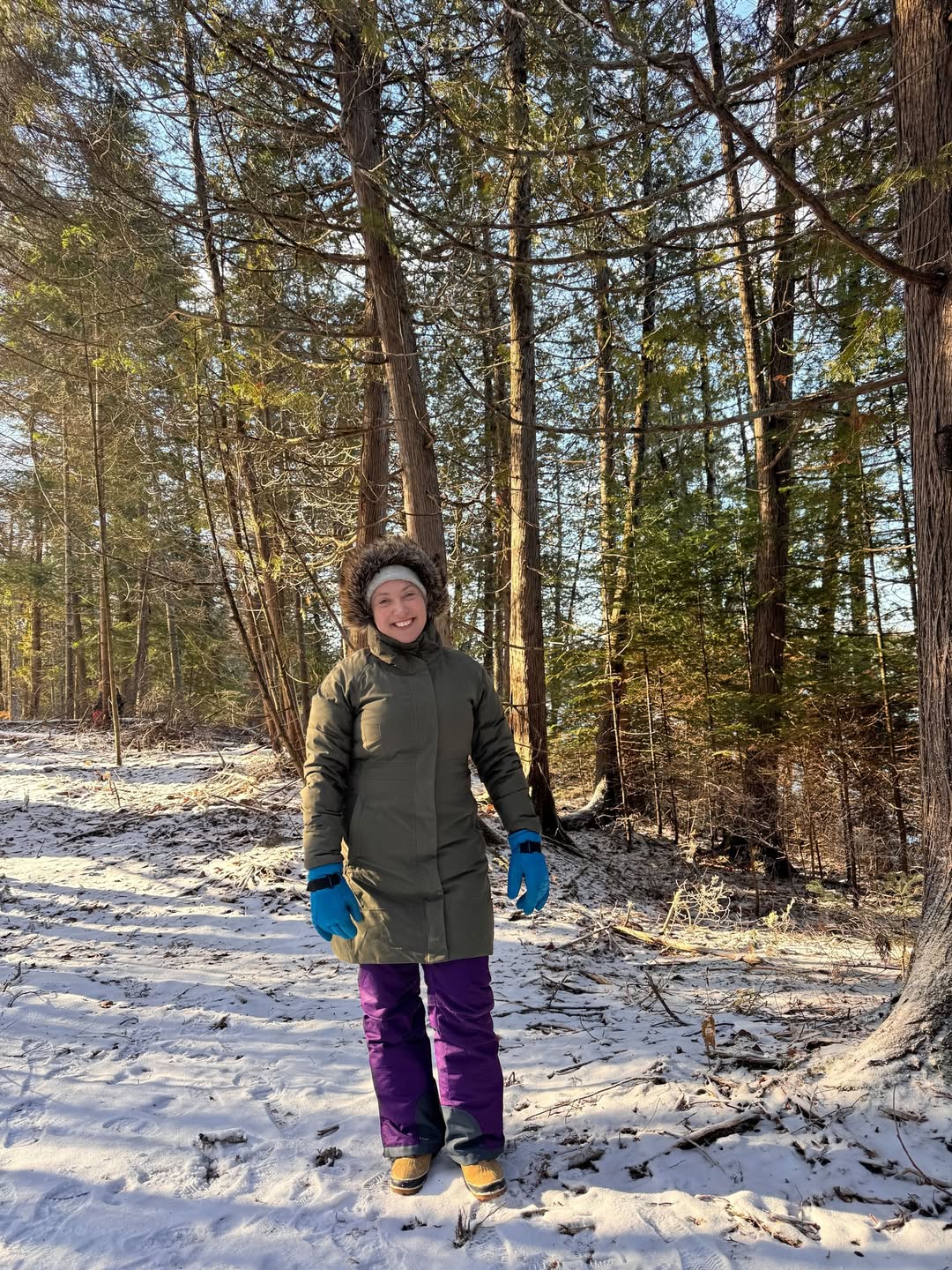
A good winter coat should work across multiple settings and compress easily, allowing you to pack lighter without sacrificing comfort.
Winter Packing Tips That Save Space

Winter packing becomes easier with small habit changes. Rolling clothes instead of folding them saves space and reduces wrinkles. Planning outfits ahead of time helps avoid packing items that never get worn.
Want to save this?
When every piece has a purpose, packing for winter feels far less overwhelming.
Wear Your Heaviest and Bulkiest Items on Travel Days
One of the easiest ways to save space is to wear your heaviest and bulkiest items during transit. Boots, winter coats, and thicker layers belong on your body rather than in your carry-on bag.

Once you are on a plane or train, it is easy to remove layers and store them until arrival.
How Packing Cubes Help With Winter Packing

Packing cubes make winter packing far more organized. They help separate layers, compress clothing, and keep luggage tidy.
If you want to pack efficiently, use packing cubes to organize winter clothes, base layers, and accessories. They make repacking easier on cold weather trips.
Essential Items You Should Not Forget to Pack
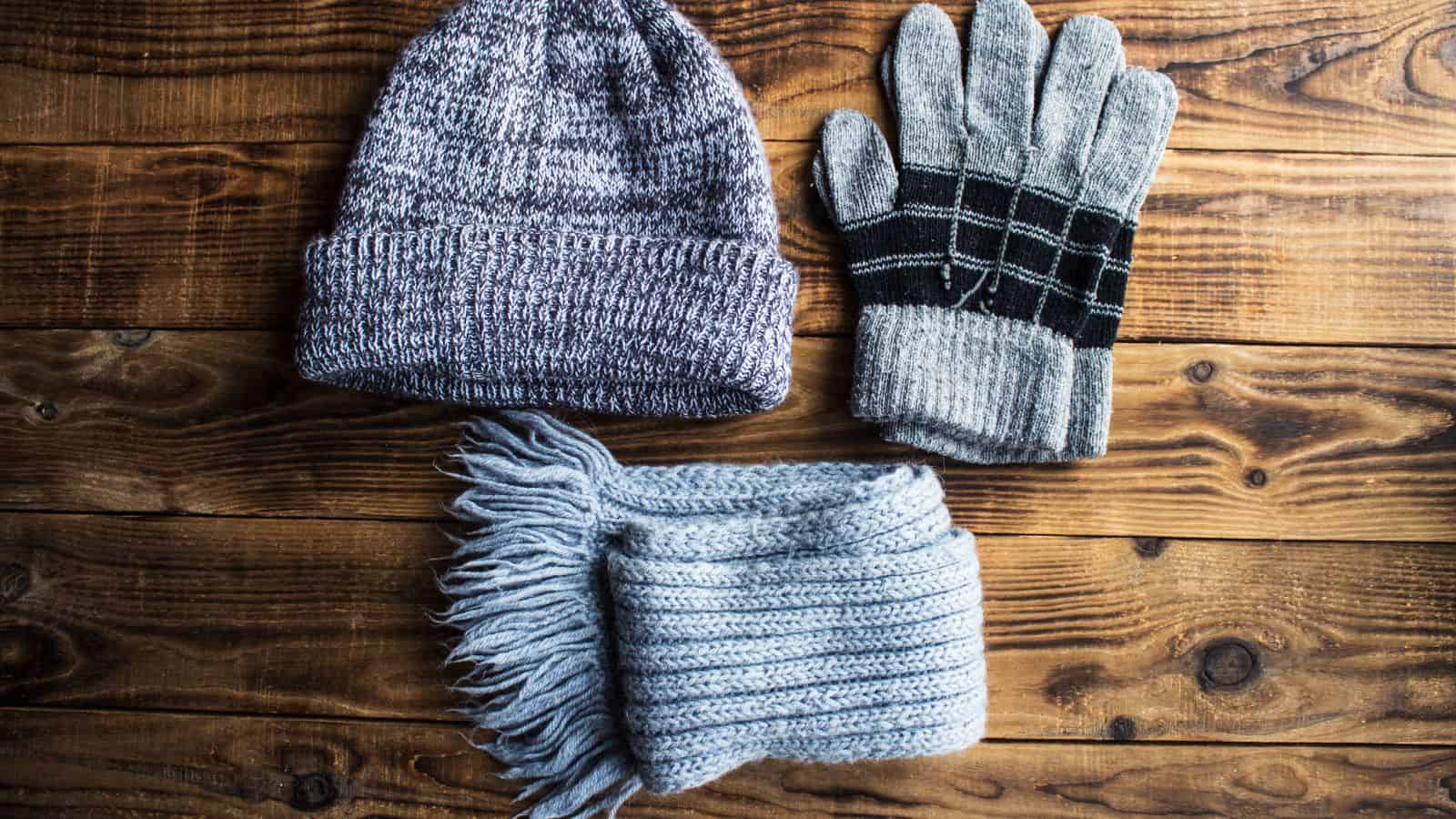
Cold weather travel requires a few essential items that are easy to forget. Small accessories can make a big difference in comfort and should always be part of your packing list.
These items take up little space but add significant warmth.
Keep Your Feet Warm With the Right Socks
Cold feet can quickly ruin a day. Wool socks, especially merino wool socks, regulate temperature and help keep your feet warm even in damp conditions.
I always pack at least one extra pair. Dry socks can completely change how comfortable a cold day feels.
Scarves, Gloves, and Small Cold Weather Essentials
A scarf, gloves, and a warm hat do not take up much room but provide noticeable warmth. These essentials protect exposed skin and trap heat during cold weather travel.
- Neutral colors make them easy to pair with multiple outfits.
Packing Light With the Right Bags
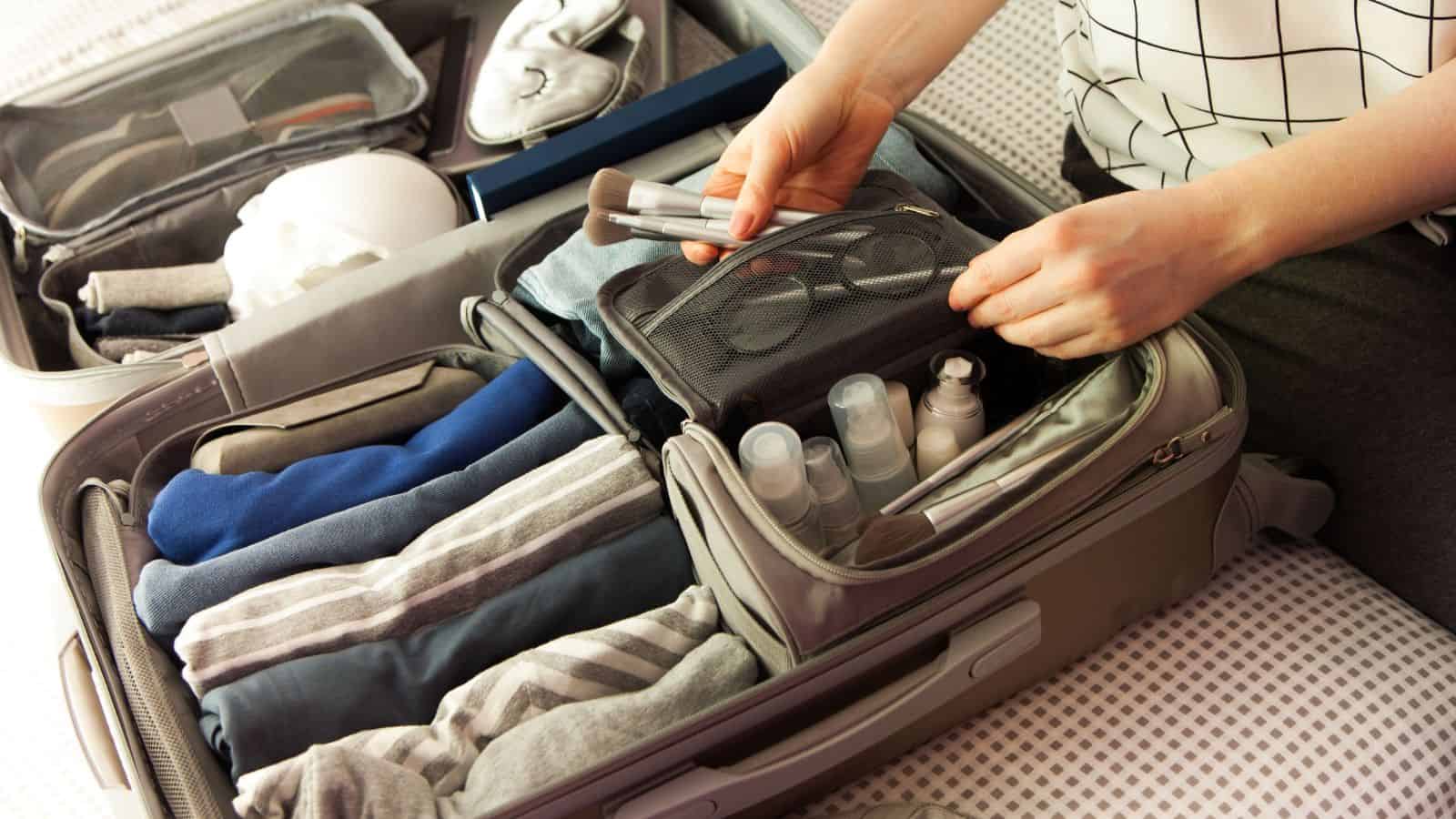
Choosing the right luggage is just as important as what you pack. A compact carry-on bag or structured backpack is often easier to manage than a large suitcase in winter conditions.
Smaller bags encourage better packing habits and make moving through crowded or icy areas simpler.
Choosing a Backpack or Carry-On Bag for Winter Travel
A backpack allows hands-free movement, while a carry-on bag offers structure and organization. Both work well for winter travel as long as they meet airline size limits and suit your travel style.
The key is choosing luggage that supports packing light rather than tempting you to overpack.
Toiletry Packing Tips for Cold Weather Travel

Cold weather affects toiletries, too. Travel-sized products save space and comply with carry-on restrictions. Solid toiletries like shampoo bars and lotion sticks work especially well for winter packing.
Most accommodations provide basic toiletries, so packing duplicates is usually unnecessary.
Winter Sports Gear and When to Leave It at Home
Winter sports gear takes up significant space and is not always worth packing. If you plan to ski or snowboard only once, renting equipment at your destination is often the better choice.
- Leaving bulky winter sports gear at home keeps luggage lighter and travel simpler.
Travel Tips for Great Winter Trips Without Overpacking

Packing light for winter travel does not mean sacrificing warmth or comfort. With smart layering, versatile clothing, and essential gear, you can stay prepared without hauling unnecessary weight.
A lighter bag means fewer hassles, easier movement, and more energy to enjoy a great winter trip.
Adapted from Food Drink Life with original insights and first-hand experience added for travelers planning their next family winter travel.