
Some trips carry more uncertainty than others, making preparation especially important. This article features destinations where travel insurance is practically required, focusing on places where medical costs, weather disruptions, remote locations, or complicated logistics can create expensive problems. In these destinations, unexpected issues can quickly turn into major travel expenses.
Understanding the risks before departure can help travelers make more informed decisions. Having the right coverage can reduce stress when plans do not go as expected. Keep reading to see which destinations made the list and why travel insurance is often considered essential there.
Antarctica

Travel insurance is practically required for Antarctica because of how remote and unpredictable the region is. Expedition cruises often make coverage mandatory due to the difficulty of reaching medical help if something goes wrong. Weather can delay departures, interrupt itineraries, or force emergency route changes, and without insurance the costs can be extremely high. Rescue operations require specialized equipment and vessels, and medical transport may involve long-distance evacuation. Since visitors rely entirely on ship and crew support, insurance becomes a crucial safety measure for anyone heading to this isolated part of the world.
Nepal (Everest Region)
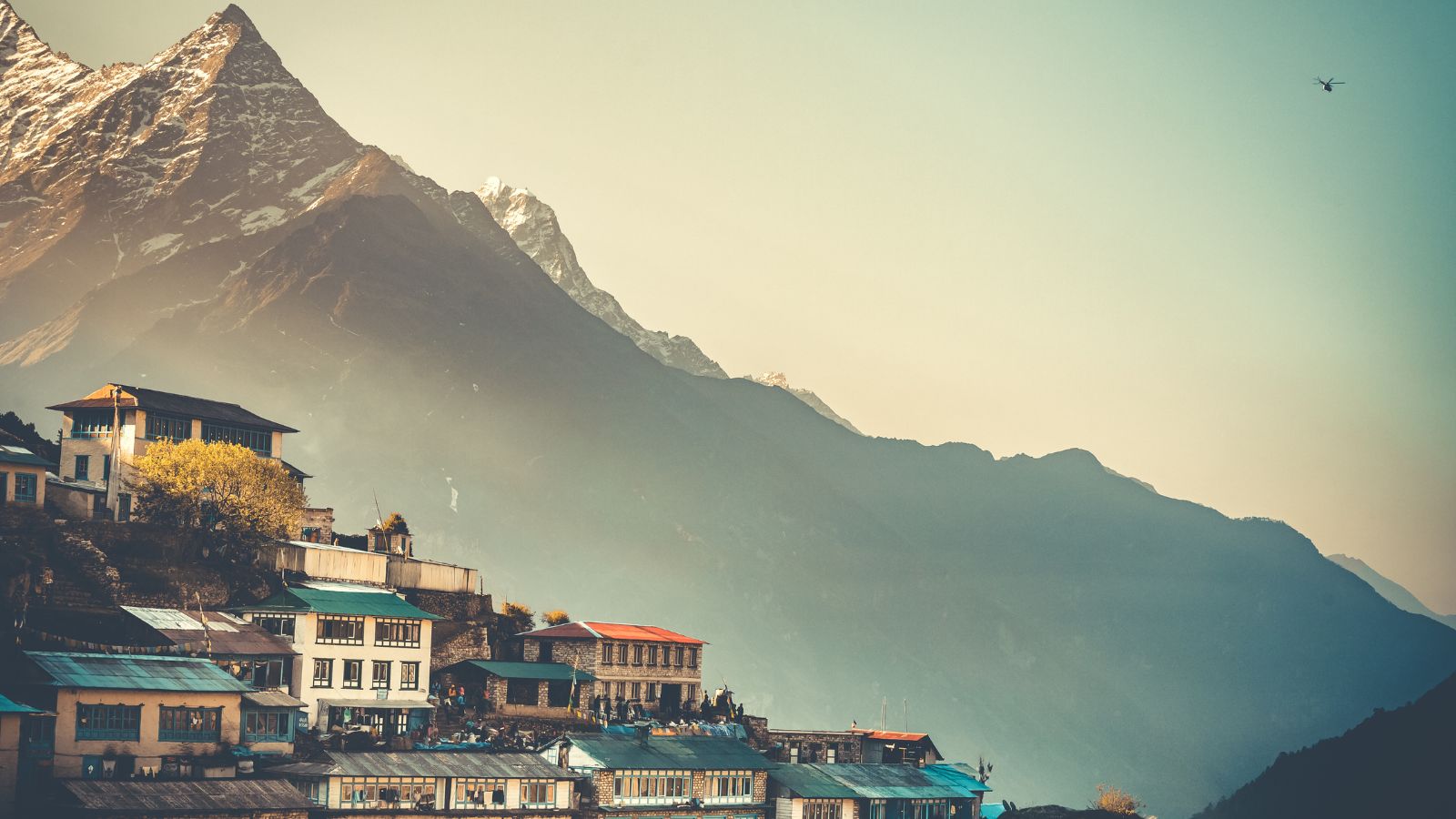
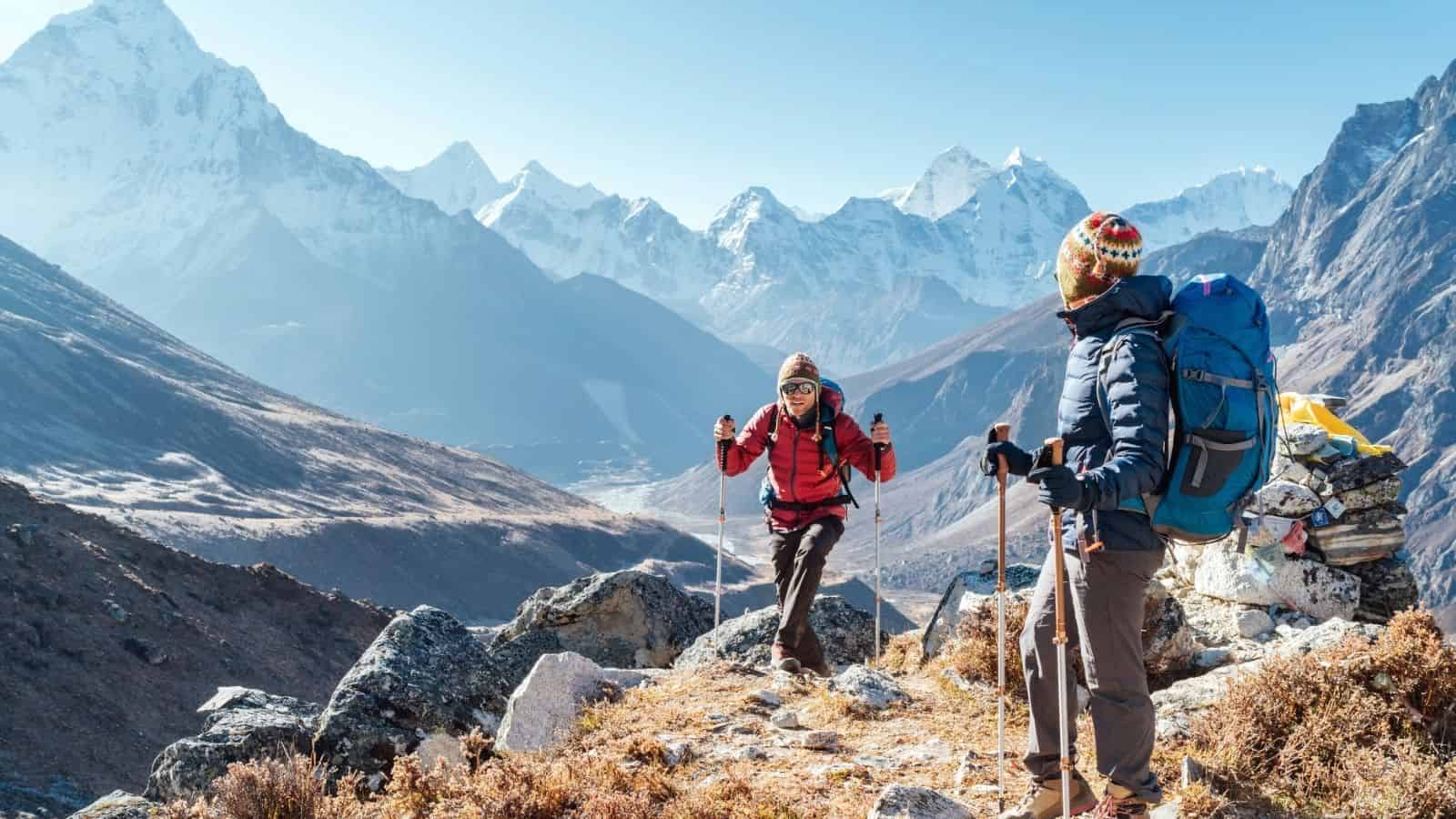
Trekking in the Everest region comes with real risks tied to altitude, unpredictable weather, and challenging terrain. Many trekkers need insurance that covers helicopter evacuation, which is often the only way to transport someone from higher elevations during a medical issue. Altitude sickness can escalate quickly, and clinics in remote villages have limited capacity. Weather delays can also disrupt flights in and out of Lukla. Because of these factors, travelers heading toward Everest often secure insurance that includes medical care, evacuation, and trip interruption coverage to stay protected throughout their journey.
Thailand
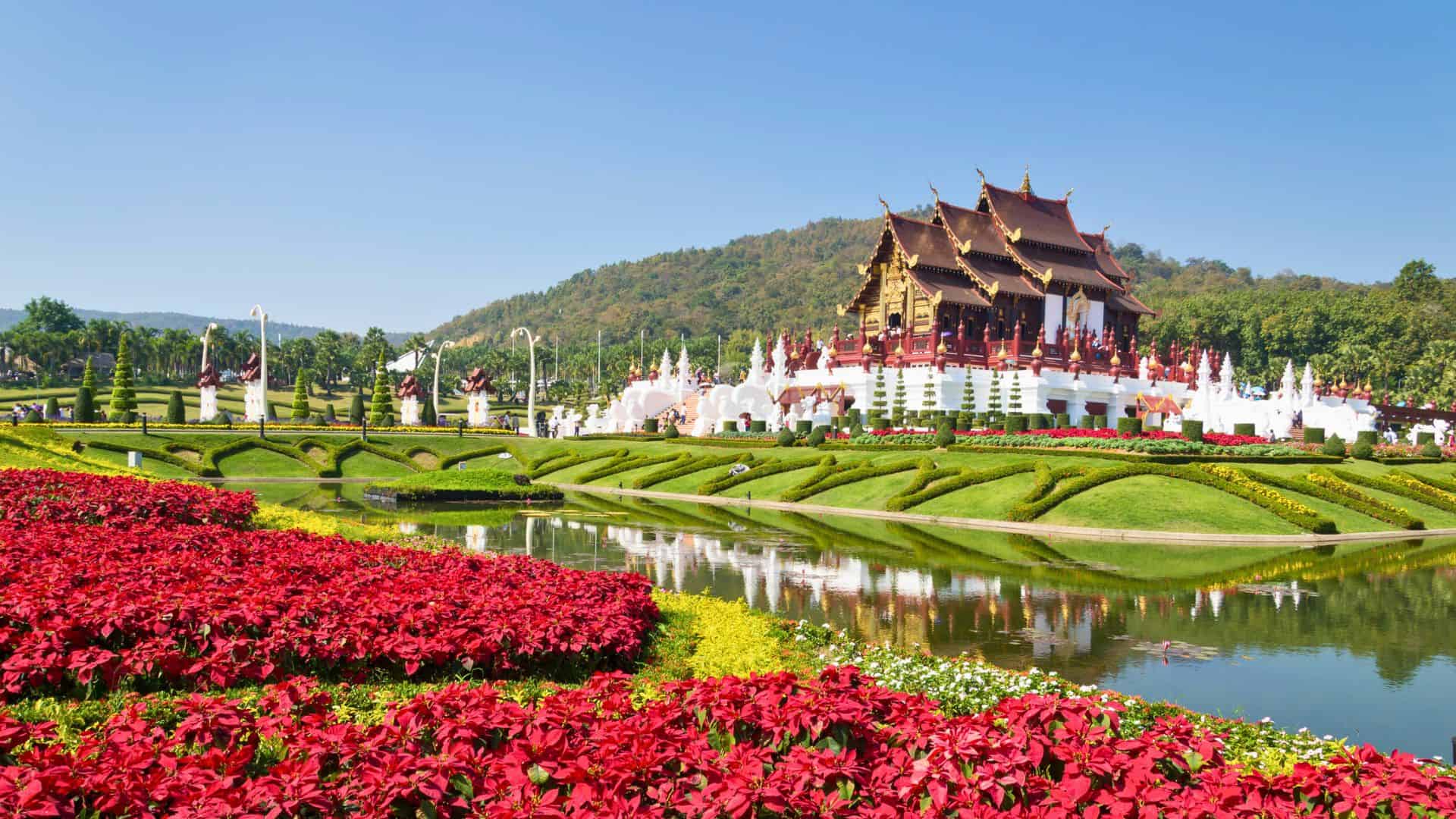
Thailand attracts travelers with beaches, nightlife, and street markets, but accidents are common, especially among visitors who ride scooters or join water activities. Medical care is high quality in major cities but can be expensive for travelers without insurance. Weather disruptions, food-related illnesses, and unexpected injuries mean travelers often need coverage for hospital visits or trip changes. Some national parks and diving schools even recommend insurance before participating in activities. With busy roads, active tourism, and variable conditions, insurance helps travelers avoid heavy out-of-pocket costs.
Iceland
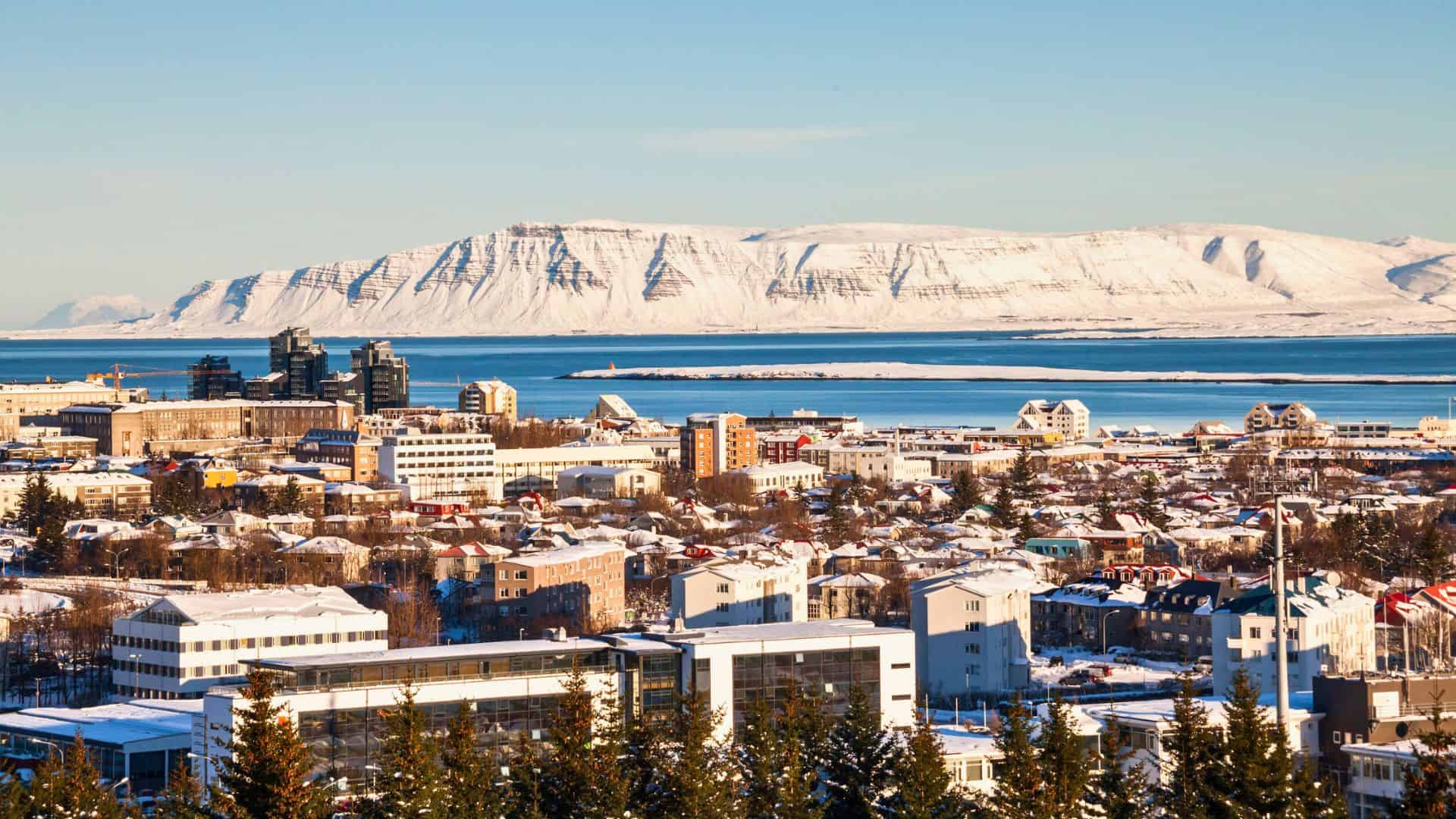
Iceland’s beautiful landscapes also come with weather patterns that can shift quickly, affecting everything from driving conditions to tour schedules. Storms, icy roads, and sudden closures can lead to cancellations or rerouting costs that insurance can help cover. Many visitors take part in outdoor activities like glacier walks, waterfall hikes, and geothermal area tours, which carry added risk. Medical care is reliable but can be expensive for those without coverage. Because travel plans often depend heavily on weather, insurance becomes important for both safety and financial protection during an Iceland trip.
United States (for foreign travelers)
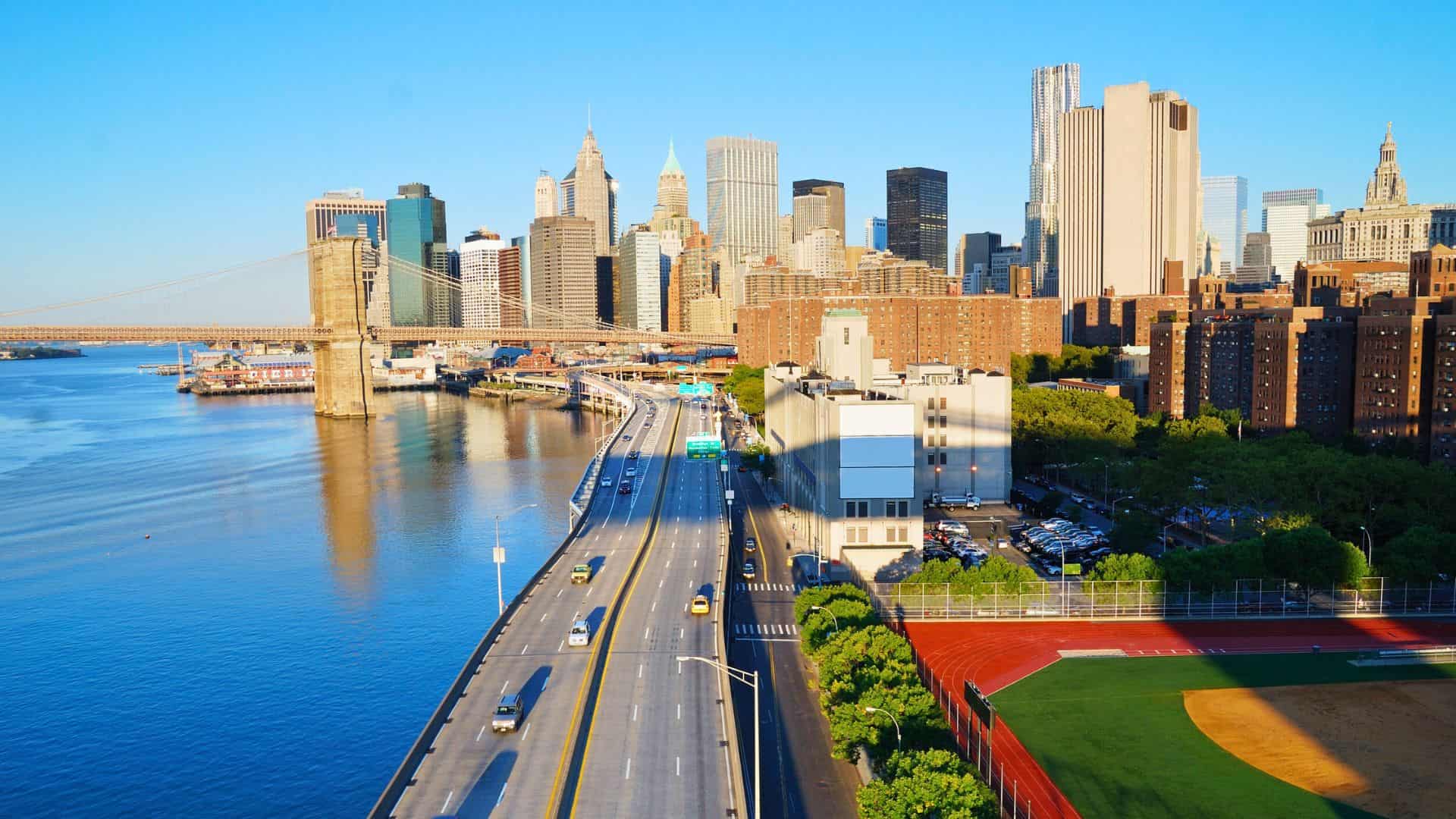
For non-residents, the United States is one of the most expensive places in the world to receive medical care, which is why travel insurance is strongly recommended. Even minor injuries can lead to significant bills, and emergency treatment can reach thousands of dollars. Travel delays caused by weather, missed connections between large airports, and lost baggage are also common concerns that insurance can help address. Visitors who plan to drive rental cars or join outdoor activities face additional risks. Because there is no government coverage for visitors, insurance becomes a key part of planning a trip to the U.S.
Bali, Indonesia

Bali is beautiful but comes with enough risks that many travelers secure insurance before visiting. Scooter accidents are common, especially on busy or uneven roads, and medical treatment for injuries can be expensive without coverage. Occasional volcanic activity can disrupt flights or close airports, leading to unexpected travel changes. Weather shifts during monsoon season may also affect beach conditions and boat transfers. Many visitors join surfing lessons, diving trips, or adventure tours that add physical risk. Because these factors can impact both safety and schedules, insurance helps travelers handle unexpected costs.
Galápagos Islands, Ecuador

The Galápagos Islands are remote, and visitors often travel by boat between islands, increasing the need for medical and evacuation coverage. Clinics on the islands have limited resources, so more serious cases require transport to mainland Ecuador, which can be costly without insurance. Wildlife excursions, snorkeling, and hiking on uneven volcanic terrain add physical risks that many policies help cover. Since trips rely on strict schedules and protected areas, weather or mechanical issues can also cause disruptions. Because the region is far from major hospitals, insurance is widely recommended for anyone visiting.
Want to save this?
New Zealand

New Zealand attracts travelers seeking hiking, boating, and adventure sports, which naturally increases the need for insurance. Activities like bungee jumping, glacier trekking, and backcountry hiking carry risks that can lead to costly medical treatment. While the country has good healthcare, non-residents often face expenses that insurance helps manage. Weather shifts can cause road closures, flight cancellations, or changes to outdoor plans. Remote areas may require helicopter rescue or specialized transport for injured hikers. Travelers choose insurance so they can explore the country’s landscapes without worrying about unexpected costs linked to outdoor recreation.
Switzerland
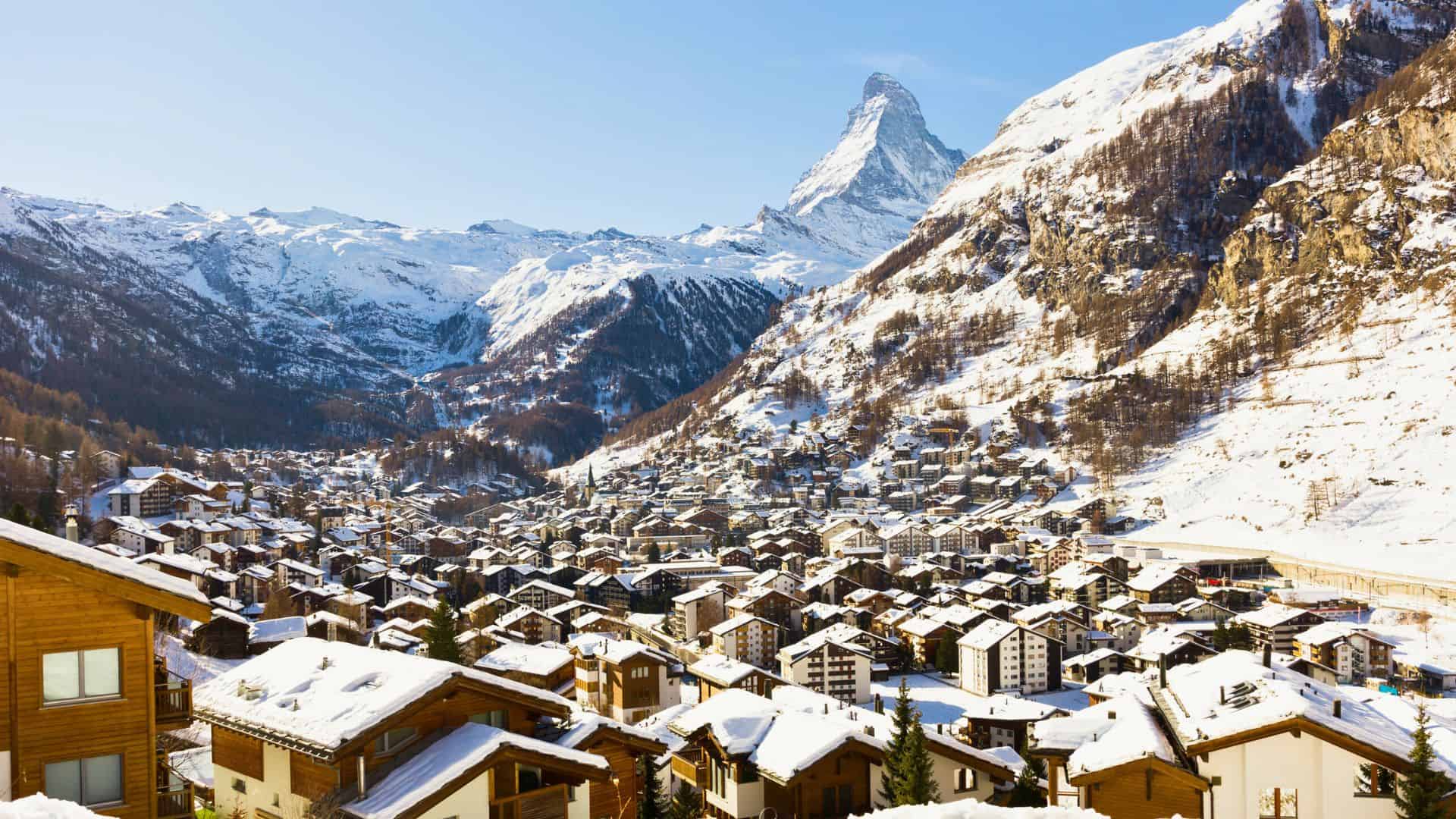
Switzerland is known for outdoor sports, mountain railways, and alpine trails, all of which increase the need for travel insurance. Winter visitors often ski or snowboard, activities that can lead to injuries requiring medical care or evacuation from higher elevations. Non-residents may face high medical costs, making insurance valuable for unexpected situations. Weather conditions change quickly in the Alps, sometimes interrupting train routes or closing mountain paths. Summer hikers also encounter risks on steep terrain. Because of these factors, travelers often secure insurance to cover medical expenses, gear issues, or disruptions linked to mountain travel.
Japan

Japan has a reputation for safety, but travel insurance remains important because non-residents pay significant costs for medical treatment. Visitors frequently experience long travel distances across the country, which increases the chance of delays linked to typhoons, seasonal storms, or transportation issues. Outdoor activities such as hiking, skiing, and exploring remote areas add another layer of risk. Even minor injuries can result in high bills if treated at private clinics or hospitals. Insurance also helps with cancellations during weather disruptions that affect major train lines or flights. These reasons make coverage a common recommendation for travelers heading to Japan.
Peru (Machu Picchu Region)

Peru’s Machu Picchu region involves high altitudes, steep trails, and long travel distances, making insurance important for many visitors. Altitude sickness can affect travelers quickly, sometimes requiring medical attention or evacuation to lower elevations. Weather changes may disrupt train schedules or hiking routes, leading to delays or missed connections. Trekking routes like the Inca Trail involve multi-day hikes with limited access to medical support. Insurance helps cover costs related to health issues, evacuation, or itinerary changes. Because of the terrain and elevation, many travelers consider coverage a necessary part of planning a trip to this iconic destination.
Philippines

The Philippines is a popular island destination, but its geography makes travel insurance highly advisable. Many visitors rely on ferries or small boats to reach beaches and remote islands, and weather disruptions can cancel trips without warning. Medical care varies between regions, with rural areas having fewer facilities. Storms and typhoons can lead to flight delays or changes in plans, especially during peak season. Activities such as diving, snorkeling, and island hopping add physical risks. Insurance helps cover medical treatment, evacuation, or unexpected itinerary changes, making it important for travelers exploring multiple islands.
Maldives

The Maldives is known for luxury and isolation, which is exactly why insurance is often recommended. Most resorts sit on private islands with very limited medical services. For anything beyond basic care, travelers must be transported to Malé, and emergency transfers can be expensive without coverage. Weather disruptions may affect seaplane or speedboat transfers, leading to delays that insurance can help address. Many visitors join water activities such as snorkeling or diving, adding potential risks. Because travelers depend heavily on resort infrastructure and transportation, insurance becomes a practical safeguard during a Maldives trip.
10 Places Where Tourists Often Book the Wrong Area

Choosing where to stay can shape the entire trip. This article features places where tourists often book the wrong area, focusing on destinations where neighborhoods look close on a map but feel very different in reality. Being in the wrong spot can mean long commutes, limited food options, or missing the parts people hoped to experience.
Read More Here: 10 Places Where Tourists Often Book the Wrong Area
11 American Cities Travelers Say Feel Genuinely Friendly

First impressions can shape how a trip feels, and some cities stand out for how people interact. This article features American cities travelers say feel genuinely friendly, focusing on places where everyday interactions feel easier, more welcoming, and less rushed. These cities often leave visitors talking about the people just as much as the sights.
Read More Here: 11 American Cities Travelers Say Feel Genuinely Friendly



Leave a Reply