
Where you stay can shape the entire trip more than expected. This article features destinations where a bad hotel location ruins the trip, focusing on places where distance, traffic, or neighborhood layout make getting around harder than it looks. Being in the wrong area can mean long commutes, limited access to key spots, or added daily stress.
Choosing the right location can make travel feel smoother from the start. A well placed hotel can save time and energy throughout the trip. Keep reading to see which destinations made the list and what travelers often wish they had considered before booking.

Amalfi Coast, Italy

The Amalfi Coast looks compact on a map, but hotel location changes daily logistics. Towns are connected by narrow, slow-moving roads and limited bus routes. Booking outside the main hubs can mean long waits for transport or reliance on expensive taxis. Parking is scarce, and walking routes often involve steep stairs. A poorly placed hotel can turn short distances into multi-hour trips. Staying in a central town or near ferry access reduces transit time and makes day planning more predictable.
Tokyo, Japan
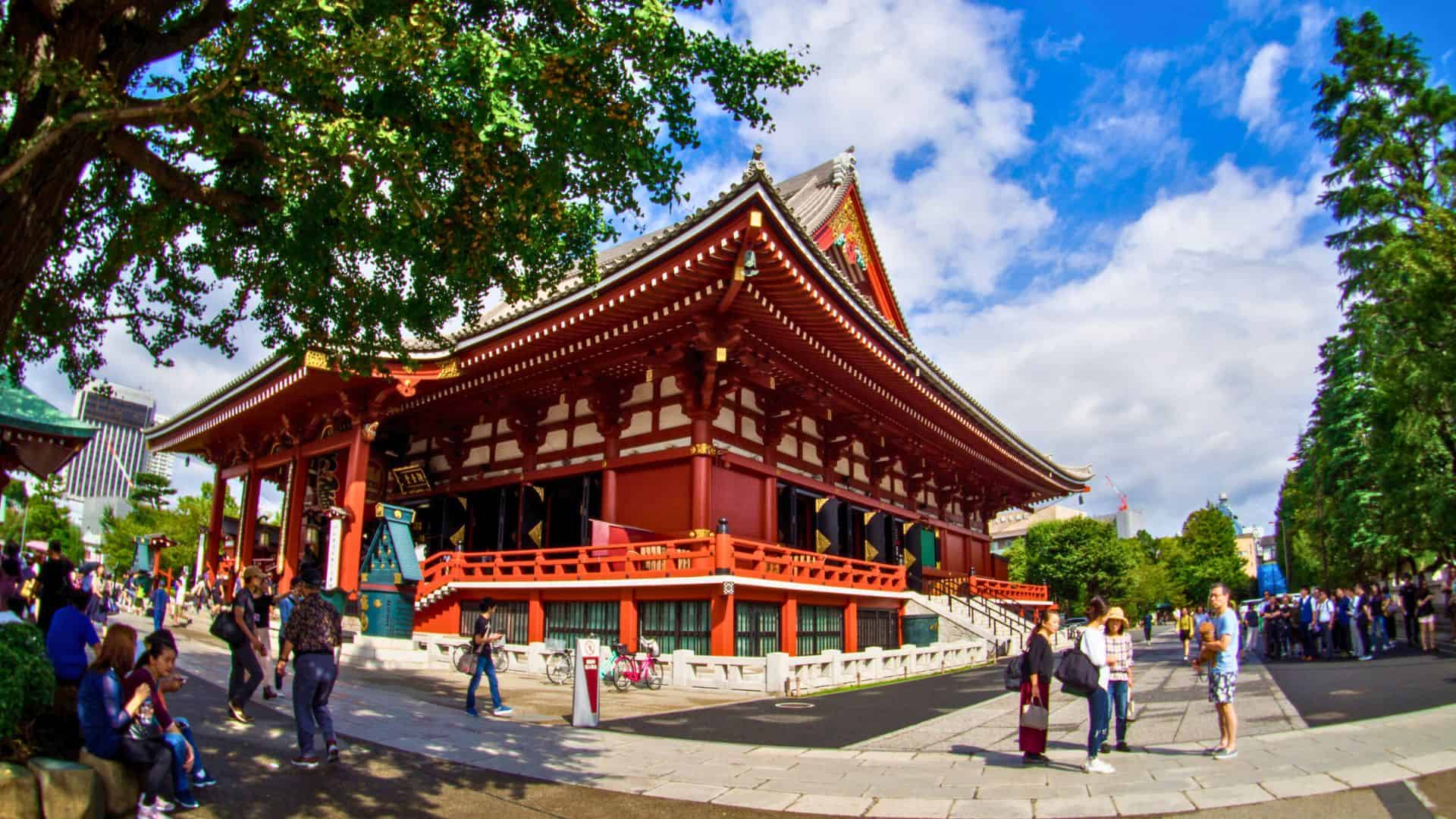
Tokyo’s size makes proximity to train lines essential. A hotel that looks close on a map may still require multiple transfers if it is not near a major station. Daily travel time increases quickly when connections are not direct. Areas like Shinjuku or Tokyo Station offer access to multiple lines, while quieter neighborhoods can add complexity. Choosing the wrong location often means spending more time navigating transit than exploring. Staying near a major rail hub simplifies movement across the city.
Paris, France

In Paris, the arrondissement determines access to transport, dining, and major attractions. Booking far from central districts may reduce nightly cost but increases reliance on the Metro. Late-night returns and early reservations become harder to manage. Some outer areas also have fewer nearby services. A poorly chosen location can add repeated cross-city trips each day. Staying in a well-connected arrondissement reduces transit time and improves flexibility.
Santorini, Greece

Santorini hotels vary widely in location and accessibility. Staying outside the caldera area may lower costs but requires more travel to reach key viewpoints and dining areas. Bus schedules are limited, and taxis can be expensive during peak season. Moving between villages often takes longer than expected. A hotel far from main areas can shift the trip toward daily commuting. Choosing a base near planned activities helps reduce transport time and costs.
New York City, United States

In New York City, location affects both time and cost. Staying far from subway lines or major hubs increases commute times and transportation expenses. Visitors who book outside central areas often spend more time traveling between neighborhoods. Late-night returns can also be less convenient. A poorly located hotel can turn simple plans into long transit routes. Choosing accommodation near reliable subway lines improves daily efficiency.
Bali, Indonesia

Bali’s traffic patterns make location critical. Distances between areas such as Ubud, Seminyak, and Uluwatu can take hours due to congestion. Booking a hotel far from planned activities results in long daily drives. Ride costs increase, and schedules become less predictable. Many travelers underestimate how slow travel between regions can be. Choosing one area based on planned activities helps reduce time spent in traffic.
Want to save this?
Switzerland

Switzerland’s transport network is efficient, but hotel location still matters. Staying in a less connected village may reduce accommodation costs but increase travel time. Many scenic areas depend on specific train or cable car routes with fixed schedules. Missing connections can disrupt an entire day. A poorly placed hotel adds complexity to otherwise simple routes. Staying in a well-connected town allows easier access to multiple destinations.
Rome, Italy

Rome’s historic center is dense with major attractions, but accommodations outside this area require more planning. Traffic and limited transit options can extend travel times. Walking distances also increase if a hotel is not centrally located. Visitors who stay too far out often rely on buses or taxis. This adds both cost and unpredictability to each day. Staying near the historic center allows easier access to landmarks and reduces daily transit needs.
Iceland
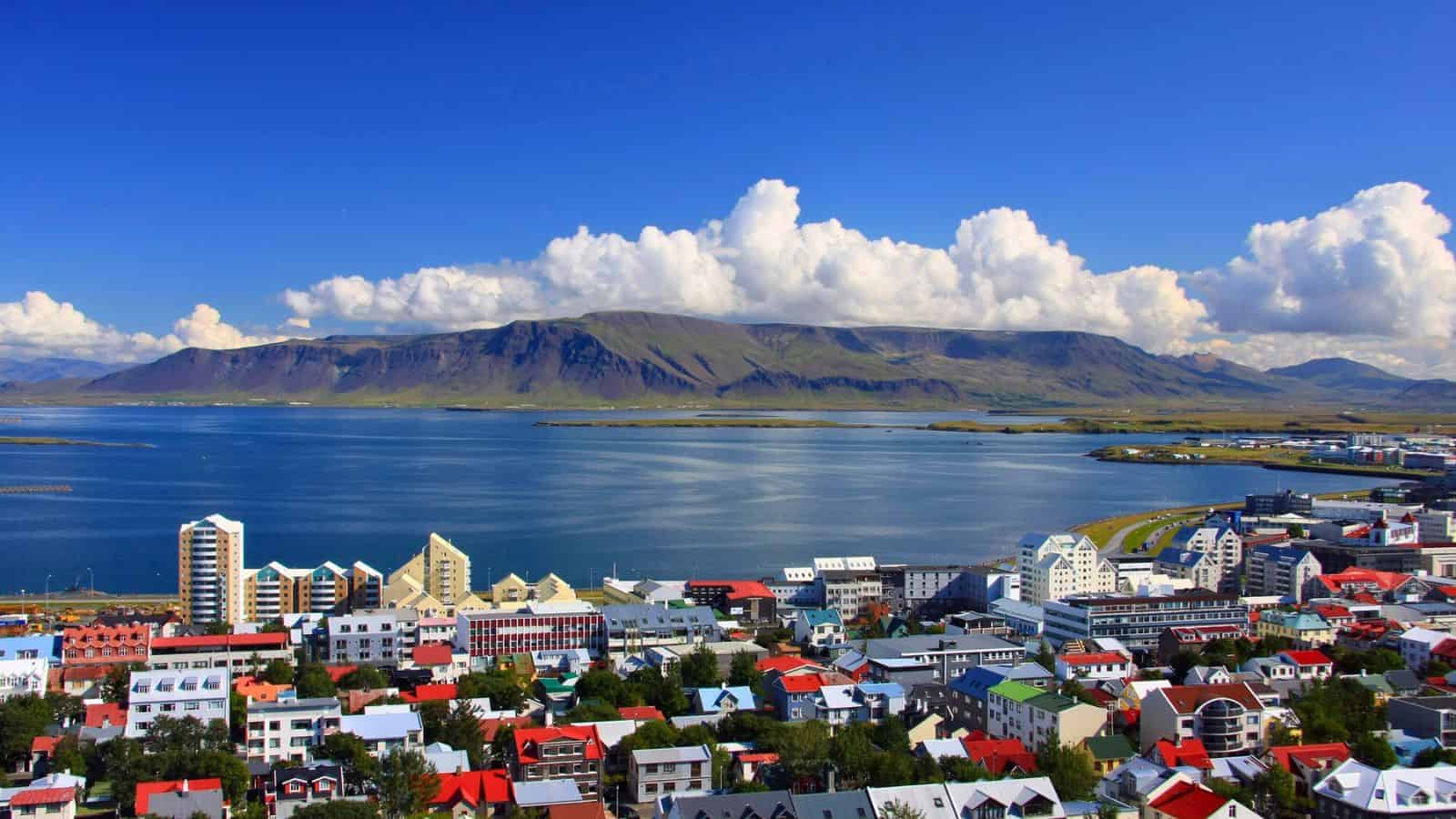
Iceland trips depend heavily on route planning. Booking accommodations far from key stops can lead to long driving days. Weather conditions may further extend travel times. A poorly placed hotel can limit how many sites are reachable in a day. Fuel costs and fatigue also increase with longer routes. Choosing accommodations that follow a logical travel path improves pacing and reduces risk.
Thailand

In Thailand, location determines access to transport and activities. Staying in a less connected area can limit access to ferries, tours, or city centers. Transfers between regions are not always frequent, and poor location choices increase travel time. Visitors who book without considering transport links often face delays and added costs. Choosing accommodation near main transit points or activity hubs improves flexibility.
London, United Kingdom

London’s size makes hotel location a key factor. Even with an extensive Underground system, staying far from central zones increases travel time. Multiple daily transfers can add up quickly. Areas with limited transport access may require longer walks or additional connections. A poorly located hotel reduces flexibility and increases commuting time. Staying near major Underground lines in central zones helps keep daily plans manageable.
9 Countries Where Spring Is an Ideal Time to Travel Abroad

Spring can change how a destination feels, often in ways travelers do not expect. This article features countries where spring is an ideal time to travel abroad, focusing on places where weather, crowd levels, and pricing create better conditions than other times of year. These factors can make trips easier to plan and more comfortable day to day.
Read More Here: 9 Countries Where Spring Is an Ideal Time to Travel Abroad
10 Visa Free European Countries That Make Last Minute Travel Easier

Last minute trips can fall apart quickly if paperwork gets in the way. This article features visa free European countries that make last minute travel easier, focusing on destinations where entry rules are simple and approvals are not required in advance for many travelers. Fewer formalities can make spontaneous plans feel more realistic.
Read More Here: 10 Visa Free European Countries That Make Last Minute Travel Easier




Leave a Reply