
Backpackers often move quickly from place to place, but some destinations pull them back more than once. This article features destinations that backpackers return to, focusing on places known for strong traveler networks, affordable stays, and routes that make long term travel easier. These spots tend to balance social energy with practical advantages.
Returning to a familiar destination can feel different the second time around. Deeper connections, better timing, and local knowledge often change the experience. Keep reading to see which destinations backpackers revisit and why they continue to hold a place on the map.

Thailand
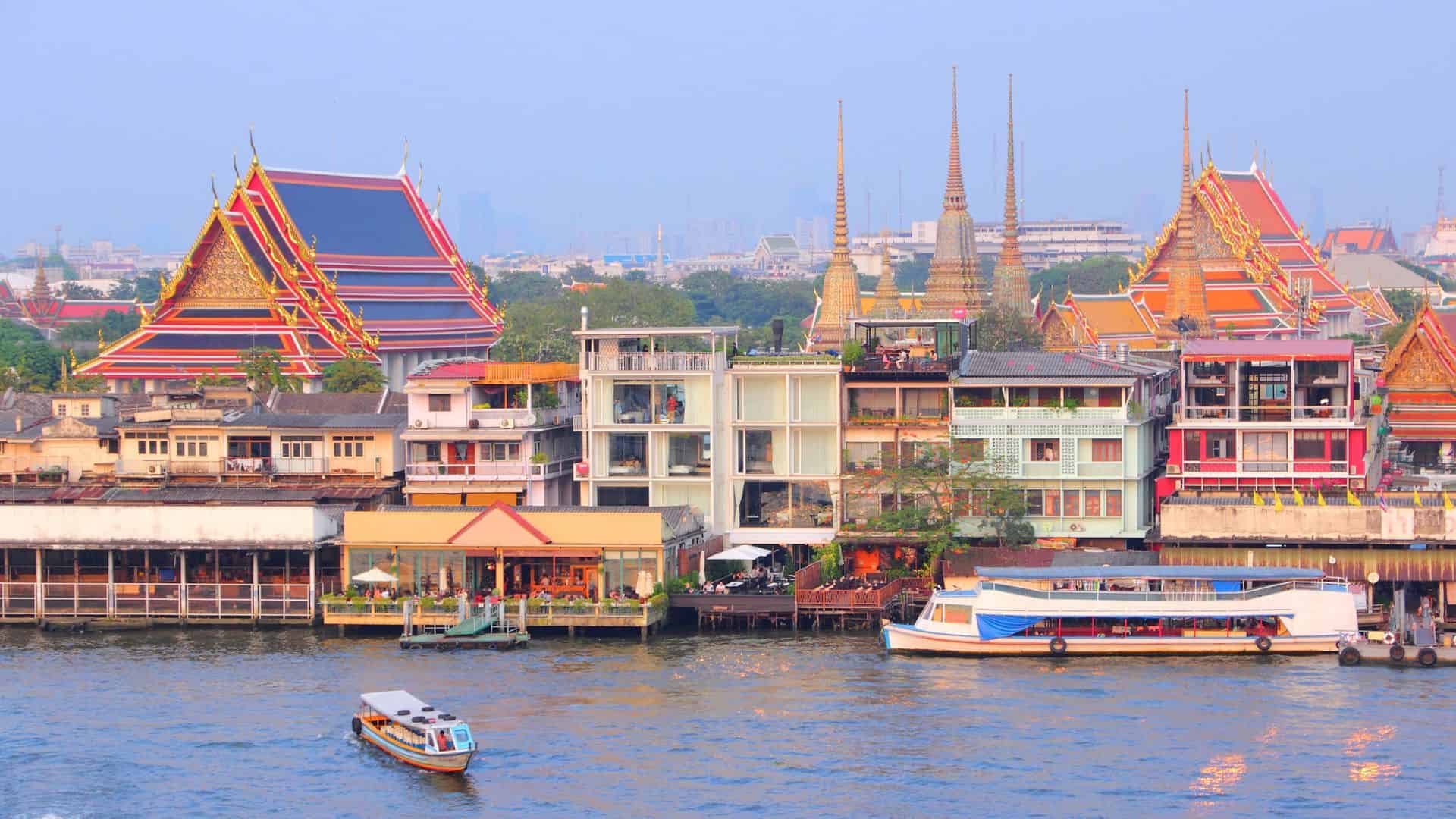
Thailand remains a magnet for backpackers thanks to its affordability, strong travel infrastructure, and balance of beaches, cities, and mountains. In the north, Chiang Mai draws long-term travelers with cooking classes, temples, and access to jungle treks. Bangkok offers street food, night markets, and easy transit connections. Southern islands like Koh Tao and Koh Lanta provide diving, hostels, and social energy. It’s also one of the easiest places for first-time backpackers to navigate, with clear transport routes and well-established guesthouse networks. Many return because it feels familiar yet still full of corners they haven’t explored.
Vietnam

Vietnam stretches long and narrow, which makes it ideal for slow, overland travel. Backpackers often start in Hanoi or Ho Chi Minh City and work their way through mountain towns, coastal hubs, and river deltas. Ha Long Bay, Sapa’s rice terraces, and lantern-lit Hoi An each offer distinct settings. Street food remains affordable and varied, and sleeper buses or trains connect the country efficiently. Vietnam rewards repeat visits because each region feels different, and travelers often return to spend more time in places they rushed through the first time.
Nepal

Nepal draws backpackers who want both cultural immersion and physical challenge. Kathmandu’s old quarters are layered with temples and markets, while Pokhara serves as a launch point for Himalayan treks. Routes like Annapurna and Everest Base Camp attract hikers from around the world. Tea houses along trekking paths make extended journeys accessible without heavy planning. Nepal’s appeal goes beyond mountains—there are monasteries, wildlife reserves, and rural villages that move at a slower rhythm. Many travelers return to attempt longer treks or to reconnect with communities they met on previous visits.
Mexico
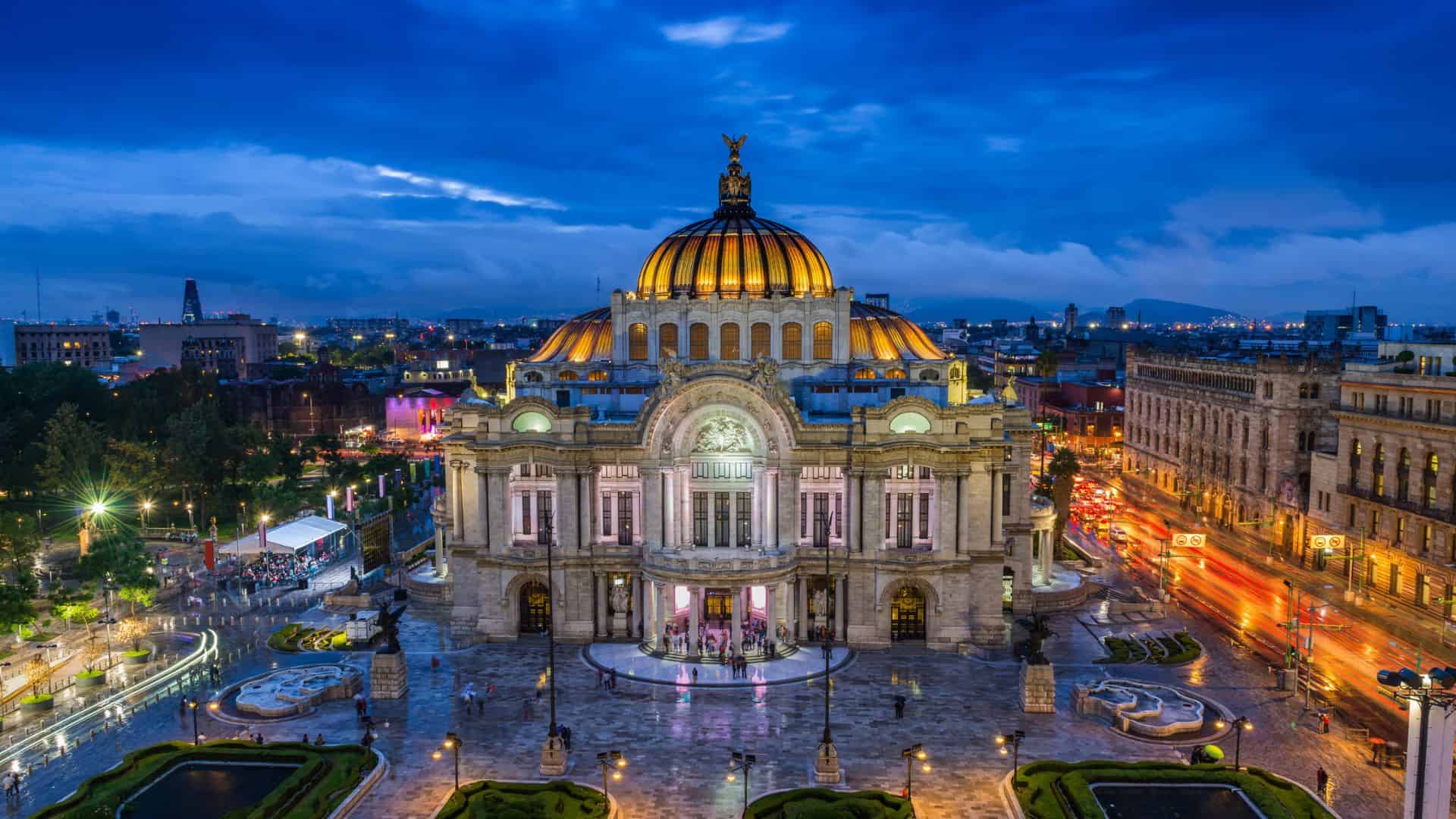
Mexico offers variety at nearly every turn. Backpackers can move between colonial cities, Caribbean beaches, mountain villages, and desert landscapes without crossing borders. Oaxaca attracts food lovers and artists, while San Cristóbal de las Casas feels rooted in highland traditions. The Yucatán Peninsula blends cenotes, Mayan ruins, and coastal hostels. Transportation is reliable, and regional bus systems make independent travel manageable. Mexico also benefits from proximity for North American travelers, making return trips easier. Many come back to explore states they skipped before or to revisit favorite towns that left a strong impression.
Portugal
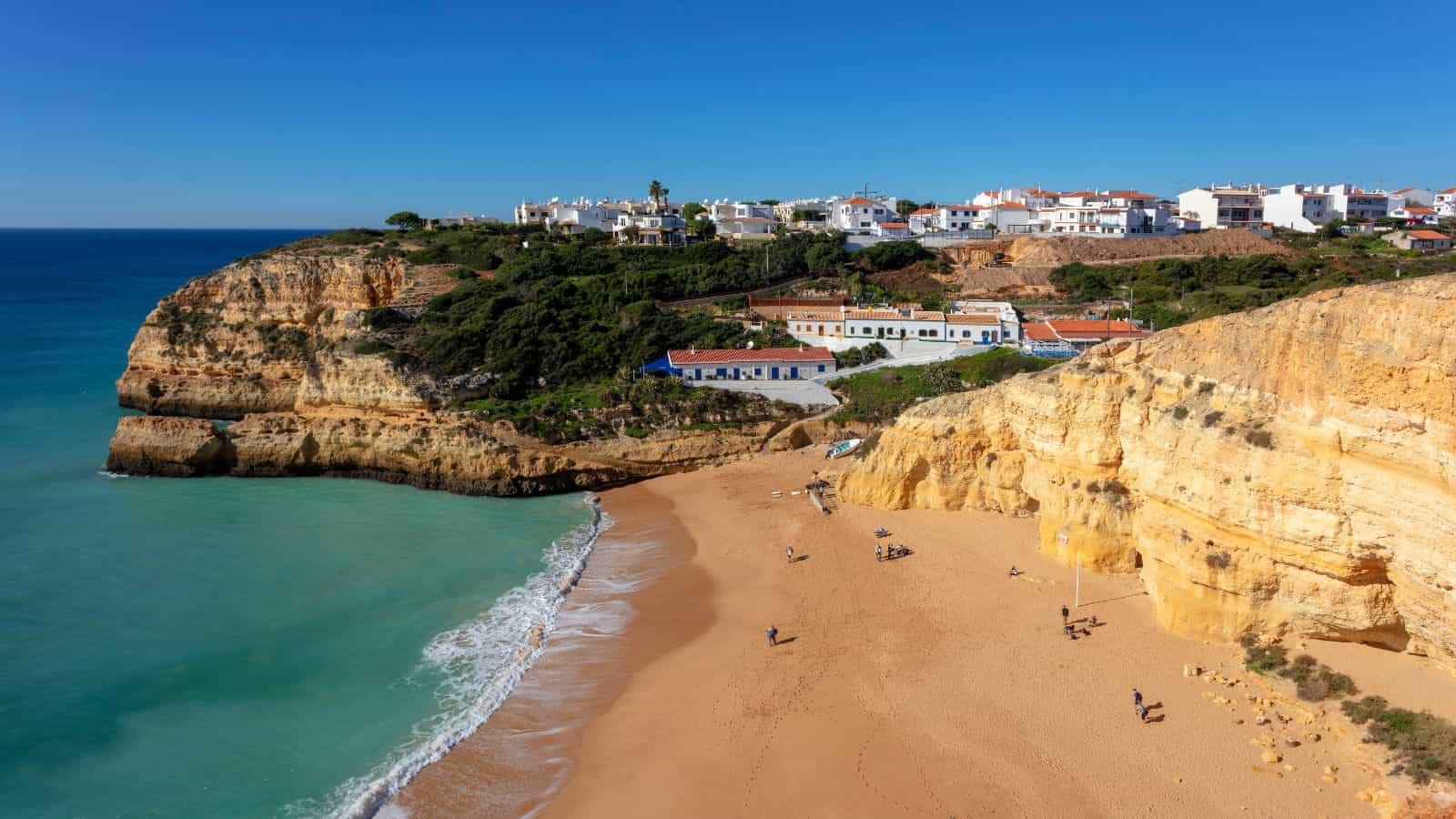
Portugal combines Atlantic coastlines, historic cities, and manageable distances in a way that suits backpack travel. Lisbon’s hills are filled with tiled facades and hostel culture, while Porto offers river views and slower evenings. The Algarve brings beaches and cliffside walks, and inland towns remain less crowded and more affordable. Trains and buses are straightforward, making it easy to plan flexible routes. Portugal’s pace feels relaxed compared to other Western European destinations, and prices often remain lower. Backpackers return because it offers familiarity, safety, and depth without overwhelming logistics.
Colombia

Colombia has steadily grown into one of Latin America’s most talked-about backpacker destinations. Medellín draws digital nomads and long-stay travelers with its mild climate and creative energy, while Cartagena offers colonial streets and Caribbean access. Coffee regions like Salento provide mountain hikes and farm stays, and the northern coast leads to Tayrona National Park’s jungle-backed beaches. Domestic flights and long-distance buses connect the country affordably. Many backpackers return because Colombia feels dynamic and evolving, with each region offering a distinct culture, landscape, and rhythm that rewards slower, repeated exploration.
Want to save this?
Indonesia

Indonesia stretches across thousands of islands, which means one trip rarely feels complete. Bali remains a hub for surfers, yogis, and remote workers, but beyond it lie places like Lombok, Flores, and Java’s volcanic landscapes. Backpackers hike Mount Bromo at sunrise, dive near Komodo, and explore rice fields and waterfalls tucked inland. Ferries and budget airlines make island hopping manageable with planning. The mix of spiritual traditions, nature, and social hostels creates a balance that appeals to different travel styles. Many return because there’s always another island or region left unexplored.
Peru
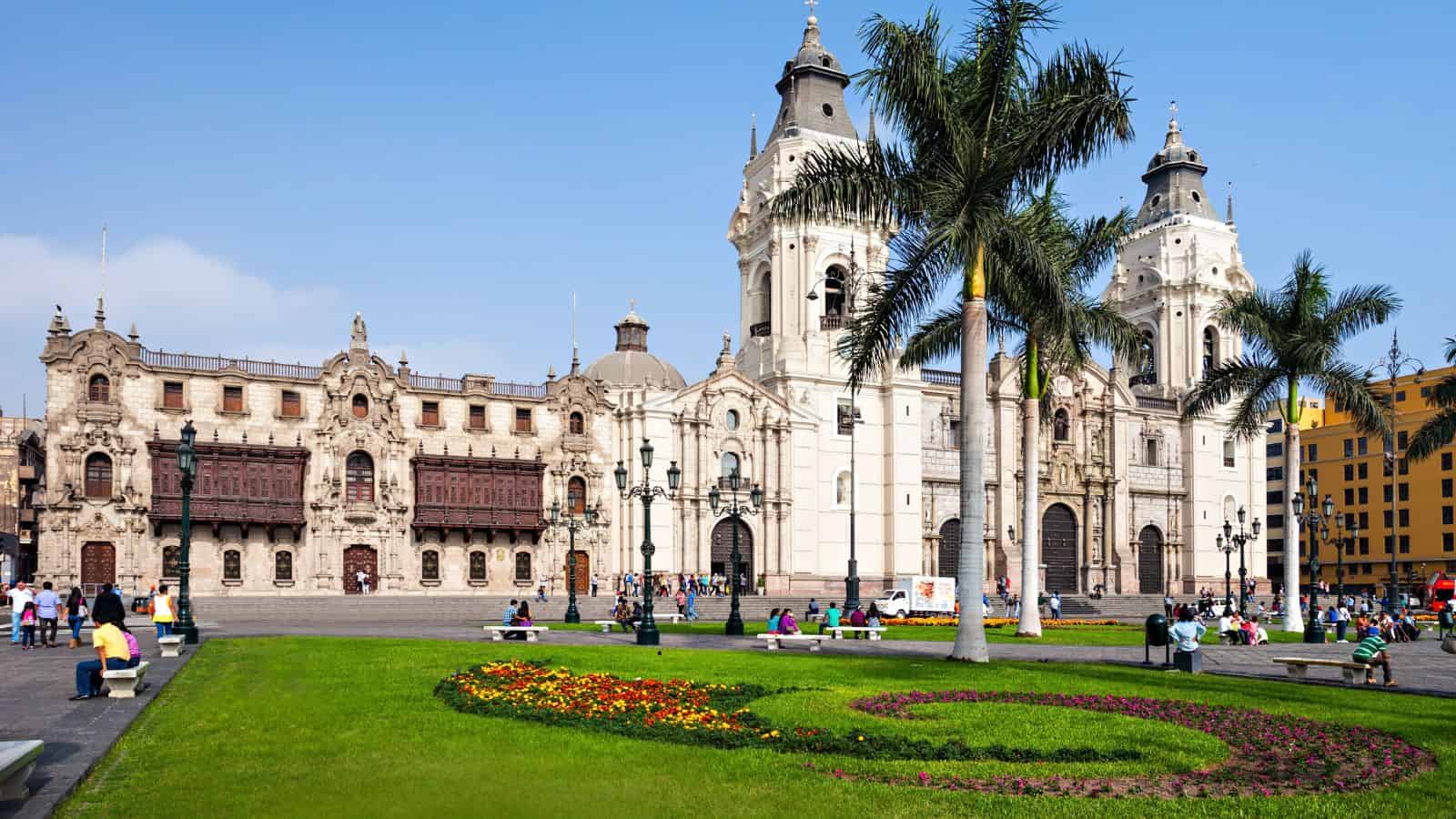
Peru attracts backpackers with its blend of archaeology, high-altitude trekking, and coastal cities. Cusco serves as the gateway to Machu Picchu, but travelers often extend their stays to explore the Sacred Valley and lesser-known Inca ruins. Lima offers a modern counterpoint with ocean views and neighborhoods full of cafés. In the south, Arequipa and Colca Canyon add dramatic scenery. Peru’s bus network supports long-distance travel on a budget, and each region feels culturally distinct. Backpackers frequently return to attempt different treks or spend more time in the Andes they rushed through before.
Georgia
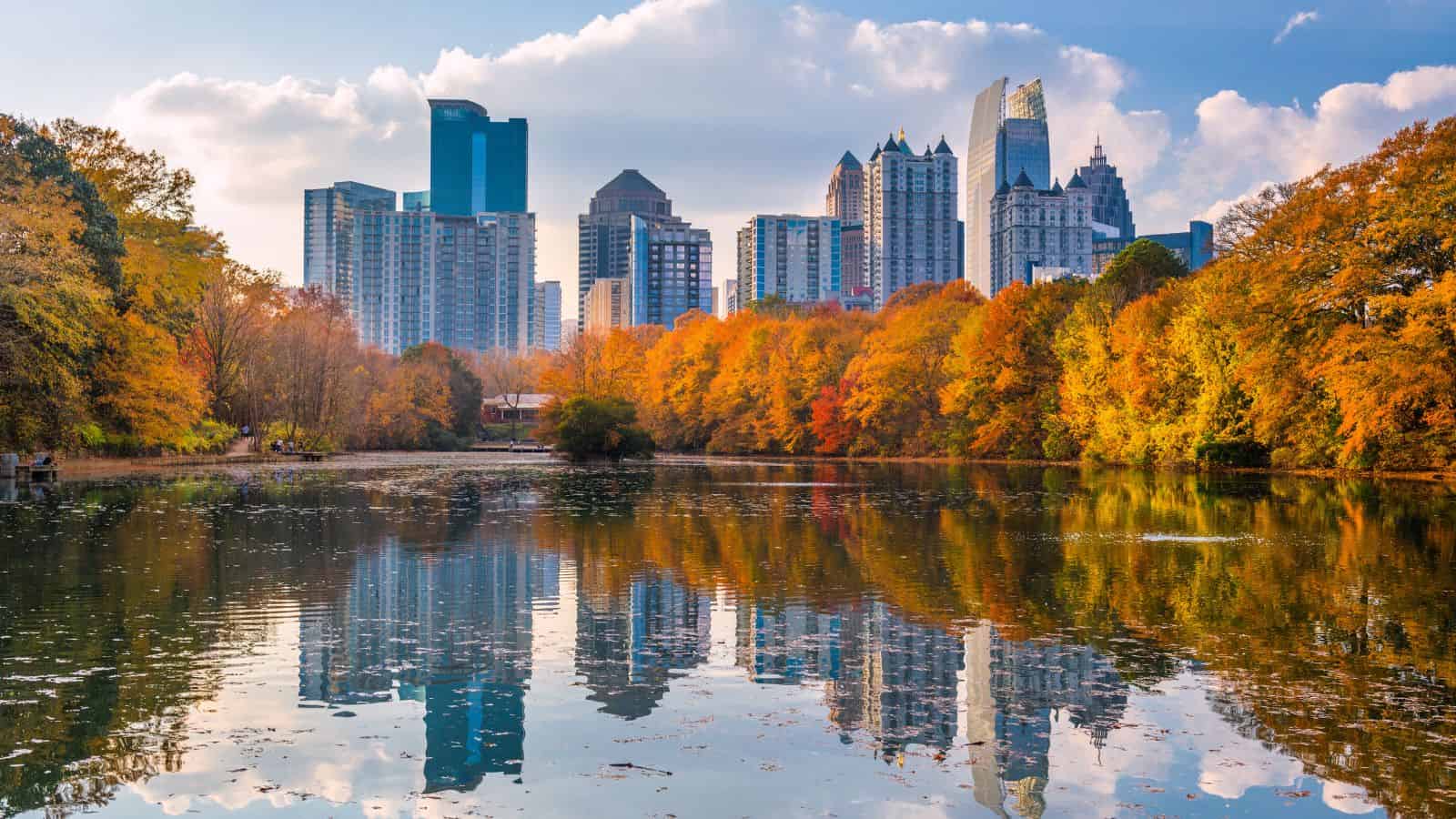
Georgia has become a favorite for backpackers looking for affordability and depth. Tbilisi’s old town mixes balconies, bathhouses, and hillside views, while the Caucasus Mountains provide hiking routes through villages like Mestia and Kazbegi. The country’s long visa-free stays for many nationalities make slow travel possible. Meals are generous, transport is inexpensive, and guesthouses often feel personal. From Black Sea coastlines to wine regions in Kakheti, the landscapes shift quickly over short distances. Backpackers return because Georgia feels welcoming, manageable, and rich with experiences that don’t require heavy spending.
Morocco

Morocco offers sensory variety that keeps backpackers curious. Marrakech’s markets contrast with the blue alleys of Chefchaouen, while the Sahara’s dunes feel worlds apart from Atlantic coastal towns like Essaouira. Budget riads and hostels make extended stays feasible, and trains connect major cities efficiently. Guided desert tours and mountain treks in the Atlas range add adventure without complex logistics. The mix of Arabic, Berber, and European influences creates layered cultural encounters. Many travelers return to explore regions they skipped or to revisit landscapes that felt too brief the first time.
10 Places Where Tourists Often Book the Wrong Area

Choosing where to stay can shape the entire trip. This article features places where tourists often book the wrong area, focusing on destinations where neighborhoods look close on a map but feel very different in reality. Being in the wrong spot can mean long commutes, limited food options, or missing the parts people hoped to experience.
Read More Here: 10 Places Where Tourists Often Book the Wrong Area
9 Countries Where First-Time Travelers Misjudge Distances

Distances can look short on a map but feel very different in real life. This article features countries where first-time travelers misjudge distances, focusing on places where geography, transportation speed, or road conditions make travel take far longer than expected. What seems like a quick hop often turns into a full travel day.
Read More Here: 9 Countries Where First-Time Travelers Misjudge Distances



Leave a Reply