
Not every trip goes according to plan, especially in places where conditions shift quickly. This article features countries where plans fall apart without flexibility, focusing on destinations where transportation delays, changing schedules, or local systems require travelers to adjust often. Rigid itineraries can quickly become stressful in these environments.
Building flexibility into a trip can make the experience smoother and more manageable. Leaving room for changes can help avoid frustration when things do not go as expected. Keep reading to see which countries made the list and why adaptability matters more in these destinations.

Iceland

Iceland trips often depend on weather, and conditions can shift quickly. Road closures, strong winds, and sudden storms can disrupt driving routes, especially along the Ring Road. Travelers who follow a rigid itinerary may find themselves unable to reach planned stops. Daylight hours also vary widely by season, affecting how much can be seen in a day. Those who build extra time into their plans and stay open to route changes usually have a smoother experience.
Thailand

Thailand travel often involves multiple transfers between cities and islands. Ferries, domestic flights, and road transport can be affected by weather, demand, or schedule changes. Delays are not uncommon, especially during peak travel periods. Travelers with tightly packed itineraries may find connections difficult to manage. Allowing buffer time between transfers and limiting the number of stops helps reduce disruptions.
Italy
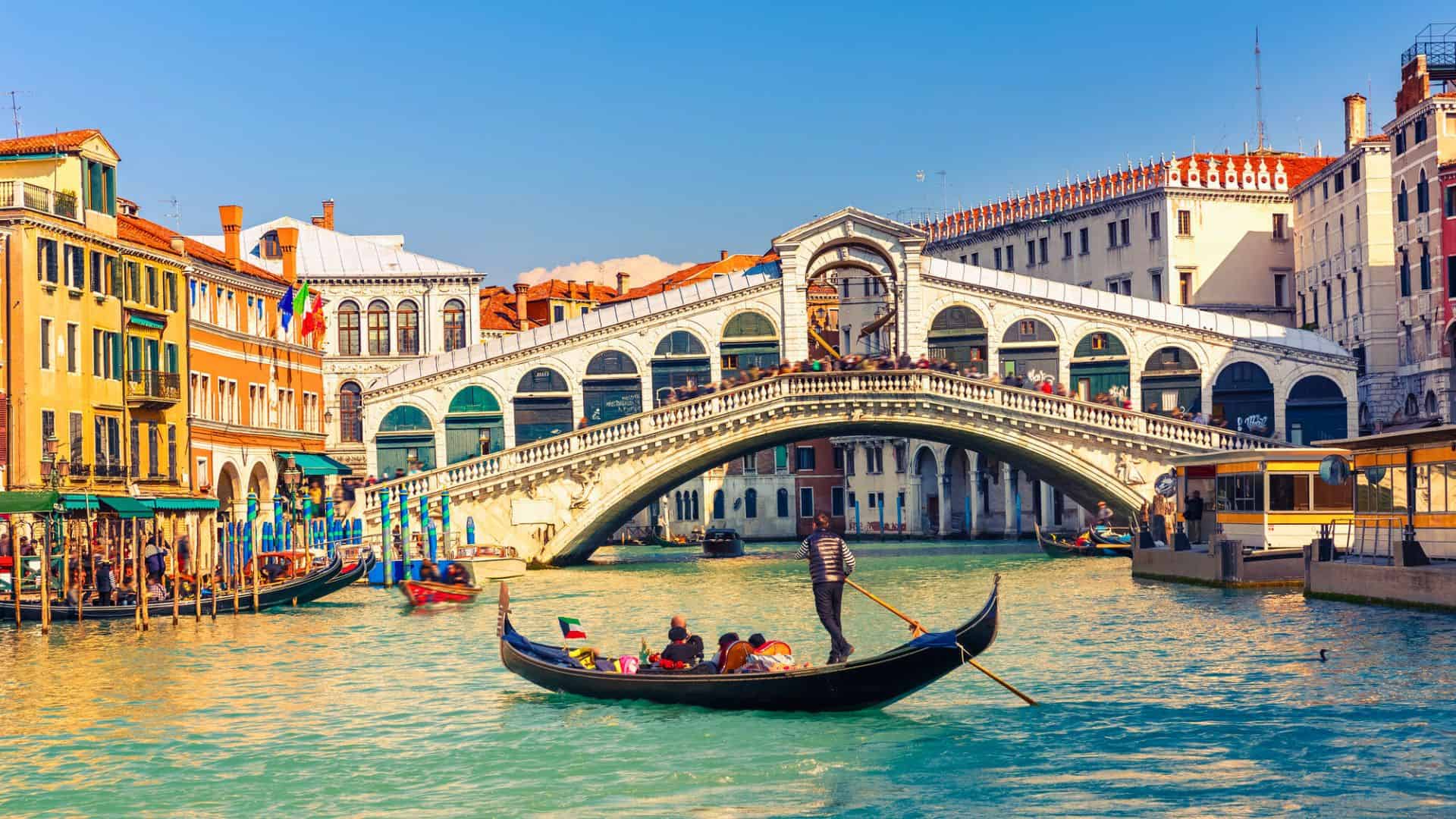
Italy’s transport system is extensive, but delays and schedule changes can occur. Train strikes, local closures, and seasonal crowding may affect travel plans. Attractions often require timed entry, and missing a slot can disrupt the day’s schedule. Travelers who plan every hour in advance may find it difficult to adjust. Building flexibility into reservations and allowing extra time between activities helps maintain a smoother pace.
Peru

Peru’s geography introduces challenges related to altitude, weather, and transport. Flights to regions like Cusco may be delayed due to weather conditions. High-altitude locations can also require adjustment time, affecting daily plans. Roads and rail routes to major sites may experience disruptions. Travelers who schedule tightly packed itineraries may struggle to adapt. Allowing extra days for acclimatization and transport changes improves overall trip flow.
Indonesia
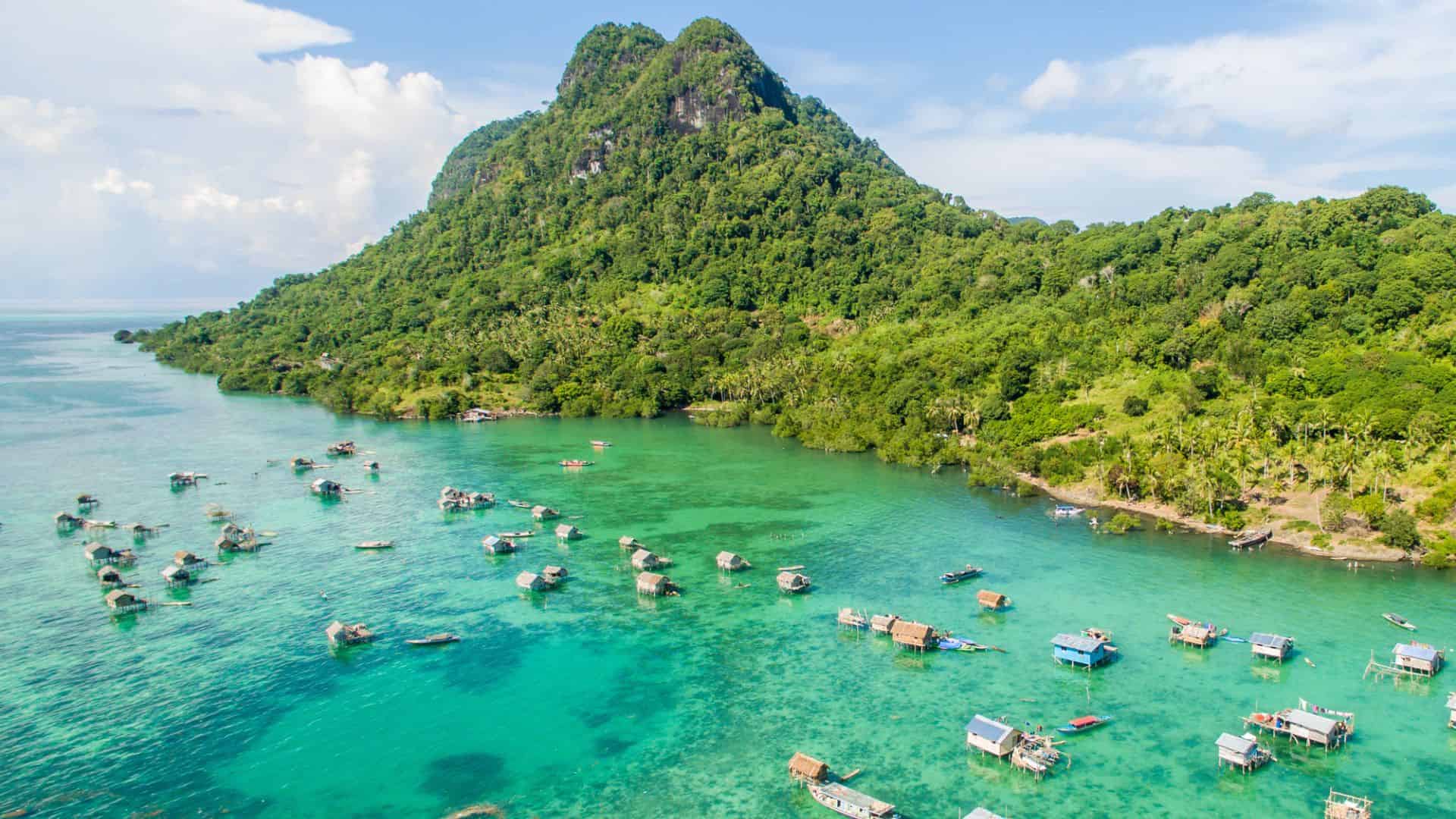
Indonesia’s island geography makes travel dependent on flights, ferries, and local transport. Schedules can change due to weather or operational factors. Moving between islands often takes longer than expected. Travelers who plan multiple short stays may spend more time in transit than intended. Keeping itineraries simple and allowing extra time between transfers helps reduce stress.
Want to save this?
Greece
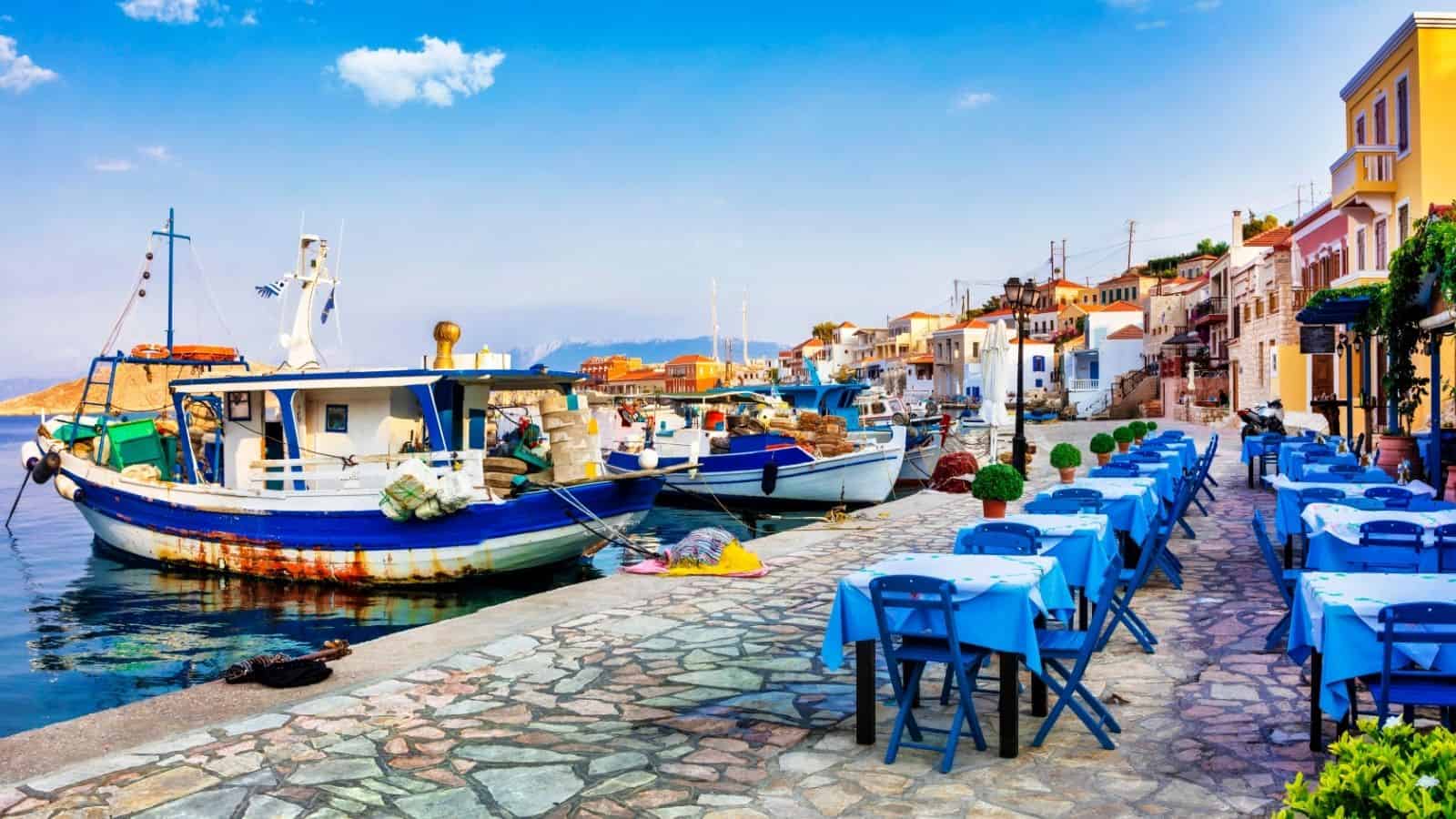
Greece’s islands are connected by ferry networks that vary by season and weather conditions. Wind and sea conditions can delay or cancel routes. Travelers who rely on tight connections may miss onward travel plans. Accommodation availability can also shift during peak months. Building flexibility into ferry schedules and allowing extra nights on key islands helps prevent disruptions.
Japan

Japan is known for reliable transport, but peak travel periods and weather events can still affect plans. Typhoons, seasonal crowds, and fully booked trains can limit availability. Travelers who do not reserve key routes in advance may face limited options. At the same time, overplanning every detail can reduce flexibility when conditions change. Balancing reservations with open time blocks allows for smoother adjustments.
Morocco

Morocco’s travel routes often involve long drives between cities and regions. Road conditions, traffic, and weather can affect travel times. Desert excursions and mountain routes are particularly dependent on conditions. Travelers who schedule back-to-back activities may find delays difficult to manage. Allowing extra time between destinations and keeping plans adaptable helps maintain a steady pace.
Australia
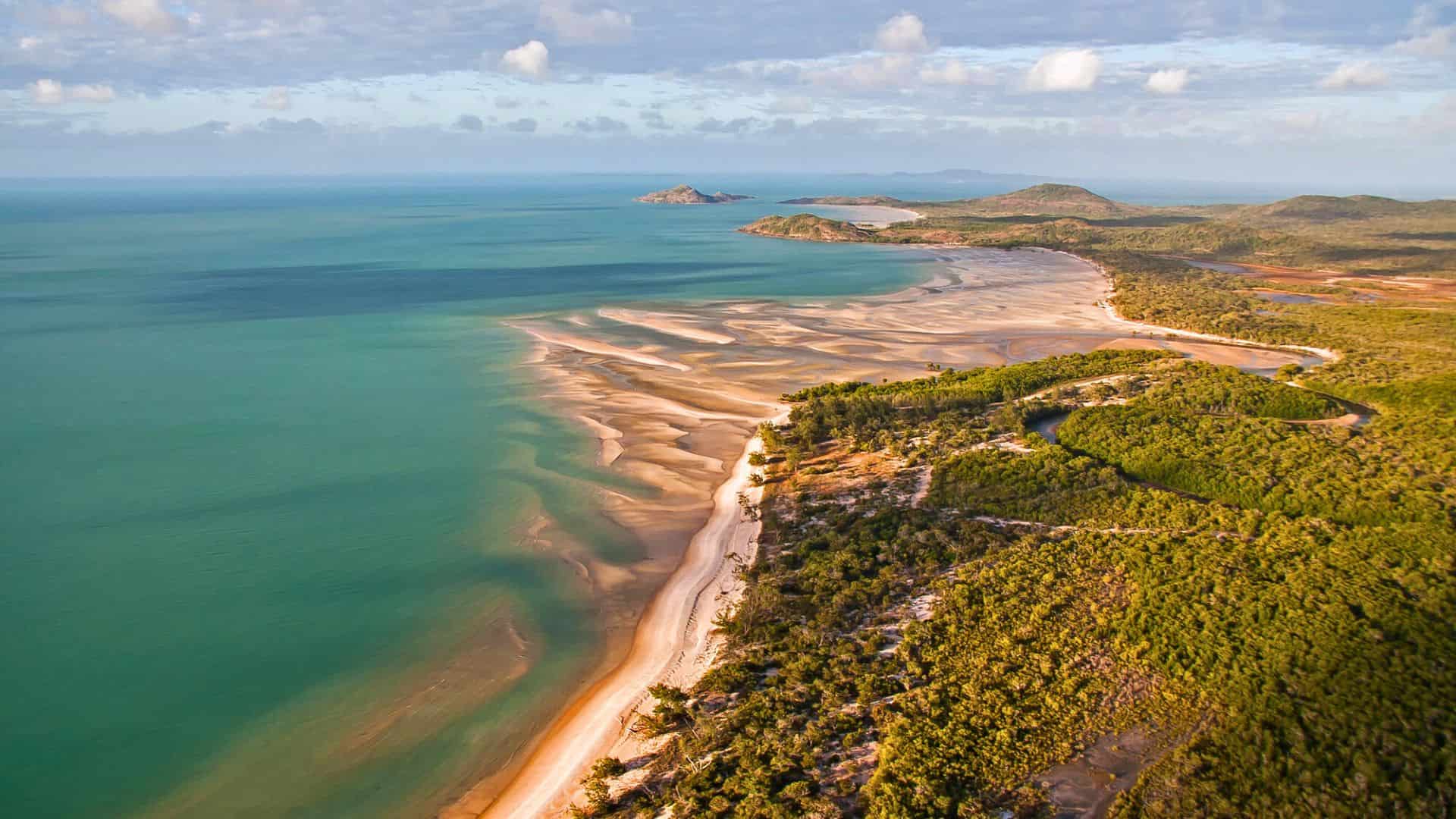
Australia’s size means travel between destinations often involves long distances. Flights, road trips, and regional connections require careful timing. Weather conditions such as heat or storms can affect plans, particularly in remote areas. Travelers who attempt to cover too many regions in a short time may face delays and fatigue. Focusing on one area at a time and allowing buffer days helps keep the trip manageable.
13 Amazing Places Where Your Passport Is All You Need

Tired of handling too much travel documents? Travel doesn’t always need to come with a long list of visa requirements and paperwork. These 13 amazing places where your passport is all you need make spontaneous getaways a lot easier. From tropical islands to culture-rich cities, these destinations welcome travelers without the extra red tape.
Read More Here: 13 Amazing Places Where Your Passport Is All You Need
9 Things Visitors Find Confusing About Train Travel in Europe

Train travel in Europe sounds simple, but many visitors are surprised once they start using it. Here are common points of confusion, from tickets and platforms to schedules that work differently than expected. These details often catch travelers off guard, especially those used to driving or flying.
Read More Here: 9 Things Visitors Find Confusing About Train Travel in Europe



Leave a Reply