
How you start the day can shape everything that follows. This article features countries where morning planning matters more than nightlife, focusing on destinations where early starts, limited hours, or daily schedules make mornings more important than late evenings. Waiting too long to begin the day can mean missing key experiences or dealing with crowds.
Understanding how daily timing works in these countries can help travelers plan more effectively. Prioritizing mornings can lead to smoother days and better access. Keep reading to see which countries made the list and why starting early makes such a difference.

Japan
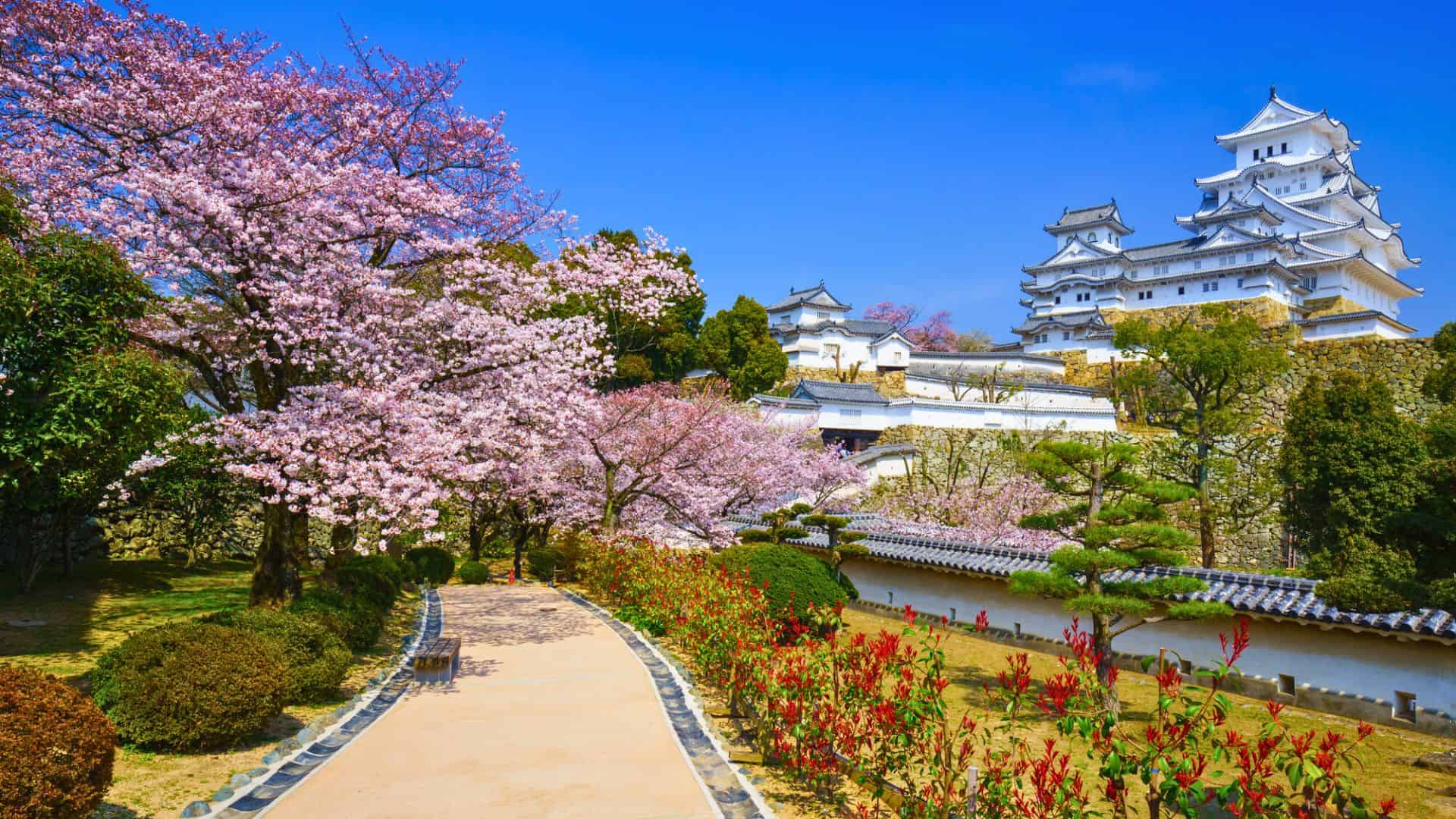
Many travelers associate Japan with busy cities and late evenings, but daily planning often depends on early starts. Popular sites such as temples, gardens, and markets are best visited in the morning before tour groups arrive. Public transportation runs efficiently all day, but peak-hour congestion can slow movement later on. Some restaurants and attractions also operate on structured schedules that favor earlier visits. Waiting until midday often means longer lines and reduced access to quieter spaces. Starting the day early helps avoid crowds and makes it easier to move between districts efficiently.
Italy
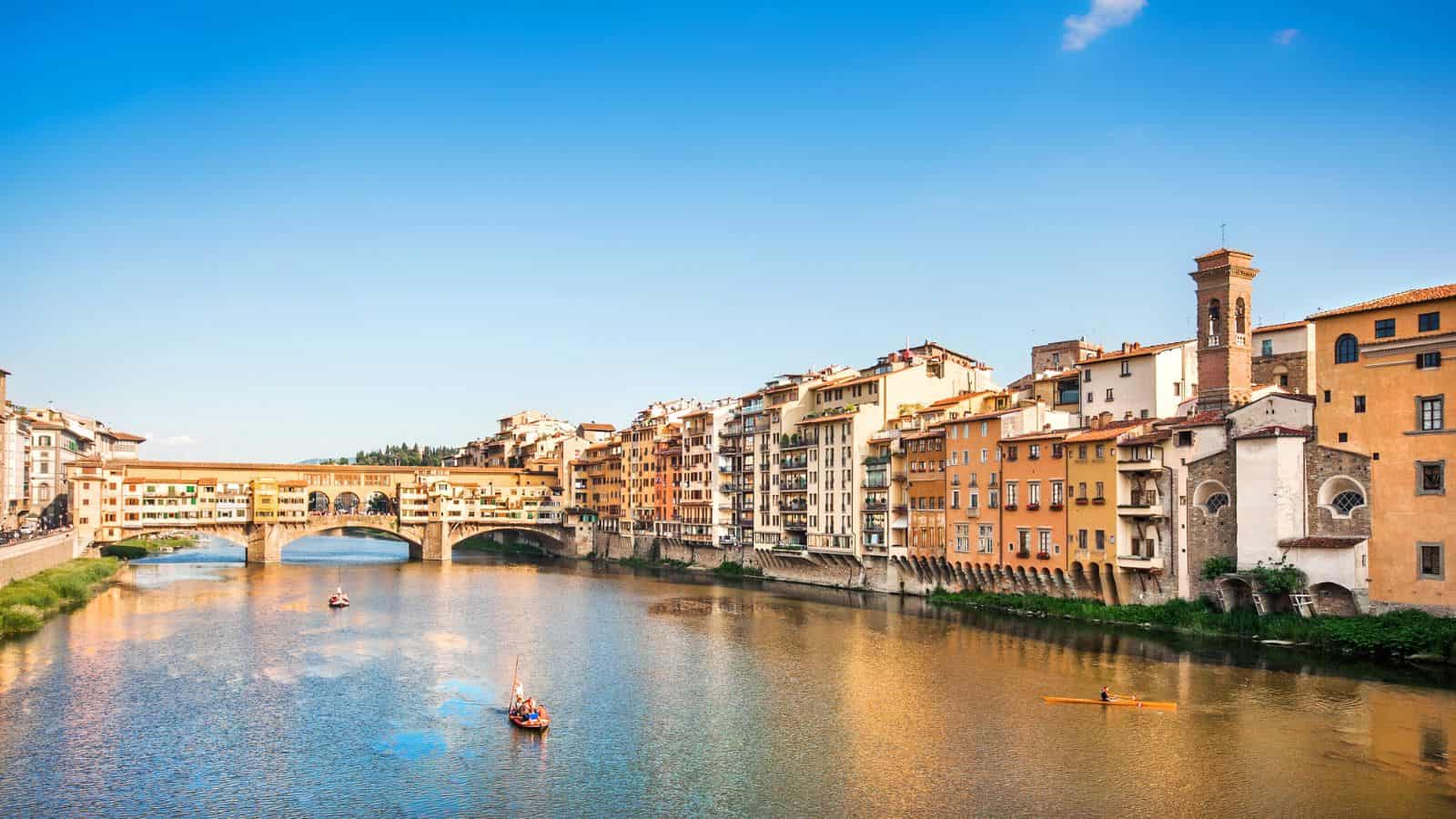
Italy’s major attractions often involve timed entry systems and long queues. Museums, historic sites, and churches are significantly easier to access in the morning. By midday, lines can extend well beyond scheduled entry times, especially during peak travel months. Afternoon closures in smaller towns can also disrupt plans. Travelers who delay their day may spend more time waiting than exploring. Planning early reservations and starting the day before crowds build allows for more efficient use of time across multiple sites.
Peru

Peru’s most visited sites, including high-altitude destinations, are best approached early in the day. Weather conditions in mountainous regions often shift by afternoon, with clouds or rain reducing visibility. Transport schedules to major sites may also be limited. Visitors who arrive later risk missing optimal conditions and facing tighter time windows. Early departures improve access, allow for steadier pacing at altitude, and reduce the risk of delays caused by changing weather patterns.
Thailand

Thailand’s climate plays a major role in daily planning. Temperatures and humidity rise quickly by midday, making outdoor sightseeing more demanding. Markets, temples, and walking routes are easier to navigate in the early hours. By afternoon, heat and crowd levels increase simultaneously. Many travelers who start late end up cutting activities short or relying on taxis more frequently. Beginning the day early allows for more comfortable movement and reduces the impact of peak heat.
Iceland
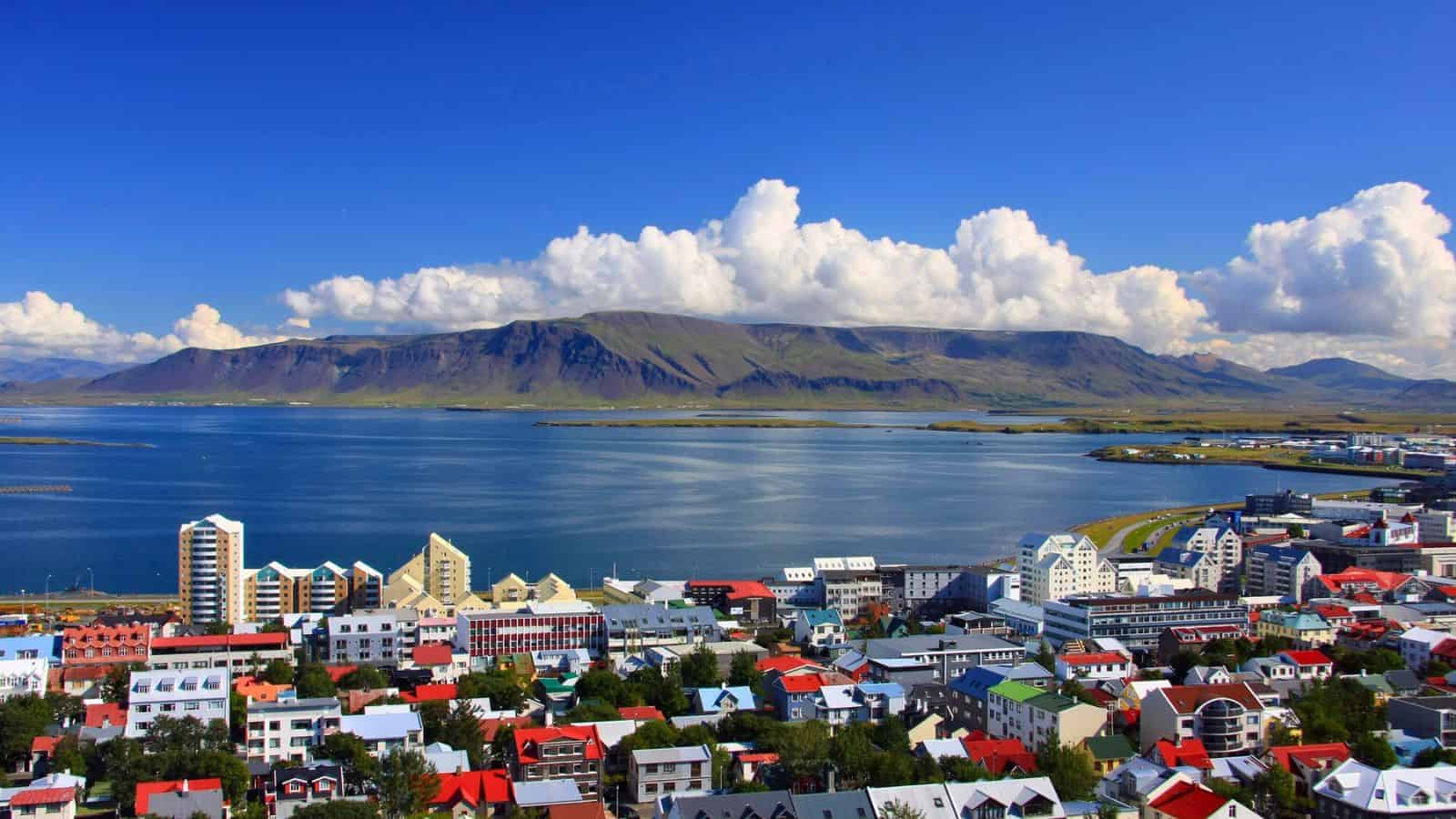
Iceland’s natural attractions are spread across large distances, and daylight hours vary significantly by season. Starting late can limit how many sites are realistically reachable in a single day. Popular routes such as the Golden Circle become crowded by midday, increasing travel time between stops. Weather conditions can also shift quickly, affecting road safety. Early departures provide more flexibility, better lighting conditions for viewing landscapes, and a buffer for unexpected delays.
Want to save this?
France
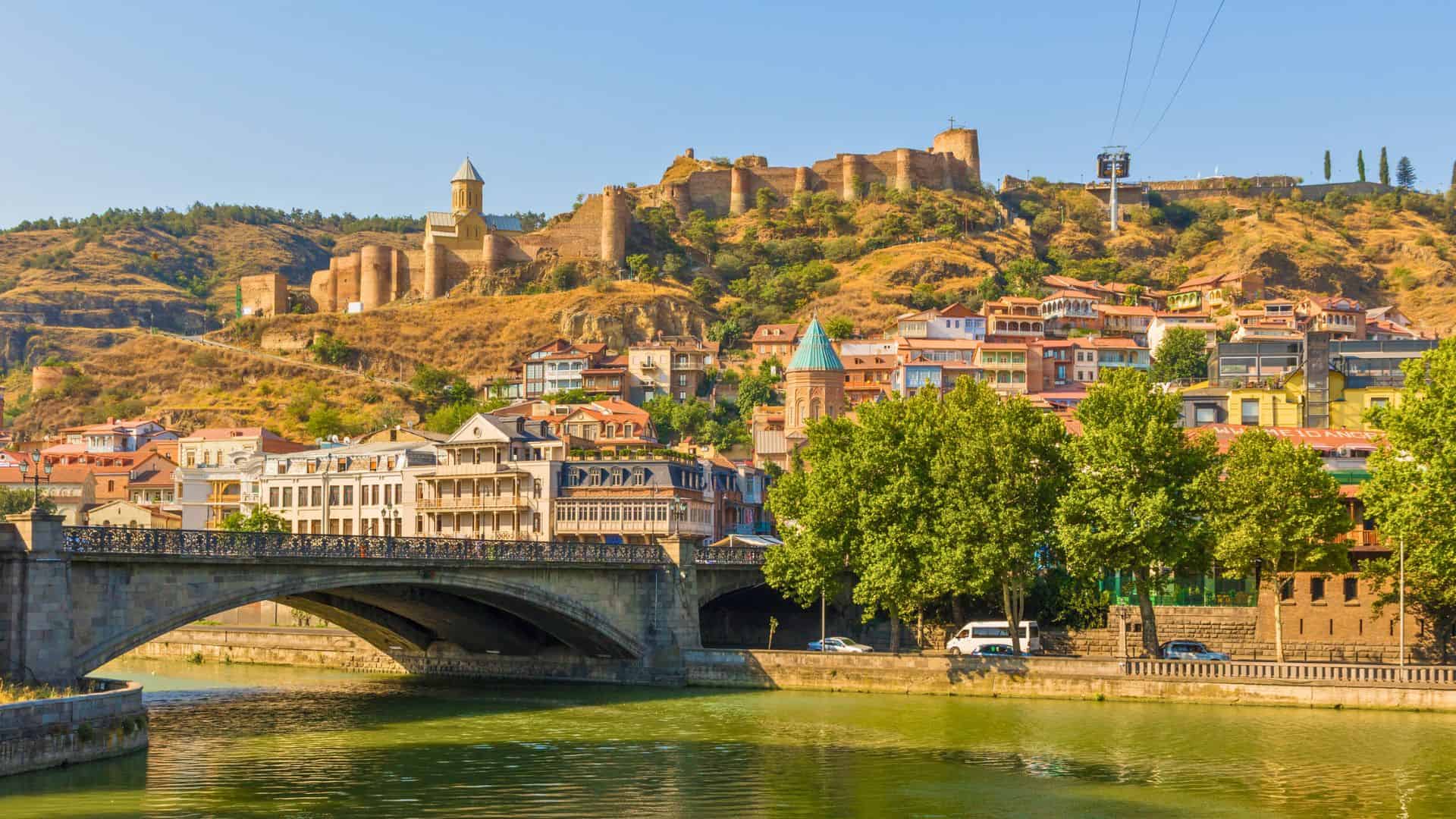
In France, major museums and landmarks are busiest from late morning through mid-afternoon. Timed entry tickets often sell out in advance, and walk-up lines can be long. Starting later in the day increases the likelihood of limited access or extended waiting times. Markets and bakeries also operate most actively in the morning. Travelers who begin early can complete key visits before peak hours and use the afternoon for slower-paced activities.
Egypt

Egypt’s historical sites are exposed and often require extended time outdoors. Temperatures rise quickly during the day, particularly in desert regions. Visiting early reduces exposure to heat and allows for a more manageable pace. Tour schedules also tend to concentrate arrivals later in the morning, increasing crowd density. Travelers who begin early often experience shorter wait times and better conditions for exploring large archaeological sites.
Australia

In Australia, distances between attractions can be significant, especially outside major cities. Starting late reduces the number of locations that can be reached in a day. National parks and coastal drives are best experienced with full daylight. Weather conditions, including heat in certain regions, can also affect afternoon plans. Early departures allow for longer travel windows and more flexibility when covering large areas.
Spain

Spain is often associated with late evenings, but sightseeing logistics favor early planning. Major attractions require advance booking, and entry times are often scheduled in the morning. Midday crowds and heat can slow movement between sites. While evenings are active socially, key landmarks are easier to access earlier in the day. Travelers who balance early sightseeing with later dining schedules tend to manage time more effectively.
9 Things You Should Prepare Before Visiting the United States

Traveling to the United States can feel straightforward, but a few details can catch visitors off guard. This article features things you should prepare before visiting the United States, focusing on entry requirements, daily logistics, and practical habits that help trips run smoothly. Small oversights can lead to delays or added stress once you arrive.
Read More Here: 9 Things You Should Prepare Before Visiting the United States
10 U.S. Cities Sitting on Fault Lines Experts Say Could Shift Anytime

Some cities sit in places where the ground itself is not as stable as it seems. This article features U.S. cities sitting on fault lines experts say could shift anytime, focusing on locations where seismic activity remains a real concern based on geological data and historical patterns. These areas may feel normal day to day, but the risk beneath the surface is always present.
Read More Here: 10 U.S. Cities Sitting on Fault Lines Experts Say Could Shift Anytime



Leave a Reply