Distances can look short on a map but feel very different in real life. This article features countries where first-time travelers misjudge distances, focusing on places where geography, transportation speed, or road conditions make travel take far longer than expected. What seems like a quick hop often turns into a full travel day.
Understanding how distance really works in these countries can help set more realistic plans. Better timing choices can reduce stress and prevent rushed schedules. Keep reading to see which countries made the list and why estimating travel time there trips up so many first-time visitors.

Australia

Australia looks manageable on a map until travelers start moving. Cities feel spread out, and driving between destinations often takes far longer than expected. First-time visitors commonly underestimate how vast the country is and how empty many stretches can be. What appears to be a short drive may involve hours of highway with few services. Domestic flights are frequent, but connections still eat into travel days. Australia rewards regional focus. Burnout happens when travelers try to combine too many cities or landscapes in one trip without accounting for sheer scale.
Canada

Canada’s size surprises travelers who assume distances mirror those in Europe. Provinces are enormous, and driving between major destinations often takes full days. Weather, road conditions, and limited services in rural areas slow progress further. First-time visitors frequently overestimate how much they can see in one trip, especially outside major cities. Even train and flight connections require planning around long travel times. Canada works best when explored in regions, not cross-country routes. Distance becomes exhausting when travelers underestimate how much time is spent simply getting from place to place.
United States
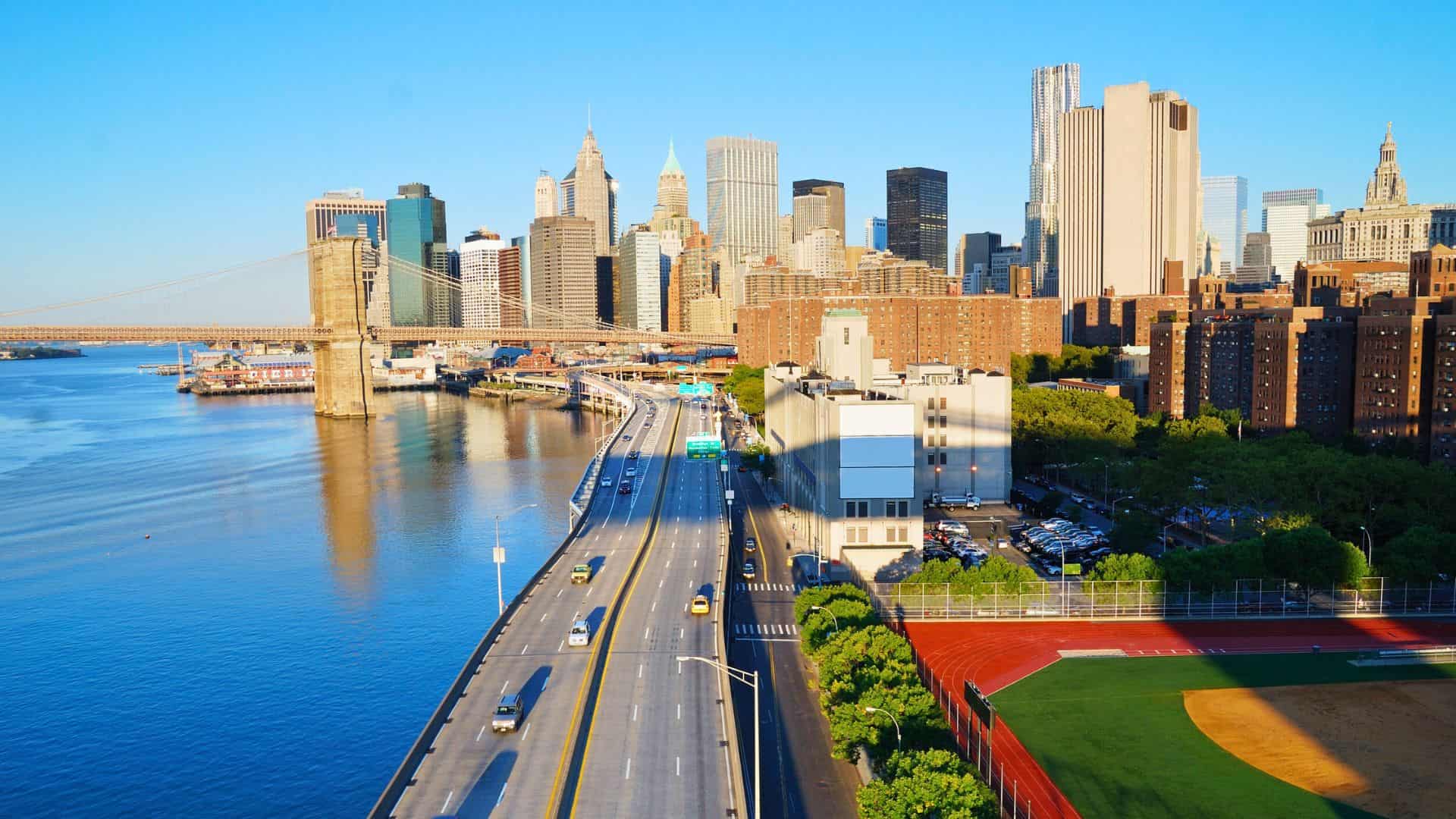
The United States often looks straightforward because of its familiar infrastructure, but distances add up quickly. First-time travelers underestimate how long it takes to move between states or regions, especially when driving. Traffic, weather, and urban sprawl extend travel times beyond expectations. Many visitors try to combine multiple cities or national parks in one trip, not realizing how much time disappears on highways or in airports. The U.S. rewards selective itineraries. Burnout happens when travelers plan by map distance instead of actual travel hours.
Argentina

Argentina’s length makes distance its biggest surprise. The country stretches dramatically north to south, and moving between regions often requires flights rather than drives. Patagonia alone covers massive territory, with long travel days between towns. First-time visitors often assume they can combine Buenos Aires, wine country, and southern landscapes easily. In reality, travel days dominate the itinerary. Buses are long-haul, flights limited, and weather adds unpredictability. Argentina works best when travelers choose one or two regions. Distance becomes exhausting when underestimated.
Chile

Chile’s narrow shape hides how far apart destinations really are. Travelers see it as a thin country and assume movement is simple. In practice, distances between the Atacama Desert, Santiago, and Patagonia are immense. Flights are common, but connections still consume time and energy. Driving is often unrealistic for multi-region trips. First-time visitors frequently overpack itineraries, thinking they can see the whole country in one visit. Chile rewards focused planning. Distance becomes the biggest drain when travelers underestimate how much ground they are trying to cover.
Want to save this?
South Africa

South Africa often looks compact to first-time visitors, but distances between highlights add up quickly. Travelers frequently try to combine Cape Town, the Garden Route, safari parks, and major cities in one trip, underestimating driving times. Roads are generally good, but routes are long, and wildlife reserves are often far from urban centers. Traffic near cities and slow travel through rural areas stretch days unexpectedly. South Africa rewards regional focus. Distance becomes draining when travelers assume they can move between experiences as easily as they do within cities.
Japan
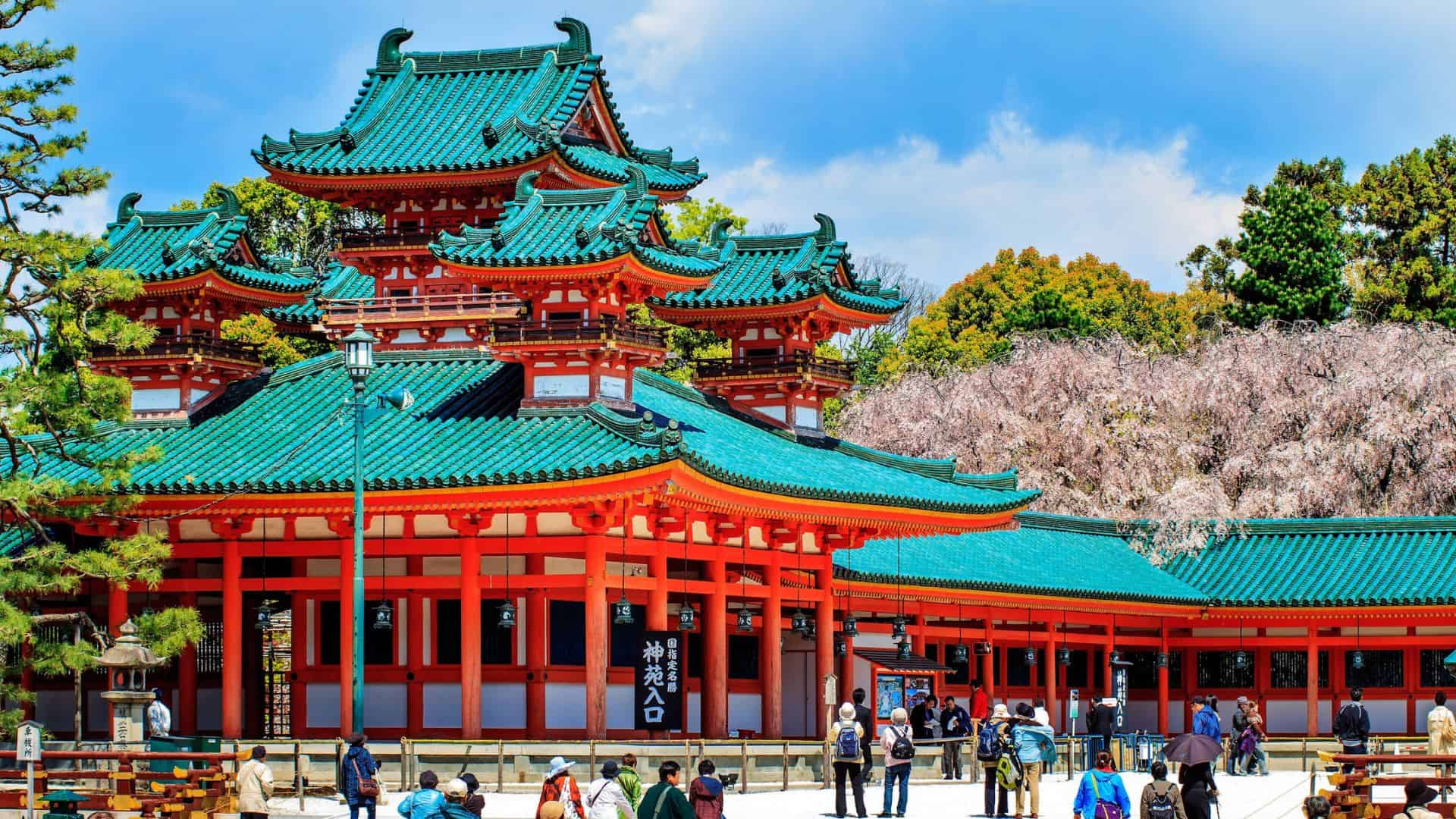
Japan’s efficient transportation hides how far places actually are. First-time travelers assume high-speed trains make everything close, then realize how much time transfers, station navigation, and packed itineraries consume. Moving between regions like Tokyo, Kyoto, and rural areas can take most of a day once door-to-door time is considered. Japan also encourages frequent neighborhood hopping, which adds to fatigue. Distance feels smaller on paper than in practice. Japan works best when travelers slow down and stay longer in fewer places instead of constantly relocating.
Norway
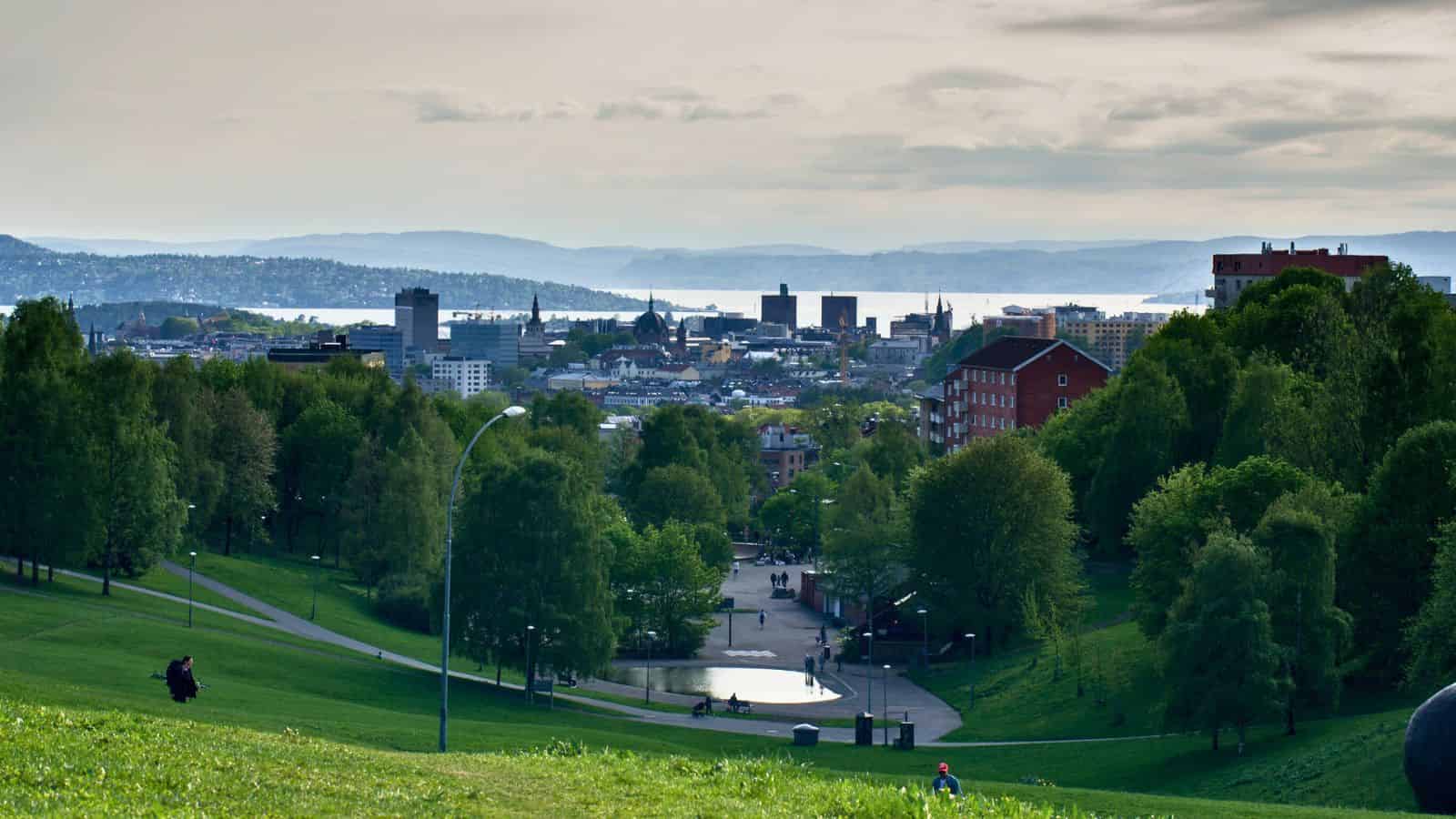
Norway’s geography makes distance deceptive. Fjords, mountains, and ferries stretch travel times far beyond what maps suggest. A short straight-line distance may involve hours of winding roads or boat crossings. First-time visitors often underestimate how slow scenic routes can be. Weather and seasonal daylight further affect pacing. Norway rewards patience and realistic expectations. Distance becomes exhausting when travelers assume they can see multiple regions quickly. Fewer stops and longer stays usually lead to a better experience.
Scotland
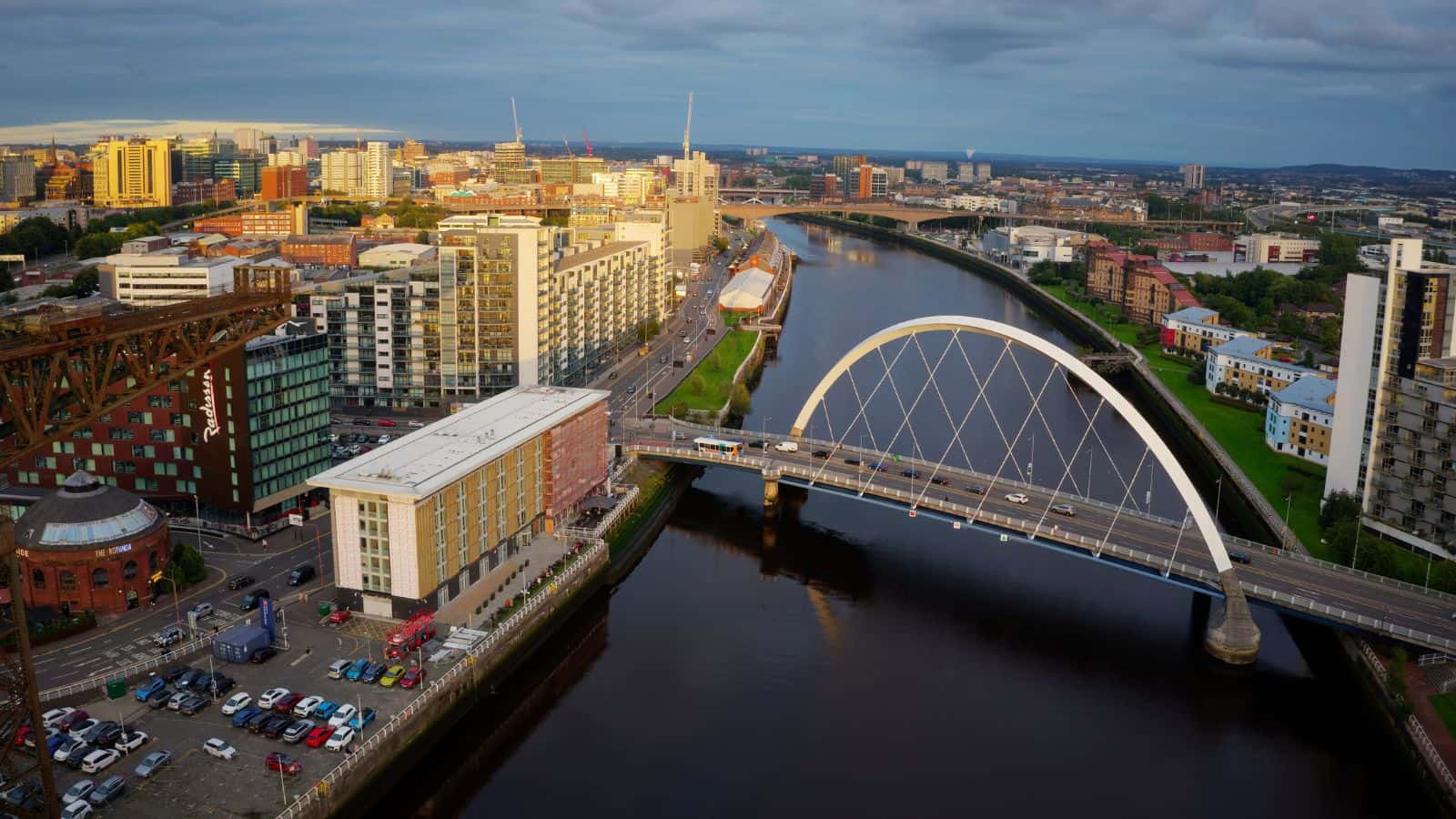
Scotland surprises travelers with how long short distances can take. Narrow roads, single-track routes, and frequent stops slow progress, especially in the Highlands and islands. First-time visitors often plan ambitious driving days without accounting for weather, livestock, or road conditions. Scenic routes invite stops that stretch schedules further. Scotland works best when travelers allow extra time between destinations. Distance feels heavier when underestimated, turning what should be relaxed travel into constant catching up.
12 Stunning Lake Towns in the U.S. That Are Perfect for Year-Round Living

Lake visits are always trips to look forward to, imagine living near one! Living near the water can be a dream come true, and there are 12 stunning lake towns in the U.S. that are perfect for year-round living. These towns offer breathtaking views, a strong sense of community, and plenty of outdoor activities to enjoy throughout the seasons. From fishing and boating in the summer to cozying up by the fireplace in the winter, life by the lake provides a unique and fulfilling lifestyle.
Read More Here: 12 Stunning Lake Towns in the U.S. That Are Perfect for Year-Round Living
13 Destinations That Look Expensive But Won't Break Your Bank

Want to travel on a budget? Traveling to beautiful destinations doesn't always have to come with a hefty price tag. There are 13 destinations that look expensive but won't break your bank. These locations offer stunning scenery, rich culture, and luxurious experiences without the high costs typically associated with such places. From picturesque beaches to charming cities, these spots prove that affordable travel is possible.
Read More Here: 13 Destinations That Look Expensive But Won't Break Your Bank