
Some cities are known for a handful of famous attractions, but those are not always what travelers remember most. This article features cities where visitors miss the real highlights, focusing on destinations where neighborhoods, local traditions, and everyday experiences often leave a bigger impression than the major landmarks. Many travelers realize after the trip that the best parts were not the ones they planned around.
Looking beyond the most famous sights can change how a city feels. Slowing down and exploring a little deeper often leads to a more rewarding experience. Keep reading to see which cities made the list and what visitors frequently overlook.
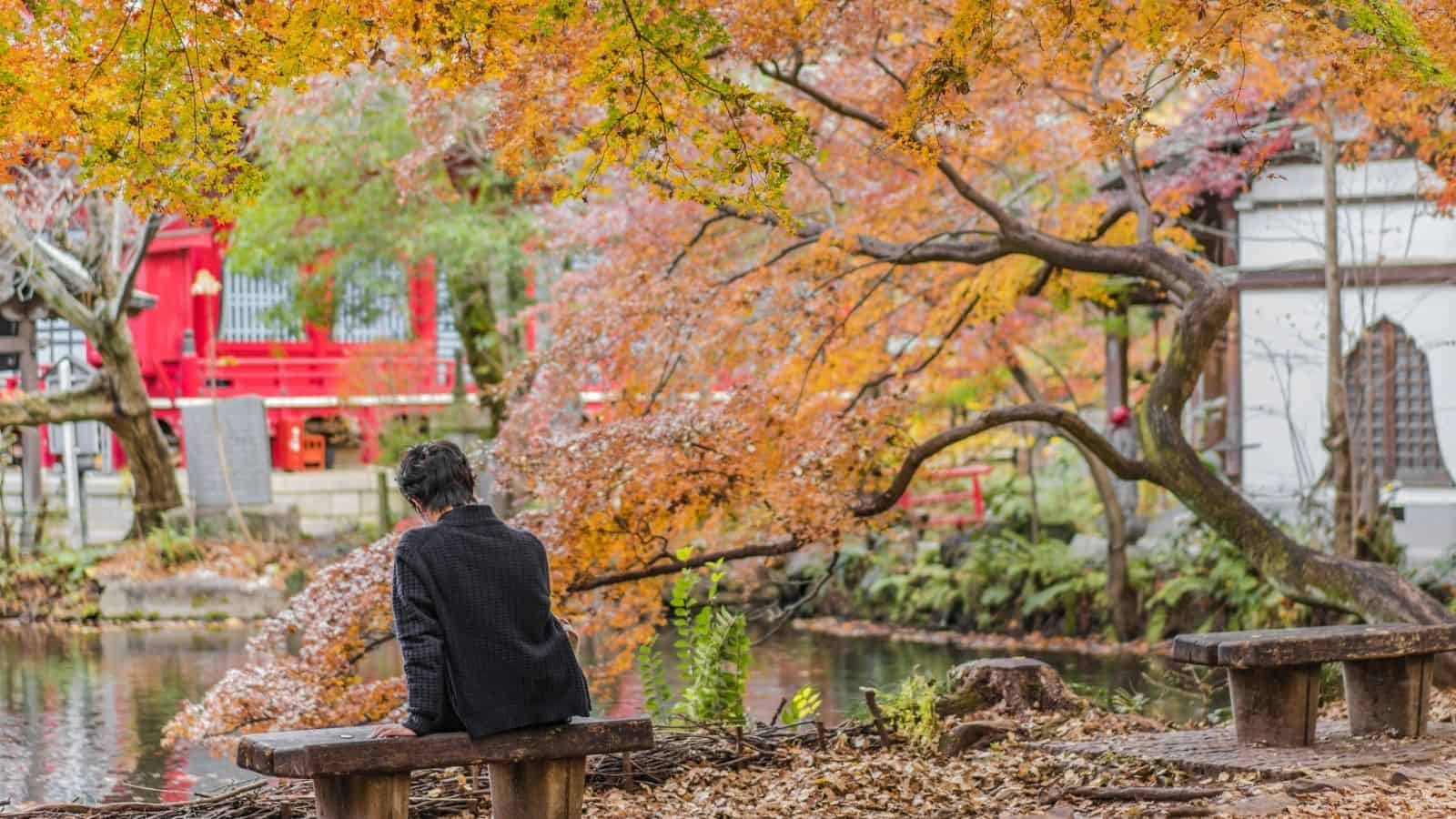
Seoul, South Korea
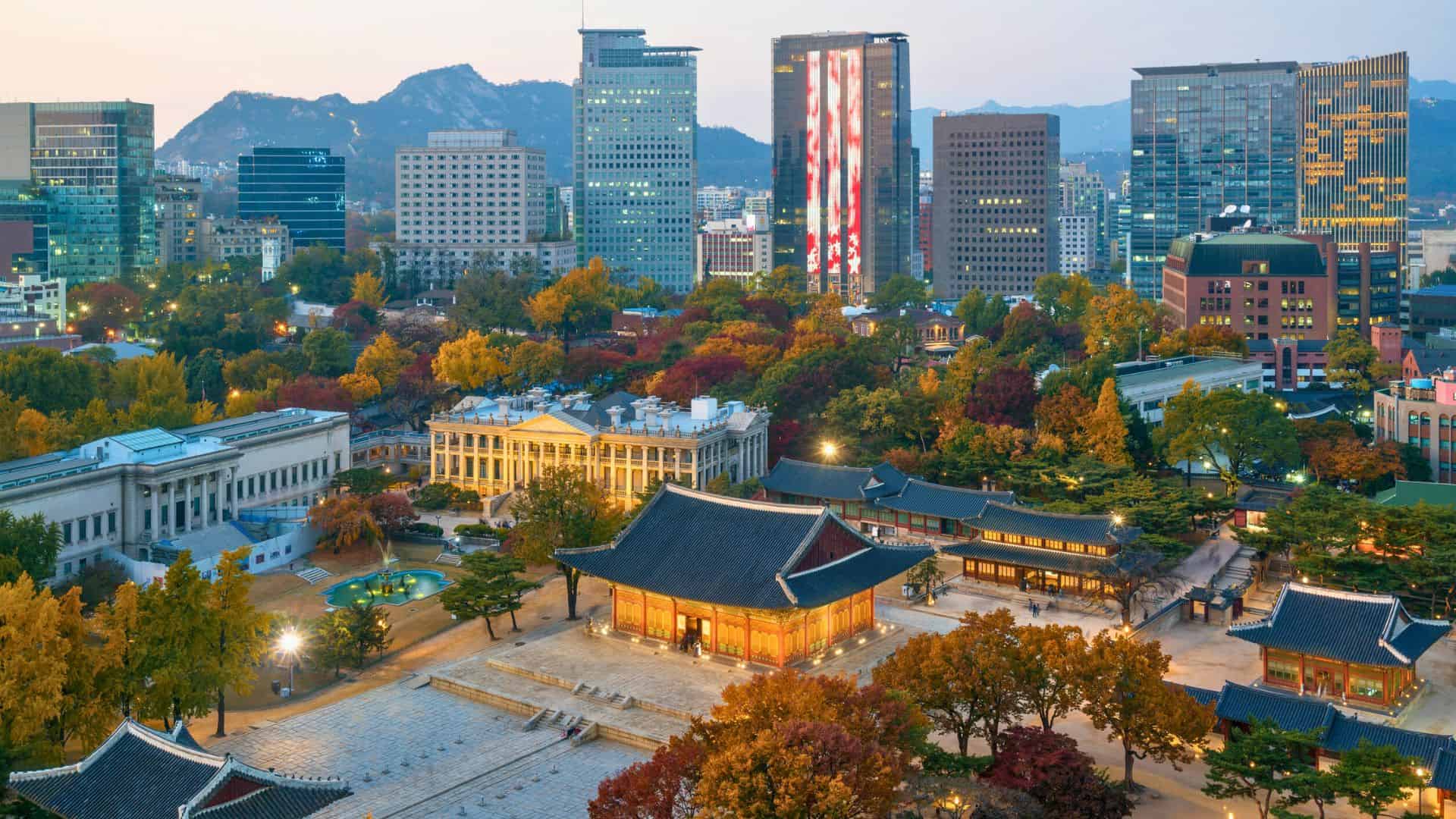
Seoul visitors often stay around Myeongdong, Gangnam and the main shopping areas, but the city has a softer side in its smaller districts. Yeonnam-dong, Seongsu and Mangwon show modern Seoul through cafés, indie shops, local restaurants and riverside walks. Travelers who focus only on major retail streets miss quiet markets, neighborhood bars and evening gathering spots. Seoul feels more approachable when visitors spend time in areas where residents eat, shop and unwind.
Paris, France

Paris is often reduced to a short list of famous landmarks, but the city feels different when visitors move into residential neighborhoods. Canal Saint-Martin, Parc des Buttes-Chaumont, small museums and local markets show how Parisians spend their time outside the main tourist zones. Travelers who stay around the Eiffel Tower or Louvre often miss quieter bakeries, corner cafés and streets that feel lived-in. The real highlight is often the daily rhythm, not another crowded photo stop.
Bangkok, Thailand
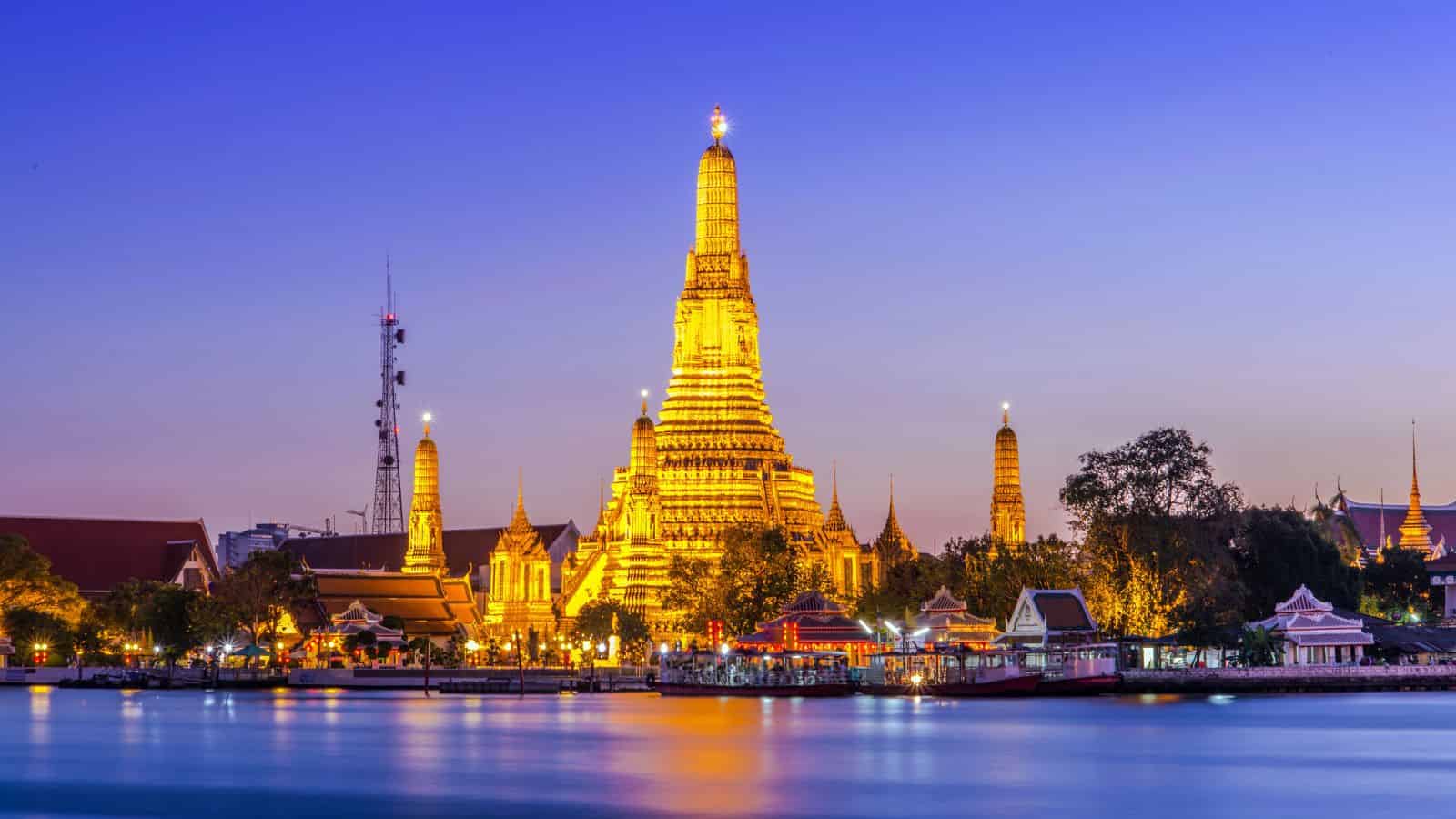
Bangkok is often experienced through malls, temples and hotel districts, but its local highlights sit deeper in the city. Smaller canals, morning markets, open-air food courts and quiet temples show how residents actually move through daily life. Visitors who stay only around the main tourist centers miss neighborhoods with old shops, local cafés and late-night food areas. Bangkok becomes easier to appreciate when travelers stop trying to control every hour and follow the city’s rhythm.
London, England

London’s headline landmarks can fill an itinerary quickly, but locals often spend their time in places visitors overlook. Canal paths, weekend markets, neighborhood pubs, garden squares and parks like Hampstead Heath show a less crowded side of the city. Travelers who only move between Big Ben, Tower Bridge and major museums miss how different London feels from one district to the next. The city’s strongest highlights often come from smaller neighborhoods rather than single famous stops.
Rome, Italy

Rome’s most visited landmarks pull travelers toward the Colosseum, Vatican and major piazzas, but the city’s character often appears in quieter neighborhoods. Testaccio and Trastevere bring local markets, small restaurants and daily routines that feel far less rushed. Visitors who stay only near major monuments may miss the narrow streets, quiet churches and neighborhood cafés where Rome feels more personal. The city works best when history is balanced with ordinary local life.
New York City, USA

New York visitors often focus on Times Square, Midtown and the biggest attractions, then miss the neighborhoods that give the city its range. Brooklyn waterfront parks, Queens food markets and smaller performance spaces show a side of the city that feels more local. Areas like Astoria, Fort Greene and Jackson Heights have restaurants, shops and street life that reveal how different each borough can feel. New York becomes more interesting when travelers stop treating Manhattan as the whole trip.
Want to save this?
Tokyo, Japan

Tokyo’s biggest districts get most of the attention, but many of the city’s best moments happen away from the busiest crossings and shopping streets. Areas like Kichijoji, Shimokitazawa and Nakameguro show a quieter version of the city through cafés, vintage shops, narrow lanes and neighborhood parks. Visitors who stay only in Shibuya or Shinjuku often miss small shrines, local festivals and slower riverside walks. Tokyo feels more layered when travelers leave time for ordinary neighborhoods, not just major stops.
Lisbon, Portugal

Lisbon visitors often chase viewpoints, tram rides and historic squares, but some of the city’s best moments happen in slower neighborhoods. Campo de Ourique and Alcântara have cafés, traditional shops, small restaurants and calmer streets that show a more practical side of the city. Travelers who stay only on the busiest routes miss riverside walks, local taverns and markets where residents gather. Lisbon feels more rewarding when visitors slow down and look beyond the postcard stops.
Barcelona, Spain
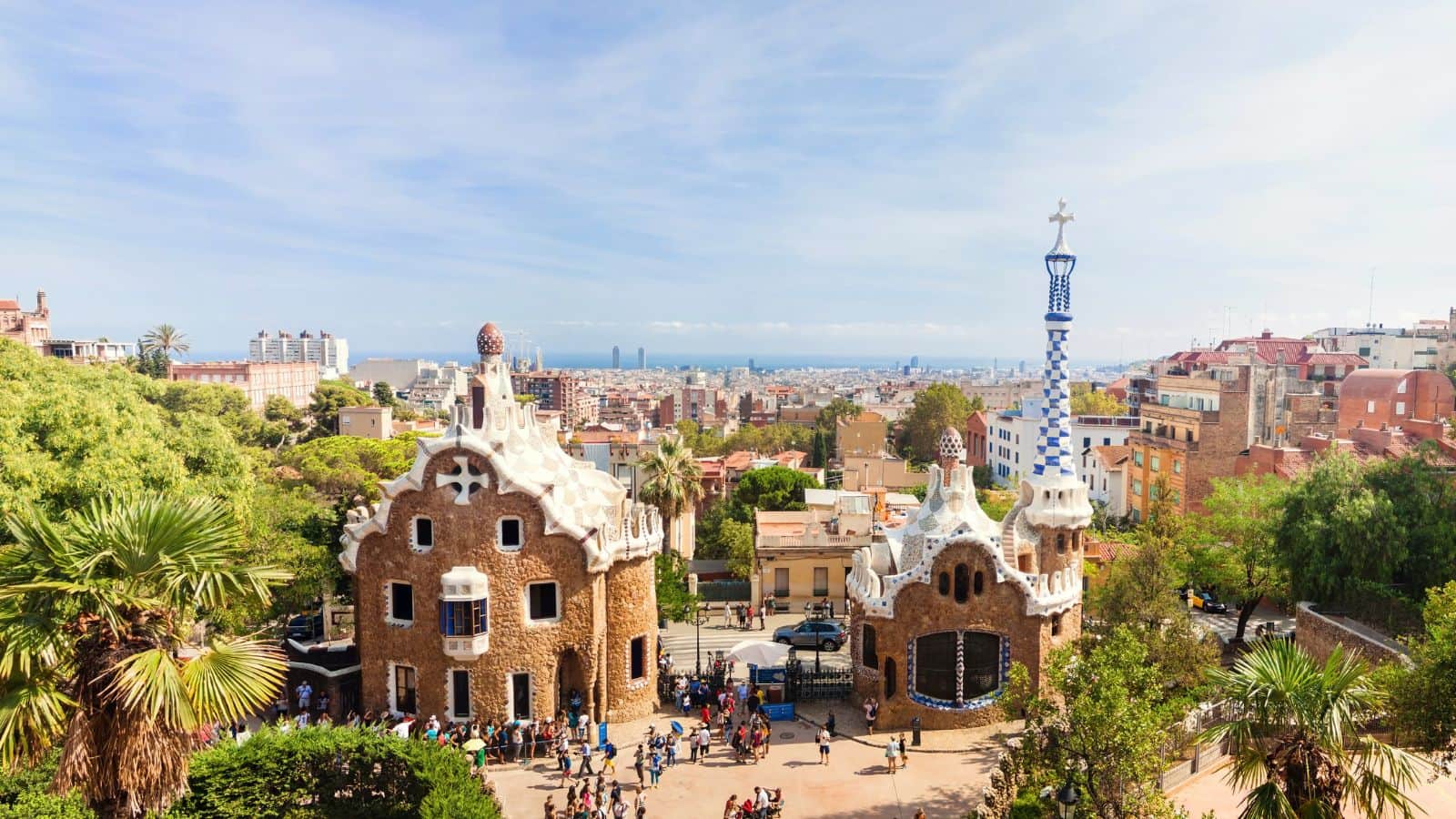
Barcelona’s famous sites are worth planning around, but they are not the full city. Many visitors stay close to La Rambla, the Gothic Quarter and Gaudí landmarks while missing neighborhoods like Gràcia and Poblenou. These areas have calmer plazas, local bakeries, smaller restaurants and creative studios that feel less pressured by tourism. The city is easier to understand when travelers leave space for markets, beach walks and neighborhood routines rather than rushing between major attractions.
Istanbul, Türkiye
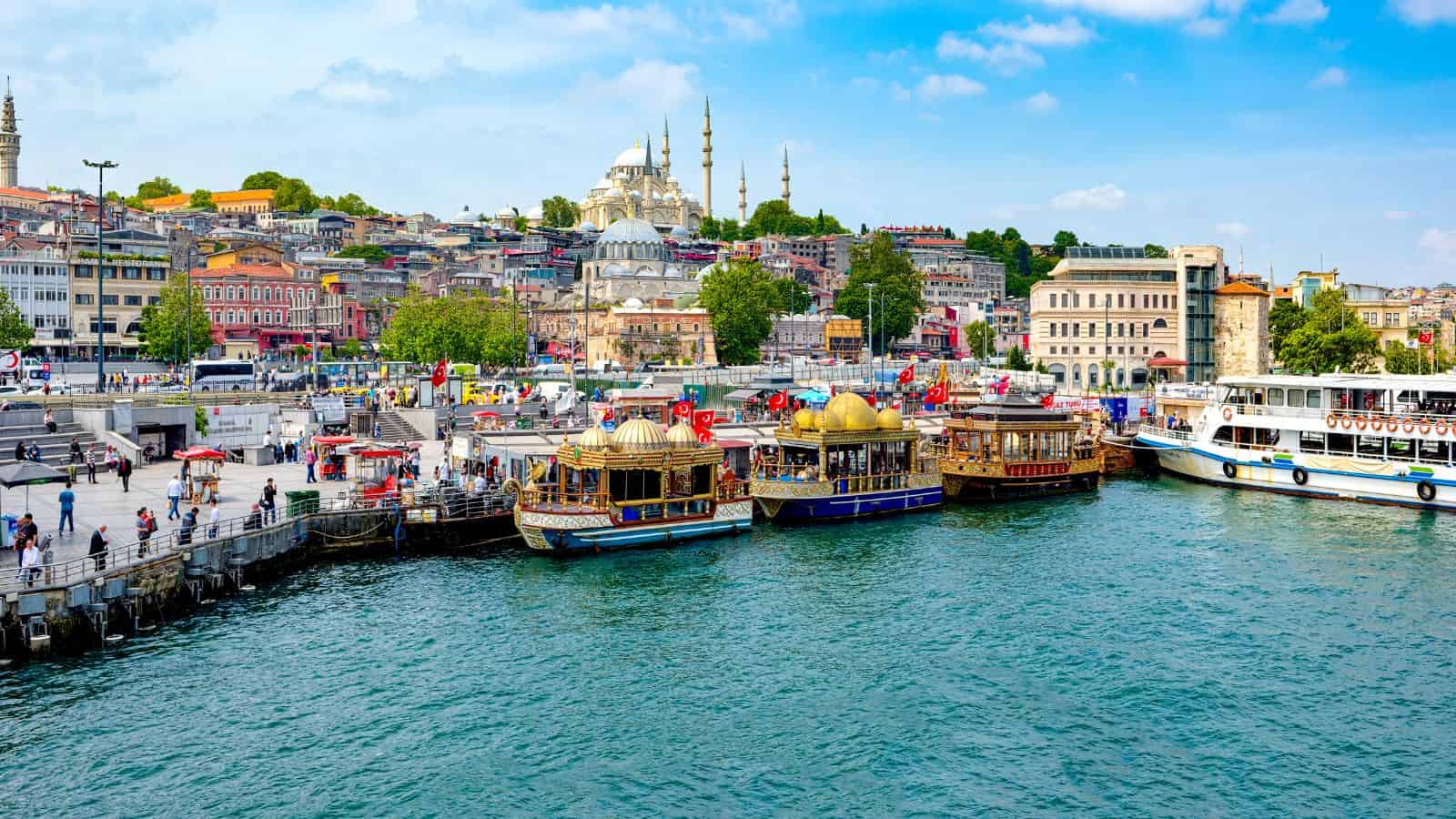
Istanbul visitors often center the whole trip around Sultanahmet, but that leaves out much of the city’s daily life. The Asian side, especially Kadıköy and Üsküdar, offers markets, bakeries, waterfront walks and tea gardens with a more local pace. Travelers who stay only near the biggest historic sites miss independent shops, ferries, residential streets and small food spots that show the city’s layered identity. Istanbul feels fuller when both sides of the water are part of the trip.
Mexico City, Mexico

Mexico City’s central districts are popular for good reason, but they do not show the full range of the city. Coyoacán, San Ángel and local tianguis bring markets, parks, bookstores, museums and food stalls that feel more rooted in daily life. Visitors who stay only in Centro or Roma Norte miss many of the smaller community spaces that locals value. The city’s creativity and history become clearer when travelers move beyond the most familiar neighborhoods.
10 Family Vacation Destinations That Work for Multiple Ages

Planning a family trip becomes more complicated when different age groups have different interests and needs. This article features family vacation destinations that work for multiple ages, focusing on places that appeal to children, teens, parents, and grandparents at the same time. These destinations make it easier for everyone to find something they enjoy without constantly splitting up.
Read More Here: 10 Family Vacation Destinations That Work for Multiple Ages
11 American Cities Travelers Say Feel Genuinely Friendly

First impressions can shape how a trip feels, and some cities stand out for how people interact. This article features American cities travelers say feel genuinely friendly, focusing on places where everyday interactions feel easier, more welcoming, and less rushed. These cities often leave visitors talking about the people just as much as the sights.
Read More Here: 11 American Cities Travelers Say Feel Genuinely Friendly



Leave a Reply