
A food tour is the quickest way to understand a city. Not the museums, not the postcard views, but the small counters where people line up at noon. A few hours of eating with a local guide teaches more about a place than a whole day of walking past monuments with a folded map in hand.
Jump to:
Culinary travel keeps growing, and it's easy to see why. Culinary tourism has moved from a side interest to a main reason people book flights. Many travelers now plan their days around what they want to eat rather than what they think they should see. Food and travel have always gone together, but the admission is newer.
Chain restaurants have spread almost everywhere, which makes local cuisine feel more precious than it used to. Food traditions hold on in the places chains cannot reach. A bakery running the same oven for 60 years. A stall that sells one dish and sells out by two. Those places rarely show up on a hotel map.
That is the gap a food tour closes. It hands over a shortcut into the local food scene, plus the history and culture behind every plate. Food and culture are hard to pull apart once a guide explains why a sauce tastes the way it does and which neighborhood still argues about the right way to make it. That cultural context is what travelers remember long after the meal.
- Rome showed me how much a few hours can change a trip. The food shifts block by block there, and the Jewish Ghetto carries centuries of its own cooking. My guide to the best food tours in Rome covers which routes are worth booking.
Plan Your Trip
Save on fees abroad with the Wise Card—use it at ATMs, restaurants, and for flights or hotels in over 150 countries. Manage 40+ currencies in real-time with the Wise app.
Need Help Planning?
- Cheap Flights: Find the best deals.
- Accommodation: From hostels to luxury stays.
- Car Rental: Affordable options worldwide.
- Sightseeing Tours: Explore without breaking the bank.
- Travel Adapter: One adapter for all your needs.
- Travel Insurance: Don’t risk it—stay covered.
This post includes affiliate links, and as an Amazon Associate I earn from qualifying purchases. Read my full disclosure and privacy policy.
So here is what a few hours on a tour actually looks like, how to pick the right food tour for your group, and how to book without paying to be led past the same three photo spots as everyone else.
What a Food Tour Is and Why It Works So Well
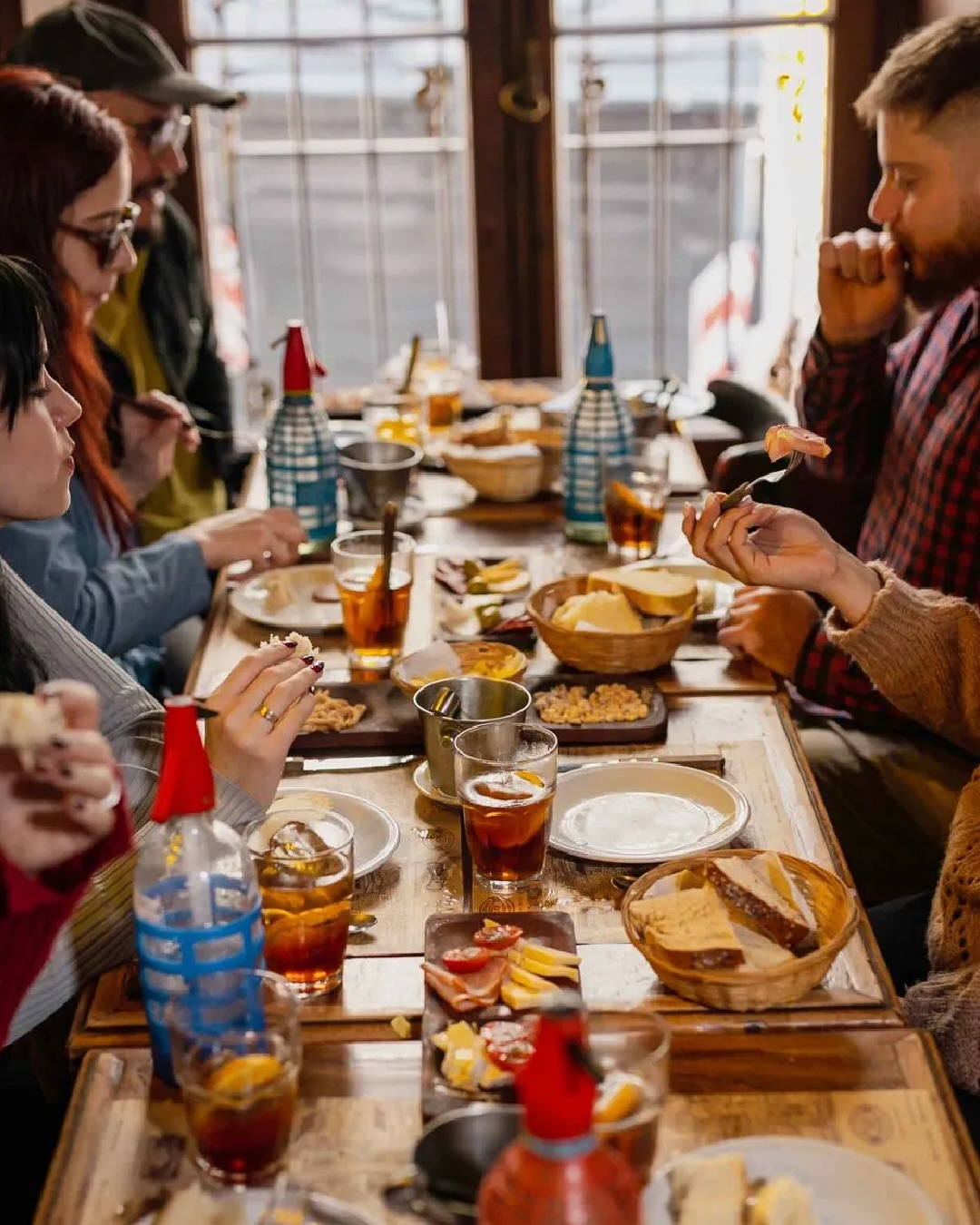
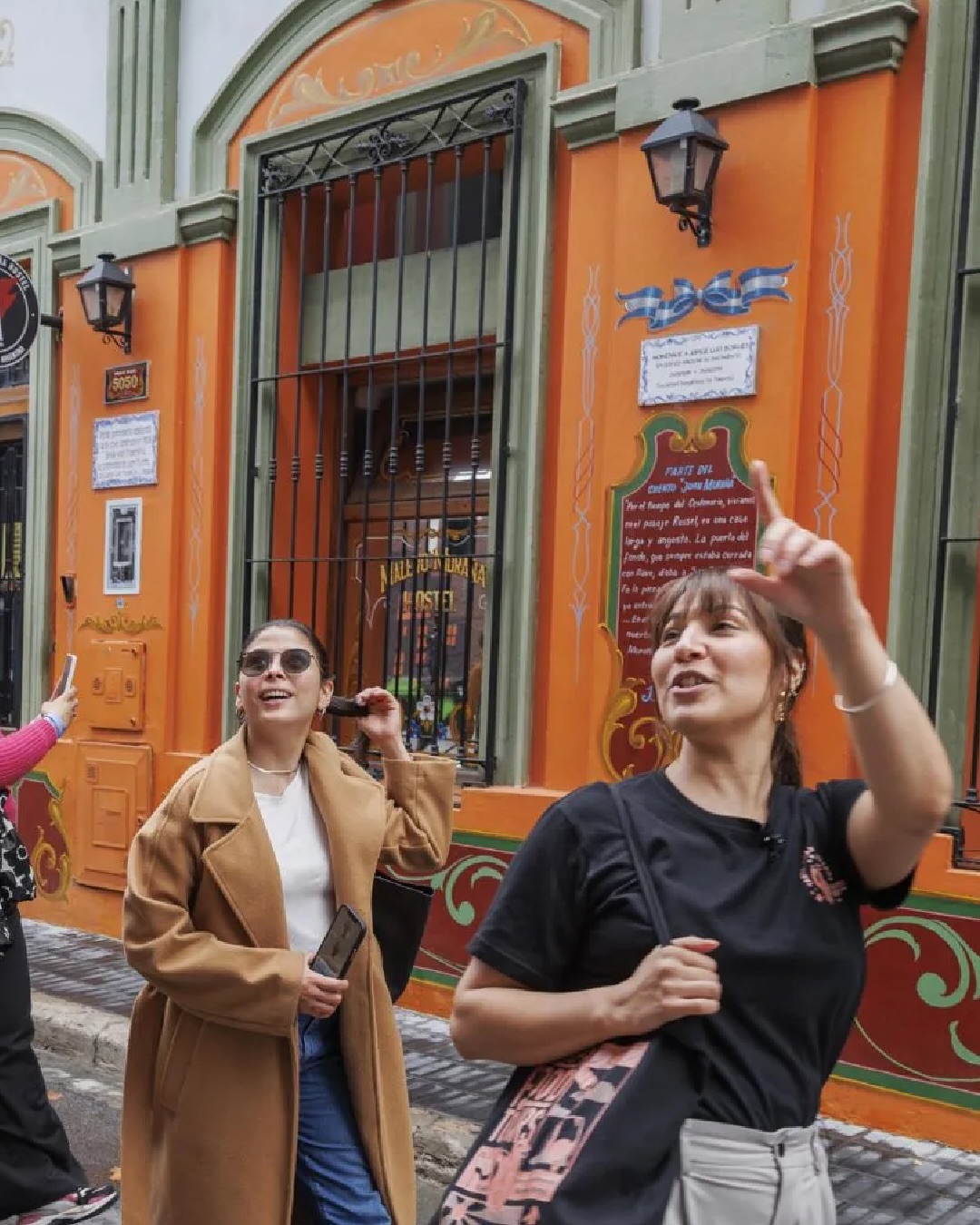
A food tour is a guided tour that focuses on eating rather than looking. Guests move between four to eight food stops, and a guide explains what is on the plate and why it matters. The appeal comes down to work someone else has already done.
A first day in a new city usually costs a traveler two or three mediocre meals while they figure out where to eat. A tour skips that part since the guide has tested every stop many times. People who take a food tour on day one eat better all week.
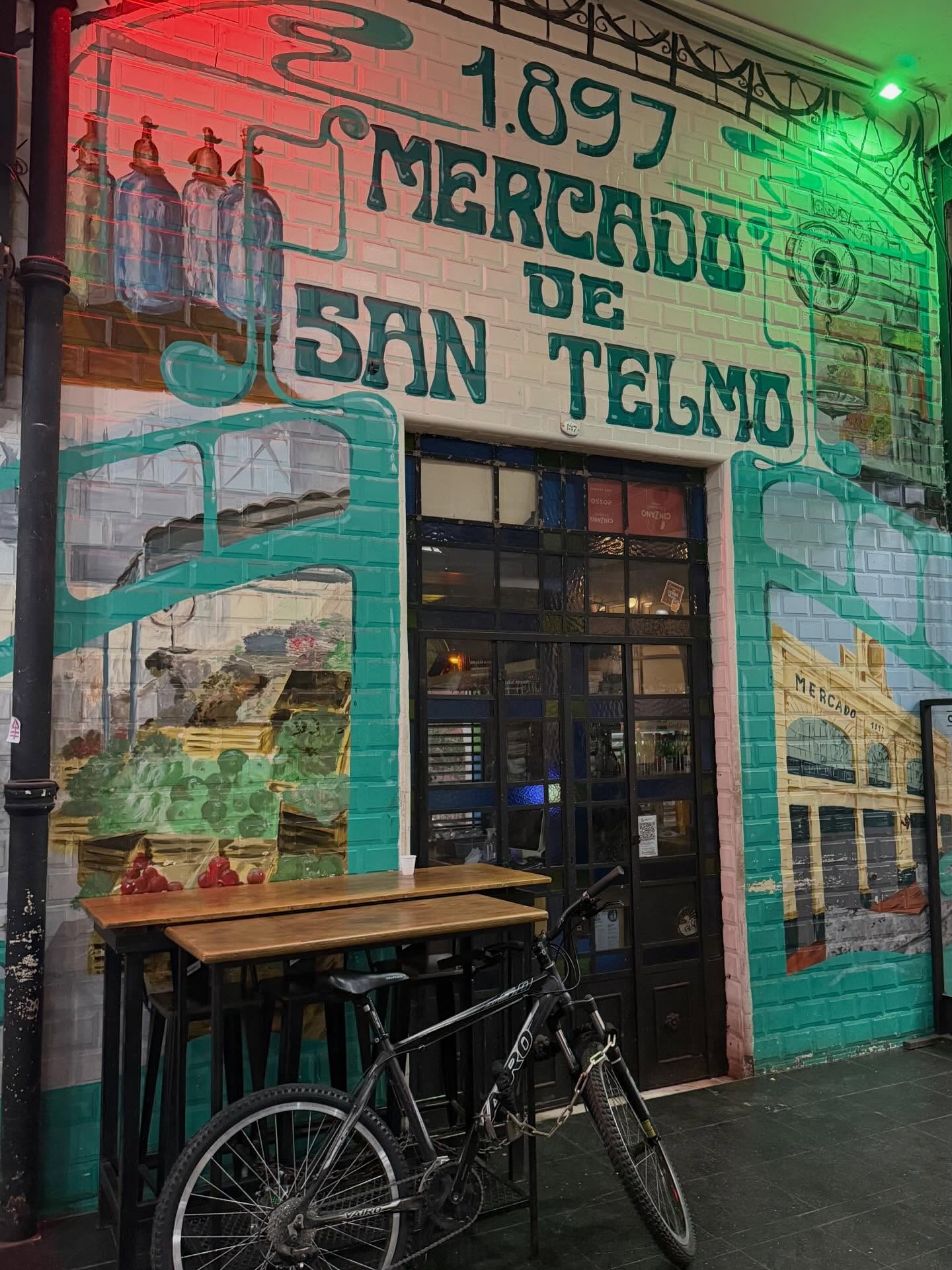
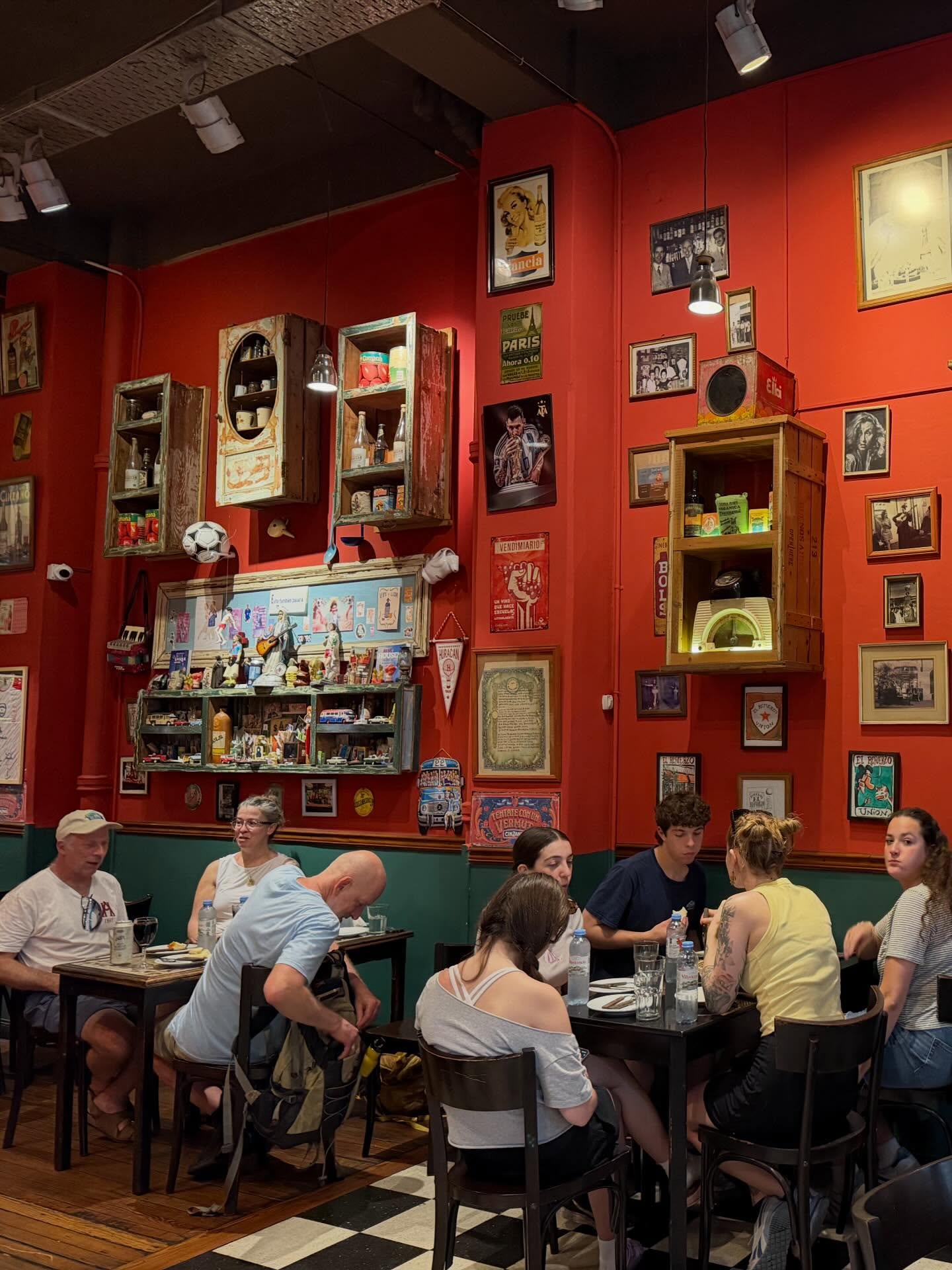
Then there is the access. Some stops do not open to walk-ins at all, whether that is a back kitchen, a cellar with the winemaker pouring, or a stall at the far end of a local market. Guides know these food vendors by name. These are the hidden gems that never surface in a search.
The same goes for the language barrier, since the best food in most cities sits behind a menu with no English on it. The guide orders on the group's behalf and shows guests how to ask for it themselves later.
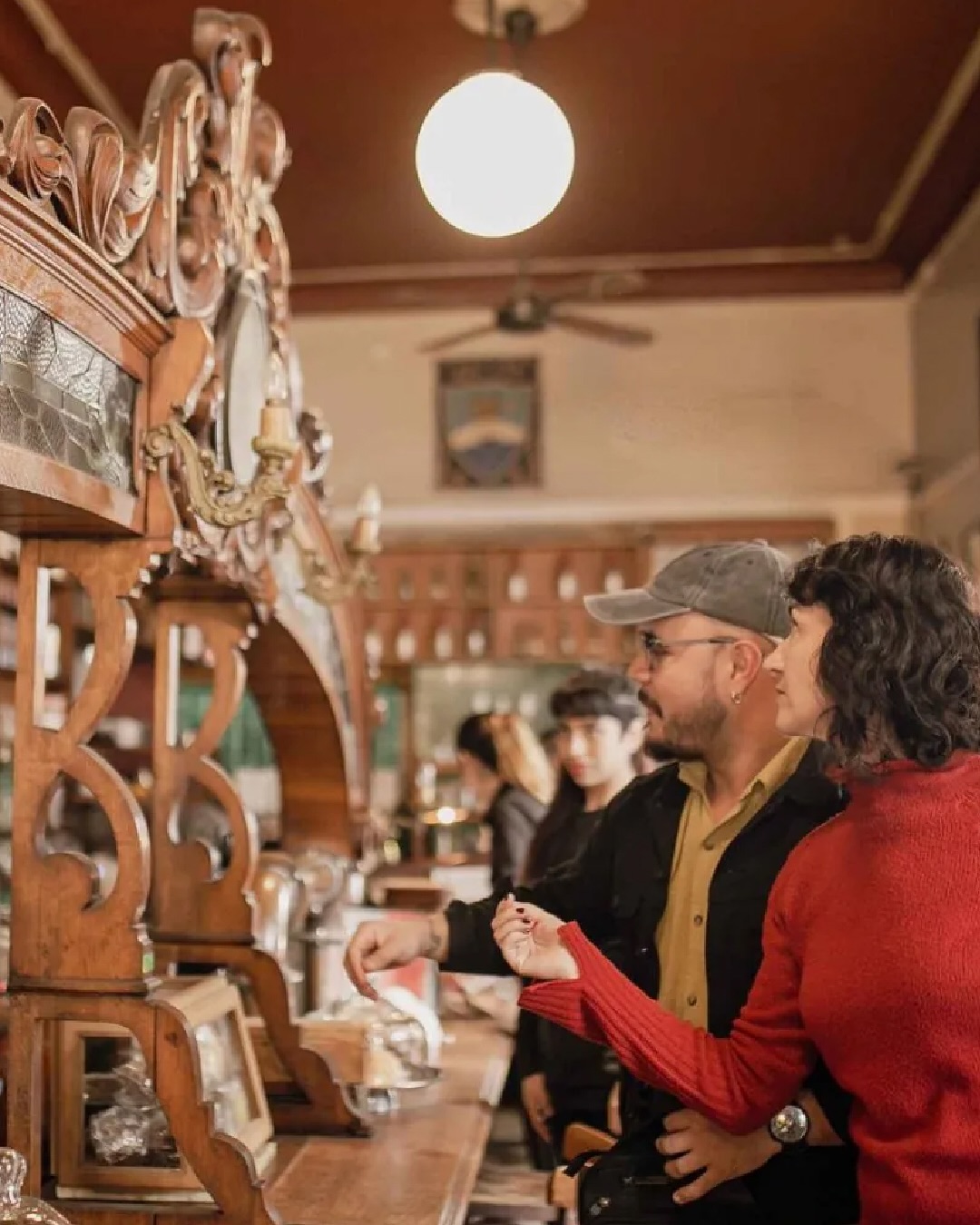
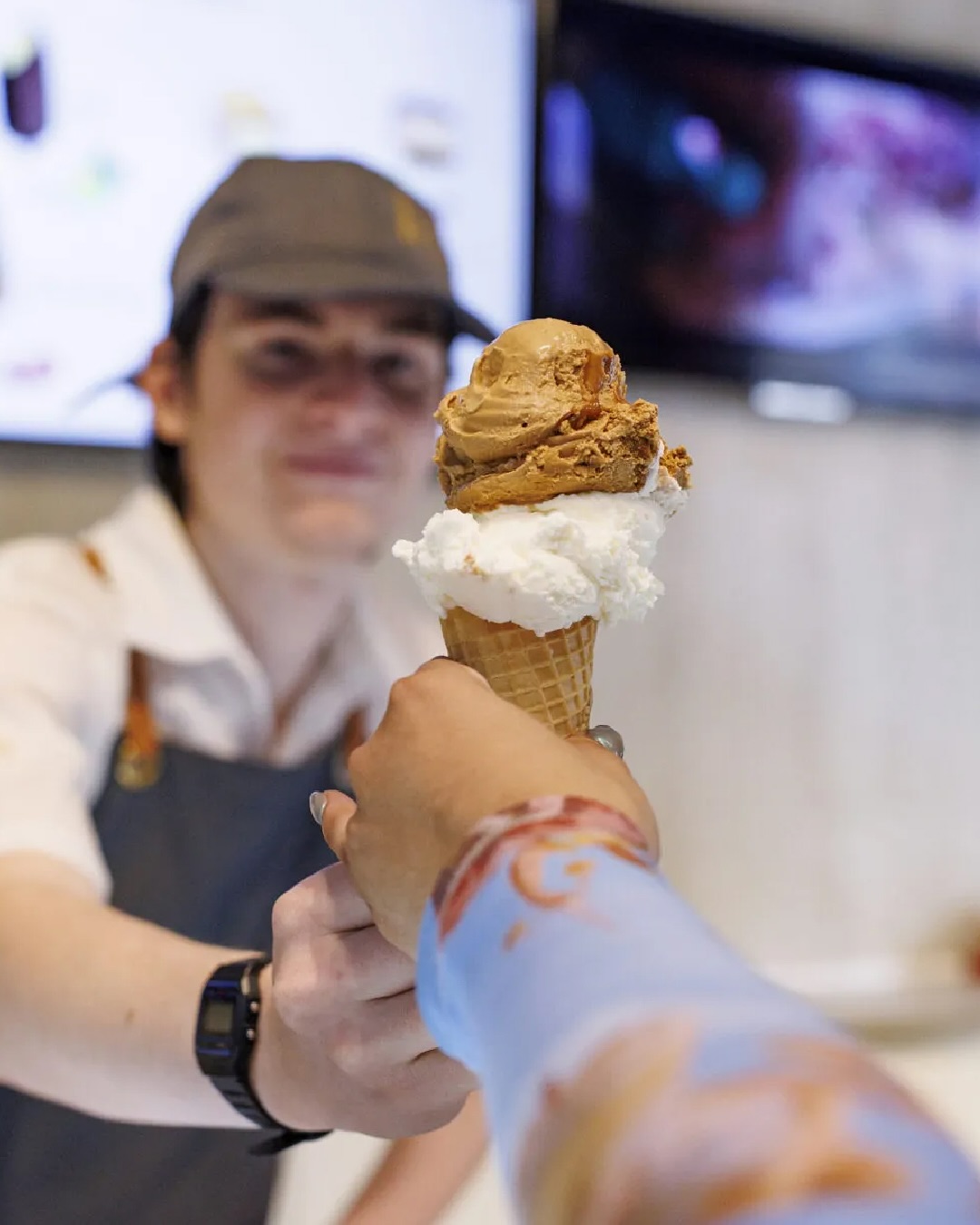
The small portions matter too. Ordering a full plate means committing to one choice and hoping, while a tour hands over nine small things instead. Travelers end up eating dishes they would never have chosen alone. None of this calls for being a serious foodie. It calls for an appetite.
Eating is the one thing everyone does, making it an easy entry point into local culture. A cathedral tour introduces a building. A food tour introduces people.
What to Expect on a Walking Food Tour
The format is simple, though the pacing catches first-timers off guard. Eating slowly for three hours is harder work than it sounds.
How Long It Runs and How Far It Walks
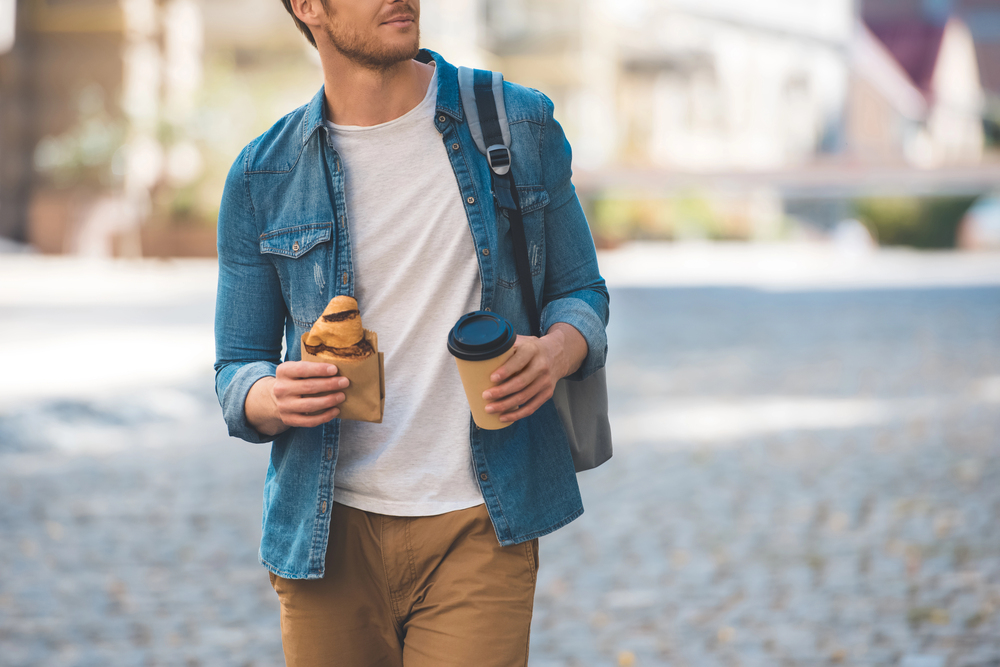
Most food tours on foot run 2 to 4 hours and stay inside one neighborhood. The walking between stops is short, usually five or 10 minutes, but it adds up over an afternoon.
Full-day tours span several districts and include a proper break, which makes them a heavier culinary experience than a first tour needs to be.
What Happens at Each Stop
A stop lasts 15 to 30 minutes. The guide orders ahead, the plates arrive, and the story behind the dish unfolds as everyone eats.
Some stops are standing-room-only at food stalls; others are a proper sit-down dining experience with a drink. The range of food usually widens as the route goes on, so the plainest thing is rarely the last thing.
How Much Food to Expect
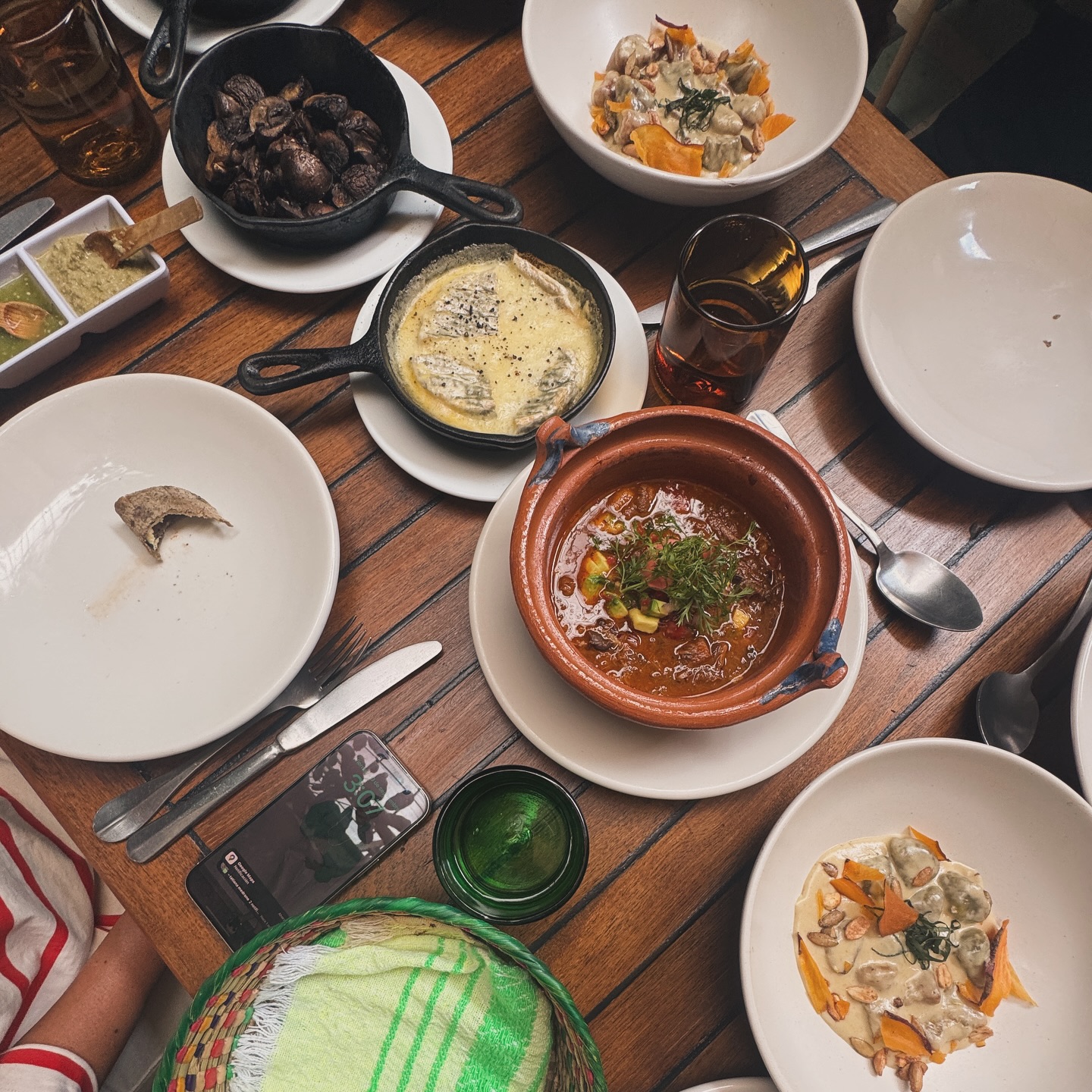
There is almost always too much food. Six or seven stops add up to a full meal and then some, which is why guides tell guests to skip breakfast.
Most portions are tastings rather than full plates, which is the point of the format. It lets guests sample a variety of dishes in one afternoon and find the two or three worth going back for.
How to Choose the Best Food Tour
A little research up front separates a good tour from a paid walk past tourist traps. Most cities have a dozen operators running similar routes at similar prices, and the listings all read the same way.
Read reviews before paying, and give weight to the Tripadvisor entries that name the guide, since the same name turning up month after month says more than a star rating does.
Look for a Guide With Real Local Knowledge
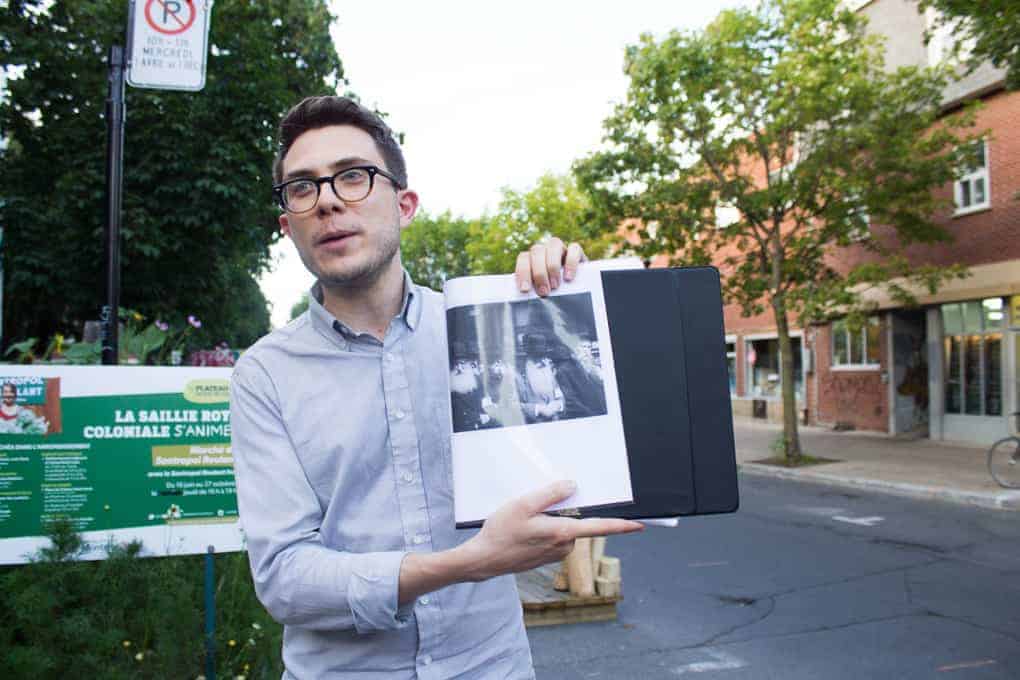
The guide matters more than the route. A food tour guide who grew up in the neighborhood knows which shop changed hands last year and which one still cures its own meat in the back.
Tour companies that hire local guides rather than seasonal staff reading a script deliver a far more authentic experience. Great food is only half of what a guide is for.
An expert guide answers questions that have nothing to do with eating, because the cultural significance of a dish always sits inside a bigger story about the place you are visiting.
Check the Group Size

Group size shapes the entire day. Small groups move faster, get seated quicker, and leave room for real conversation with the guide. Many operators cap the number at eight or 10 people for that reason.
Solo travelers often do better in small groups than they expect, since a shared table turns eating alone into the opposite of eating alone.
A private tour costs more but suits families with small children, older parents, or anyone who wants to set their own pace.
Read the Route Before Booking
Tour operators list their stops for a reason, so read them. A strong route mixes food stalls, a sit-down establishment, a local market, and at least one place a visitor would never walk into on their own.
Some walking tours focus on street food while others aim toward the best restaurants in town. Neither is better, but they attract different crowds, and the best local operators say plainly which one they are.
Types of Food Tours Worth Booking
Walking is the default, though it is far from the only way to eat through a destination. Some tours put guests on a boat or a bike. Others swap the walking for a kitchen or a cellar and stay in one place.
Want to save this?
The right choice depends on the weather, the group, and how a city's food is spread out. Some places keep everything on one street. Others scatter it across four neighborhoods.
Walking Food Tours


The classic version covers one neighborhood on foot, usually with four to eight food stops. It works best in dense old city centers where the good places sit close together. Comfortable shoes do more for the day than anything else in the bag.
Food Tours From the Water
Dining and sightseeing cruise company City Cruises now runs food sailings in several American cities, including Chicago, New York City, and San Diego, with menus tailored to each port. Boats solve two problems at once for families, since nobody has to walk and there is nowhere for a bored child to wander off to. Tours around a harbor also give a city's skyline the kind of view no street corner offers.
Cooking Classes and Market Visits

A cooking class suits travelers who want to bring something home besides photos.
Most begin at a market, where the teacher explains what is in season and how to pick it, then move to a kitchen where the group cooks the meal they will eat.
It is one of the better ways to learn a recipe properly, because a person who has shopped for the ingredients tends to remember the dish months later.
Wine Tours and Regional Food Trips


Wine tours cover similar ground at a slower pace. Food and wine pairings, cellar visits, and long country lunches suit travelers who would rather sit than walk.
These trips work best outside the city center, where the food traditions belong to a region rather than a neighborhood. Porto is the easy example, with port houses on one bank of the river and heavy old-school cooking on the other.
Culinary Backstreets runs a full day there through local institutions and the culinary traditions most visitors walk right past.
Food Tours Worth Knowing About
Four tours, four very different ideas of what eating through a place can look like. What they share is a guide who knows the ground well enough to explain why each stop matters, and a route shaped by years of eating in the same few blocks rather than by whatever ranks well online. Each one reads a city's culinary scene in its own way.
Eternal Rome: Jewish Ghetto, Campo de' Fiori and Trastevere by Eating Europe


This one covers the Jewish Ghetto, Campo de' Fiori, and Trastevere in about four hours and six stops.
It starts at the market square with porchetta and a glass of red, then slips through a hidden passage into the Ghetto for carciofi alla giudia, the Roman-Jewish fried artichoke, at Da Enzo al 29.


There is a stop inside a wine cellar over 2,000 years old, and it ends across the river at Spirito Divino with pasta and gelato. Roman food and Roman-Jewish food sit side by side here, which is the whole point of the route.
Levinsky Market Food Tour in Tel Aviv
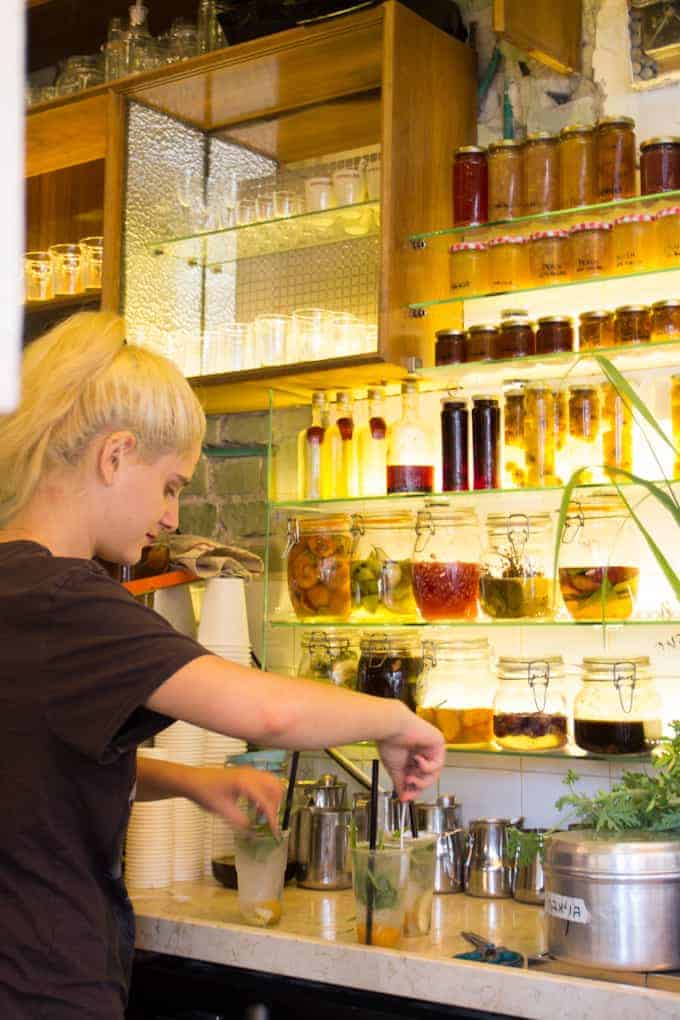
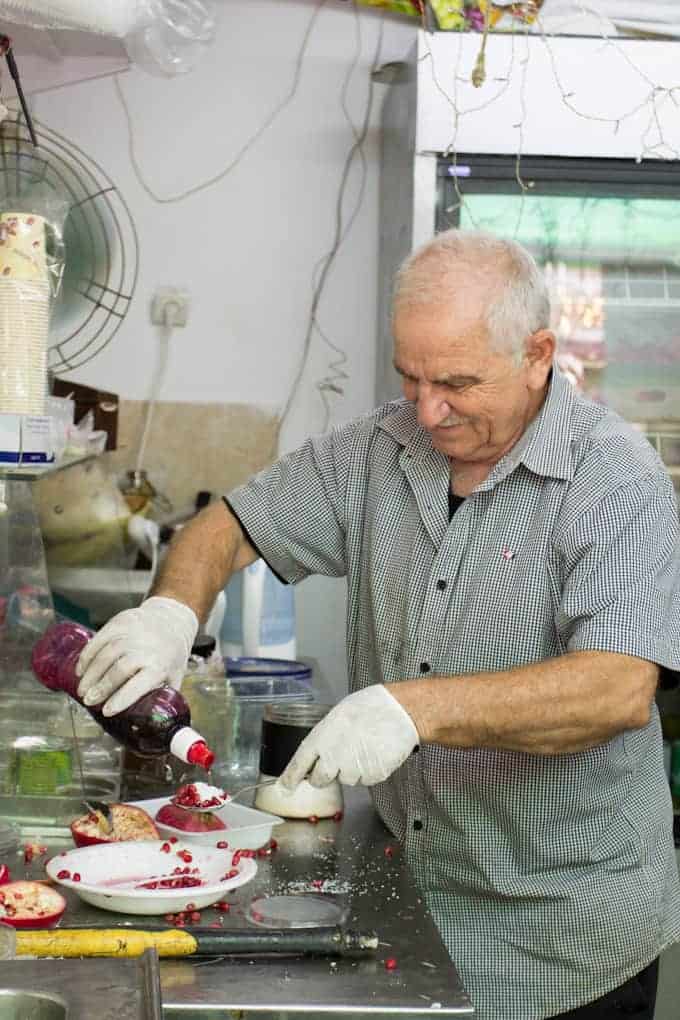
Levinsky sits in the Florentin neighborhood and started as a wholesale spice street.
Greek, Bulgarian, Turkish, Persian, and Iraqi families turned it into what it is now, and the tour follows those threads through spice shops, bakeries, and delis that have been open for decades.
Bourekas come out of ovens that have been running since the 1960s. Gazoz, a sparkling drink made from fruit and herb syrups, comes from a stall a few doors down. It runs about two hours and doubles as a short lesson in local food culture and how immigration shaped a country's table.
Farm and Food Care Ontario Food Tour
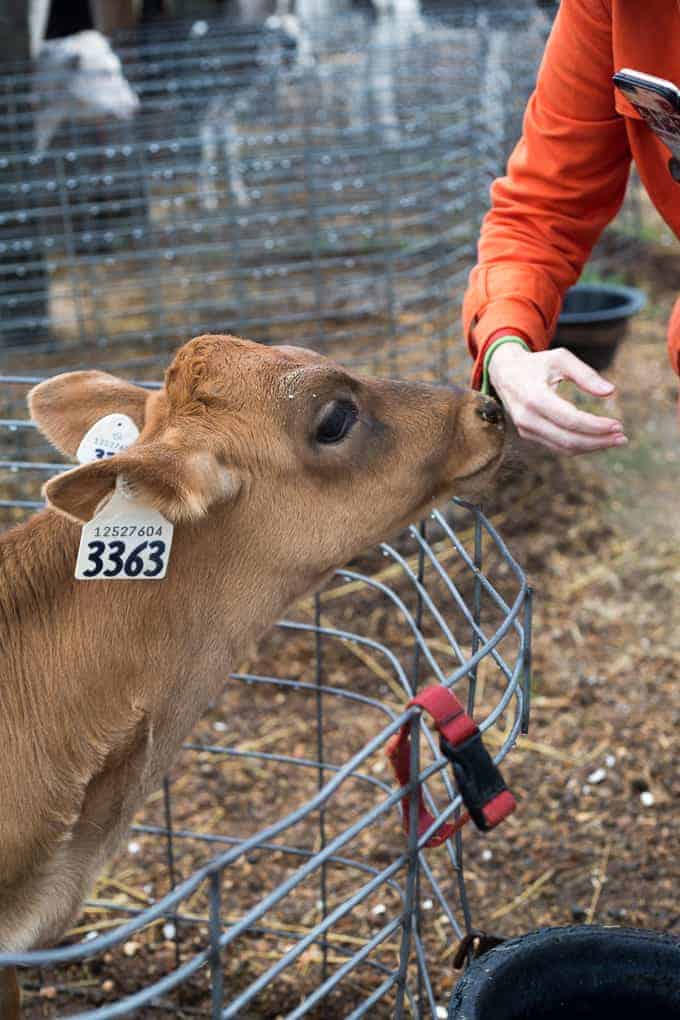

Not every tour happens in a city. This one heads into rural Ontario, into dairy barns and cucumber greenhouses, with farmers explaining how the food on Canadian tables actually gets grown.
Guests meet the animals, walk the fields, and sit down to a lunch made from what the region produces. It answers a different question than a walking tour does, and the answers are not always comfortable, which is part of why it stays with people.
Farm and Food Care Ontario no longer runs these public food tours, though it still organizes farm visits and field trips, so it is worth checking the current schedule before planning a trip around one.
Beyond the Bagel by the Museum of Jewish Montreal
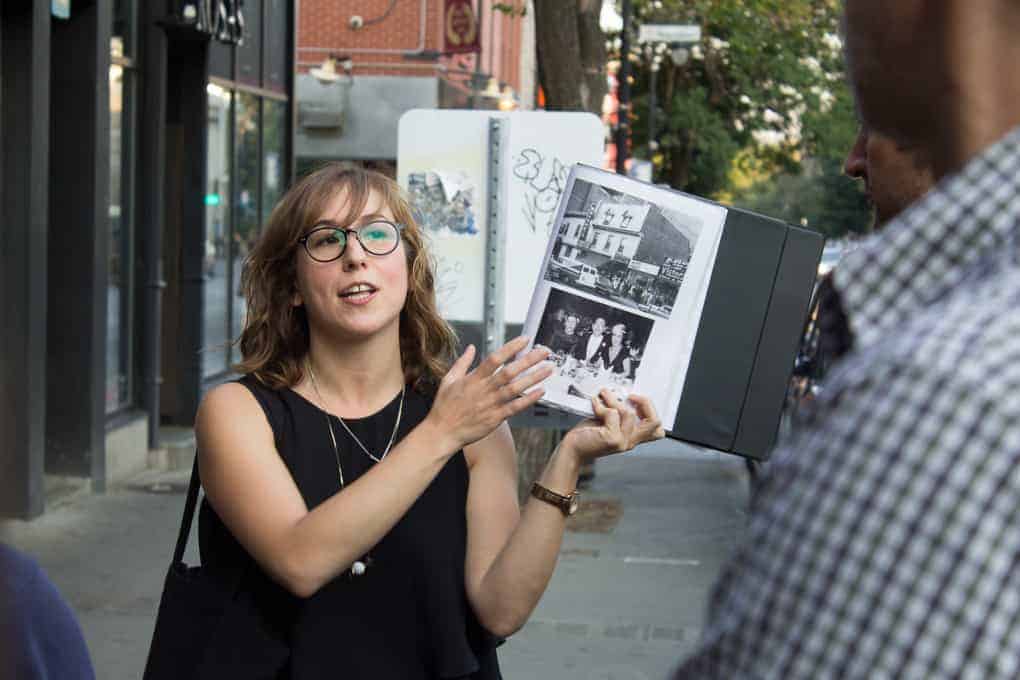
The Museum of Jewish Montreal runs this one through the Mile End and Plateau neighborhoods, covering a century of the city's Jewish food culture in about seven tastings across three and a half hours.
Smoked meat at Schwartz's, bagels from both St-Viateur and Fairmount so guests can settle the argument themselves, and the Wilensky Special.
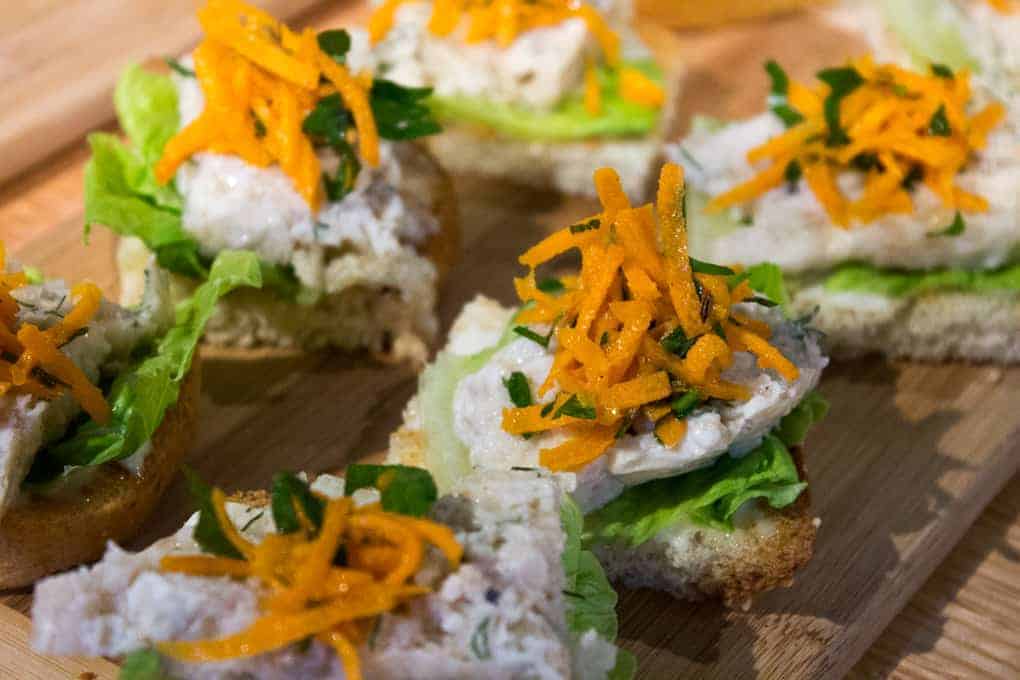
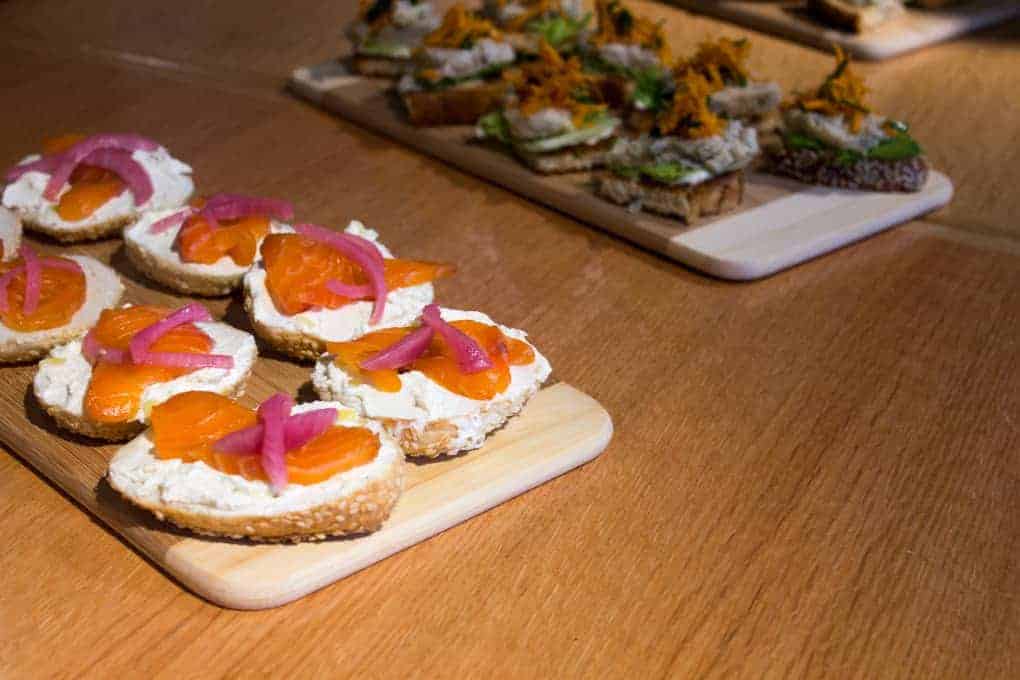
Museum researchers lead it, so the history comes from archives and oral interviews rather than a script. Fletcher's, the museum café, grew out of the same work and serves food drawn from the communities the tour covers.
How to Book a Food Tour
Booking a food tour takes about 20 minutes of research, and those 20 minutes decide whether the day is memorable or merely fine. Travelers can find food tours through The Tour Guy, Viator, or GetYourGuide, all of which list tour options by city and price.
Going straight to a local food tour company often costs less and puts more of the money in the guide's pocket. Both routes work, so it is worth pulling up the same tour on both before paying for it. It is the rare piece of travel planning that pays for itself.
Plan Your Next Trip Around the Table

Cities are easy to visit and hard to know. A food tour closes that gap in a single afternoon, which is why it earns a spot on the itinerary before the museums do. Book it early, come hungry, and let someone who lives there do the choosing.
Years later, few travelers remember the queue at a monument. They remember the bakery, the guide who kept saying, "One more stop," and the plate nobody expected to like. That is what these tours leave behind, and it costs less than most dinners.


Leave a Reply