
Some destinations carry their history so visibly that it shapes nearly every part of the visit. This article features places where history is impossible to ignore, focusing on locations where old architecture, major events, and long-standing traditions remain part of everyday life. In these places, the past is not tucked away in museums alone but built into the streets, landmarks, and routines people still live around today.
Visiting places with such a strong historical presence can change how travelers understand a destination. Seeing how history continues to influence daily life often leaves a stronger impression than expected. Keep reading to see which places made the list and why their past still feels impossible to separate from the present.
Peru

Peru’s history is layered through mountains, markets, and living traditions. Machu Picchu draws attention, but the wider story appears in terraces, stone walls, weaving communities, and roads that still follow ancient routes through the Andes. Cusco shows the overlap between Inca foundations and colonial architecture, while the Amazon and Pacific coast reveal different histories shaped by climate and geography. Travelers who look beyond the major ruins often find that Peru’s past continues through food, language, farming, and regional identity.
South Africa

South Africa’s history is difficult to separate from its landscapes and cities. Cape Town, Robben Island, historic townships, wine regions, and coastal roads all point to different parts of the country’s story. Natural beauty is a major draw, but the human history is just as present, especially around apartheid, migration, and cultural identity. Wildlife areas and mountain routes may feel removed from urban life, yet the country’s past still shapes access, communities, and daily realities. Traveling here often means holding scenery and history together.
Japan

Japan’s history shows up in the quiet details as much as the famous landmarks. A train ride can lead from Tokyo’s glass towers to temple gates, old merchant streets, or mountain towns shaped by centuries of ritual and craft. Kyoto still anchors much of the country’s cultural memory, but smaller regions add their own layers through pottery, textiles, castles, shrines, and seasonal festivals. Modern Japan moves quickly, yet the past remains visible in manners, architecture, food traditions, and the way public spaces are used.
Italy

Italy makes history feel part of the street plan. In Rome, ancient ruins stand beside traffic, cafés, and apartment buildings, while Florence and Venice carry the influence of artists, merchants, and old political powers in their churches and squares. Smaller towns add another layer, with stone lanes, farmhouses, and markets that still follow older rhythms. The country does not keep its past sealed inside museums. It appears in daily routines, city layouts, regional food, and buildings that have been reused for generations.
Iceland

Iceland’s history is less about crowded monuments and more about survival in a difficult landscape. Volcanic fields, stormy coastlines, hot springs, and glacier routes explain how people moved, settled, and adapted over time. Old sagas feel connected to the land because the terrain still looks powerful and exposed. Reykjavik adds modern design and culture, but outside the capital, the country’s story is shaped by weather, isolation, and natural forces. Travelers notice history through the relationship between people and land.
Norway

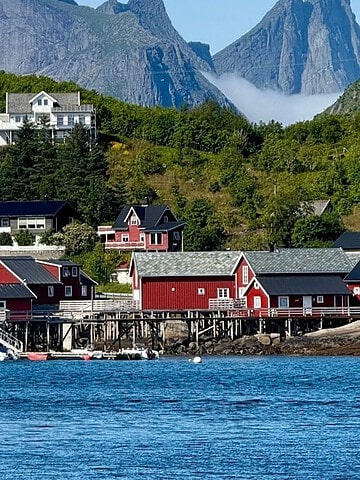
Norway’s history follows the water. Fjords, fishing villages, ferry routes, and old coastal towns show how geography shaped work, travel, and settlement. In cities like Bergen and Oslo, wooden buildings, maritime trade, and modern design sit close together. Farther north, light, weather, and distance continue to influence daily life. The past is not always dramatic here, but it is steady and visible in the way towns cling to cliffs, roads curve around mountains, and communities stay tied to the sea.
Want to save this?
Morocco

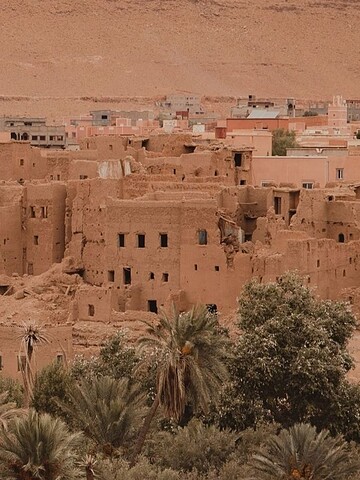
Morocco’s history moves through markets, medinas, desert routes, and mountain villages. In Marrakech and Fez, old walls, courtyards, mosques, and souks still shape how people move through the city. Outside urban centers, Atlas villages and Sahara routes reflect trade, migration, and adaptation to harsh terrain. Textiles, metalwork, spices, and tea traditions keep older practices visible in everyday life. The country changes quickly between coast, desert, and mountains, but history remains part of the movement between them.
Vietnam

Vietnam’s history is visible in the contrast between old streets, colonial buildings, temples, wartime sites, and fast-growing cities. Hanoi carries layers of French influence, local trade, and political history, while Ho Chi Minh City shows rapid change alongside older neighborhoods. In rural areas, rice terraces, river communities, and market towns reveal traditions shaped by land and water. The country’s past does not sit in one place. It appears across transportation, food, architecture, and the pace of daily life.
Greece

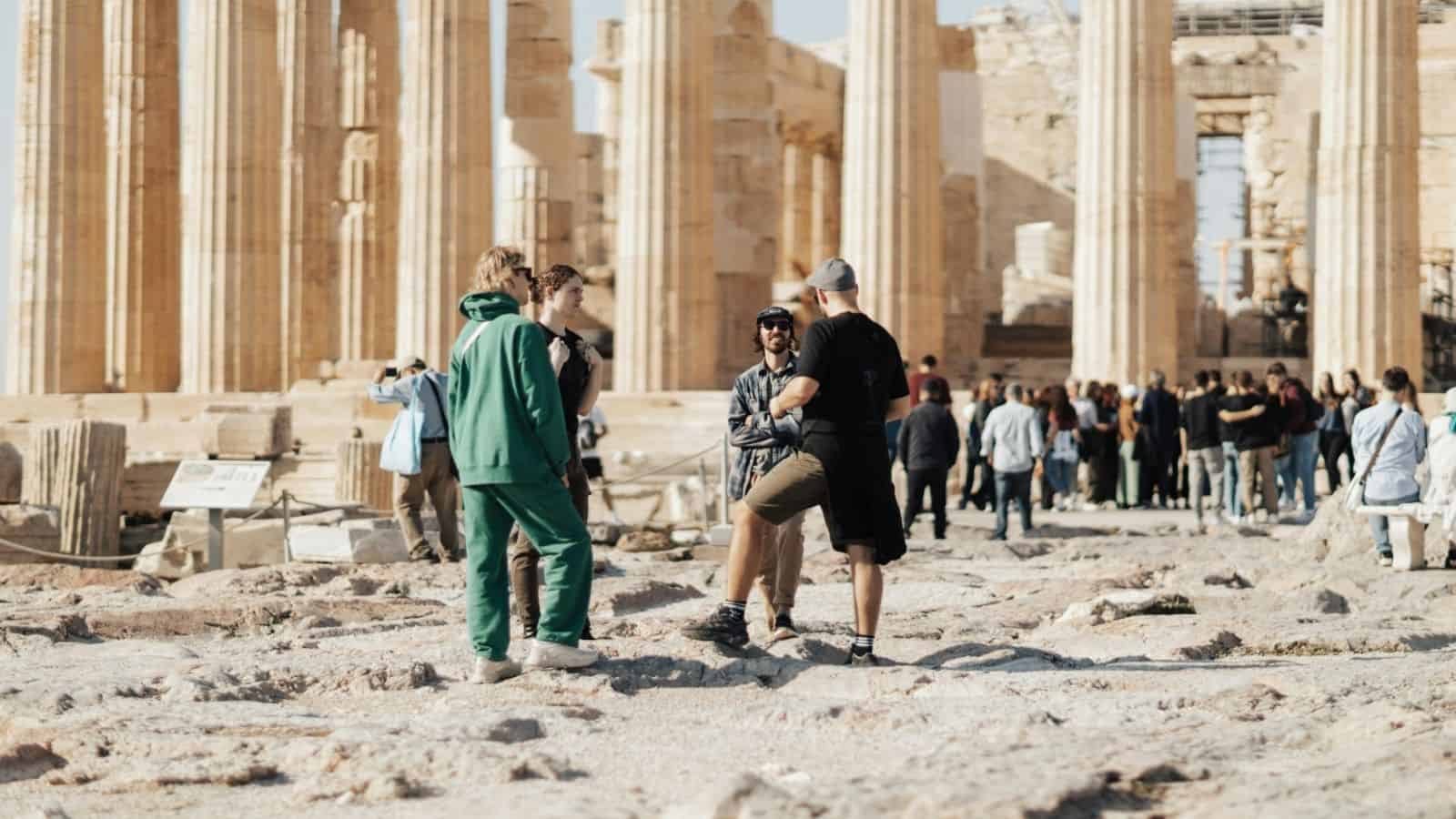
Greece keeps ancient history close to ordinary life. In Athens, the Acropolis rises above traffic, apartments, and neighborhood cafés. On the islands, ports, churches, ruins, and footpaths show how movement by sea shaped communities for centuries. Crete, Delphi, and smaller villages each carry different pieces of the past through architecture, landscape, and local routines. Travelers do not have to search hard for history here. It sits beside modern streets, ferry docks, markets, and coastlines.
Turkey
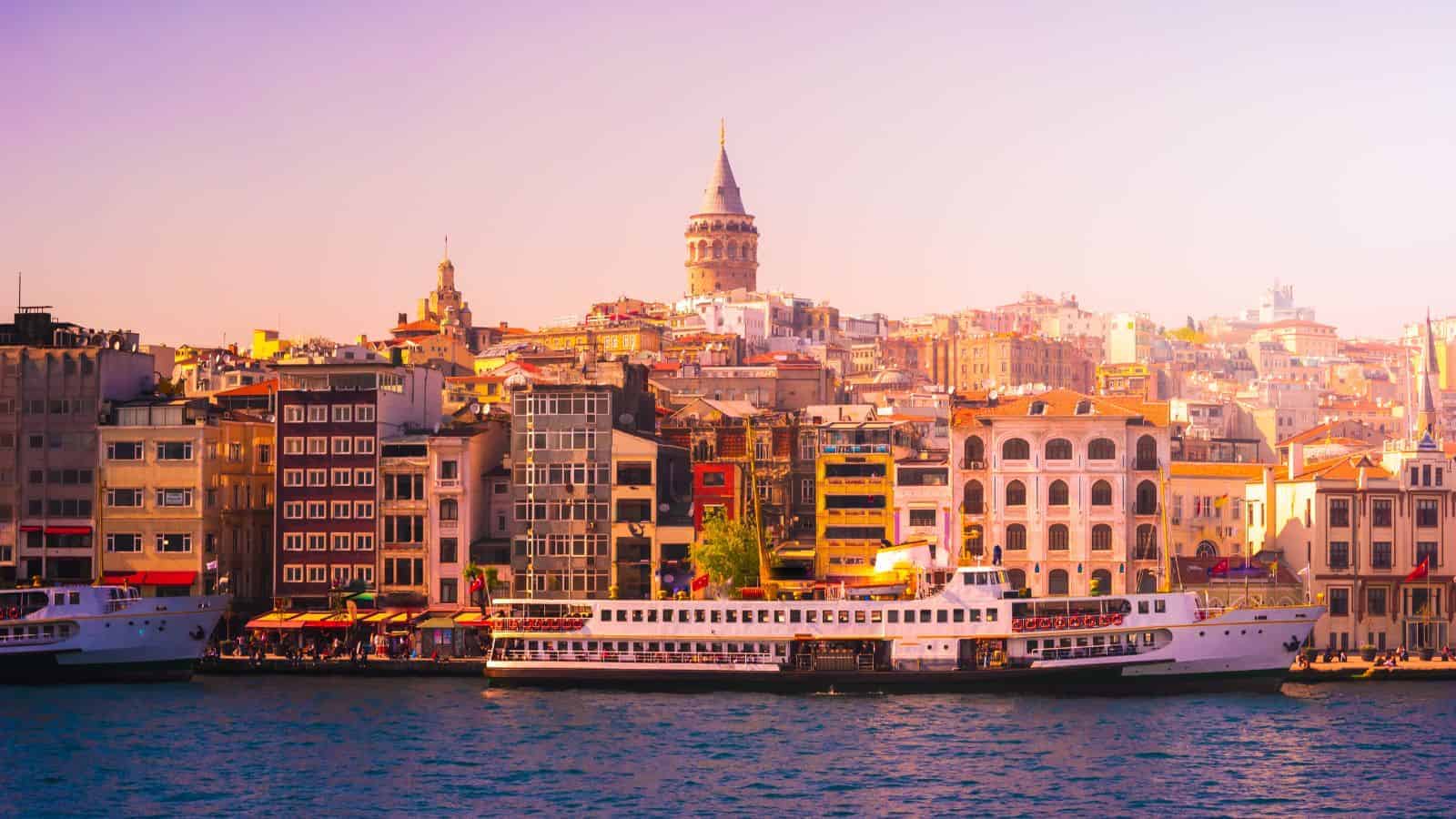
Turkey’s history is layered across empires, trade routes, and shifting geography. Istanbul alone brings together Byzantine walls, Ottoman mosques, ferry traffic, markets, and modern neighborhoods. Cappadocia adds underground cities and rock-cut dwellings, while the coast holds ruins of Greek and Roman settlements near present-day towns. History here is not limited to major monuments. It appears in tea houses, bazaars, roads, religious spaces, and the way daily life continues around older structures.
Canada

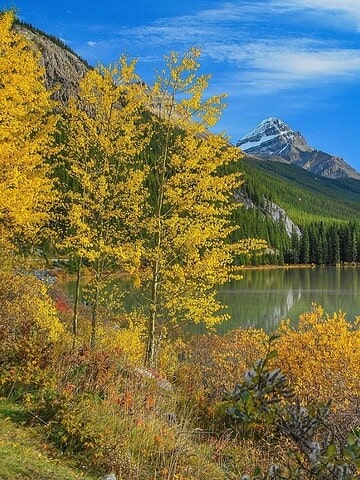
Canada’s history is spread across a wide landscape rather than concentrated in one place. Quebec and Halifax carry colonial and maritime histories, while the Rockies, prairies, forests, and northern regions show how geography shaped movement and settlement. Indigenous histories are central to understanding the land, though travelers often overlook them when focusing only on scenery. Large cities feel modern and global, but regional identity remains strong. Canada’s past becomes clearer when travelers slow down and look at communities, place names, rivers, and routes.
10 Places Where Tourists Often Book the Wrong Area

Choosing where to stay can shape the entire trip. This article features places where tourists often book the wrong area, focusing on destinations where neighborhoods look close on a map but feel very different in reality. Being in the wrong spot can mean long commutes, limited food options, or missing the parts people hoped to experience.
Read More Here: 10 Places Where Tourists Often Book the Wrong Area
11 American Cities Travelers Say Feel Genuinely Friendly

First impressions can shape how a trip feels, and some cities stand out for how people interact. This article features American cities travelers say feel genuinely friendly, focusing on places where everyday interactions feel easier, more welcoming, and less rushed. These cities often leave visitors talking about the people just as much as the sights.
Read More Here: 11 American Cities Travelers Say Feel Genuinely Friendly

Leave a Reply