
Japan can feel overwhelming for first time visitors because so many systems work differently from what they are used to. This article features travel hacks that make visiting Japan much easier for first timers, focusing on practical tips that help with transportation, payments, navigation, and daily routines. Small adjustments can save time and reduce confusion throughout the trip.
Knowing a few useful travel habits before arriving can make the experience feel far less stressful. Better preparation often leads to smoother travel days and more confidence getting around. Keep reading to see which travel hacks make the biggest difference for first time visitors to Japan.
Get an IC Card Immediately After Arrival
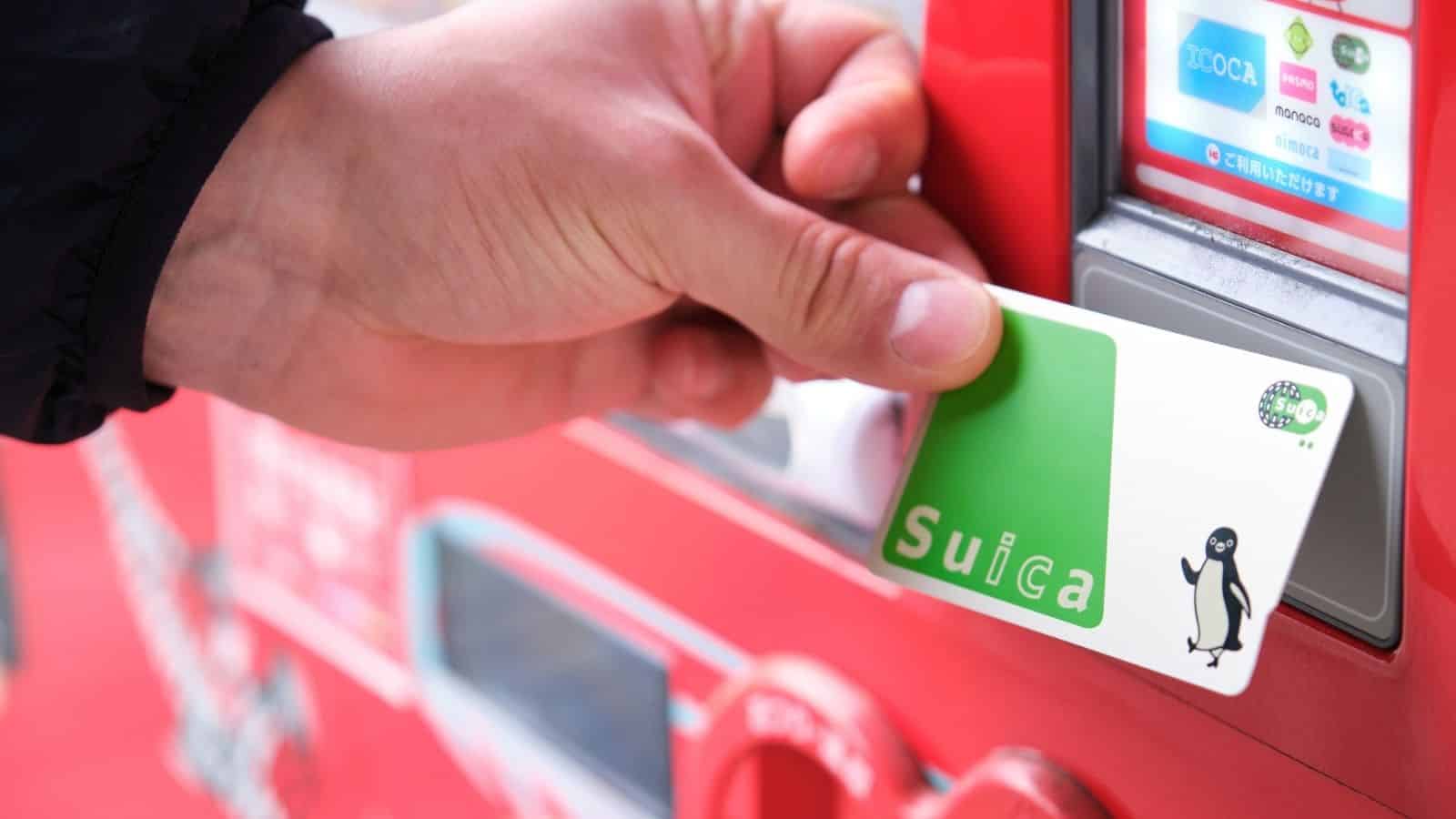
IC cards such as Suica or Pasmo make transportation much easier for first-time visitors. Instead of buying individual train tickets for every trip, travelers can simply tap in and out across most trains, subways, and buses. Many convenience stores and vending machines also accept them for payment. This saves time in busy stations and reduces confusion around ticket machines, especially during rush hours.
Pack Light for Train Travel
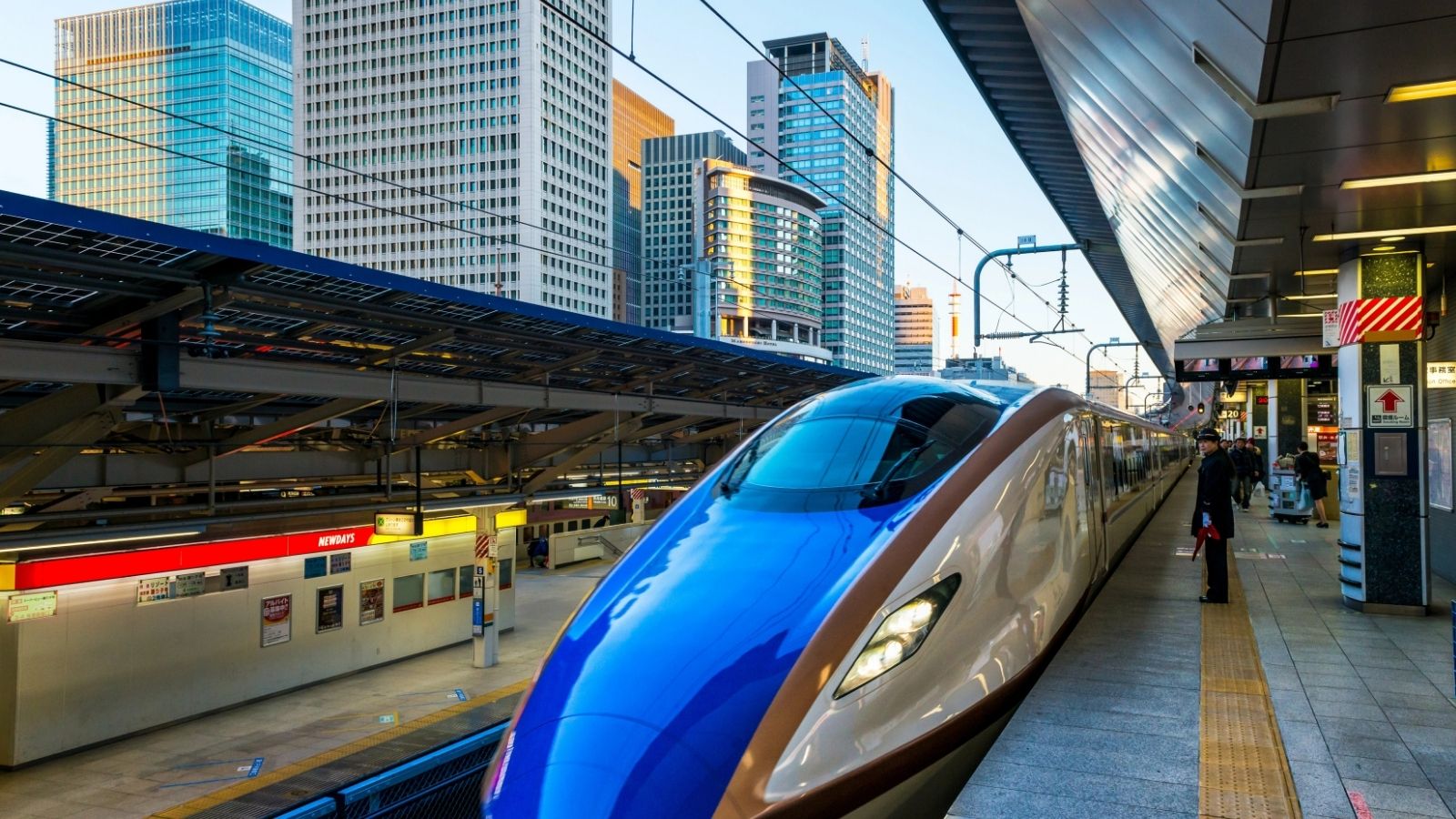
Japan’s rail system is efficient, but stations often involve stairs, crowded platforms, and long walks between transfers. Smaller hotel rooms also make large suitcases inconvenient. Many first-time visitors regret bringing oversized luggage after navigating Tokyo or Osaka during busy hours. Packing lighter or using luggage forwarding services makes moving between cities much easier.
Use Convenience Stores for Quick Meals
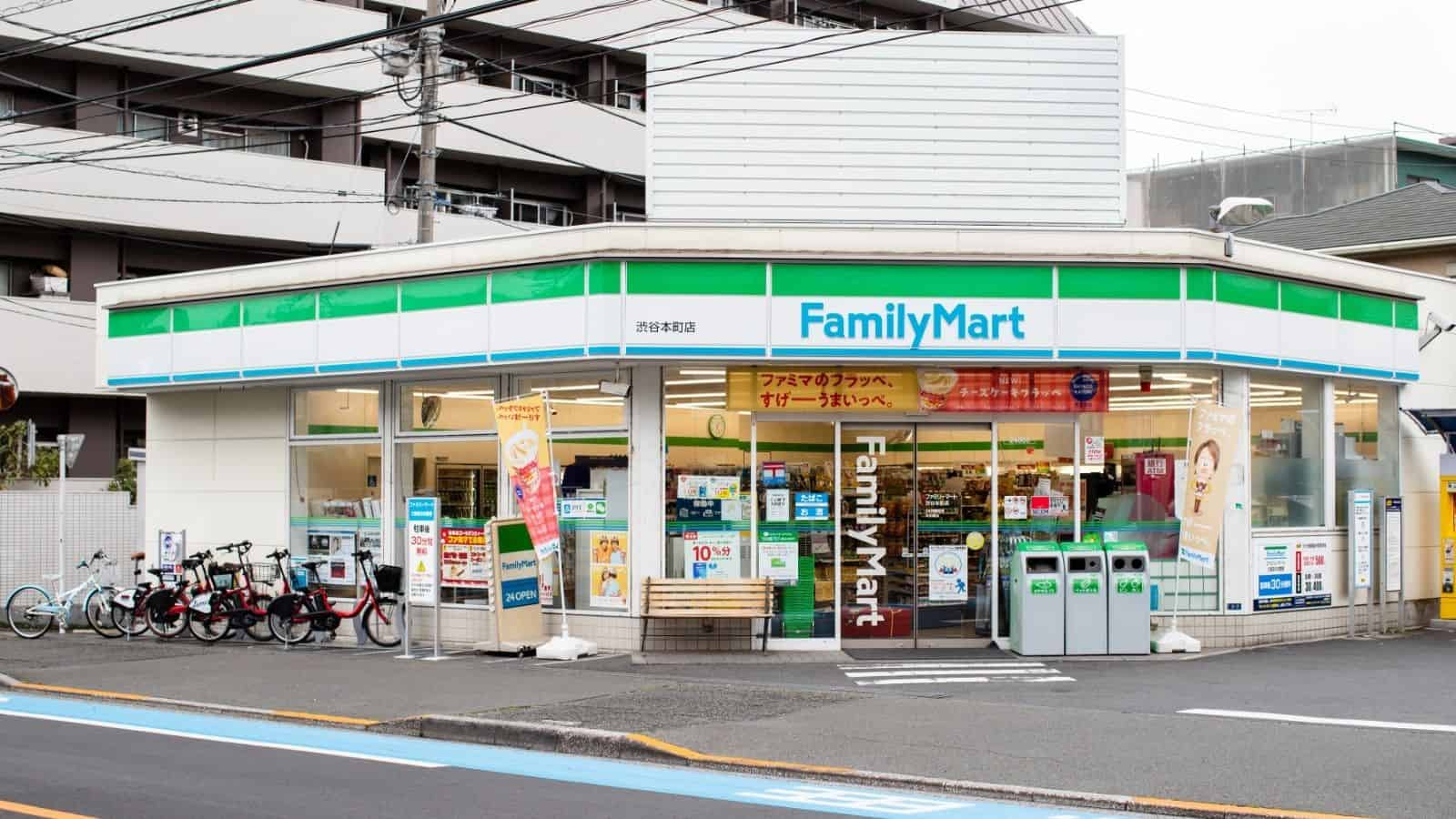
Japan’s convenience stores are far more useful than many travelers expect. Stores such as 7-Eleven, Lawson, and FamilyMart sell affordable meals, snacks, drinks, toiletries, and travel essentials around the clock. They are especially helpful for early mornings, late arrivals, or long train days. First-time visitors often realize they can rely on convenience stores far more than expected during the trip.
Avoid Rush Hour on Major Train Lines
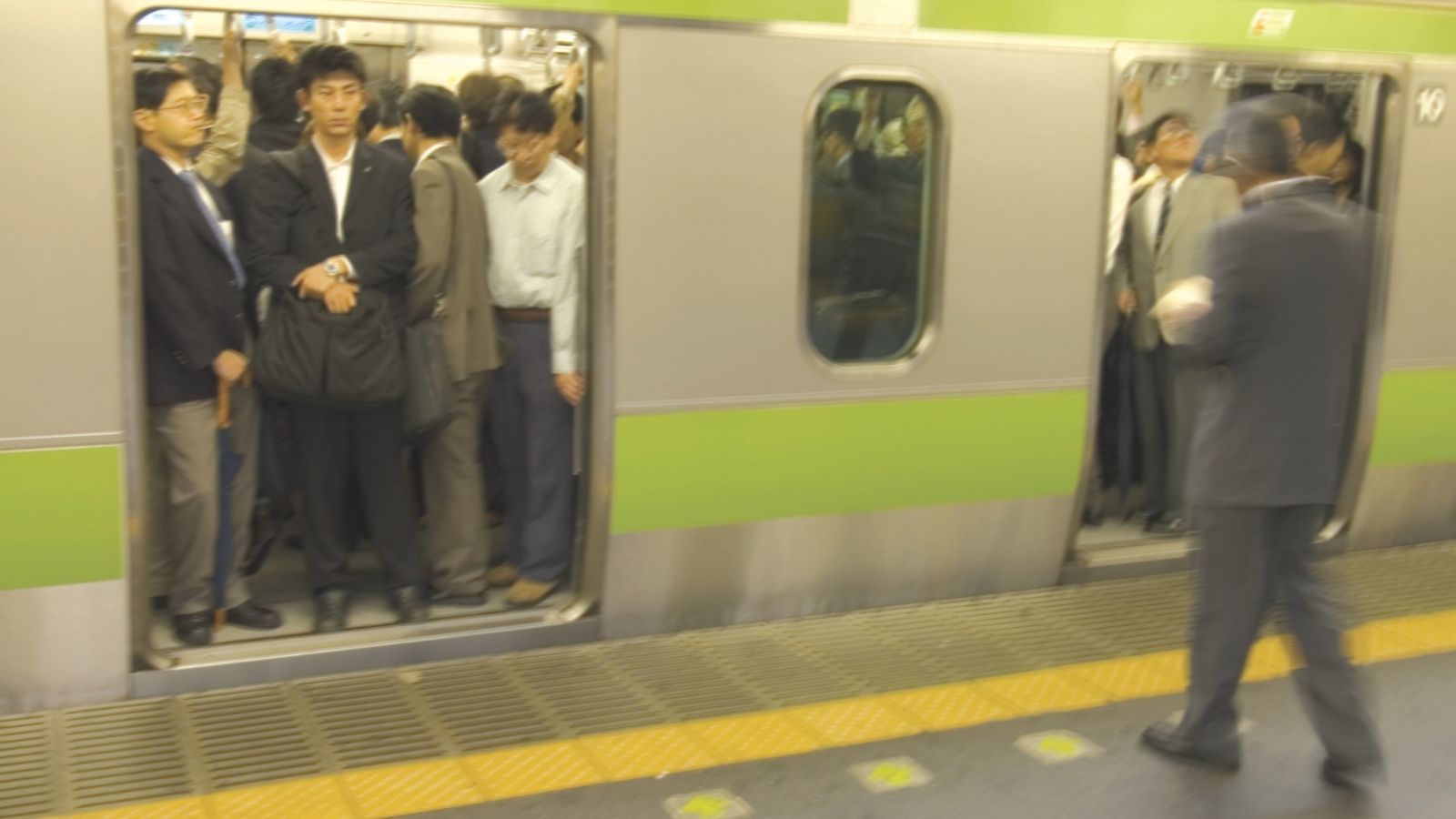
Tokyo, Osaka, and other large cities become extremely crowded during weekday rush hours. Trains can fill quickly, especially between 7:30–9:00 a.m. and after work hours. First-time visitors who travel during these periods often feel overwhelmed by station crowds and packed platforms. Adjusting sightseeing schedules slightly earlier or later can make transportation far less stressful.
Carry Cash Alongside Credit Cards
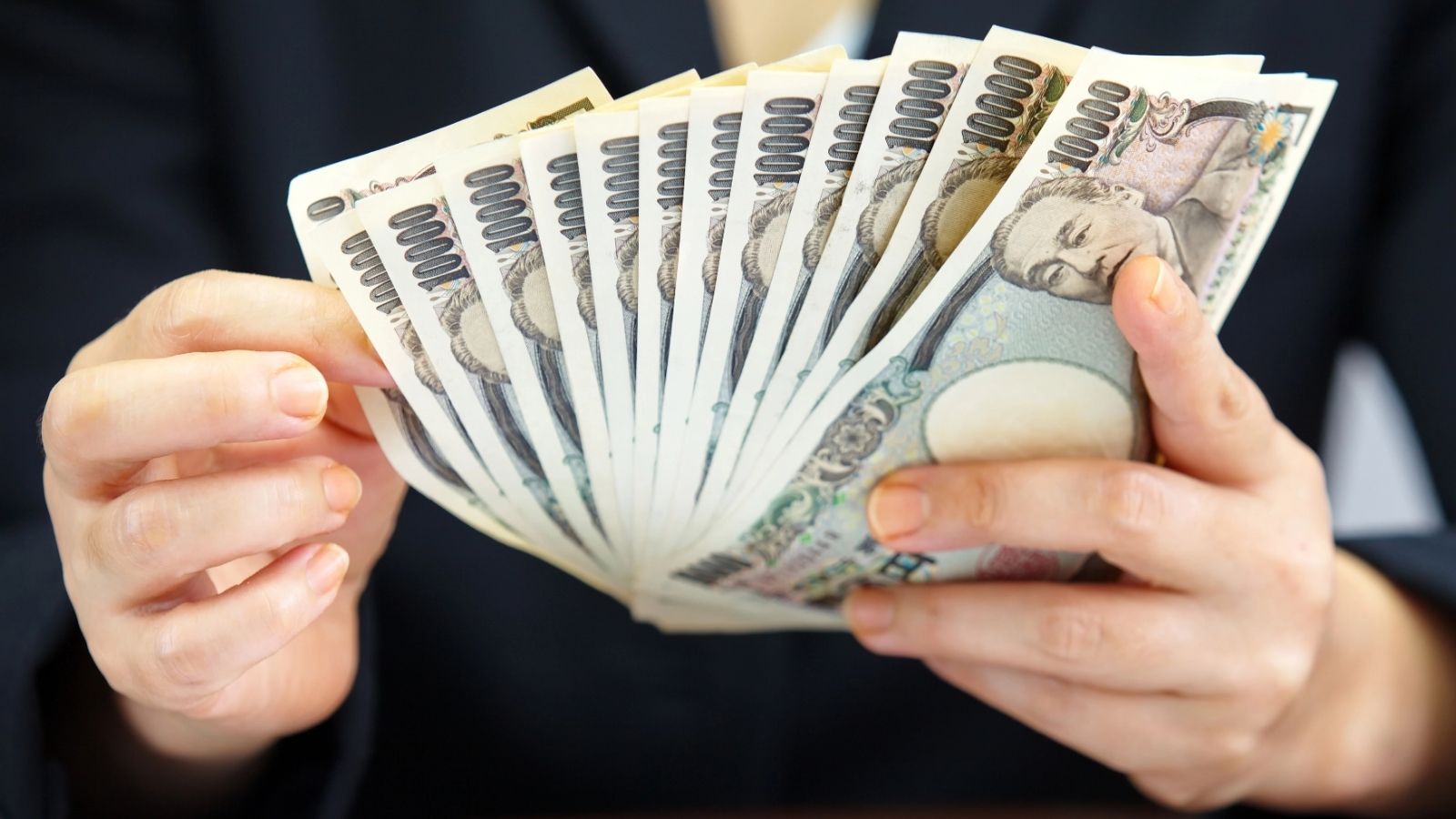
Japan has become more card-friendly in recent years, but smaller restaurants, temples, rural shops, and local businesses may still prefer cash. Some ticket machines and older establishments also do not accept international cards. Many travelers regret relying entirely on digital payments once they leave major tourist districts. Convenience store ATMs are usually the easiest option for withdrawals.
Learn Basic Station Navigation Before Arrival
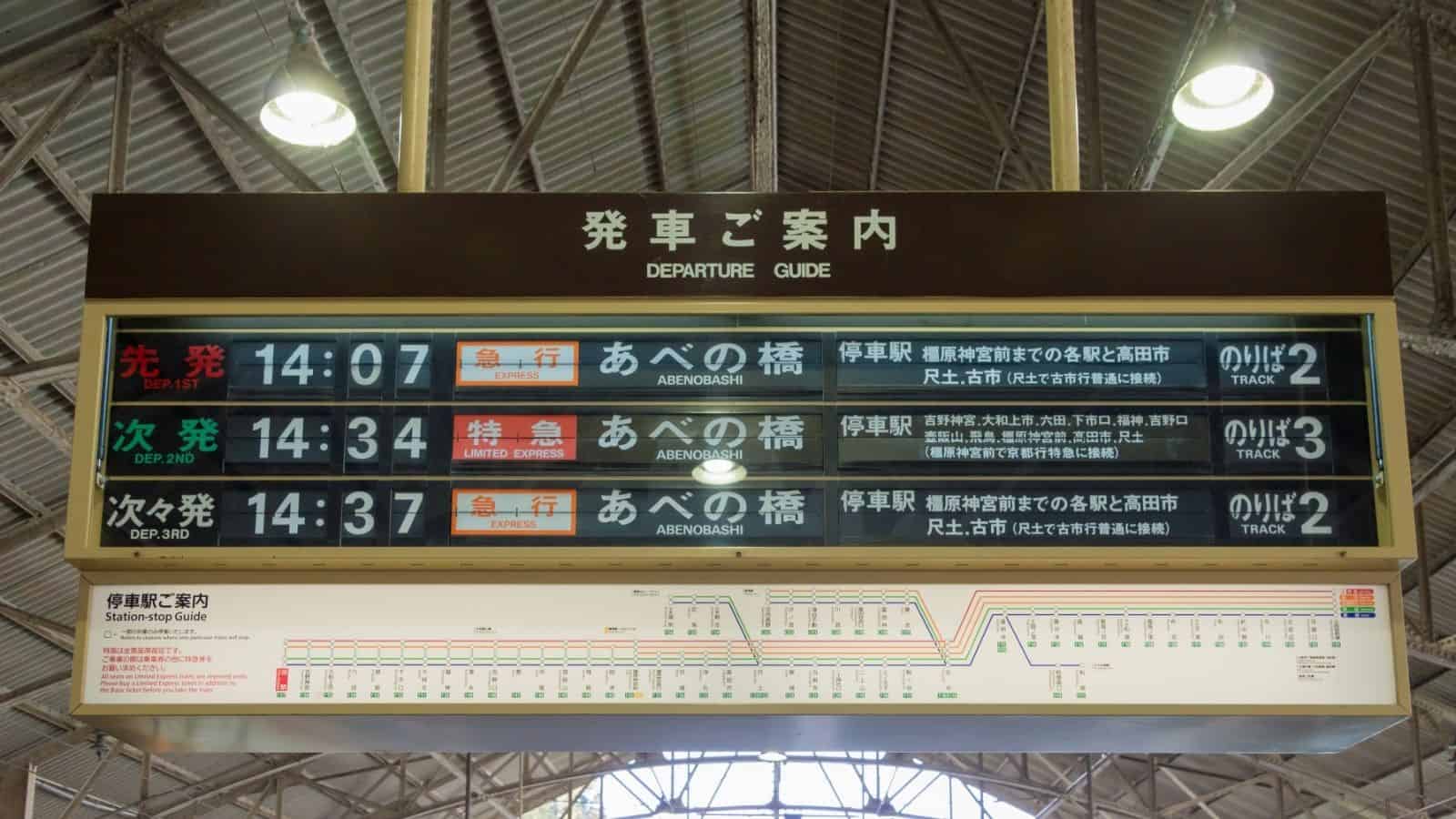
Japan’s major train stations can feel overwhelming for first-time visitors because of their size and multiple exits. Stations such as Shinjuku or Tokyo Station contain shopping areas, underground passages, and several rail lines stacked together. Understanding basic train etiquette and navigation apps before arrival helps reduce confusion significantly. Even experienced travelers often allow extra time for transfers.
Want to save this?
Book Popular Attractions and Restaurants Early

Some of Japan’s most popular attractions now require advance reservations, especially themed cafés, observation decks, and special exhibitions. Well-known restaurants and seasonal experiences can also fill quickly during busy travel periods. First-time visitors sometimes assume they can book everything spontaneously and later discover limited availability. Reserving key experiences ahead of time usually creates a smoother trip.
Stay Near a Major Train Station
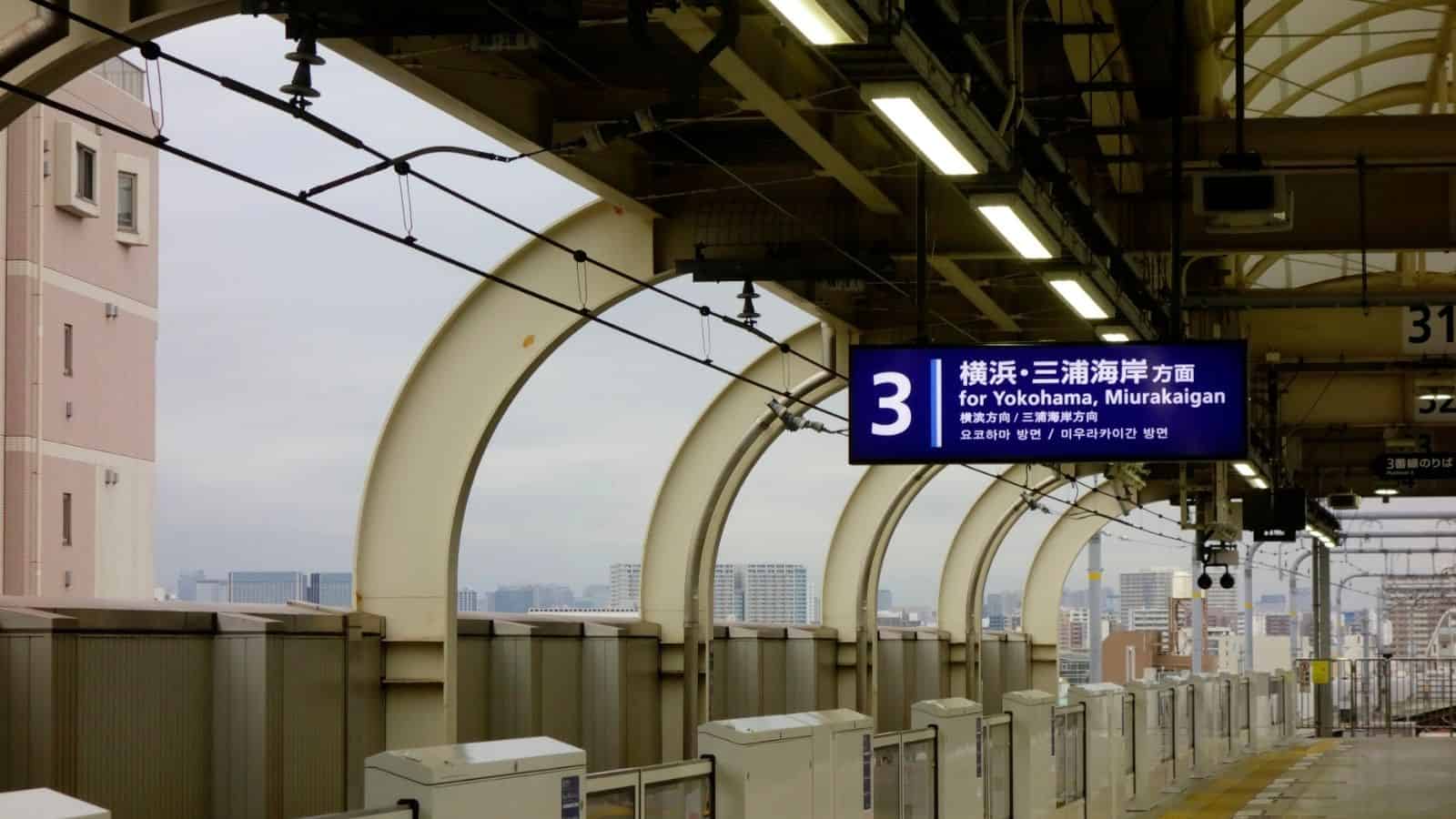
Hotel location matters heavily in Japan because transportation is central to daily movement. Staying near major stations reduces transfer stress and saves significant travel time each day. Areas with direct train access to airports or high-speed rail lines also simplify arrivals and departures. First-time visitors often underestimate how tiring long station commutes can become after full sightseeing days.
Use Luggage Forwarding Services
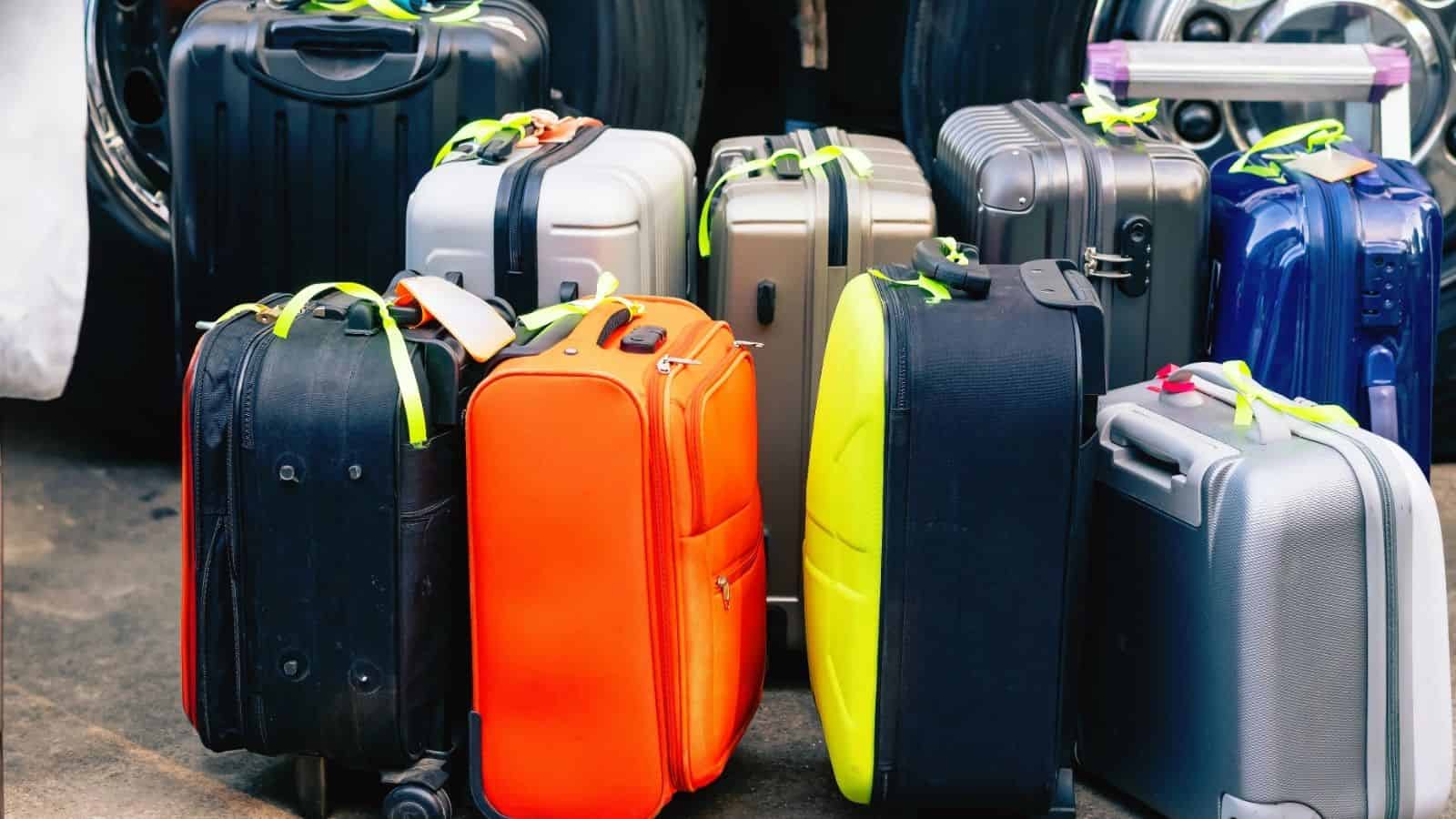
Japan’s luggage forwarding system allows travelers to send suitcases directly between hotels, airports, and cities. This is especially useful for travelers moving between Tokyo, Kyoto, and Osaka on trains. Many first-time visitors struggle with large bags on crowded platforms before discovering how efficient forwarding services are. Traveling with only a small overnight bag between destinations often feels much easier.
Respect Quiet Public Behavior
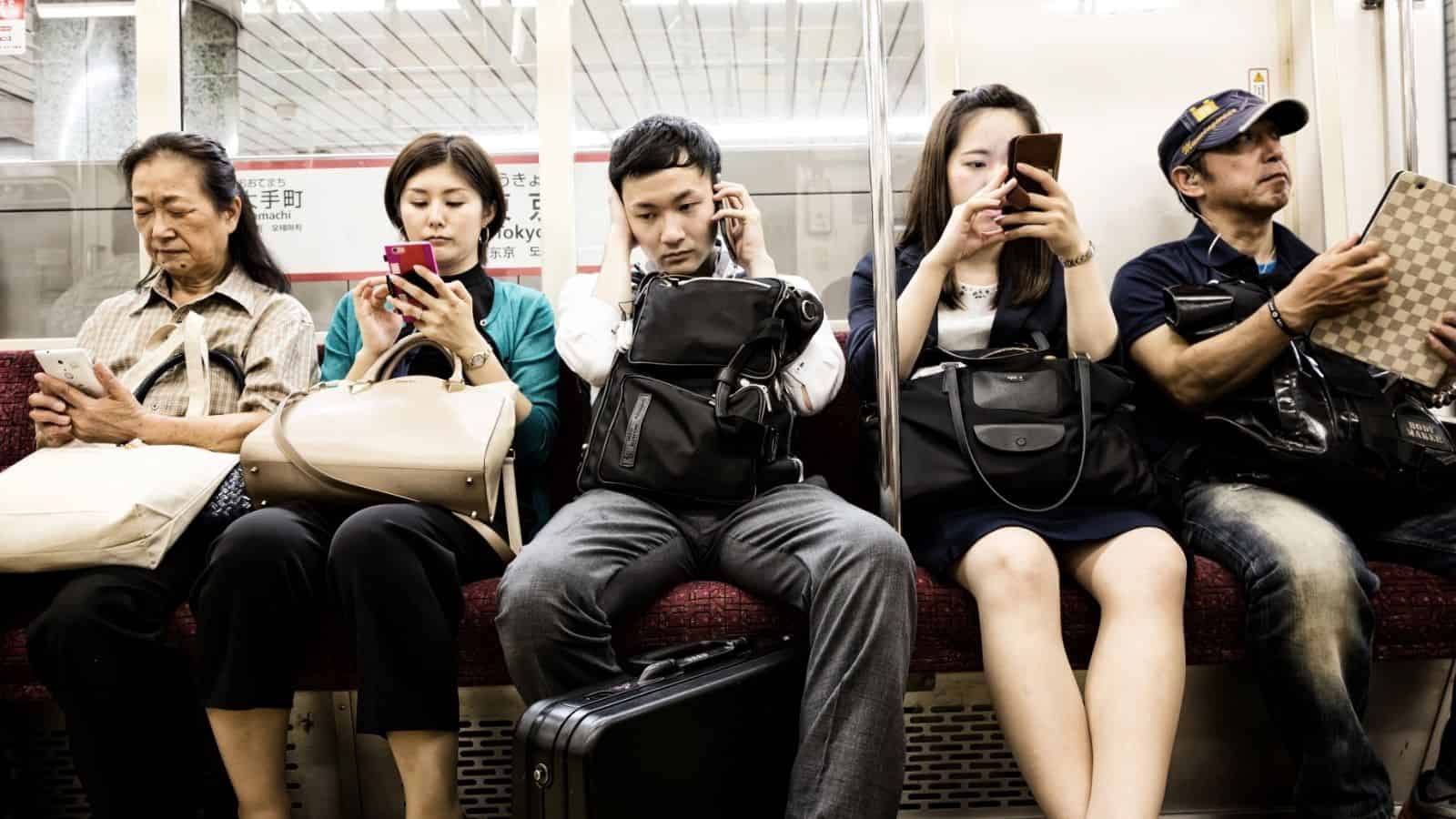
Public transportation and shared spaces in Japan tend to remain much quieter than many visitors expect. Phone calls on trains are discouraged, and loud conversations can attract attention quickly. Watching how locals behave in restaurants, stations, and elevators helps travelers adapt more comfortably. First-time visitors who stay aware of these quieter social norms usually feel less out of place during the trip.
Do Not Overplan Every Day

Japan rewards slower pacing more than many first-time visitors expect. Travelers often try to fit too many neighborhoods, day trips, and attractions into a single itinerary because train travel appears fast on paper. In reality, station transfers, crowds, and walking distances consume more energy than expected. Leaving open time between activities usually makes the trip feel much more manageable and enjoyable.
11 Countries That Feel Friendlier to Older Travelers
Travel priorities often change with age, and comfort starts to matter as much as sightseeing. This article highlights destinations where pacing feels manageable, daily logistics feel simpler, and getting around does not feel exhausting. These are places where travelers say they felt more at ease navigating cities, transportation, and everyday routines.
Read More Here: 11 Countries That Feel Friendlier to Older Travelers
11 International Trips That Pair Well With a Cruise Stop
Cruise stops can be more than short visits if planned the right way. This article features international trips that pair well with a cruise stop, focusing on destinations where a brief port visit can easily turn into a longer stay. These places often have enough to see nearby, making it simple to extend the trip before or after the cruise.
Read More Here: 11 International Trips That Pair Well With a Cruise Stop



Leave a Reply