
Some countries look manageable on a map until travelers start moving through them. This article features countries where travelers underestimate just how big they are, focusing on destinations where long distances, regional differences, and travel times catch visitors off guard. What seems like a quick trip between cities can take far longer than expected.
Understanding the scale of these countries can help travelers build more realistic itineraries. Allowing extra time and narrowing plans can make the trip feel less rushed. Keep reading to see which countries made the list and why their size surprises so many visitors.

South Africa

South Africa often looks more compact than it feels once travelers begin driving between destinations. Cape Town, safari regions, the Garden Route, and other major highlights are separated by long travel distances. Roads are generally well-developed, but rural routes and traffic near cities can slow progress. Travelers frequently underestimate how much time is needed to move between experiences. South Africa is easier to enjoy when trips focus on fewer regions instead of combining too many long-distance transfers.
Scotland
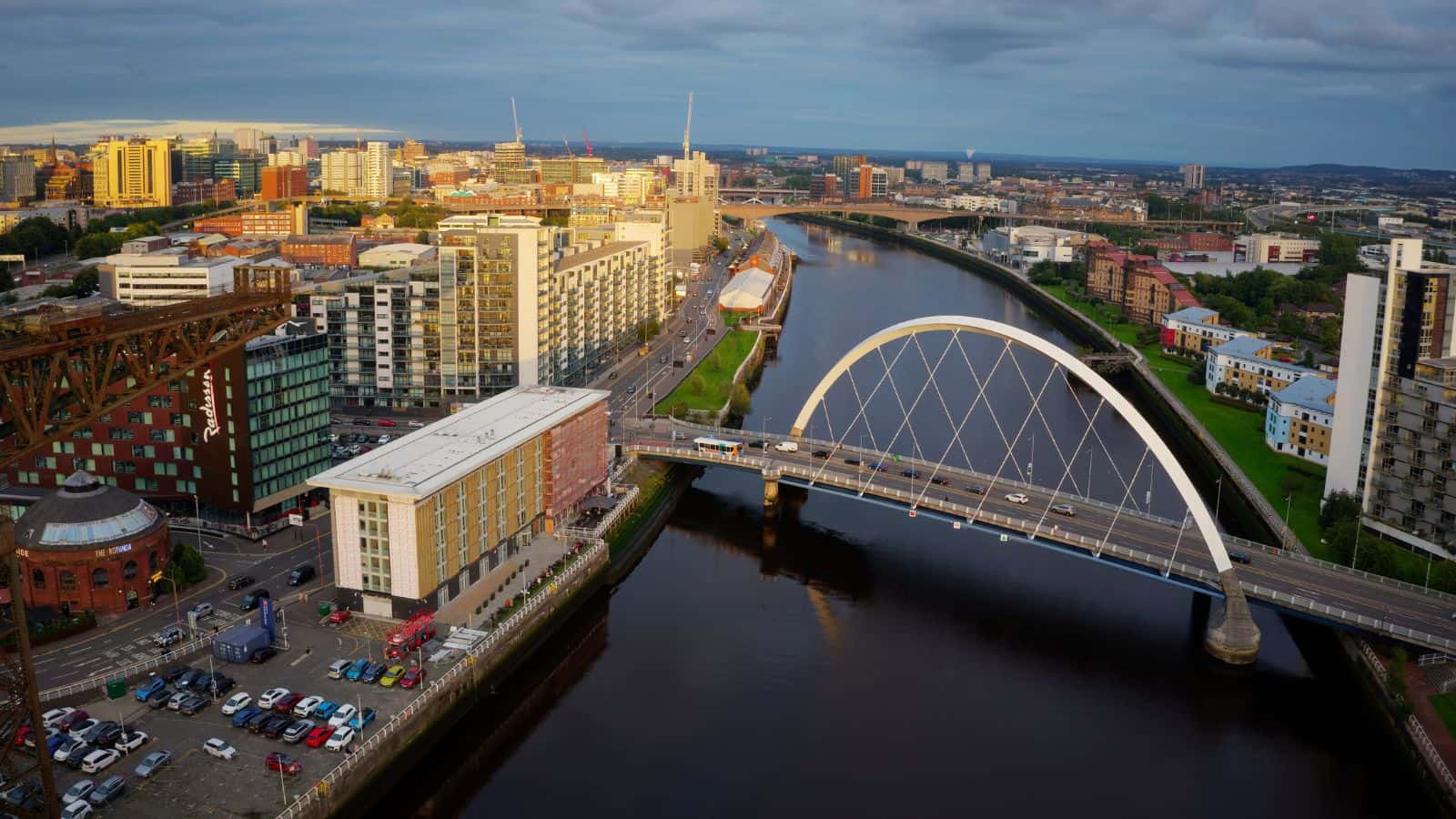
Scotland looks relatively compact, but travel times through the Highlands and island regions are often much slower than expected. Narrow roads, single-track routes, changing weather, and scenic stops can stretch short drives into full-day journeys. Travelers frequently plan ambitious itineraries without accounting for slower rural travel conditions. Ferries and remote roads also require careful timing. Scotland generally works better when travelers leave extra time between destinations instead of trying to move too quickly through the landscape.
Argentina

Argentina stretches so far north to south that distances become one of the biggest challenges for travelers. Patagonia alone covers a massive area with long travel times between towns and attractions. Visitors often assume they can easily combine Buenos Aires, wine regions, and southern landscapes in one trip, but transportation between them consumes large portions of the itinerary. Long-haul buses, limited flight schedules, and changing weather conditions add further complications. Argentina is usually easier to manage when travelers focus on fewer regions.
Chile

Chile’s narrow shape makes it appear smaller than it really is. In practice, the distance between regions such as the Atacama Desert, Santiago, and Patagonia is enormous. Flights are common but still require significant travel time and connections. Driving between major regions is often unrealistic within shorter trips. Many travelers underestimate how much time is needed to move around the country comfortably. Chile generally works better when visitors choose one or two areas rather than attempting to cover the entire country.
Japan
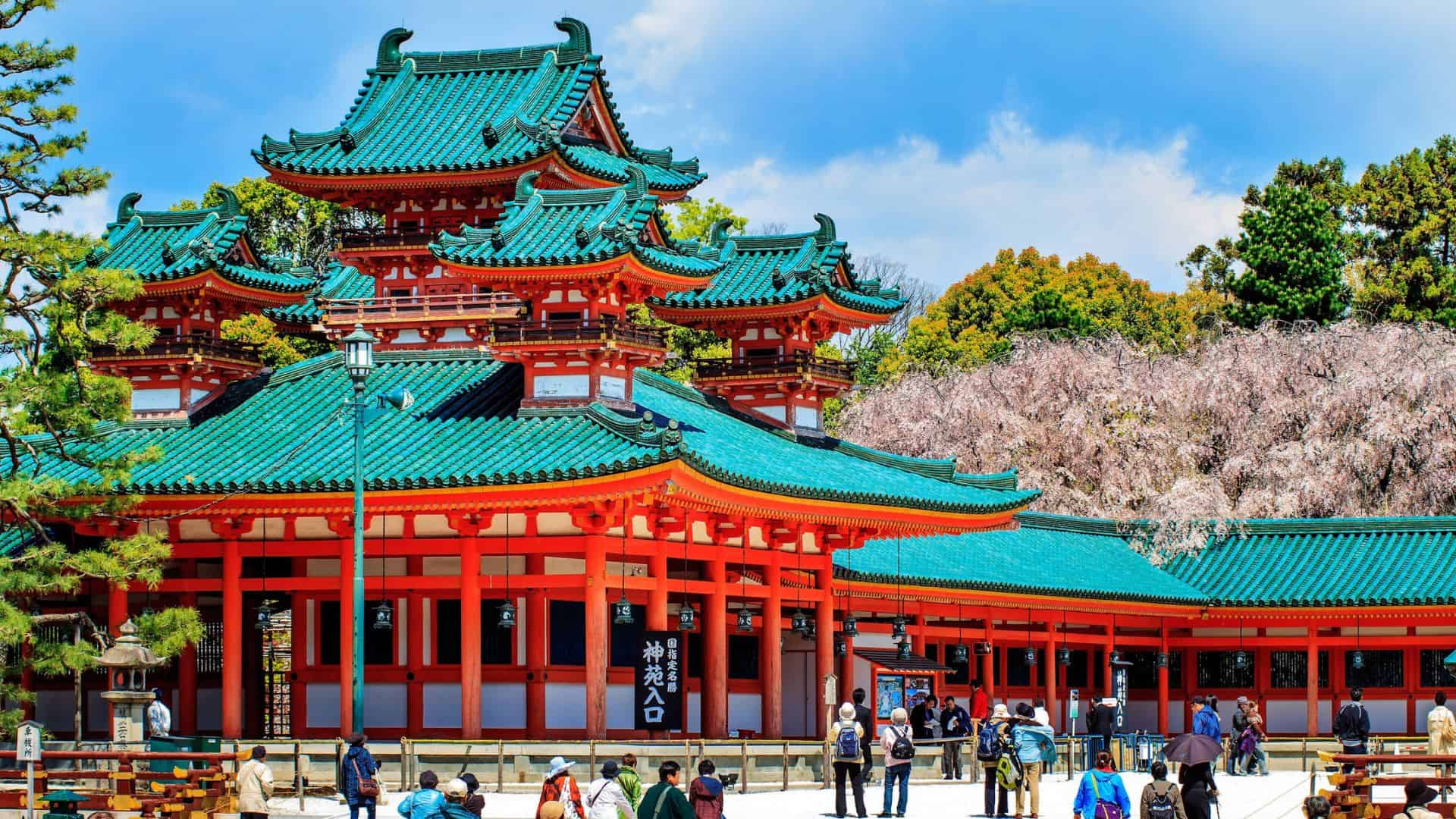
Japan’s efficient train system makes the country appear smaller and easier to navigate than it actually is. High-speed rail reduces travel time, but station transfers, navigation, and constant relocation still take energy and planning. Travelers often underestimate how tiring it can be to move frequently between Tokyo, Kyoto, Osaka, and rural areas. Door-to-door travel usually takes longer than expected once transfers and local transport are included. Japan often feels more manageable when travelers stay longer in fewer locations.
Want to save this?
United States

The United States appears straightforward because of its highway system and familiar city names, but the scale becomes obvious once travelers start moving between regions. Distances between national parks, major cities, and attractions add up quickly. Traffic, airport delays, and urban sprawl often extend travel times beyond expectations. Many first-time visitors try to combine too many states in one itinerary and end up spending more time traveling than exploring. The country rewards focused planning rather than trying to cover large sections too quickly.
Norway
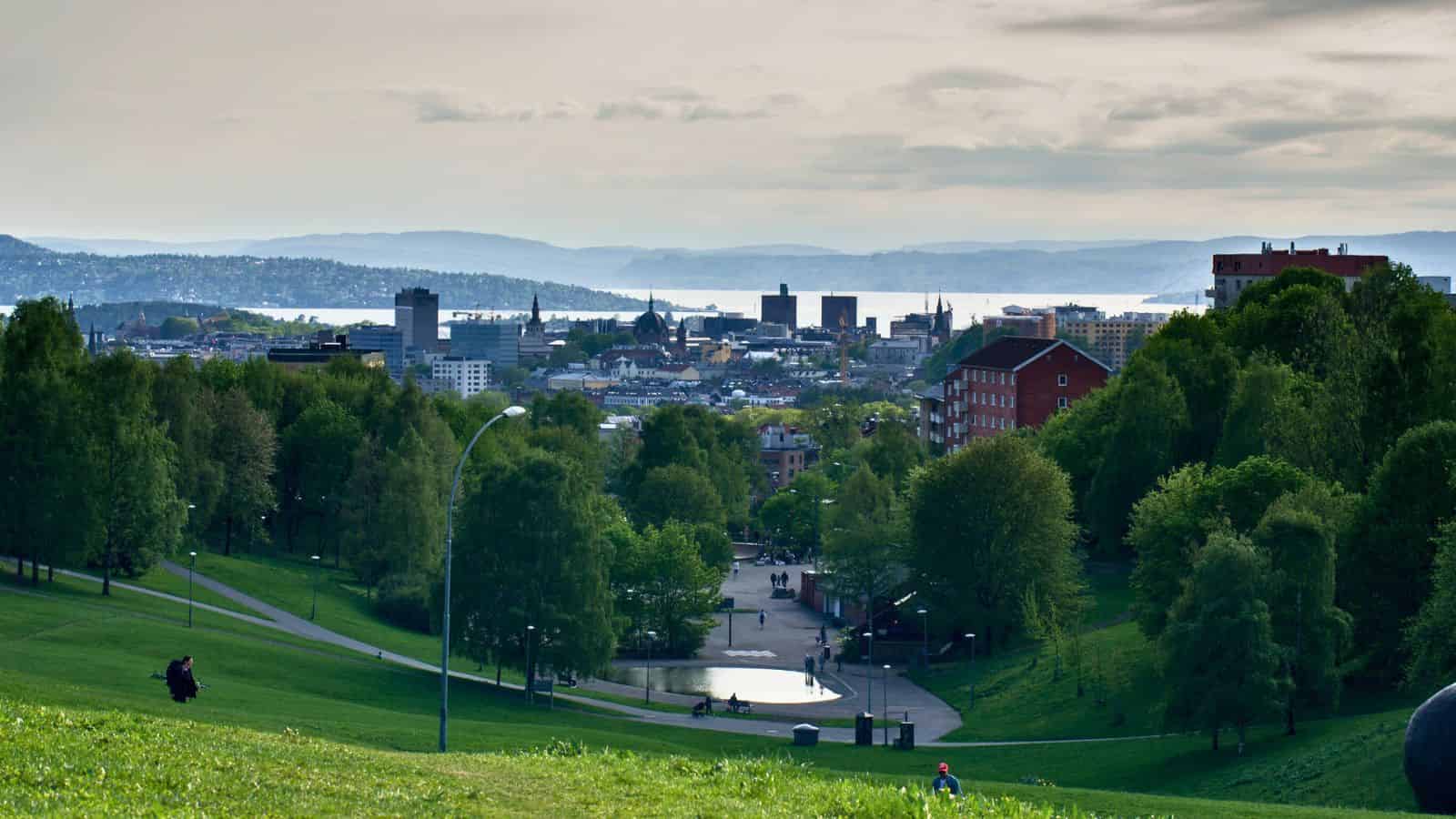
Norway’s mountains, fjords, and ferry systems make travel distances feel much longer than they appear on a map. Straight-line routes rarely reflect actual driving times because roads curve around water and mountains. Ferries, weather conditions, and seasonal daylight also affect pacing. Travelers often underestimate how slowly scenic routes can unfold across western Norway and northern regions. The country usually rewards slower travel with fewer stops rather than tightly packed itineraries.
Australia

Australia often looks manageable on a map until travelers begin moving between regions. Cities are spread far apart, and road trips involve long stretches with limited services. What appears to be a short route can easily turn into an all-day drive. Domestic flights help, but airport transfers and connections still consume time. Many first-time visitors try to combine too many regions in one itinerary, underestimating how large the country actually is. Australia usually works better when travelers focus on one section at a time rather than trying to see everything in a single trip.
Canada

Canada surprises many travelers because distances between provinces and major attractions are much larger than expected. Driving between destinations often takes full days, especially outside major urban corridors. Weather, road conditions, and limited infrastructure in remote regions can also slow movement significantly. Visitors frequently assume they can cover multiple regions in one trip, then realize how much time disappears in transit. Canada tends to work best when explored region by region instead of through ambitious cross-country itineraries.
9 Things Visitors Find Confusing About Train Travel in Europe

Train travel in Europe sounds simple, but many visitors are surprised once they start using it. Here are common points of confusion, from tickets and platforms to schedules that work differently than expected. These details often catch travelers off guard, especially those used to driving or flying.
Read More Here: 9 Things Visitors Find Confusing About Train Travel in Europe
10 U.S. Cities Sitting on Fault Lines Experts Say Could Shift Anytime

Some cities sit in places where the ground itself is not as stable as it seems. This article features U.S. cities sitting on fault lines experts say could shift anytime, focusing on locations where seismic activity remains a real concern based on geological data and historical patterns. These areas may feel normal day to day, but the risk beneath the surface is always present.
Read More Here: 10 U.S. Cities Sitting on Fault Lines Experts Say Could Shift Anytime



Leave a Reply