
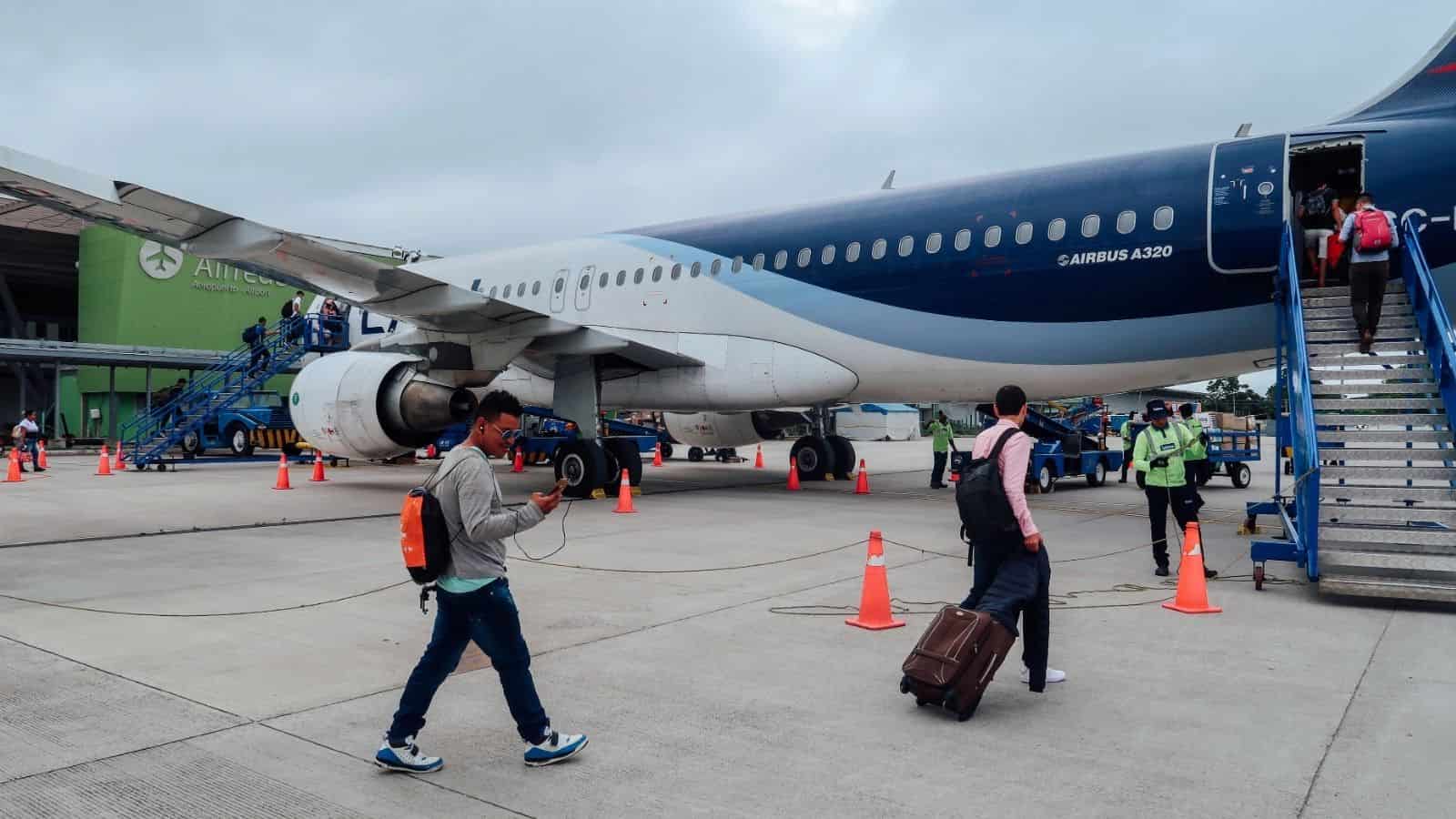
Boarding can set the tone for the entire flight. This article features boarding habits frequent flyers use to avoid airport stress, focusing on routines and small decisions that help experienced travelers move through gates more smoothly. Timing, organization, and awareness often make a bigger difference than people expect.
Knowing these habits can make boarding feel less rushed and more manageable. Small adjustments before stepping onto the plane can reduce delays and frustration. Keep reading to see which boarding habits seasoned flyers rely on most and how they help make travel days easier.
Understand the Boarding Group System

Airlines use different boarding systems based on seating zones, loyalty status, or ticket type. Frequent flyers usually check boarding procedures in advance so they know when to line up. This avoids standing unnecessarily in crowded gate areas or missing announcements. Understanding the process ahead of time helps travelers move through boarding with less confusion and less stress.
Wear Shoes That Are Easy to Remove

Slip-on shoes make security screening and boarding easier, especially in busy airports. Footwear that comes off quickly reduces delays at checkpoints and is more comfortable when walking long distances through terminals. Frequent flyers often avoid shoes with complicated laces or heavy boots during travel days. Comfortable shoes also make standing in lines and moving through crowded terminals less tiring overall.
Keep Devices Fully Charged

A charged phone or tablet makes boarding easier by keeping digital boarding passes accessible and allowing travelers to receive flight updates in real time. Charging stations at airports are often crowded or unavailable. Frequent flyers usually arrive with devices already powered up to avoid relying on airport outlets. Staying charged also makes waiting at gates more manageable during delays or long layovers.
Use Overhead Bin Space Efficiently

Boarding earlier usually improves the chance of finding overhead space near your seat. Frequent flyers often place bags quickly and avoid blocking the aisle while organizing belongings. Some travelers prefer bringing only a smaller personal item to avoid overhead bins entirely. Efficient storage reduces congestion during boarding and helps keep the process moving smoothly for everyone on the plane.
Keep Boarding Documents Ready

Having a boarding pass and identification easily accessible helps the line move faster and reduces delays during boarding. Frequent travelers usually prepare these items before reaching the scanner instead of searching through bags at the last second. Whether using a printed pass or a digital version on a phone, quick access makes the process smoother. This small habit helps reduce stress for both the traveler and everyone waiting behind them.
Stay Calm With Gate Agents

Gate agents handle delays, seating issues, and crowded flights throughout the day. Frequent travelers know that staying polite and patient often leads to smoother interactions when problems arise. Calm communication can help when requesting assistance or asking about flight changes. Maintaining a respectful attitude also helps reduce tension in already busy gate areas.
Want to save this?
Carry Hand Sanitizer and Basic Health Items

Busy airports involve shared surfaces, crowded lines, and long periods in enclosed spaces. Frequent travelers often keep hand sanitizer and other small health essentials easily accessible during boarding. These items help maintain comfort throughout the travel day, especially on longer trips or during crowded flights. Simple preparation can make airports feel more manageable and less stressful overall.
Double-Check Restricted Items Before Leaving Home

Bringing prohibited items can create delays during security screening and slow down the boarding process. Frequent flyers often review airline and airport guidelines before packing to avoid problems with liquids, electronics, or sharp objects. Having to repack bags or surrender items at security adds unnecessary stress. Careful packing helps the entire airport process move more smoothly.
Pack Carry-Ons for Quick Access

Organizing a carry-on bag so important items are easy to reach helps speed up both security and boarding. Travel documents, electronics, chargers, and snacks are easier to manage when packed in accessible compartments. Frequent flyers often use smaller organizers or packing cubes to avoid searching through bags in crowded areas. A well-organized carry-on reduces stress and keeps movement through the airport more efficient.
Check In Online as Early as Possible

Completing online check-in before arriving at the airport can reduce waiting time and make the boarding process smoother. Many airlines open check-in 24 hours before departure, giving travelers a chance to secure better seats or improved boarding positions. It also allows time to review travel details and fix small issues before reaching the airport. Frequent flyers often use this window to stay organized and avoid unnecessary stress later at the terminal.
Get to the Gate Earlier Than Necessary

Arriving at the gate early helps avoid the rush that builds shortly before boarding begins. It gives travelers time to settle, monitor announcements, and react calmly to gate changes or delays. Being nearby when boarding starts also improves the chances of finding overhead bin space close to the seat. Frequent flyers often prefer waiting calmly at the gate rather than joining last-minute crowds.
10 Things You Should Never Leave Behind in a Hotel Room
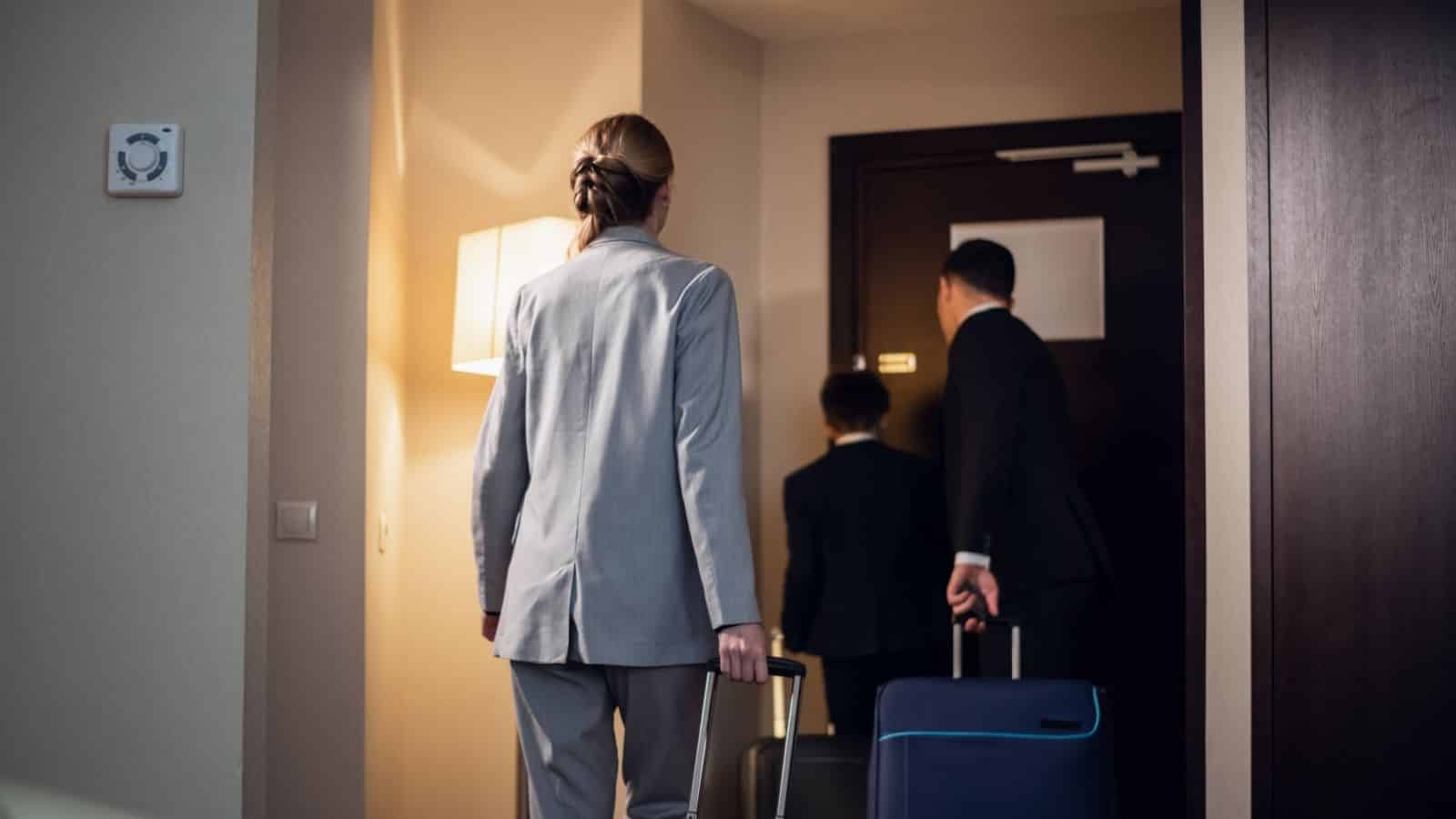
Hotel rooms can feel like a temporary home, which makes it easy to forget important items when checking out. This article features things you should never leave behind in a hotel room, focusing on belongings that are often overlooked but difficult or costly to replace. From everyday essentials to valuable items, these are the things travelers most regret leaving behind.
Read More Here: 10 Things You Should Never Leave Behind in a Hotel Room
11 American Cities Travelers Say Feel Genuinely Friendly

First impressions can shape how a trip feels, and some cities stand out for how people interact. This article features American cities travelers say feel genuinely friendly, focusing on places where everyday interactions feel easier, more welcoming, and less rushed. These cities often leave visitors talking about the people just as much as the sights.
Read More Here: 11 American Cities Travelers Say Feel Genuinely Friendly




Leave a Reply