
Old town areas can look simple on a map but feel very different on the ground. This article features European cities where old town layouts make navigation difficult, focusing on places where narrow streets, winding paths, and irregular layouts make it easy to lose direction. What seems like a short walk can take longer when routes are not straightforward.
Knowing where navigation is more challenging can help travelers plan ahead and stay patient. Allowing extra time and using offline maps can make a big difference. Keep reading to see which European cities made the list and why getting around can feel more complicated than expected.
Venice, Italy
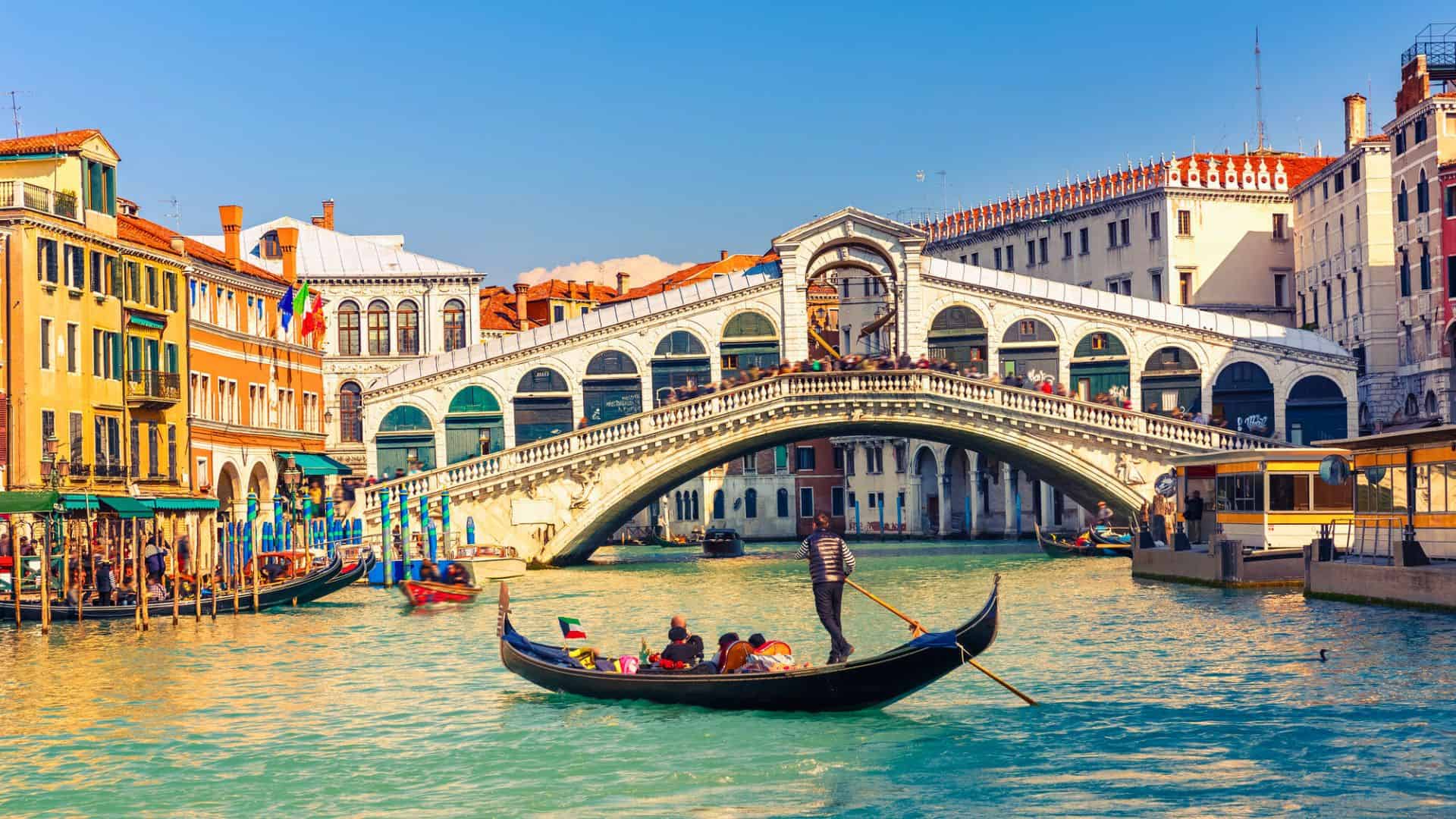
Many visitors expect to navigate Venice using clear routes, but the city’s canal system and narrow walkways make orientation difficult. Streets often end abruptly at waterways, and bridges connect areas in non-linear ways. Signage exists, but it may not always lead directly to major landmarks. Travelers who rely only on maps may need to adjust frequently. Allowing extra time and following main walking routes helps reduce confusion.
Prague, Czech Republic
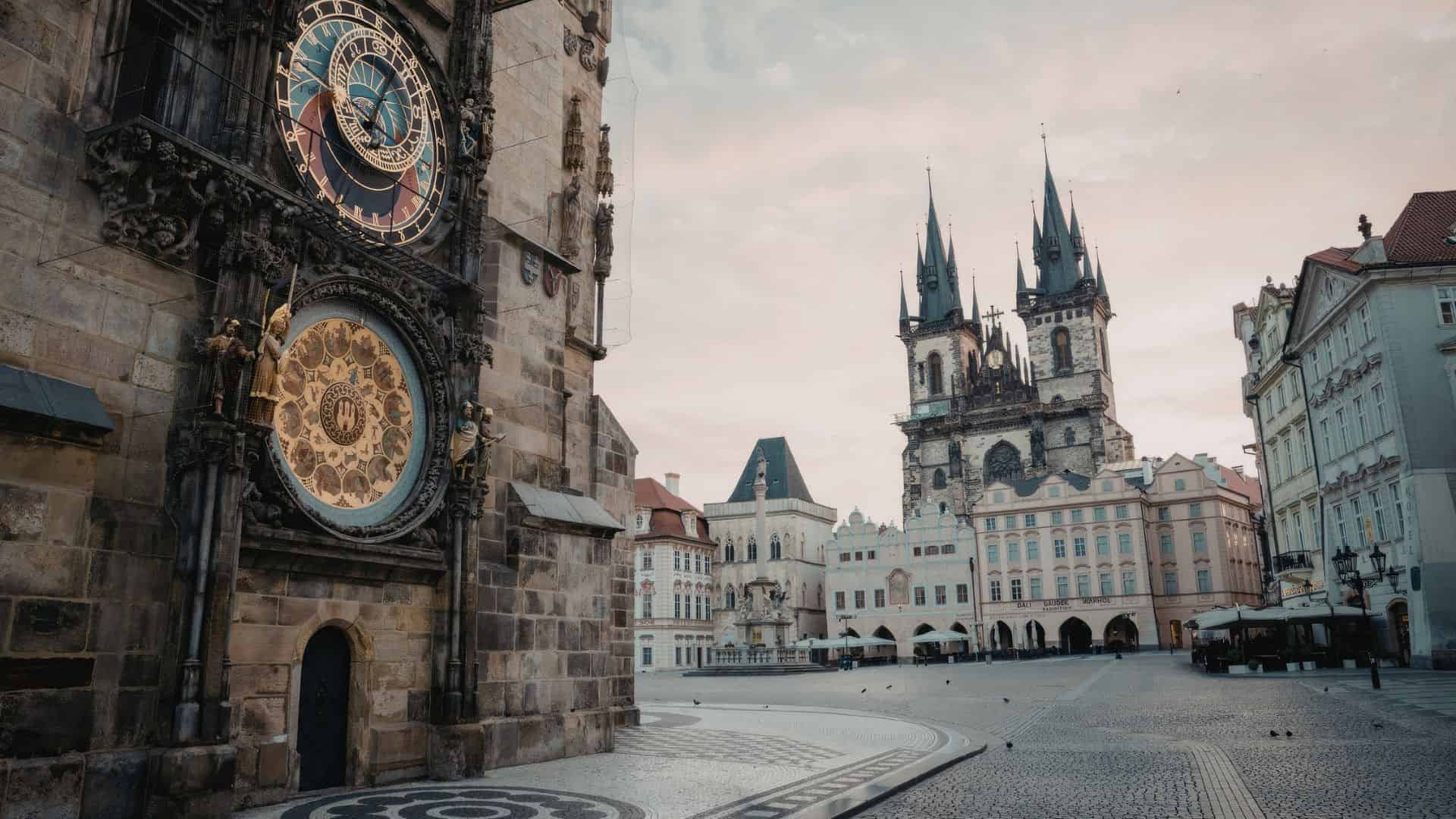
Prague’s Old Town features winding streets and irregular layouts that do not follow a grid. Visitors often expect straightforward routes between landmarks, but navigation can involve multiple turns and narrow passages. Crowds in central areas can further slow movement. Travelers who move between sites without planning may take longer routes than expected. Using landmarks and allowing extra time helps manage navigation.
Florence, Italy
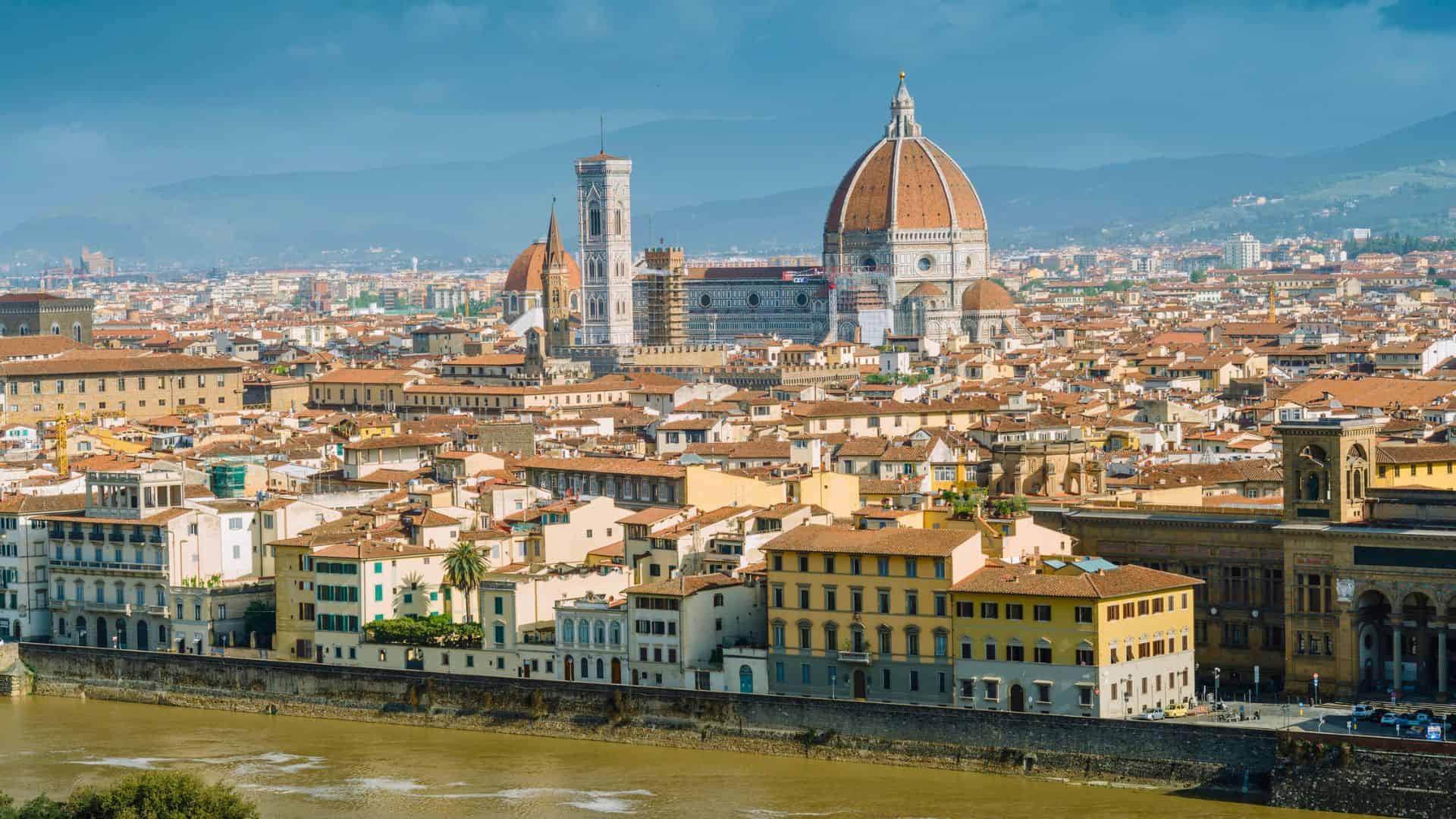
Florence’s historic center is compact but filled with narrow streets that can look similar. Visitors may expect simple navigation due to the city’s size, but turning one street too early can lead away from key landmarks. Signage is limited in smaller lanes. Travelers who rely only on directional sense may need to backtrack. Using major landmarks as reference points helps maintain orientation.
Lisbon, Portugal

Lisbon’s old districts combine steep hills with winding streets. Navigation is affected not only by layout but also by elevation changes. Routes that appear short on a map may involve long climbs or indirect paths. Street names and signage may not always be visible. Travelers who plan direct routes may need to adjust. Allowing extra time and using transport options for steep sections helps reduce difficulty.
Barcelona, Spain
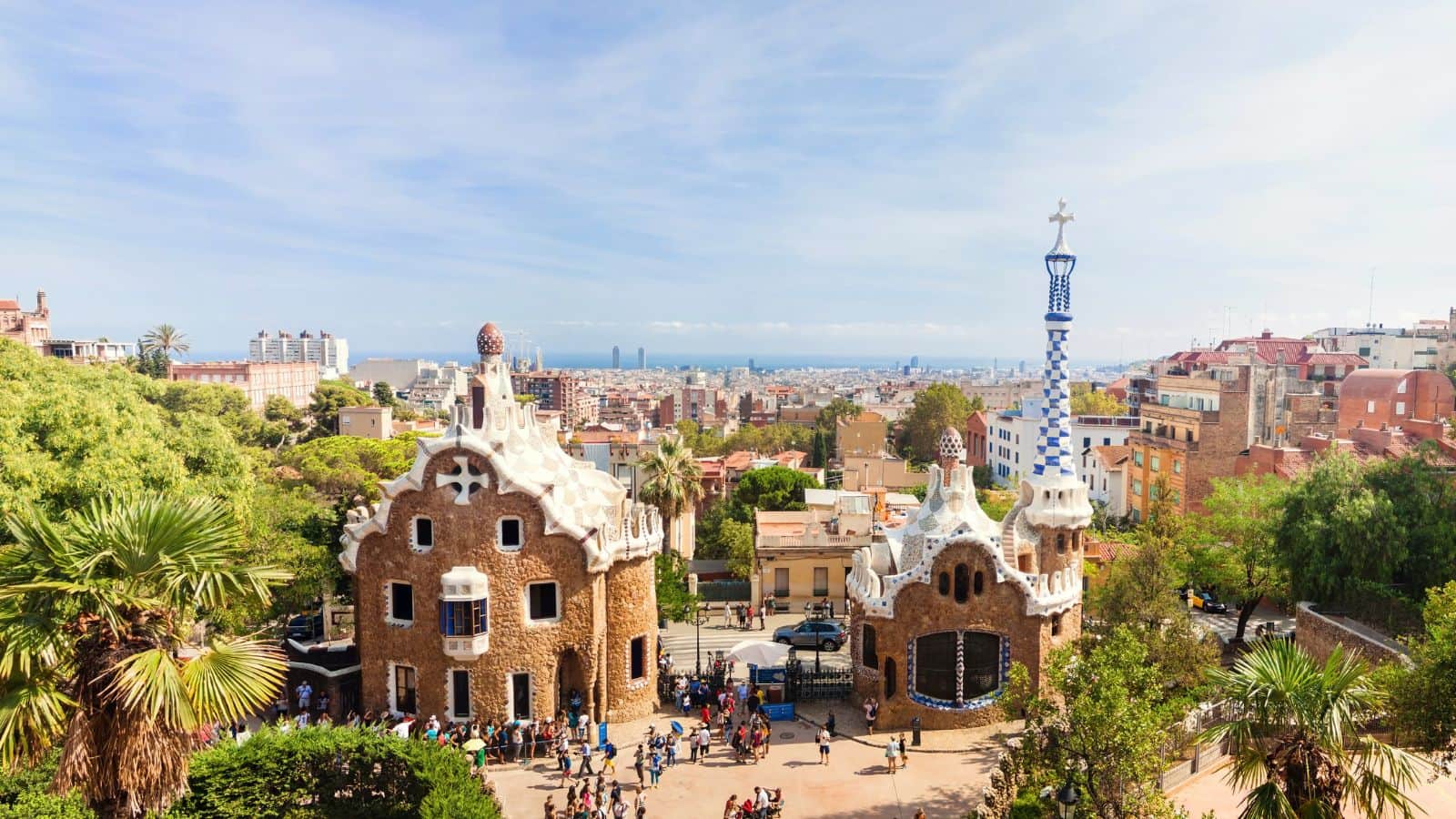
Barcelona’s Gothic Quarter has a dense network of narrow streets that differ from the city’s more structured areas. Visitors may expect consistency across neighborhoods, but the old town follows a more irregular pattern. Streets can branch unexpectedly, and signage may not always be clear. Crowds add another layer of complexity. Travelers who allow extra time and use main routes as guides tend to navigate more easily.
Rome, Italy

Rome’s historic center developed over centuries without a grid system. Streets curve and intersect in ways that can make navigation unpredictable. Landmarks are spread throughout the area, but routes between them are not always direct. Traffic and crowds can also affect movement. Travelers who expect straight paths may need to adjust plans. Using maps alongside visible landmarks helps maintain direction.
Want to save this?
Dubrovnik, Croatia

Dubrovnik’s Old Town is enclosed by walls and filled with narrow stone streets. The layout is compact but layered with stairs and side passages. Visitors may expect quick navigation, but elevation changes and tight spaces slow movement. Signage is limited within the old city. Travelers who plan short routes may find them taking longer than expected. Allowing extra time helps manage the layout.
Tallinn, Estonia
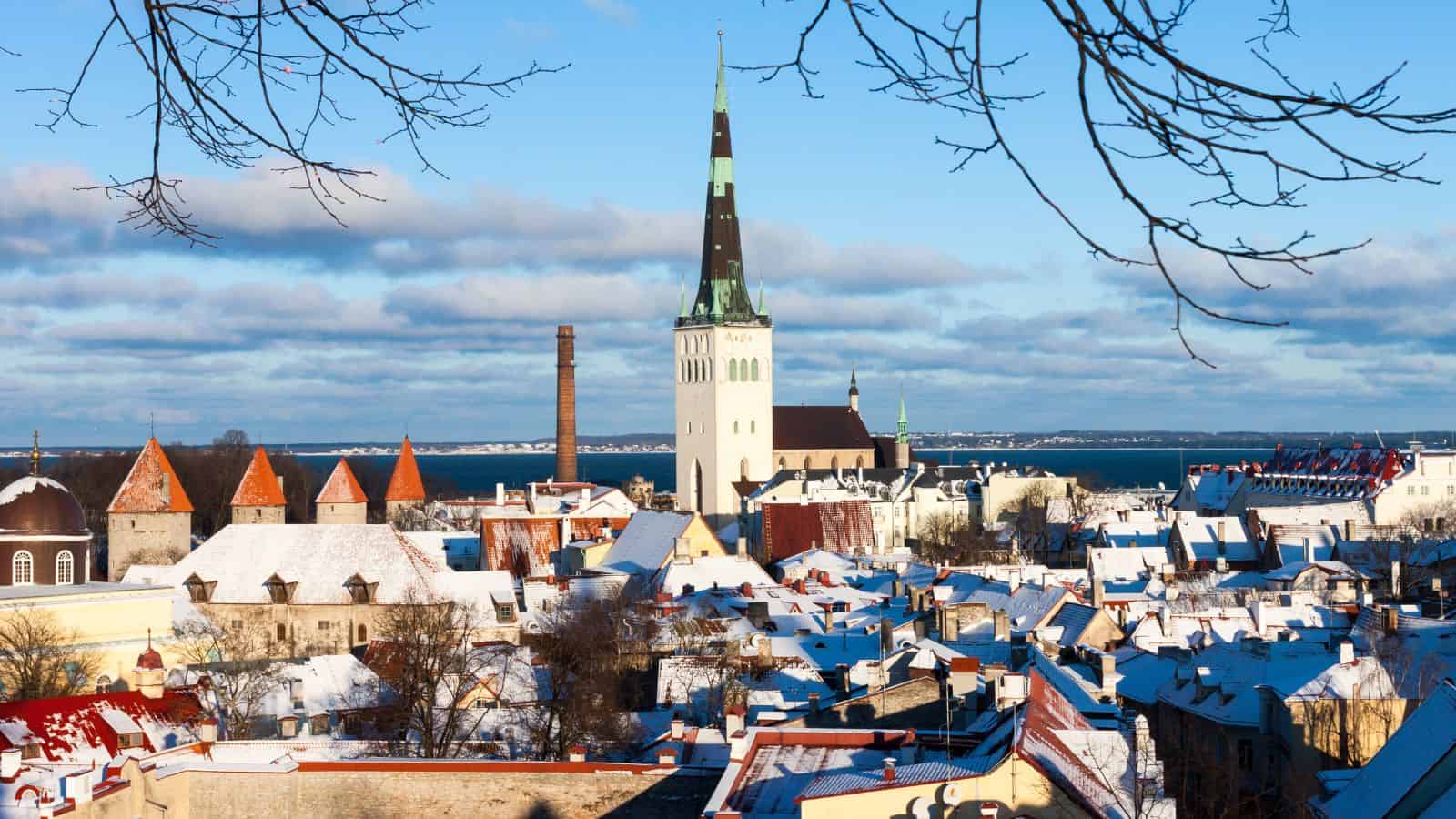
Tallinn’s medieval old town includes winding streets and uneven terrain. Visitors may expect a small area to be easy to navigate, but irregular paths and elevation changes can complicate movement. Some streets lead to courtyards or dead ends. Signage may not always be clear. Travelers who rely on direct routes may need to backtrack. Using main squares as reference points helps with orientation.
Bruges, Belgium
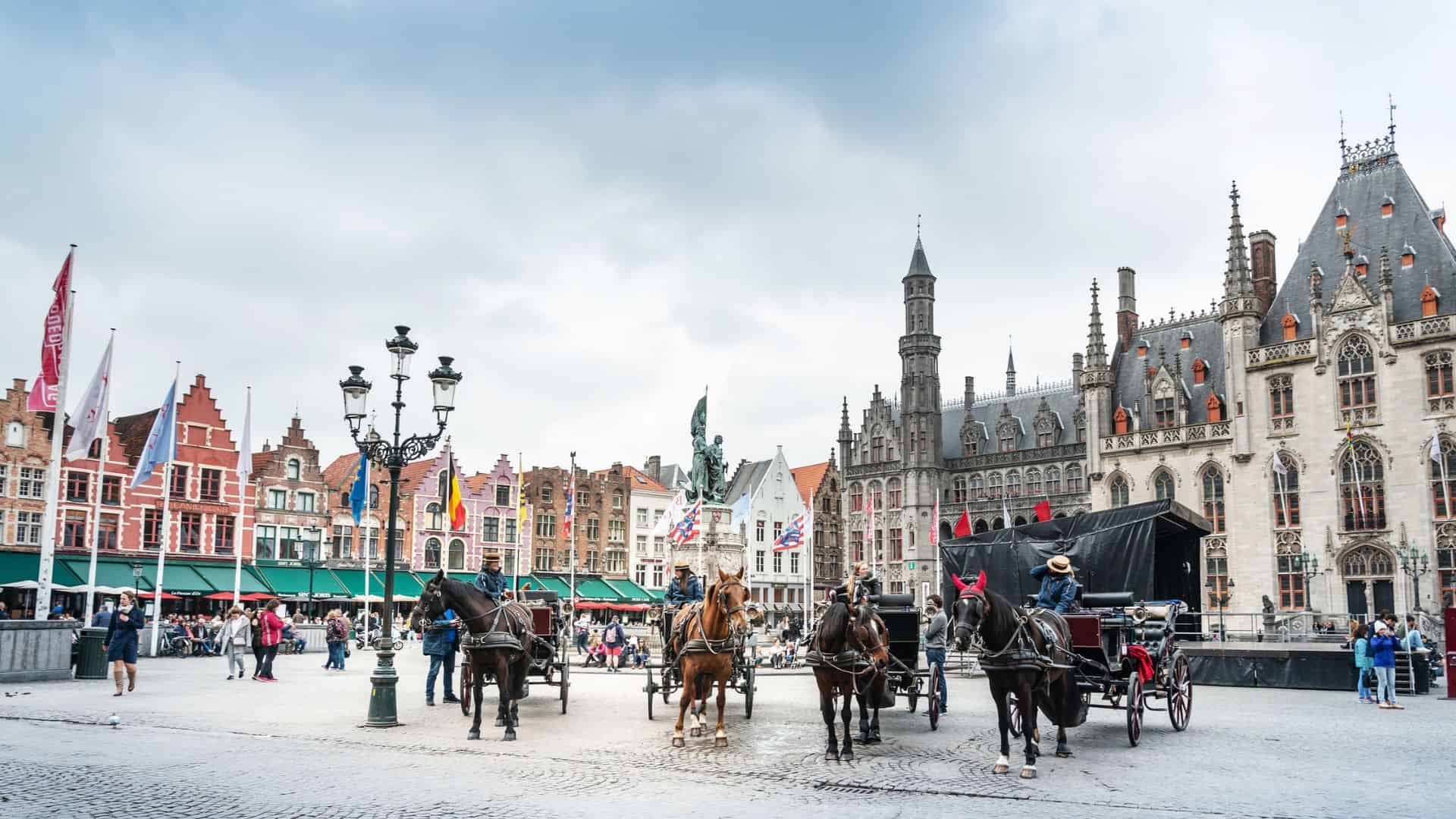
Bruges appears orderly at first, but its network of canals and winding streets can make navigation less direct. Bridges and curved paths create routes that differ from map expectations. Visitors may find themselves looping around canals when trying to reach nearby points. Signage is present but not always consistent. Travelers who allow extra time and follow main routes tend to navigate more easily.
Kraków, Poland

Kraków’s Old Town is centered around a main square, but surrounding streets branch out in multiple directions. Visitors may expect straightforward navigation, but side streets can lead away from central areas. Layout differences between districts can also create confusion. Travelers who move between neighborhoods without planning may take longer routes. Using central landmarks helps maintain direction.
Seville, Spain

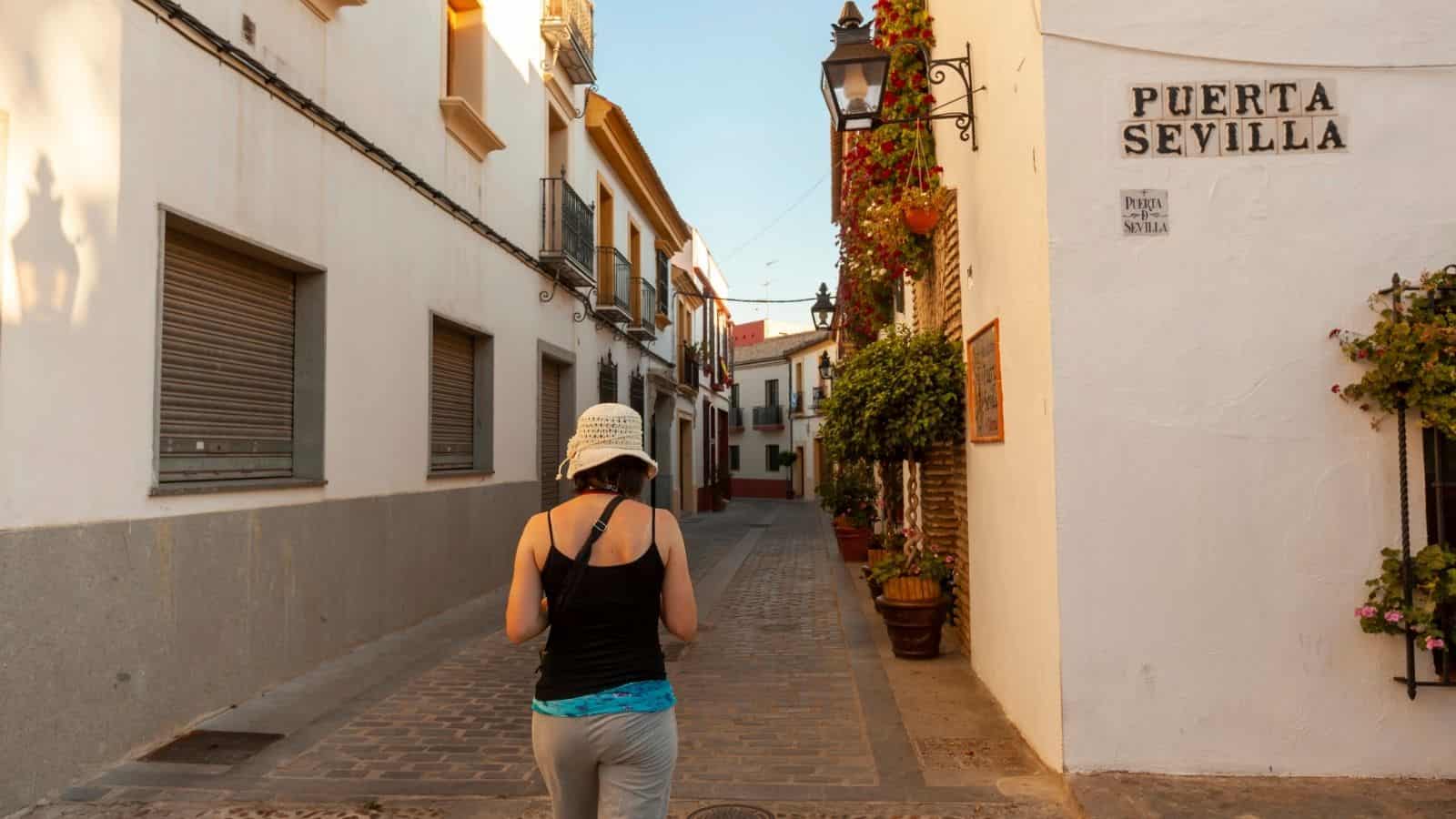
Seville’s old districts feature narrow streets designed to provide shade, resulting in a maze-like layout. Visitors may expect clear paths, but routes often involve multiple turns. Streets can look similar, and signage may be limited. Heat can also affect how quickly travelers move through the area. Allowing extra time and using major landmarks helps reduce navigation challenges.
10 Destinations That Backpackers Return To

Backpackers often move quickly from place to place, but some destinations pull them back more than once. This article features destinations that backpackers return to, focusing on places known for strong traveler networks, affordable stays, and routes that make long term travel easier. These spots tend to balance social energy with practical advantages.
Read More Here: 10 Destinations That Backpackers Return To
9 Places in the U.S. Where Spring Travel Costs Less for Families

Spring can be one of the most affordable times for family travel in the U.S. This article features places in the U.S. where spring travel costs less for families, focusing on destinations where lower demand, off-peak pricing, and seasonal deals help stretch a budget. These locations often feel more manageable before summer crowds arrive.
Read More Here: 9 Places in the U.S. Where Spring Travel Costs Less for Families



Leave a Reply