
From Tel Aviv's restaurants to market stalls, vegetarian food in Israel brings together colorful vegetables, flavorful spreads, and fresh ingredients for every vegetarian traveler.
Jump to:
Many restaurants in Israel are kosher, which means meat and dairy are never served together due to Jewish dietary laws. This gives vegetarians confidence that what they’re eating is truly plant-based. It's no surprise that Israel’s food culture is naturally vegetarian-friendly, as it's centered on vegetables, legumes, and herbs. Truly, there’s no shortage of the best places around Israel to try authentic spreads, salads, and pastries. These dishes are celebrated among vegetarians for their variety, freshness, and connection to local traditions.
There's no need to stress about getting delicious food here and this article will show you why. Simply put, Israel is perfect for vegetarians, offering fresh, flavorful dishes at every corner and a food scene that embraces plant-based choices.
Check out my Tel Aviv Levinsky Market food tour, where I walked through the maze of streets, taking in the vibrant colors and smells of spices, fresh produce, and baked goods. If you're looking for inexpensive dishes, cheap food isn't hard to find in Israel if you know where to look. Take a look at my foodie guide to the top 5 best cheap eats in Israel to know more!
Plan Your Trip
Save on fees abroad with the Wise Card—use it at ATMs, restaurants, and for flights or hotels in over 150 countries. Manage 40+ currencies in real-time with the Wise app.
Need Help Planning?
- Cheap Flights: Find the best deals.
- Accommodation: From hostels to luxury stays.
- Car Rental: Affordable options worldwide.
- Sightseeing Tours: Explore without breaking the bank.
- Travel Adapter: One adapter for all your needs.
- Travel Insurance: Don’t risk it—stay covered.
This post includes affiliate links, and as an Amazon Associate I earn from qualifying purchases. Read my full disclosure and privacy policy.
Exploring Israel as a vegetarian doesn't have to be a difficult endeavor. From vibrant street food to market stalls brimming with fresh produce, there’s no shortage of flavor. In this guide, I’ve gathered the top 12 best vegetarian dishes in Israel. These are dishes that showcase how creative, hearty, and satisfying plant-based eating can be across the country. Trust me, it's a food adventure you don't want to miss!
Hummus
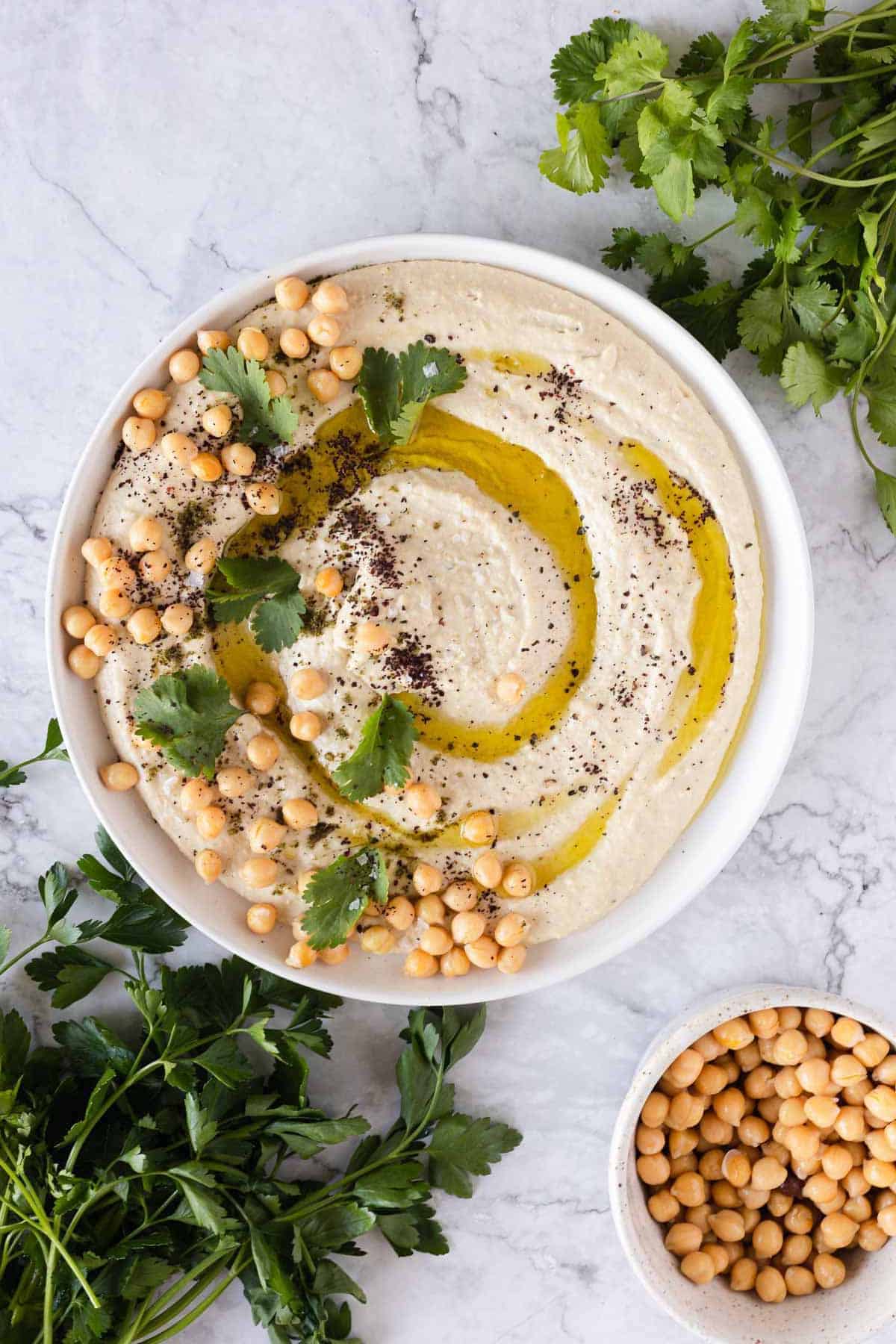
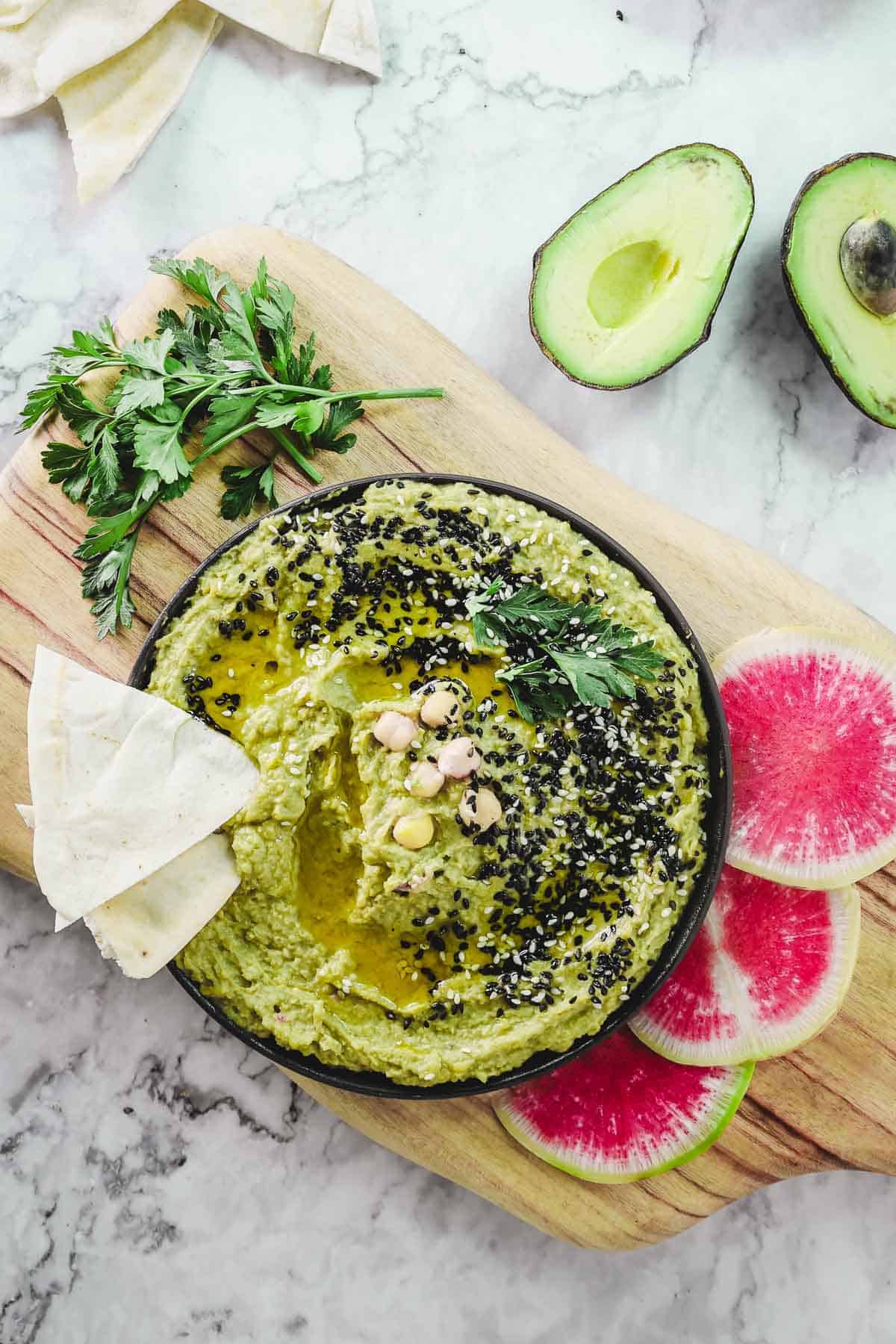
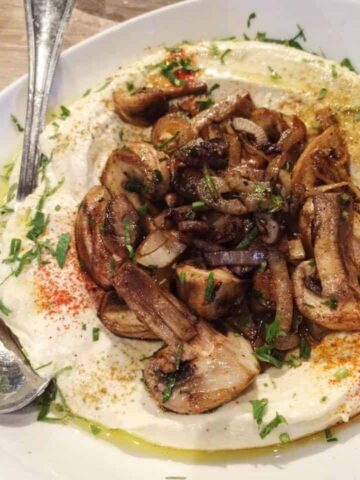
Growing up in my household, hummus was always present, but it wasn't always prepared the same way. Some days, the chickpeas or fava beans were blended until they felt almost like silk, topped with a drizzle of tahini sauce and a scattering of paprika. Other times, it was left a little coarse, closer to the way my grandmother liked it: warm, rustic, and generously spooned onto a plate with chickpeas still whole. Whichever way it was prepared, it's always served with soft pita bread. Many locals in Jerusalem and Tel Aviv enjoy it with pickles and olive oil.
Sabich
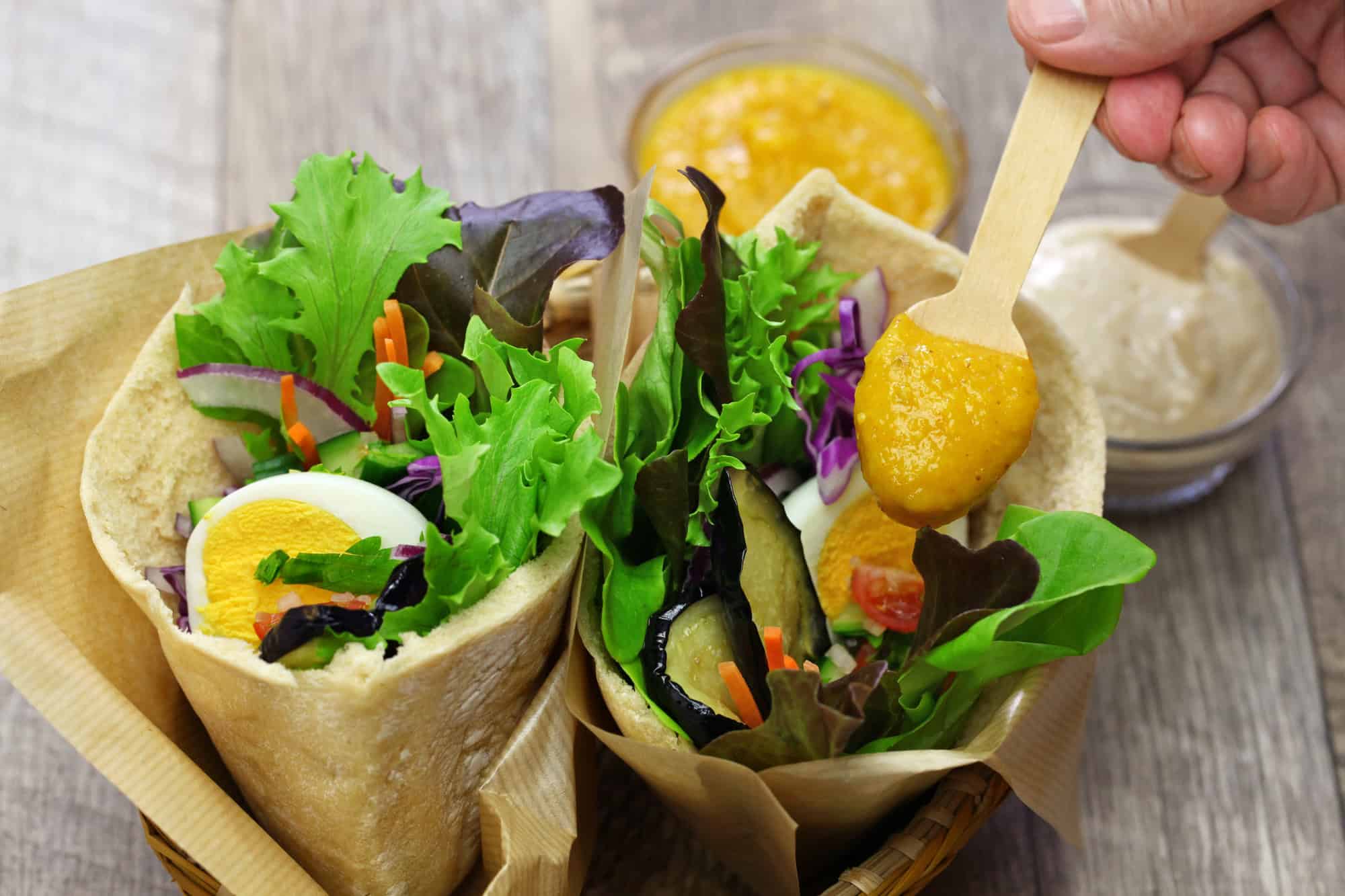
A popular street sandwich commonly found in markets and street stalls, especially near places like the Levinsky Market. It's made by combining fried eggplant, hard-boiled eggs, Israeli salad, pickles, and tahini sauce, then stuffing it into pita bread. Eggplant had always been part of our table growing up, especially in dishes my family carried from Eastern Europe. We've always eaten sabich on Saturday mornings, almost like an unspoken rule. Although it’s no longer something we do as often with my own lovely family, we still come back to it every now and then, and it always feels just as special.
Dried Fruits
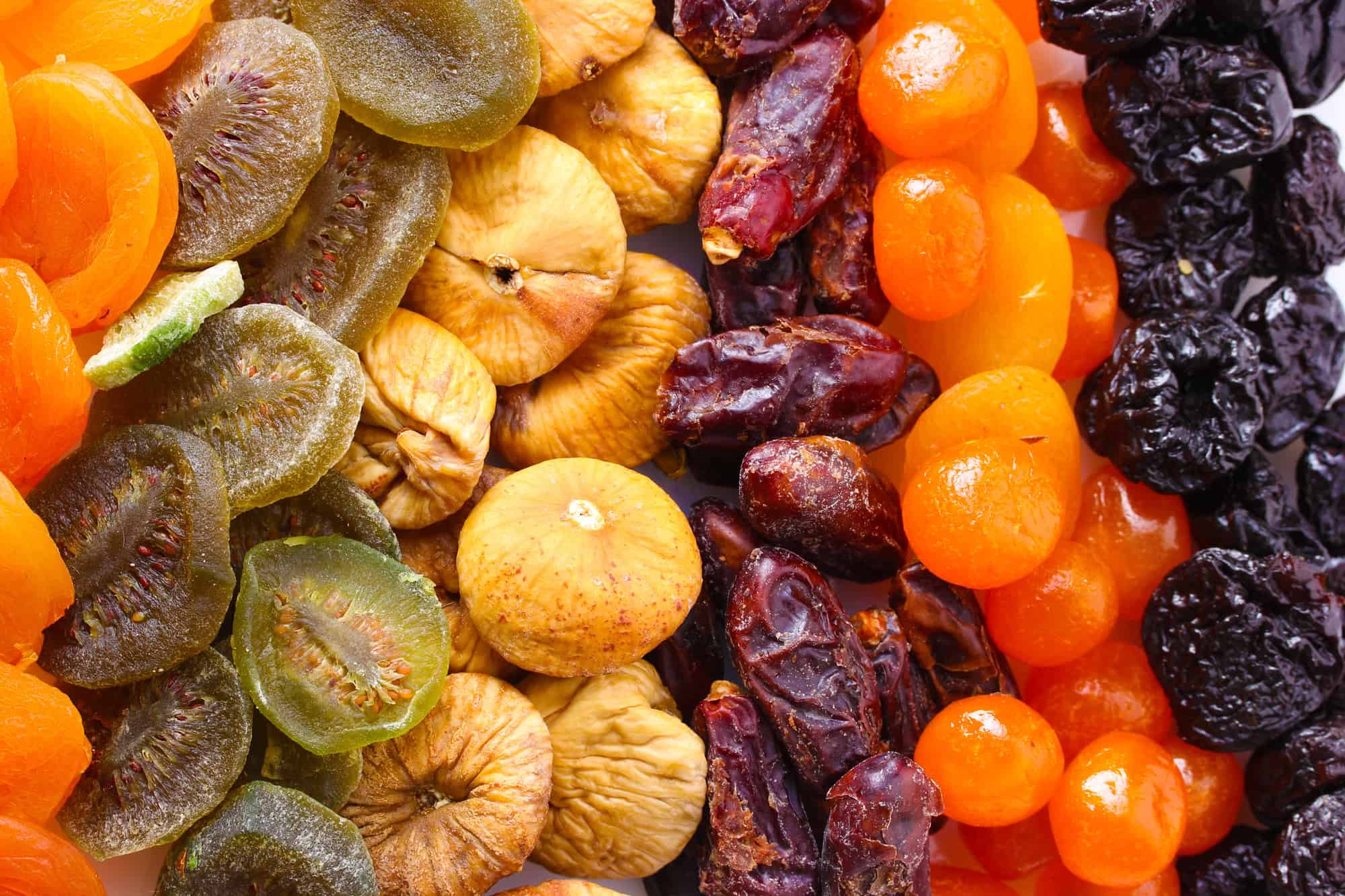
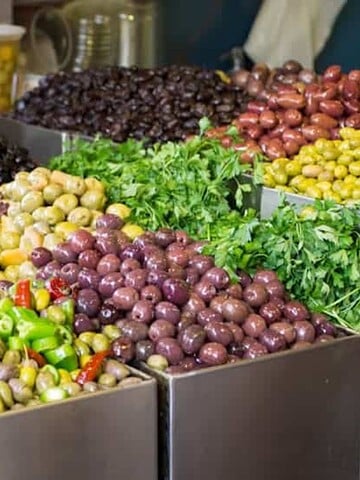
Not exactly an Israeli dish, but ask any Israeli you know and they'll recommend you the same thing, trust me. Markets like the Mahane Yehuda Market are loaded with stalls selling dried fruits, nuts, and seeds, often displayed in towering, colorful mounds that you can smell before you even see them. The most common ones are dates, apricots, figs, and raisins, usually sold by the kilo, with vendors calling out prices and offering small samples to passersby. During my childhood, and even up until I was an adolescent, my grandparents would keep them in jars, ready to be shared with guests.
Bourekas
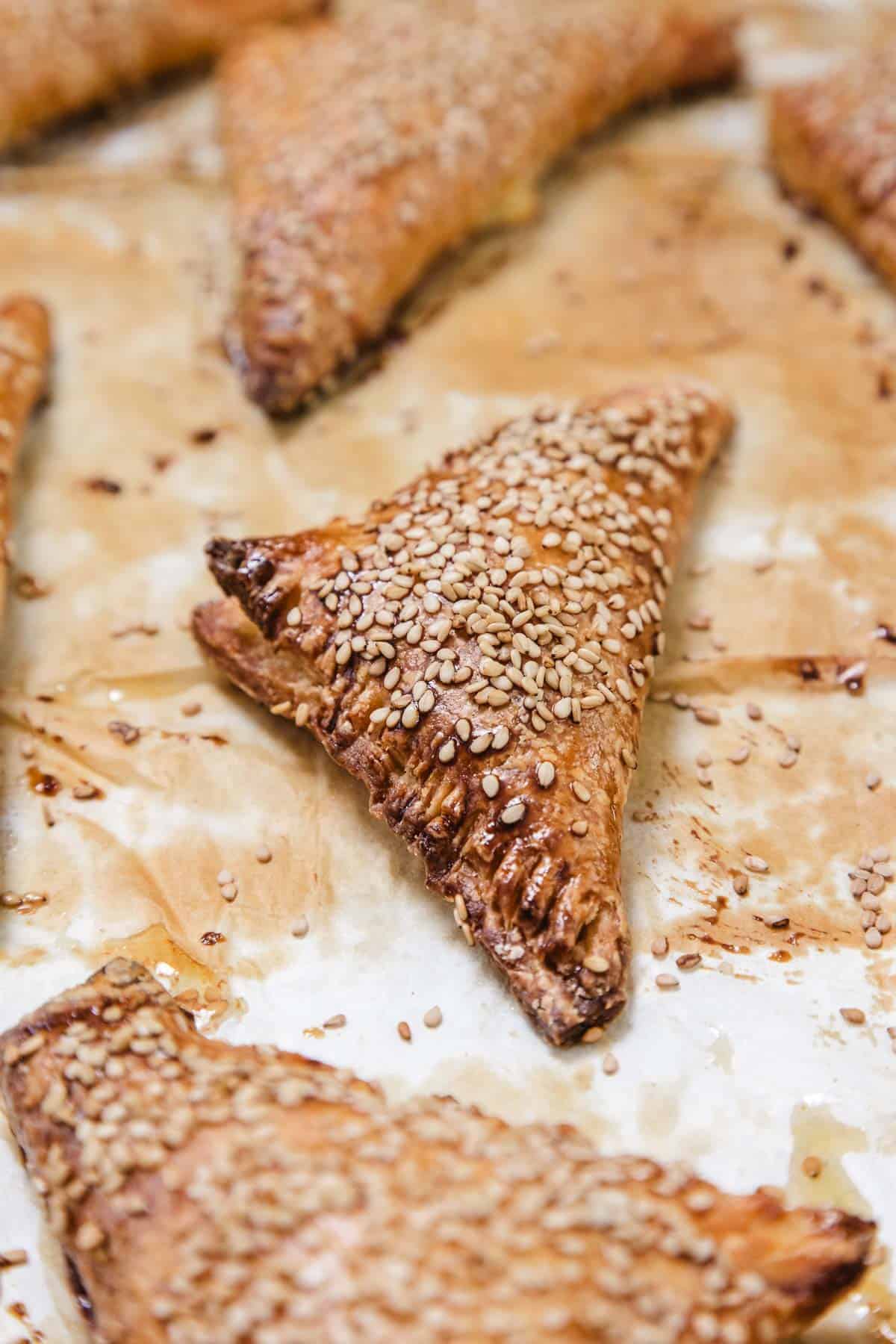
Bourekas always took me back to long afternoons with family, where pastries were the star of gatherings. These are my favorite flaky pastry pockets filled with ingredients like cheese, spinach, or potatoes. Many bakeries near Carmel Market or in Jerusalem sell them fresh, often topped with sesame seeds. Their crisp layers and soft fillings make them a popular vegetarian option across the country. I remember carrying a warm one while walking through the market, feeling both like a visitor and someone who belonged there at the same time.
Falafel
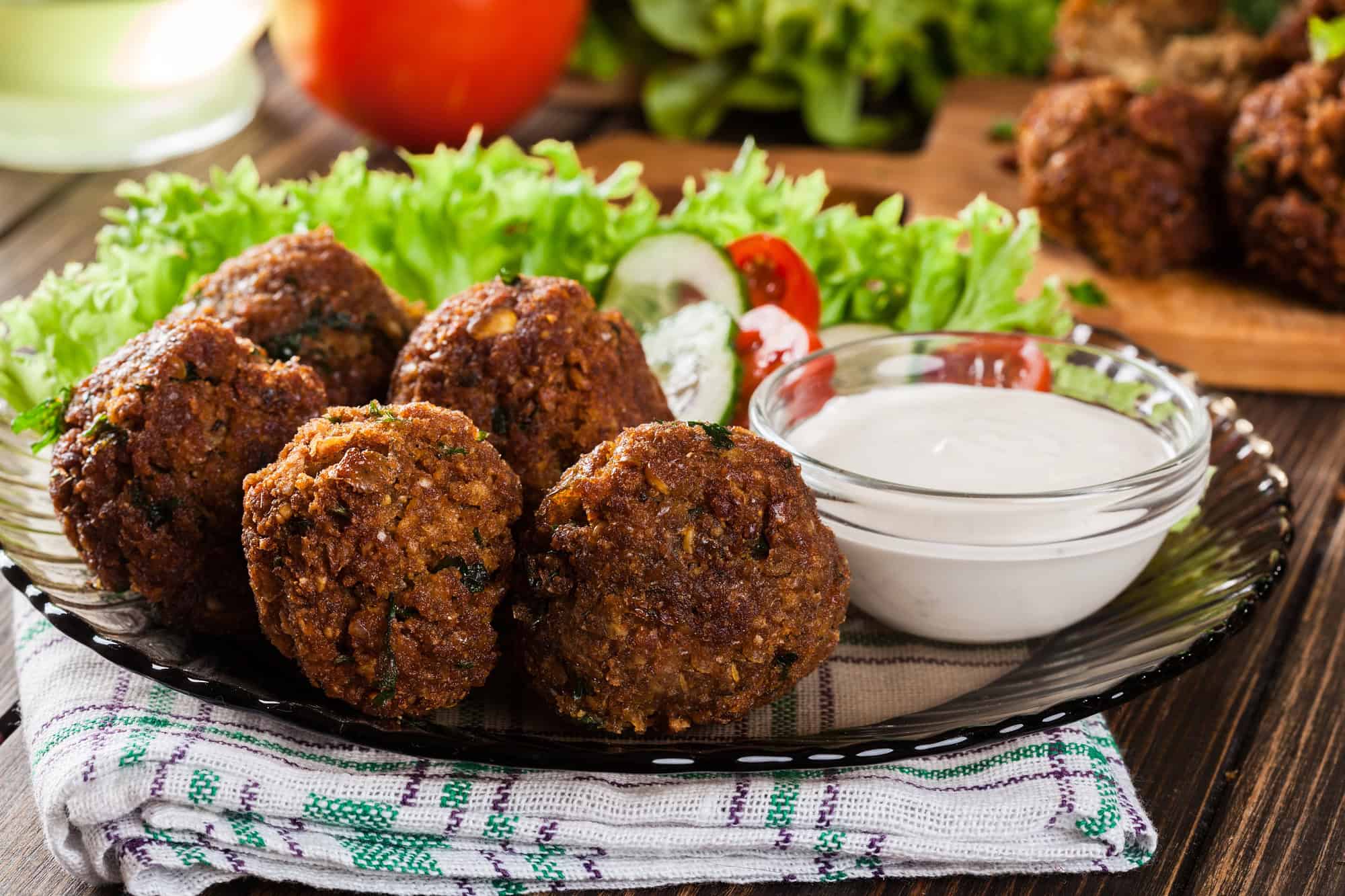
This iconic dish is a symbol of Israeli street food. It has a crisp exterior and a soft interior, making it a go-to option for many vegetarians. The best falafel for me would have to be the kind that’s freshly fried right in front of you, still hot when it’s tucked into a warm pita and piled high with crunchy vegetables, pickles, and a generous drizzle of tahini. That's why it's best to buy falafels from the market, where you can watch each batch come out of the fryer and be served immediately. But restaurants in Tel Aviv also have killer falafels that are a must-try!
Shakshuka
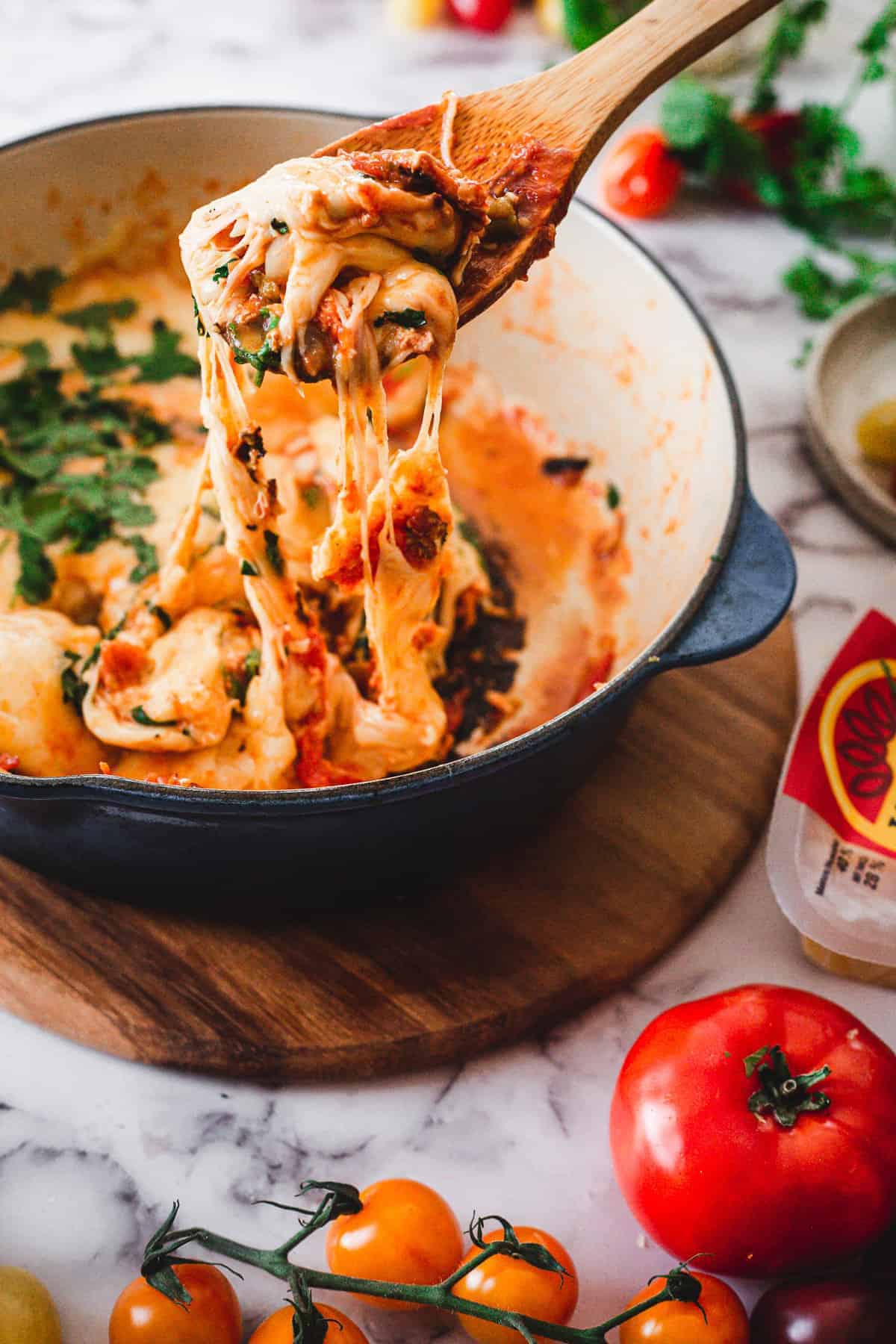
Many cafés and places in Israel now prepare vegetarian and vegan shakshuka, replacing eggs with tofu or extra vegetables while keeping the same depth of flavor. This version keeps the dish accessible to a wider range of diets without losing its character. Personally, I prepare mine using eggplant and usually serve it during special occasions at breakfast time with my husband and children. I also have a mixed greens recipe, which I discovered when I was 16 and still make to this day. But one of my favorites would have to be my vegetarian cheese shakshuka made with good old Jalsberg cheese. I'm telling you, it tastes exactly like pizza!
Want to save this?
Halva

Is it really an Israeli vegetarian food list if there's no dessert? Halva is my kids' favorite and with good reason: it's a dense, sweet confection made primarily from sesame paste and sugar, sometimes mixed with nuts or chocolate. It has that crumbly texture that melts in your mouth slowly. My husband and I have this paired with tea (for me) and coffee (for him) in the morning. If there were any treats back home that were readily available on the dining table, especially during the holidays, it was always halva. I think it's a very quintessential part of Israeli and Middle Eastern cuisine.
Mutabak
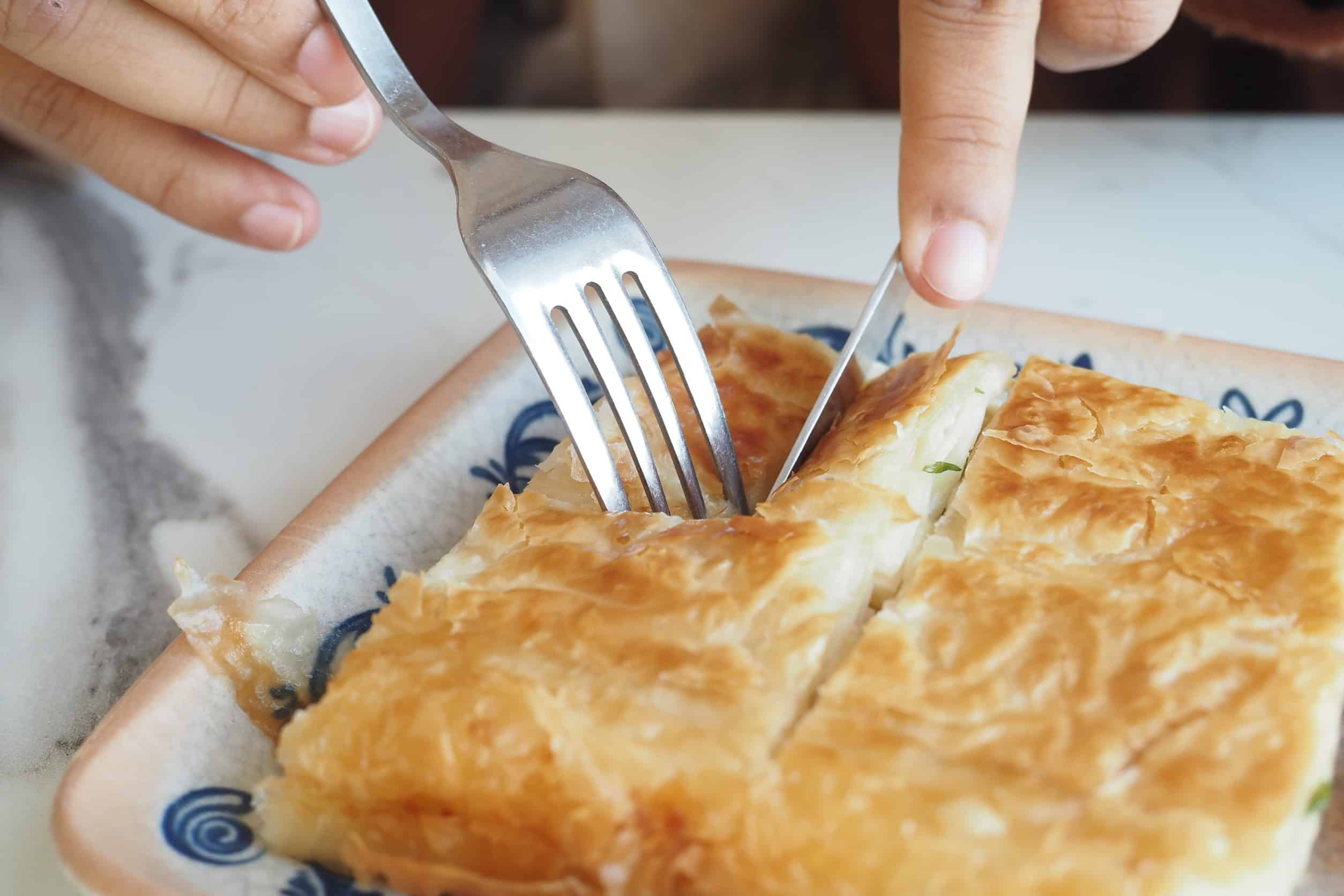
Mutabak is a stuffed flatbread (or vegan pizza, if you look at it from a different perspective) with ingredients like vegetables, cheese, or herbs, then folded and pan-fried until crisp on the outside. The dough is typically stretched very thin (almost translucent) before being filled and folded into a square, then cooked on a flat griddle. In Israel, it’s commonly found in markets and casual eateries, often served hot off the pan and cut into pieces for easy sharing. I prefer mine savory, while my mother liked hers sweet. The fillings are not always the same, but it was always something I reached for when I needed something hearty.
Dolmas
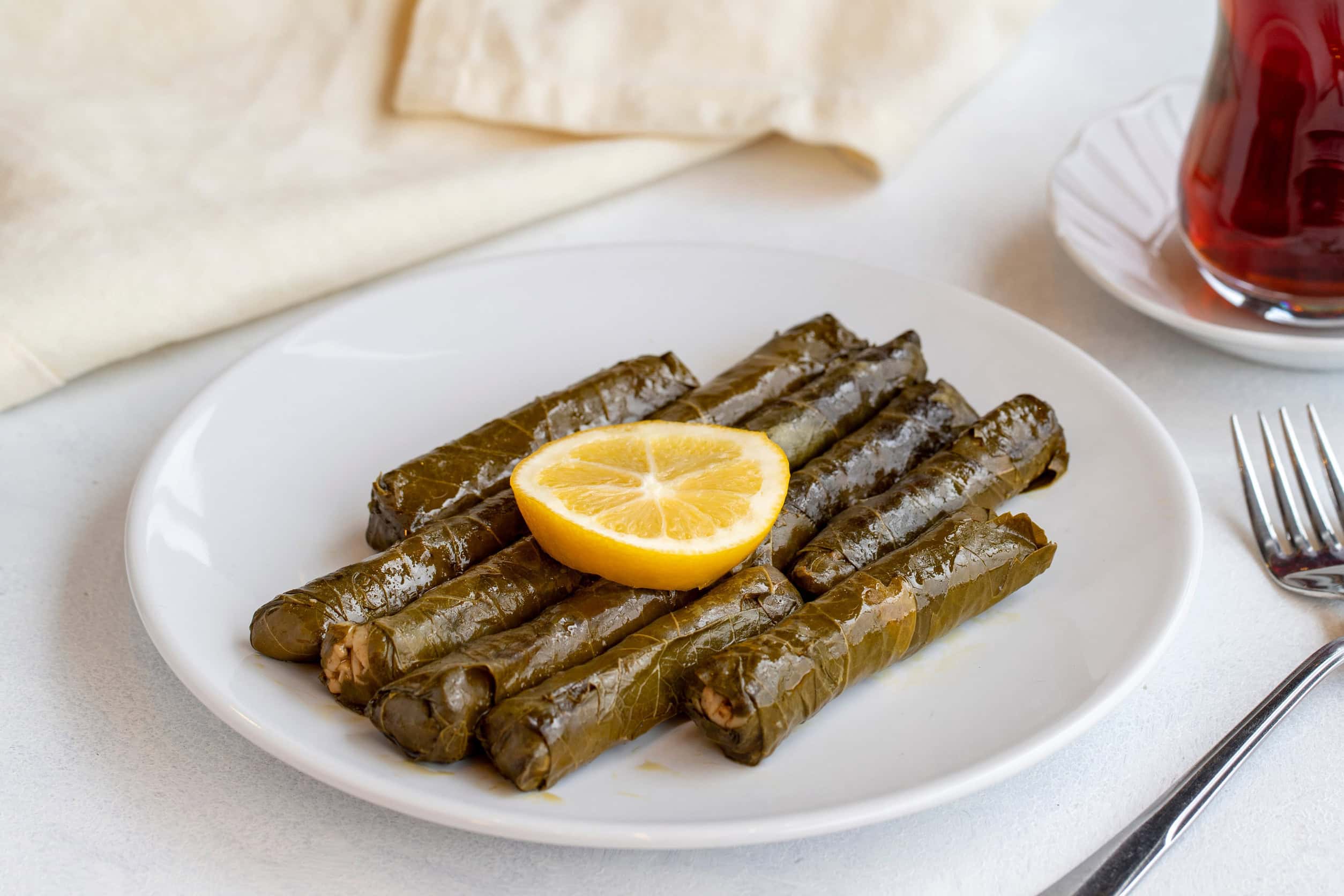
Dolmas are grape leaves stuffed with rice, herbs, and sometimes pine nuts, rolled into small, bite-sized parcels. They are usually served cold and are part of a spread of modern classic Israeli dishes with Middle Eastern roots. Their tangy, herby flavor makes them a refreshing addition to any meal, especially when paired with fresh vegetables or dips. You’ll often find them in markets and family-run restaurants, where recipes have been passed down through generations. These reminded me so much of stuffed cabbage rolls from my childhood, just lighter and wrapped differently.
Kanafeh
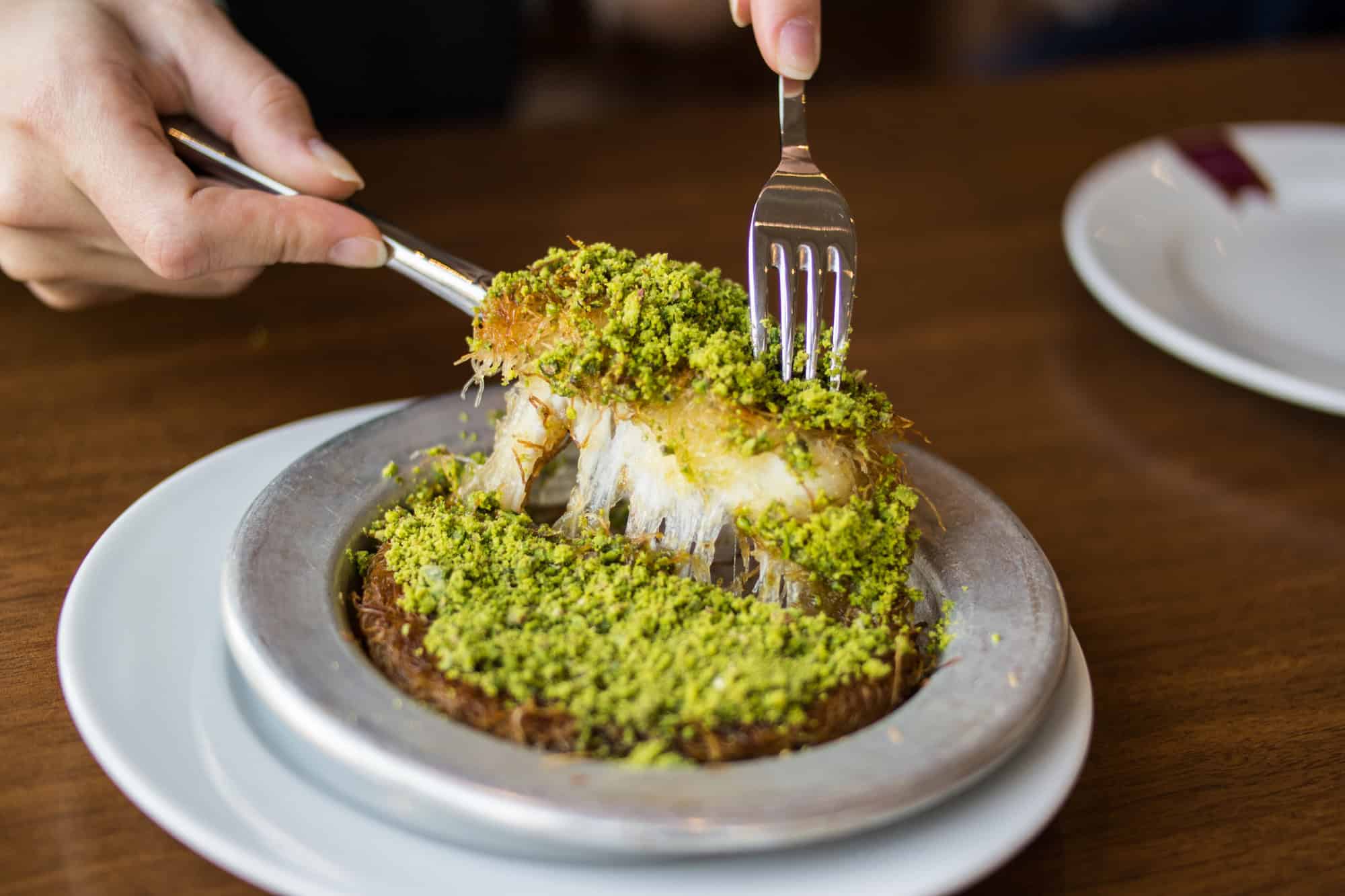
Another rich dessert made with shredded pastry, layered with soft cheese and soaked in sweet syrup. Kanafeh is often topped with crushed pistachios, which I absolutely love, and served warm. The cheese inside is usually a mild, stretchy variety such as Nabulsi or Akkawi, which balances the syrup's sweetness. This dessert is widely available in markets and specialty shops, and is a standout among traditional Israeli sweets. You’ll often find kanafeh cooked in large, shallow trays and sliced into portions, making it perfect for sharing.
Sambusak
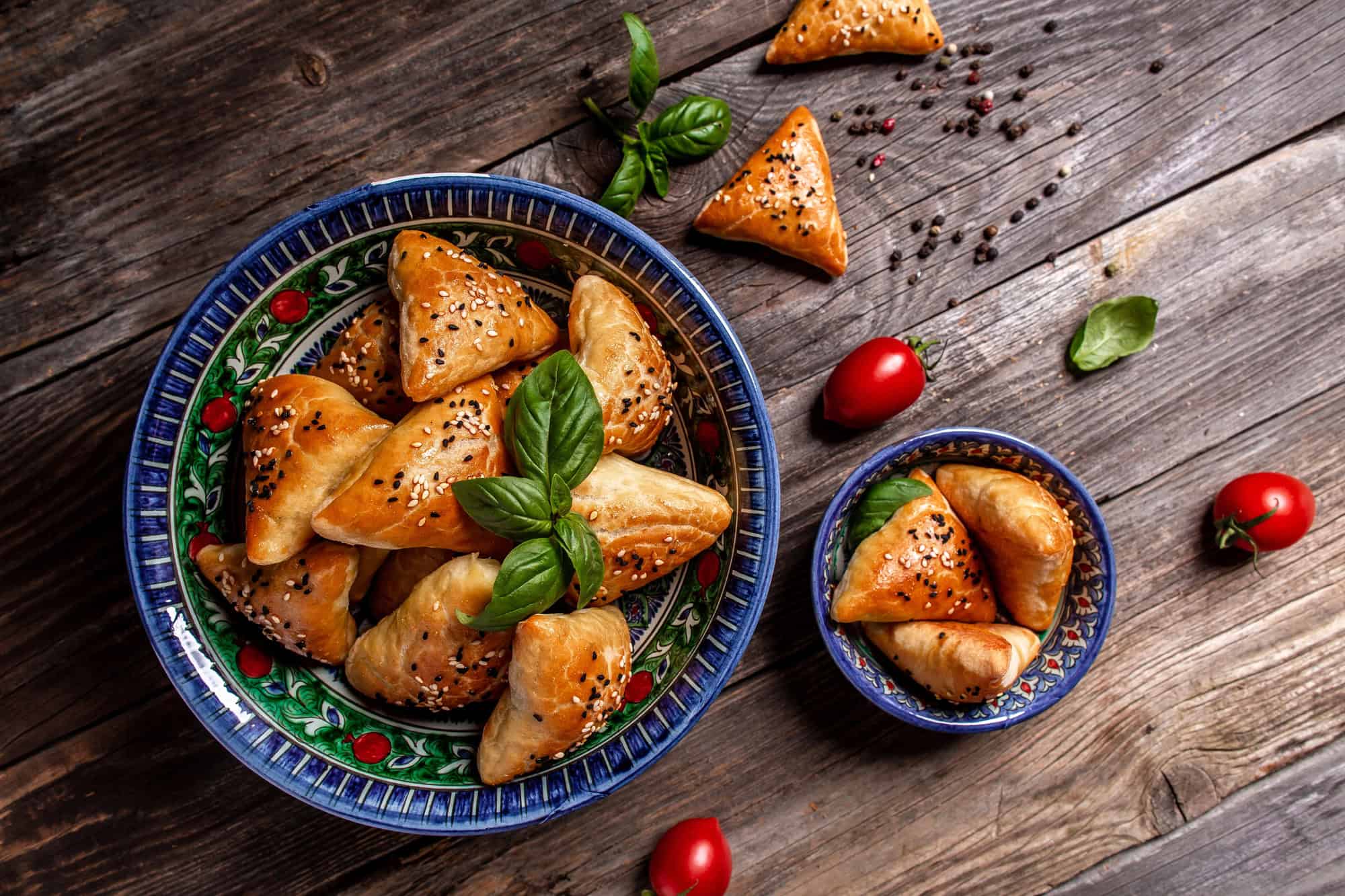
Sambusak are small, savory pastries filled with ingredients like cheese, mushrooms, or spiced chickpeas, then baked or fried until golden. They are popular in bakeries and markets, often enjoyed as a quick snack or light meal. In Tel Aviv, you’ll find them stacked behind glass counters, still fresh from the oven, especially in busy areas filled with foot traffic. They have roots in Middle Eastern and Central Asian cuisines, related to dishes like samosas, and have been adapted over time to suit local tastes. The dough can vary from flaky and pastry-like to more bread-like, depending on the bakery, and some versions are topped with sesame seeds or nigella seeds for added texture.
Baba Ganoush
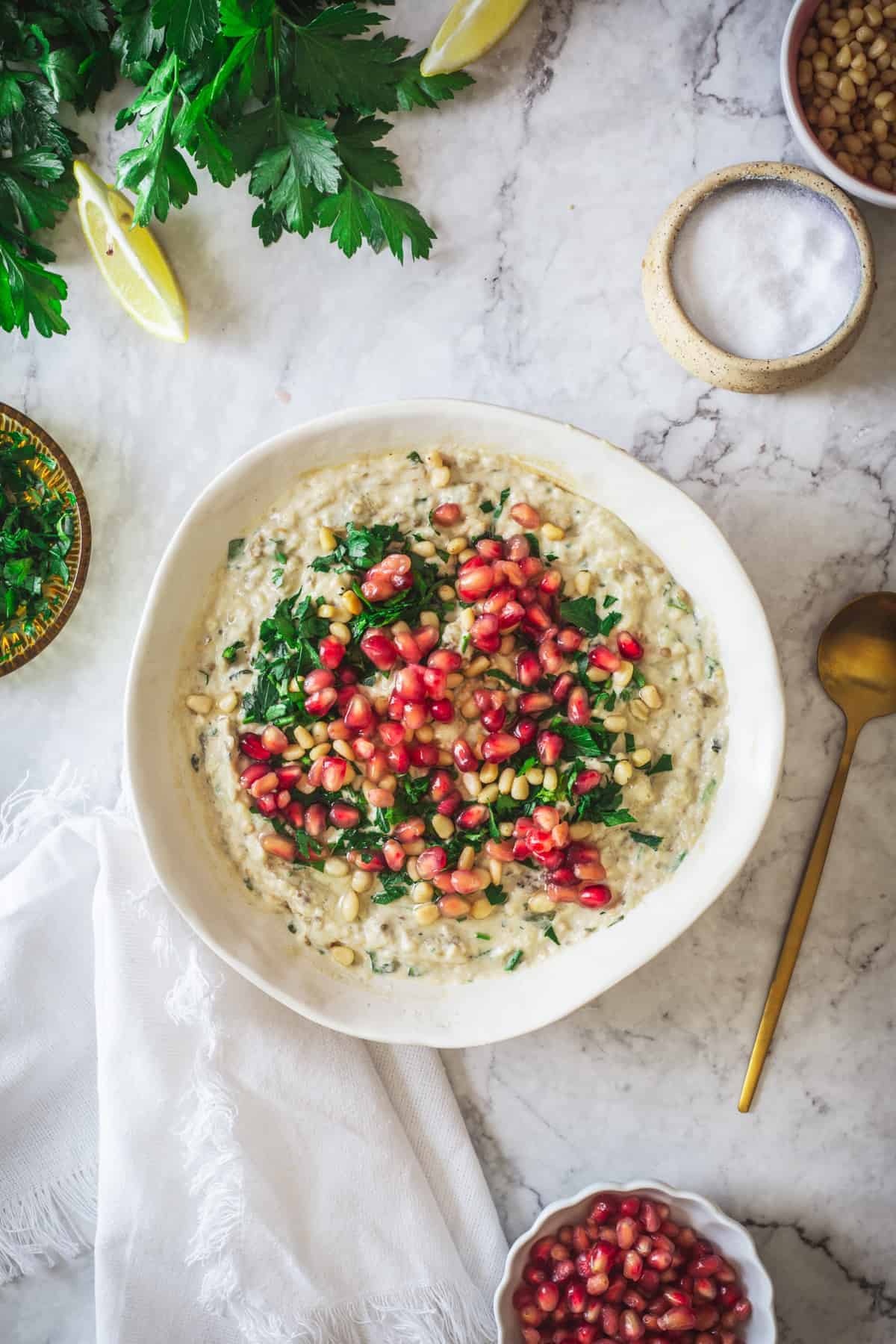
In Tel Aviv, it’s a staple you’ll find everywhere to the point that even a casual café sells this. Made from roasted eggplant blended with tahini, garlic, lemon juice, and olive oil, baba ganoush is known for its smoky flavor, which comes from charring the eggplant over an open flame. It’s typically served as part of a spread of small dishes, often alongside fresh pita, olives, and salads, making it a natural fit for vegetarian eating. Some chefs add creative twists, like roasted red peppers, pomegranate seeds, or pine nuts, to elevate the flavor.
Fresh, Flavorful, and Plant-Based Israel
Exploring these dishes shows just how vibrant and diverse Israeli cuisine can be. From street food favorites to market treasures, there’s something for every vegetarian to enjoy. Whether you’re in Tel Aviv, Jerusalem, or a smaller town, you’ll find flavors that stay with you long after the meal.
By trying these options, you get a taste of authentic Israeli food while discovering how fresh, creative, and satisfying plant-based meals can be. For vegetarians, Israel isn’t just a destination; it’s a culinary haven waiting to be visited, one dish at a time.
Leave a Reply