
Safety plays a major role in travel decisions. This article features the most dangerous countries according to experts, focusing on places that consistently rank high in risk assessments based on crime rates, conflict, political instability, or limited infrastructure. These rankings often come from government advisories, security analysts, and global risk reports.
Understanding how experts measure danger can help travelers make informed choices and weigh potential risks. Conditions can change quickly, and not every region within a country carries the same level of concern. Keep reading to see which countries appear most often in expert assessments and what factors place them on these lists.

Afghanistan

Afghanistan is often viewed through the lens of its history, but current risk assessments focus on ongoing instability and limited government control in several regions. Armed groups remain active, and security conditions can shift quickly with little warning. Infrastructure damage affects road travel, and medical facilities are limited outside major cities. Foreign nationals face heightened kidnapping and detention risks, particularly in areas outside Kabul. Evacuation options are constrained, and consular services are minimal in practice. Travel advisories typically recommend avoiding all travel, as conditions can deteriorate rapidly without reliable exit routes.
Yemen

Yemen continues to face civil conflict, fragmented territorial control, and severe humanitarian challenges. Airstrikes, armed clashes, and political volatility contribute to unpredictable security conditions. Major airports have experienced closures, and commercial flights are limited. Road travel carries risks from checkpoints controlled by different factions. Access to fuel, food, and medical care is inconsistent in many regions. Foreigners may face detention or kidnapping threats in certain areas. Experts note that even experienced travelers would find evacuation logistics extremely complex due to limited diplomatic presence and transport options.
Syria

Syria’s prolonged conflict has left large portions of infrastructure damaged or unstable. While some cities appear functional, security conditions vary significantly by region. Armed groups remain active in certain areas, and unexploded ordnance presents ongoing hazards. Border crossings may close with limited notice. Communication networks and emergency medical services are inconsistent outside major centers. Travelers face legal and safety risks tied to rapidly shifting territorial control. Security experts emphasize that local conditions can change quickly, making independent travel planning unreliable without specialized support.
South Sudan

South Sudan struggles with political instability, armed clashes, and limited national infrastructure. Even in the capital, disruptions can occur due to unrest or government restrictions. Outside urban areas, road conditions are poor, and seasonal flooding can cut off entire regions. Emergency medical care is minimal, and evacuation often requires air transport. Armed robbery and localized violence are persistent concerns. Travel advisories frequently warn that consular assistance may not be readily available. Planning requires contingency measures for transport disruptions and limited communications.
Somalia

Somalia’s security concerns stem from insurgent activity, piracy risks in coastal waters, and limited central government control in some areas. Terrorist attacks targeting public spaces have occurred in major cities, including Mogadishu. Infrastructure challenges complicate overland travel, and airport security protocols can change with little notice. Medical facilities remain under-resourced outside key districts. Foreign nationals may be targeted for kidnapping or ransom schemes. Experts advise that travel planning in Somalia requires specialized security arrangements due to limited public infrastructure support.
Libya

Libya remains politically divided, with rival factions influencing different regions. Armed groups operate across parts of the country, and sudden clashes can disrupt transport corridors. Airports have reopened intermittently, but flight availability and security procedures may shift quickly. Oil infrastructure disputes sometimes affect regional stability. Access to medical care is inconsistent, particularly outside Tripoli. Kidnapping risks for foreigners remain a concern in certain zones. Security analysts note that evacuation logistics are unpredictable due to limited diplomatic presence and variable air access.
Want to save this?
Central African Republic

The Central African Republic faces chronic instability linked to armed militias and weak national infrastructure. Travel between cities can involve checkpoints operated by non-state groups. Road networks are poorly maintained, and seasonal rains often make routes impassable. Medical facilities are limited and lack advanced emergency capabilities. Political unrest can flare with little notice. Experts warn that communication networks may fail during security incidents, complicating coordination with embassies. Risk assessments consistently place the country in the highest advisory categories.
Haiti
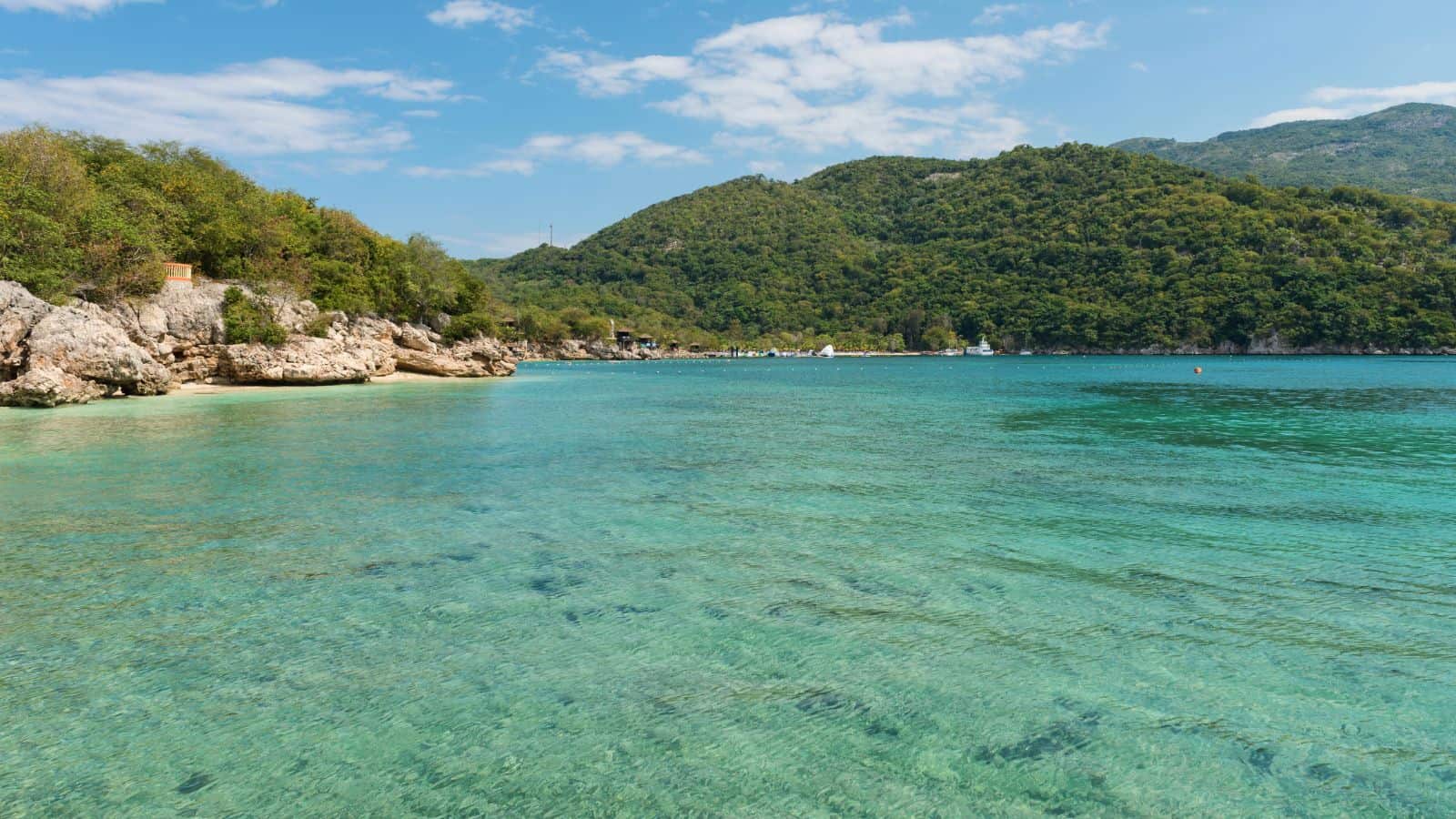
Haiti’s security concerns are tied to gang activity, political unrest, and infrastructure strain. In Port-au-Prince, armed groups control certain neighborhoods, and roadblocks can emerge unexpectedly. Kidnapping incidents have been reported in both urban and suburban areas. Fuel shortages and power outages affect transportation and emergency response times. Commercial flights operate, but airport access can be disrupted during unrest. Security experts highlight the unpredictability of movement within the capital and recommend careful monitoring of local conditions.
Myanmar

Myanmar’s political instability following military rule has led to armed conflict in multiple regions. Transportation networks, including rail and highways, have experienced periodic disruptions. Internet restrictions can complicate communication during unrest. While some tourist areas previously operated smoothly, conditions vary significantly depending on location. Checkpoints and curfews may be imposed with limited notice. Medical infrastructure outside major cities is limited. Experts emphasize that travel feasibility depends heavily on regional stability, which can change quickly.
Iraq

Iraq’s security profile varies widely by region, with some areas more stable than others. However, sporadic militant activity, political protests, and regional tensions continue to affect risk assessments. Border regions may see temporary closures. Infrastructure gaps outside major cities can complicate road travel. Medical services vary in quality depending on location. While parts of the country host business and religious tourism, security experts note that conditions can shift rapidly due to geopolitical developments.
Democratic Republic of the Congo

The Democratic Republic of the Congo faces ongoing armed conflict in its eastern provinces, alongside crime and infrastructure challenges in other regions. Road conditions are often poor, and long-distance travel may require air transport. Health risks, including limited hospital capacity, complicate emergency response. Armed groups operate in remote areas, and attacks have targeted civilians. Political protests can disrupt movement in major cities. Security analysts consistently rate certain provinces as high risk due to instability and limited state control.
11 Countries Veteran Flyers Say They Wish They Had Visited Sooner

Frequent flyers often think they have seen it all, but some places still surprise them. This article features countries veteran flyers say they wish they had visited sooner, highlighting destinations that exceeded expectations or shifted long held assumptions. These are places experienced travelers often regret putting off for years.
Read More Here: 11 Countries Veteran Flyers Say They Wish They Had Visited Sooner
10 Visa Free European Countries That Make Last Minute Travel Easier

Last minute trips can fall apart quickly if paperwork gets in the way. This article features visa free European countries that make last minute travel easier, focusing on destinations where entry rules are simple and approvals are not required in advance for many travelers. Fewer formalities can make spontaneous plans feel more realistic.
Read More Here: 10 Visa Free European Countries That Make Last Minute Travel Easier



Leave a Reply