
The US is filled with neighborhoods that feel different the second you step into them. The street signs might change languages. Music spills onto the sidewalk. Murals tell stories about migration, struggle, and pride. These 11 of the most distinctive cultural neighborhoods across the US were shaped by generations of people who carried their traditions with them and built communities around shared history.
This article highlights cultural neighborhoods that still hold a strong identity today. They’re not frozen in time. They’re living, changing, and deeply rooted in the people who call them home. Some are busy and bold. Others move at a steady pace. All of them show how culture shapes daily life in real and visible ways. If you like travel that feels grounded and human, this list is a great place to start.
Pilsen – Chicago, IL
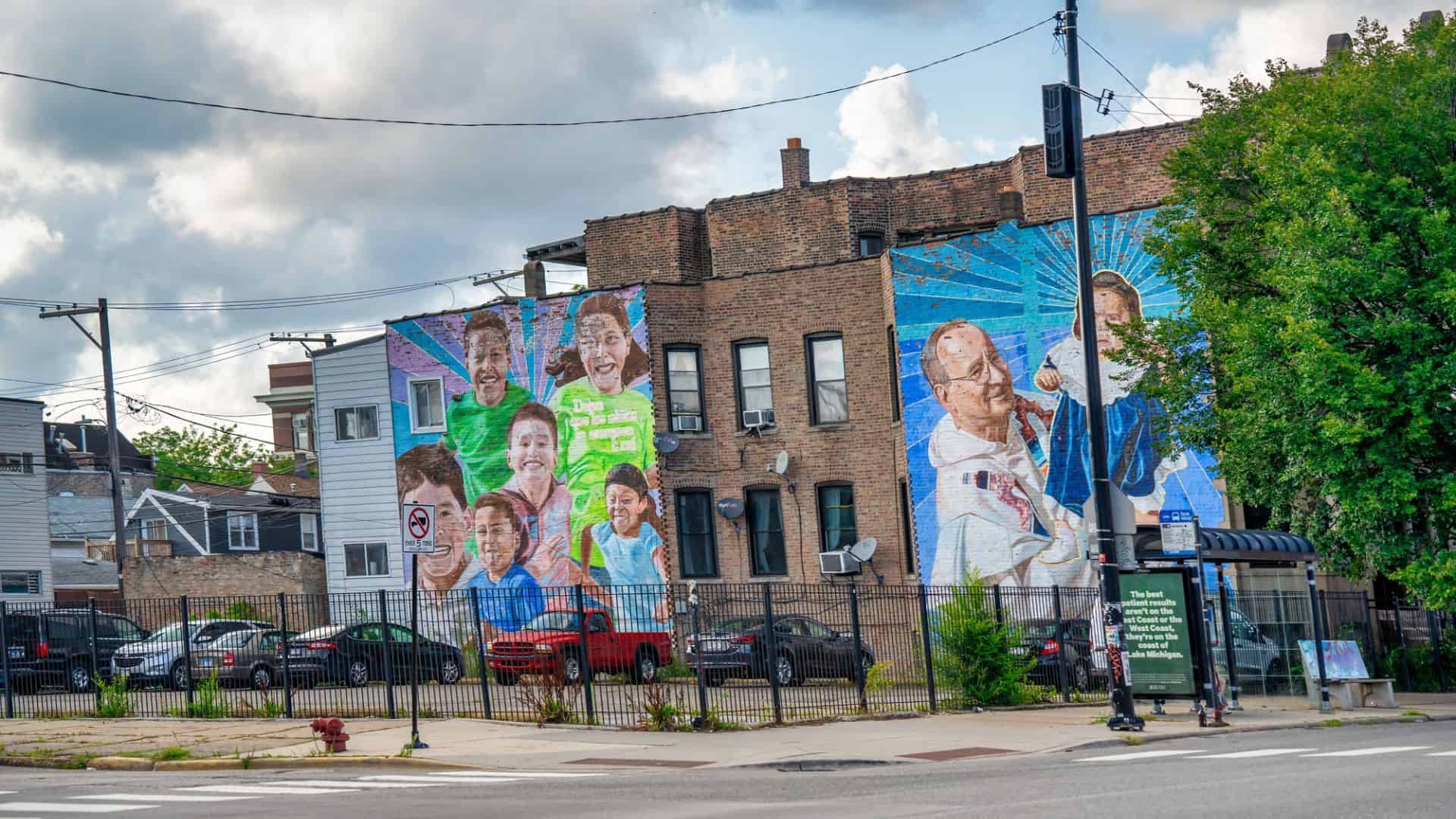
Murals stretch across brick walls in this Lower West Side neighborhood, reflecting decades of Mexican-American heritage and social activism. Community galleries such as the National Museum of Mexican Art anchor the area’s creative life, highlighting both contemporary and traditional works. Family-owned panaderías, taquerías, and mercados line 18th Street, forming a lively commercial corridor. Annual events like Día de los Muertos bring processions, altars, and music into public view. Originally settled by Czech immigrants, the district evolved through successive waves of newcomers, each leaving visible marks on architecture and community institutions.
Chinatown – San Francisco, CA
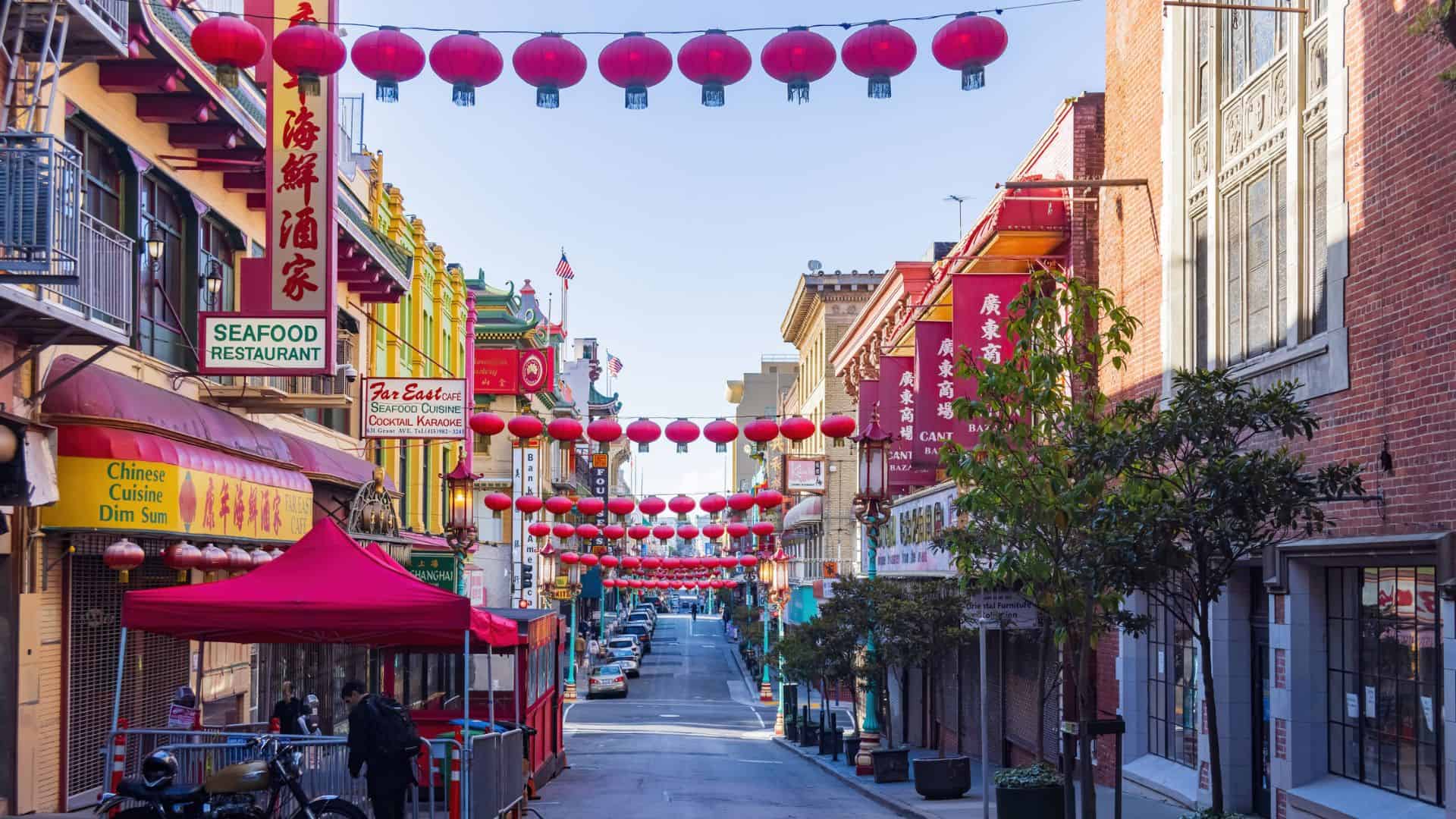
San Francisco’s Chinatown, established in 1848, stands as the oldest in North America and remains one of the largest Chinese communities outside Asia. Ornate gateways, red lanterns, and narrow alleys such as Ross Alley reflect layers of migration and resilience. Family associations, temples, and bilingual signage highlight strong community networks formed during periods of exclusion. Markets display dried seafood, herbs, and traditional goods, while bakeries and tea shops line Grant Avenue. Annual Lunar New Year parades fill the streets with lion dancers and firecrackers, reinforcing cultural continuity and drawing visitors from across the region.
Little Havana – Miami, FL
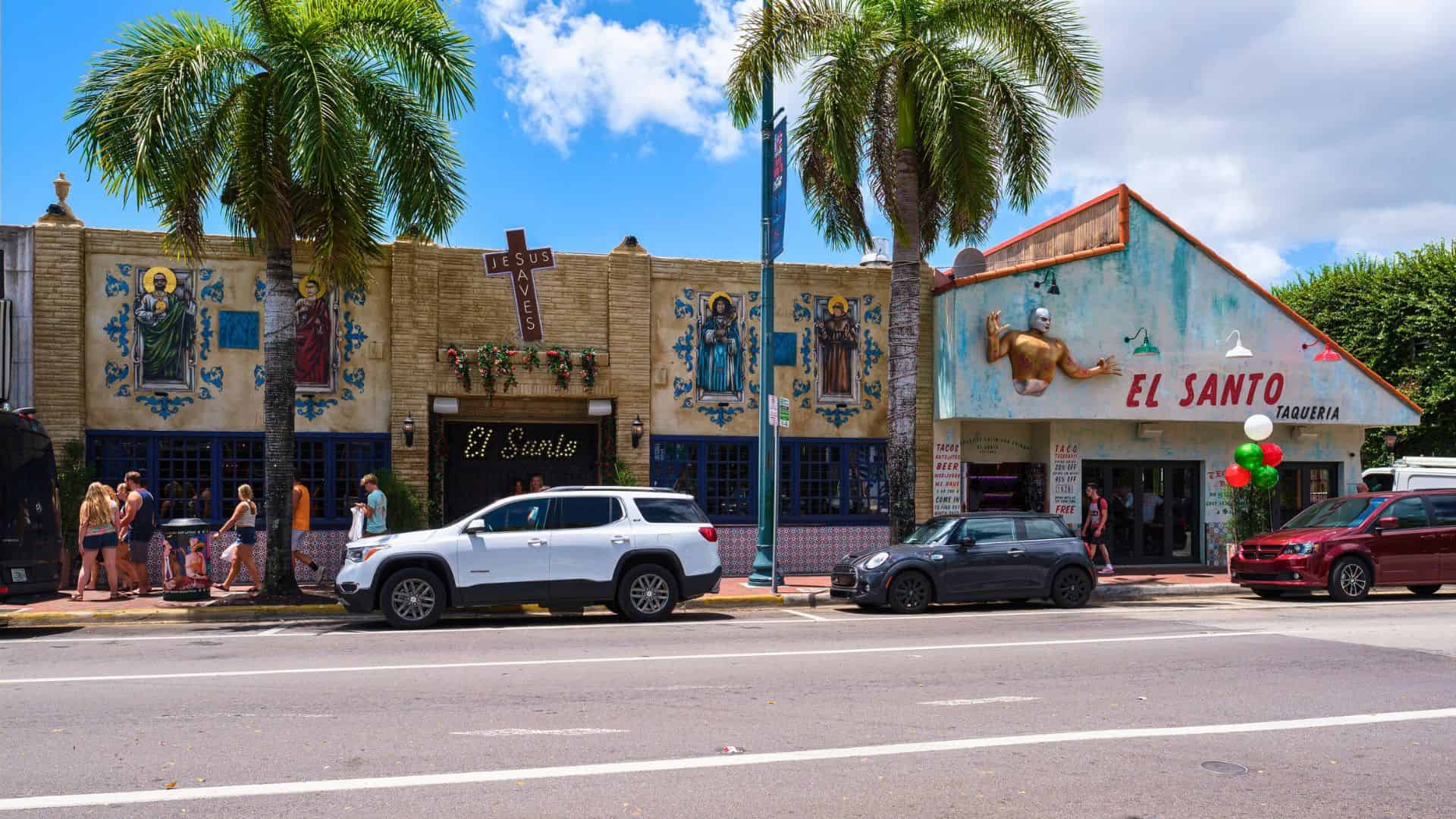
Little Havana centers on Calle Ocho, where Cuban heritage shapes daily life through language, music, and neighborhood gathering spots. Domino Park hosts spirited matches among longtime residents, while cigar rollers work by hand in storefront windows. Murals and monuments honor José Martí and generations who arrived after the Cuban Revolution. Latin rhythms spill from record shops and cafés, and walk-up windows serve strong coffee sweetened with sugar. Annual festivals such as Carnaval Miami animate the district with parades and dance. The neighborhood remains a political and cultural hub for Miami’s Cuban-American community.
Koreatown – Los Angeles, CA
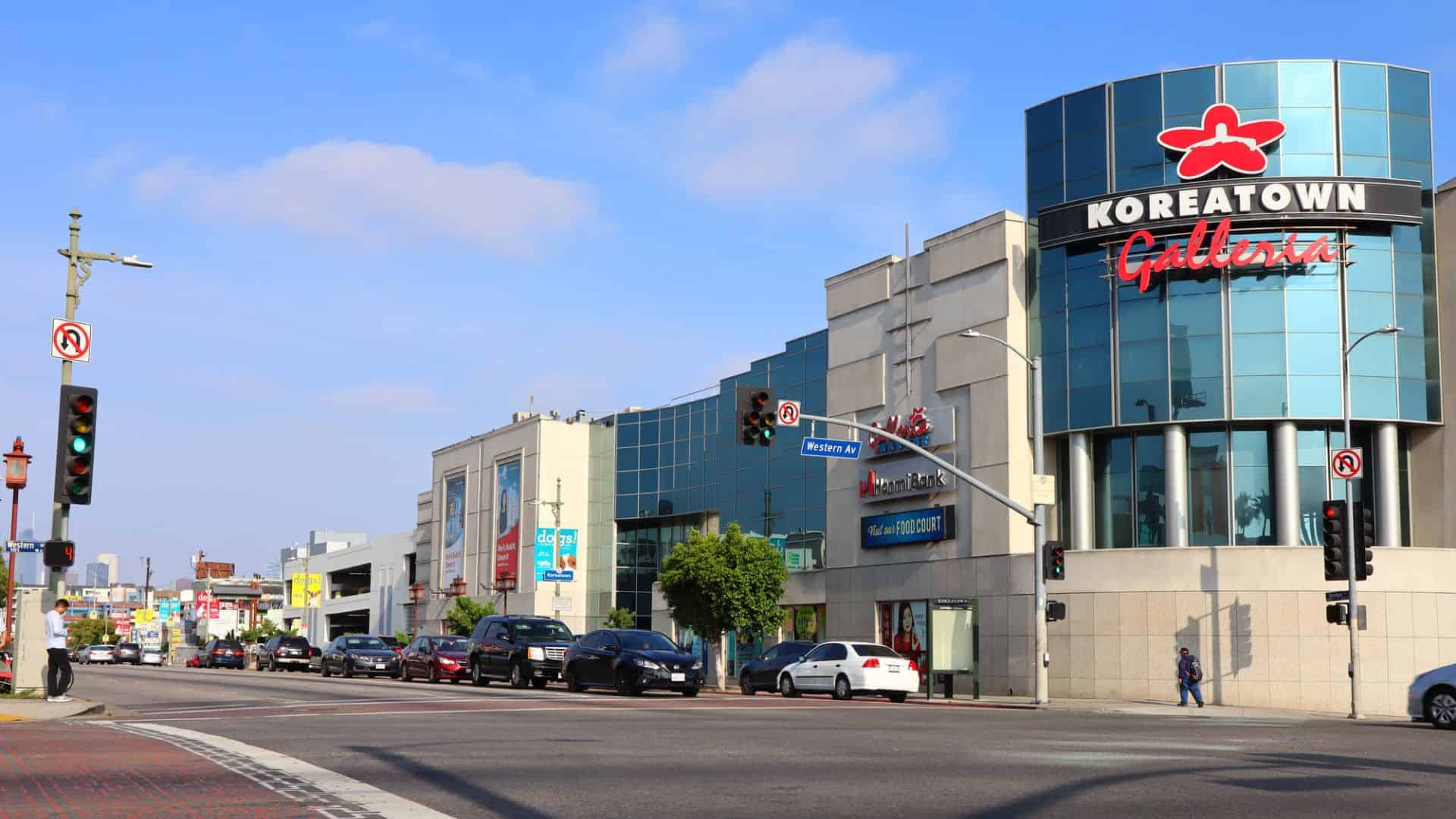
Centered near Wilshire Boulevard, this dense Los Angeles district ranks among the largest Korean communities outside the Korean Peninsula. High-rise apartments stand beside strip malls filled with Korean-language signage, churches, and specialty markets. Barbecue restaurants, karaoke lounges, and late-night cafés create an active scene well past midnight. The neighborhood developed rapidly after immigration reforms in the 1960s, growing into a commercial and cultural anchor. Community newspapers and radio stations operate in Korean, reinforcing connections across generations. Cultural festivals and business associations strengthen ties within the broader Southern California landscape.
Harlem – New York City, NY
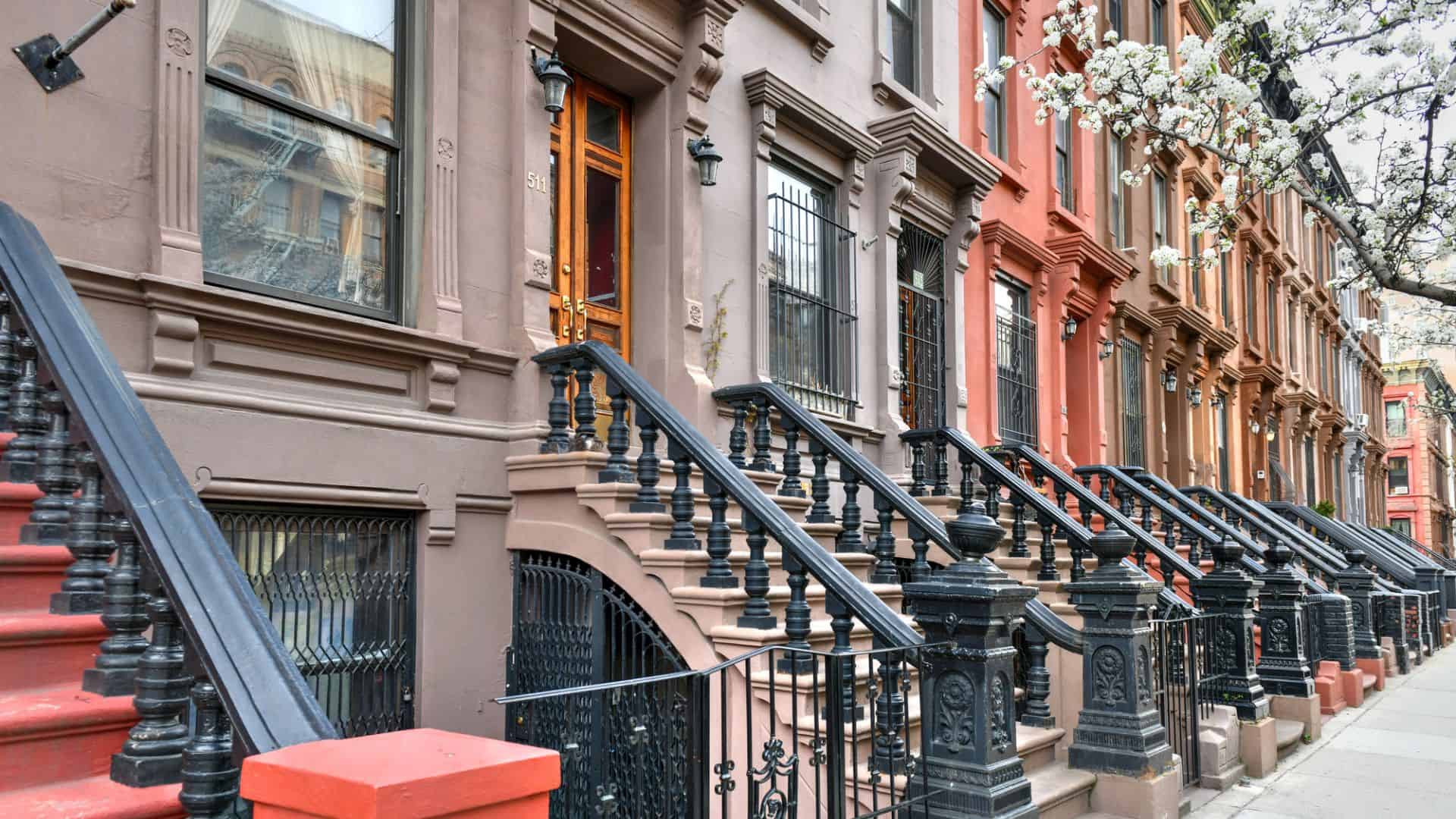
Harlem stands as a landmark of Black history and artistic achievement in the United States. During the Harlem Renaissance of the 1920s, writers, musicians, and thinkers reshaped American culture from this neighborhood. The Apollo Theater launched legendary performers, and jazz clubs along 125th Street fostered groundbreaking sounds. Brownstone-lined blocks reflect late nineteenth-century architecture, while churches anchor longstanding congregations. Soul food restaurants and street vendors contribute to the area’s character. Today, galleries, cultural institutions, and community organizations continue longstanding traditions of activism, creativity, and scholarship rooted in Harlem’s enduring legacy.
Little Saigon – Westminster, CA
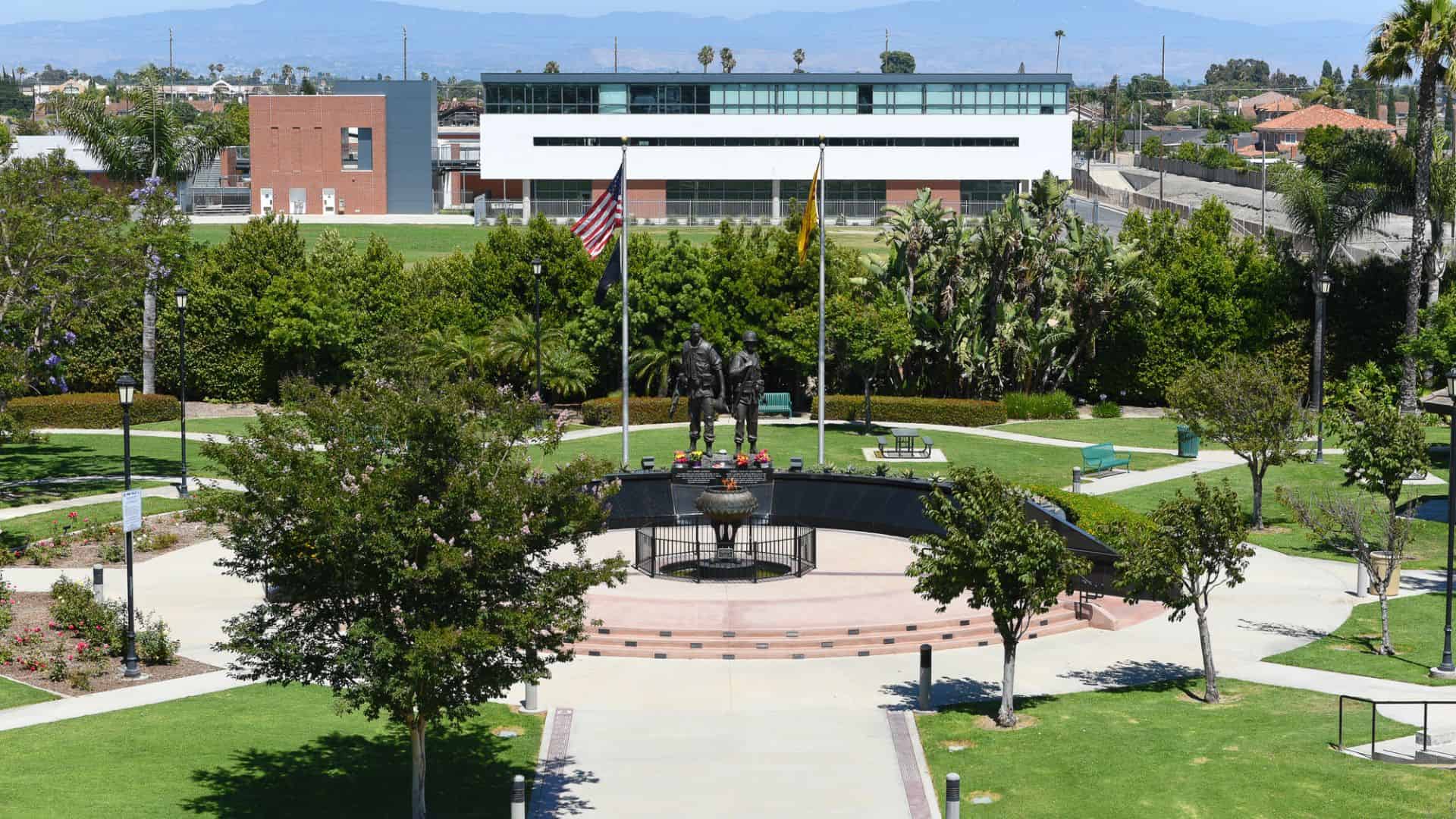
Anchored along Bolsa Avenue in Orange County, this district grew from the arrival of Vietnamese refugees after 1975. Shopping centers display bold signage in Vietnamese, and markets carry imported goods, fresh herbs, and specialty ingredients tied to regional traditions. Pho restaurants, bakeries, and jewelry shops cluster around Asian Garden Mall, a focal point for gatherings and celebrations. Tet festivities bring lion dances, music, and red banners symbolizing prosperity. War memorials and community centers commemorate shared history, while local media outlets publish news in Vietnamese for residents across Southern California.
The Mission District – San Francisco, CA
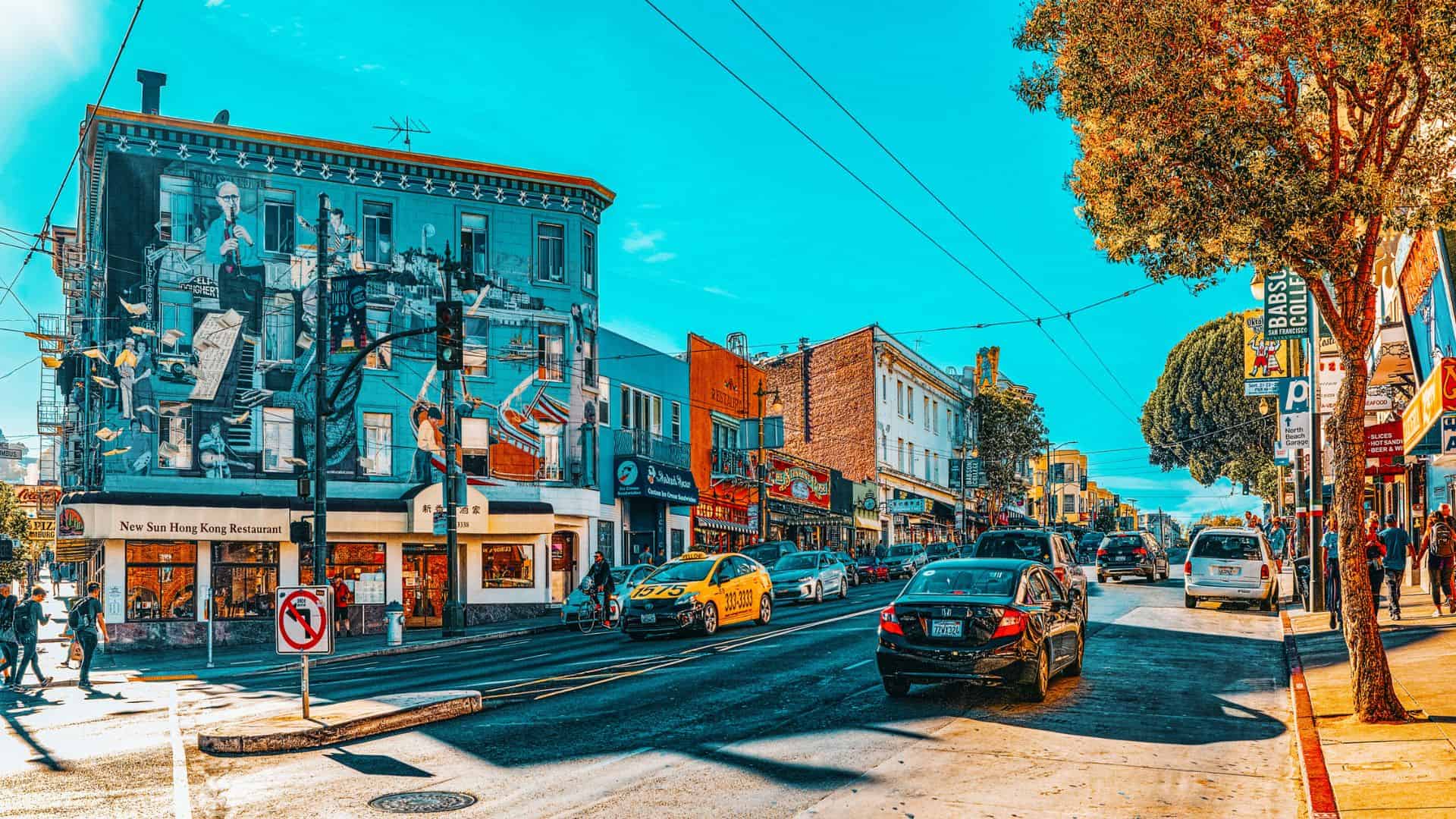
Colorful murals line alleyways such as Balmy and Clarion, reflecting decades of Latino heritage and political activism. Originally a Spanish mission settlement in the eighteenth century, the area later became home to Irish, German, and Latin American immigrants. Taquerías, panaderías, and small markets shape daily life along Mission Street. Annual celebrations including Carnaval draw dancers, musicians, and elaborate costumes into the streets. Victorian houses stand beside contemporary galleries and tech offices, revealing rapid change alongside longstanding institutions. Community organizations continue advocating for housing rights and cultural preservation amid shifting demographics.
Want to save this?
Germantown – Philadelphia, PA
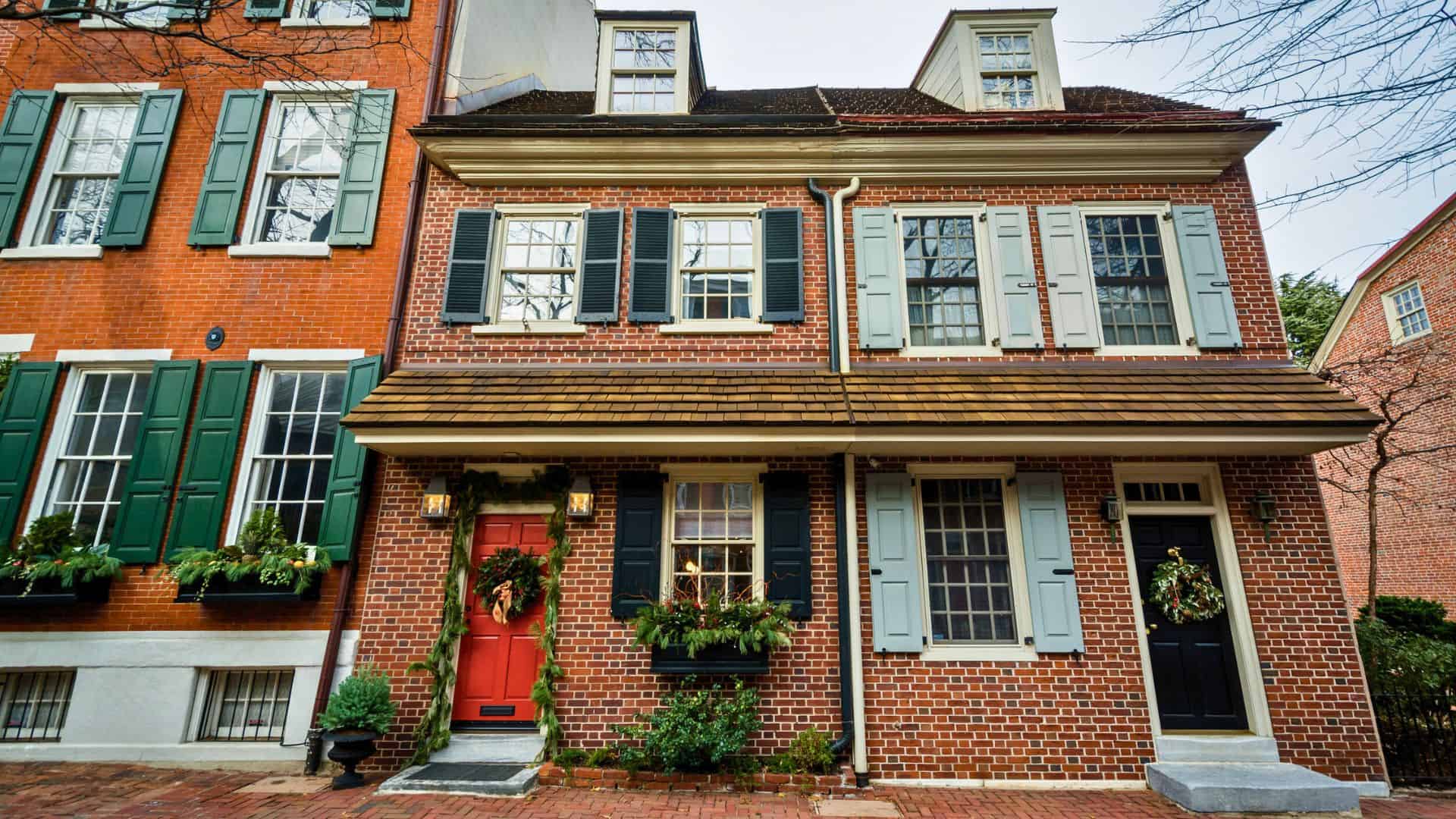
Located in northwest Philadelphia, this area began as a seventeenth-century settlement founded by German Quakers seeking religious freedom. Historic houses such as Cliveden and the Germantown White House connect the neighborhood to Revolutionary War events. Cobblestone streets and stone buildings reflect early colonial craftsmanship. Over time, African American, Irish, and other communities reshaped the district, adding churches, schools, and civic institutions. Germantown Avenue serves as a central corridor lined with small businesses and historic markers. Preservation efforts highlight architecture while community groups address present-day economic and social challenges.
French Quarter – New Orleans, LA
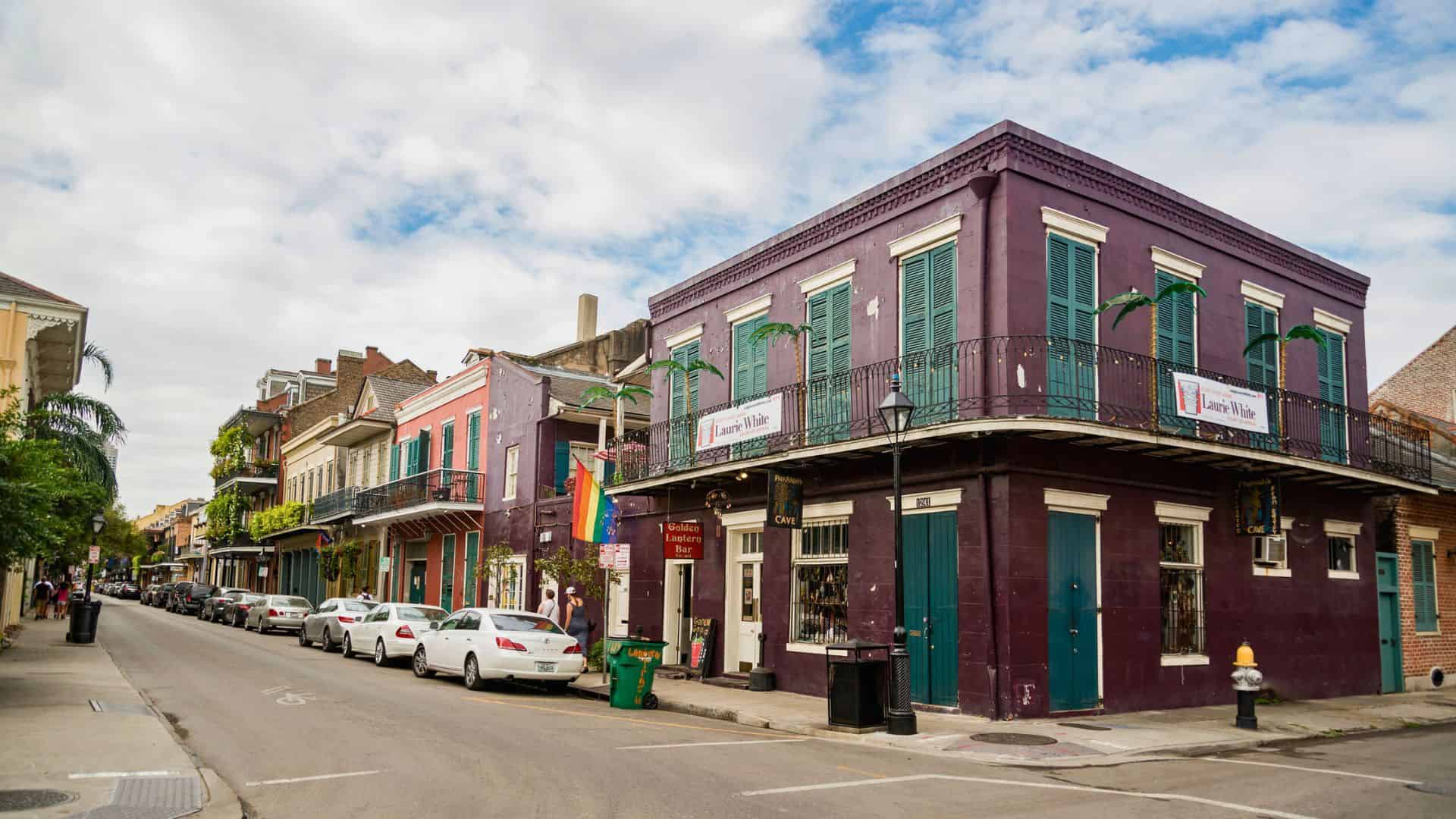
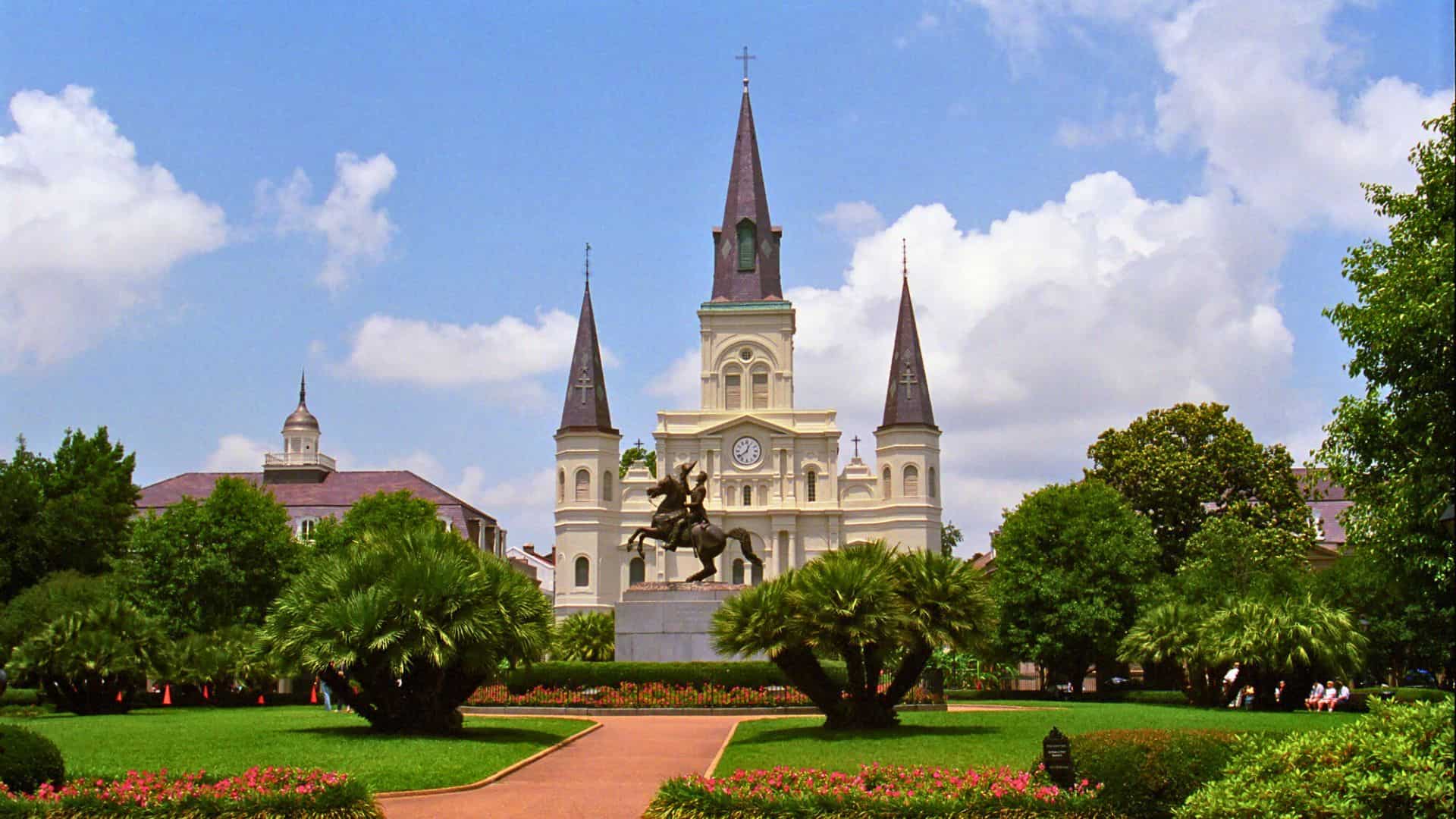
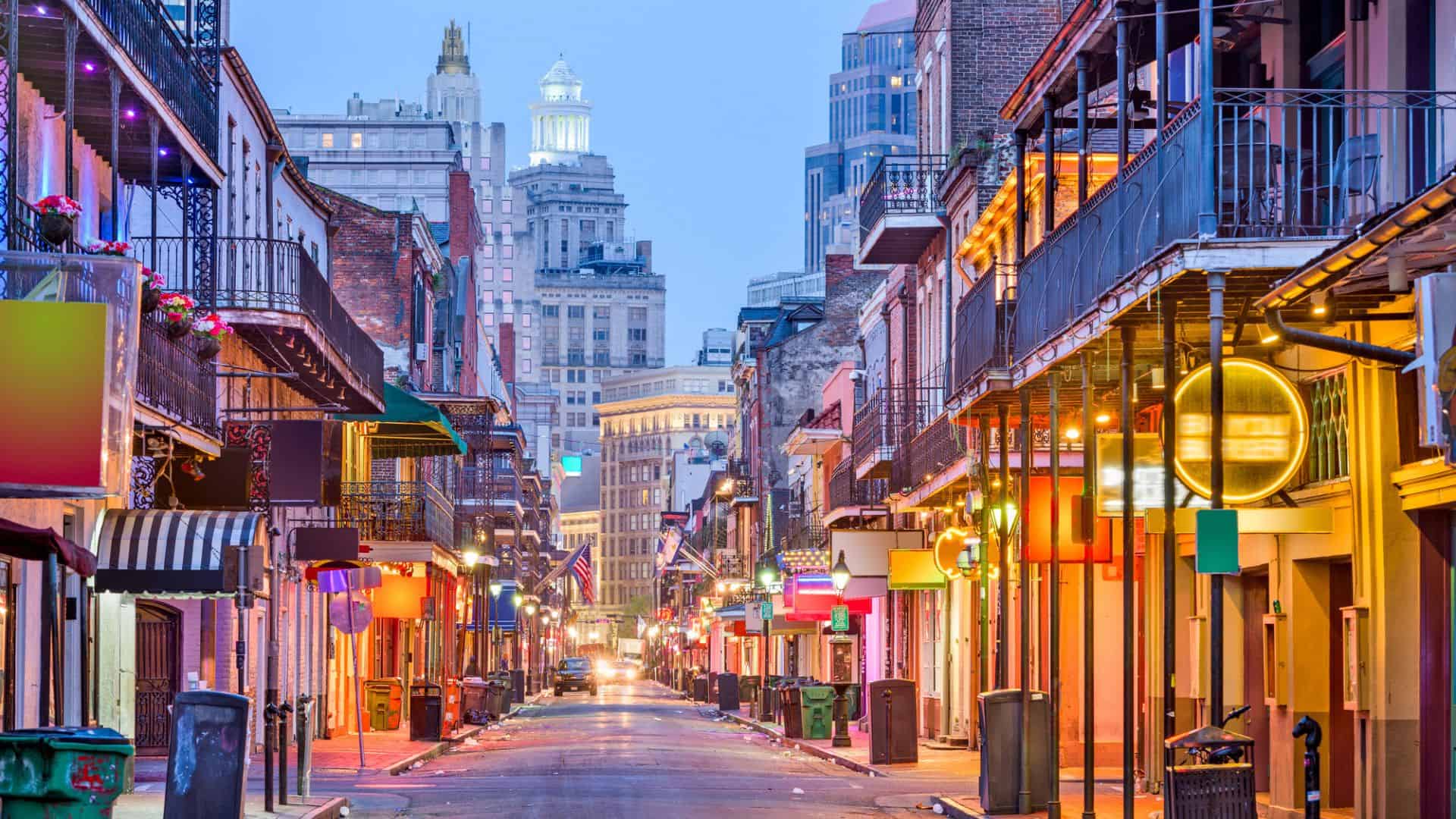
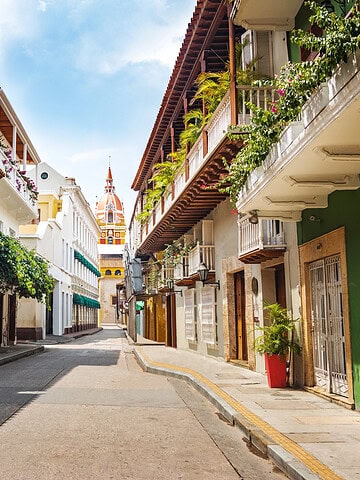
The French Quarter, also known as Vieux Carré, is the historic heart of New Orleans. Spanish and French colonial influences appear in wrought-iron balconies, shaded courtyards, and pastel façades. Jackson Square anchors the district, framed by St. Louis Cathedral and street artists displaying their work. Brass bands and jazz musicians animate corners near Bourbon and Royal Streets, reflecting centuries of Creole expression. Restaurants and music clubs operate inside eighteenth- and nineteenth-century buildings, while Mardi Gras beads drape from balconies during carnival season. The neighborhood’s layered past reveals stories of trade, migration, and cultural exchange.
Little Italy (North End) – Boston, MA
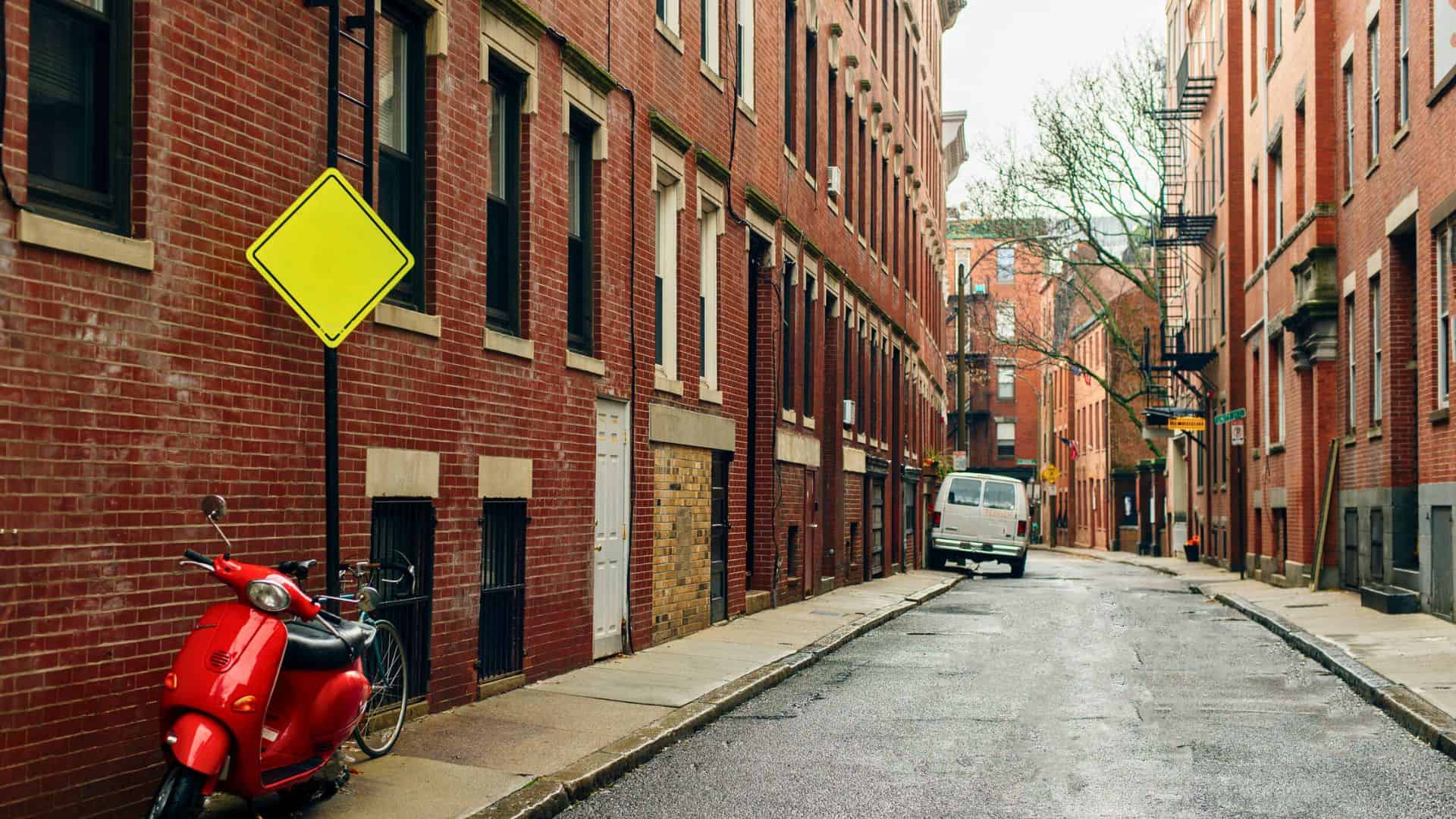
Boston’s North End, widely known as Little Italy, traces its roots to waves of Italian immigrants in the late nineteenth and early twentieth centuries. Narrow streets and brick row houses create an intimate streetscape near the waterfront. Family-run bakeries display cannoli and biscotti, while trattorias line Hanover Street. Religious festivals honoring saints such as Anthony and Agrippina fill summer weekends with processions, marching bands, and hanging lights. The Old North Church, famous for its Revolutionary War signal, links the area to earlier chapters of American history. Generations of residents maintain strong neighborhood ties and traditions.
Chinatown – Honolulu, HI
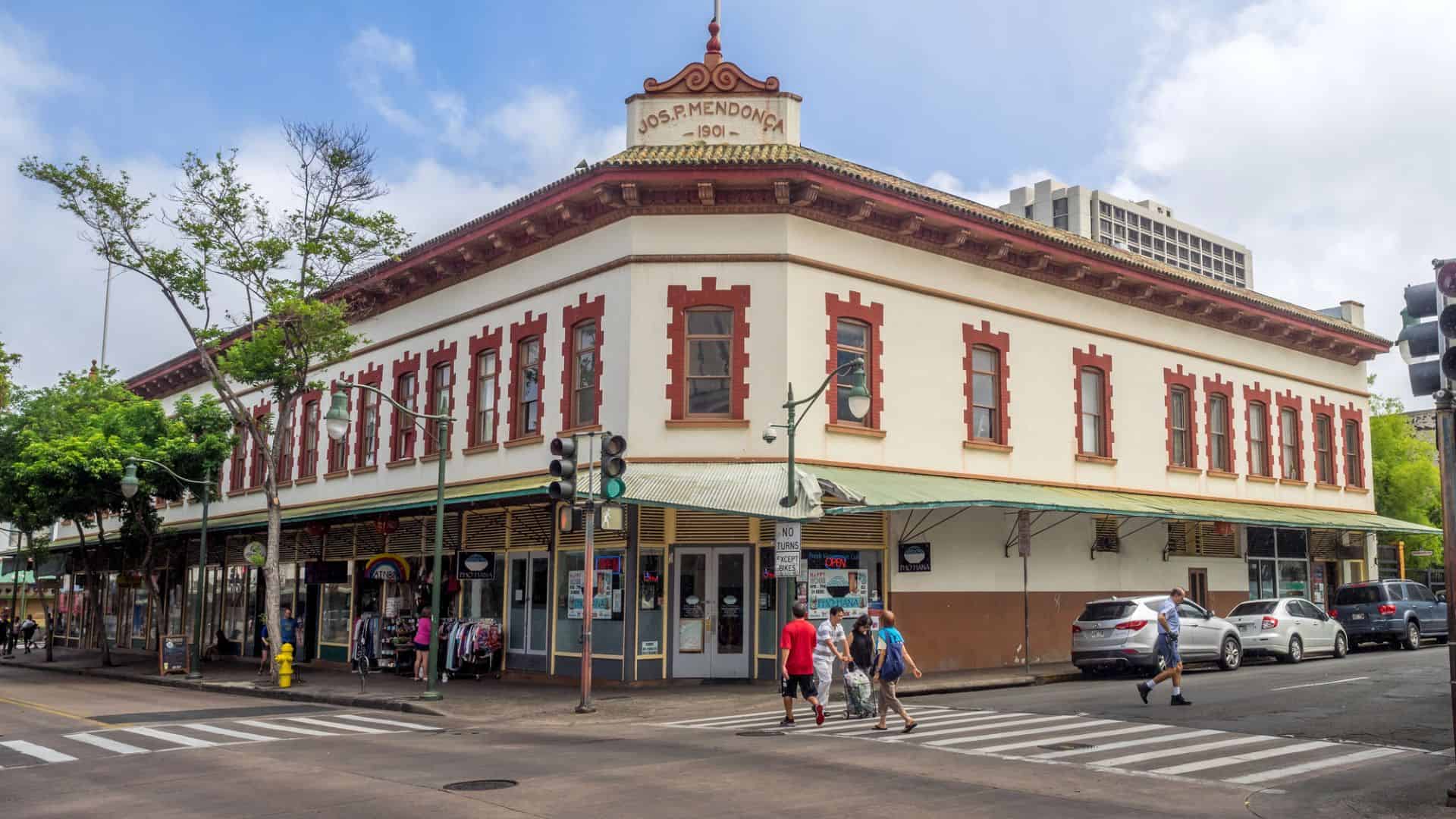
Near Honolulu Harbor, this historic district developed as a trading center connecting Hawai‘i with Asia and the Pacific. Nineteenth-century immigrants from China established temples, herbal shops, and businesses that still operate today. Lei makers, produce vendors, and noodle shops fill open-air markets with steady activity. The neighborhood later welcomed migrants from Vietnam, the Philippines, and other parts of Asia, shaping a layered identity. Festivals marking the Lunar New Year feature lion dances and firecrackers through narrow streets. Art galleries and performance spaces now occupy restored buildings, reflecting ongoing renewal.
Passport Not Required
Cultural neighborhoods remind us that the United States has never been just one story. It’s a patchwork of languages, traditions, music, faith, and food that people carried with them and built into everyday life. When you walk through these areas, you see history in real time. It’s in the storefronts, the street art, the festivals, and the conversations happening on the corner. That kind of connection sticks with you.
Exploring these neighborhoods isn’t about checking a box. It’s about slowing down and paying attention. Grab a coffee, step into a local shop, read the plaques, listen to the music drifting down the block. These communities didn’t appear overnight, and they continue to grow and change. Visiting with respect and curiosity goes a long way. If you want to travel that feels real and grounded, these neighborhoods are a great place to begin.
13 Best Cities for Night-Owl Travelers and Late-Night Culture
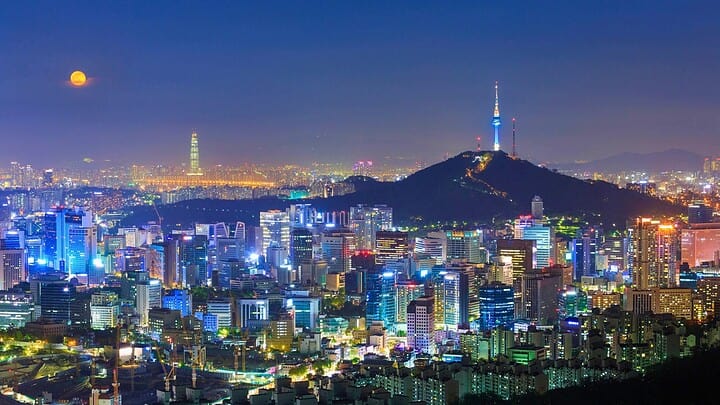
If you’re the type who thinks midnight is just getting started, this one’s for you. While many places slow down at night, these 13 cities for night owls hit their stride. Streets stay busy, music keeps playing, and food spots stay open. You don’t feel rushed back to your hotel, and sleep can wait. These cities are the epitome of late-night culture. They work on a different clock, and they’re great at it.
Read More Here: 13 Best Cities for Night-Owl Travelers and Late-Night Culture
DepositPhotos
Visiting the United States for the first time can feel like stepping into a whole new world. It's a place where everyday habits and social norms might not be quite what you're used to. From the way people interact to the seemingly endless options available around the clock, the U.S. has its own quirks that can catch you off guard. It's great to be aware of these 15 culture shocks foreigners usually experience when being in the U.S.
Read More Here: 15 Culture Shocks Foreigners Experience When They Come to the U.S.
Leave a Reply