
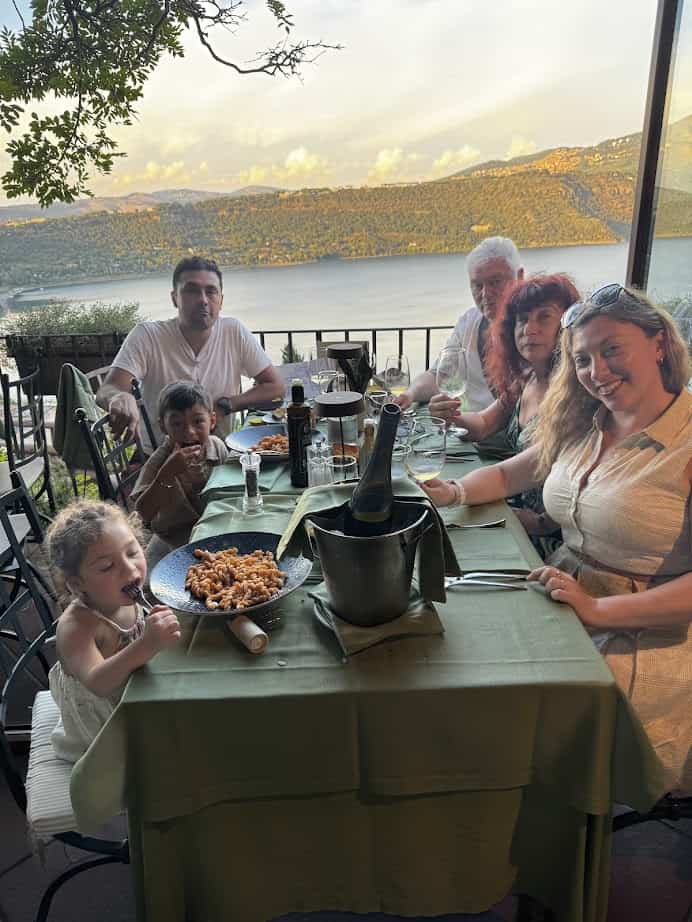
We recently spent 4 days in Castel Gandolfo and got to explore the papal palace and gardens, eat traditional Roman cuisine, and enjoy sweeping views of the lake.
Jump to:
We’ve been to Rome before, and we’ve done the major landmarks, navigated the crowds, and walked until our legs gave out. On that kind of trip, it helped to have a simple plan for pacing especially when you're traveling to Rome with kids.
Plus, I’ve shared some tricks for picking the best Roman food tours and linked our personal 'Where to Eat' shortlist to keep you well-fed. We also learned that the best Rome trips usually include at least one quieter reset, which is why places like Parco della Gallinara stay on our radar.
Anyway, this time, we were craving something calmer, the kind of quick getaway where you still feel close to Rome, but you are not fighting the city for a little breathing room.
Castel Gandolfo had the same depth of history, all without the hustle and bustle of Rome. Mornings here felt quieter, afternoons naturally slowed down, and evenings were all about sitting comfortably together as a family.
Plan Your Trip
Save on fees abroad with the Wise Card—use it at ATMs, restaurants, and for flights or hotels in over 150 countries. Manage 40+ currencies in real-time with the Wise app.
Need Help Planning?
- Cheap Flights: Find the best deals.
- Accommodation: From hostels to luxury stays.
- Car Rental: Affordable options worldwide.
- Sightseeing Tours: Explore without breaking the bank.
- Travel Adapter: One adapter for all your needs.
- Travel Insurance: Don’t risk it—stay covered.
This post includes affiliate links, and as an Amazon Associate I earn from qualifying purchases. Read my full disclosure and privacy policy.
If you’re looking for a realistic 4-day itinerary that balances history, food, countryside drives, and actual downtime, this is exactly how we structured ours.
What to Know About Castel Gandolfo
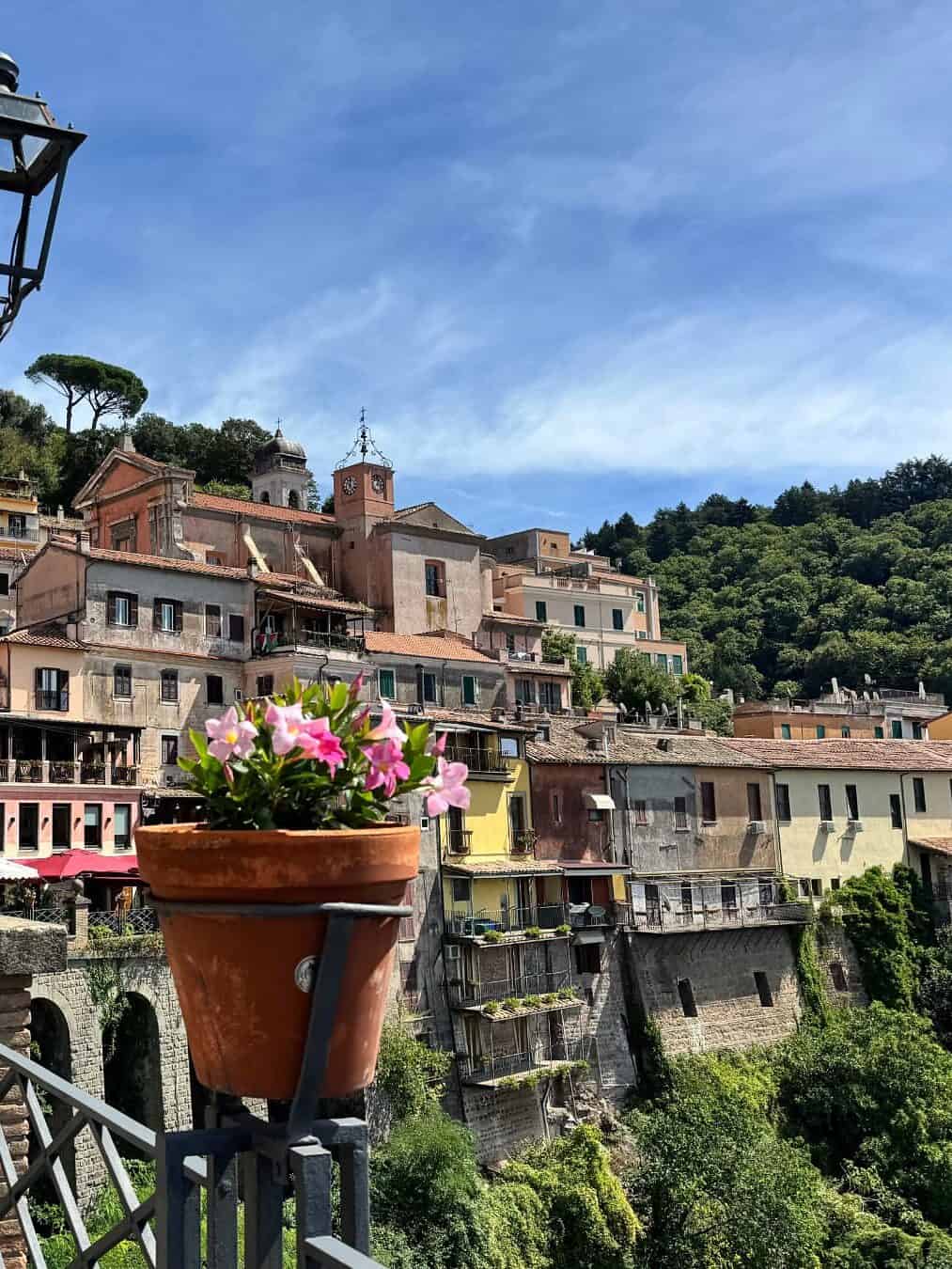
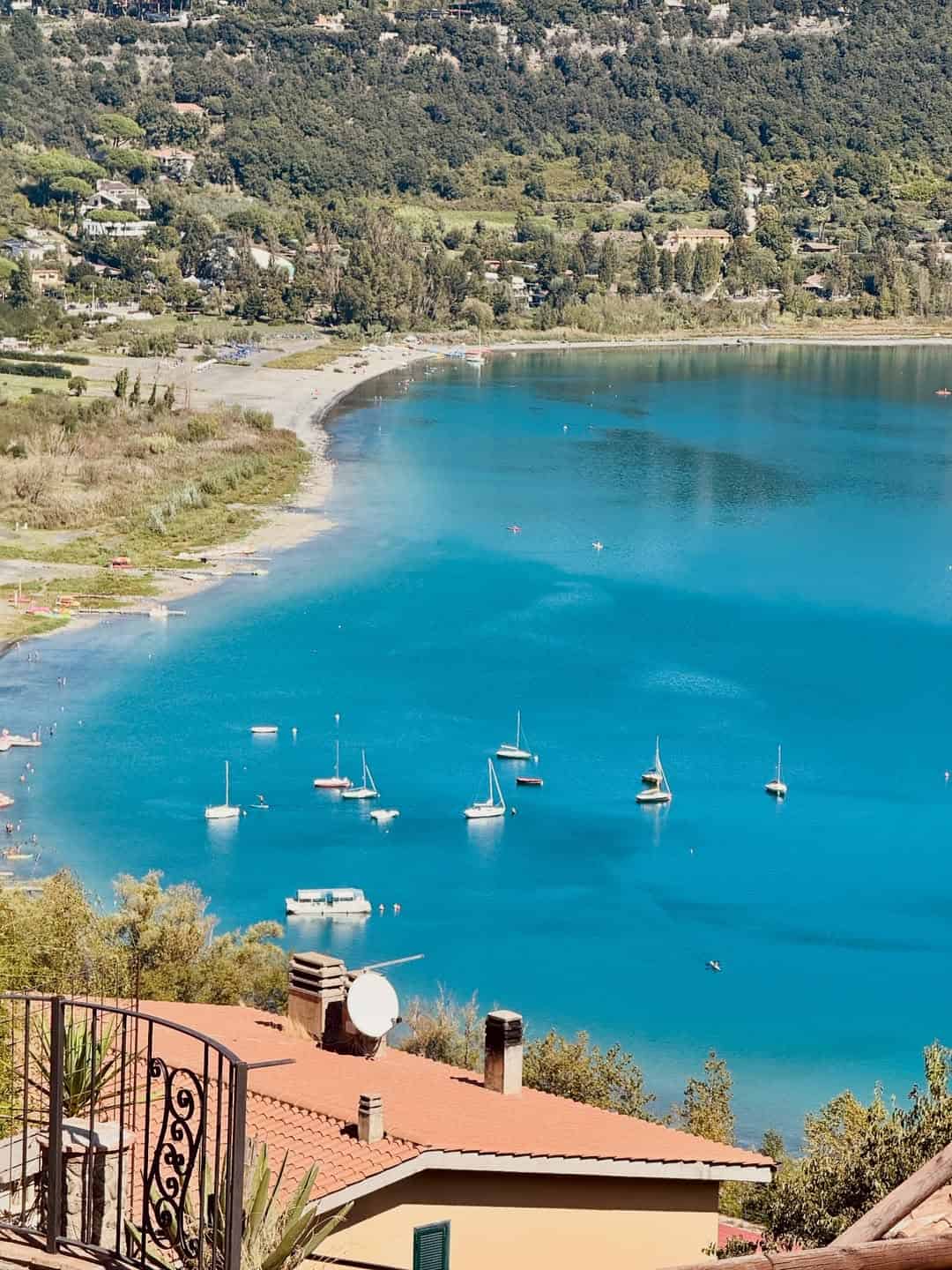
Castel Gandolfo is a beautiful hilltop town in Italy, overlooking the deep blue waters of Lake Albano.
It's located about 25 km southeast of Rome. Close enough for an easy escape but far enough to feel removed from the city’s fast and bustling pace.
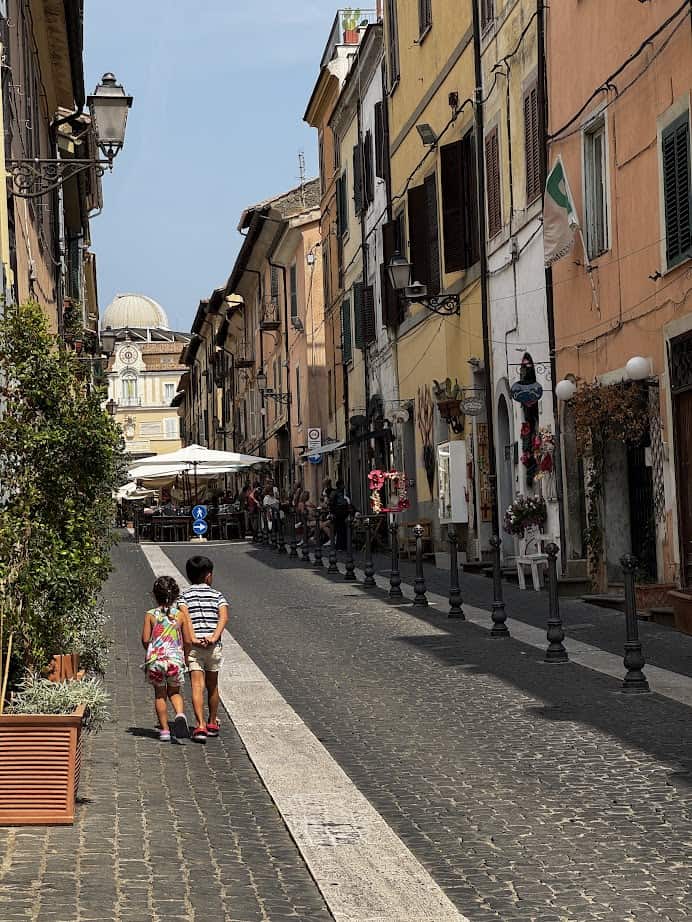
It’s part of the Castelli Romani, and in many ways, it feels like the other towns in the area. Think stone lanes that slope gently (and sometimes not so gently), a compact piazza that acts as the social center, and cafés that actually close in the afternoon.
For centuries, this was the site of the summer residence of the Holy See. The papal palace, formally known as the Apostolic Palace of Castel Gandolfo, is found on the main square and shapes much of the town’s character.
How to Get There
The simplest way to reach town is by regional train from Roma Termini station to Castel Gandolfo station.
The scenic 40 to 45-minute ride passes through the lush countryside of the Castelli Romani. From the station, it’s about a 15-minute uphill walk to the historic center.
You can also rent a car in Rome and drive. The journey takes around 45 minutes to an hour, depending on traffic. This way, you can explore nearby hill towns at your own pace.
Parking is available near the town center, though spaces can be limited on weekends and during peak summer months.
Do note that once you’re in the area, having a car is a must. The town center itself is walkable, yes, but if you’re staying longer than a quick day trip, you would want to move around a bit.
The surrounding towns are charming in their own right, and getting between them is far easier (and far less limiting) when you’re not relying on train schedules or uphill walks.
Where to Stay
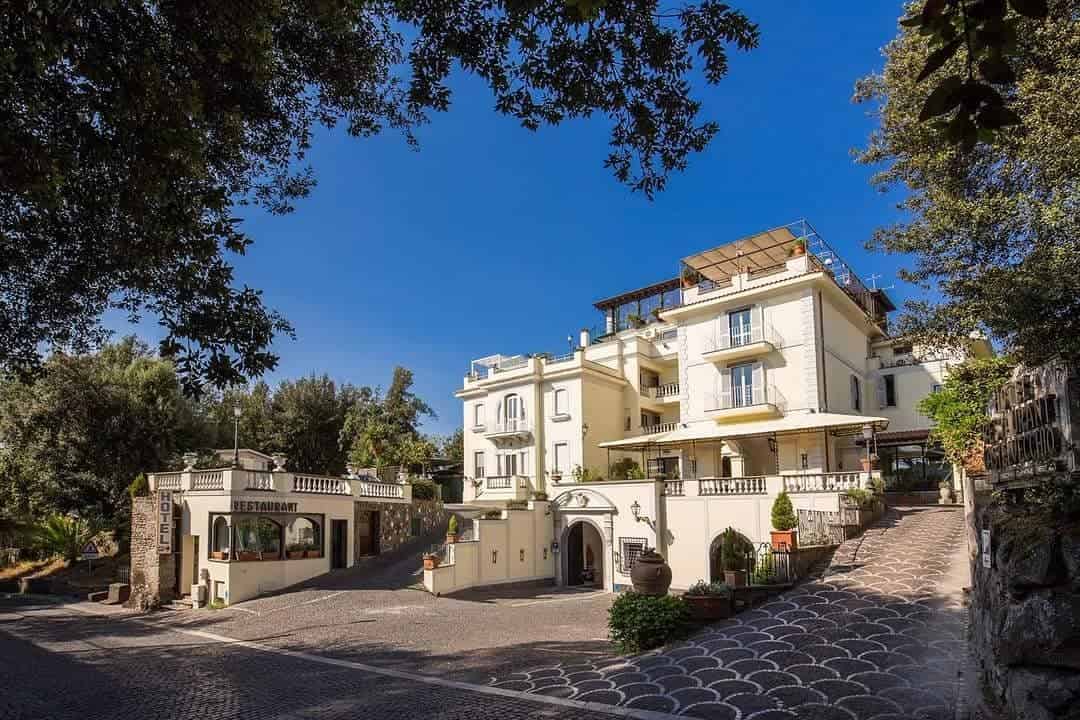
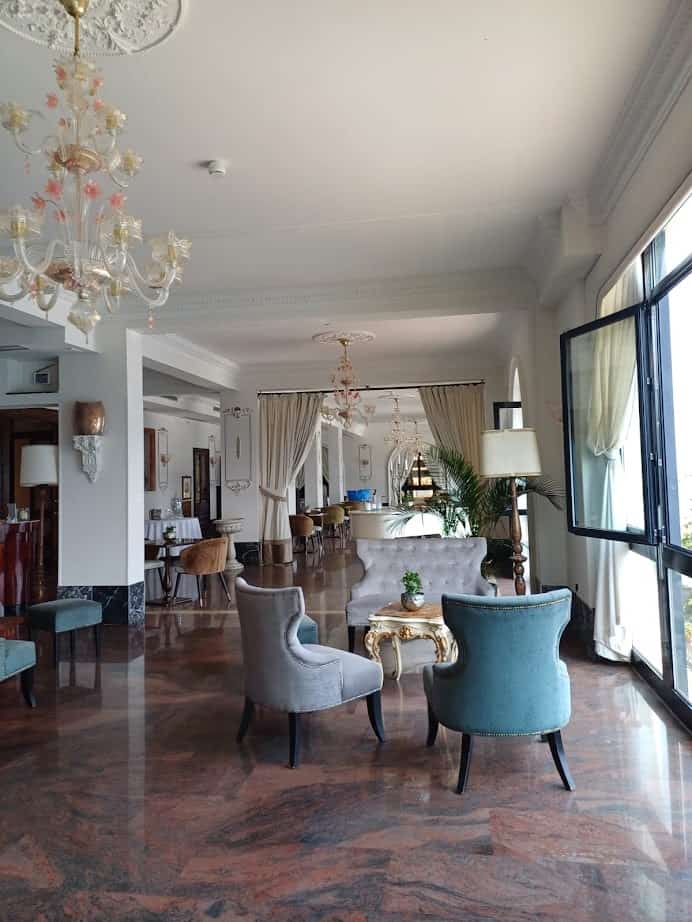
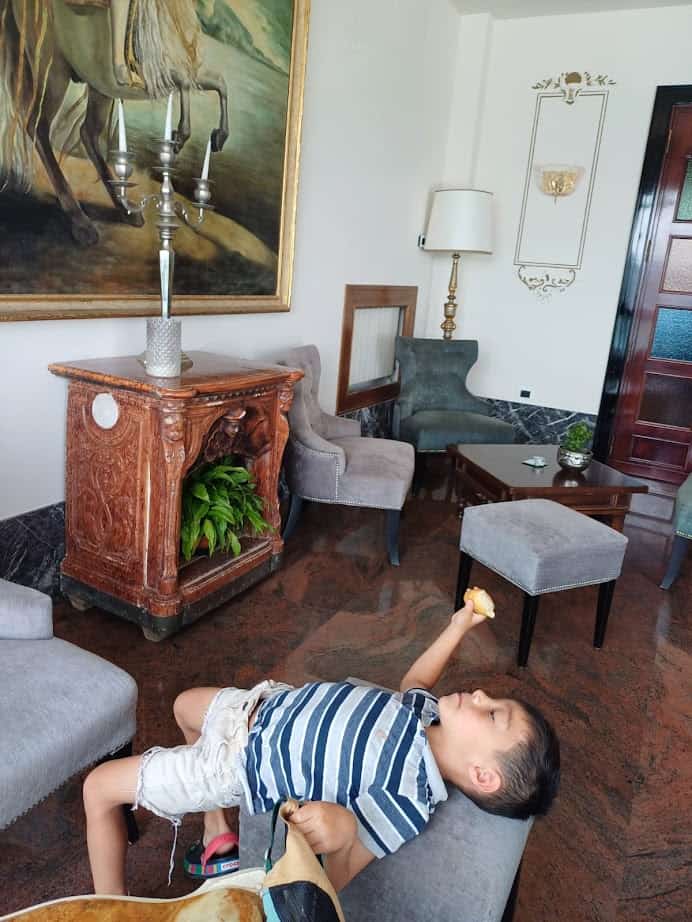
We stayed at Hotel Castel Vecchio, and honestly? I'd choose it again. The hotel carries that old-world Italian charm you secretly hope for in a place like Castel Gandolfo.
It’s clear the property has been around for years. Some corners feel a little worn, and not every decorative choice fully aligns (you’ll notice it), but somehow that’s part of its character.
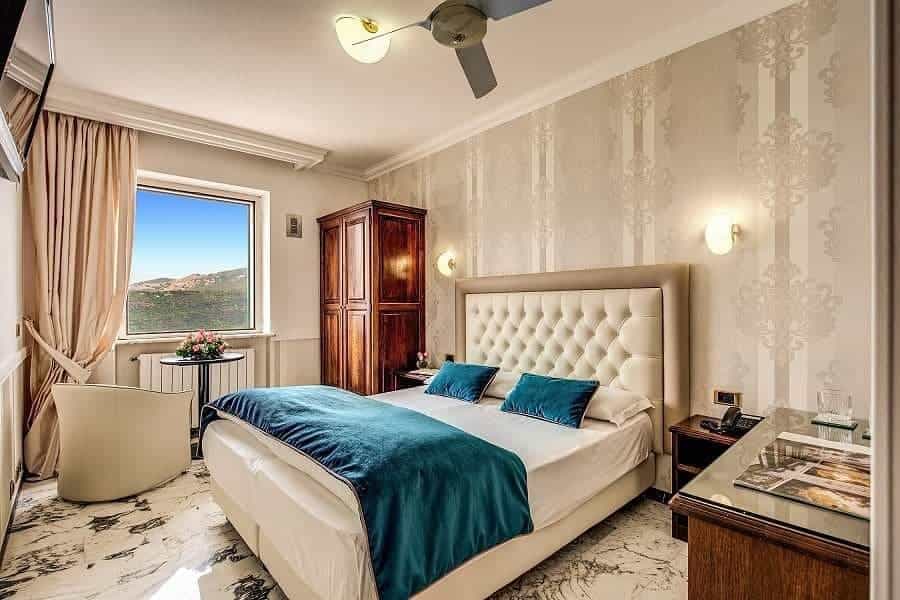
The rooms, however, are bright, airy, and spacious. It's also well-equipped, and the staff is genuinely helpful with any setup you might need.
Practical details matter here: there’s an elevator, on-site parking, and even electric vehicle charging (not always a given in historic towns).
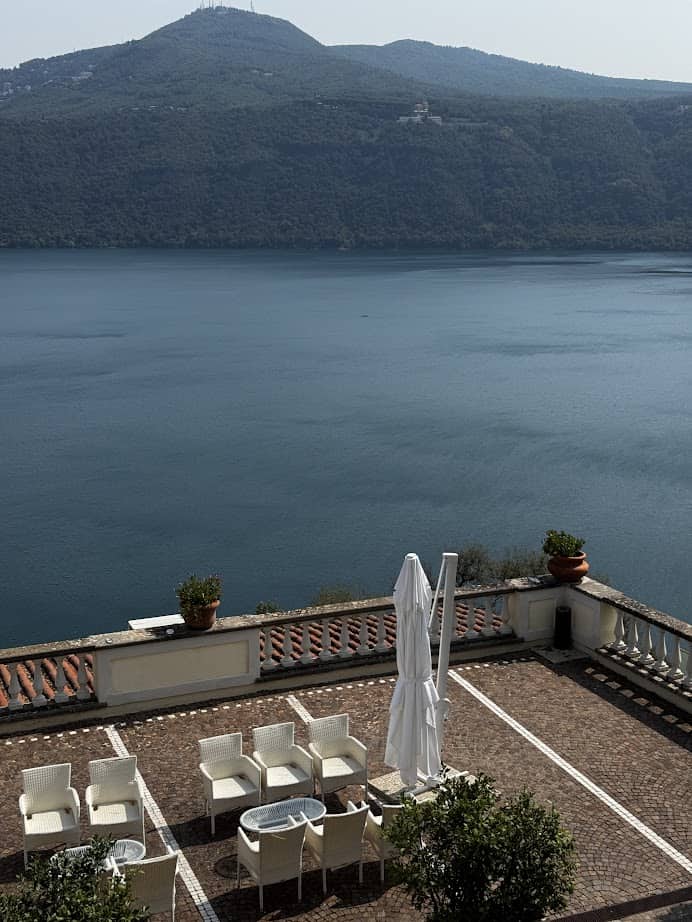
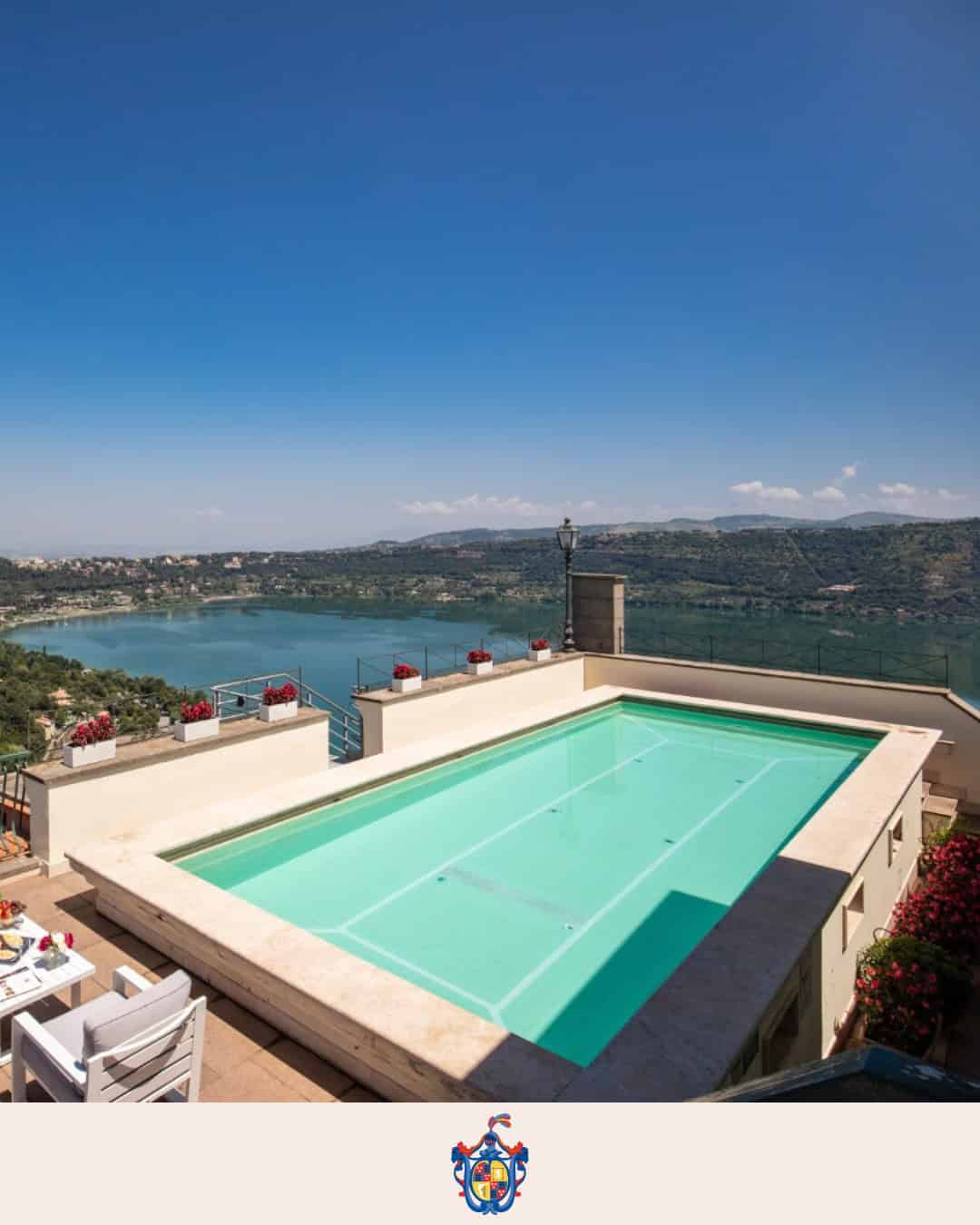
The rooftop pool and terrace are the highlights. They're secluded, quiet, and overlooking Lake Albano. It feels cinematic, almost like a scene from Roman Holiday.
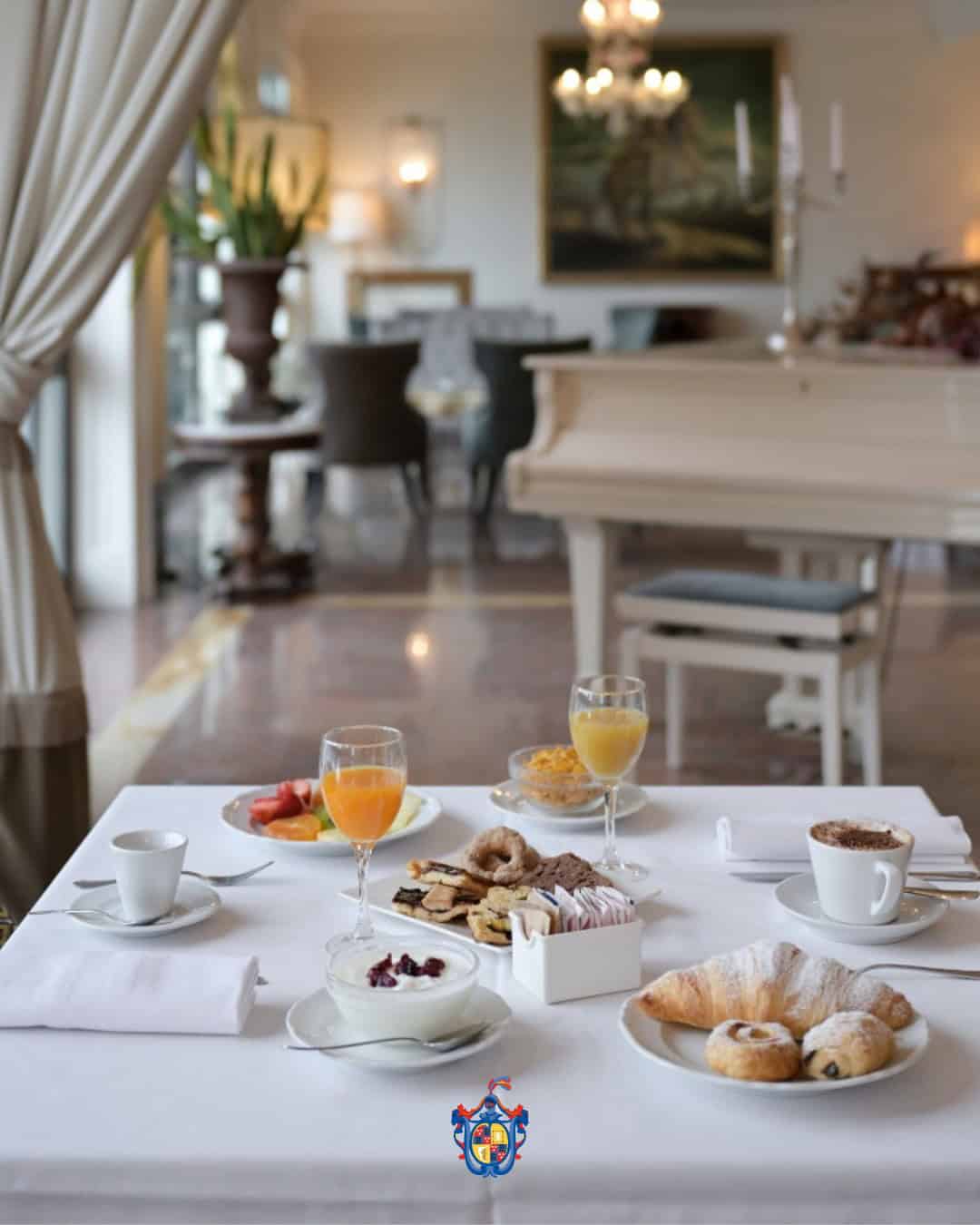
Breakfast was also worth noting, with several gluten-free options available. For the price, it’s more than reasonable. It fits the setting perfectly.
Castel Gandolfo 4-Day Itinerary
Day 1: Explore the Heart of Castel Gandolfo
Take a day to stroll down to the town. It has a charming town square, a few little shops, and of course, the church.
Piazza della Libertà
Location: Rome, Metropolitan City of Rome Capital, Italy
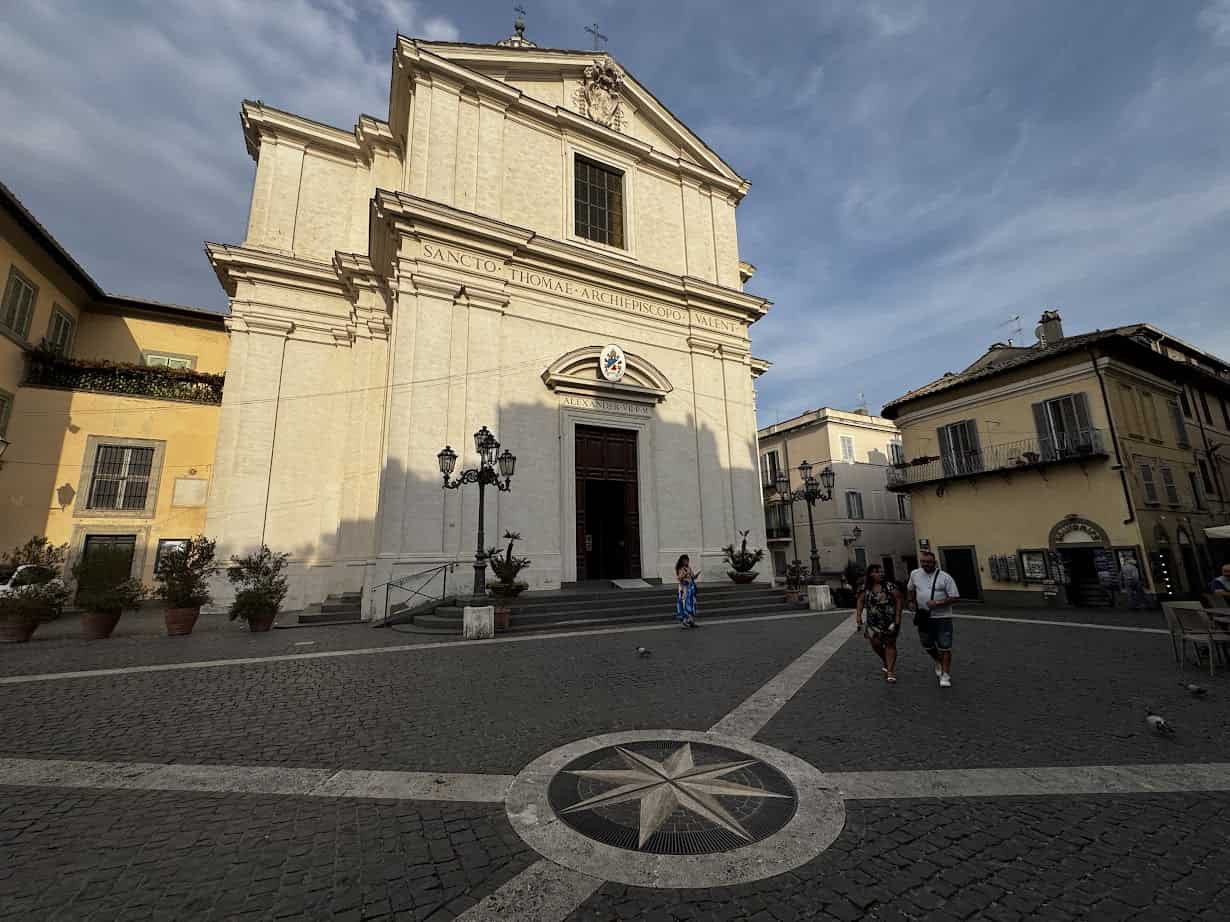
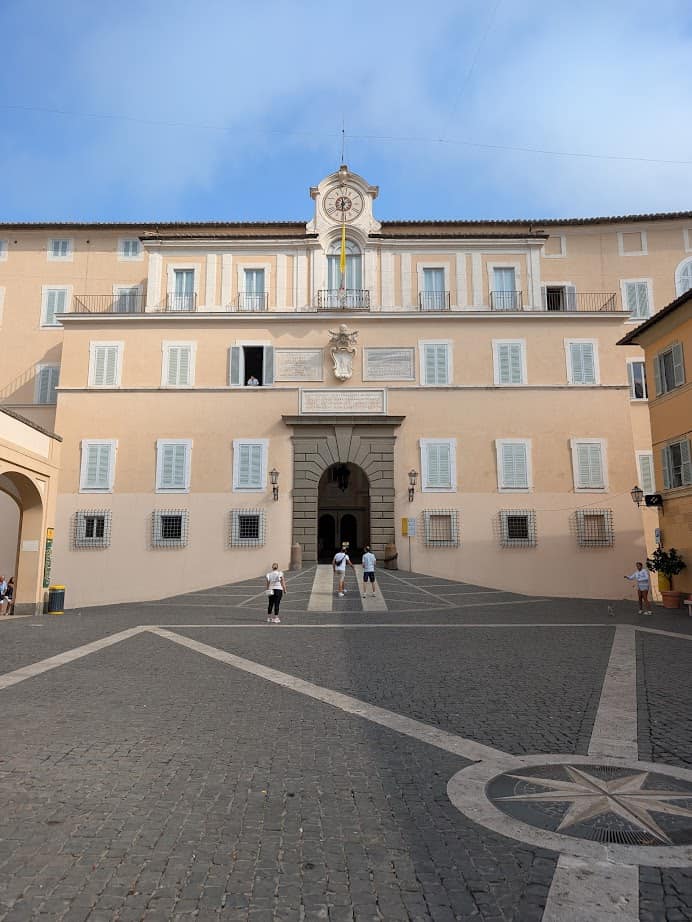
This is Castel Gandolfo's main square. You can't miss it; there's a large star laid into the stone at the center of the pavement.
The square is framed by the palace on one side and the parish church on the other. From the edge of the piazza, you can catch a clear view over Lake Albano.
Palazzo Pontificio
Location: Piazza della Libertà, 00073 Castel Gandolfo RM, Italy
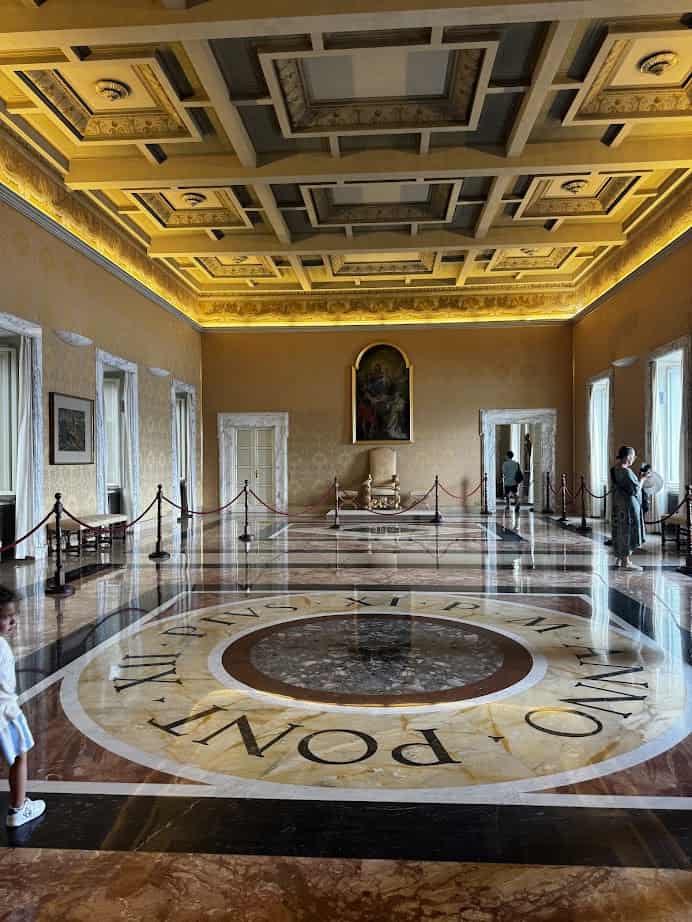
The Palazzo Apostolico di Castel Gandolfo, or simply Palazzo Pontificio, served as the official summer residence of the Pope since 1626, when Pope Urban VIII formally established it as part of the Barberini estate.
For centuries, pontiffs governed, prayed, and even died here. What many people don’t know is that the structure sits on top of the remains of Emperor Domitian’s 1st-century Roman villa.
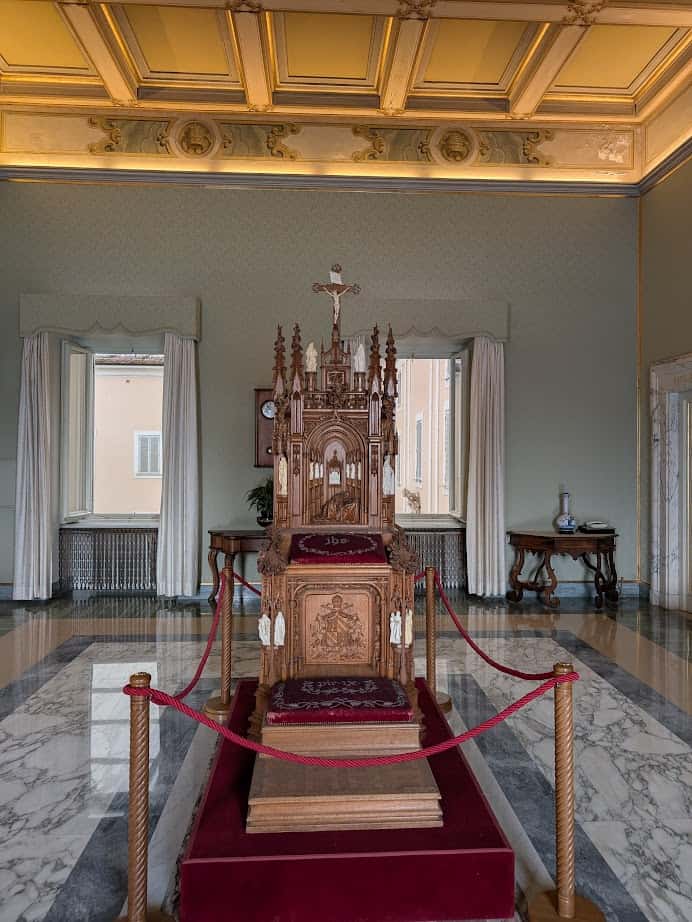
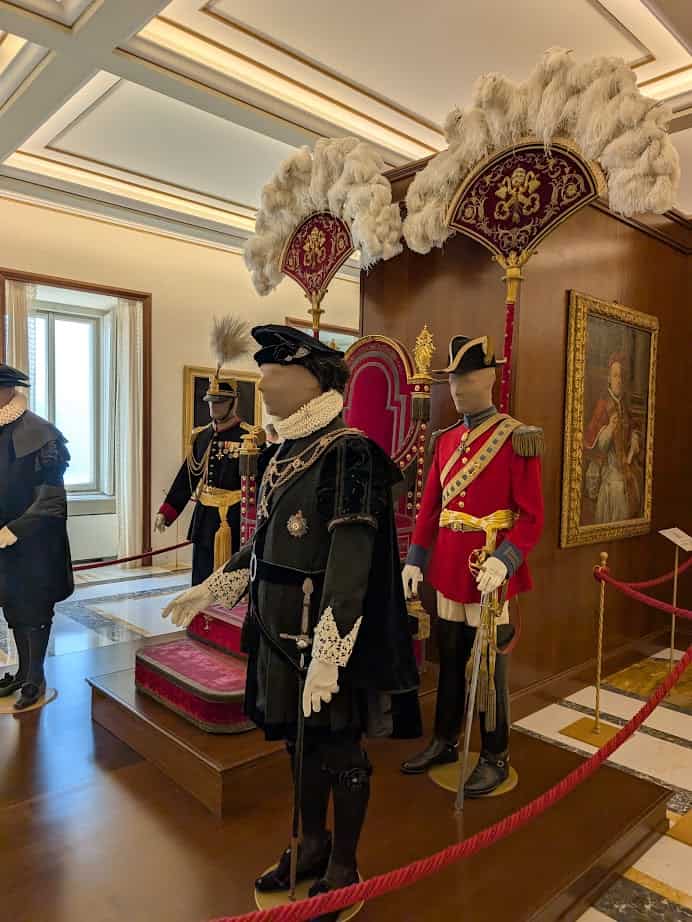
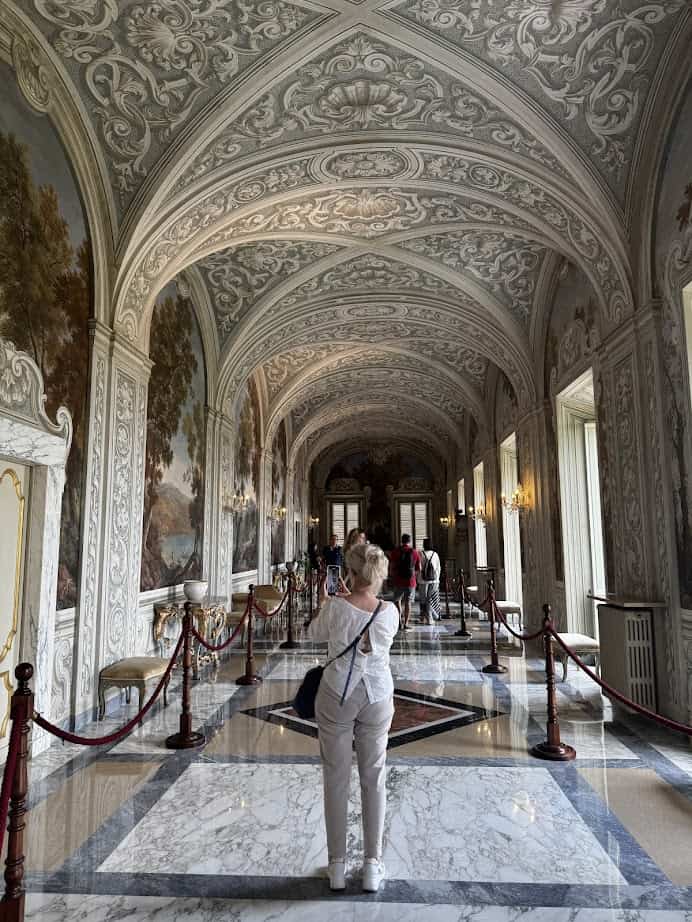
Inside, the layout of the palace is pretty straightforward. You move through official rooms, portraits of past pontiffs, ceremonial garments, and the private papal apartments preserved.
A major shift came in 2016, when Pope Francis decided not to use the residence privately and instead opened the palace to the public as a museum.
For the first time in nearly 400 years, visitors could walk through rooms once reserved for papal audiences and private reflection.
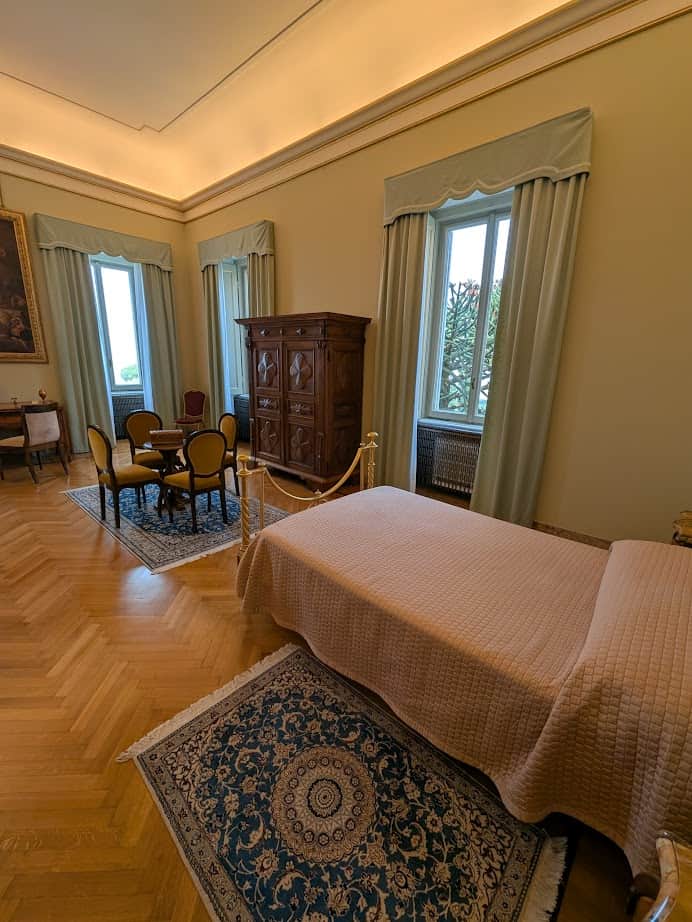
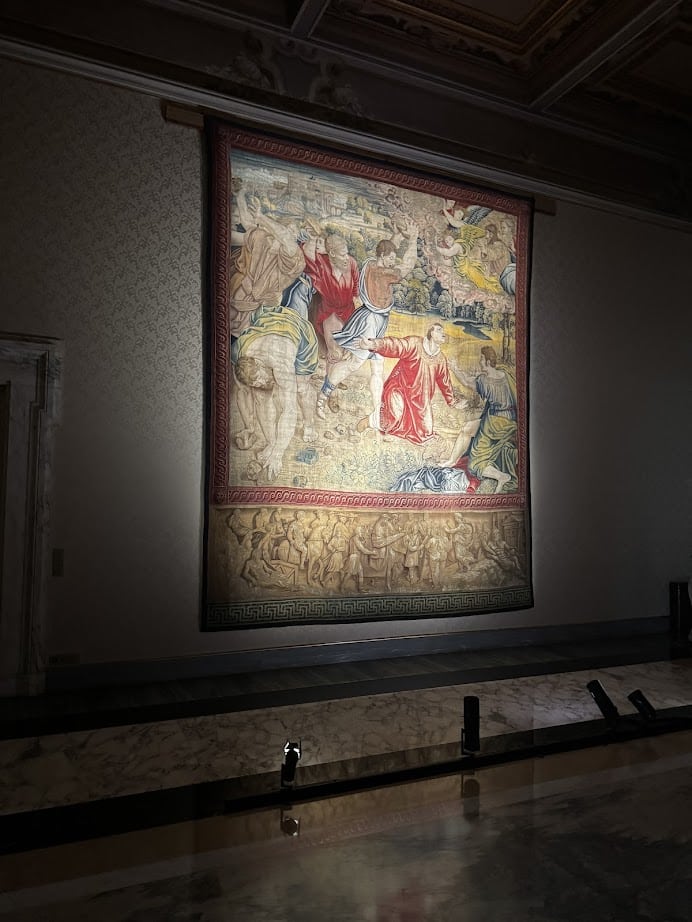
Book tickets in advance, preferably a morning slot, to avoid being swarmed by tour groups. If you’re visiting with older family members, do note that there is elevator access, but certain parts of the palace aren't wheelchair-friendly.
Papal's Gardens
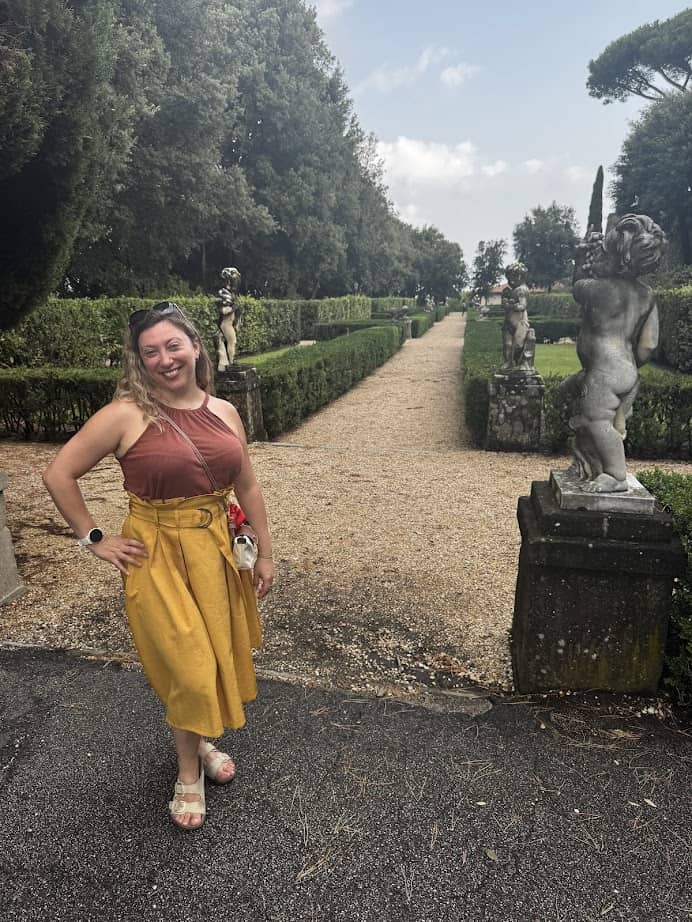
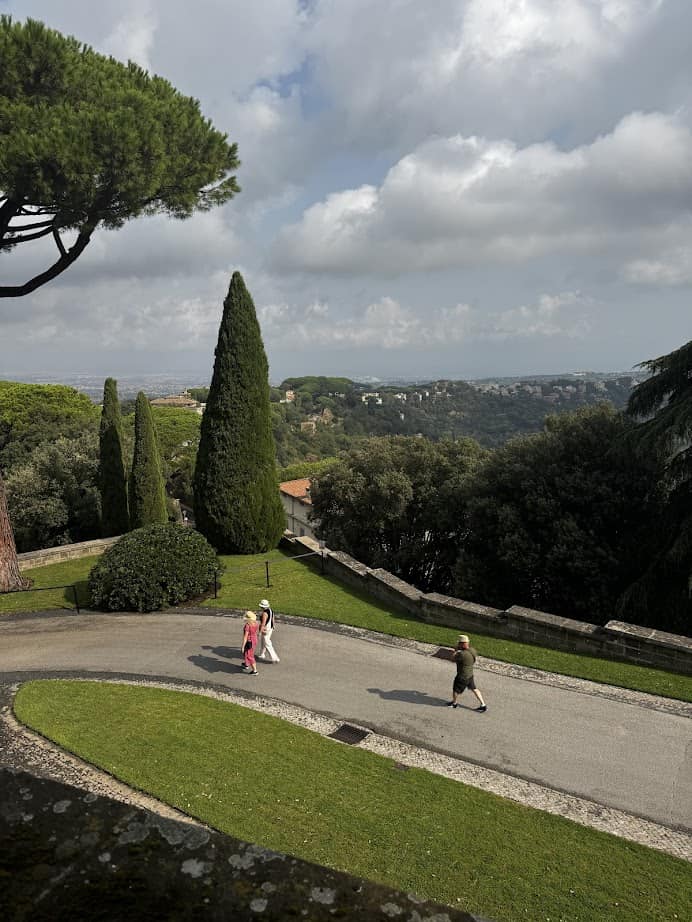
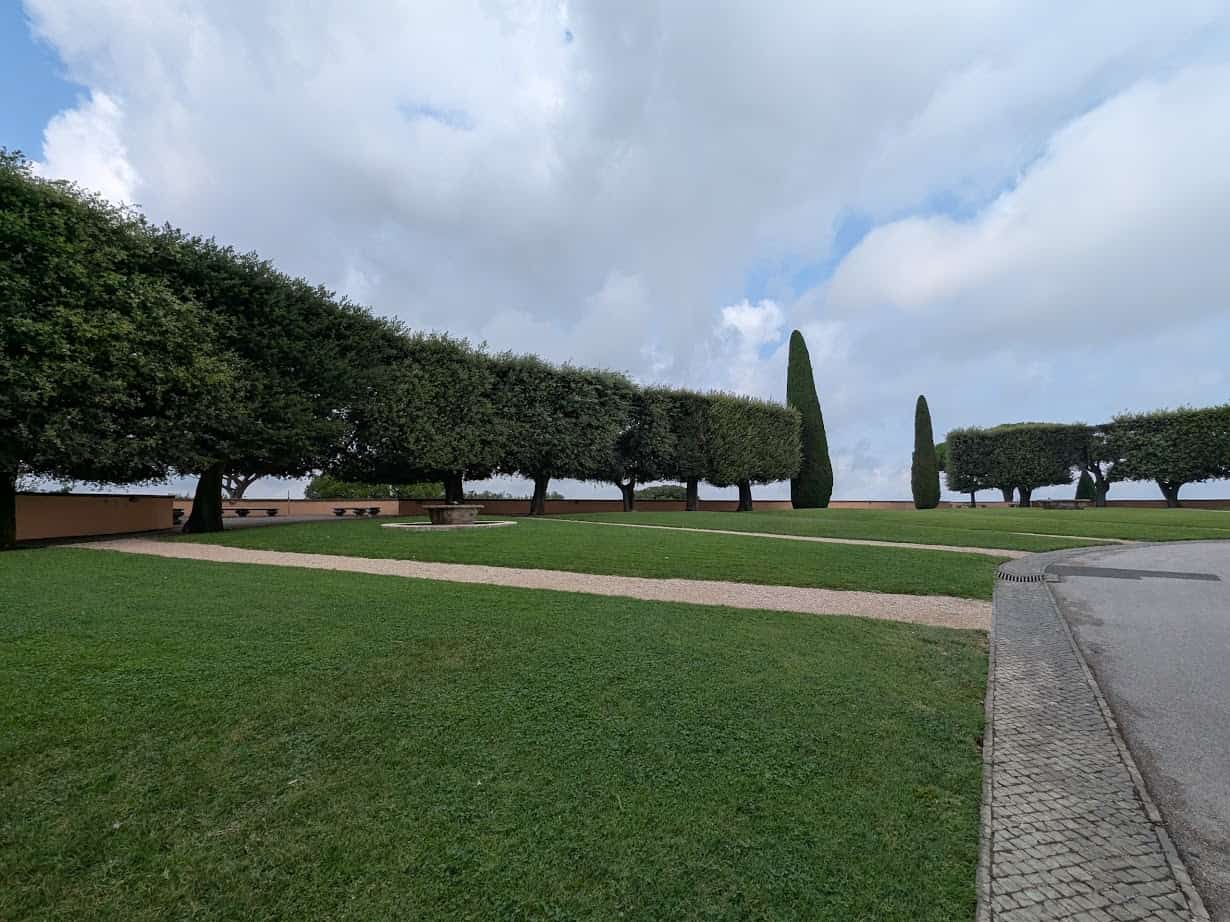
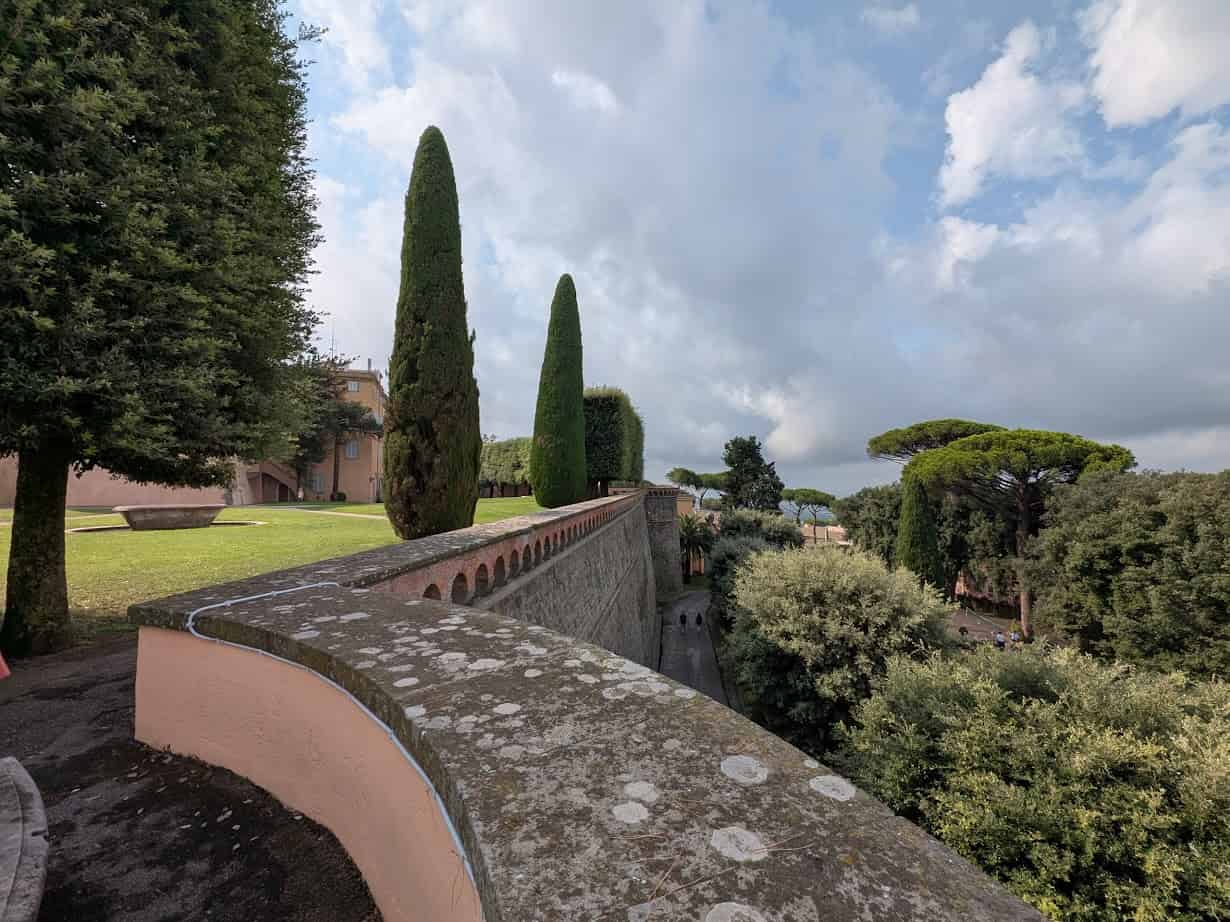
This is a small garden directly connected to the Apostolic Palace itself. It's an extension of the residence rather than a separate attraction.
It's a calm, carefully arranged space that contrasts beautifully with the grandeur of the larger papal grounds.
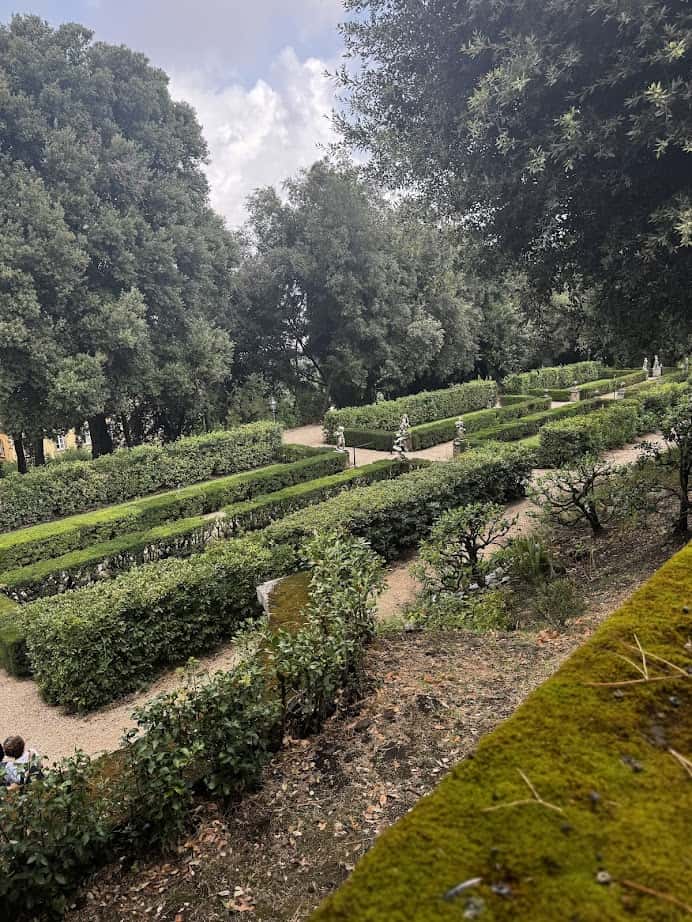
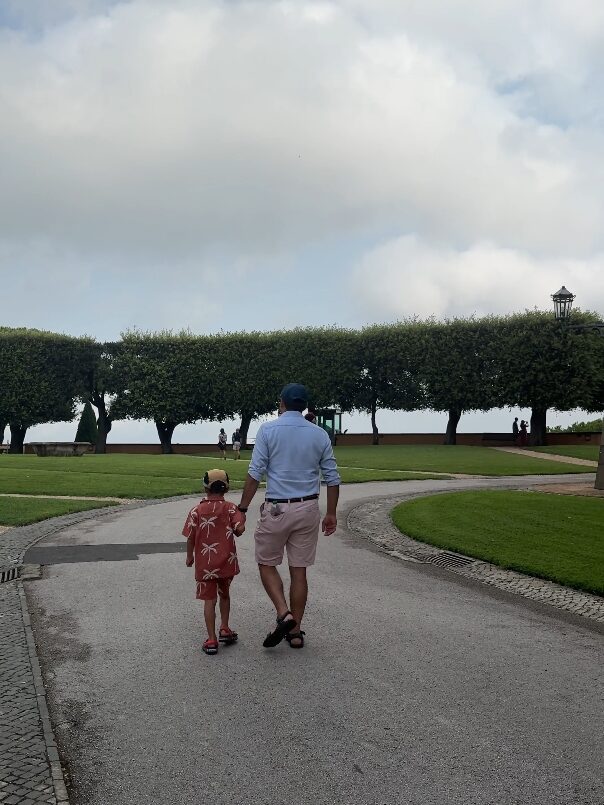
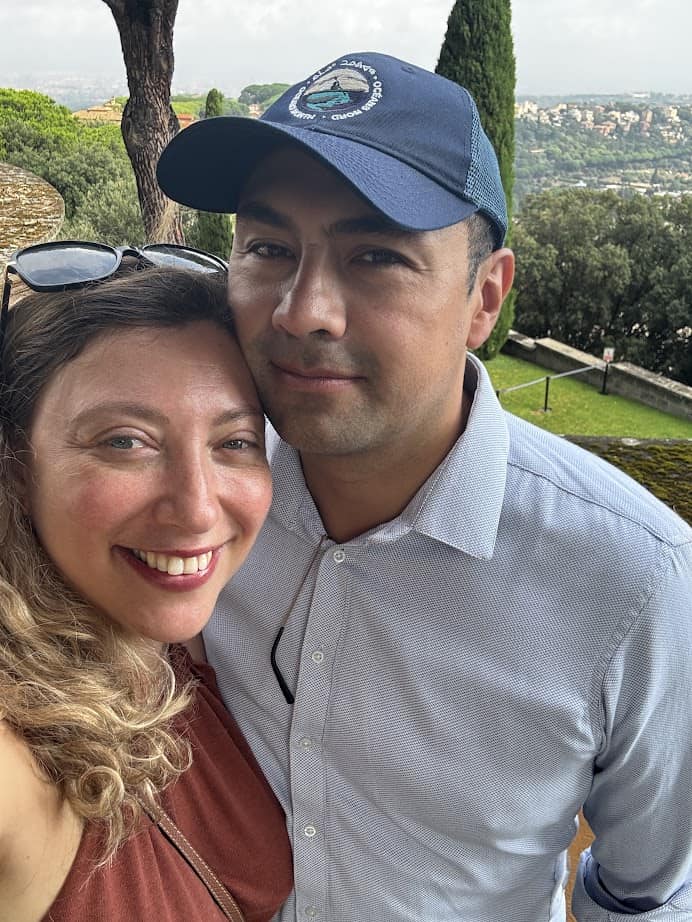
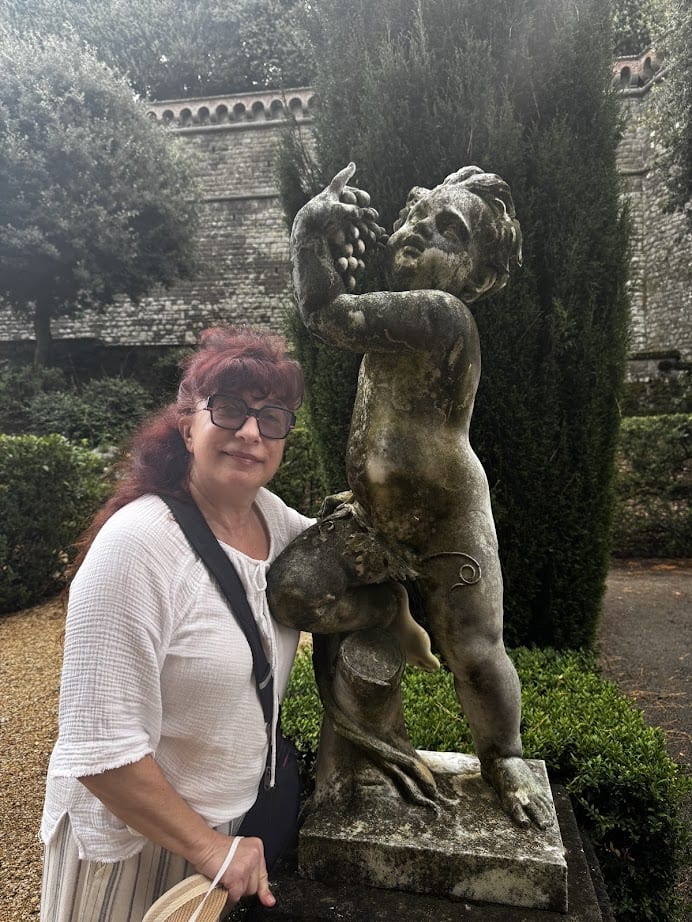
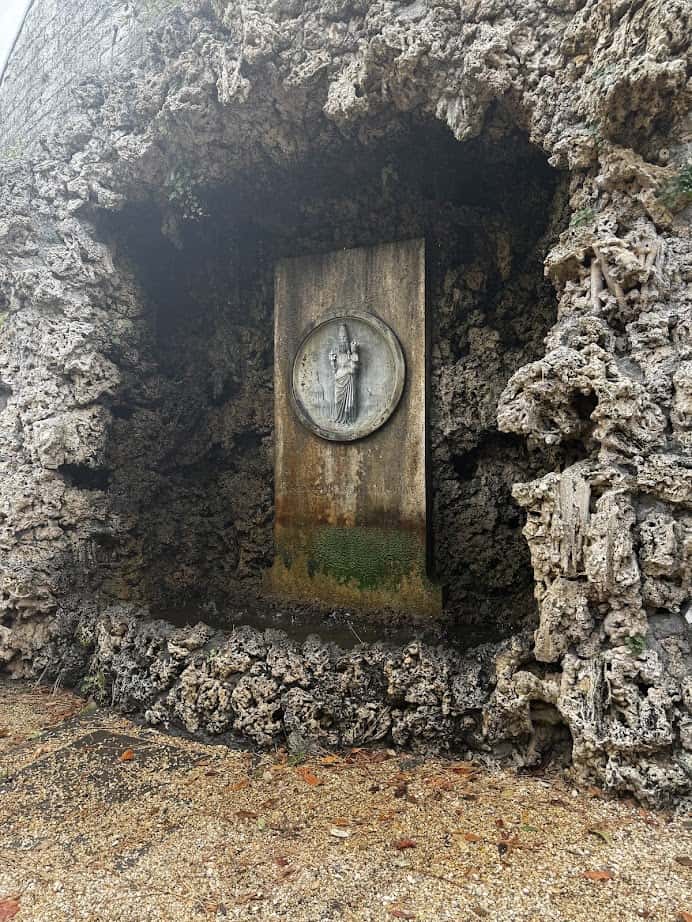
It’s more of a courtyard-style garden with manicured lawns, decorative plantings, and scenic viewpoints. There was even a small Mama Mary grotto.
Barberini Gardens
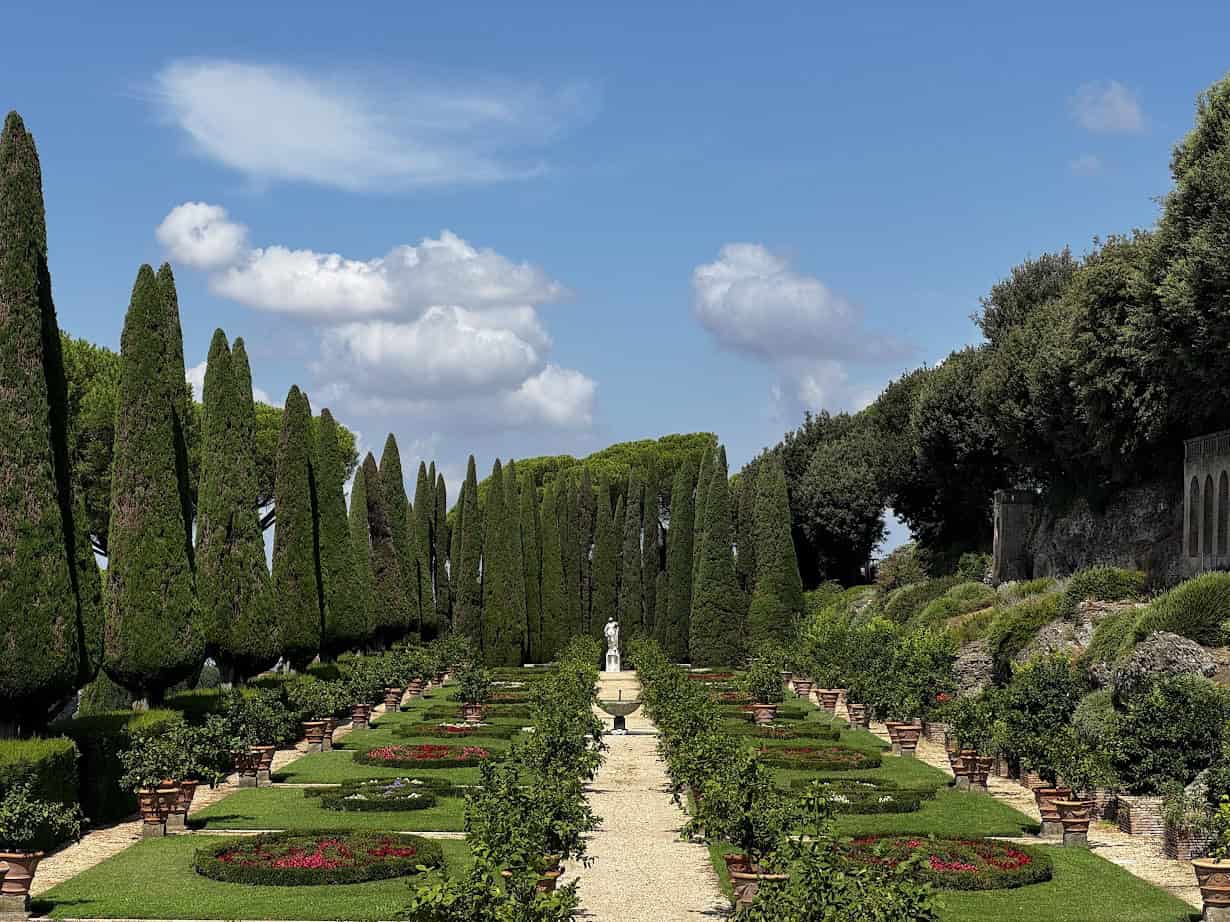
Forming part of the pontifical villas of Castel Gandolfo, the Barberini Gardens look very much like traditional Italian gardens: trimmed hedges, measured pathways, and terraces that guide your line of sight.
There are formal sections with sculpted greenery and fountains, then quieter stretches with tall trees. At certain stops, the view opens dramatically toward Lake Albano, and the contrast is striking.
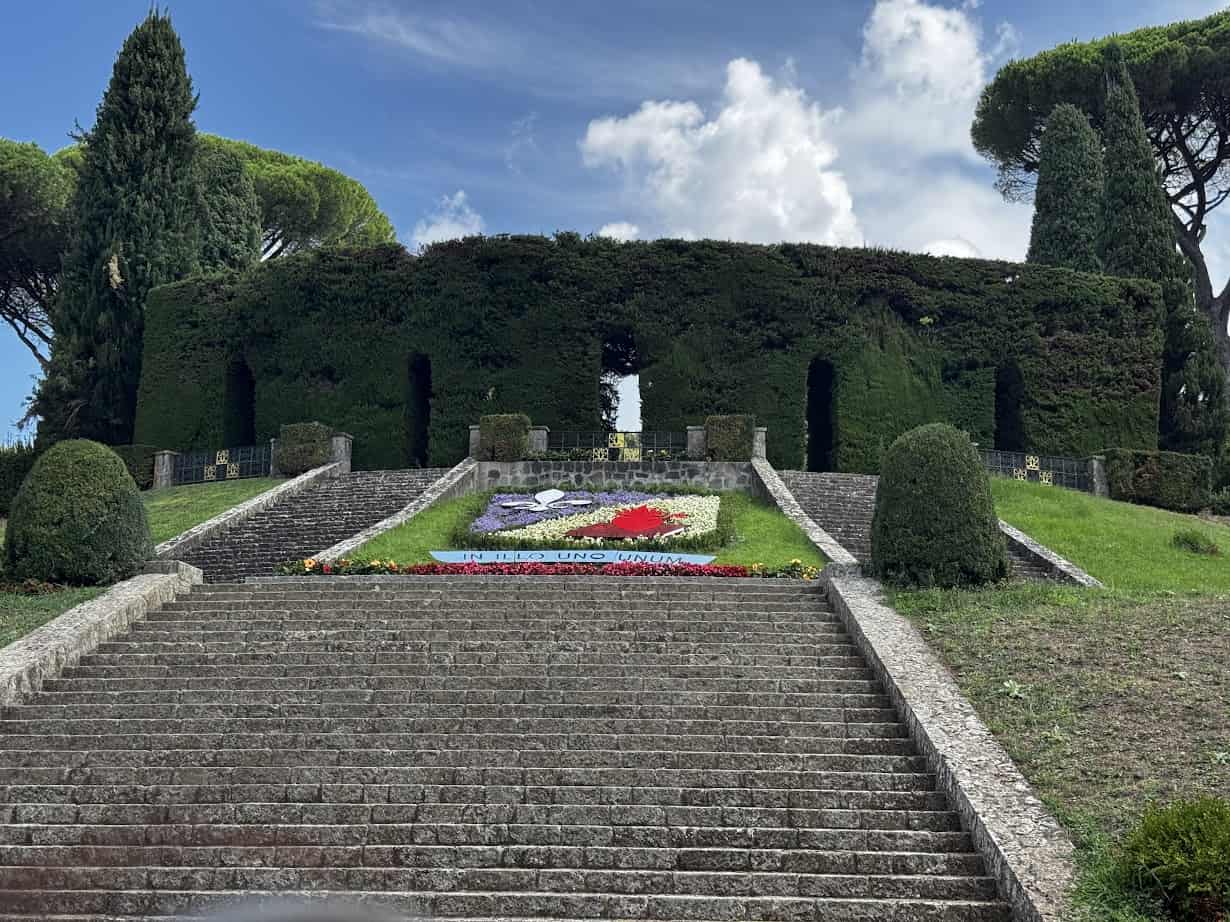
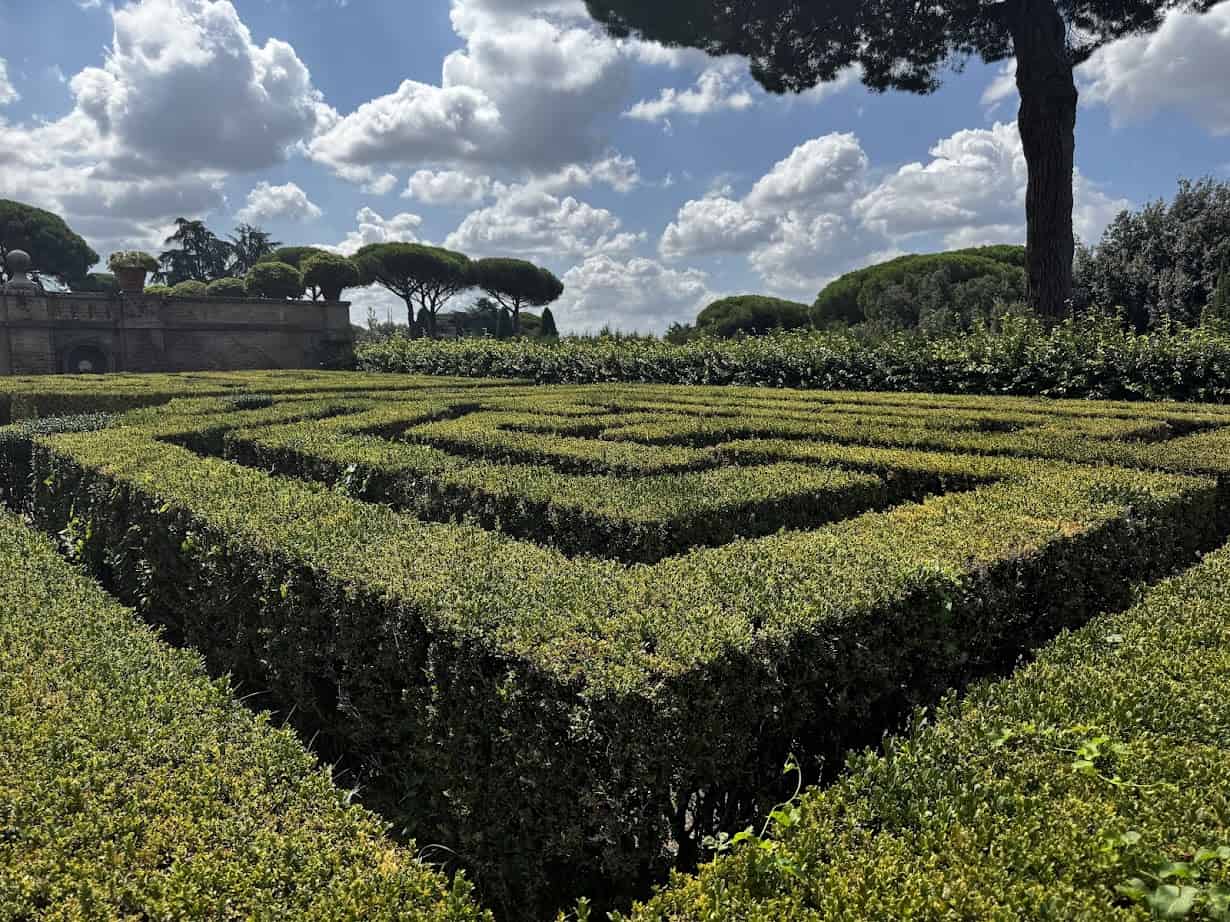
One important thing to know: you cannot wander the gardens freely on your own. Visits are conducted by bus only, either as part of a scheduled group tour or through a private tour.
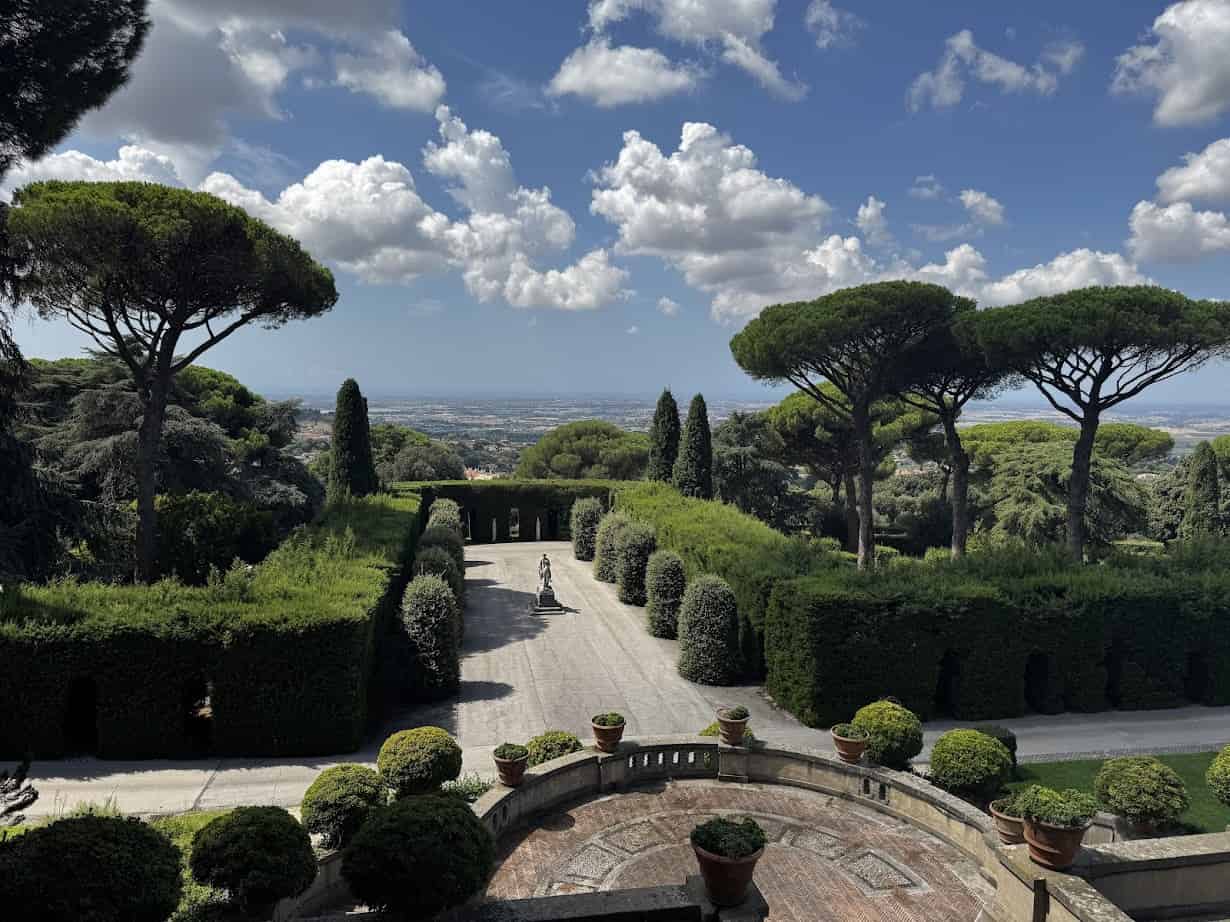
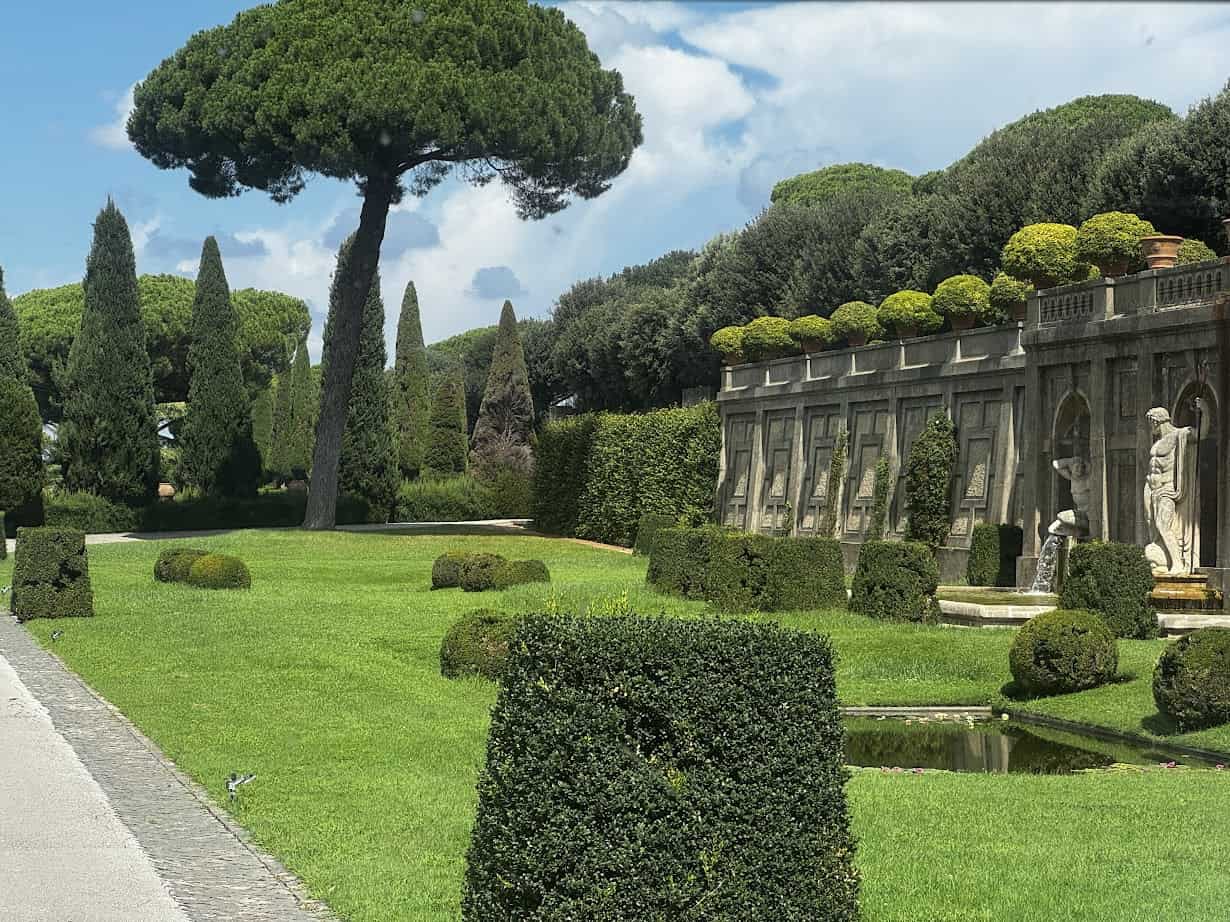
I suggest booking your guided tour through GetYourGuide. They’re my highly trusted go-to when it comes to private tours. I've booked with them for my Barcelona trip, and the experience was smooth from start to finish.
Wear comfortable shoes, even though much of the route is by vehicle. Some stops require short walks.
Church of St. Thomas of Villanova
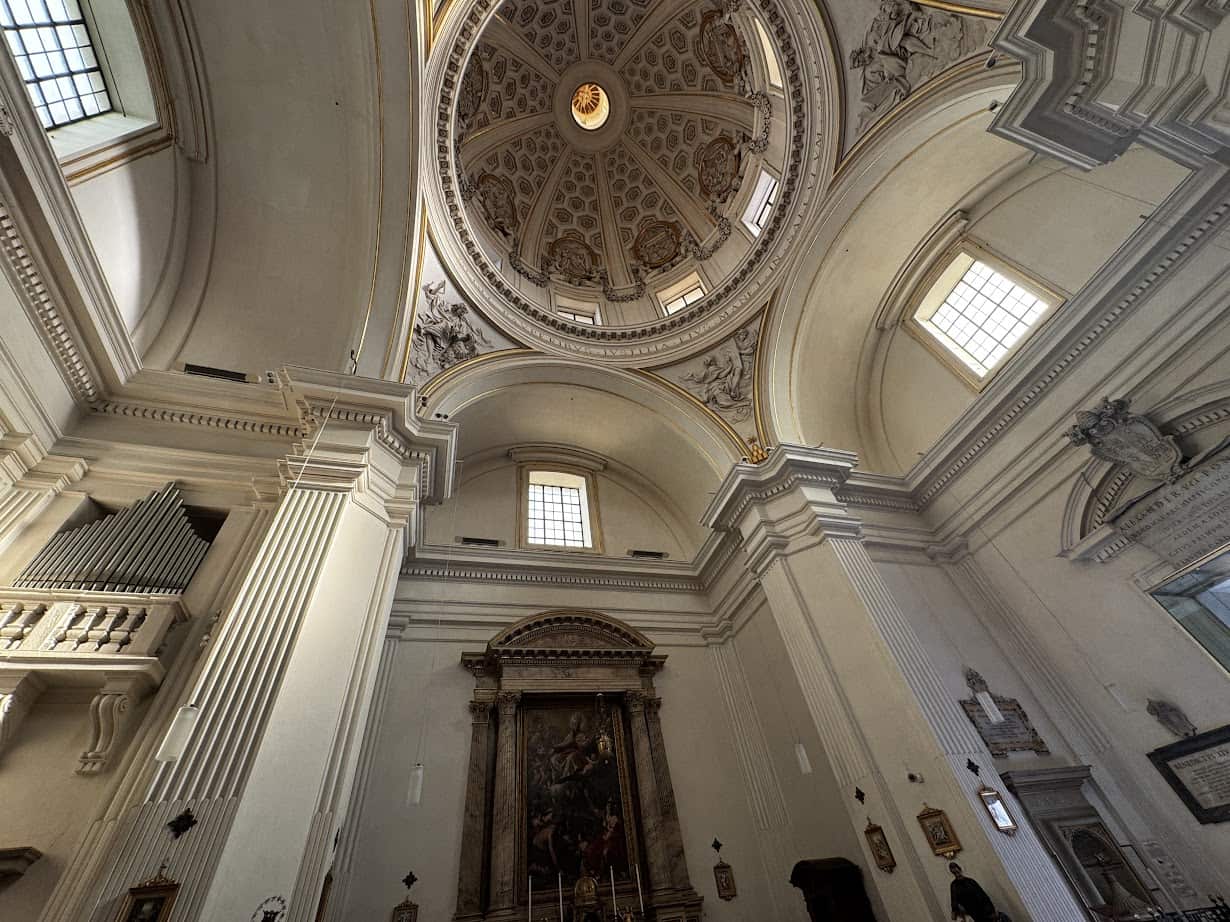
Designed by Gian Lorenzo Bernini and commissioned by Pope Alexander VII in the late 1650s, the Church of San Tommaso da Villanova is the main parish church in Castel Gandolfo.
When I stepped inside with my family, the first thing I noticed was the quiet. The interior is bright, but it gives a sense of calm. This made my kids instinctively lower their voices without being told to.
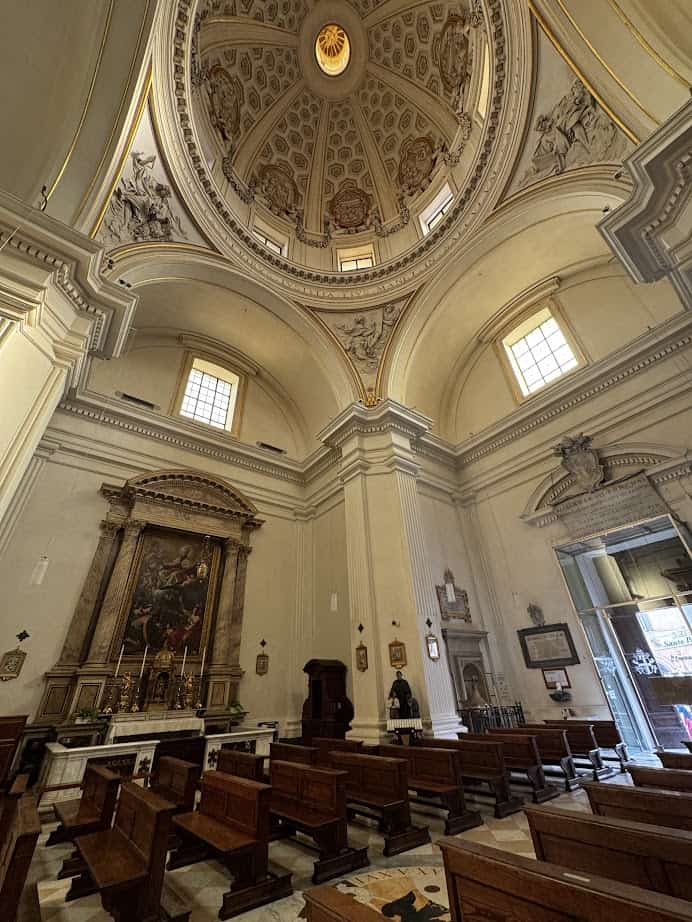
The church houses several noteworthy artworks, including dramatic altarpieces such as The Crucifixion with Mary and other paintings by artists like Pietro da Cortona. There’s seating throughout, so you can simply sit for a few minutes and take in the space.
If you want the full experience, try catching a weekday service or Sunday mass. However, the services are usually in Italian.
La Musa Mosaici
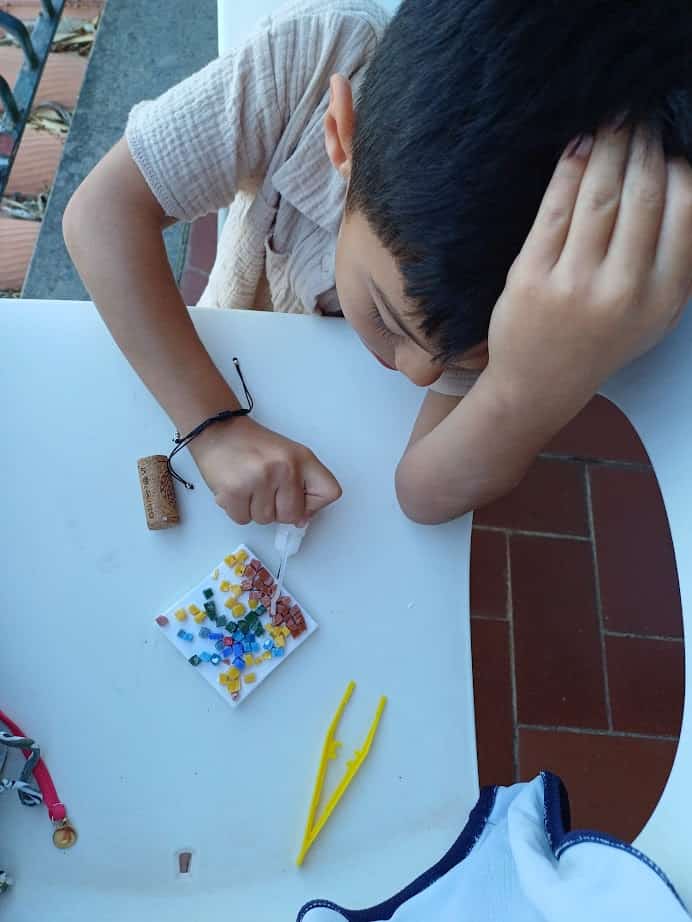
My son's favorite place! It’s a small, working mosaic studio which sells handcrafted pieces ranging from small decorative works to larger, more intricate designs.
There happened to be an available workshop when we visited, so of course, we decided to join.
Instead of just buying something off a shelf, we actually sat down and created our own small mosaic piece from scratch. It was hands-on, guided, and surprisingly calming.
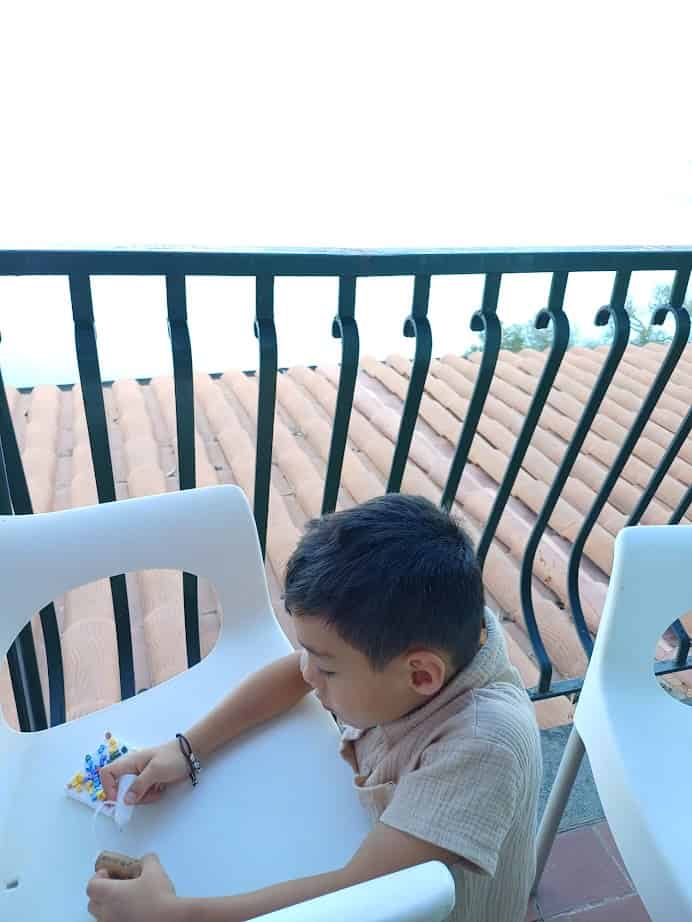
I thought I had never seen my son being completely focused. He carefully placed each tile, adjusted colors, and made sure everything lined up just right. It's surprisingly a fun family activity!
We left with something we made ourselves, which somehow felt more meaningful than any souvenir we could have picked up elsewhere. I also bought mosaic jewelry for my grandmothers, which is all delicate, distinctly Italian, and easy to pack.
Day 2: Visit the Observatory and Underground Rome
Vatican Observatory
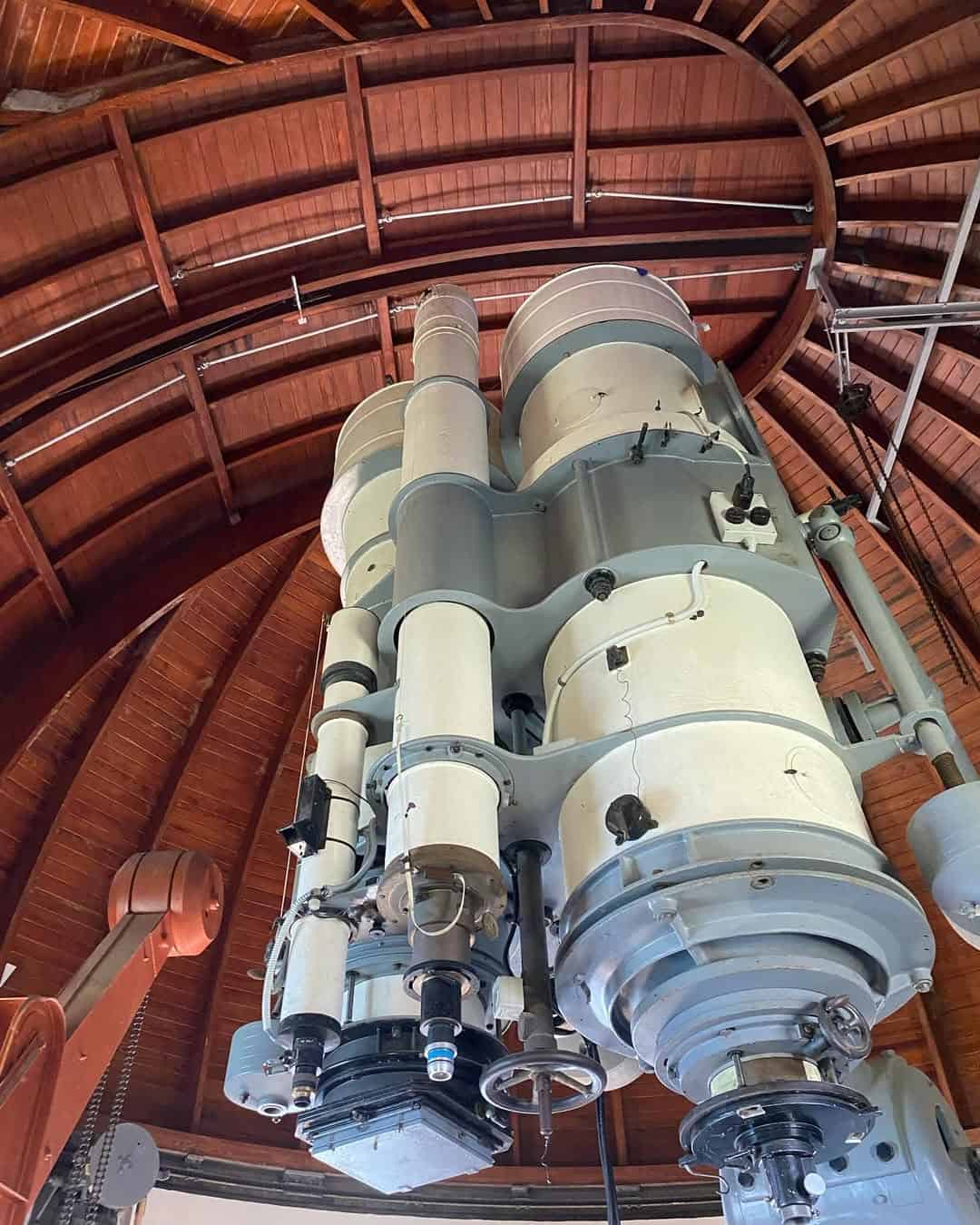
Officially known as the Specola Vaticana, the observatory traces its modern roots to 1891 under Pope Leo XIII. While much of the town leans into history and tradition, this stop is centered on science.
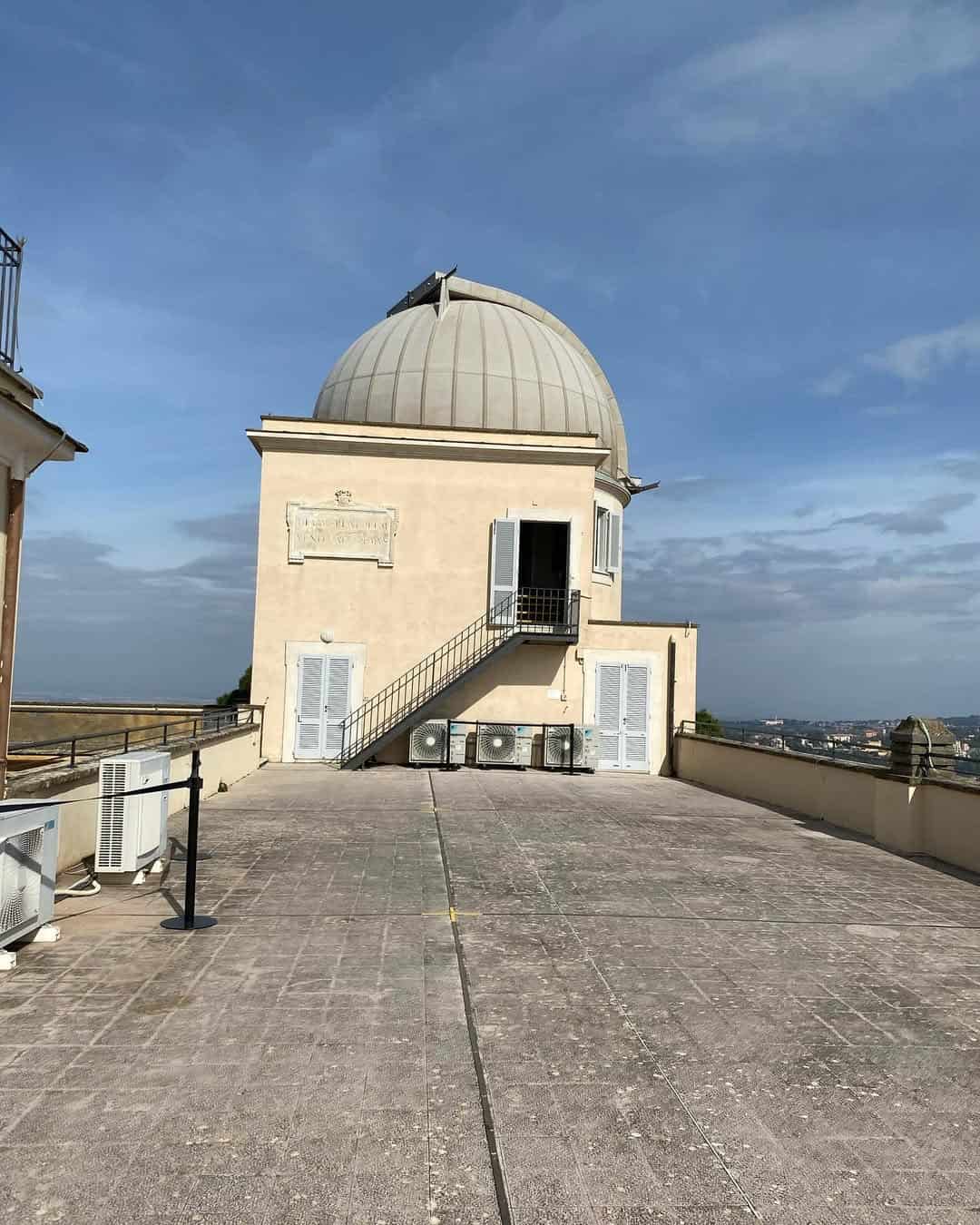
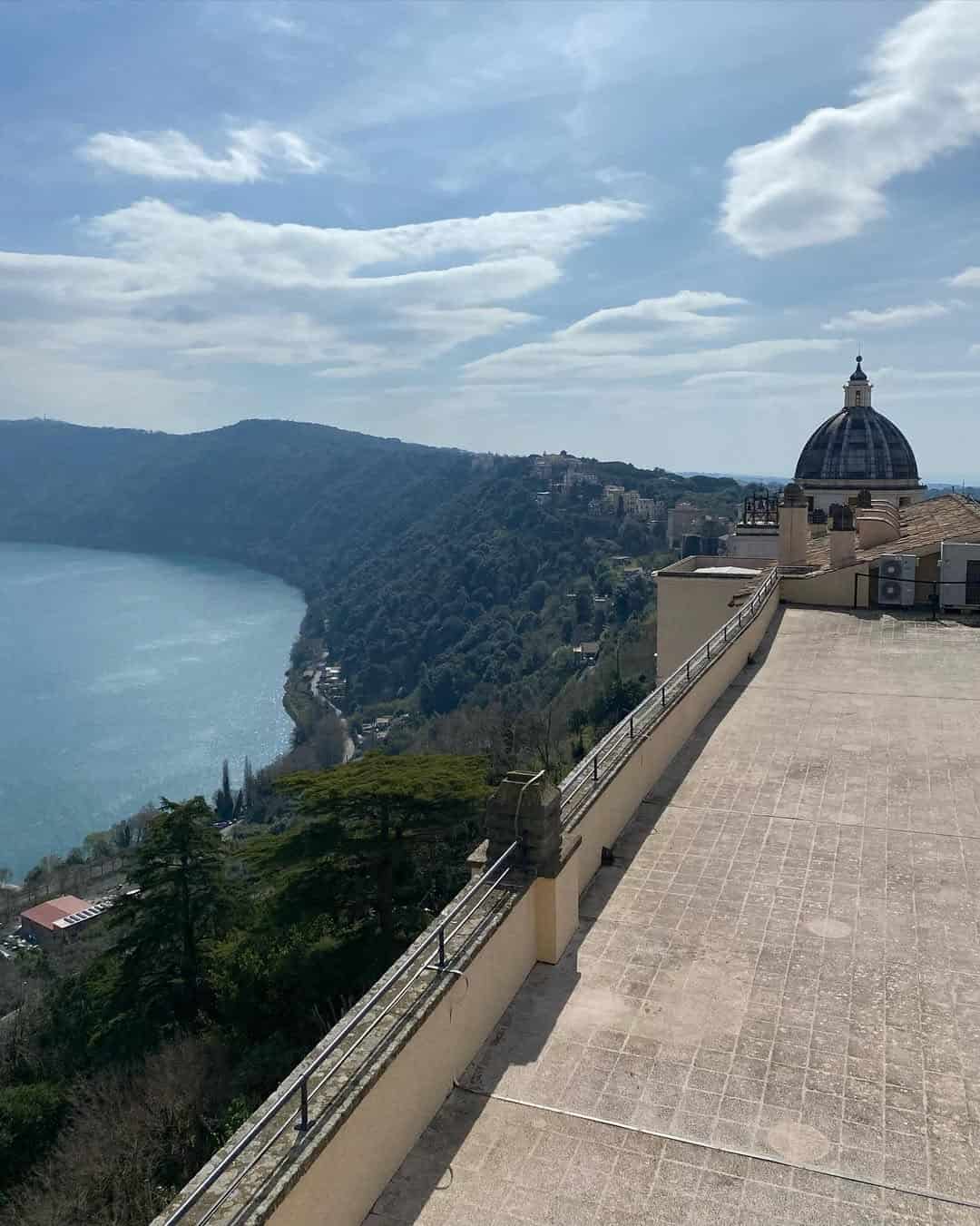
The observatory sits within the papal estate grounds. You climb narrow stairs to reach the top, and from there, you get both the telescope and views over Lake Albano.
Going here is manageable within a half day. Tours run about 1.5 to 2 hours and are scheduled at fixed times, so booking in advance is essential. To book these tours, go to the Castel Gandolfo Museum Complex ticket page of the Vatican Museums.
Albano Laziale
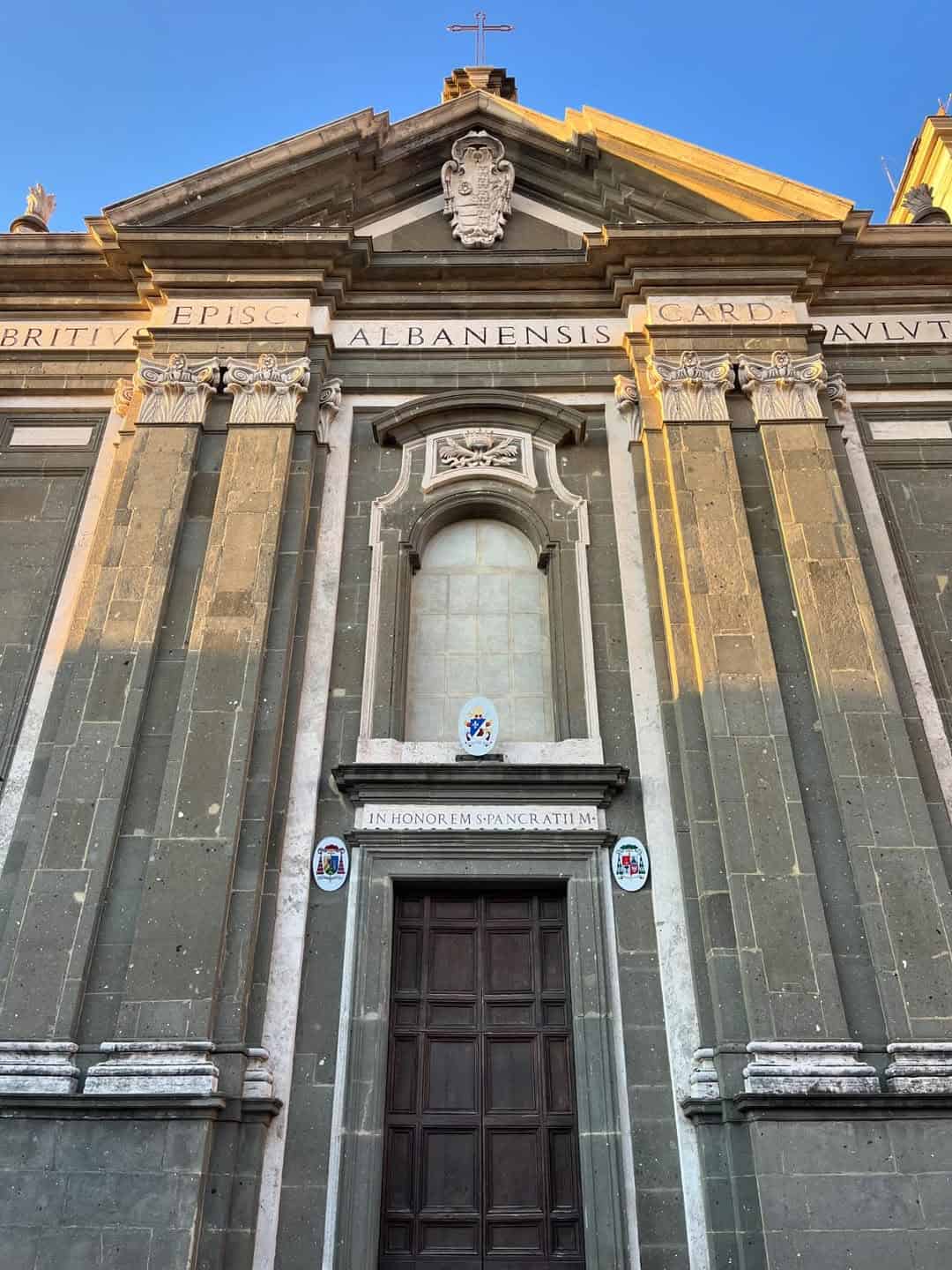
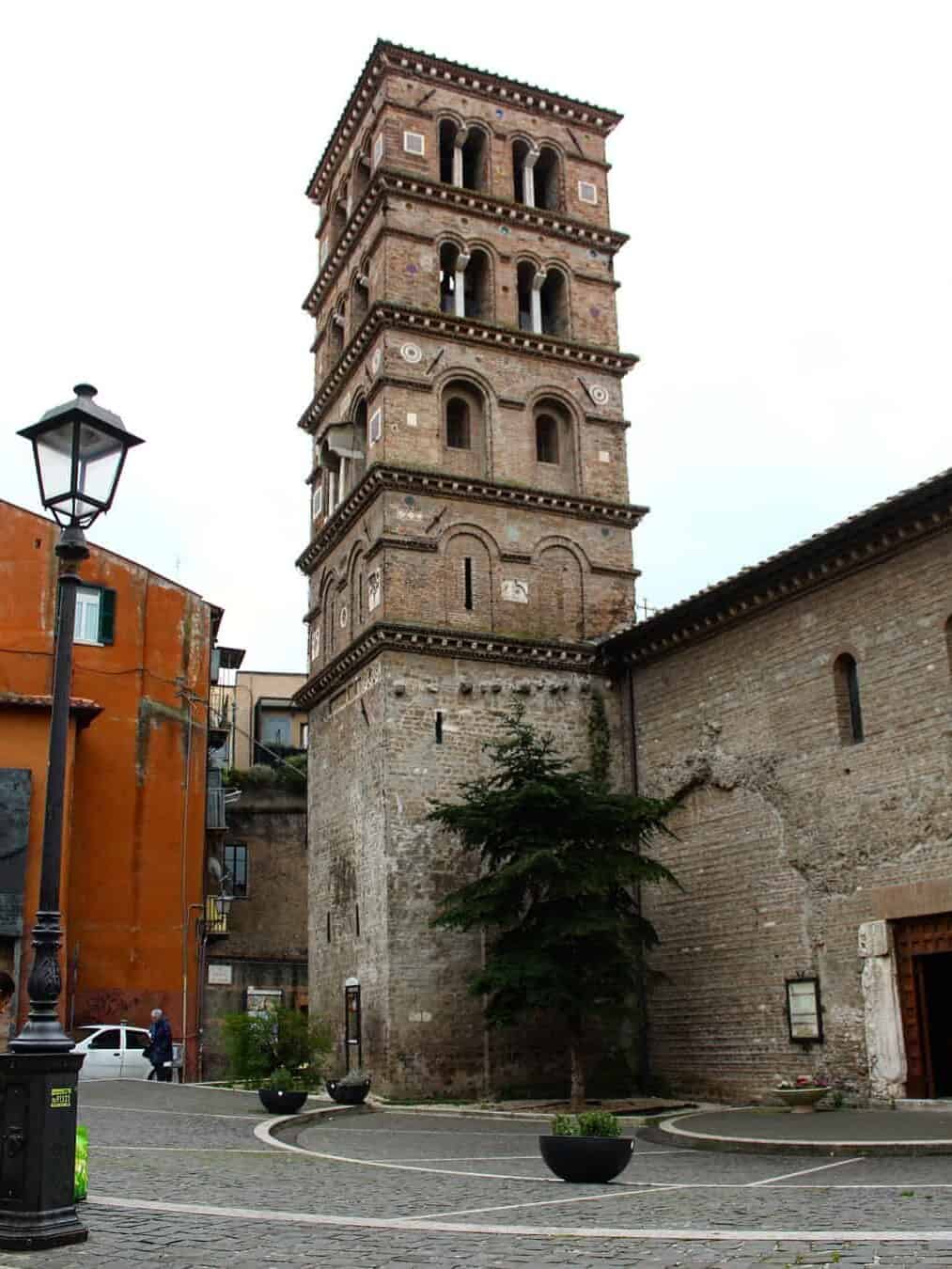
About a 10-15 minute drive from Castel Gandolfo, Albano Laziale is also one of the main towns of the Castelli Romani.
Want to save this?
This was the site of ancient Alba Longa, the legendary Latin city tied to Rome’s foundation myths, and later became an important Roman settlement along the Via Appia.
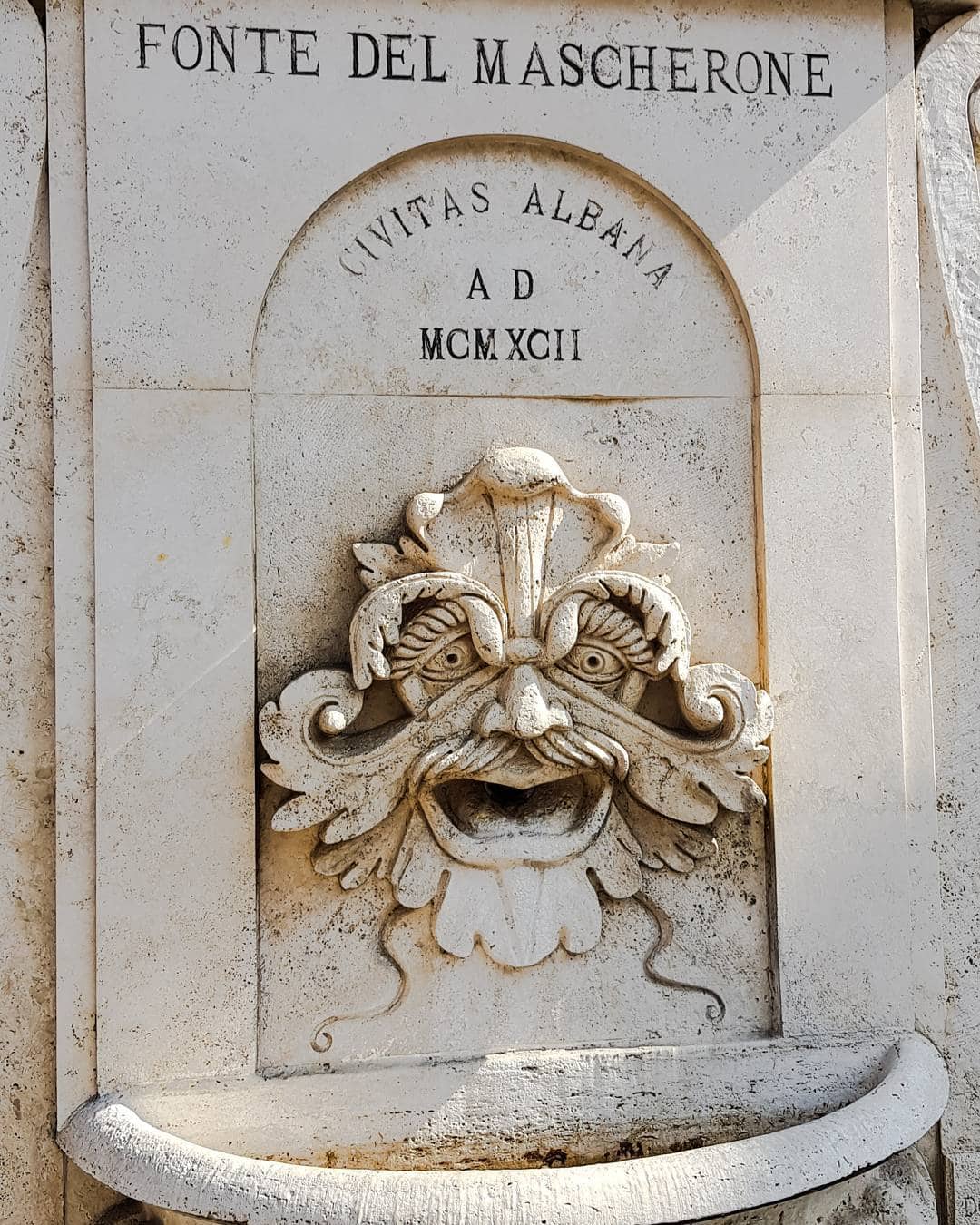
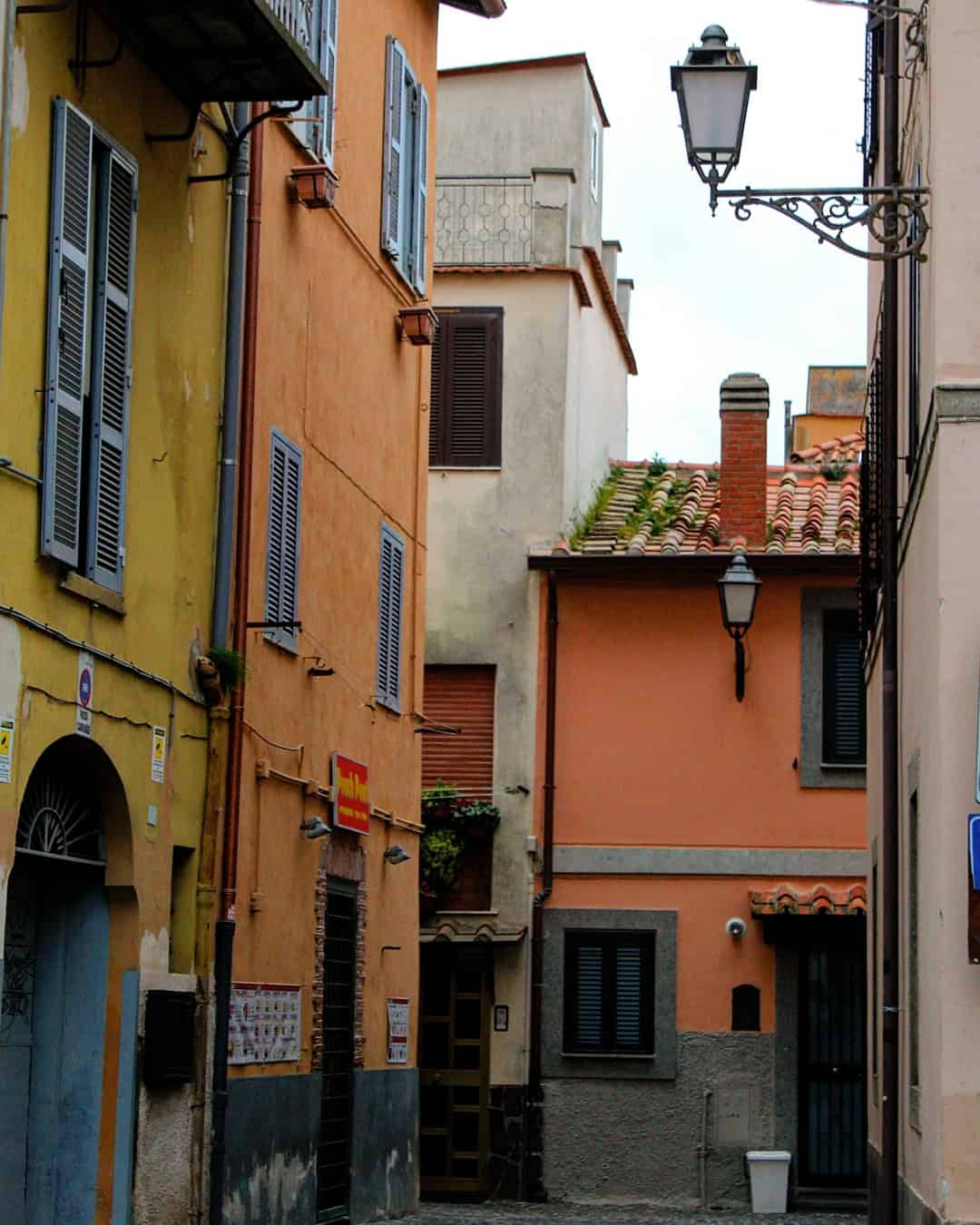
It's a busier place, more residential, and less touristy than Castel Gandolfo. There’s real daily life happening: local shops, markets, traffic, people heading somewhere with purpose.
Parking is easier here than in Castel Gandolfo, but streets can be narrow. If you’re driving, take it slow and be prepared for tight turns. Comfortable shoes help, as sidewalks and paving can be uneven in older sections of town.
Cisternoni di Albano
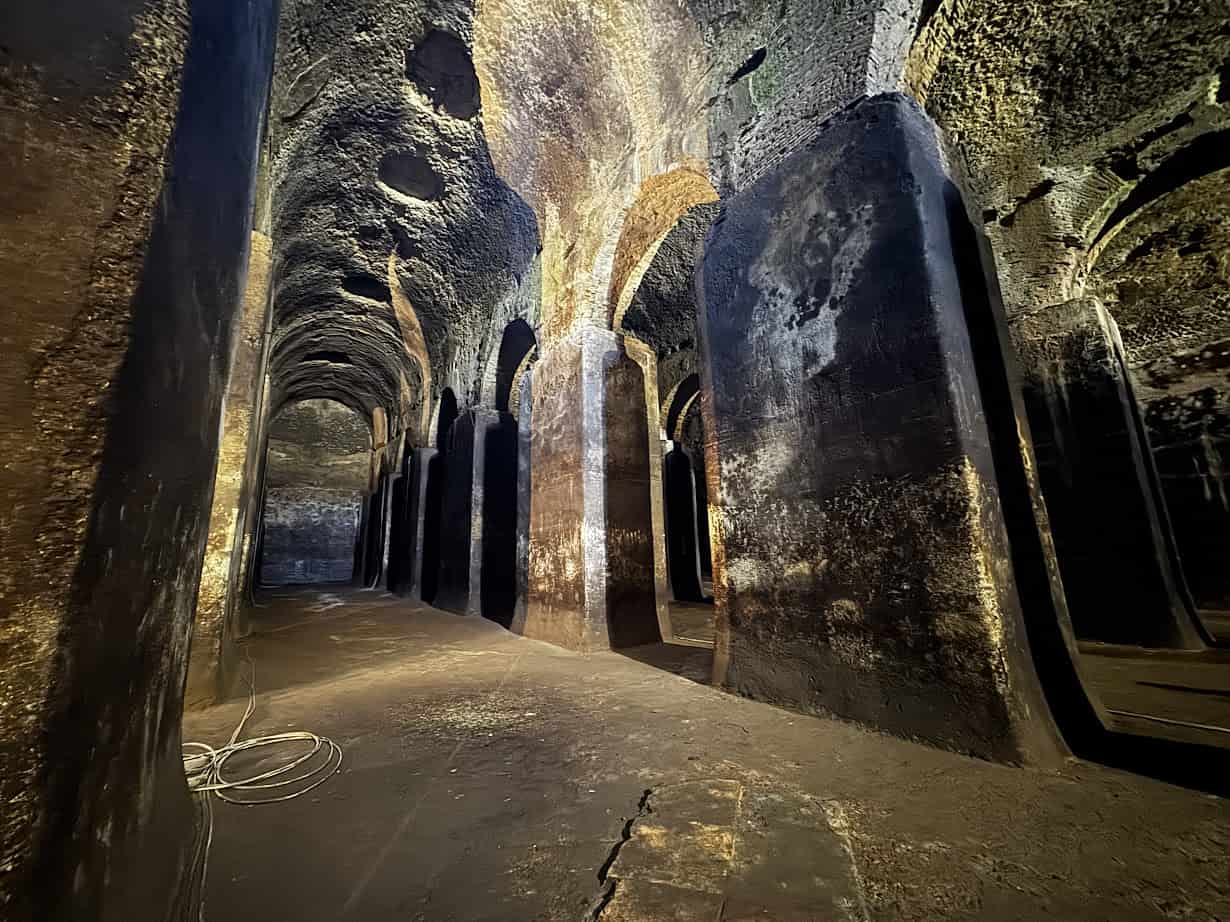
Built in the 2nd or 3rd century AD, this massive underground Roman cistern was designed to supply water to a nearby military camp. It's intact and still structurally impressive nearly two thousand years later.
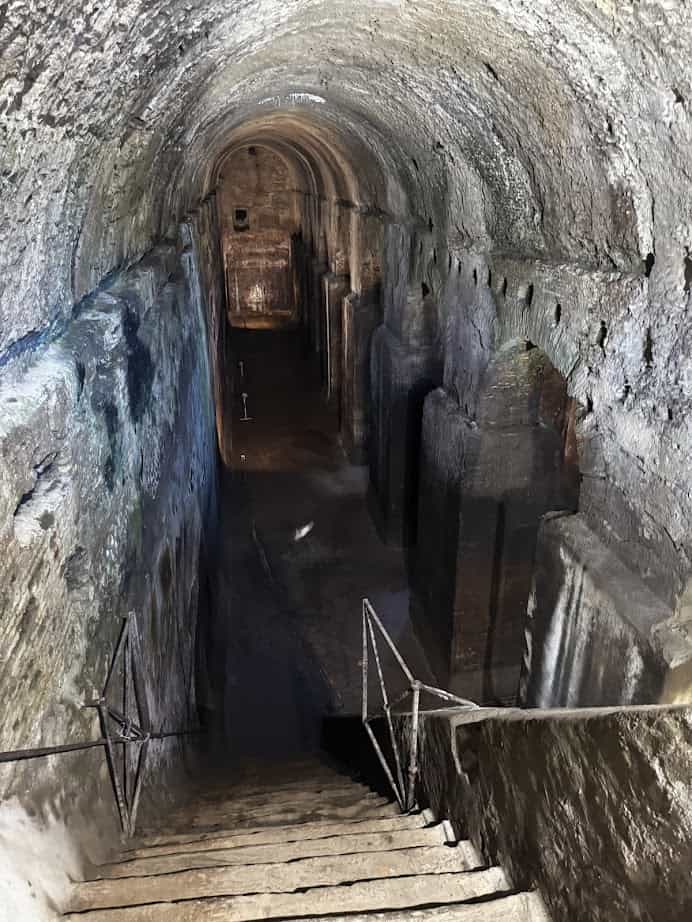
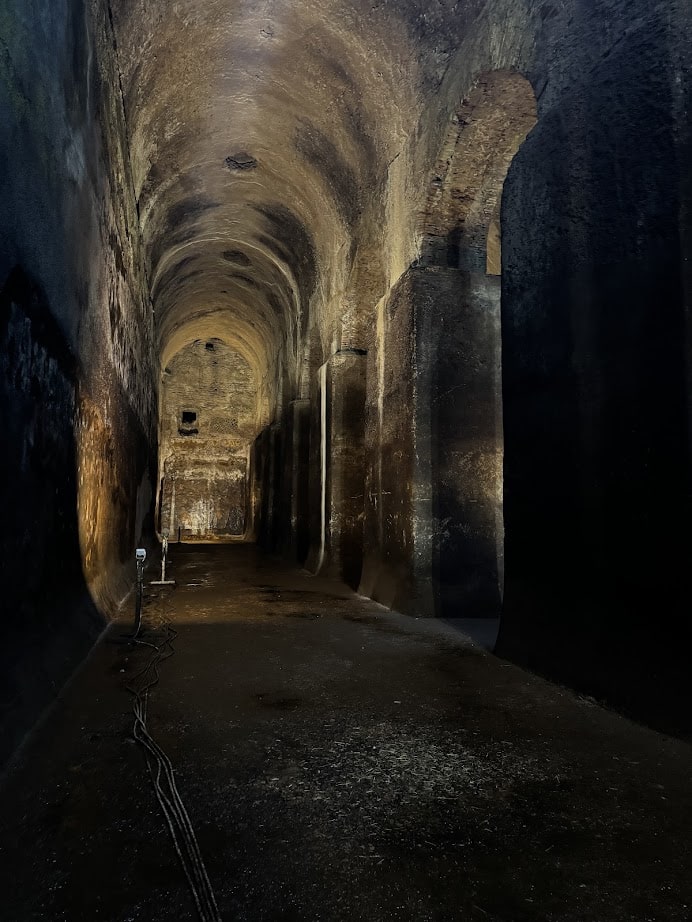
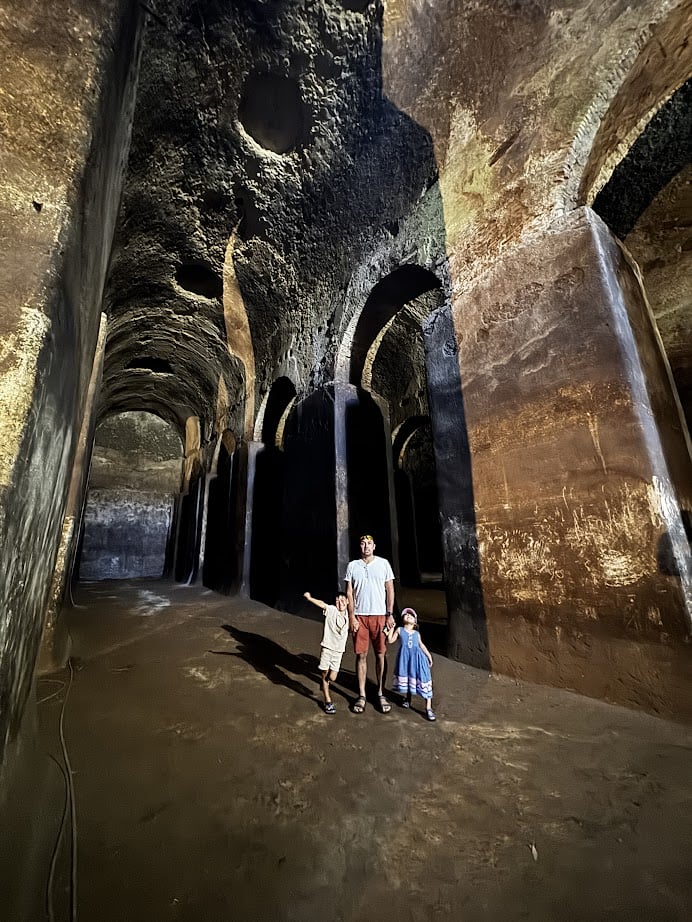
For me, it's a MUST-visit. The scale alone makes it worth the stop, but once you’re inside, it feels almost unreal. Completely magical. I wasn’t surprised at all to learn that it has been used as a filming location for several movies.
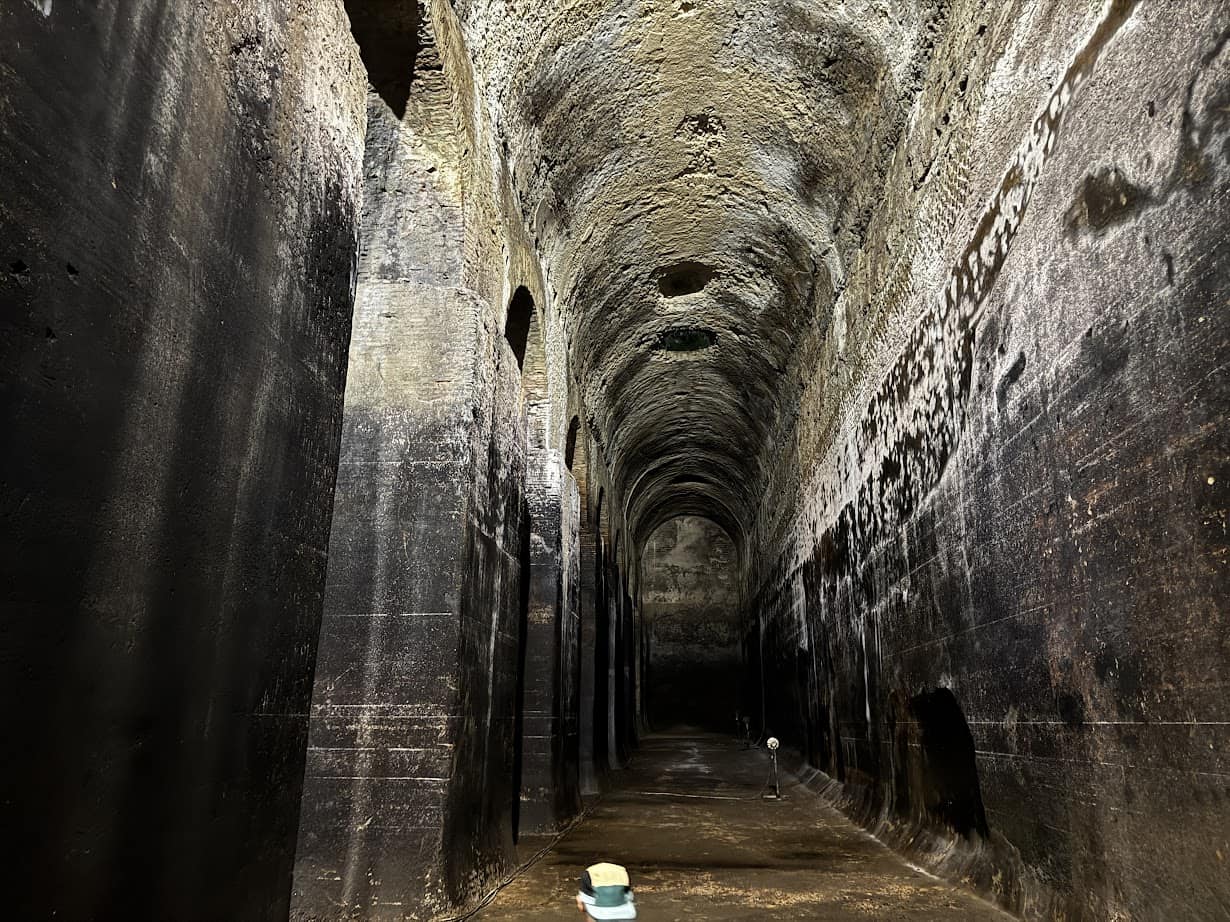
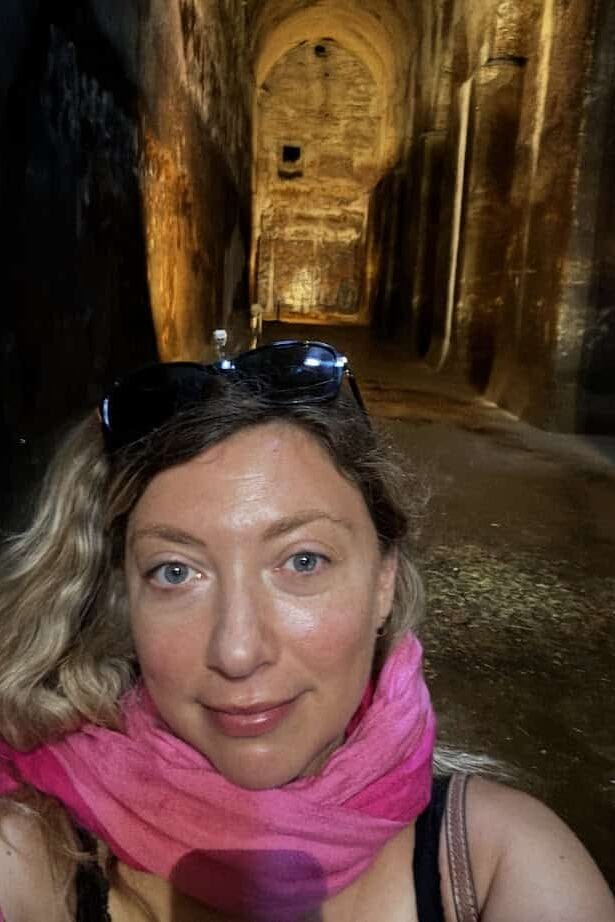
To get here from Albano Laziale, simply walk or drive from the town center. It's a 10-15 minute walk or a few minutes by car.
Check opening hours in advance, as access can be limited and sometimes guided. The interior is cool and slightly damp, so bring a light layer even in warmer months. Wear shoes with grip since the floor can be uneven or slick.
Day 3: Wander the Vineyards of Frascati
We dedicated this entire day to a drive around some wineries in Frascati, which are still part of the Castelli Romani area.
If you're doing 2 or more wineries in one day, consider spacing them out. Plan for a minimum of 1 and a half hours each stop.
My advice is to book ahead for tastings or tours. Don't make the same mistake we made by just showing up! Slots fill up fast in wineries, especially on weekends.
Casale Marchese
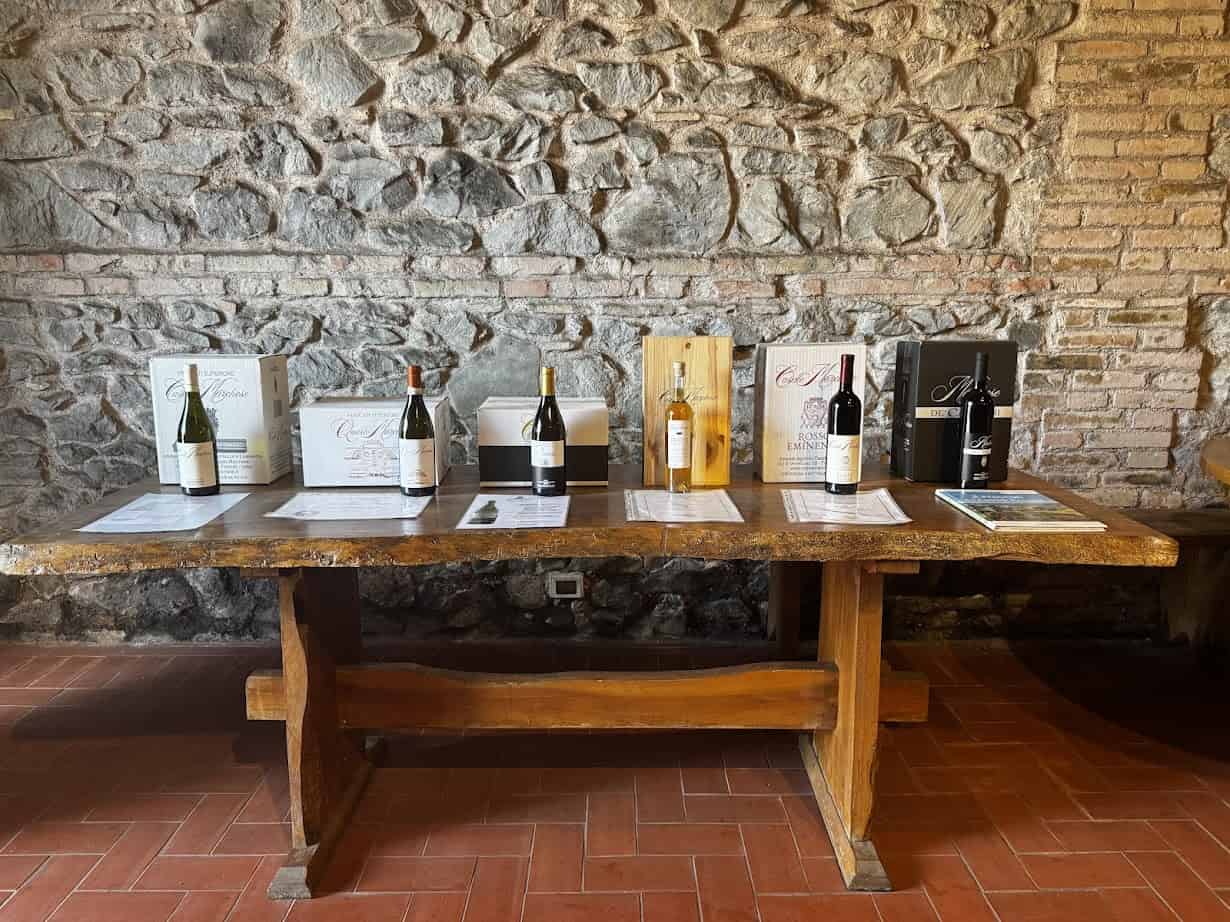
This place feels like a classic Frascati countryside estate done properly: vineyards, old olive trees, and wide-open views, without the tourist trap vibe. The area spans over 50 hectares, so it doesn’t feel cramped or overly commercial.
What I liked most is that it comes with real history, but you don’t need to be a wine nerd to appreciate it.
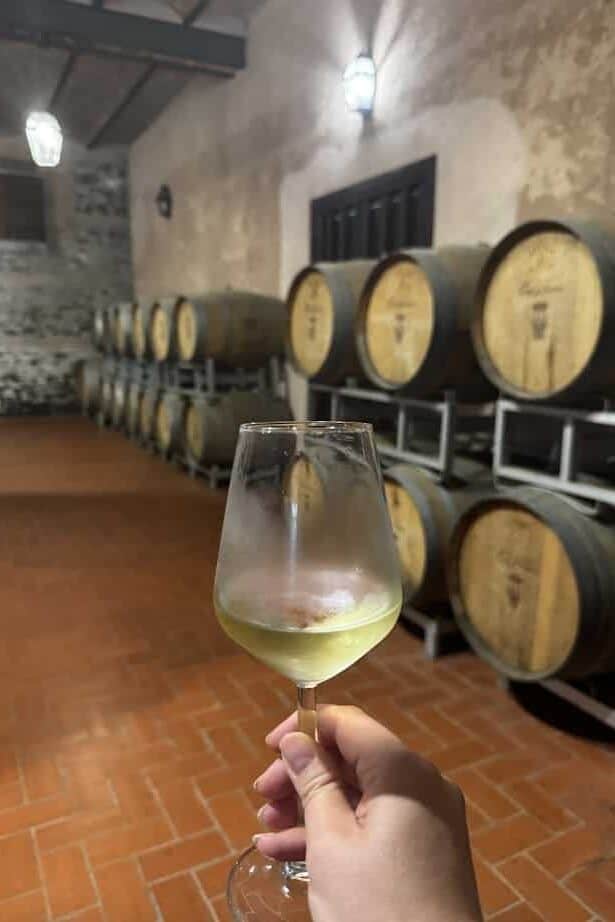
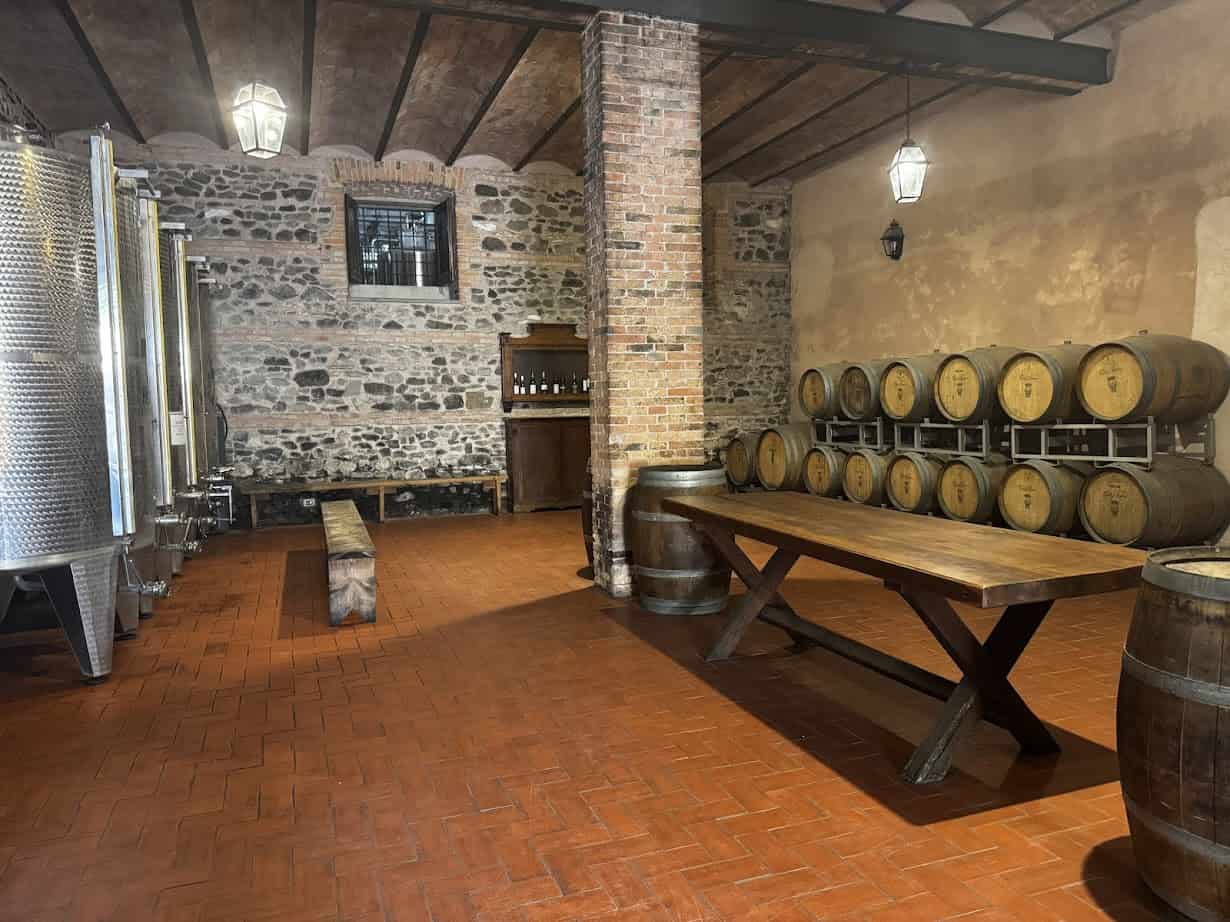
The estate is documented as early as 1301 and was later associated with a marquis (which is where the “Marchese” name comes from). The property has been in the Carletti family since 1713, so you're stepping into a long-running family-run operation.
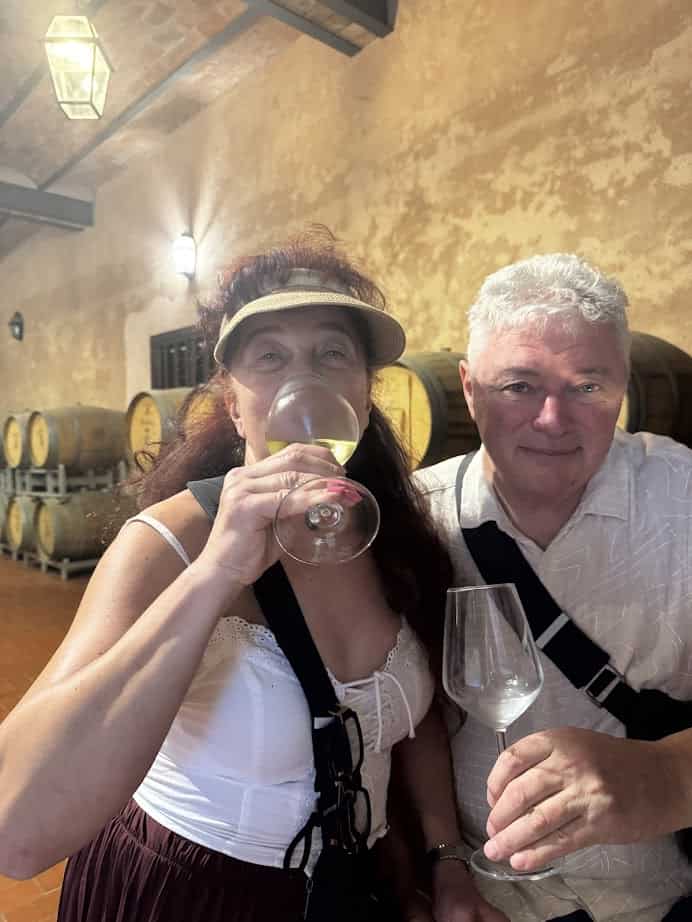
We tried their Frascati Superiore DOCG, which was crisp, mineral, and exactly what you want on a warm Lazio afternoon. We also tasted a fuller-bodied white and a red from their Lazio line.
Tenuta di Pietra Portia Srl
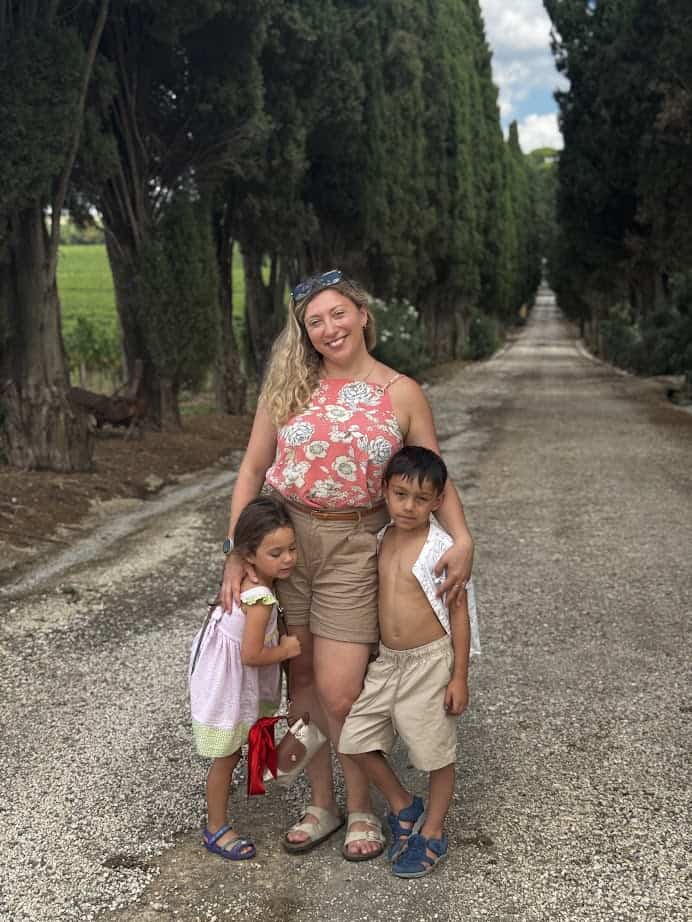
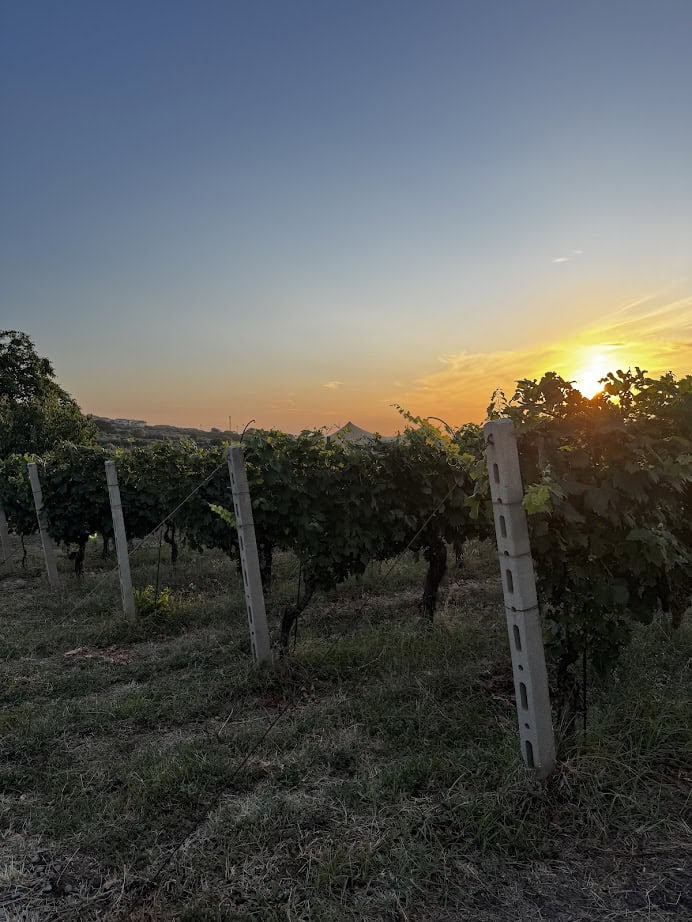
A slightly more intimate and rustic winery compared to Casale Marchese. It isn't that large and the place feels more like a working farmland rather than a wine venue, but that's all part of its charm.
The tasting here felt more relaxed and informal. We weren’t rushed, and the pours were paced in a way that allowed actual conversation.
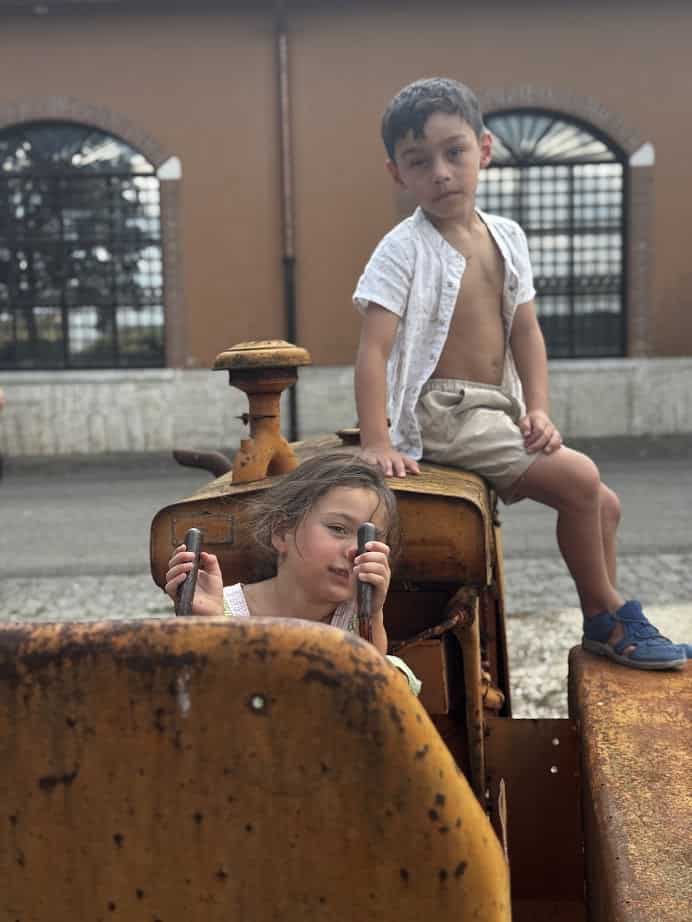
What made this stop different from the others was the setting. It’s less about grandeur and more about atmosphere. You’re surrounded by vineyards, and the experience feels grounded in the land itself rather than presentation.
Pietra Porzia works well as either your first stop while your palate is fresh or your final, slower stop before heading back.
Day 4: Venture Outside of Castel Gandolfo
Nemi
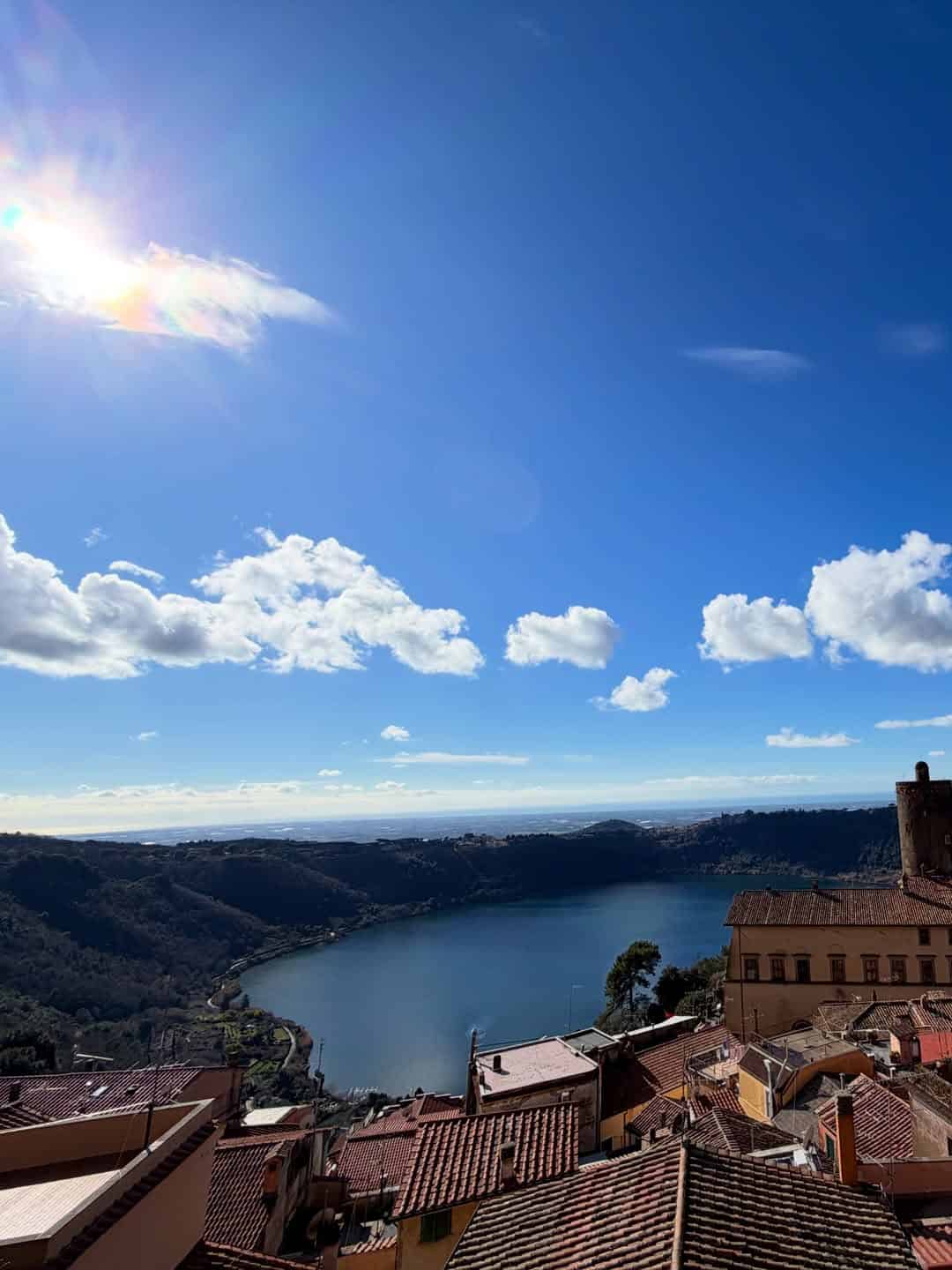
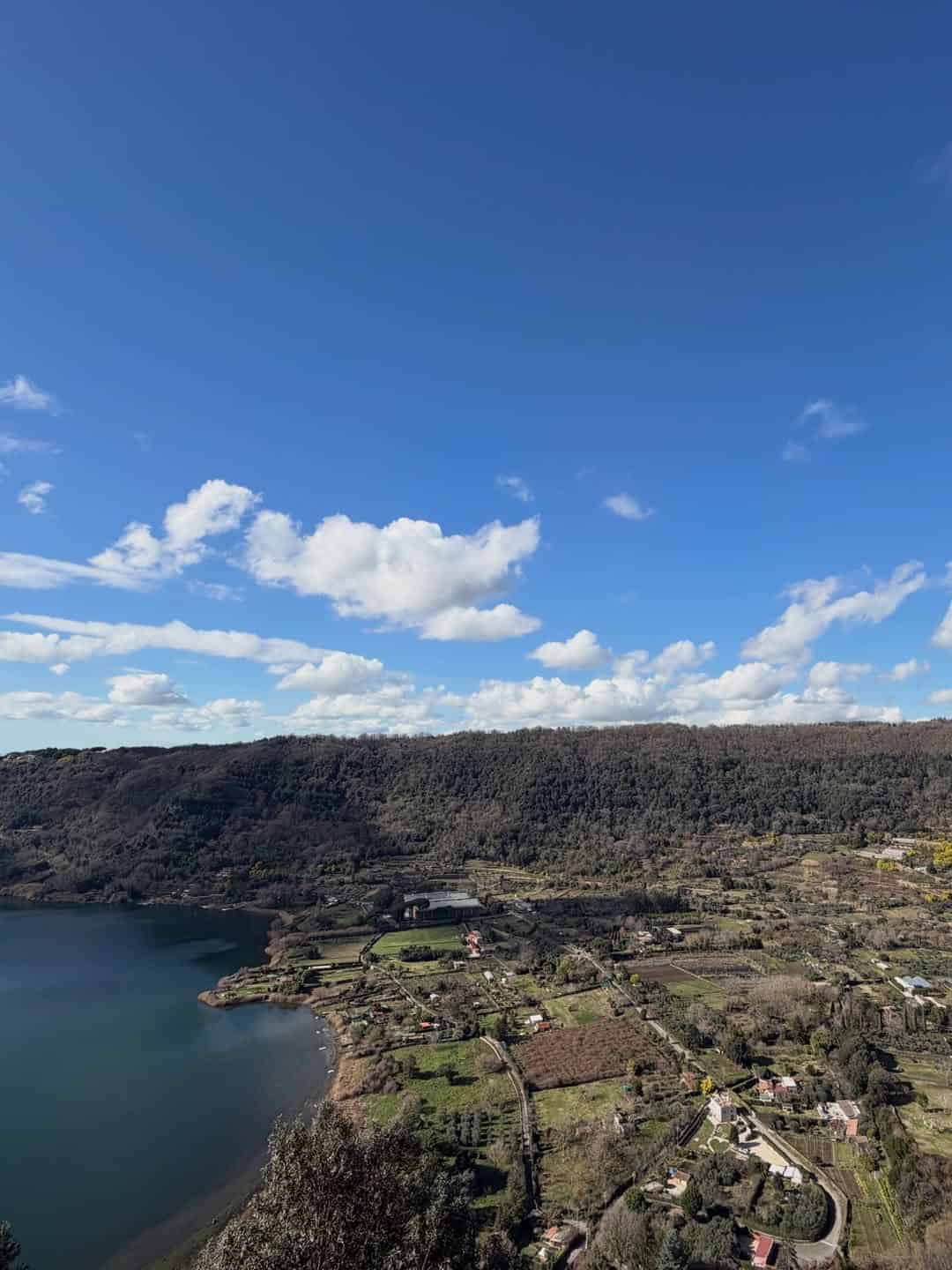
Nemi is about a 20–30 minute drive from Castel Gandolfo and makes for an easy half-day stop. The town sits above Lake Nemi, a volcanic lake similar to Lake Albano but smaller and rounder.
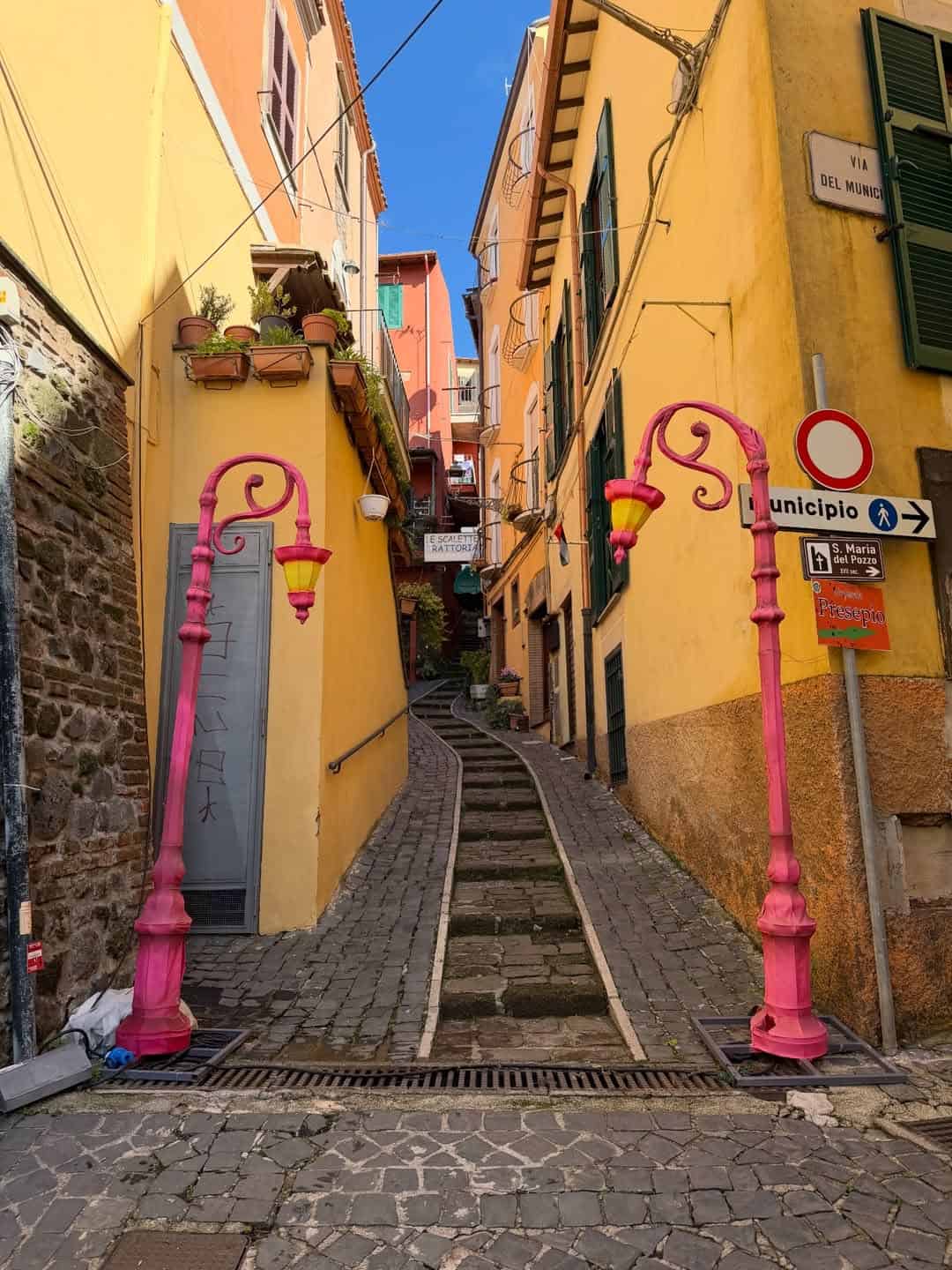
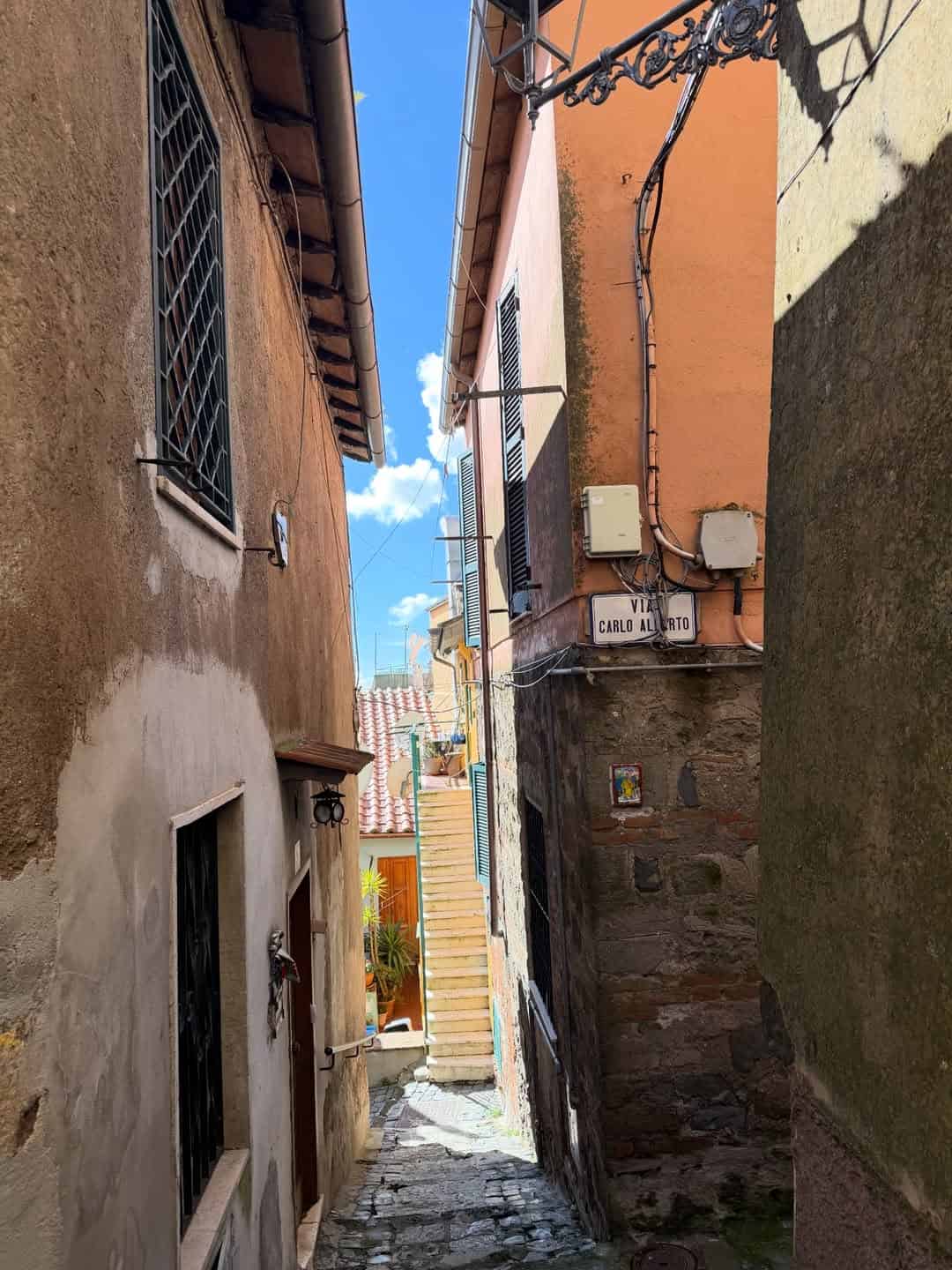
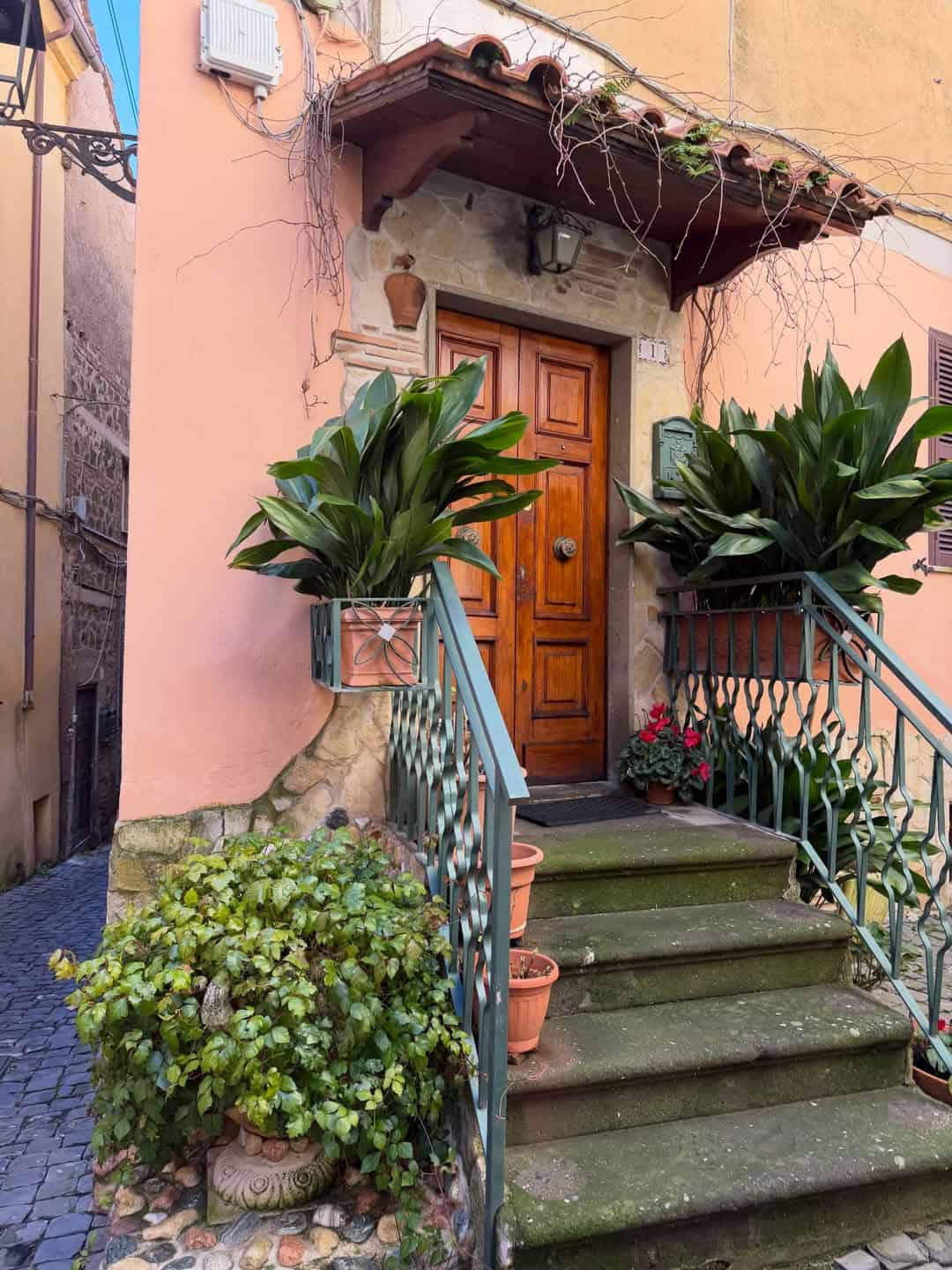
The historic center runs along one narrow road, Corso Vittorio Emanuele, lined with cafés, food shops, and artisan stores. You can walk it end to end in under an hour.
You can visit the Museo delle Navi Romane, which tells the story of Emperor Caligula’s massive ceremonial ships, once recovered from the lake. Before leaving, try something made with Nemi’s famous wild strawberries — tart, gelato, or liqueur.
Rocca di Papa
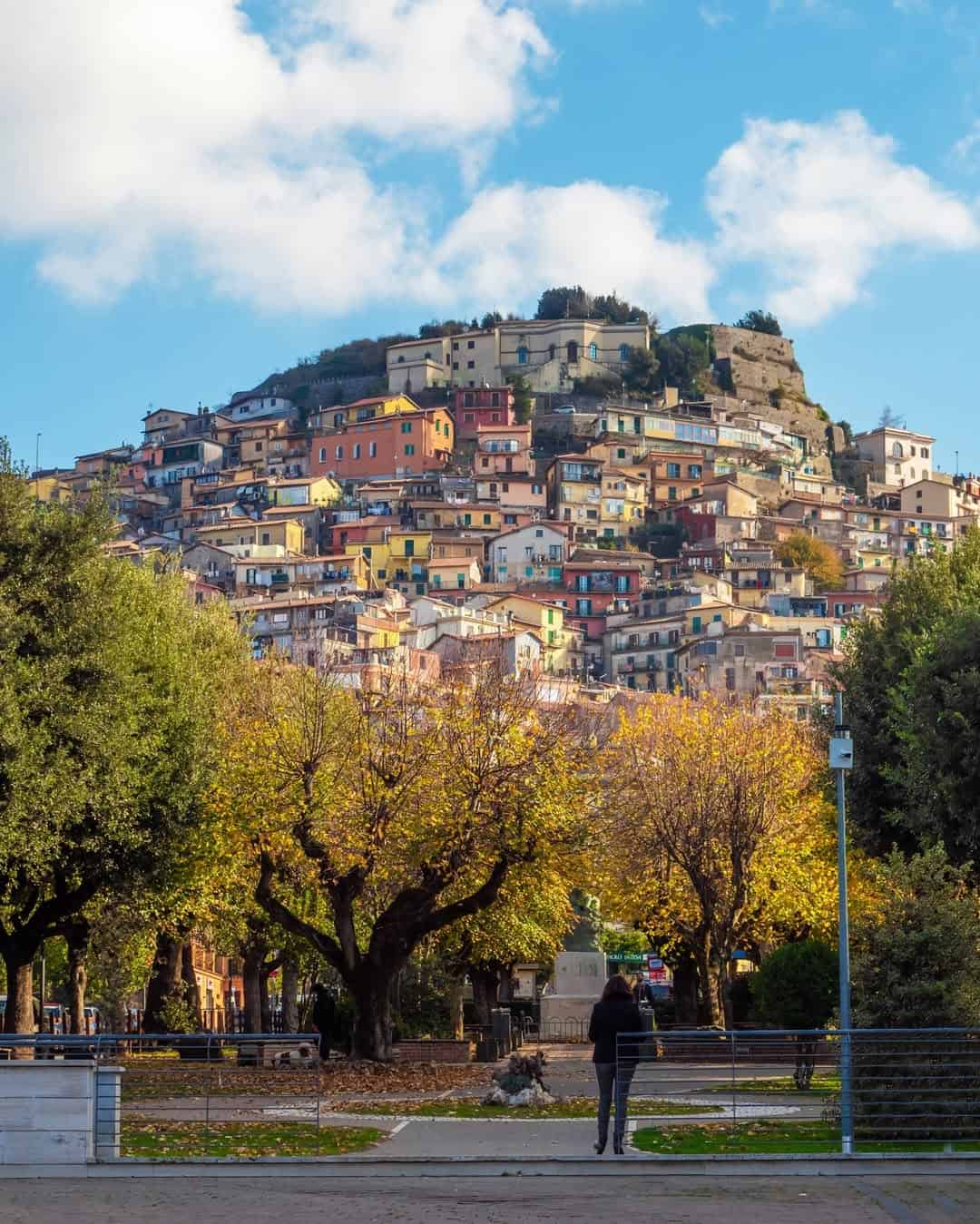
From Nemi, it’s another 20–30 minute uphill drive to Rocca di Papa. The town sits at a higher elevation, and the roads narrow as you approach.
The center is compact and vertical, with stone staircases, tight streets, and small piazzas that open into broad viewpoints.
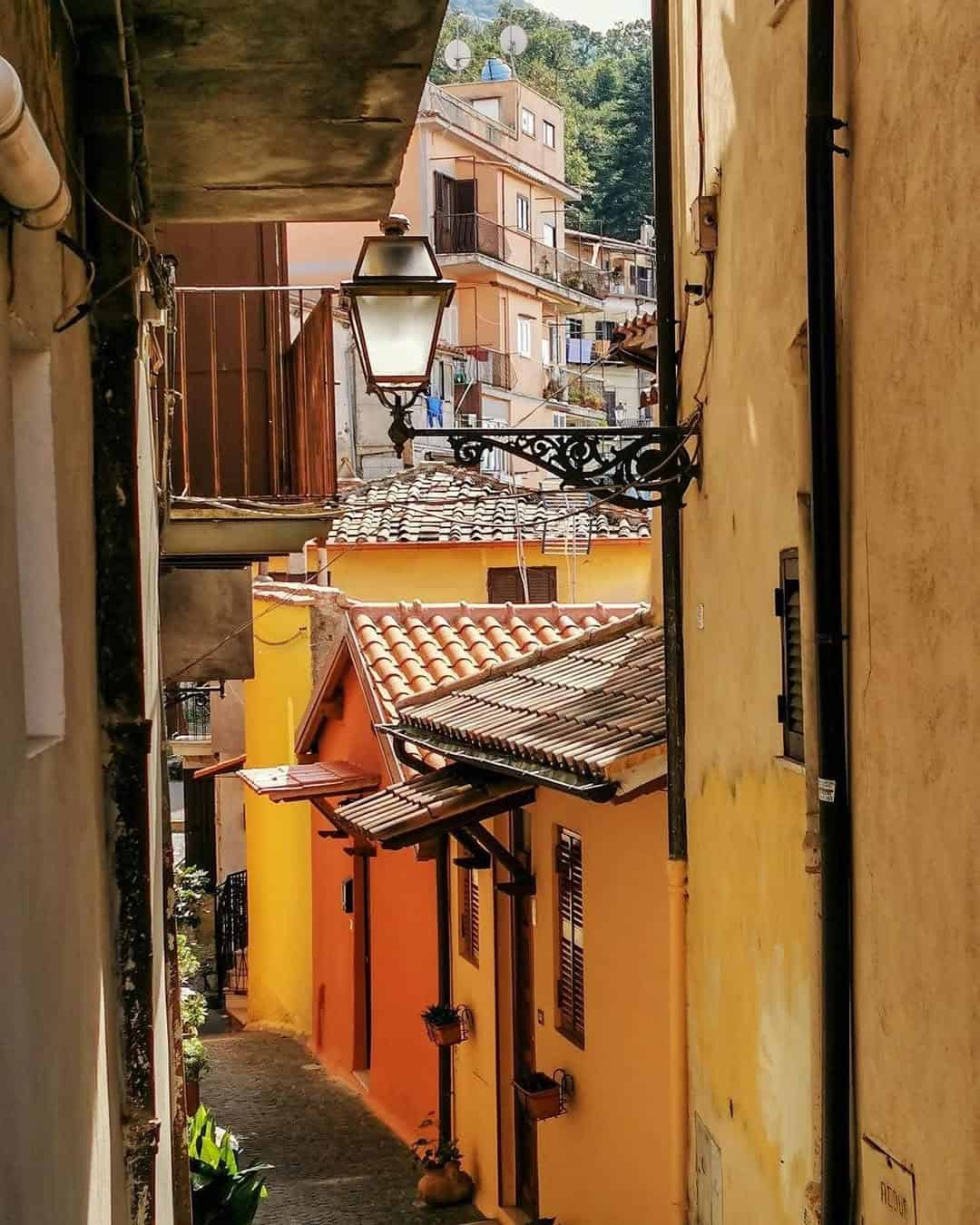
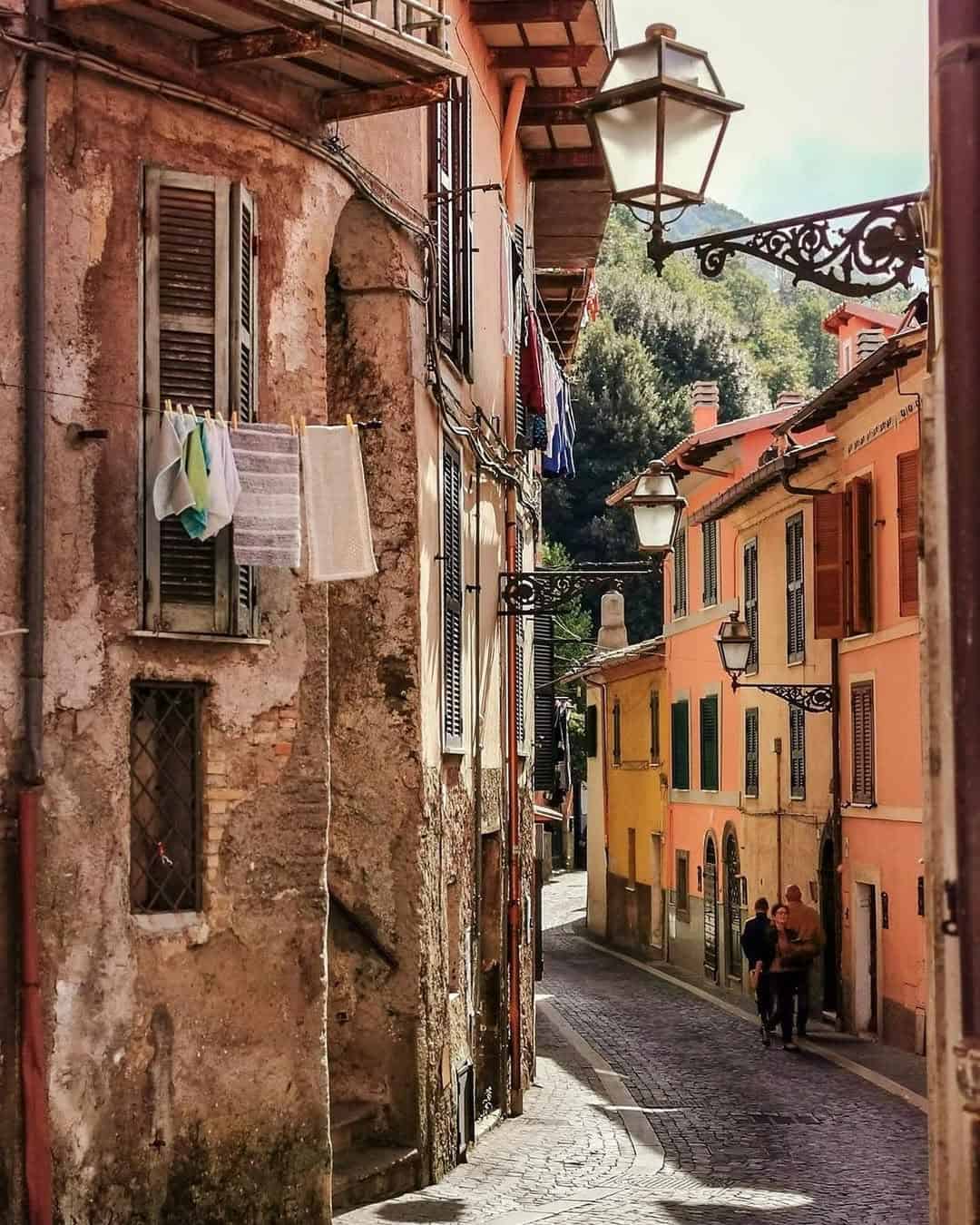
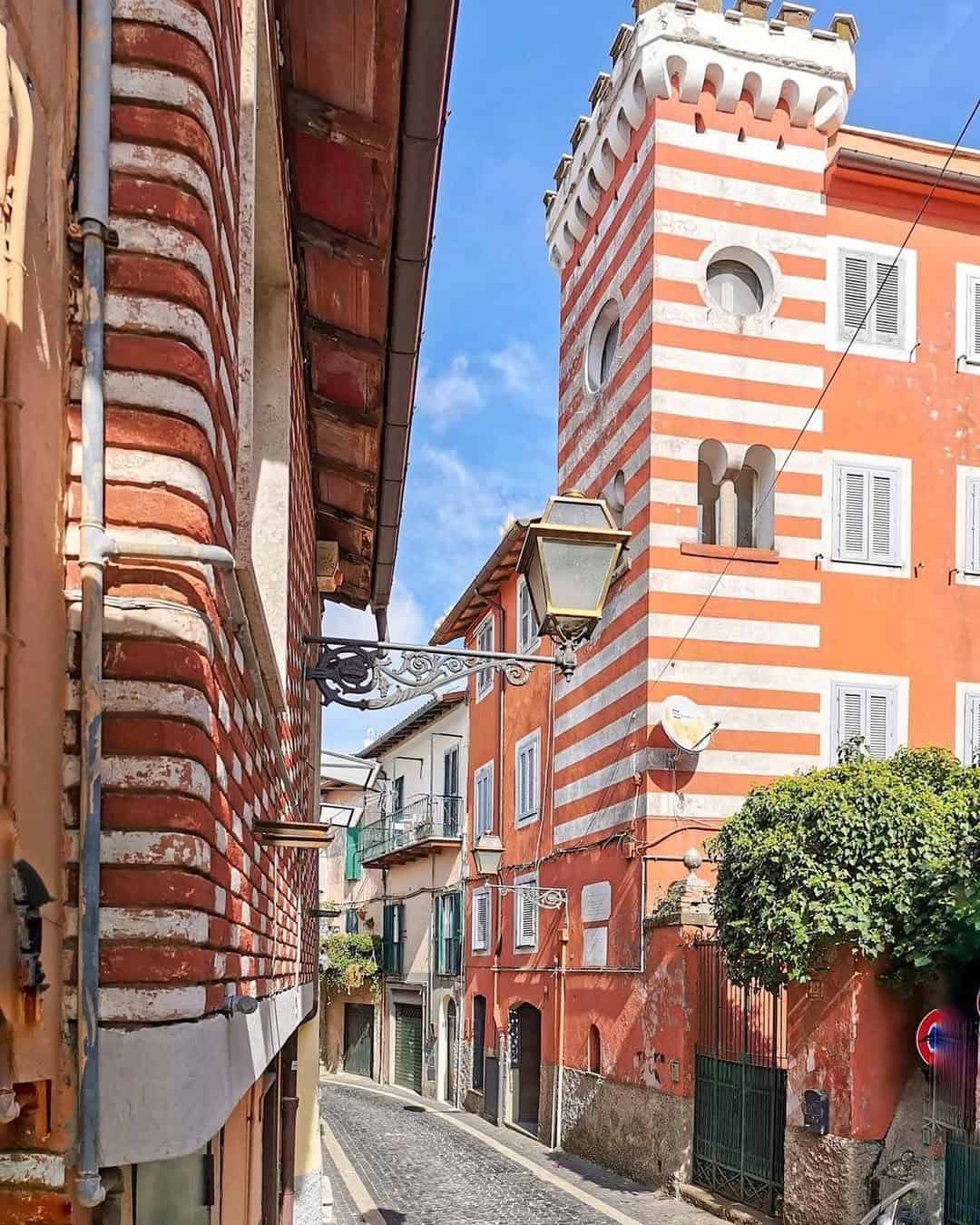
You can walk the main streets in about an hour, or add a short section of the trail toward Monte Cavo, the highest point in the Alban Hills. It's where the remains of the ancient Temple of Jupiter Latiaris are located.
Wear proper shoes since the ground is uneven and sloped. Go earlier in the afternoon if you want clearer views before the haze sets in.
Where to Eat
Arte e Vino
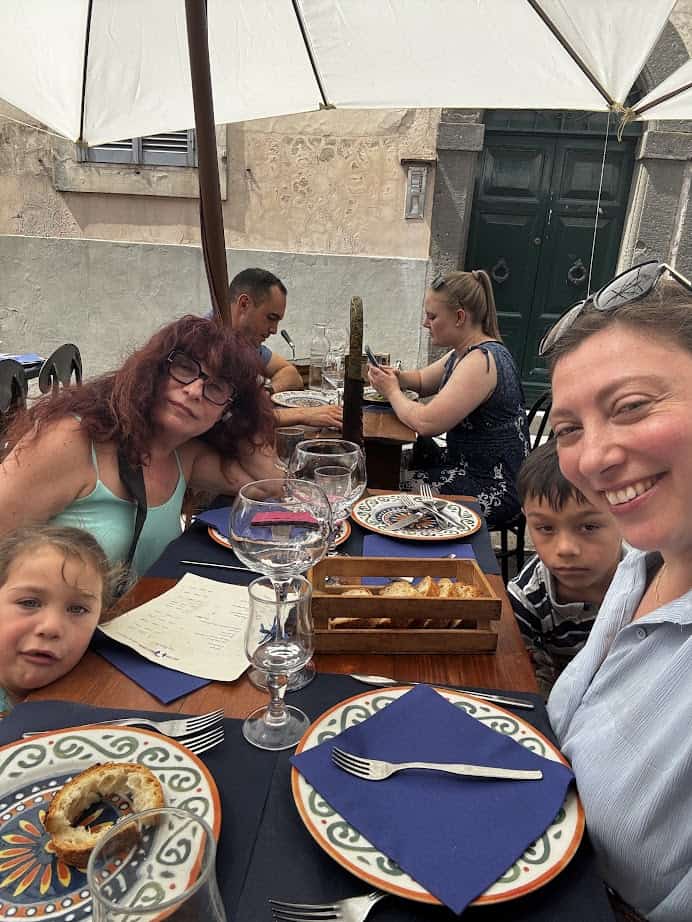
Location: Corso della Repubblica, 49, 00073
It’s located right in the historic center, and while the setting is simple and intimate, the food speaks for itself. What stood out immediately was their prix fixe menu. It's well thought out and reasonably priced for the quality you get.
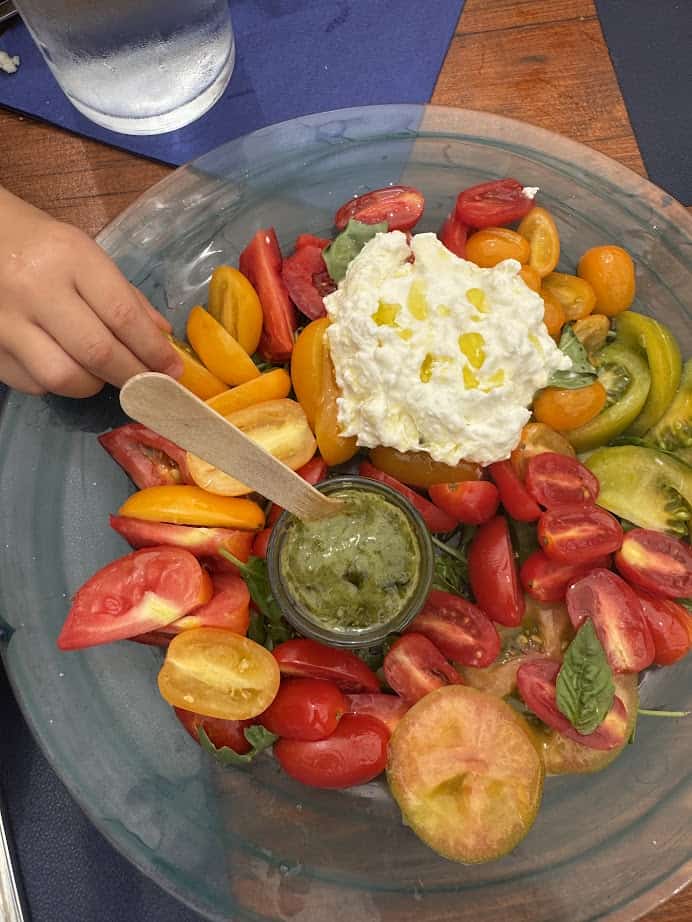
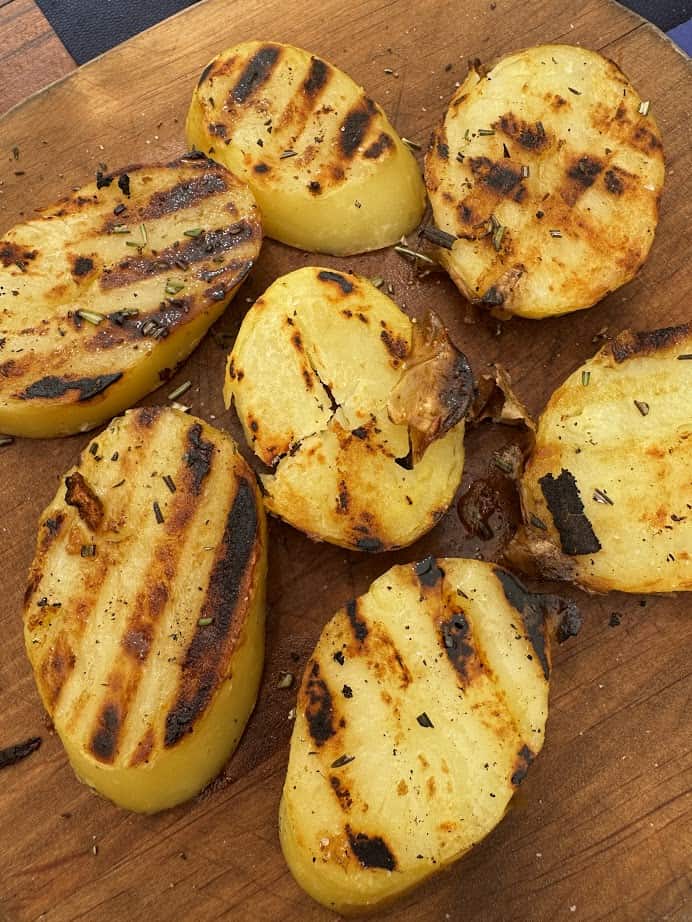
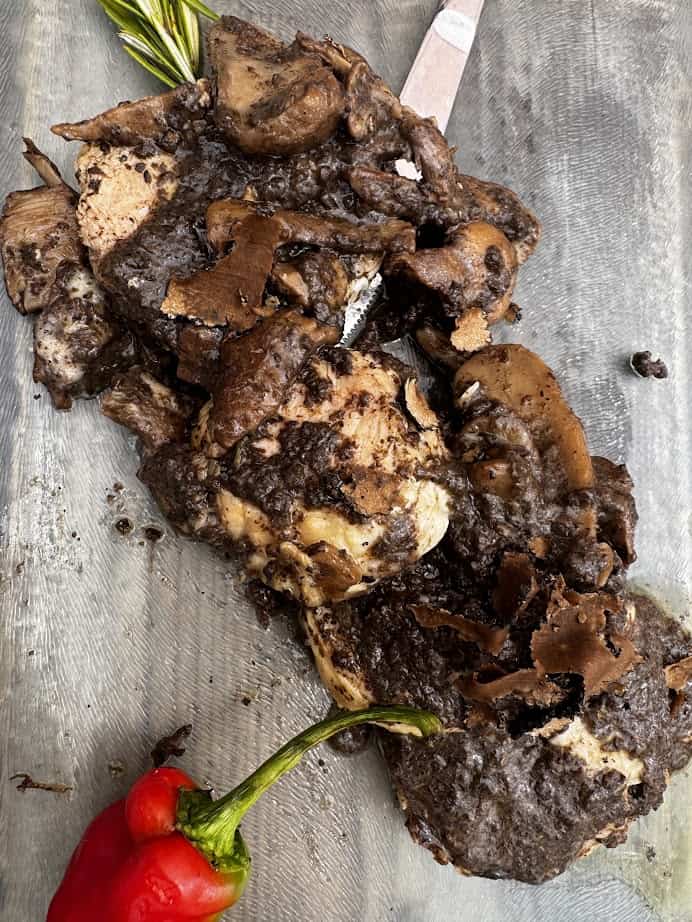
The portions were generous but balanced, and everything tasted fresh and properly prepared. Service was quite attentive, but not hovering.
If you’re spending the day walking through piazzas and gardens, this is a reliable place to sit down and reset. The prix fixe option makes ordering easy, especially with family
Rione Castel Gandolfo
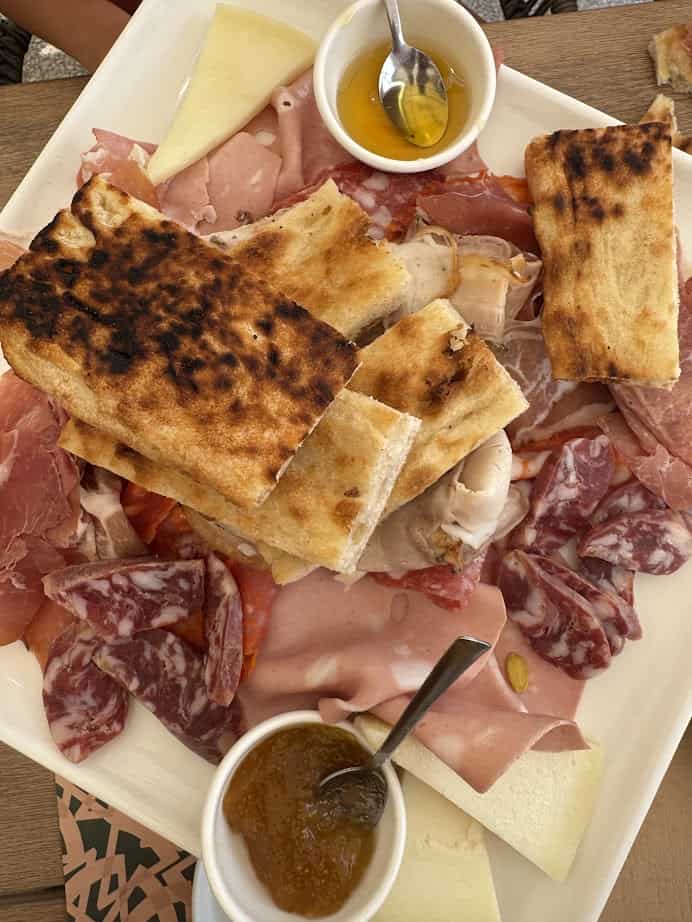
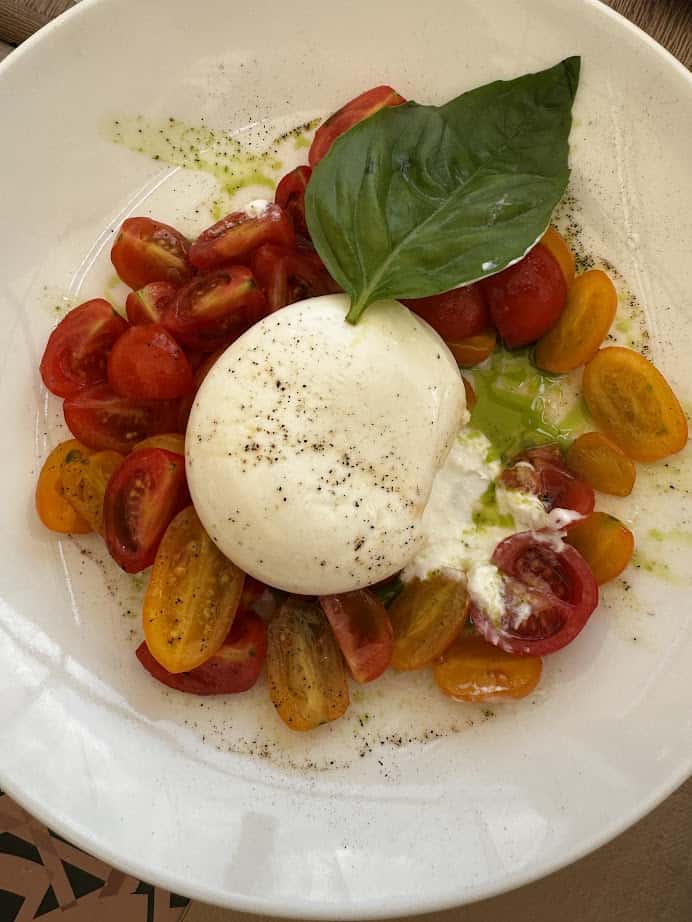
Location: Via de Zecchini, 1, 00040
This was our fave pizza place! In fact, we enjoyed it so much that we went there twice.
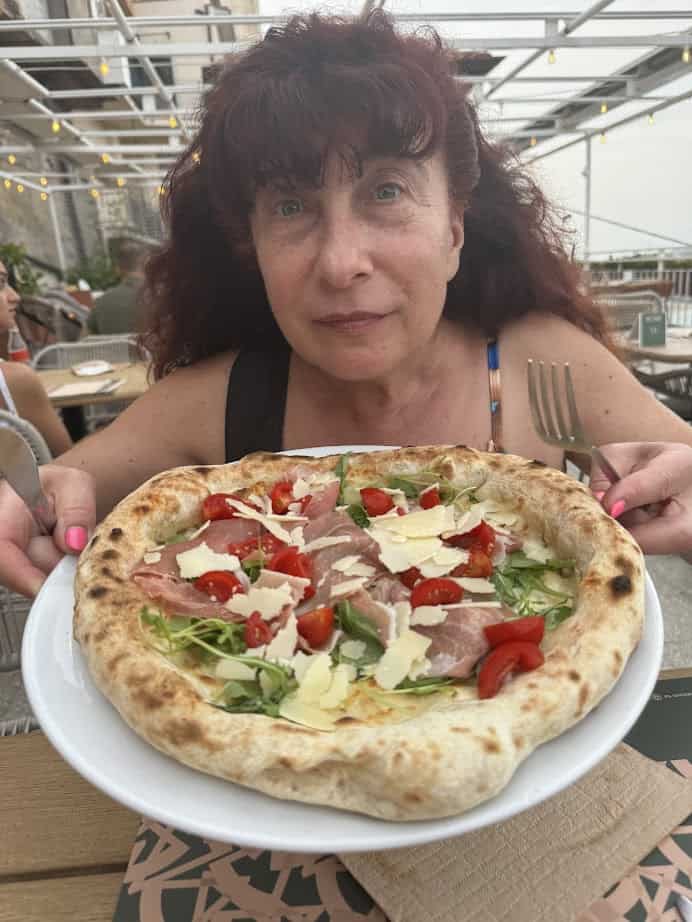
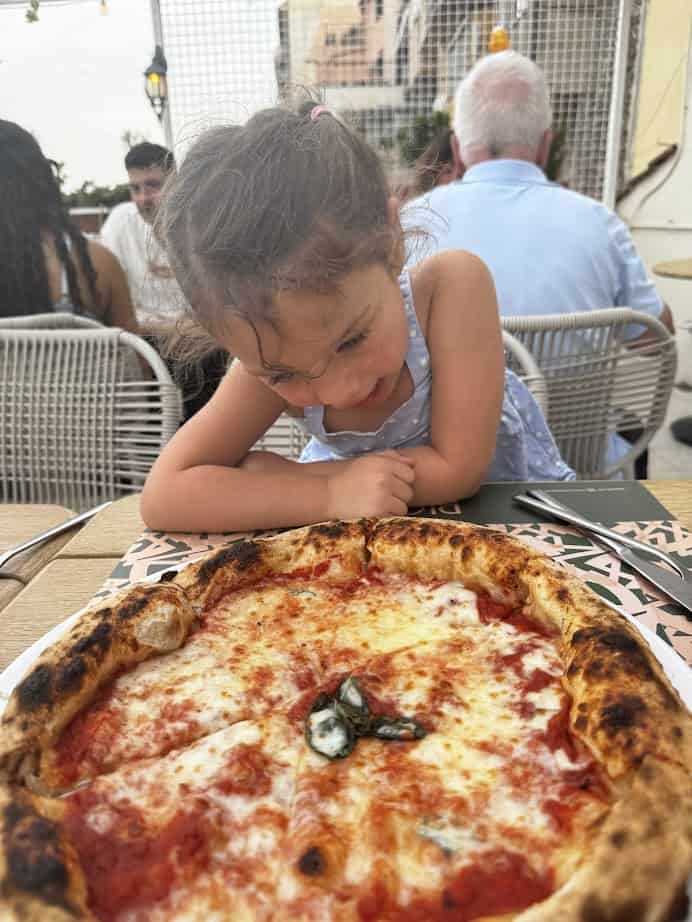
Their pizzas came out hot with crisp edges. The dough had that slight chew in the center with a good char underneath, which made it easy to finish an entire pie without feeling heavy.
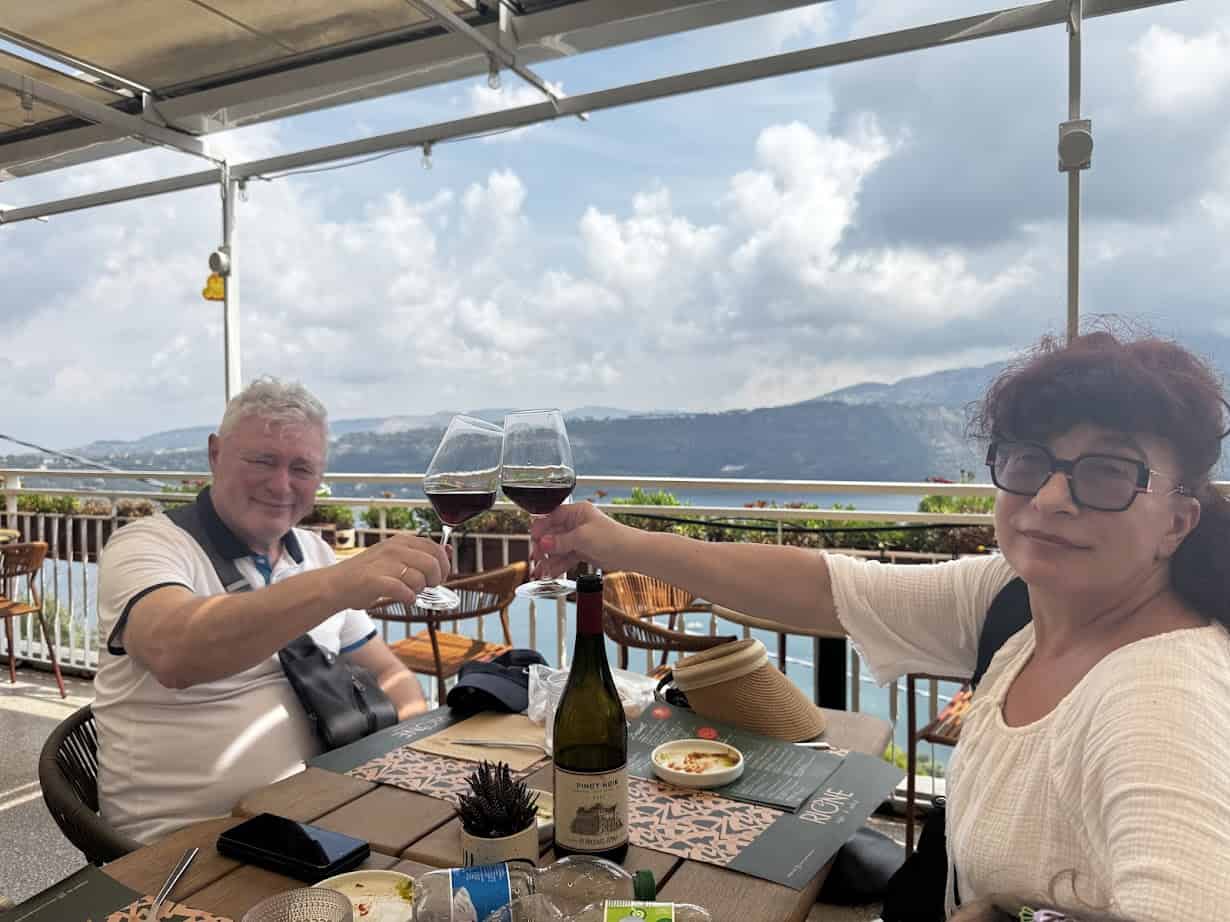
One thing to note: they unfortunately don’t offer gluten-free pizza options. If someone in your group has dietary restrictions, you may have to find another restaurant elsewhere.
L'Emporio di Cagnoli Elia
Location: Piazza della Libertà, 18, 00073 Castel Gandolfo RM, Italy
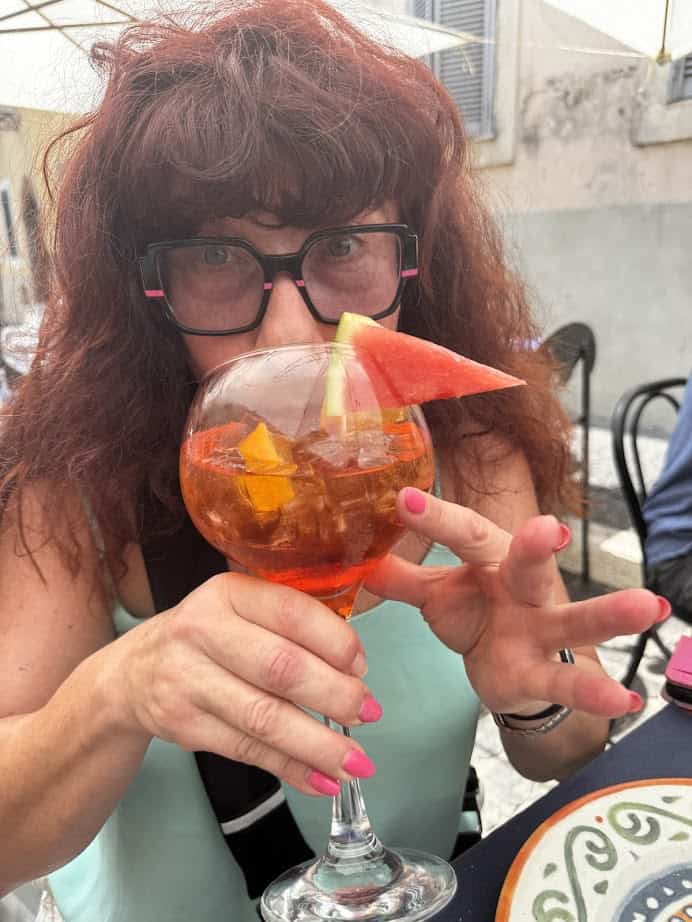
We ended up at L’Emporio di Cagnoli Elia a few times for spritzes. The Hugo Spritz was fresh and light, perfect for a warm afternoon, and the pink one (fruity and slightly sweeter) was just as solid.
The sage version, though? Skip it. It sounded interesting on paper, but the flavor didn’t balance well. To be frank, it tasted like medicine. Stick to the classics here and you won’t go wrong.
Cantine Barsento vini e bocconi di Puglia
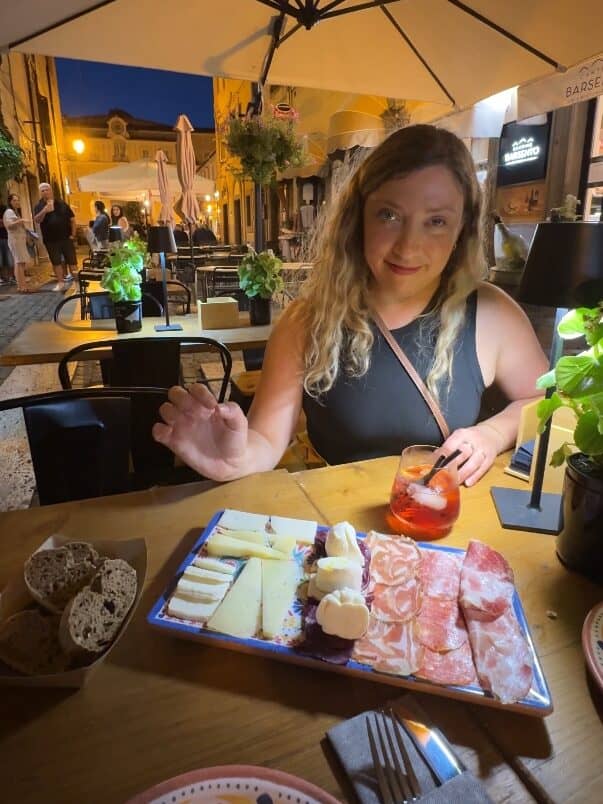
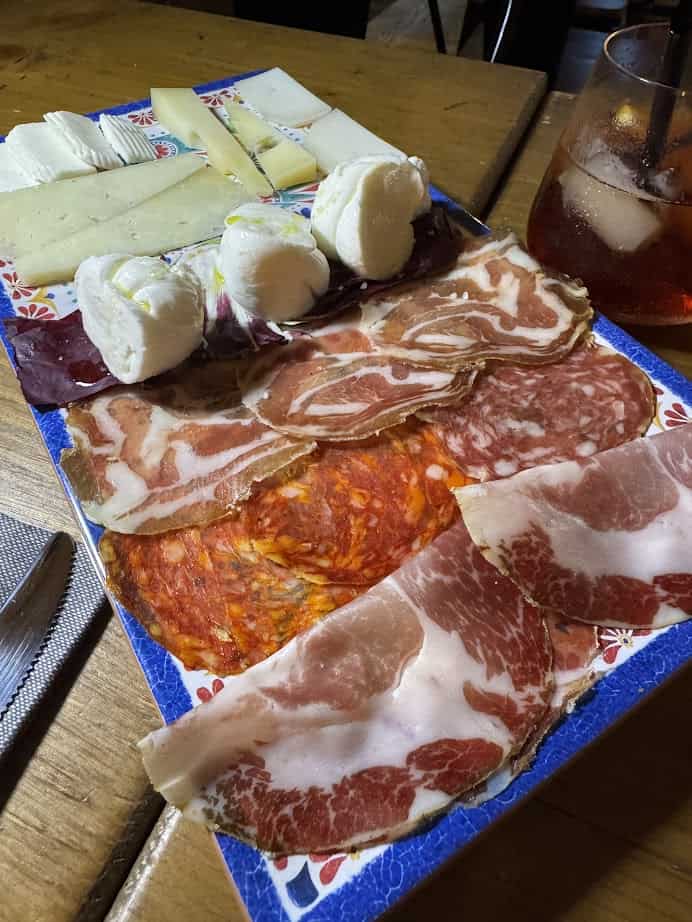
Location: Corso della Repubblica, 9, 00073 Castel Gandolfo RM, Italy
My husband and I escaped for date night while the kids were with my parents. We shared a charcuterie board and took our time with drinks.
As the name suggests, the menu highlights Pugliese flavors, so expect richer southern dishes and thoughtful small plates meant to be shared.
Giardino l'Olivella
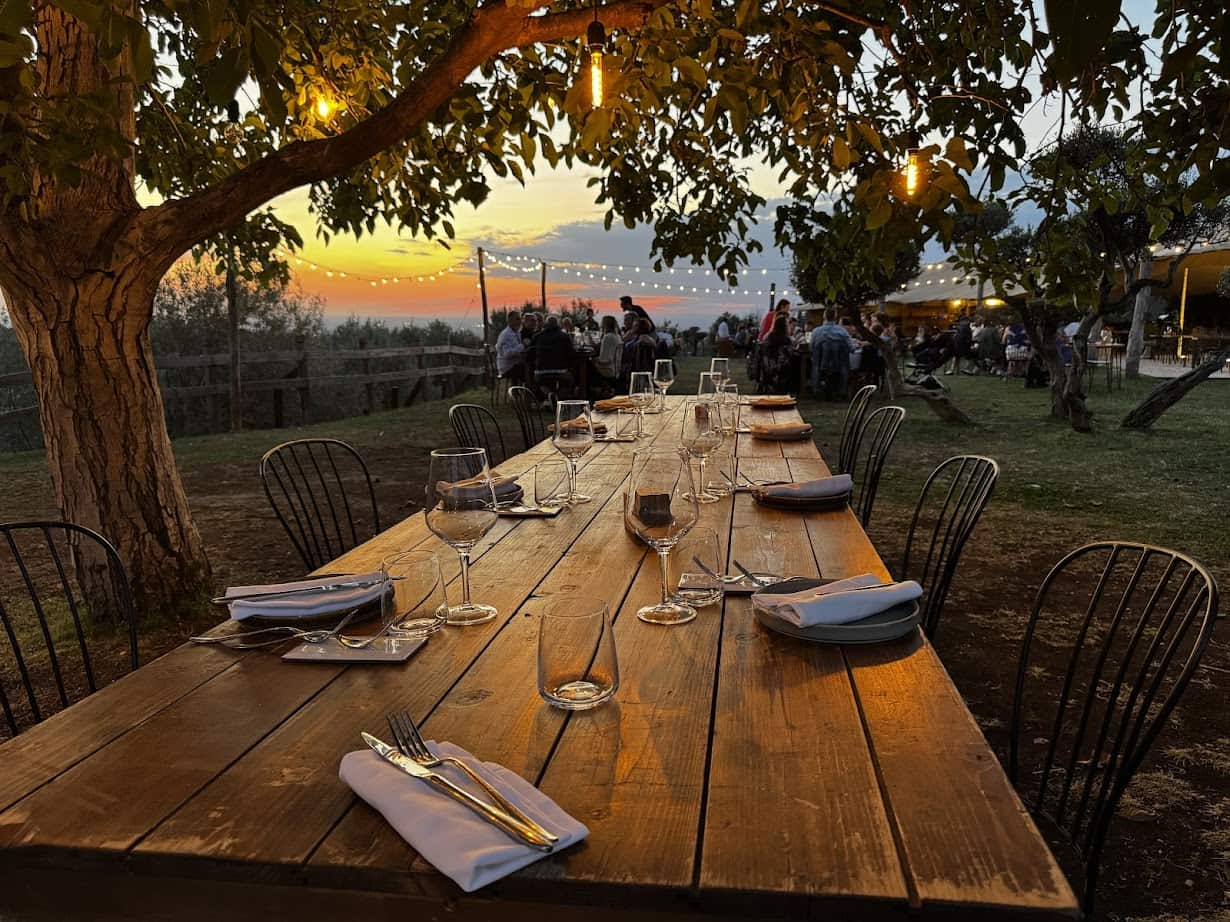
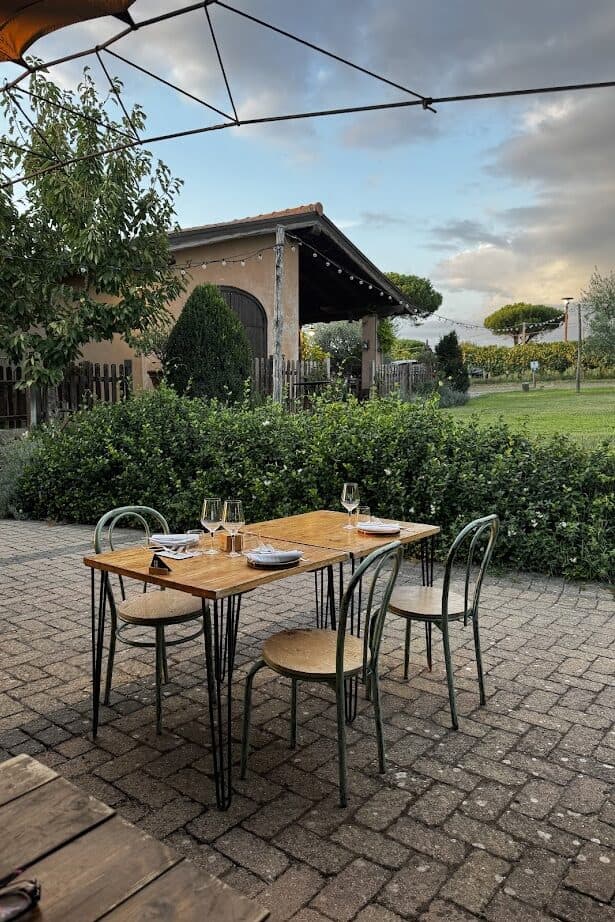
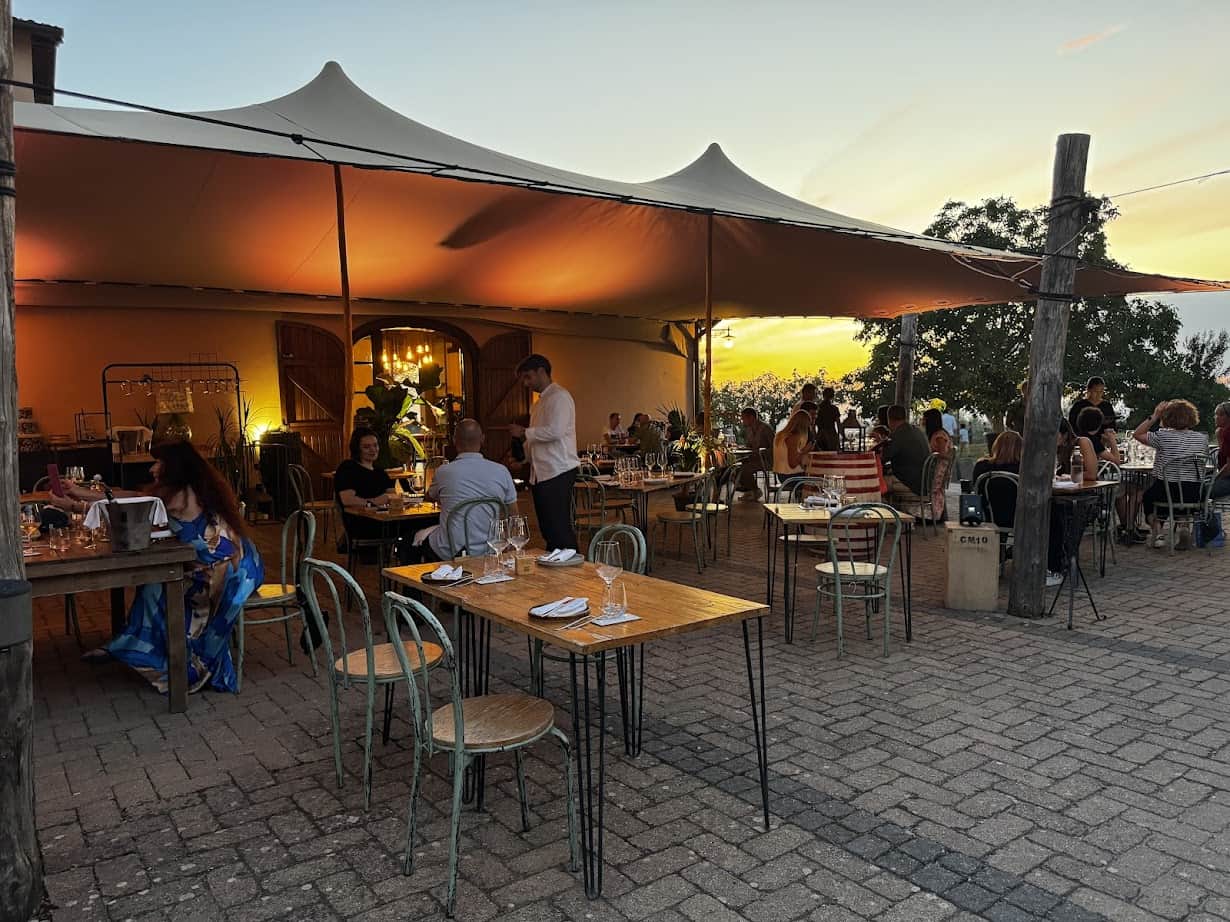
Location: Via Colle Pisano, 5, 00044 Frascati
The place is slightly away from the tight main square area, which makes it feel less crowded and more relaxed.
Their menu looked amazing on paper. You can have dinner or an aperitivo in the garden with a charcuterie board and wines. The food tasted great, but honestly, the service was terrible.
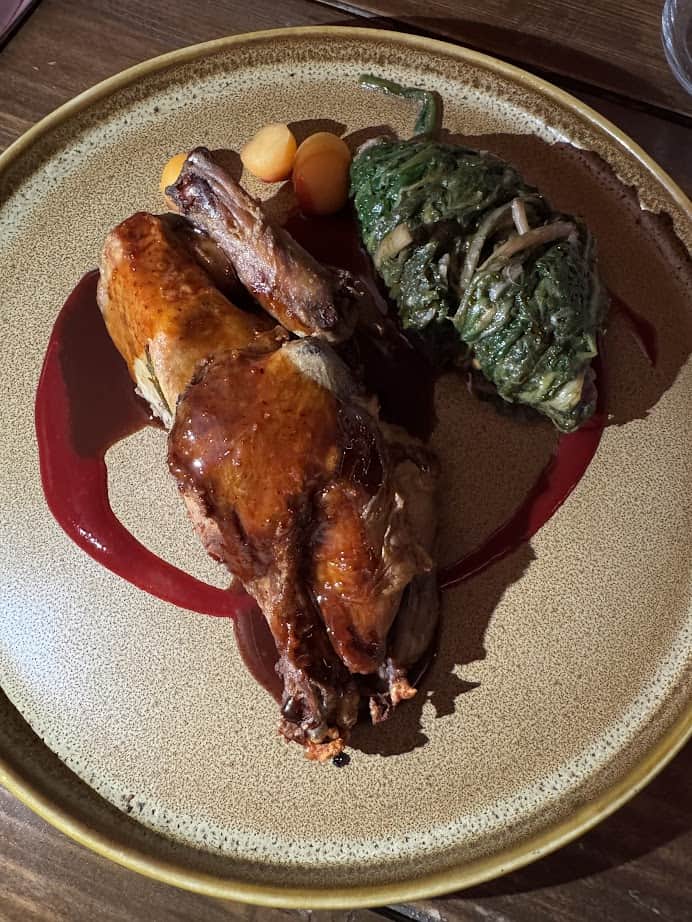
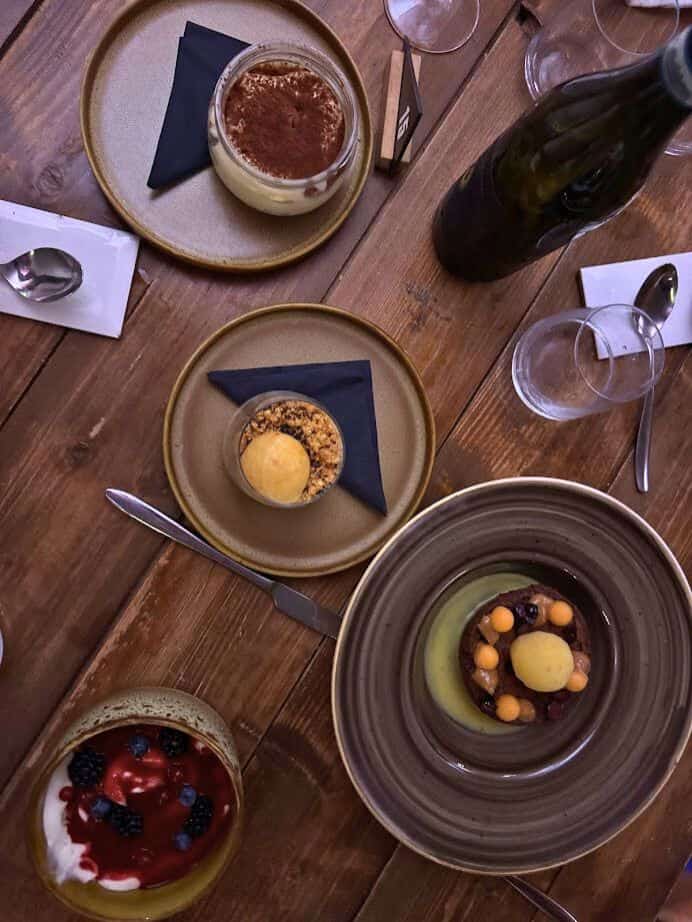
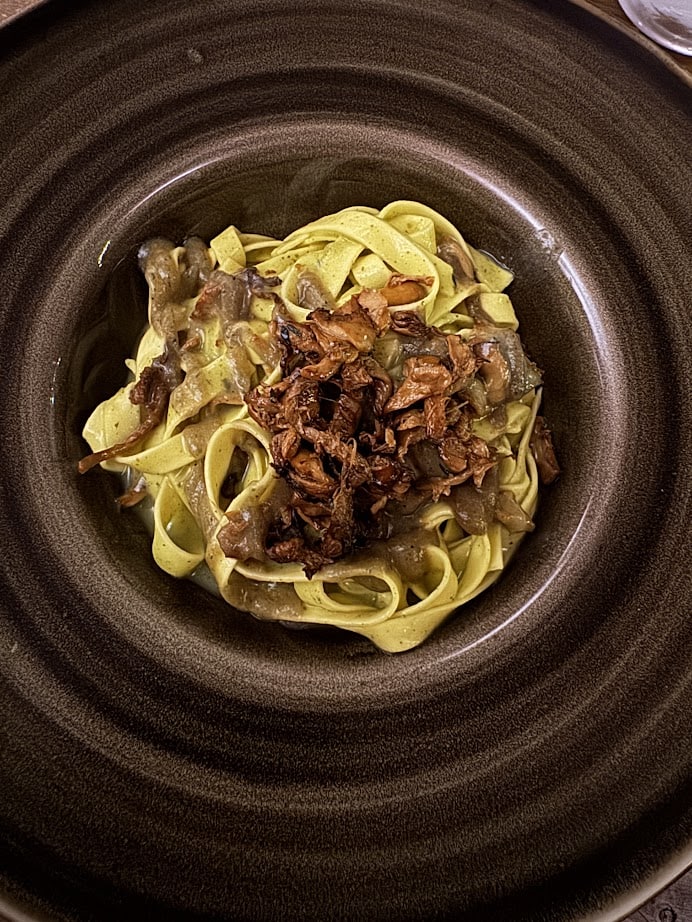
The staff forgot our meal and clearly prioritized socializing with each other or friends at other tables over attending to a family with kids.
We spent over 3 hours here on a meal that should have been 2, and we were not very happy by the end.
Antico Ristorante Pagnanelli
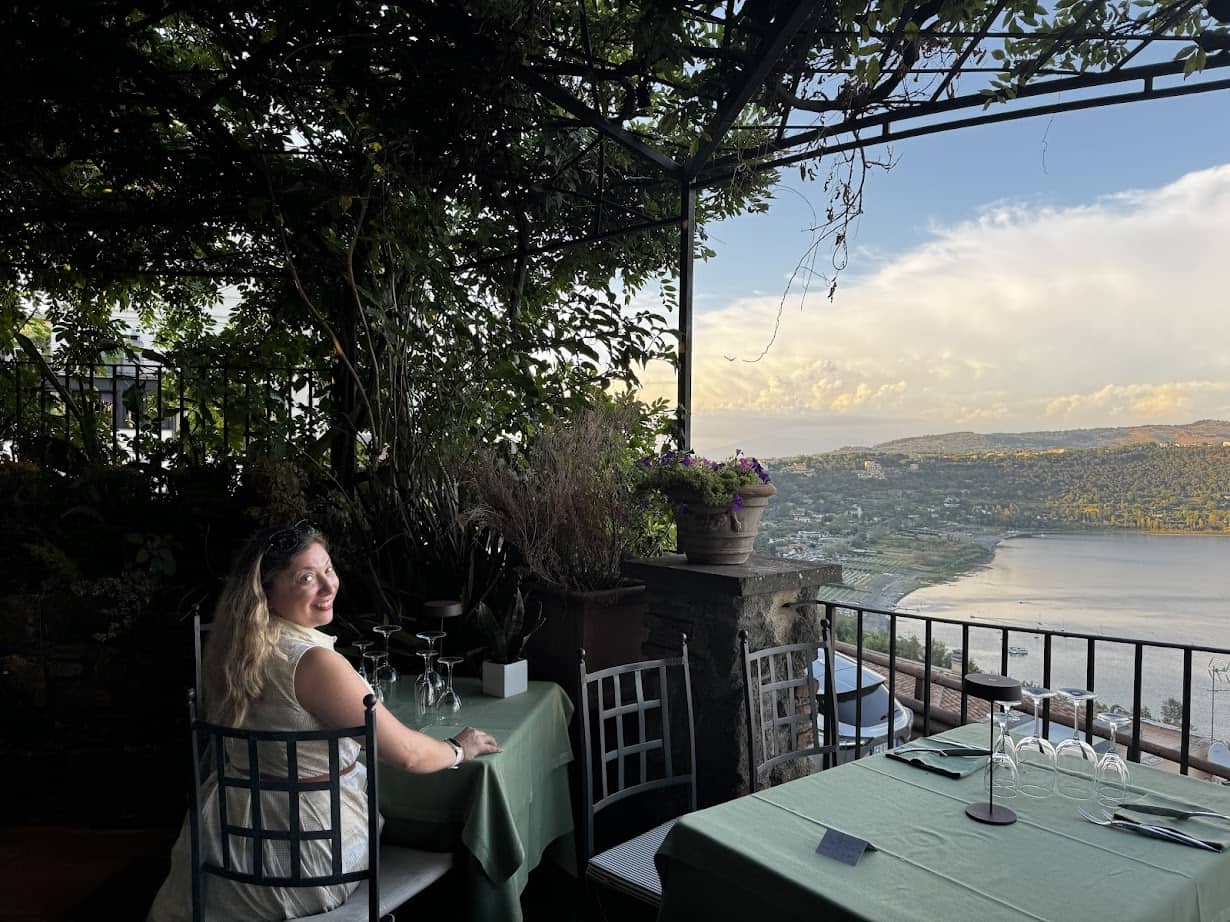
Location: Via Antonio Gramsci, 4, 00073
The best meal we had in Castel Gandolfo, without question, was here in Pagnanelli.
It has a Michelin mention and with good reason: the food was thoughtful, classic, very well executed, and diverse. There was no shortage of unique dishes to choose from.
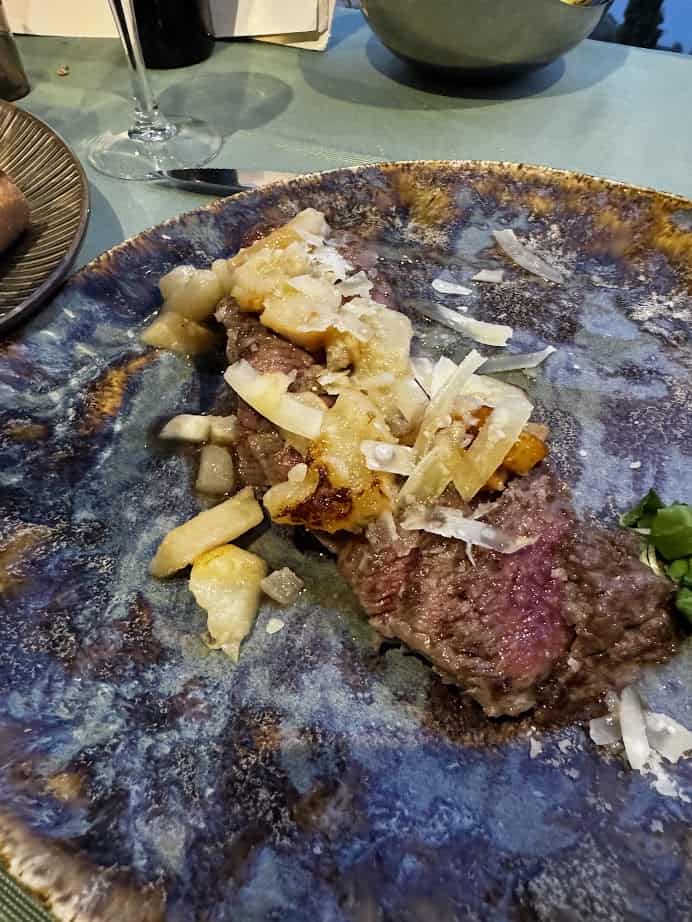
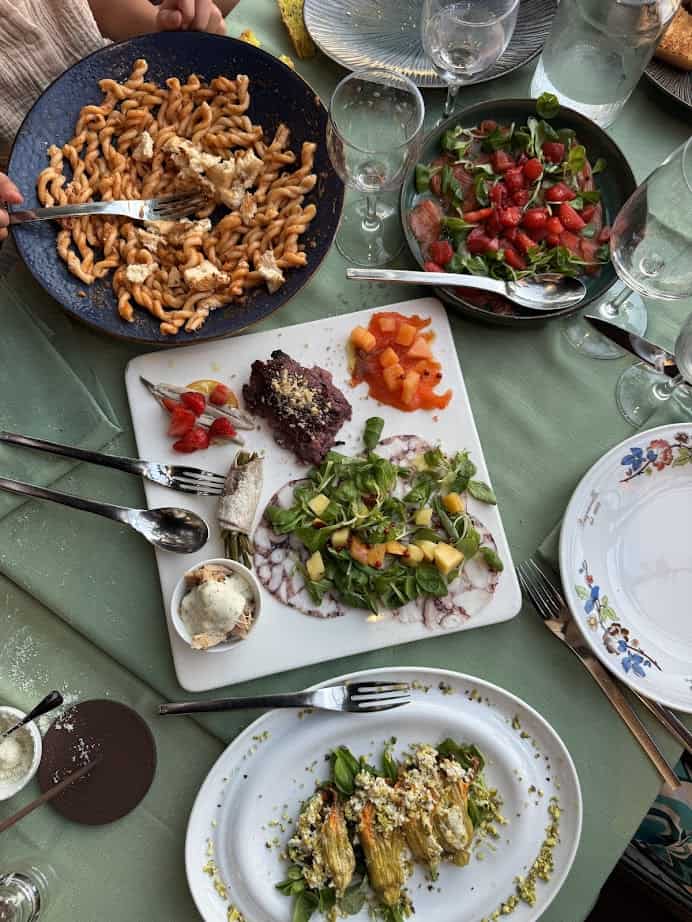
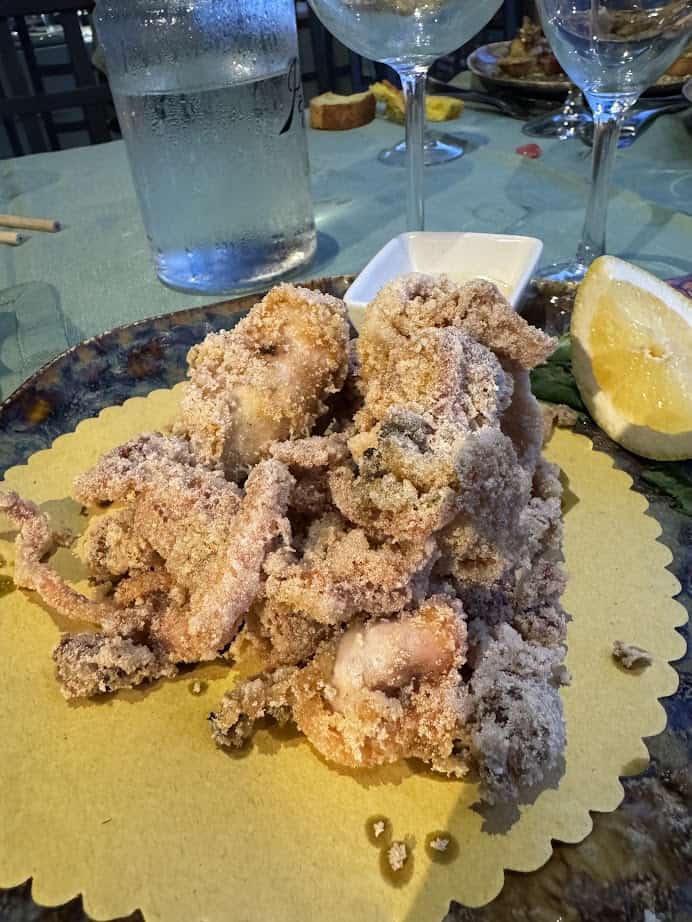
The wine deserved applause. The cart alone is impressive, but what truly stood out was the cellar.
Our guide gave us a tour that genuinely caught us off guard — room after room of bottles, many of them aged and interwoven with little pieces of memorabilia.
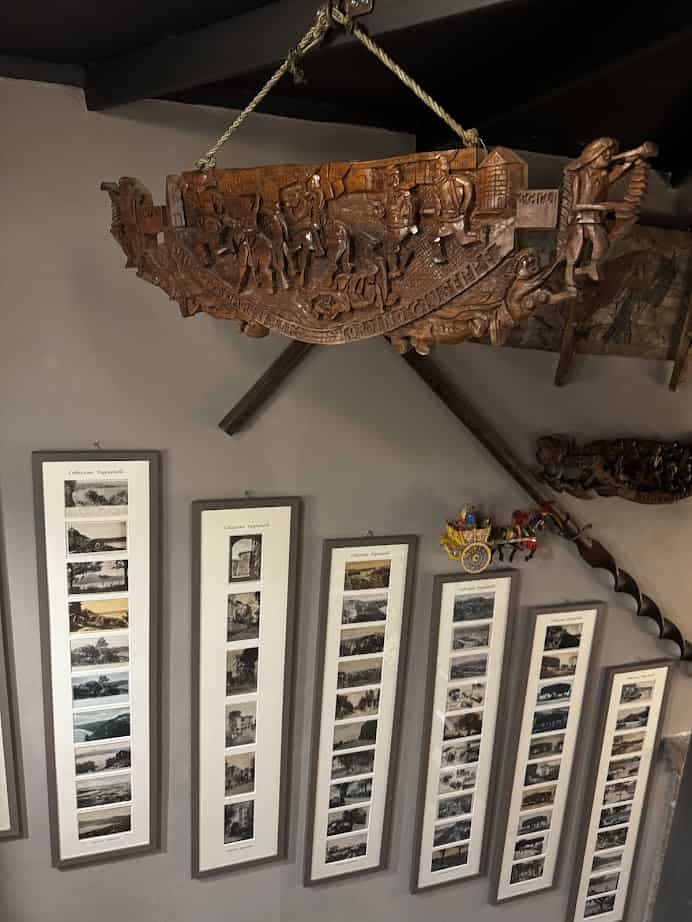
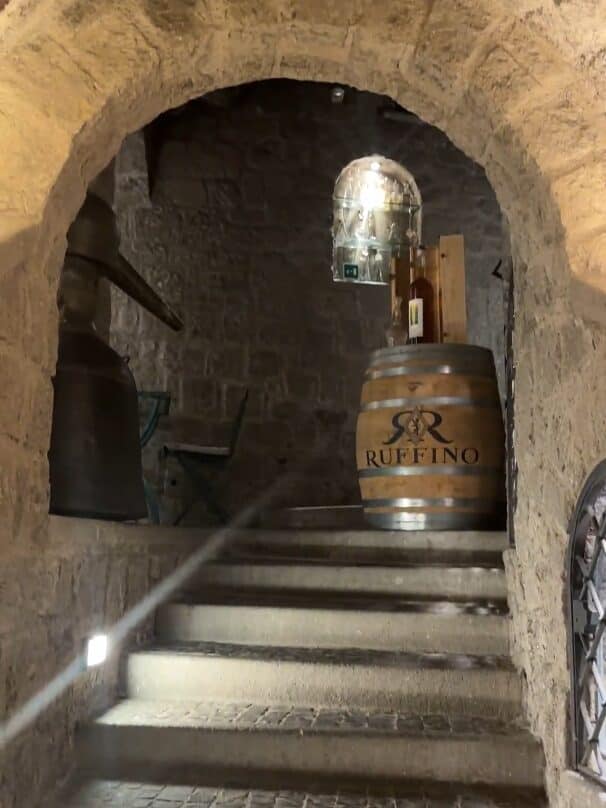
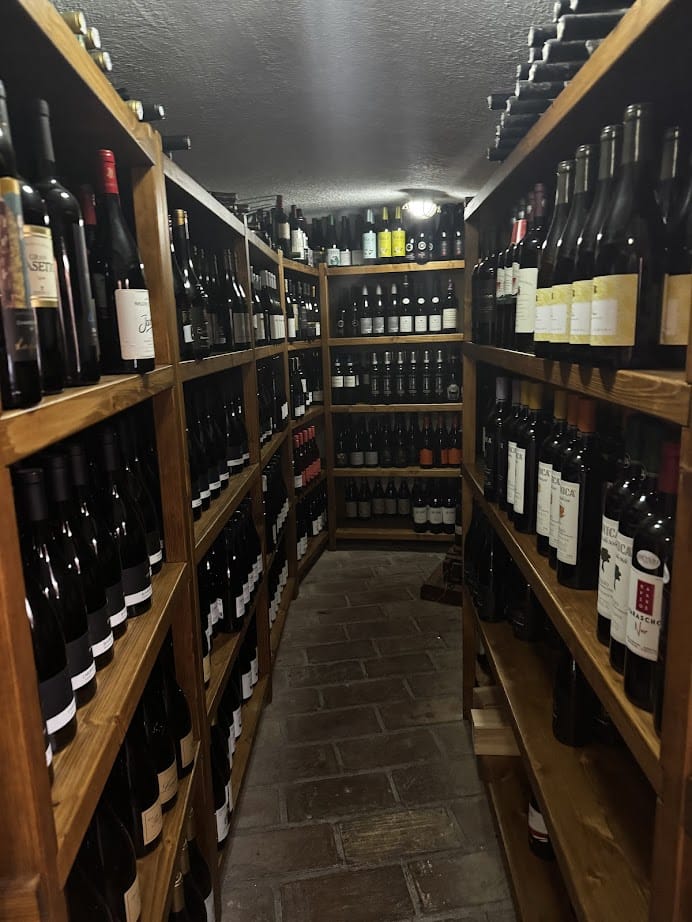
This restaurant has been a mainstay in the area for generations; it's mentioned in songs and is really a piece of history. We are extremely happy that we had a chance to eat here. We very much highly recommend it!
Is Castel Gandolfo Worth It? Absolutely
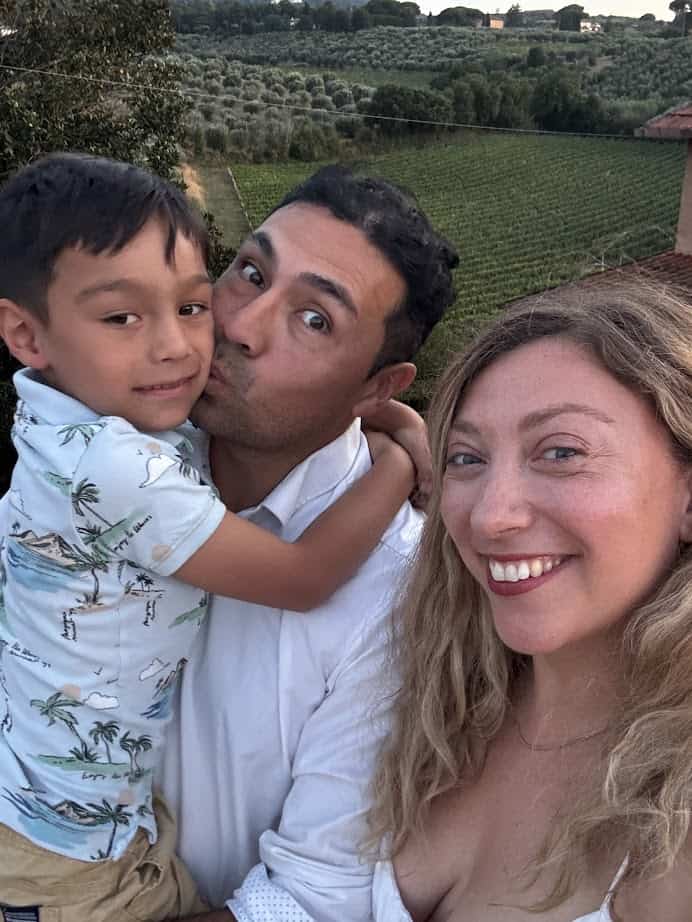
Castel Gandolfo ended up being exactly what we hoped it would be.
We explored palaces and gardens, drove through wine country, stood inside ancient Roman infrastructure, and ate really, really well. And yet, the pace stayed manageable.
If you’ve already done Rome, this is the kind of place that lets you experience Italy differently. It’s still layered with history and has amazing food and scenery. But it does so without the pressure.
For us, four days felt just right. Long enough to settle in, yet short enough to leave wanting one more sunset over the lake.
Leave a Reply