
Passport rules can seem straightforward, but common misunderstandings create real trouble. This article features passport myths that can cause real travel problems, focusing on widely believed ideas that do not match actual requirements. Small assumptions about validity, blank pages, or expiration dates can quickly turn into denied boarding or entry issues.
Knowing what is fact and what is fiction can prevent costly disruptions. Double checking passport details before a trip can save time, money, and stress. Keep reading to see which myths cause the most confusion and what travelers should verify before leaving home.
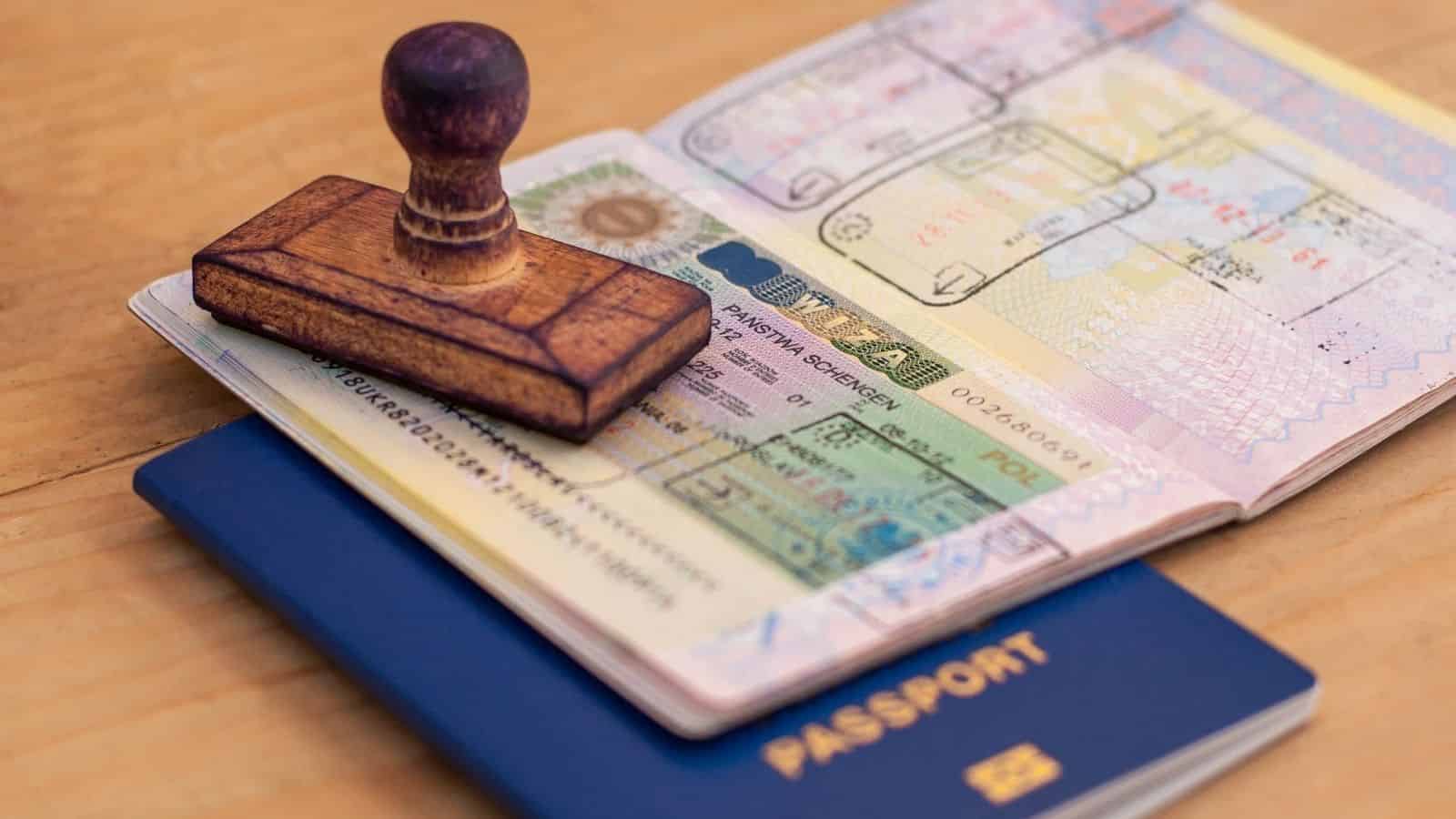
Dual Citizens Can Choose Which Passport to Use Anytime

Dual citizens sometimes believe they can freely switch between passports for convenience. In reality, many countries have strict rules. U.S. citizens, for example, must enter and leave the United States using their U.S. passport. Other countries may require you to use their passport upon entry if you hold citizenship there. Using the wrong document can result in delays, questioning, or record discrepancies. Immigration systems track entries and exits carefully. Following each country’s entry and exit requirements is essential to avoid complications.
A Passport Is All You Need to Travel Anywhere

A passport is only the first requirement for international travel. Many destinations require visas, onward tickets, proof of accommodation, vaccination records, or evidence of sufficient funds. Entry rules may differ depending on whether you are traveling for tourism, work, or study. Border officers have the authority to deny entry if supporting documentation is incomplete. Assuming a passport alone guarantees access can result in delays or removal upon arrival. Checking official government or embassy sources before departure is critical.
You Don’t Need to Worry About a Damaged Passport

Even minor damage to a passport can cause serious problems. Torn pages, water damage, peeling laminate, or heavy creases may lead officials to question the document’s integrity. Border agents have discretion to refuse entry if they suspect tampering or cannot clearly verify identity details. Travelers sometimes discover this issue only at the gate or upon arrival abroad. If your passport shows visible wear beyond normal use, replacing it before traveling is safer than risking denial at the border.
You Can Add Pages to a Passport When It Fills Up

In the past, extra visa pages could be added to U.S. passports, but that option ended years ago. If your passport runs out of blank pages, the only solution is renewal. Some countries require a full blank page for entry stamps or visas, and insufficient space can result in refusal of entry. Frequent travelers should consider requesting a larger passport book during renewal. Waiting until pages are nearly full can create last-minute complications before an important trip.
You Can Travel Freely as Long as You Have a Passport Card

A passport card is not a substitute for a passport book in most international travel situations. It is valid only for land and sea travel between the United States and nearby destinations such as Canada, Mexico, Bermuda, and parts of the Caribbean. It cannot be used for international air travel. Attempting to board a flight abroad with only a passport card will result in denial. Travelers should confirm document requirements before departure and carry a passport book when flying internationally.
Want to save this?
You Can Travel With an Expired Passport if You Have a Copy

An expired passport cannot be used for international travel, no matter how recently it expired. A photocopy or digital image does not replace the physical document. Airlines will deny boarding, and border officials will refuse entry if your passport is no longer valid. A copy may help when applying for a replacement after a loss, but it cannot substitute for the original at a checkpoint. On top of that, many countries require passports to be valid for several months beyond your departure date. If yours is expired—or close to it—you could be stopped before your trip even begins.
You Don’t Need a Passport for Cruises

Some travelers assume cruises don’t require passports, especially if the ship departs and returns to the same U.S. port. While certain closed-loop cruises allow specific documents in place of a passport, those exceptions are limited. If an emergency forces you to disembark in a foreign country or fly home unexpectedly, you cannot board an international flight without a passport. Cruise policies do not override individual country entry laws. A missed sailing or medical situation could quickly turn into a documentation crisis. Bringing a valid passport remains the safest option.
Children Don’t Need Their Own Passports

Children can no longer travel internationally under a parent’s passport. Every traveler, regardless of age, must have their own valid passport for international air travel. This applies to infants and toddlers as well. Some parents assume birth certificates are enough, but that only applies in limited land or cruise situations. Without an individual passport, a child can be denied boarding or face complications during reentry. Processing times for minors can also take longer due to additional requirements. Families should verify documents well in advance of departure.
Your Passport Is Valid Until the Expiration Date

Although your passport technically remains valid until the date printed inside, many countries require at least three to six months of remaining validity beyond your travel dates. Airlines often check this rule before boarding. If your passport falls short of the required buffer period, you may be refused entry or denied boarding entirely. This catches many travelers off guard, especially those planning multi-country trips. Assuming you are safe simply because the expiration date has not passed can lead to canceled plans and unexpected costs.
13 Hidden Travel Risks That Could Ruin Your Trip

Brace yourself for your next trip. Traveling can be exciting, but it's important to be aware of potential risks that might not be obvious at first glance. These 13 hidden travel risks could ruin your trip if you're not prepared. From unexpected health issues to cultural misunderstandings, these risks can catch even experienced travelers off guard. Being aware of these potential problems can help you plan better and avoid unnecessary stress during your journey.
Read More Here: 13 Hidden Travel Risks That Could Ruin Your Trip
15 Surprise Expenses That Make Your Cruise Cost Twice as Much as Expected

Take note of these stuff if you're planning to go on a cruise! Planning a cruise can be exciting, but there are 15 surprise expenses that make your cruise cost twice as much as expected. Many travelers focus on the initial cost of the trip, often overlooking the additional fees that can quickly add up. From dining options to onboard activities, these unexpected costs can turn a budget-friendly vacation into a financial headache.
Read More Here: 15 Surprise Expenses That Make Your Cruise Cost Twice as Much as Expected




Leave a Reply