
For thousands of years, these 13 ancient ports have shaped the course of human history. Long before modern borders and air travel, coastal harbors connected distant regions through trade, migration, and shared ideas. Many of the world’s most influential cities began as strategic points along the water, where ships could anchor, and merchants could conduct business. Over time, these ports became centers of power that influenced entire regions.
Today, some of these ancient harbors still exist, either preserved as archaeological sites or woven into modern cities. Their stone quays, fortifications, and waterfront districts reveal how maritime networks once functioned and why they mattered. Exploring these locations helps us understand the foundations of global exchange and urban growth. The following ports stand out for their age, historical importance, and the physical traces that remain visible along their shorelines.
Alexandria (Egypt)

Founded in 331 BCE by Alexander the Great, Alexandria became a beacon of Hellenistic civilization and maritime power. Its twin harbors, protected by the island of Pharos, once held ships from Greece, Rome, and distant India. The Lighthouse of Pharos, counted among the Seven Wonders of the Ancient World, guided sailors toward bustling docks lined with granaries and palaces. Beneath modern streets lie traces of the Great Library and royal quarters submerged by earthquakes and shifting seas. Today, waves roll over submerged ruins while the Corniche follows the curve of the historic waterfront, echoing centuries of scholarship, trade, and cosmopolitan exchange.
Cádiz (Spain)
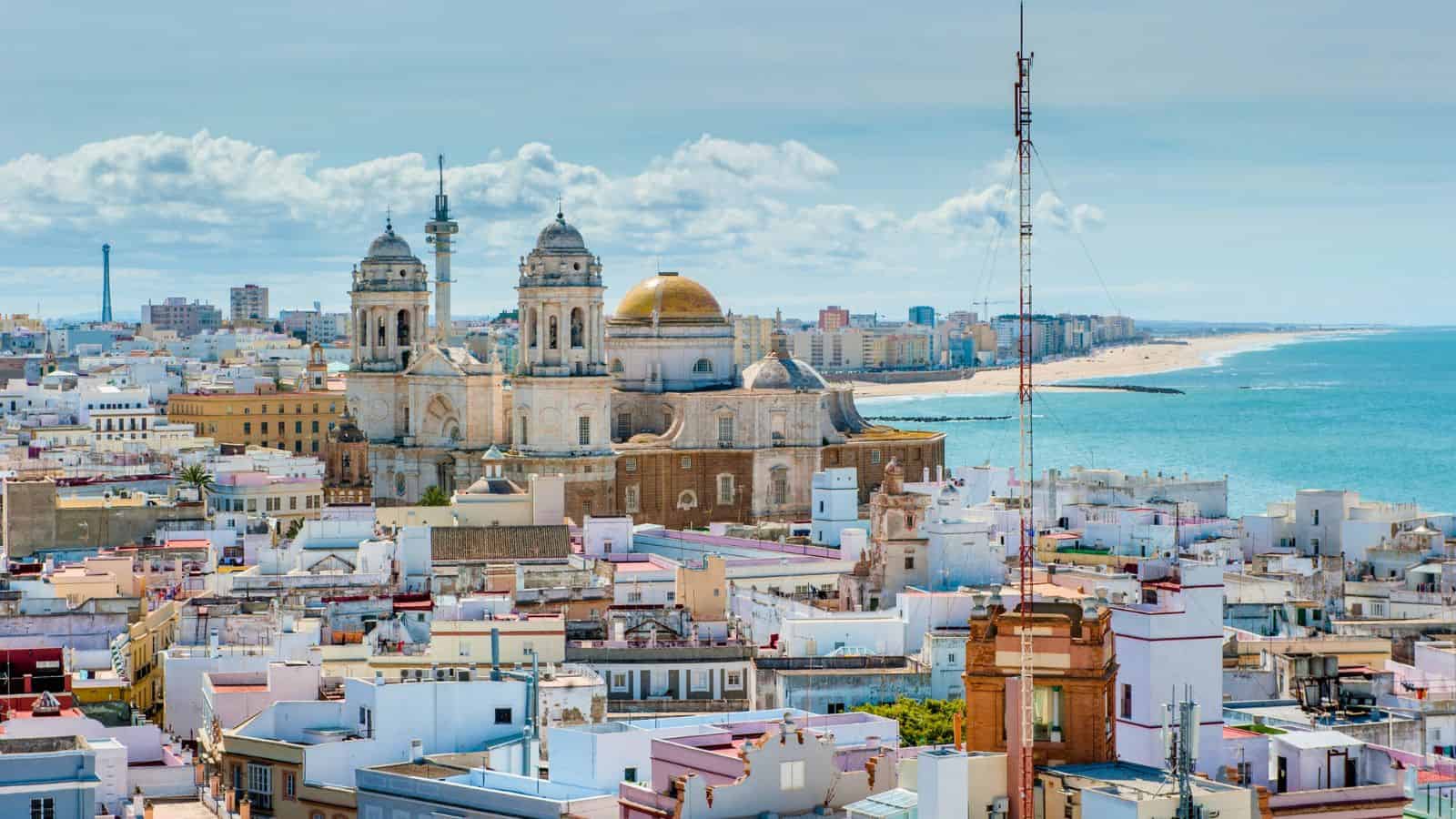
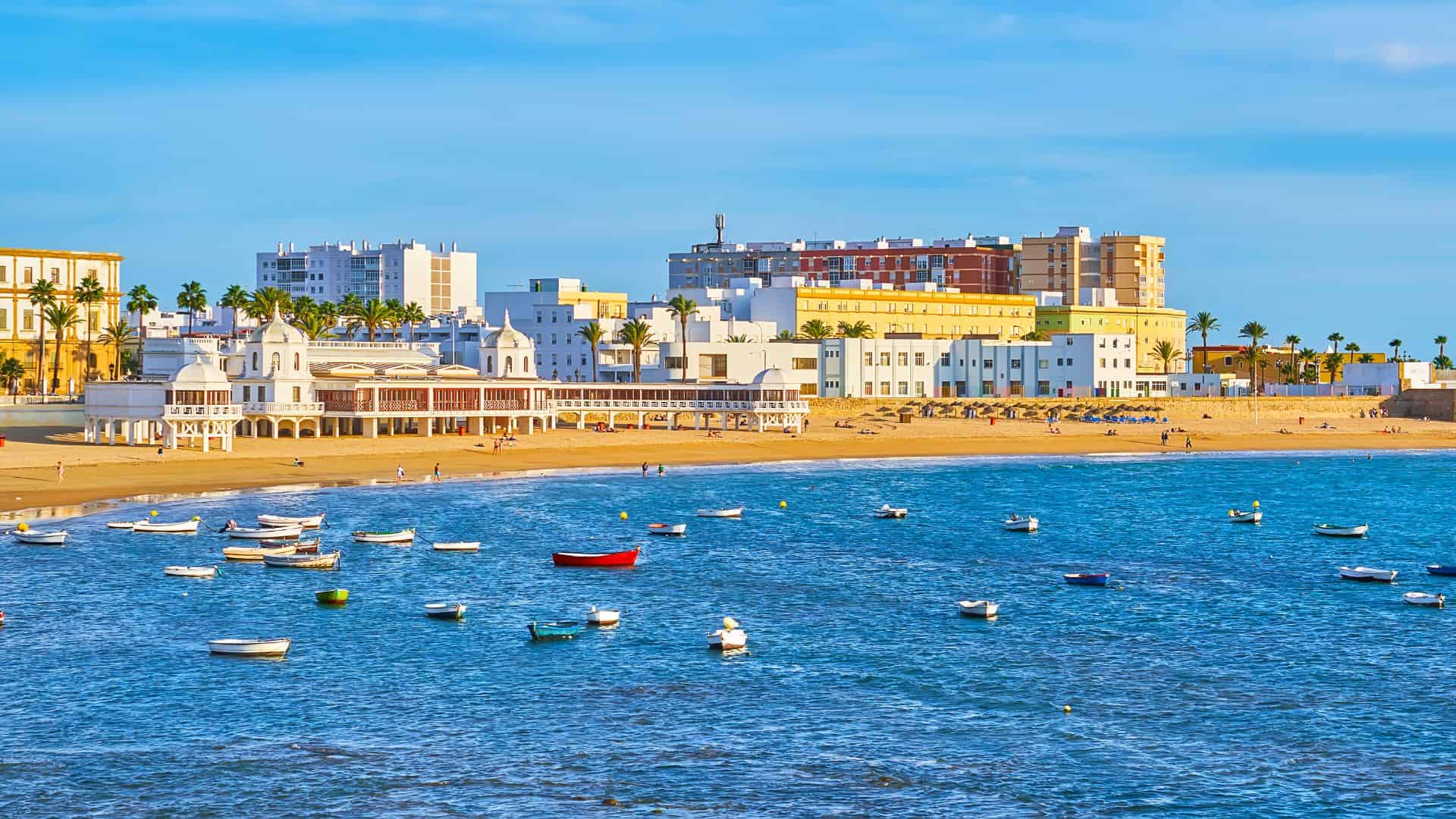
On a narrow peninsula facing the Atlantic, this settlement began as a Phoenician outpost known as Gadir around 1100 BCE. Its position beyond the Pillars of Hercules made it a launch point for voyages along Iberia and into the wider ocean. The Romans later fortified and expanded the port, linking it to imperial trade routes that carried silver, fish sauce, and grain. Sea walls and watchtowers guarded against storms and rival fleets. Today, remnants of ancient foundations lie beneath whitewashed houses, while the harbor continues to frame a city shaped by tides, exploration, and maritime ambition.
Dubrovnik (Croatia)
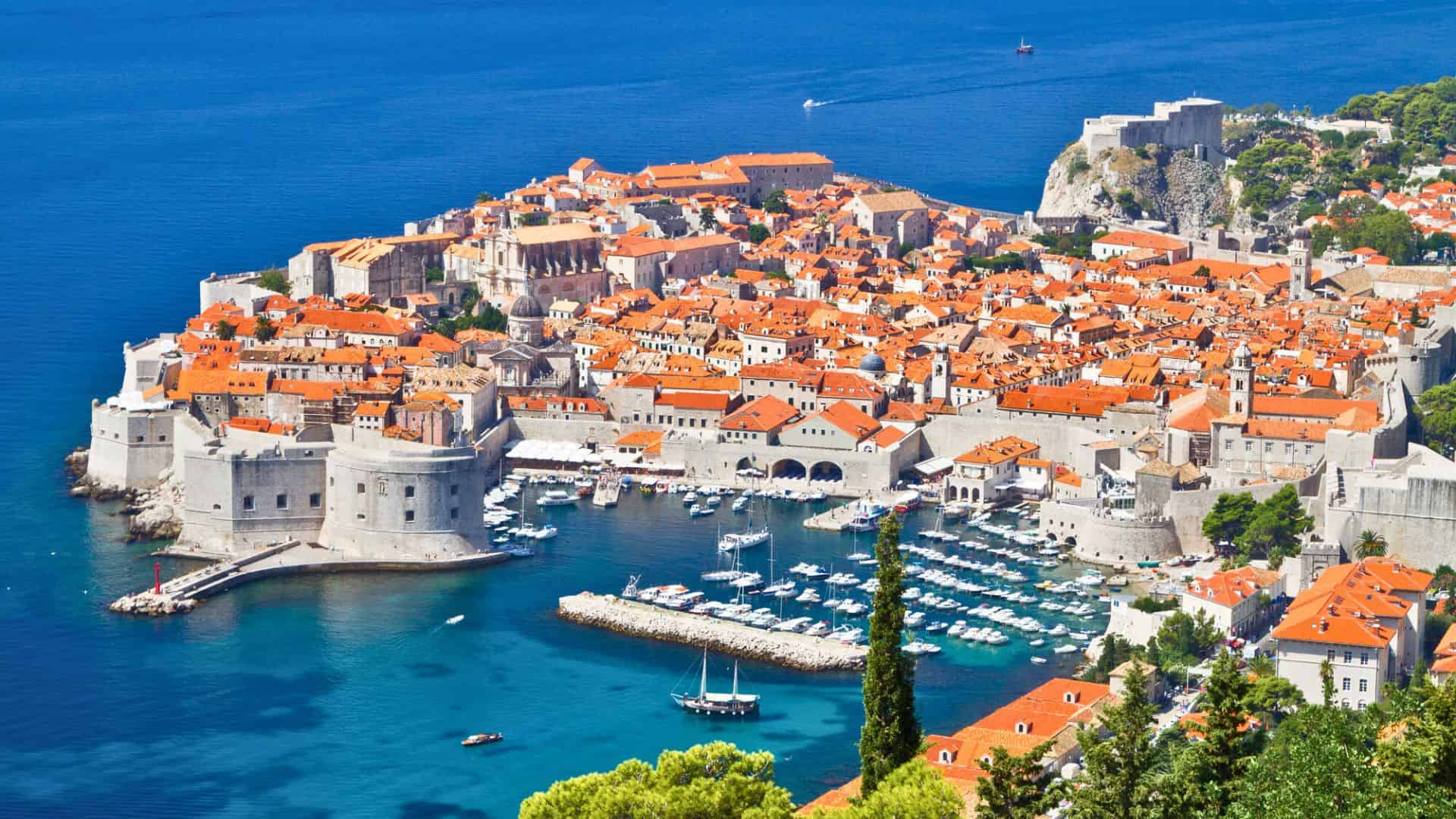
Along the Adriatic coast, high stone walls enclose a harbor that sustained the maritime Republic of Ragusa during the Middle Ages. Merchant vessels from this city-state navigated routes to Venice, the Levant, and North Africa, building wealth through diplomacy and skilled seamanship. The compact port, protected by fortresses such as Lovrijenac, sheltered galleys and trading ships beneath watchful ramparts. Limestone streets lead from the quay to palaces and monasteries that reflect civic pride and independence. Although earthquakes and wars tested its resilience, the harbor remains a focal point, where clear waters meet architecture shaped by centuries of trade.
Valletta (Malta)
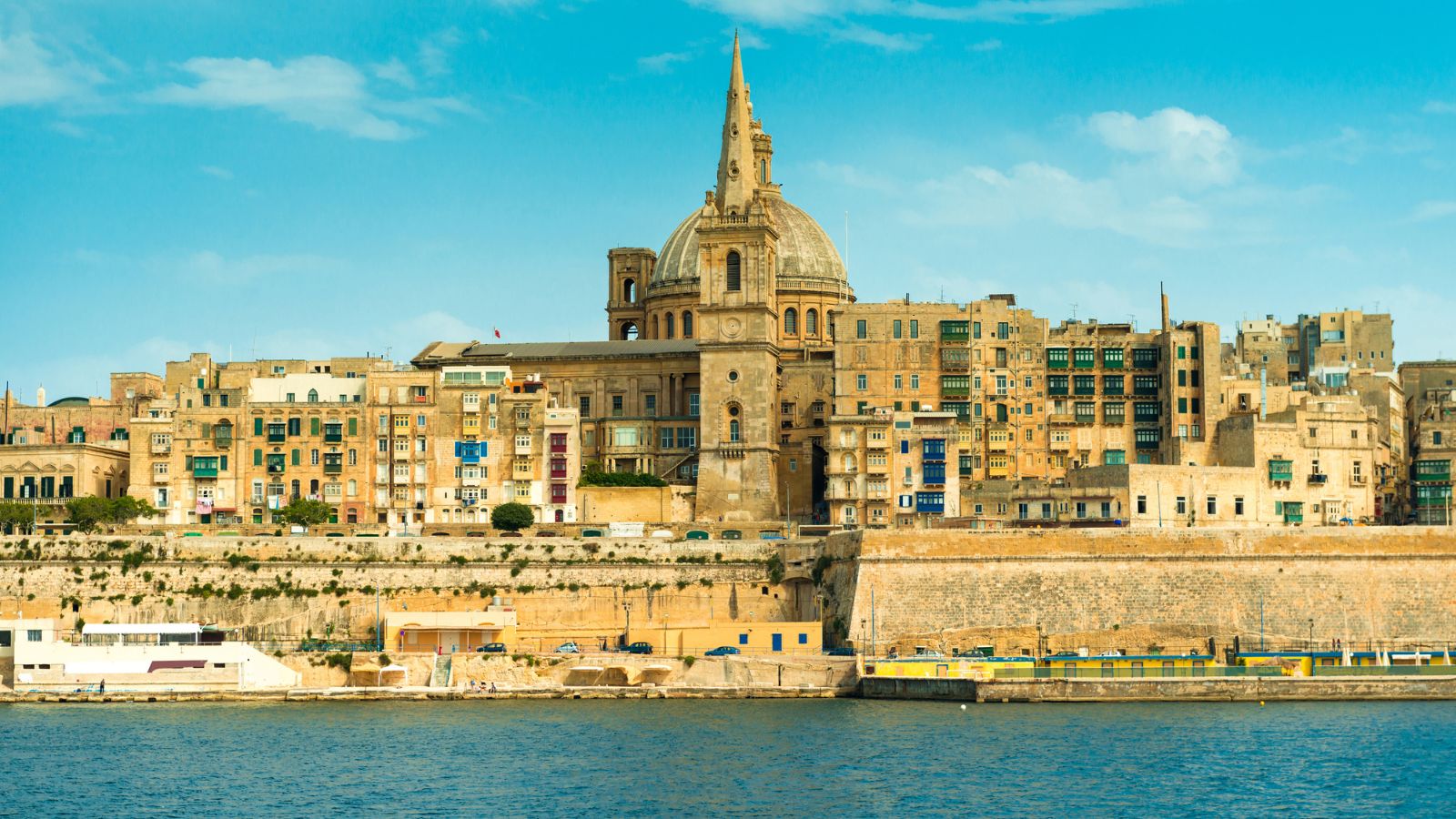
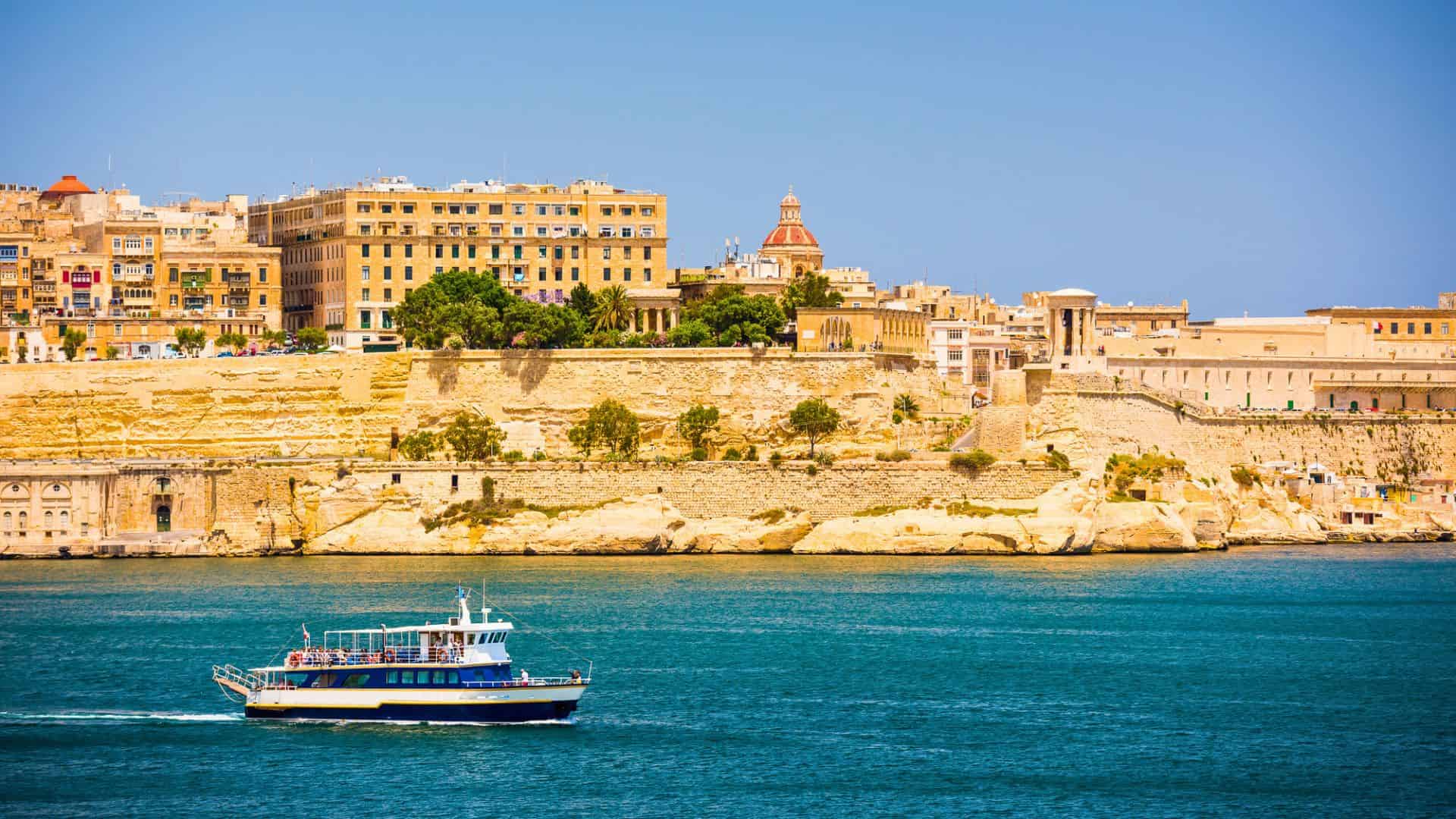
Rising above one of the Mediterranean’s deepest natural harbors, this fortified city was established in the 16th century by the Knights of St. John. Massive bastions and limestone ramparts encircle docks that long served as a strategic naval stronghold between Europe and North Africa. Earlier Phoenician and Roman mariners had already recognized the value of these sheltered inlets. Grand auberges, churches, and arsenals line steep streets descending toward the water. Cannon embrasures still face the sea, recalling sieges and convoys that once determined regional power. The harbor’s calm surface contrasts with centuries of conflict and seaborne exchange.
Ephesus (Turkey)
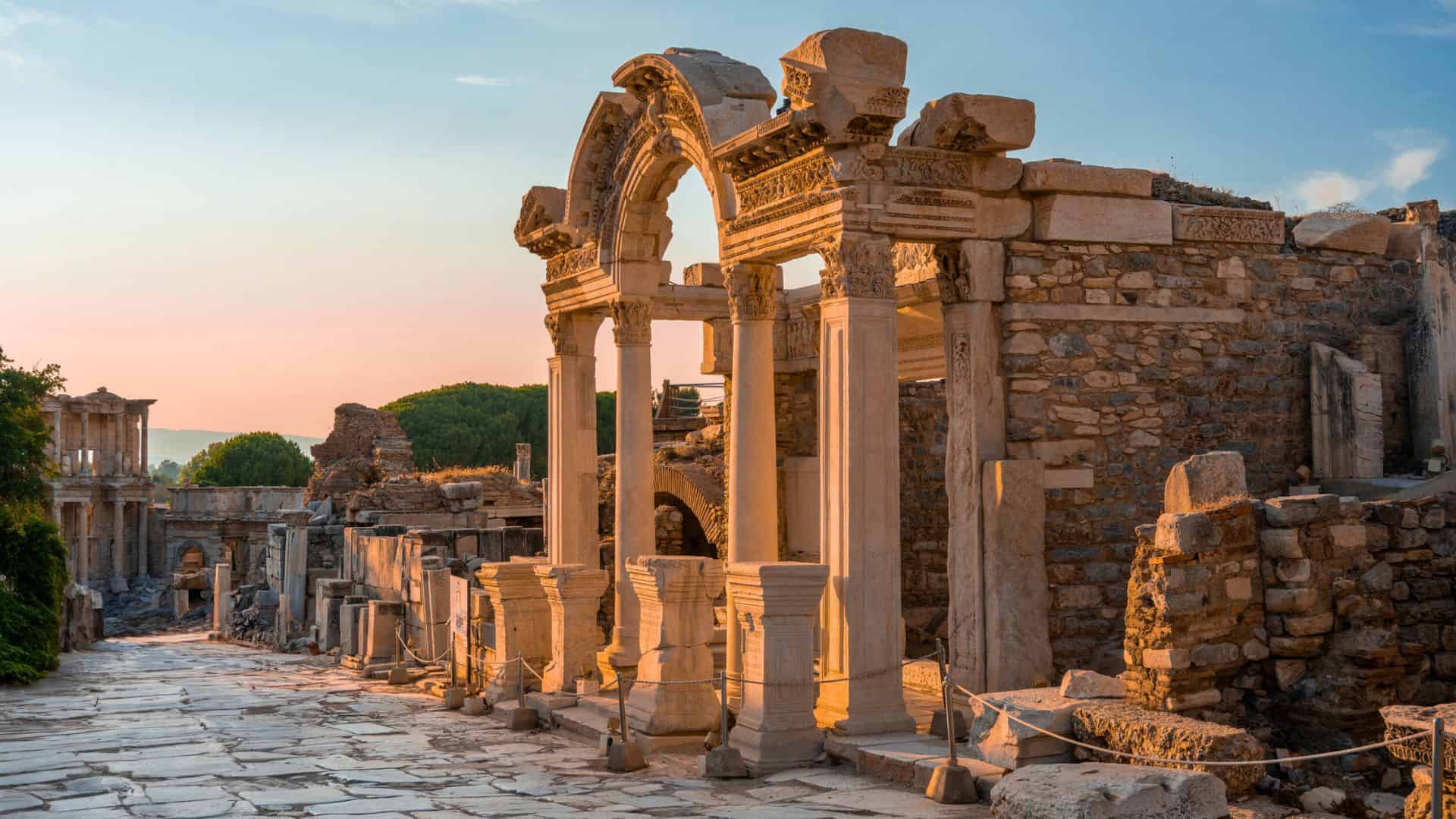
Ephesus once stood beside a broad Aegean harbor connected to the sea by a navigable channel. As a major center of trade and pilgrimage, it linked Anatolia with the wider Mediterranean. Marble streets led from the waterfront toward the grand Library of Celsus and a vast theater overlooking the city. Ships carried goods ranging from spices to textiles, while travelers from across the Roman world passed through its gates. Over centuries, silt from the Cayster River gradually filled the harbor, pushing the shoreline miles away. Today, the ruins rise from fertile plains, recalling a port city that once thrived at the water’s edge.
Bergen (Norway)
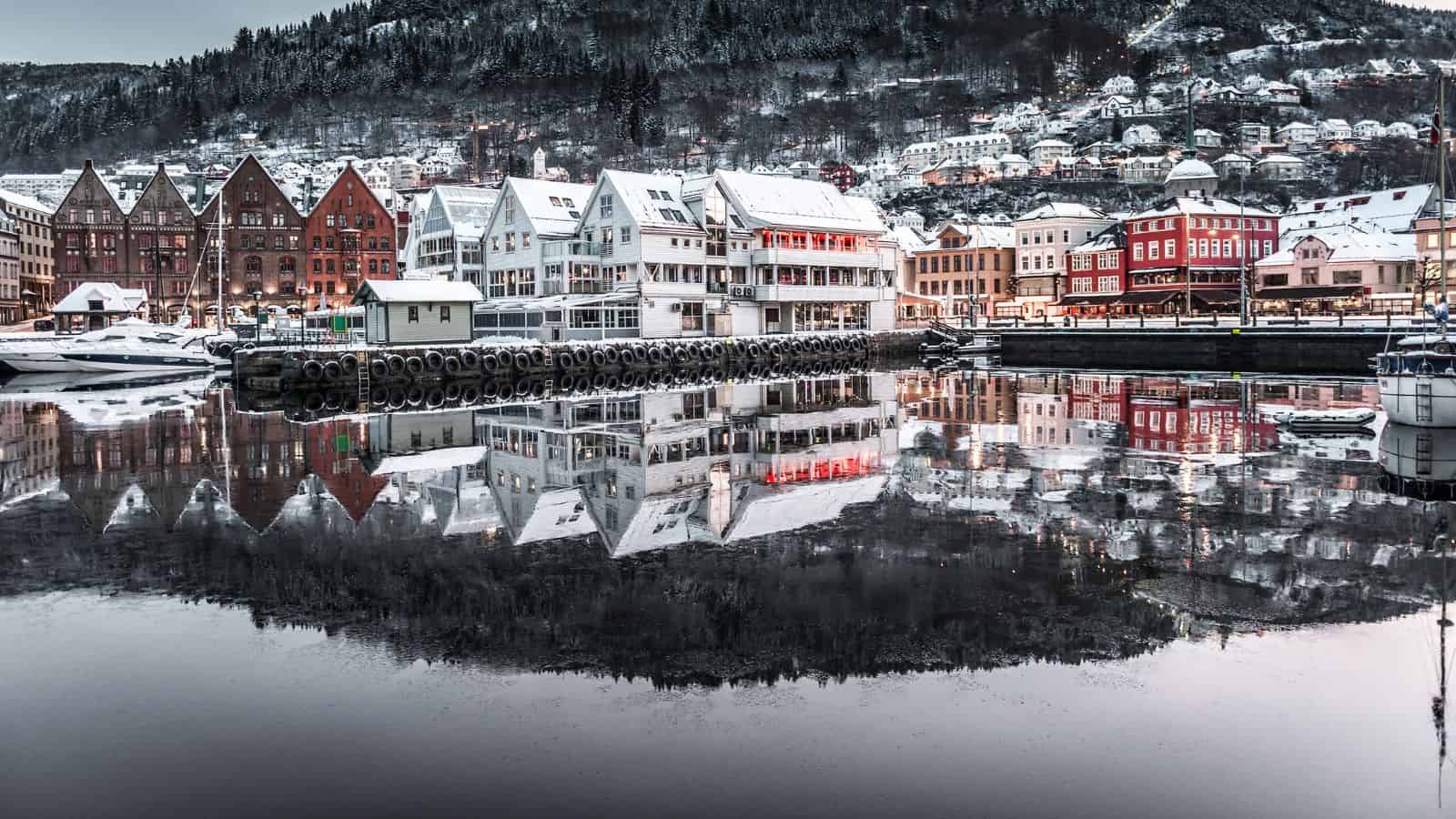
Framed by steep mountains and deep fjords, this northern harbor emerged as a key center of the Hanseatic League during the medieval period. Stockfish from Arctic waters was exported from wooden warehouses lining Bryggen, their narrow facades facing sheltered docks. German merchants established trading offices that linked Scandinavia with markets across the Baltic and North Sea. Fires periodically reshaped the waterfront, yet rebuilding preserved its distinctive timber character. The scent of salt air drifts between leaning structures painted in ochre and red, recalling centuries of seafaring commerce.
Essaouira (Morocco)
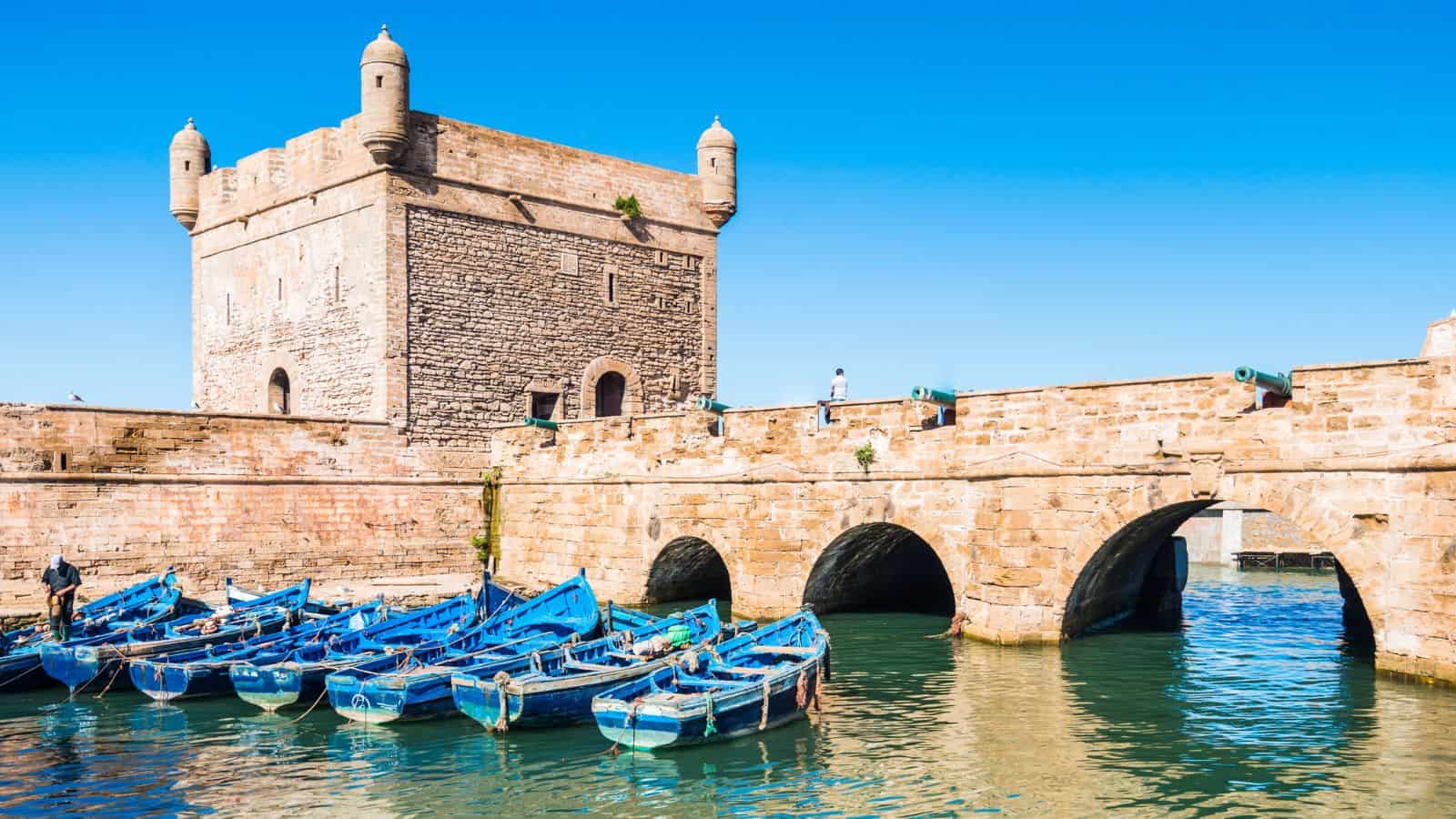
Along Morocco’s Atlantic coast, strong trade winds sweep across ramparts that guard this historic seaport. Long before its 18th‑century redesign under Sultan Mohammed III, Phoenician and later Roman traders used nearby anchorages as stepping stones along Atlantic routes. The fortified medina faces a harbor once crowded with caravans unloading goods from the Sahara to meet European ships offshore. Skala de la Ville’s cannons still line the sea wall, aimed toward restless waters. Blue boats cluster beside stone piers, while whitewashed buildings and carved gates reflect centuries of exchange linking Africa, Europe, and the wider ocean world.
Byblos (Lebanon)
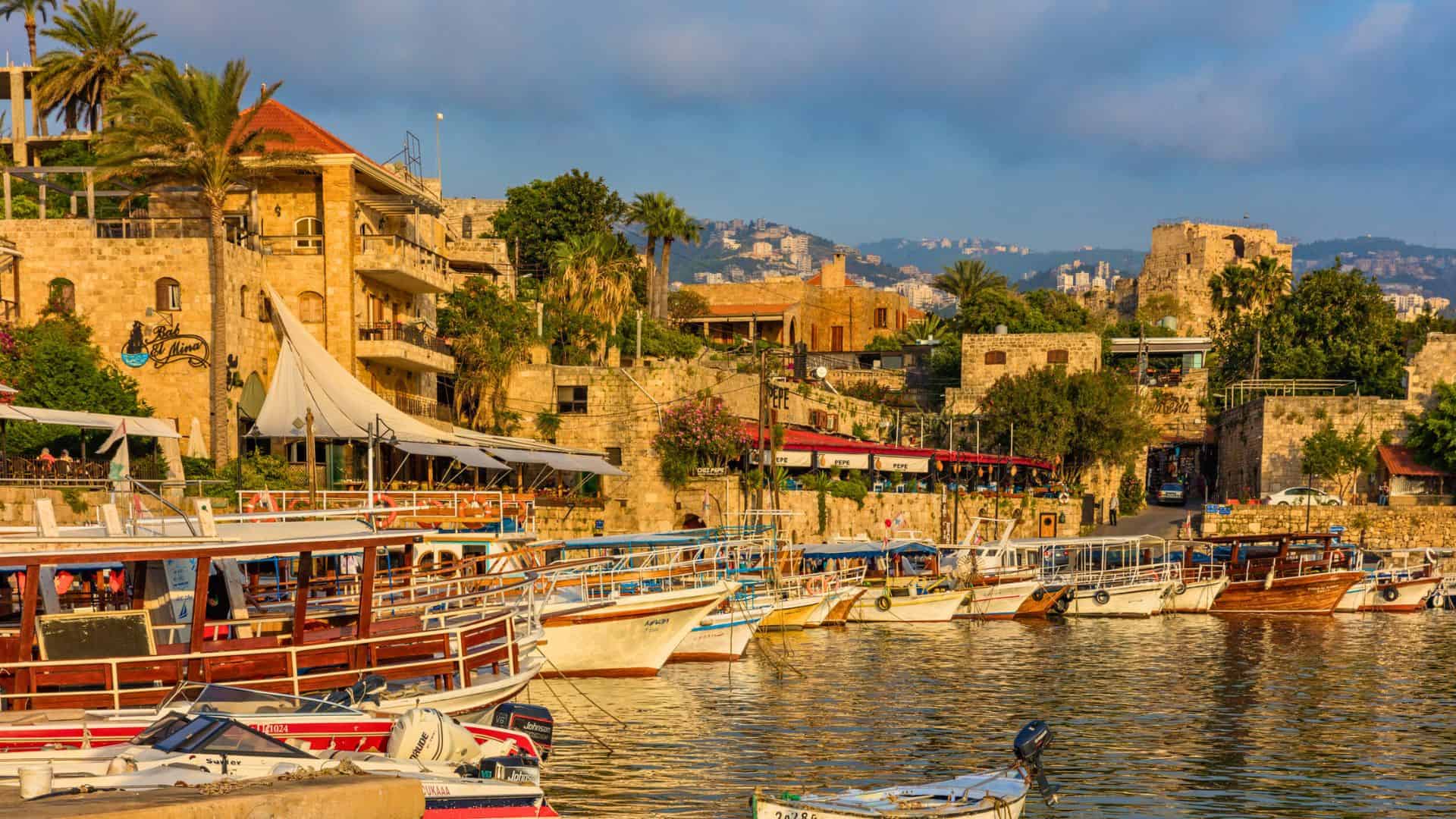
Byblos ranks among the world’s oldest continuously inhabited cities, with roots stretching back over seven millennia. Its small crescent harbor, carved from pale stone, once launched Phoenician vessels that carried cedar wood, papyrus, and purple dye across the Mediterranean. Layers of temples, Crusader walls, and Ottoman houses rise above the shoreline, forming a compact record of human settlement. The sea still laps against ancient quays where traders once bartered in multiple tongues. Fishing boats now rest where merchant fleets gathered, and the scent of salt and pine drifts through narrow lanes shaped by thousands of years of maritime life.
Want to save this?
Ostia Antica (Italy)
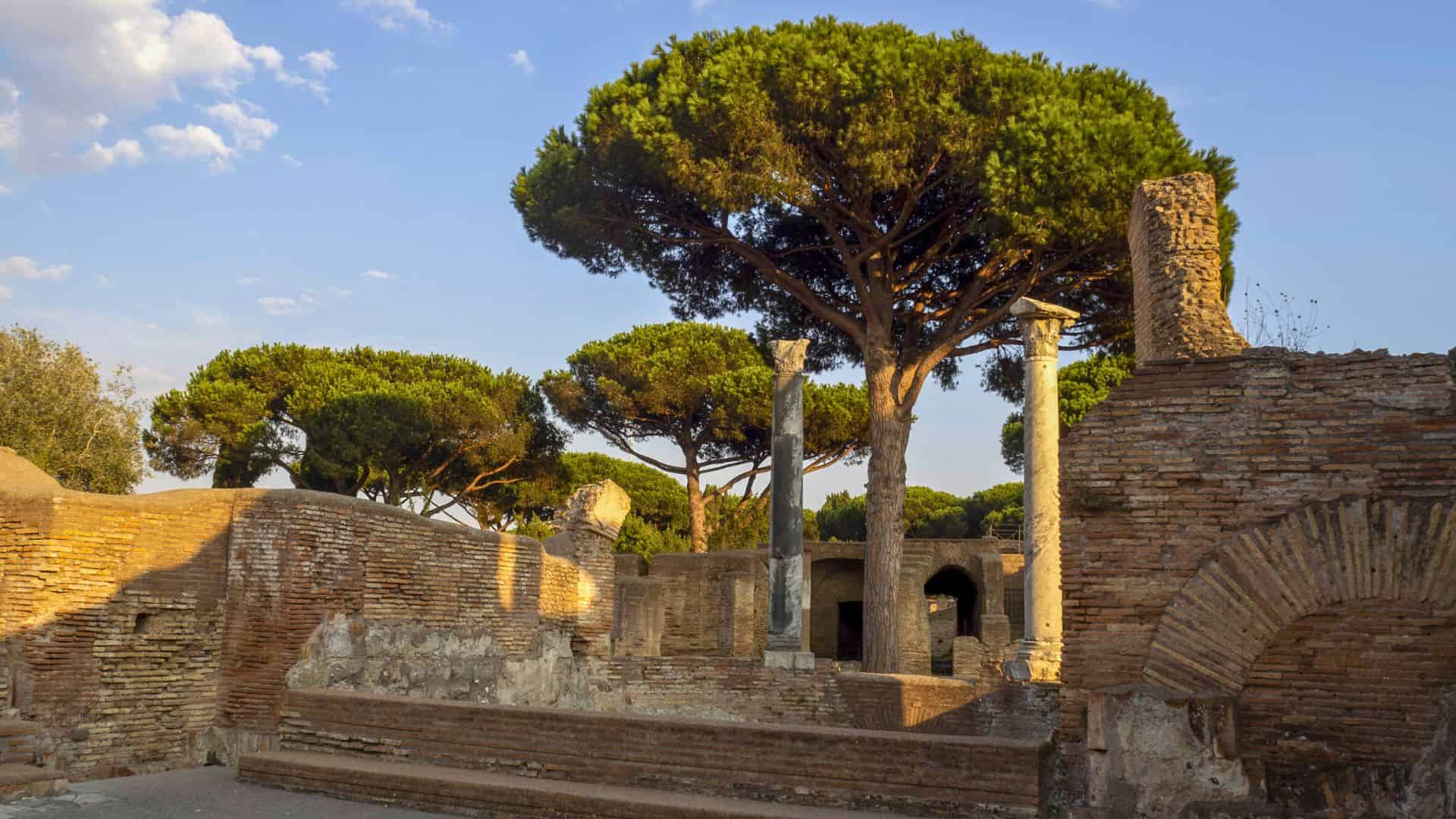
Ostia Antica served as the principal harbor of ancient Rome, positioned at the mouth of the Tiber River. Grain ships from North Africa and Egypt unloaded cargo that fed the imperial capital, while warehouses stored amphorae of oil and wine. The city’s streets remain strikingly intact, paved with basalt and lined by apartment blocks, bathhouses, taverns, and temples. Intricate mosaics depict sea gods and merchant guilds, reflecting the rhythm of dockside commerce. As the river shifted course, the port declined, leaving behind a remarkably preserved urban landscape. Walking through its silent squares evokes the scale and organization of Rome’s maritime network.
Hội An (Vietnam)

Set along the Thu Bồn River near the South China Sea, this former trading hub flourished between the 15th and 19th centuries. Japanese, Chinese, Indian, and European merchants established quarters beside timber warehouses and assembly halls. Silk, ceramics, and spices passed through its docks, connecting Southeast Asia with distant markets. Covered bridges and lantern‑lit streets preserve architectural traces of multicultural settlement shaped by maritime commerce. As river currents shifted and political priorities changed, large vessels gradually favored other ports. Even so, the waterfront retains an enduring character rooted in centuries of seaborne exchange and cultural encounter.
Carthage (Tunisia)
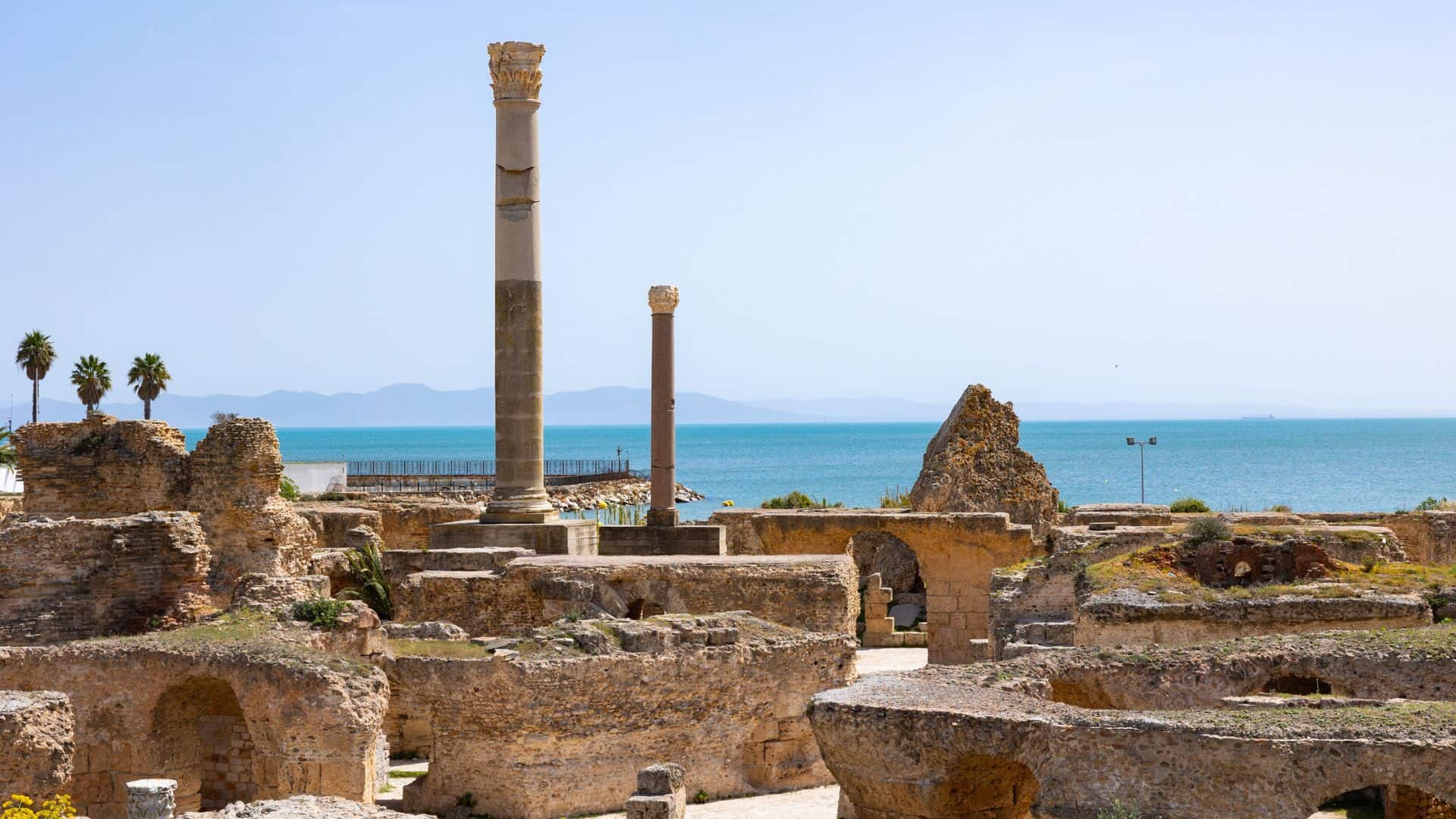
Carthage rose on the North African coast as a Phoenician colony that grew into a formidable maritime empire. Its ingeniously engineered harbors included a circular military basin ringed with docks and an outer commercial port crowded with merchant ships. From here, fleets sailed toward Sicily, Spain, and beyond, carrying metals, textiles, and grain. After epic wars with Rome, the city was destroyed and later rebuilt under Roman rule, leaving layered ruins overlooking the Gulf of Tunis. Today, fragments of quays, cisterns, and villas stand amid cypress and sea wind, recalling a port once feared and respected across the Mediterranean world.
Galle (Sri Lanka)
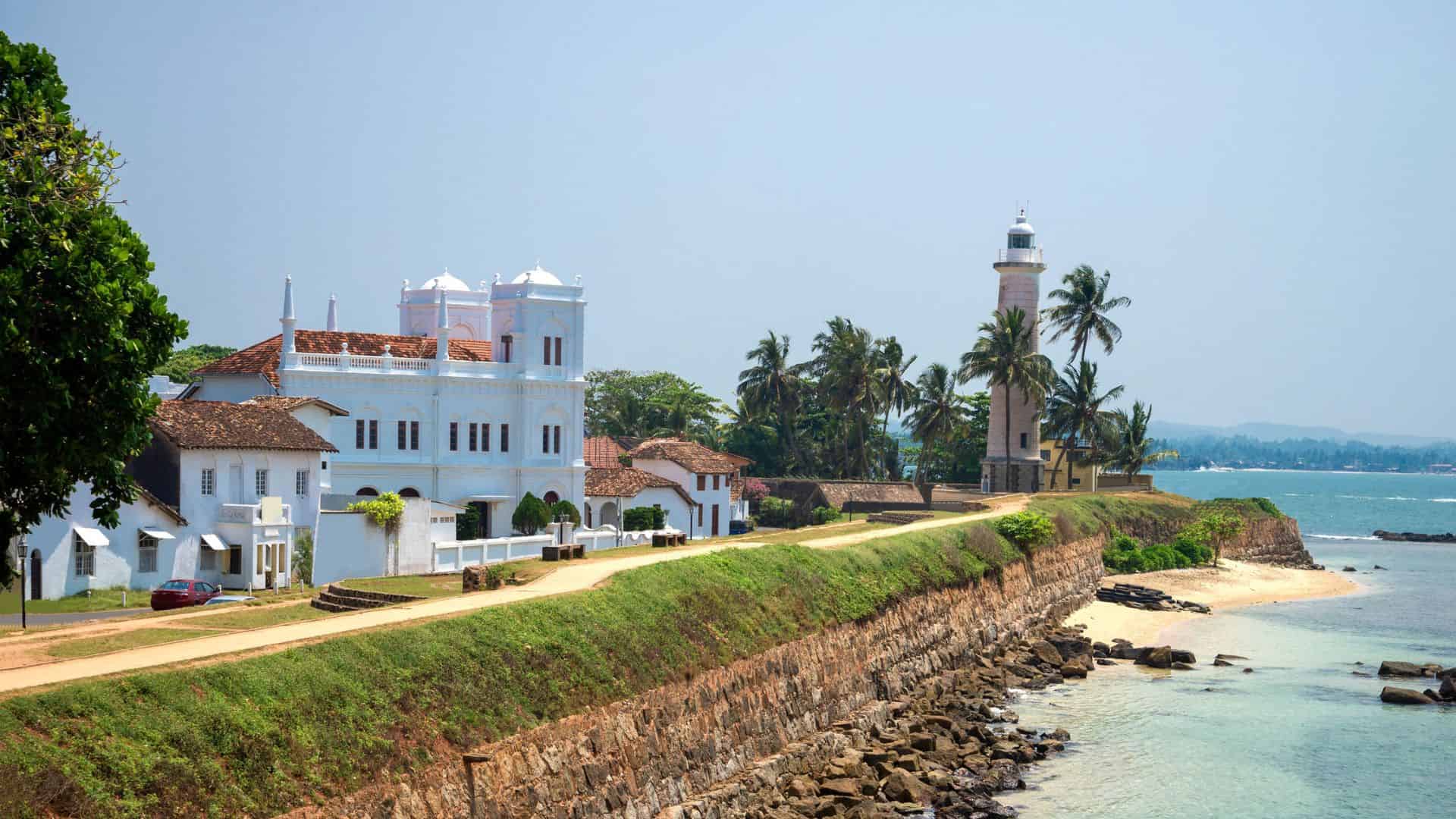
On Sri Lanka’s southern coast, a natural harbor attracted traders from Arabia, Persia, and China long before European arrival. Spices and gemstones moved through its quays, drawing successive waves of influence. Portuguese fortifications in the 16th century were later expanded by the Dutch into massive granite walls encircling streets laid out in a precise grid. Churches, mosques, and colonial houses stand within sight of the Indian Ocean, where monsoon winds once guided sailing ships across vast distances. The old lighthouse and bastions still overlook waters that shaped a port central to Indian Ocean commerce.
Jaffa (Israel)
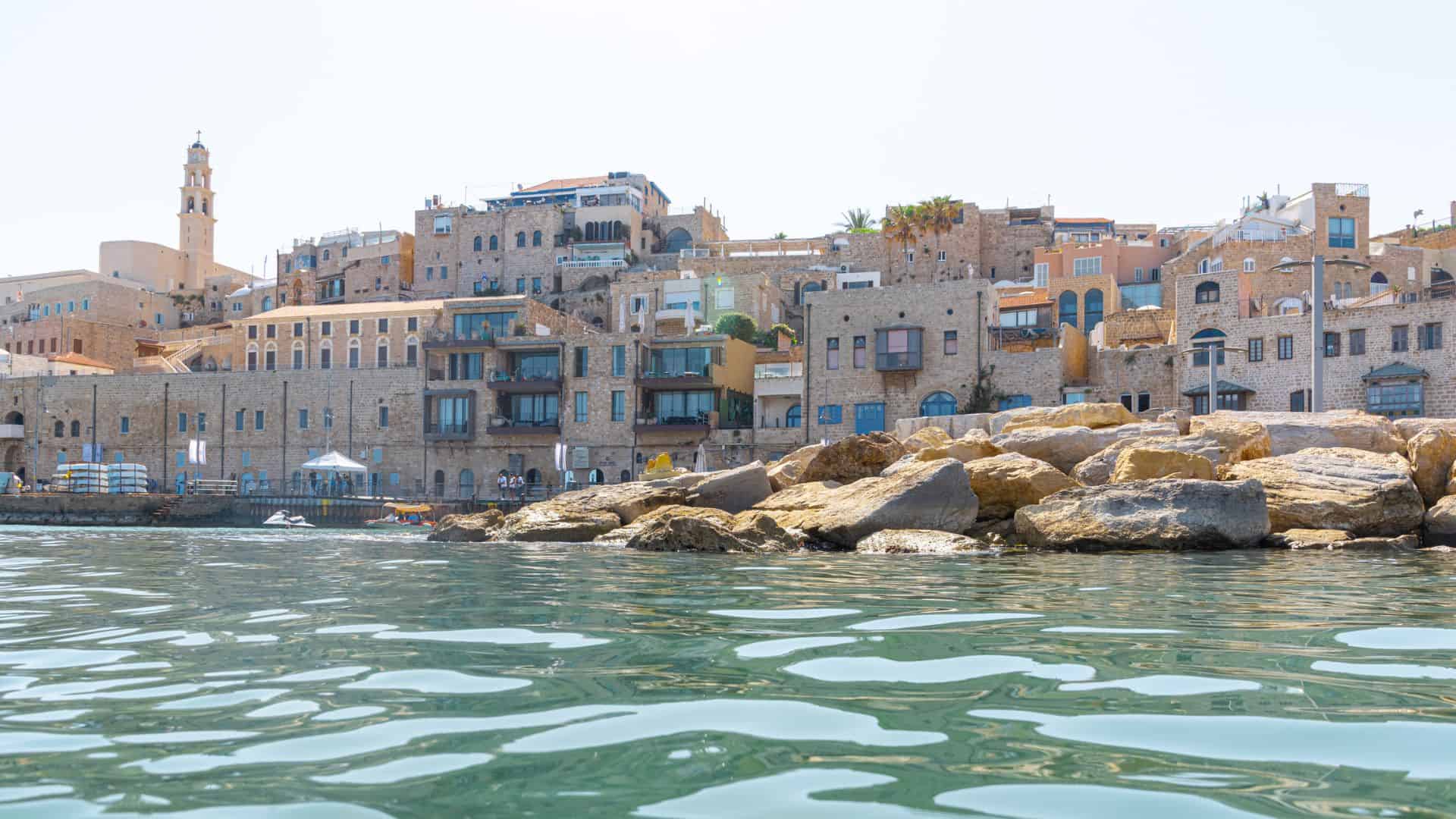
Perched on a rocky promontory along the Mediterranean, this ancient harbor has received ships for more than four thousand years. Egyptian records, biblical narratives, and classical accounts all reference its strategic anchorage. Stone quays curve around a small basin where Phoenician traders, Greek sailors, and later Ottoman merchants once moored their vessels. Narrow lanes climb toward churches, mosques, and caravanserais that reflect successive waves of rule. Though modern Tel Aviv rises nearby, fishing boats still cluster in the historic port, and sandstone buildings glow at sunset, preserving the layered character of a gateway between continents.
Dock Yourself in the Past
Ancient ports have a way of putting things in perspective. Standing by the water, you start to think about how many people passed through before you. Sailors chasing work. Traders taking risks. Families waiting on the shore. The setting may look calm now, but these places were once full of movement and ambition. The sea connected distant cultures long before planes and highways did, and you can still sense that connection today.
What I like most is how accessible this history feels. You don’t need to be an expert to appreciate it. You just walk the docks, look at the walls, and let the setting speak for itself. Some ports are polished, others rough around the edges, but all of them carry stories shaped by wind and water. If you ever get the chance to visit one, take it. It’s a great way to see how the past still lives along the shoreline.
14 Ancient Ruins That Are Even More Impressive Than the Pyramids
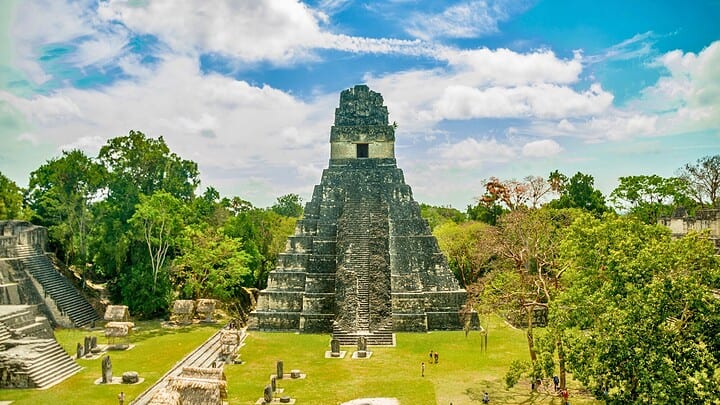
People talk about the pyramids like nothing else compares. They are great, sure, but history is crowded with bold places that still hold up. Long before modern tools, people planned cities, carved stone, and shaped land with patience and nerve. These 14 ancient ruins that are more impressive than the pyramids show how real people lived, ruled, argued, and adapted.
Read More Here: 14 Ancient Ruins That Are Even More Impressive Than the Pyramids
11 Places Around the World Where Ancient Traditions Still Thrive

Some places in the world hold onto traditions that have been practiced for hundreds, sometimes thousands, of years. These aren’t just stories from the past—they are ways of life that people still follow every day. In particular, there are 11 places where ancient traditions are still practiced today. Seeing these customs in action can give you a fresh perspective on how culture shapes identity and keeps communities strong.
Read More Here: 11 Places Around the World Where Ancient Traditions Still Thrive



Leave a Reply