
Water changes how a city feels. Streets slow down, views open up, and daily life moves at a calmer pace. Canal cities pull you in without trying too hard. You walk farther, stop longer, and notice details you would normally miss. Boats pass instead of cars. In particular, these 13 canal cities are great for wandering, sitting near the edge, or crossing the same bridge twice just to see it again.
Some canals feel polished and planned. Others feel lived-in and practical. What matters is how water shapes movement and mood. It guides where people meet, pause, and head next. This article looks at canal cities that feel real, not staged. Water is not decoration here. It is part of the daily routine. These places are perfect for slow travel, casual walks, and moments that stay with you after you leave behind you.
Venice
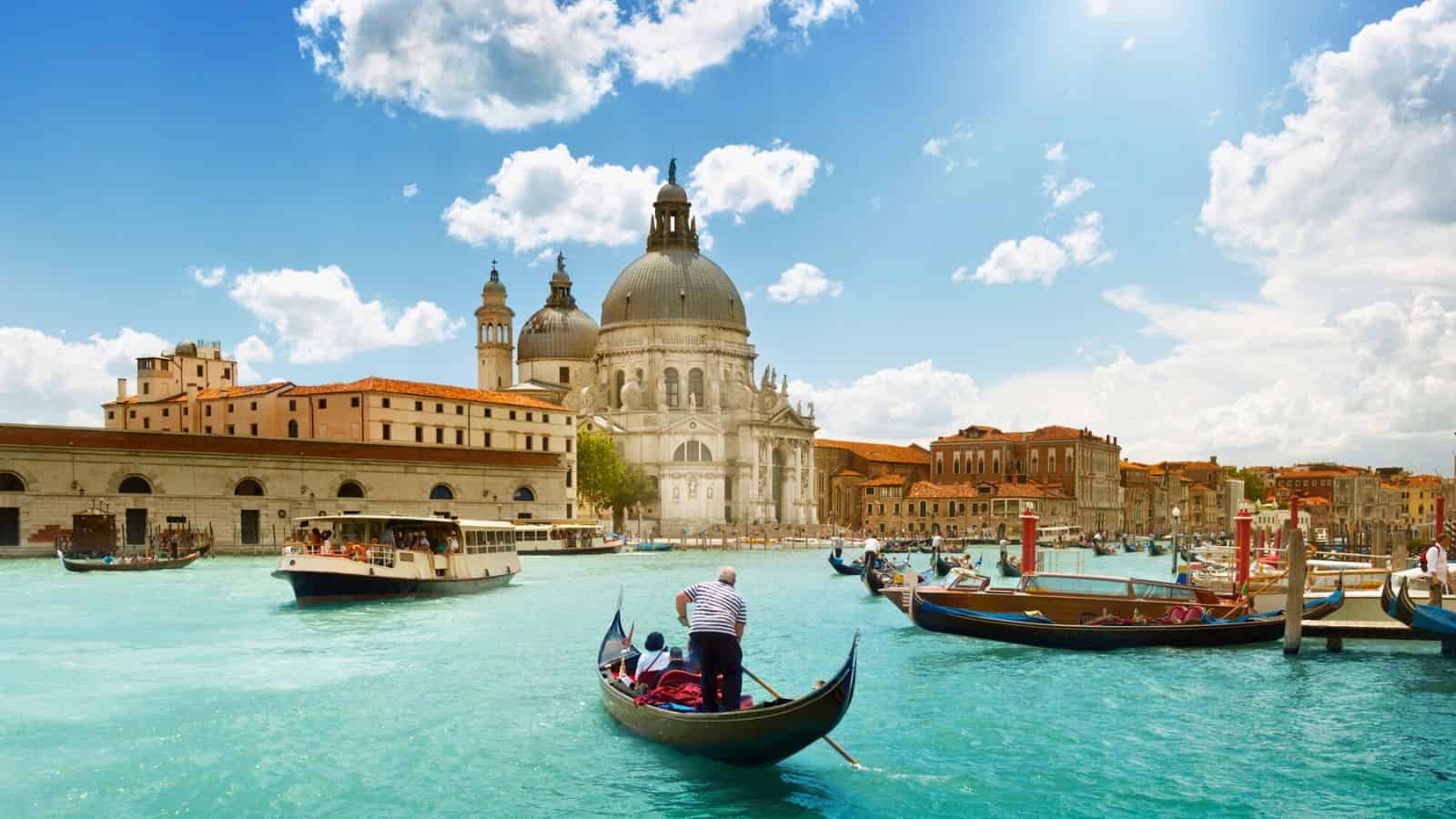
Venice rises from a lagoon as a labyrinth of canals, bridges, and stone facades shaped by centuries of maritime power. The Grand Canal curves through the city like a living corridor, bordered by palaces reflecting Byzantine, Gothic, and Renaissance artistry. Narrow waterways replace streets, guiding gondolas beneath low arches and past hidden courtyards. Light shifts constantly on the water, transforming colors and textures throughout the day. Churches, museums, and quiet squares appear unexpectedly, rewarding slow exploration. Venice feels timeless, theatrical, and deeply connected to the rhythms of tides, history, and craftsmanship that shape local identity and daily movement today here.
Amsterdam

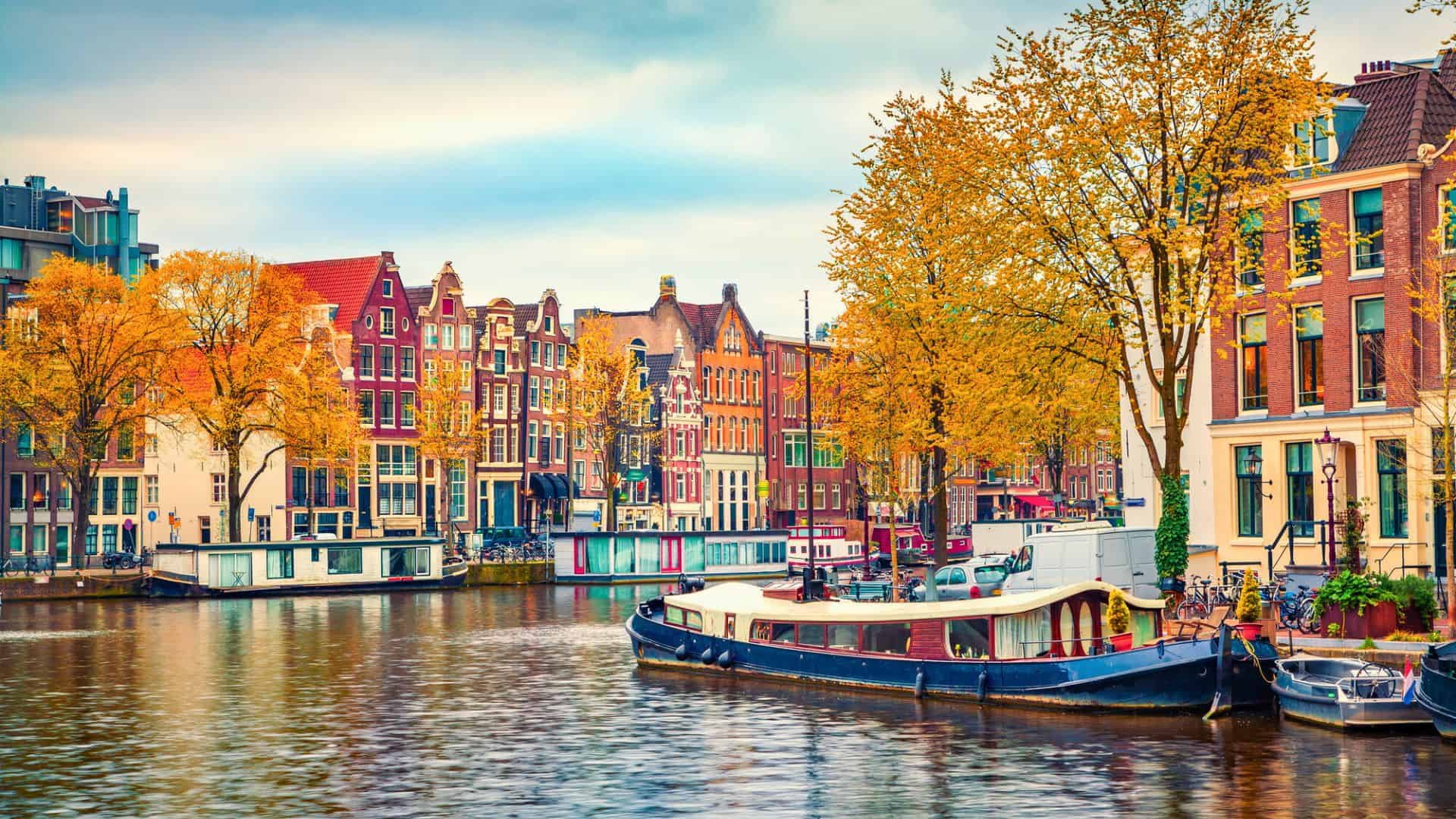
Amsterdam is defined by concentric canals engineered during the Dutch Golden Age, forming a precise yet graceful urban pattern. Tall, narrow houses lean toward the water, their gabled roofs reflecting prosperity built on trade and navigation. Houseboats line the canals, adding lived-in character beside bicycles and tree-lined quays. Bridges frame constant motion, from boats gliding below to pedestrians crossing above. Museums, markets, and historic neighborhoods sit close together, encouraging exploration at an unhurried pace. Water manages space, movement, and perspective, giving Amsterdam a calm rhythm balanced by creativity, tolerance, and everyday life shaped by history and forward-looking urban values today.
Bruges
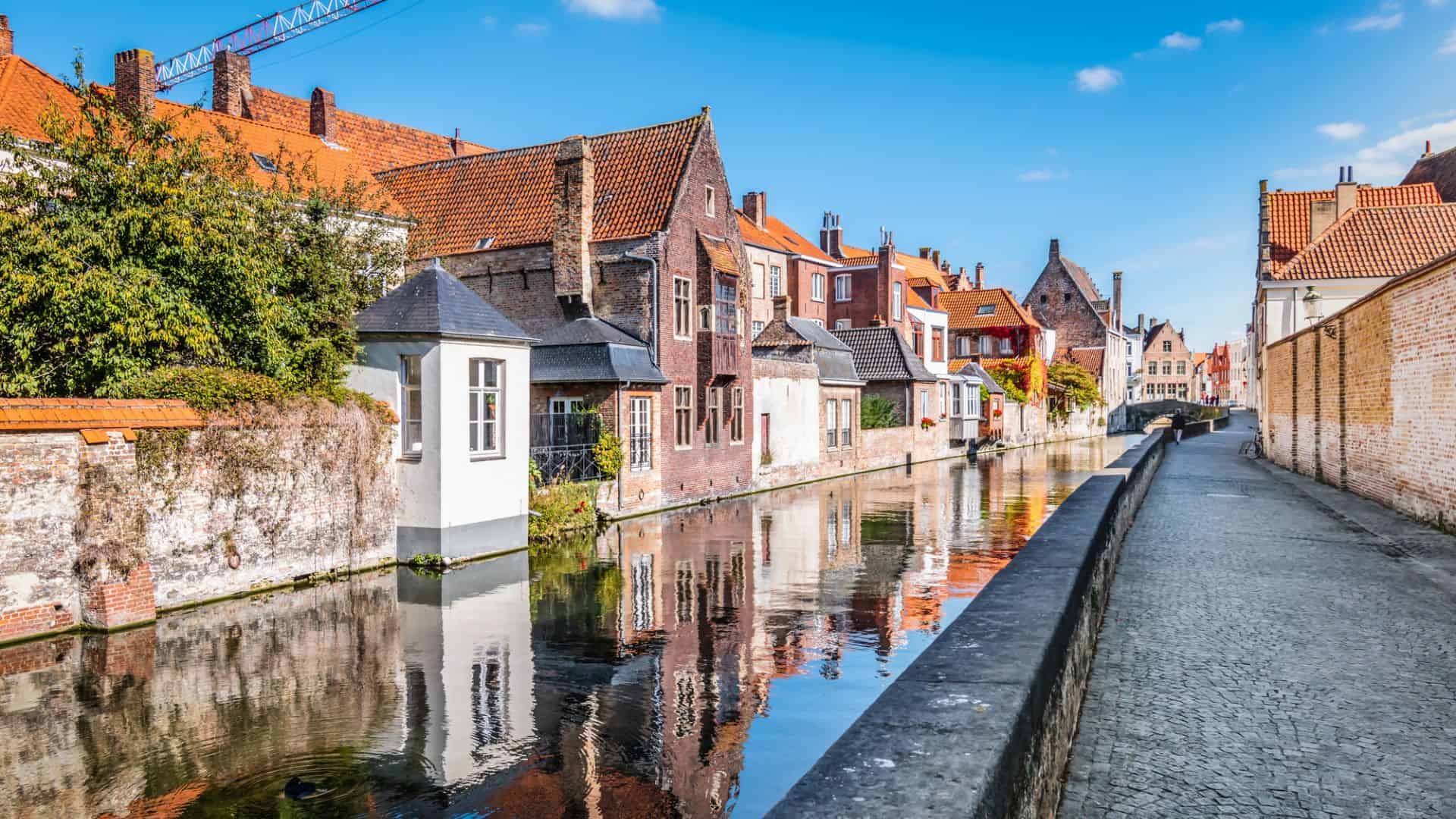
Bruges feels preserved in time, with medieval streets tracing canals that once powered trade and wealth. Stone bridges cross still water reflecting stepped gables, church towers, and lace-like details carved into old buildings. The compact historic center encourages walking, where every turn reveals intimate squares and quiet passages. Canals soften the city’s structure, slowing movement and heightening visual harmony. Bells from the Belfry mark passing hours, reinforcing a sense of continuity. Bruges carries a storybook atmosphere rooted in craftsmanship, devotion, and civic pride, shaped carefully across centuries that remains visible in daily rituals, architecture, and local traditions today, still, vividly.
St. Petersburg

St. Petersburg was conceived as an imperial capital, planned around rivers and canals to mirror European grandeur. The Neva River and its branches cut through broad avenues, linking palaces, cathedrals, and cultural institutions. Elegant embankments frame pastel facades, iron railings, and monumental bridges. Seasonal light transforms the city, from long summer evenings to icy winter reflections. Waterways guide sightlines toward landmarks like the Winter Palace and Peter and Paul Fortress. The city’s canals express ambition, discipline, and artistic vision, uniting power, art, and urban design within a carefully structured landscape shaped by history, authority, resilience, and culture across generations.
Giethoorn
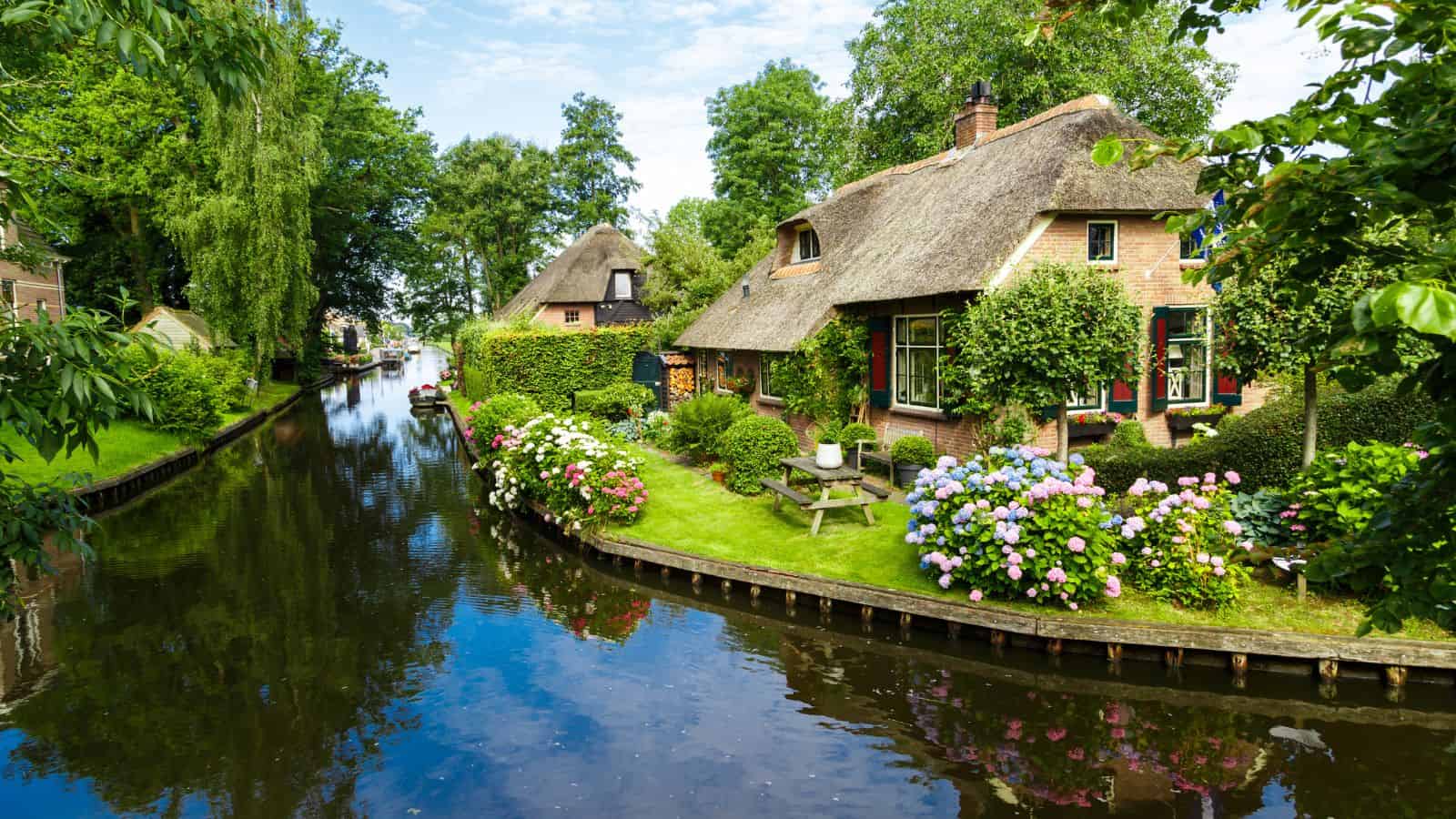
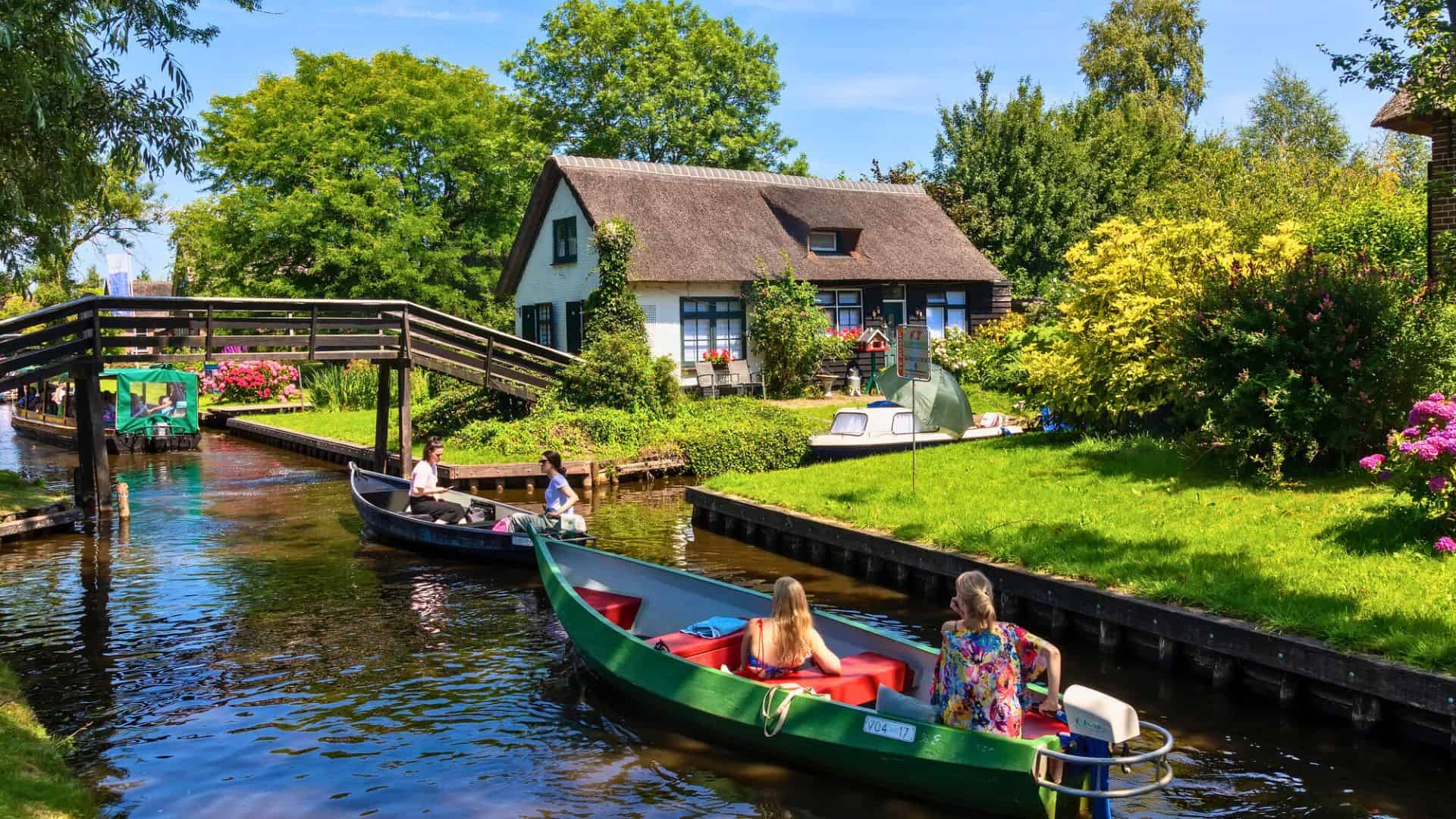
Giethoorn is a quiet village where canals replace roads, shaping daily movement by water rather than traffic. Narrow waterways pass beneath arched wooden bridges connecting thatched-roof farmhouses and gardens. Boats glide silently, preserving a sense of calm tied to the rural landscape. The village developed around peat extraction, leaving long plots and linear canals still visible today. Seasonal changes alter reflections, from spring greenery to winter frost. Giethoorn’s scale encourages patience and observation, allowing visitors to notice birds, flowers, and subtle details woven into village life along waterways that define community, heritage, rhythm, and continuity across time, quietly, gently, enduring.
Stockholm
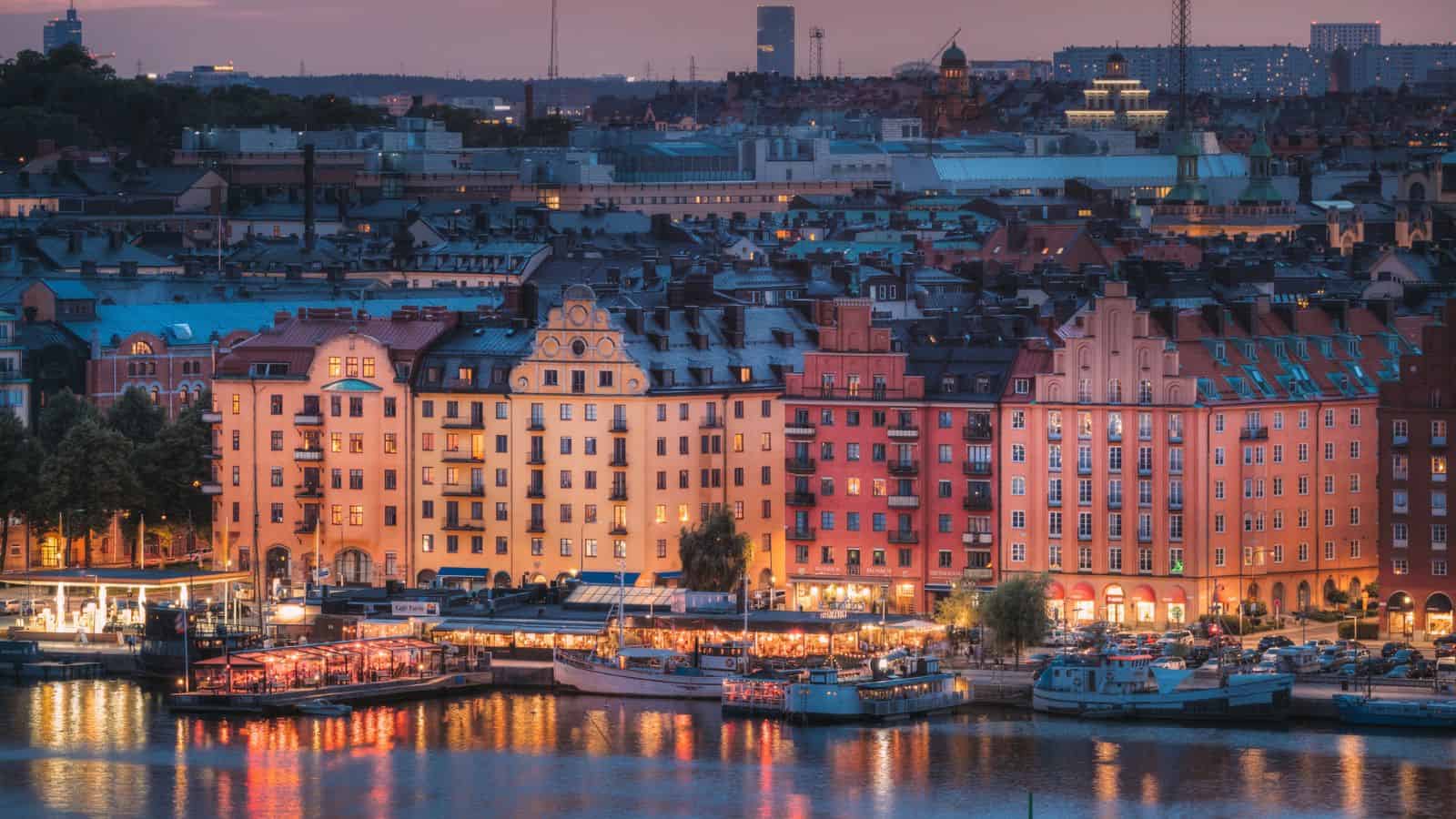
Stockholm spreads across islands where canals and open water shape daily life and long views. The city connects Lake Mälaren with the Baltic Sea, creating constant interaction between fresh and salt water. Stone quays, ferries, and bridges link historic Gamla Stan with modern districts. Reflections of pastel buildings, spires, and contemporary design shift with the northern light. Parks and shorelines remain close to the urban core, reinforcing the balance between nature and architecture. The waterways guide movement, climate, and culture, defining Stockholm as a capital shaped by navigation, craftsmanship, and a strong relationship with land, sea, and seasonal change throughout the year, visibly and quietly present.
Suzhou
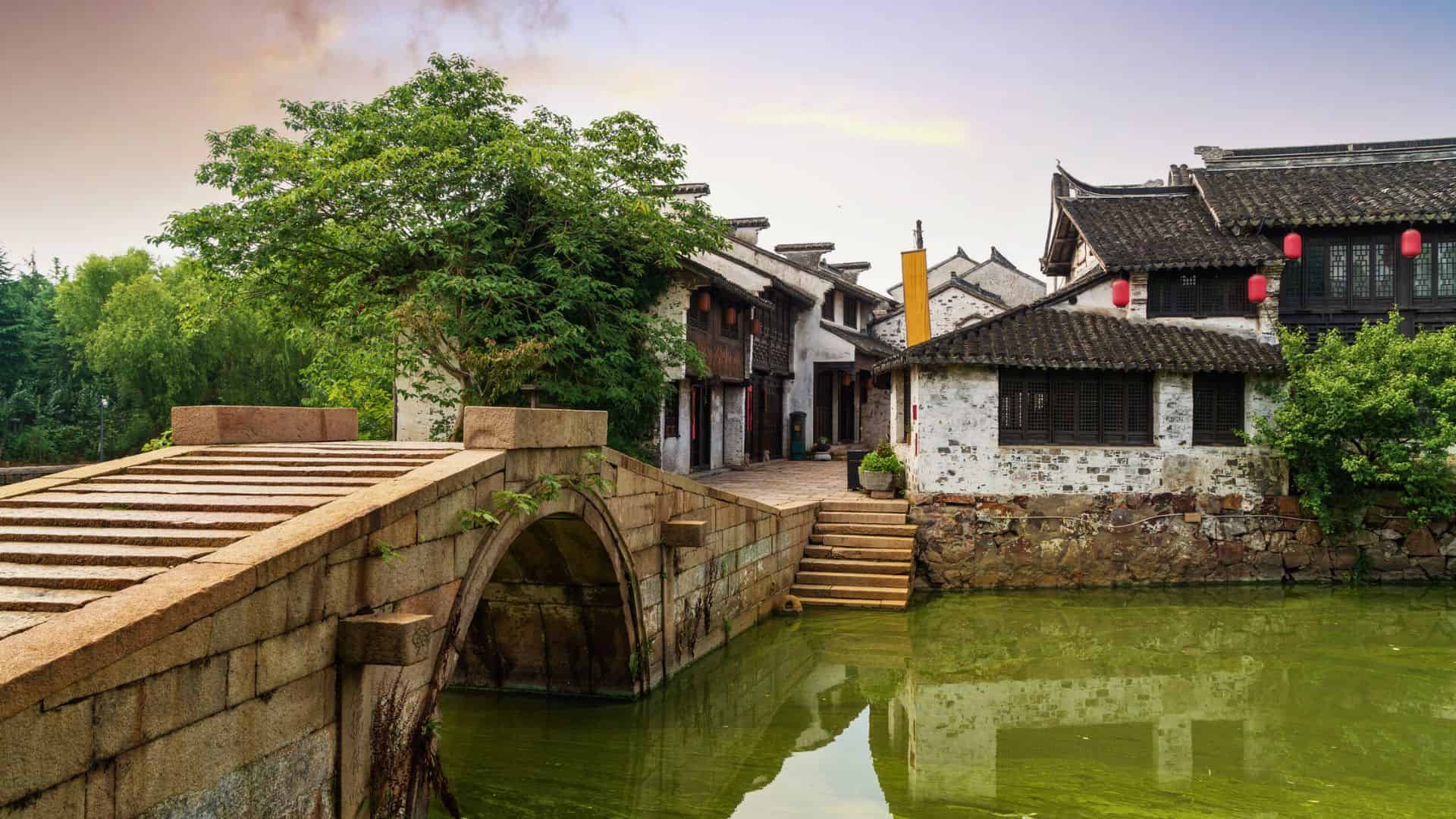
Suzhou developed along an intricate network of canals that supported trade, transport, and refined urban life for centuries. Arched stone bridges cross narrow waterways lined with whitewashed houses and tiled roofs. Classical gardens sit close to the canals, framing views with rocks, trees, and carefully placed pavilions. Daily routines unfold beside the water, from morning markets to evening walks. The canal system organizes neighborhoods and preserves historical patterns despite modern growth nearby. Suzhou’s waterways express balance, order, and cultural continuity, linking architecture, landscape, and philosophy through a living system shaped by careful planning, aesthetics, and respect for inherited forms that continue to guide city life today, steadily and visibly.
Copenhagen

Copenhagen’s canals form social corridors where historic structures meet contemporary urban life. Nyhavn’s colorful facades face the water, recalling a working harbor transformed over time. Elsewhere, canals cut through residential districts, cultural centers, and redeveloped docks. Kayaks, ferries, and pedestrians share the same visual space, creating constant movement without crowding. The water reflects clean lines, restrained materials, and human-scaled design. Canals support sustainability, mobility, and public gathering, shaping how residents move and interact. Copenhagen’s relationship with water feels practical and forward-looking, rooted in maritime history while embracing innovation, civic planning, and everyday connection between neighborhoods, workplaces, and shared public space along the waterfront.
Want to save this?
Annecy
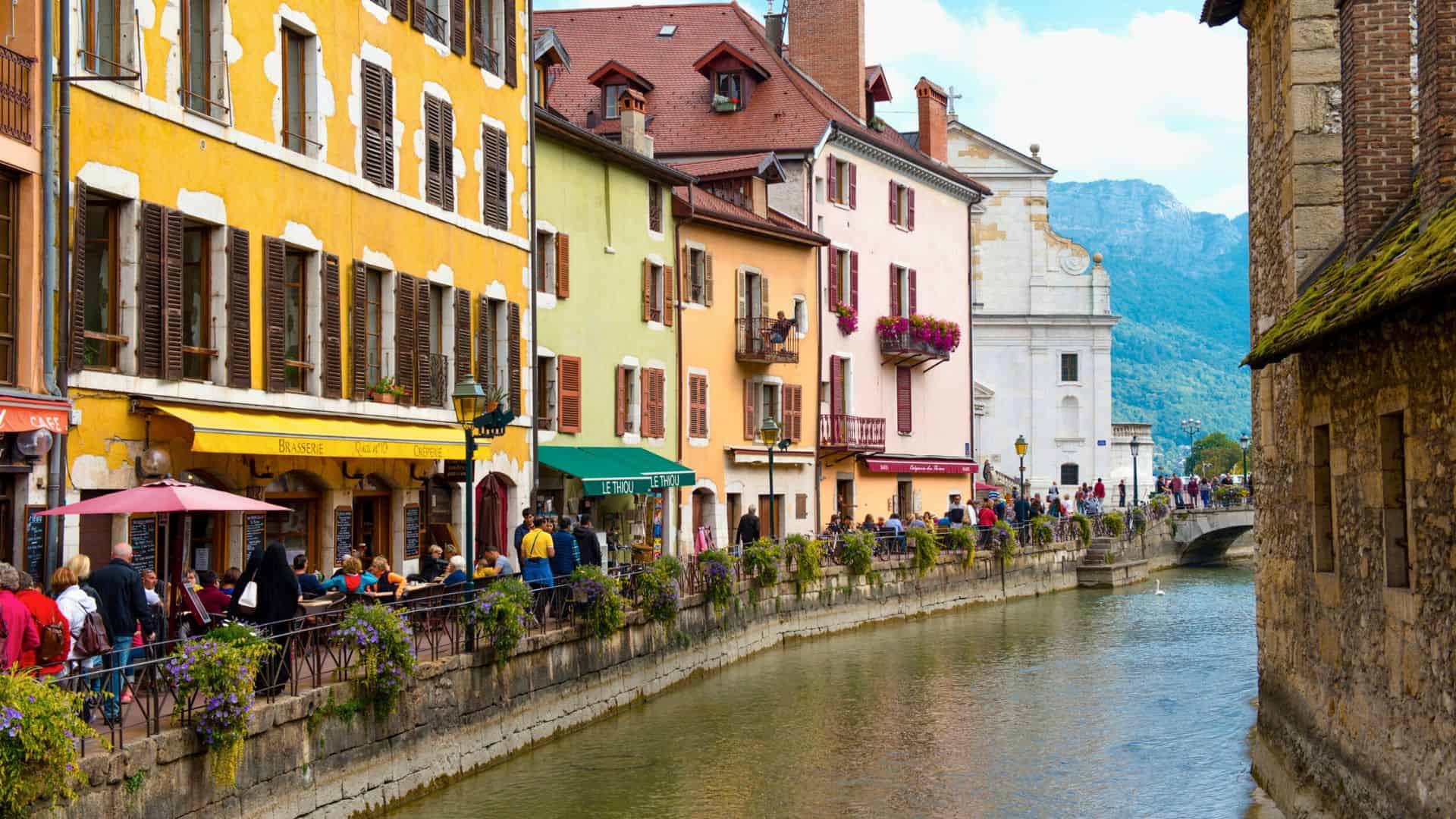
Annecy sits between mountains and a clear alpine lake, with canals threading through its old town. These narrow waterways carry water from the lake past arcaded streets, pastel buildings, and flower-lined bridges. Stone channels soften the medieval layout, guiding foot traffic and framing scenic views. The surrounding landscape influences the city’s character, combining alpine air with refined urban detail. Reflections of castles, rooftops, and peaks shift throughout the day. Annecy’s canals connect natural and built environments, reinforcing harmony between geography and settlement. The city feels carefully scaled and visually coherent, shaped by water flow, historical defense, and long-standing attention to beauty, proportion, and daily rhythm sustained across generations.
Hamburg
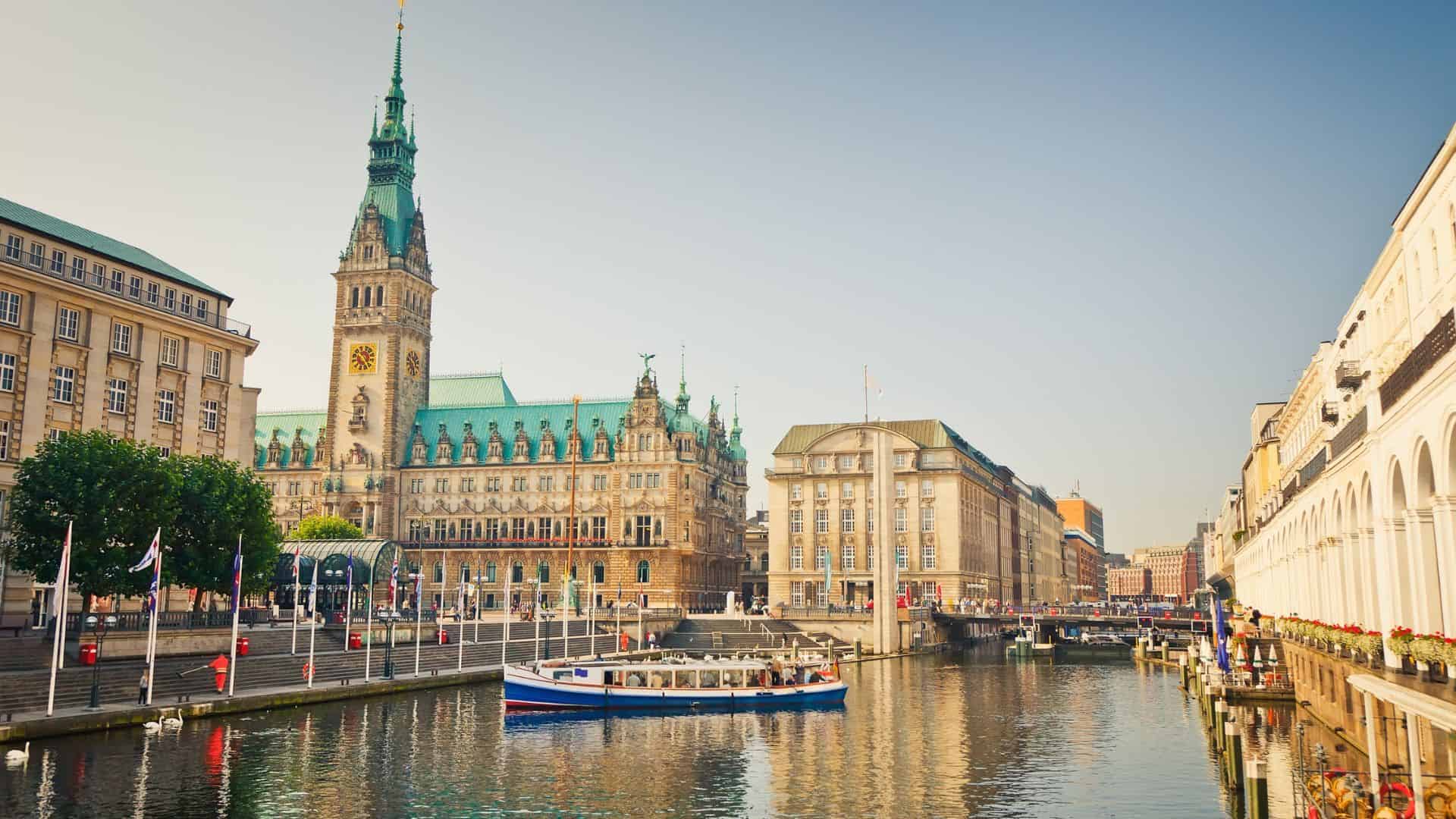
Hamburg is shaped by water on a grand scale, where canals intersect with the Elbe River and a vast working harbor. Historic Speicherstadt warehouses rise from narrow waterways, their brick facades reflected in the calm surface below. Modern districts like HafenCity extend this relationship, combining glass architecture with broad promenades. Bridges appear everywhere, linking neighborhoods and viewpoints. The canals structure commerce, transport, and urban identity, tying maritime heritage to contemporary life. Water defines Hamburg’s sense of openness and momentum, guiding trade, culture, and daily movement while reinforcing its role as a gateway between inland Europe and the sea, marked by resilience, engineering, and constant motion through time.
Bangkok
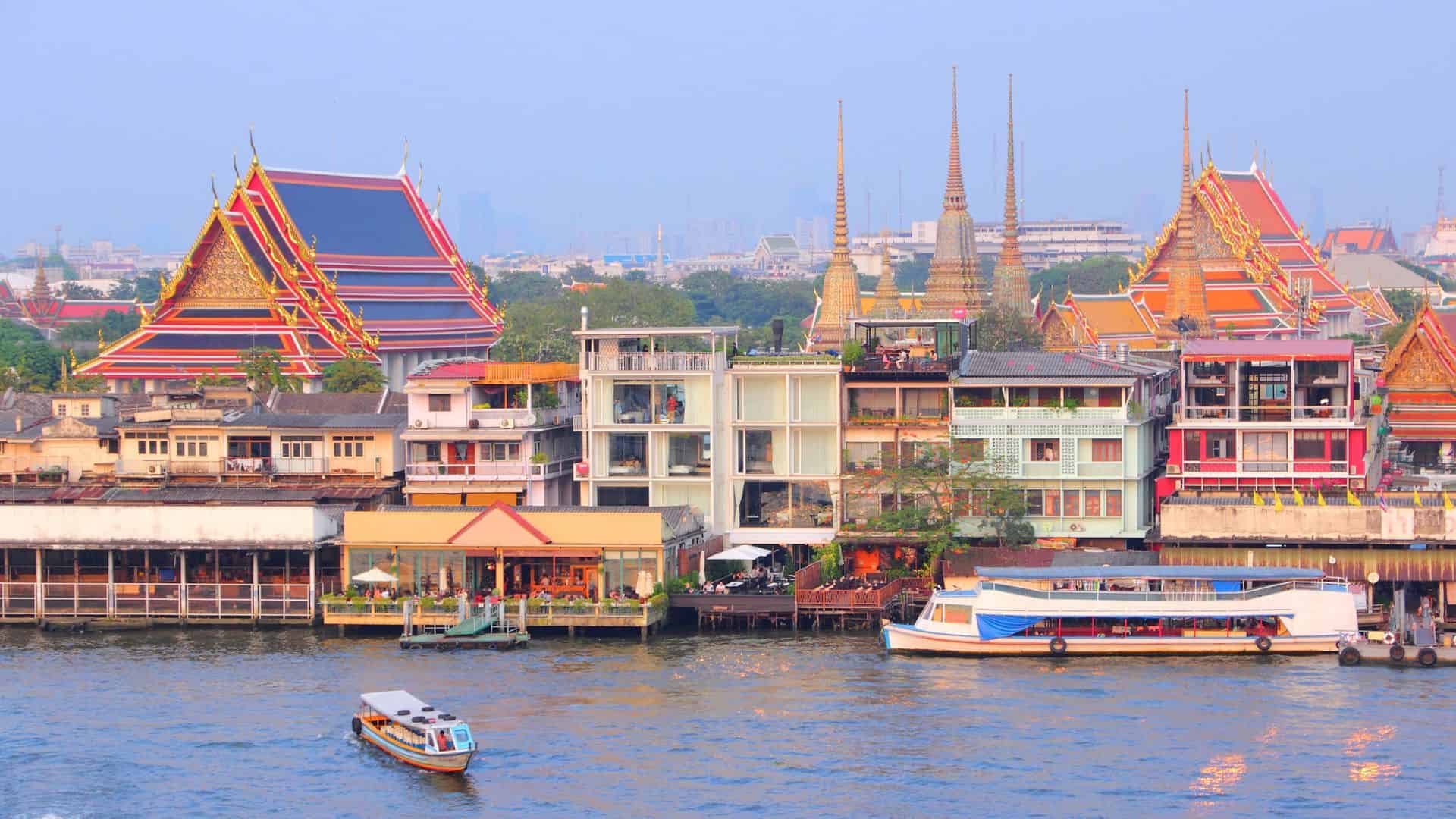
Bangkok’s canals, known as khlongs, reveal an older rhythm beneath the modern skyline. These waterways once formed the city’s primary transport network, linking temples, homes, and markets. Wooden houses on stilts line quieter canals, while boats still move goods and people through narrow passages. Life unfolds close to the water, shaped by tides, seasons, and monsoon rains. The canals contrast with busy roads nearby, highlighting layers of history within the city. Bangkok’s khlongs express adaptation and continuity, showing how water management, spiritual practice, and community life remain interconnected within a fast-changing urban environment rooted in tradition and daily necessity across generations and neighborhoods.
Colmar
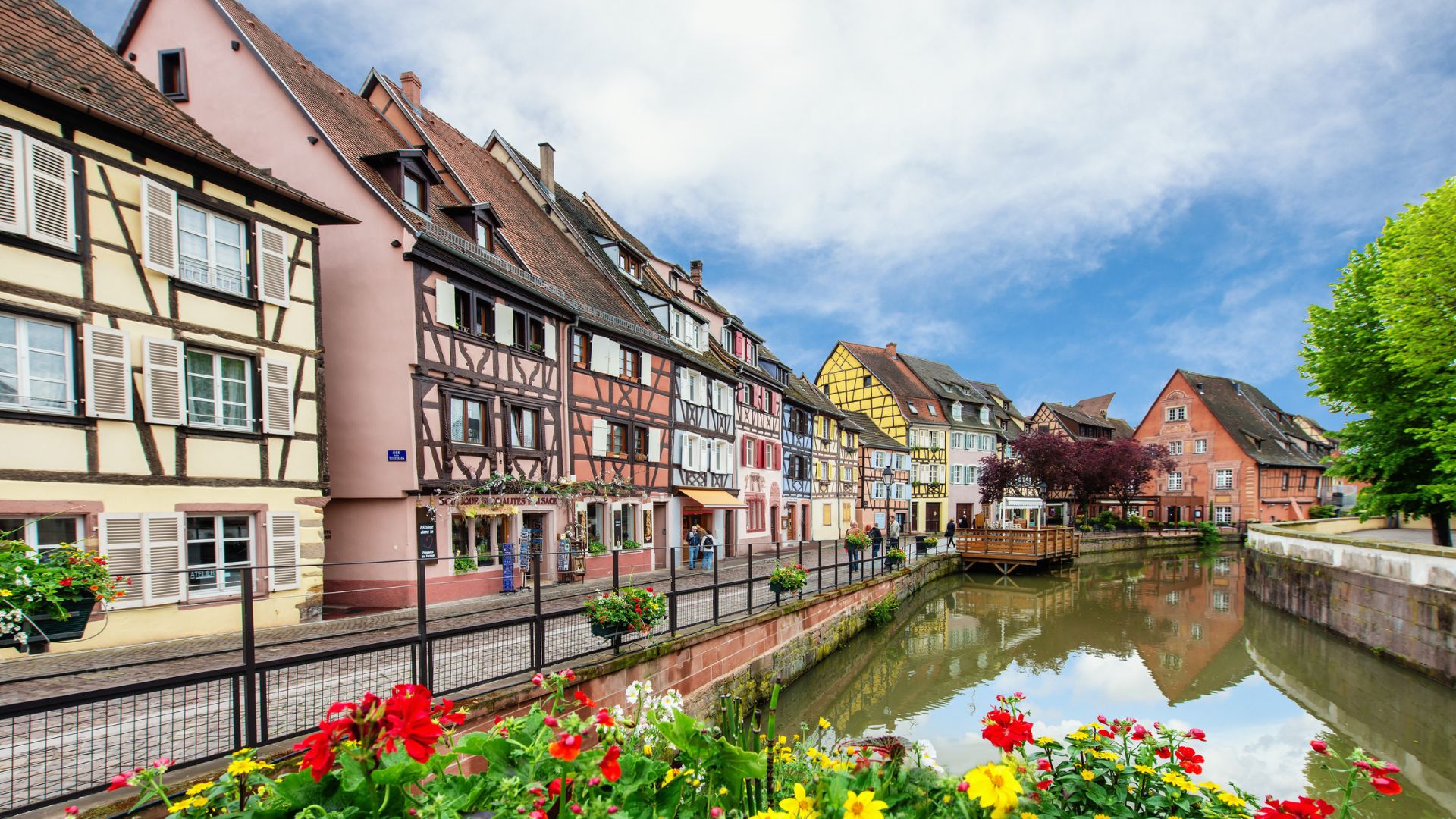
Colmar’s canals wind gently through a compact old town defined by half-timbered houses and Alsatian character. In the area known as Little Venice, pastel facades face narrow waterways bordered by flowers and stone embankments. The canals follow historic trade routes, softening the geometry of streets and enhancing visual rhythm. Reflections create painterly scenes that change with light and season. Despite its small scale, the canal system shapes movement and perspective, drawing attention to architectural detail. Colmar’s waterways reinforce a sense of continuity between medieval planning and present-day life, preserving regional identity through careful maintenance, craftsmanship, and respect for historical form expressed in everyday surroundings.
Utrecht
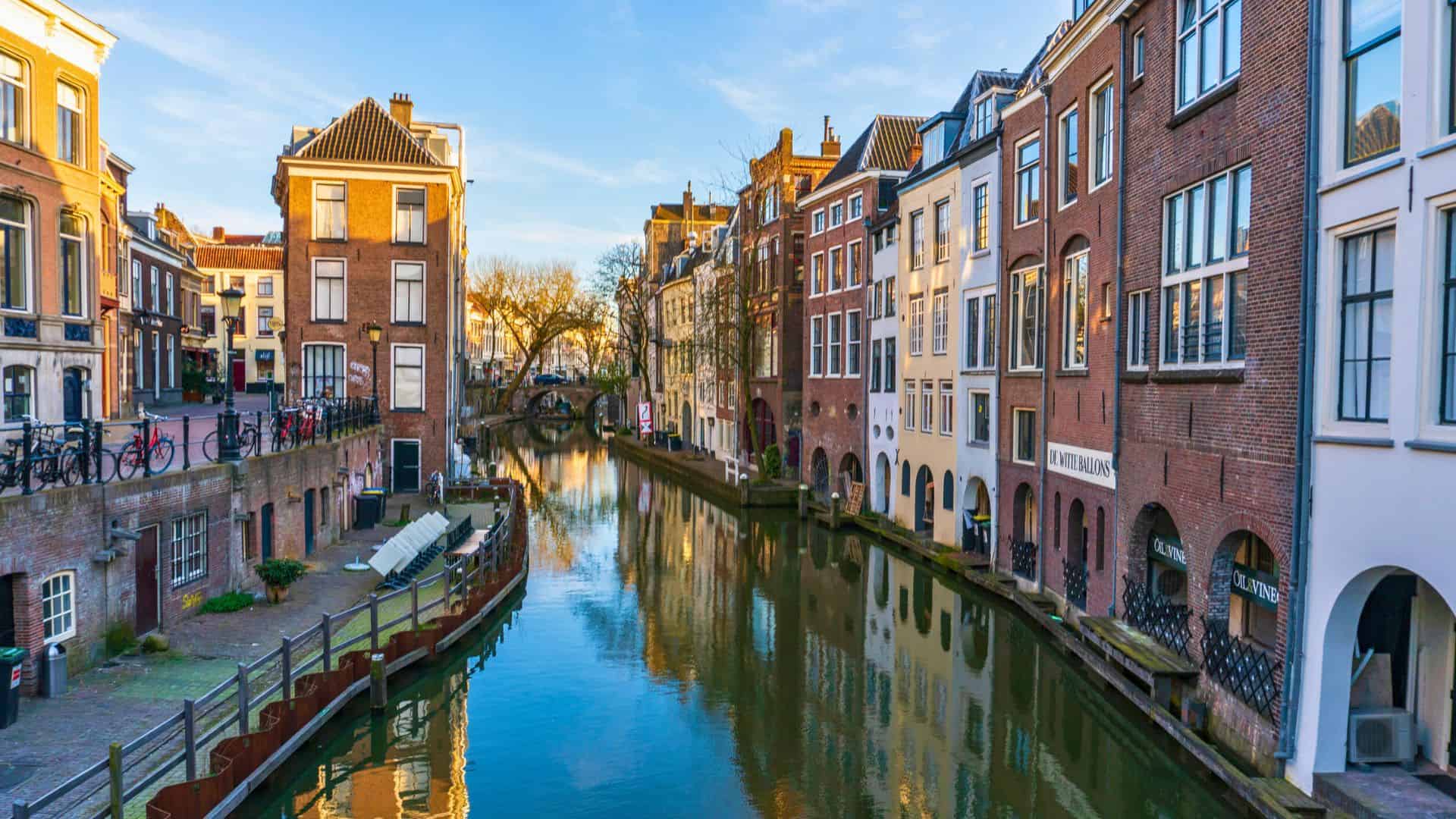
Utrecht’s canals differ from others through their distinctive sunken wharves, where walkways sit below street level beside the water. These canals once supported trade directly from boats to cellars, shaping the city’s commercial heart. Today, the layered structure creates intimate spaces framed by medieval buildings and church towers. Curved canal lines guide the eye through the historic center, linking neighborhoods and gathering spots. The Dom Tower rises as a constant reference point above the waterways. Utrecht’s canals express practicality and continuity, reflecting centuries of urban adaptation. Water remains central to movement, social life, and spatial organization, maintaining a strong connection between past infrastructure and present-day urban living.
Go With the Flow
Canal cities stay with you because they move at a human pace. Water slows things down and gives space to think, walk, and look around. You notice how cities change when streets are shared with boats and reflections replace traffic noise. These places feel great for wandering without a plan and letting the day shape itself. Life unfolds near the water in simple, everyday ways that feel honest and grounded.
What connects all these cities is how naturally water fits into daily routine. It guides movement, shapes neighborhoods, and creates moments of calm in busy places. Some canals feel historic, others feel modern, but all of them shape how people live and connect. These cities are perfect reminders that beauty does not need to shout. Sometimes it just flows quietly through the middle of town and lets everything else fall into place.
13 Incredible Modern-day Silk Road Cities You Can Visit Today
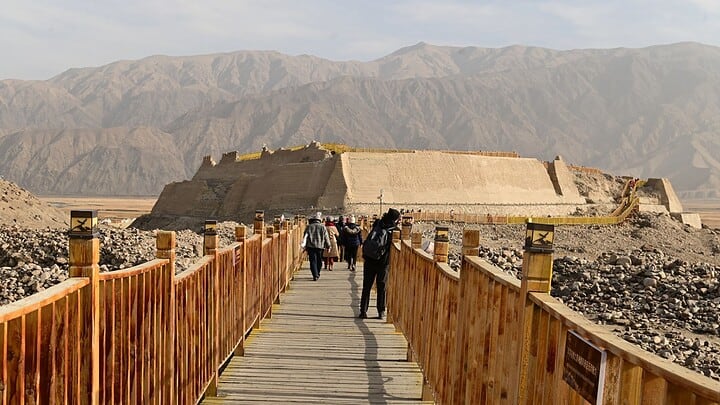
The Silk Road wasn’t just history. It was daily life in motion. Traders, travelers, and storytellers moved across deserts and mountains, stopping in cities that grew strong because people needed places to rest, trade, and connect. Many of those cities never disappeared; they simply adapted. Today, you can still walk through these 13 silk road cities and feel how past and present sit side by side.
Read More Here: 13 Incredible Modern-day Silk Road Cities You Can Visit Today
12 Cities Travelers Say Are So Much Better on the Second Visit
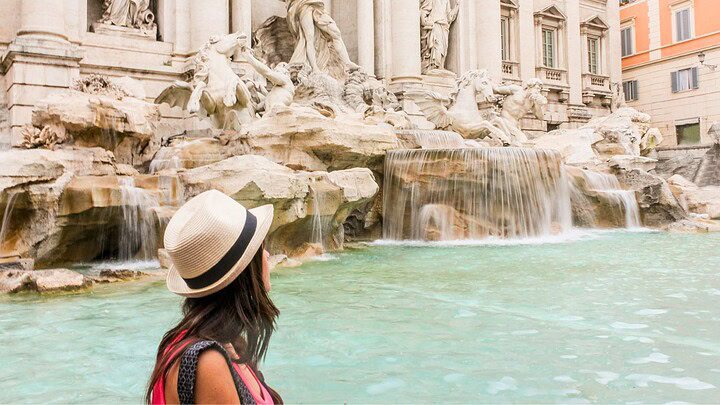
Some places don’t really click the first time. You’re busy figuring things out, sticking to maps, and checking boxes. Then you leave thinking it was fine, maybe even great, but not life-changing. That’s why I've made a list of 12 cities that are better on the second visit. Suddenly, things feel different. The pressure is gone, and the city starts to make sense.
Read More Here: 12 Cities Travelers Say Are So Much Better on the Second Visit



Leave a Reply