
Some places make you slow down without trying. University campuses can do that in a quiet, natural way. You might arrive expecting classrooms and libraries, then find yourself lingering on a path, staring at an old building, or sitting longer than planned. These 12 university campuses feel lived in, thoughtful, and grounded. They carry stories, daily routines, and a sense of purpose that goes beyond academics.
This article is about campuses that feel great to walk through, even if you’re not a student. Places where design, setting, and history work together without trying too hard. They’re perfect stops when you’re traveling, stretching your legs, or just curious about how learning shapes a place. No rush here. Just space to wander, look around, and take it in. If you enjoy places that feel real, balanced, and quietly impressive, you’re in the right spot.

University of Salamanca (Spain)
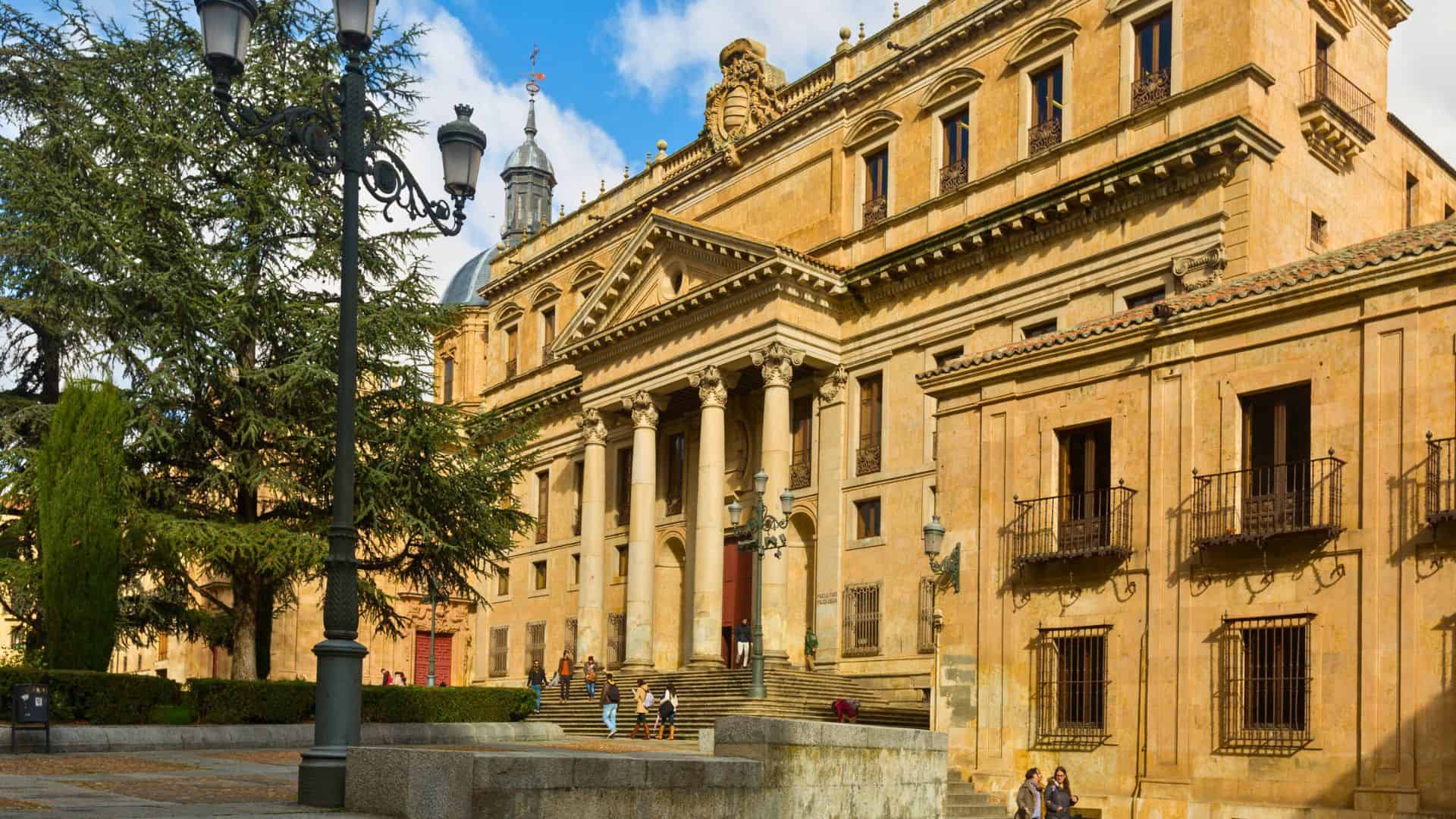
Golden sandstone defines the visual character of this historic academic center, glowing softly under the Castilian sun. Elaborate façades, carved reliefs, and symbolic figures reward close attention, especially at the famed Plateresque entrance. Courtyards enclosed by thick stone walls create intimate gathering spaces that echo with conversation and footsteps. At night, illuminated buildings transform the area into a dramatic urban scene. The university’s presence shapes the city itself, with lecture halls, libraries, and plazas woven tightly into daily life, reinforcing a sense of continuity between scholarship and centuries-old tradition.
University of Bologna (Italy)
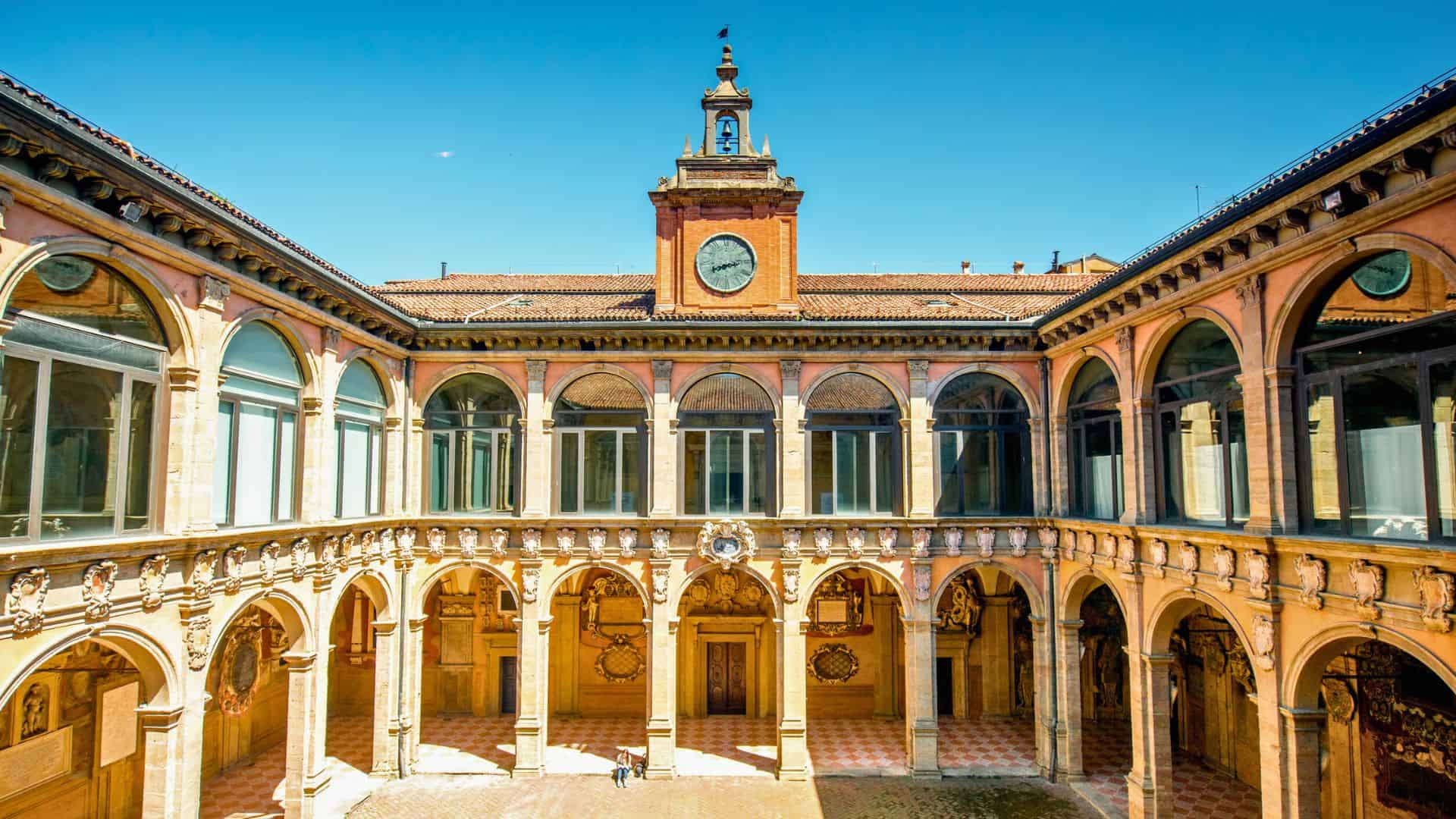
The University of Bologna weaves itself into the fabric of the city, with academic buildings scattered among historic streets and piazzas. Terracotta walls, wooden ceilings, and endless porticoes create continuity across neighborhoods. Covered walkways shelter pedestrians while drawing the eye toward frescoes, arches, and courtyards hidden behind heavy doors. The Archiginnasio stands as a symbol of academic heritage, its halls lined with coats of arms and carved details. Rather than existing apart from daily life, the campus thrives as an integral part of an ancient urban setting.
University of Cape Town (South Africa)
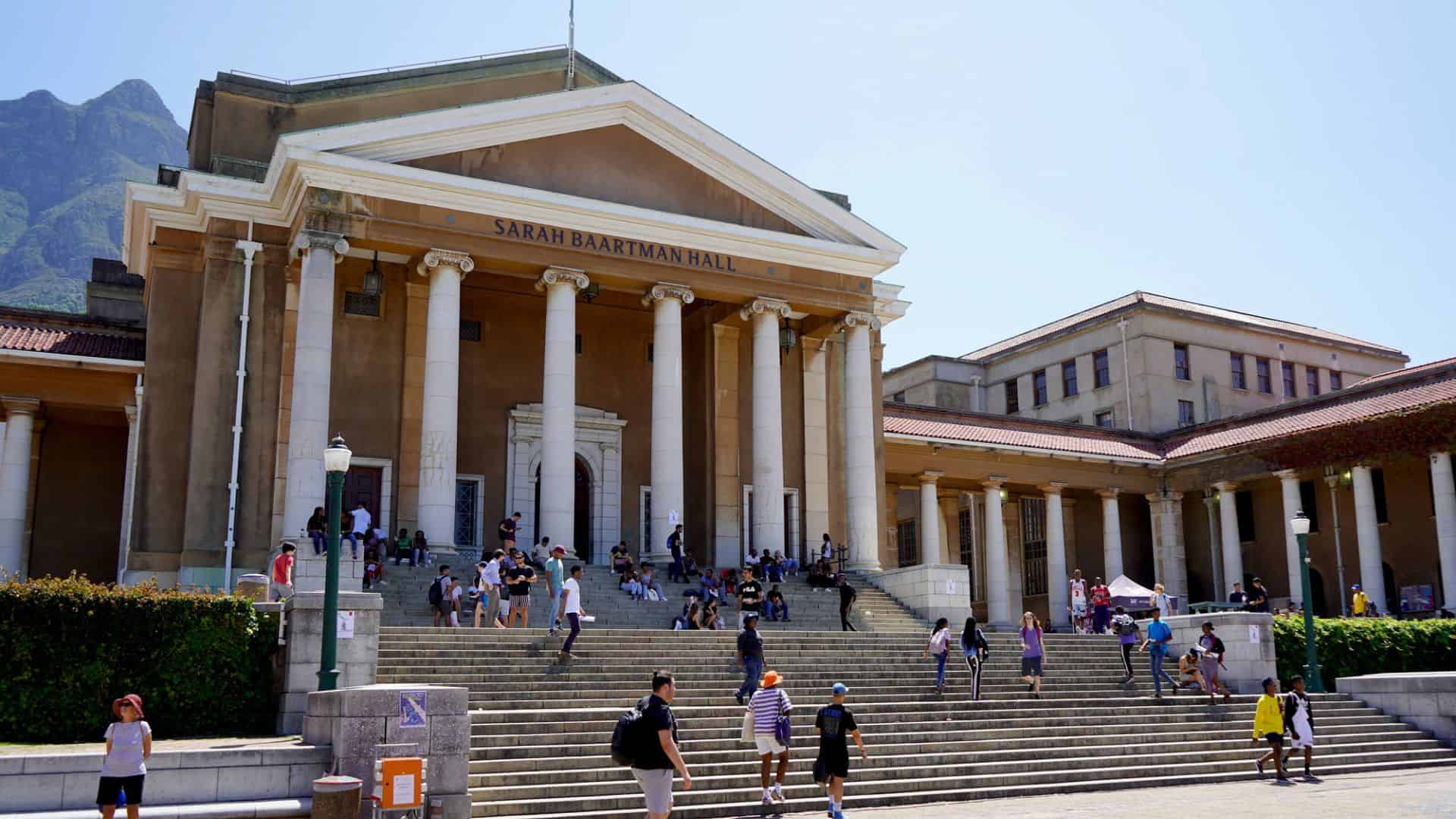
Set dramatically against Table Mountain, the University of Cape Town commands sweeping views across Cape Town and the Atlantic coastline. Neoclassical buildings line terraced lawns, with stone steps guiding movement between levels. The mountain’s changing light casts shifting shadows across the campus throughout the day. Indigenous plants and open vistas connect academic spaces directly to the surrounding environment. Architecture feels monumental without overpowering the landscape. The result is a campus shaped by geography, where lectures unfold beneath towering cliffs and study breaks come with panoramic scenery rarely matched elsewhere.
Peking University (China)
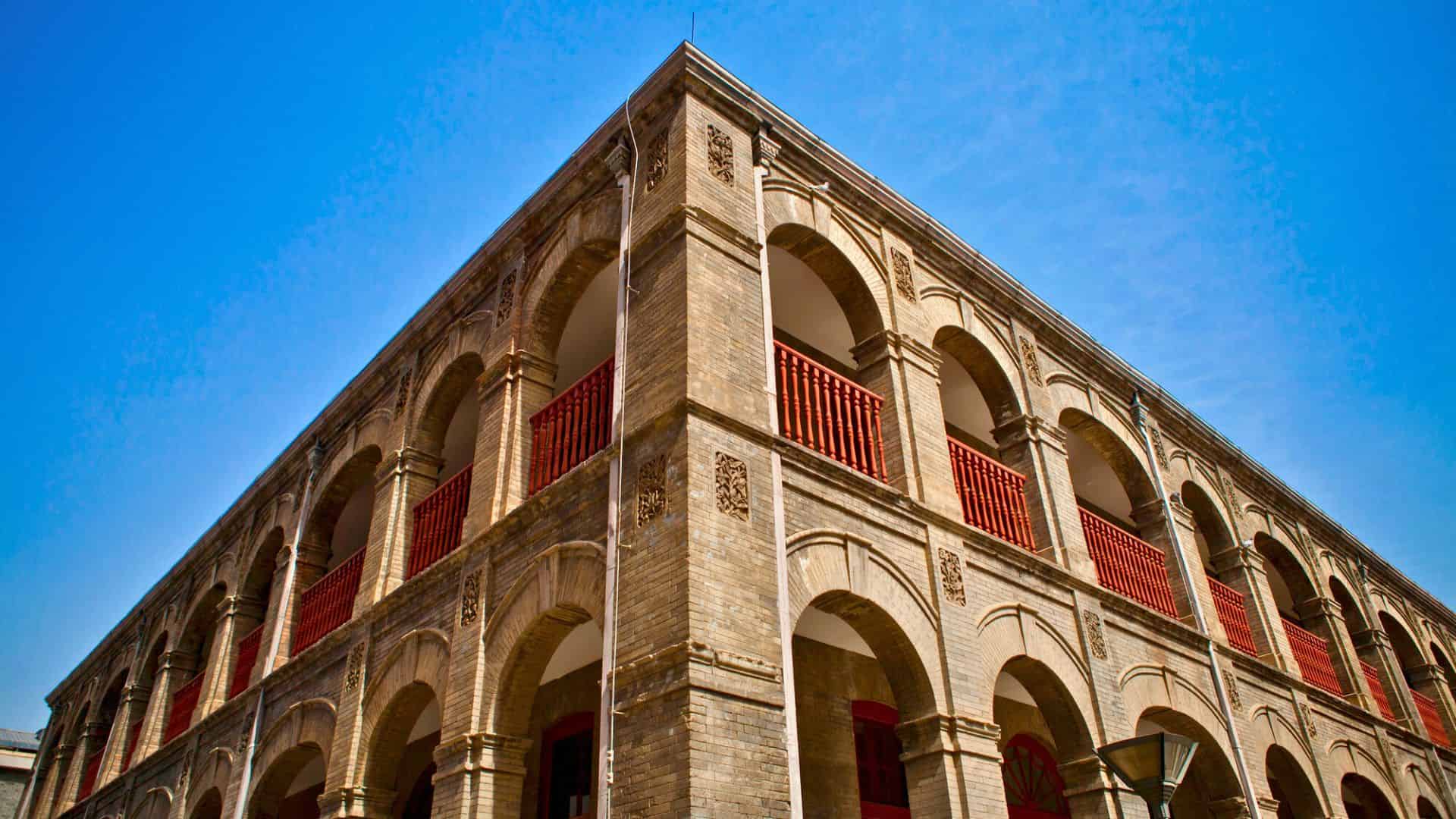
Built on former imperial gardens, this campus carries a strong sense of classical Chinese landscape design. Lakes dotted with bridges and lotus flowers sit beside traditional pavilions and tree-lined paths. Academic buildings integrate subtly into the scenery, allowing water, stone, and vegetation to shape the experience. Seasonal changes transform the setting, from icy winter stillness to vibrant spring growth. Rather than feeling enclosed, the grounds unfold gradually, encouraging long walks and quiet observation. The environment reflects philosophical ideals of balance and harmony, aligning scholarly pursuit with nature and historical continuity.
University of Cambridge (UK)
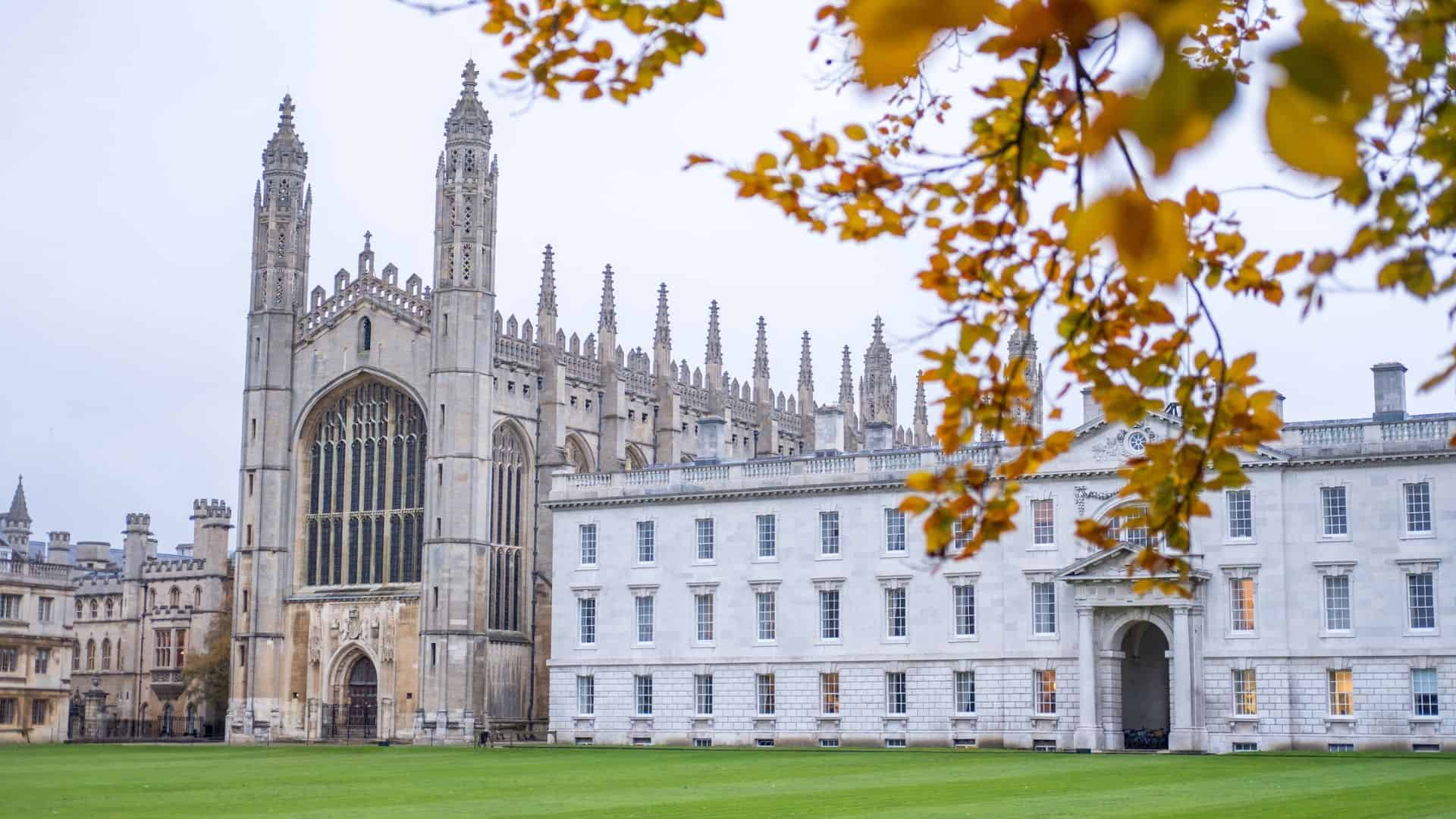
Cambridge presents an elegant riverside setting shaped by orderly colleges, manicured lawns, and refined architecture. King’s College Chapel dominates the skyline with soaring Gothic lines and intricate stonework. Along the River Cam, punts pass beneath low bridges and beside college gardens that shift color through the seasons. Courtyards enclosed by centuries-old buildings create quiet pockets for reflection. Libraries, halls, and chapels balance grandeur with restraint, while tree-lined paths connect academic life to nature. The rhythm of daily study blends seamlessly with scenic views, giving Cambridge a timeless, contemplative character.
Stanford University (USA)
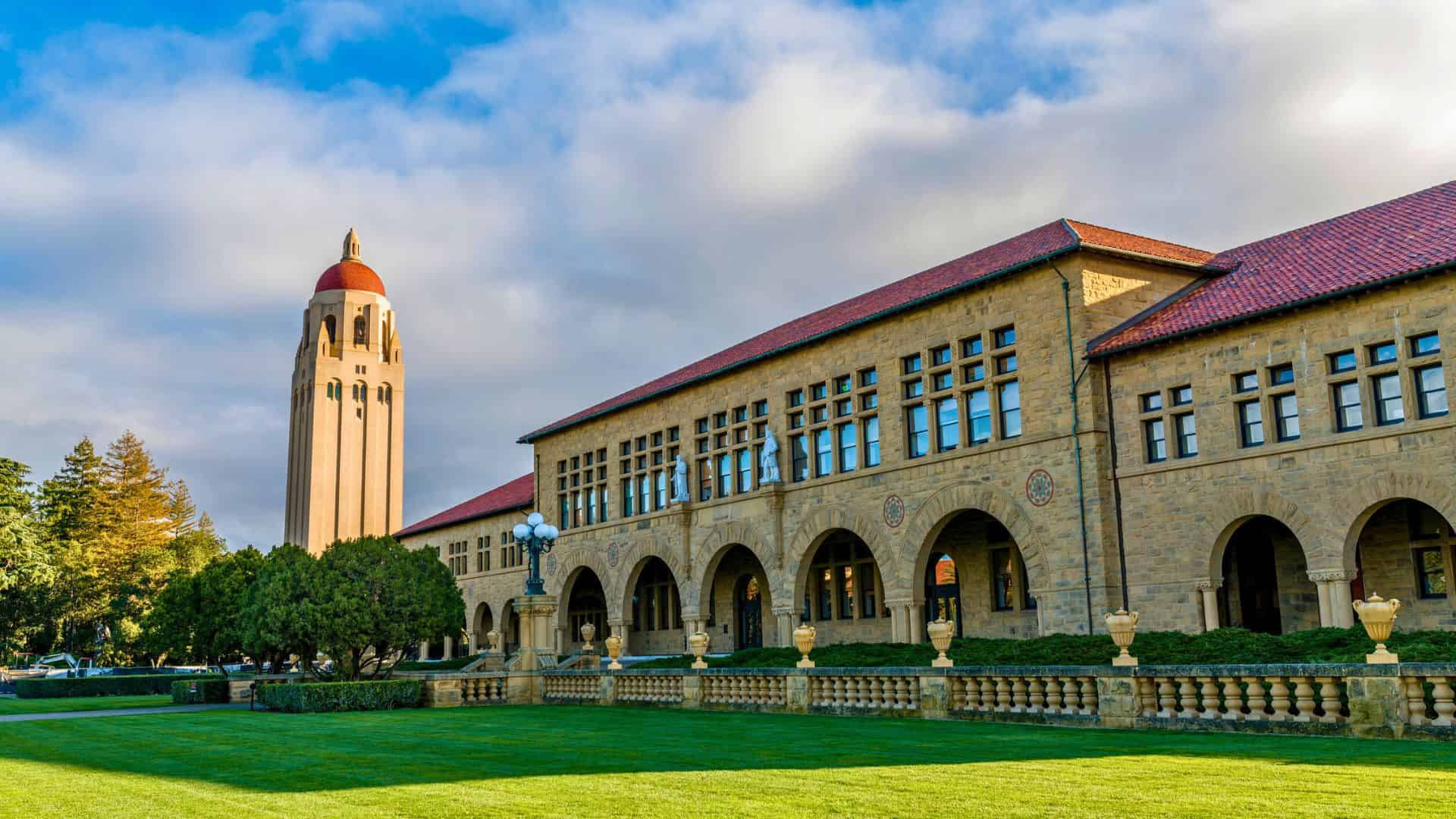
Stanford University stretches across a vast landscape defined by symmetry, open space, and Mediterranean-inspired architecture. Long arcades, red-tiled roofs, and sandstone walls reflect California’s climate and light. Palm-lined streets lead to broad courtyards where fountains and sculptures punctuate the scenery. The Main Quad anchors the campus with orderly geometry, while nearby foothills frame the horizon. Designed to feel open rather than enclosed, Stanford’s layout encourages movement and exploration. The campus balances academic intensity with natural beauty, creating an atmosphere that feels expansive, calm, and thoughtfully planned.
University of Heidelberg (Germany)
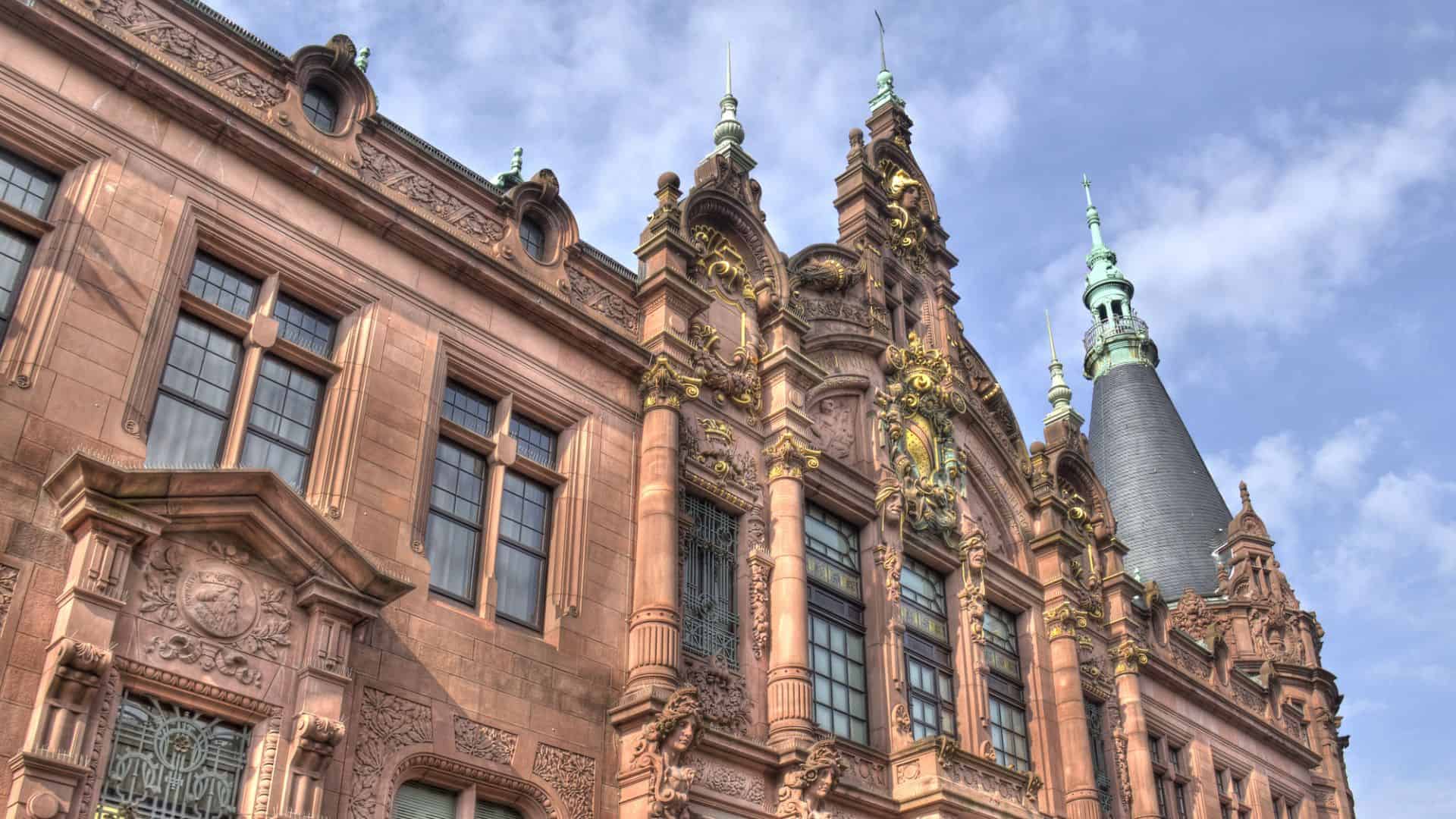
Heidelberg’s university stretches along the Neckar River beneath the ruins of a red sandstone castle, creating a setting filled with romance and history. Academic buildings blend Baroque façades with modern interiors, harmonizing past and present. Old Town streets connect lecture halls, libraries, and cafés, making the city itself feel like an open campus. Views of forested hills frame daily routines, while river paths invite quiet walks between classes. The surrounding landscape shapes the academic atmosphere, lending a reflective tone that feels closely tied to place and tradition.
Want to save this?
University of Virginia (USA)
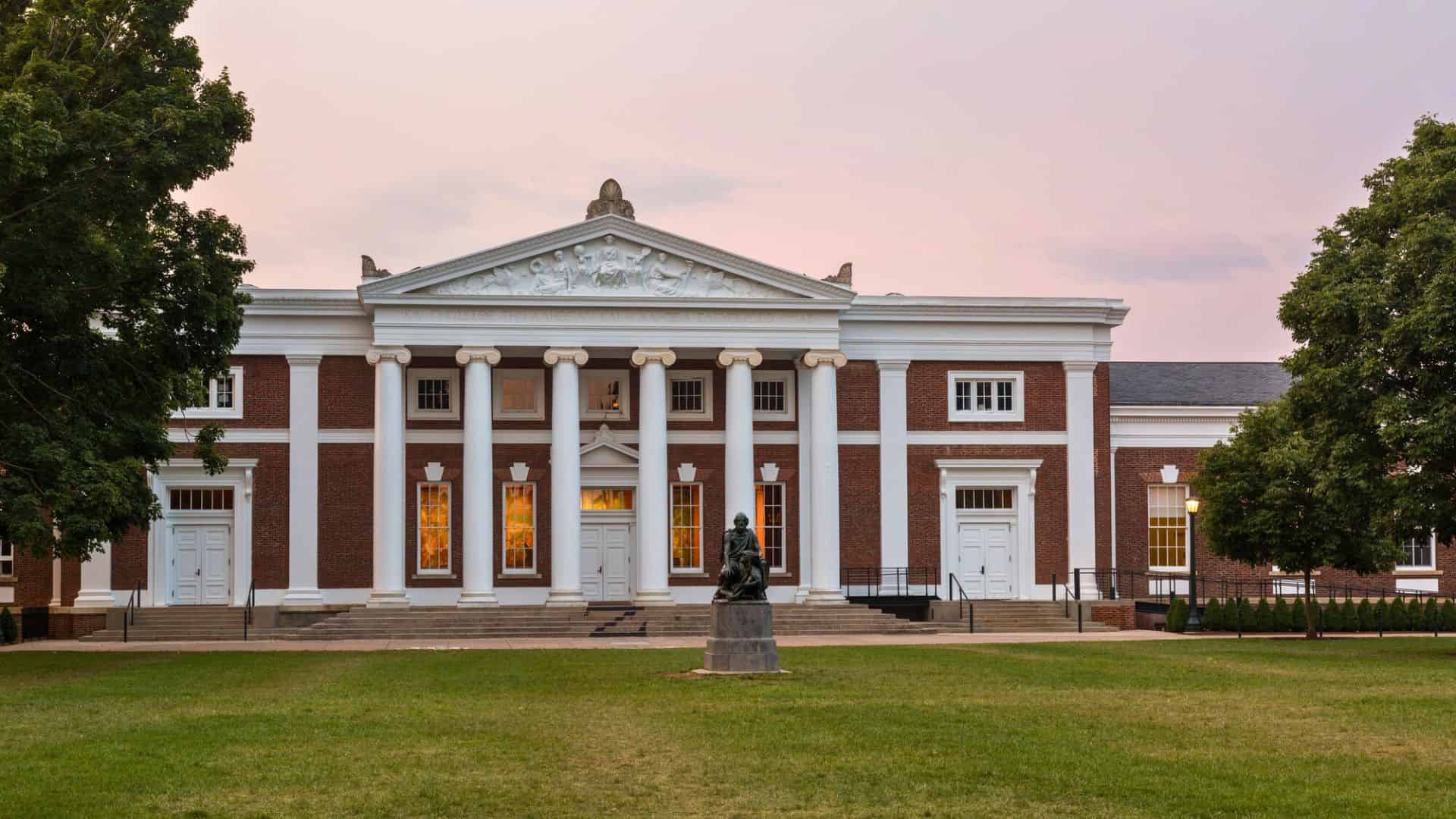
Designed with strong architectural intention, this campus centers on the Lawn, a long green space framed by red-brick pavilions and white colonnades. Classical proportions guide movement and sightlines, creating visual balance at every turn. Rotunda steps anchor the northern end, emphasizing learning as a civic ideal. Tree-shaded paths connect residence rooms, gardens, and classrooms in an orderly layout that still feels lived-in. Every structure reflects careful planning, reinforcing a sense of harmony between architecture and purpose. The setting conveys intellectual clarity through design rather than scale or ornament.
Kyoto University (Japan)
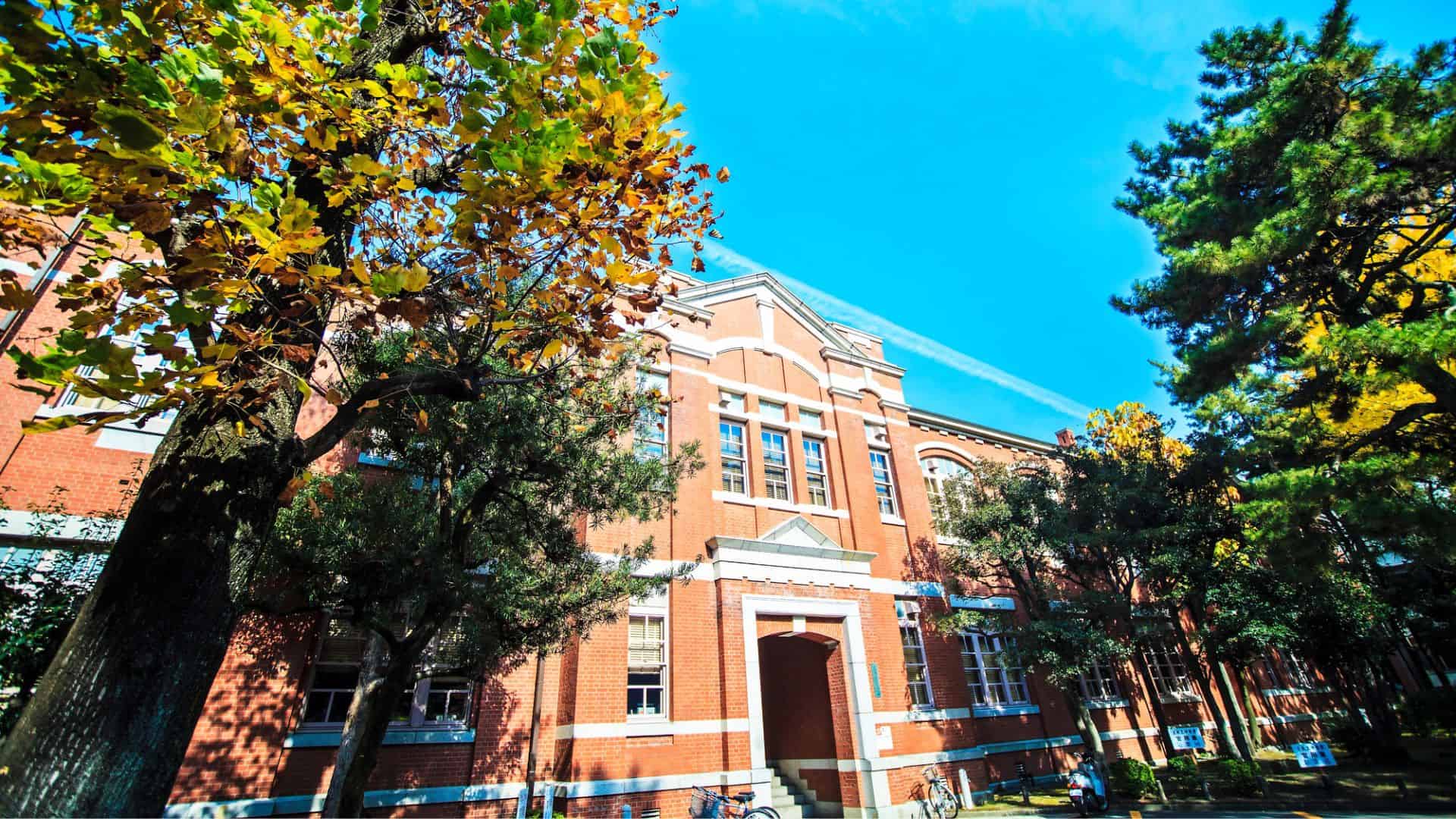
Set within a city known for temples and seasonal beauty, this campus reflects a quieter, reflective side of academic life. Tree-lined paths wind past understated buildings designed to harmonize with their surroundings rather than dominate them. During spring, cherry blossoms frame walkways and courtyards, while autumn brings deep reds and golds. Traditional gardens and stone features encourage pause and contemplation between lectures. Academic spaces feel closely tied to nature, with mountains visible in the distance. The atmosphere supports focused study while remaining deeply connected to Kyoto’s cultural heritage and long-standing respect for learning.
University of Sydney (Australia)
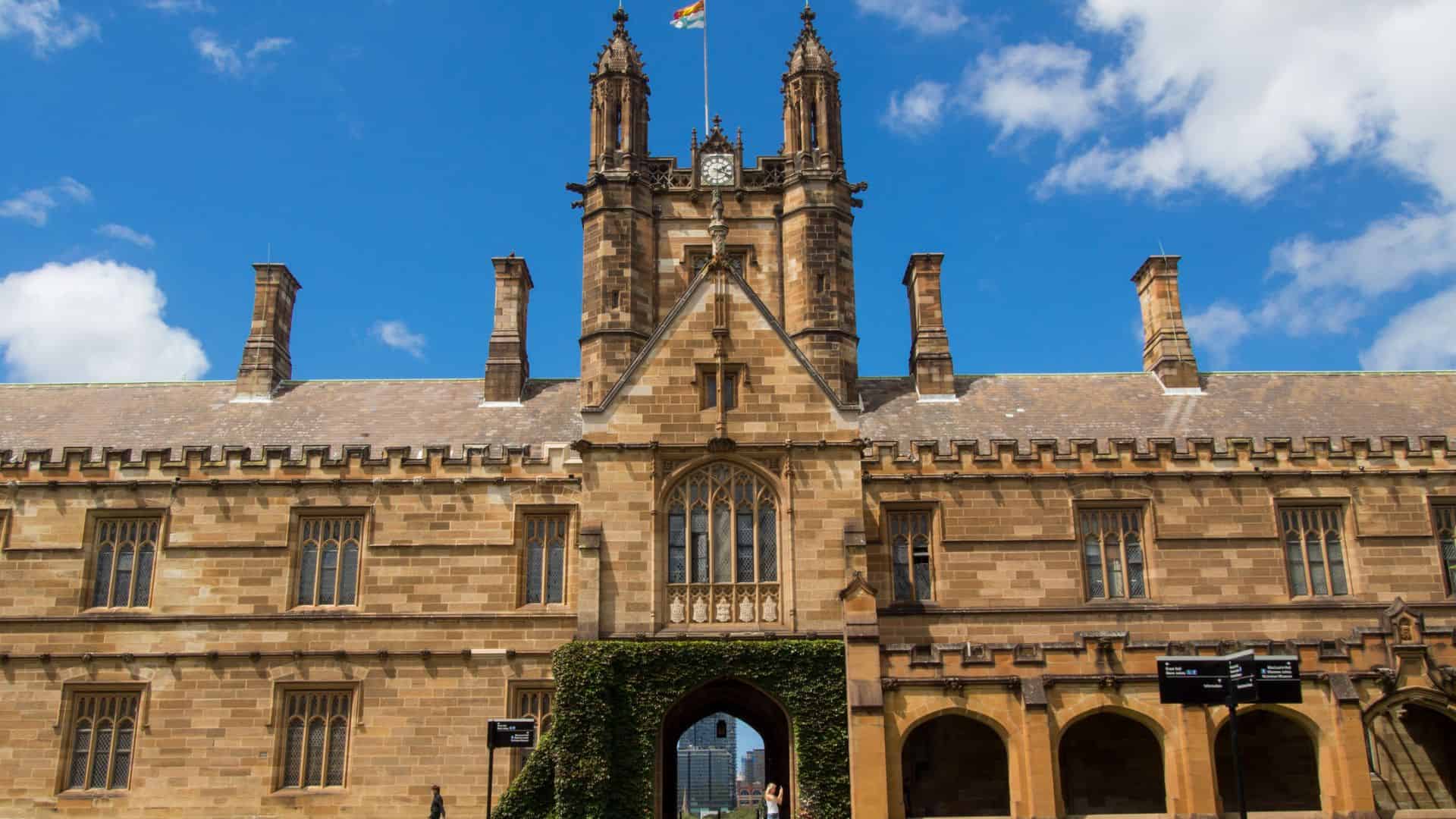
Gothic Revival sandstone buildings rise above expansive lawns, forming a dramatic contrast with Australia’s bright skies. Towers, cloisters, and arched windows lend a sense of grandeur, while open green spaces soften the architectural weight. Located near the heart of the city, the campus balances urban energy with academic calm. Courtyards act as gathering points, framed by ivy-covered walls and historic halls. Modern facilities sit alongside 19th-century structures without visual conflict. The environment supports both movement and pause, giving the campus a strong identity rooted in history yet active in the present.
University of Oxford (UK)
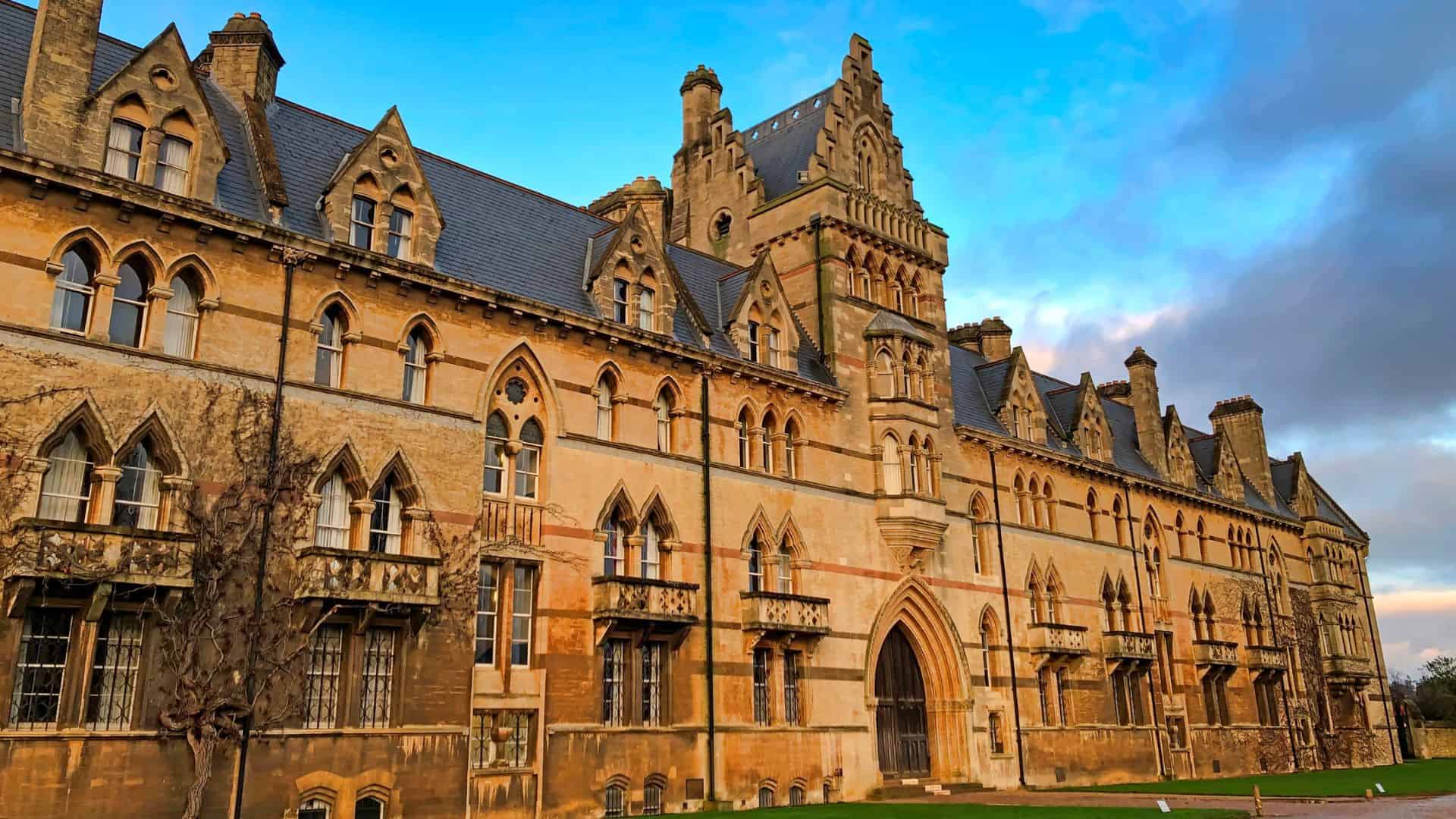
The University of Oxford unfolds as a continuous historical landscape where colleges function like small towns connected by narrow lanes and stone archways. Honey-colored limestone buildings frame quiet quadrangles, while ornate libraries and chapels reflect centuries of scholarship. The Bodleian Library anchors the academic heart, surrounded by cloisters and reading rooms rich with detail. Punts glide along the River Cherwell, passing willow trees and college backs that feel unchanged by time. Bells echo across spires at dusk, and gardens hidden behind walls reward slow exploration, making the campus feel deeply rooted in history and tradition.
University of St Andrews (Scotland)
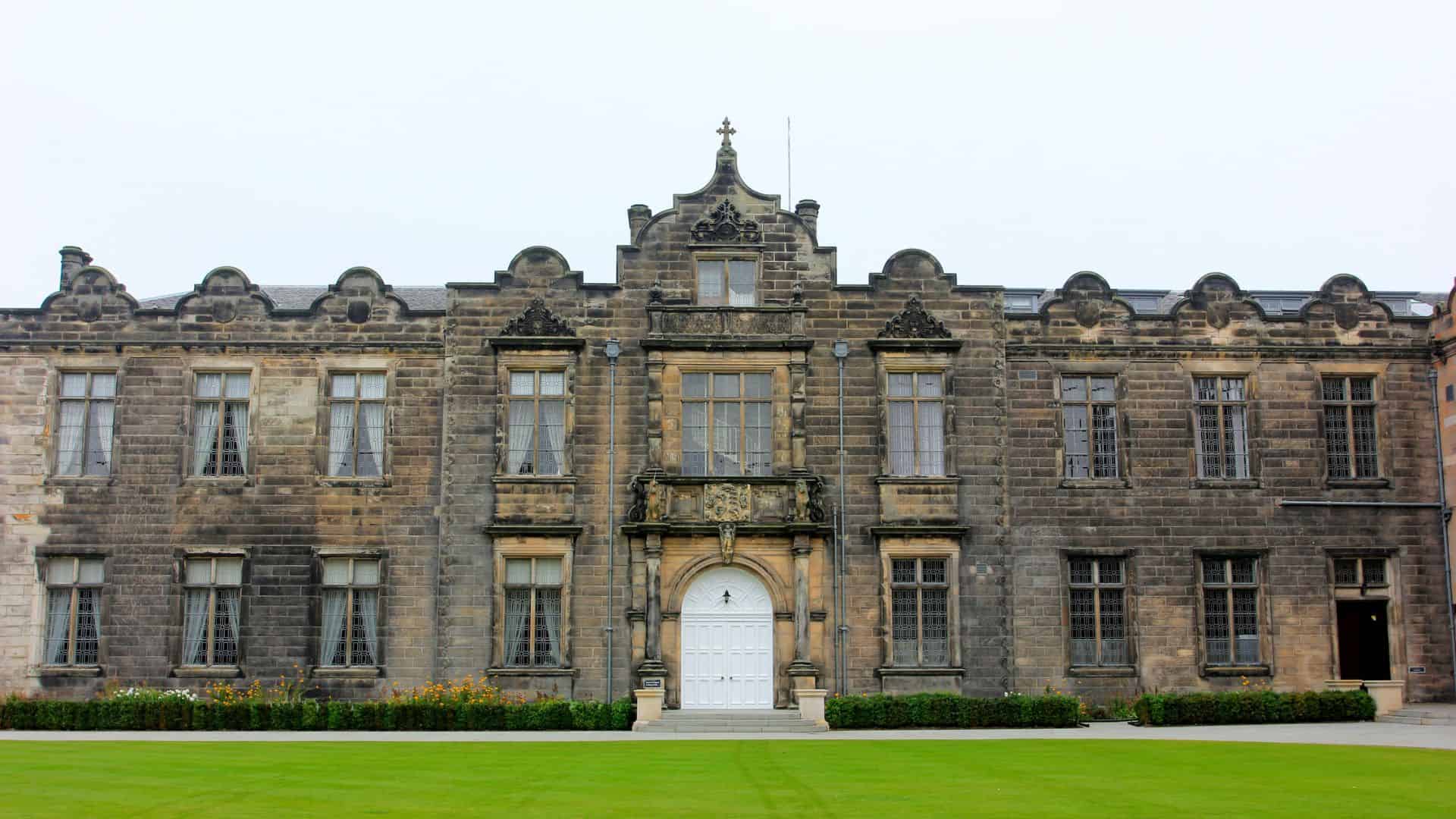
Along the rugged North Sea coast, this university blends medieval architecture with sweeping coastal scenery. Stone buildings line narrow streets, their weathered surfaces shaped by centuries of wind and salt air. Views open suddenly toward beaches and cliffs, reminding visitors of the campus’s close relationship with the sea. Chapels, lecture halls, and courtyards feel intimate rather than grand, reinforcing a close-knit academic culture. Daily routines unfold against a backdrop of shifting skies and crashing waves, giving study life a distinctive sense of place rooted in history and landscape.
Learning Not Required
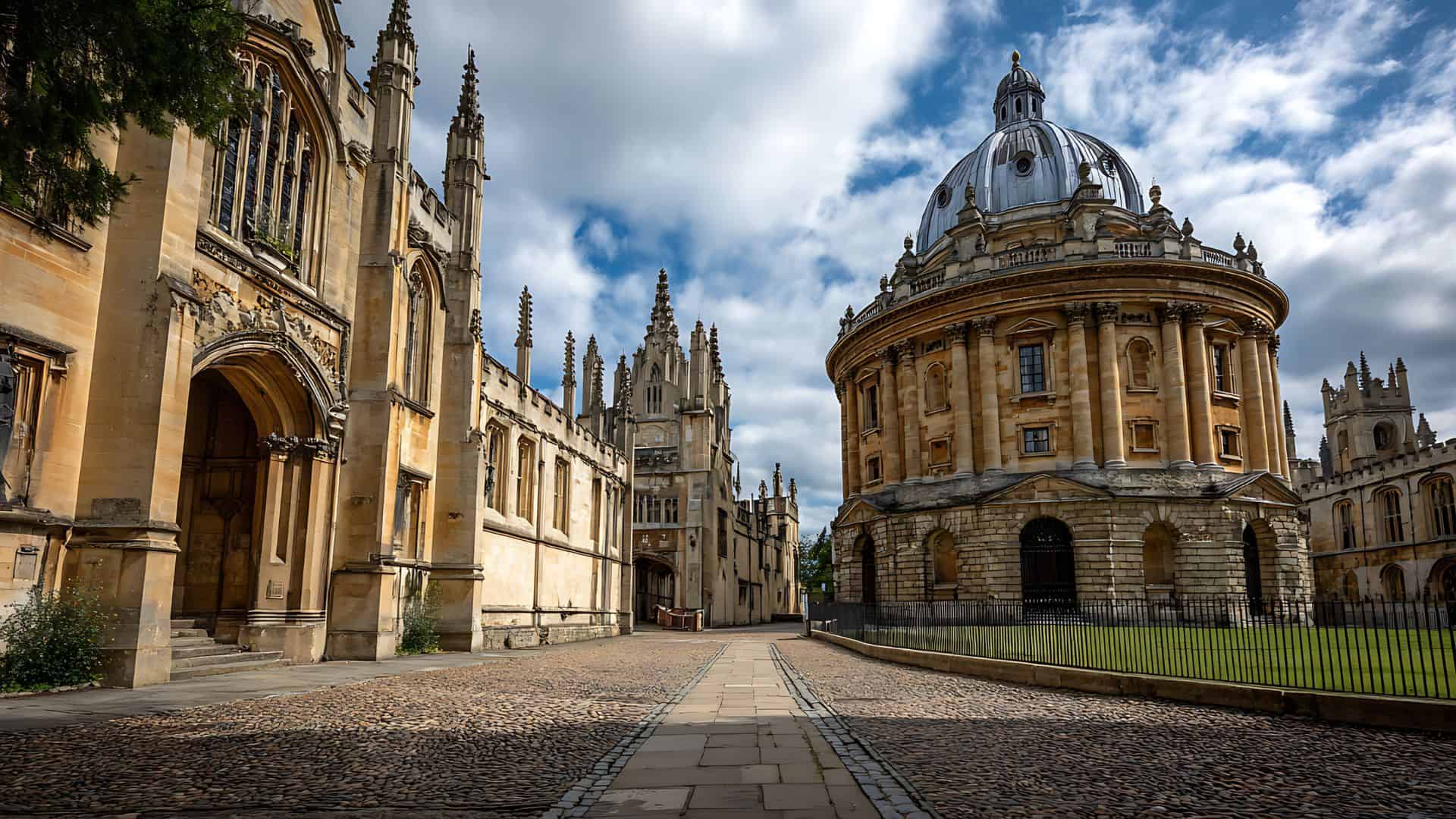
Stepping onto a campus like this can change the pace of a trip. You don’t need a plan or a purpose. You just walk, notice details, and let the setting do its thing. These places show how learning, design, and daily life can share the same space without feeling forced. They’re great reminders that beauty doesn’t have to shout to be noticed.
If you find yourself nearby, take the detour. Sit on a bench. Watch people pass. Look at how old buildings age next to new ones. These campuses are perfect for slowing down and seeing a place from a different angle. You don’t have to be a student to feel connected there. Sometimes the best travel moments come from places built for everyday life, not tourists. And those moments tend to stay with you long after you leave.
10 Beautiful Places That Feel Like the Old Europe You Remember
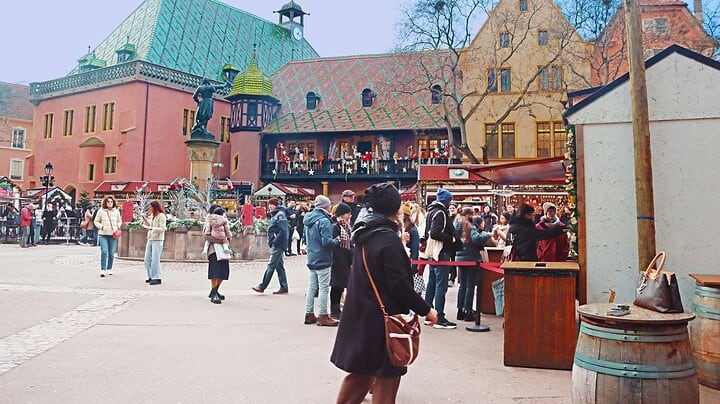
For those seeking the charm and history of old Europe, there are still destinations that capture its timeless essence. While many cities have modernized, certain places remain a window into a slower-paced world filled with cobblestone streets, medieval architecture, and traditional cafés. These spots invite travelers to step back in time while still offering all the conveniences of the present. Whether it's strolling along quiet canals or enjoying local delicacies in a centuries-old town square, these cities hold the spirit of Europe's past.
Read More Here: 10 Beautiful Places That Feel Like the Old Europe You Remember
10 Beautiful Cities Where You Can Still Eat Well on a Budget

Good food doesn’t have to come with a high price tag. Around the world, there are beautiful cities where you can still eat well on a budget—places where street markets, family-run cafés, and local traditions make every meal memorable without overspending. These destinations show that great dining experiences are not reserved for fine restaurants but can be found in the hum of a night market, the corner bakery, or a seaside stall serving fresh local fare. Whether you’re a traveler who plans every bite or one who stumbles upon hidden gems, these cities make eating well both easy and affordable.
Read More Here: 10 Beautiful Cities Where You Can Still Eat Well on a Budget



Leave a Reply