
Daily travel can feel very different when local customs guide how things work. This article features countries in Asia where local customs affect daily travel, focusing on places where behavior, timing, and social norms shape everyday experiences. These customs influence how people move, wait, eat, and interact throughout the day.
Understanding these customs can help travelers avoid confusion and feel more at ease. Small adjustments often make a big difference in how smoothly days unfold. Keep reading to see which countries made the list and what travelers most often need to adapt to.
Japan
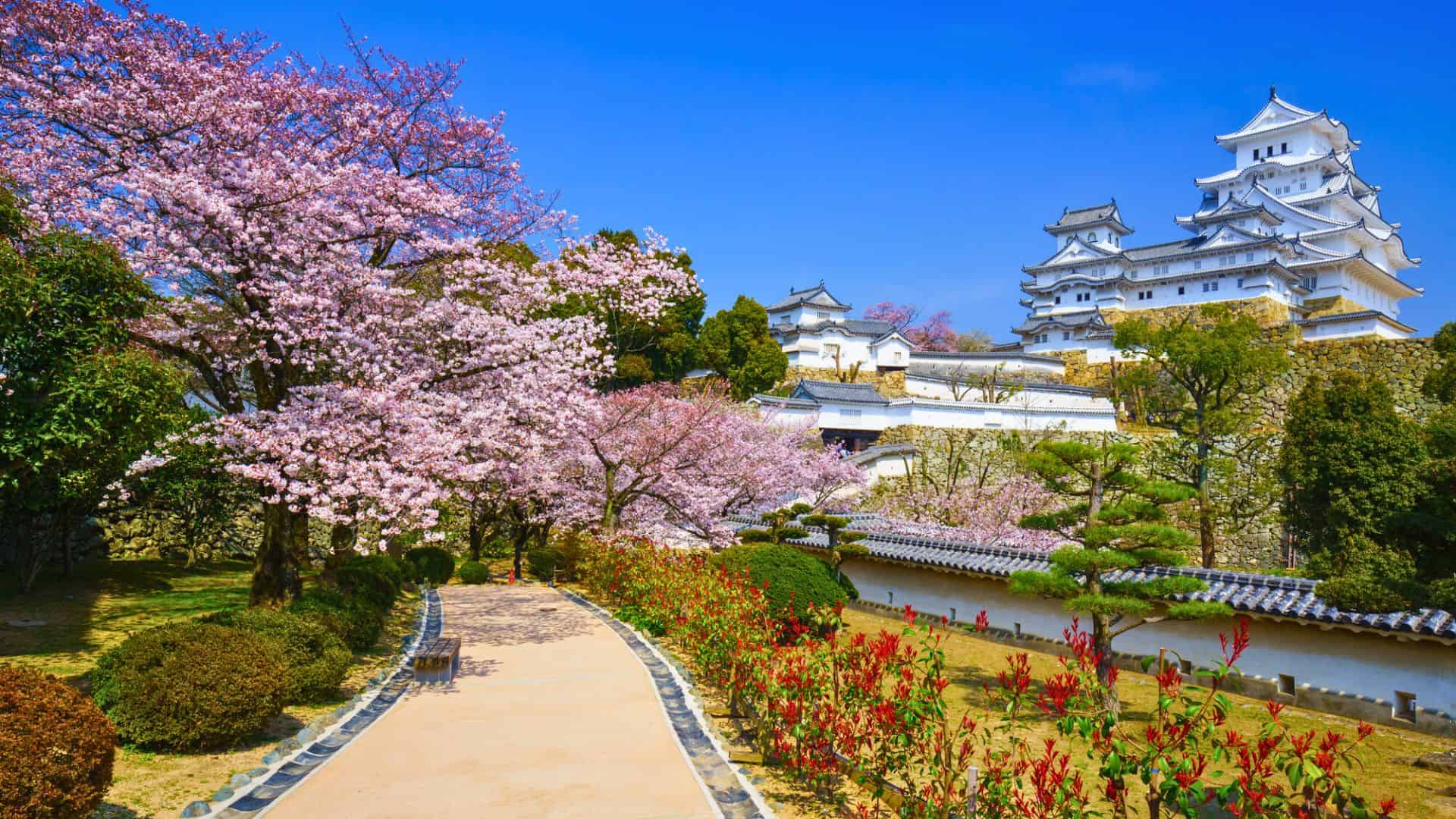
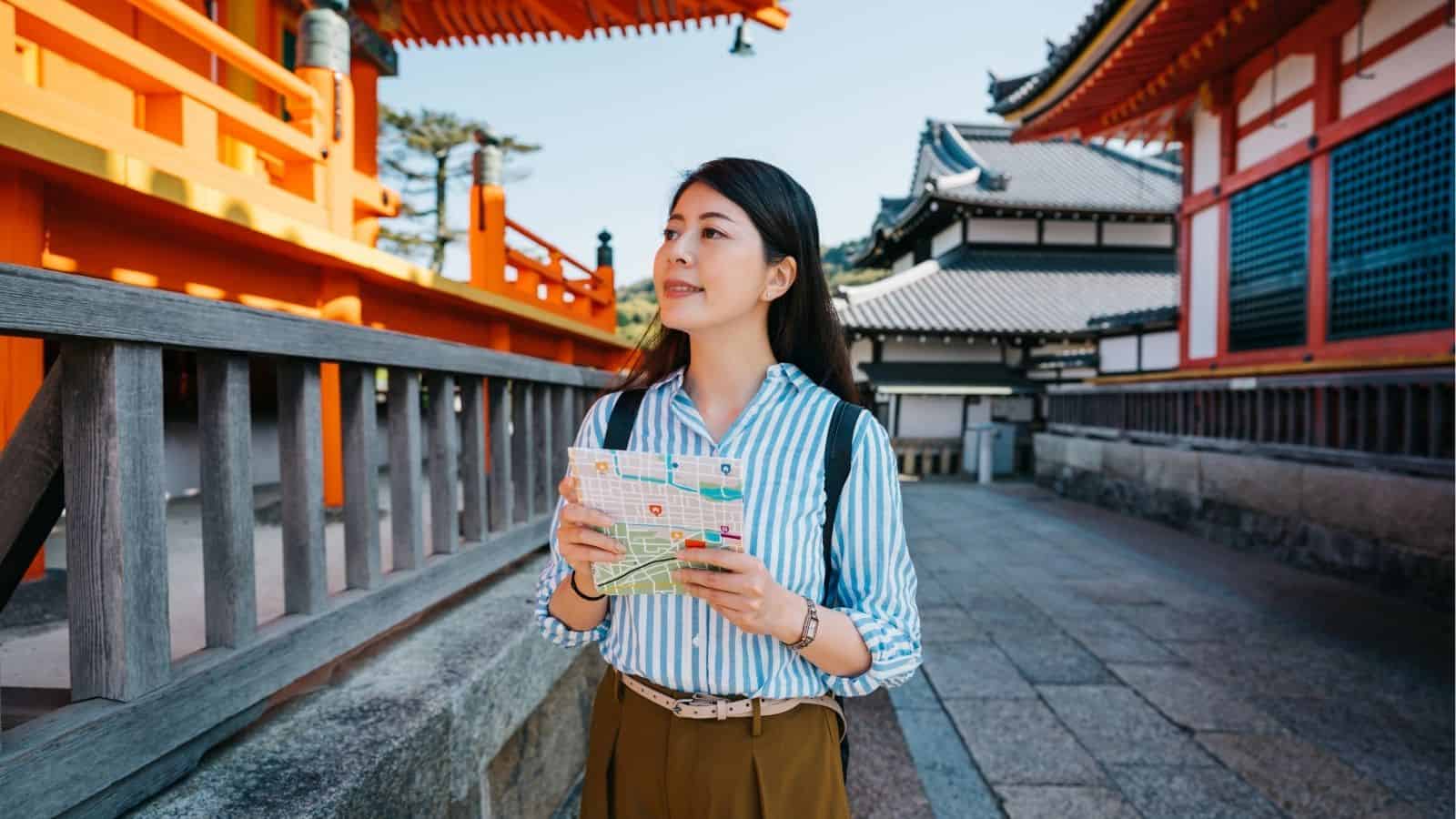
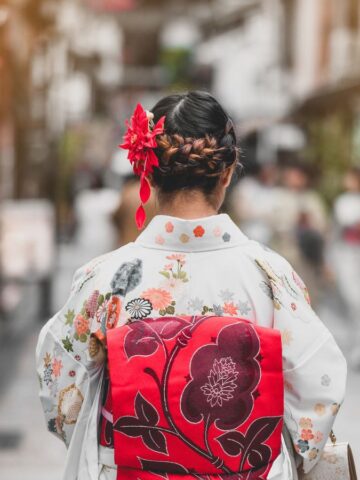
In Japan, daily travel is guided by quiet rules that visitors are expected to notice and follow. Queuing is universal and precise, whether for trains, buses, or elevators. Public transit is silent compared to many countries, with phone calls discouraged and conversations kept low. Eating while walking is uncommon, and trash disposal follows strict norms that can feel confusing without public bins. Shoes are removed in many indoor spaces, including some restaurants and accommodations. Japan assumes travelers will observe behavior and adapt. Those who don’t often feel out of place quickly, even without direct correction.
South Korea
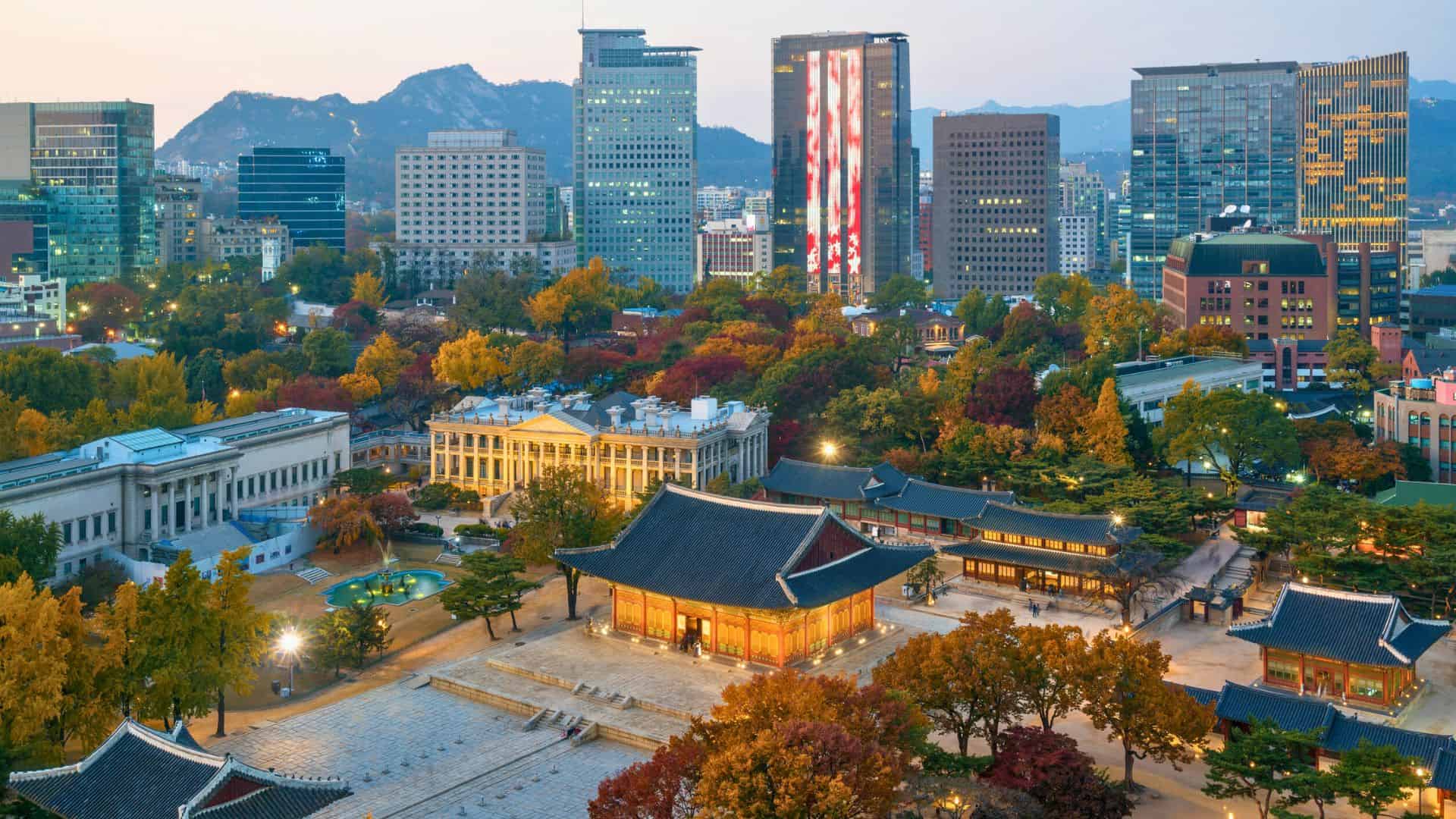
South Korea’s daily travel customs emphasize speed, efficiency, and social awareness. On subways and buses, priority seating is respected even when not enforced. People move quickly through stations and sidewalks, and hesitation causes visible frustration. Tipping is uncommon and can feel uncomfortable. Dining customs also affect travel, including shared dishes and subtle hierarchy cues like waiting for elders to start eating. Public behavior is reserved, especially on transit. South Korea expects travelers to keep pace and read social signals. Visitors who move slowly or ignore these cues notice the difference almost immediately.
Thailand
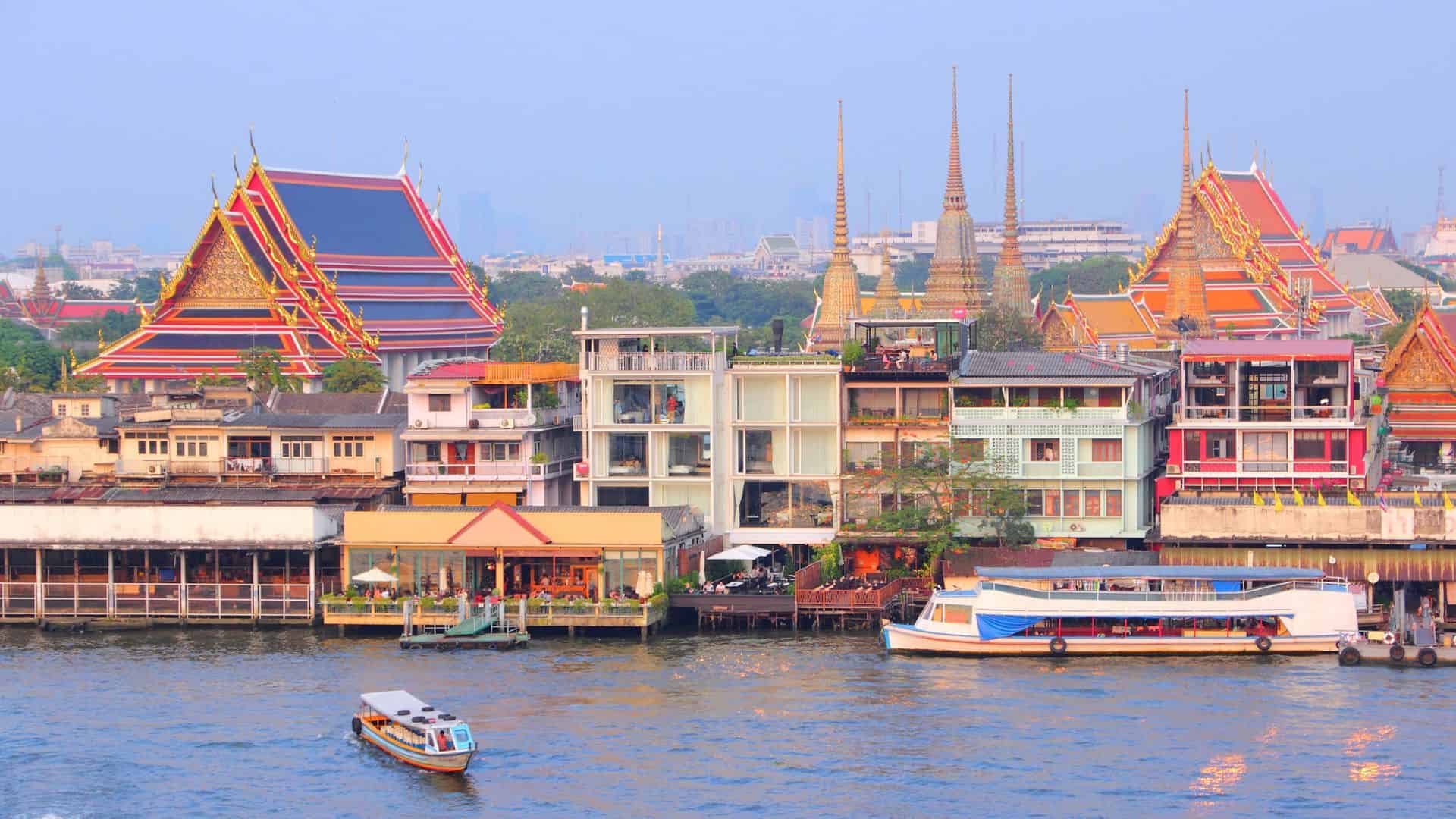
In Thailand, daily movement is shaped by respect and emotional restraint. Shoes are removed often, sometimes without clear signage. Feet are considered low, so pointing them toward people or religious objects causes discomfort. Public anger or confrontation is frowned upon, even during travel delays. Respect for monks and religious spaces influences how visitors sit, stand, and move in public. Transportation, markets, and temples rely on calm behavior rather than strict enforcement. Thailand expects patience and observation. Travelers who remain composed move through daily situations more smoothly than those who rush or argue.
India
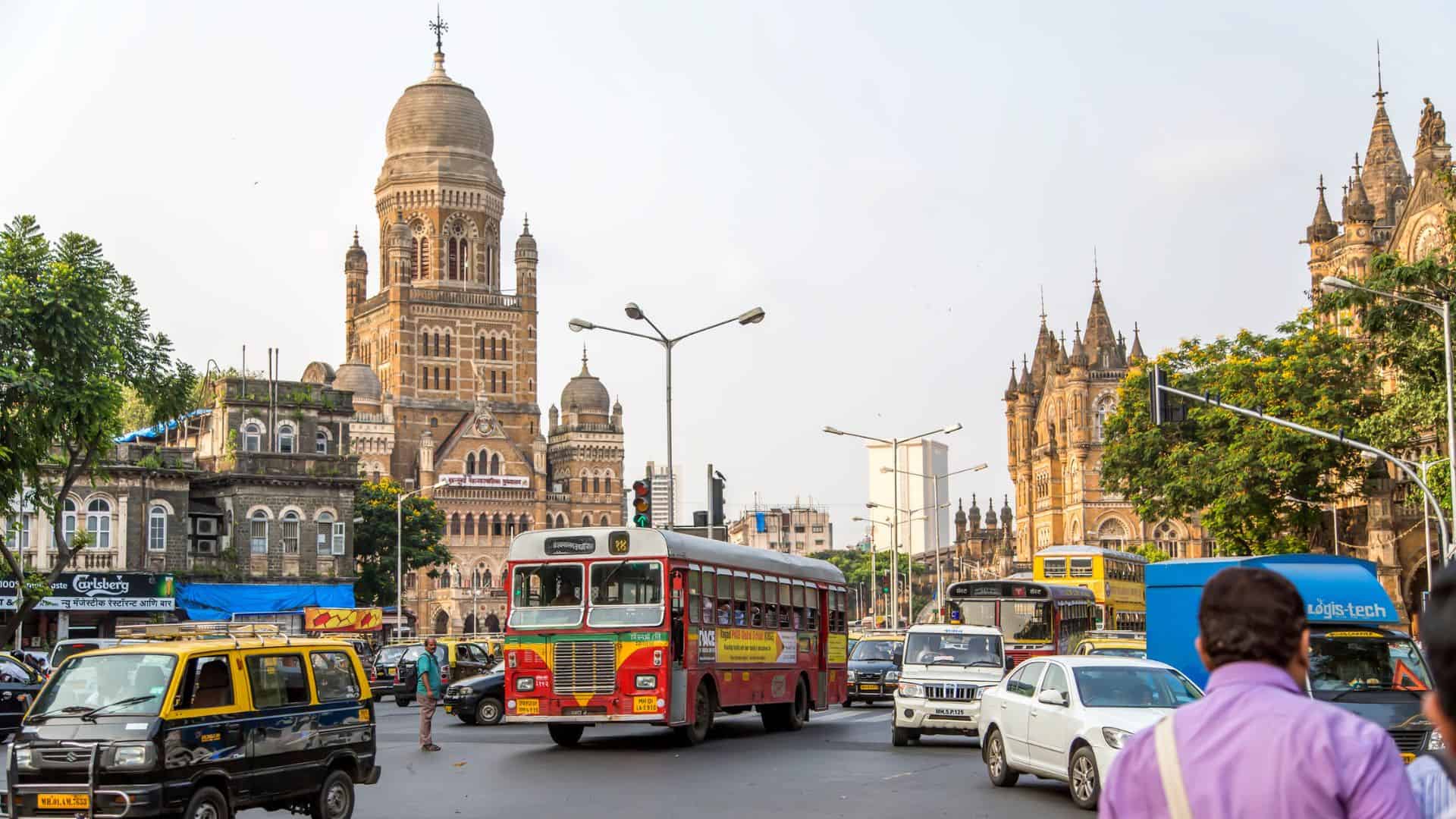
India’s customs affect daily travel through constant adjustment rather than fixed rules. Queuing exists but may look informal, requiring travelers to assert themselves calmly. Shoes are removed at temples, homes, and some shops. Eating, greeting, and handling money vary by region. Public transport is crowded, and personal space expectations differ from Western norms. India rewards adaptability over rigidity. Travelers who watch how locals move, negotiate space, and interact tend to navigate more easily than those relying on strict expectations. Daily travel depends as much on cultural awareness as on routes and schedules.
Vietnam

Vietnam’s daily travel customs prioritize flow over structure. Crossing streets requires steady forward movement, as traffic rarely stops fully. Queues may be loose, especially at markets or bus stations. Meals are fast-paced and communal, with shared dishes and informal seating. Public behavior is practical and efficient rather than performative. Vietnam expects travelers to adapt quickly and follow local rhythm. Visitors who wait for clear signals often struggle, while those who move calmly and confidently find daily travel much easier than expected.
Indonesia

Indonesia’s daily travel customs depend heavily on respect, modesty, and local rhythm. Shoes are removed often, sometimes without signage, especially in homes, temples, and small businesses. Dress expectations shift quickly near religious sites and villages. In places like Bali, offerings placed on sidewalks affect how people walk, and stepping over them is avoided. Public confrontation is discouraged, and schedules are flexible rather than rigid. Indonesia expects travelers to slow down and observe before acting. Those who push timelines or ignore subtle cues often find daily movement more difficult than necessary.
Want to save this?
Nepal

Nepal’s daily travel is deeply intertwined with religious practice. Streets, paths, and courtyards may pass directly through sacred areas, requiring quiet behavior and awareness. Walking clockwise around stupas, avoiding stepping over offerings, and removing shoes happen routinely, not just at temples. Queues and public transport operate loosely, demanding patience. Photography may be tolerated but restrained near rituals. Nepal assumes travelers will follow visual cues instead of written instructions. Visitors who pause, watch, and mirror locals tend to move through daily travel more smoothly than those who rush.
China
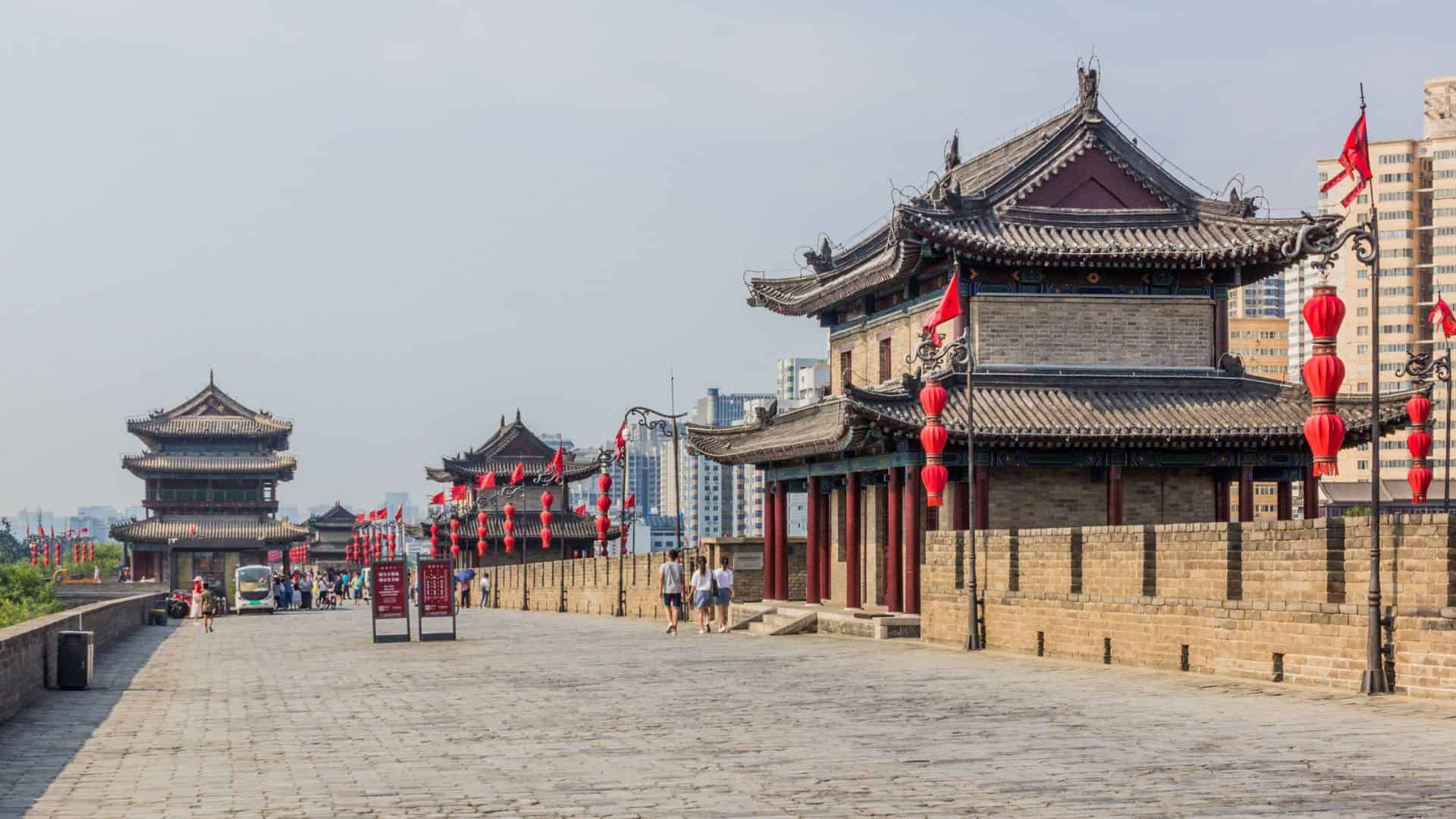
China’s daily travel customs emphasize compliance and efficiency. Security checks, ID verification, and bag scans are common parts of movement through stations, malls, and public buildings. Queues exist but may feel compressed, and personal space expectations differ. Public behavior is pragmatic, and loud conversation is common. Rules are enforced situationally, and questioning procedures rarely helps. China expects travelers to follow instructions quickly and without debate. Those who adapt to this rhythm move efficiently, while visitors who resist or question norms often slow themselves down significantly.
Malaysia

Malaysia’s daily travel customs reflect its cultural and religious diversity. Dress expectations shift near mosques, government buildings, and traditional neighborhoods, affecting spontaneous plans. Shoes are removed in some indoor spaces, and modest public behavior is valued. Eating customs vary by community, including the expectation to use the right hand. Public transport is orderly and quiet, with little tolerance for disruptive behavior. Malaysia expects travelers to notice changes in norms between areas. Those who recognize these shifts navigate daily movement more easily than visitors who assume consistency.
Sri Lanka
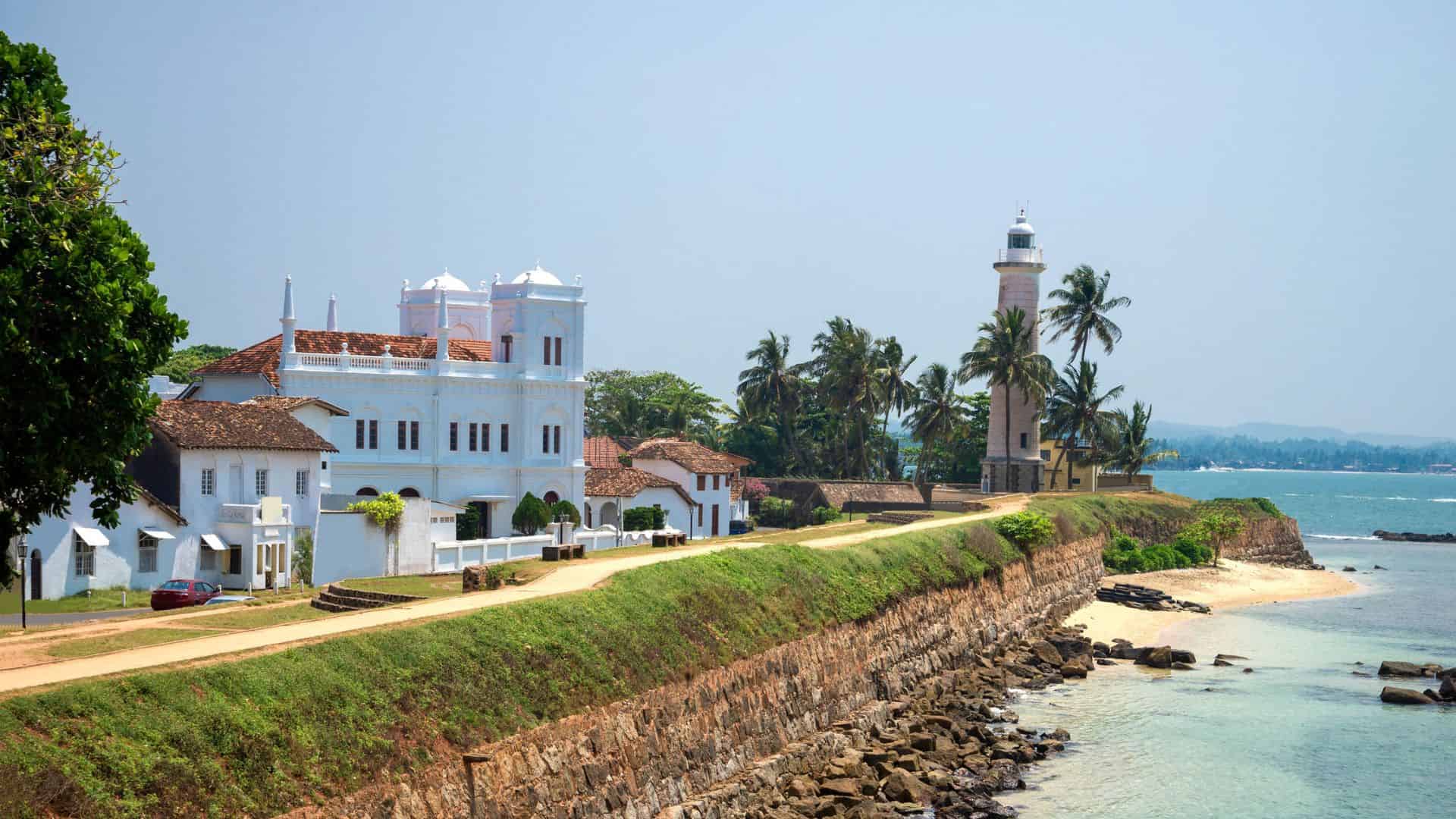
Sri Lanka’s daily travel is shaped by Buddhist customs and social hierarchy. Shoes are removed frequently, and modest dress is expected near religious sites, even on surrounding streets. Public behavior is polite and restrained, and raising one’s voice draws attention quickly. Pointing feet toward people or religious images is discouraged. Transportation runs on informal systems where patience matters more than punctuality. Sri Lanka expects visitors to move gently and respectfully. Travelers who adjust expectations and follow local pacing find daily travel calmer and more predictable.
Cambodia

Cambodia’s daily travel customs emphasize respect and social awareness. Modest dress affects access to temples and government buildings. Shoes are removed often, and behavior around monks is restrained. Public confrontation is avoided, even when problems arise, requiring patience from travelers. Queues may form loosely, relying on social cues rather than structure. Cambodia expects visitors to observe before acting and mirror local behavior. Those who remain calm and attentive move through daily tasks more smoothly than travelers who push expectations or demand strict order.
9 Countries That Are Easy to Love but Hard to Navigate

Some places make a strong first impression but take time to figure out. This article features countries that are easy to love but hard to navigate, focusing on destinations where culture, food, and scenery draw people in while transportation, systems, or language barriers create challenges. Travelers often enjoy being there while still feeling slightly off balance getting around.
Read More Here: 9 Countries That Are Easy to Love but Hard to Navigate
11 Countries Where Small Mistakes Cause Big Travel Problems

Small slip-ups can quickly turn into major travel headaches. This article features countries where small mistakes cause big travel problems, focusing on places where rules, customs, or logistics leave little room for error. In these destinations, missing a detail or misunderstanding a process can lead to delays, fines, or denied entry.
Read More Here: 11 Countries Where Small Mistakes Cause Big Travel Problems


Leave a Reply