
Traveling through Asia can be eye opening, but it also comes with moments that catch people off guard. This list brings together lessons visitors often mention after the trip is over. These are everyday situations, cultural differences, and travel habits that seem small at first but can lead to confusion or stress if misunderstood.
Learning from other travelers can help avoid awkward moments and missed opportunities. These insights can shape better decisions and smoother days on the road. Read on to see what caught people by surprise and what they wish they had known sooner.
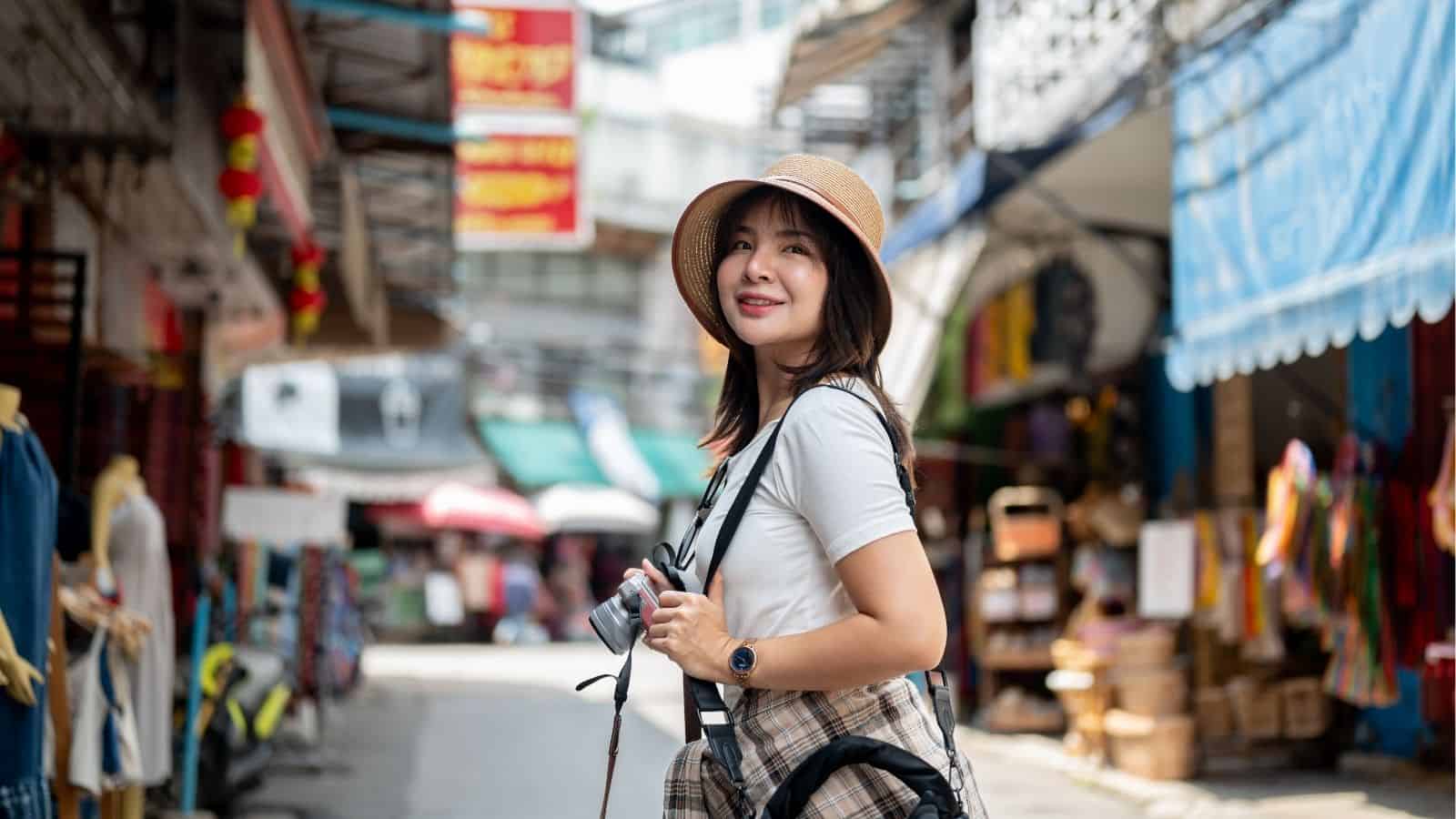
Shoes are often expected to come off, sometimes without warning

Many travelers learn this the awkward way, already halfway into a space before noticing a row of shoes by the door. In parts of Asia, removing shoes is expected not just in homes, but in temples, small shops, guesthouses, and even some restaurants. The expectation is cultural, not optional, and signs are not always posted. Visitors who miss the cue may feel embarrassed or unintentionally disrespectful. Experienced travelers quickly learn to wear shoes that slip on and off easily and to watch what locals do before entering any indoor space.
Personal space norms can be very different from what visitors expect

Travelers often struggle with how close people stand in lines, on trains, or in crowded streets. What feels intrusive to visitors may be normal or unavoidable in dense cities. Many people say they initially felt uncomfortable or irritated, only to realize later that no offense was intended. Space is managed differently when population density is high and public transport is heavily used. Travelers who adjust their expectations tend to feel less stressed. Learning not to take proximity personally is one of the biggest mental shifts people say they had to make.
Quiet behavior is valued in places like trains, temples, and shops

Many travelers learn this after speaking too loudly on a train or answering a phone call in a quiet carriage. In several Asian countries, public spaces emphasize calm and minimal disruption. Loud conversations, phone calls, or expressive behavior can draw uncomfortable attention. Even when trains are crowded, the atmosphere may remain surprisingly quiet. Visitors often realize that blending in means lowering volume and observing before acting. This expectation is rarely enforced directly, but social pressure is strong. Travelers say they learned quickly that quietness signals respect.
Public trash cans may be rare, even in very clean cities

Visitors are often surprised to find spotless streets with almost no visible trash bins. Many travelers only realize this after carrying empty bottles or food wrappers for hours. In some places, trash removal systems rely more on personal responsibility than public infrastructure. The assumption is that people take their waste with them until they get home. Travelers say this was frustrating at first, especially when eating street food, but it also explained why cities stayed so clean. Seasoned travelers start carrying small bags for trash without expecting bins.
Crossing the street often requires confidence, not right of way

Travelers frequently describe their first street crossing in parts of Asia as intimidating. Traffic may not stop automatically, crosswalks may feel symbolic, and right of way is not always respected the way visitors expect. Many people say they learned by watching locals rather than traffic signals. The key lesson is to move steadily and predictably, making your intentions clear. Hesitation can actually make crossing harder. Travelers who wait for cars to stop completely may be waiting a long time. Confidence and awareness matter more than formal rules.
Temple etiquette matters more than outfit style
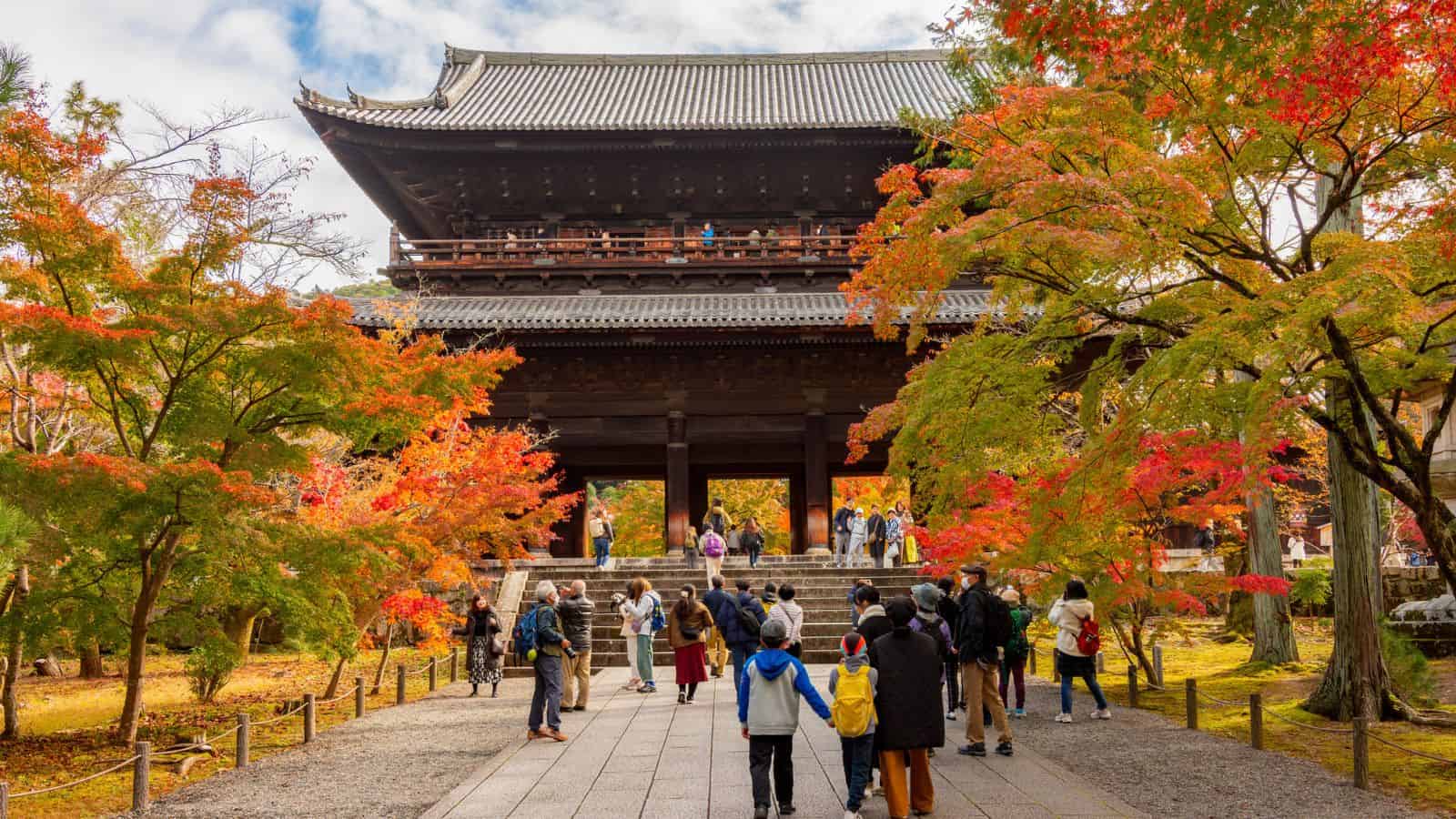
Many travelers assume that covering shoulders and knees is the main requirement, only to realize etiquette goes far beyond clothing. Simple actions like where you stand, how you sit, or where you point your feet can matter deeply. Visitors often learn this after being gently corrected or noticing disapproving looks. Temples are active religious spaces, not attractions designed for tourists. Silence, posture, and movement all signal respect. Travelers say they learned to watch locals closely and follow their lead. Understanding behavior mattered more than wearing the “right” outfit became a lasting lesson.
“Spicy” does not mean the same thing everywhere

Travelers often learn this the hard way after confidently ordering a dish labeled mild and realizing too late that it still carries serious heat. Spice tolerance varies widely by region, and what locals consider gentle can be overwhelming to visitors. Many travelers say they learned to ask more detailed questions or specify “no spice” rather than “a little.” Some also discovered that declining spice is not rude. The lesson is less about food and more about assumptions. Travelers often say this taught them to stop translating experiences through their own frame of reference.
Want to save this?
Cash is still essential in many everyday situations

Many travelers assume digital payments are universal, only to find themselves unable to pay for taxis, street food, or small purchases. This often becomes clear at the worst moment, when there is no nearby ATM or payment alternative. Even in major cities, cash can still be the default for daily transactions. Travelers say they learned to carry smaller bills and not rely solely on cards. The lesson is not about inconvenience but preparedness. Understanding that modern infrastructure does not always equal cashless living helps avoid stress and awkward situations.
Saving face is more important than being right

Travelers often learn this after pushing a point, correcting someone publicly, or expressing frustration directly. In many Asian cultures, maintaining harmony matters more than winning an argument or proving accuracy. Direct confrontation can cause embarrassment, even if the intent is practical. Travelers say they learned that phrasing, tone, and timing matter more than facts. Indirect communication often leads to better outcomes. This lesson can feel counterintuitive at first, especially for visitors from direct cultures. Many travelers later describe it as one of the most valuable interpersonal insights they gained.
Schedules can be flexible even when things appear organized
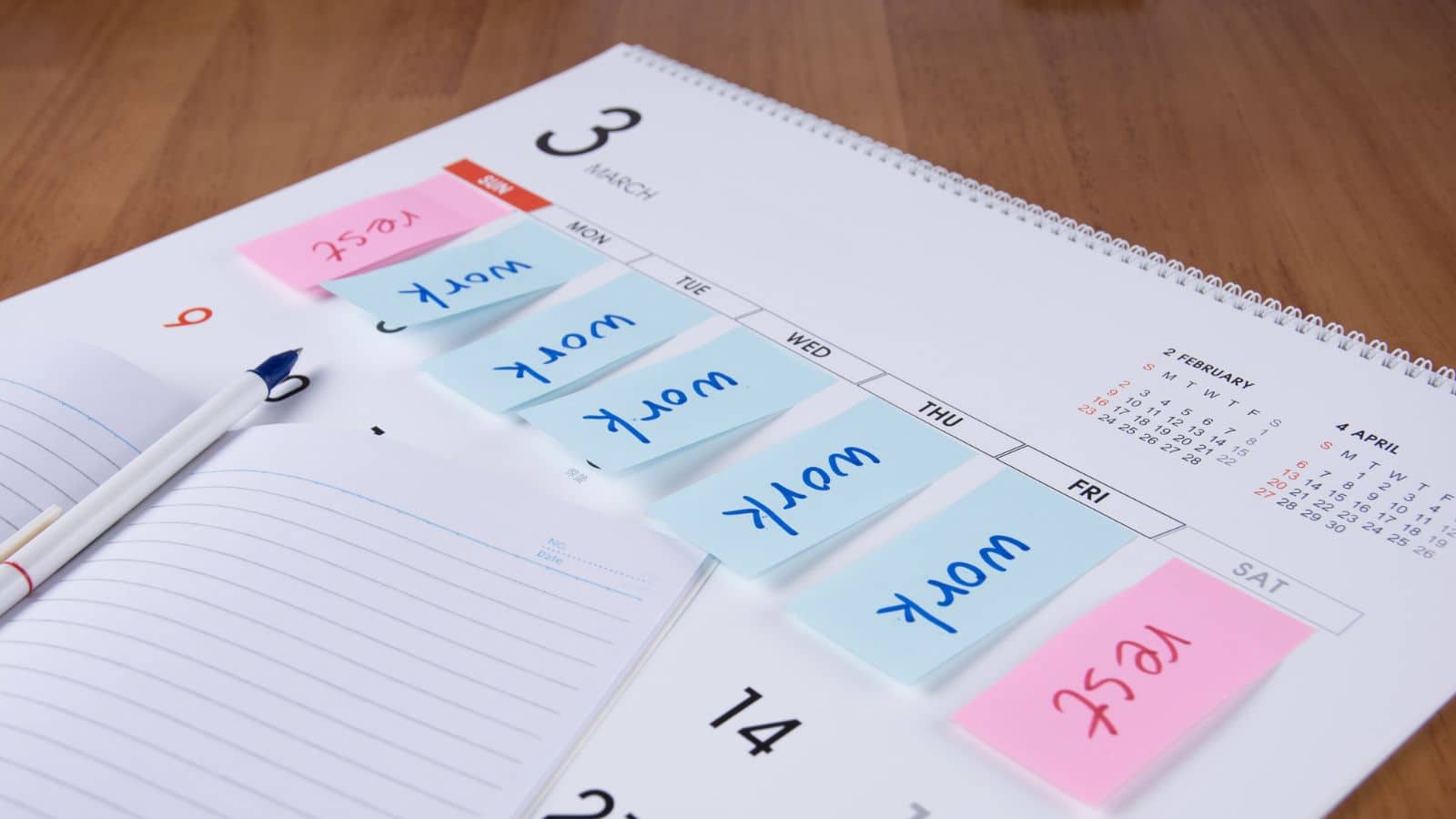
Many travelers learn this after missing a connection or waiting for something that technically should have started already. Trains, buses, tours, or offices may look structured and official, but timing can still shift without much notice. What is printed on a schedule is often an estimate rather than a promise. Travelers say they initially felt frustrated, assuming something was wrong, before realizing flexibility is built into the system. The lesson is to allow buffer time and avoid stacking plans too tightly. Letting go of rigid expectations often makes travel in Asia far less stressful.
Laundry and drying clothes can take longer than expected

Travelers often assume laundry will work the same way it does at home, only to realize dryers are uncommon or unreliable. In many places, clothes are air-dried, which can take much longer, especially in humid climates. Visitors frequently learn this after washing something they need the next day and finding it still damp hours later. This becomes a practical lesson in planning clothing rotations and packing quick-dry fabrics. Travelers say they learned to think ahead, do laundry earlier than planned, and not assume overnight drying is guaranteed.
Google Maps is helpful but not always accurate at street level
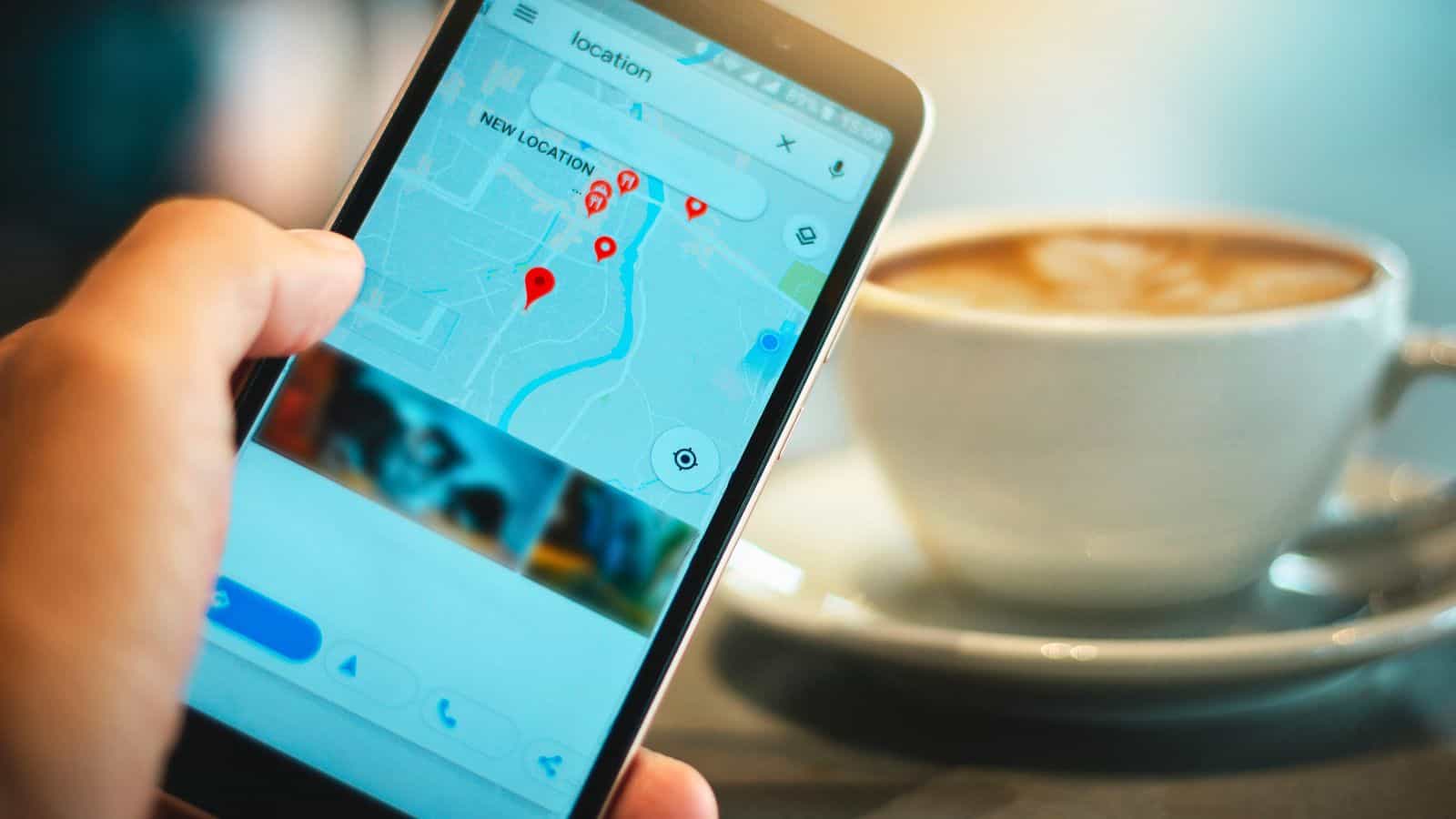
Many travelers learn this lesson while standing in the “correct” location, according to their phone, and still not finding what they are looking for. In dense cities, small alleys, layered buildings, or informal entrances can confuse mapping apps. Addresses may not follow consistent numbering, and businesses may be located above or below street level. Travelers say they learned to use Google Maps as a guide, not a final authority. Asking locals, looking for landmarks, and trusting observation often become just as important as following digital directions.
Weather can change plans completely, especially during monsoon season
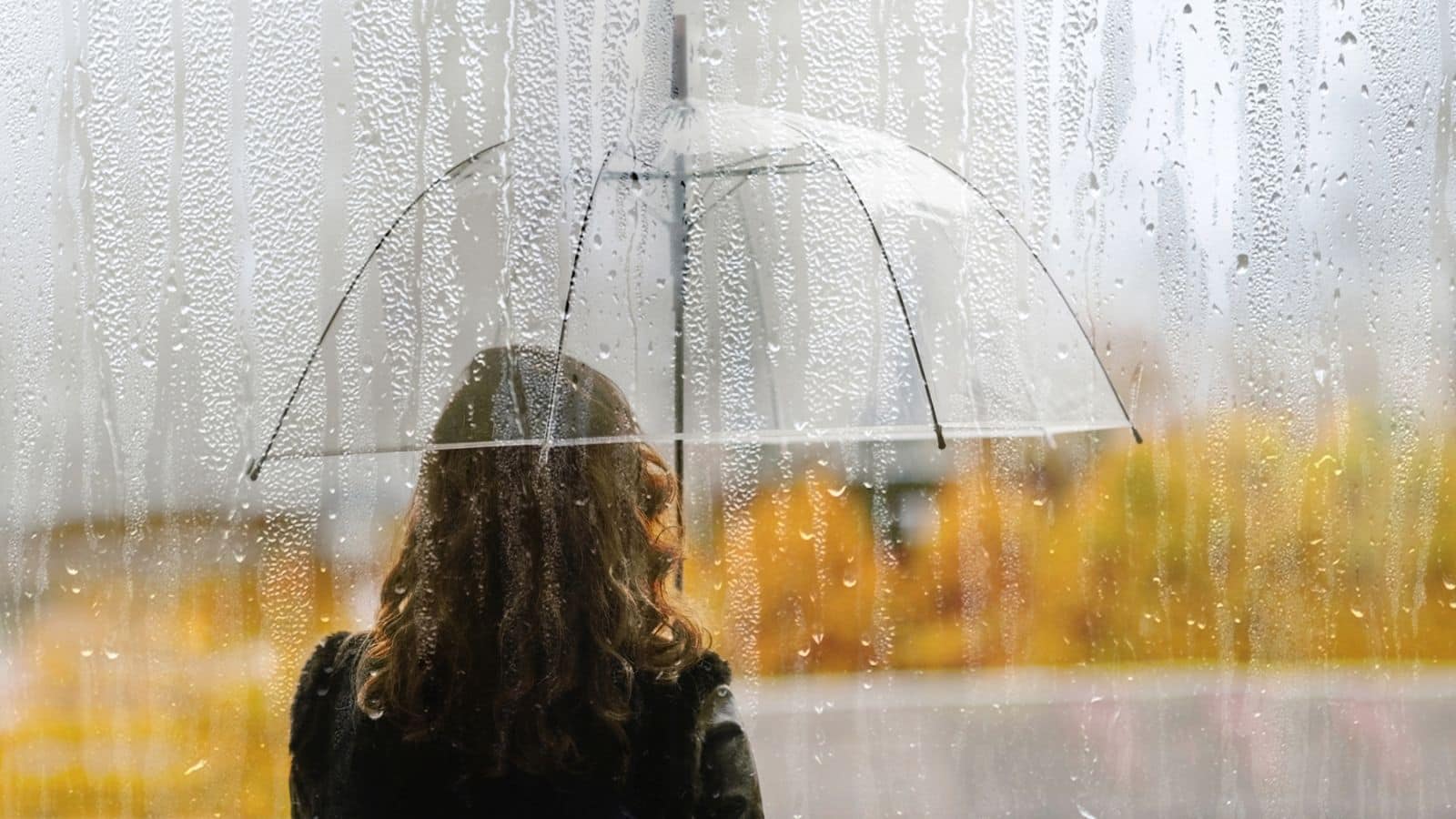
Travelers often underestimate how disruptive weather can be until it forces last-minute changes. Heavy rain can flood streets, delay transportation, or shut down attractions with little warning. Monsoon season, in particular, can turn a carefully planned day into a waiting game. Many travelers say they learned this after pushing through rain instead of adjusting expectations. The key lesson is adaptability. Building flexible plans and accepting weather as part of the experience makes travel easier. Travelers often say learning to work around weather rather than fight it changed how they approached trips in Asia.
13 Destinations That Look Expensive But Won't Break Your Bank

Want to travel on a budget? Traveling to beautiful destinations doesn't always have to come with a hefty price tag. There are 13 destinations that look expensive but won't break your bank. These locations offer stunning scenery, rich culture, and luxurious experiences without the high costs typically associated with such places. From picturesque beaches to charming cities, these spots prove that affordable travel is possible.
Read More Here: 13 Destinations That Look Expensive But Won't Break Your Bank
Top 10 Most Expensive Places to Live in the World

A trip to the most expensive places. Some places in the world come with a very high price tag, and knowing the top 10 most expensive places to live can help us understand why. These locations often have sky-high real estate prices and costly living expenses, making them popular spots for wealthy residents and visitors alike. By exploring these cities, we can see not just how much they cost, but also the unique lifestyles and opportunities they offer to those who call them home.
Read More Here: Top 10 Most Expensive Places to Live in the World



Leave a Reply