
Some places don’t really click the first time. You’re busy figuring things out, sticking to maps, and checking boxes. Then you leave thinking it was fine, maybe even great, but not life-changing. That’s why I've made a list of 12 cities that are better on the second visit. Suddenly, things feel different. The pressure is gone, and the city starts to make sense.
Second trips are perfect for slowing down and seeing how people actually live. You spend less time chasing highlights and more time just being there. That’s when a place starts to feel real instead of staged. Travelers talk about this all the time, usually right after saying, “I liked it way more the second time.” These are the cities where that shift happens most often, for clear and very human reasons.
London, England

London benefits greatly from repeat visits due to its size and density of history. After seeing icons like Buckingham Palace and Westminster, travelers can focus on districts such as Hackney, Greenwich, or Richmond. Familiarity with the Underground helps avoid long transfers and peak-hour crowds. Museums like the British Museum or Tate Britain feel more meaningful without time pressure, especially since many are free. Returning visitors often explore markets, canals, and historic pubs tied to local communities, revealing how modern life coexists with centuries-old traditions.
Lisbon, Portugal

The city feels more manageable after learning how its hills, sidewalks, and transit systems work together. With major stops like Belém and Tram 28 already done, travelers explore areas such as Campo de Ourique or Alcântara. Knowing when to rely on buses, funiculars, or walking routes reduces strain. Second visits also allow better timing at viewpoints throughout the day. Without rushing between landmarks, attention shifts to neighborhood shops, river walks, residential streets, and everyday scenes that define daily life in the city.
Barcelona, Spain
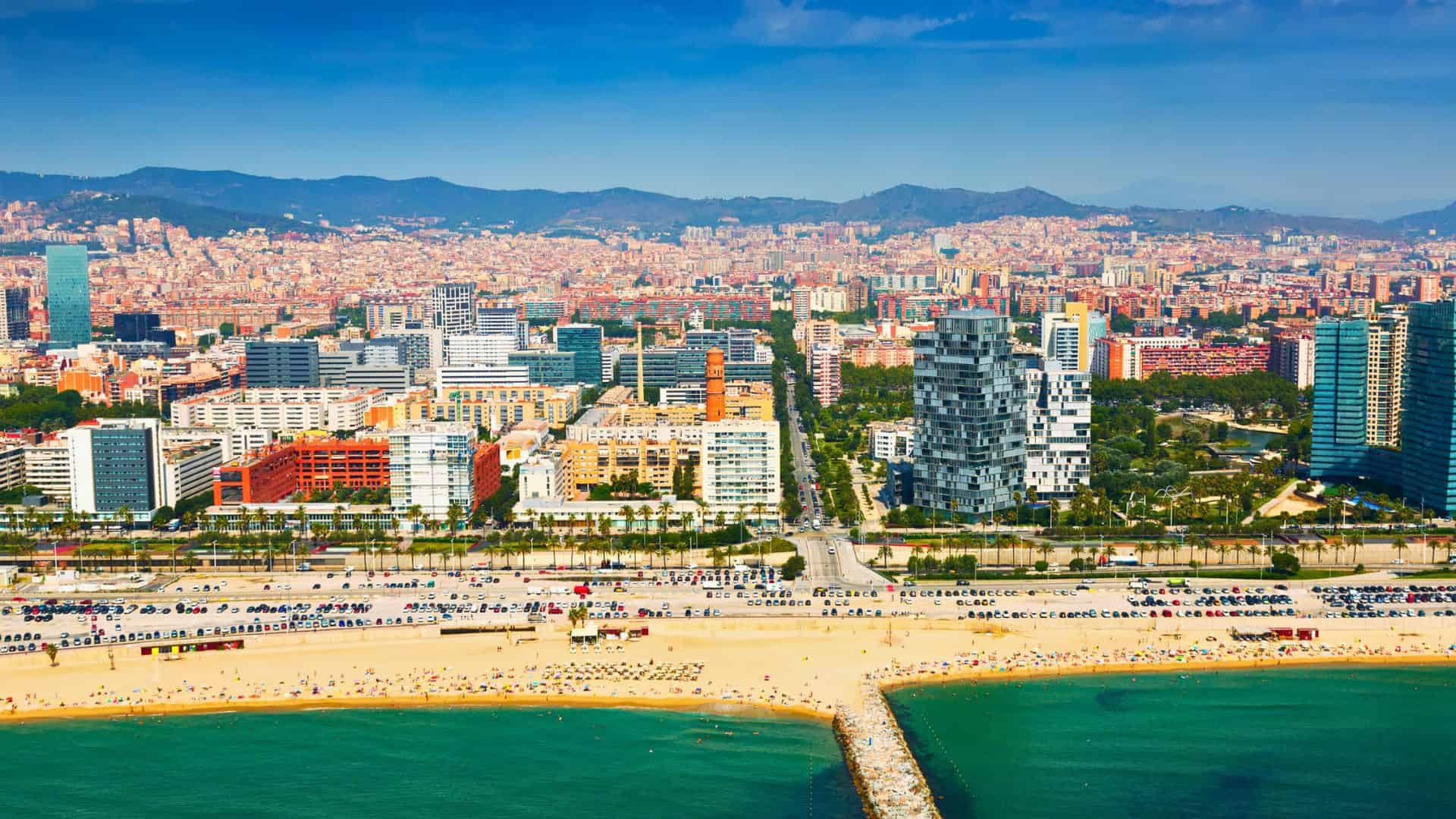
Barcelona improves on a second visit when travelers move beyond its most famous architecture. After seeing Sagrada Família and Park Güell, attention shifts to neighborhoods such as Gràcia or Poblenou, where daily routines feel calmer. Knowing city layouts helps avoid congested streets around Las Ramblas. Repeat visitors often plan time around local festivals or beach mornings followed by late dinners, matching regional schedules. With less urgency, art spaces, viewpoints, and small plazas gain importance, revealing how history, design, and everyday life interact across the city.
Paris, France

On a second visit, Paris feels less like a checklist and more like a lived-in city. With major landmarks already seen, travelers spend time wandering arrondissements such as the 11th or 14th, where daily routines unfold without crowds. Familiarity with the Métro reduces stress and opens access to smaller museums like Musée Carnavalet or Musée de la Vie Romantique. Returning visitors often take trips outside peak summer, which means shorter lines and quieter streets. Markets, bookshops, and long walks along the Canal Saint-Martin reveal how Parisians actually pass their days.
Istanbul, Turkey
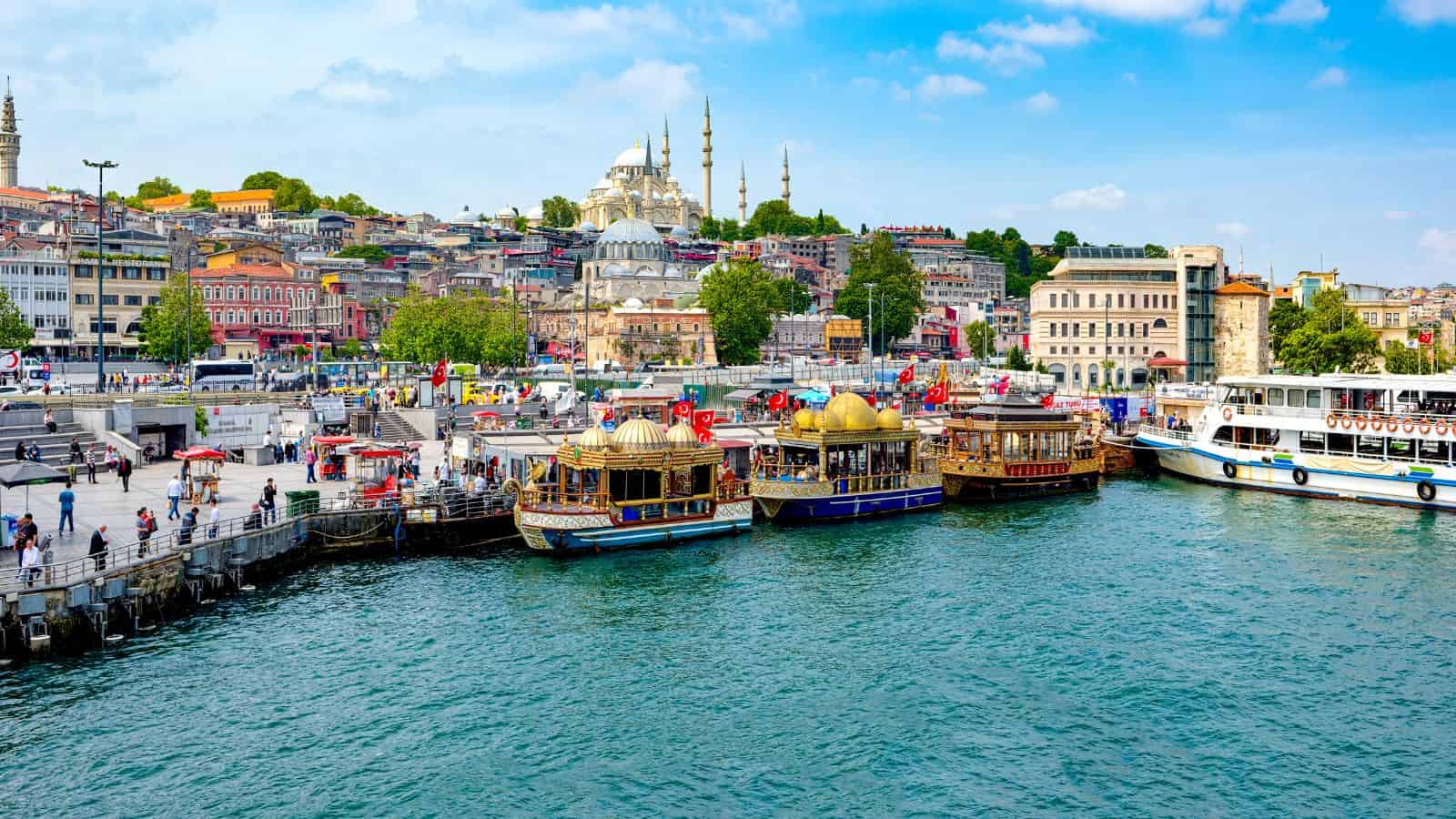
A second visit makes the city easier to understand and navigate. After major sights like Hagia Sophia and the Blue Mosque are familiar, travelers spend more time in residential districts such as Kadıköy or Balat. Knowing how to use ferries, trams, and metro lines simplifies moving between the European and Asian sides. This familiarity highlights how historic buildings function within everyday life. Planning around prayer times and local holidays also helps visitors see how schedules and routines shape the city beyond its main attractions.
New York City, USA

New York becomes more rewarding after the major sights are out of the way. Instead of Times Square and Midtown landmarks, returning travelers explore neighborhoods like Astoria, Harlem, or Carroll Gardens. Understanding subway patterns saves time and builds confidence across boroughs. A second visit allows space for smaller venues, independent shops, and community events that first-time tourists rarely see. Seasonal timing also matters; fall and spring bring street activity and public programs. The city’s character feels clearer once exploration replaces orientation.
Venice, Italy
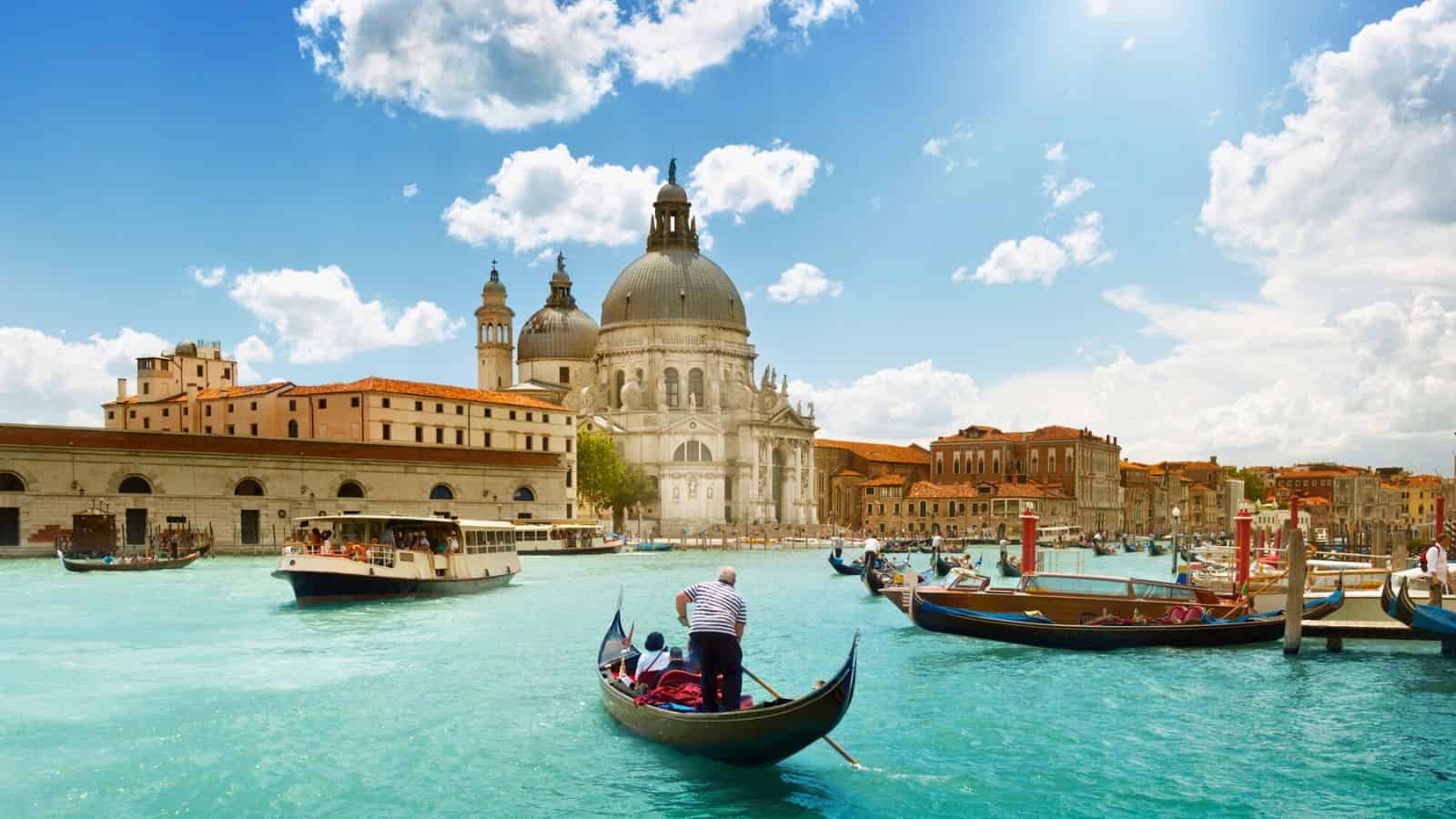
A return trip allows travelers to move beyond the most crowded areas and rigid sightseeing routes. After visiting St. Mark’s Square and the Grand Canal, quieter districts like Cannaregio and Castello become more appealing. Knowing cruise ship schedules, flooding patterns, and alternate walking paths helps with timing and navigation. Smaller churches, workshops, and nearby islands receive more attention. With less pressure to cover major sights, Venice feels less like a display and more like a living city shaped by residents, maintenance work, tides, and seasonal rhythms.
Want to save this?
Bangkok, Thailand
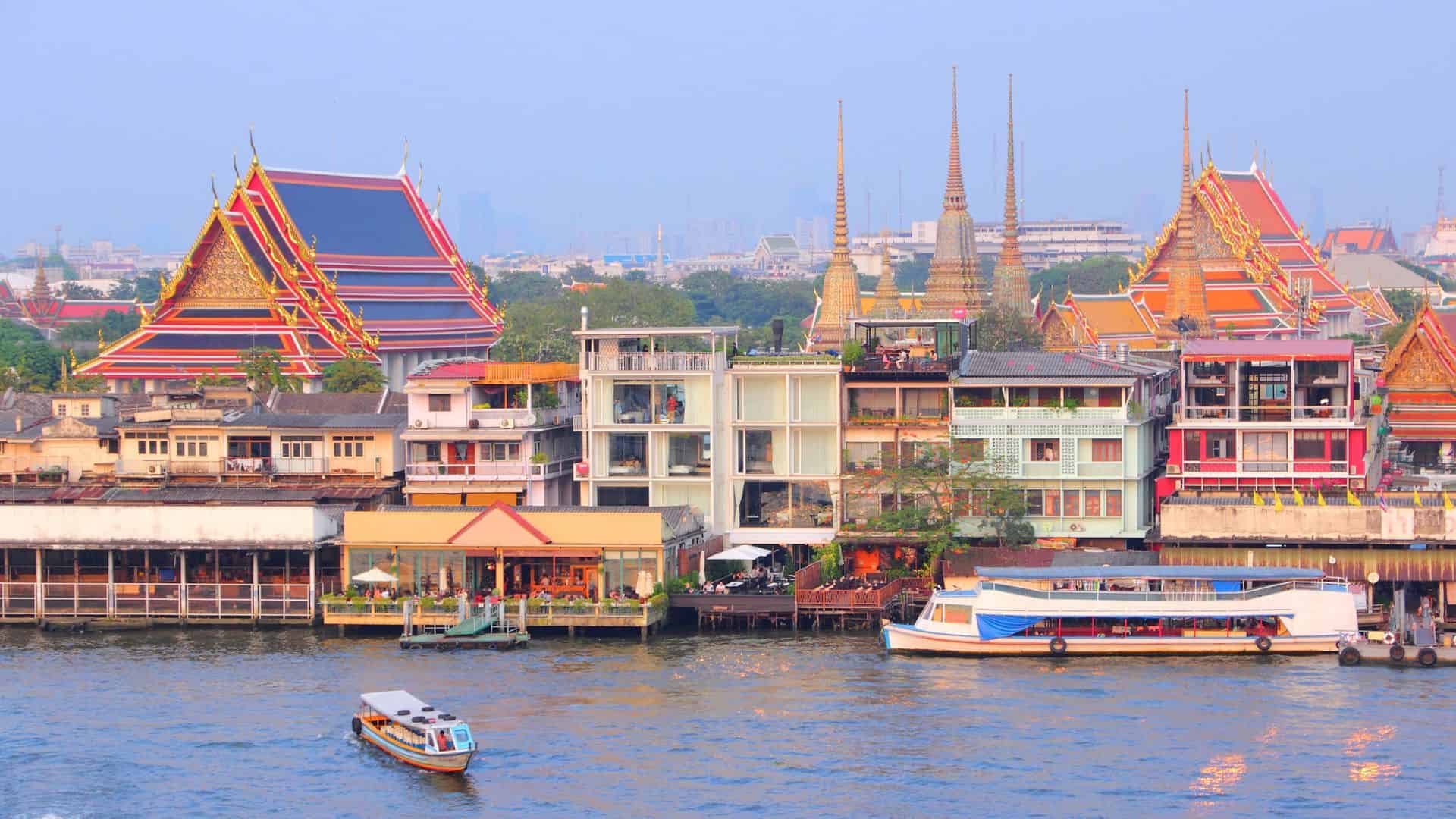
Returning to the city brings practical advantages. Once visitors understand traffic patterns, heat, and public transit, getting around becomes far more efficient. River boats, BTS lines, and neighborhood routes feel predictable rather than confusing. This opens time for areas like Ari or Thonburi, well away from the busiest corridors. Repeat visits also help with planning around the rainy season, holidays, and major festivals. Without first‑trip stress, attention shifts to local temples, early markets, canals, and residential streets that reveal how people actually live.
Rome, Italy

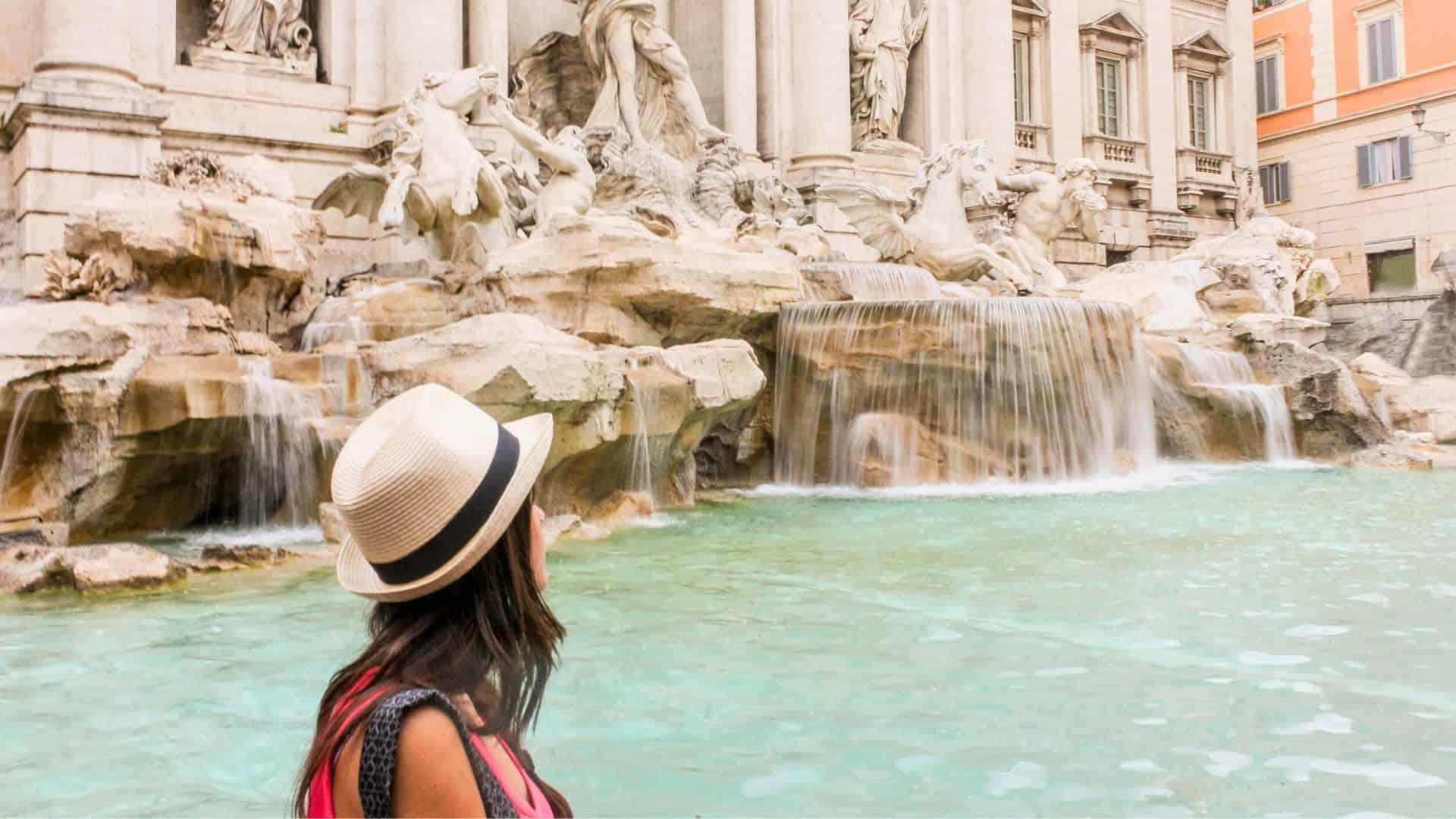
Rome improves on a return because the pressure to rush between ancient sites disappears. After seeing the Colosseum and Vatican once, travelers slow their pace and notice layers of history woven into everyday life. Neighborhoods such as Trastevere or Testaccio reveal traditions, local routines, and architecture untouched by tour groups. Knowing basic transit and walking routes saves time in a city where distances deceive. Many return visitors schedule museums strategically or visit lesser-known churches containing Renaissance art. Rome’s rhythm becomes clearer when curiosity replaces urgency.
Tokyo, Japan

Tokyo can feel overwhelming during a first visit, but a second trip transforms that feeling into confidence. Familiarity with train systems, etiquette, and station layouts reduces confusion in one of the world’s busiest urban networks. Travelers then explore quieter districts like Yanaka or Koenji, far from neon centers. Repeat visits also allow seasonal planning, such as cherry blossoms or autumn foliage, which significantly shape daily life. With cultural expectations already understood, interactions feel smoother, and the city’s balance between tradition and modern routines becomes more visible.
Los Angeles, USA

The city works better on a second visit when travelers adjust expectations and planning habits. Rather than trying to cover everything, repeat visitors focus on a few neighborhoods and plan days around realistic travel times. Understanding peak traffic hours helps avoid long delays. Areas such as Silver Lake, Pasadena, or Manhattan Beach become easier to combine into an itinerary. With logistics under control, visitors spend more time on hiking trails, independent theaters, bookstores, and community events that reflect daily life across different parts of the region.
Mexico City, Mexico
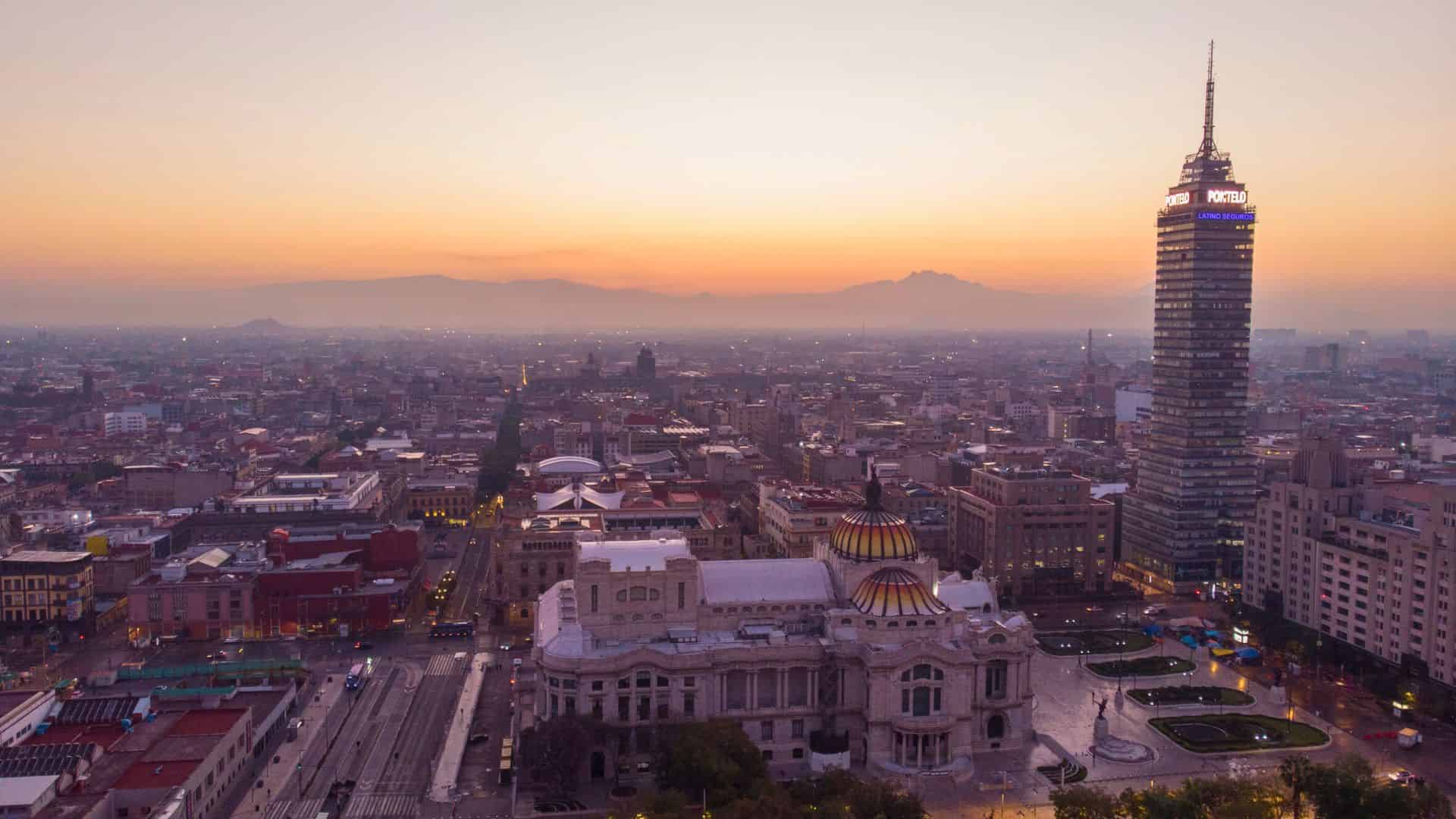
Repeat visits make it easier to understand the city’s scale and variety. Once the historic center and major museums are familiar, neighborhoods such as Roma, Coyoacán, and San Ángel stand out more clearly. Experience using the Metro, Metrobús, and ride‑share services saves time and reduces fatigue. Returning travelers often focus on markets, parks, galleries, and public spaces tied to daily routines. Planning trips around exhibitions, concerts, or local events adds context, helping long histories feel connected to present‑day activity across the city.
Go Back. It Makes Sense.

Second visits stick with people for a reason. Once the pressure fades, travel feels calmer and more natural. You stop worrying about what you’re supposed to see and start paying attention to what’s around you. Getting lost isn’t a problem anymore. It’s just part of the day. Small moments carry more weight because you’re not rushing past them. The pace slows, and the place starts to feel familiar in a good way.
That’s why so many travelers talk about going back. A return trip can be great, sometimes even better than the first. You already know the basics, so there’s room for curiosity and comfort to coexist. Cities show different sides when you give them time. Not louder or bigger, just clearer. And once that happens, you realize some places aren’t built for one visit. They make more sense when you come back.
12 Cities That Are Perfect for a Quick but Fun 48-Hour Trip

Looking to escape for a quick trip that doesn’t take up your whole week? These 12 cities that are perfect for a 48-hour trip are great at giving you a full experience within a limited time. You can hit major sights, wander through interesting neighborhoods, and soak up the local atmosphere without feeling rushed. These places make it easy to get a real taste of what they’re about, even if your time is limited.
Read More Here: 12 Cities That Are Perfect for a Quick but Fun 48-Hour Trip
12 Countries That Look Like They Belong in a Fantasy Movie

Some places just scream “fantasy movie set,” without even trying. It’s like Mother Nature decided to have a little fun and create landscapes that make you question if you accidentally stepped into a storybook. These 12 countries that look like they belong in a fantasy movie have that special vibe that makes you want to grab a sword or cast a spell even if you’re just there for the scenery.
Read More Here: 12 Countries That Look Like They Belong in a Fantasy Movie


Leave a Reply