
Travel opinions often depend on background, habits, and what people expect from a trip. Around the world, these destinations are example of how the same places can feel crowded or underwhelming to some travelers and familiar or comforting to others. These destinations show how culture and travel style shape first impressions.
Seeing a place through a different lens can change how it feels on the ground. With these destinations, it becomes easier to understand why reactions vary so much and what Europeans often value when they return again and again. Keep reading to explore places that divide opinions and decide which ones might surprise you.

Brussels, Belgium

Many Americans see Brussels as a brief stop between larger European cities, but Europeans view it as a place with depth and character. The Grand Place remains one of the continent’s most striking squares, surrounded by ornate buildings that glow beautifully in the evening. Locals spend hours in cafés, sipping coffee or beer while the city moves at a steady, relaxed rhythm. Art Nouveau architecture, small museums, and neighborhood markets add layers that aren’t obvious on quick visits. Europeans appreciate how easy it is to explore on foot and how the city blends modern life with old-world detail. Americans sometimes miss that slower charm entirely.
Marseille, France
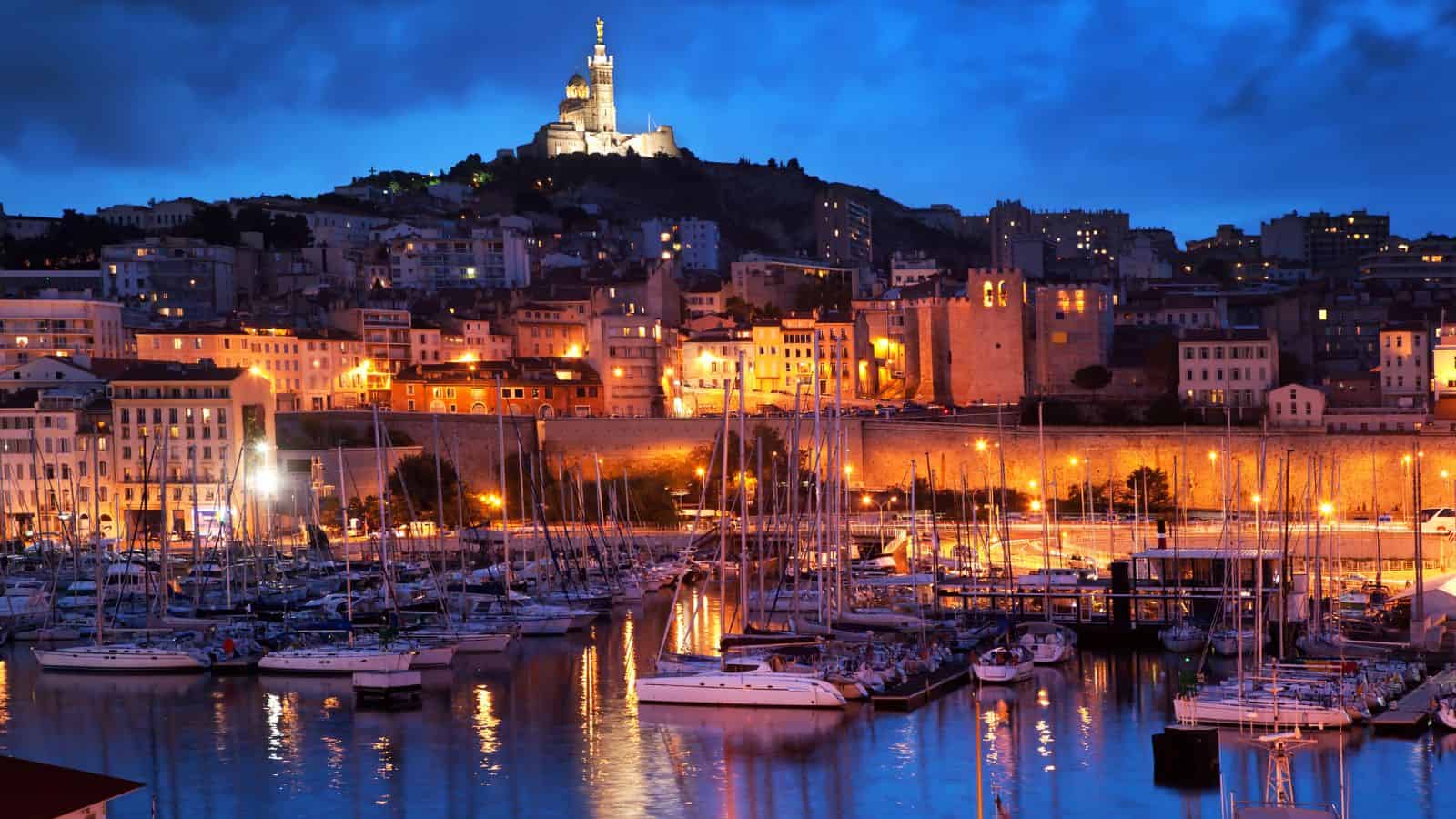
Americans often expect something similar to Paris and leave surprised by Marseille’s grit and energy, while Europeans value it for those exact qualities. The city’s port has a strong personality shaped by decades of multicultural influences, giving it a lived-in vibrancy that feels different from other French destinations. Local markets, coastal viewpoints, and fresh seafood spots draw steady crowds from across Europe. Neighborhoods like Le Panier offer narrow streets, small shops, and a sense of history that feels raw rather than polished. Europeans embrace Marseille as a city that shows real daily life, a contrast to postcard-style travel stops that appeal more to visitors from abroad.
Düsseldorf, Germany
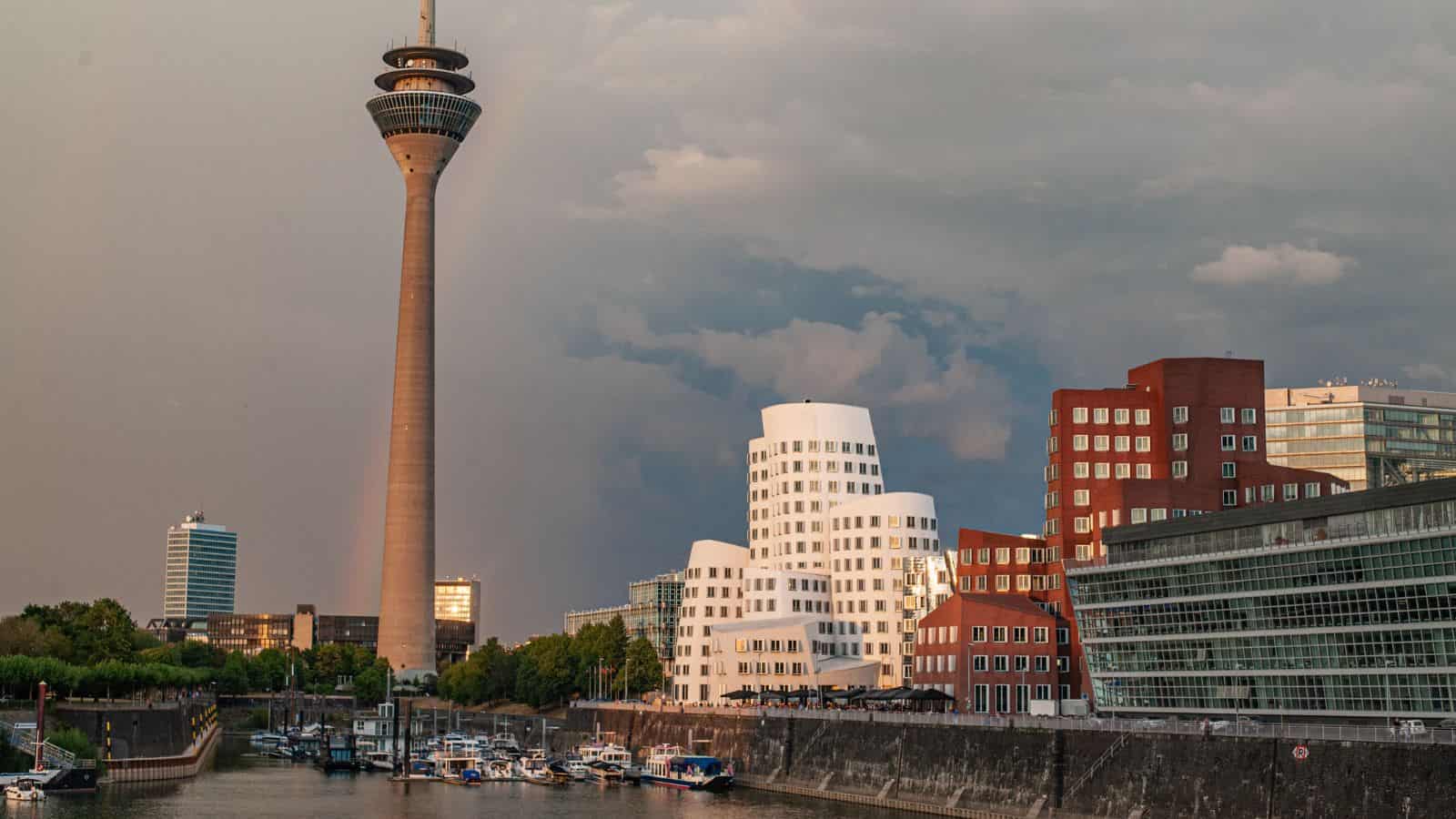
Düsseldorf doesn’t always register on American travel lists, yet Europeans often praise it for its organized layout, riverside walks, and strong art scene. The city combines modern architecture with clean, easy-to-navigate neighborhoods that feel both lively and orderly. Galleries, fashion districts, and quiet cafés give it a sense of sophistication without the crowds found in larger German destinations. The Rhine Promenade is a favorite among locals, and festivals throughout the year bring the city to life. Europeans see Düsseldorf as a place that delivers culture, comfort, and accessibility all at once, while many Americans pass it by in favor of more famous cities like Munich or Berlin.
Naples, Italy
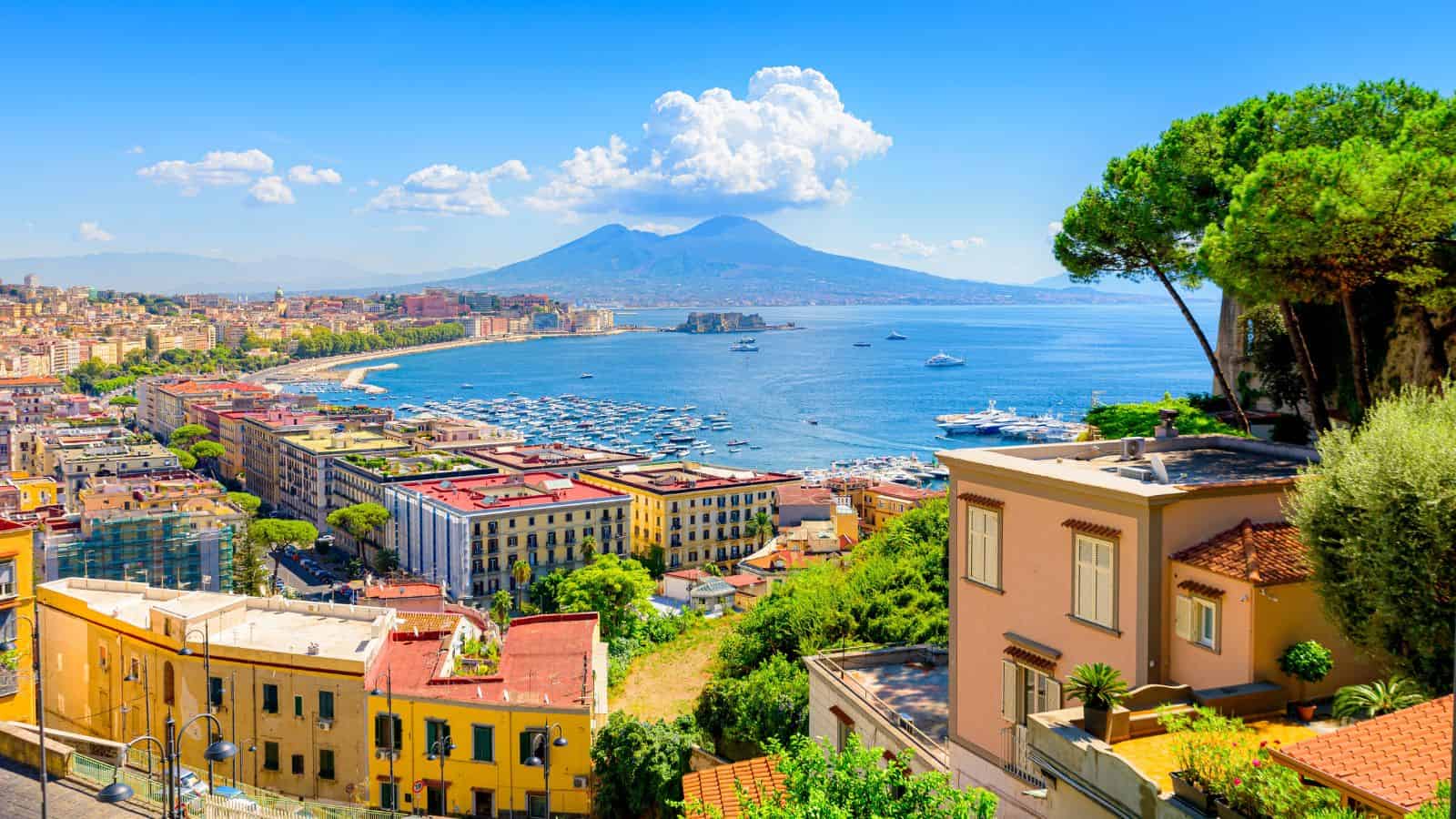
Naples sometimes surprises American visitors with its noise, traffic, and fast-moving streets, but Europeans see these traits as part of its intense personality. They come for the historic quarters, the lively waterfront, and a food culture rooted in long-standing traditions. The city’s older districts reveal layers of history through narrow alleys, local shops, and small squares that feel authentic rather than curated. Europeans appreciate how Naples stays true to itself, offering moments of beauty next to moments of chaos. They also value its direct access to Pompeii, the Amalfi Coast, and nearby islands. Americans often overlook these strengths when judging the city’s energy too quickly.
Rotterdam, Netherlands
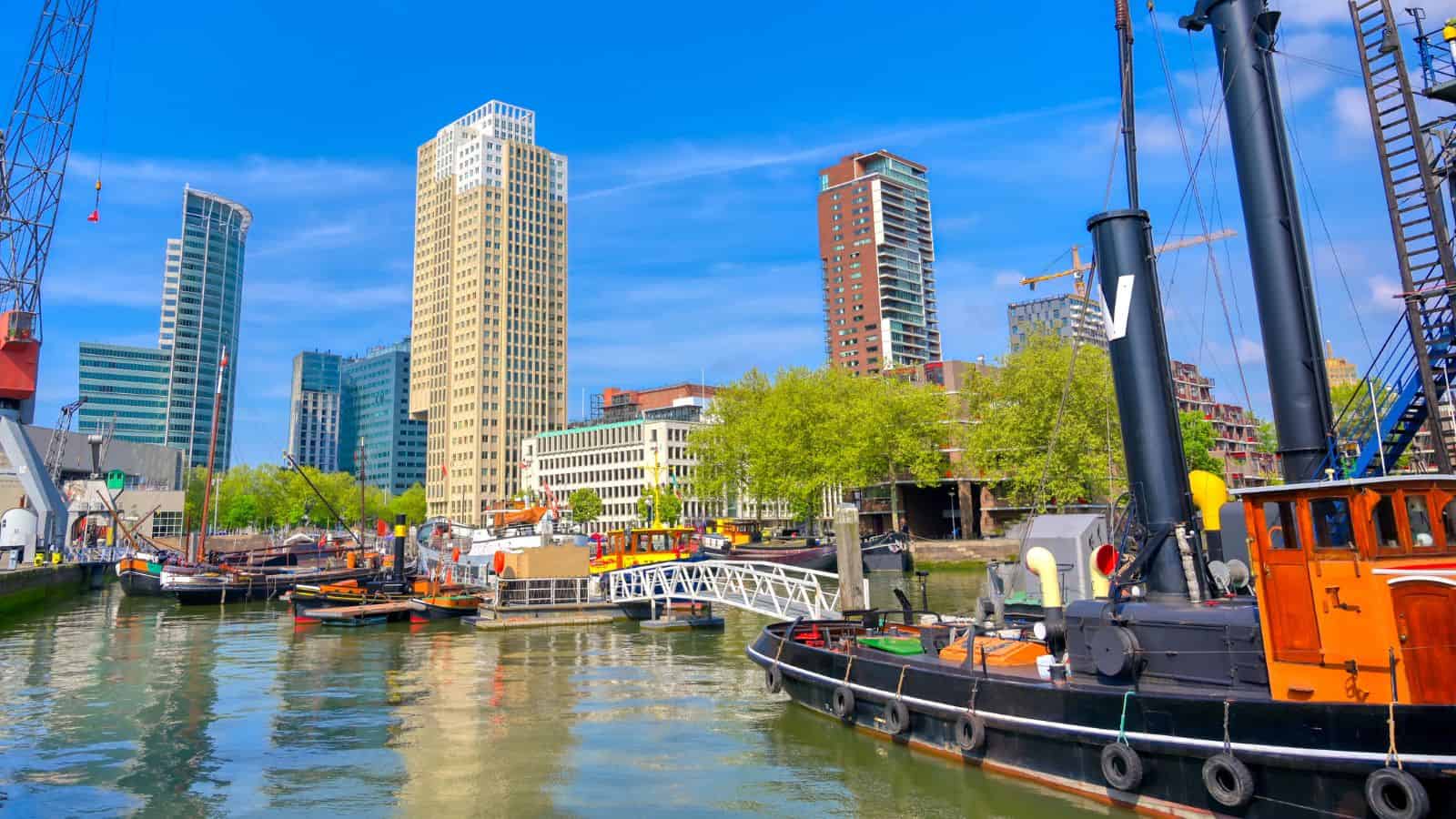
Rotterdam is often overshadowed by Amsterdam for Americans, yet Europeans admire it for its creativity and striking modern skyline. Rebuilt after World War II, the city embraced bold architecture, resulting in eye-catching bridges, geometric buildings, and inventive public spaces. Locals enjoy its markets, waterfront paths, and neighborhoods filled with art studios, small cafés, and cultural venues. Rotterdam is known for being forward-looking, diverse, and easy to navigate by bike or tram. Europeans appreciate its balance of innovation and everyday comfort, seeing it as a vibrant example of a city that reinvented itself with confidence. Many American travelers miss this character when choosing more traditional Dutch destinations.
Valencia, Spain
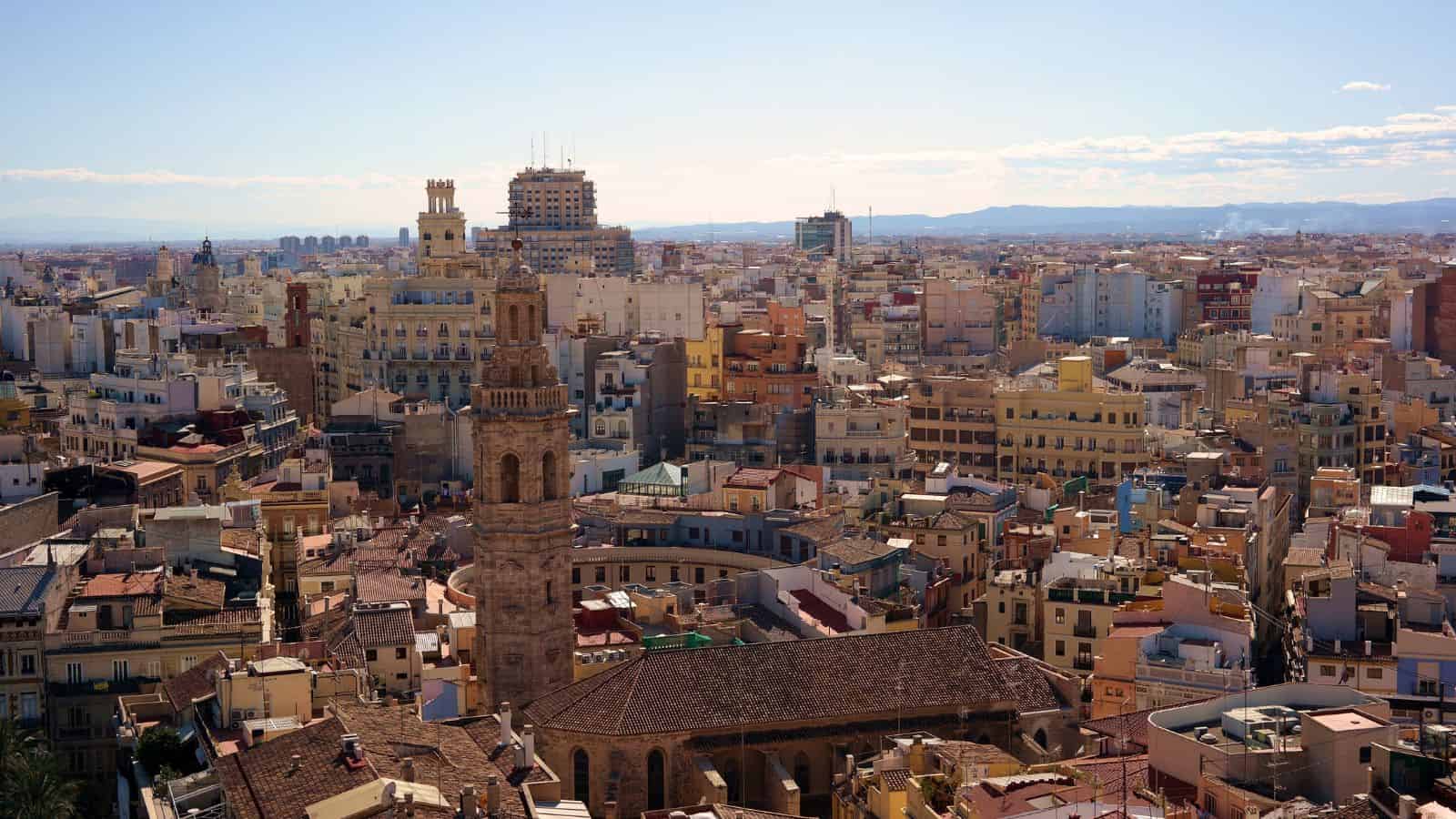
Valencia often gets less attention from American travelers, who focus on Madrid or Barcelona, but Europeans see it as one of Spain’s most balanced and comfortable cities. Its long park built inside a former riverbed gives residents space to walk, cycle, and relax throughout the day. The historic center feels approachable, and neighborhoods offer cafés, markets, and quiet squares without overwhelming crowds. Locals enjoy the city’s beaches, modern architecture, and festivals that reflect long-standing traditions. Europeans value Valencia for its steady rhythm and lifestyle that mixes coastal living with cultural depth. Many Americans overlook how easy, pleasant, and visually interesting the city can be.
Want to save this?
Tirana, Albania

Tirana is still unfamiliar to many Americans, yet Europeans increasingly view it as one of the region’s most interesting capitals. The city stands out for its colorful buildings, mountain backdrop, and accessible street life. Locals gather in public squares, lakeside paths, and open-air cafés that give the city a welcoming feel. Travelers from Europe appreciate its affordability, friendly residents, and evolving food scene. Museums and historic sites tell a complicated story that many visitors find engaging. Americans often miss Tirana because it isn’t part of traditional travel routes, but Europeans see it as a lively, refreshing destination that feels genuine and full of energy.
Geneva, Switzerland

Some Americans see Geneva as too formal or business-focused, but Europeans admire its lakeside scenery and convenient access to nature. The city offers clear views of the Alps, calm waterfront paths, and neighborhoods filled with parks and small cafés. Locals enjoy taking boats across the lake, relaxing in green spaces, or heading into the mountains for day trips. Geneva also has museums, markets, and international influences that add depth without feeling overwhelming. Europeans value the city’s cleanliness, steady pace, and proximity to outdoor activities. Americans sometimes overlook these features because they expect a more traditional old-town feel like other Swiss destinations.
Luxembourg City, Luxembourg
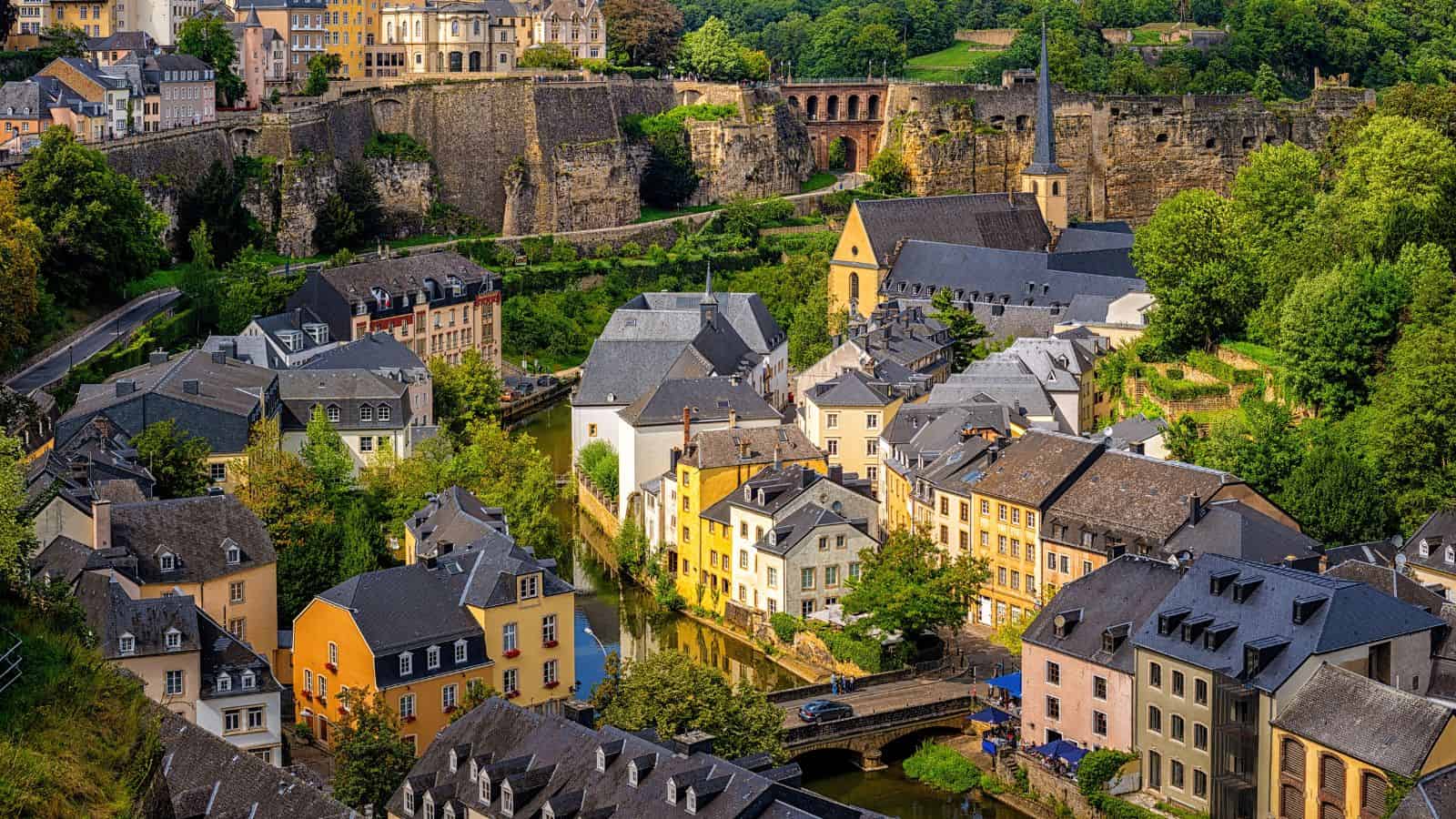
Americans often skip Luxembourg City due to its size, but Europeans respect its dramatic landscapes and comfortable atmosphere. The old fortifications, deep valleys, and elevated viewpoints make the city visually striking. Locals appreciate its quiet streets, tidy parks, and balance of modern buildings with medieval structures. The city has museums, cafés, and neighborhoods that are easy to explore in a single day without feeling rushed. Europeans enjoy how calm it remains compared to larger capitals. Many Americans assume Luxembourg lacks major attractions, but visitors who spend time there discover a laid-back destination with impressive scenery and a welcoming pace.
Antwerp, Belgium
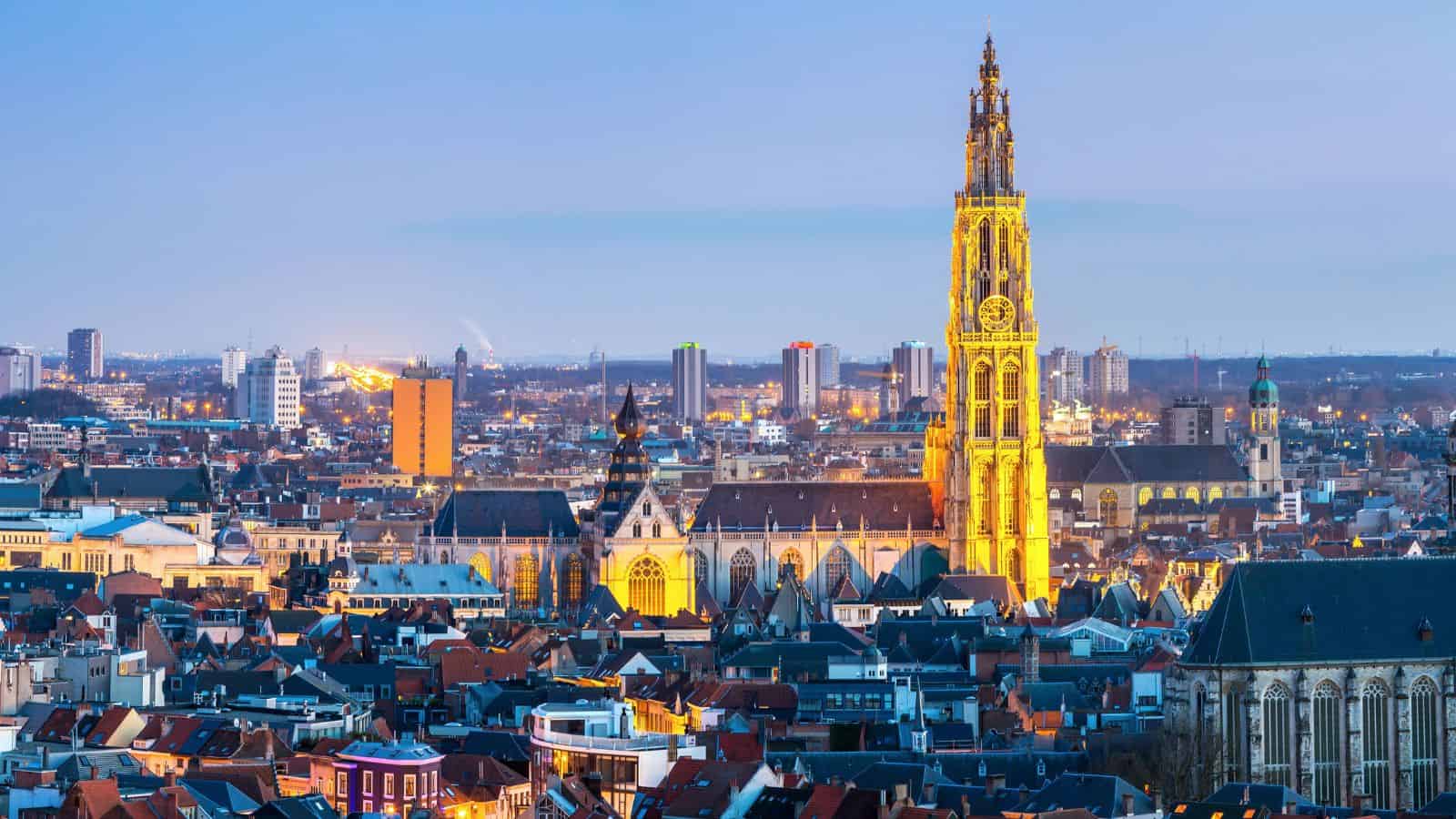
Antwerp tends to fall behind Bruges or Brussels on American travel lists, but Europeans see it as a stylish, cultural powerhouse. The city has deep artistic roots, a strong fashion identity, and neighborhoods that combine historic buildings with modern creativity. Locals spend time in markets, riverside paths, and cafés that show the city’s character. Antwerp’s museums, small boutiques, and food spots help create an atmosphere that feels energetic without being chaotic. Europeans view it as a place with personality and sophistication that rewards slow exploration. Many Americans miss these qualities because they rely on more familiar Belgian destinations.
Glasgow, Scotland
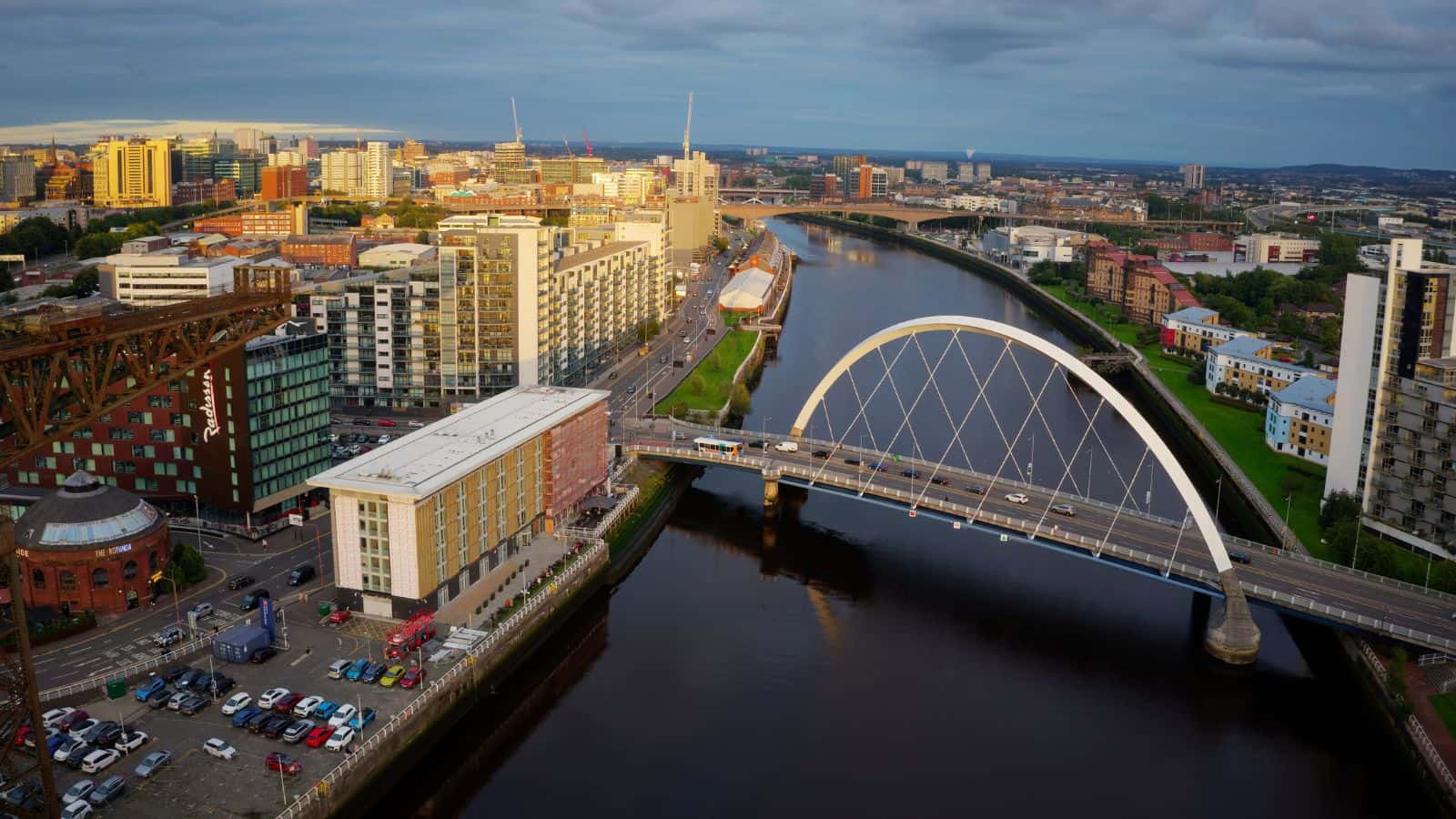
Visitors from the U.S. tend to choose Edinburgh, while Europeans often gravitate toward Glasgow for its personality, cultural offerings, and friendly residents. The city’s music scene is one of the strongest in the UK, and locals fill venues of all sizes throughout the week. Glasgow has museums, parks, and historic buildings, but it also has a sense of community that feels grounded and welcoming. Neighborhoods offer small cafés, markets, and creative spaces that show everyday life rather than tourist-focused moments. Europeans appreciate the city’s honesty and strong identity. Americans sometimes overlook Glasgow because it doesn’t match the postcard image they expect from Scotland.
13 Tourist Behaviors That Create Real Problems in European Countries

Tourists play a vital role in the economy and culture of European countries, offering much-needed revenue and a chance for cultural exchange. However, certain tourist behaviors can cause significant issues for locals, from overcrowding at popular landmarks to disrespect for local customs and environments. Understanding and respecting local rules is crucial to creating a harmonious travel experience, both for visitors and residents alike.
Read More Here: 13 Tourist Behaviors That Create Real Problems in European Countries
13 Europe Travel Strategies Every US Traveler Should Master

Traveling to Europe from the US can feel like a grand adventure, but with so many diverse countries and cultures to explore, it requires some smart planning. There are key strategies that every US traveler should master to make the most of their European vacation, from navigating different transportation systems to understanding local customs. With the right approach, the trip can become not only smoother but far more rewarding.
Read More Here: 13 Europe Travel Strategies Every US Traveler Should Master




Leave a Reply