
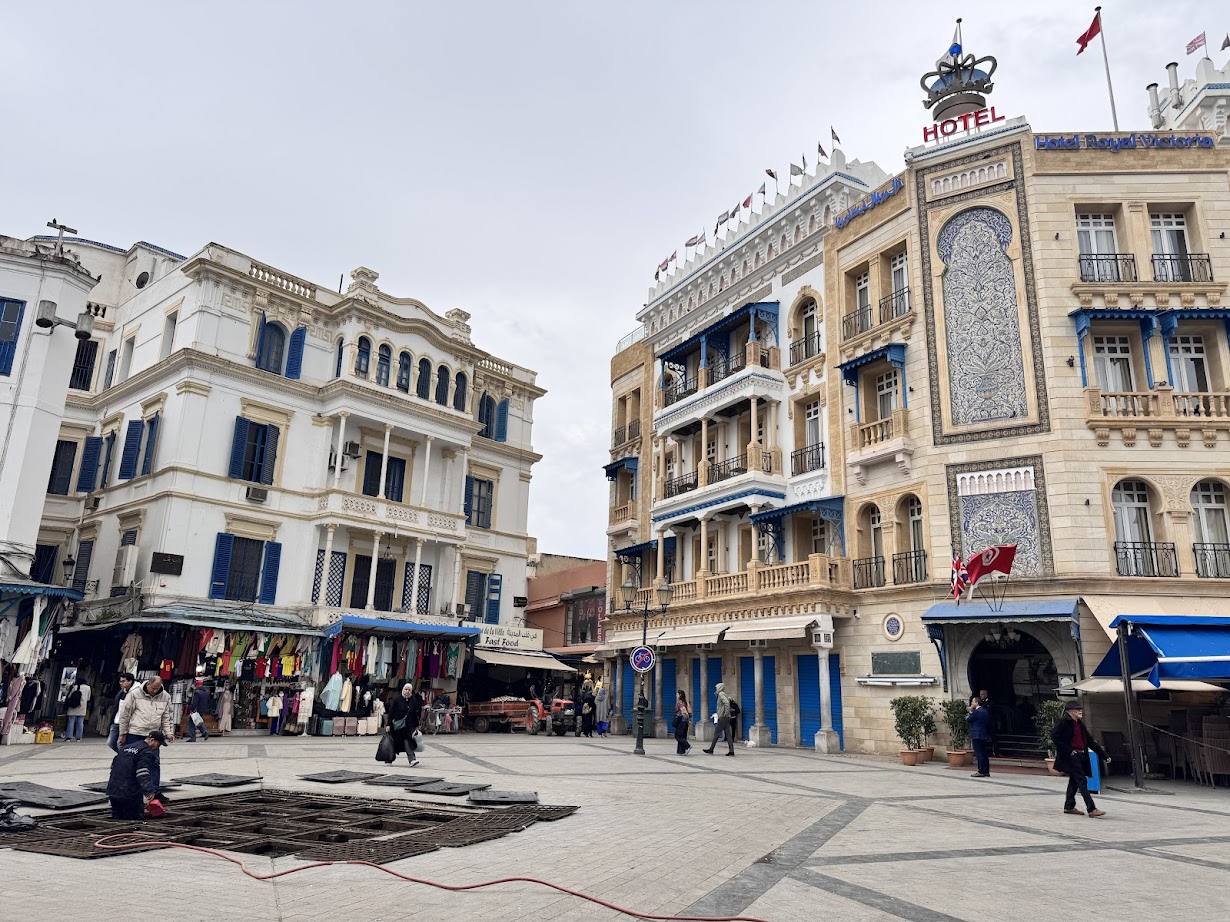
Our family had only one day in Tunis, but the lively streets, elegant boulevards, and calm seaside corners made it feel full from the start. Even with just 24 hours, we fit in some unforgettable sights, tasted a few local cuisines, and started to understand why this city has been a cultural crossroads for so long.
Jump to:
At first, we weren't quite sure what to expect. It’s not as internationally famous as Barcelona or Marseille, but that turned out to be a good thing. The city feels more authentic and approachable, with a rhythm that’s uniquely Tunisian.
This guide breaks down how we spent our 24 hours in Tunis. It’s a relaxed itinerary that works well for families, multi-generational trips, or anyone visiting on a quick stopover, giving a taste of what makes Tunis so special.
Plan Your Trip
Save on fees abroad with the Wise Card—use it at ATMs, restaurants, and for flights or hotels in over 150 countries. Manage 40+ currencies in real-time with the Wise app.
Need Help Planning?
- Cheap Flights: Find the best deals.
- Accommodation: From hostels to luxury stays.
- Car Rental: Affordable options worldwide.
- Sightseeing Tours: Explore without breaking the bank.
- Travel Adapter: One adapter for all your needs.
- Travel Insurance: Don’t risk it—stay covered.
This post includes affiliate links, and as an Amazon Associate I earn from qualifying purchases. Read my full disclosure and privacy policy.
One Day in Tunis Itinerary
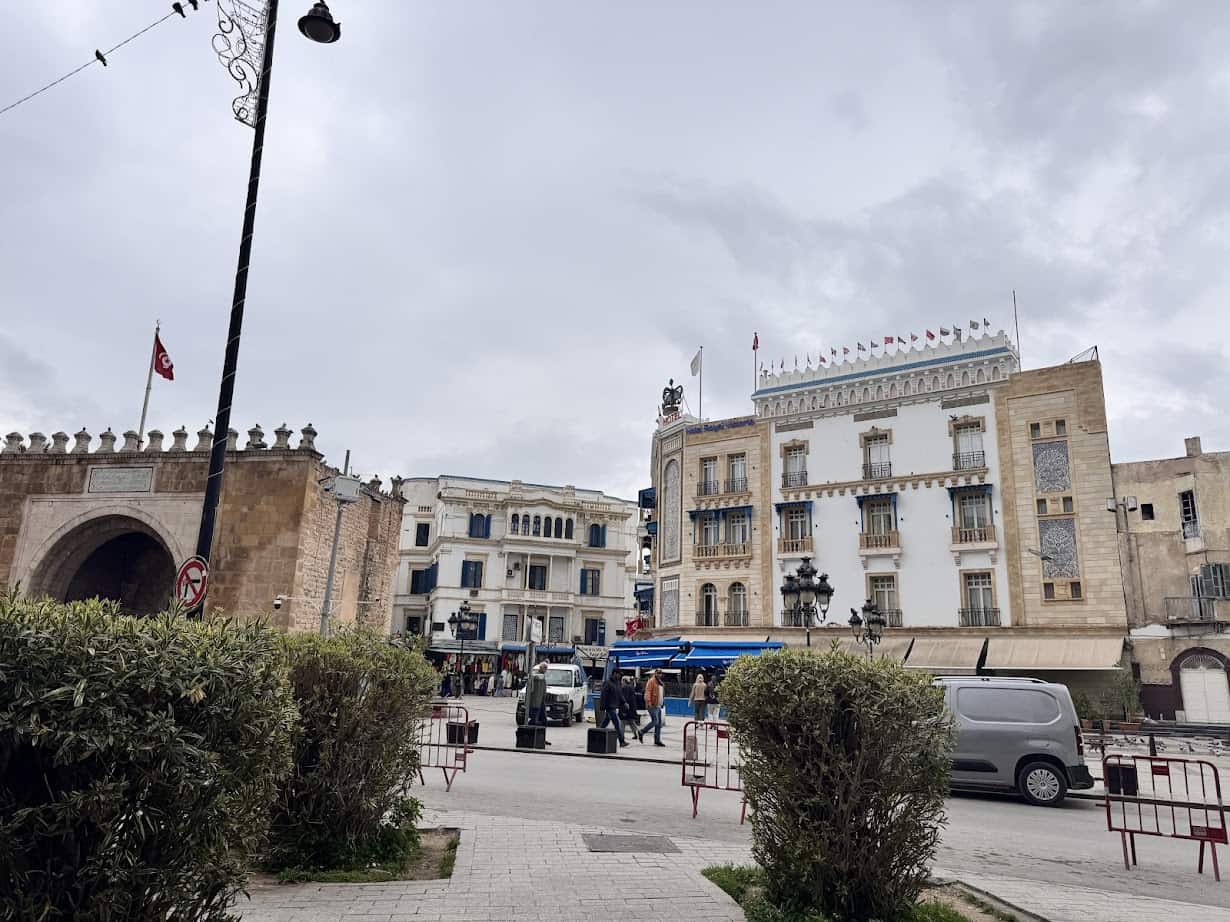
Tunis is the capital city of Tunisia, a bustling hub where history, culture, and daily life come together in a way that’s uniquely Maghreb.
Planning a single day in the city means balancing ancient landmarks, lively markets, and quiet corners where you can take a breather.
The best time to visit Tunis is in spring or fall, when the weather is mild, and the city feels lively without being overwhelming. March to June or September to October offer gentle temperatures, lower rainfall, and comfortable days for exploring on foot.
For us, this was our last stop of the MSC Fantasia 7-day Mediterranean cruise we took. We went here right after Palermo, Sicily, which was a beauty as well.
How to Get Around in Tunis
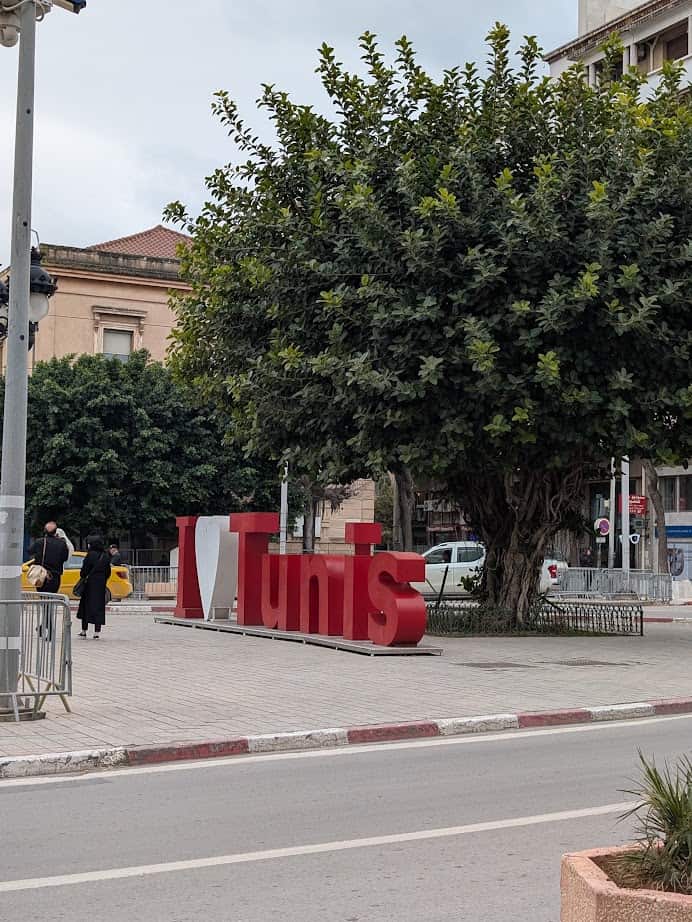
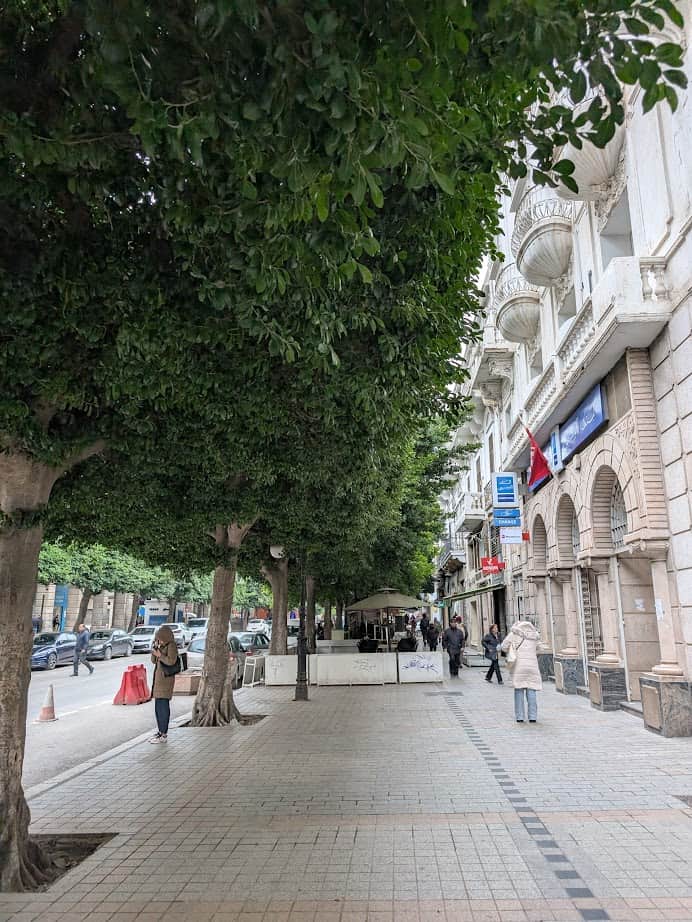
Getting around Tunis is easier than it might seem, even with a family in tow. The city center is fairly compact, so many of the main sights are best explored on foot.
Walking allows you to stroll through the streets, markets, and architecture at your own pace, which is perfect when traveling with kids and grandparents.
Comfortable shoes are a must, as some streets are cobbled or uneven, and the medina lanes can be narrow and winding.
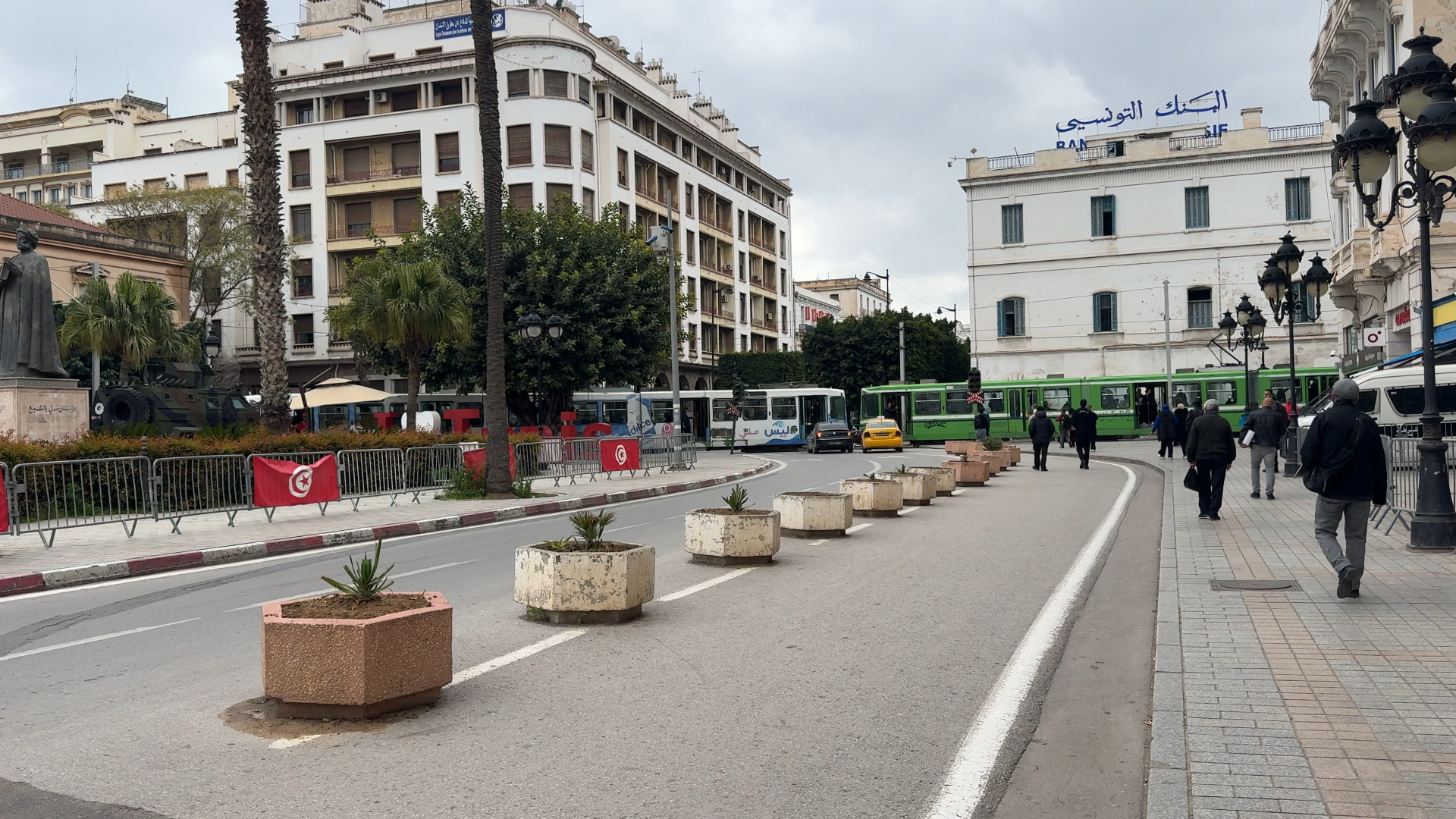
For longer trips within the city or to nearby coastal towns, there are several other ways to get around Tunis. One unique option is the Tunis - La Goulette - La Marsa (TGM) train. It’s affordable, frequent, and offers a glimpse of daily life beyond the medina.
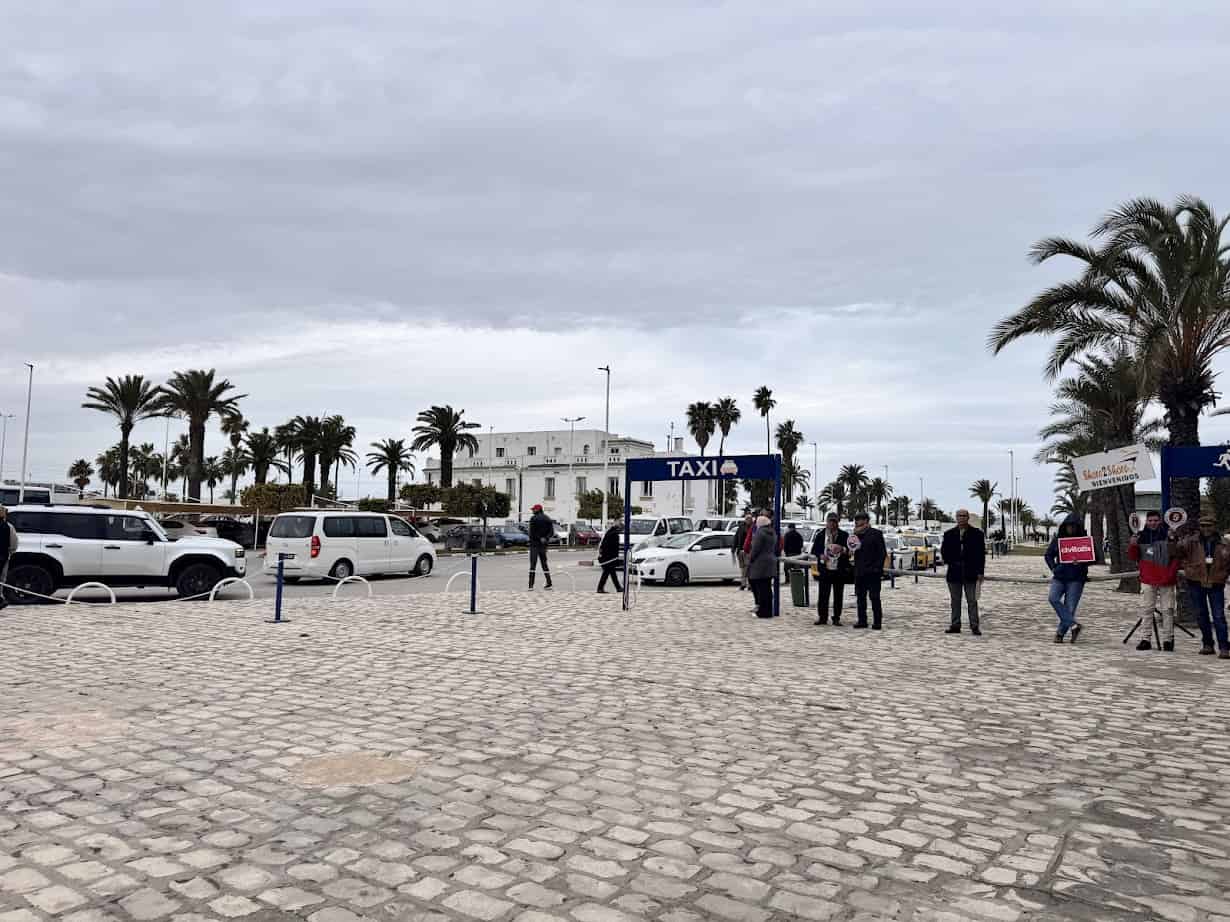
If you're arriving at the port, be prepared. The moment you step off, you’re met with a wave of tour and taxi (louages) offers, so it helps to know where you’re heading before you disembark.
For families who prefer convenience, rideshare apps and regular taxis provide a stress-free alternative, especially when traveling with children or carrying purchases from the markets.
Things to See in the City of Tunis
If you’re short on time but want a real feel for the city, spending a day exploring Tunis will show you why it’s such a vibrant capital. This section highlights the top sights to include on your itinerary so you can make the most of your visit.
Cathedral of St. Vincent de Paul
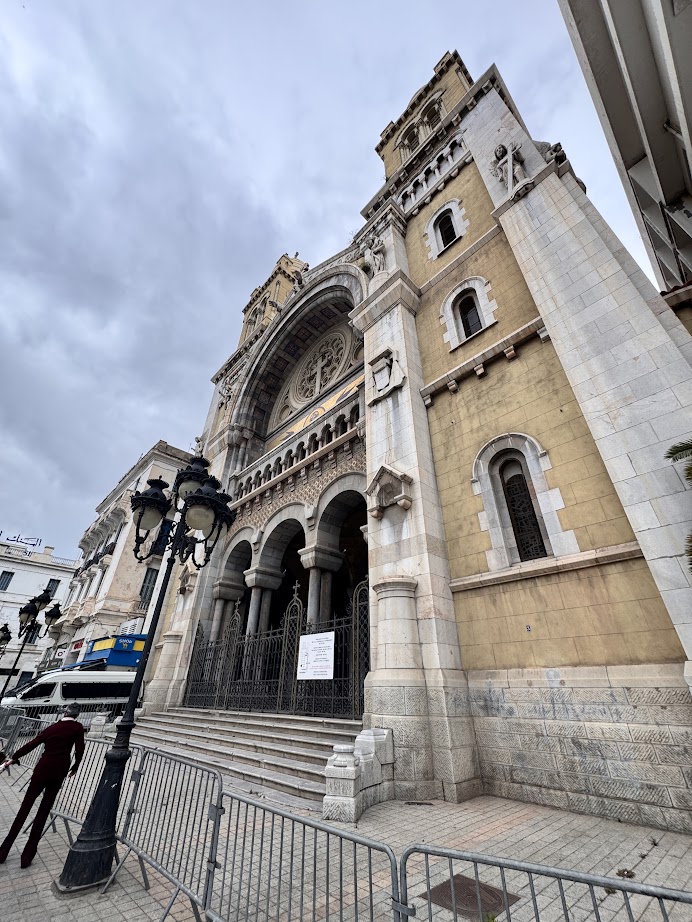
This is one of the most striking landmarks along Avenue Habib Bourguiba (the city's main thoroughfare) as it immediately stands out with its pale façade.
Built in the late 19th century during the French protectorate, it remains the largest surviving church in Tunisia and still hosts occasional services and concerts today.
The cathedral is also near the National Theater and the Hotel Africa (the tallest building in the city), but we sadly weren't able to visit.
Bab el Bhar
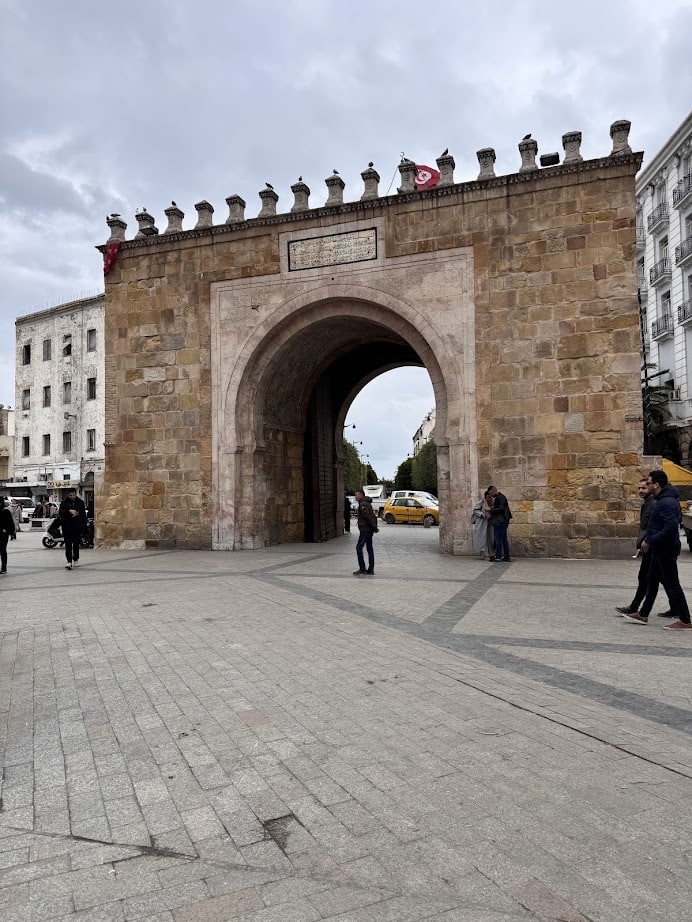
We reached Bab el Bhar the way most families on tight schedules do: walking, taking quick looks around, and stopping just long enough to enjoy the moment. We arrived a little warm and thirsty from our previous stop, but the kids were still full of energy and leading the way.
The arch isn’t huge, but it stands with enough presence to feel like a real gateway between the medina and the newer part of the city.
While we took in the history, the kids found their excitement in the pigeons and a small cart selling cold drinks. My husband and I shared that familiar “traveling with kids” smile as both grandmas scrolled through their photos, already planning their retakes before we even moved on.
Medina of Tunis
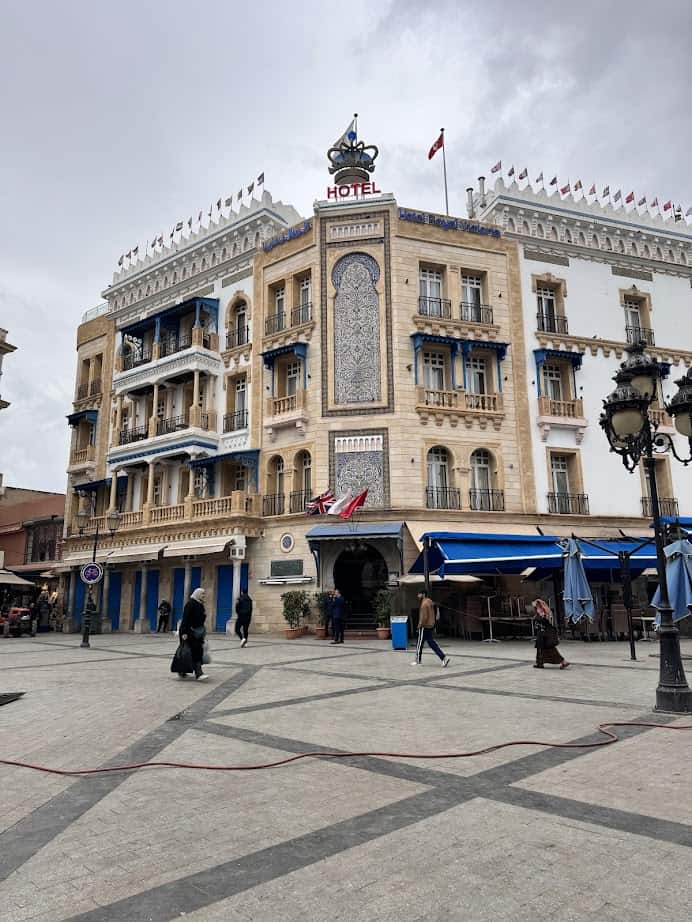
From Bab el Bhar, we headed straight into the medina with no agenda other than to wander. The streets bent and branched in every direction, lined with small shops selling a little bit of everything.
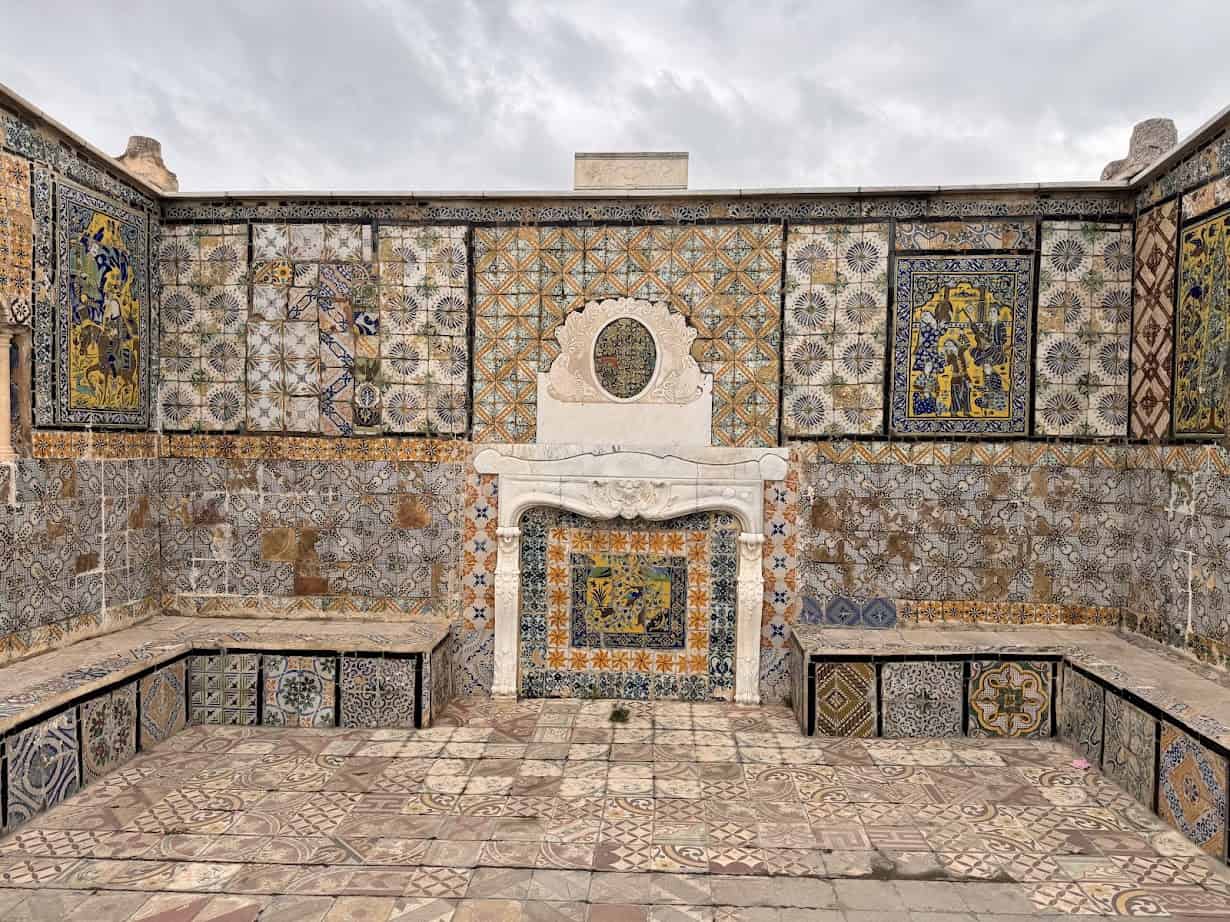
The medina had been a UNESCO World Heritage Site since 1979, home to hundreds of historic sites spanning different eras, including mosques, Islamic schools (madrasas), fountains, and old palaces. But actually walking through it, especially with family, the facts fade into the background and the experience takes over.
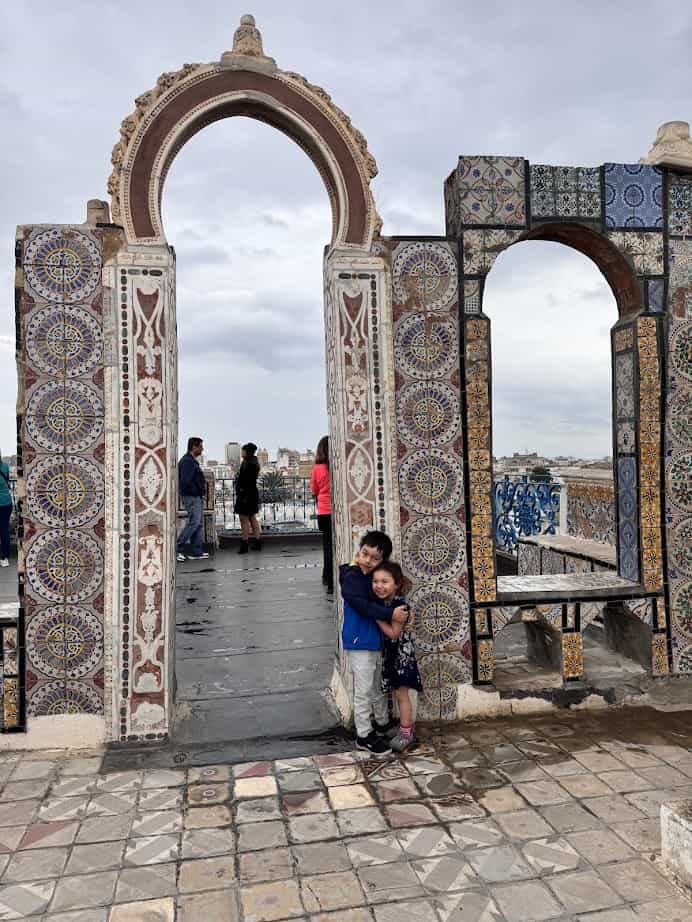
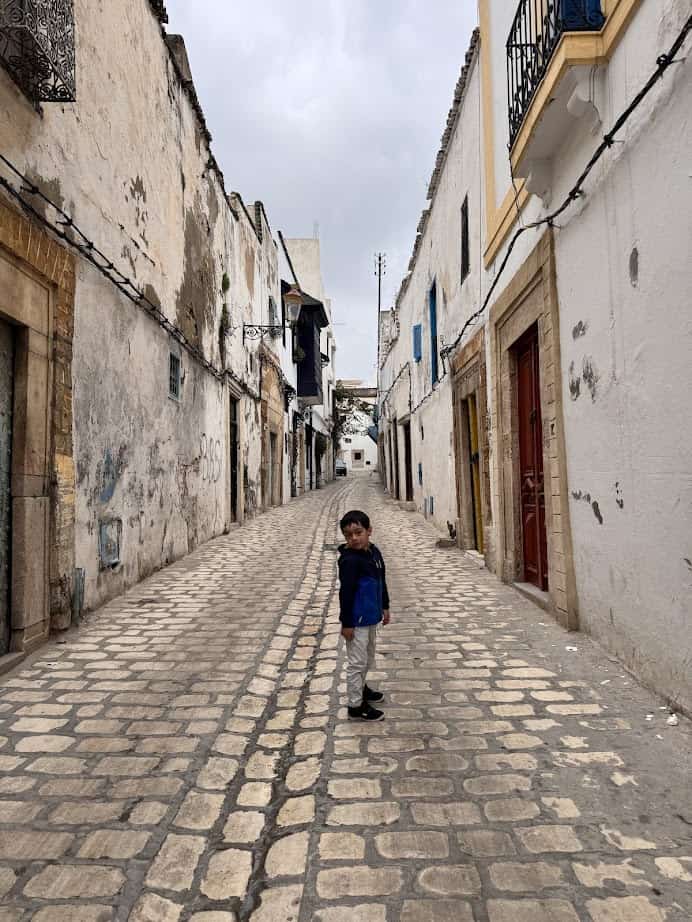
The kids walked beside us, getting curious about every corner, while the grandmas pointed at anything decorative. My husband snapped photos of doorways that looked like they had stories older than everyone in our group combined.
Central Market of Tunis
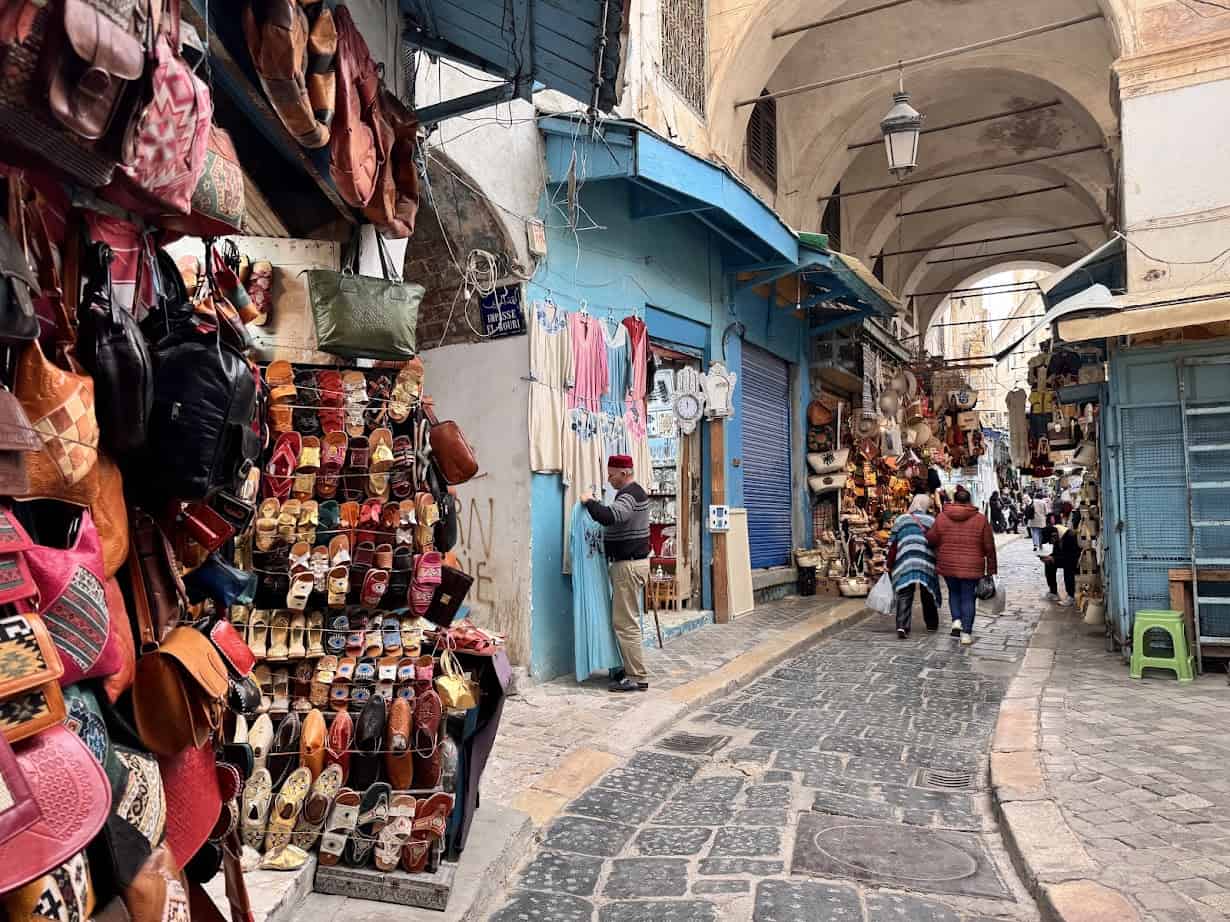
Eventually, the winding paths brought us to Marché Central, where Tunis felt its loudest and most local. Stalls overflowed with spices, seafood, fruits, nuts, and dates, and there was so much to see that picking a simple snack took longer than the walk to get there.
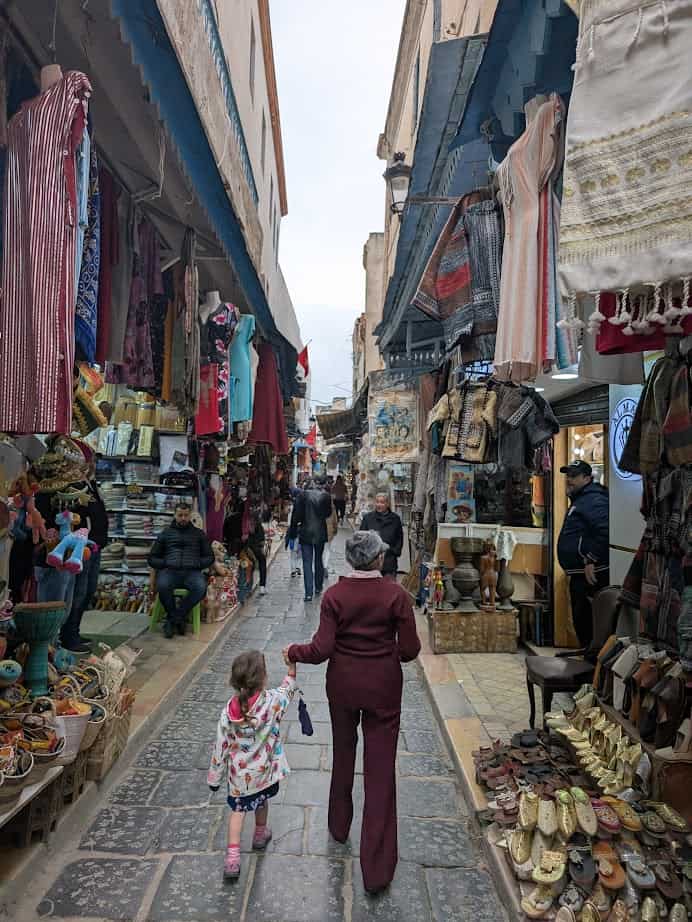
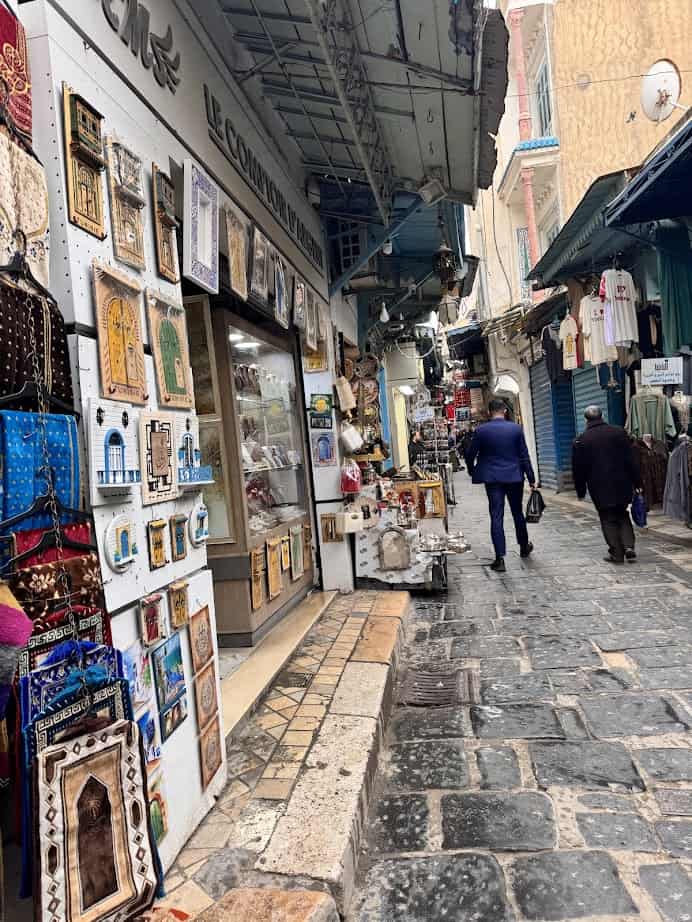
Do note that nothing here is curated for tourists, and that's exactly why we enjoyed it. My kids finally got the sensory experience they had been waiting for: bright fruit displays, the smell of fresh mint, mountains of spices, and yes, fish so fresh it looked like it had just been brought in minutes ago.
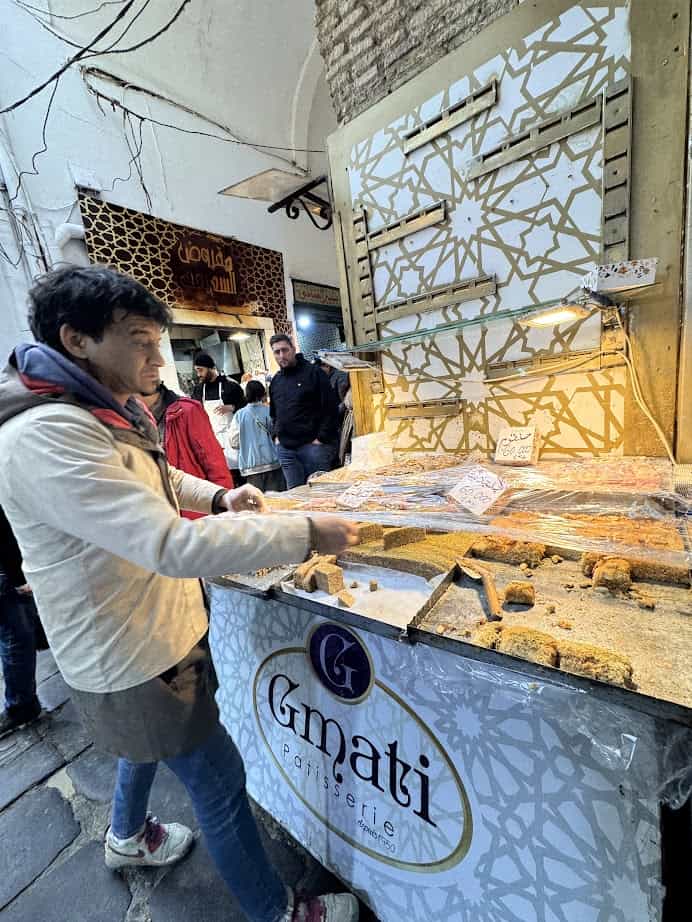
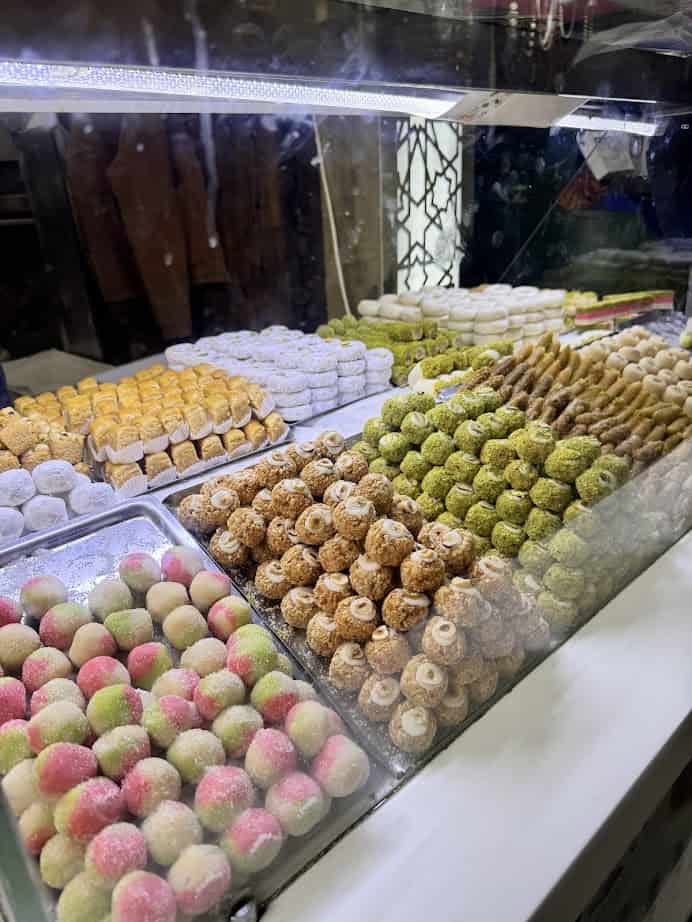
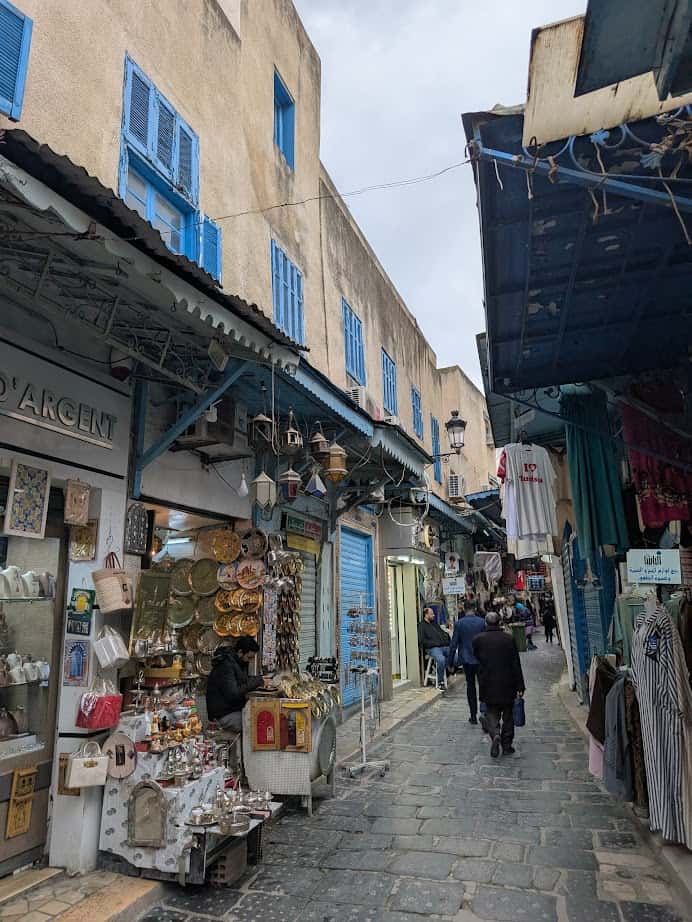
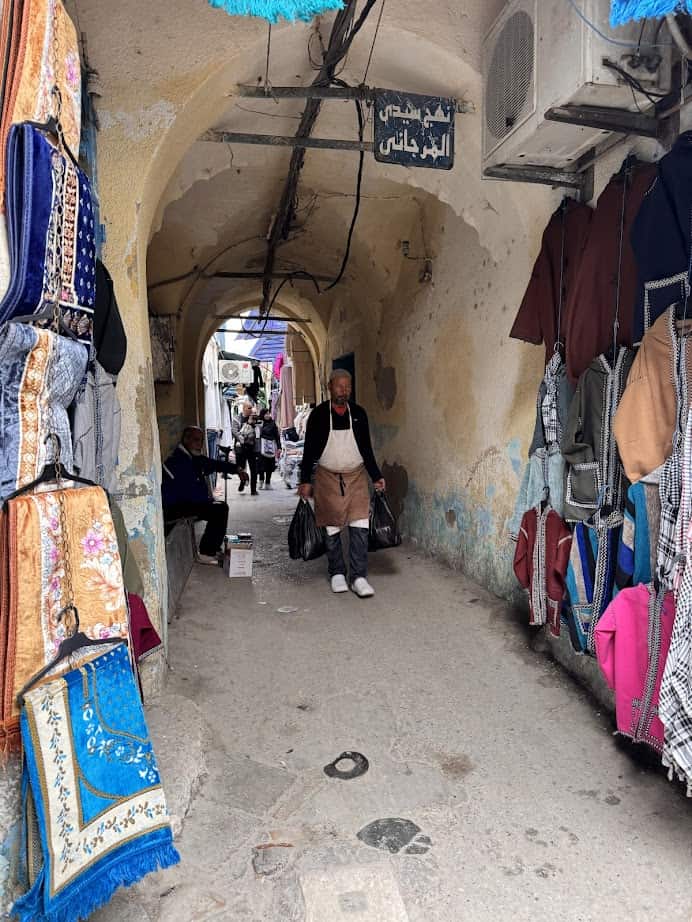
We took our time scanning the stalls, letting the grandmas inspect boxes of dates and herbs like judges at a local produce contest.
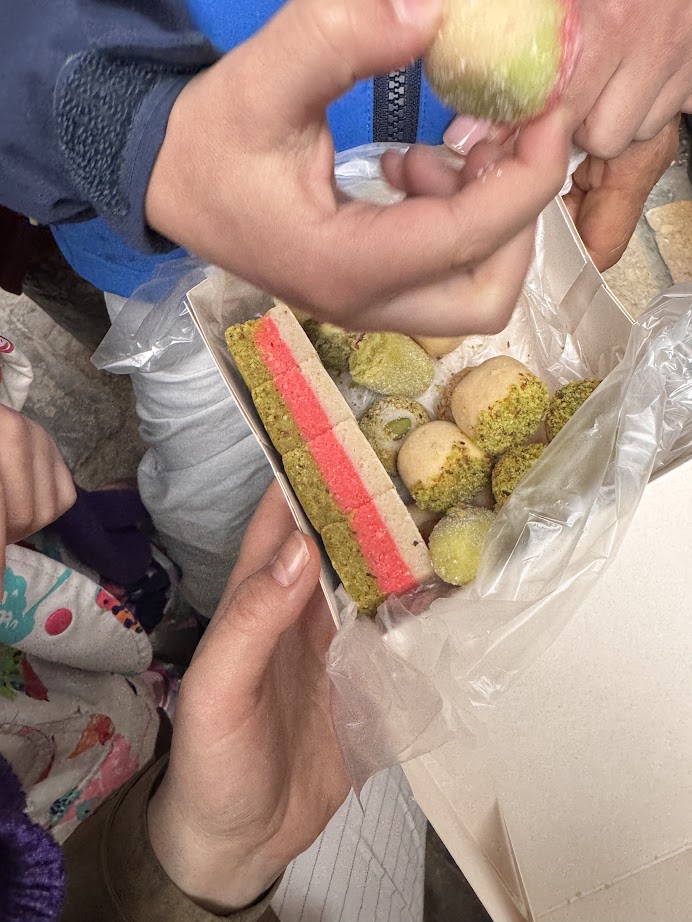
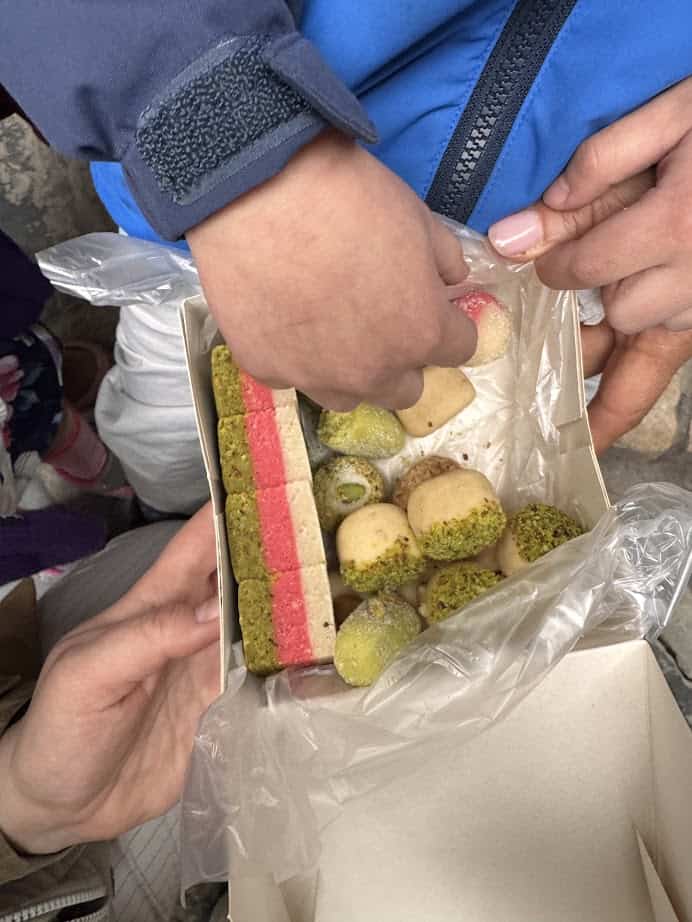
We bought these colorful little treats that the kids absolutely loved. They're a variation of a marzipan-style confection that's especially common in the Medina. They’re bite-sized, not overly sweet, and perfect for snacking as you wander through the souks
We left the market with sticky fingers, a faint spice smell on our clothes, and that shared agreement that markets like this are the best way to understand a city quickly.
If you want Tunis to feel real in a short visit, this is the best place to start.
Dar El Bey
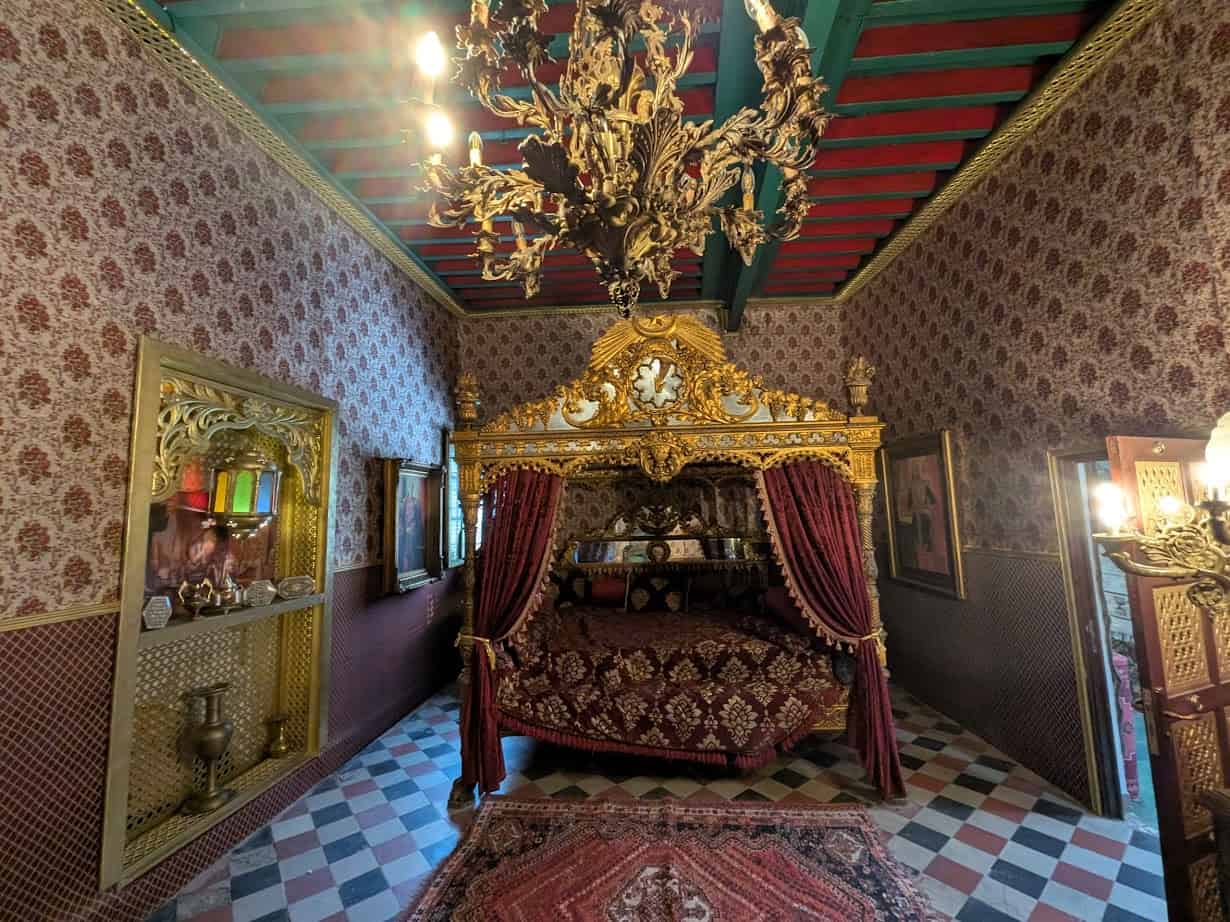
We honestly didn’t have any plans to visit Dar El Bey. We just happened to wander past it while exploring the area near the Central Market, and curiosity pulled us inside. It turned out to be one of those happy travel surprises.
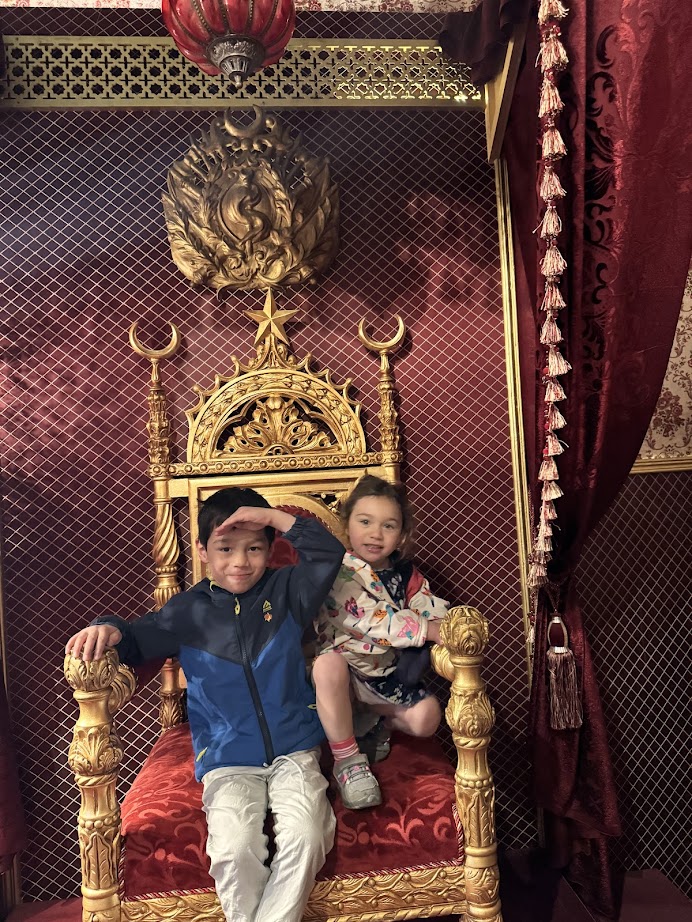
As you can see, the highlight for the kids was the throne-like chair tucked inside one of the rooms. They immediately climbed onto it, posing like little sultans and having the best time.
Al-Zaytuna Mosque
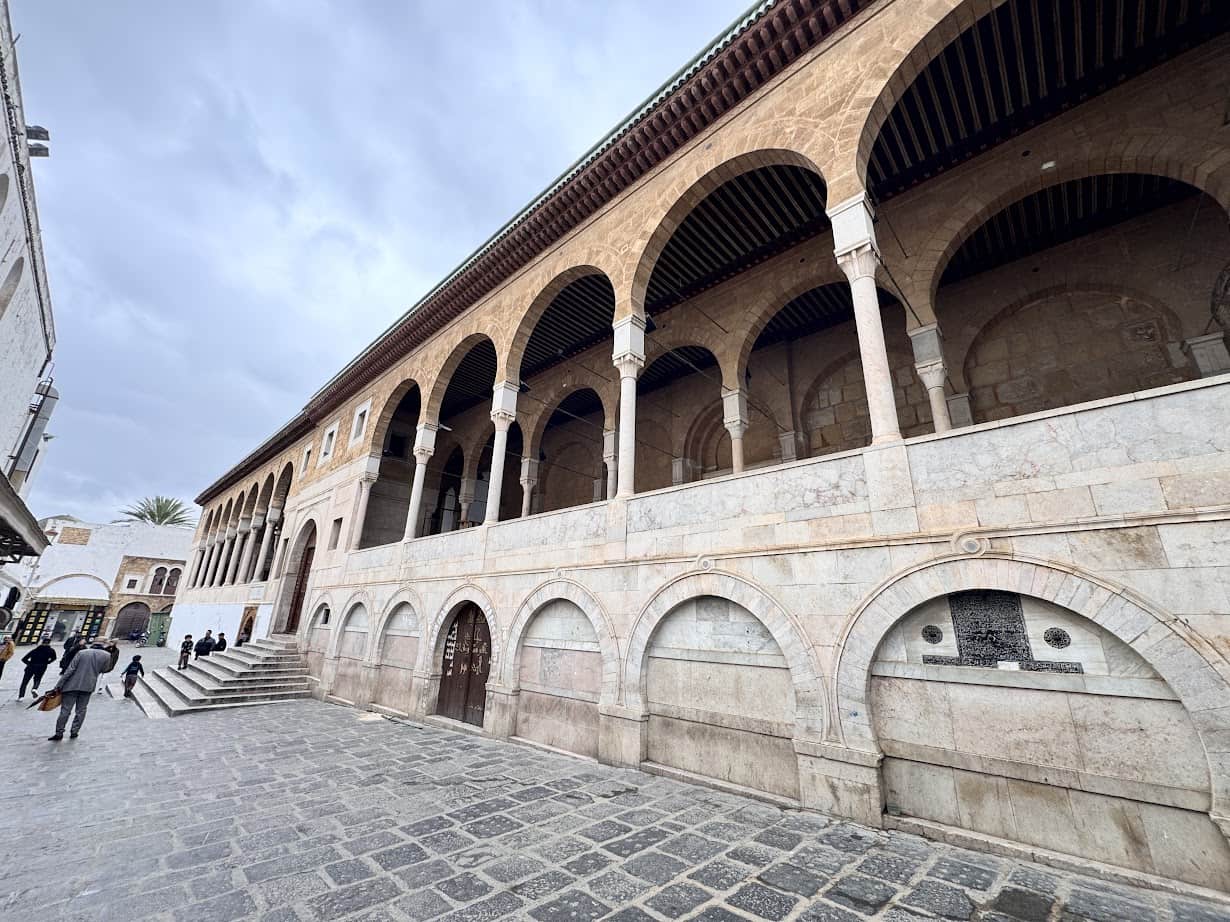
Even before seeing it fully, we could feel the shift: less shouting, fewer carts, more echoes of footsteps. As we entered the courtyard of the mosque, I instinctively lowered my voice, not because anyone told me to, but because the space itself asked for it. My kids (who, by the way, are the biggest talkers) did the same.
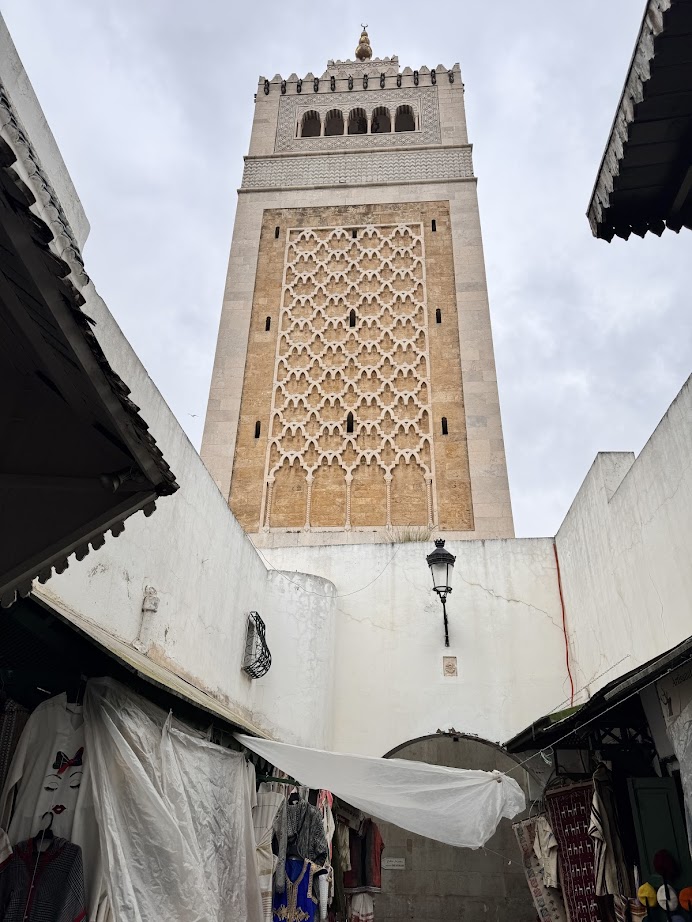
The mosque is said to be one of the oldest and most important in Tunis. While we didn’t come to dissect every historical detail, we definitely stood there appreciating the quiet grandeur of it all.
Non-Muslims are usually welcome in the courtyard and exterior parts, but the main prayer hall is reserved for worshippers. Since it is an active place of worship, modest clothing is expected (covered arms/legs; women ideally with a headscarf). Quiet, respectful behavior is important.
Khaldounia
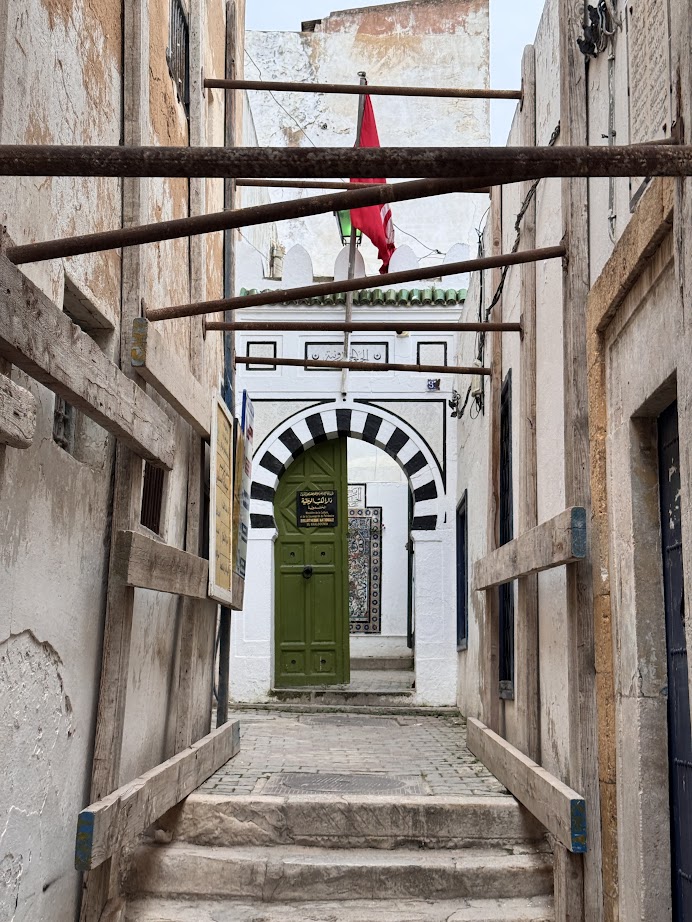
Founded in 1896, Khaldounia was the first modern school in Tunisia, created as part of early educational reforms that aimed to blend traditional learning with modern academic subjects.
Today, it no longer operates as a school, but the legacy lives on. The building now functions as a bilingual library attached to the National Library of Tunisia, making it a quiet, reflective space amid the busy medina streets.
Dar Lasram
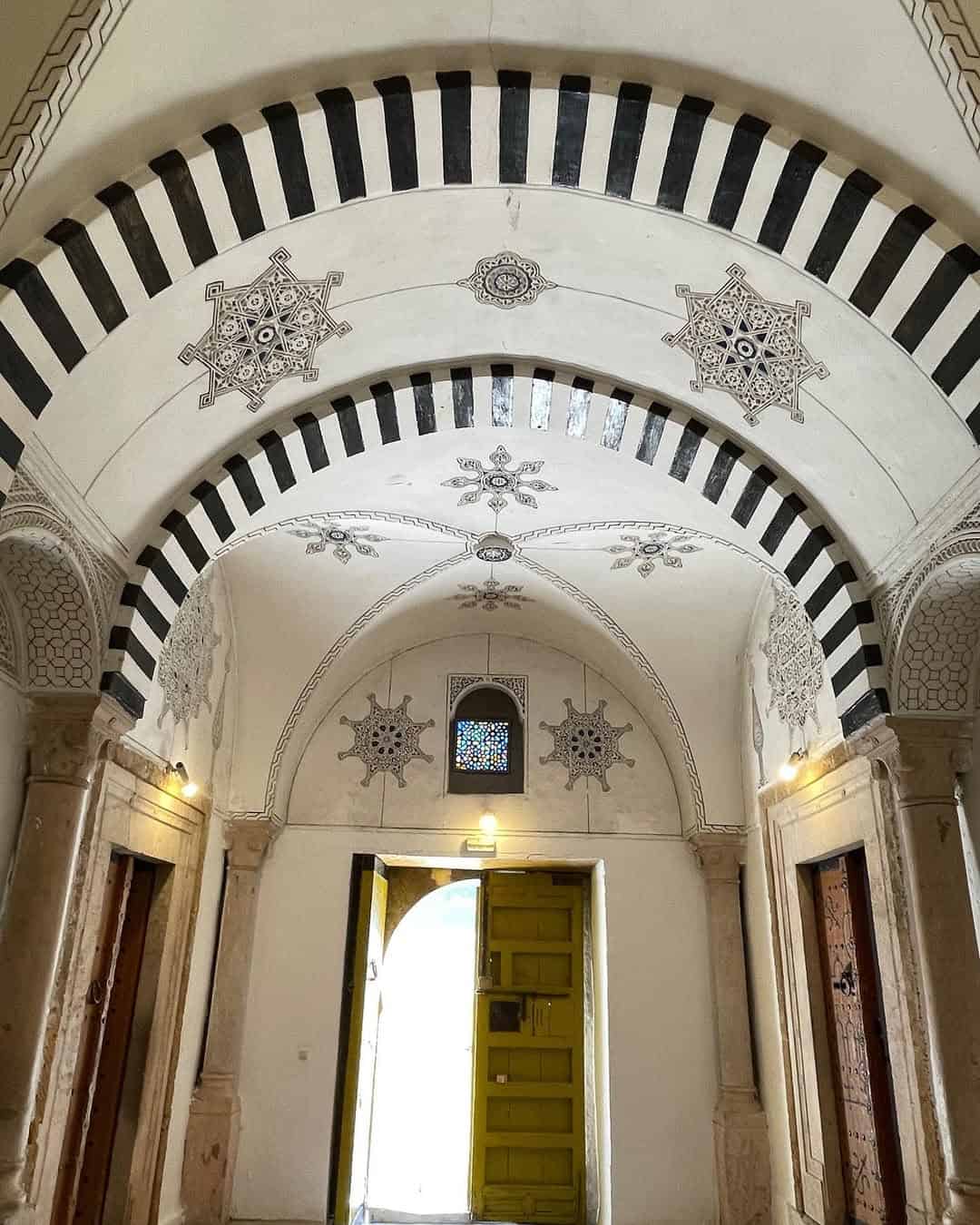
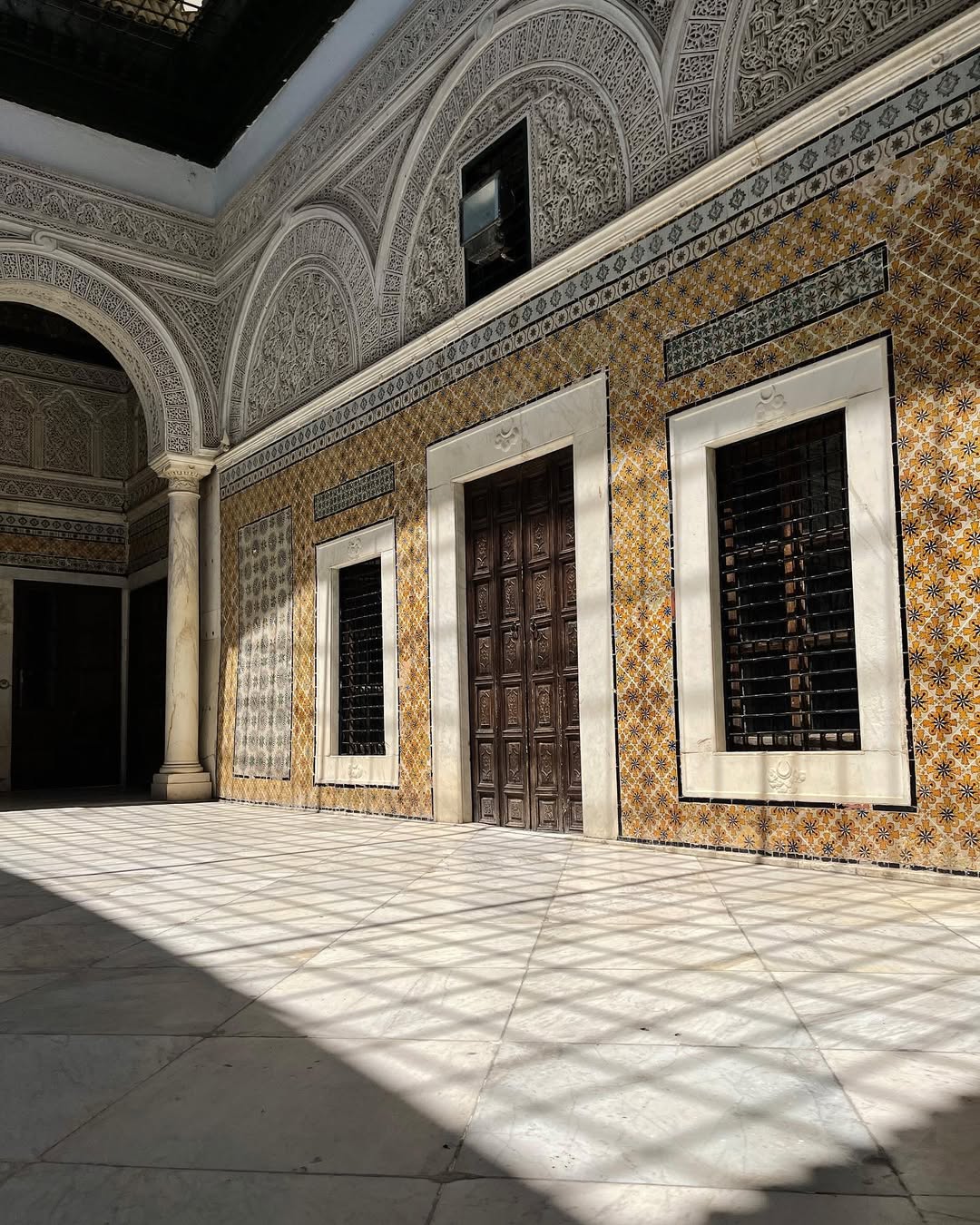
We walked deeper into the medina toward Dar Lasram, one of those stops my husband insisted we squeeze in before the day ran away from us.
Dar Lasram is an 18th-century palace-home built around 1812 by Hammouda Lasram, a prominent aristocrat, scholar, and member of the Lasram family. The family is one of the most influential Tunisian families during the Husainid era (the dynasty that ruled Tunisia from 1705 to 1957).
If you’re visiting on a one-day itinerary, a 30–45 minute stop is enough to enjoy the architecture, take photos, and appreciate the history without feeling rushed. It’s not loud, it’s not overwhelming, and that’s exactly what made it work for our family.
Want to save this?
Youssef Dey Mosque
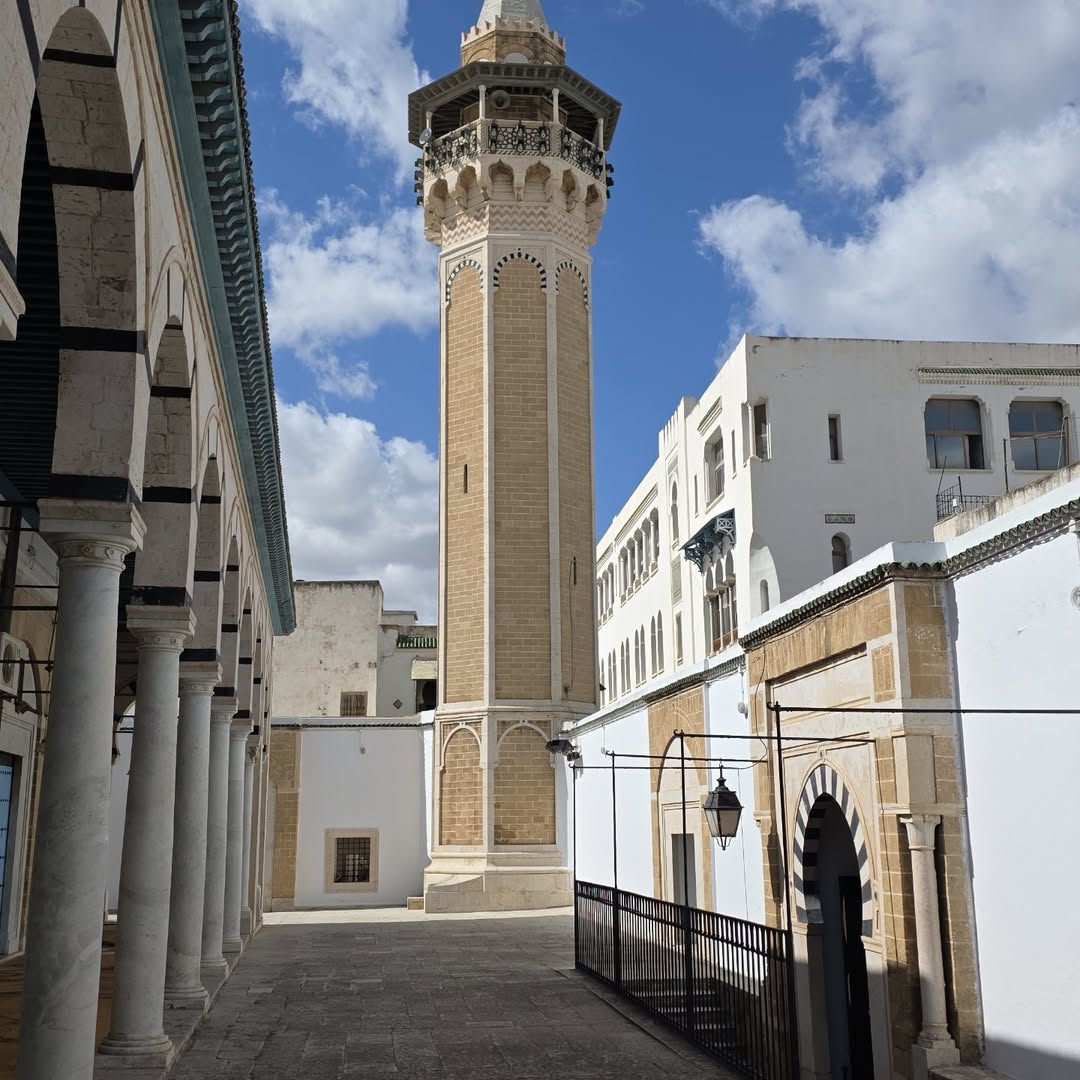
From Dar Lasram, we continued our walk through the medina to Youssef Dey Mosque. It's a smaller but historically significant mosque that feels tucked into a quieter corner of Tunis. Unlike the grandeur of Al-Zaytuna, this mosque has a more intimate vibe, with a modest courtyard and a simple yet elegant minaret.
It was one of the first mosques in the city to incorporate Ottoman architectural elements, including its domes and the octagonal minaret, which set a precedent for later buildings.
The mosque also includes a madrasa (Islamic school), emphasizing its role as both a spiritual and educational center. Entrance to the courtyard is free, but non-Muslims are usually limited to outside areas or the courtyard, and respectful attire is recommended.
Souk des Chechias
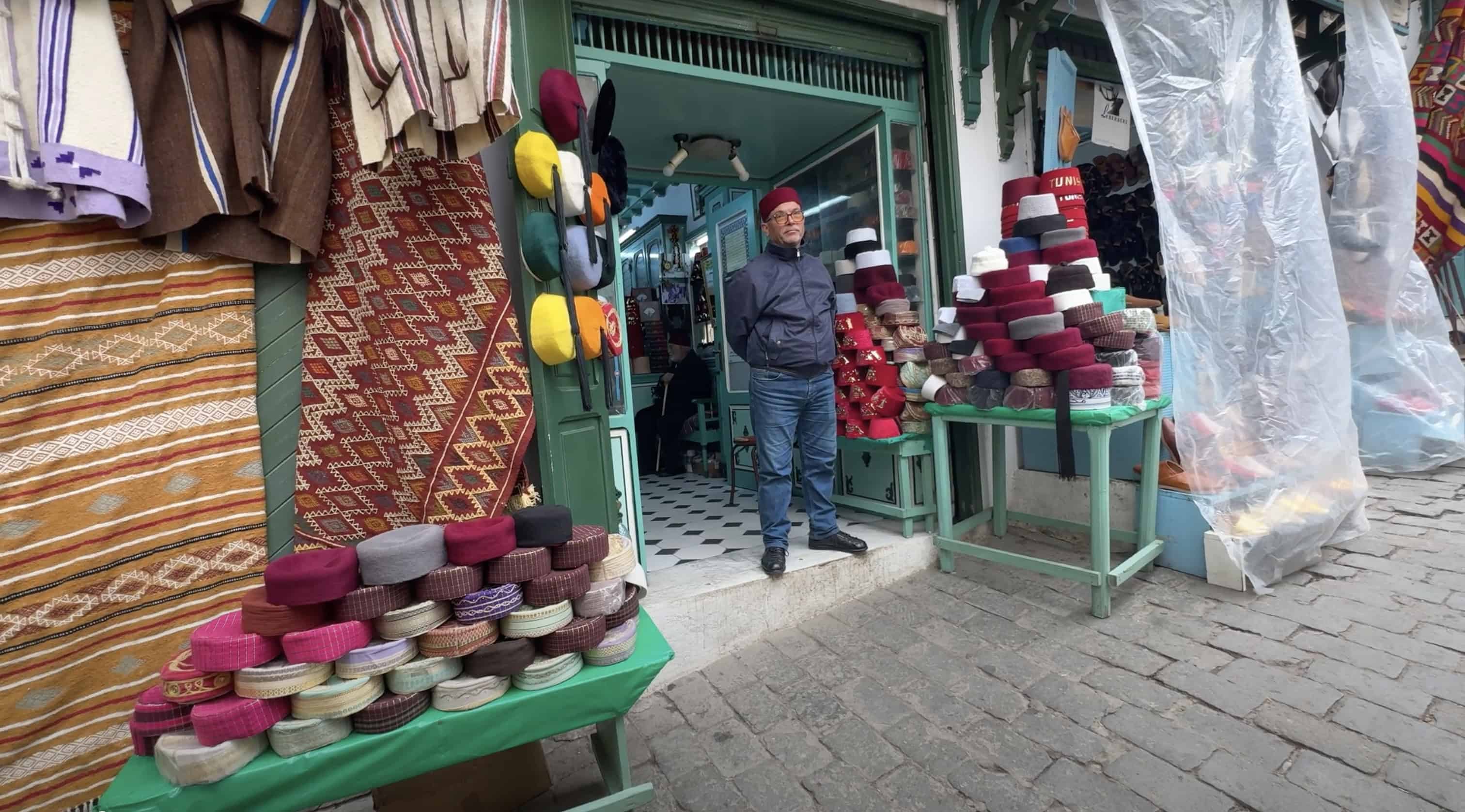
We also stumbled upon a traditional market known for Tunisia's famous red felt hats, called the chechias.
The moment you step inside, you notice the rich, deep reds of the chechias stacked on shelves and tables, alongside spools of dyed wool and other materials used in their production.
You can see local artisans working quietly, chatting with shoppers, and demonstrating how the hats are shaped by hand. For the kids, it was fun to try on the hats, while the grandmas admired the craftsmanship. My husband and I took a few photos of the intricate detailing.
Sidi Bou Said
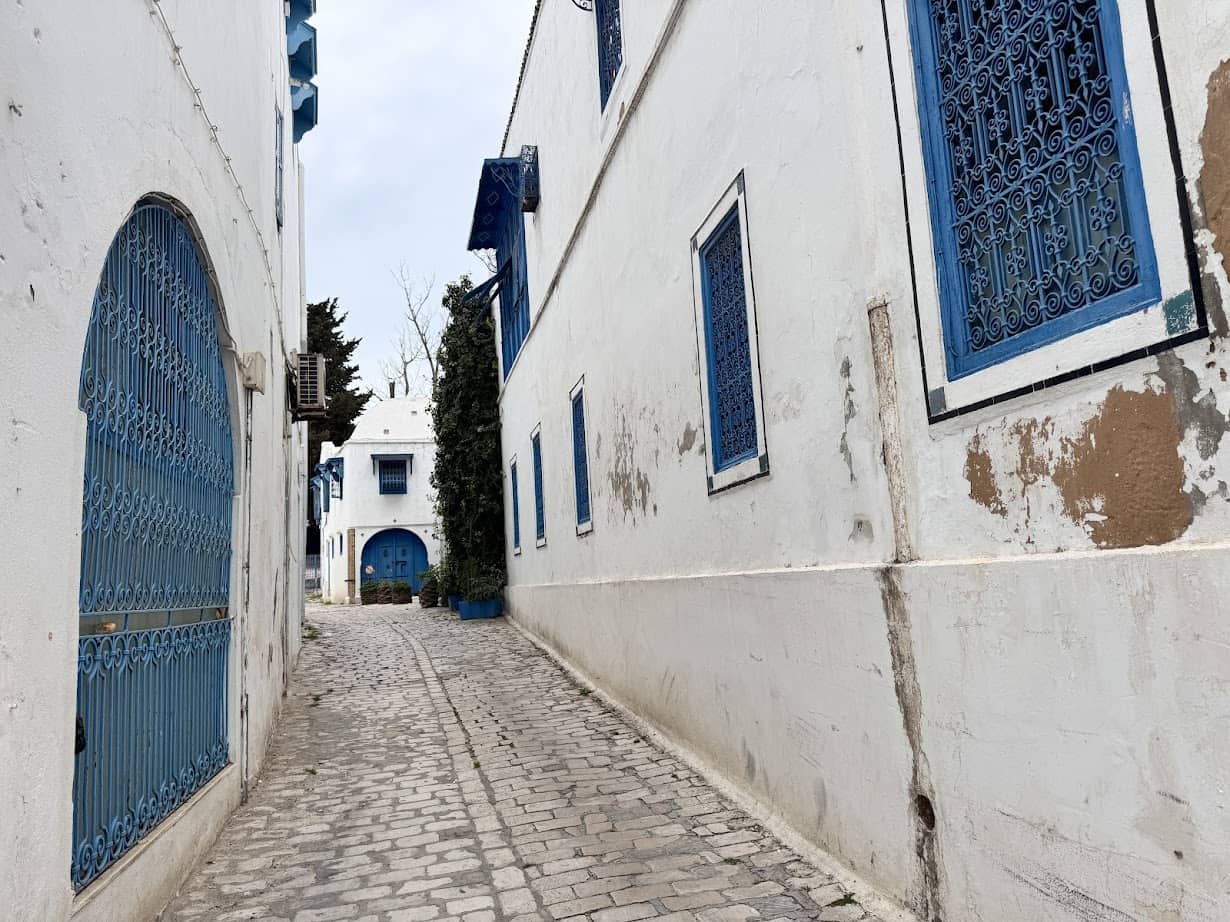
After exploring the historic parts of Tunis, we took a cab and headed on to the Village of Sidi Bou Said. The village is definitely an artisanal hotspot, and yes, it has its share of tourists, but it’s also one of the most beautiful spots in the Tunis area. Skipping it just didn’t feel right.
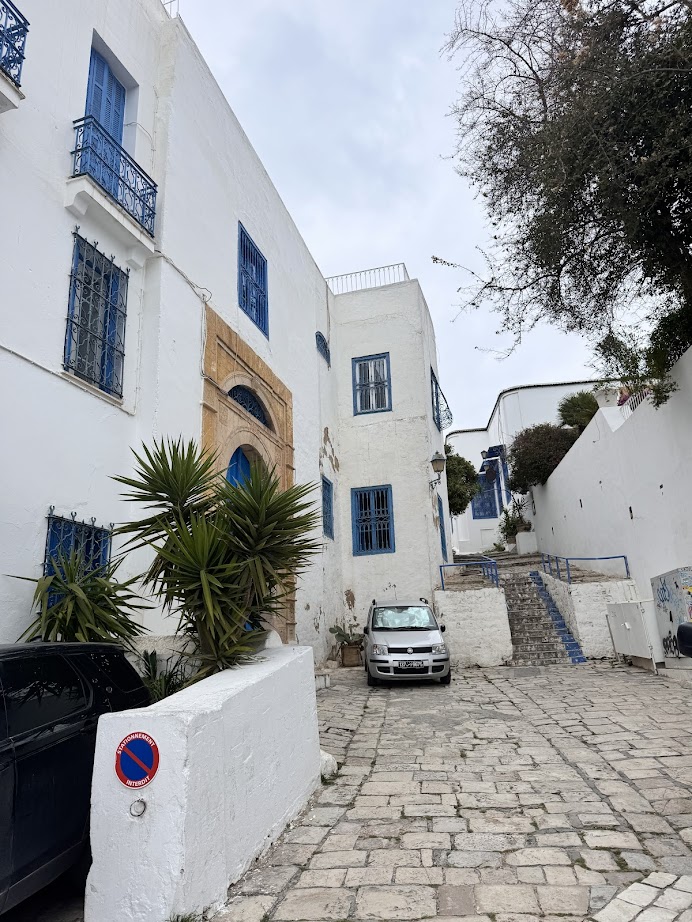
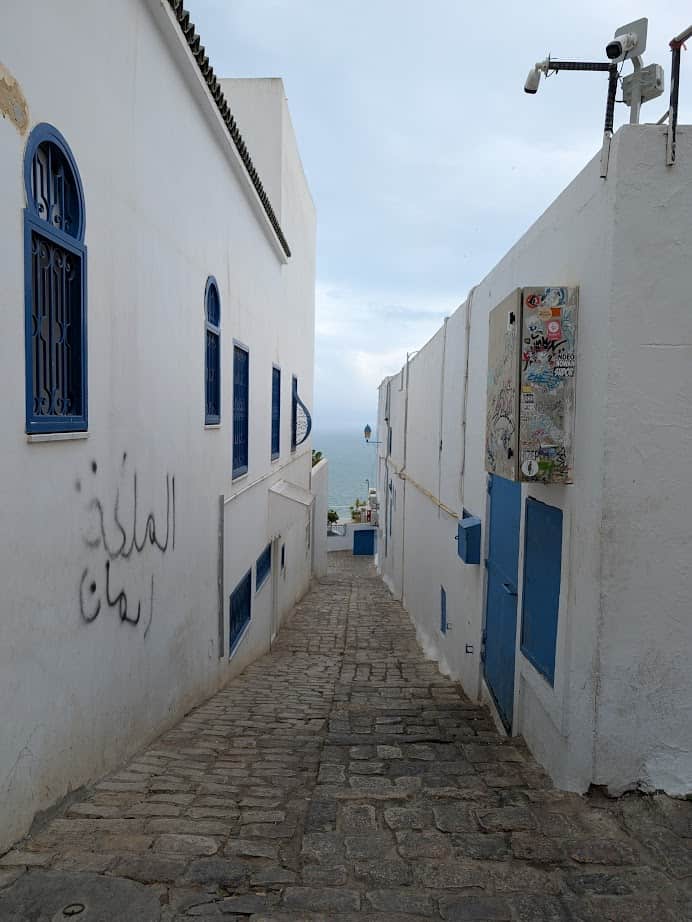
Walking through the white-and-blue streets with the Mediterranean sparkling in the distance felt like stepping into a postcard.
Even the kids were happily pointing out the bright doors and colorful shutters, and both grandmas kept stopping to admire every little detail.
There’s no shortage of galleries, boutique shops, and small restaurants to explore, and honestly, we could have spent the whole day just wandering and soaking it all in.
Ruins of Carthage
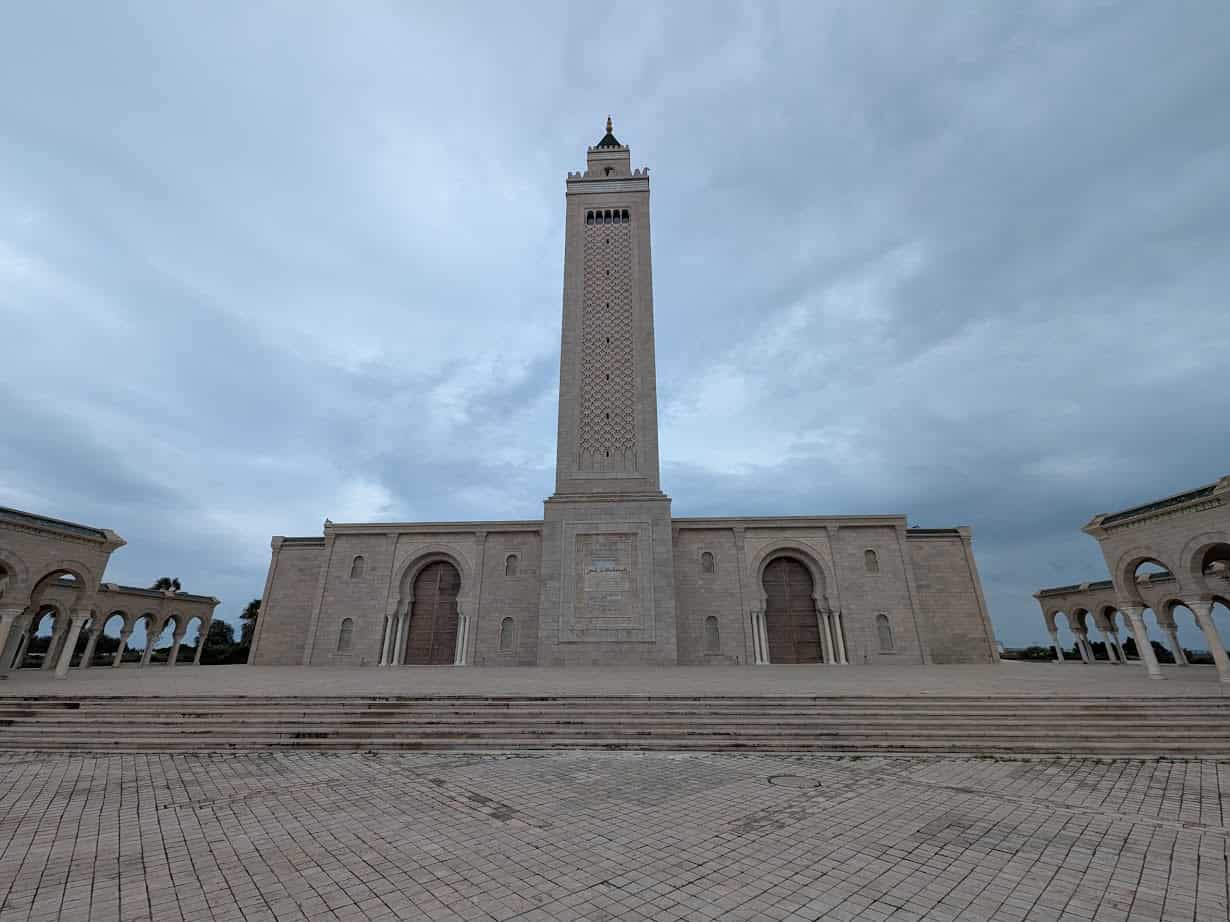
Carthage was one of the most memorable stops of our day, and it truly deserves a spot on any Tunis itinerary.
Even if you only have a few hours, the area has a fascinating mix of ancient ruins, sea views, and calm neighborhoods that feel completely different from the busy medina.
During our visit, we also made a quick stop at the Malik ibn Anas Mosque (El Abidine Mosque), one of the most beautiful modern mosques in the area. It's set on a hill overlooking the coast and known for its clean white architecture, spacious courtyard, and peaceful atmosphere.
Where to Eat
Tunis has a vibrant food scene that reflects its mix of cultures and history. From traditional Tunisian dishes to modern cafés and bakeries, there are plenty of options for every taste and budget.
Au Bon Vieux Temps
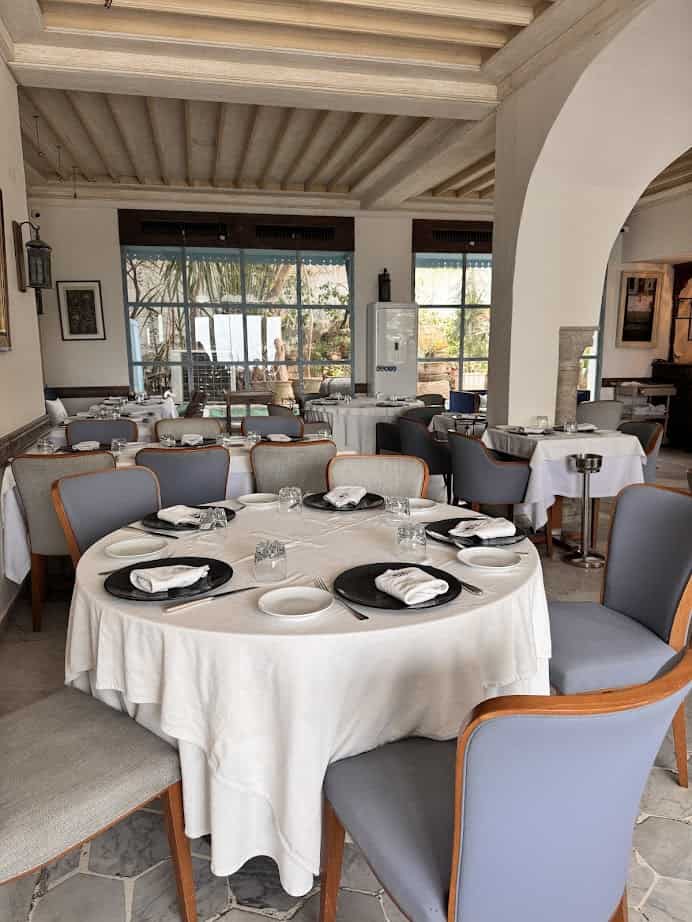
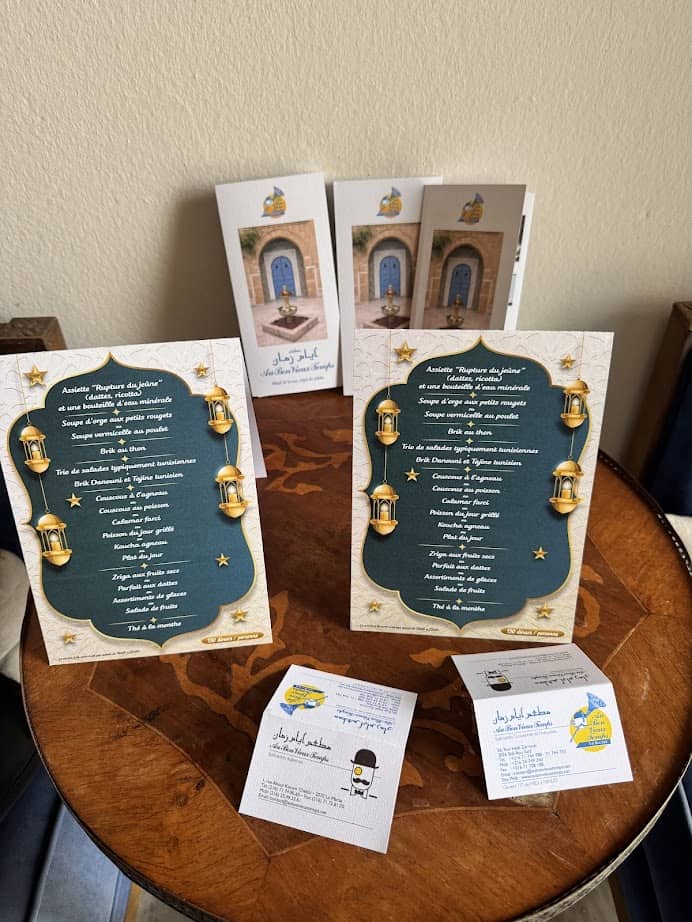
We stopped at Au Bon Vieux Temps, a charming café that immediately caught our eye.
The setting was beautiful and full of character, overlooking the Mediterranean Sea, though I’ll admit it was a bit on the pricier side. Still, the experience was worth it.
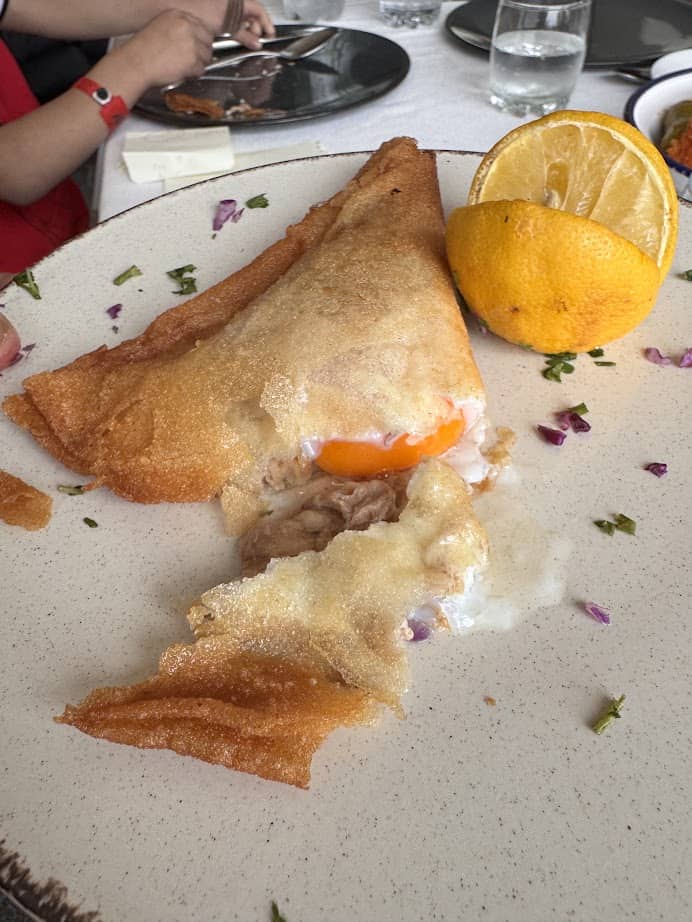
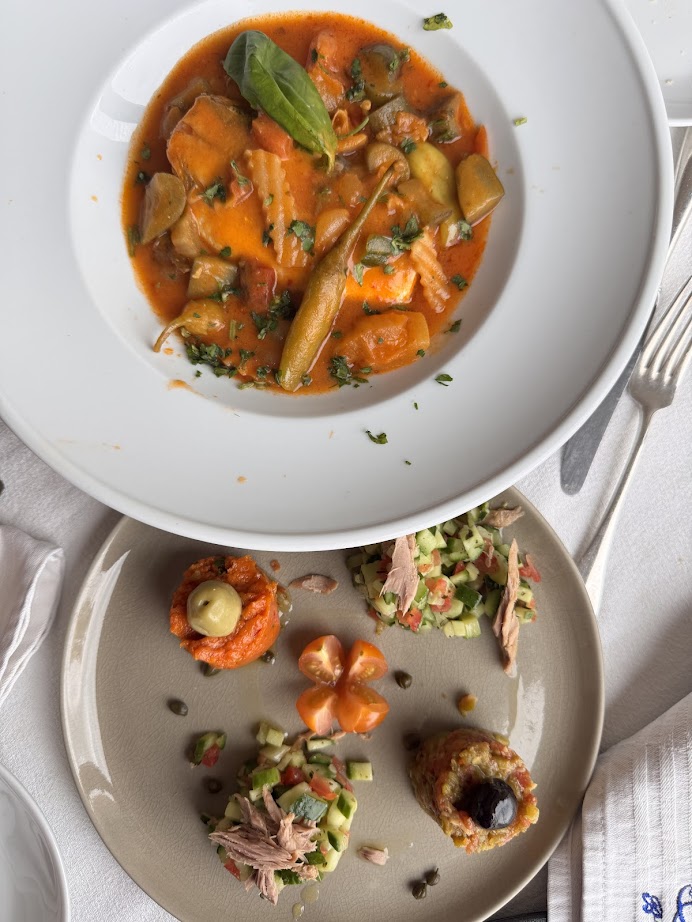
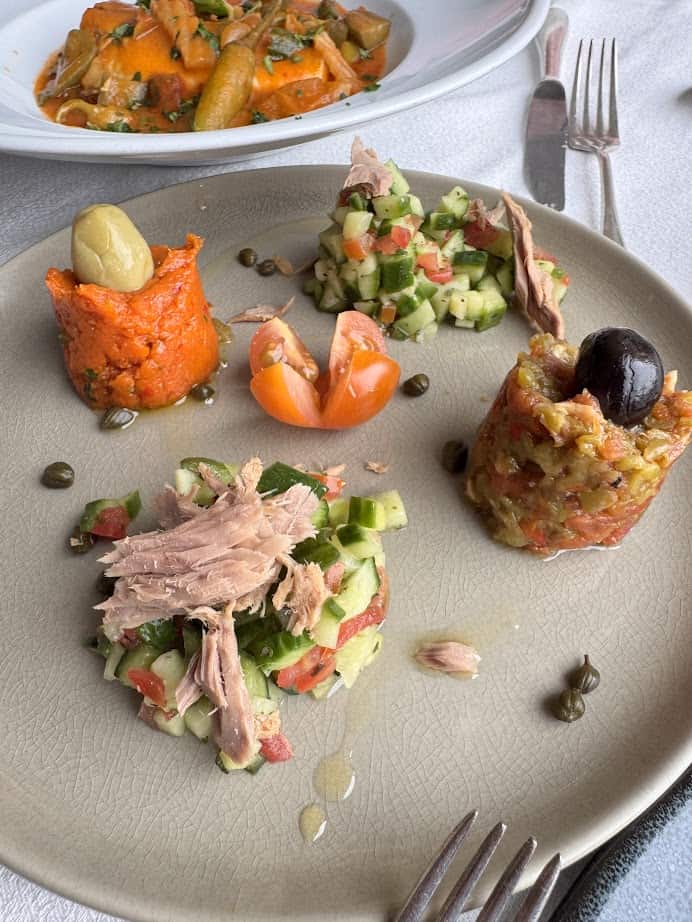
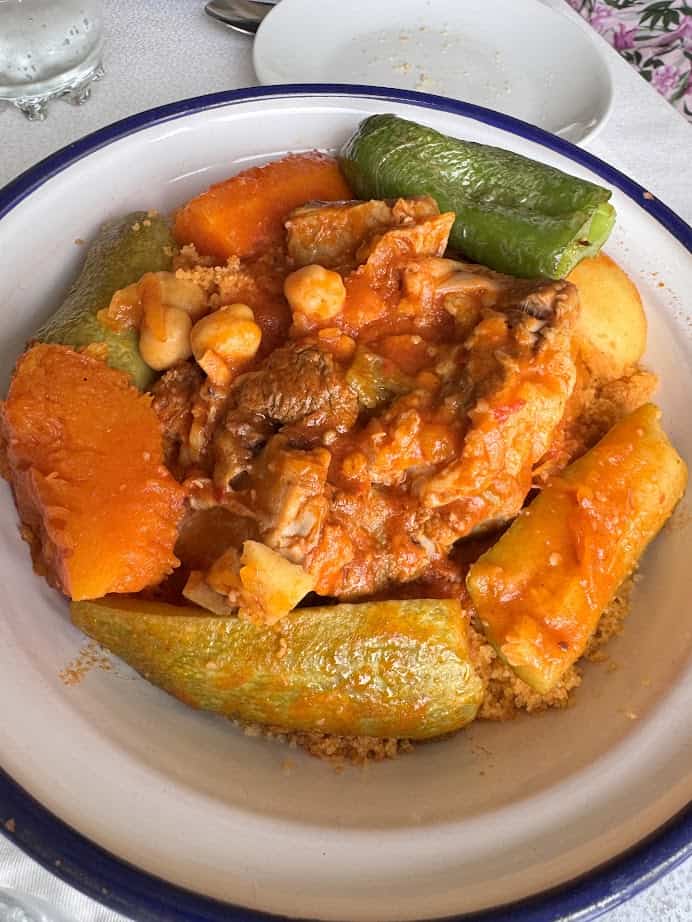
The place offered traditional Tunisian / French fusion cuisine, and everything we tried was absolutely delicious. We sampled several soups and borek, each dish full of flavor and beautifully presented.
Zanzibar Cafe
If you fancy a more modern, relaxed café vibe and you want to take a break from historic mosques, souks, and medina alleys, Zanzibar Cafe is a spot locals and visitors often recommend.
The staff were friendly, the space felt relaxed, and it was the kind of café where you could actually sit and unwind. Their mint tea is lighter and more modern than the traditional versions with pine nuts found in the older parts of the city.
Dar El Jeld
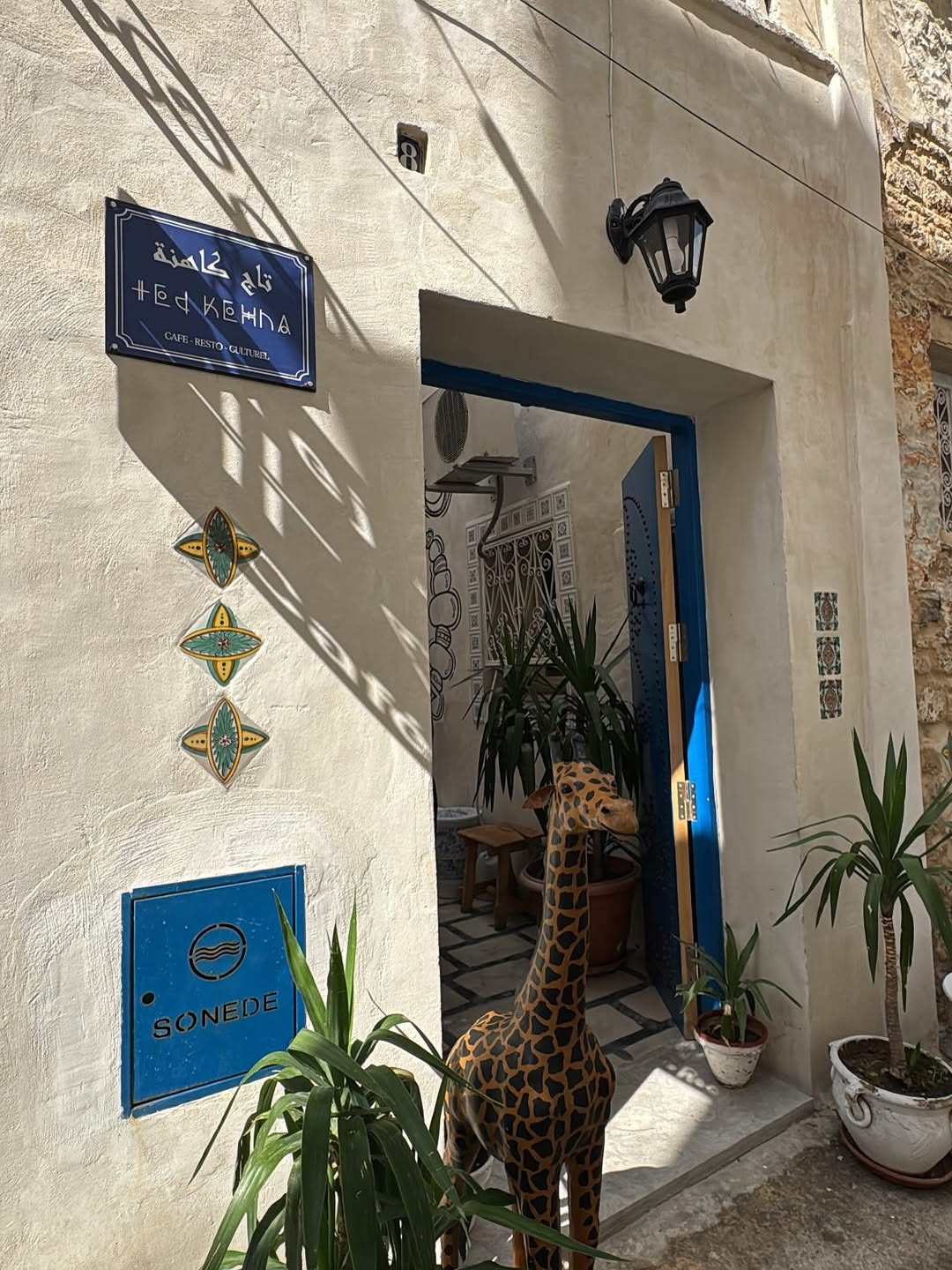
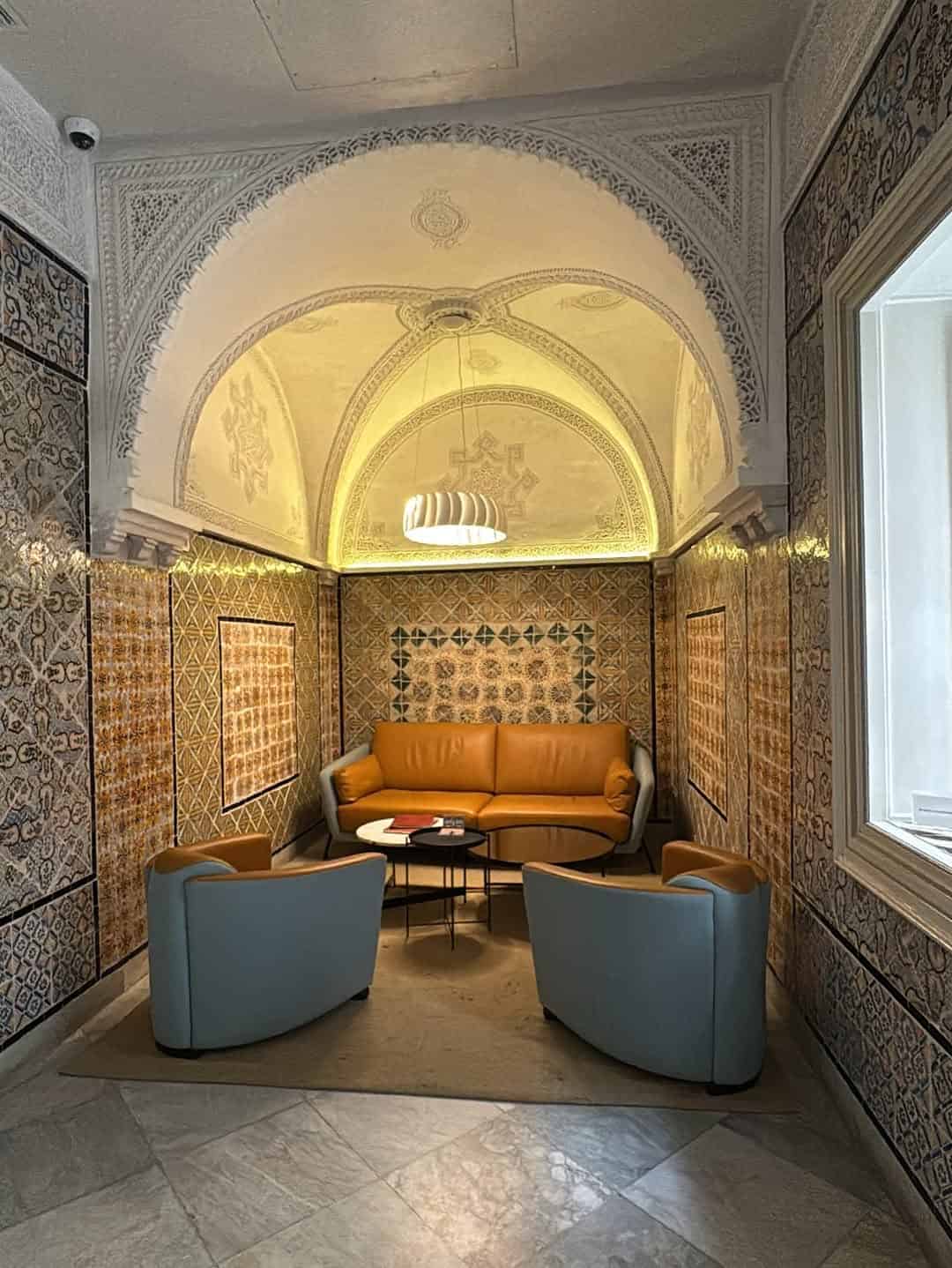
Housed in a restored 18th‑century mansion in the heart of the old medina, Dar El Jeld feels more like a grand old home than a typical restaurant.
This place serves refined traditional Tunisian cuisine. Signature dishes include couscous with lamb or seafood, stews, rich lamb tajines, and fresh fish prepared with local spices.
It’s best to reserve ahead if you plan to come for dinner, since it gets crowded thanks to its reputation and medina location. The prices are higher than usual for Tunis, but the setting, service, and quality make it worth it.
Where to Stay in Tunis
If you happen to have more than just 24 hours in Tunis, staying overnight can give you the chance to explore the city at a more relaxed pace.
Here are some popular, comfortable, and convenient places to stay in Tunis without breaking the bank:
Radisson Blu Hotel & Convention Center
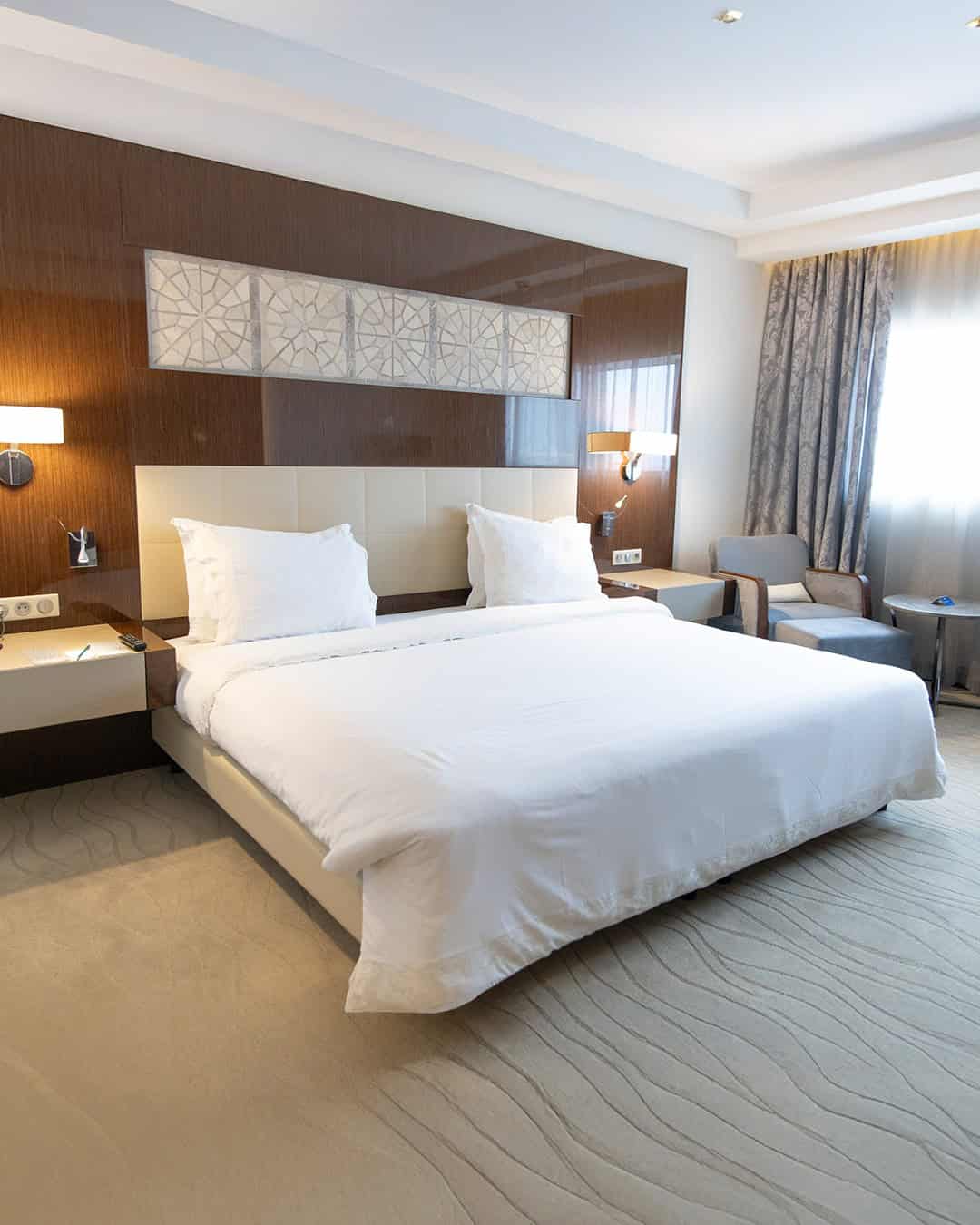
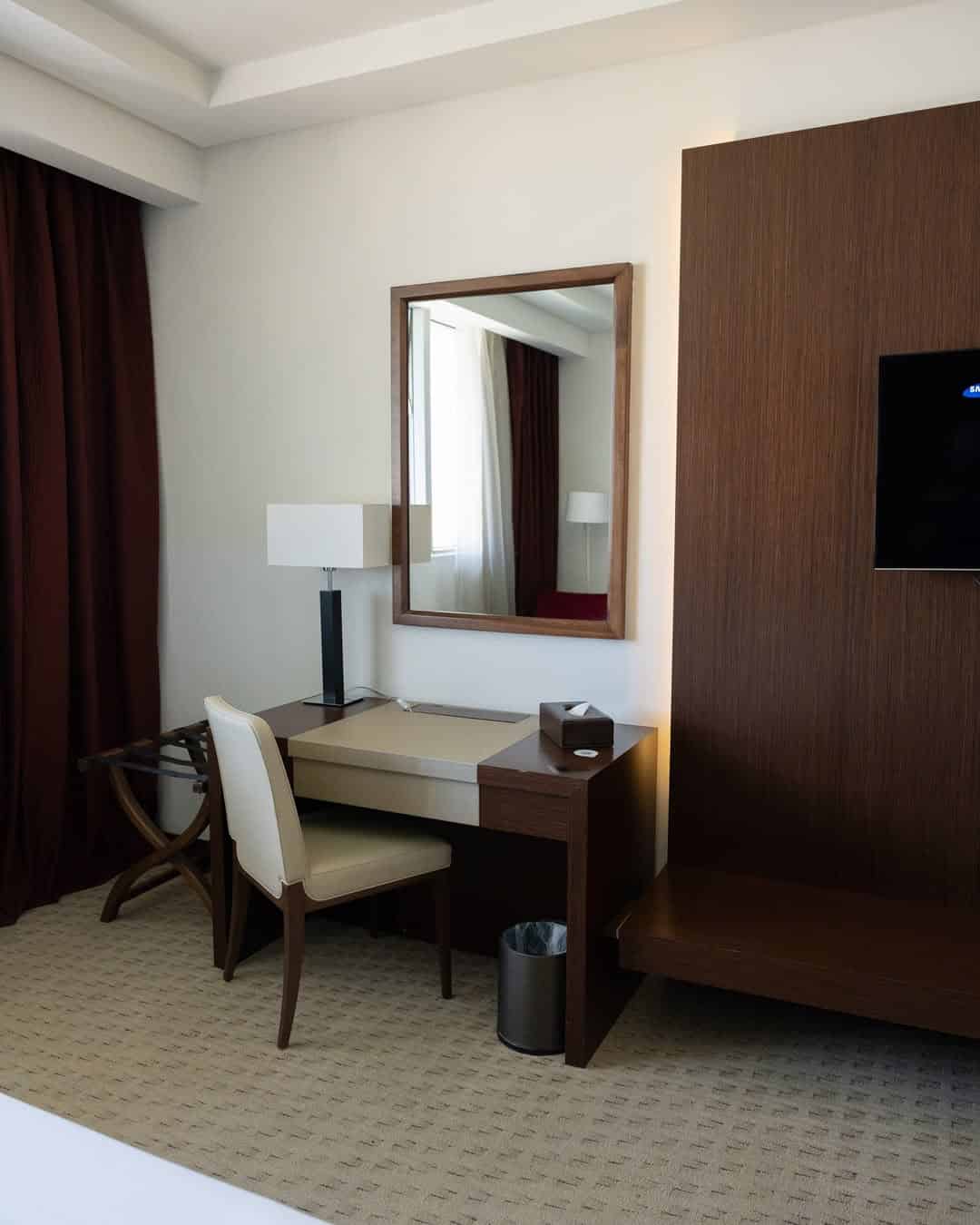
Radisson Blu Hotel & Convention Center is a solid pick if you want something more upscale but still budget‑friendly. It features amenities such as a swimming pool, fitness center, and terrace. It's located in Central Tunis, which makes it a good base if you plan a full day of sightseeing and also want a comfy, restful stay afterward.
Dar Ben Gacem Kahia
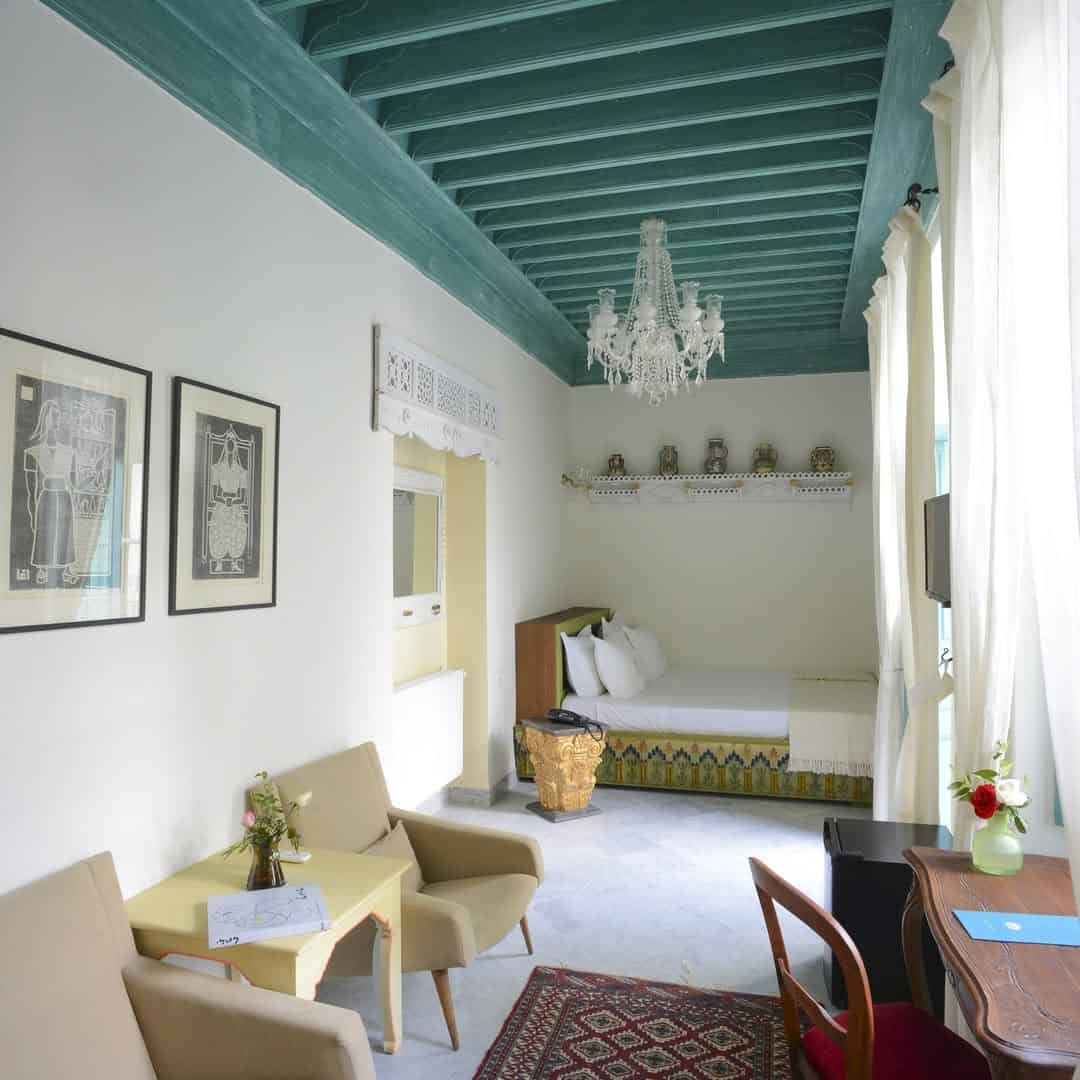
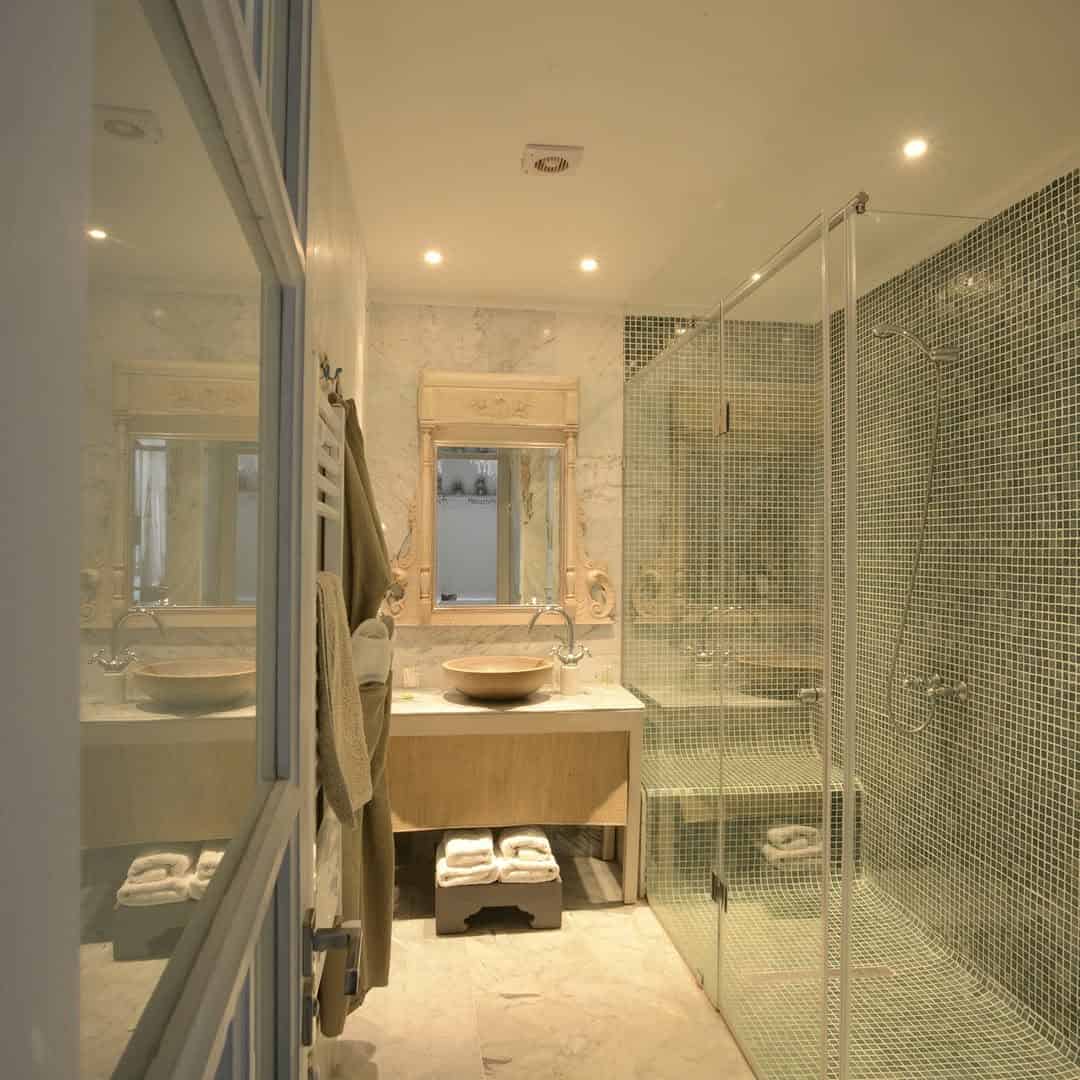
For a more atmospheric, “inside‑the‑medina” experience, Dar Ben Gacem Kahia is a guest-house style accommodation. There’s a roof terrace that’s perfect for breakfast, which can be arranged upon request. For families or small groups, the cozy atmosphere and smaller size make it feel more personal than a typical hotel.
Golden Tulip El Mechtel
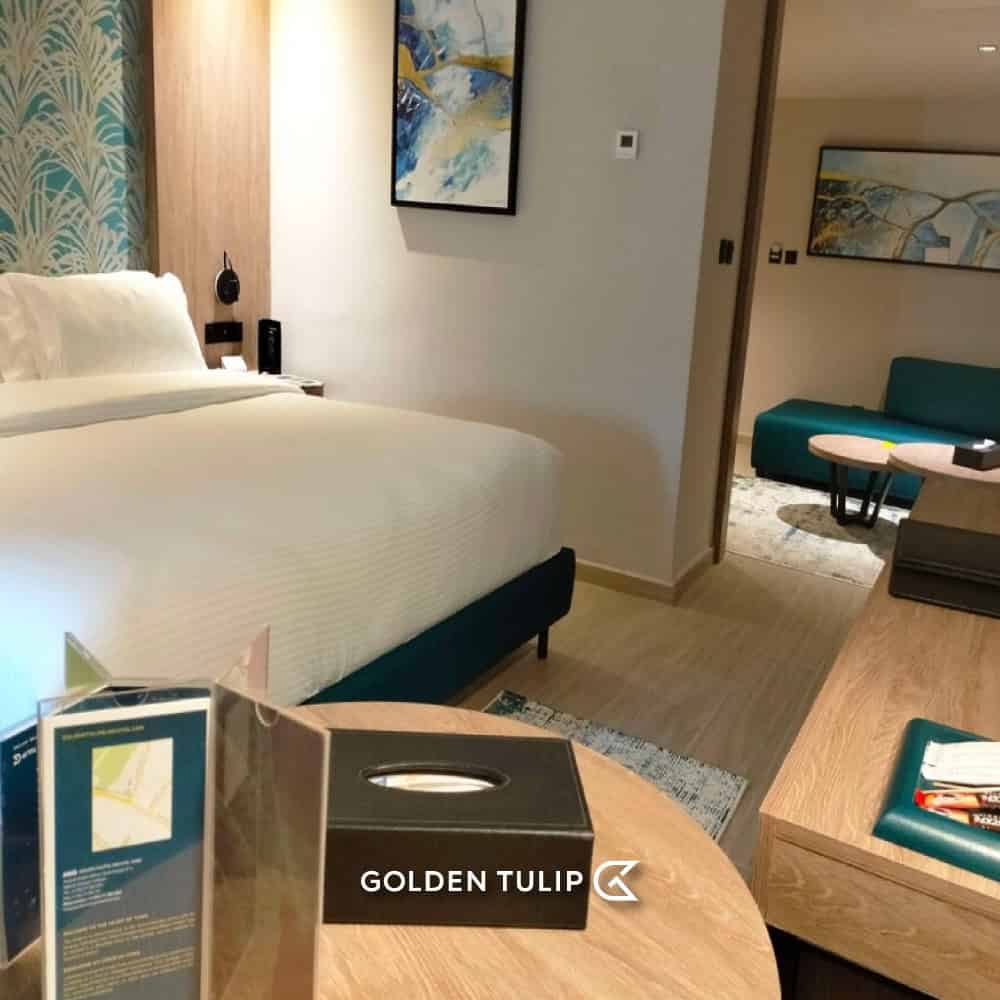
If you want a more upscale option, Golden Tulip El Mechtel is a 4‑star hotel that has spacious, modern rooms, an outdoor swimming pool, an onsite spa (which includes a Turkish bath), and a fitness center. It's close enough to major parts of Tunis, and with good transport links to the airport or key neighborhoods.
Day Trips from Tunis
If you have a bit more time in Tunisia beyond the city itself, there are several day trips that let you explore the country’s rich history, Roman ruins, and Islamic heritage without changing hotels.
Here are three popular options to consider:
Dougga
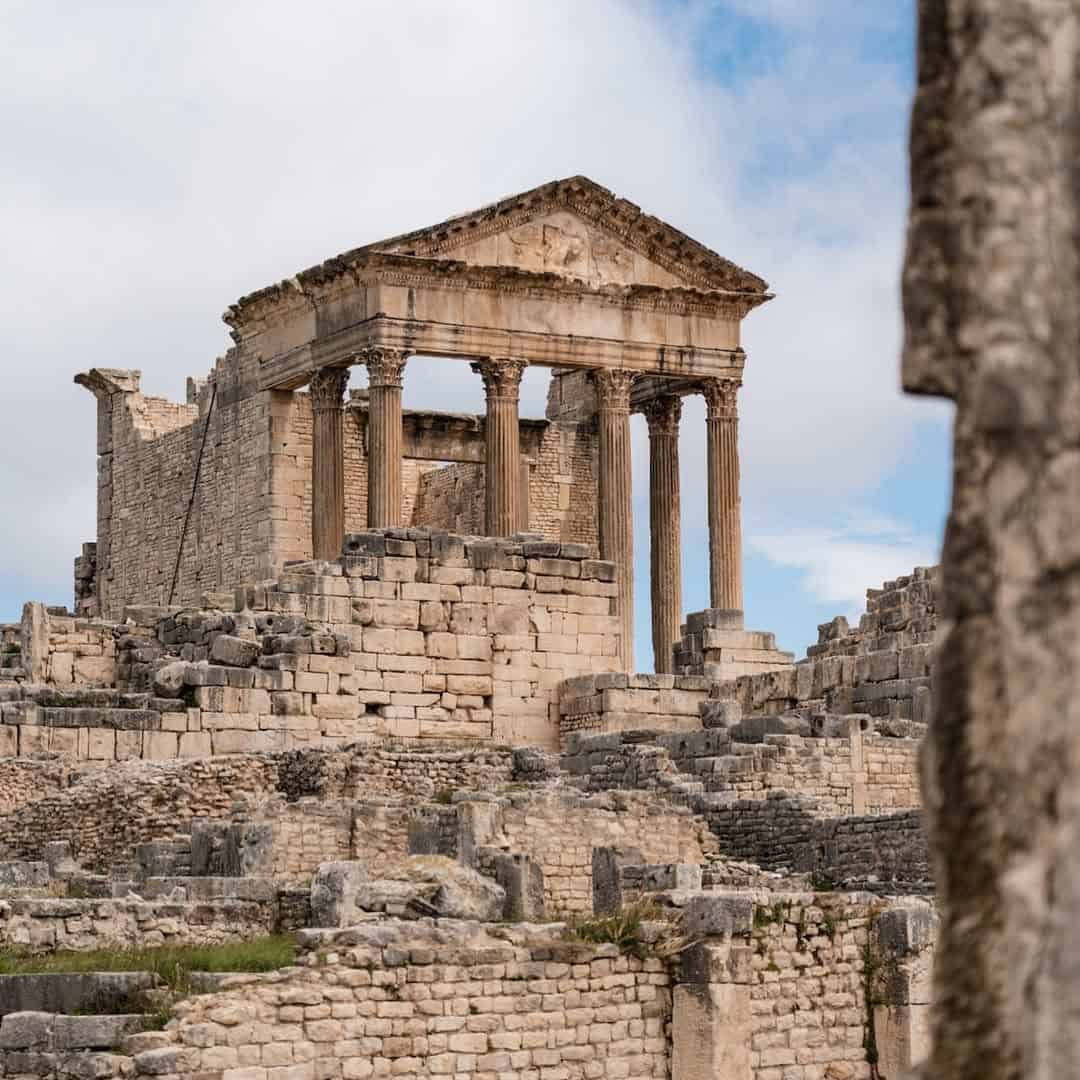
About two hours west of Tunis, Dougga is one of the best-preserved Roman cities in North Africa and a UNESCO World Heritage Site.
The site is manageable for families, with plenty of open space for kids to explore and adults to admire the ancient architecture. Guided tours are available, and visiting early in the day helps avoid both the heat and crowds.
Kairouan
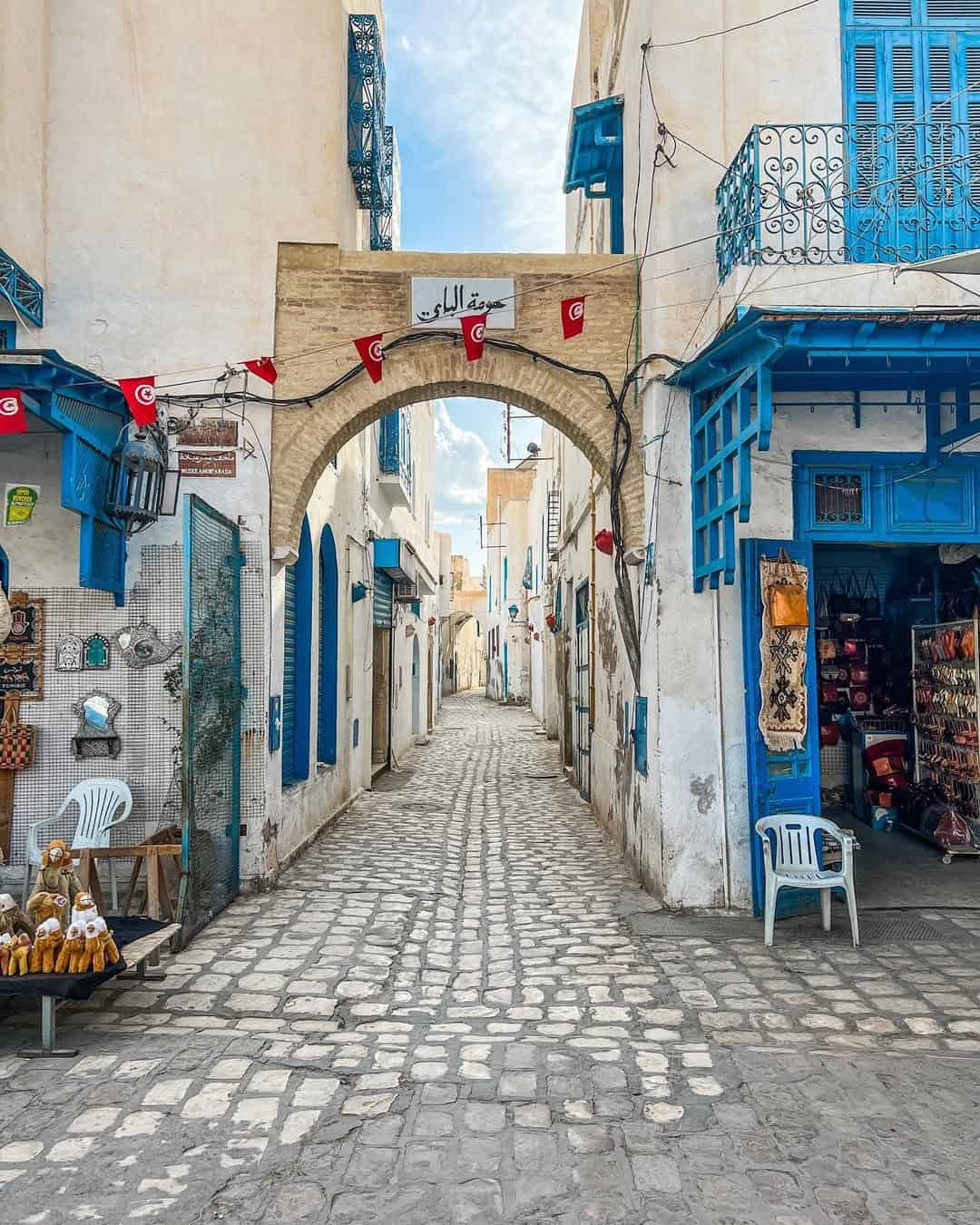
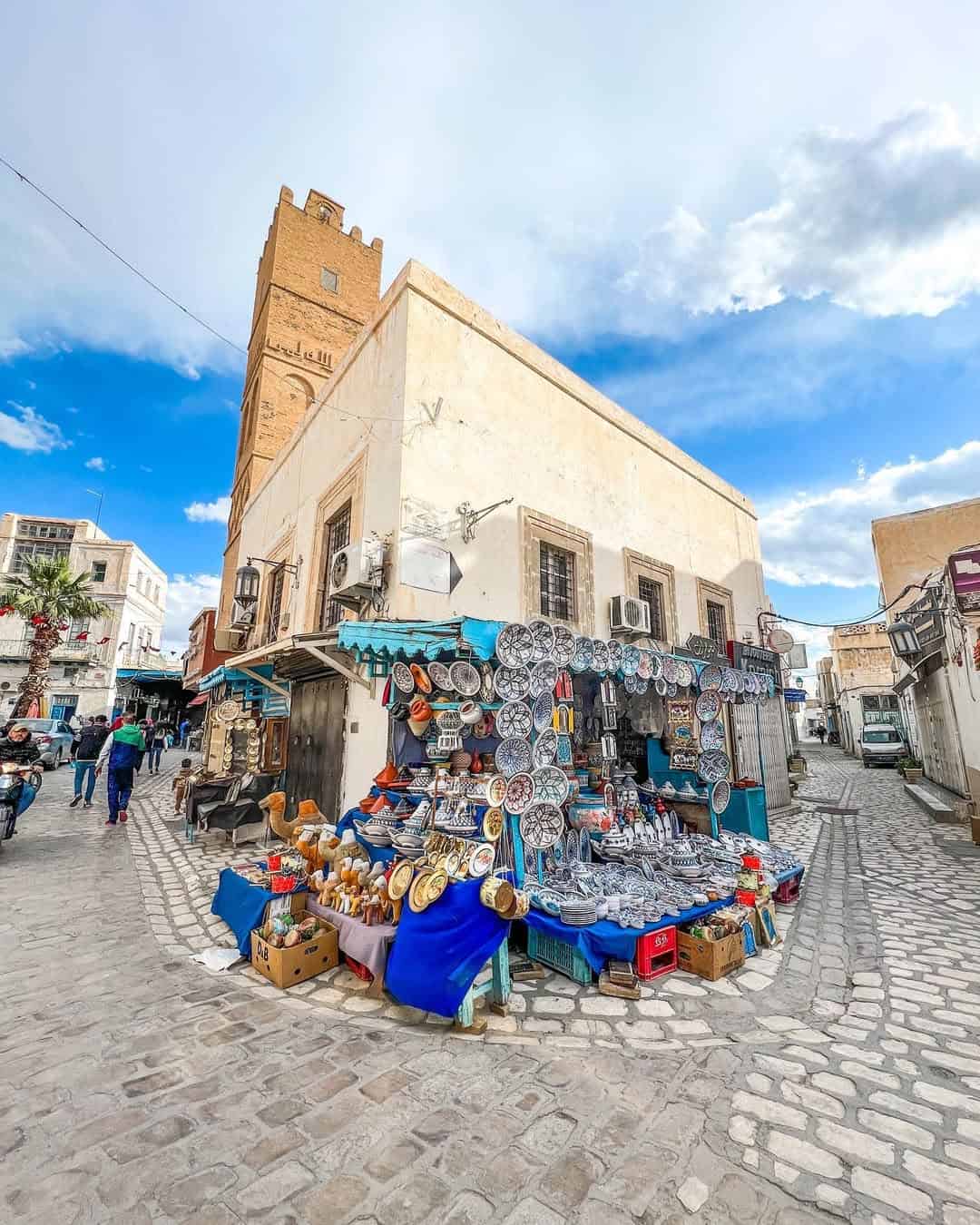
Known as one of Islam’s holiest cities, Kairouan is roughly two and a half hours south of Tunis and makes for a fascinating cultural day trip.
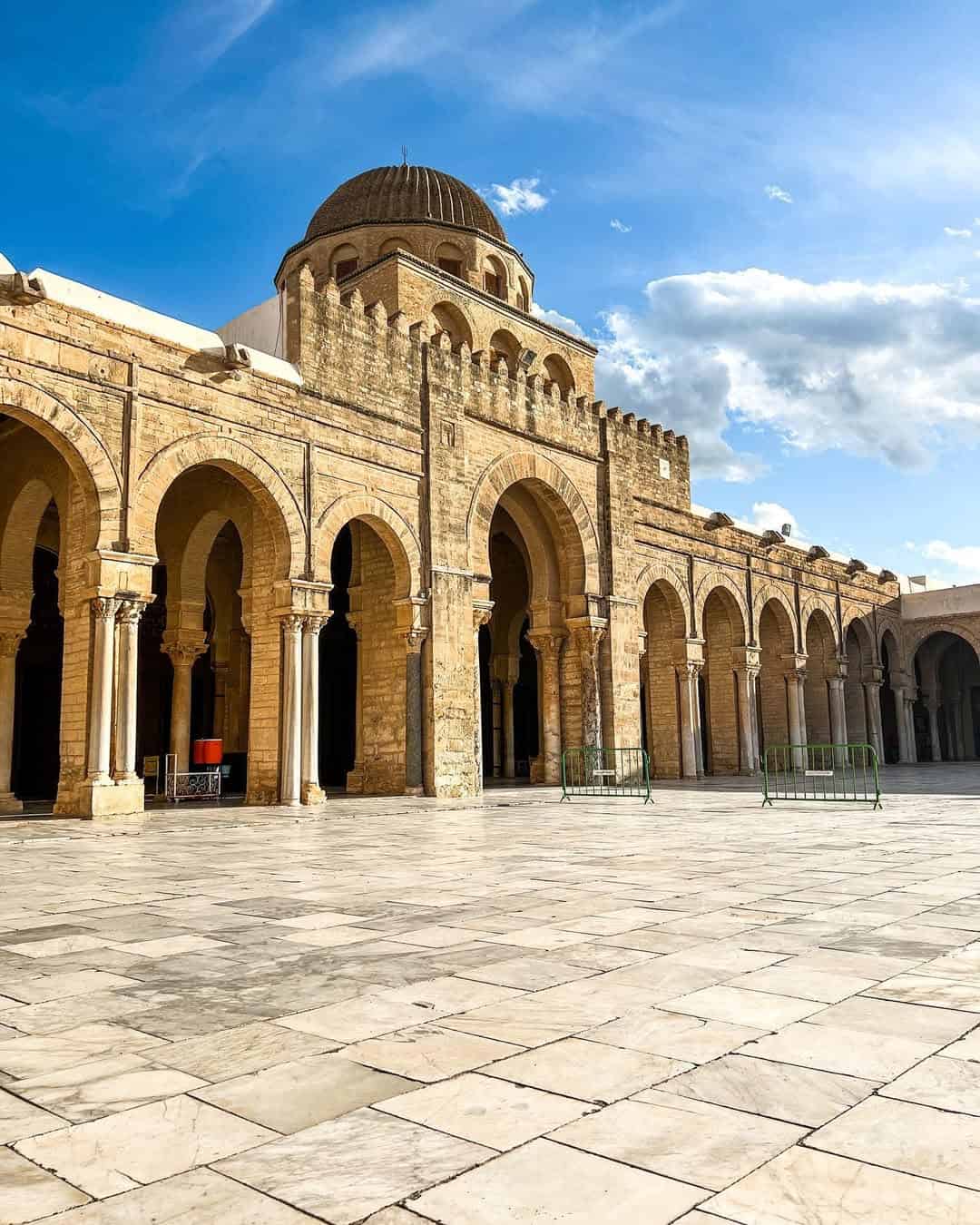
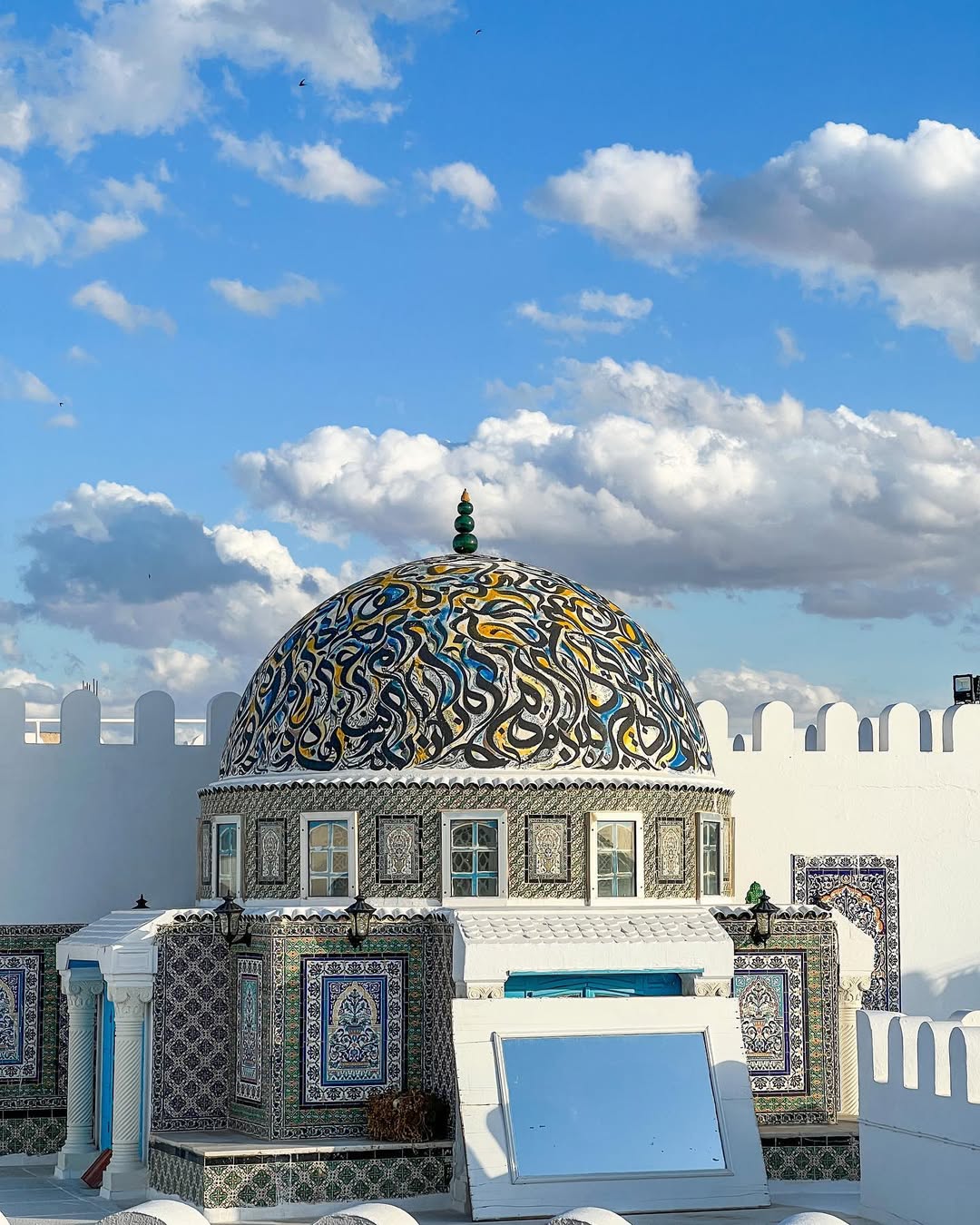
The city is home to the Great Mosque of Kairouan, one of the oldest North African mosques. It also houses a number of traditional medina markets and artisan workshops.
Walking through the medina, you can see beautifully decorated gates, historic fountains, and traditional carpets. Kairouan is a quieter, more spiritual experience compared to Tunis, offering insight into Tunisia’s Islamic heritage.
El Djem
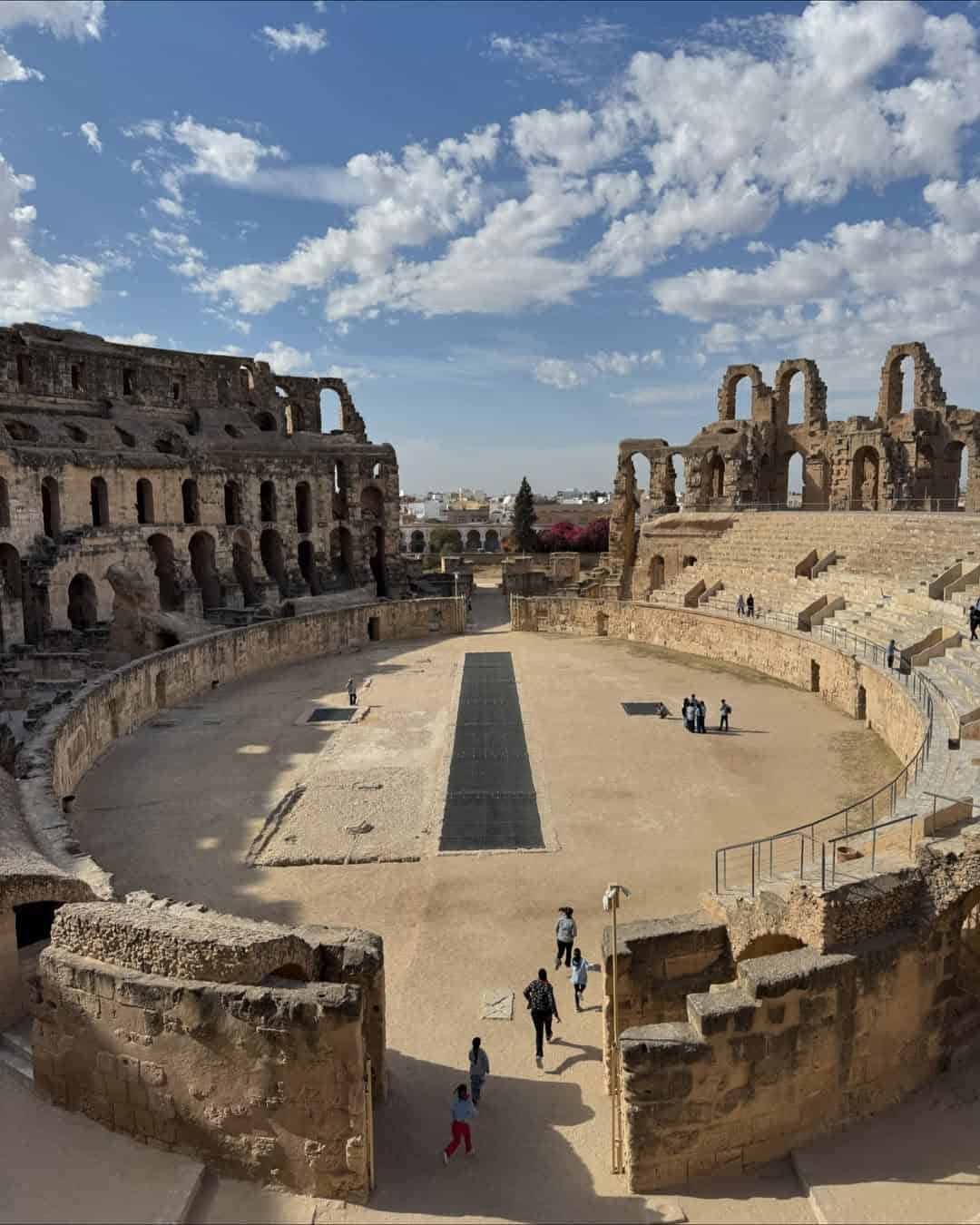
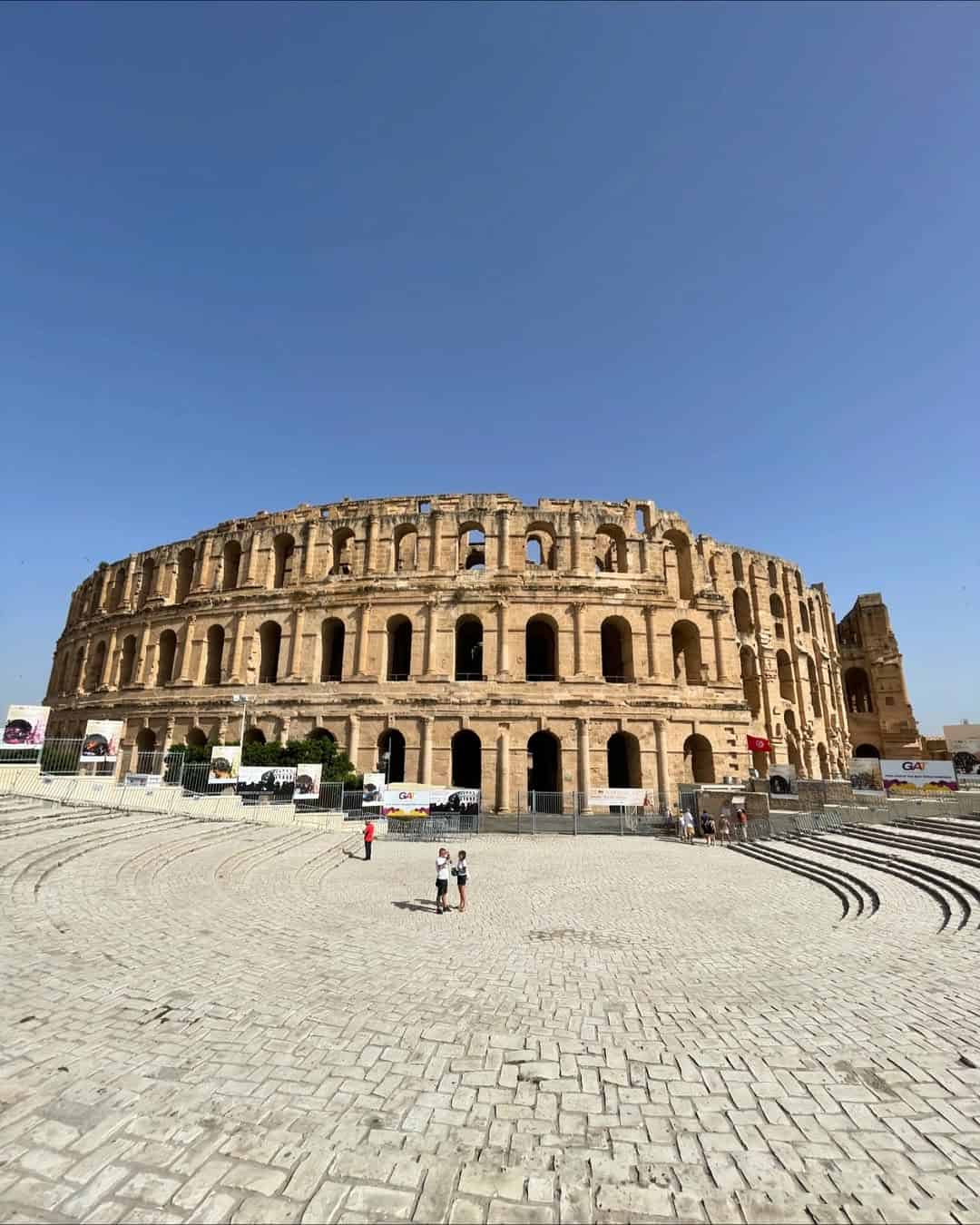
About three hours southeast of Tunis, El Djem is home to the spectacular Roman Amphitheatre, one of the largest in the world. Its massive stone structure, seating tiers, and underground passages make it easy to imagine gladiator games and Roman spectacles of centuries past.
You can book a guided tour that condenses both Kairouan and El Djem, to save costs and allow yourself to make the most out of your time in Tunisia.
Reflecting on a Full and Memorable Day Exploring Tunis
Spending a day in Tunis gave us just a glimpse of this vibrant city, yet even in 24 hours, it was easy to see why it feels so captivating.
Traveling as a multi-generational family, we found a pace that let the kids explore without getting worn out and gave the grandparents time to enjoy the history and architecture. It’s a place we’d happily return to, ready to discover more of its hidden gems, charming neighborhoods, and rich past.
Leave a Reply