
Applying for a passport seems straightforward, but many stumble over details that can lead to delays or rejection. Common mistakes people make when applying for a passport include submitting incomplete forms, using photos that don’t meet size and background requirements, or missing critical proof of citizenship. Overlooking small requirements, like signing the application correctly, providing accurate identification, or paying the right fees, can add weeks to processing times and result in extra costs.
With these 9 common mistakes people make when applying for a passport identified, getting it right is easier than you might think. Review your forms, double-check photo specifications, and confirm all supporting documents before mailing your application. A little extra care now can save significant time and stress later. Ready to move forward without hiccups? Follow these tips and submit your passport application with confidence.
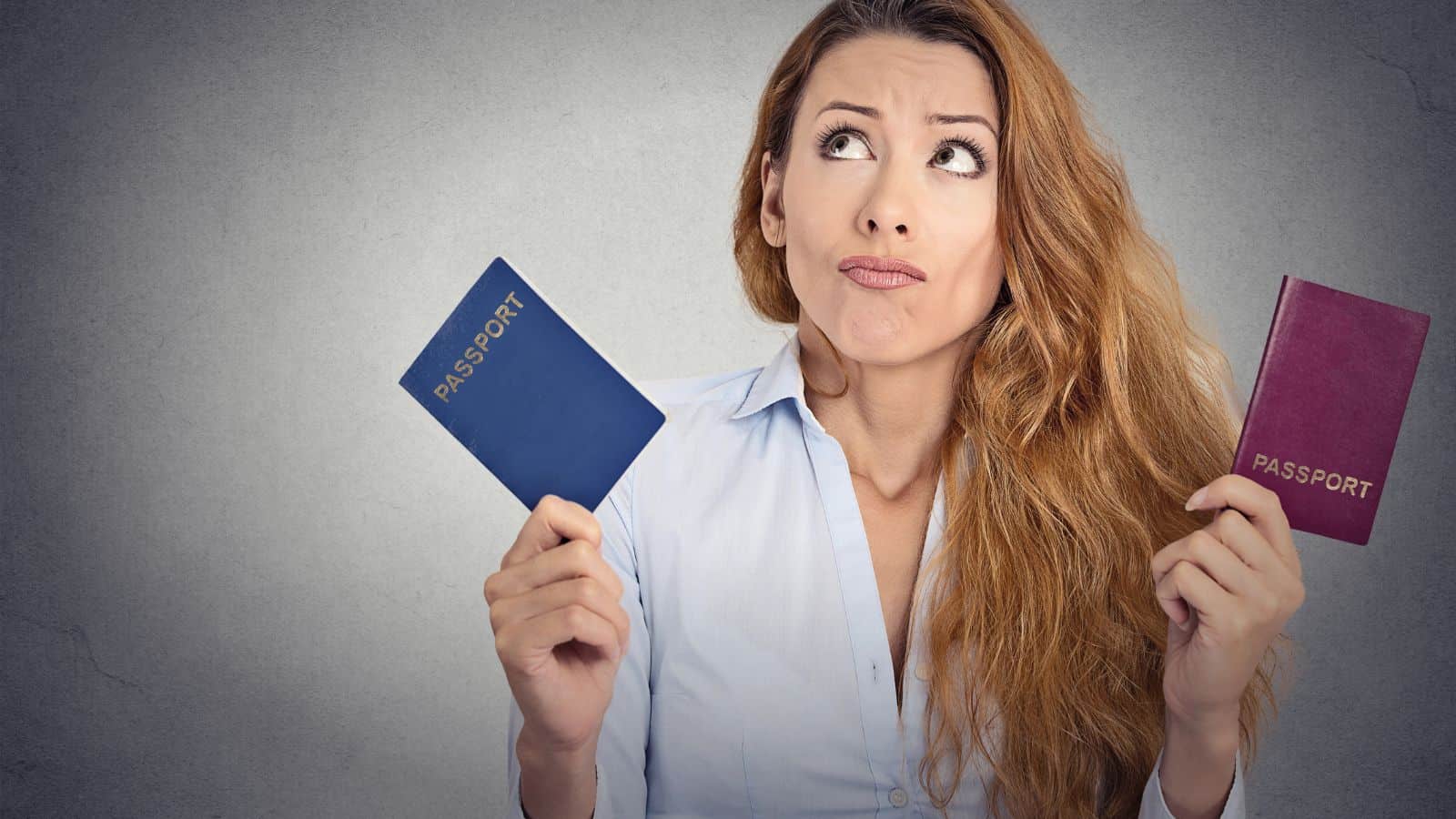
Incomplete Application Forms

One of the most common reasons passport applications are delayed or rejected is due to incomplete forms. Missing even a small detail, such as a required signature or a date, can cause the processing center to send your application back for correction. Many applicants overlook the need to double-check every section, assuming minor omissions won’t matter. However, passport agencies require fully completed forms to avoid confusion or errors during verification. Taking the time to review and complete every field carefully before submission helps prevent delays. If you’re unsure about any part of the form, seeking guidance ahead of time can save weeks in processing and reduce stress.
Using Incorrect Photo Specifications

Passport photos must meet very specific criteria, and submitting images that don’t follow these rules is a common cause of rejection. Photos must be recent, have a plain white or off-white background, and meet exact size and head positioning requirements. Many people submit pictures taken at home without proper lighting or background, or use outdated photos. Some print their own photos, which may lack the necessary quality or dimensions. Even small deviations from the guidelines lead to applications being returned, delaying passport issuance. It’s best to use professional services or carefully follow government instructions to avoid this common mistake that can hold up your travel plans.
Not Including Supporting Documents
Failing to attach all required supporting documents is another frequent error. These documents verify your citizenship, identity, and eligibility, and may include birth certificates, previous passports, or parental consent forms for minors. Omitting any of these papers causes confusion and can halt the processing of your application. Sometimes applicants misunderstand what is required or submit copies instead of originals, which the agency might not accept. Ensuring that all necessary documents are gathered, current, and submitted correctly is crucial. Organizing paperwork in advance and checking official lists can help avoid the frustration and delays that come with missing documentation.
Paying the Wrong Fee

Submitting the incorrect application fee or using an unacceptable payment method is a common oversight that disrupts the passport process. Fees vary depending on the type of passport requested, the applicant’s age, and how quickly the passport is needed. Some applicants send personal checks instead of money orders or don’t include payment at all. Others may miscalculate the amount due or fail to include additional processing charges. Incorrect or missing payments often result in applications being returned or held up until the fee is properly settled. Carefully reviewing the fee schedule and accepted payment options before mailing your application reduces the chance of costly delays.
Rushing the Application Process

Many applicants wait until close to their travel date to apply for a passport, underestimating the time needed for processing. Standard processing can take several weeks, and unexpected delays ,such as increased demand or issues with documentation, can extend this further. Rushing the process leads to stress and sometimes costly expedited fees that could have been avoided with earlier planning. Additionally, last-minute applications risk missing flights or important events if the passport doesn’t arrive on time. Starting the application process well in advance gives ample time to address any problems and ensures you have your travel documents ready without pressure.
Using Expired Identification

Submitting identification that is no longer valid is a frequent issue in passport applications. Whether it’s an old driver’s license or an outdated government ID, expired documents can’t be used to prove your identity during the application process. Passport agencies require current, official identification to confirm your identity and citizenship. Using expired IDs can lead to additional requests for documentation, causing delays and extra steps. It’s important to check the validity of all identification before submitting your application. Renewing your ID or providing an alternate valid document beforehand helps prevent unnecessary hold-ups and speeds up the passport approval process.
Want to save this?
Not Checking Name Consistency

Differences in names across documents often create confusion and delays in passport applications. This might happen if your birth certificate, driver’s license, or previous passport contains variations—such as nicknames, middle names, or changed surnames after marriage or divorce. Passport authorities require that your documents match exactly or have official proof of name changes. Inconsistent naming can trigger additional verification steps or even rejection until the issue is resolved. To avoid this, review all your paperwork for consistency before applying. If changes exist, gather supporting legal documents, like marriage certificates or court orders, to clarify your identity and keep the application moving smoothly.
Failing to Track Application Status
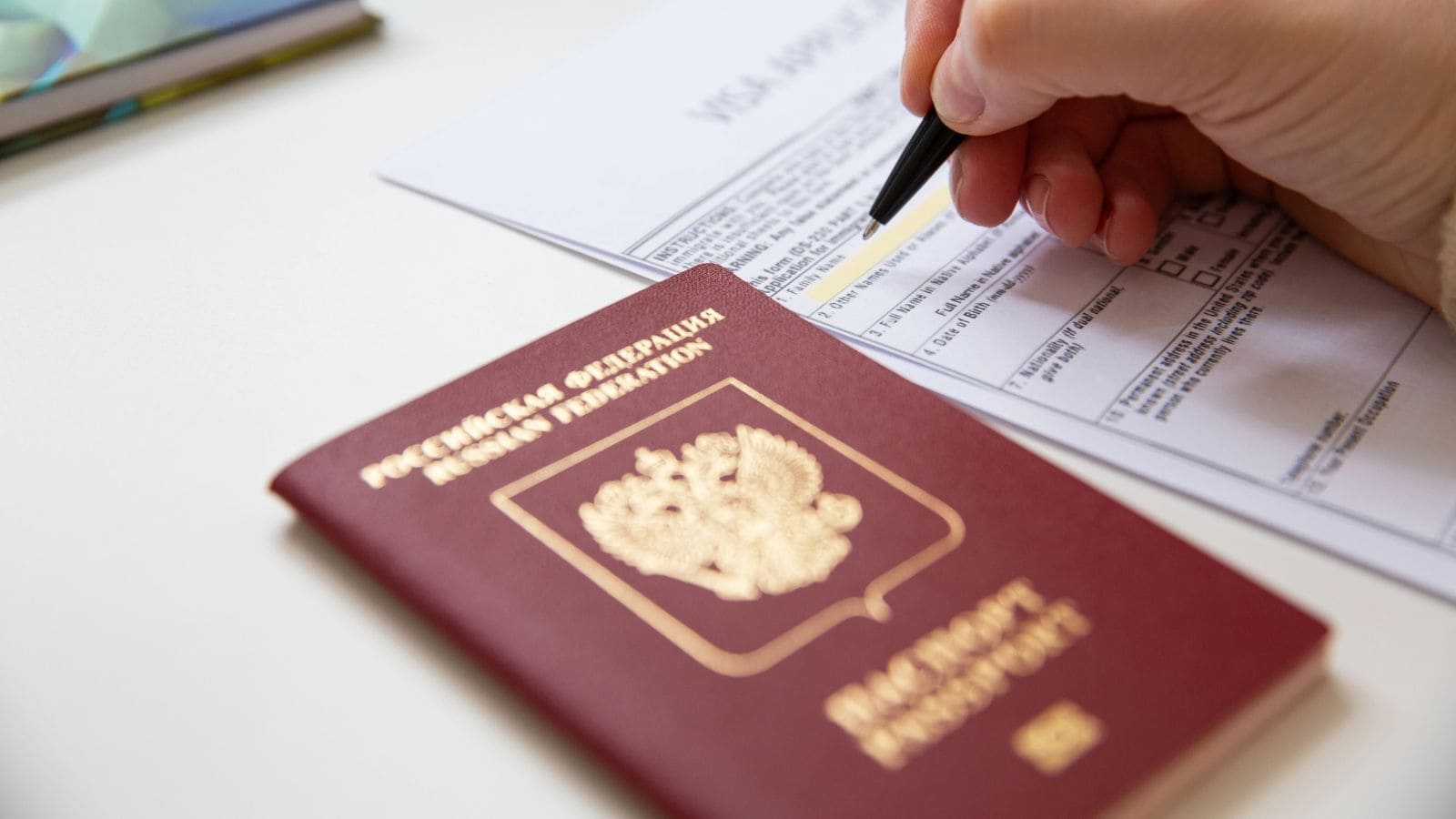
Once you’ve submitted your passport application, it’s important to stay informed about its progress. Many applicants neglect to check their application status online or respond promptly if additional information or documents are requested by the processing center. Ignoring updates can prolong the process significantly, sometimes causing the application to stall. Staying proactive by regularly monitoring your status allows you to address any issues quickly and prevents unnecessary delays. Keeping contact information current and responding to requests from passport authorities ensures your application moves forward without avoidable hold-ups.
Overlooking Special Requirements for Minors

Applying for a passport for children involves extra steps that are easy to miss. Minors often require both parents or legal guardians to provide consent, and some countries mandate the child’s presence during application. Missing signatures, incomplete consent forms, or lack of proper documentation can lead to rejection or delay. Additionally, specific photo guidelines and separate fees may apply for children. Parents should carefully review the requirements for minors before applying to avoid these common pitfalls. Understanding and following the rules for children’s passports makes the process smoother and ensures that young travelers receive their documents without unexpected setbacks.
Smooth Sailing Starts with a Smart Application

Getting a passport doesn’t have to be stressful if you avoid the most common mistakes from the start. From using outdated ID and submitting incomplete forms to missing key documents or ignoring special rules for minors, small errors can cause big delays. Fortunately, each mistake is preventable with a little extra attention and preparation. By double-checking every detail, confirming fees and photo specs, and tracking your application status, you set yourself up for success. Think of your passport as the first step in your travel adventure. Taking the time to do it right ensures you’ll be ready to explore the world without last-minute headaches or cancellations. Apply with care, and your next destination will be that much closer.
15 Ways to Protect Yourself From Hidden Cameras While Traveling

Stay alert! Traveling can be a thrilling experience, but it also comes with risks that might not be immediately obvious. One such risk is the possibility of hidden cameras. These devices can be placed in hotel rooms, rental properties, or even public spaces, capturing footage without your knowledge or consent. For travelers, it is essential to take precautions and remain aware of their surroundings.
Read More Here: 15 Ways to Protect Yourself From Hidden Cameras While Traveling
15 Common Airport Mistakes You Might Be Making

Avoid these at all costs! Navigating an airport can be a stressful experience, and many travelers unknowingly make mistakes along the way. There are 15 common airport mistakes you might be making that can lead to unnecessary delays and frustration. From packing the wrong items to misjudging security lines, these blunders can turn an exciting trip into a hassle.
Read More Here: 15 Common Airport Mistakes You Might Be Making




Leave a Reply