
Weekends seem like the perfect time to travel. You’re off work, your friends are free, and the weather usually cooperates. I used to plan trips the same way, then I started noticing a pattern. These 15 crowded places to avoid on weekends made me spend more time standing in line than actually exploring. Even simple things like taking a photo turned into a waiting game. By Sunday night, I wasn’t refreshed. I was tired.
That’s when I started booking trips midweek instead. It changed everything. The same spots felt calmer and easier to navigate. I could move at my own pace and actually take things in. Prices were often better, too. Some destinations are great, just not on a Saturday. If your schedule allows it, shifting your visit by a couple of days can make a big difference. Trust me, timing matters more than you think.
Times Square (NYC)
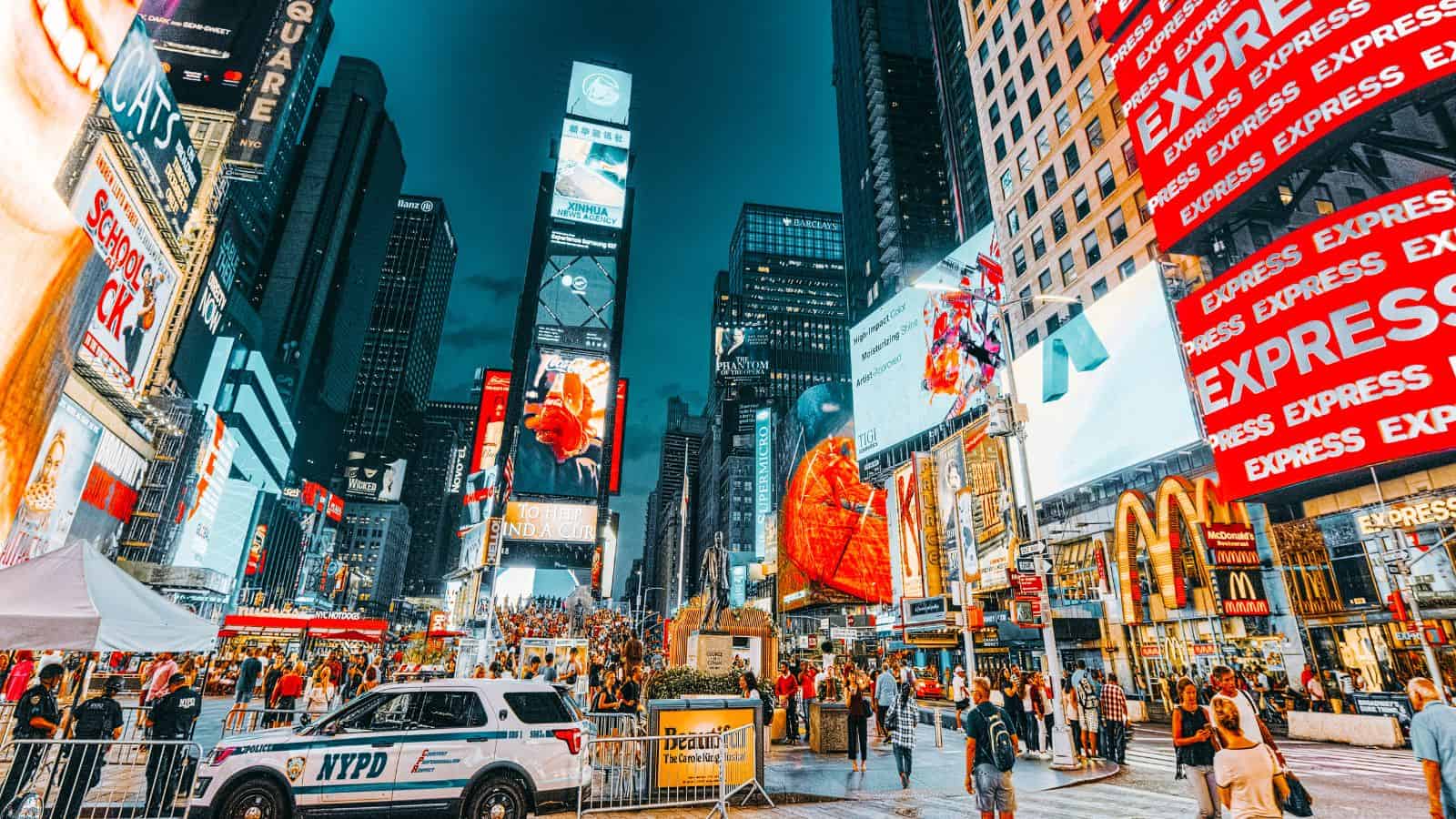
Times Square on a weekend feels less like a landmark and more like a human traffic jam. Tour groups cluster around every corner, costumed characters step into photos for tips, and the sidewalks slow to a shuffle. Crossing the street can take several light cycles as crowds spill off the curb. Restaurants quote long waits, and even grabbing a quick coffee turns into a line. The constant flash of billboards and noise from buses, music, and street performers can feel overwhelming after an hour. Visit midweek, especially early in the morning, and you can actually look up, take photos, and move at your own pace.
Disneyland / Disney World
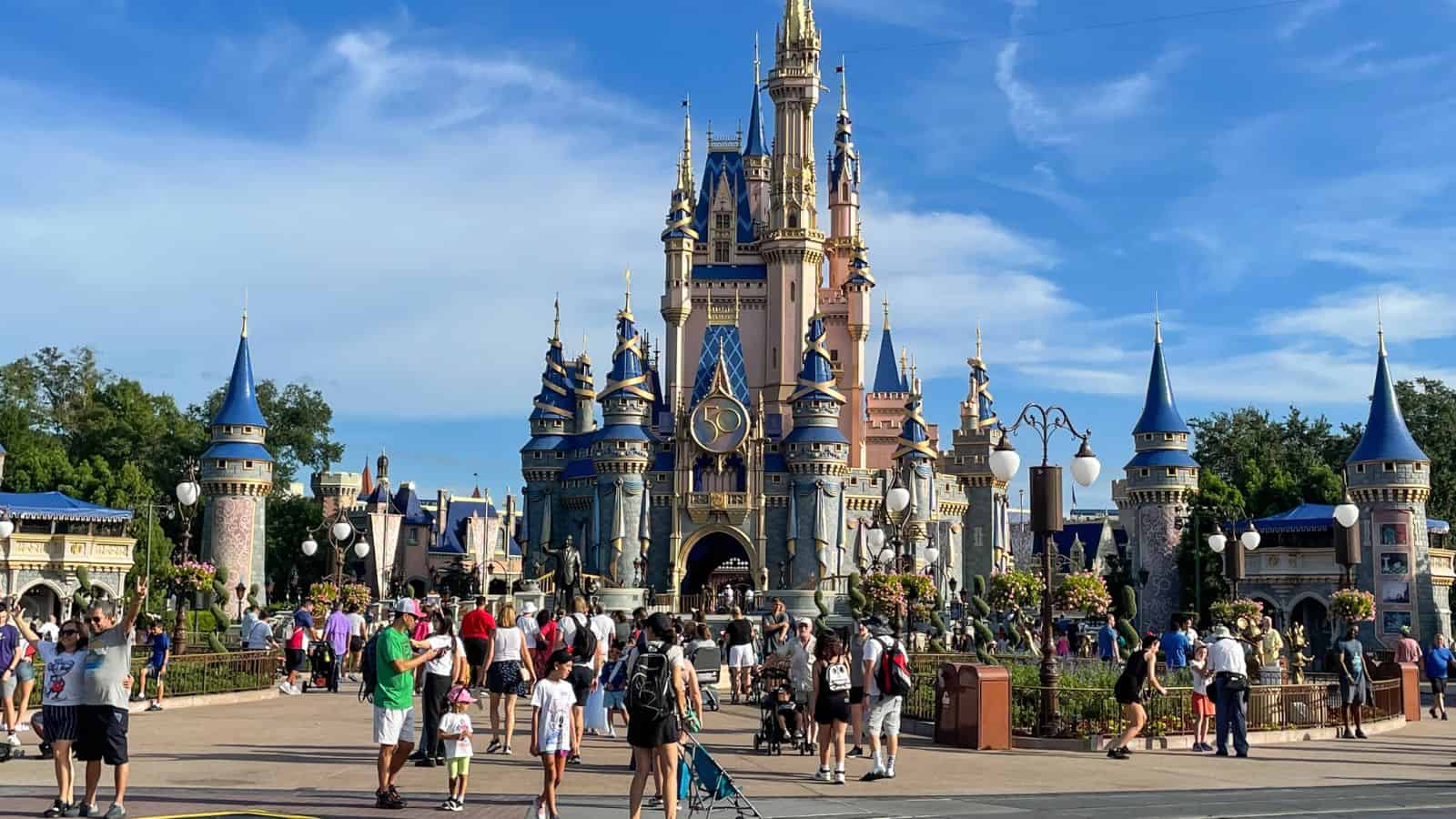
Visiting Disney parks on a Saturday often means planning your day around wait times that climb past an hour before lunch. Popular rides fill their reservation slots quickly, and standby lines stretch into winding corridors that test patience. Mobile food orders book up, shaded seating becomes scarce, and navigating stroller traffic requires strategy. Parades and fireworks draw dense crowds that make exiting slow and tiring. Hotel prices also rise for weekend stays, adding pressure to maximize every minute. By contrast, midweek visits bring lighter crowds, shorter lines, and a calmer rhythm that lets you explore attractions without racing the clock.
The Louvre (Paris)

The Louvre on a weekend afternoon can feel overwhelming long before you reach the Mona Lisa. Security lines stretch across the courtyard, and timed entry slots fill days in advance. Inside, large tour groups move from gallery to gallery, creating bottlenecks near famous works. It becomes difficult to pause and study paintings when people press forward for photos. The sheer scale of the museum demands time and focus, yet weekend crowds chip away at both. Visiting midweek, right at opening, allows quieter corridors, clearer views of masterpieces, and space to absorb centuries of art without constant jostling.
The Vatican Museums
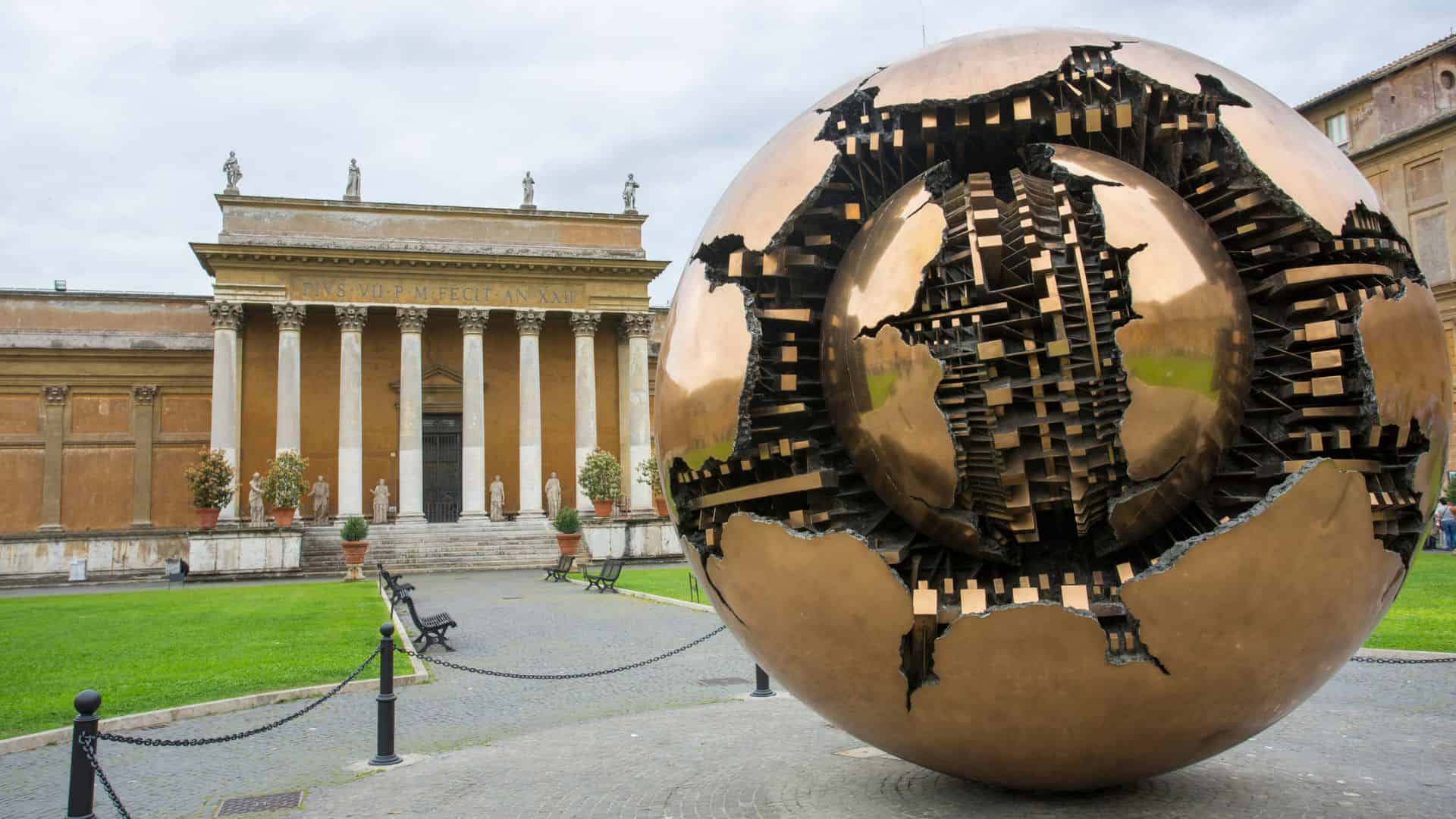
Weekend visits to the Vatican Museums often begin with a long queue wrapping along the walls before the doors even open. Once inside, tightly packed hallways funnel visitors through galleries at a slow pace. Audio guides compete with echoing chatter, and stopping to admire frescoes can draw impatient sighs from those behind you. The Sistine Chapel, meant for quiet reflection, frequently feels crowded and closely monitored by staff urging silence. By midweek morning, the flow becomes steadier and less compressed. You can look up at the ceilings, notice intricate details, and move thoughtfully instead of being carried forward by the crowd.
Santorini (Greece)

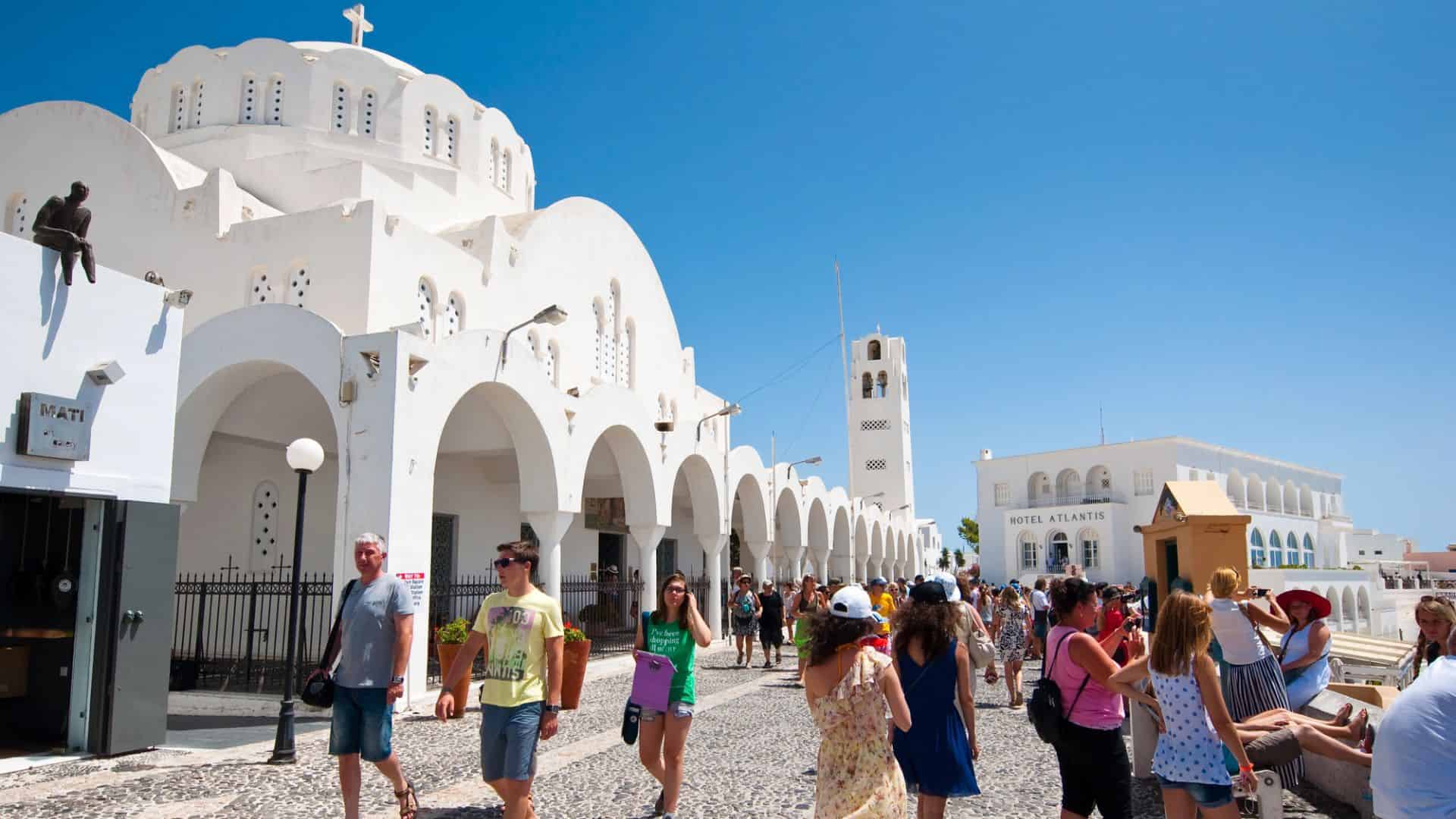
Santorini on a summer weekend can feel overtaken by cruise ship arrivals and short‑stay visitors filling narrow lanes in Oia and Fira. Streets designed for donkeys and foot traffic become tightly packed with people lining up for sunset photos. Restaurant terraces book out days ahead, and taxis are scarce as traffic inches along cliffside roads. Finding a quiet viewpoint turns into a challenge, especially during golden hour when everyone gathers at once. Midweek travel brings a slower rhythm. You can wander whitewashed alleys without constant stops, secure dinner reservations more easily, and watch the caldera glow without competing for space.
National Parks (Popular Ones Like Zion or Yosemite)
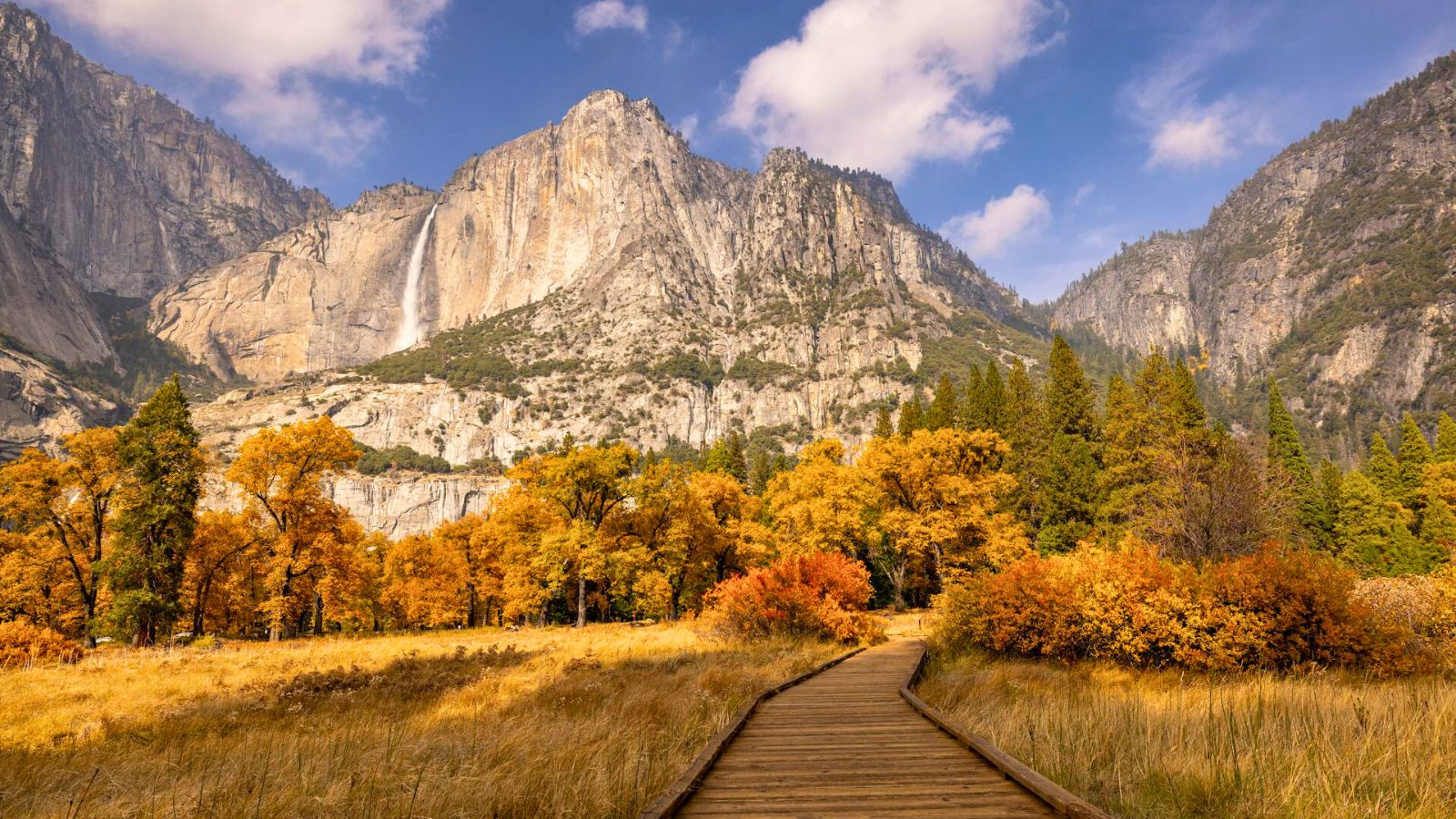
Visiting major national parks on a weekend during peak season can feel more like attending a festival than escaping into nature. Parking lots at trailheads fill before midmorning, and rangers often close entrances once capacity is reached. Shuttle buses run packed, with long lines forming under direct sun. On popular trails, hikers move in single file, stopping frequently as groups navigate narrow sections. Scenic overlooks become crowded photo zones rather than quiet viewpoints. Campsites book months in advance, limiting flexibility. A midweek trip brings calmer trails, easier parking, shorter shuttle waits, and more space to appreciate sweeping landscapes without constant congestion.
The Blue Lagoon (Iceland)
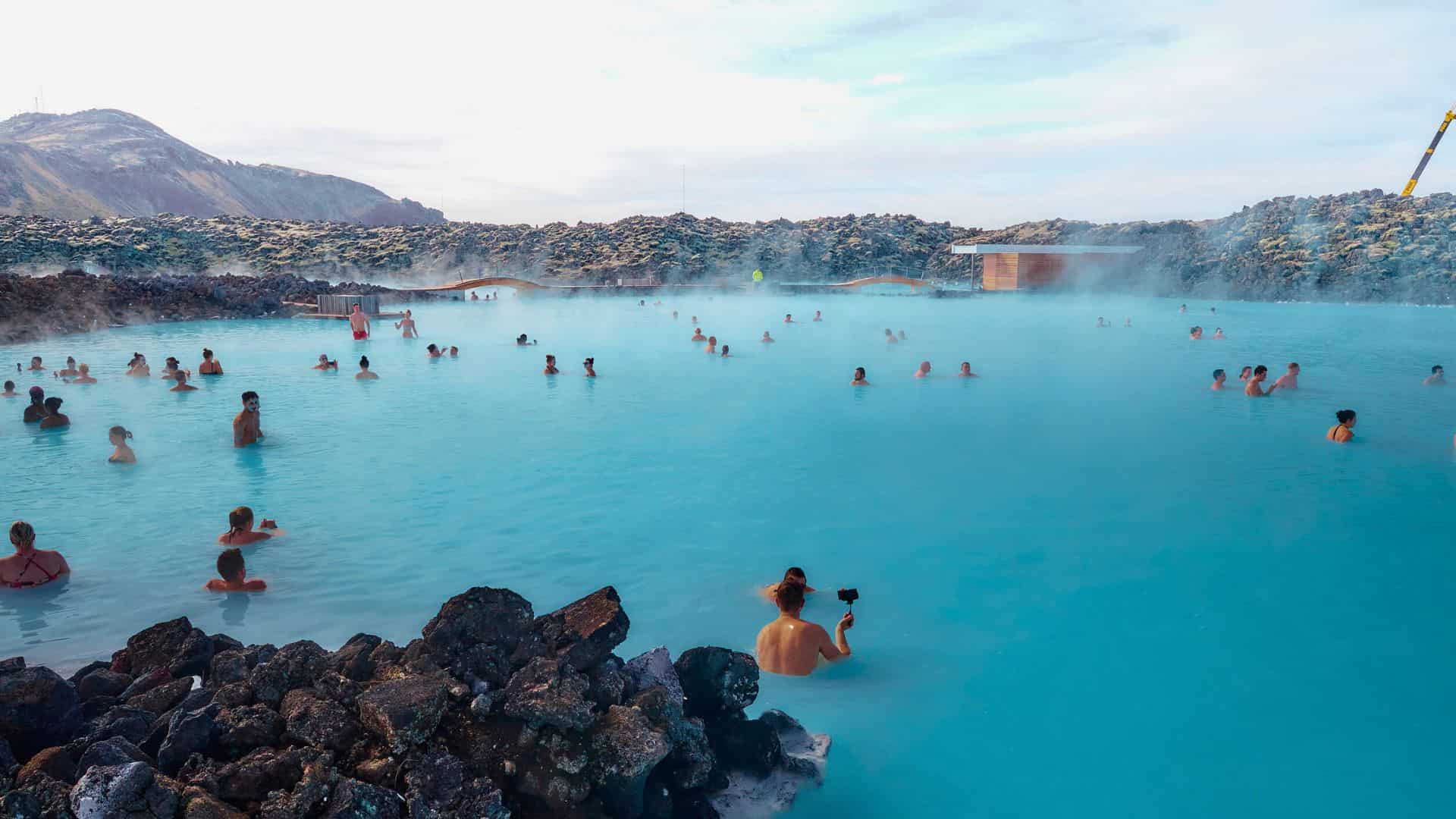
The Blue Lagoon draws heavy weekend demand, especially from travelers on short stopovers. Prime time slots sell out quickly, and the check‑in area becomes busy with rolling suitcases and tour groups arriving together. Inside the lagoon, finding a quiet corner away from clustered conversations can be difficult. Lines form at the swim‑up bar and for silica masks, and the changing rooms feel rushed during peak hours. The tranquil atmosphere many expect can feel diluted by crowd noise. Visiting midweek, particularly early or late in the day, allows more personal space in the water and a calmer spa experience.
Pike Place Market (Seattle)
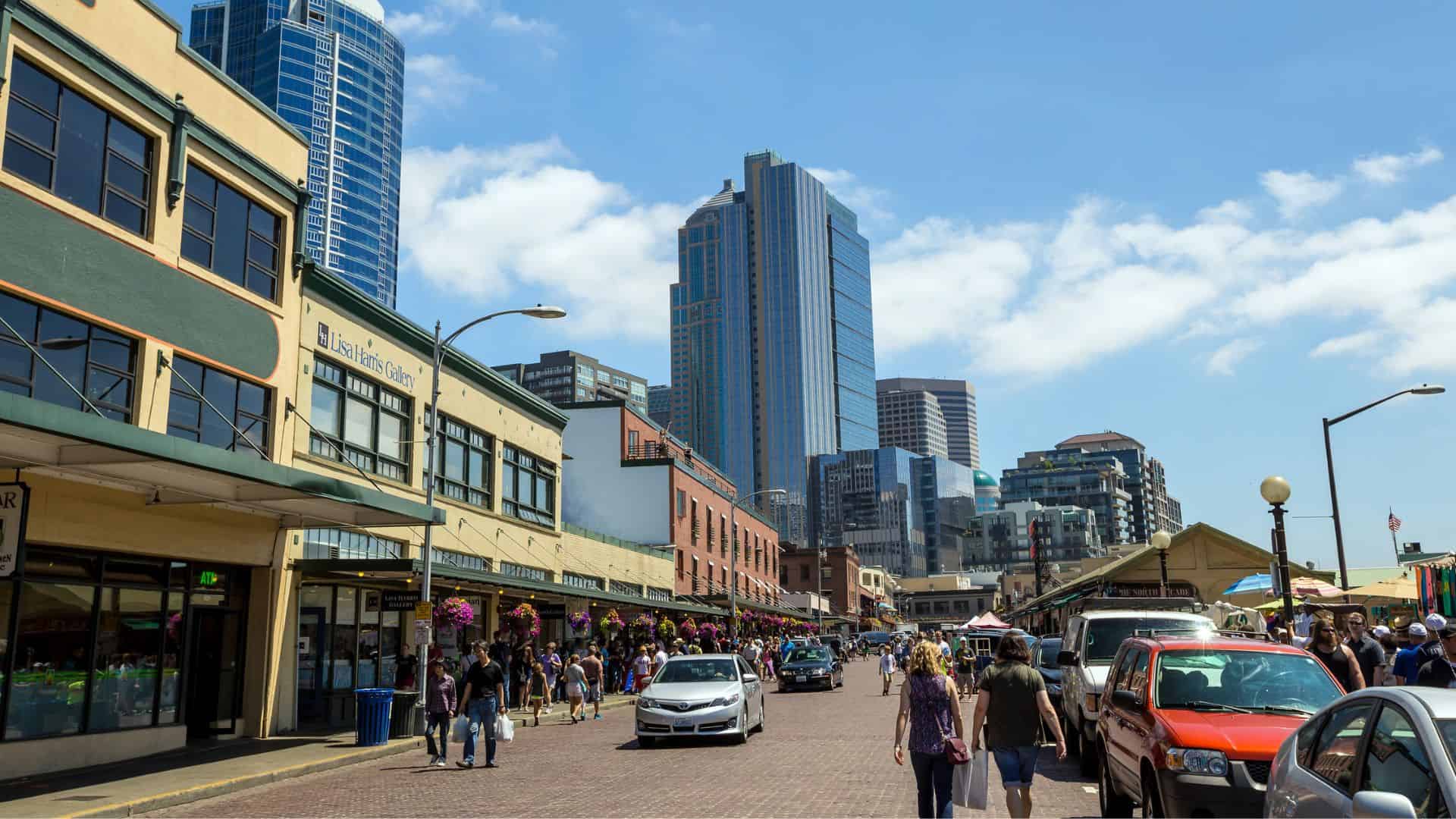
Pike Place Market on a Saturday can feel tightly packed from the main arcade down to the waterfront. Visitors crowd around fishmongers during toss demonstrations, blocking pathways and slowing foot traffic. Popular bakeries and coffee counters post long lines that spill into walkways. Browsing craft stalls becomes challenging when shoppers press shoulder to shoulder. Street musicians compete with chatter, creating a constant hum that can be draining after a while. Midweek visits allow time to speak with vendors, sample produce without rushing, and explore lower levels of the market without navigating dense weekend congestion.
The Colosseum (Rome)

On weekends, the Colosseum draws dense waves of visitors that begin forming before opening time. Security checks move steadily but slowly, and guided tour groups cluster at the entrance arches. Inside, narrow corridors and staircases create bottlenecks as people pause for photos of the arena floor. The surrounding Roman Forum and Palatine Hill also see heavier foot traffic, stretching the day’s itinerary. Street vendors and tour sellers crowd nearby sidewalks, adding to the busy atmosphere. A midweek morning visit allows clearer sightlines, easier movement between levels, and time to absorb the scale of ancient Rome without constant crowd pressure.
Want to save this?
Niagara Falls

Niagara Falls on a weekend brings packed sidewalks along the promenade and heavy traffic approaching the viewing areas. Parking garages fill quickly, and tour buses line up near the main entrances. Observation decks become crowded with visitors waiting for clear photo angles, while boat tours operate at full capacity. Restaurants nearby post extended wait times, especially during summer evenings. Fireworks nights amplify the congestion, with slow departures after the show ends. Choosing a midweek visit allows easier parking, shorter lines for boat rides, and more room at railings to watch the powerful cascade without feeling boxed in.
London’s Borough Market
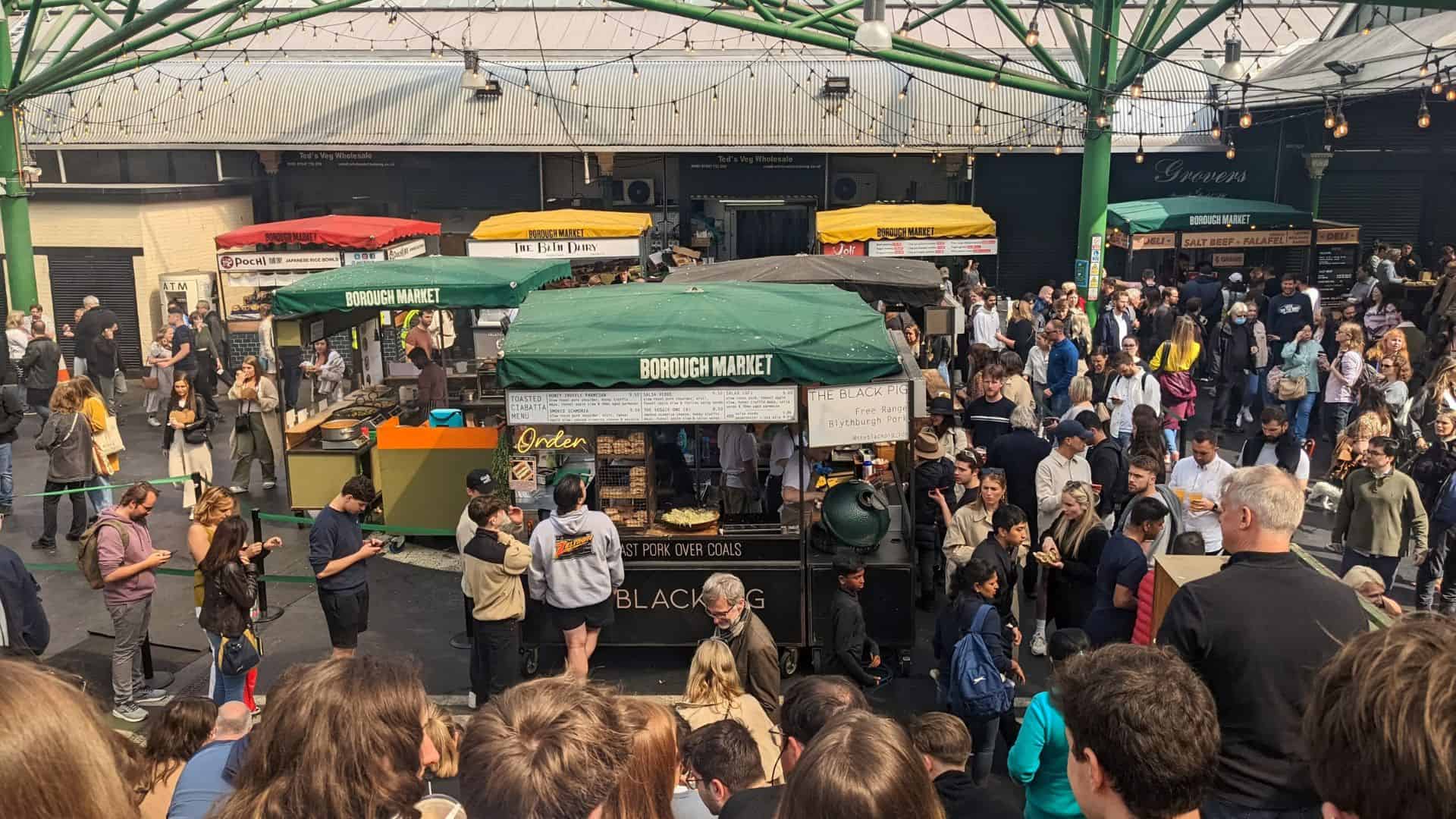
Borough Market on a Saturday can feel packed from entrance to exit, with tight aisles that slow to a shuffle by late morning. Lines form quickly at popular food stalls, sometimes stretching across walkways and creating congestion at every corner. Seating is limited, so many visitors stand while balancing plates and drinks in crowded corridors. The noise level rises as vendors call out orders and groups gather around counters. It becomes difficult to browse thoughtfully or chat with traders about their products. A midweek visit brings lighter foot traffic, shorter queues, and space to explore at a relaxed pace.
Grand Canyon South Rim

The South Rim on a weekend, especially during spring and summer, sees heavy visitation from early morning onward. Parking lots at major viewpoints fill fast, pushing drivers to circle repeatedly or rely on crowded shuttle buses. Popular overlooks become tightly packed, making it challenging to find a clear vantage point along the railing. Lines form at visitor centers and restrooms, and nearby lodging sells out quickly. Sunset draws especially large crowds, with limited standing room along the rim. Midweek travel allows easier access to viewpoints, smoother shuttle rides, and more uninterrupted time with the vast canyon landscape.
Golden Gate Bridge (San Francisco)
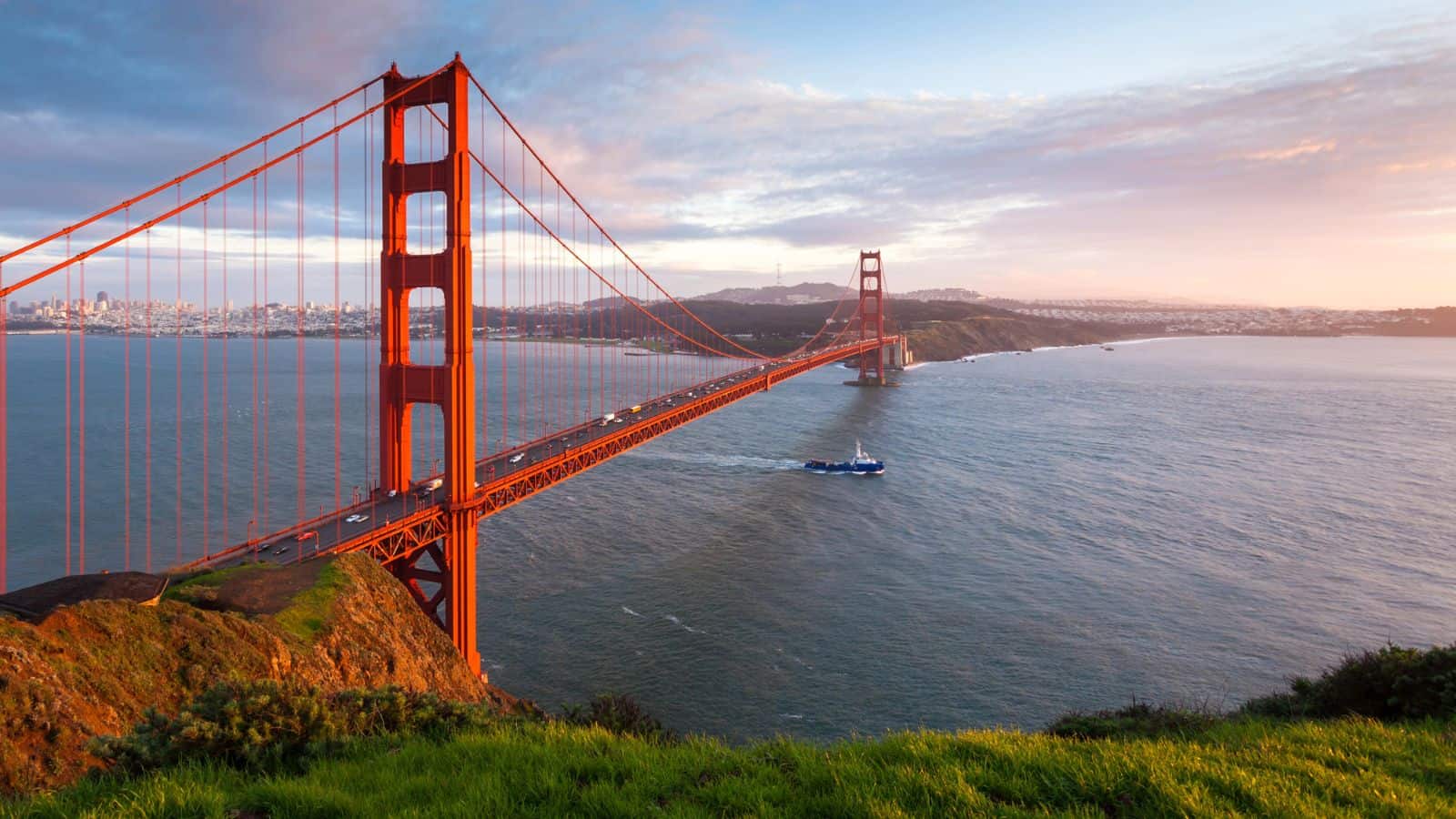
Weekend visits to the Golden Gate Bridge often involve circling for parking near popular viewpoints like Battery Spencer or the Welcome Center. Tour buses unload steady streams of visitors, and sidewalks across the bridge grow crowded with cyclists and pedestrians sharing limited space. Photo spots fill quickly, leading to waits for a clear shot without passersby in frame. Wind can add to the challenge, especially when walkways are congested. Traffic across the span also slows during peak hours. A midweek morning visit brings lighter foot traffic, easier parking, and calmer conditions for walking and photography.
Amalfi Coast (Italy)

The Amalfi Coast on a weekend during high season can feel gridlocked along its narrow cliffside roads. Cars, buses, and scooters compete for space on tight curves, causing long delays between towns such as Positano and Amalfi. Parking is scarce and expensive, with lots filling early in the day. Ferry lines lengthen as visitors seek alternatives to road travel. Restaurants and beach clubs book up quickly, limiting spontaneous plans. Sidewalks in the most photographed villages grow dense by late afternoon. Traveling midweek allows smoother drives, better reservation availability, and more freedom to explore without constant traffic pressure.
La Rambla (Barcelona)
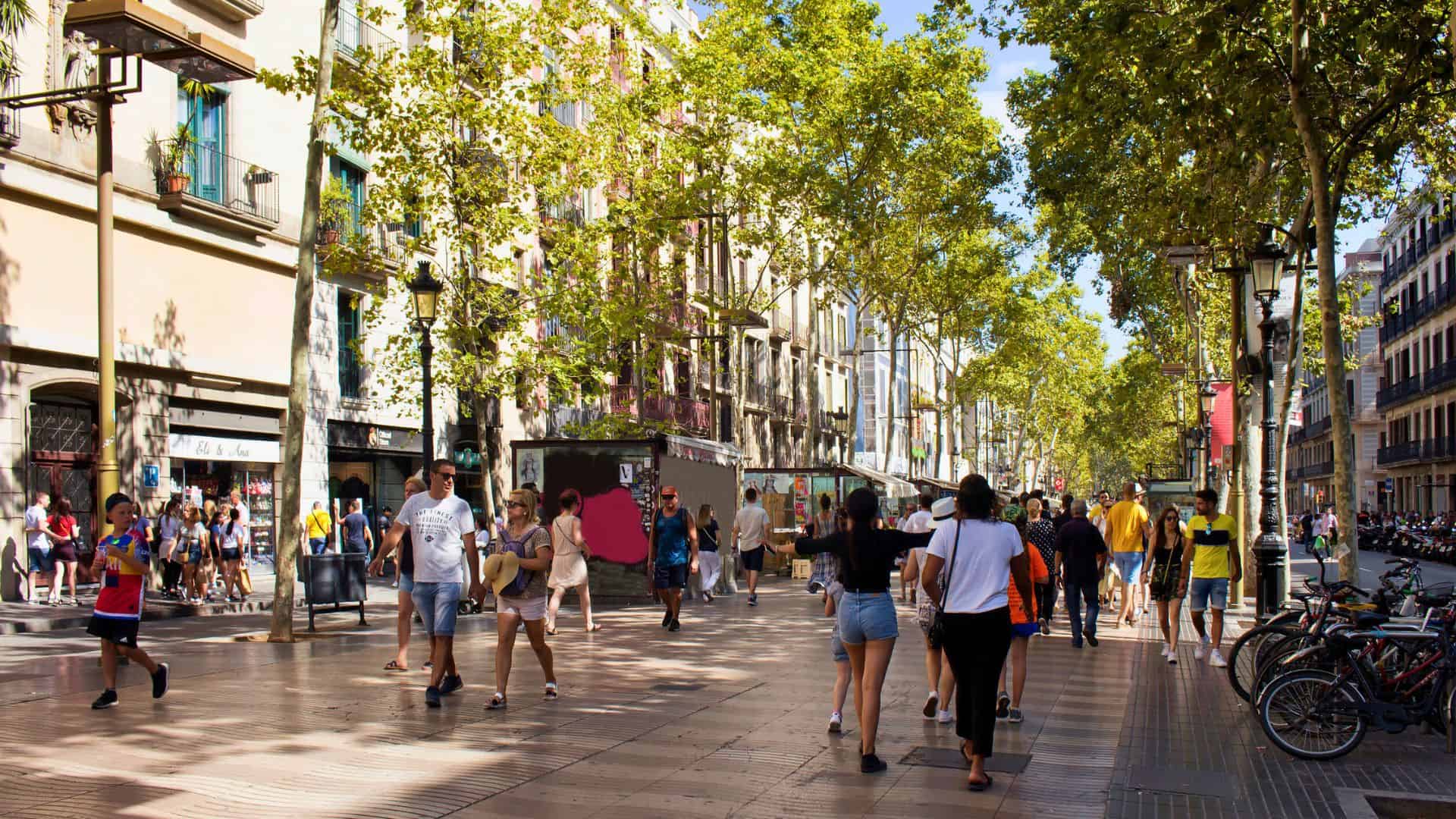
La Rambla on a weekend becomes a steady stream of visitors moving between Plaça de Catalunya and the waterfront. Street performers attract large circles of onlookers that slow pedestrian flow, while café terraces fill early in the day. The famous market along the boulevard grows crowded, with tight interior aisles and lines at popular counters. Pickpocketing concerns rise in dense conditions, prompting many to stay alert rather than relaxed. Noise from buskers and chatter echoes between buildings. A midweek morning visit brings lighter crowds, easier access to nearby streets in the Gothic Quarter, and a more comfortable walking pace.
Skip Saturday, Thank Me Later
If there’s one thing I’ve learned, it’s that timing can make or break a trip. The place itself might be great, but the day you choose to go matters just as much as where you’re headed. Weekends pack everything in tighter. More people, longer waits, higher prices, louder spaces. That doesn’t mean you should skip popular spots. It just means you should be strategic.
When you go midweek, you give yourself room to breathe. You can walk without bumping into everyone, book that dinner without planning weeks ahead, and actually enjoy the view instead of fighting for it. It feels calmer and more relaxed from start to finish. If you have flexibility in your schedule, use it. Take a day off. Shift your plans. You might be surprised how different the exact same place feels just by going on a Tuesday instead of a Saturday.
11 Small Towns Perfect for a Peaceful Weekend Road Trip
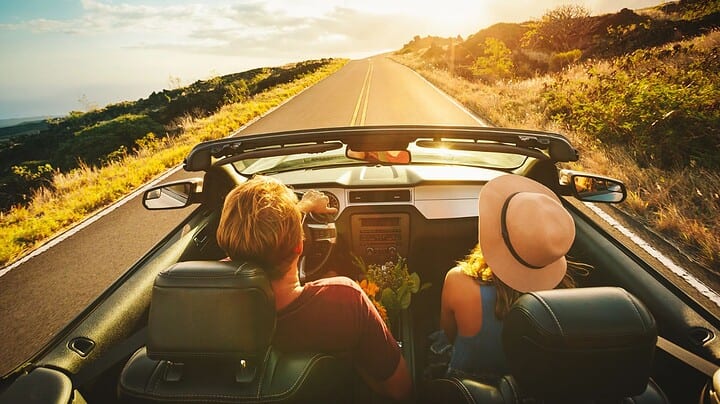
Sometimes the best getaways are the simplest ones. Instead of crowded resorts or long flights, there are small towns perfect for a peaceful weekend road trip where time seems to slow down and the noise of daily life fades away. These places are filled with scenic drives, local charm, and quiet corners to unwind. Whether it’s a historic downtown, a lakeside retreat, or a mountain hideaway, these small-town escapes remind travelers that rest doesn’t have to mean staying still—it’s about reconnecting with calm.
Read More Here: 11 Small Towns Perfect for a Peaceful Weekend Road Trip
13 Best Cities for Night-Owl Travelers and Late-Night Culture
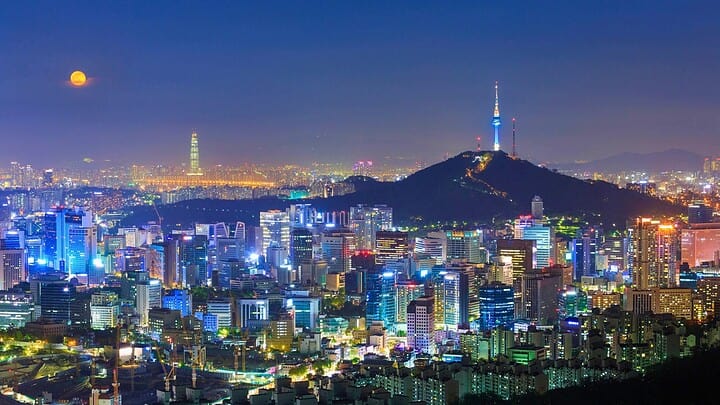
If you’re the type who thinks midnight is just getting started, this one’s for you. While many places slow down at night, these 13 cities for night owls hit their stride. Streets stay busy, music keeps playing, and food spots stay open. You don’t feel rushed back to your hotel, and sleep can wait. These cities are the epitome of late night culture. They work on a different clock, and they’re great at it.
Read More Here: 13 Best Cities for Night-Owl Travelers and Late-Night Culture

Leave a Reply