Travel in Europe doesn’t feel as simple as it once did. Flights fill faster, streets feel busier, and popular sights can feel packed before lunch. Travelers notice it right away, especially as conversations around 13 European countries where overtourism has changed travel choices become part of everyday planning. Planning now comes with extra steps and more questions.
Is this place crowded year-round? Should I go earlier or later? Is there a quieter base nearby? A great trip still exists, but it often looks different than expected. People slow down, stay longer, or skip places they once felt were must-sees. This article looks at how crowd pressure reshapes travel choices across Europe. Rules change, fees appear, and locals speak up, all of which influence how trips come together. None of this is dramatic. It’s practical.
Iceland
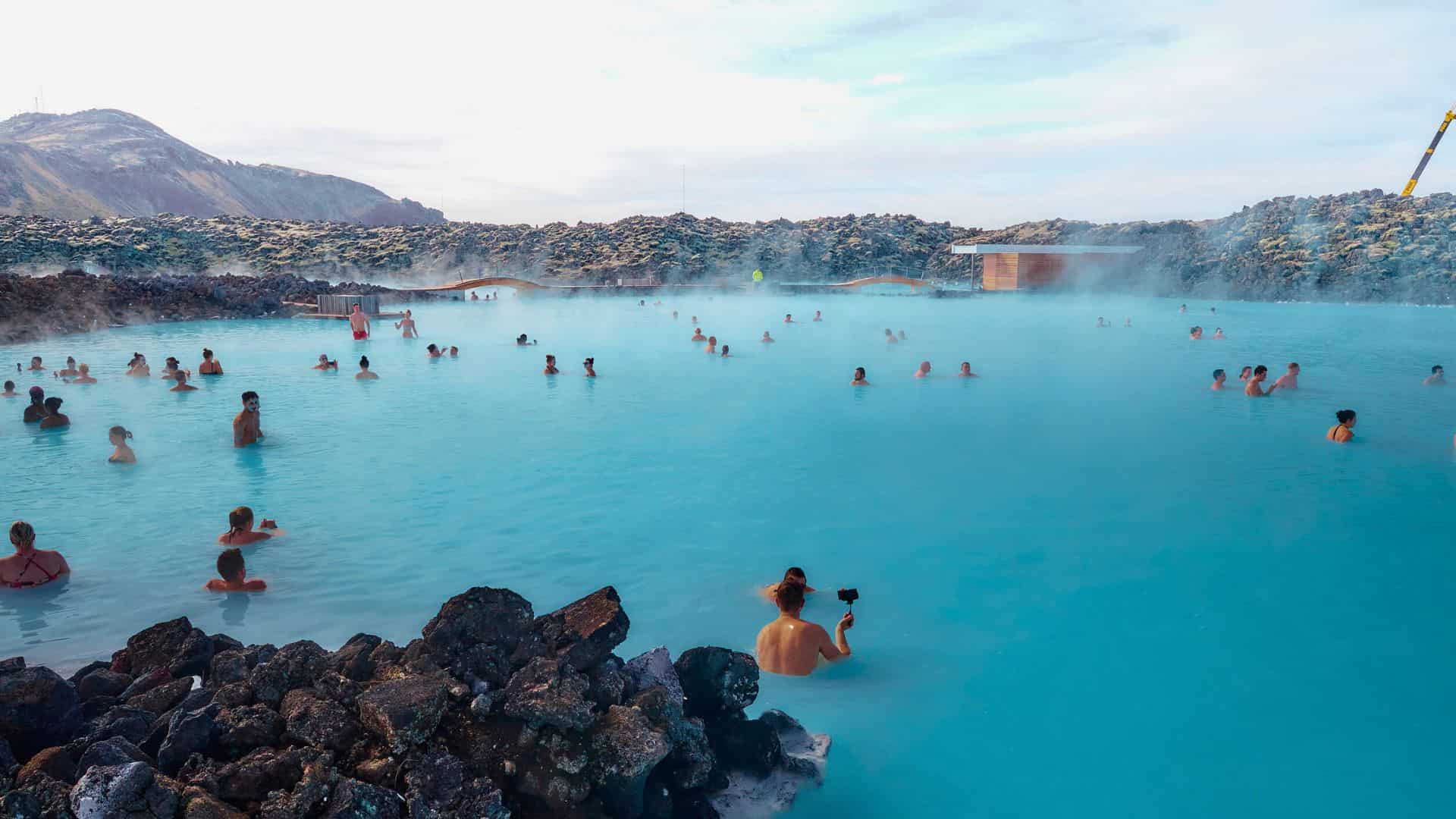
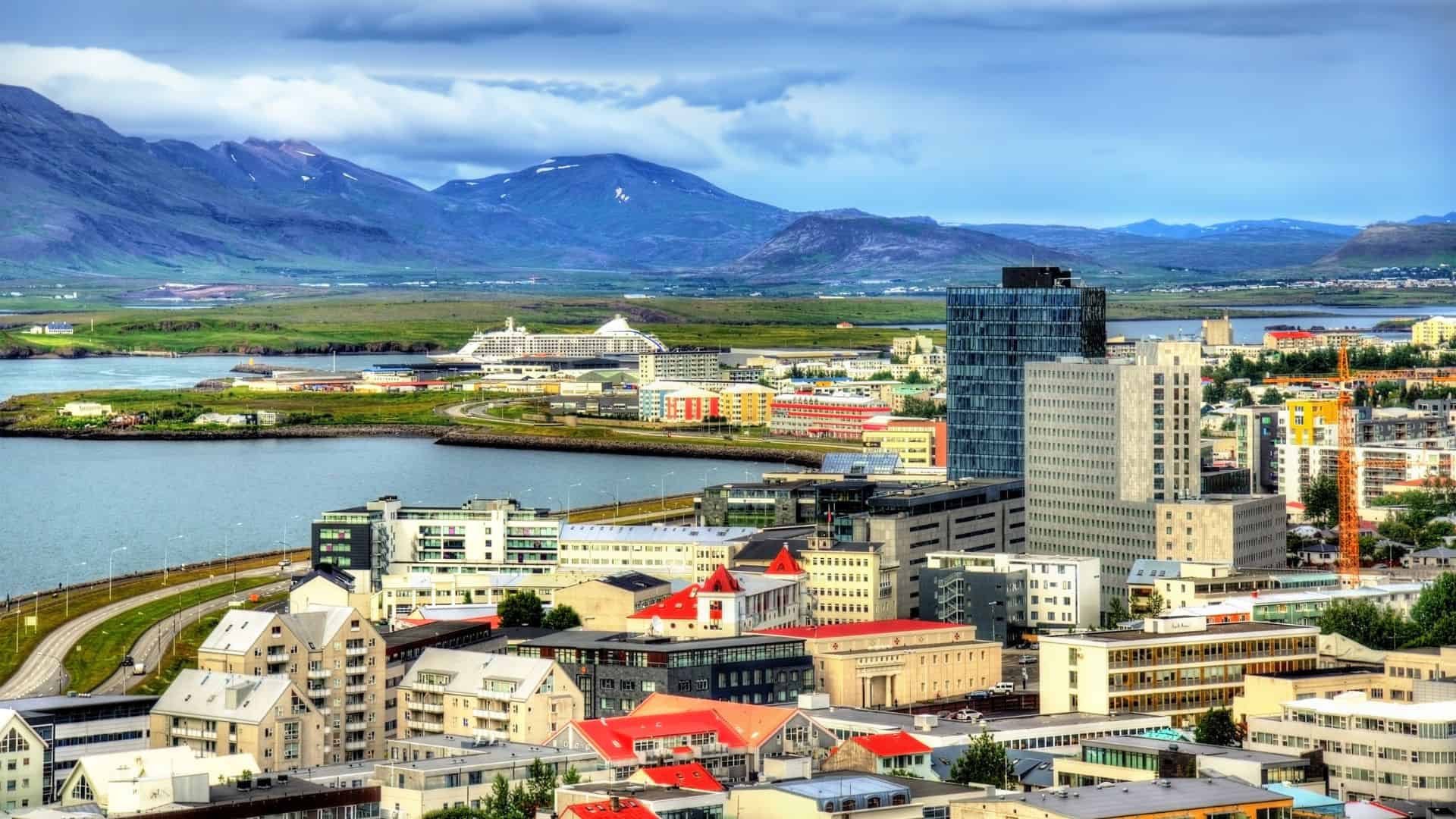
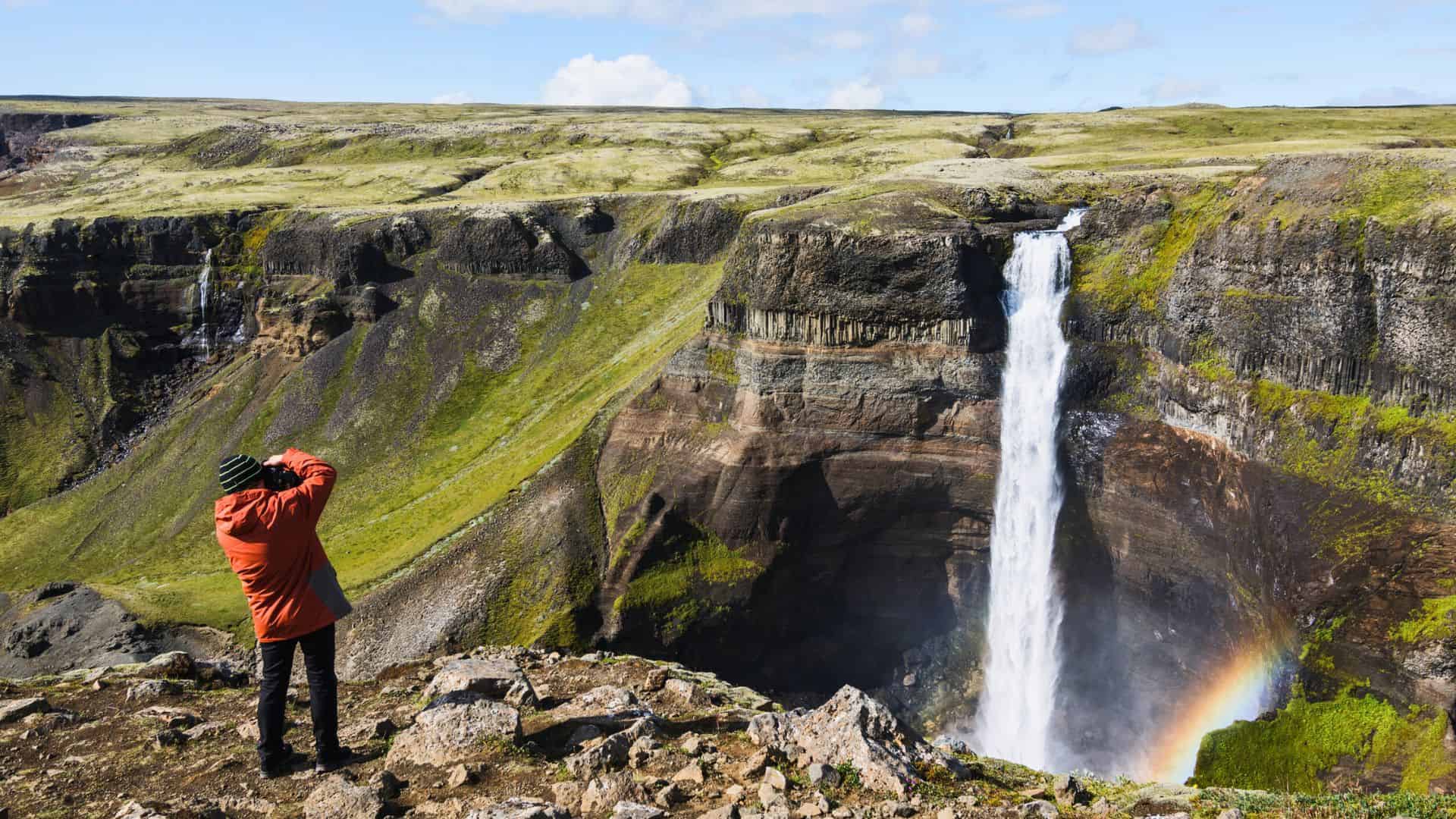
Rapid growth in visitation has placed pressure on fragile landscapes, especially near waterfalls, glaciers, and volcanic sites. Authorities require reservations, build boardwalks, and limit access to protect soil and wildlife. Road congestion during summer reshapes self-drive itineraries, pushing visitors toward guided transport or off-peak travel. Smaller towns experience strain on services, prompting infrastructure planning tied to sustainability. Travelers adapt by staying longer in fewer regions and avoiding peak daylight hours. These changes influence accommodation planning, route selection, and seasonal timing, reinforcing conservation goals while reshaping how nature-focused travel is approached across the island.
Portugal
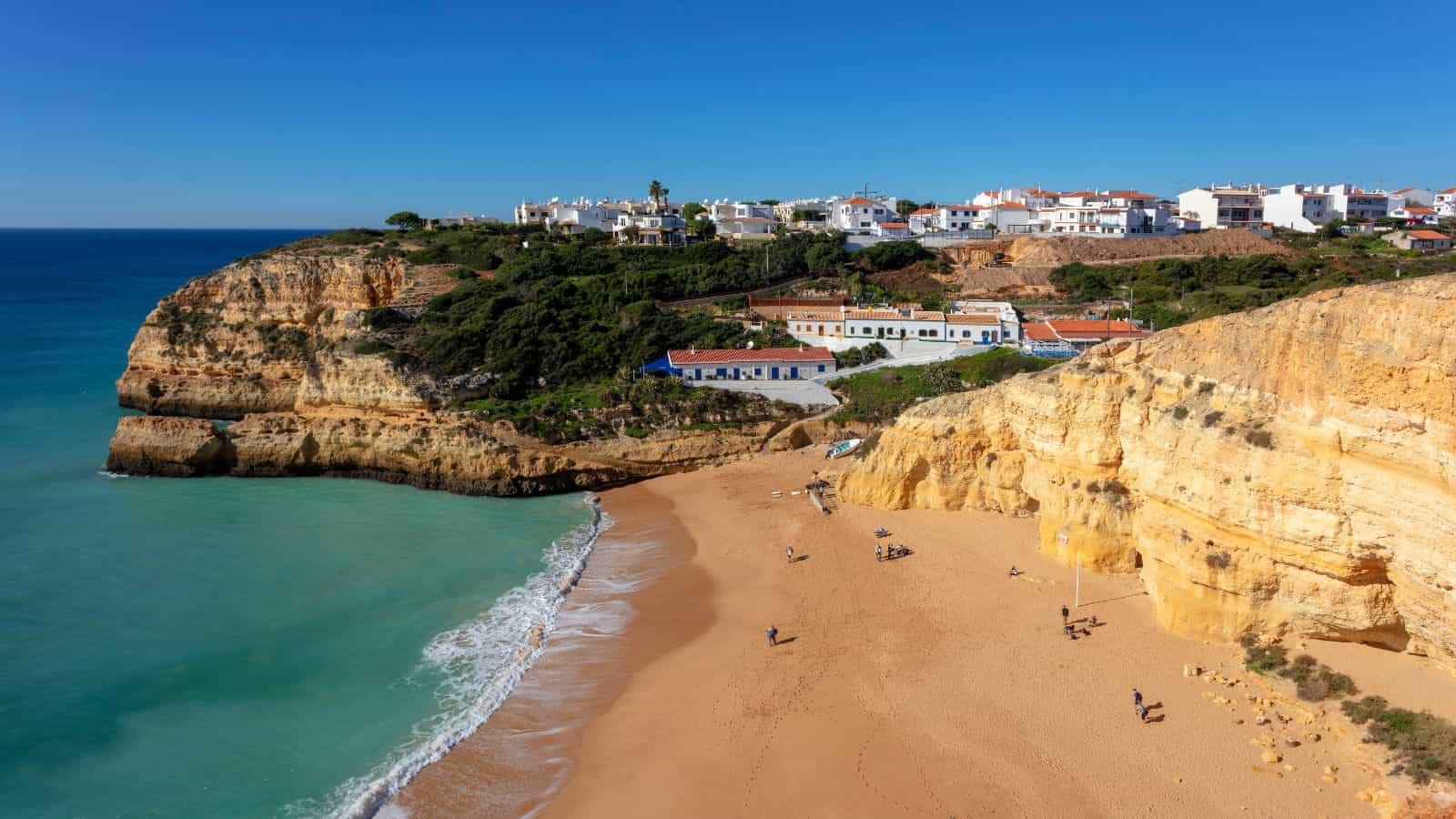
Portugal confronts heavy tourism concentration in Lisbon and Porto, changing travel dynamics. Municipalities regulate short-term rentals to stabilize housing and neighborhood life. Tourist taxes rise, and historic districts adopt crowd management strategies. Visitors increasingly explore secondary cities, interior regions, and off-season periods. Public transport and walking routes adjust to handle demand, while marketing highlights regional diversity beyond capitals. These shifts influence accommodation availability, trip timing, and visitor expectations. Local communities seek quieter streets without losing income. Planning ahead becomes central as policies evolve to balance economic reliance on tourism with resident well-being and urban resilience.
France

France confronts overtourism in Paris, the French Riviera, and Mont Saint Michel, affecting mobility and housing. Authorities expand pedestrianization, regulate short stays, and manage cruise schedules along the coast. Museums adopt reservation systems, while landmarks cap daily entries. Travelers adapt by exploring regional cities, countryside routes, and winter visits. Rail networks support dispersion beyond hotspots. Communities seek calmer public spaces without losing economic vitality. The shift alters itineraries, accommodation demand, and expectations, guiding visitors toward planning ahead and spending time across multiple regions. Local messaging emphasizes respectful behavior, off-peak timing, and neighborhood awareness for guests during festivals and summers.
Spain
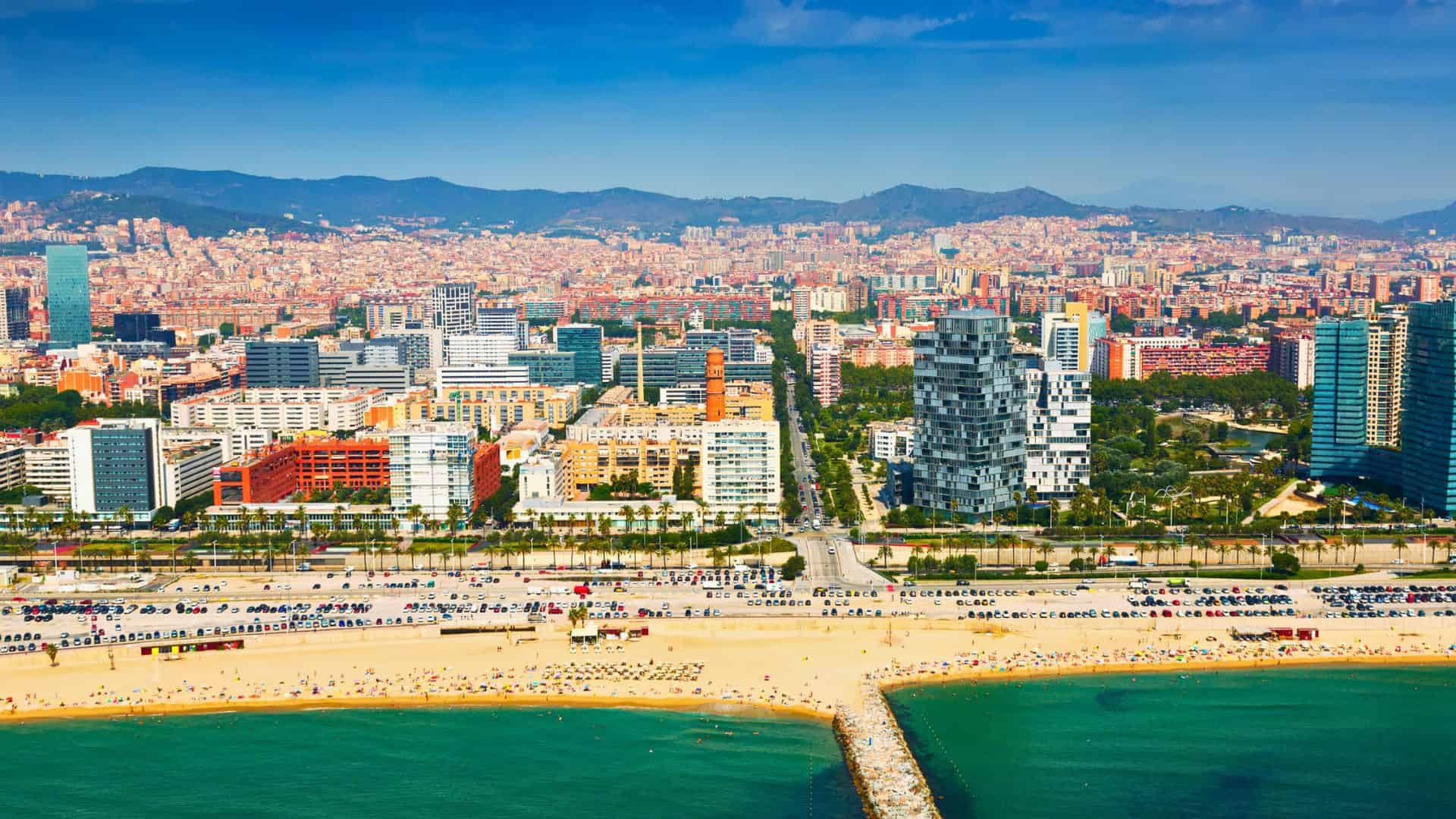
Spain faces intense visitor pressure in Barcelona, Mallorca, and the Canary Islands, reshaping how trips are planned. City authorities restrict cruise arrivals, limit short-term rentals, and raise tourism taxes to protect housing and daily life. Travelers increasingly choose shoulder seasons, inland regions, or smaller coastal towns. Residents advocate for quieter streets and balanced economies, while businesses adjust to shorter stays. Cultural sites adopt timed entry and capacity caps. These measures influence transportation, accommodation choices, and trip length, encouraging slower itineraries focused on neighborhoods rather than checklist sightseeing. Local debates continue as policies evolve amid climate pressures and resident feedback.
Switzerland
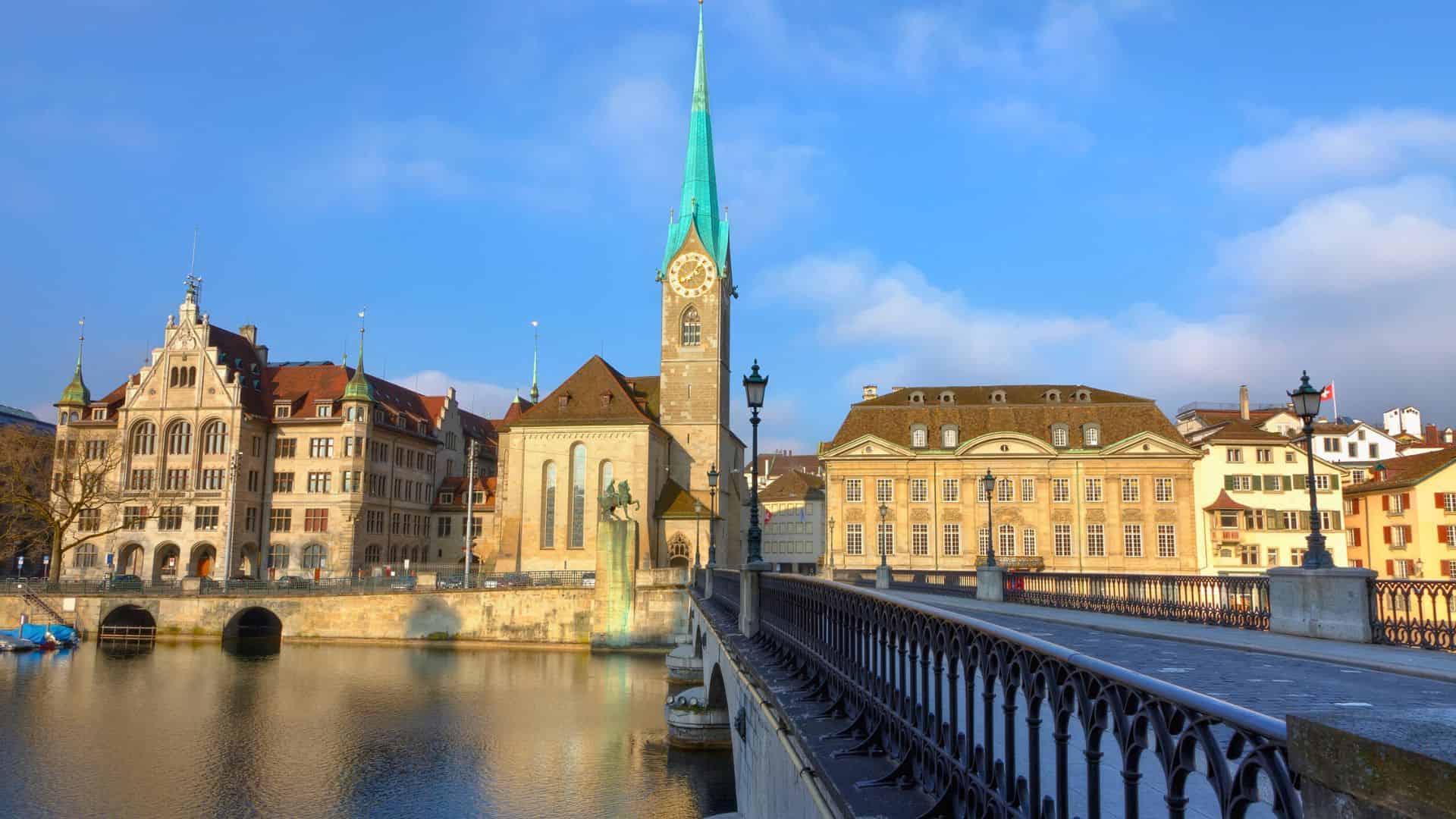
Alpine valleys and lakeside towns experience heavy seasonal crowding linked to scenic rail routes and social media visibility. Local governments manage access through timed transport, parking controls, and visitor guidance systems. Cable cars and mountain railways monitor capacity during peak months. Travelers increasingly explore lesser-known valleys, travel midweek, or schedule trips outside summer and winter highs. These patterns affect hotel demand, transit use, and daily movement. Community planning prioritizes landscape protection and resident mobility. The shift encourages slower travel, multi-day stays, and greater awareness of environmental limits within mountain regions and history.
Croatia
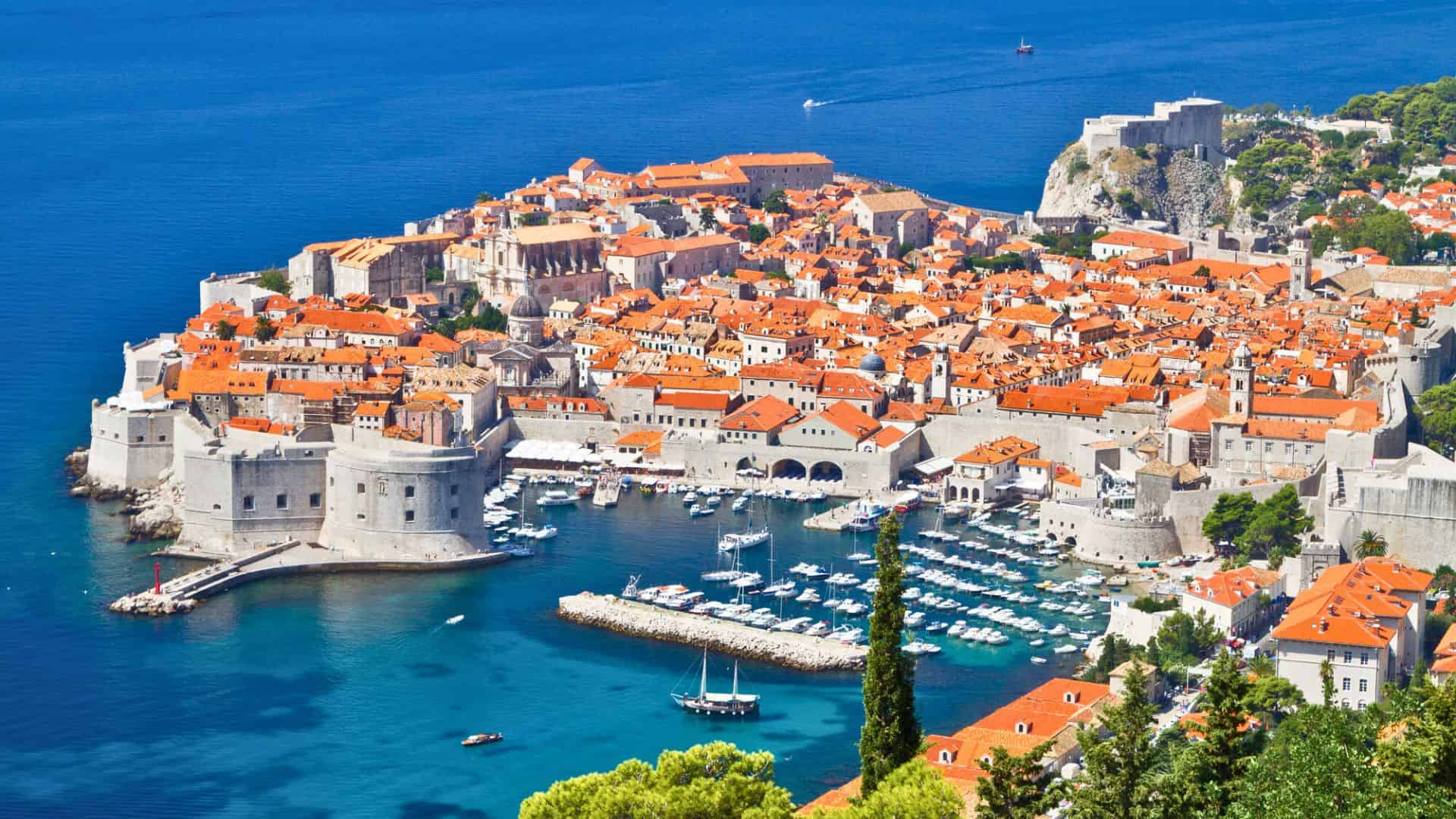
Croatia faces overtourism challenges along the Adriatic coast, especially in Dubrovnik. City officials restrict daily visitor numbers, coordinate cruise arrivals, and monitor historic center access through surveillance systems. Streets once crowded for hours now follow timed flows. Travelers adjust by arriving earlier, visiting alternative coastal towns, or exploring inland regions. Accommodation rules address housing pressure, while transport planning shifts to reduce congestion. These measures affect trip length, pacing, and destination choice. Residents regain public space during peak months as tourism strategies emphasize cultural respect, heritage protection, and dispersal beyond iconic walled cities and summer hotspots.
Netherlands

The Netherlands addresses intense tourism pressure in Amsterdam and nearby towns through firm policies. City leaders curb party travel, restrict short-term rentals, and reduce promotion of the capital. Fees rise for river cruises, and alcohol rules tighten in nightlife districts. Travelers respond by choosing Rotterdam, Utrecht, or rural provinces, often arriving outside peak months, when they can stock up on dutch treats in a calmer setting. Marketing shifts toward culture, cycling, and nature across the country. These actions influence accommodation availability, visitor behavior, and trip planning, steering demand away from crowded streets. Local communities report quieter centers while transport patterns adjust throughout seasons as regional attractions gain steady attention from travelers..
Germany
Want to save this?
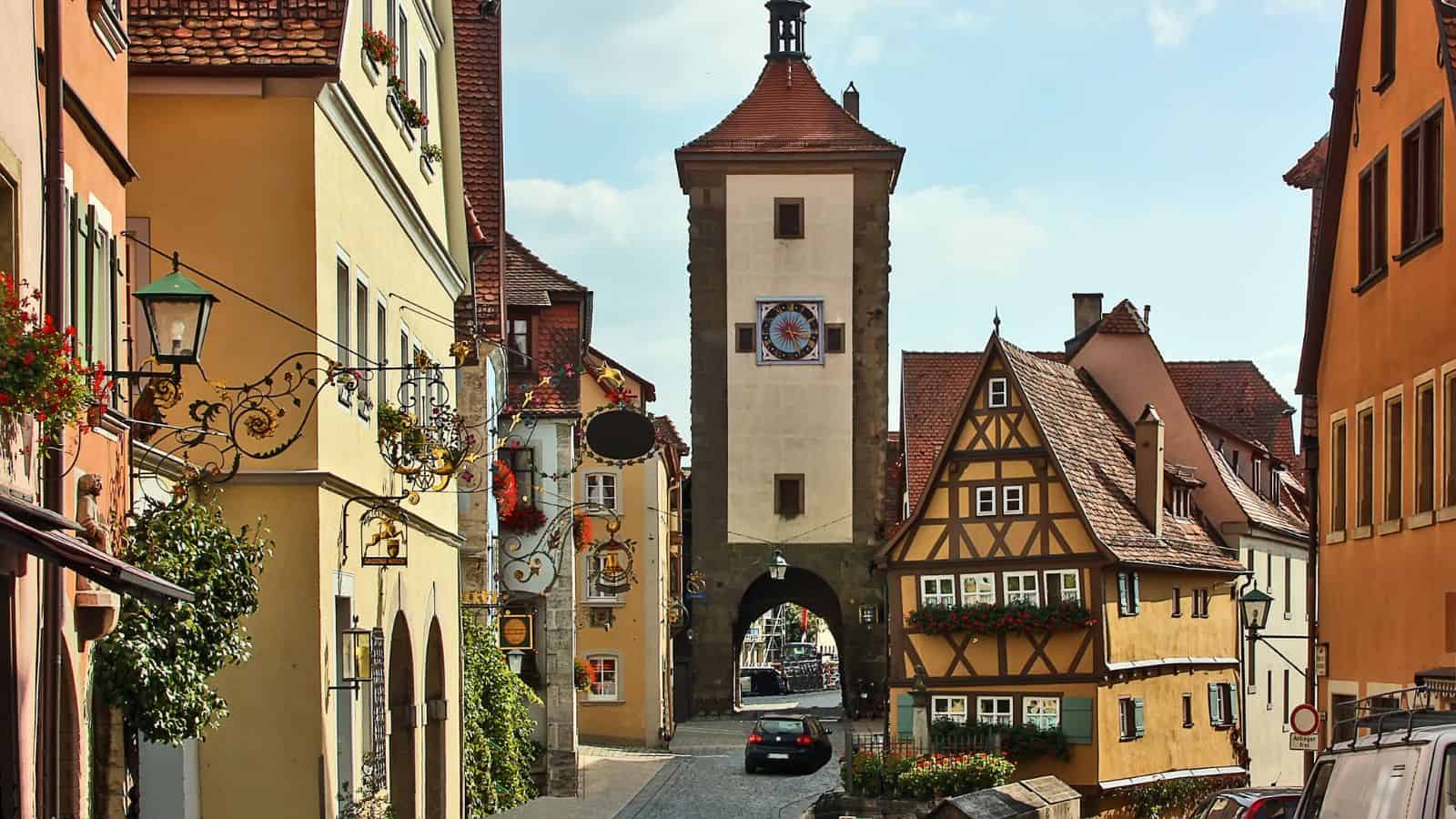
Major cities and event destinations face crowd surges linked to festivals, landmarks, and short stays. Municipal rules regulate vacation rentals, manage public space use, and expand reservation systems at attractions. Rail hubs adjust scheduling during peak travel periods. Visitors increasingly select secondary cities, countryside regions, or shoulder season trips. These trends affect lodging availability, transit patterns, and itinerary design. Urban planning focuses on livability alongside economic activity. Travel choices shift toward longer stays and regional exploration, reducing pressure on central districts while supporting broader geographic distribution across cultural, historical, and natural areas.
Norway
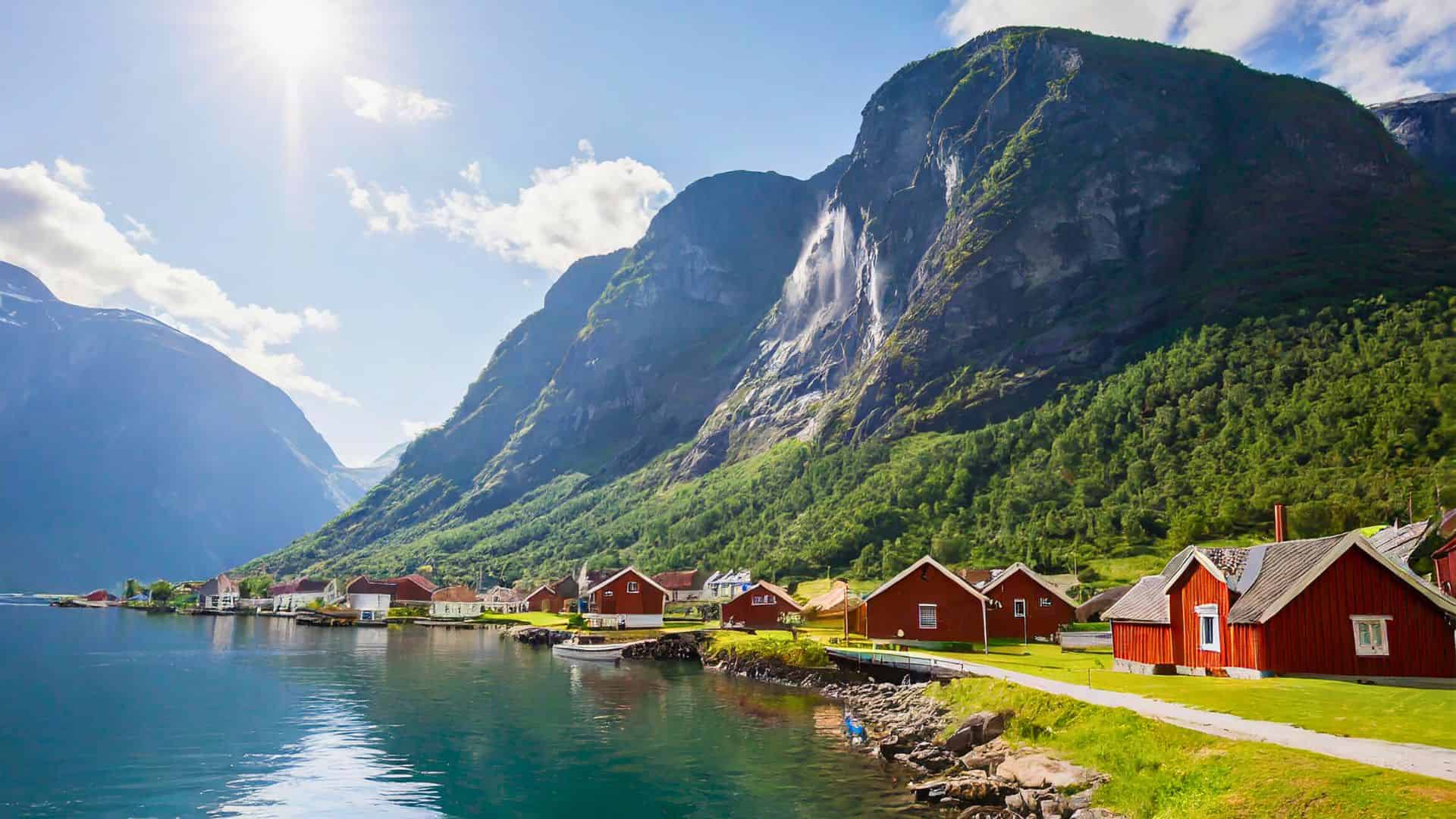
Fjord regions experience intense seasonal congestion from cruise traffic and road-based sightseeing. Authorities limit ship arrivals, impose environmental standards, and redesign port schedules. Road access and parking controls manage peak day visits. Travelers respond by choosing land-based routes, smaller towns, or spring and autumn travel. These adjustments affect accommodation demand, transport planning, and trip pacing. Local communities prioritize environmental protection and daily life. National strategies guide visitor flow toward wider regions, reshaping expectations around fjord travel while supporting long-term conservation and community resilience.
Austria
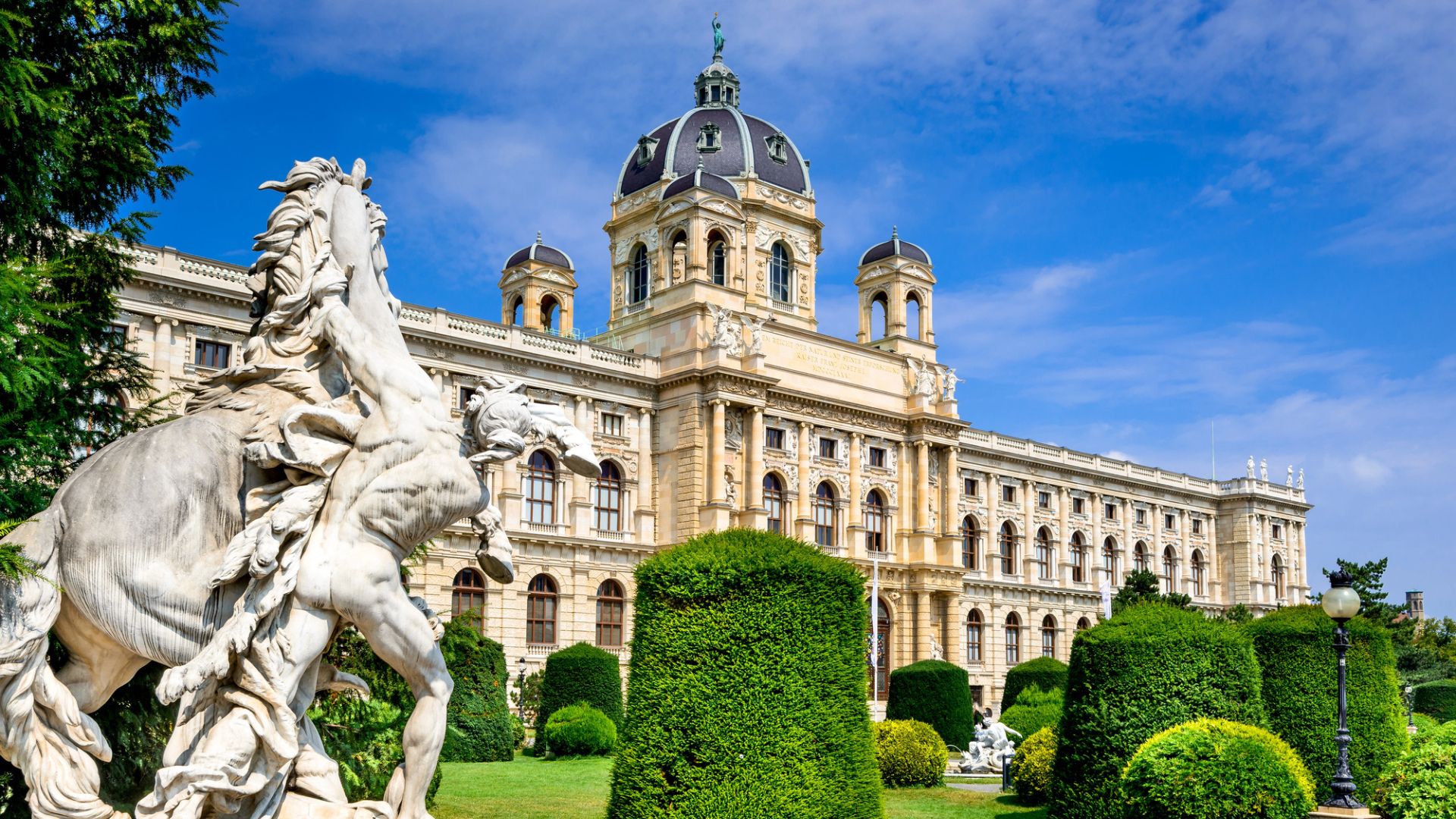
Austria encounters overtourism in alpine villages such as Hallstatt, altering travel patterns. Authorities introduce parking limits, timed bus access, and daily visitor caps to reduce congestion. Social media-driven day trips decline as controls tighten. Travelers respond by staying longer, choosing nearby towns, or visiting outside peak summer hours. Regional tourism boards redirect attention toward broader alpine areas and cultural cities. These actions influence transport planning, accommodation demand, and itinerary design. Residents regain access to public spaces, while environmental concerns guide policies. The country refines visitor management to protect landscapes, heritage, and community life.
Greece

Greece experiences intense crowd concentration on islands such as Santorini and Mykonos, reshaping visitor behavior. Authorities limit cruise ship arrivals, regulate port schedules, and adjust infrastructure use during peak hours. Local governments address strain on water, housing, and transport by setting visitor caps and promoting lesser-known islands. Travelers increasingly choose mainland destinations, shoulder seasons, or longer stays with fewer stops. Digital ticketing and timed access appear at popular viewpoints. These changes influence ferry planning, accommodation selection, and daily movement. Community discussions focus on balancing economic activity with livability, environmental protection, and long-term sustainability across island and coastal regions.
Italy
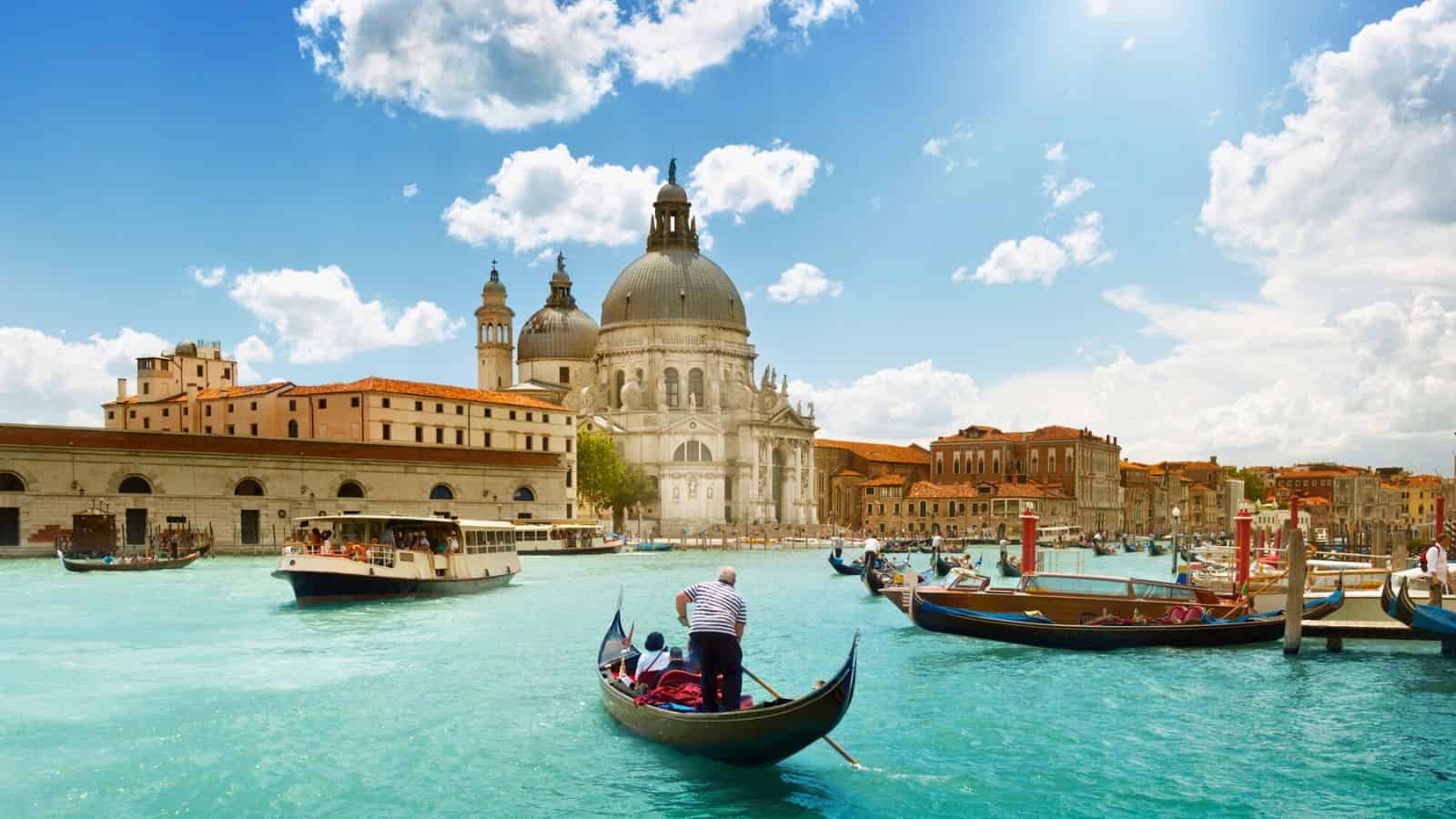
Italy experiences heavy crowding in Venice, Florence, Rome, and coastal villages, prompting structural changes to tourism. Venice tests entrance fees, booking calendars, and limits on large ships. Florence manages day trip surges through access controls near heritage zones. Rome expands pedestrian areas and timed museum entry. Visitors respond by selecting secondary cities, traveling off-season, and staying longer in fewer places. Regional governments promote rail travel and rural routes to spread demand. These adjustments reshape lodging markets, city rhythms, and visitor expectations across the country. Local residents increasingly voice concerns while municipalities refine rules through pilot programs and data monitoring.
Czech Republic
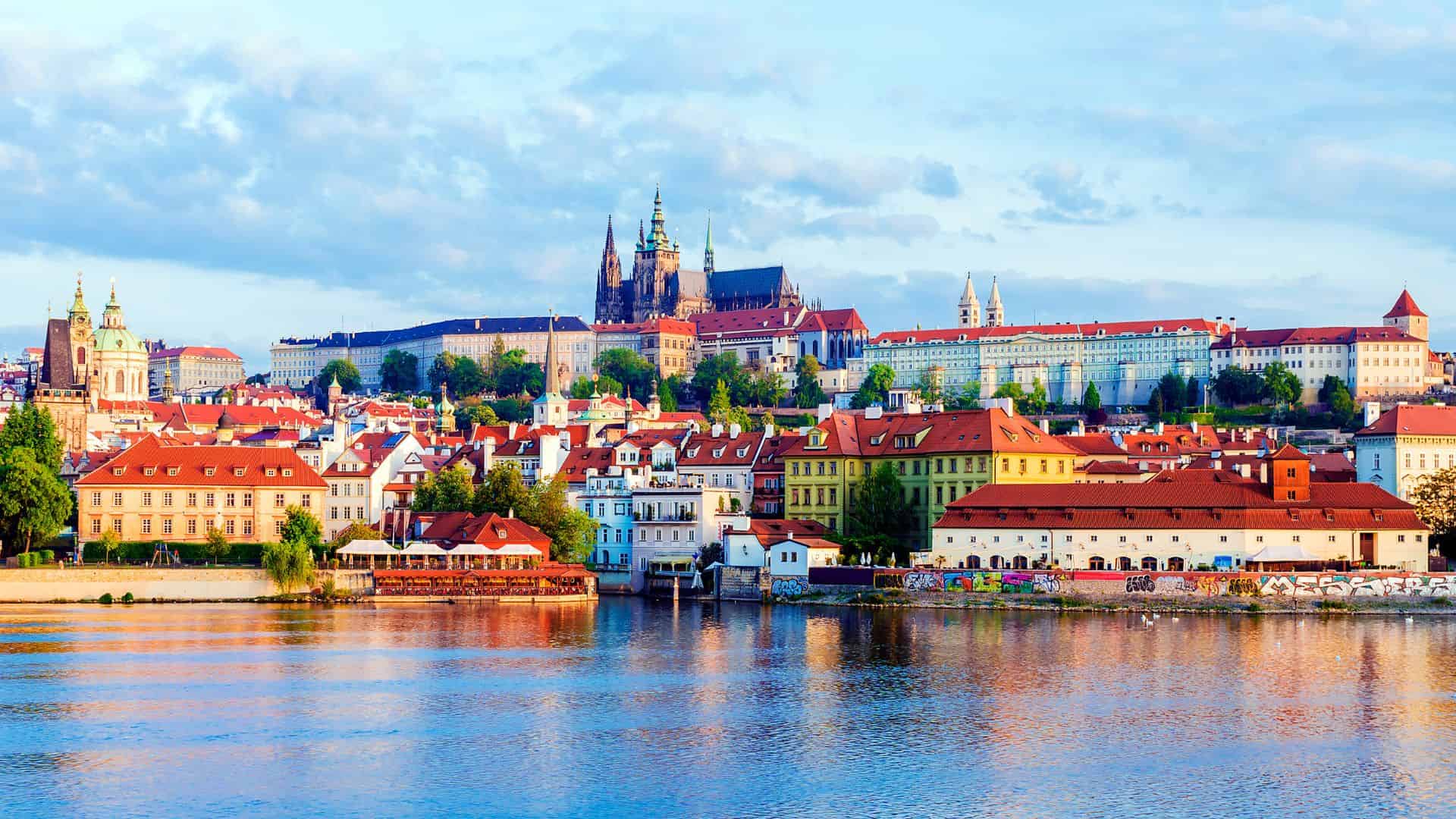
Tourism pressure concentrates heavily in Prague, particularly within the historic center. City policies restrict nightlife activity, regulate guided tours, and discourage short party-focused visits. Public messaging promotes regional towns and cultural routes beyond the capital. Visitors adjust by shortening city stays, traveling during quieter months, or adding regional stops. These measures influence accommodation pricing, urban mobility, and visitor behavior. Residents report reduced noise and congestion in key districts. Long-term planning emphasizes heritage protection, quality tourism, and balanced economic benefits, reshaping how travelers experience both the capital and the wider country.
Less Rush, Better Trips
Travel keeps changing, and that’s not a bad thing. Crowded places force better habits and smarter planning. Travelers think about timing, length of stay, and how they move through a place. A great trip now leans on patience and flexibility, not rushing from spot to spot. Quiet mornings, off‑season dates, and smaller bases matter more than ever. These shifts don’t ruin travel. They reshape it into something calmer and more thoughtful.
What matters most is paying attention. Listening to locals, respecting rules, and choosing paths with less pressure can change how a trip feels. The perfect plan isn’t packed tight. It leaves room to breathe and adjust. Europe still delivers experiences, but they reward people who slow down and stay curious. When travelers adapt, places recover some balance, and trips feel better for everyone involved. That’s the future of travel here, not louder or bigger, just smarter and more aware.
15 European Capitals That Surprise Families With Kid-Friendly Fun

Traveling with kids doesn’t have to feel like a challenge. Many parents picture long lines, crowded streets, and restless little ones, but the truth is that family travel can be smooth and even fun with the right destination. There are 15 kid-friendly European capitals that make things simple for parents while keeping children entertained. These cities balance history and culture with activities that are great for younger travelers.
Read More Here: 15 European Capitals That Surprise Families With Kid-Friendly Fun
13 European Destinations That Are Great for Multi-Generational Travel

Traveling with grandparents, parents, and kids all at once sounds like a recipe for chaos, but it can actually be pretty great. The secret is picking places that keep everyone happy without turning the vacation into a marathon. Luckily, there are 13 European destinations that are great for multigenerational travel. The best part? You don’t have to plan every hour on the clock.
Read More Here: 13 European Destinations That Are Great for Multi-Generational Travel