
Amsterdam gets most of the attention, but it’s far from the only place worth your time. If you’re curious about what else the country has going on, this guide to 13 cities in the Netherlands that aren't Amsterdam is a great place to start. The Netherlands is compact and easy to travel through, so it doesn’t take much effort to step beyond the capital. And once you do, you’ll notice a different pace right away.
This means fewer crowds, more local faces, and town centers where daily life feels real and close. Some cities sit near the coast with wide beaches and sea air. Others are wrapped in history, with old gates, church towers, and quiet canals. A few are young and energetic thanks to large student populations. If you want a trip that feels relaxed, interesting, and a little less predictable, you’re in the right spot.
Leiden
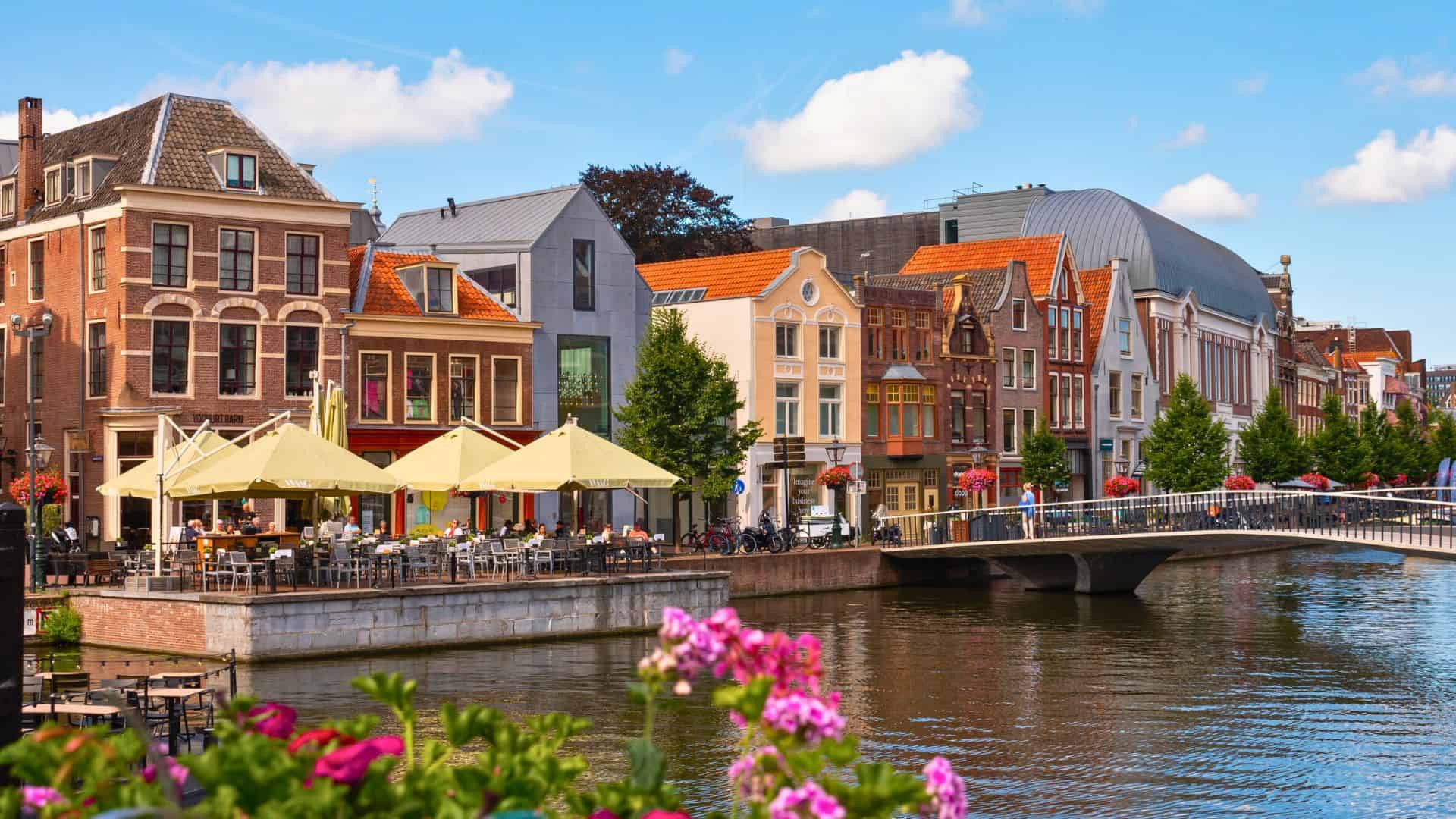
Leiden is a historic university city threaded with canals, arched bridges, and centuries of scholarship. Founded in 1575, Leiden University shaped generations of thinkers, including Rembrandt, who was born here. Botanical gardens, windmills, and hofjes—quiet courtyard residences—add layers of discovery within the compact center. Museums range from ancient antiquities to science and ethnology, reflecting the city’s global connections. Boats drift along tree‑lined waterways, and markets animate the squares on weekends. With brick facades mirrored in calm canals and students cycling between lectures, Leiden feels both intellectual and approachable.
Alkmaar
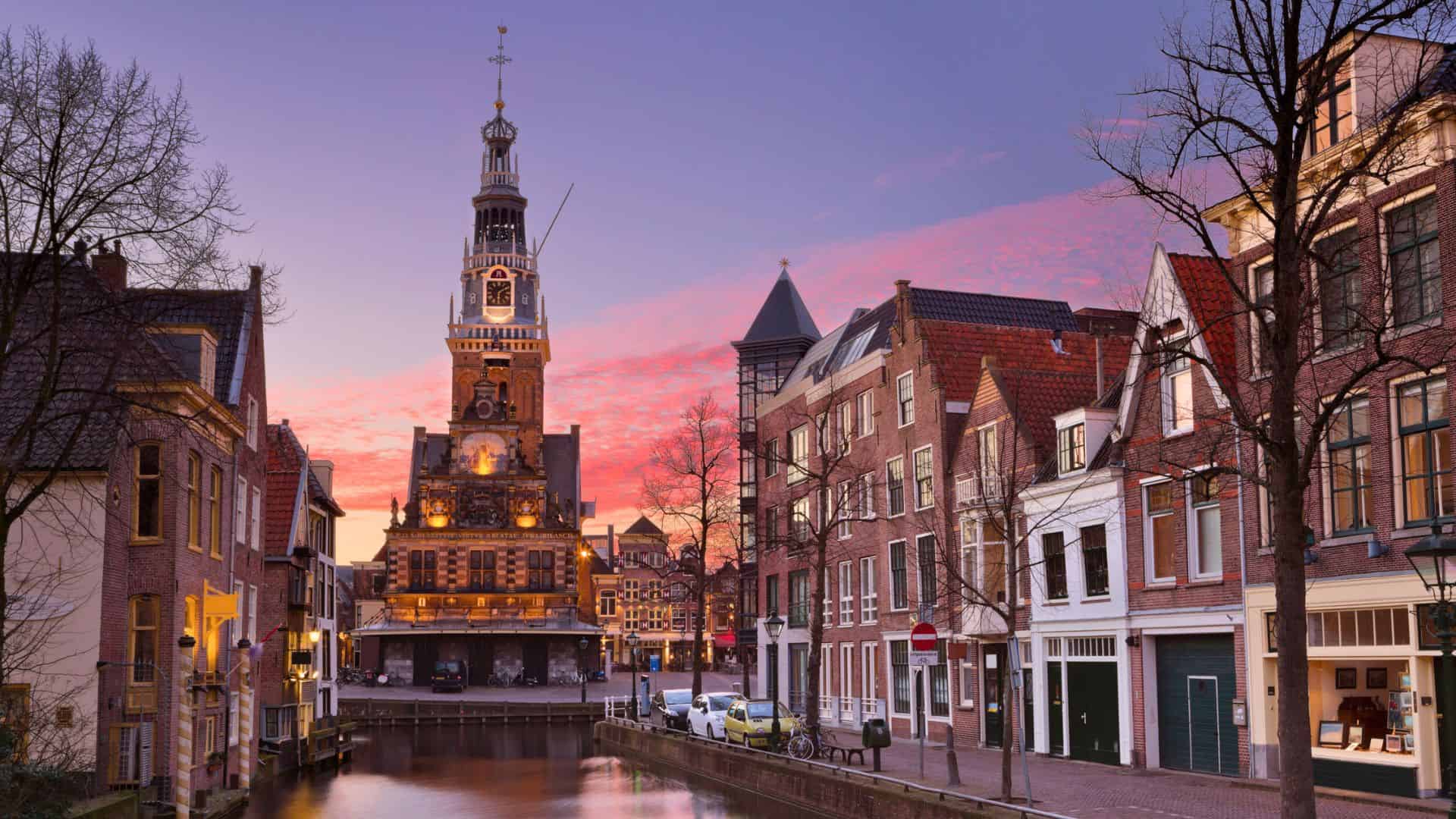
Historic cheese trading traditions still shape the identity of this North Holland city. On market days, carriers dressed in white uniforms transport large wheels across the Waagplein, reenacting centuries‑old rituals. Beyond the spectacle, quiet canals curve through a compact center filled with gabled houses and hidden courtyards. The Waag building, once a weighing house, now anchors the main square with a stately presence. Independent shops and small museums line pedestrian streets, while nearby dunes and beaches broaden the landscape. Heritage and daily life intertwine comfortably within this walkable setting.
Utrecht
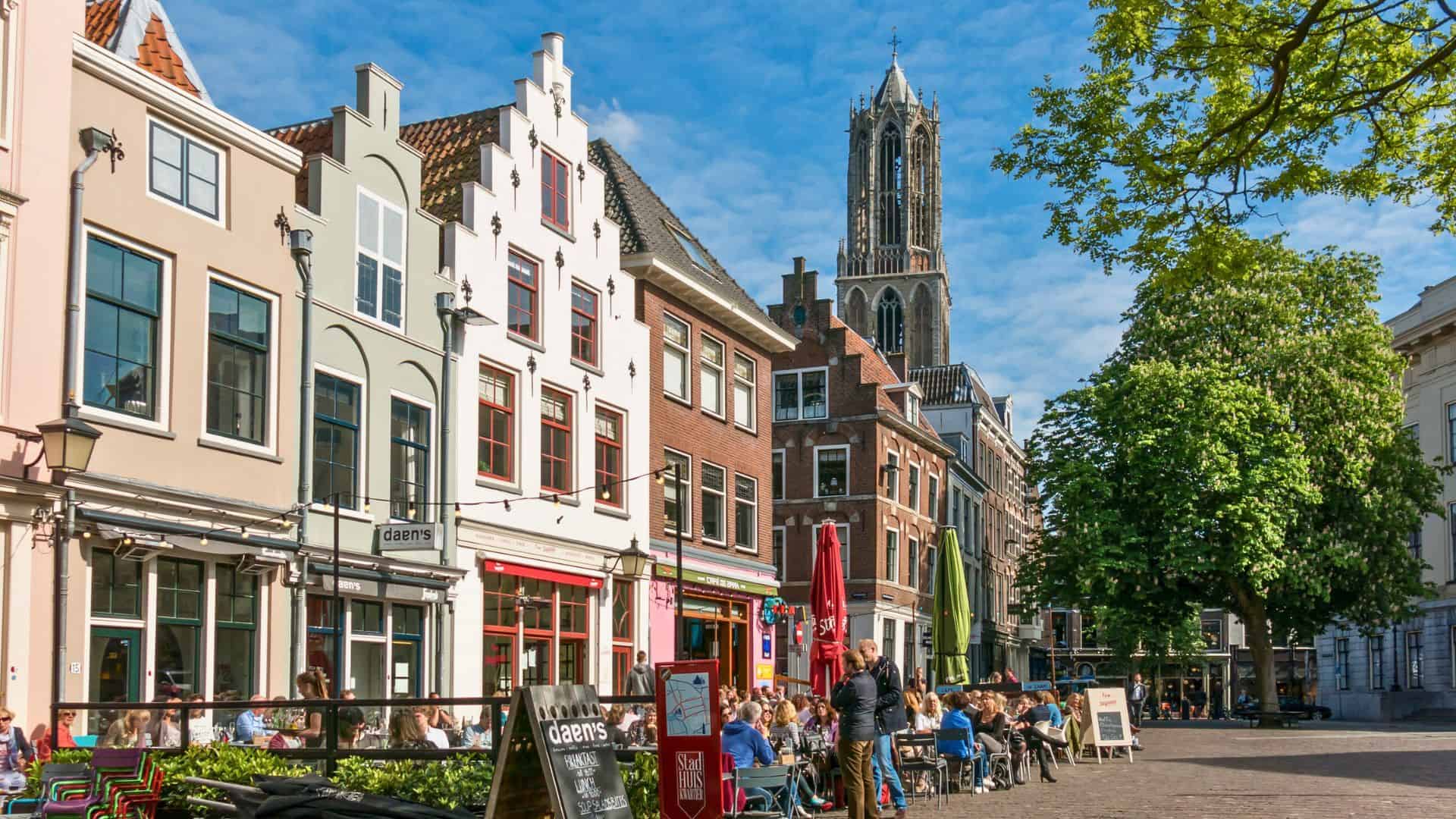
Utrecht charms visitors with its medieval heart and lively student spirit. The Oudegracht canal runs through the center, lined with wharf cellars that now house cafés and galleries at water level. The Dom Tower, the tallest church tower in the Netherlands, rises above narrow streets and leafy squares. Cyclists glide past historic townhouses, bookstores, and markets that animate the city throughout the week. Cultural venues, music festivals, and university energy keep the atmosphere dynamic year‑round. Despite its central location and easy rail connections, Utrecht feels intimate, with quiet courtyards and hidden gardens tucked behind centuries‑old façades.
’s‑Hertogenbosch (Den Bosch)
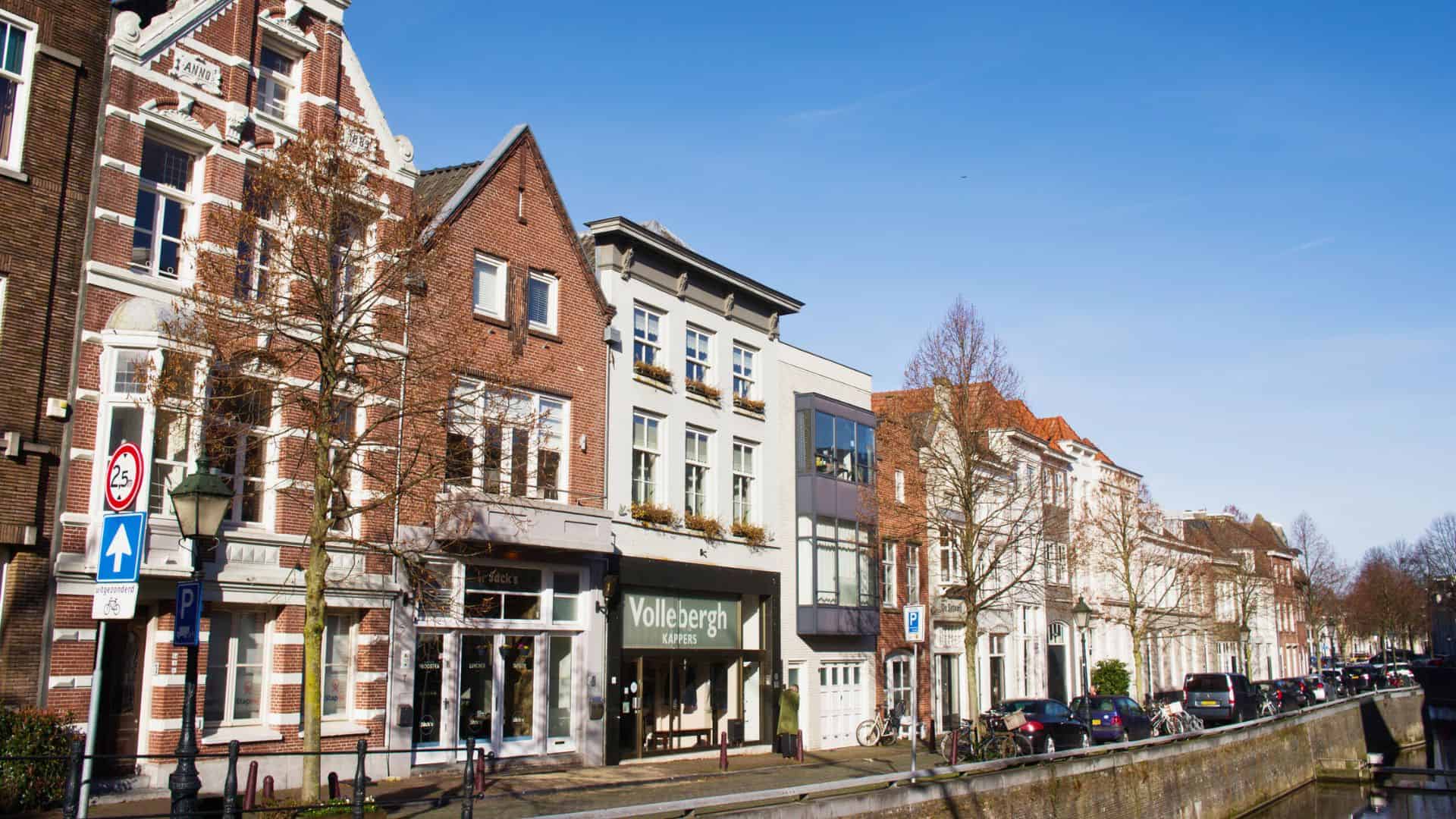
Winding canals, known locally as the Binnendieze, flow beneath streets and buildings in this fortified Brabant city. Boat tours glide through vaulted passages, revealing hidden perspectives on medieval architecture. The Gothic St. John’s Cathedral dominates the skyline with intricate stone carvings and flying buttresses. Narrow alleys open onto lively squares where cafés and shops gather beneath centuries‑old façades. As the birthplace of painter Hieronymus Bosch, the city celebrates its artistic heritage through exhibitions and public art. Layers of history remain visible in bastions, ramparts, and restored warehouses.
Giethoorn
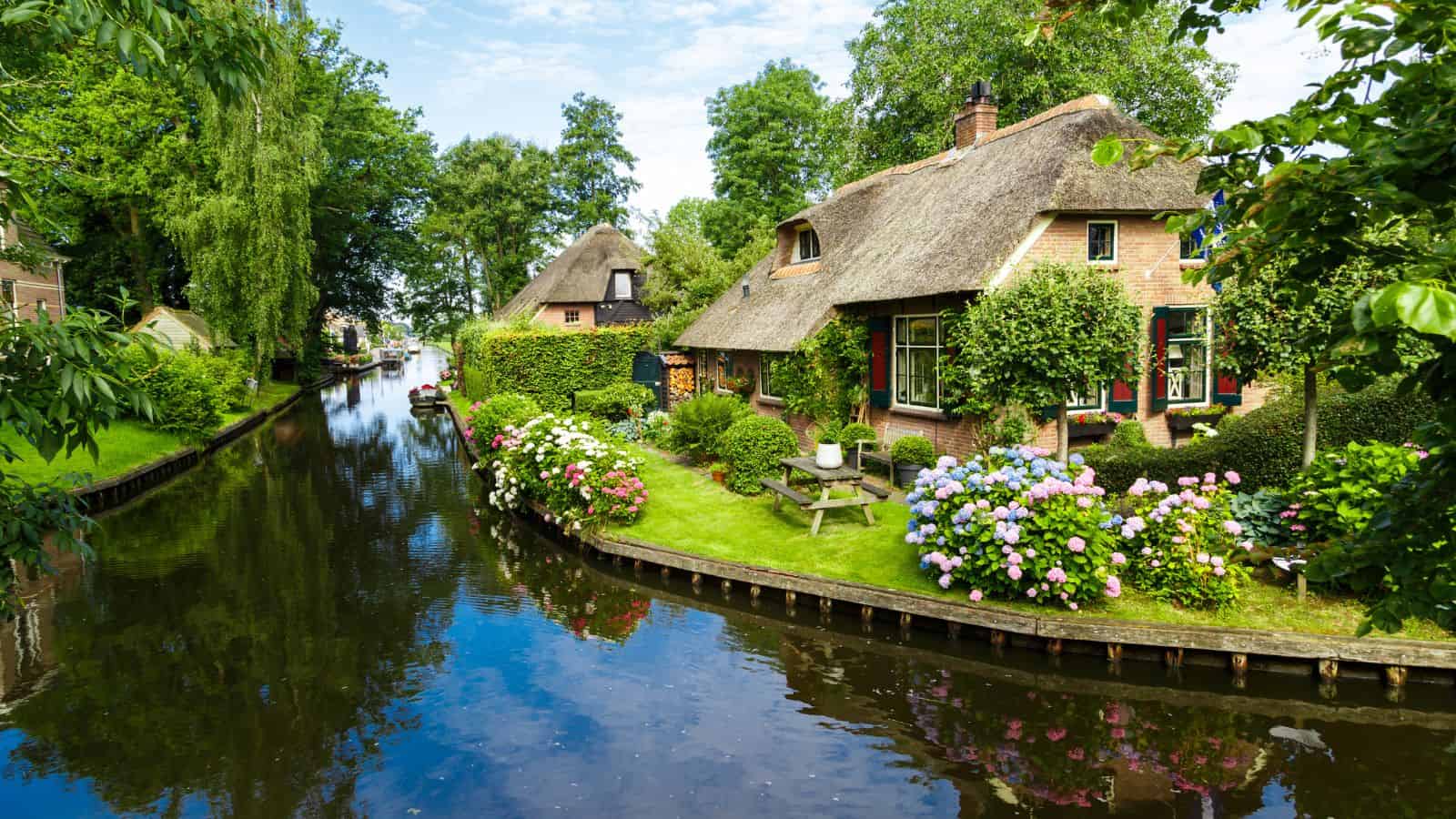
Thatched‑roof cottages and narrow canals define this peaceful village in the province of Overijssel. Roads give way to footpaths and waterways, where small electric boats glide past wooden bridges and flower‑lined gardens. Many homes sit on private islands connected by arched crossings, creating a storybook atmosphere. Reeds and wetlands from the surrounding Weerribben‑Wieden National Park frame the settlement with quiet natural beauty. Museums recount peat‑harvesting history that shaped the landscape centuries ago. Life moves at an unhurried pace here, guided by water rather than traffic signals.
Breda
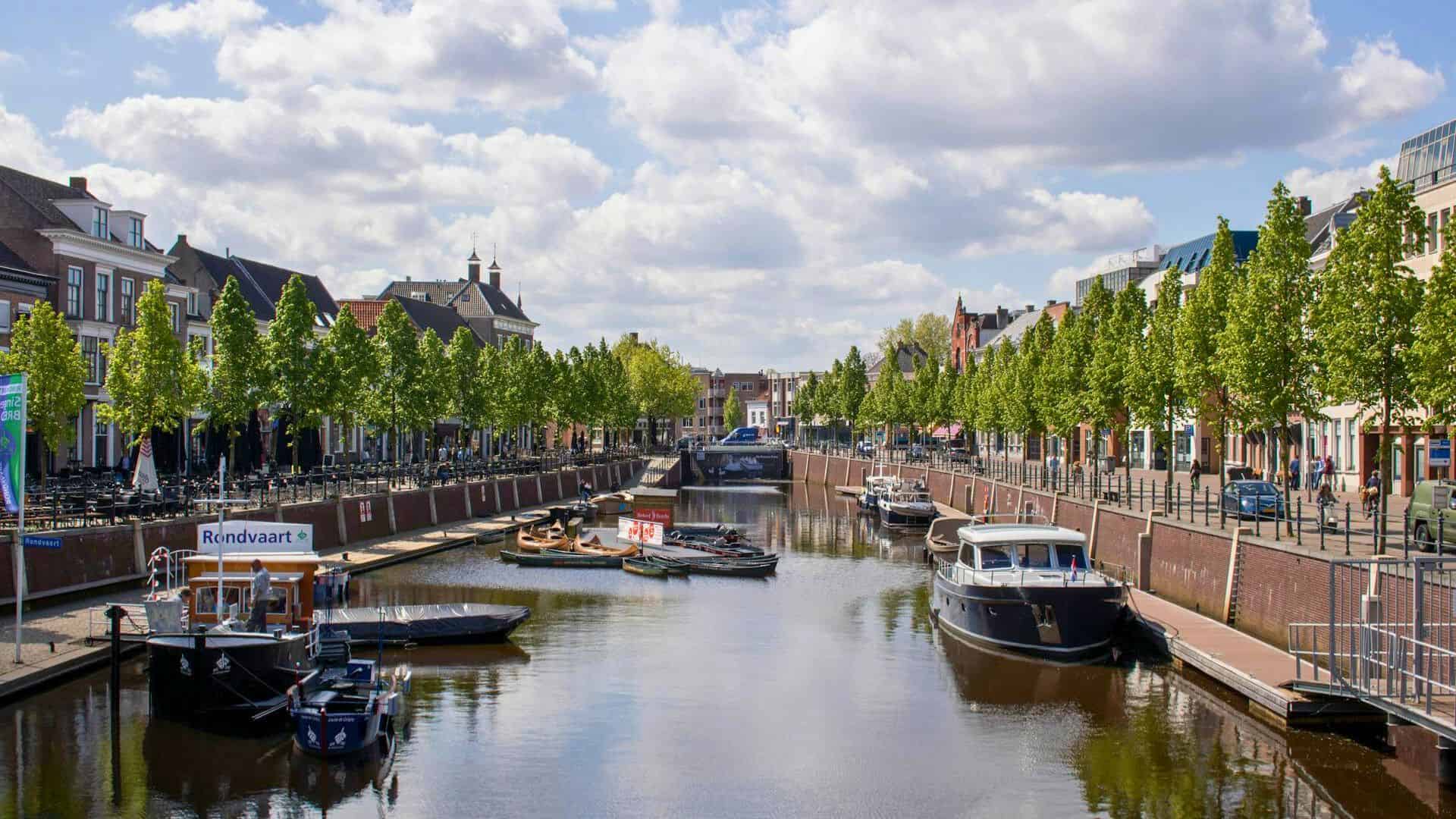
Southern hospitality shapes daily life in this Brabant city, where lively terraces gather around the Grote Markt. The Gothic Grote Kerk dominates the skyline, reflecting centuries of ties to the House of Orange‑Nassau. Tree‑lined canals weave through the center, linking parks and historic quarters. Castle grounds now house a military academy, adding a stately presence near the old harbor. Boutique shops and music venues contribute to a sociable atmosphere that extends well into the evening. With its green spaces and welcoming squares, the city balances heritage with a relaxed, contemporary spirit.
Groningen
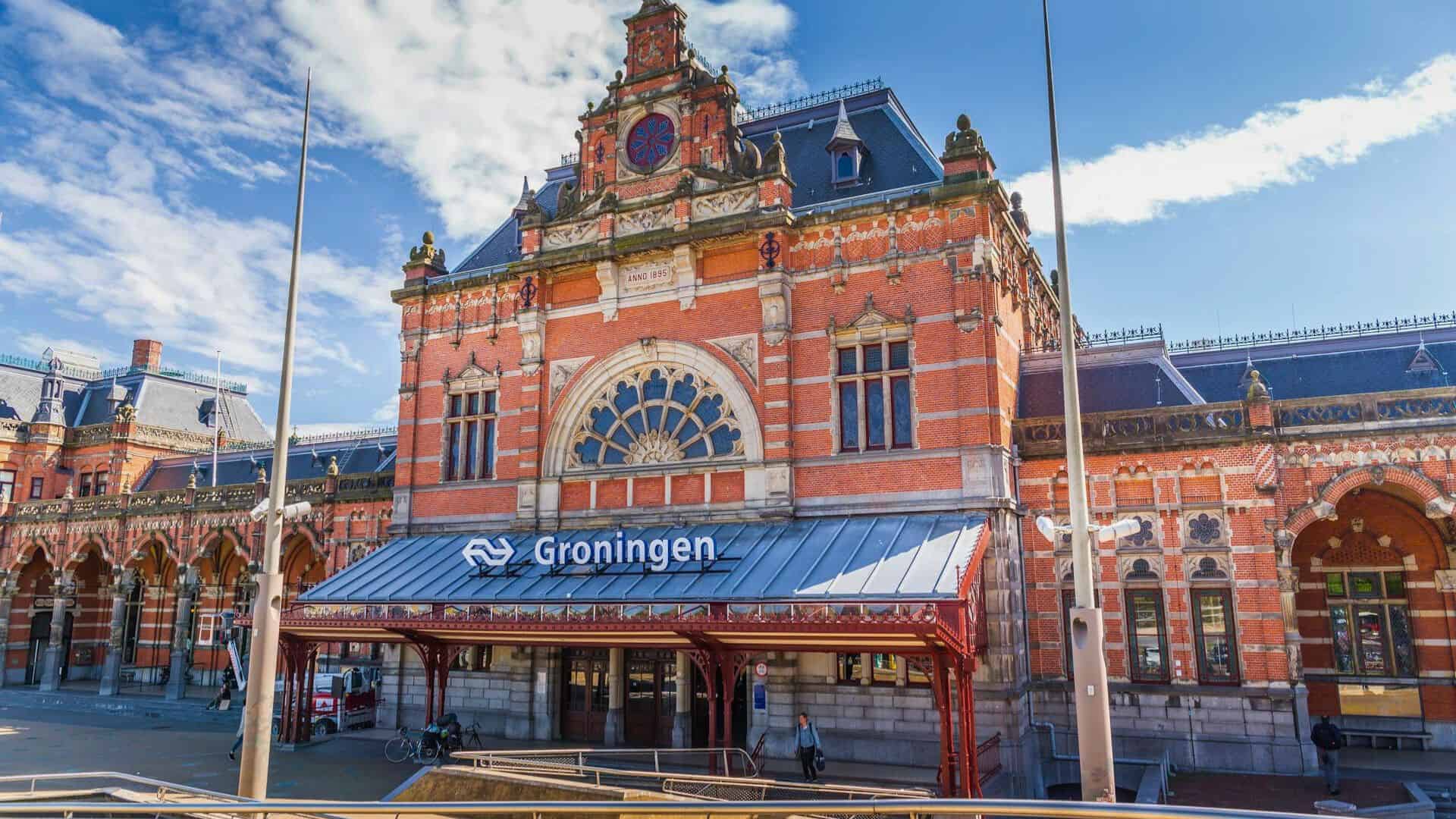
In the far north of the Netherlands, this energetic city thrives on student life and forward‑thinking design. Nearly a quarter of its residents attend university, giving streets and cafés a youthful rhythm day and night. The Martinitoren rises above the Grote Markt, serving as a historic landmark with sweeping views across rooftops and countryside. Cyclists dominate traffic in a compact center where canals trace gentle curves between modern architecture and brick warehouses. Cultural venues, music spaces, and art institutions keep the calendar busy throughout the year. Despite its distance from the Randstad, the atmosphere feels vibrant and self‑assured.
Zwolle
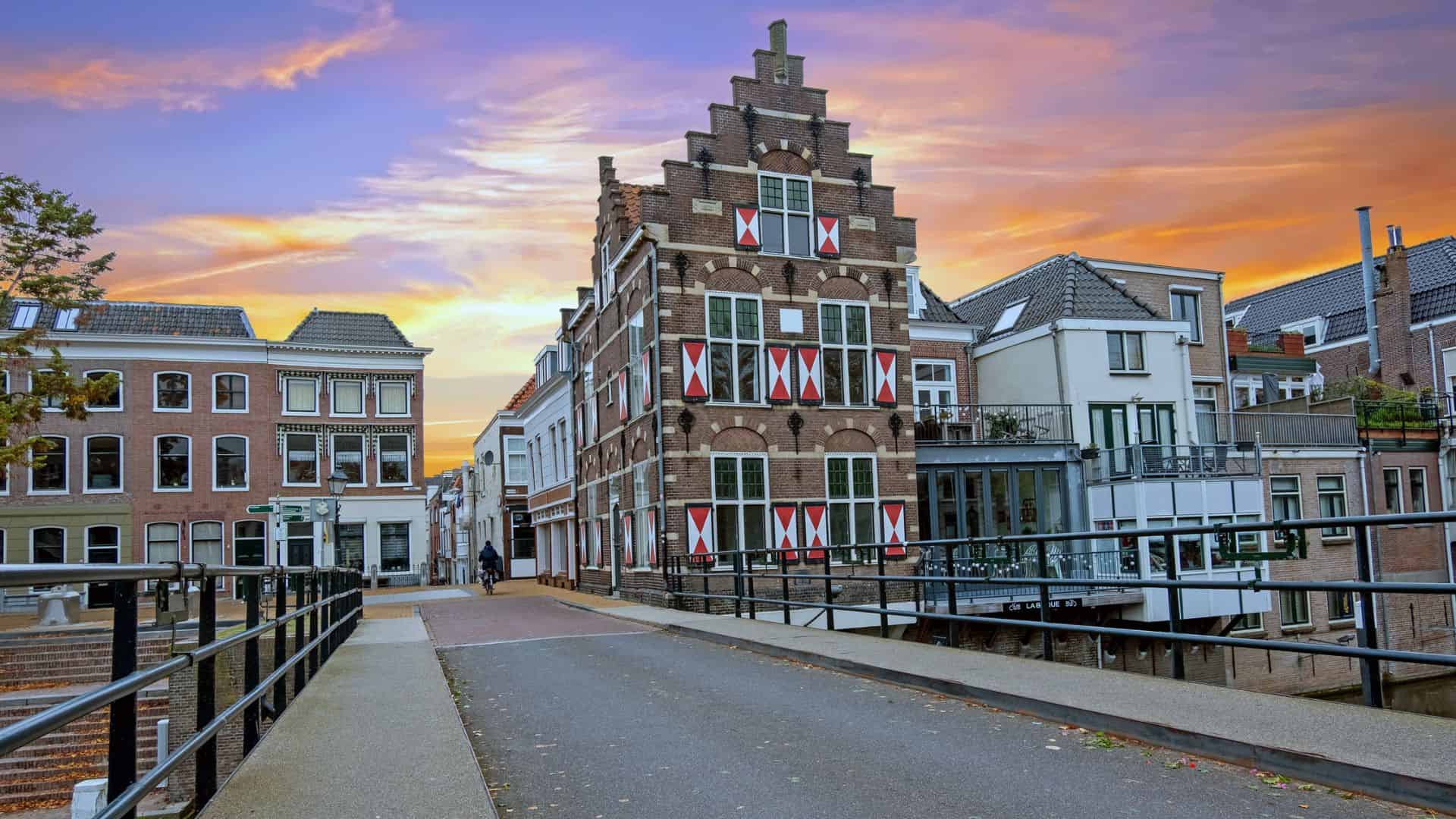
Encircled by remnants of medieval walls, this Hanseatic city carries traces of its trading past. Brick towers and gates mark entrances to a compact center filled with narrow lanes and gabled houses. The Sassenpoort stands as one of the most impressive surviving city gates in the country. Bookshops, galleries, and intimate squares create a relaxed rhythm that contrasts with busier urban hubs. Seasonal markets and cultural festivals bring residents together beneath the Peperbus tower of St. Michael’s Church. Historic charm and contemporary creativity coexist comfortably within these old fortifications.
Want to save this?
Amersfoort
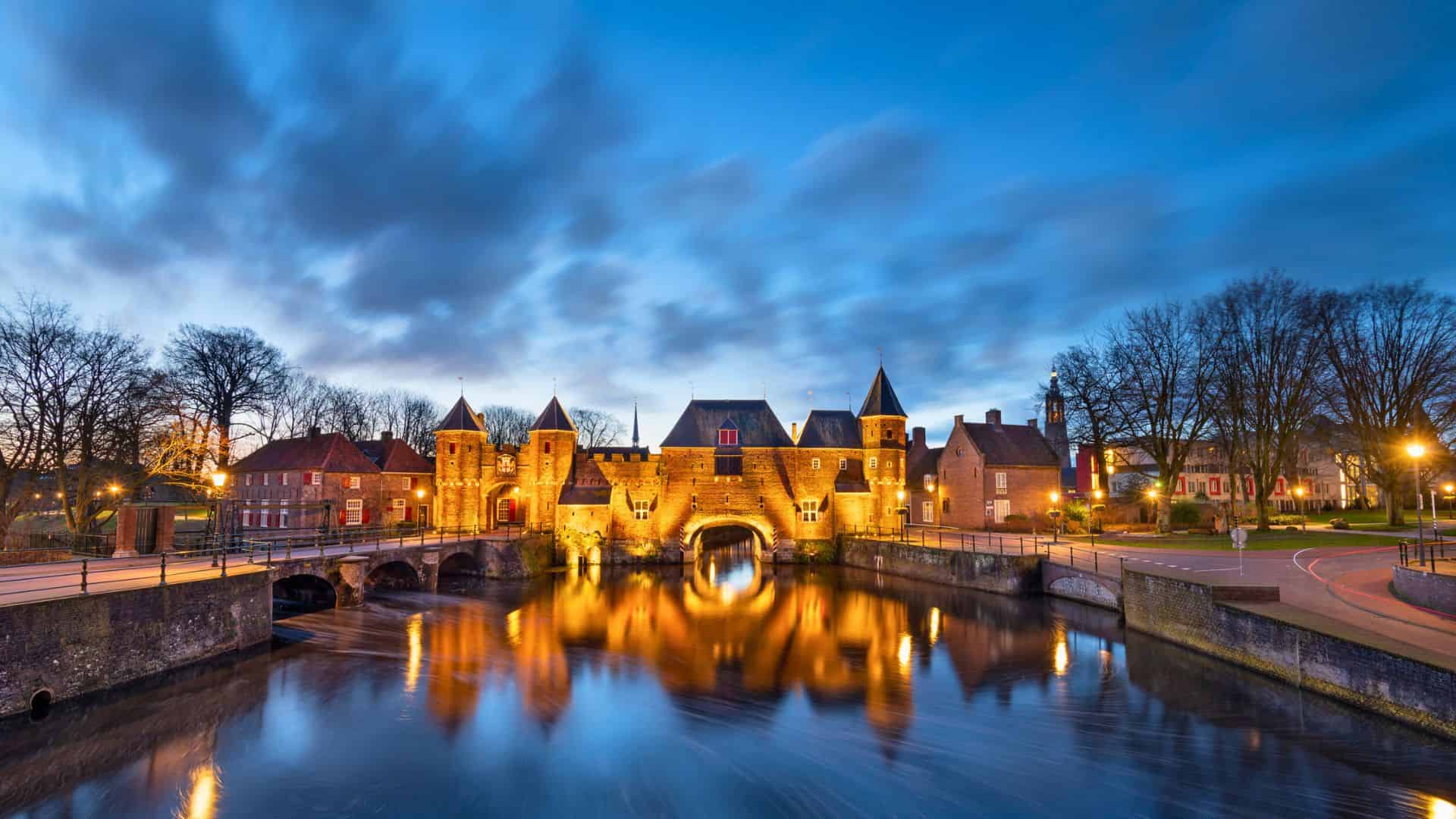
Medieval walls and tree‑lined canals shape the character of this central Dutch city. The Koppelpoort, a striking land‑and‑water gate, stands as a reminder of its fortified past. Brick houses lean gently over narrow waterways, reflecting centuries of trade and craftsmanship. The Onze Lieve Vrouwetoren, one of the tallest church towers in the country, anchors the skyline and guides visitors through winding lanes. Art spaces, small theaters, and weekly markets animate the historic center without overwhelming its scale. Green parks encircle the old town, creating easy transitions between urban life and open landscapes.
Haarlem
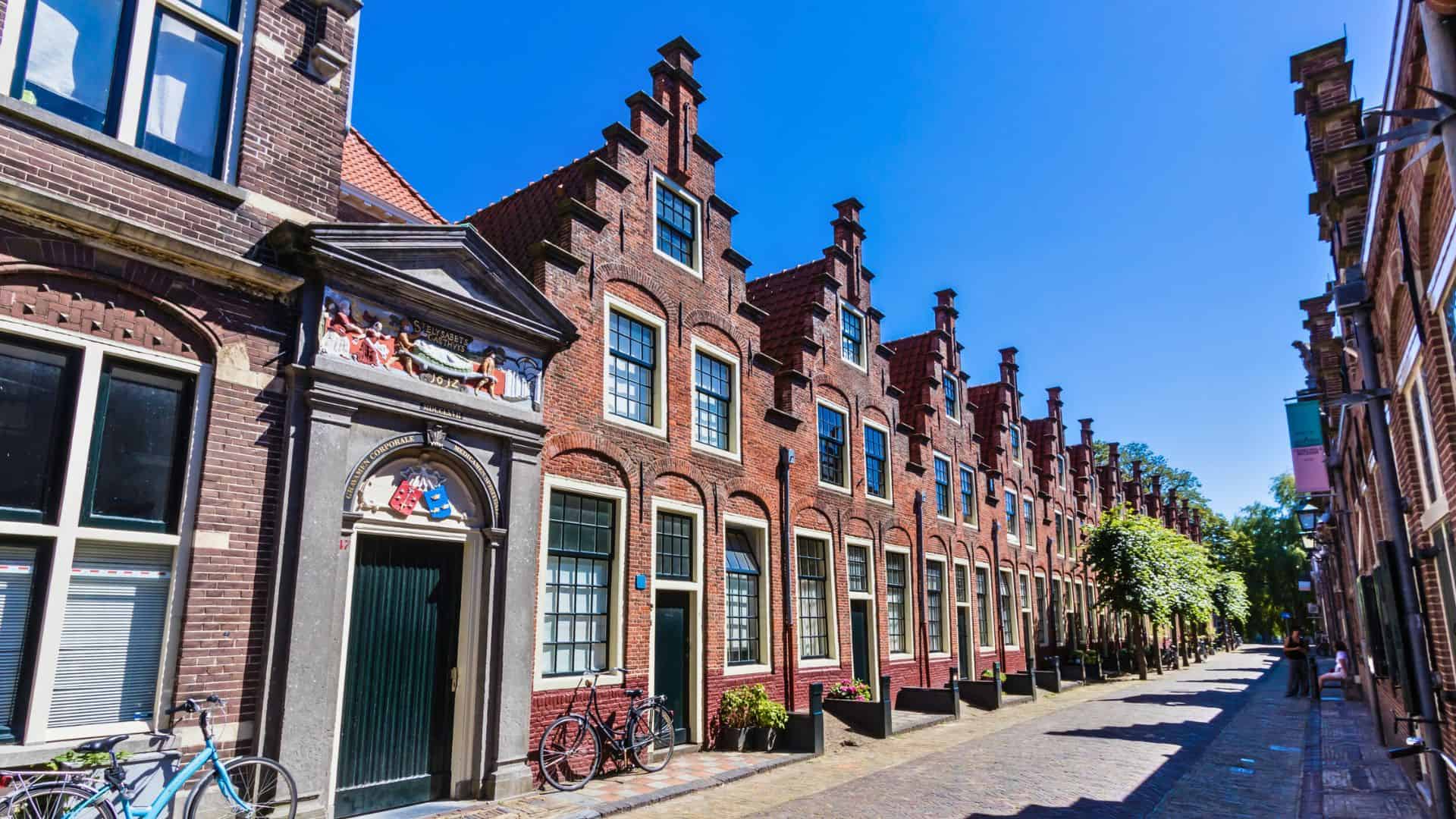
Haarlem pairs grand architecture with a relaxed rhythm just west of Amsterdam. The Grote Markt forms the city’s heart, framed by the impressive St. Bavo Church and elegant guild houses. Small streets radiate outward, filled with independent shops, art spaces, and brown cafés that draw locals throughout the day. The Frans Hals Museum celebrates Dutch Golden Age painting, while nearby dunes and North Sea beaches invite fresh air escapes. Flower fields brighten the surrounding countryside each spring. Compact yet full of character, Haarlem balances cultural depth with an easygoing neighborhood atmosphere.
Delft
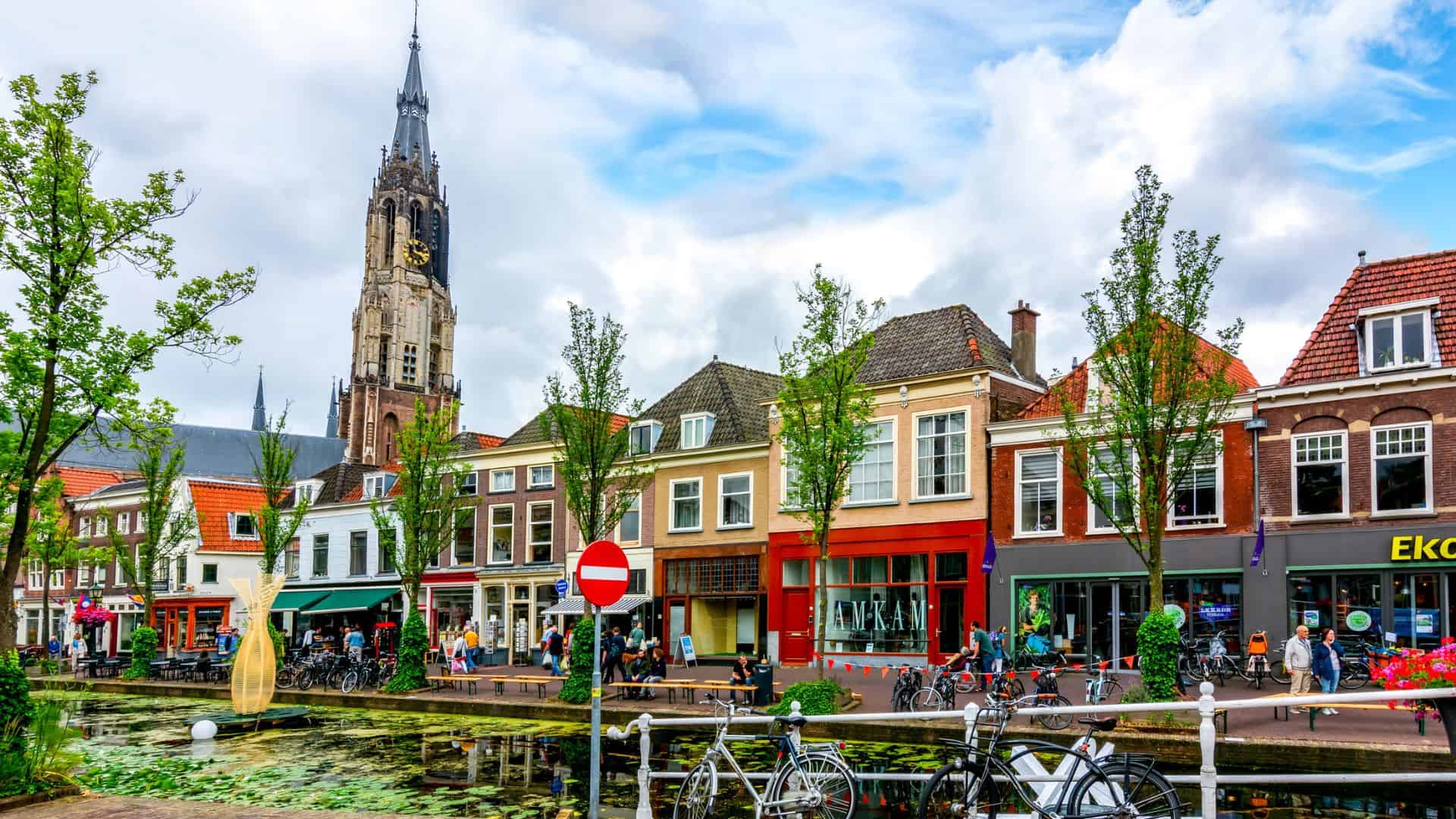
Delft enchants with a compact historic core framed by canals and leaning brick houses. The Markt square anchors daily life, bordered by the New Church and the Renaissance‑style City Hall. Johannes Vermeer once walked these streets, and his legacy still shapes local identity. Workshops continue the tradition of blue‑and‑white Delftware, while cafés cluster along waterways where small boats pass. The city’s manageable scale makes exploration easy on foot or by bicycle. With its preserved facades, quiet courtyards, and reflective canals, Delft feels timeless yet closely connected to modern Dutch life.
The Hague (Den Haag)
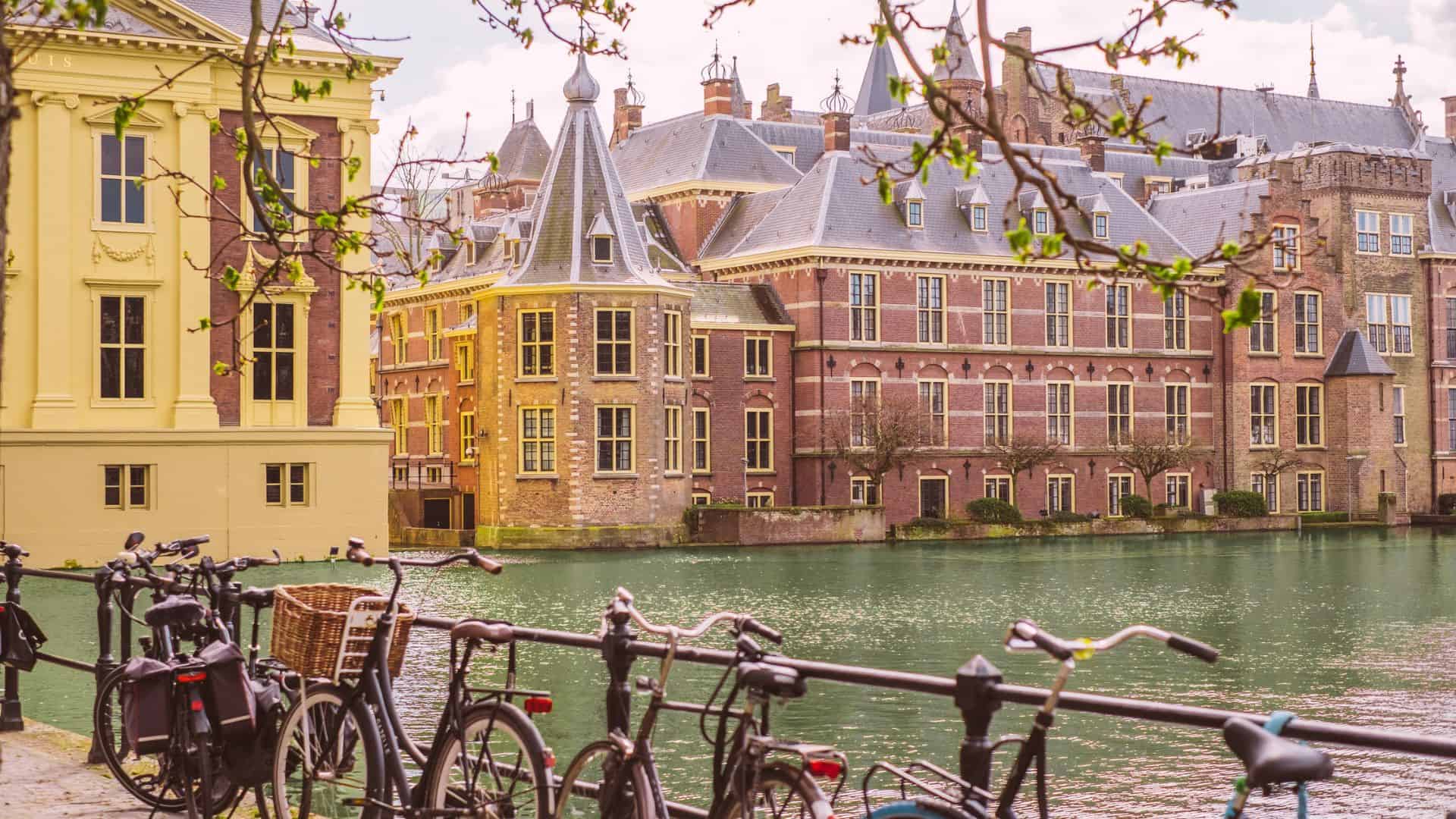
As the political heart of the Netherlands, this refined city balances international diplomacy with coastal living. The Binnenhof complex, where the Dutch government meets, stands beside the Hofvijver pond in stately surroundings. Embassies and global courts contribute to a cosmopolitan atmosphere, while museums such as the Mauritshuis display masterpieces, including Vermeer’s Girl with a Pearl Earring. A short tram ride leads to Scheveningen beach, where sea breezes and wide sands shift the pace. Elegant avenues, green parks, and stately townhouses lend a dignified character distinct from canal‑focused cities.
Maastricht
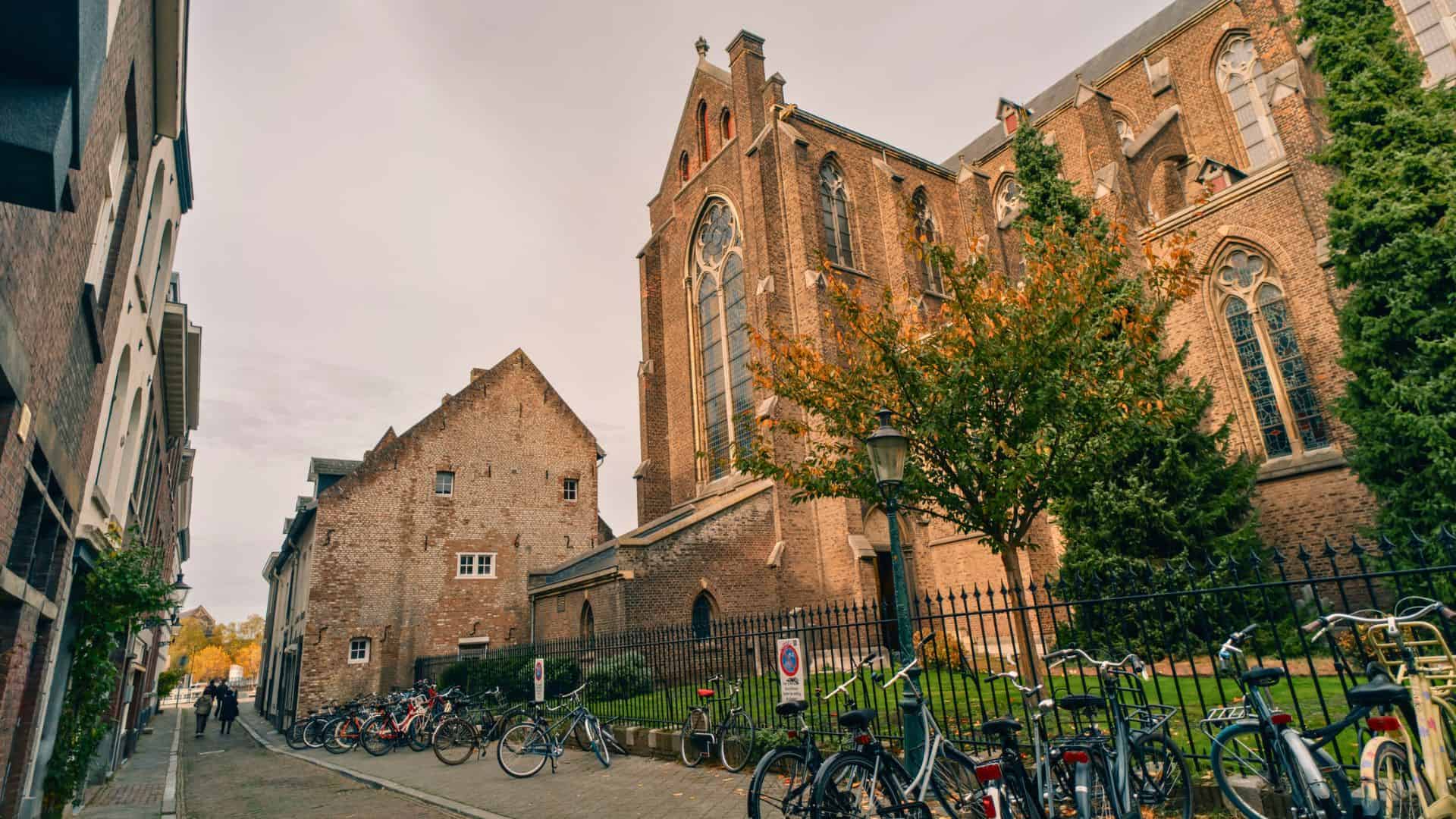
Maastricht, near the Belgian border, carries a distinct southern character shaped by Roman roots and centuries of trade. Cobblestone lanes wind past limestone buildings, Gothic churches, and lively squares such as Vrijthof. Underground caves and remnants of old fortifications reveal layers of history beneath the city. Riverside paths along the Meuse create scenic walks linking neighborhoods and art spaces. Boutique shops and terrace cafés give the center a cosmopolitan feel influenced by nearby Belgium and Germany. With its rich past and cross‑border spirit, Maastricht stands apart from northern Dutch cities in atmosphere and style.
Dutch Charm, No Spotlight Needed
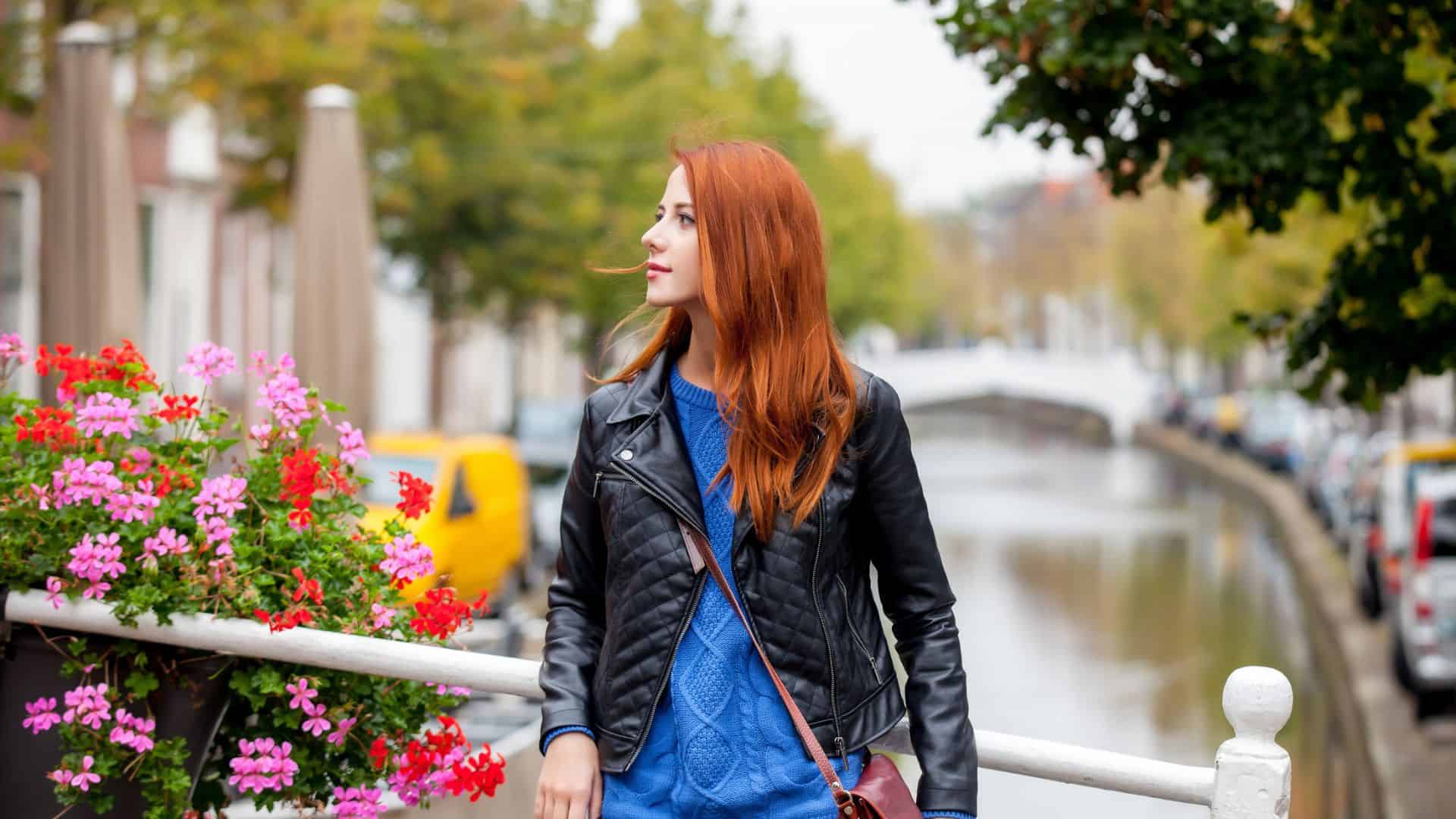
It’s easy to stick with what you know, but there’s a lot more waiting beyond the capital. These 13 cities in the Netherlands that aren't Amsterdam show just how varied this small country can be. You’ll find quieter streets, strong local character, and places where daily life moves at a steady, comfortable pace. Getting between them is simple, which means you can see more without spending hours in transit. That alone makes exploring beyond Amsterdam a great decision.
Whether you’re planning your first trip or heading back for more, adding a few new stops can change how you see the country. Smaller cities often feel more personal. You notice details. You have real conversations. You settle into the rhythm a bit faster. Amsterdam will always be part of the story, but it doesn’t have to be the whole story. Sometimes the best memories come from the places you didn’t expect.
13 Best Regions for a Scenic Road Trip Through Scandinavia
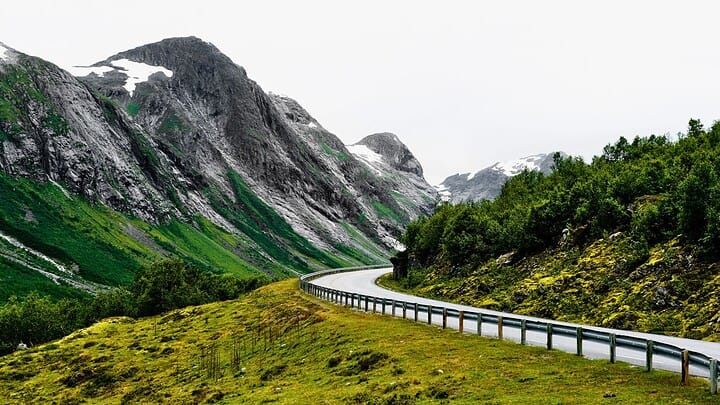
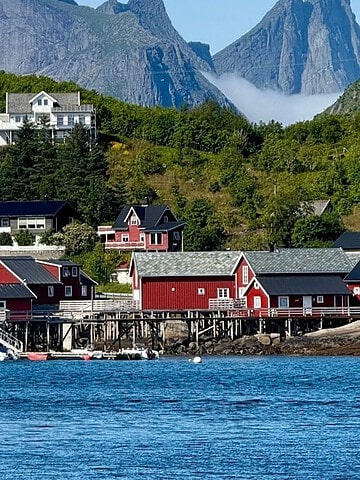
Scandinavia was made for road trips. Long stretches of road cut through open land, along water, and past small towns that feel lived in, not staged. Driving here feels calm but never dull. One turn brings mountains, the next brings sea, forests, or wide skies. Distances make sense, and the roads are easy to follow. These 13 regions for a road trip through Scandinavia are the best places to start.
Read More Here: 13 Best Regions for a Scenic Road Trip Through Scandinavia
13 Picturesque Canal Cities You Have to See to Believe
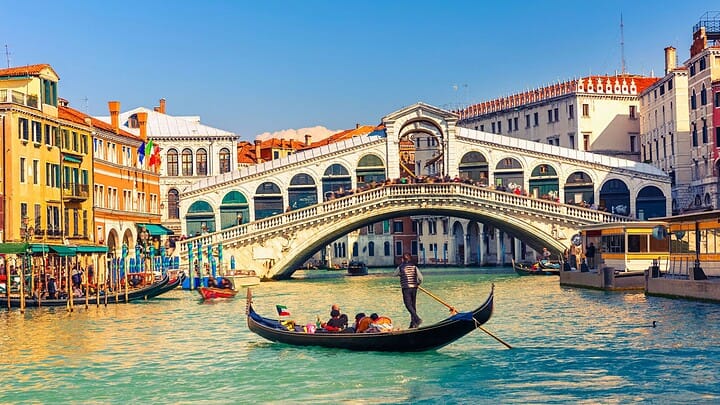
Water changes how a city feels. Streets slow down, views open up, and daily life moves at a calmer pace. Canal cities pull you in without trying too hard. You walk farther, stop longer, and notice details you would normally miss. Boats pass instead of cars. In particular, these 13 canal cities are great for wandering, sitting near the edge, or crossing the same bridge twice just to see it again.
Read More Here: 13 Picturesque Canal Cities You Have to See to Believe


Leave a Reply