
There’s something about a natural arch or bridge that grabs your attention right away. Solid rock somehow curves into a clean opening, shaped by wind, water, and time. No heavy machinery, no grand plan, just nature doing what it does best. In fact, there are 12 natural bridges and arches around the world that you can visit.
Some stand in dry deserts under big open skies, while others rise from crashing waves along rugged coastlines. In this article, we’re taking a closer look at some of the most breathtaking natural bridges and arches around the globe. These spots aren’t just great photo backdrops. They tell stories about the planet’s history and the forces that shaped it. If you love big views and raw landscapes, you’re going to like this list.
Sipapu Natural Bridge – USA
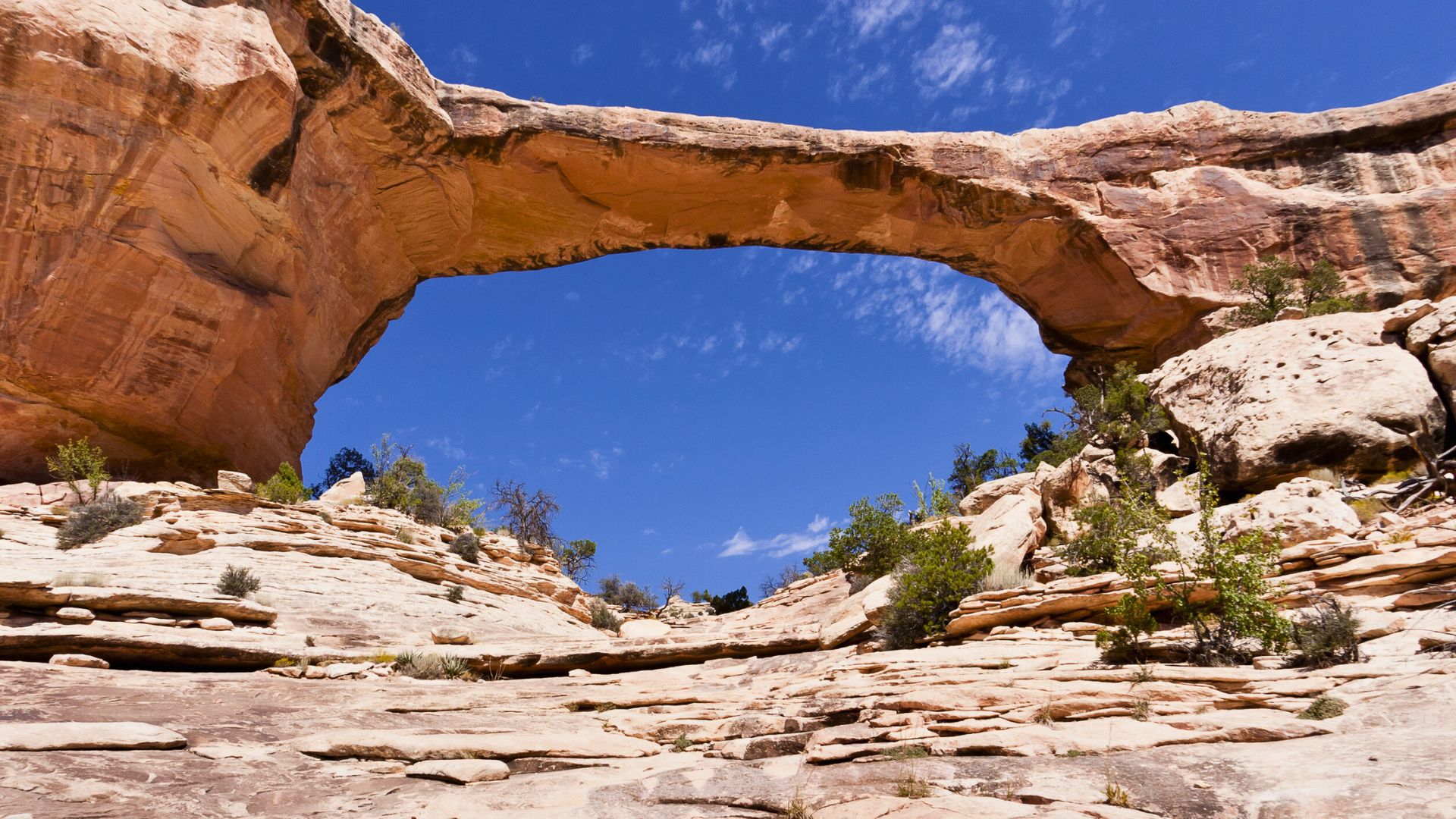
Sipapu Natural Bridge spans a deep canyon within Utah’s Natural Bridges National Monument. Formed by the erosive power of White Canyon’s flowing water, the bridge rises about 220 feet high with a span of 268 feet. Its name comes from a Hopi term referring to a symbolic portal between worlds, reflecting cultural importance alongside geological grandeur. Visitors descend steep trails into the canyon for an up-close view beneath the sweeping curve. The surrounding landscape features layered sandstone walls, desert vegetation, and clear night skies, recognized for exceptional stargazing within this protected park environment.
Rainbow Bridge – USA
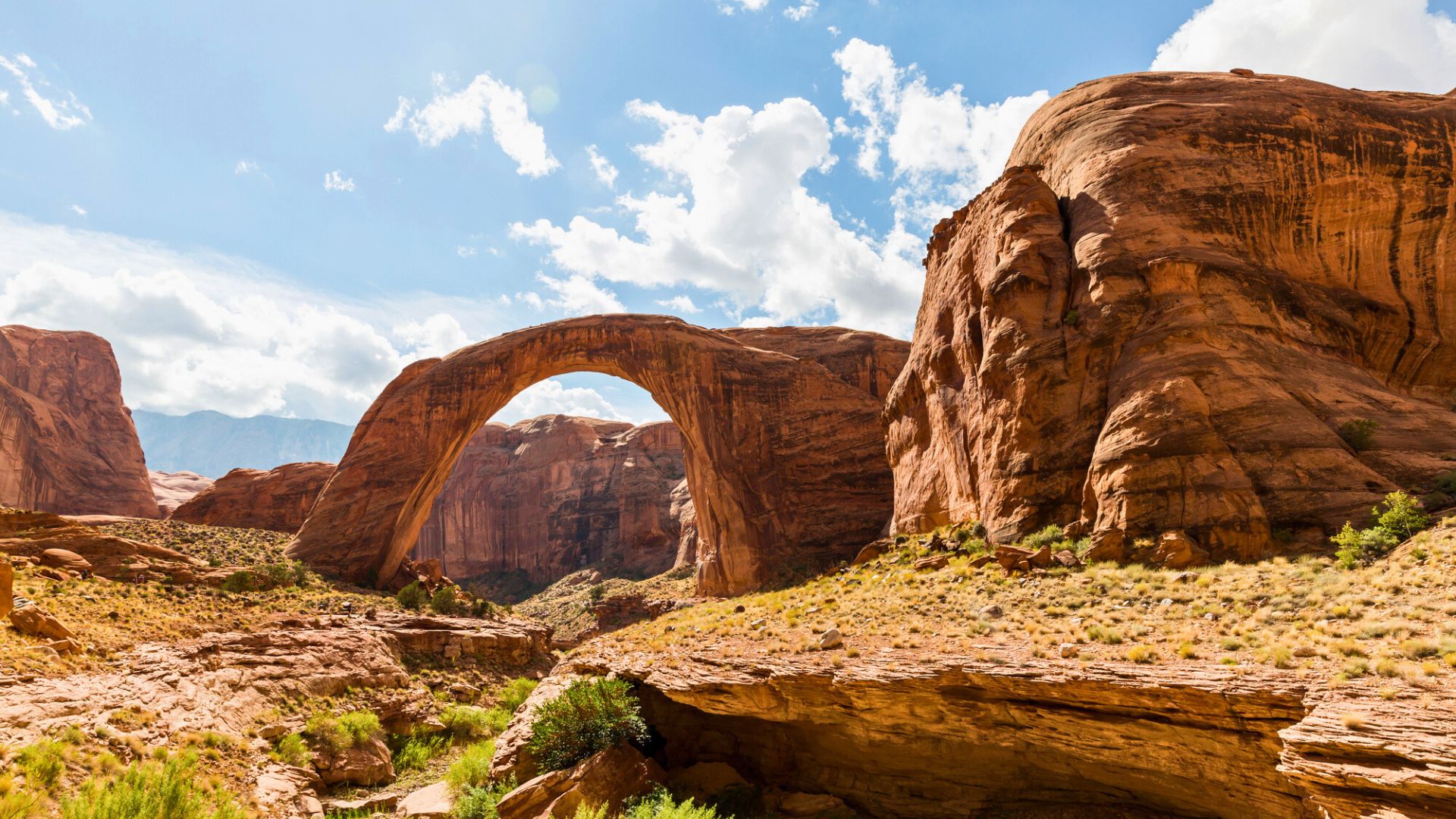
Rainbow Bridge rises from the red rock desert of southern Utah as one of the planet’s largest natural bridges. Carved from Navajo sandstone by ancient waterways, the arch stands 234 feet high and spans 275 feet across, dwarfing visitors who approach by boat or long desert trail. Its sweeping curve frames the sky in shifting shades of blue and gold, especially at sunrise and sunset. Sacred to several Native American tribes, the site carries deep spiritual meaning and longstanding cultural traditions. Remote surroundings, silence, and vast canyon walls create a powerful sense of scale and timeless geology.
Pont d’Arc – France
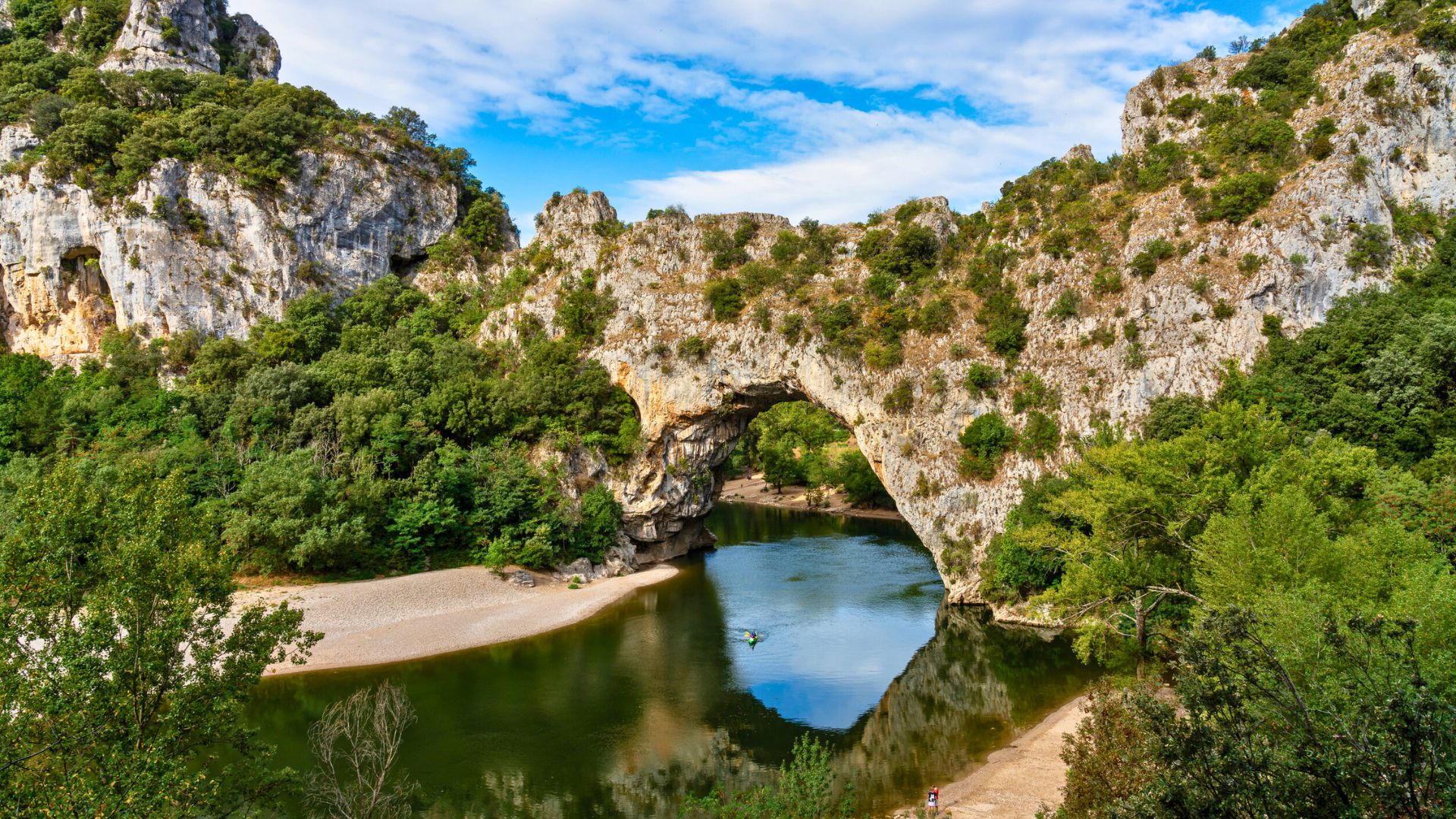
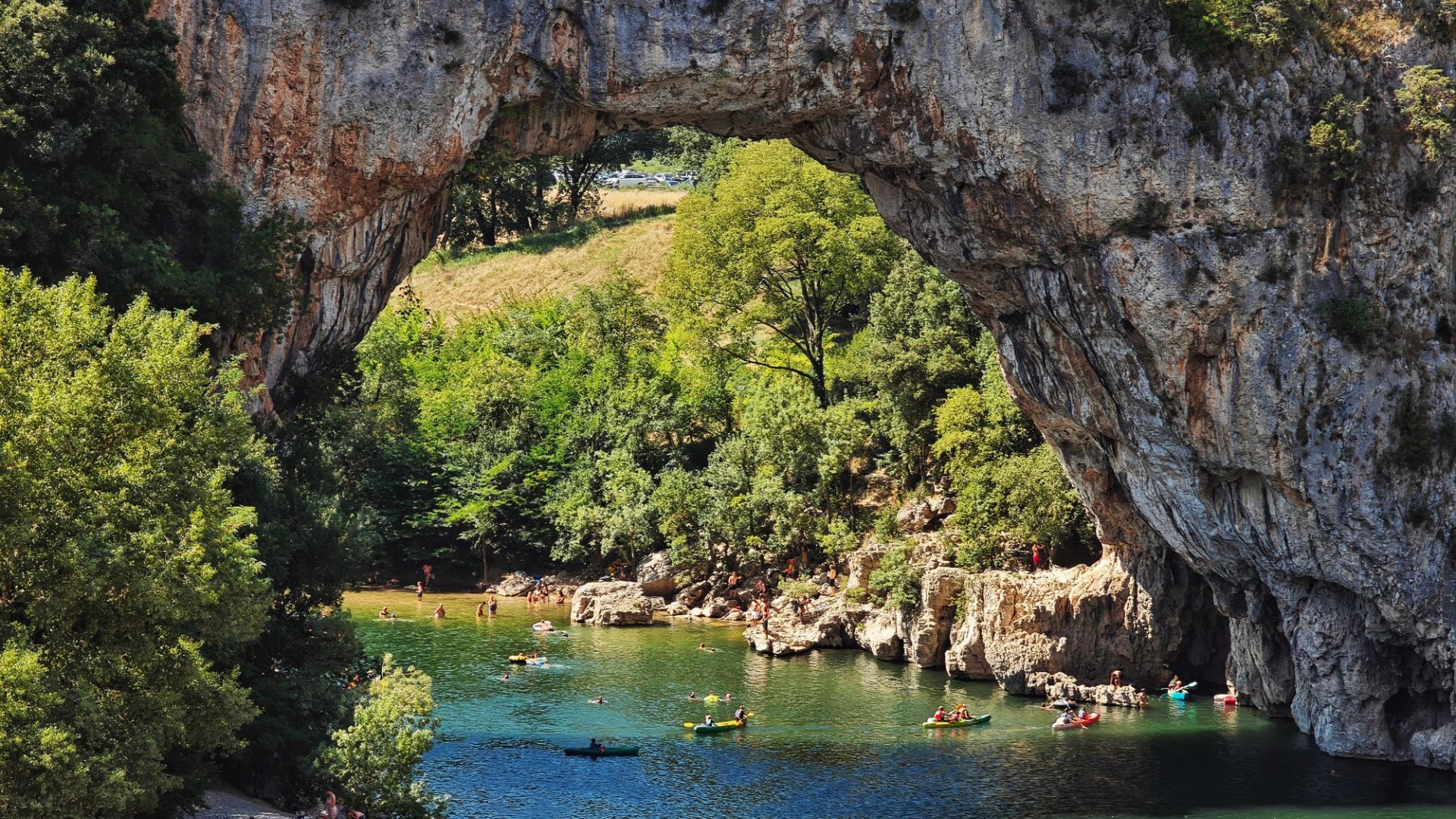
Pont d’Arc spans the Ardèche River in southern France, forming a massive limestone gateway carved by flowing water over thousands of years. The arch stretches nearly 60 meters across and rises about 54 meters high, creating a dramatic entrance to the Ardèche Gorge. Kayakers and canoeists glide beneath its curve, dwarfed by the towering rock above. Surrounding cliffs display layered textures shaped by erosion and seasonal flooding. Nearby, the Chauvet Cave contains some of the world’s oldest known prehistoric paintings, linking the landscape to early human history within this remarkable river valley setting.
Zhangjiajie Natural Bridge – China
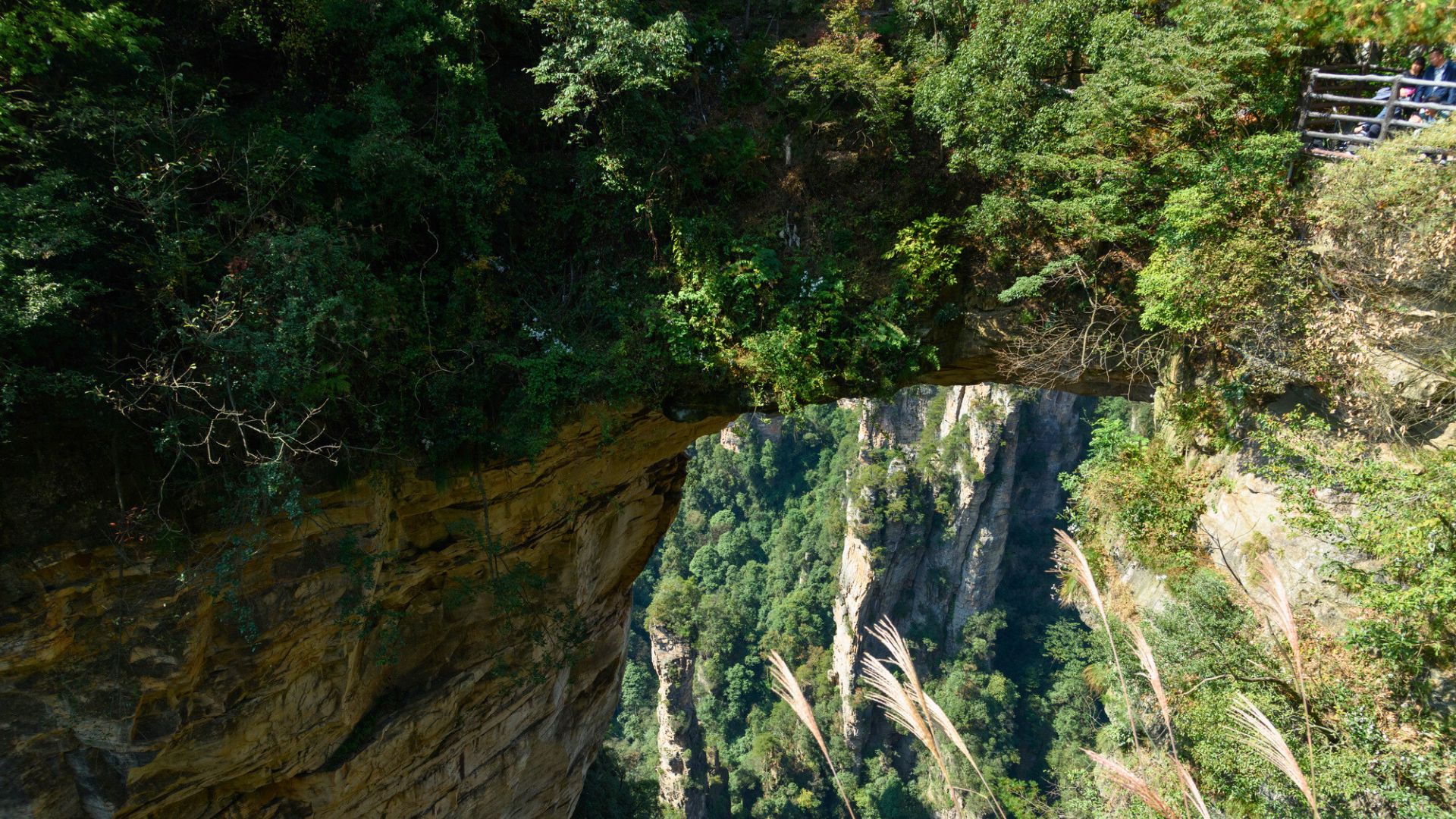
Known as the First Bridge Under Heaven, this slender stone arch links two soaring sandstone pillars in Zhangjiajie National Forest Park. Suspended high above a deep gorge, the bridge appears almost unreal when mist drifts among the vertical rock columns. Formed through erosion and weathering over millions of years, it measures roughly 65 feet long yet stands hundreds of feet above the forest floor. Lush vegetation clings to nearby cliffs, and shifting clouds create an ever-changing backdrop. The surrounding landscape inspired scenes in the film Avatar, drawing travelers eager to witness its dramatic, sky-high setting firsthand.
Wied il-Mielaħ Arch – Malta
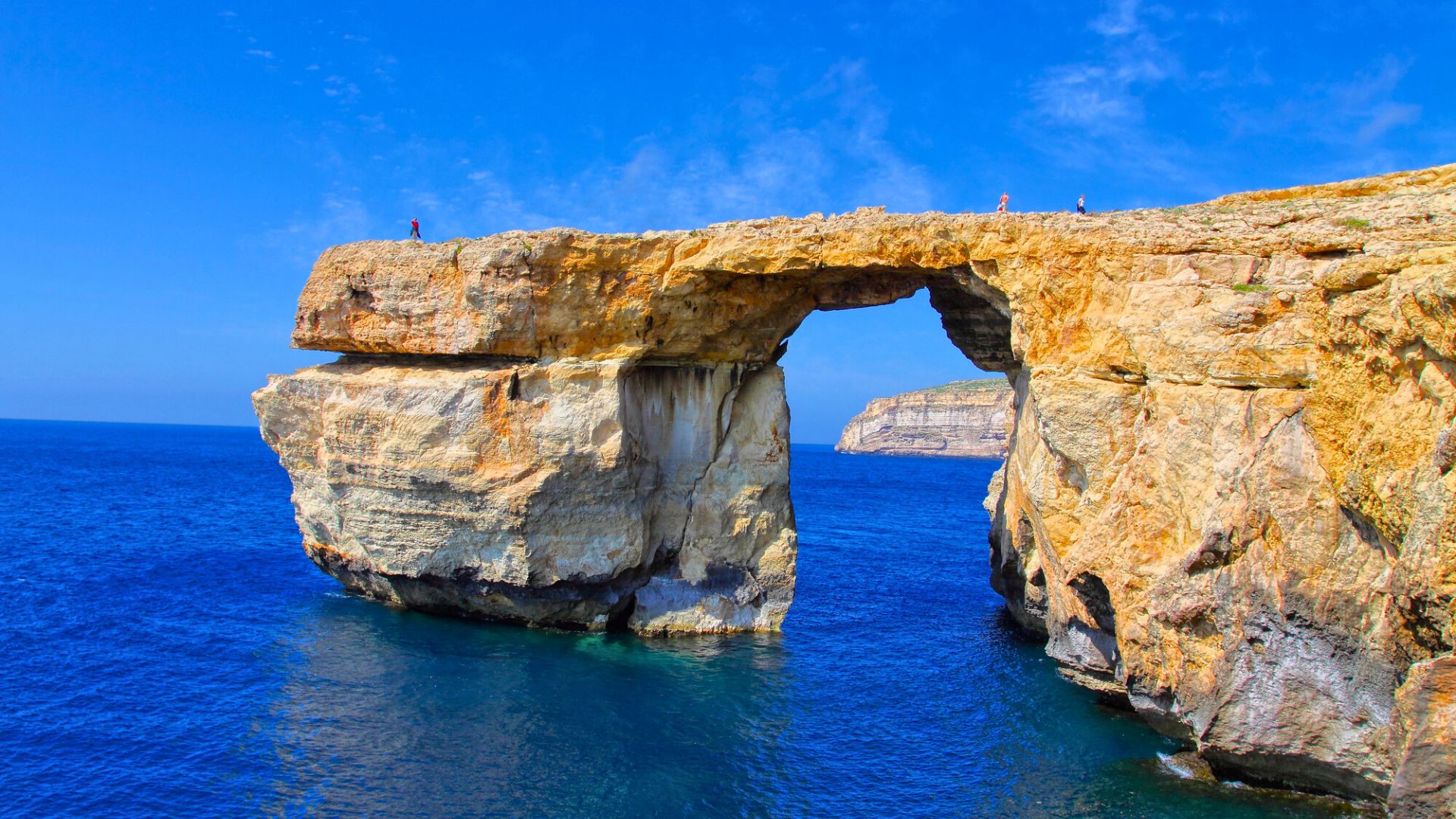
Wied il-Mielaħ Arch stands along Gozo’s rugged northern coastline, sculpted from pale limestone by centuries of wind and Mediterranean waves. After the nearby Azure Window collapsed, this formation became one of Malta’s most striking coastal landmarks. The arch rises above clear blue water, where sunlight reveals submerged rock formations beneath the surface. Steep cliffs frame the scene, and seabirds circle overhead. Visitors can walk across the top via a footpath or view it from boats below, appreciating the natural forces that shaped its broad span. Its setting combines open sea views with the quiet charm of rural island terrain.
Great Pollet Sea Arch – Ireland
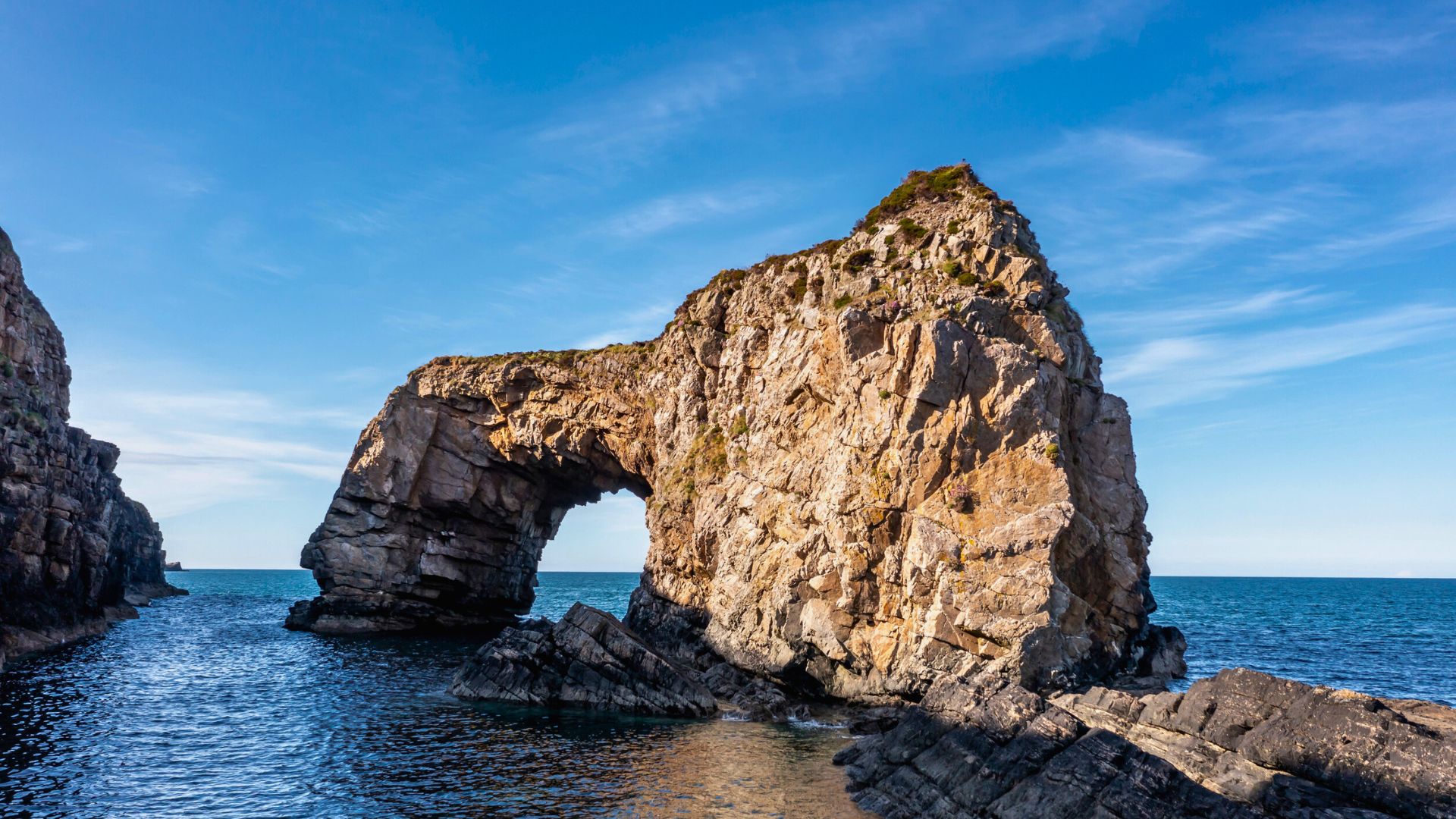
The Great Pollet Sea Arch stands along the rugged Atlantic coastline of County Donegal, shaped by relentless waves striking the cliffs over centuries. The arch frames rolling ocean swells and distant horizons, creating a dramatic contrast between dark rock and foaming surf. Accessible by a coastal walk, the site rewards visitors with expansive sea views and the raw energy of Ireland’s western shore. Changing weather transforms the scene, from bright blue skies to mist and storm-driven spray. The surrounding cliffs host seabirds and hardy grasses that cling to the windswept landscape carved by powerful natural forces.
Pravčická Brána – Czech Republic
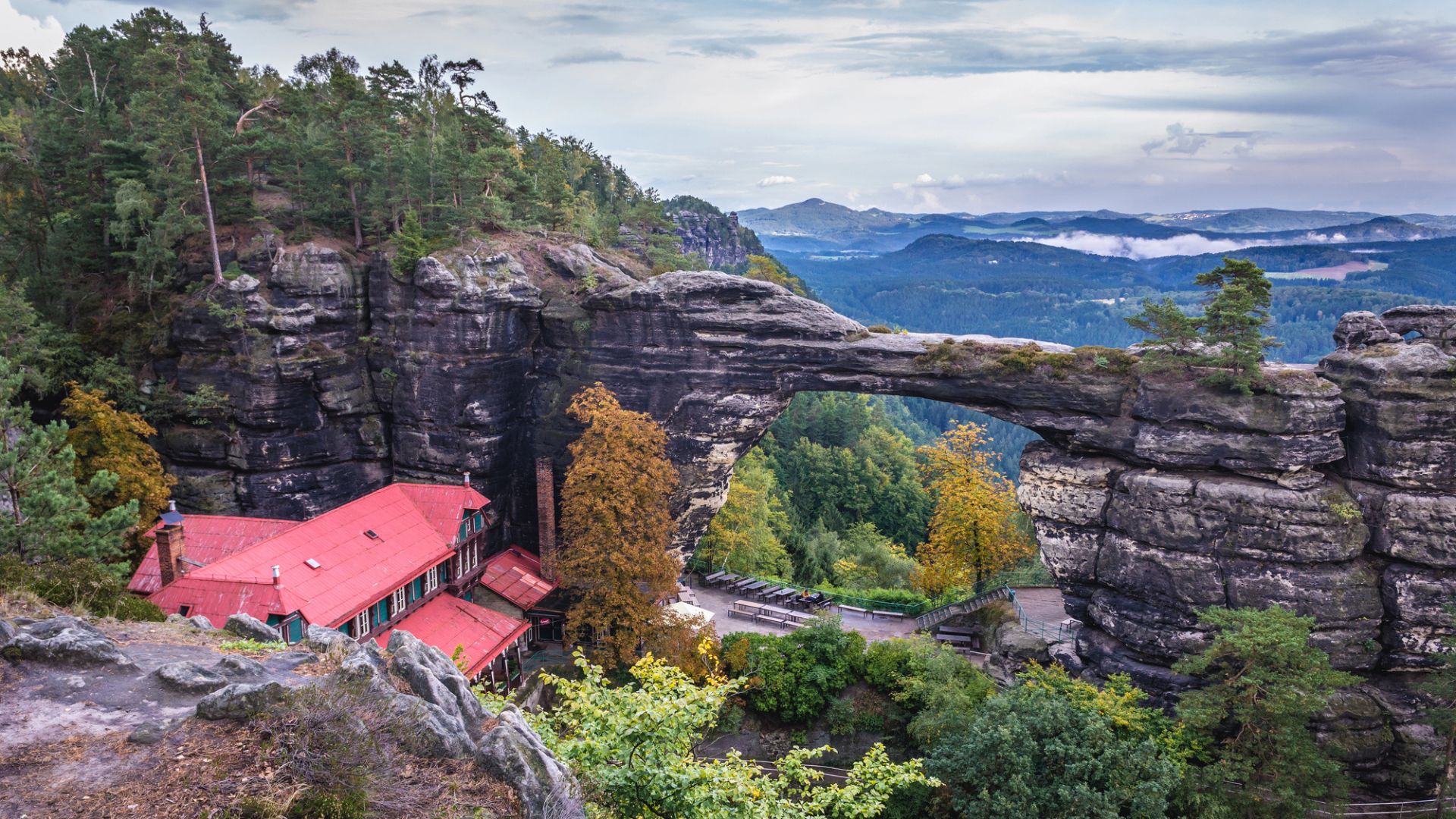
Pravčická Brána rises within Bohemian Switzerland National Park as the largest sandstone arch in Europe. Spanning 26.5 meters and reaching 16 meters high, it crowns a forested landscape of rocky towers and deep valleys. Centuries of weathering gradually shaped this monumental arch from sedimentary rock. A historic chateau built nearby in the nineteenth century enhances the fairytale atmosphere of the site. Visitors follow marked trails through woodland paths before climbing to viewpoints overlooking the arch and the surrounding countryside. The formation has inspired artists, writers, and filmmakers drawn to its dramatic presence amid central Europe’s scenic terrain.
Want to save this?
Arco Naturale – Italy
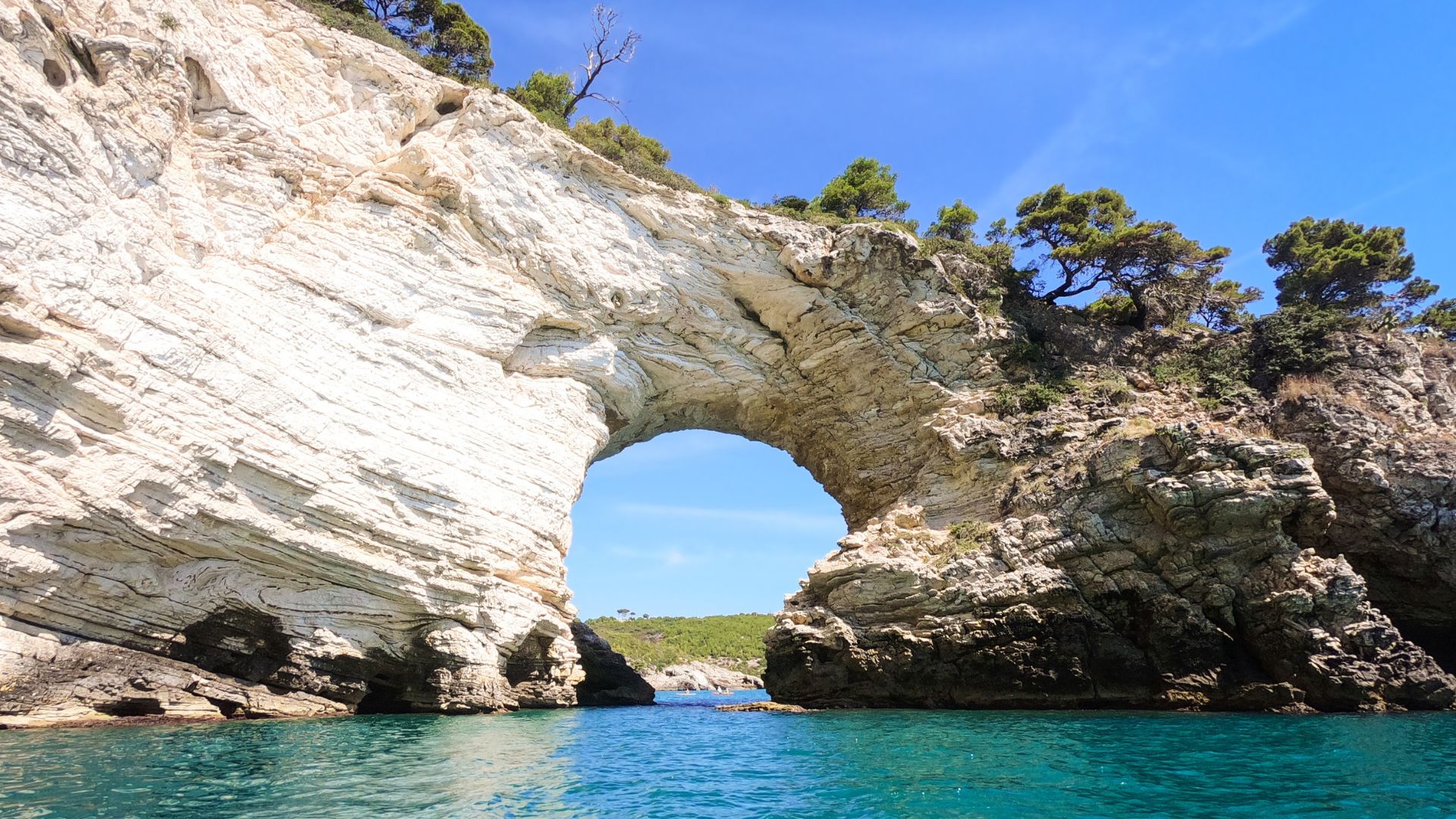
Arco Naturale towers above the eastern coast of Capri, formed from ancient limestone dating back to the Paleolithic era. Once part of a large grotto, erosion gradually hollowed the cliff face until a grand arch remained, standing about 60 feet high and 40 feet wide. A scenic walking trail leads visitors through Mediterranean vegetation to a panoramic viewpoint overlooking the Tyrrhenian Sea. From this vantage, the arch frames distant cliffs and shimmering water far below. The contrast between white rock and deep blue sea creates a striking composition, reflecting the geological history that shaped this celebrated island landmark.
Aloba Arch – Chad
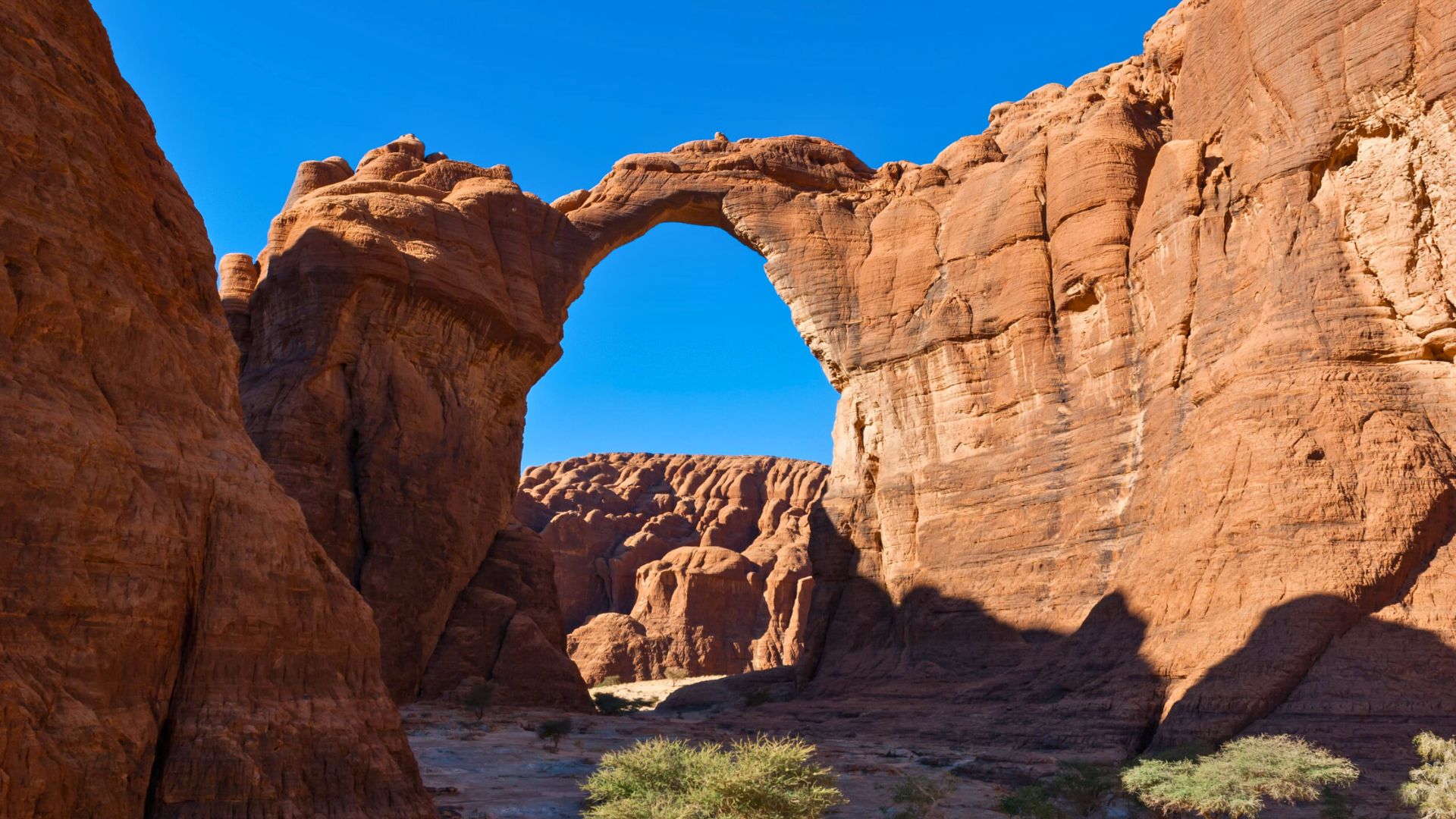
Aloba Arch stands in the remote Ennedi Plateau of Chad, rising from the Sahara Desert as one of the tallest natural arches on Earth. Towering approximately 120 meters high, this sandstone formation was carved by wind erosion over vast stretches of time. Its immense scale dwarfs the surrounding desert plains and scattered rock formations. Reaching the arch requires a challenging journey across rugged terrain, adding to its sense of isolation. Light shifts across its textured surface throughout the day, casting long shadows on the sand below. The surrounding plateau contains ancient rock art and dramatic desert scenery.
El Arco – Mexico
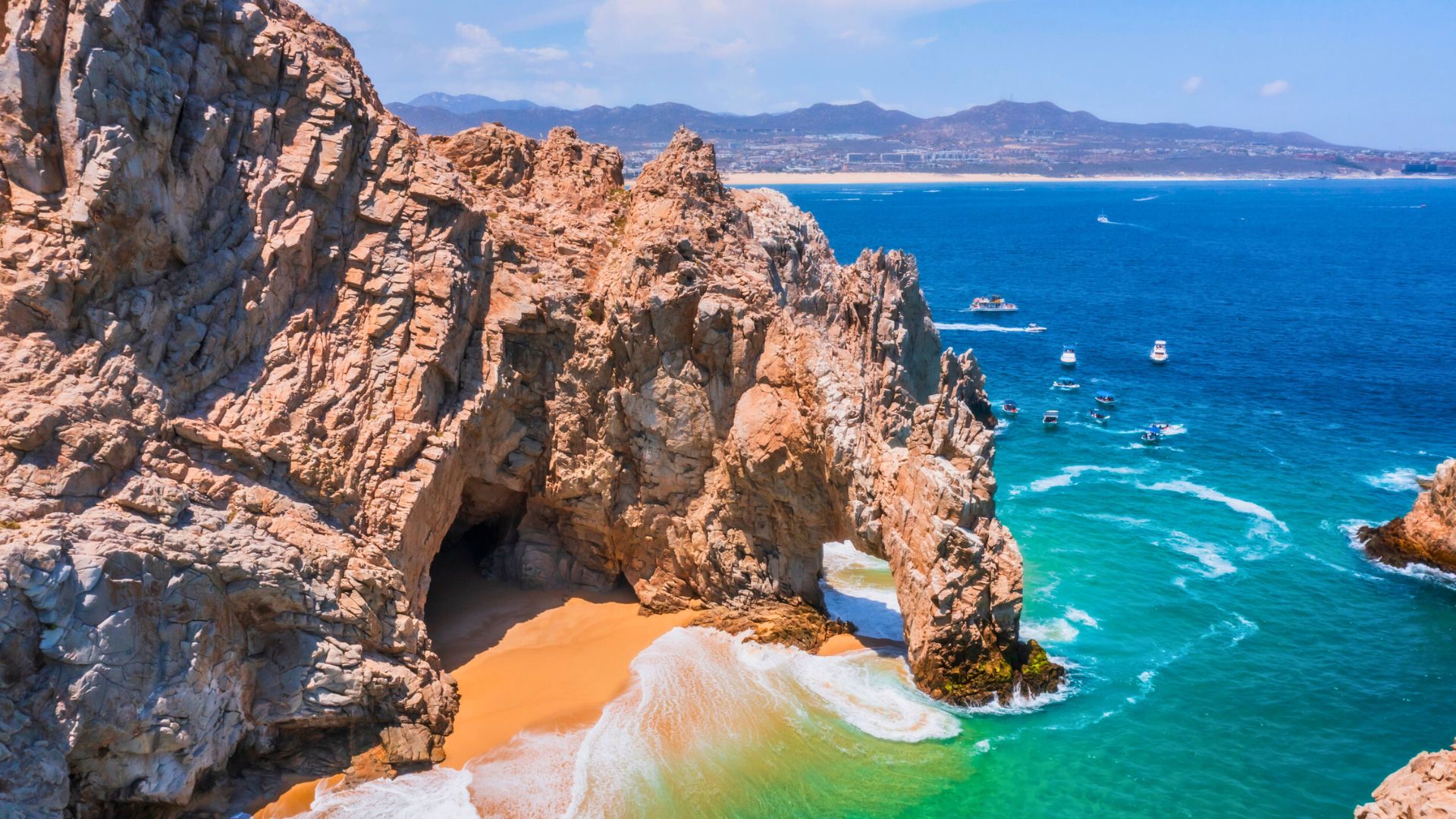
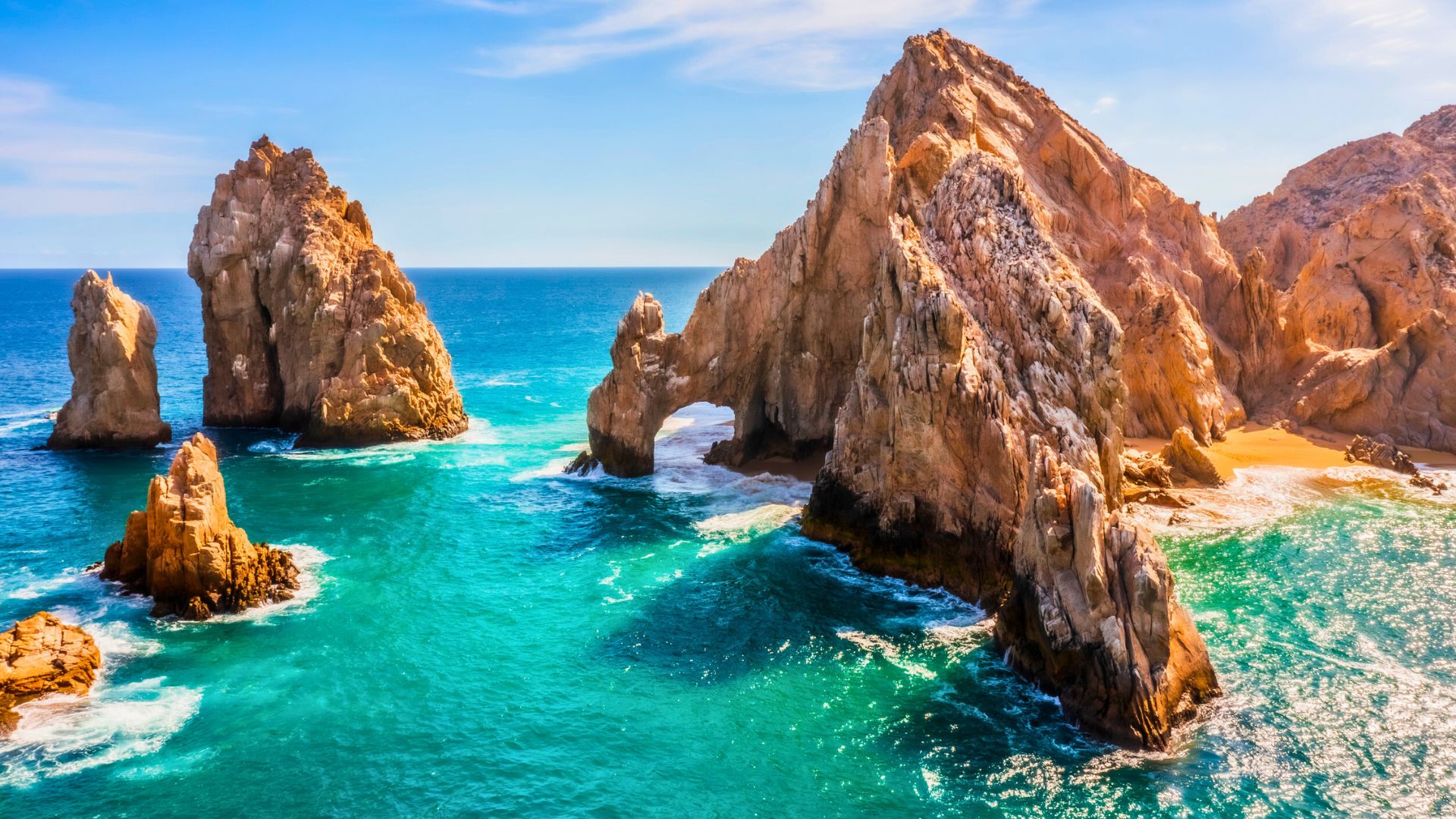
El Arco rises dramatically from the southern tip of Mexico’s Baja California Peninsula, where the Pacific Ocean meets the Sea of Cortez. This granite sea arch has been sculpted by crashing waves and persistent winds over countless centuries. Its pale stone contrasts sharply with deep blue water, and sea lions often gather on nearby rocks. Boat tours circle the formation, revealing hidden beaches and shifting currents around its base. During certain tides, a sandy stretch appears beneath the arch, linking land and sea in a striking scene shaped entirely by natural coastal forces.
Delicate Arch – USA
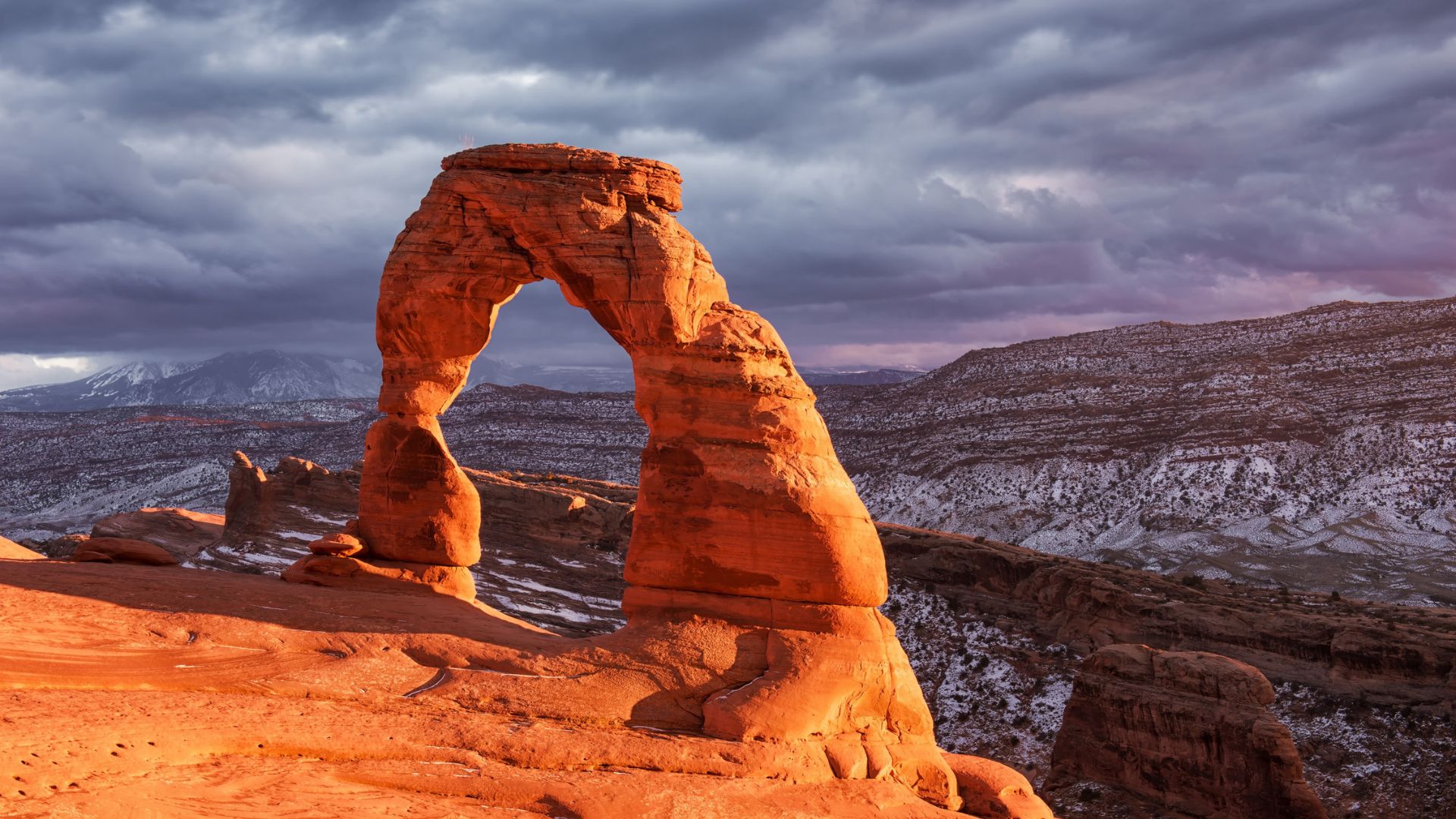
Delicate Arch stands freely on a slickrock plateau in Utah’s Arches National Park, becoming a symbol of the American Southwest. Composed of Entrada sandstone, the freestanding arch rises about 52 feet high, shaped by erosion, weathering, and time. Reaching it requires a steady uphill hike across exposed terrain, rewarding visitors with sweeping desert views. At sunset, the stone glows in shades of orange and red against distant mountains. Unlike clustered formations nearby, this solitary arch commands attention through balance and scale. Its thin curve appears fragile yet has endured harsh desert conditions for thousands of years.
Durdle Door – England
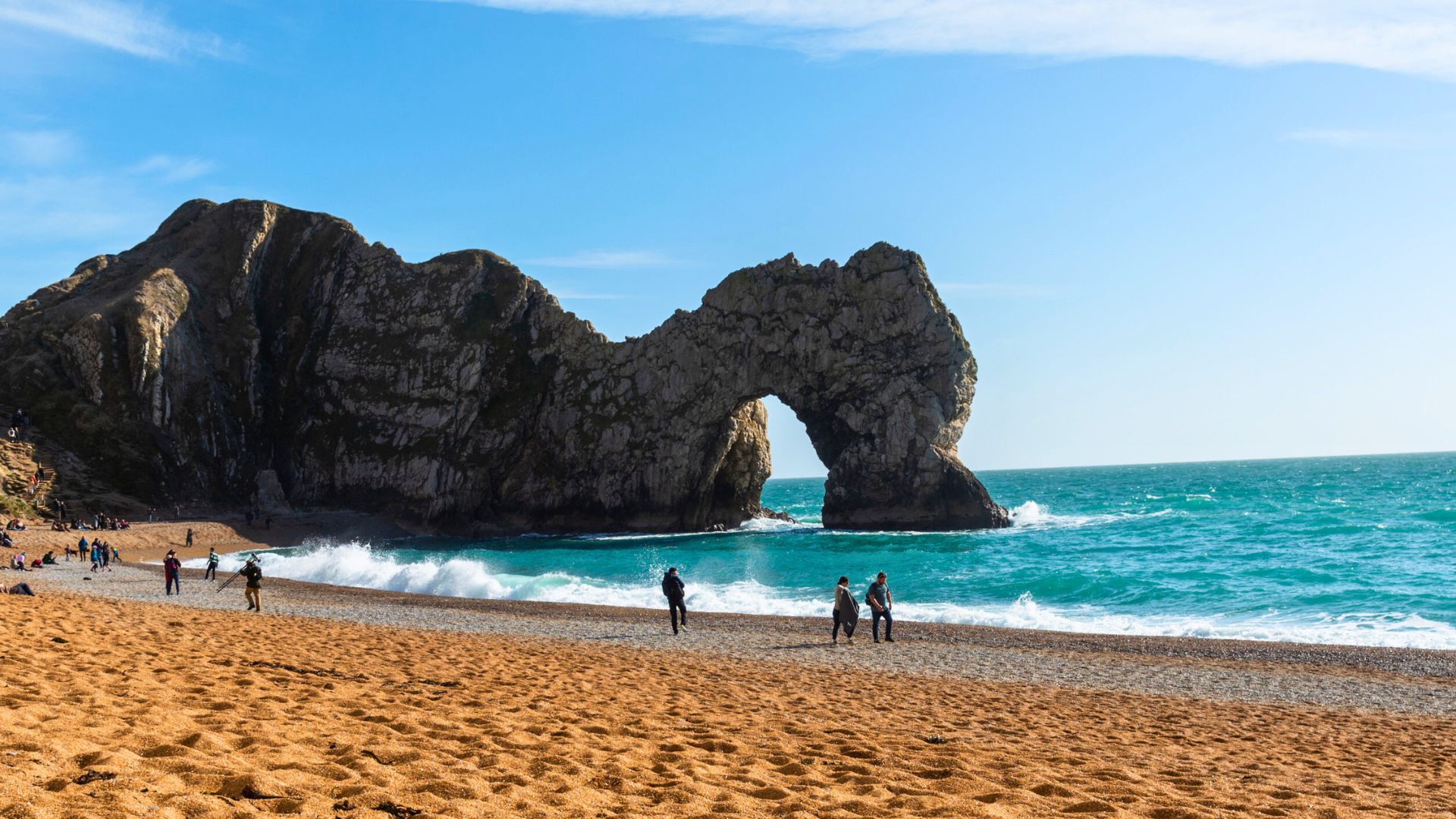
Durdle Door is a dramatic limestone arch carved by relentless waves along England’s Jurassic Coast, a UNESCO World Heritage Site. The formation dates back around 140 million years, shaped as softer rock eroded and left a curved opening extending into the English Channel. Towering cliffs flank a crescent beach below, where turquoise water contrasts with pale stone. From the clifftop path, sweeping coastal views stretch for miles, revealing layered geology that tells Earth’s ancient story. Sunlight passing through the arch casts shifting reflections on the sea, making it a favorite subject for photographers and coastal hikers alike.
Rock On and Explore
Natural bridges and arches remind us that time and nature can shape rock into something that feels almost unreal. No bright lights, no grand entrance, just stone, sky, water, and space. Some stand in remote deserts. Others rise near busy coastlines or quiet forests. Each one has its own story written in layers of rock and years of change. Seeing them up close puts things in perspective. You start to realize how small we are compared to the forces that built them.
If this list sparked your curiosity, that’s a great place to start. Maybe it inspires a future road trip or adds a new stop to your travel plans. Even if you never see them all in person, it’s still amazing to know places like this exist. Nature has been hard at work for a long time, and the results speak for themselves.
11 Cities Along the Pacific Rim to Book for Your Next Vacation
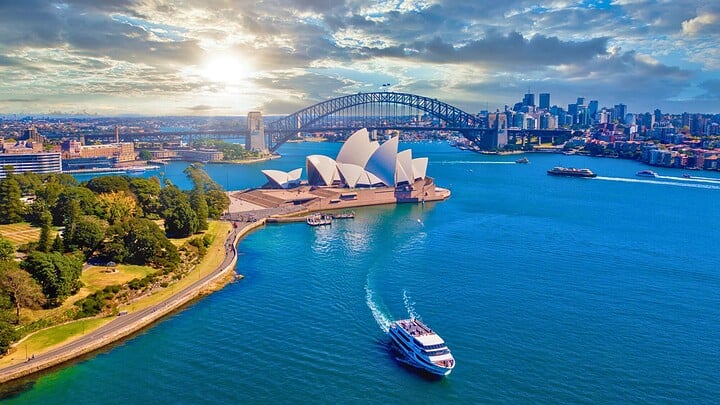
The Pacific Rim is lined with cities that feel alive from morning to midnight. Step off the plane, and you can sense the pace right away. Skyscrapers rise near the water, markets spill into busy streets, and music drifts through open doors. This region stretches across multiple continents, yet there’s a shared energy that connects these coastal hubs. In fact, there are 10 cities along the Pacific Rim that you should book for your next vacation.
Read More Here: 11 Cities Along the Pacific Rim to Book for Your Next Vacation
10 Beautiful Riverside Cities in Europe for Scenic Walks and Views
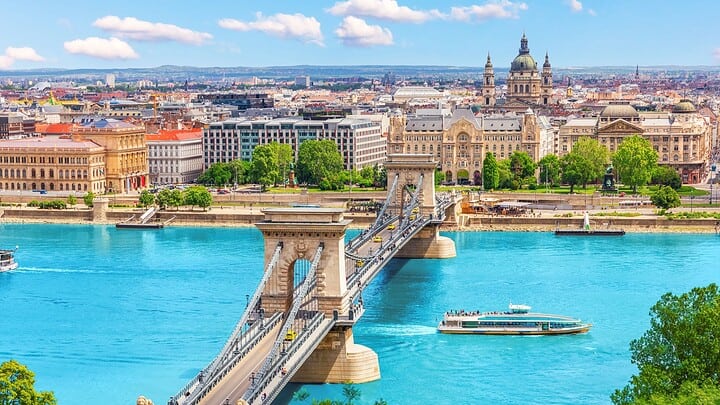
There’s something about a city built along a river that just works. The water adds space, light, and a natural path through the streets. It shapes where people gather, where bridges rise, and where the skyline makes its biggest statement. There are 10 beautiful riverside cities in Europe that still draw locals and visitors to their banks. Here, early mornings feel calm and clear, while evenings bring reflections of towers, domes, and streetlights across the surface.
Read More Here: 10 Beautiful Riverside Cities in Europe for Scenic Walks and Views



Leave a Reply