
Street food has long been a highlight of traveling, offering a unique glimpse into the culture and flavors of a destination. Across the globe, food vendors on bustling city streets serve up mouthwatering dishes that tell the story of local traditions, ingredients, and flavors. These street foods not only satisfy hunger but also create unforgettable experiences that no restaurant meal can replicate. Whether it's a quick bite on a busy market corner or a local delicacy prepared by a street chef, these foods offer a genuine taste of a country's culture.
Here are 11 countries where street food reigns supreme and proves that the ultimate travel experience can often be found on a food stall. From the vibrant food scenes in Bangkok’s night markets to the savory tacos in Mexico City, these nations show just how exciting, affordable, and culturally rich street food can be. So, next time you’re traveling, skip the high-end restaurants and embrace the flavors of the streets.
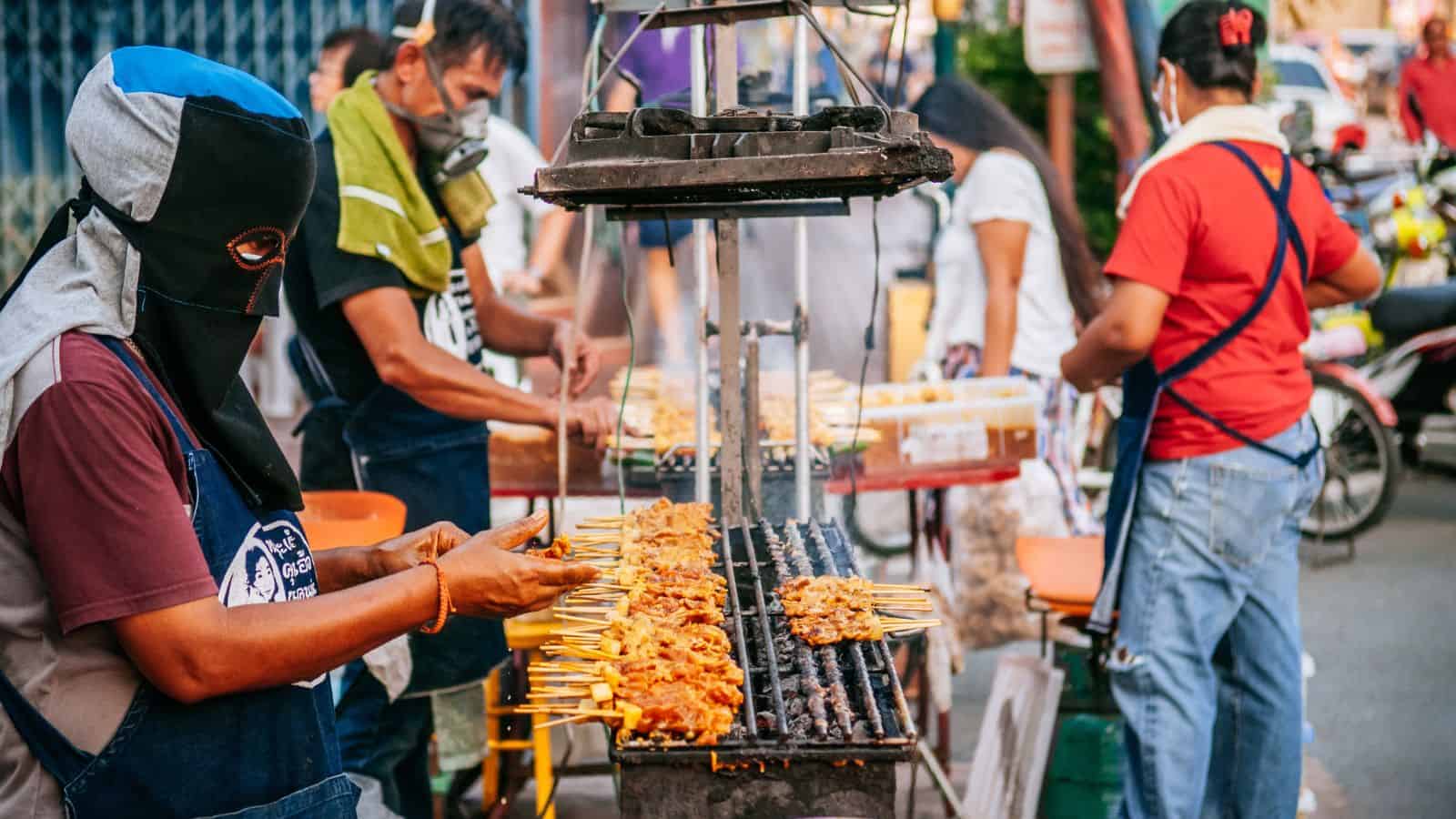
Thailand

Thailand’s street food is present on nearly every corner, from Bangkok’s night markets to Chiang Mai’s walking streets. Vendors set up mobile kitchens with just a few stools, dishing out stir-fried noodles, skewered meats, and sweet snacks like mango sticky rice. Pad Thai is often tossed quickly over high flames, while tom yum soup simmers in metal pots beside trays of herbs and chilies. Many vendors specialize in a single item perfected over years. Street food isn’t limited to tourists—it’s a go-to for locals at all hours. Crowds, clattering pans, and aromatic steam define Thailand’s dynamic food scene.
Vietnam

Vietnam’s street food thrives in busy alleyways, on sidewalks, and beside motorbike-packed roads. Bowls of pho are poured from large stockpots, layered with herbs, noodles, and sliced meat. Bánh mì sandwiches are assembled on the spot, filled with meats, pickled vegetables, and chili. In the mornings, vendors roll out carts selling rice porridge or sticky rice wrapped in banana leaves. Food is typically served fast, eaten squatting on plastic stools, and always garnished with fresh herbs and limes. The ingredients are local, the techniques time-tested. Meals are more than transactions—they’re part of daily social rhythms and local pride.
Mexico

Mexico’s street food is built on fresh masa, sizzling comals, and long-held family recipes. From tacos al pastor cut directly off the spit to elote grilled and coated in chili and cheese, food is made right in front of you. In Mexico City and Oaxaca, vendors serve tamales, quesadillas, and tortas with generous toppings. Sauces range from sharp to fiery, each vendor keeping their own house recipe. Meals are served fast but packed with texture, often with smoky, citrus, or earthy notes from the chili-based sauces. Many locals skip restaurants entirely in favor of their favorite street-side taquero.
India

India’s street food is colorful, layered with spices, and varies dramatically by region. In Mumbai, you’ll find vada pav—potato fritters in soft buns with chutney. Delhi vendors sell chaat, a tangle of fried dough, chutneys, yogurt, and spices that hits sweet, salty, and sour notes. In the south, dosa stalls stretch fermented batter across sizzling pans before folding in fillings. Food is scooped up with fingers or served in paper cones and metal trays. Vendors often specialize in just one or two dishes, which they prepare with impressive speed. Each region has its own rhythm, flavor profile, and street food rituals.
Turkey

Turkey’s streets come alive with food carts selling simit (sesame-coated bread rings), roasted chestnuts, and dürüm wraps filled with meat or vegetables. Istanbul’s ferry terminals, parks, and late-night districts are full of vendors grilling meat, juicing pomegranates, or flipping stuffed mussels onto paper plates. Börek shops roll out flaky pastry filled with cheese or minced meat. The influence of Ottoman and Mediterranean flavors shows up even in simple snacks. Street food bridges the old and the new, often reflecting the city’s deep historical layers. From breakfast through late-night cravings, Turkish street food keeps crowds moving and fed.
Japan

Japan’s street food often shows up during festivals, markets, and near train stations—compact, orderly, and full of detail. Takoyaki stalls dot city streets, forming balls of batter around octopus with practiced flips. Okonomiyaki is layered and griddled with cabbage and sauce, handed over steaming hot. Yakitori vendors line narrow alleyways, grilling skewers with a focused rhythm. In places like Osaka or Fukuoka, yatai (mobile food stands) open at dusk, drawing crowds for late-night bowls of ramen. Each vendor’s setup is minimal, yet refined. The care in preparation reflects Japan’s broader respect for food, even in the most casual setting.
Want to save this?
South Korea

South Korea’s streets are lined with vendors dishing out bold, spicy, and addictive snacks. Gwangjang Market in Seoul bustles with trays of mandu dumplings, sizzling pancakes (hotteok), and blood sausage. Tteokbokki, chewy rice cakes simmering in chili paste, are served piping hot in plastic bowls. Corn dogs come dusted in sugar or wrapped in fries. Night markets, university streets, and subway exits are prime spots for quick eats. Vendors move fast, feeding crowds with practiced efficiency. These stalls serve more than snacks—they represent a fast-moving, urban lifestyle where comfort and convenience meet head-on in a plastic-wrapped paper tray.
Malaysia

Malaysia’s street food culture is a meeting point for Malay, Chinese, and Indian food traditions. In Penang and Kuala Lumpur, hawker stalls cluster into bustling open-air courts, each specializing in a few well-honed dishes: char kway teow with crisp bean sprouts, laksa with tangy broth, and satay skewers grilled over coals. Vendors often run the same stall for years, known by name to regulars. The variety of textures, cooking methods, and spice blends reflect Malaysia’s multicultural roots. Street food isn’t a side note—it’s central to daily life, social connection, and intergenerational cooking traditions passed down from carts and kiosks.
China

From northern kebab stands to southern rice noodle stalls, China’s street food is as wide-ranging as its geography. In Xi’an, roujiamo—flatbread sandwiches filled with chopped meat—are handed out hot from the pan. In Chengdu, skewers soak in chili oil, and fried buns steam beside sizzling trays. Street food is often eaten on foot or perched on low stools. It changes with the seasons and time of day—morning soy milk and youtiao, late-night dumplings and grilled meat. Vendors often operate out of simple carts or pop-up stalls, yet many have loyal followings built on consistency and flavor.
Indonesia

Indonesia’s street food is deeply local, often made in small batches by vendors working over open charcoal fires or portable stoves. In cities like Jakarta or Yogyakarta, roadside carts known as “kaki lima” sell fried tempeh, satay with peanut sauce, and mie goreng noodles cooked to order. Many dishes highlight fermented ingredients, spice pastes, and regional specialties—such as Padang-style curries or Java’s sweet soy glazes. Street food is wrapped in banana leaves or newspaper, eaten by hand or with a spoon. Vendors often pass down their recipes, giving street-side meals the weight of family tradition and regional history.
Philippines

In the Philippines, street food stands reflect creativity and accessibility. Common stalls serve grilled chicken intestines (isaw), skewered fish balls, banana cue fried in caramelized sugar, and balut—fertilized duck egg eaten with salt. These snacks are eaten on the go or shared around makeshift tables near schools and transit stops. Bright-orange kwek-kwek (battered quail eggs) are sold with a side of spiced vinegar. Vendors often develop loyal local followings, known as much for their conversations as their cooking. Street food here is woven into daily routines, from mid-morning snacks to late-night hangouts under fluorescent lights or tarpaulin tents.
11 Countries Where Food Adventures Are More Thrilling Than Theme Parks

For travelers seeking excitement beyond theme parks, food adventures offer a unique thrill. While roller coasters and carnival rides might get the adrenaline pumping, some countries take food experiences to a whole new level. In these destinations, culinary traditions, street food, and local delicacies offer an adventure of their own, often more daring than any thrill ride.
Read More Here: 11 Countries Where Food Adventures Are More Thrilling Than Theme Parks
13 Fast Food Giants That Scream 'America' to the Rest of the World

Few things symbolize American culture abroad quite like fast food. Whether it's golden arches, a bucket of fried chicken, or a drive-thru window, these 13 fast food giants that scream America to the rest of the world have become global icons. Recognized in nearly every corner of the planet, these brands are more than just places to grab a quick bite—they represent a piece of the American lifestyle, known for convenience, bold flavors, and larger-than-life portions.
Read More Here: 13 Fast Food Giants That Scream 'America' to the Rest of the World





Leave a Reply