Getting around a new city can sometimes be tricky, especially if you’re not familiar with the transit system. That’s why there are 11 cities with great public transit for tourists. Being able to hop on and off without worrying about confusing schedules or complicated ticket machines means more time enjoying the sights and less time stuck figuring out how to get somewhere.
Good public transit doesn’t just connect the main attractions; it helps you get to neighborhoods, parks, and hidden spots that might otherwise be hard to reach. When the system is reliable and easy to use, it changes how you experience a city. Whether you’re traveling solo or with family, having access to great transit makes your trip feel more relaxed and flexible. These cities have nailed it when it comes to getting tourists where they want to go.

Tokyo

Tokyo’s public transit system is one of the most extensive and punctual in the world, connecting nearly every corner of the metropolis. The network includes subways, commuter trains, and buses, all synchronized to minimize waiting times. Stations are clean, well-maintained, and equipped with clear signage in multiple languages, including English. Tourists can purchase prepaid cards that simplify fare payment and make transfers seamless. The transit system links major attractions, shopping districts, and cultural sites, making it easy to explore the city efficiently without relying on taxis or rental cars.
Paris

Paris features an intricate Metro and regional train system that reaches deep into the city and its suburbs. Trains arrive frequently, reducing travel time between iconic landmarks such as the Eiffel Tower, Louvre, and Notre-Dame. Many stations have maps and announcements in several languages, helping visitors navigate with confidence. The ticketing system includes multi-day passes that allow unlimited rides, making it convenient for those staying in the city for several days. Buses and trams complement the trains, expanding access to neighborhoods beyond the central core.
New York City

New York City’s subway operates 24 hours a day, seven days a week, connecting all five boroughs with an extensive network of lines. The system is vast, allowing travelers to reach museums, parks, theaters, and neighborhoods without difficulty. Buses fill in gaps where trains do not run, and the city’s grid layout makes navigation straightforward. Payment is made simple through contactless cards or apps, which can be topped up as needed. The subway stations feature maps and announcements in English, and many have elevators or ramps to improve accessibility for those with mobility challenges.
London

London’s Tube system is one of the oldest and most comprehensive underground networks globally, linking central London with surrounding areas. Trains run frequently and cover a broad range of destinations, from historic landmarks to modern shopping centers. The city’s extensive bus network complements the Tube, reaching places not served by rail. Contactless payment methods, including travel cards and mobile apps, streamline boarding. Signage throughout stations is clear, and announcements are passengers in multiple languages. The transit system also includes riverboat services, adding an alternative way to explore the city.
Singapore

Known for its clean and efficient public transit, this city’s MRT trains and buses cover nearly every part of the urban area. Stations have clear English signage and announcements, making it easy for tourists to understand routes and connections. A stored-value card simplifies fare payment and allows smooth transfers between different modes of transit. The system is well maintained, with modern facilities and air-conditioned vehicles. Connections to the airport and major attractions are straightforward, helping visitors move quickly. Buses fill in gaps where trains don’t run, guaranteeing comprehensive coverage across the city.
Berlin

Want to save this?
Berlin’s public transit system includes U-Bahn and S-Bahn trains, trams, and buses that connect the city and its suburbs. Timely service runs throughout the day, making it easy to plan trips without long waits. Tickets cover all modes of transit, allowing smooth transfers. Many stations have clear signage and information in multiple languages, helping tourists navigate confidently. Accessibility features are widely available. The system connects popular attractions, neighborhoods, and cultural sites, making it simple for visitors to explore beyond the city center. Its integration with regional trains also helps travelers reach nearby destinations.
Hong Kong

The MTR is known for being fast, clean, and user-friendly, with trains arriving frequently and stations designed for easy access. English signage and announcements assist tourists in navigating the system. The Octopus card simplifies fare payment across trains, buses, and ferries. This transit network connects the city’s main districts, shopping areas, and attractions efficiently. Ferries add another travel option, especially for crossing Victoria Harbour. Stations are well maintained, and accessibility is a priority. The system’s reliability and coverage make it straightforward for visitors to move around without the need for taxis or rental cars.
Amsterdam

Trams, buses, and a metro system make up Amsterdam’s public transit, connecting the city center with surrounding neighborhoods. The OV-chipkaart is a reusable card that covers all transit modes, simplifying travel for tourists. Stations and stops have clear maps and schedules, often in English, helping visitors plan trips easily. The city’s flat layout and bike-friendly streets complement public transit, offering multiple ways to get around. Frequent service and integrated ticketing make it simple to visit museums, parks, and markets. Accessibility varies by stop but is improving, making the system more welcoming to all travelers.
Seoul

Seoul’s subway network is extensive, clean, and punctual, covering the city and nearby areas with dozens of lines. Stations feature clear English signage and announcements, which help tourists find their way. The T-money card allows easy fare payment across buses and subways, making transfers seamless. Many stations have modern facilities, including elevators and ramps for accessibility. The system connects popular tourist spots, shopping districts, and cultural sites efficiently. Buses complement the subway by reaching areas not served by trains. Overall, the transit system supports fast and convenient travel throughout the city.
Madrid

Madrid’s Metro system reaches far beyond the city center, connecting neighborhoods and suburbs with frequent trains. The network is supported by buses and commuter trains that expand access to less central areas. Ticket options include tourist passes that allow unlimited travel for several days, which helps visitors save money. Stations typically have clear signage, and some include accessibility features like elevators. The system connects many major attractions, parks, and cultural venues, making it easy for tourists to plan their days. Buses fill in gaps where trains don’t run, guaranteeing comprehensive coverage across the city.
Toronto
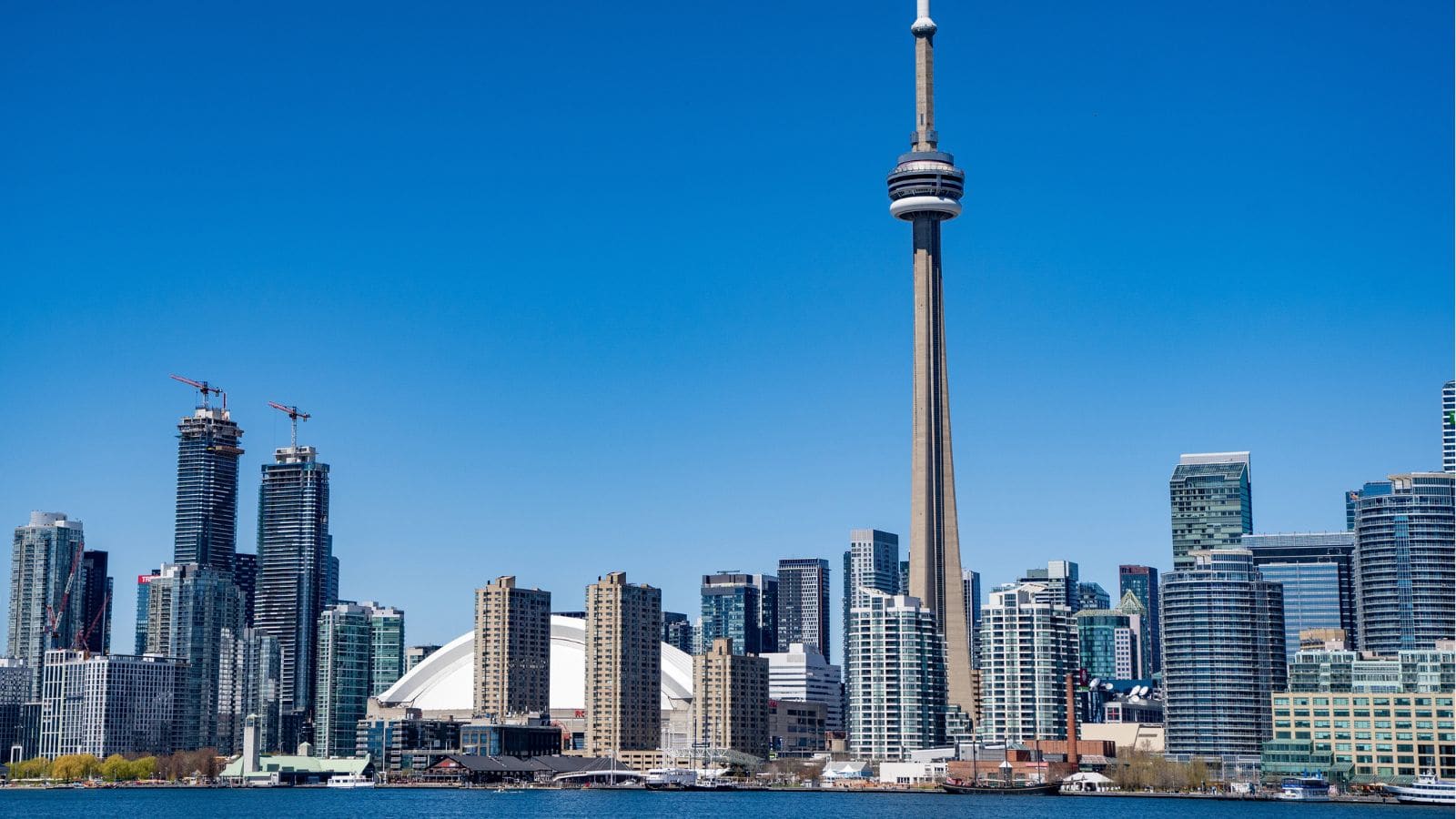
Toronto’s TTC system includes subways, streetcars, and buses that cover the city and nearby areas. The grid layout makes navigation straightforward for visitors. Contactless payment with a Presto card speeds up boarding and transfers. Maps and announcements are in English, helping tourists stay oriented. Many stations have accessibility features such as elevators and ramps. The transit system connects popular attractions, shopping districts, and neighborhoods, making it easy to get around without a car. Streetcars add a unique transit option for shorter trips within the city core. Buses cover routes beyond the subway lines.
Ride Easy, Roam Freely

Having a great public transit system can really change how you explore a city. It takes away a lot of the guesswork and hassle, letting you focus on what matters—seeing new places and having a good time. When transit is easy to use and gets you where you want to go without long waits or confusing routes, it makes traveling feel more natural.
Choosing cities with strong public transportation means you can move around smoothly and get more out of your trip. It opens up options to visit more spots, even those off the beaten path. Whether you’re visiting for a few days or longer, these cities make it simple to get around and enjoy everything on your list. Good transit can turn a good trip into a great one.